The Vintage Motorcycles
Specialists in antique, classic, veteran and vintage motorcycles.
Specialists in antique, classic, veteran and vintage motorcycles.
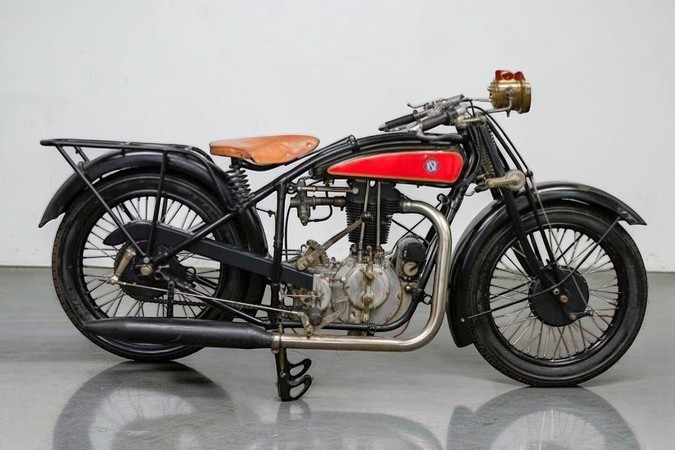
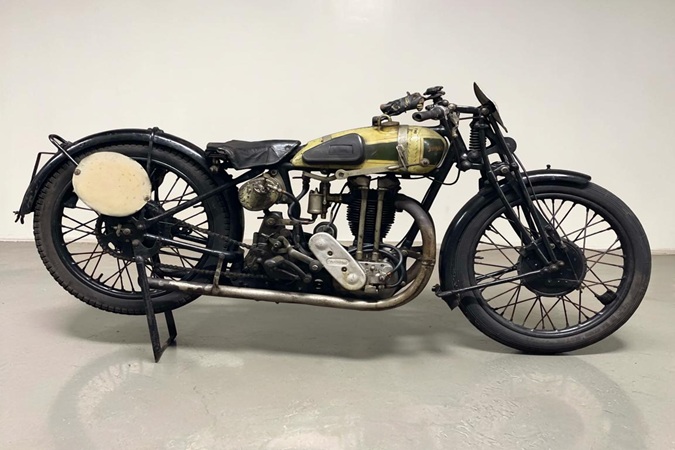
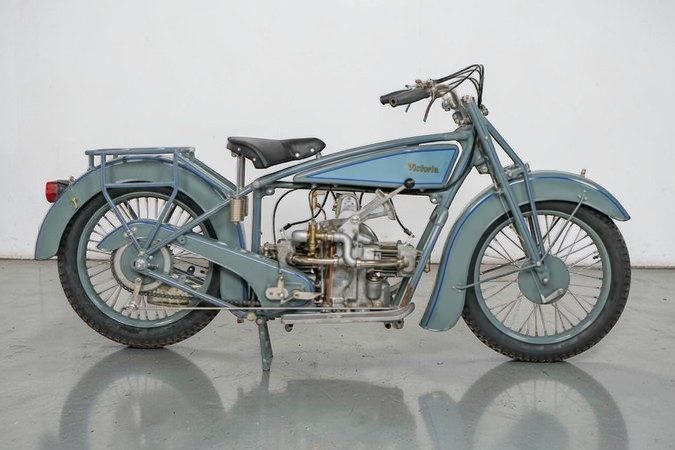
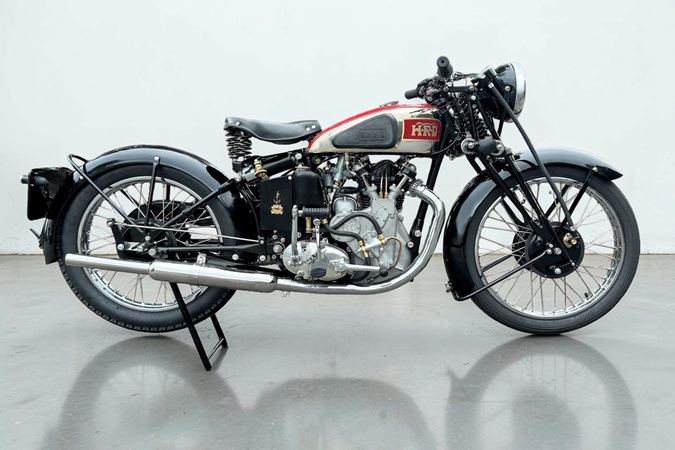
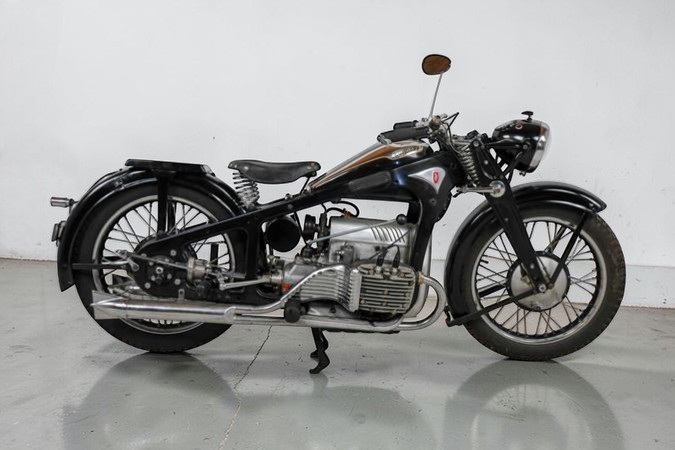
A museum-grade collection of pre-war motorcycles spanning the foundational era of global motorcycling, from early experimental machines of the 1900s to the highly refined engineering of the late 1930s. Each motorcycle represents a milestone in mechanical innovation, industrial design, and cultural transformation, preserved as a rare artifact of early motoring history.
Curated by vintage motorcycle specialists with decades of experience sourcing and evaluating historic motorcycles in Vietnam, including machines preserved in private collections, family holdings, and historic workshops. Each machine is selected for originality, provenance, and historical significance.
Pre-war motorcycles (1900-1939) represent the most important developmental phase in the history of motorcycling. This era saw the transition from experimental motorized bicycles to highly engineered machines capable of endurance racing, military deployment, and long-distance touring.
Manufacturers across Britain, Germany, France, Belgium, and the United States contributed to a rapidly evolving landscape, defining the engineering principles that continue to influence motorcycle design today. And from pioneering manufacturers such as AJS, BMW, Indian, and Harley-Davidson, pre-war motorcycles showcase hand-built craftsmanship, experimental engine configurations, and the origins of performance engineering that continue to influence modern motorcycles today.
In collector and historical classification, pre-war motorcycles are defined as machines produced before the outbreak of World War II in 1939. These motorcycles are typically characterized by rigid frames, early suspension systems, mechanical simplicity, and hand-crafted engineering techniques.
They are distinguished not only by age, but by their role in shaping the identity of early motorcycling culture and industrial progress.
Unlike mass-produced modern motorcycles, pre-war machines were often produced in limited numbers, with many surviving examples representing less than 1% of original production. As a result, authentic pre-war motorcycles are frequently classified as museum-grade artifacts due to their rarity, historical provenance, and engineering significance.
Experimental pioneer machines and early combustion engines (Motosacoche, FN)
Emergence of structured production and early touring capability
Rapid industrial growth and global brand expansion (AJS, Douglas, BMW, Indian)
Peak engineering refinement and performance development before WWII
Final generation of pre-war innovation before wartime production shift
This collection spans a wide range of historically significant manufacturers, including British, German, French, Belgian, and American engineering pioneers.
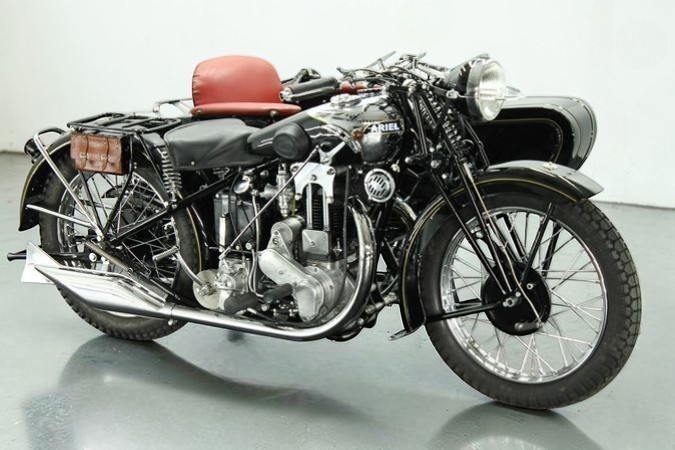
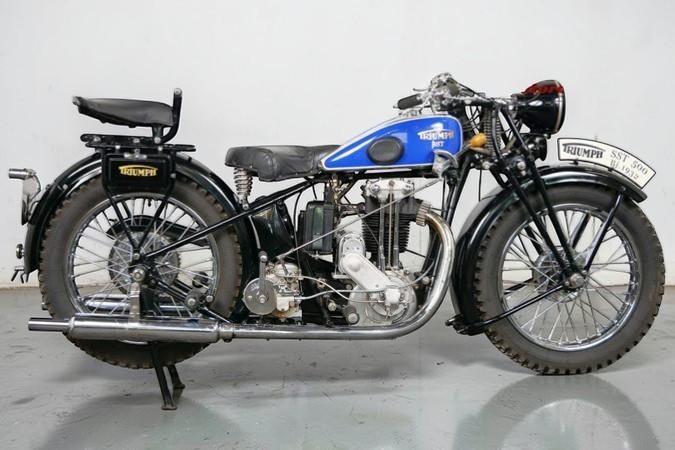
Notable marques represented include AJS, Ariel, BMW, BSA, Douglas, FN, Indian, Harley-Davidson, Henderson, Norton, Rudge, Sunbeam, Triumph, and many others.
Each manufacturer contributed unique engineering philosophies - from flat-twin engines and shaft drive systems to early racing innovations and military-grade durability.
Pre-war motorcycles occupy the highest tier of historical significance within the collector market. Due to limited production numbers, survival rates are extremely low, particularly for early 1900s and 1910s machines.
Many examples exist today only through decades of careful preservation, restoration, or long-term private ownership.
As a result, museum-grade pre-war motorcycles are considered blue-chip collector assets, frequently traded through private sales and international auctions.
Key features defining this era include rigid or hardtail frames, belt or early chain drive systems, hand-shift gearboxes, and low-displacement single or twin-cylinder engines.
By the 1930s, manufacturers had introduced more advanced developments, including overhead valve engines, improved braking systems, and early forms of suspension engineering.
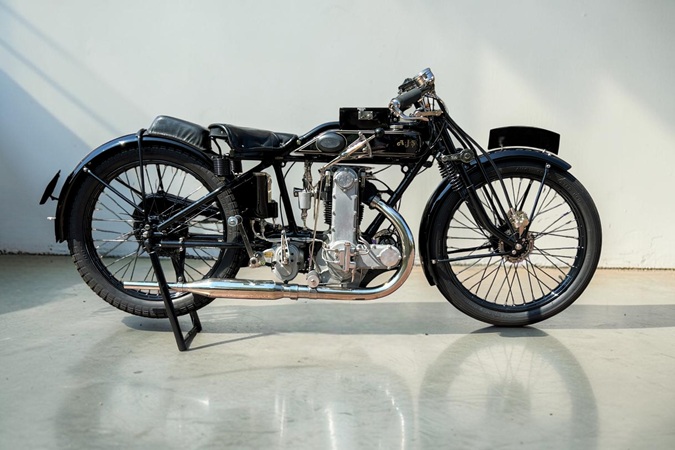
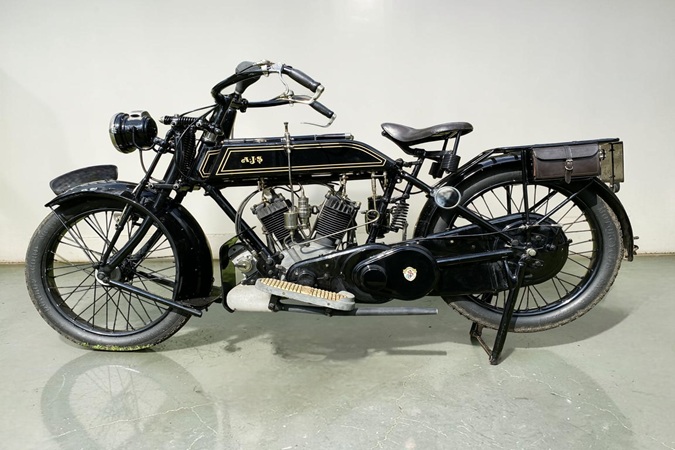
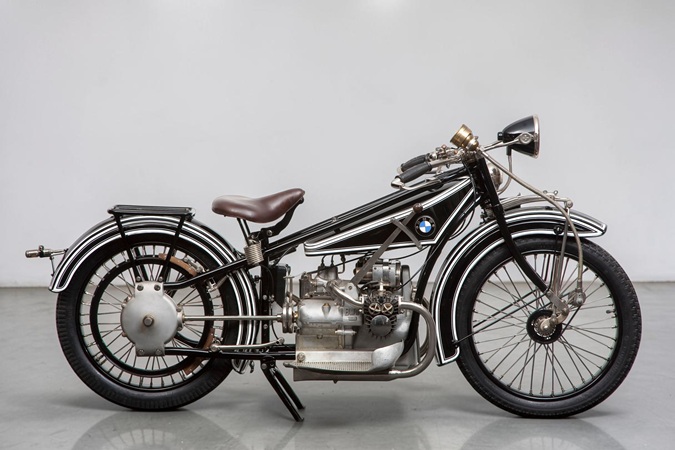
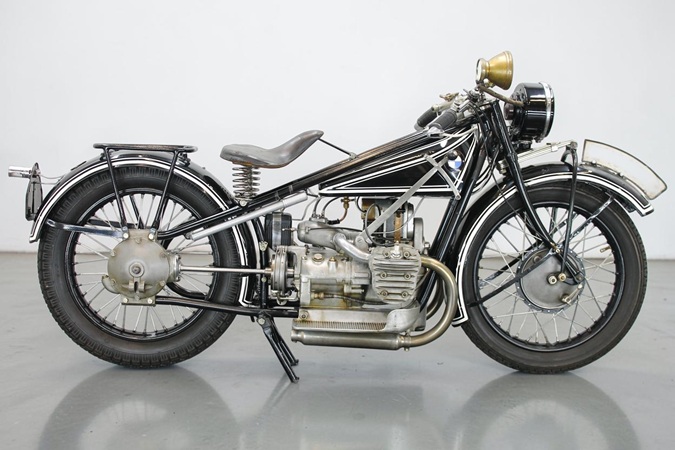
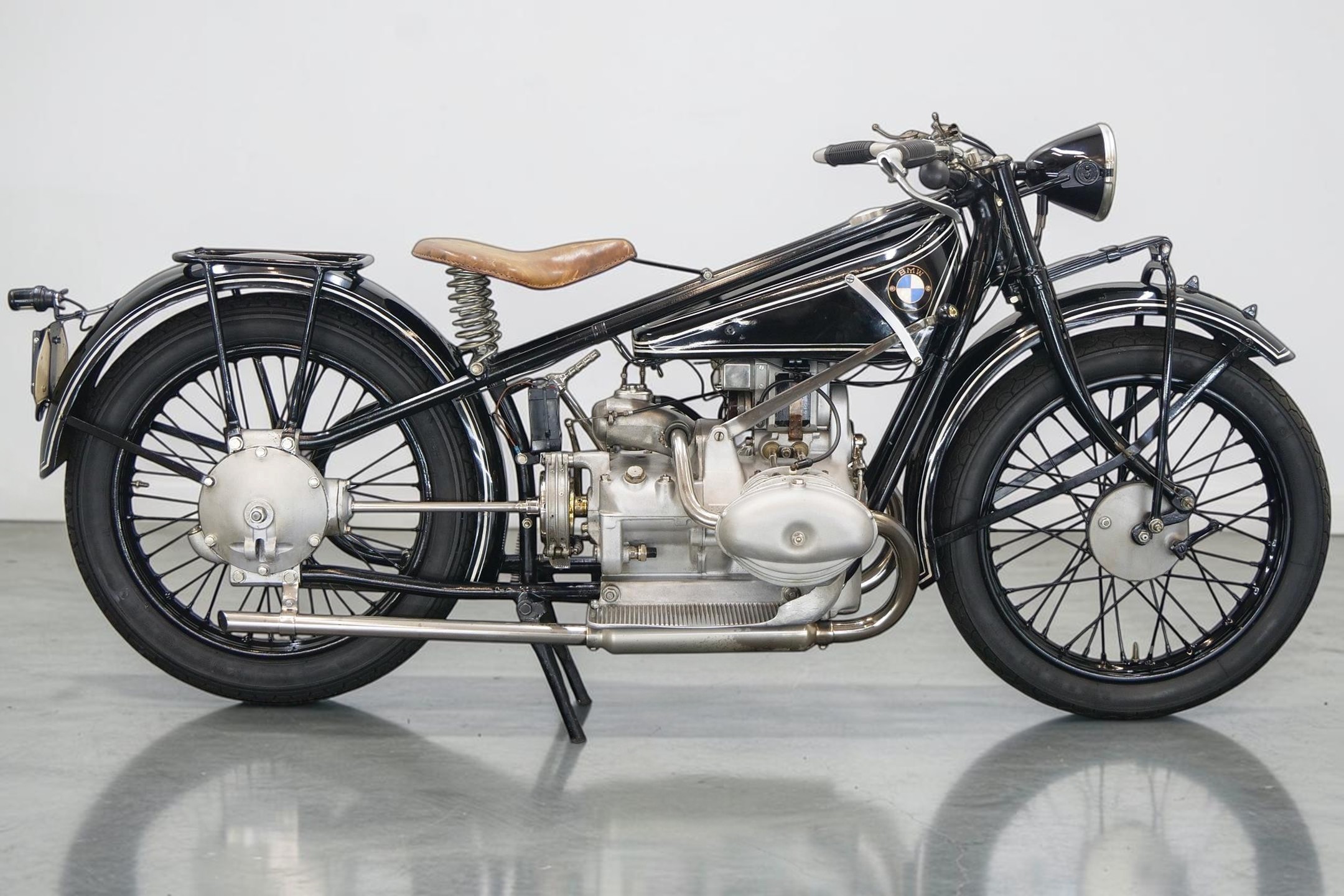
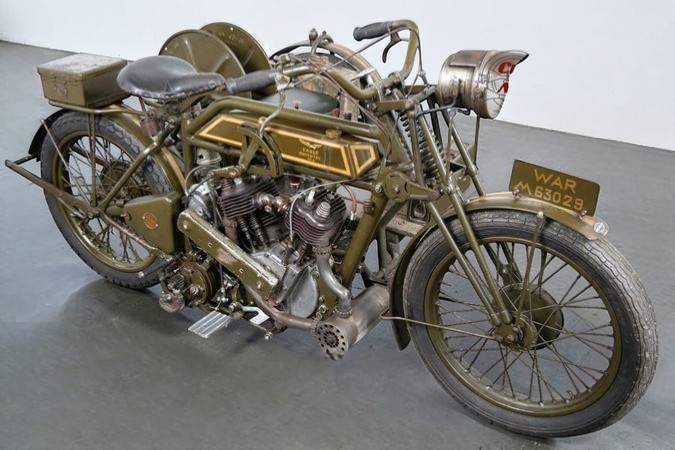
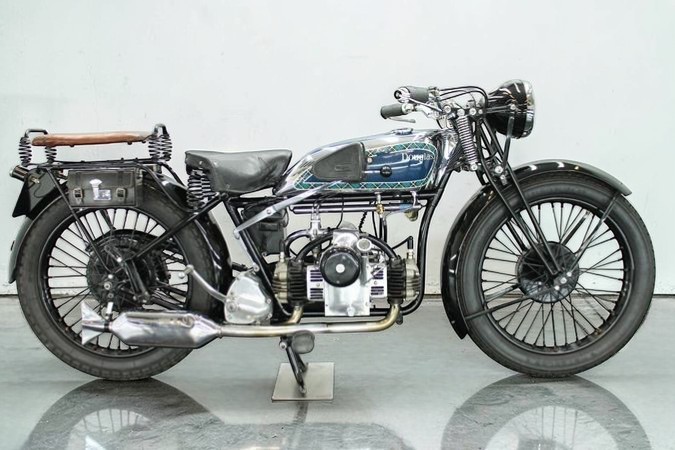
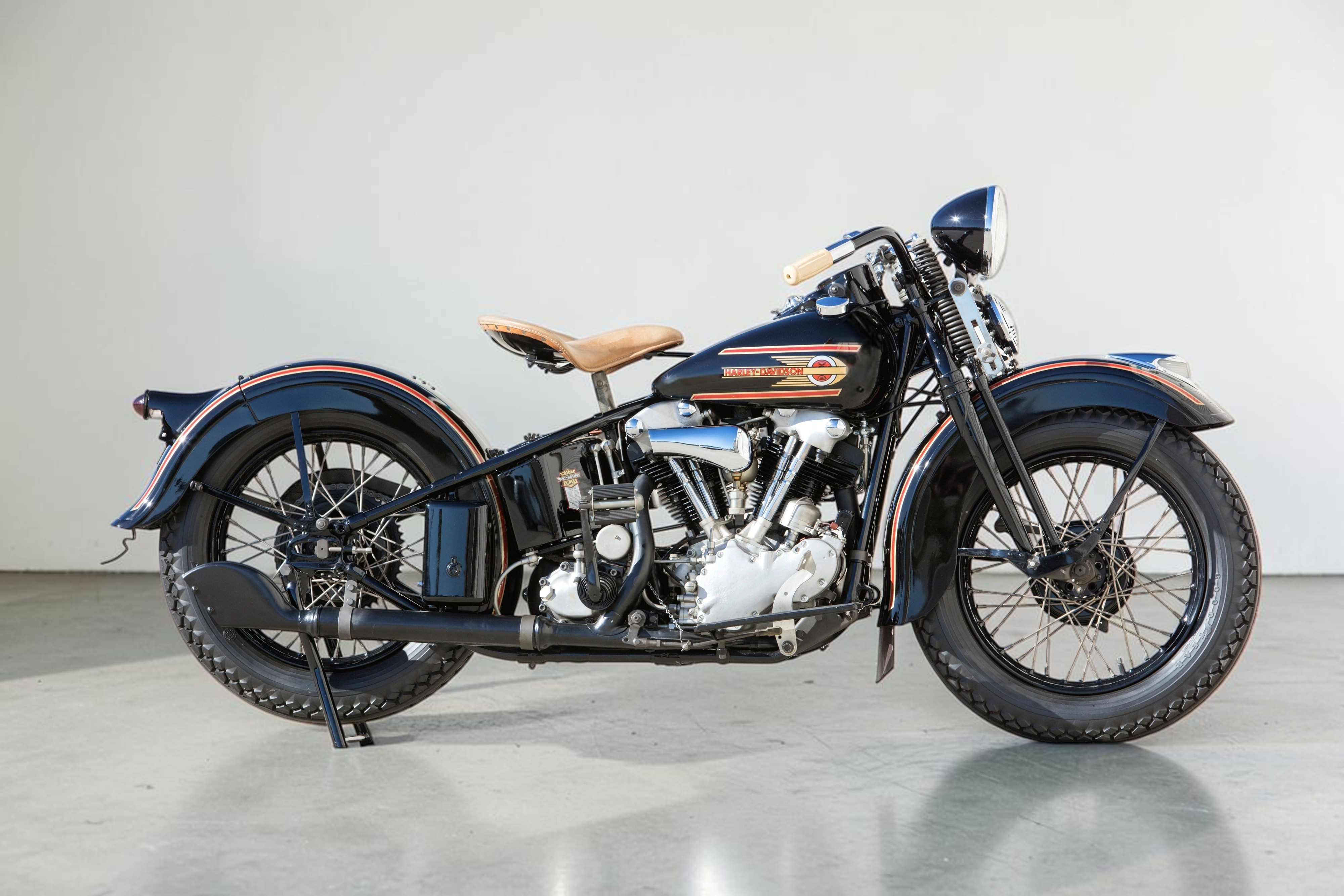
Highlights from the collection include early pioneer machines such as the 1902 Motosacoche 214cc, 1909 FN Legere, and 1913 Excelsior 7C, as well as interwar classics like the 1920 Douglas B20, 1924 BMW R32, and 1925 Indian Scout.
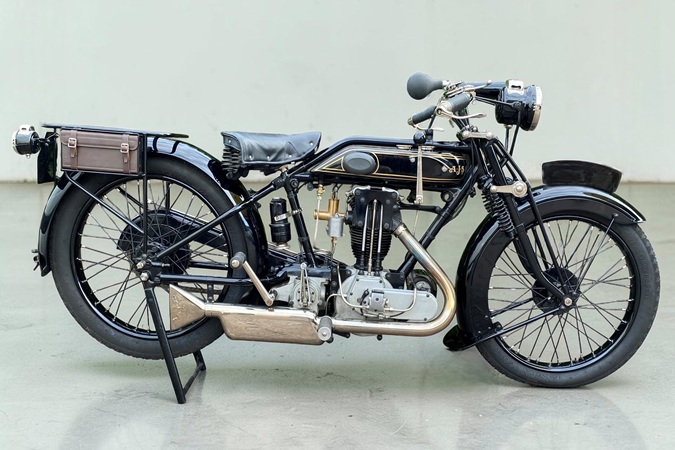
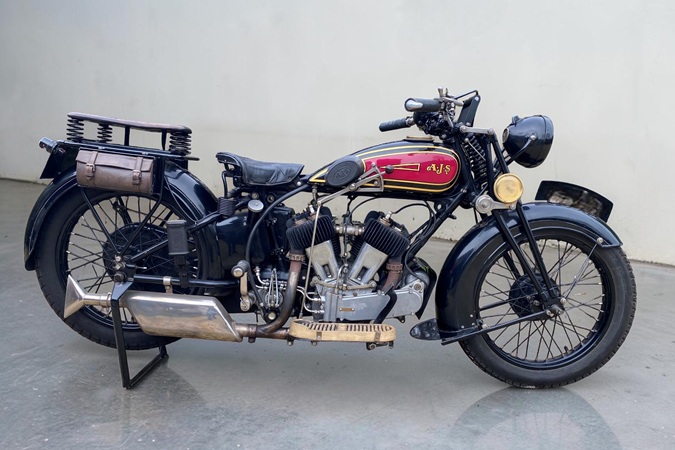
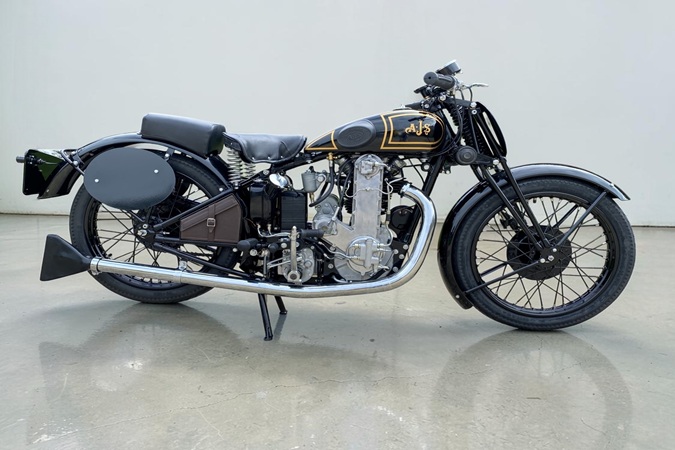
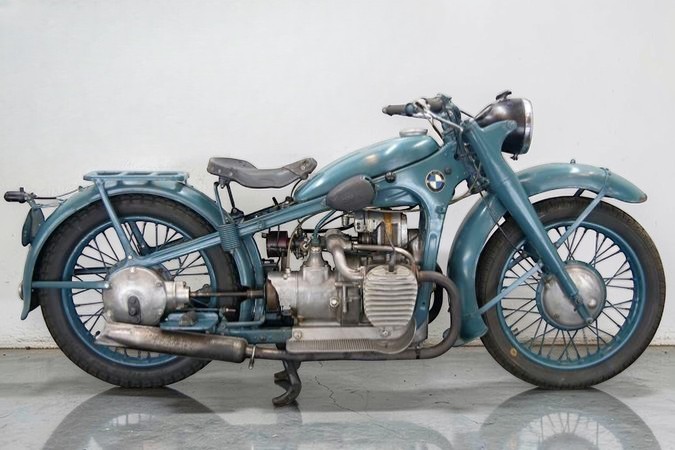
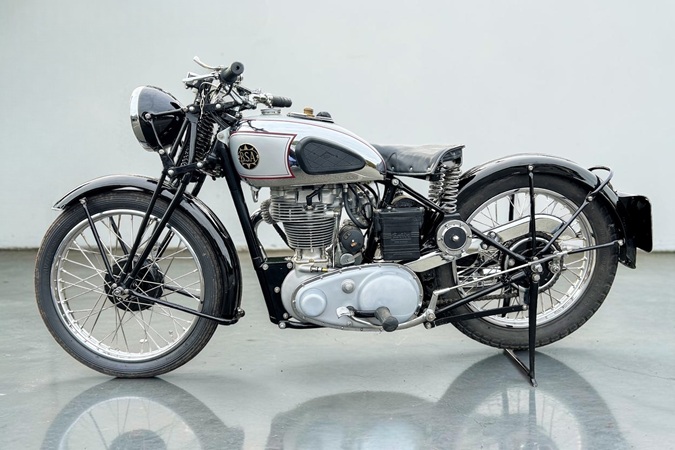
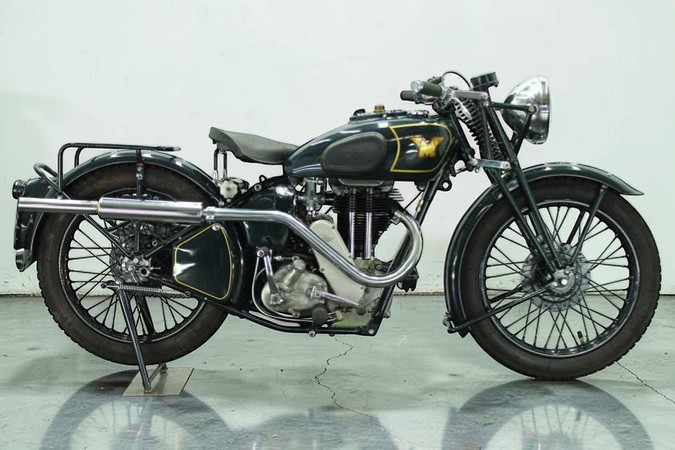
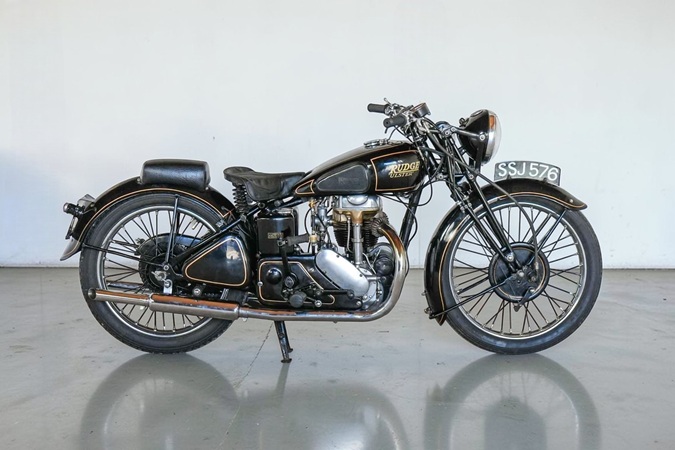
The 1930s are represented by highly refined performance machines, including the 1937 BMW R17, 1938 AJS Silver Streak models, 1937 Rudge Ulster, and 1939 Zundapp KS600.
These motorcycles represent the peak of pre-war engineering before the global shift to wartime production.
Unlike later motorcycles, pre-war machines are regarded as mechanical artifacts rather than simply vehicles. They document the evolution of engineering thought, manufacturing capability, and early 20th-century industrial ambition.
Each surviving example carries historical context tied to its era, making it both a collectible asset and a cultural document.
When acquiring a pre-war motorcycle, collectors should prioritize authenticity, matching numbers, originality of components, and documented provenance.
Due to the age of these machines, restoration quality and historical accuracy play a critical role in determining value.
All motorcycles in this collection are inspected for collector-grade standards, ensuring mechanical integrity and historical correctness.
Below is a curated selection of pre-1939 motorcycles currently available. Each machine is documented, verified, and offered with international shipping options.
We offer museum-grade pre-war motorcycles to collectors worldwide, including Europe, the United States, United Kingdom, Australia, and Asia.
All motorcycles are professionally crated and shipped with full export documentation and insurance.
The history of vintage motorcycles is defined by several important eras, each representing a major transformation in engineering, manufacturing, design philosophy, and motorcycle culture. From pioneering early machines and pre-war motorcycles to military models, post-war classics, and modern collectible icons, every period reflects the technological progress and craftsmanship that shaped the motorcycle industry.
Our Vintage Motorcycle Eras Guide explores the key historical periods that define motorcycle collecting today, including significant manufacturers, engineering innovations, iconic models, and the factors that determine historical importance and collector value.
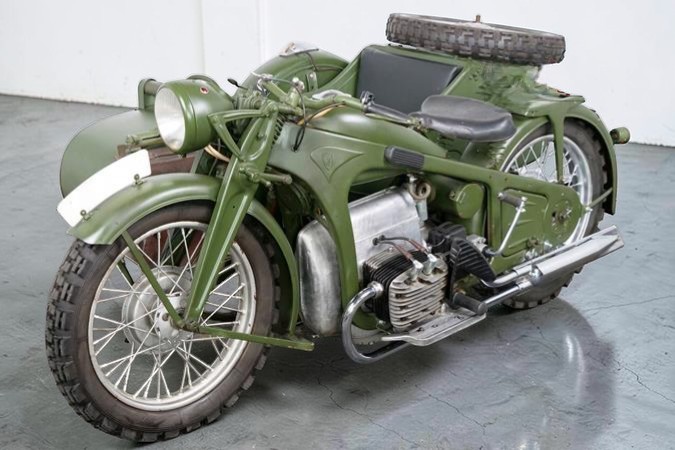
The Second World War represented a critical turning point in motorcycle development, transforming motorcycles from civilian transportation into highly specialized military machines.
The WW2 Military Motorcycle Era introduced motorcycles engineered for extreme reliability, field repairability, rugged terrain, and long-distance operational use. Manufacturers developed stronger frames, simplified mechanical systems, and durable designs that later influenced touring, utility, and adventure motorcycles for decades.
Following the wartime period, motorcycle manufacturers entered a new era focused on mass production, improved reliability, performance development, and global expansion. The transition into the Post-War Motorcycle Era (1945-1990s) introduced a new generation of machines that combined proven wartime engineering principles with modern manufacturing techniques and evolving rider expectations.
The post-war decades established many of the motorcycles now considered modern classics, including performance motorcycles, touring machines, and culturally significant models from major global manufacturers.
This era represents the bridge between traditional hand-built motorcycles and the advanced engineering standards that define contemporary collector motorcycles.
Explore Post-War Motorcycles →For a comprehensive overview of available machines across all historical periods, the global motorcycle collection provides a curated archive of collector-grade motorcycles, categorized by era, engineering type, and historical significance.
A pre-war motorcycle generally refers to motorcycles manufactured before World War II, most commonly covering the period from the early 1900s through 1939. These machines represent the early development of motorcycle engineering before major post-war technological changes.
The pre-war motorcycle era is usually defined as the period between 1900 and 1939. This period includes the pioneering years of early motorized bicycles, the growth of major motorcycle manufacturers, and the golden age of classic motorcycle design.
Some of the most collectible pre-war motorcycle brands include Brough Superior, Indian, Harley-Davidson, BMW, Norton, AJS, Triumph, Ariel, and Vincent. Collectibility depends on rarity, historical importance, originality, documentation, and condition.
The value of a pre-war motorcycle is influenced by several factors including production numbers, originality, mechanical condition, provenance, historical significance, racing achievements, and the quality of restoration work.
Original motorcycles with matching components are often highly valued by collectors because they preserve historical authenticity. However, professionally restored motorcycles can also be desirable when restoration quality, documentation, and accuracy are exceptional.
Many well-maintained pre-war motorcycles can still be ridden today, but they require more attention than modern motorcycles. Owners should understand vintage mechanical systems, maintenance requirements, and the availability of replacement parts.
Before purchasing a pre-war motorcycle, collectors should inspect originality, engine numbers, frame condition, mechanical operation, restoration history, documentation, and the availability of authentic replacement parts.
Pre-war motorcycles represent the foundation of modern motorcycle engineering. Innovations developed during this era included improved suspension systems, larger displacement engines, better transmissions, and manufacturing techniques that influenced future motorcycles.
Registration requirements vary by country and region. Many historic motorcycles can be registered for road use if they meet local regulations, have proper documentation, and pass required inspections.
Collectors typically find authentic pre-war motorcycles through specialist vintage motorcycle dealers, historic auctions, private collections, and established marketplaces focused on classic and antique motorcycles.
For serious collectors, understanding the historical context and engineering evolution of pre-war motorcycles is essential before acquisition. The pre-1939 era represents the foundation of modern motorcycling, defined by mechanical innovation, hand-built craftsmanship, and the emergence of competitive racing across Europe and the United States.
Manufacturers such as AJS, BMW, Indian, Harley-Davidson, Norton, and Moto Guzzi played a critical role in shaping early motorcycle engineering - from experimental engine configurations to endurance reliability and Grand Prix performance.
This curated knowledge base explores the legacy of pre-war motorcycles across multiple countries and manufacturers, offering insights into rarity, historical significance, and long-term collector value.
Discover the evolution of pre-war motorcycles within the broader context of early industrial engineering - including the rise of British, German, American, and European manufacturers during the golden age of motorcycling (1900-1939):
Pre-war motorcycles occupy the highest tier of the vintage motorcycle market due to their rarity, historical provenance, and engineering significance. Collectors evaluate these machines based on originality, matching numbers, documented ownership history, and association with early racing or military use.
Understanding market trends and valuation factors is essential for acquiring museum-grade motorcycles and making informed long-term investments.
Explore the engineering principles, racing heritage, and cultural impact of pre-war motorcycles - including early Grand Prix competition, endurance racing, and the transition from experimental machines to standardized production models.
This period laid the foundation for modern motorcycle design, influencing everything from engine architecture to frame construction and performance tuning.
Explore our collection of authentic pre-war motorcycles from the golden age of motorcycle engineering. Whether you are searching for a rare collector piece, an investment motorcycle, or a historic machine to preserve, our team can help you find the right motorcycle.
Contact Our Collection Team