
The Vintage Motorcycles
Specialists in antique, classic, veteran and vintage motorcycles.
Specialists in antique, classic, veteran and vintage motorcycles.
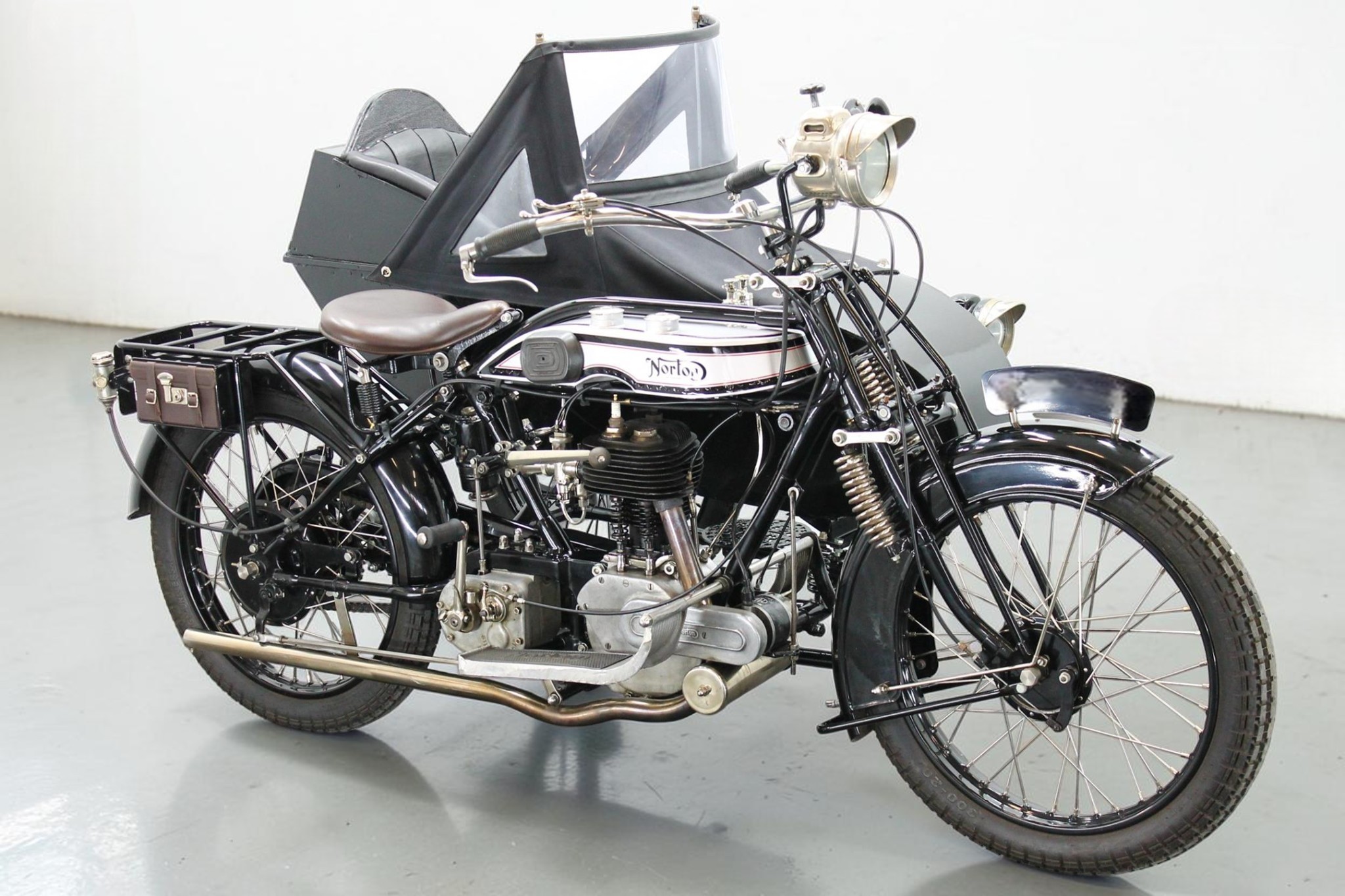
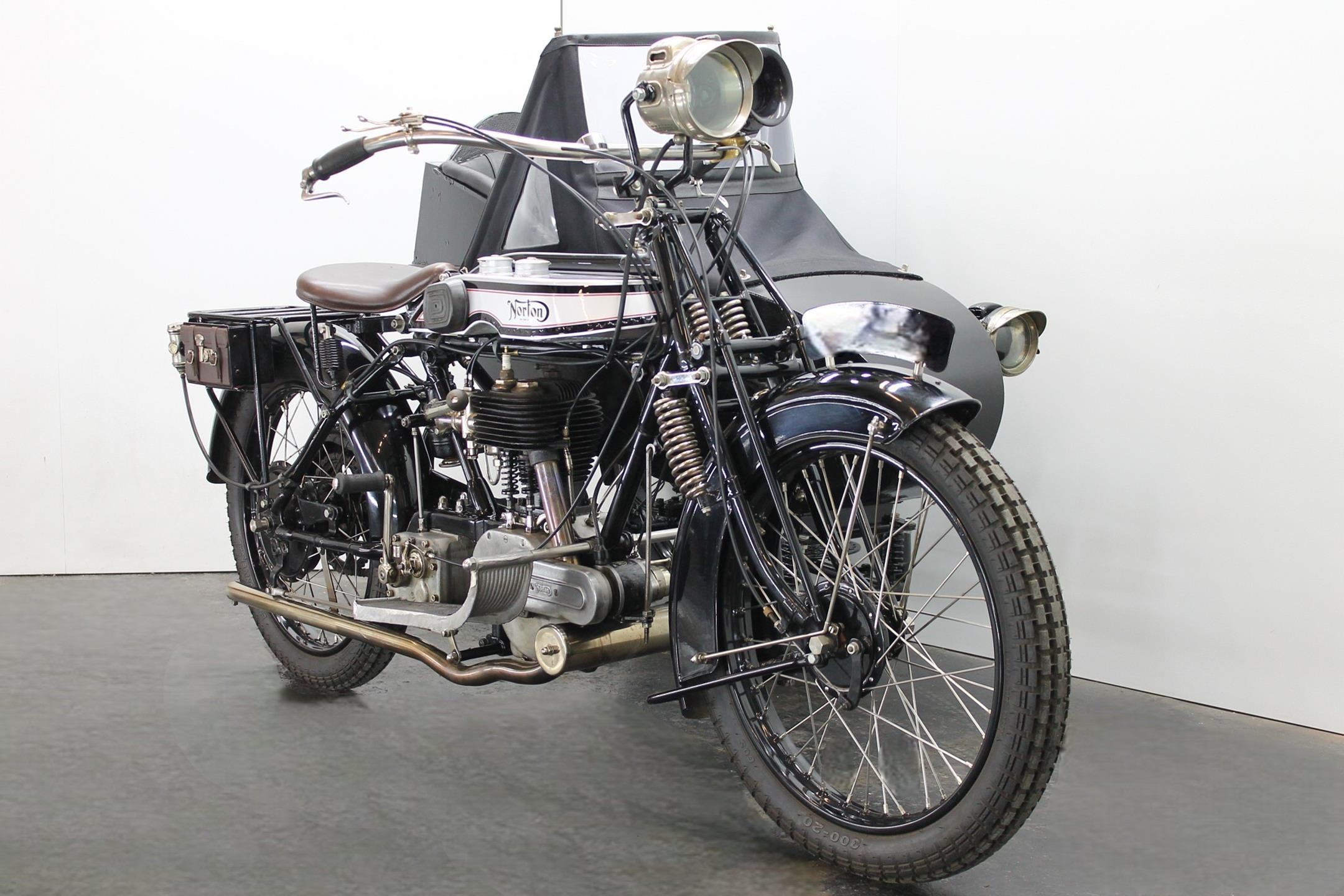
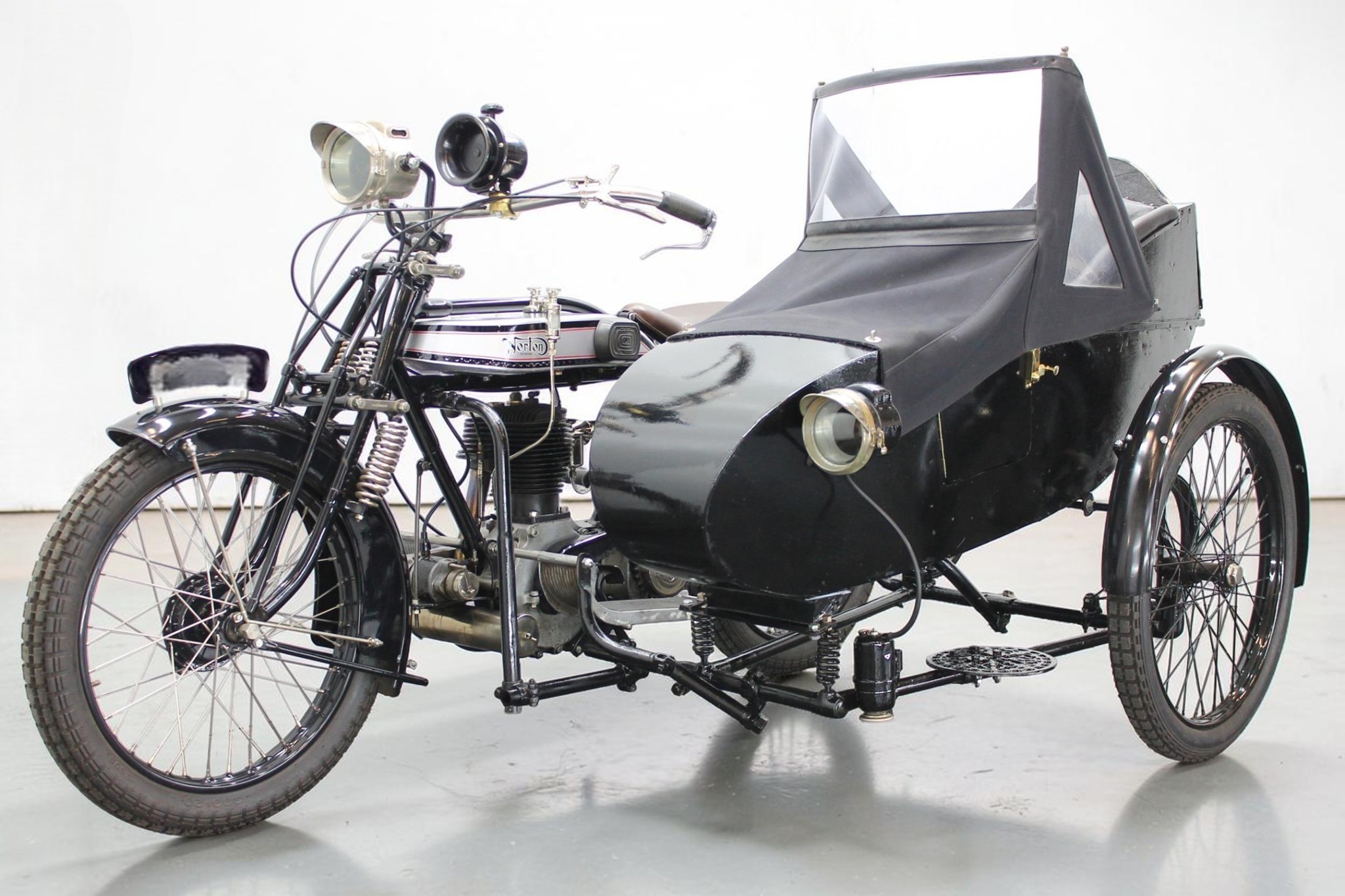
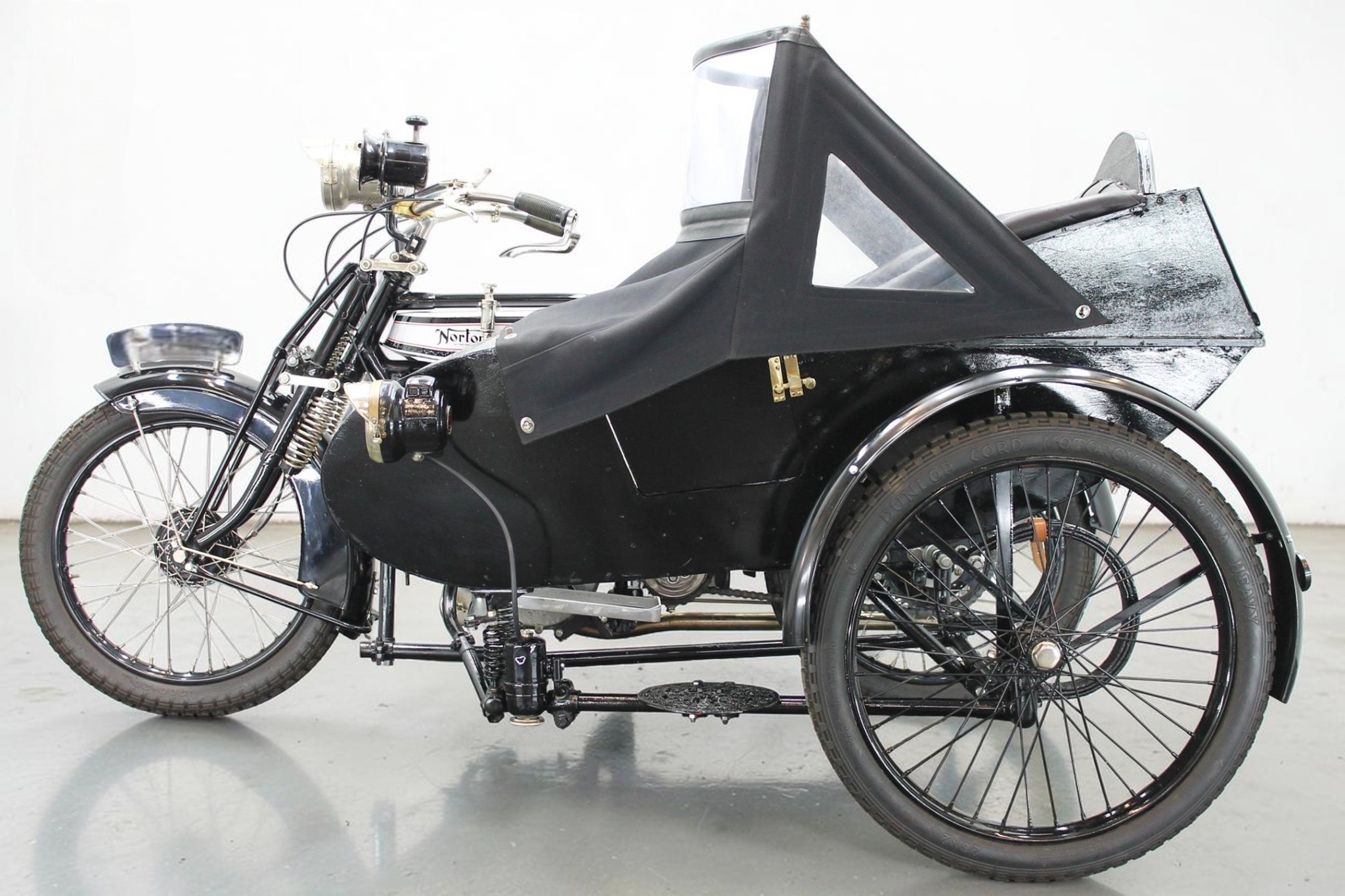
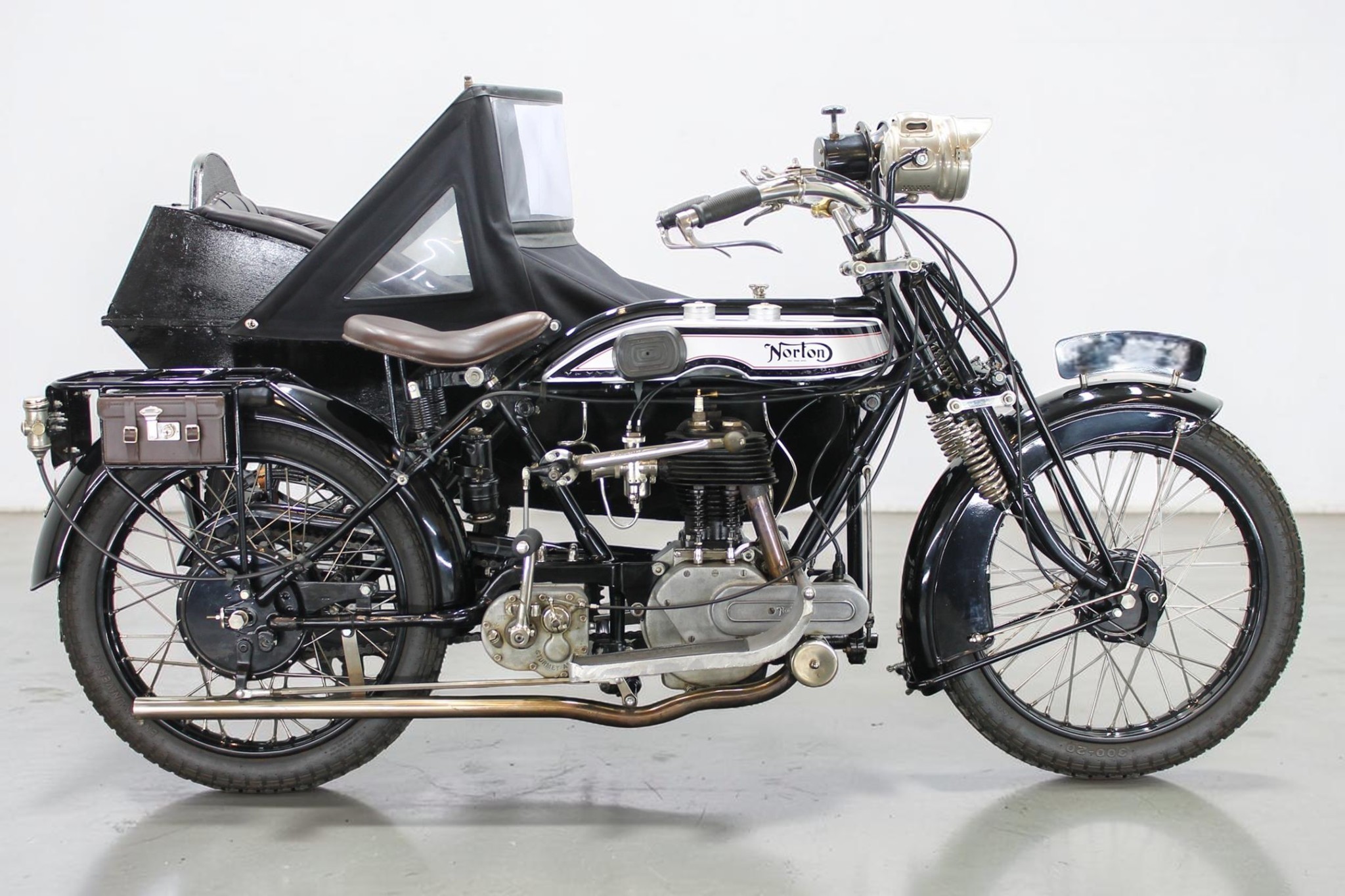
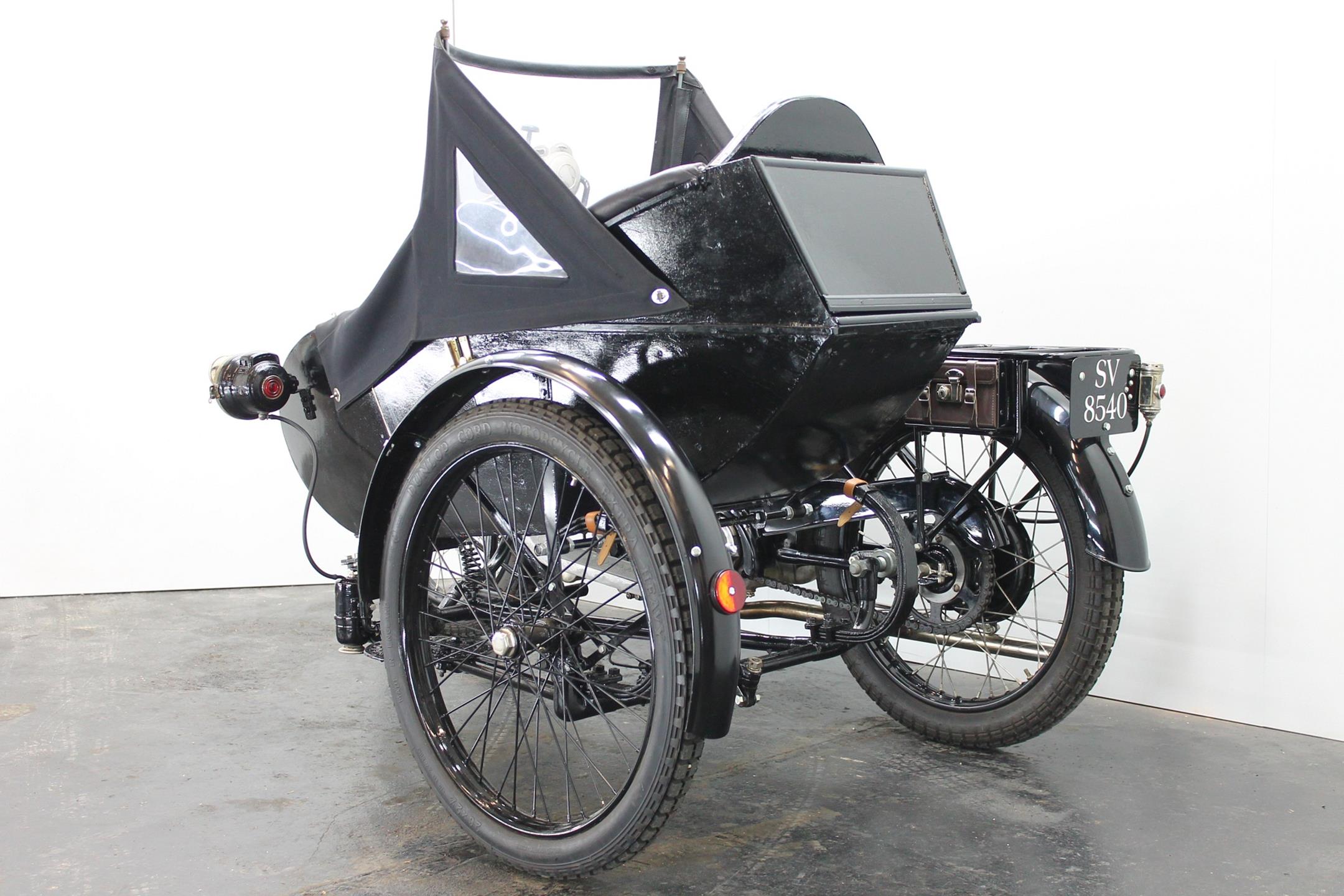
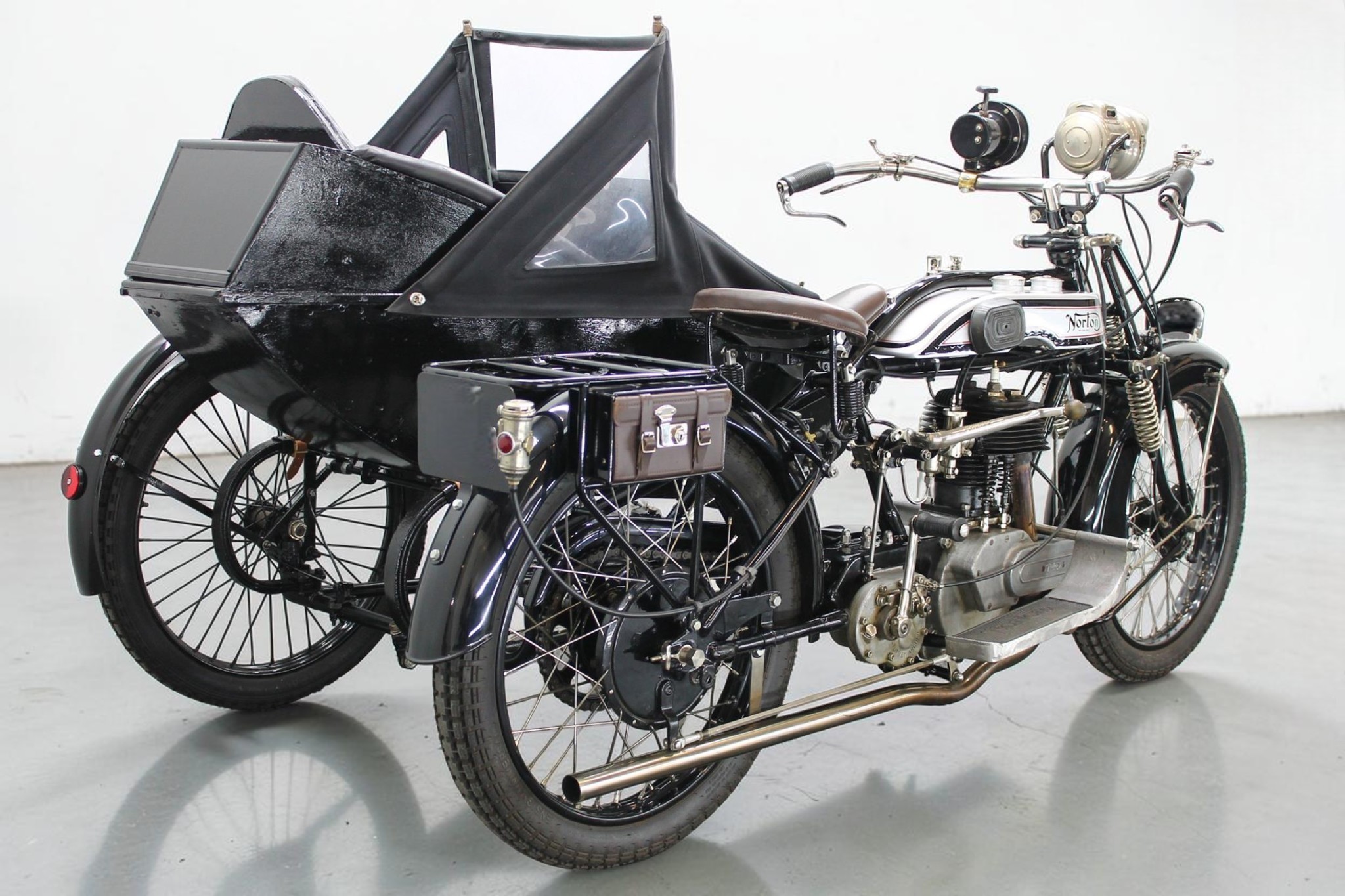
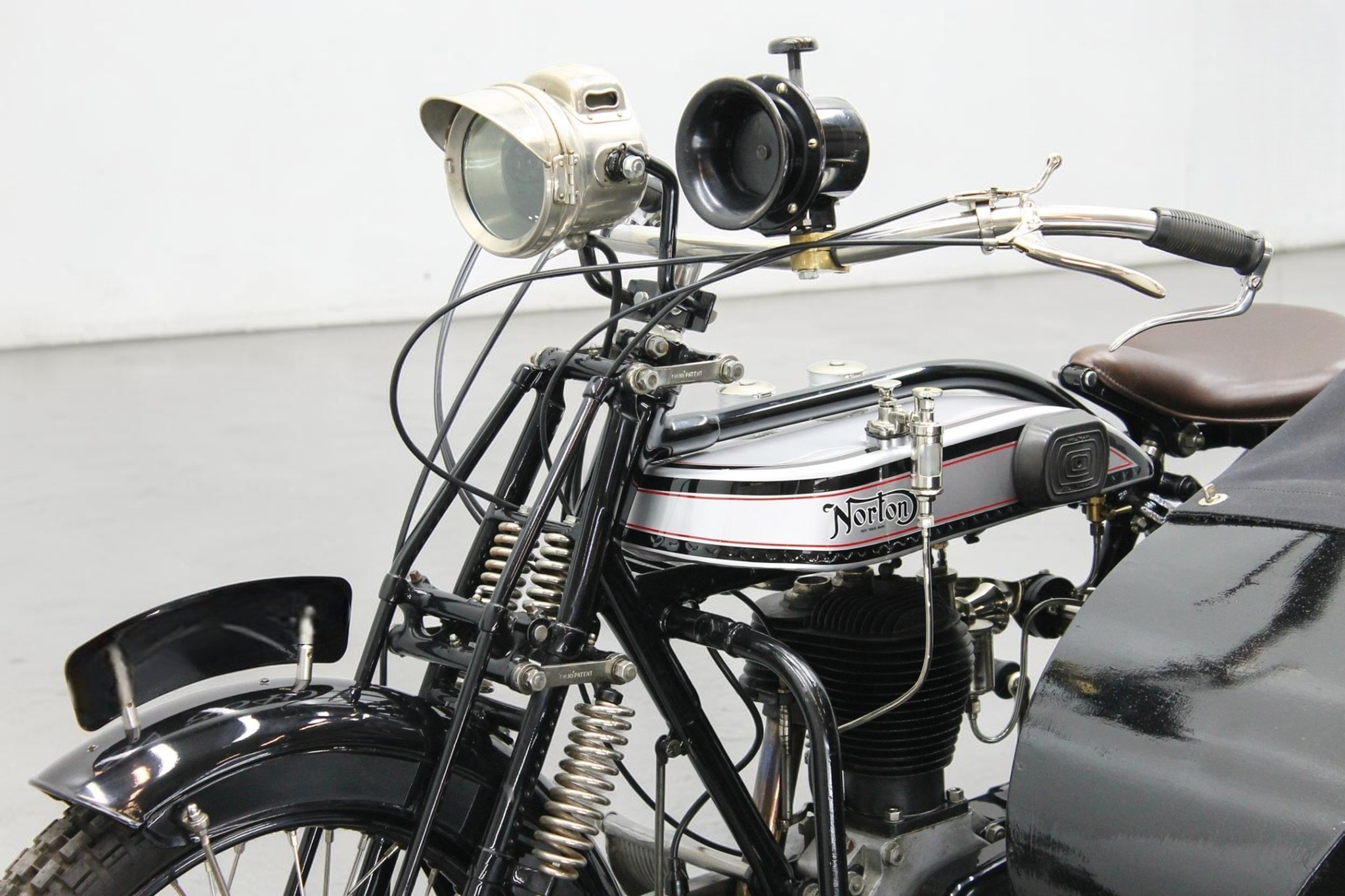
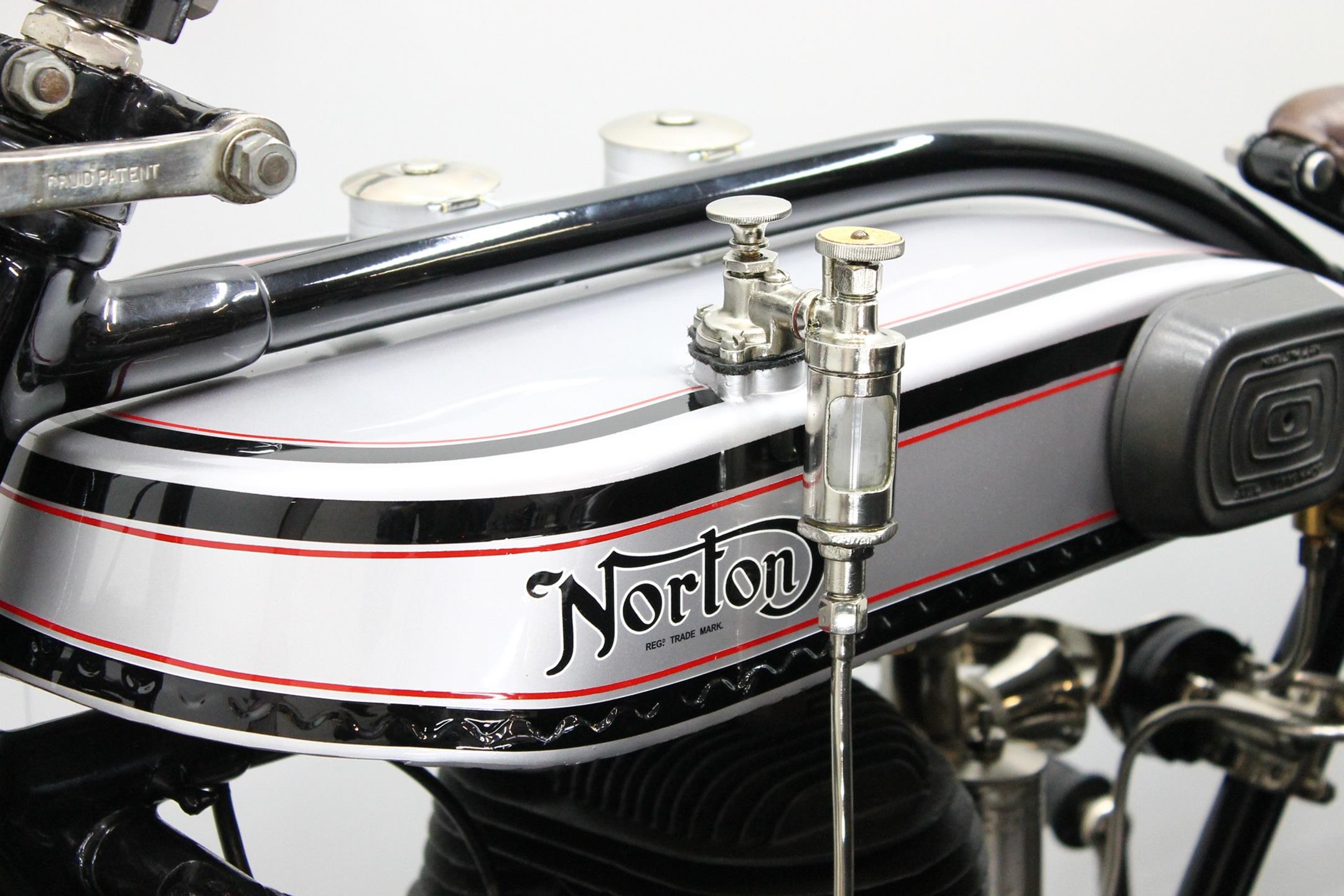
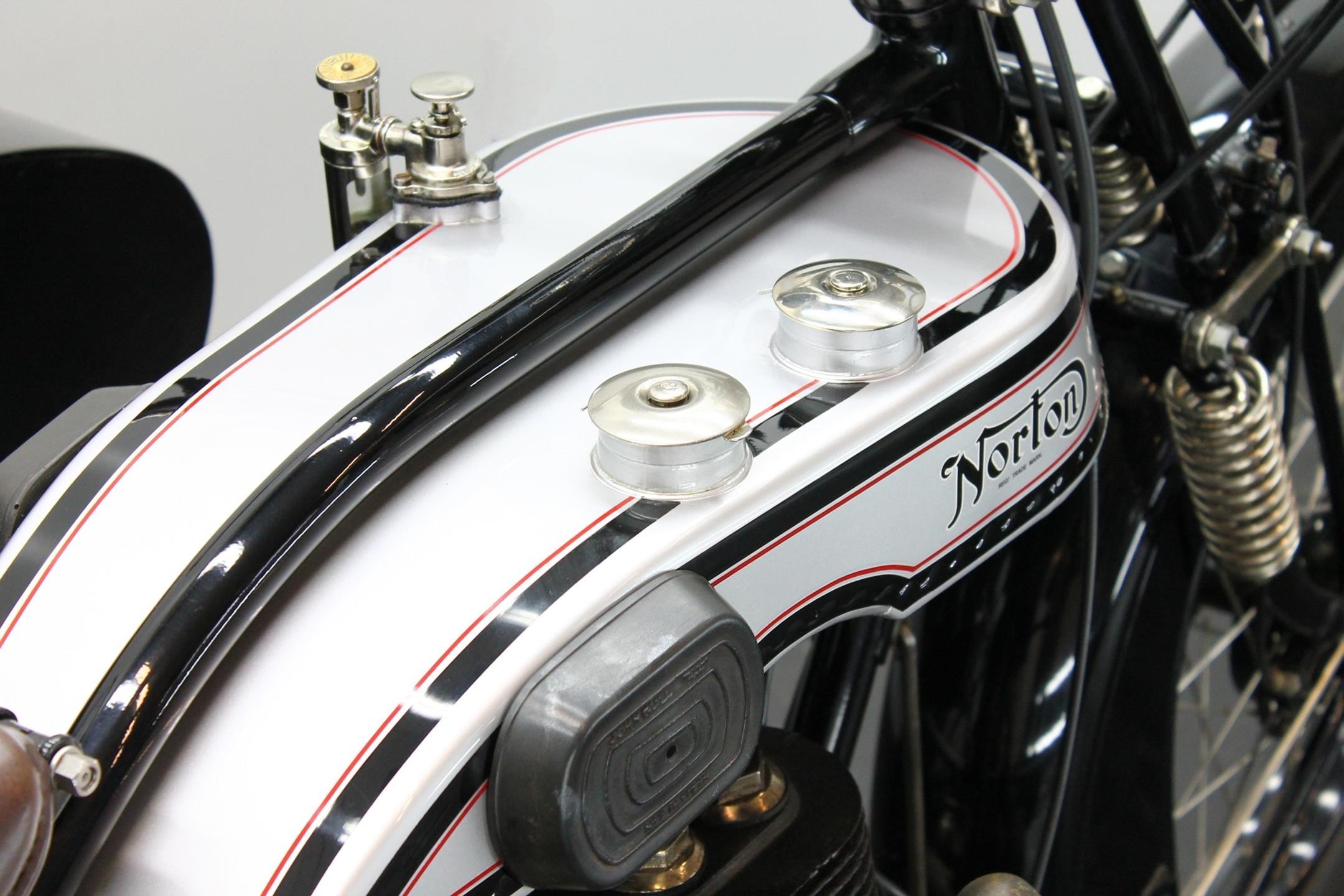
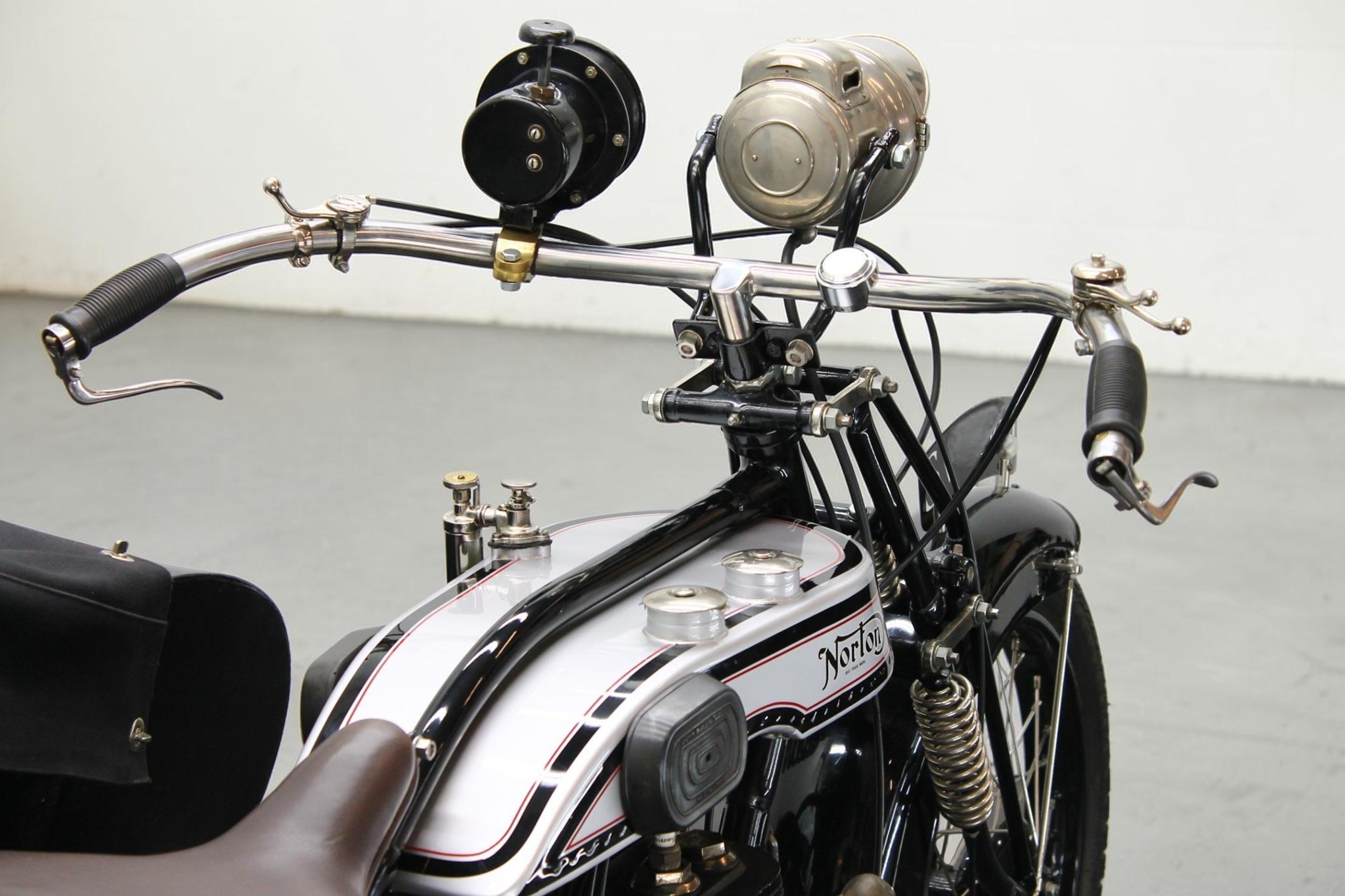
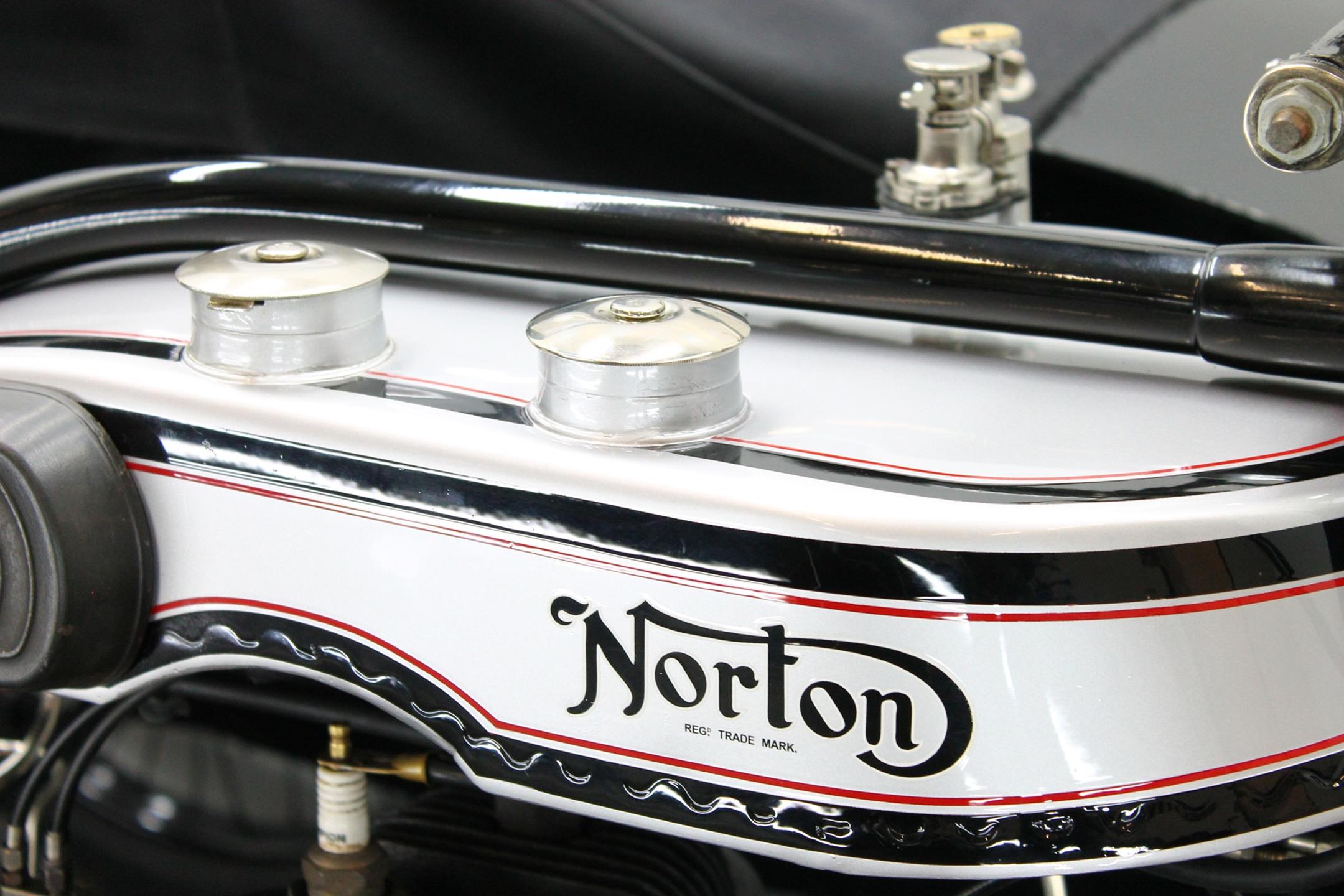

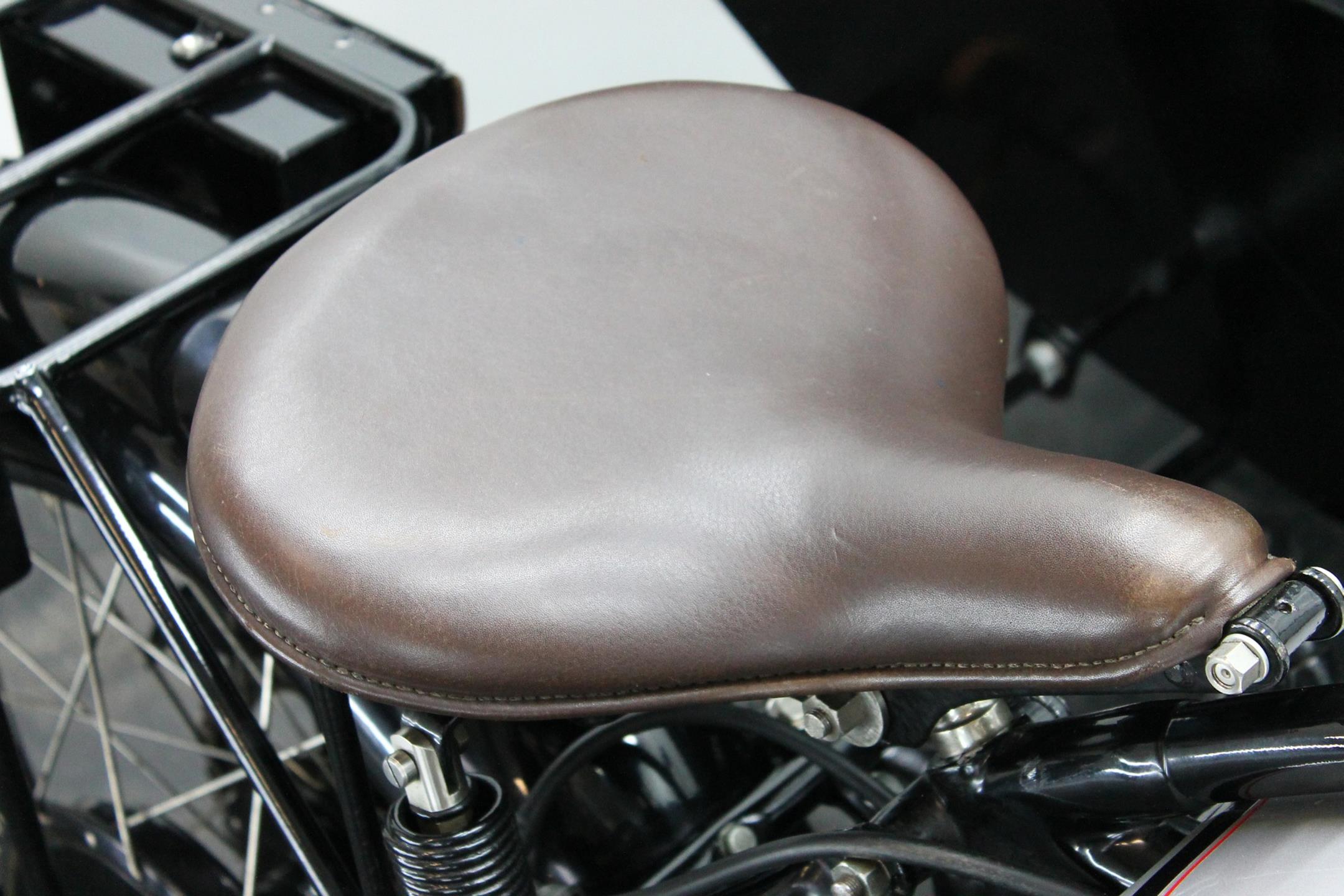
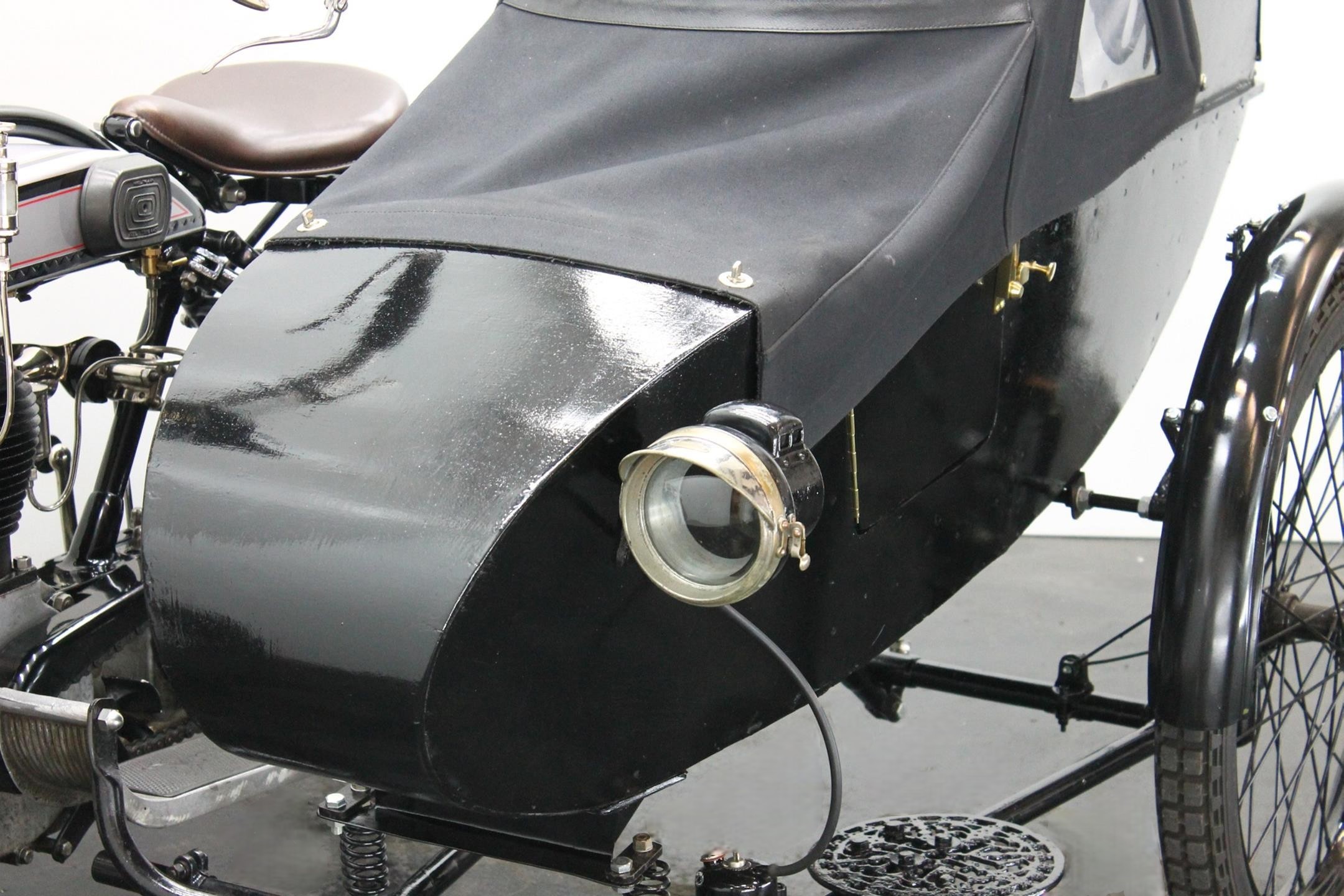
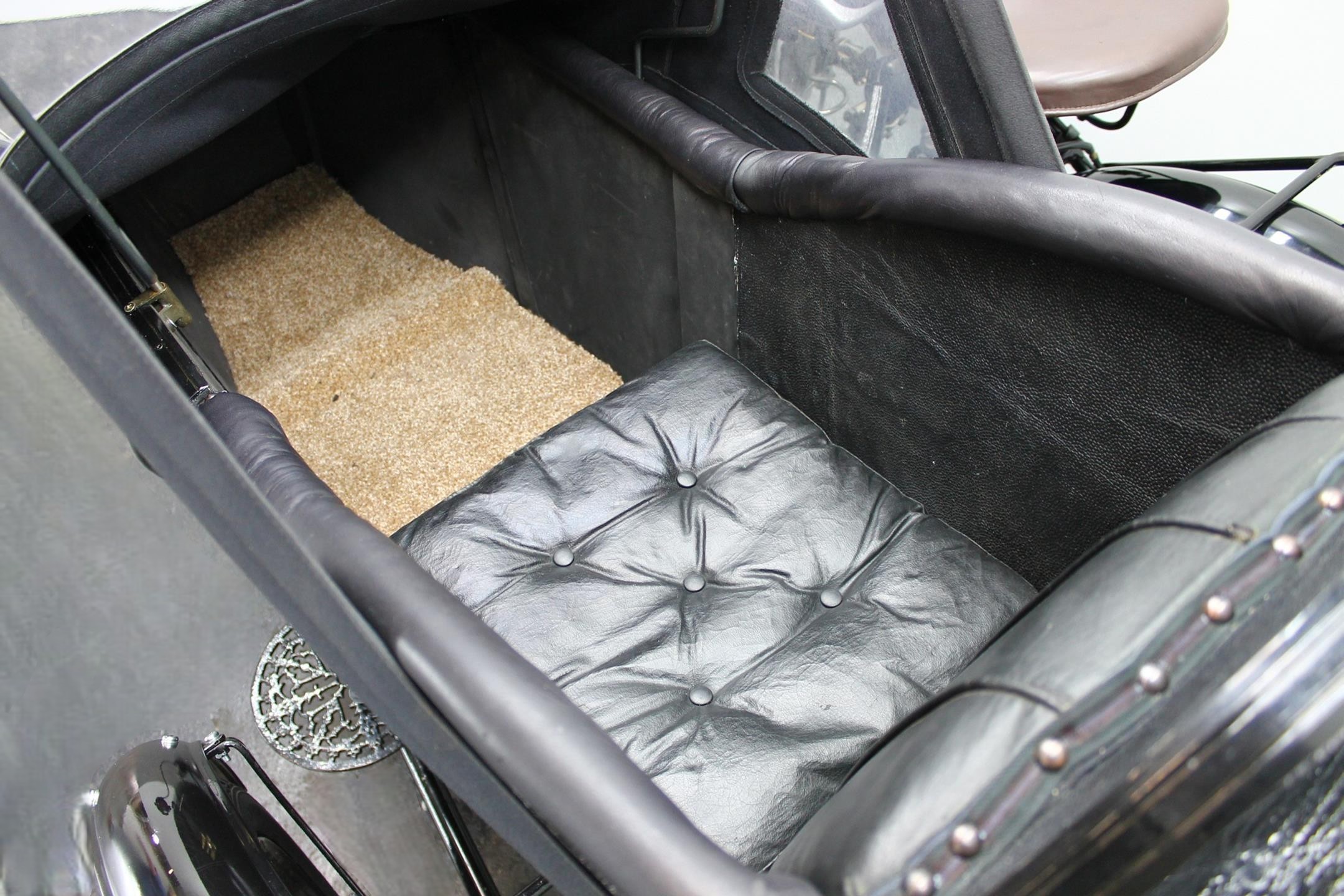
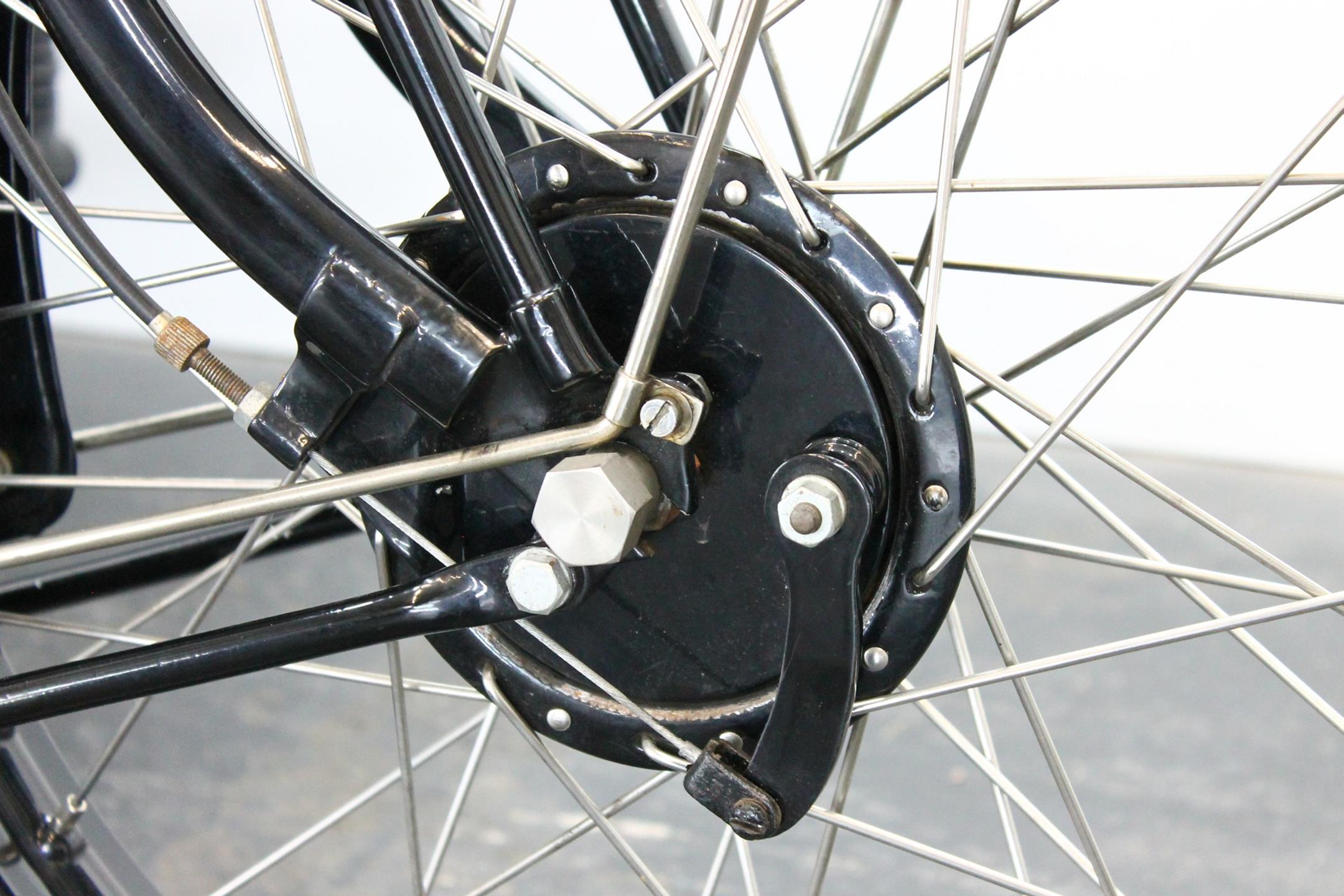

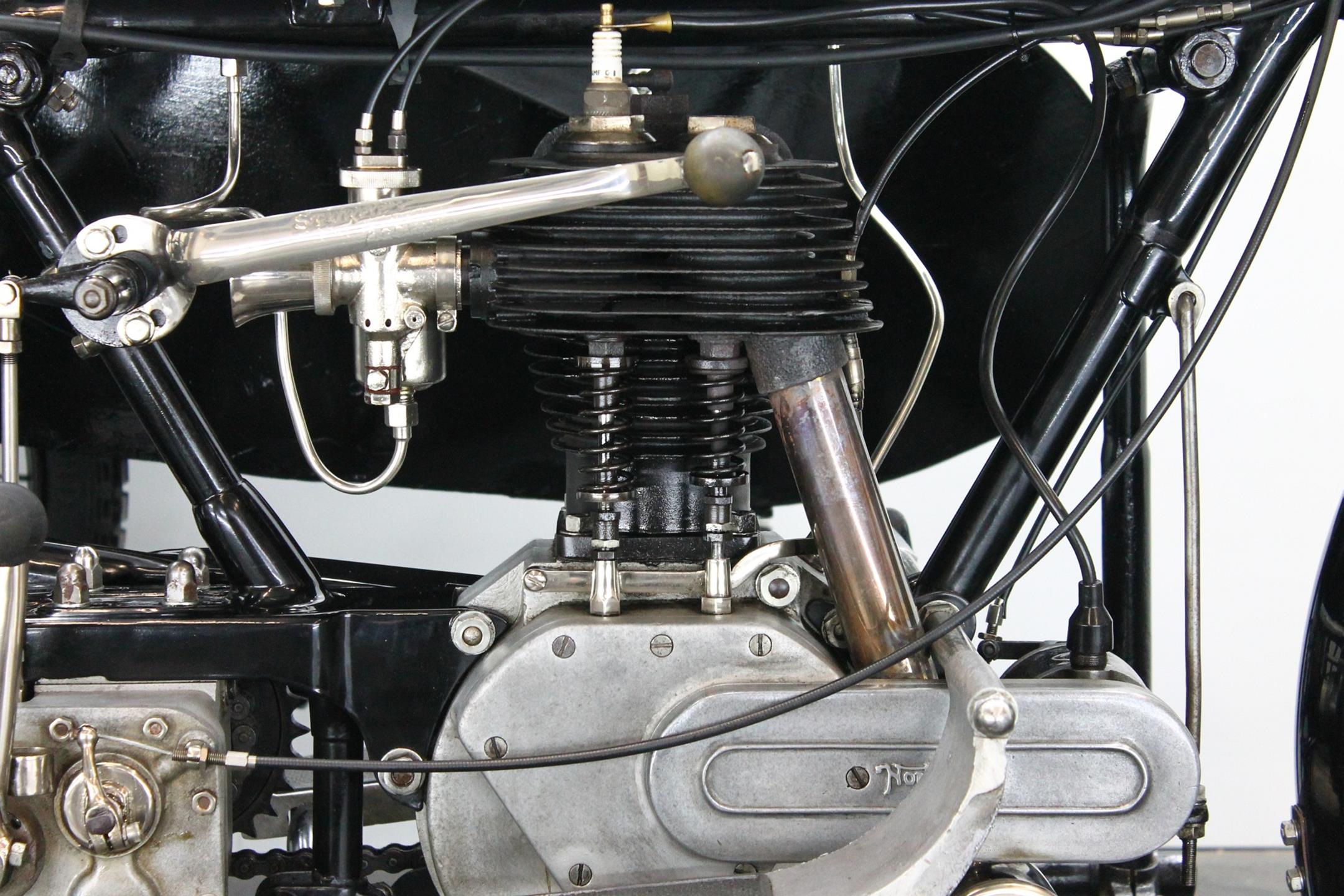
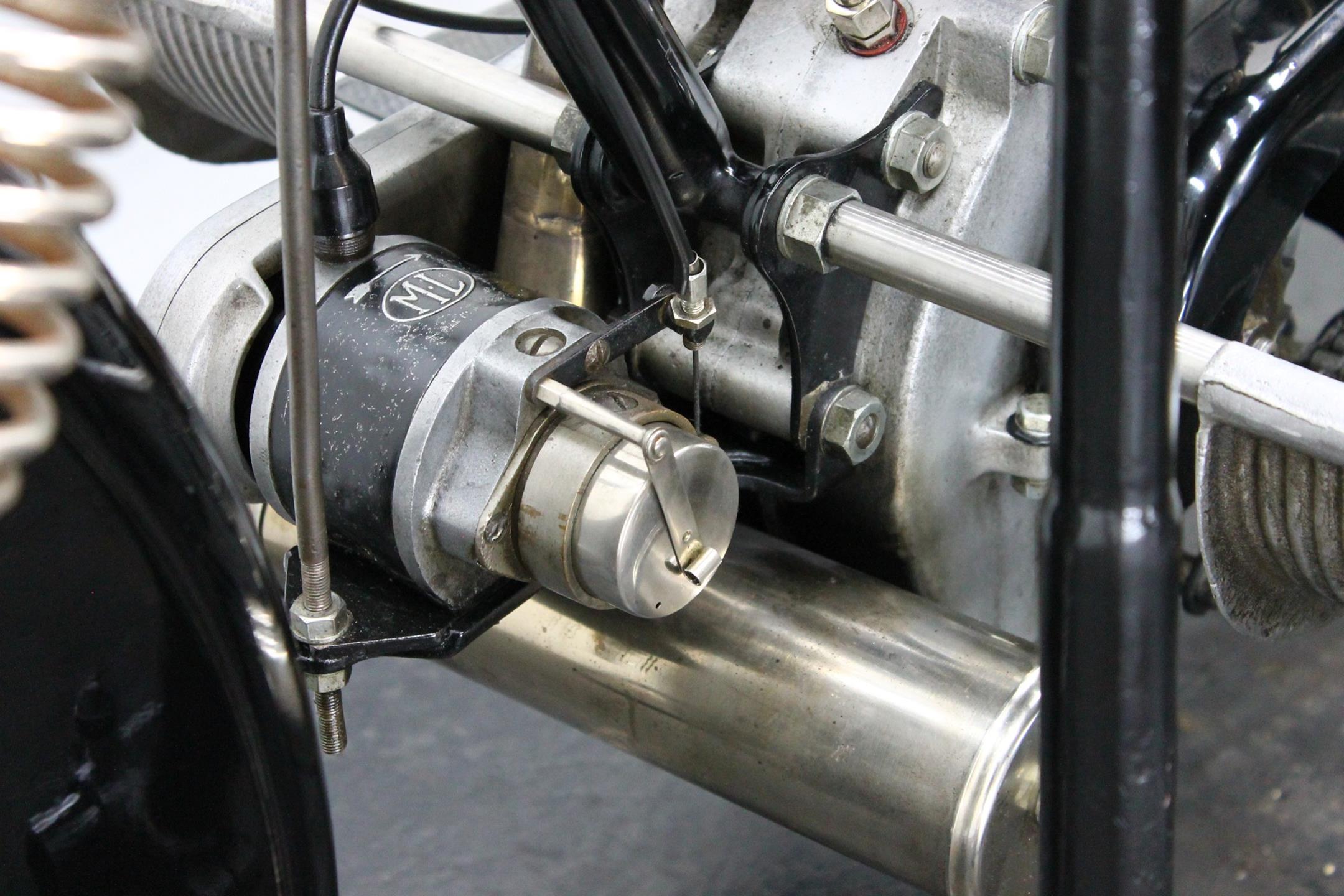
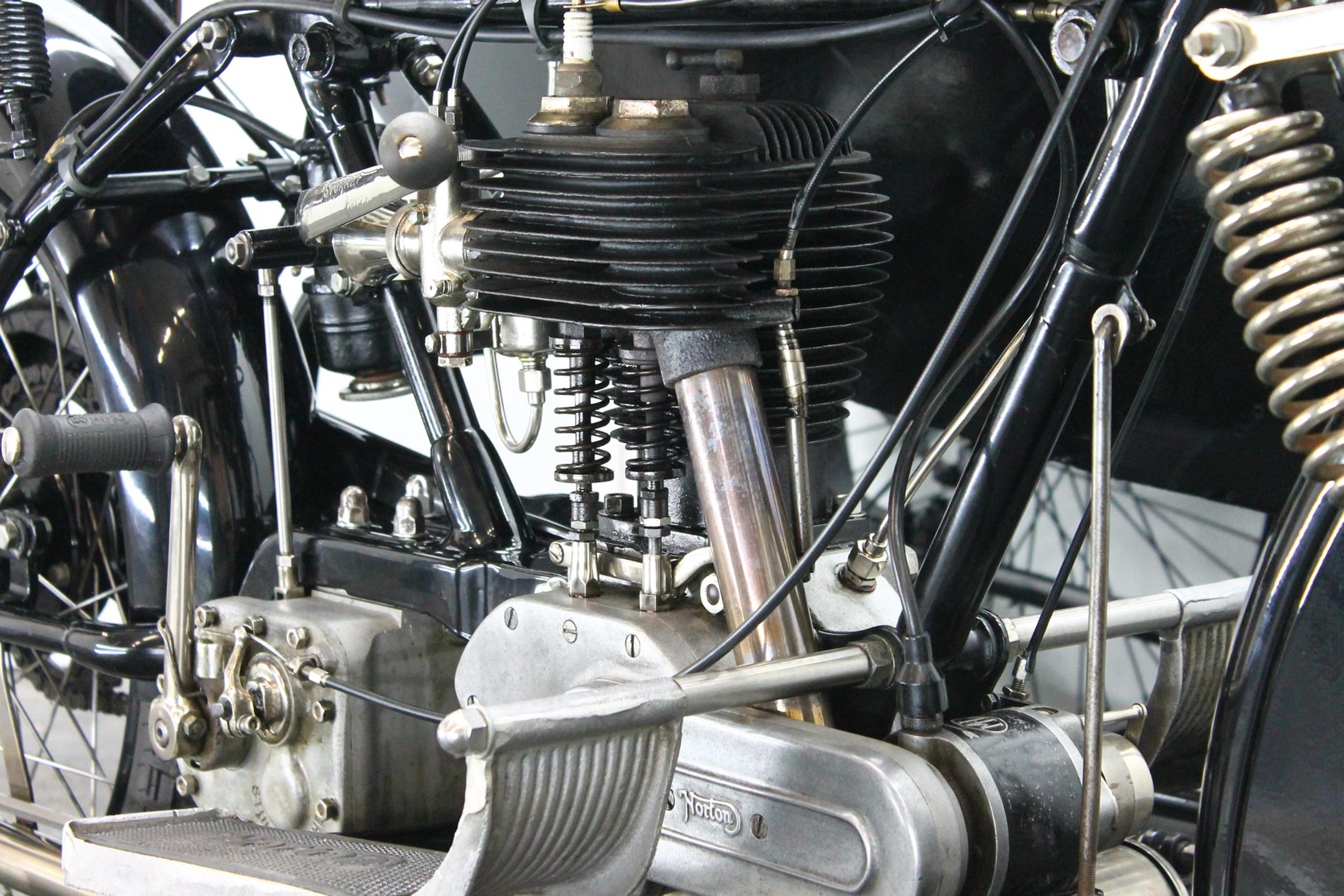
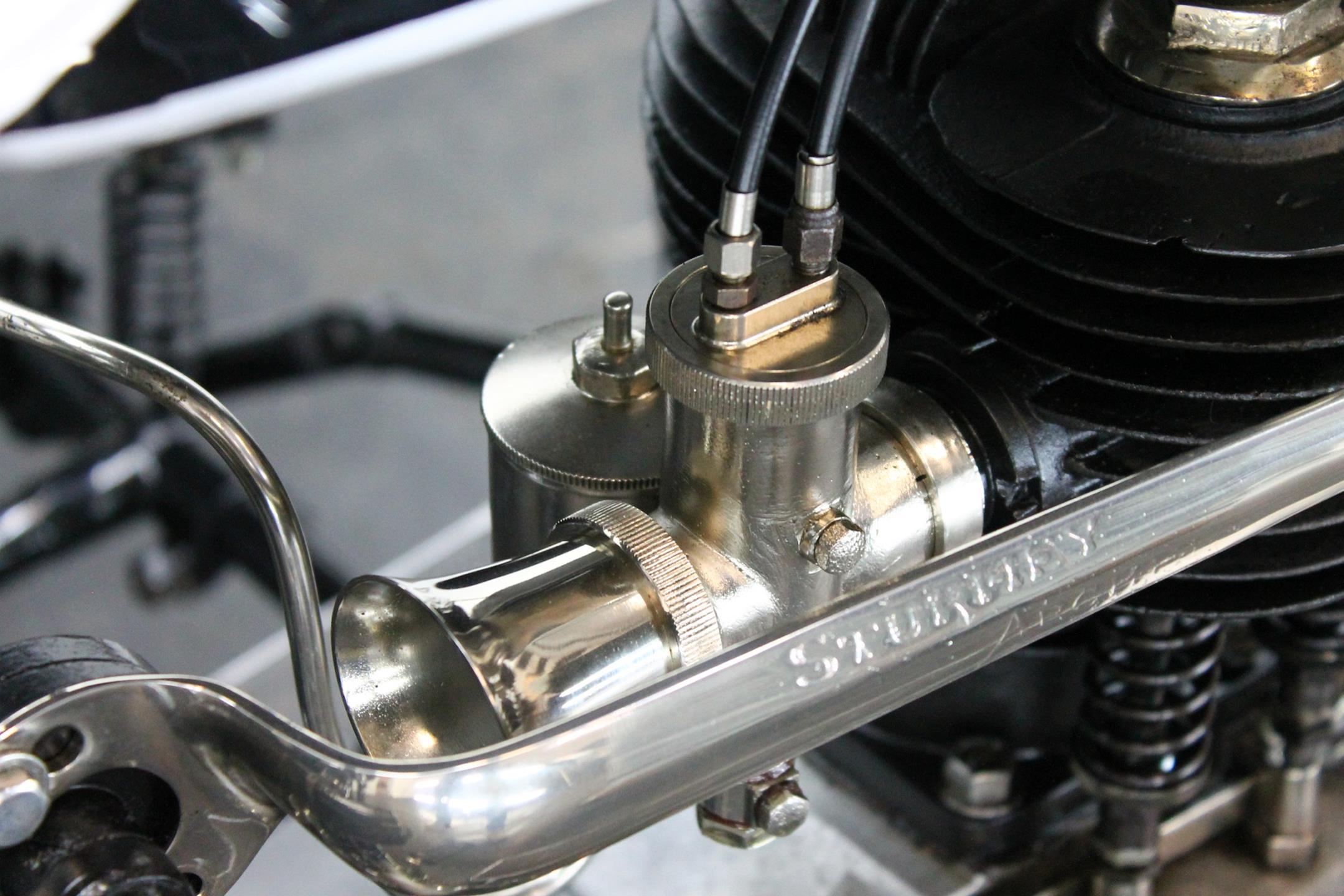
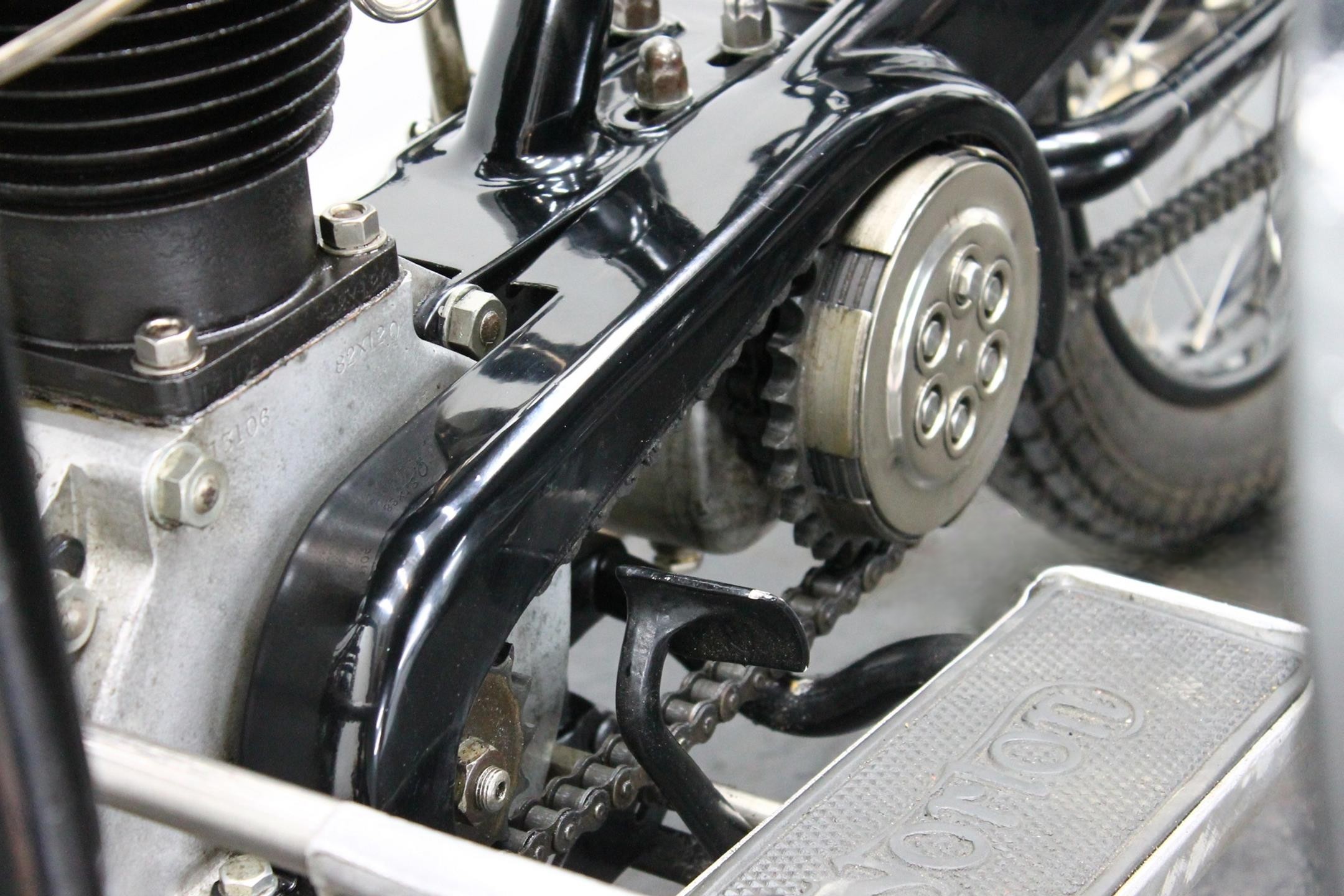
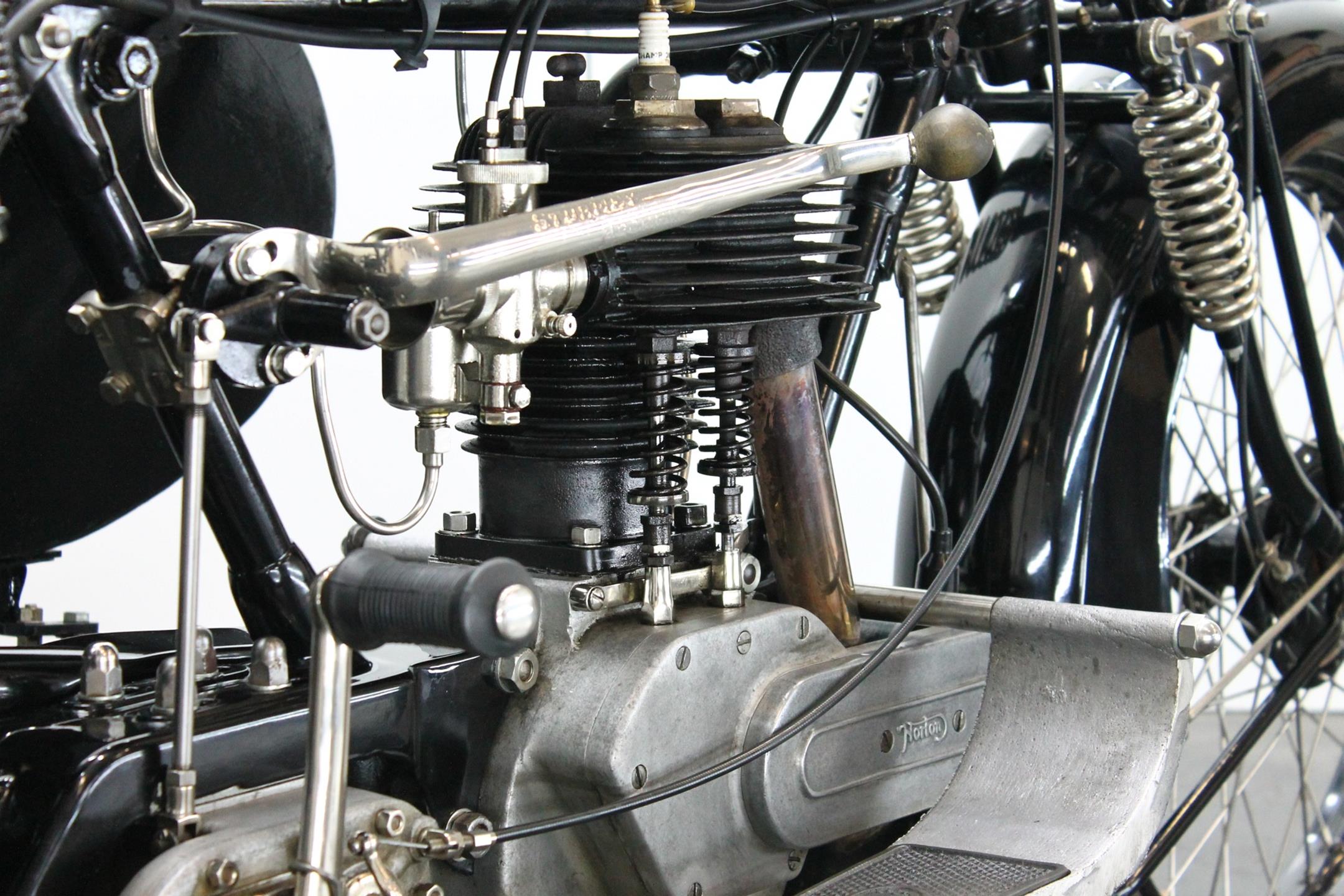
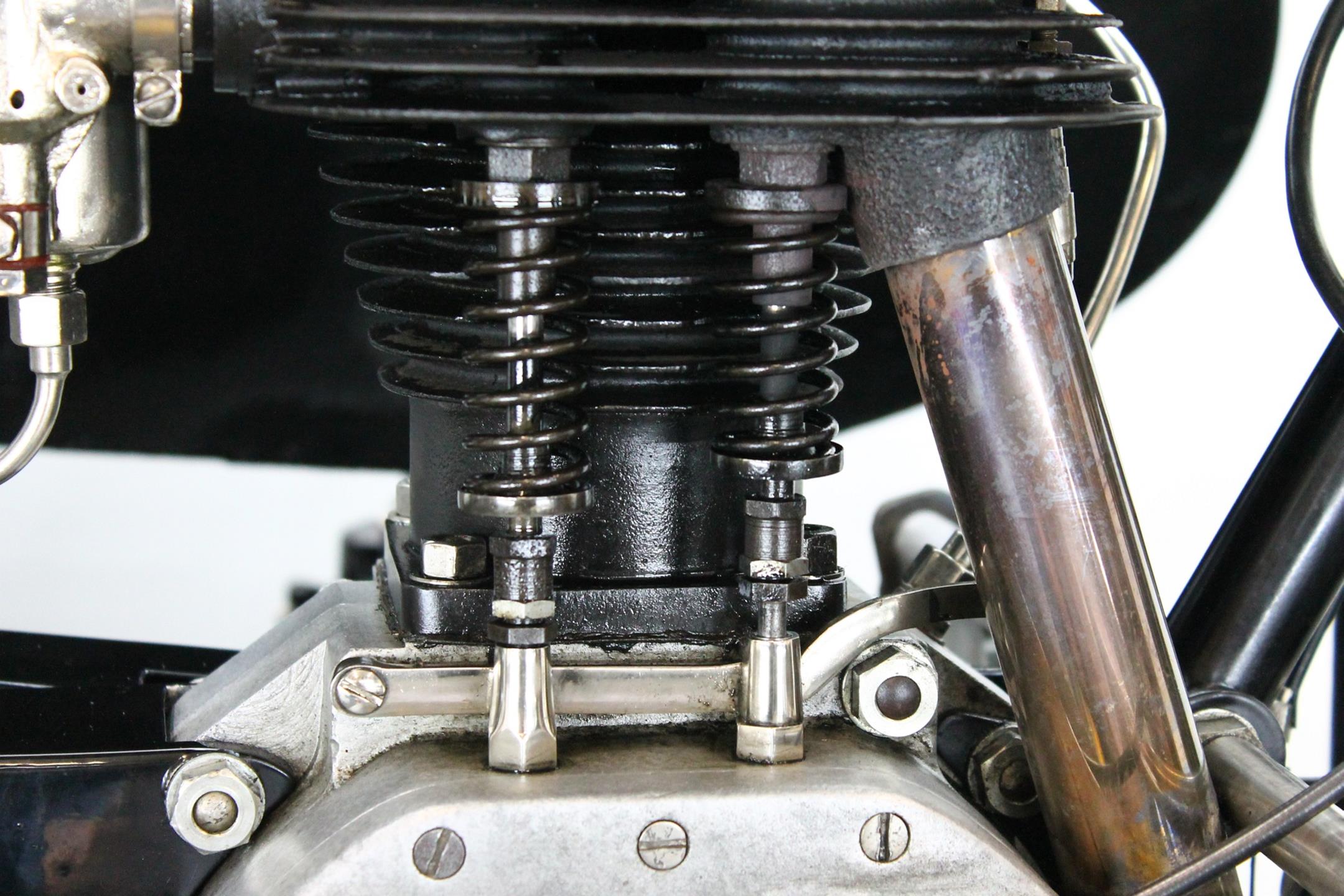
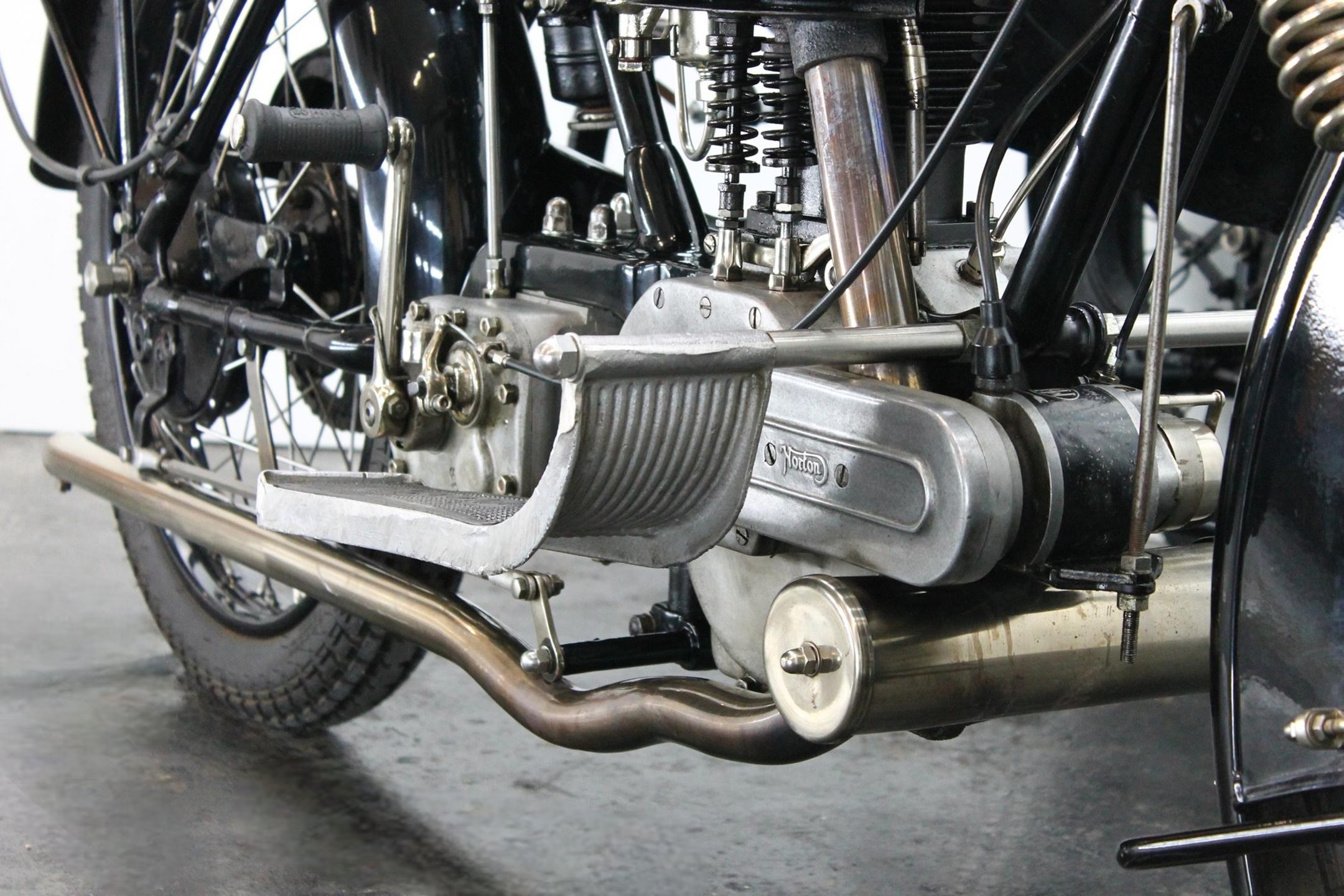


The 1925 Norton Big Four Sidecar is a classic British combination built around Norton's large-capacity single-cylinder touring motorcycle. The Big Four was introduced as Norton's heavyweight utility and touring model, using a large side-valve engine designed to provide strong low-speed torque and dependable pulling power.
Fitted with a sidecar, the Big Four became particularly useful for carrying a passenger or additional equipment. Its large engine, robust frame, relatively simple mechanical construction, and substantial chassis made it well suited to the demands of combination work.
The 1925 example belongs to an important period in Norton's development, when the company was establishing the Big Four as a durable heavyweight motorcycle for touring, transport, and sidecar use.
The combination of a traditional British single-cylinder engine with a practical sidecar gives the 1925 Norton Big Four a distinctive character that differs considerably from the lighter sporting Nortons of the period.
Norton had established a strong reputation in Britain through the development of dependable motorcycles for both road use and competition. During the early 1920s, the company expanded its range with larger-capacity machines intended for touring and practical transportation.
The Big Four was Norton's heavyweight side-valve model, named for its approximately four-horsepower rating rather than a four-cylinder engine configuration.
Its large single-cylinder engine provided the torque required for carrying passengers and operating with a sidecar, making the motorcycle useful for family transportation, commercial work, touring, and general utility.
By the mid-1920s, sidecars were an important part of the British motorcycle market. A motorcycle combination could provide much of the practical utility of a small automobile at substantially lower cost.
A surviving 1925 Big Four Sidecar may therefore have historical significance both as a motorcycle and as an example of early British sidecar transportation.
The 1925 Norton Big Four is powered by a large-capacity single-cylinder side-valve four-stroke engine.
The engine is designed around strong low-speed pulling power rather than high engine speed. This characteristic was particularly useful when the motorcycle was fitted with a sidecar and carrying an additional passenger or load.
The large single-cylinder layout gives the Big Four a distinctive mechanical character, with substantial torque pulses and the deliberate running manner associated with heavyweight British singles of the period.
The side-valve configuration keeps the cylinder head and valve mechanism comparatively simple and reflects the engineering priorities of the era.
Performance should be considered in the context of a 1920s sidecar combination rather than compared with later sporting motorcycles. The Big Four was designed primarily for dependable transport and pulling ability.
The condition of the engine, compression, carburetor, ignition timing, lubrication system, exhaust, and cooling airflow has a major influence on the performance of any surviving example.
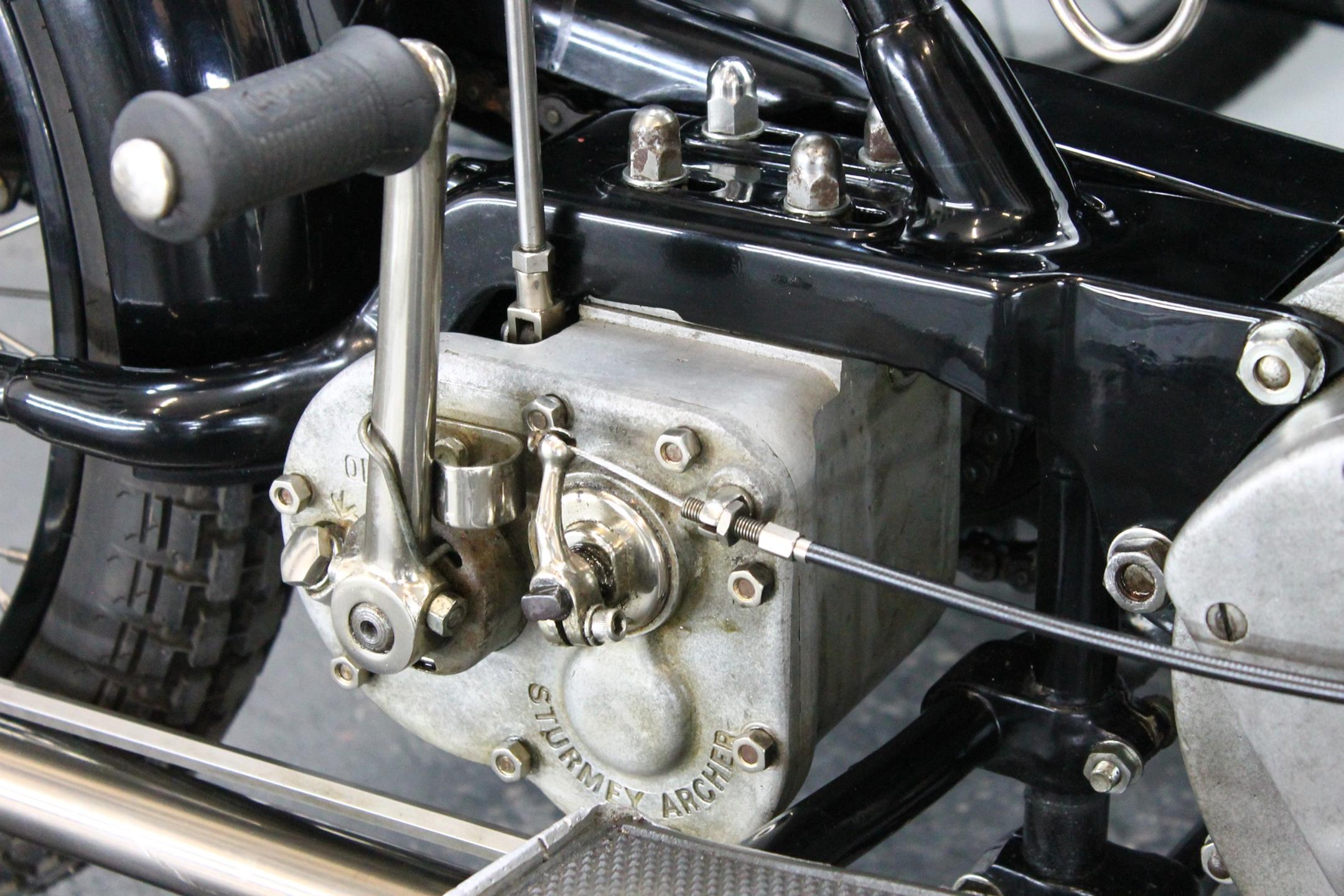
The Big Four uses a period manual gearbox designed to work with the large single-cylinder engine.
The gearing emphasizes practical acceleration and useful low-speed torque, characteristics that become especially important when the motorcycle is operated with a sidecar.
The clutch allows the rider to control the substantial torque of the engine during starting and low-speed maneuvering.
Final drive is by chain, following the conventional arrangement used by British motorcycles of the period.
The gearbox, clutch, primary drive, chain, sprockets, bearings, and rear hub should all be inspected carefully on a surviving machine.
Sidecar operation places additional loads on the drivetrain, particularly during starting, hill climbing, and low-speed maneuvering.
The Norton Big Four uses a substantial steel frame designed for a large-capacity single-cylinder engine and touring use.
The chassis was engineered for stability and durability, qualities that became even more important when the motorcycle was fitted with a sidecar.
The front suspension uses the type of period Norton fork arrangement appropriate to the motorcycle's production period.
The sidecar adds considerable lateral loading to the motorcycle, particularly during cornering and braking. Frame alignment, mounting points, steering-head condition, and wheel alignment are therefore especially important.
A surviving combination should be checked carefully for previous repairs, modifications, reinforcing plates, altered sidecar mounts, and evidence of long-term commercial or utility use.
The 1925 Norton Big Four is equipped with wire-spoked wheels appropriate to a heavyweight British motorcycle of the period.
The sidecar combination requires careful attention to wheel alignment and tire condition because the additional weight changes the handling characteristics of the motorcycle.
Braking equipment is based on period mechanical systems rather than the hydraulic brakes used on later motorcycles.
Brake drums, shoes, operating linkages, cables, wheel bearings, spokes, rims, and tires should all be inspected before the motorcycle is operated with a passenger.
The sidecar's own wheel and mounting structure should also be examined carefully, including the axle, bearings, suspension where fitted, mudguard, frame, and attachment hardware.
The 1925 Norton Big Four uses a period British motorcycle electrical and ignition system.
Electrical equipment on motorcycles of this period was relatively simple and generally centered around dependable lighting and ignition rather than the extensive electrical systems found on later motorcycles.
Headlamp equipment, rear lighting, switches, wiring, generator components, and ignition equipment should be checked for correct period specification.
Many surviving pre-war Nortons have received replacement wiring, modern bulbs, rebuilt magnetos, or other electrical upgrades during restoration.
Correct period electrical equipment can therefore be an important part of an originality assessment.
The sidecar is one of the most important features of this particular Norton Big Four.
During the 1920s, sidecars were widely used in Britain as an affordable form of passenger transportation. A combination such as the Big Four could carry a passenger while retaining the relatively compact footprint and lower operating cost of a motorcycle.
The sidecar frame should be inspected for correct construction, sound mounting points, straightness, corrosion, and evidence of repairs.
The attachment system is particularly important. The upper and lower mounting points must be secure and correctly aligned with the motorcycle frame.
The sidecar wheel, mudguard, body, suspension components, passenger seat, step, and fittings should be checked individually when determining originality.
A period-correct sidecar that can be documented as having been paired with the motorcycle adds considerable historical interest.
The 1925 Norton Big Four has the unmistakable appearance of an early British heavyweight motorcycle.
The large single-cylinder engine dominates the center of the frame, while the relatively compact fuel tank, wire wheels, exposed mechanical components, and period mudguards create a distinctly utilitarian appearance.
The motorcycle's proportions are noticeably more substantial than those of lightweight sporting machines of the same period.
When fitted with its sidecar, the combination takes on a particularly practical appearance, reflecting the role motorcycles played in everyday transportation before affordable mass-market automobiles became widely available.
Period paint, polished metal, nickel-plated components, leather seating, and correct hardware can all contribute to the visual authenticity of a restored example.
The 1925 Norton Big Four represents an important stage in the development of Norton's heavyweight touring and utility motorcycles.
The company was expanding its reputation beyond competition motorcycles and developing a broad range of machines capable of serving everyday transportation needs.
The Big Four's large side-valve single-cylinder engine was particularly appropriate for riders who valued pulling power and reliability.
With a sidecar attached, the motorcycle could provide practical passenger transportation and was suitable for touring, family use, and utility work.
The 1925 model therefore illustrates the versatility of motorcycles during an era when the sidecar was an important part of everyday British transportation.
The Norton Big Four has the characteristic feel of a large British single-cylinder motorcycle.
The engine delivers its power in deliberate pulses and produces useful torque at low engine speeds.
The relatively heavy chassis and large engine give the motorcycle a substantial, steady character.
With a sidecar attached, steering and cornering behavior are fundamentally different from that of a solo motorcycle. Acceleration, braking, and cornering require greater anticipation because of the additional weight and asymmetric handling forces.
The Big Four is best understood as a practical touring and utility combination rather than a high-speed sporting motorcycle.
A surviving example should be operated conservatively and only after the engine, fuel system, ignition, lubrication, steering, suspension, wheels, tires, drivetrain, brakes, and sidecar mounting system have been thoroughly inspected.
The Norton Big Four is historically important because it represents the company's development of large-capacity motorcycles for practical road use.
During the 1920s, the motorcycle was an important form of transportation in Britain, and the sidecar greatly expanded its usefulness.
A large single-cylinder motorcycle such as the Big Four could provide substantial pulling power while remaining mechanically simpler than a multi-cylinder automobile.
The model also demonstrates the importance of sidecar combinations in British motorcycle culture before and during the expansion of affordable private automobiles.
The 1925 example therefore represents both an important Norton model and a broader chapter in the history of early twentieth-century transportation.
The 1925 Norton Big Four Sidecar is highly interesting to collectors of early British motorcycles and historic motorcycle combinations.
The large-capacity single-cylinder engine, early Norton engineering, practical sidecar configuration, and pre-war styling make the motorcycle particularly distinctive.
Collectors should pay close attention to the engine, crankcase, cylinder, frame, fuel tank, gearbox, fork, wheels, brakes, carburetor, magneto, exhaust, controls, and sidecar.
The sidecar deserves the same level of scrutiny as the motorcycle itself. Correct period construction, mounting hardware, bodywork, wheel, fittings, and seating can substantially increase historical value.
Original paint, period finishes, correct Norton components, factory hardware, and documented provenance are particularly desirable.
Authenticating a 1925 Norton Big Four Sidecar requires examination of both the motorcycle and the sidecar.
The engine should be identified through its casting details, cylinder configuration, crankcase construction, valve arrangement, and period Norton components.
The frame should be inspected for correct construction, engine mounts, steering-head details, frame numbers, and evidence of major repairs or alterations.
The gearbox, fork, wheels, fuel tank, exhaust, controls, carburetor, magneto, and electrical equipment should also be compared with period Norton specifications.
The sidecar should be examined for period construction and correct attachment hardware. A later replacement sidecar should not automatically be represented as an original 1925 component without supporting evidence.
Frame and engine numbers should be documented and checked against reliable Norton records whenever possible.
Period registration documents, photographs, ownership records, factory literature, restoration invoices, and historical photographs can provide valuable evidence of provenance.
The 1925 Norton Big Four Sidecar matters because it combines one of Norton's early heavyweight motorcycles with one of the most important forms of motorcycle transportation of the 1920s.
The large side-valve single-cylinder engine was designed to provide dependable pulling power, while the sidecar transformed the motorcycle into a practical passenger vehicle.
The combination represents an era when motorcycles were not simply recreational machines but important everyday transportation for families, workers, travelers, and commercial users.
For collectors, an authentic 1925 Big Four with a period-correct sidecar provides an unusually complete representation of early British motorcycle transportation.
A well-preserved or accurately restored example with correct Norton components, an authentic sidecar, and documented provenance represents a significant piece of British motorcycle history.
This 1925 Norton Big Four Sidecar represents the heavyweight touring and utility motorcycles produced by Norton during the important development period of the 1920s.
Its large-capacity single-cylinder side-valve engine was designed to provide strong low-speed pulling power, while the sidecar transformed the motorcycle into a practical passenger and utility vehicle.
The combination of the substantial Norton chassis, large single-cylinder engine, wire wheels, period mechanical equipment, and sidecar creates an authentic representation of early British motorcycle transportation.
For collectors, the correct Norton engine and frame, period gearbox, fork, wheels, controls, electrical equipment, sidecar construction, mounting hardware, and documented provenance are particularly important when establishing authenticity.
A well-preserved or accurately restored 1925 Norton Big Four Sidecar with a correct period specification and strong historical documentation represents a significant example of British motorcycle and sidecar history.
For more information about Norton motorcycles and historic British motorcycles, visit Norton vintage motorcycles.
Contact us for additional photographs, detailed specifications, frame and engine numbers, service history, originality assessment, sidecar details, restoration information, historical documentation, and purchasing information for this 1925 Norton Big Four Sidecar.
The Vintage Motorcycles presents a curated selection of historically significant British machines, where Norton represents one of the most influential forces in the development of performance-oriented motorcycle engineering. Established in 1898, Norton evolved from early bicycle-based designs into a manufacturer closely associated with racing success, advanced chassis development, and high-performance single-cylinder engines that would define much of its engineering identity.
Within the broader network of global vintage motorcycle manufacturers, Norton occupies a central position in shaping British performance engineering, particularly through its sustained involvement in competition. This lineage is best understood within the context of pre-war motorcycle engineering (1900-1939), a period marked by rapid technical innovation, where racing environments directly influenced engine design, frame geometry, and the emergence of specialized performance machines.
This trajectory continued into post-war motorcycle development, where Norton refined its engineering approach through models such as the ES2 and the Manx series, emphasizing chassis stability, power delivery, and competition-derived performance. These developments reinforced the brand's role within a broader British industry increasingly focused on balancing speed, control, and reliability.
Each Norton motorcycle within our collection is selected based on provenance, originality, and mechanical integrity, ensuring alignment with museum-grade preservation standards. Collectors can explore available acquisition opportunities through our global vintage motorcycle inventory, with all motorcycles supported by a fully insured international shipping service.
Norton developed during a period when British engineering was deeply influenced by competitive racing and endurance testing. Participation in events such as the Isle of Man TT contributed directly to the refinement of engine performance, frame rigidity, and suspension systems, establishing Norton as a benchmark for handling and speed within the industry.
This engineering progression can be further understood within the broader framework of WW2 military motorcycle development, where British manufacturers adapted performance knowledge to meet the demands of reliability and field serviceability. While Norton's primary reputation remained rooted in performance, these broader industrial conditions influenced its approach to durability and structural integrity in both military and civilian contexts.
Alongside its solo racing machines, Norton engineering also intersected with practical applications, including compatibility with sidecar-equipped motorcycles, demonstrating how British design could accommodate both competition and utility within a unified mechanical framework.
British motorcycle engineering, as exemplified by Norton, emphasizes the integration of performance, stability, and mechanical precision. Innovations such as the featherbed frame illustrate a design philosophy centered on handling dynamics, where chassis engineering plays an equally important role as engine output.
From early single-cylinder machines to later high-performance racing models, Norton maintained a consistent focus on competition-driven refinement. Rather than diverging into multiple engineering identities, the marque developed a coherent lineage that prioritized speed, control, and responsiveness under demanding conditions.
Today, Norton remains a foundational reference in the study of British motorcycle engineering, demonstrating how racing environments can shape long-term industrial development. For collectors, these motorcycles represent a convergence of historical racing heritage, technical innovation, and enduring significance within the global narrative of motorcycling.
Key Highlights
Collector Assurance
All enquiries handled with discretion. We typically respond within 6 hours.
Choose the payment method that is most convenient for you. We accept widely used international payment methods as well as, where available, local bank transfer options that allow you to pay like a domestic transaction. Full payment instructions are provided for your specific purchase.
Direct international bank wire transfer is available for motorcycle purchases and export transactions.
Credit card payments can be arranged through Wise.com, subject to the applicable payment and processing conditions.
PayPal is accepted. A 5% PayPal processing fee applies to the transaction.