
The Vintage Motorcycles
Specialists in antique, classic, veteran and vintage motorcycles.
Specialists in antique, classic, veteran and vintage motorcycles.


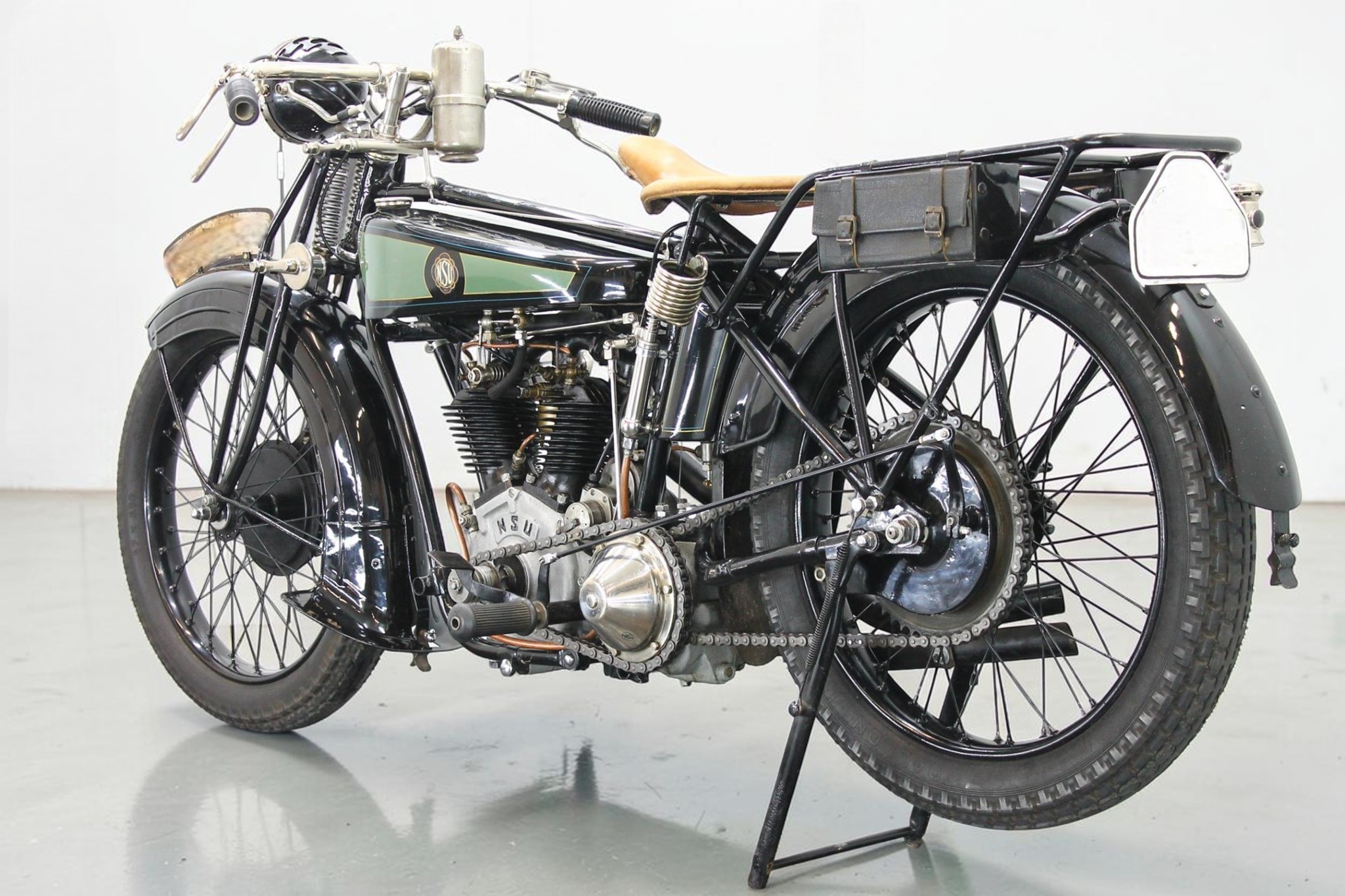
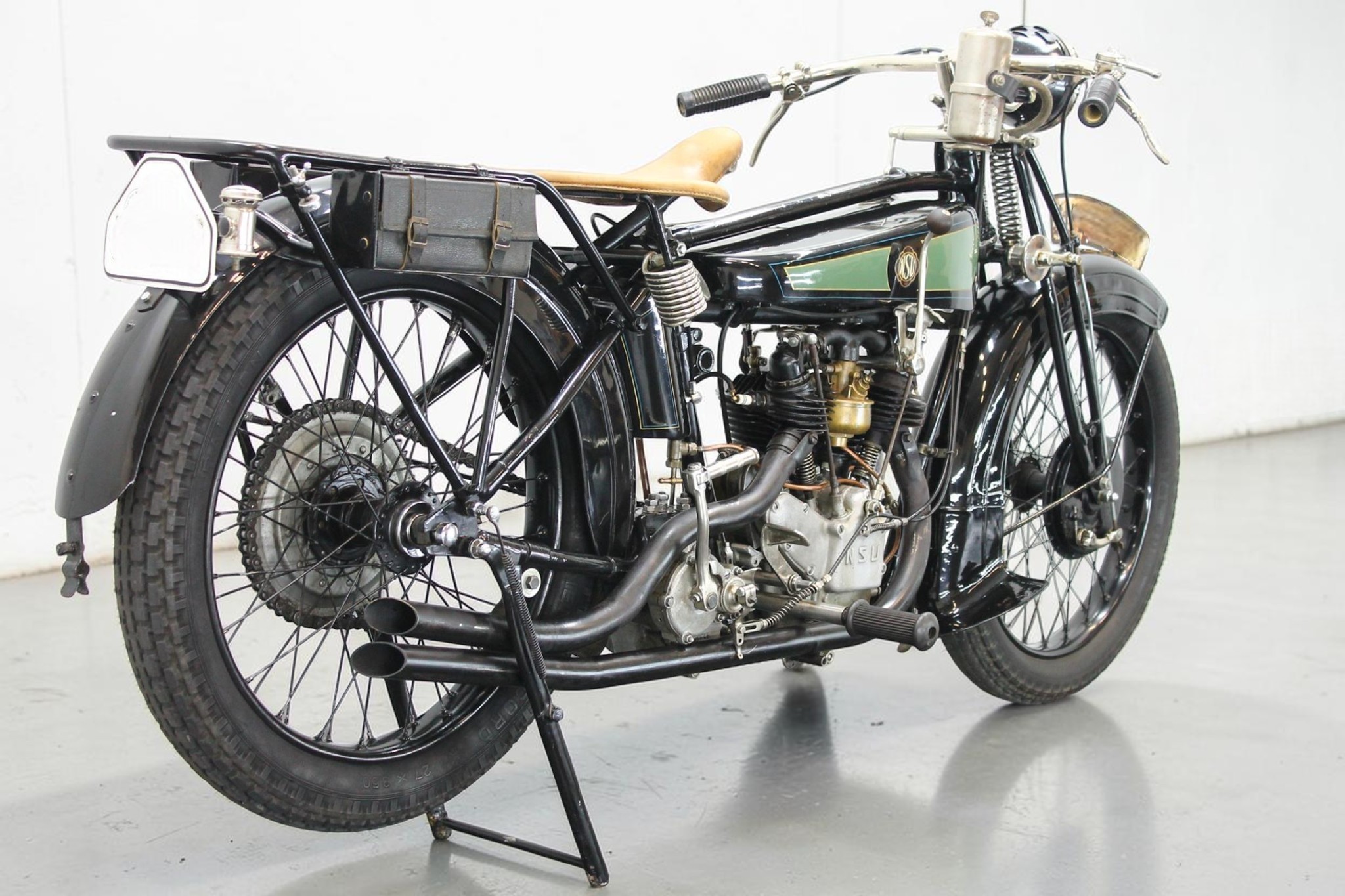




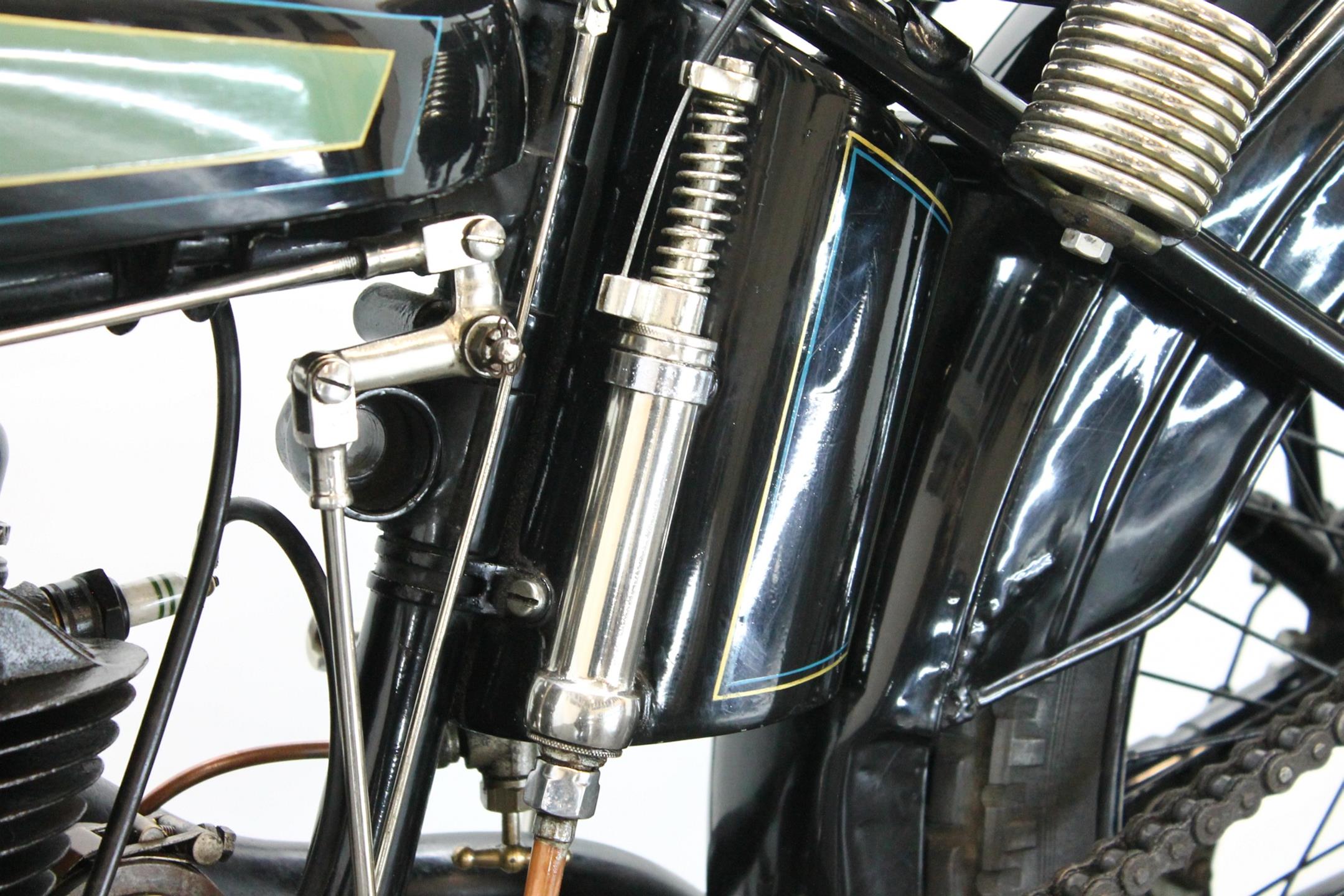
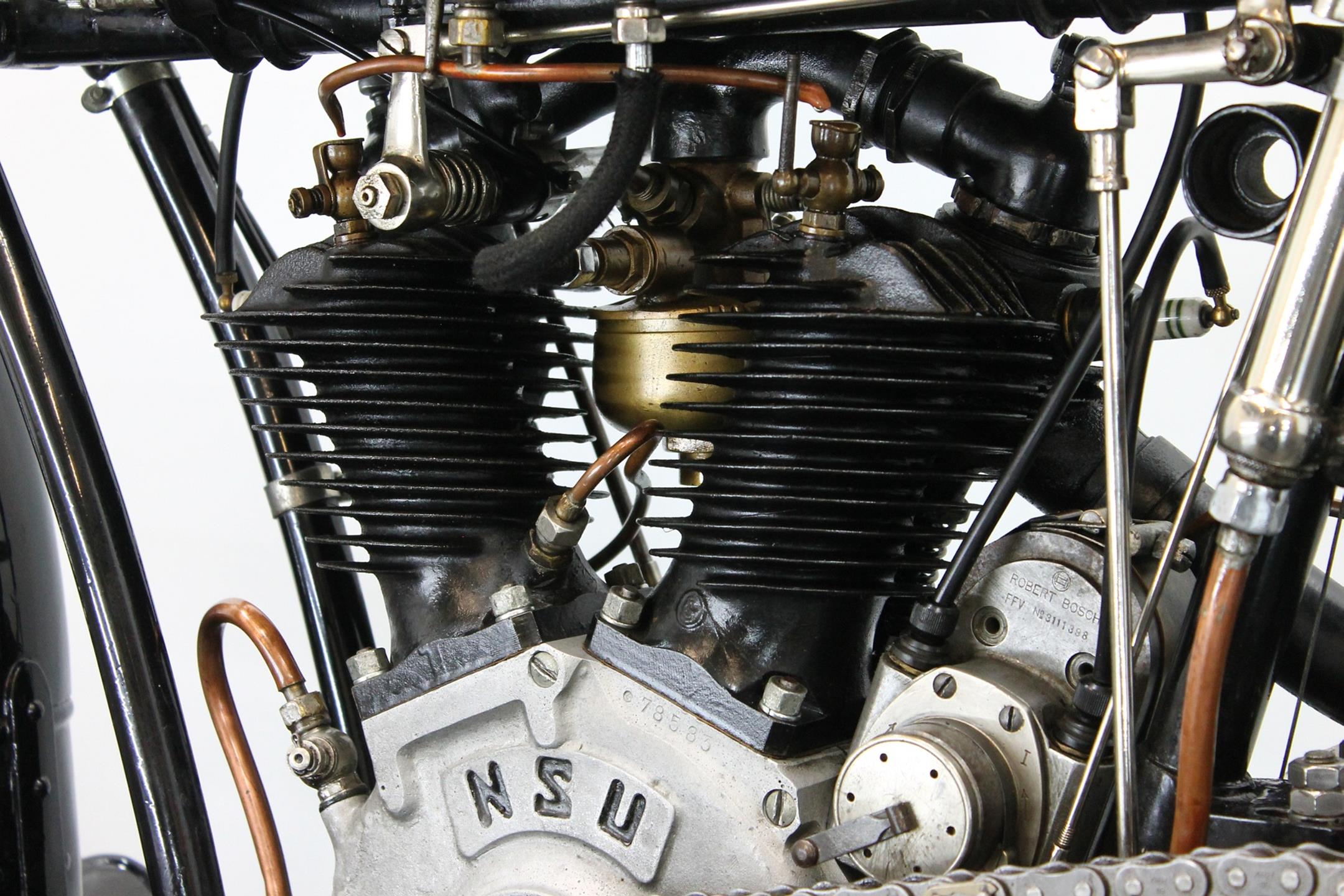
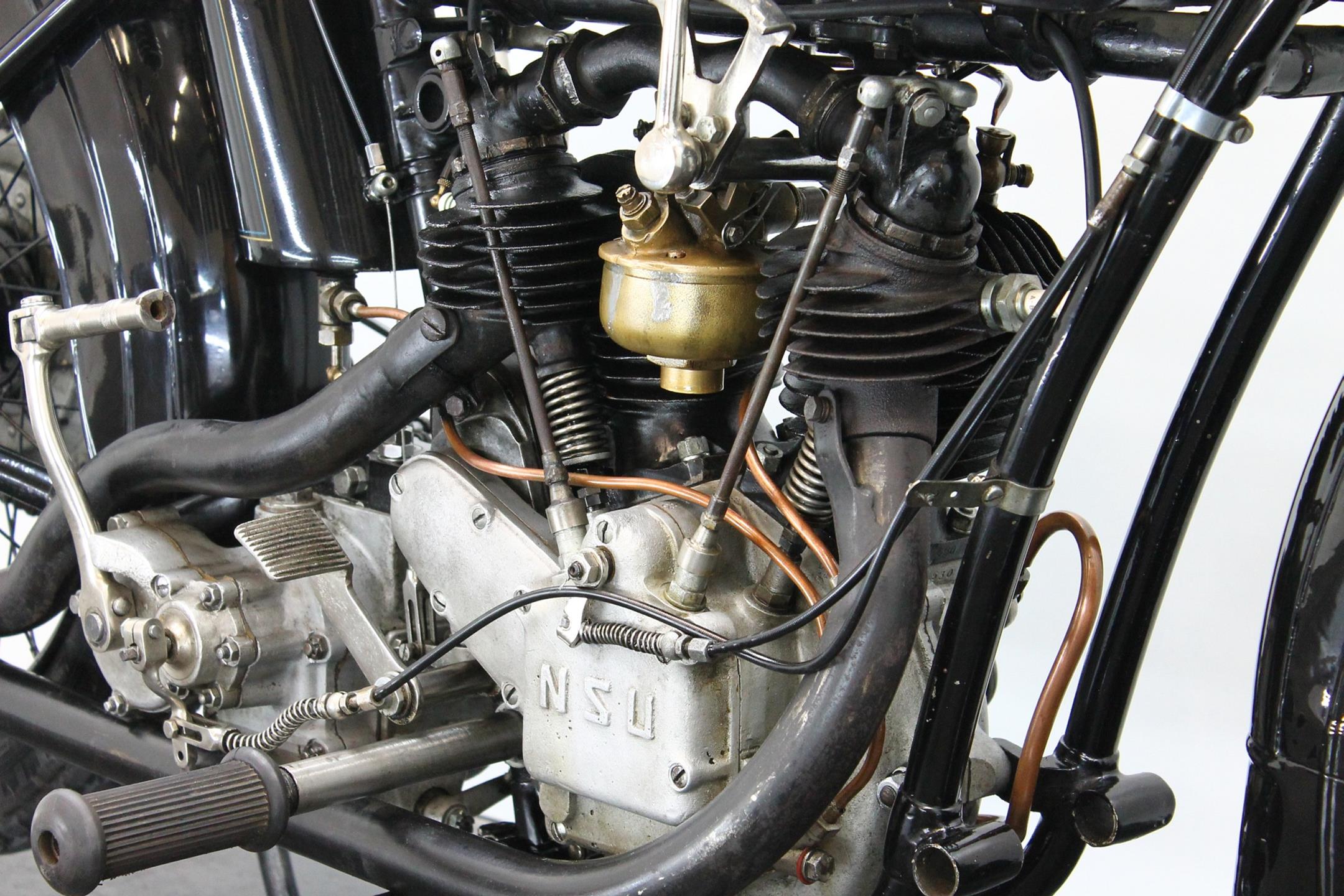
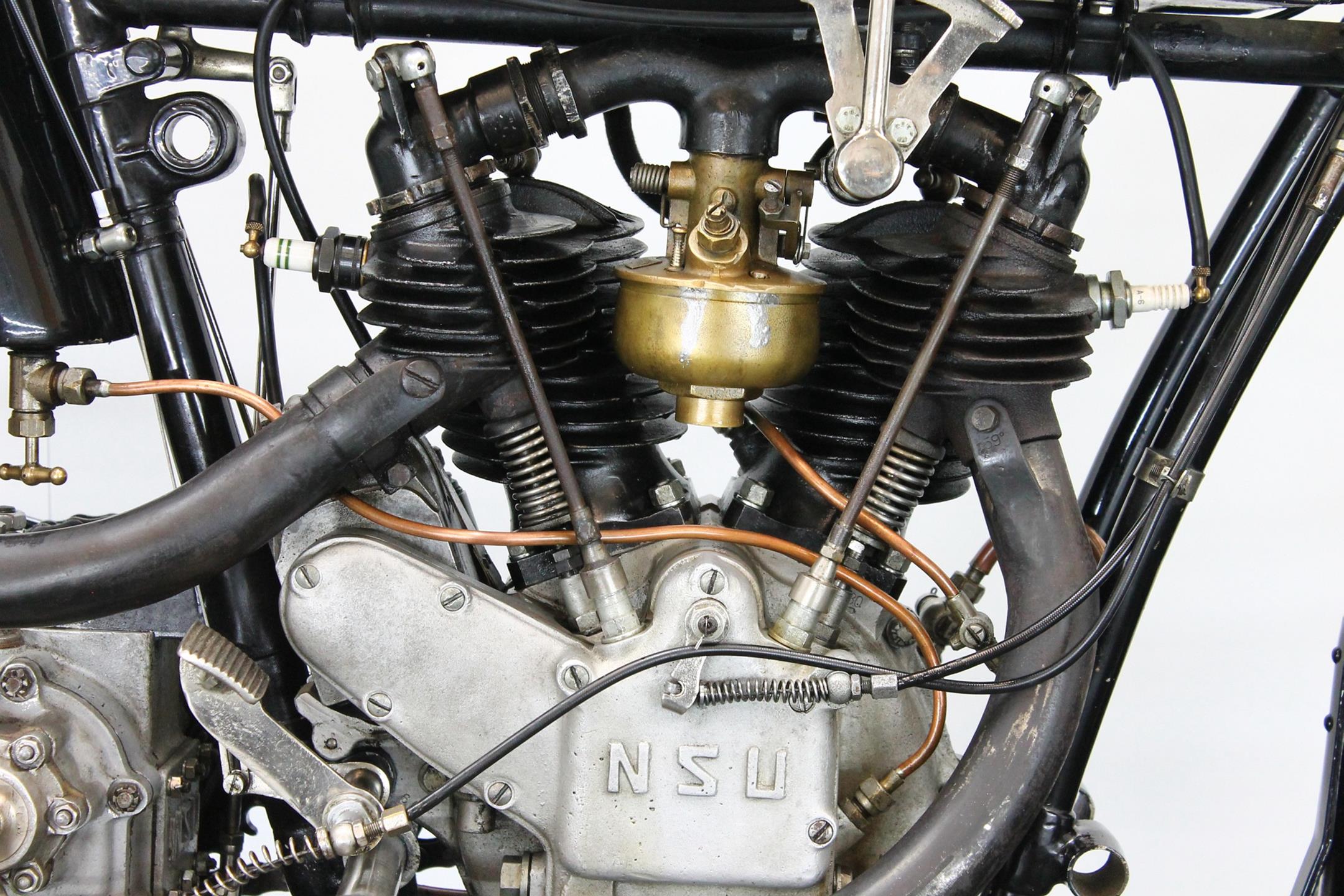

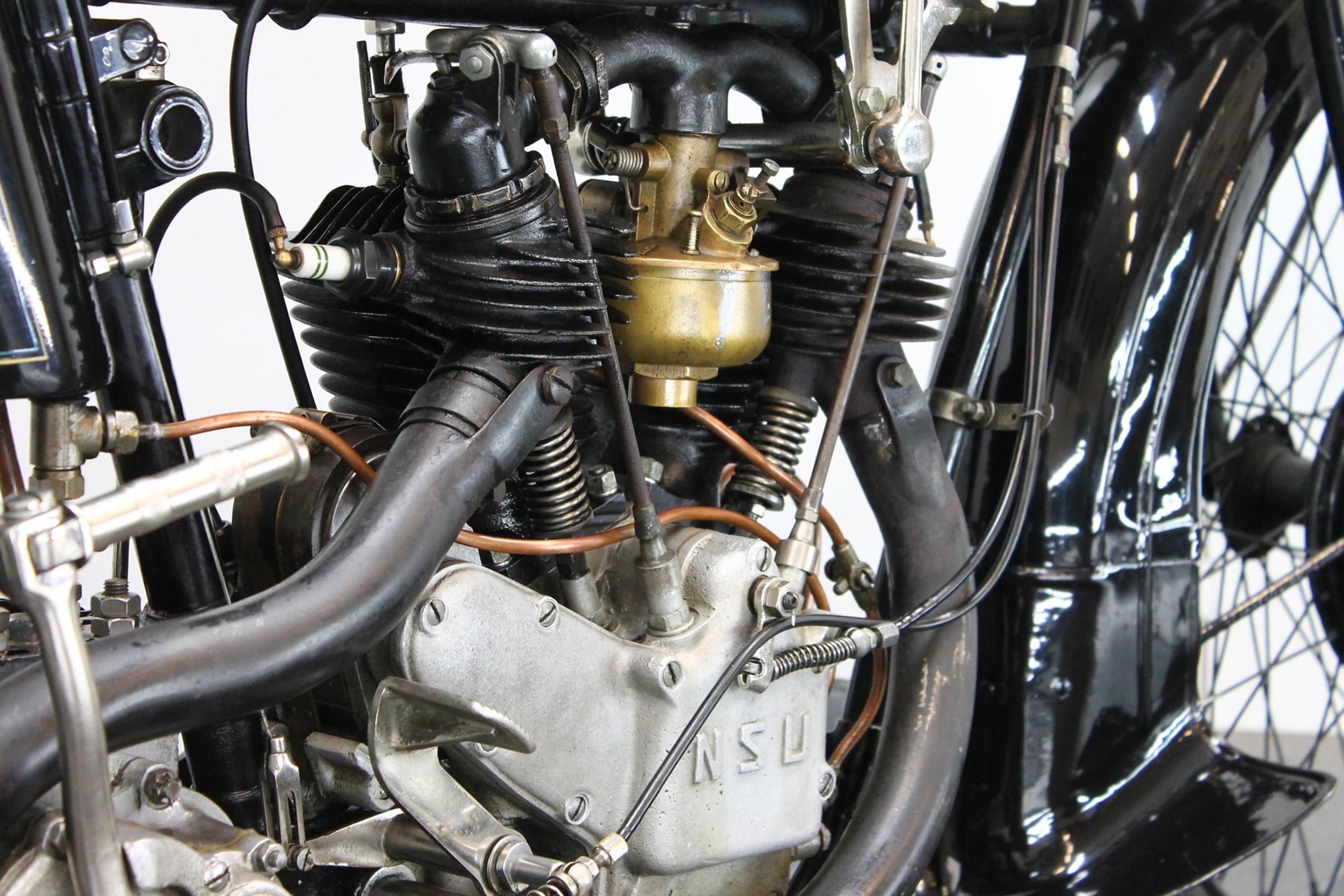
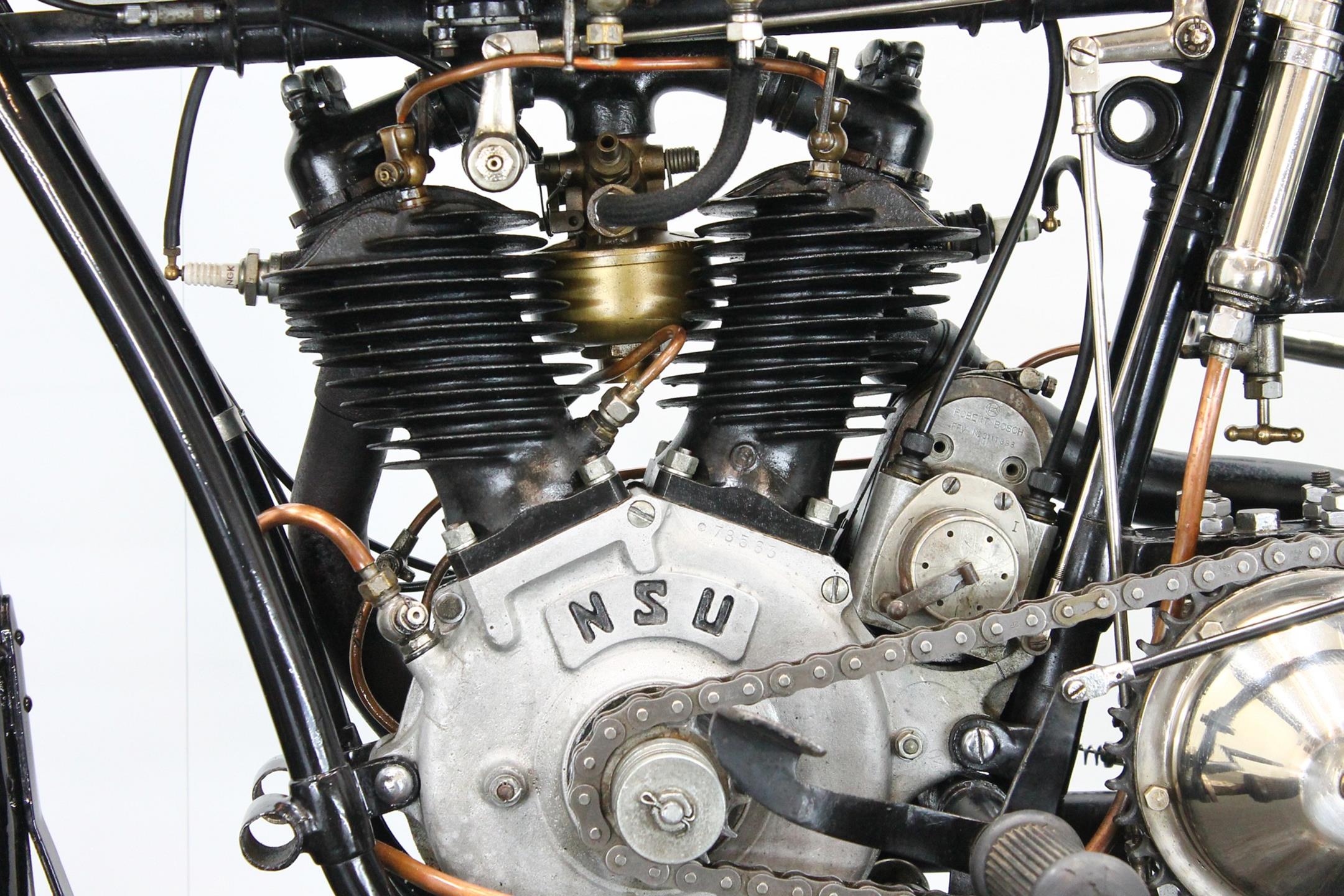



The 1927 NSU Model 502 Sport is a distinctive German motorcycle from NSU's important pre-war production period. Built by Neckarsulmer Strickmaschinen Union in Neckarsulm, the Model 502 Sport belongs to a generation of motorcycles in which German manufacturers were rapidly developing more capable engines, improved chassis designs, and increasingly sporting road machines.
The 502 Sport is a medium-capacity motorcycle intended to combine practical road performance with a more sporting character than NSU's basic utility models. Its period engineering, exposed mechanical components, narrow chassis, wire wheels, and upright riding position give it the unmistakable appearance of a German motorcycle from the late 1920s.
NSU was already an established industrial manufacturer by this period, and its motorcycle division had developed a strong reputation for engineering, competition success, and technical innovation.
The 1927 Model 502 Sport is therefore an interesting example of NSU's transition toward more sophisticated sporting motorcycles during the interwar period.
NSU began motorcycle production in Germany during the early twentieth century and became one of the country's most important motorcycle manufacturers. The company was based in Neckarsulm and produced motorcycles in a wide range of capacities and specifications.
During the 1920s, NSU expanded its motorcycle range considerably and developed machines intended for transportation, touring, sporting use, and competition.
The Model 502 Sport belongs to this period of expansion and reflects the company's effort to offer motorcycles with stronger performance and more sporting equipment.
The late 1920s were an important period in German motorcycle engineering. Manufacturers were moving toward larger engines, improved lubrication systems, stronger frames, better braking, and more flexible transmissions.
NSU also had a significant competition program during this era, and experience gained from racing and reliability events influenced the development of its production motorcycles.
The 1927 NSU Model 502 Sport is a medium-capacity single-cylinder motorcycle designed around the performance requirements of late-1920s road use.
Its engine represents NSU's development of more sophisticated motorcycle power units during the period, emphasizing useful road performance while retaining the mechanical simplicity necessary for reliable operation.
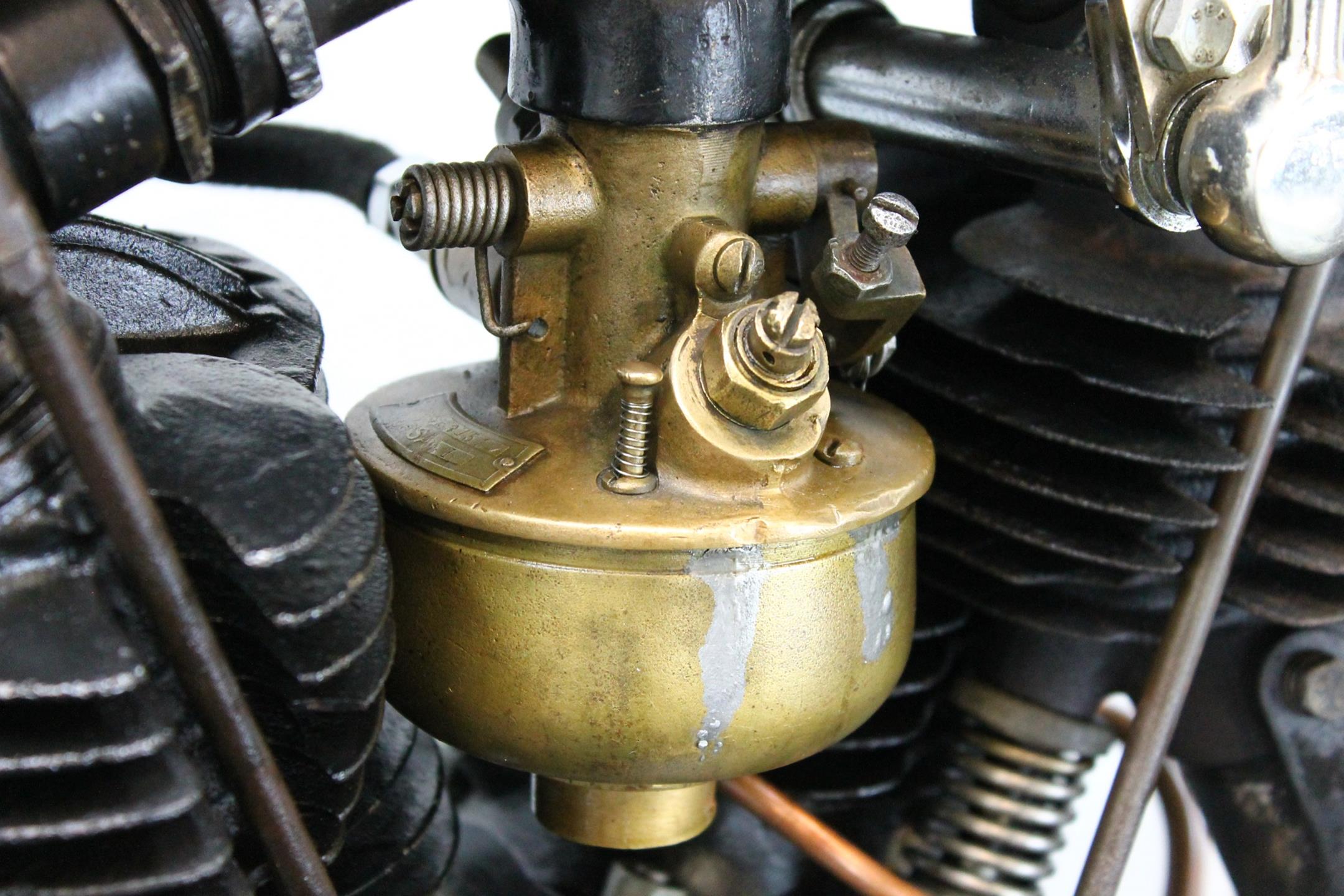
The engine is air-cooled and uses period carburetion and ignition equipment.
The sporting specification gives the motorcycle a more purposeful character than basic commuter machines, with an emphasis on responsive acceleration and sustained road performance.
Actual performance depends heavily on the condition of the engine, compression, carburetor, ignition timing, valve adjustment, exhaust system, gearing, and restoration quality.
Because surviving motorcycles may have been rebuilt over many decades, the specification of an individual example should always be confirmed from its engine, frame, and period documentation rather than assumed from the model name alone.
The Model 502 Sport uses a period manual motorcycle transmission designed to provide useful gearing for both urban riding and open-road travel.
The gearbox works with the engine's torque characteristics to provide practical acceleration and cruising ability for a motorcycle of its period.
Power is transmitted to the rear wheel through a conventional chain final drive.
The clutch, gearbox, primary drive, chain, sprockets, bearings, and rear hub should all be inspected carefully on a surviving motorcycle.
Original gearbox components are particularly valuable when assessing an unrestored or historically important NSU because early motorcycles were frequently repaired with interchangeable or later components.
The 1927 NSU 502 Sport uses a conventional steel motorcycle chassis designed around the single-cylinder engine.
The frame provides a relatively narrow and lightweight platform suitable for sporting road use while maintaining the strength required for the roads of the period.
The front suspension uses period fork technology, while the rear of the motorcycle is based on a rigid chassis typical of many motorcycles of the late 1920s.
The combination of a relatively light frame and substantial engine gives the 502 Sport its purposeful road-going character.
The steering head, fork pivots, frame tubes, engine mounting points, rear wheel alignment, and frame-number area should be inspected for cracks, corrosion, distortion, or evidence of previous repairs.
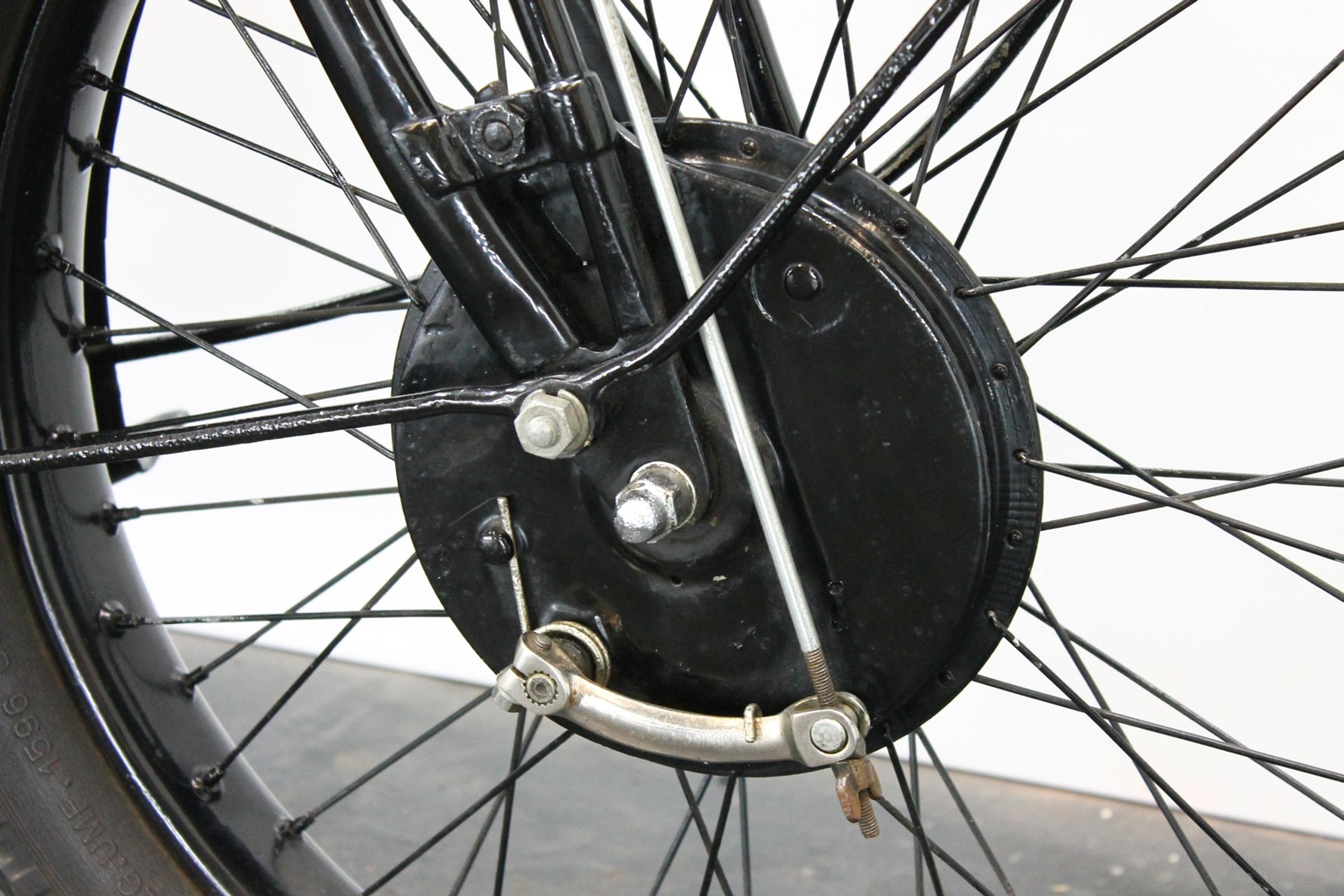
The NSU Model 502 Sport uses traditional wire-spoked wheels and period mechanical braking equipment.
The wheel design reflects the engineering of the late 1920s, when lightweight wire wheels were standard on sporting motorcycles.
Brake drums, shoes, operating mechanisms, cables, wheel bearings, spokes, rims, and tires should all be inspected before road use.
Correct NSU hubs, rims, brake components, axles, and period fasteners can provide useful evidence when assessing the originality of a surviving motorcycle.
Because early braking systems are considerably less powerful than those of modern motorcycles, a restored 502 Sport should be operated with appropriate care and within the limitations of its original design.
The 1927 NSU Model 502 Sport uses period German motorcycle ignition and electrical equipment.
Magneto ignition was an important feature of motorcycles of this era because it provided an independent and reliable source of ignition without depending entirely on the motorcycle's lighting battery.
Period lighting equipment could be fitted for road use depending on the specification of the motorcycle.
The magneto, generator or lighting equipment, wiring, headlamp, switches, horn, rear lamp, and other electrical components should be inspected for both operation and period authenticity.
Many surviving motorcycles have received rebuilt magnetos, replacement wiring, modern regulators, or updated lighting equipment during restoration.
The 1927 NSU Model 502 Sport has the purposeful appearance associated with German sporting motorcycles of the interwar period.
The exposed engine forms the visual center of the motorcycle, while the narrow steel frame, wire wheels, period fuel tank, mudguards, and upright controls create a clean and functional silhouette.
The motorcycle avoids unnecessary bodywork and allows the mechanical components to remain visible, emphasizing its engineering character.
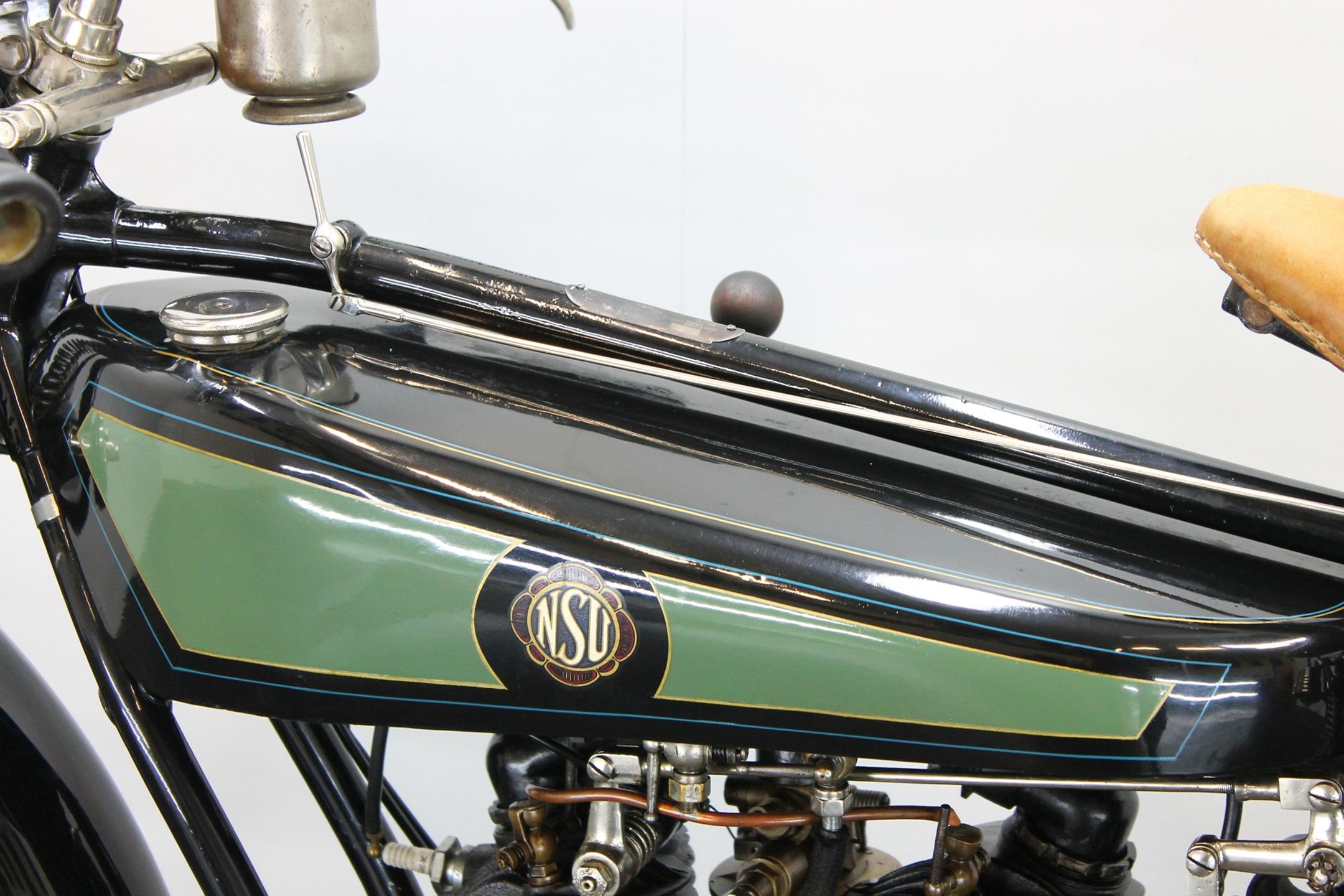
Correct NSU tank badges, period paintwork, engine components, carburetor, exhaust, mudguards, controls, wheels, headlamp, and fasteners all contribute to an authentic restoration.
The restrained appearance is typical of German motorcycle design during a period when mechanical efficiency and reliability were becoming increasingly important.
The 1927 model year falls within an important period of expansion and development for NSU.
German motorcycle manufacturers were increasingly differentiating their ranges into lightweight utility machines, touring motorcycles, and sporting models.
The Model 502 Sport represents NSU's participation in this movement toward more performance-oriented road motorcycles.
The motorcycle also reflects the influence of the company's competition activities during the 1920s, when NSU was developing a strong reputation in motorcycle racing and reliability events.
Correct 1927 details are particularly important when restoring an example because components can easily be confused with those from later NSU models.
The 1927 NSU 502 Sport offers the direct mechanical riding experience characteristic of a German motorcycle from the late 1920s.
The engine provides useful torque at modest speeds, while the relatively light chassis gives the motorcycle a responsive feel compared with heavier touring machines.
The manual gearbox requires deliberate gear selection and rewards the rider who understands the engine's operating characteristics.
The rigid rear frame and period front fork provide a distinctly vintage ride that differs considerably from later motorcycles equipped with modern suspension systems.
The 502 Sport is best suited to moderate-speed vintage riding, historic motorcycle events, exhibitions, and carefully planned road use.
A surviving motorcycle should be operated conservatively until the engine, lubrication system, carburetor, ignition, clutch, gearbox, steering, fork, wheels, tires, brakes, and chassis have been thoroughly inspected.
The 1927 NSU Model 502 Sport is historically important because it represents NSU's development of sporting road motorcycles during a formative period in German motorcycle engineering.
The motorcycle belongs to the broader transition from basic utility motorcycles toward more specialized machines capable of faster road travel and sporting use.
NSU's experience in competition during the 1920s helped establish the company as an important German motorcycle manufacturer, and production motorcycles such as the 502 Sport formed part of this wider engineering culture.
The motorcycle also demonstrates the increasing sophistication of German motorcycle design before the major technical changes of the 1930s.
As a surviving pre-war NSU, the Model 502 Sport provides an interesting connection with the company's early motorcycle history and its development into one of Germany's best-known motorcycle manufacturers.
The 1927 NSU Model 502 Sport is an appealing motorcycle for collectors specializing in German, European, and pre-war motorcycles.
Its NSU manufacture, sporting specification, late-1920s engineering, and relative rarity make it particularly interesting.
Collectors should pay close attention to the engine, crankcases, cylinder and valve gear, carburetor, magneto, gearbox, frame, fuel tank, fork, wheels, brakes, exhaust, controls, headlamp, and electrical equipment.
Engine and frame numbers are especially important because motorcycles of this period were frequently rebuilt using components from other machines.
Original NSU components, correct 1927 specification, factory accessories, period finishes, original controls, and documented ownership history can substantially increase historical significance.
Authenticating a 1927 NSU Model 502 Sport requires examination of the complete motorcycle rather than relying solely on the engine.
The engine should be identified through its crankcase castings, cylinder, valve arrangement, rocker gear where applicable, carburetor, ignition equipment, and period manufacturing details.
The frame should be inspected for its correct construction, steering head, engine mounting points, rear section, and frame-number markings.
The gearbox, fuel tank, fork, wheels, brakes, exhaust, controls, headlamp, and electrical equipment should be compared with period NSU documentation and photographs whenever possible.
Engine and frame numbers should be recorded and preserved as part of the motorcycle's historical file.
Registration documents, period photographs, factory catalogues, original parts literature, restoration invoices, and previous ownership records can provide valuable evidence of authenticity and provenance.
The 1927 NSU Model 502 Sport matters because it represents an important stage in the development of sporting motorcycles by one of Germany's major early motorcycle manufacturers.
The motorcycle reflects the engineering priorities of the late 1920s, combining a performance-oriented engine with a relatively light chassis and practical road-going equipment.
It also forms part of the broader history of NSU's successful development from an early German motorcycle producer into a major manufacturer with a strong reputation for engineering and competition.
For collectors, the combination of German manufacture, pre-war sporting character, distinctive period engineering, and rarity makes the 502 Sport particularly appealing.
A well-preserved or accurately restored 1927 NSU Model 502 Sport with its correct engine, chassis, period equipment, and documented provenance represents a significant example of German motorcycle history.
This 1927 NSU Model 502 Sport represents an interesting example of German sporting motorcycle engineering from the late 1920s.
Its sporting specification, lightweight period chassis, exposed mechanical design, wire wheels, and NSU engineering give it the distinctive character of a genuine interwar German motorcycle.
The Model 502 Sport belongs to an important period in NSU's development, when the company was expanding its motorcycle range and drawing upon experience gained through competition and reliability events.
For collectors, the correct NSU engine and chassis, period fuel tank and equipment, original controls, wheels, brakes, electrical components, and documented provenance are particularly important when establishing authenticity.
A well-preserved or accurately restored 1927 NSU Model 502 Sport with correct period components and strong historical documentation represents a significant piece of German motorcycle history.
Contact us for additional photographs, detailed specifications, engine and frame numbers, service history, originality assessment, restoration information, historical documentation, and purchasing information for this 1927 NSU Model 502 Sport.
The Vintage Motorcycles presents a curated selection of historically significant German motorcycles, with a dedicated focus on NSU Motorenwerke AG, a manufacturer that played a central role in shaping both early and mid-20th-century German motorcycle engineering. Founded in the late 19th century, NSU evolved from bicycle production into one of the largest motorcycle manufacturers in the world, developing a reputation for precision engineering, scalable production, and continuous technical innovation across multiple vehicle categories.
This collection is part of a wider historical archive of global motorcycle manufacturers, accessible through our global vintage motorcycle brands archive, where German engineering is examined alongside parallel developments in Britain, France, Italy, and the United States. Within this comparative framework, NSU represents a synthesis of industrial scale and engineering discipline, bridging early experimental design with more standardized production systems. These machines are best understood within the context of pre-war motorcycle engineering (1900-1939), a formative period during which NSU established many of its core mechanical and manufacturing principles.
Each motorcycle within our collection is selected based on provenance, originality, and mechanical authenticity, ensuring alignment with museum-grade preservation standards. Available machines can be explored through our global vintage motorcycle inventory, including representative examples of German engineering across different eras of development. All acquisitions are supported by a fully insured international shipping service, ensuring secure global delivery for collectors and institutions.
German motorcycle engineering developed through a strong industrial infrastructure emphasizing precision manufacturing, mechanical efficiency, and systematic production methods. Within this environment, NSU emerged as a leading manufacturer capable of integrating engineering innovation with large-scale output, contributing significantly to the standardization of motorcycle design across Europe.
This progression can be better understood within the wider historical context of global motorcycle development, beginning with the experimental foundations of the pre-war era, when manufacturers were still defining fundamental engine and chassis configurations. During periods of global conflict, engineering priorities shifted toward durability and operational reliability, as reflected in military motorcycle development. Following this phase, the industry transitioned into more structured mass production systems, documented in post-war motorcycle evolution, where NSU played a significant role in advancing efficient manufacturing and accessible mobility solutions.
Key Highlights
Collector Assurance
All enquiries handled with discretion. We typically respond within 6 hours.
Choose the payment method that is most convenient for you. We accept widely used international payment methods as well as, where available, local bank transfer options that allow you to pay like a domestic transaction. Full payment instructions are provided for your specific purchase.
Direct international bank wire transfer is available for motorcycle purchases and export transactions.
Credit card payments can be arranged through Wise.com, subject to the applicable payment and processing conditions.
PayPal is accepted. A 5% PayPal processing fee applies to the transaction.