The Vintage Motorcycles
Specialists in antique, classic, veteran and vintage motorcycles.
Specialists in antique, classic, veteran and vintage motorcycles.
A museum-grade collection of World War II motorcycles, representing one of the most critical periods in mechanical engineering history. Designed for military use, extreme durability, and battlefield mobility, these machines reflect the transition from civilian design to wartime engineering innovation.
Curated by vintage motorcycle specialists with expertise in military history, collector-grade sourcing, and historically accurate restoration. Each motorcycle is selected for authenticity, provenance, and wartime significance.
World War II motorcycles (1939-1945) represent a unique category of mechanical engineering, where design priorities shifted from civilian usability to military performance, reliability, and adaptability under extreme conditions.
Motorcycles became essential tools of war, used for reconnaissance, communication, convoy escort, and rapid troop movement across difficult terrain.
Manufacturers such as BMW, Zundapp, Harley-Davidson, and Indian played a critical role in supplying military forces, producing machines specifically engineered for combat environments.
WW2 military motorcycles are defined as machines produced between 1939 and 1945, either designed specifically for military use or widely deployed by armed forces during the war.
These motorcycles differ significantly from pre-war civilian models, featuring reinforced frames, sidecar integration, simplified maintenance systems, and engineering focused on reliability rather than speed or comfort.
WW2 motorcycles are among the most historically significant machines in the collector market, valued not only for their engineering but for their direct connection to global history.
Early war production and adaptation of civilian motorcycles
Rapid expansion of military-specific designs (BMW R12, Harley WLC)
Peak engineering development (BMW R75, Zundapp KS750)
Transition to civilian production and post-war innovation
This collection highlights key manufacturers that defined wartime motorcycle engineering.
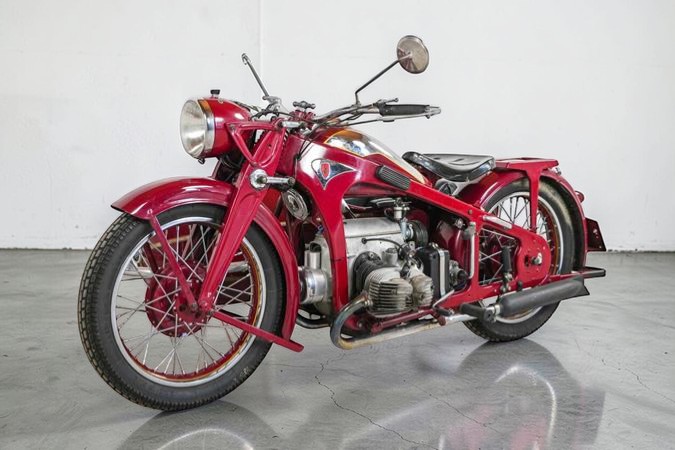
German manufacturers such as BMW and Zundapp developed highly specialized sidecar motorcycles with driven sidecar wheels and advanced drivetrain systems.
American manufacturers including Harley-Davidson and Indian produced durable, mass-produced motorcycles used extensively by Allied forces across multiple theaters of war.
British and European manufacturers contributed both military and adapted civilian machines, supporting a wide range of wartime applications.
WW2 motorcycles occupy a distinct position in the collector market, combining mechanical rarity with deep historical context.
Machines with verified military service history, original components, and documented provenance are particularly valuable.
As surviving examples become increasingly scarce, collector demand continues to grow globally, especially for complete sidecar configurations and unrestored original-condition machines.
WW2 motorcycles were engineered for function above all else. Durability, ease of maintenance, and adaptability to harsh conditions were critical design priorities.
Key characteristics include:
This collection includes some of the most iconic World War II motorcycles:
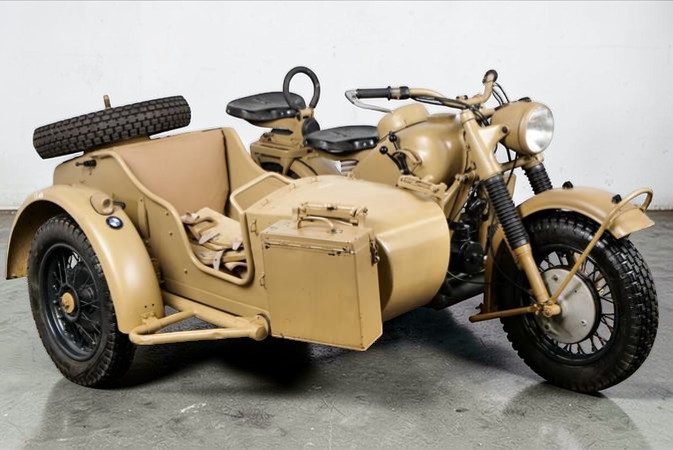
1943 BMW R75 with Sidecar - Advanced German military engineering with driven sidecar
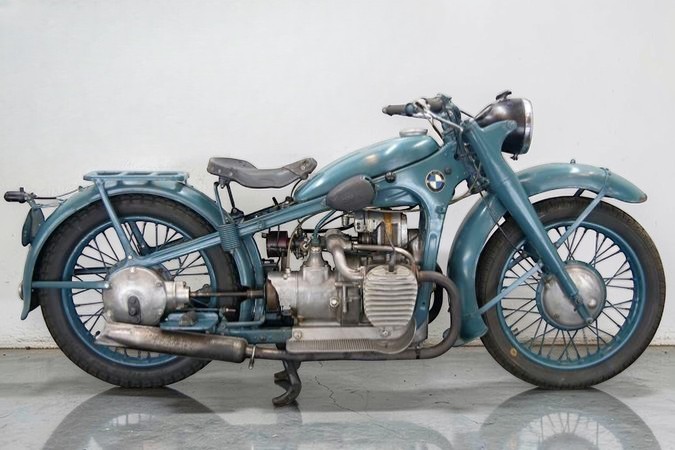
1939 BMW R12 - Early war military motorcycle used by Wehrmacht
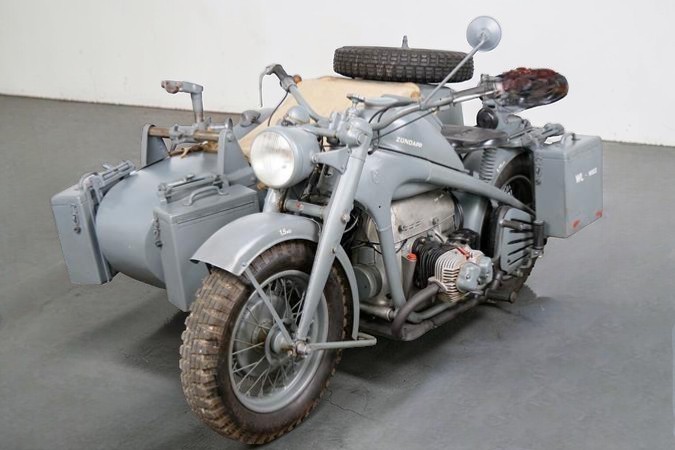
1943 Zundapp KS750 - One of the most advanced military motorcycles of the era
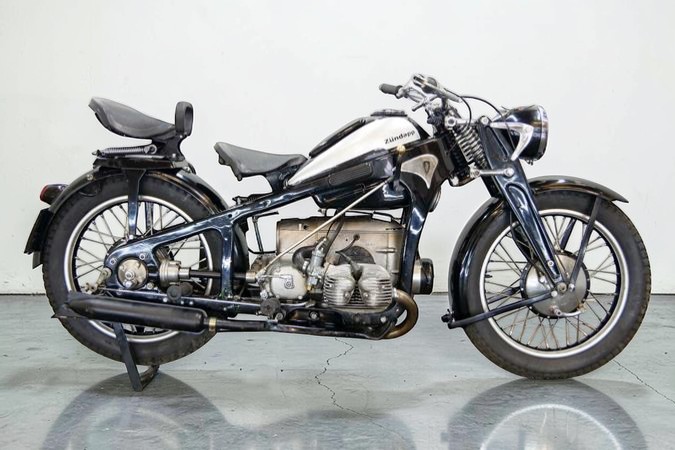
1941 Zundapp KS600 Wehrmacht - Durable military configuration
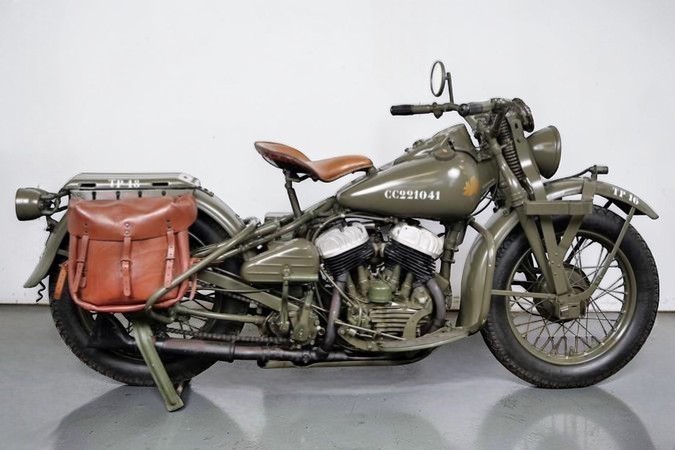
1943 Harley-Davidson WLC - Allied military workhorse used across multiple theaters
1942 Harley-Davidson WLC - Reliable mass-produced military motorcycle
1942 Indian 741B - Lightweight military scout motorcycle
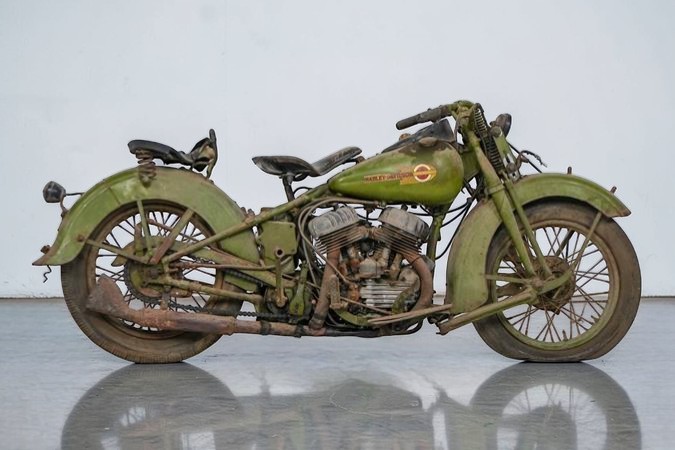
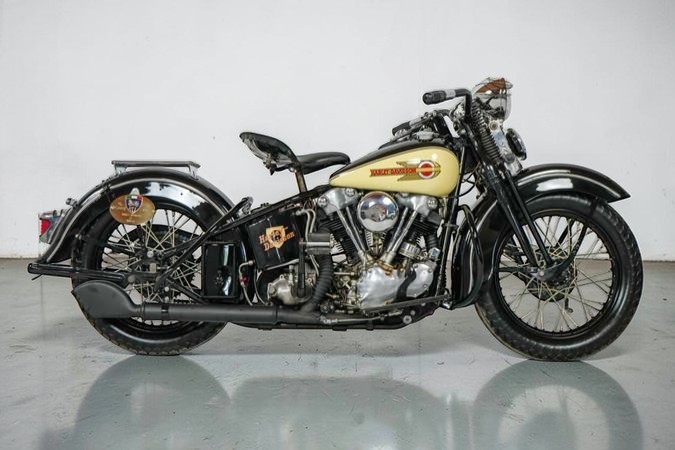
1939 Harley-Davidson EL Knucklehead - Transitional wartime civilian design
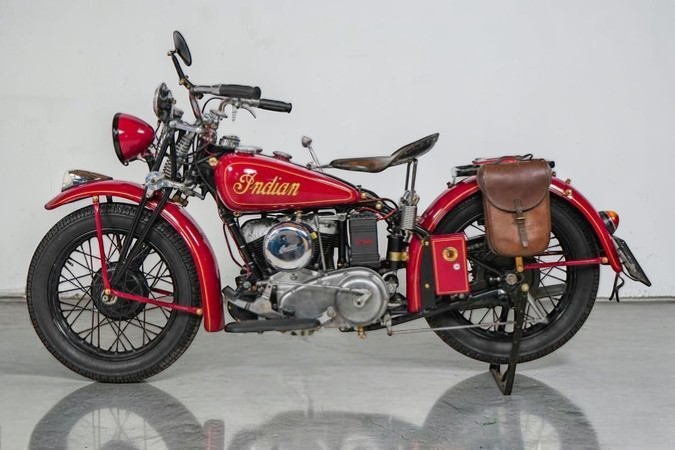
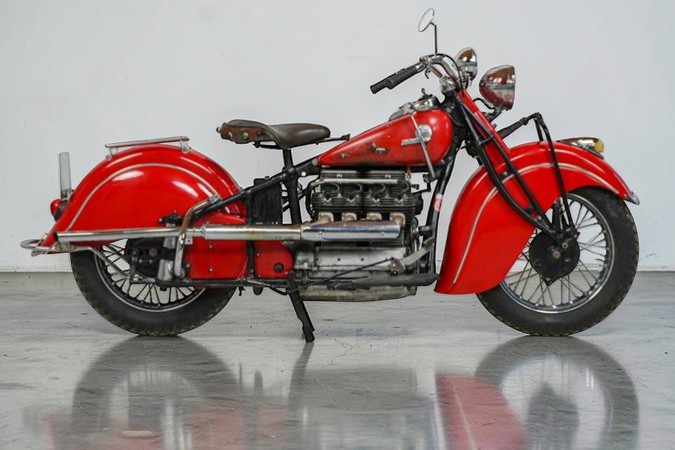
1940 Indian Four 440 - Pre-war luxury machine adapted during wartime
These machines represent both specialized military engineering and the broader wartime motorcycle landscape.
WW2 motorcycles are more than mechanical objects - they are historical artifacts. Each machine represents a direct connection to a defining period in global history.
Collectors value these motorcycles not only for their engineering, but for their authenticity, rarity, and historical narrative.
Unlike later motorcycles, WW2 machines reflect a time when engineering was driven by necessity, resulting in unique designs that are unlikely to be replicated again.
When acquiring a WW2 motorcycle, collectors should prioritize originality, documented history, and correct military specifications.
Particular attention should be given to matching numbers, authentic components, and historically accurate restoration work.
Each motorcycle in this collection is carefully inspected and documented to meet museum-grade standards and serious collector expectations.
Below is a curated selection of World War II motorcycles available for acquisition. Each example is verified, historically documented, and prepared for collectors.
We offer collector-grade WW2 motorcycles to clients worldwide, including Europe, the United States, United Kingdom, Australia, and Asia.
All motorcycles are professionally crated and shipped with full export documentation and insurance.
The history of vintage motorcycles is defined by several important eras, each representing a major transformation in engineering, manufacturing, design philosophy, and motorcycle culture. From pioneering early machines and pre-war motorcycles to military models, post-war classics, and modern collectible icons, every period reflects the technological progress and craftsmanship that shaped the motorcycle industry.
Our Vintage Motorcycle Eras Guide explores the key historical periods that define motorcycle collecting today, including significant manufacturers, engineering innovations, iconic models, and the factors that determine historical importance and collector value.
The Second World War represented a critical turning point in motorcycle development, transforming motorcycles from civilian transportation into highly specialized military machines.
The WW2 Military Motorcycle Era introduced motorcycles engineered for extreme reliability, field repairability, rugged terrain, and long-distance operational use. Manufacturers developed stronger frames, simplified mechanical systems, and durable designs that later influenced touring, utility, and adventure motorcycles for decades.
Following the wartime period, motorcycle manufacturers entered a new era focused on mass production, improved reliability, performance development, and global expansion. The transition into the Post-War Motorcycle Era (1945-1990s) introduced a new generation of machines that combined proven wartime engineering principles with modern manufacturing techniques and evolving rider expectations.
The post-war decades established many of the motorcycles now considered modern classics, including performance motorcycles, touring machines, and culturally significant models from major global manufacturers.
This era represents the bridge between traditional hand-built motorcycles and the advanced engineering standards that define contemporary collector motorcycles.
Explore Post-War Motorcycles →For a comprehensive overview of available machines across all historical periods, the global motorcycle collection provides a curated archive of collector-grade motorcycles, categorized by era, engineering type, and historical significance.
A WW2 military motorcycle is a motorcycle manufactured or officially used for military service during the Second World War, generally between 1939 and 1945. These motorcycles were designed for reliability, field maintenance, military transport, reconnaissance, dispatch duties, and logistical support under demanding wartime conditions.
The WW2 military motorcycle era covers the period from 1939 to 1945, when motorcycles became essential military vehicles used by Allied and Axis forces. During these years, manufacturers developed specialized models capable of operating in diverse terrain and combat environments.
Highly collectible WW2 military motorcycle brands include Harley-Davidson, Indian, BMW, Zündapp, BSA, Norton, Triumph, Ariel, Matchless, and Royal Enfield. Collector value depends on originality, military documentation, production rarity, historical significance, and restoration quality.
The value of a WW2 military motorcycle is influenced by originality, matching engine and frame numbers, verified military history, documented provenance, production rarity, mechanical condition, restoration accuracy, and historical importance within wartime operations.
Collectors generally place the highest value on original motorcycles with authentic military components, factory finishes, and documented service history. Professionally restored examples can also be highly desirable when historical accuracy and original specifications are carefully preserved.
Many WW2 military motorcycles remain operational and can be ridden when properly restored and maintained. However, owners should understand vintage mechanical systems, regular maintenance requirements, and the availability of authentic replacement parts before operating these historic machines.
Collectors should verify engine and frame numbers, military markings, production records, originality of components, restoration history, mechanical condition, ownership documentation, and historical provenance before purchasing a WW2 military motorcycle.
WW2 military motorcycles played a major role in advancing motorcycle engineering through improvements in durability, reliability, field serviceability, and operational efficiency. Many engineering principles developed during the war influenced civilian motorcycle production in the decades that followed.
Registration requirements vary by country and region. Many restored WW2 military motorcycles can be legally registered for public roads when they satisfy local regulations, safety inspections, and historical vehicle registration requirements.
Collectors typically purchase authentic WW2 military motorcycles through specialist vintage motorcycle dealers, military vehicle auctions, private collections, museums, and established classic motorcycle marketplaces that provide verified provenance and historical documentation.
For serious collectors and historians, WW2 military motorcycles represent one of the most important intersections of engineering, warfare, and industrial design. The 1939-1945 period forced manufacturers to prioritize reliability, field serviceability, and tactical utility over comfort or commercial design.
Axis engineering - led by German manufacturers such as BMW and Zundapp - focused on heavy-duty sidecar systems, shaft-driven reliability, and cross-country military deployment. Meanwhile, Allied manufacturers such as Harley-Davidson and Indian developed rugged V-twin platforms optimized for dispatch riding, convoy operations, and battlefield communication support.
These machines are not simply motorcycles - they are mechanical artifacts of global conflict, representing how industrial capability was adapted for wartime logistics, reconnaissance, and mobility strategy.
Explore the evolution of WW2 military motorcycles within the broader context of Axis and Allied industrial strategy, battlefield engineering, and wartime production systems:
WW2 military motorcycles occupy one of the most exclusive segments of the global collector vehicle market. Value is driven not only by rarity, but also by documented military provenance, originality, and historical significance in wartime operations.
Collectors evaluate these machines based on authenticity of military specification, correct wartime configuration, engine and frame matching numbers, and preservation level of original components such as sidecars, blackout lighting systems, and military instrumentation.
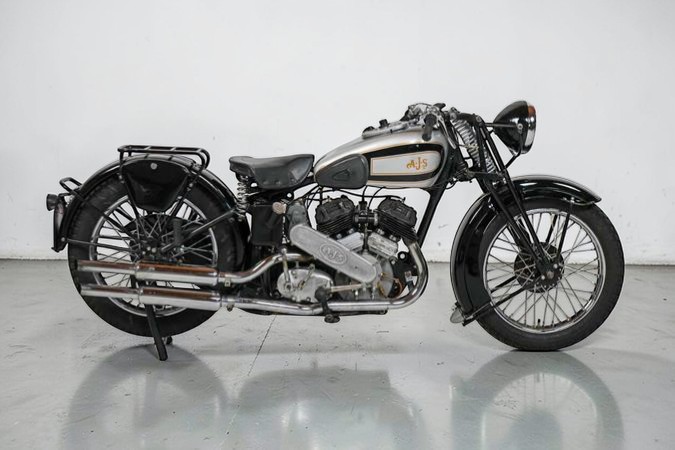
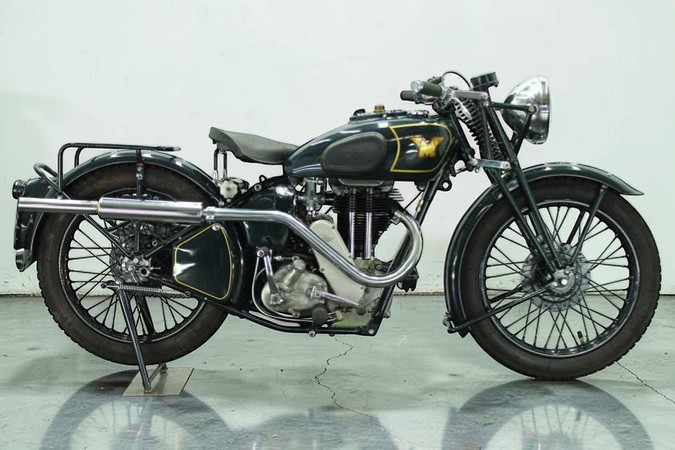
Axis machines (BMW, Zundapp) and Allied machines (Harley-Davidson, Indian, AJS, Matchless) often command premium valuation due to their direct association with major WW2 theaters of operation.
World War II accelerated motorcycle engineering evolution, introducing standardized military platforms, reinforced frames, improved suspension systems, and sidecar-based tactical mobility solutions. These innovations directly influenced post-war motorcycle development across Europe, America, and Japan.
Beyond engineering, WW2 motorcycles became cultural artifacts of mechanized warfare - symbolizing dispatch communication, battlefield mobility, and the industrial scale of global conflict. Today, they are preserved in museums and private collections as historical evidence of wartime engineering excellence.