
The Vintage Motorcycles
Specialists in antique, classic, veteran and vintage motorcycles.
Specialists in antique, classic, veteran and vintage motorcycles.
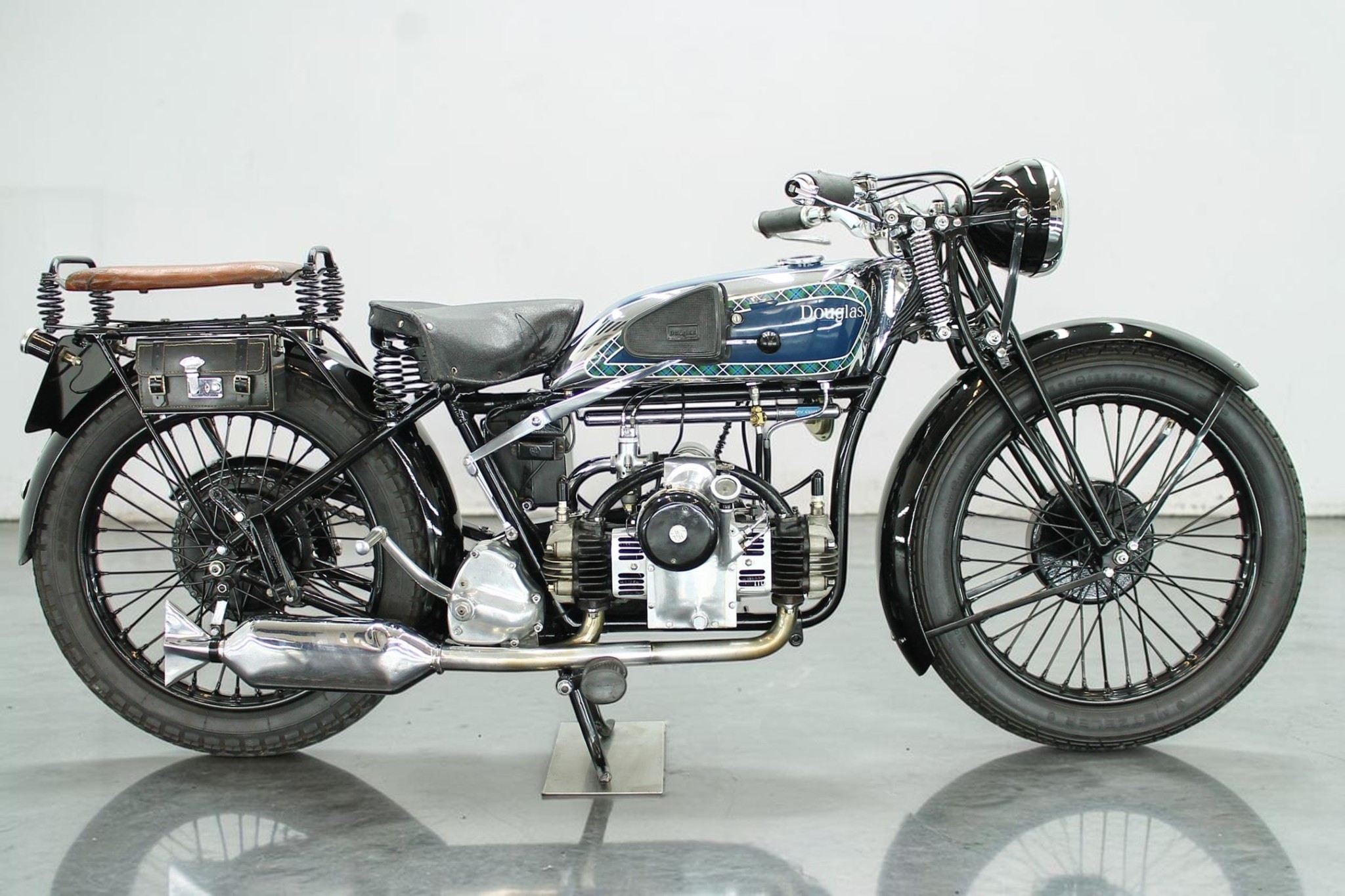
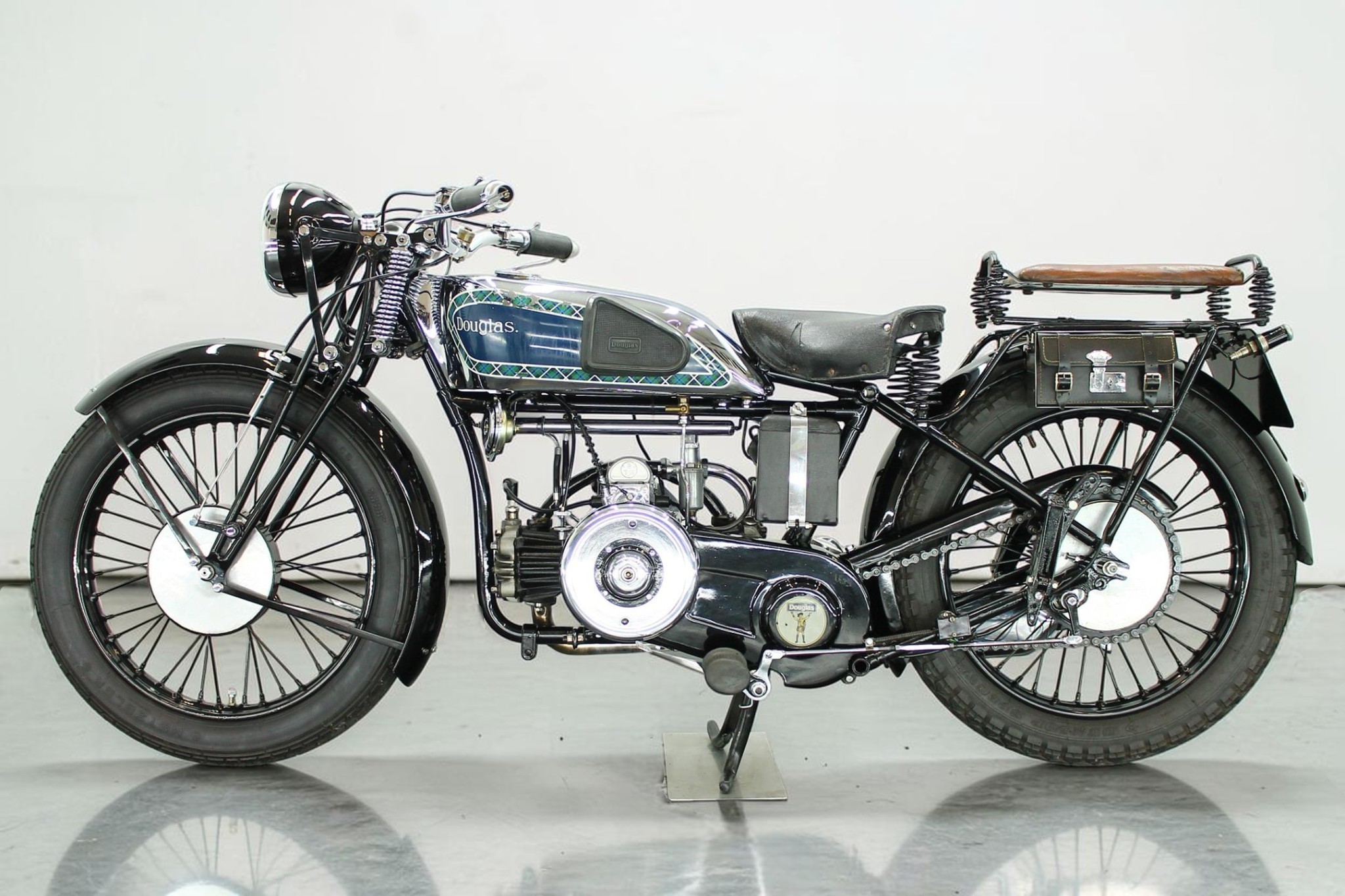
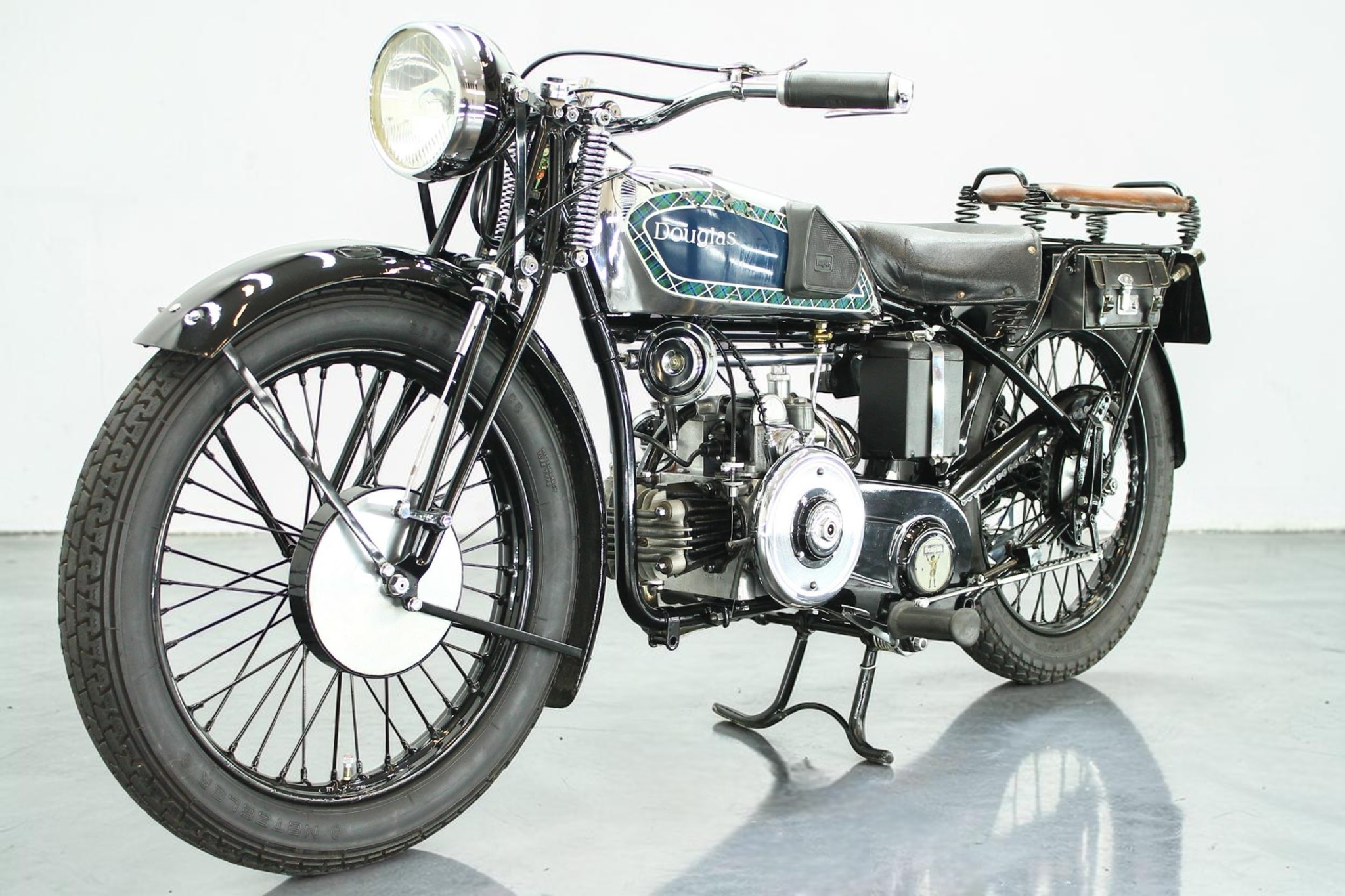
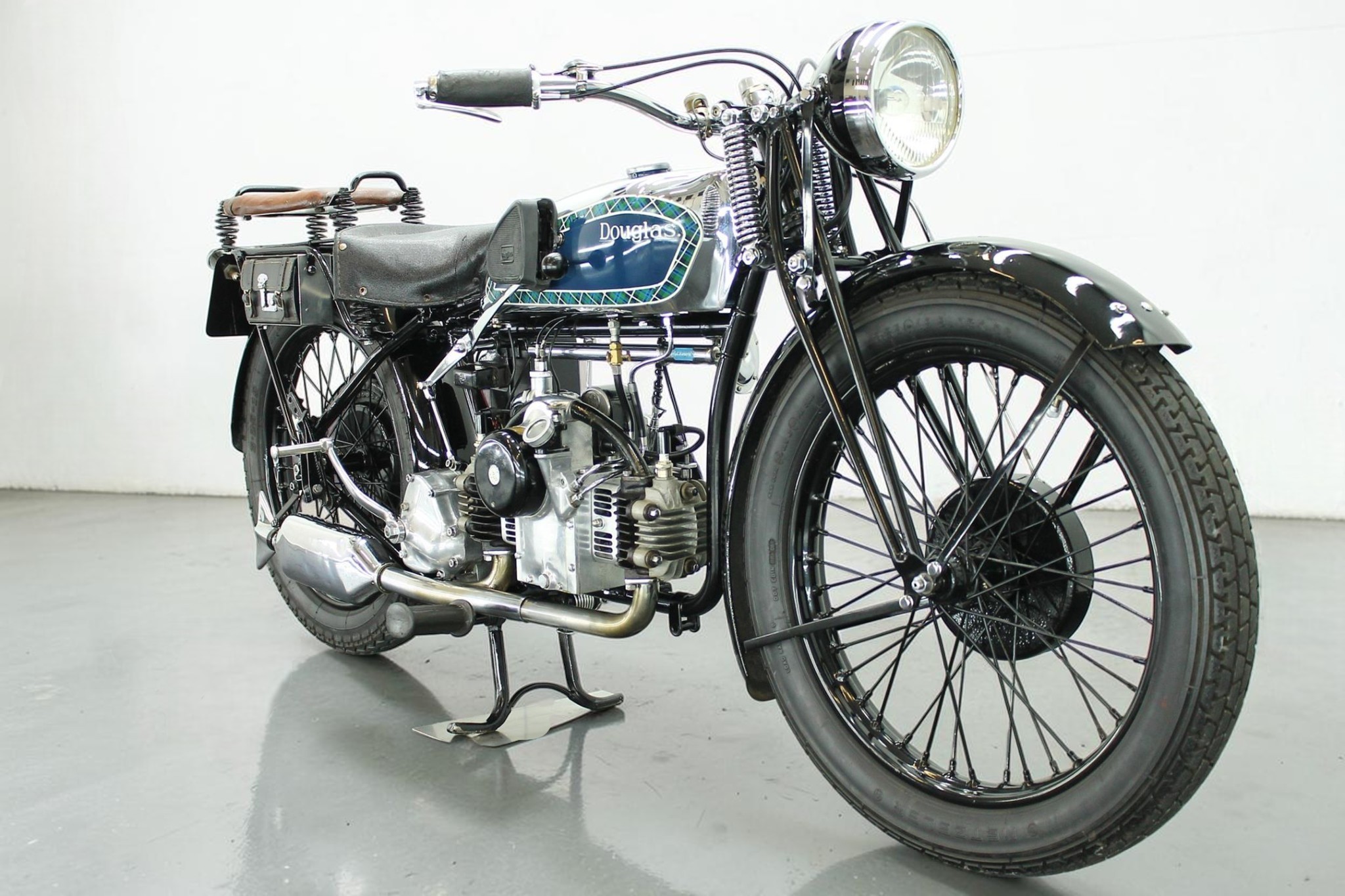


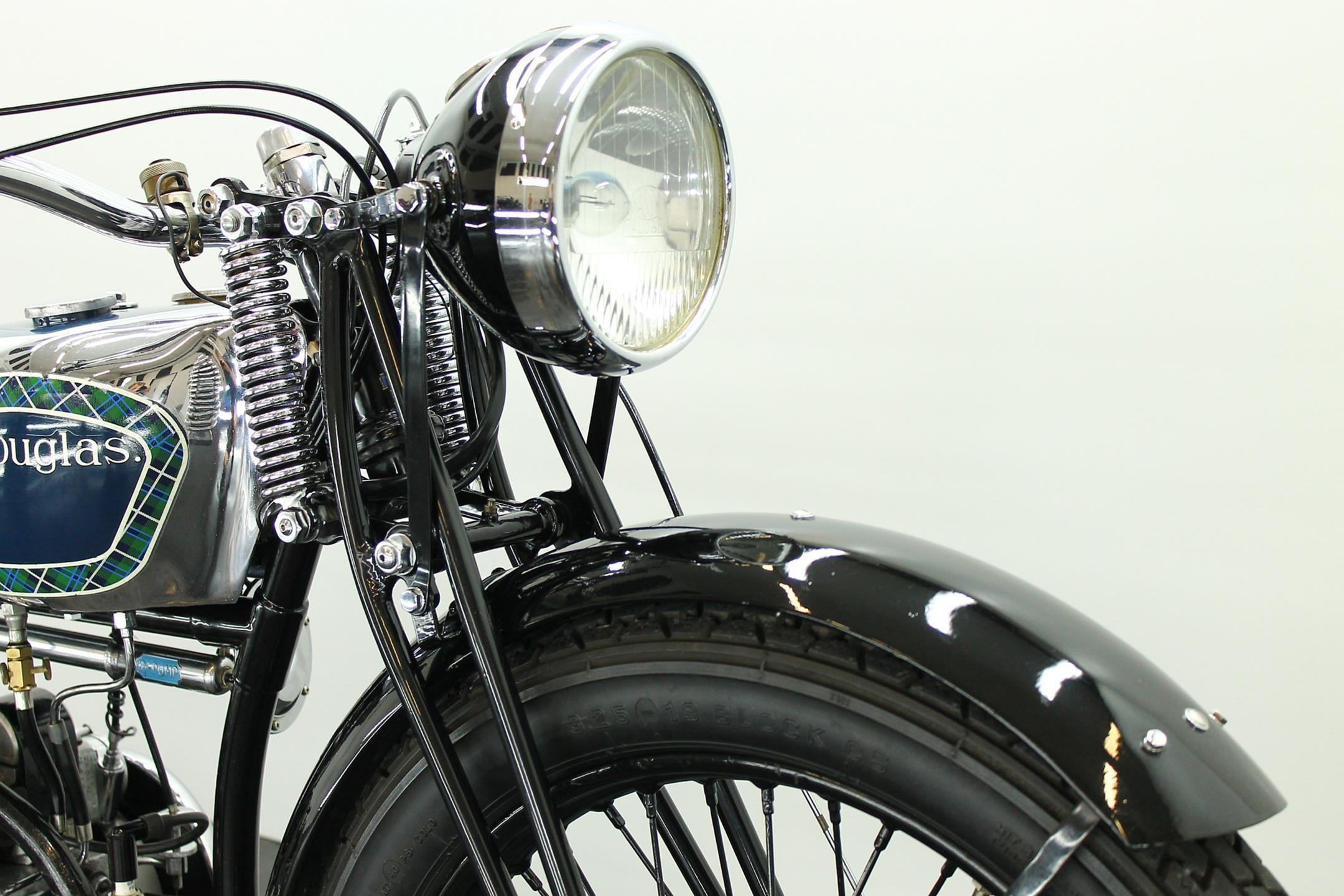
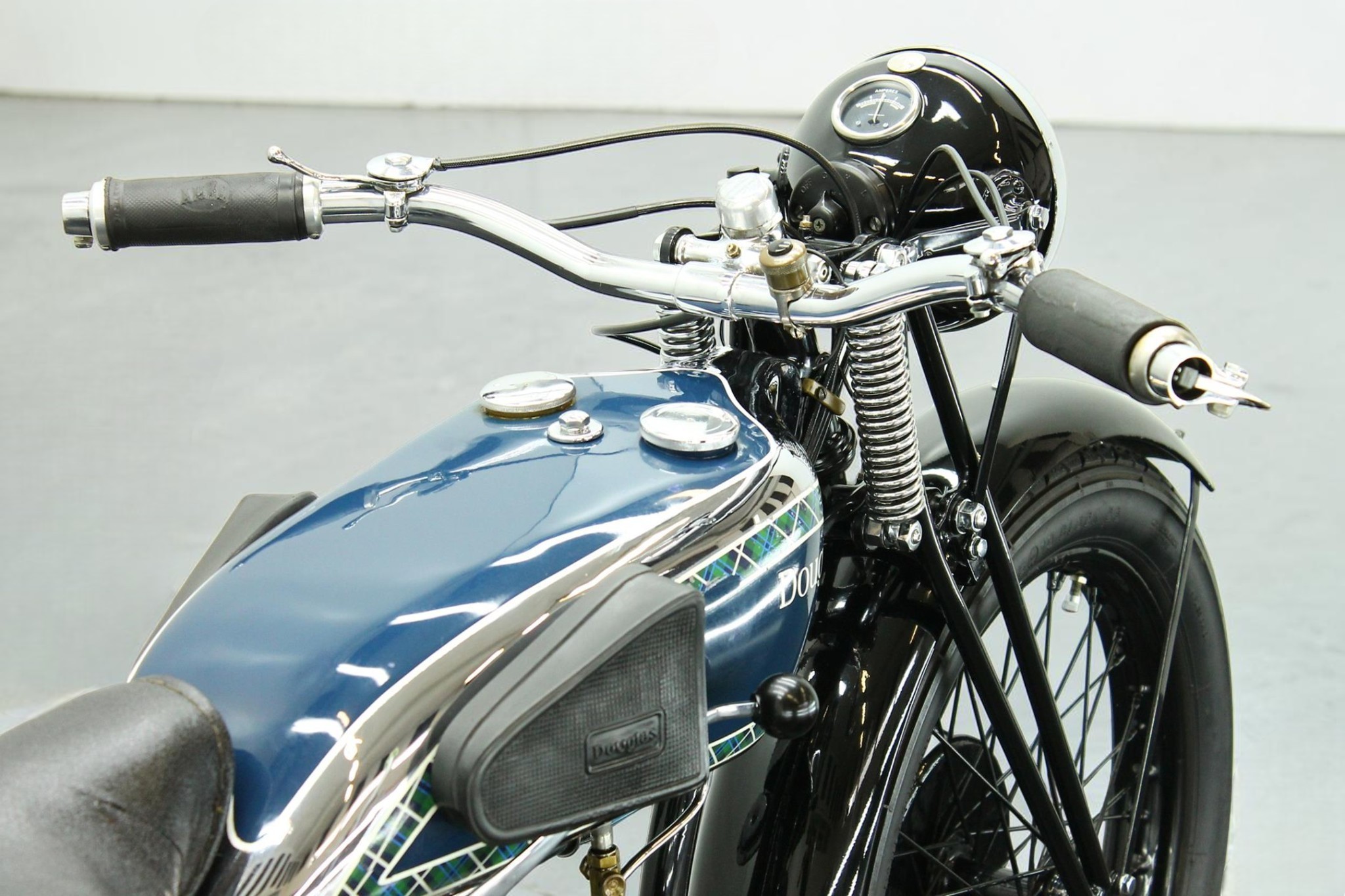
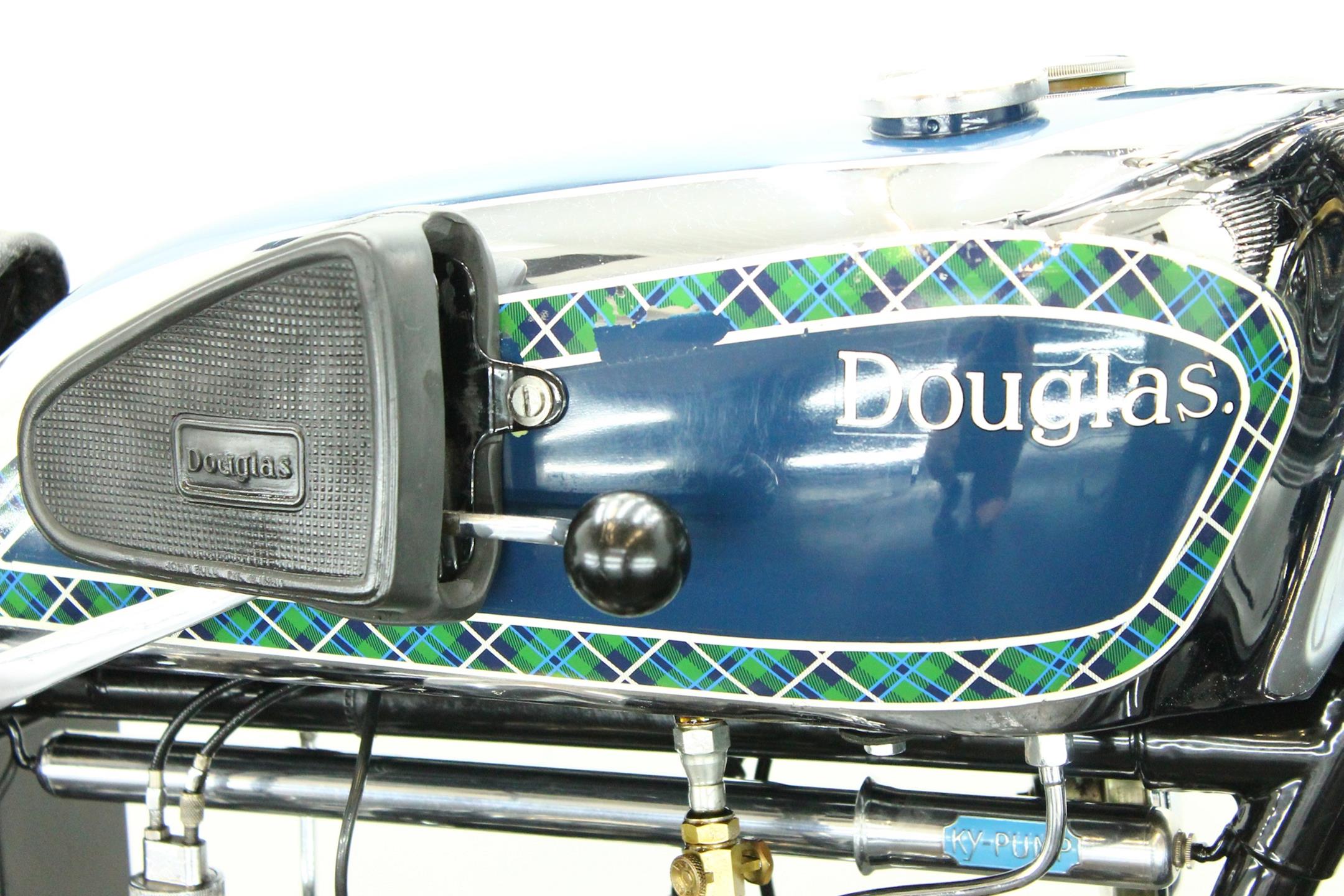
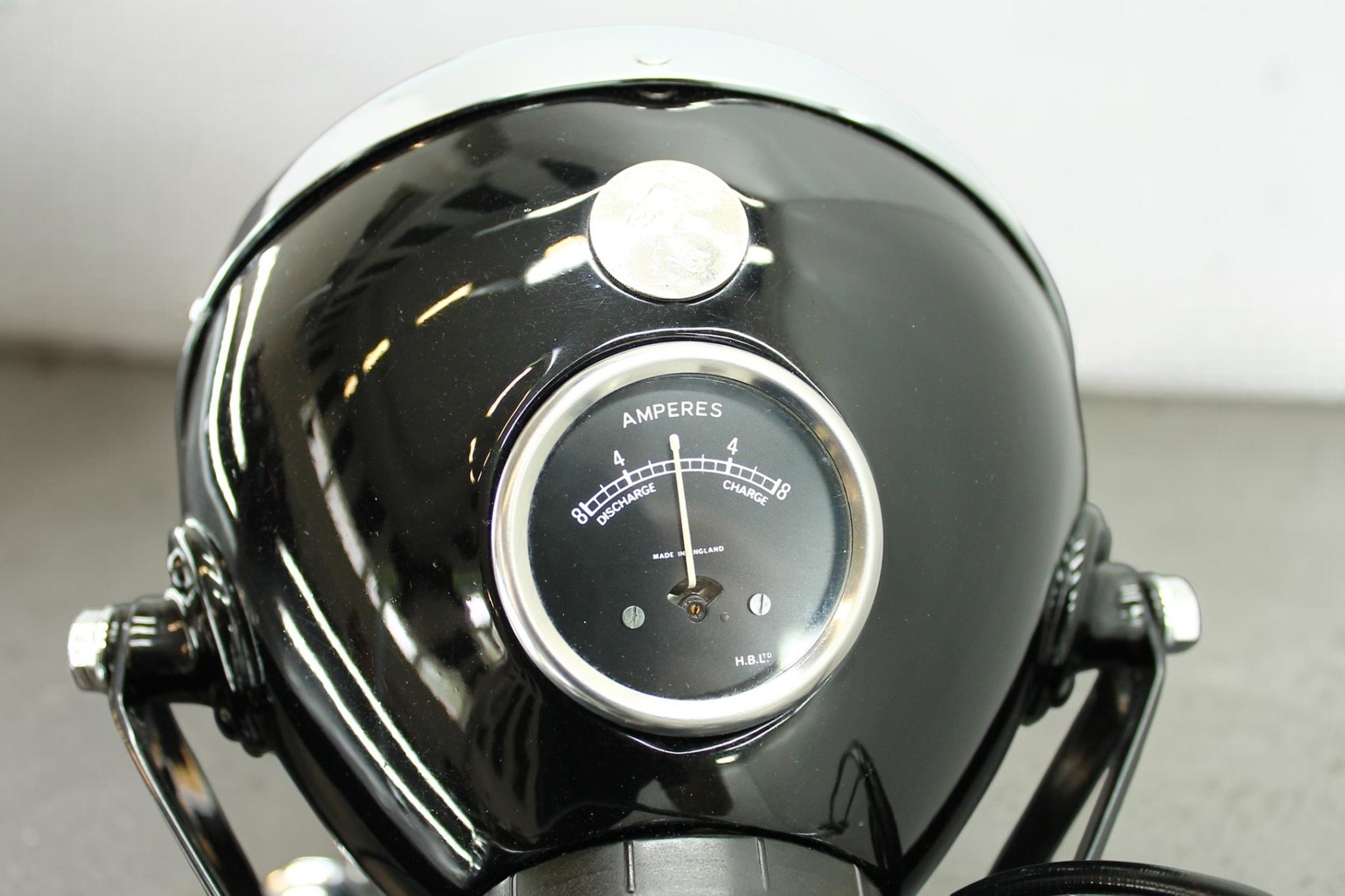

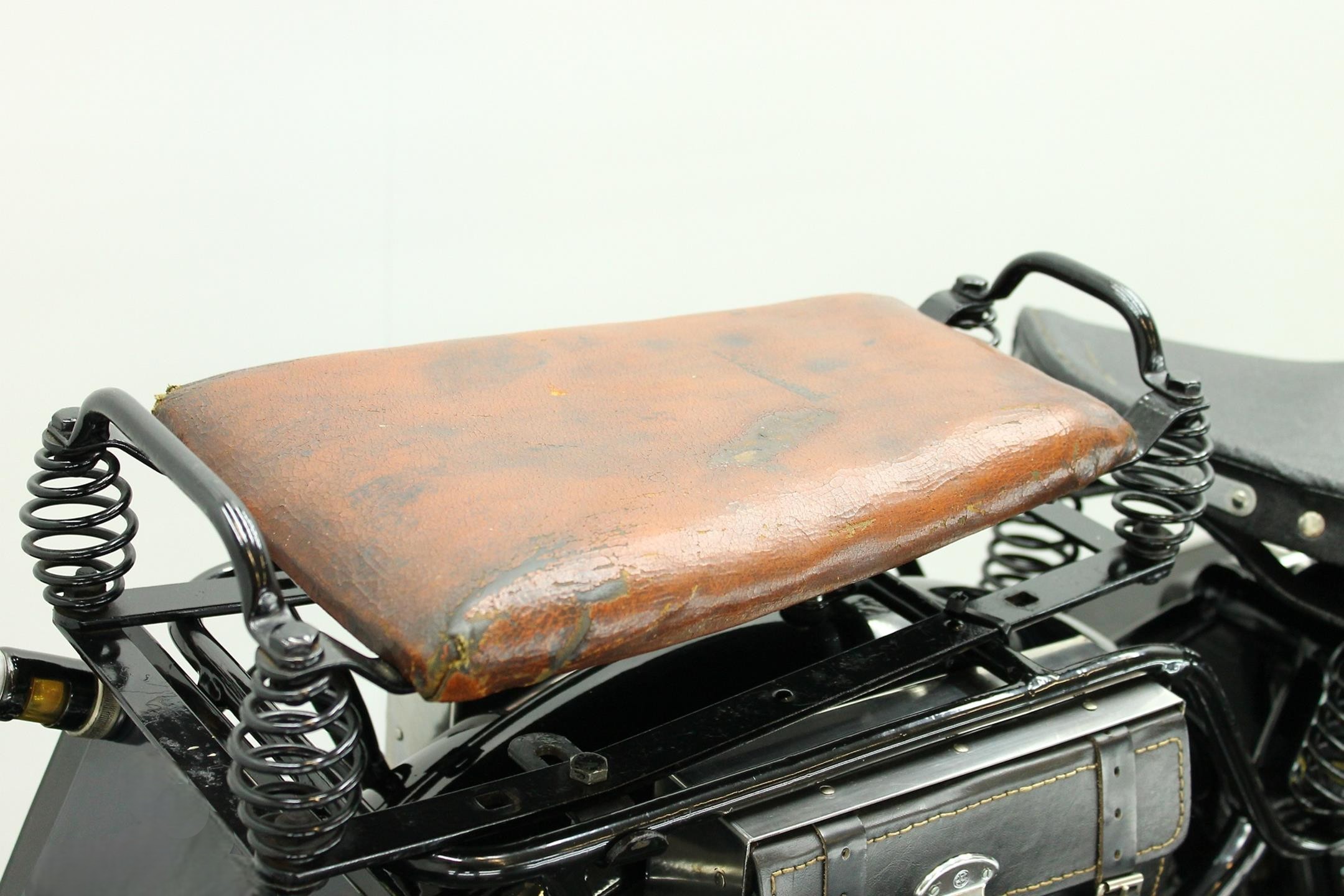
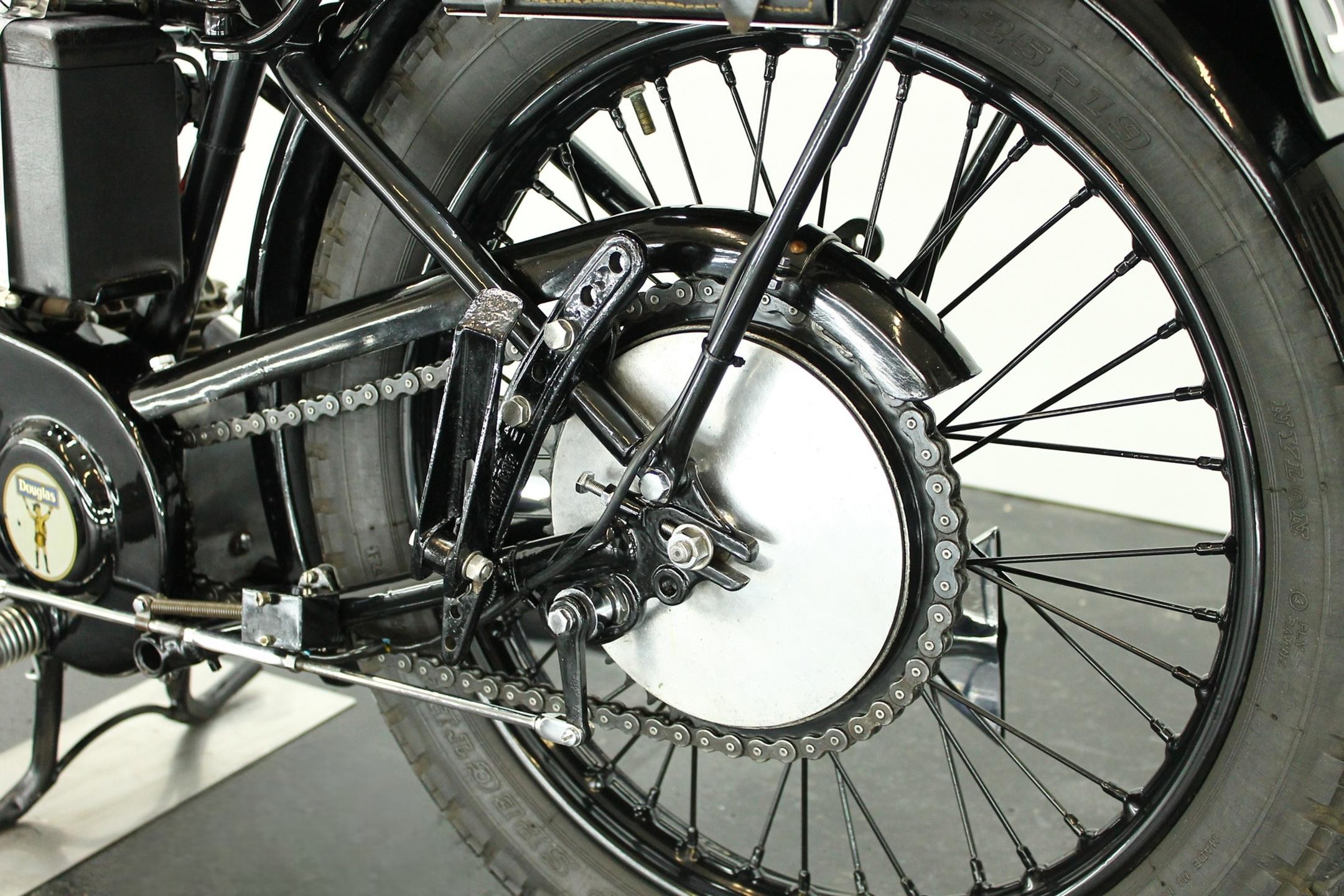
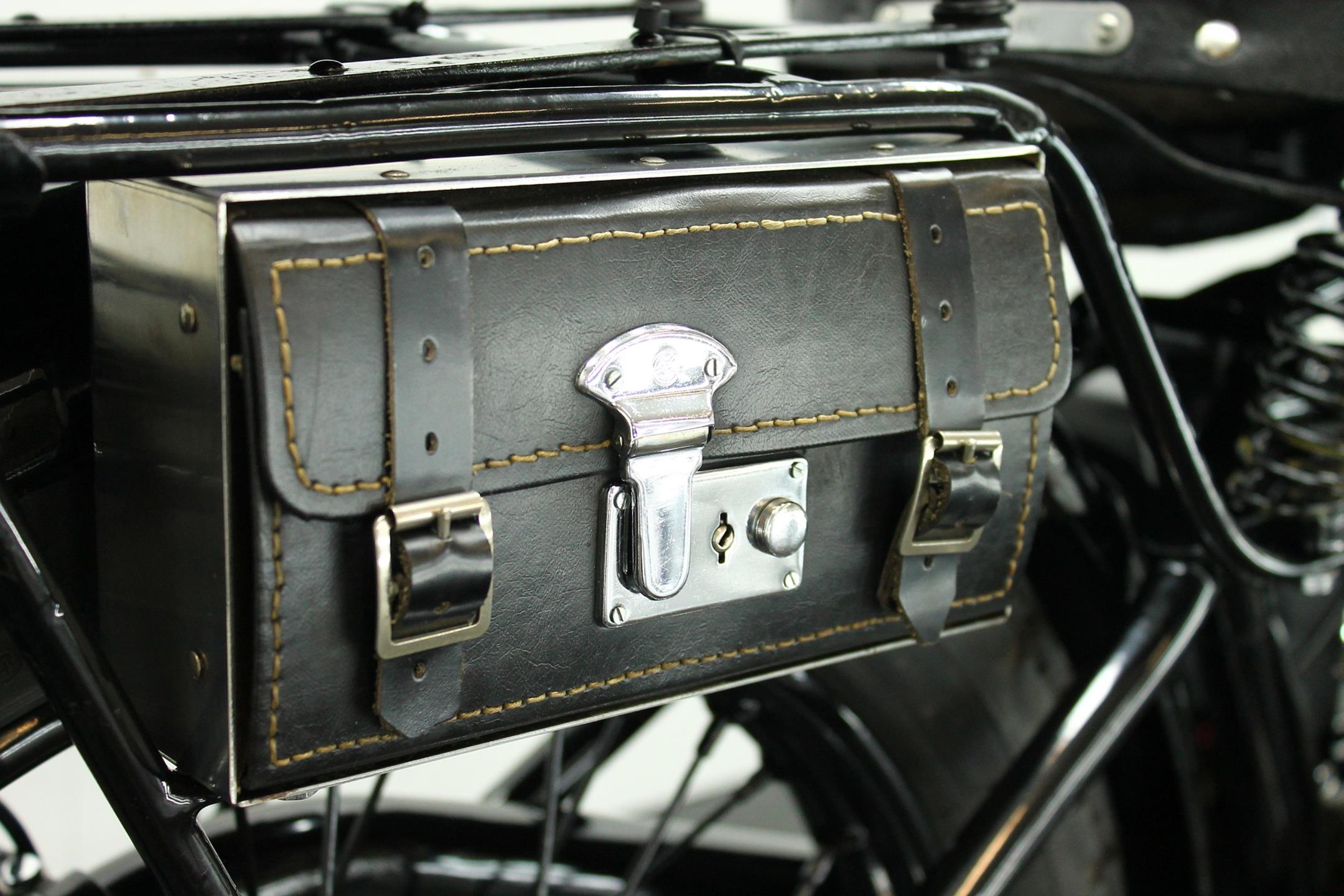

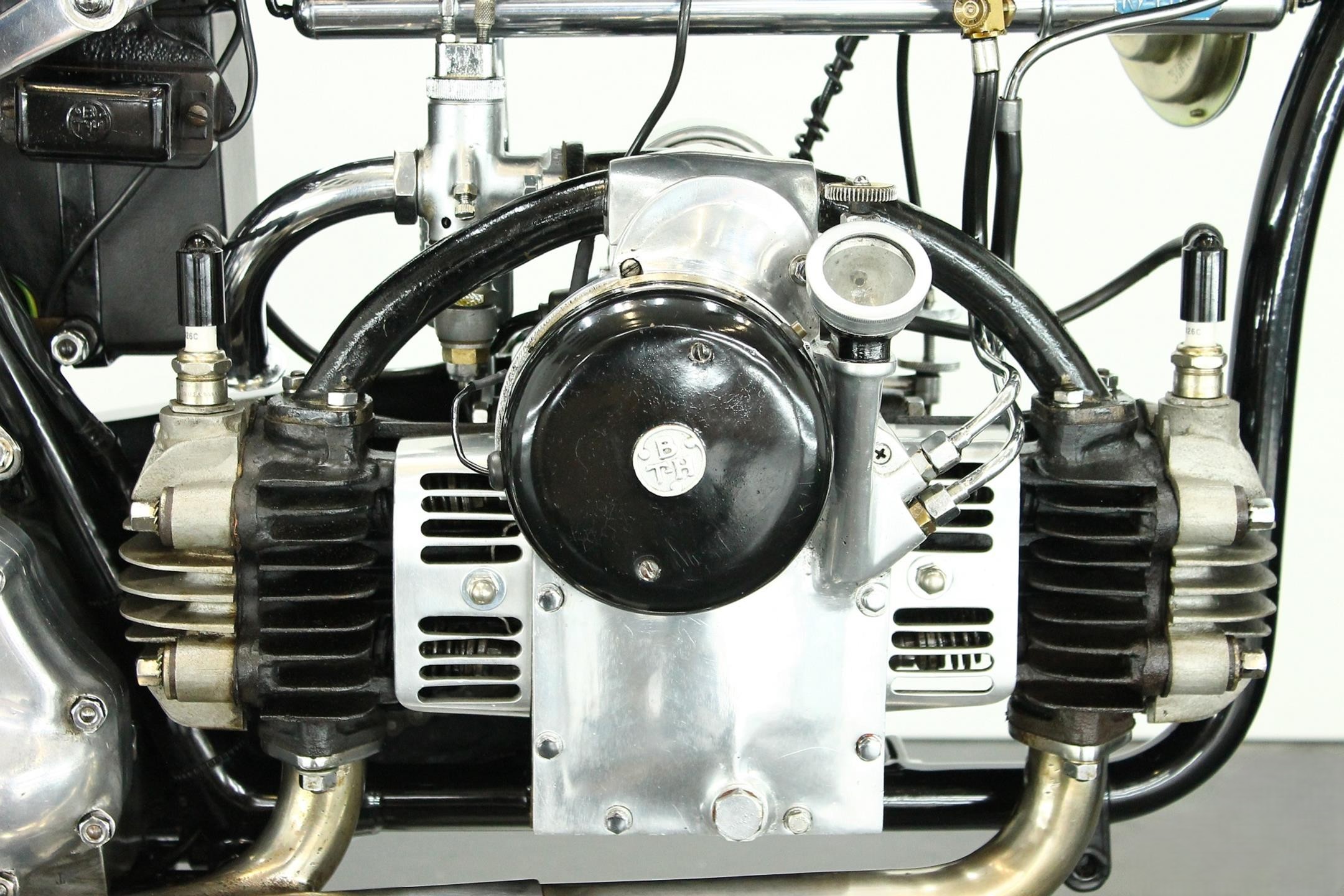
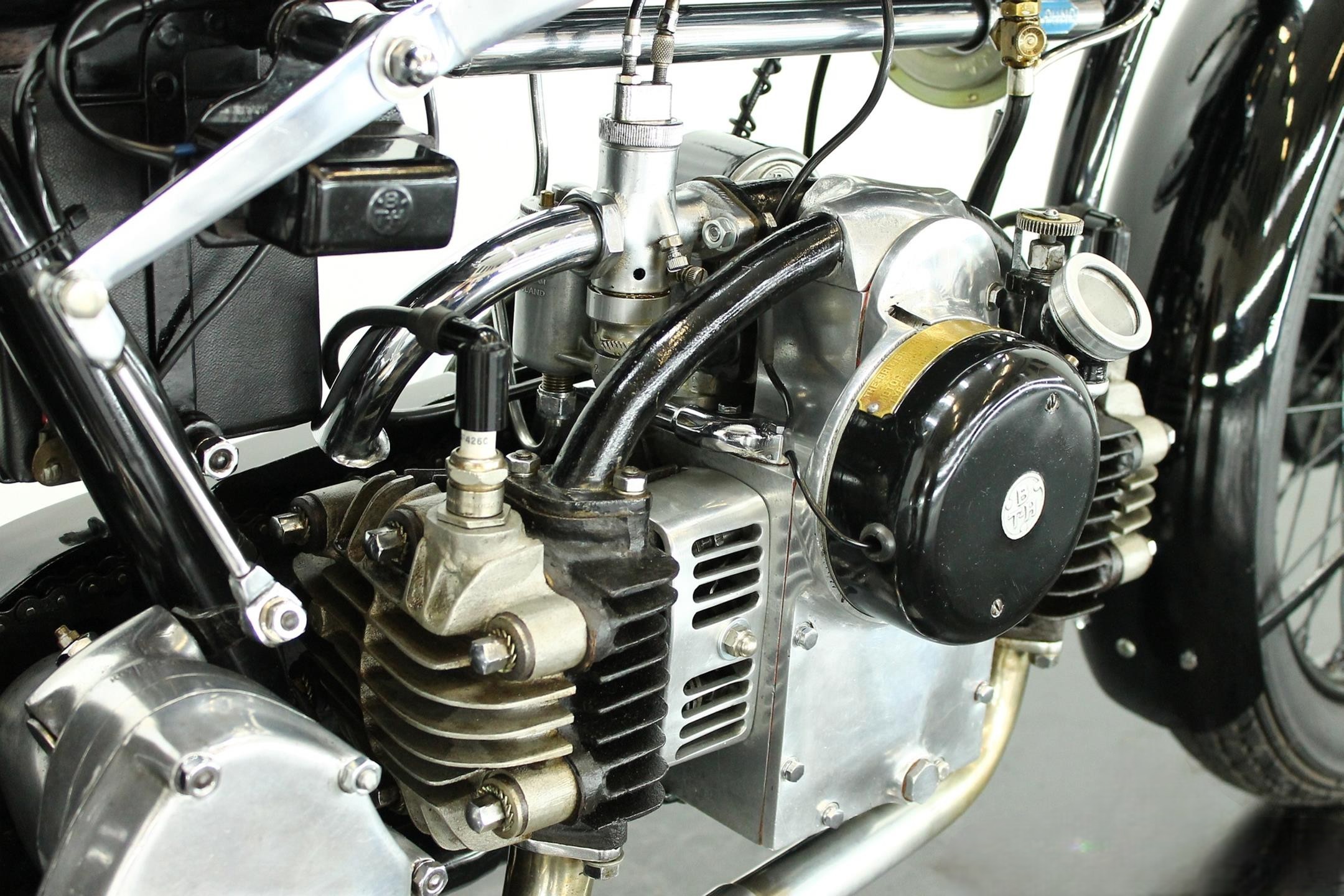
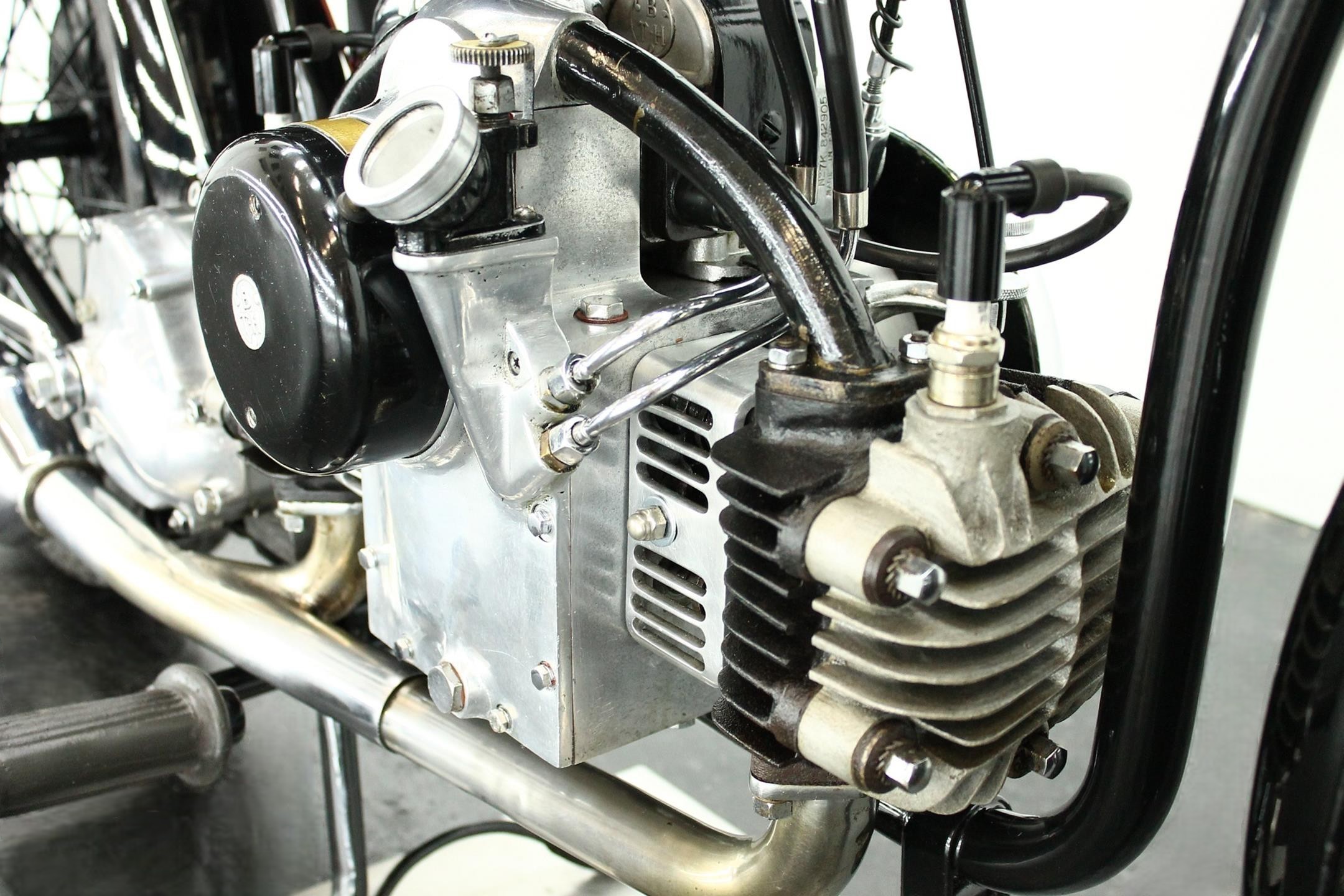
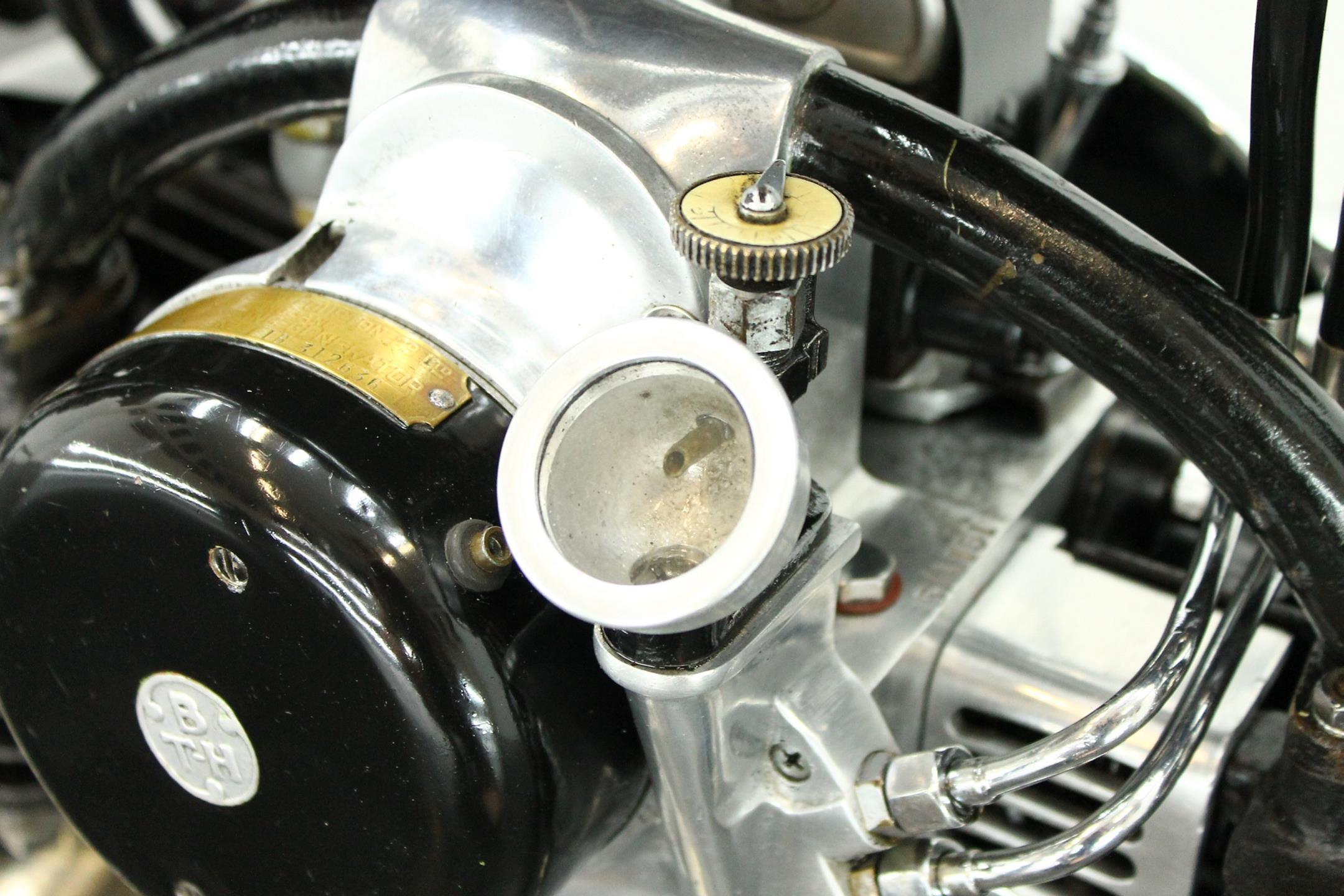
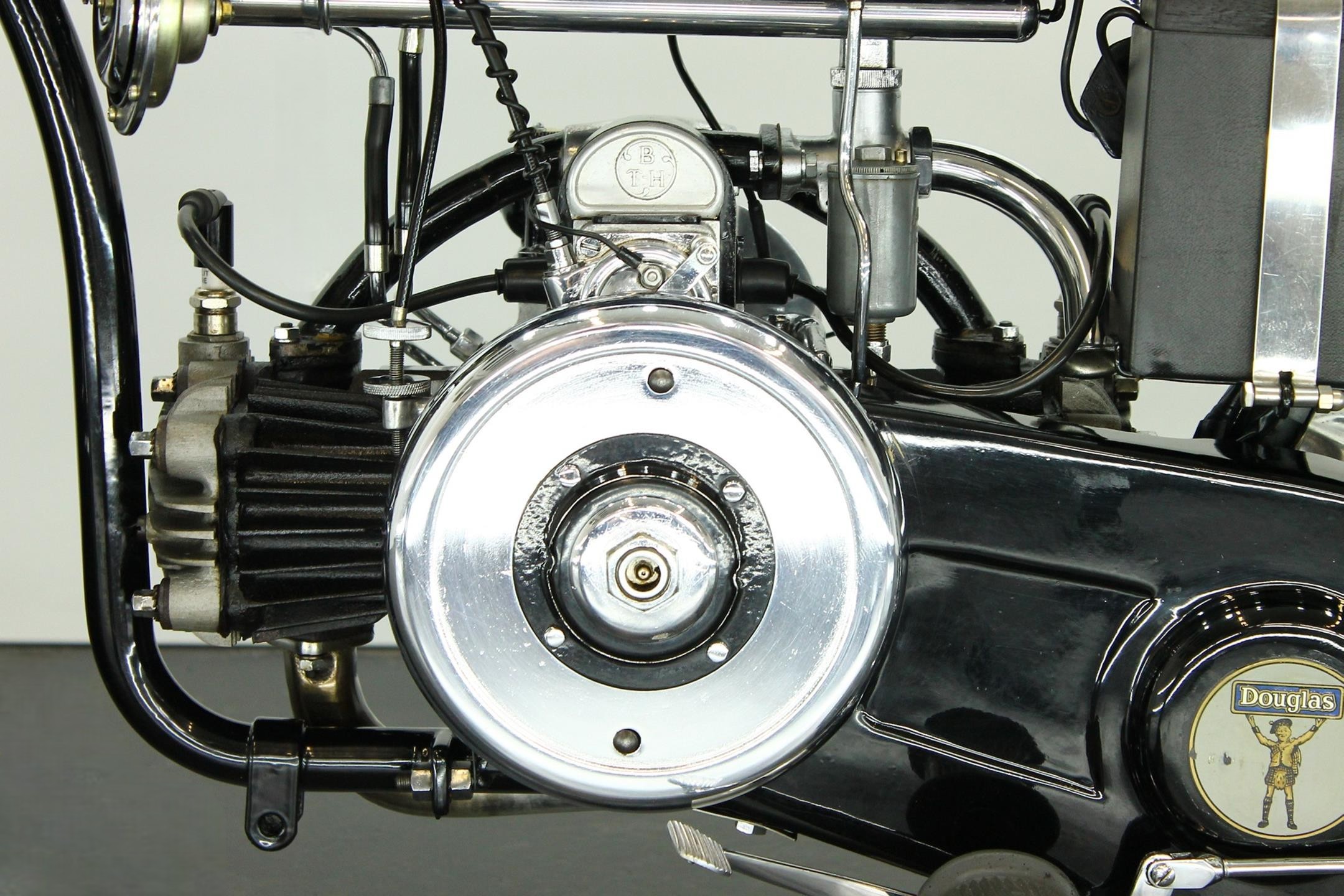

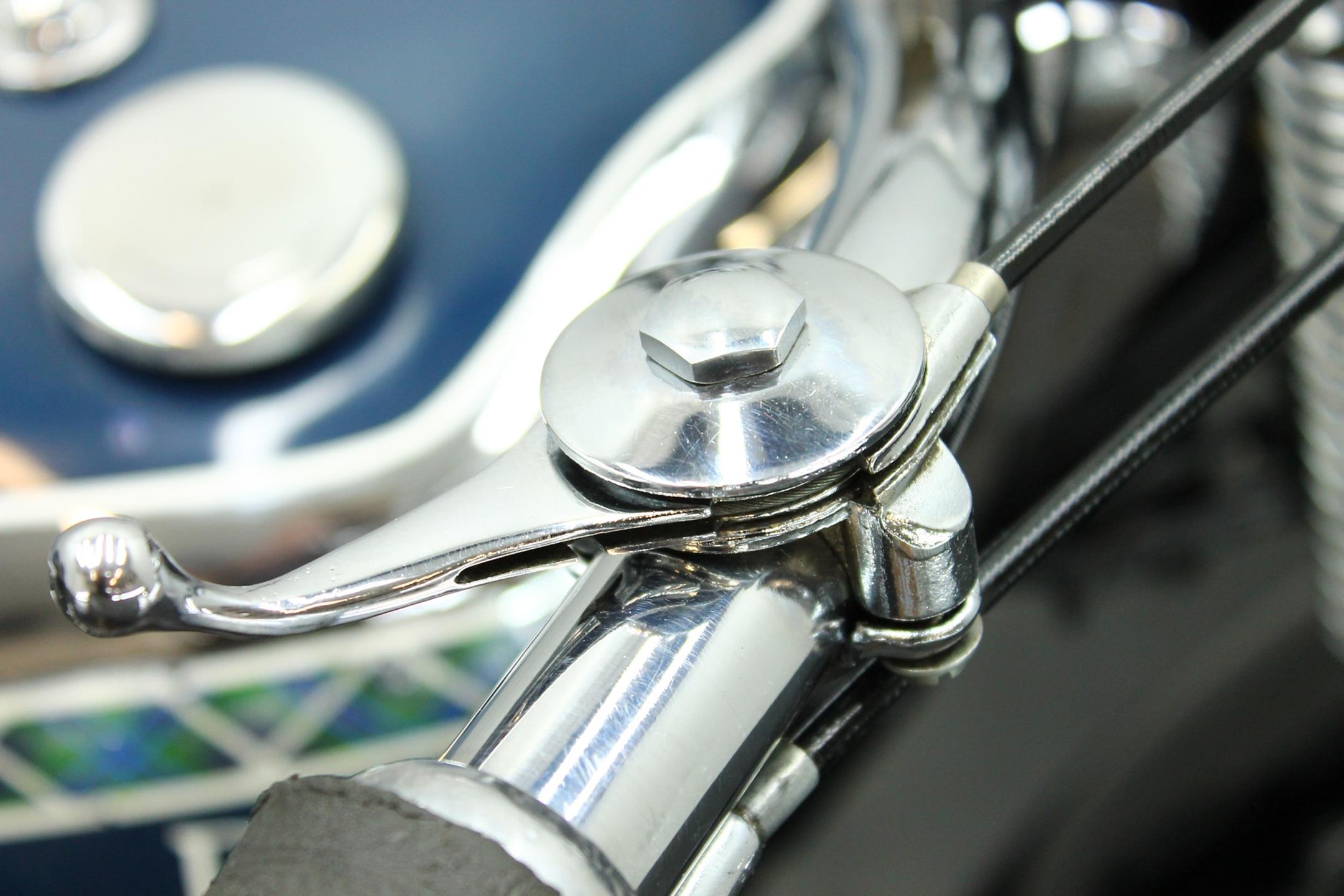


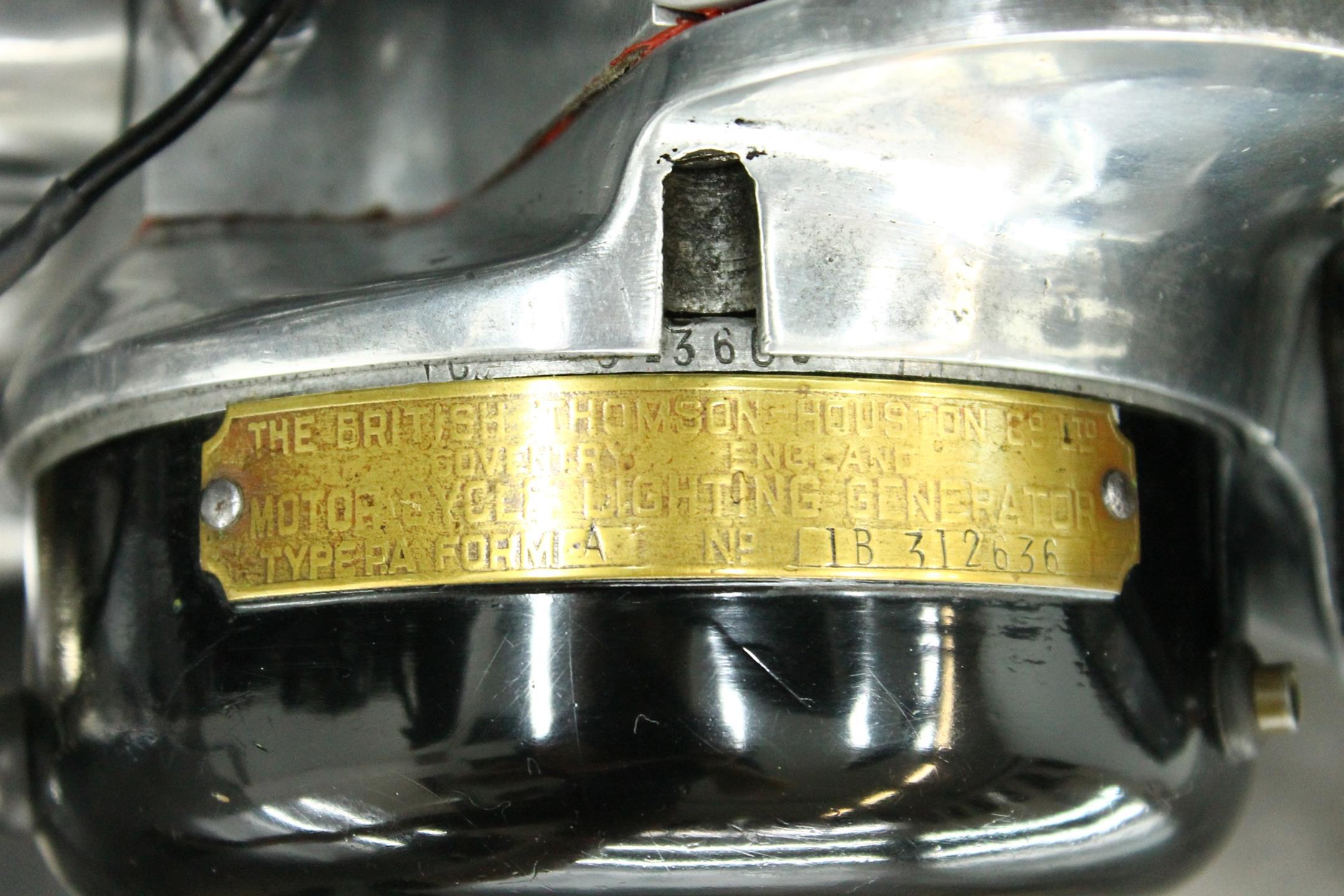
The 1932 Douglas Model C32 Bulldog was a lightweight British motorcycle built by the Douglas Engineering Company in Bristol. It was the 500cc side-valve member of Douglas's revised lightweight range for 1932 and was developed from the preceding B32 design rather than from the heavier 500cc machines of earlier years.
The C32 used a 499cc air-cooled four-stroke horizontally opposed twin-cylinder engine with side valves. The engine had a 62.25 mm bore and 85 mm stroke and was designed around the lightweight chassis to provide a useful combination of smooth running, easy starting, and practical road performance.
Douglas specifically marketed the Bulldog as a light 500cc motorcycle. Contemporary advertising emphasized the extra 150cc over the company's 350cc model and promoted the Bulldog's increased performance while retaining the characteristics of the famous Douglas flat-twin engine.
The C32 weighed less than 224 lb, or approximately 101.6 kg, according to Douglas model identification information. A documented surviving example is listed at 110 kg, illustrating that quoted weights can vary according to equipment and specification.
The Bulldog was introduced during a difficult period for Douglas. The company was facing serious financial problems in the early 1930s, and the C32 was part of a rapidly changing range in which Douglas attempted to offer lighter, more economical motorcycles alongside its larger machines.
The C32 is now a particularly interesting Douglas because its lightweight design represents a distinct departure from the heavier 500cc motorcycles that had preceded it.
Douglas had built horizontally opposed twin-cylinder motorcycles for decades, but by the early 1930s the company was experimenting with lighter chassis designs to reduce weight and broaden the appeal of its motorcycles.
The 1931 C31 was the earlier 500cc lightweight model. For 1932, the C32 replaced the C31 and was based on the 350cc B32-style lightweight architecture rather than the older heavyweight 500cc designs.
The C32 was fitted with detachable aluminium plate-style cylinder heads. This was one of the changes introduced as Douglas developed its lightweight side-valve engines for the 1932 model year.
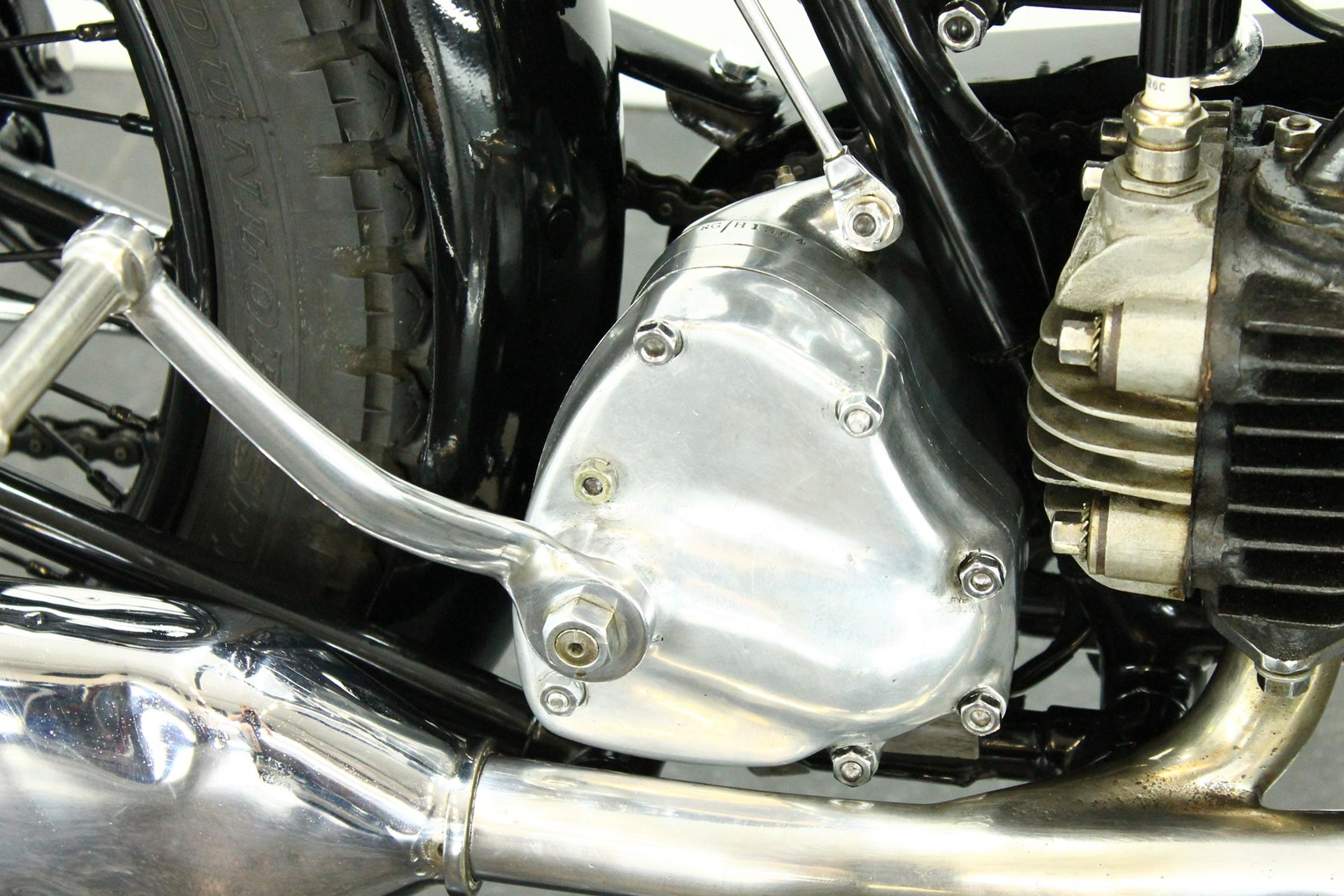
Douglas model identification records list the C32 as a 500cc side-valve model for 1932, with FC-series frame numbers, 5/A-series engine numbers, and RG/H-series gearbox identification.
The Bulldog name became associated with the 500cc lightweight Douglas in this period. Douglas used animal names for some of its models, with the 500cc model becoming the Bulldog and the 600cc sports machine becoming the Greyhound.
Contemporary 1932 sales literature promoted the Bulldog as a light 500cc side-valve motorcycle with the familiar Douglas flat-twin engine and full electrical equipment available as part of the package.
Surviving C32 motorcycles are uncommon. Their rarity is partly explained by the short production period and the financial difficulties experienced by Douglas during the early 1930s.
The 1932 Douglas C32 Bulldog is powered by a 499cc air-cooled four-stroke side-valve flat-twin engine.
The engine uses a horizontally opposed cylinder arrangement with the crankshaft positioned longitudinally in the frame. This configuration was a defining characteristic of Douglas motorcycles and gave the Bulldog a low center of gravity.
The bore measures 62.25 mm and the stroke approximately 85 mm, producing a displacement of about 499cc.
The side-valve arrangement was mechanically straightforward and well suited to a lightweight motorcycle intended for reliable everyday road use.
A period specification for a surviving C32 lists approximately 14 horsepower at 3,500 rpm. The relatively low engine speed at which peak power was produced reflects the Bulldog's emphasis on usable torque and relaxed operation rather than high-rpm performance.
The flat-twin configuration provided good mechanical balance and a smooth running character. Douglas had developed considerable experience with this layout, and the C32 benefited from decades of refinement of the basic concept.
The smaller and lighter chassis allowed the 500cc engine to provide useful performance without requiring the substantial frame and cycle components associated with Douglas's earlier heavyweight models.
The Bulldog was therefore intended to provide the advantages of a 500cc engine while retaining the manageable size and weight of a smaller motorcycle.
The C32 used a conventional separate gearbox with a hand-operated gear-change mechanism, following Douglas practice of the period.
Douglas model identification records associate the 1932 C32 with the RG/H gearbox series.
The drivetrain was designed to complement the relatively low-revving side-valve twin. The engine's useful torque allowed the Bulldog to pull through its gearing without requiring the high engine speeds associated with later performance motorcycles.
The final drive used a chain, providing a straightforward and easily serviced method of transferring power from the gearbox to the rear wheel.
The drivetrain was intended for practical road use rather than competition. The Bulldog's lightweight chassis and 500cc engine nevertheless gave it a lively character for an early-1930s side-valve motorcycle.
Surviving motorcycles should be checked carefully for gearbox originality because Douglas used related transmission components across several models during this period.
The C32 was based on the lightweight chassis architecture developed for Douglas's smaller models.
This was a significant departure from the heavier 500cc Douglas motorcycles of earlier years. By using a lighter frame and components derived from the 350cc design, Douglas reduced the overall weight of the motorcycle while retaining a 500cc engine.
The model identification information lists FC-series frame numbers for the C32.
The front suspension used a lightweight Douglas girder-type fork. The design was intended to provide adequate suspension movement while maintaining the low weight that was central to the Bulldog concept.
The rear wheel was mounted in a rigid frame without modern rear suspension. Rider comfort therefore depended on the saddle, tires, and front fork rather than a sprung rear chassis.
The lightweight construction gave the Bulldog a more compact and responsive feel than Douglas's larger 600cc and 750cc motorcycles of the same period.
The 1932 Douglas C32 used wire-spoked wheels and period mechanical braking equipment.
The braking system reflected the technology available during the early 1930s. While more effective than the basic brakes found on many earlier motorcycles, it remained considerably less powerful than the hydraulic and large-diameter systems used on later machines.
The relatively low weight of the Bulldog helped reduce the amount of braking force required compared with Douglas's heavier motorcycles.
Period wheel hubs, rims, spokes, brake plates, and correctly sized tires are important when restoring or authenticating a C32.
Because surviving Douglas motorcycles have often been restored or modified, the braking components should be inspected for later replacements that may differ from the original 1932 specification.
The C32 Bulldog has the distinctive appearance of an early-1930s Douglas flat twin, but its proportions are noticeably lighter than those of the company's larger machines.
The horizontally opposed cylinders project from either side of the frame, while the engine is positioned low in the chassis. This gives the Bulldog its characteristic flat, compact appearance.
The motorcycle was designed around practicality. The lightweight frame, 500cc engine, simple side-valve valve train, and straightforward transmission were intended to provide dependable transportation without the weight and complexity of the larger Douglas models.
The Bulldog name also gave Douglas a distinctive identity for its lightweight 500cc machine. It appeared alongside names such as Terrier for the 350cc A32 and Greyhound for the 600cc D32.
Contemporary advertising presented the Bulldog as a motorcycle that combined the famous Douglas flat-twin engine with additional capacity and performance while remaining light enough to be manageable.
The 1932 Douglas C32 Bulldog offers a distinctive riding experience because of its combination of a 500cc engine and lightweight chassis.
The side-valve flat twin produces its power at relatively low engine speeds and is characterized by steady torque rather than a sharp power surge.
The approximately 14 horsepower output at 3,500 rpm is modest by modern standards, but the Bulldog's relatively low weight allows the engine to provide useful road performance.
The low center of gravity created by the longitudinal flat-twin engine contributes to stable handling and gives the motorcycle a planted feel.
The rigid rear frame and girder front fork provide the unmistakable characteristics of an early-1930s motorcycle. Steering and braking require more anticipation than on a modern motorcycle, while the mechanical layout gives the rider a direct connection with the machine.
The Bulldog is best suited to relaxed touring and historic riding rather than high-speed modern traffic.
The C32 was introduced in 1932 as Douglas's lightweight 500cc side-valve motorcycle.
It replaced the C31 and was based on the lighter B32-type architecture. This change was important because it allowed Douglas to offer a 500cc motorcycle with a significantly lower weight than its earlier heavyweight designs.
Douglas model identification records describe the C32 as a 500cc side-valve motorcycle weighing under 224 lb.
The engine used the smaller 350cc-derived crankcase architecture with larger 500cc cylinder dimensions, illustrating how Douglas adapted existing components to create a lighter and more economical motorcycle.
The 1932 range also included the 600cc D32 Greyhound, 600cc E32 Airedale, and 750cc H32 Mastiff, as well as several overhead-valve models. The Bulldog therefore occupied the lightweight 500cc position within a broad but increasingly complicated Douglas range.
Douglas's financial difficulties during this period affected production and development. The company entered a period of severe financial distress, and the early 1930s models were often produced in short runs.
The C32 consequently represents a relatively short-lived phase in Douglas engineering and is now considerably rarer than many better-known Douglas models.
The 1932 Douglas C32 Bulldog is significant to collectors because it represents one of the company's lightweight 500cc side-valve motorcycles.
Its combination of a 499cc flat twin, lightweight frame, and Bulldog identity distinguishes it from the heavier 500cc Douglas motorcycles of the late 1920s and early 1930s.
Originality is particularly important when assessing a C32. The engine, frame, gearbox, cylinder heads, fuel tank, forks, wheels, brakes, controls, and electrical equipment should be checked against the correct 1932 specification.
Douglas identification information gives useful reference points. C32 frame numbers are associated with the FC prefix, while engine numbers use the 5/A prefix and gearboxes are associated with the RG/H series.
The detachable aluminium plate-style cylinder heads are another useful identification feature for the 1932 lightweight side-valve design.
Historical paperwork can add considerable value to a surviving motorcycle. Registration records, old photographs, factory literature, restoration documentation, and evidence of long-term ownership can help establish the motorcycle's original identity and history.
Authenticating a 1932 Douglas C32 Bulldog requires checking the motorcycle as a complete system rather than relying only on its appearance.
The engine should correspond to the 500cc side-valve specification, with the approximately 62.25 mm bore and 85 mm stroke associated with the model.
The frame number should be examined for the appropriate FC-series identification, while the engine number should be checked against the 5/A series associated with the C32.
The gearbox should also be examined because Douglas used related components across several models during the early 1930s.
The lightweight chassis is an important distinction. A motorcycle fitted with a heavyweight 500cc frame or major components from another Douglas model should not automatically be represented as an original C32 simply because it carries a 500cc side-valve engine.
The detachable aluminium plate-style cylinder heads are another useful period feature and should be considered alongside the frame, engine, gearbox, and documentation.
Because the Bulldog was produced during a financially difficult period for Douglas, surviving factory records can be limited. Provenance and consistency between the major numbered components are therefore especially valuable.
The 1932 Douglas C32 Bulldog matters because it represents Douglas's attempt to combine a 500cc engine with a lightweight motorcycle chassis.
Instead of simply enlarging the company's smaller motorcycle, Douglas created a machine based on the lightweight 350cc architecture and fitted it with a larger side-valve flat twin.
The result was a motorcycle weighing under 224 lb while offering approximately 500cc of engine capacity. This gave the Bulldog a useful balance of performance, maneuverability, and mechanical simplicity.
The model is also important because it belongs to one of the most turbulent periods in Douglas history. The company was experiencing severe financial difficulties, and many early-1930s models had relatively short production lives.
For collectors, the C32 therefore represents both an interesting engineering development and a rare example of Douglas's lightweight flat-twin strategy during the early 1930s.
This 1932 Douglas Model C32 Bulldog represents a distinctive period in the development of Douglas lightweight motorcycles.
The 499cc side-valve flat twin combines the company's characteristic longitudinal engine arrangement with a lightweight chassis derived from the smaller 350cc Douglas design.
With a 62.25 mm bore, 85 mm stroke, and approximately 14 horsepower at 3,500 rpm, the Bulldog was designed to provide useful performance without the weight of Douglas's larger 500cc and 600cc motorcycles.
The lightweight chassis, low-mounted flat twin, girder front fork, rigid rear frame, wire wheels, and period mechanical brakes provide the authentic riding character of an early-1930s Douglas.
The C32 is particularly interesting to collectors because it was produced during a short and financially difficult period for Douglas. Its FC-series frame identification, 5/A-series engine numbering, detachable aluminium plate-style cylinder heads, and lightweight construction are important features when evaluating authenticity.
Contemporary Douglas advertising presented the Bulldog as a light 500cc side-valve motorcycle combining the famous Douglas flat-twin engine with increased capacity and performance.
Contact us for additional photographs, detailed specifications, frame and engine numbers, service history, originality assessment, provenance, restoration details, historical documentation, and purchasing information for this 1932 Douglas Model C32 Bulldog.
Explore more Douglas motorcycles from the vintage and classic eras.
The Vintage Motorcycles presents a curated selection of historically significant British vintage motorcycles, with a special focus on Douglas Motorcycles, a pioneering manufacturer known for its distinctive flat-twin engine architecture and strong presence in early 20th-century British engineering. From early pre-war road machines to later utilitarian and military-adapted platforms, Douglas represents a unique engineering direction within the British motorcycle industry.
This collection sits within the wider landscape of British motorcycle manufacturers, where brands such as BSA, Ariel, AJS, and Matchless defined the competitive and industrial framework of early motorcycling. Unlike high-volume mass producers, Douglas developed a more specialized engineering identity, particularly recognized for its horizontally opposed twin-cylinder layout, which contributed to improved balance and ride stability. These motorcycles are best understood within the context of pre-war motorcycle engineering (1900-1939), a period defined by experimentation, mechanical diversity, and rapid industrial evolution across Europe.
Each motorcycle within our collection is selected based on provenance, originality, and mechanical authenticity, ensuring alignment with museum-grade preservation standards. Available machines can be explored through our global vintage motorcycle inventory, with selected machines also associated with period-correct touring and utility configurations such as sidecar use, as seen in our sidecar motorcycle collection. All acquisitions are supported by a fully insured international shipping service.
British motorcycle engineering developed through a combination of industrial scalability and mechanical experimentation, and Douglas represents a distinct engineering philosophy within this landscape. Known for its flat-twin horizontally opposed engine configuration, Douglas motorcycles were engineered with an emphasis on balance, stability, and smooth power delivery, setting them apart from many vertical single and twin-cylinder contemporaries of the era.
During the pre-war period, Douglas machines were widely used in both civilian and military contexts, and their adaptability extended into specialized configurations such as sidecar applications, which became particularly relevant in logistics and field operations. This military association is further contextualized within World War II military motorcycle development, where British engineering played a crucial role in mobility, communication, and support operations. Through this lens, Douglas motorcycles represent not only technical innovation but also practical wartime utility within British industrial history.
Key Highlights
Collector Assurance
All enquiries handled with discretion. We typically respond within 6 hours.
Choose the payment method that is most convenient for you. We accept widely used international payment methods as well as, where available, local bank transfer options that allow you to pay like a domestic transaction. Full payment instructions are provided for your specific purchase.
Direct international bank wire transfer is available for motorcycle purchases and export transactions.
Credit card payments can be arranged through Wise.com, subject to the applicable payment and processing conditions.
PayPal is accepted. A 5% PayPal processing fee applies to the transaction.