
The Vintage Motorcycles
Specialists in antique, classic, veteran and vintage motorcycles.
Specialists in antique, classic, veteran and vintage motorcycles.
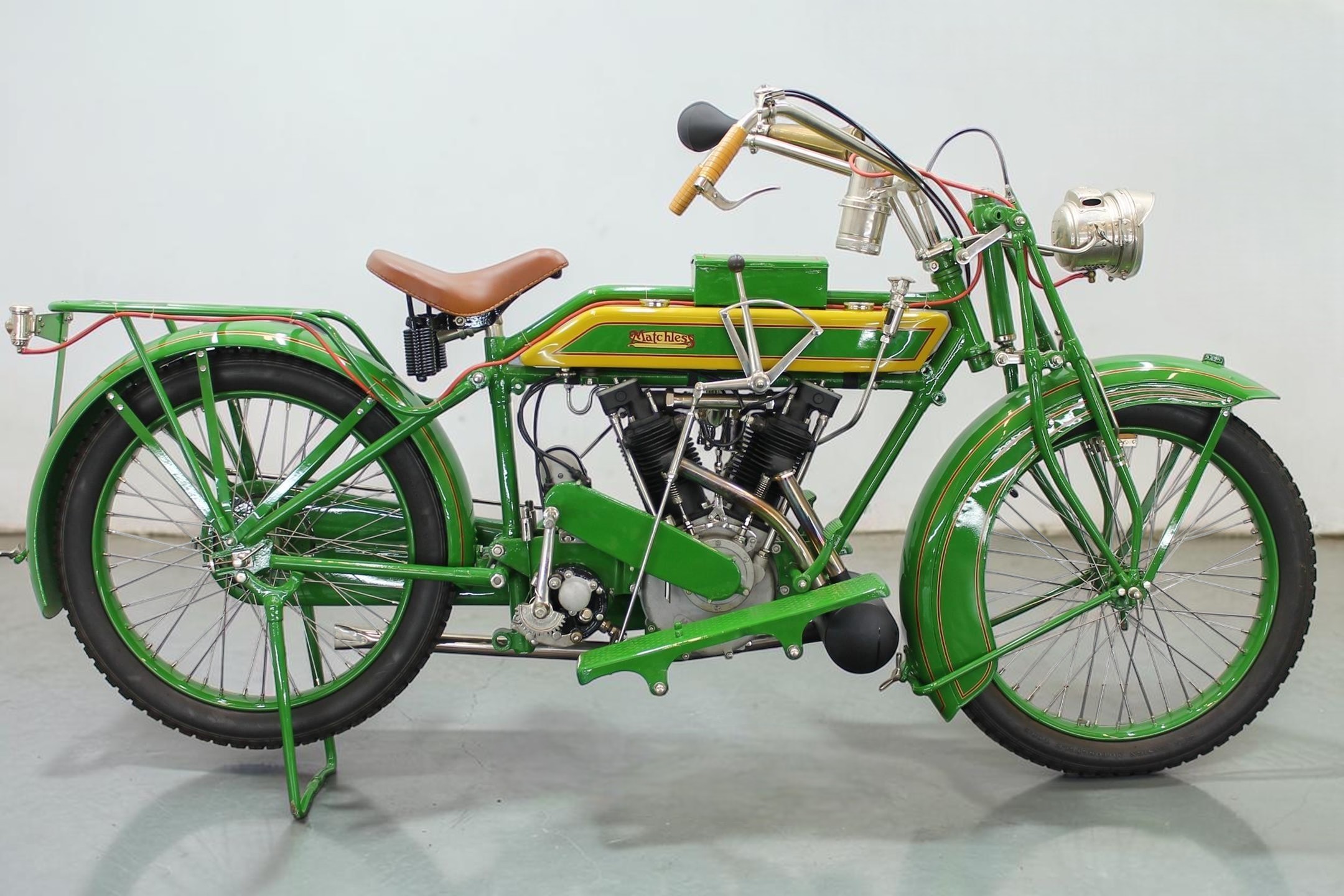
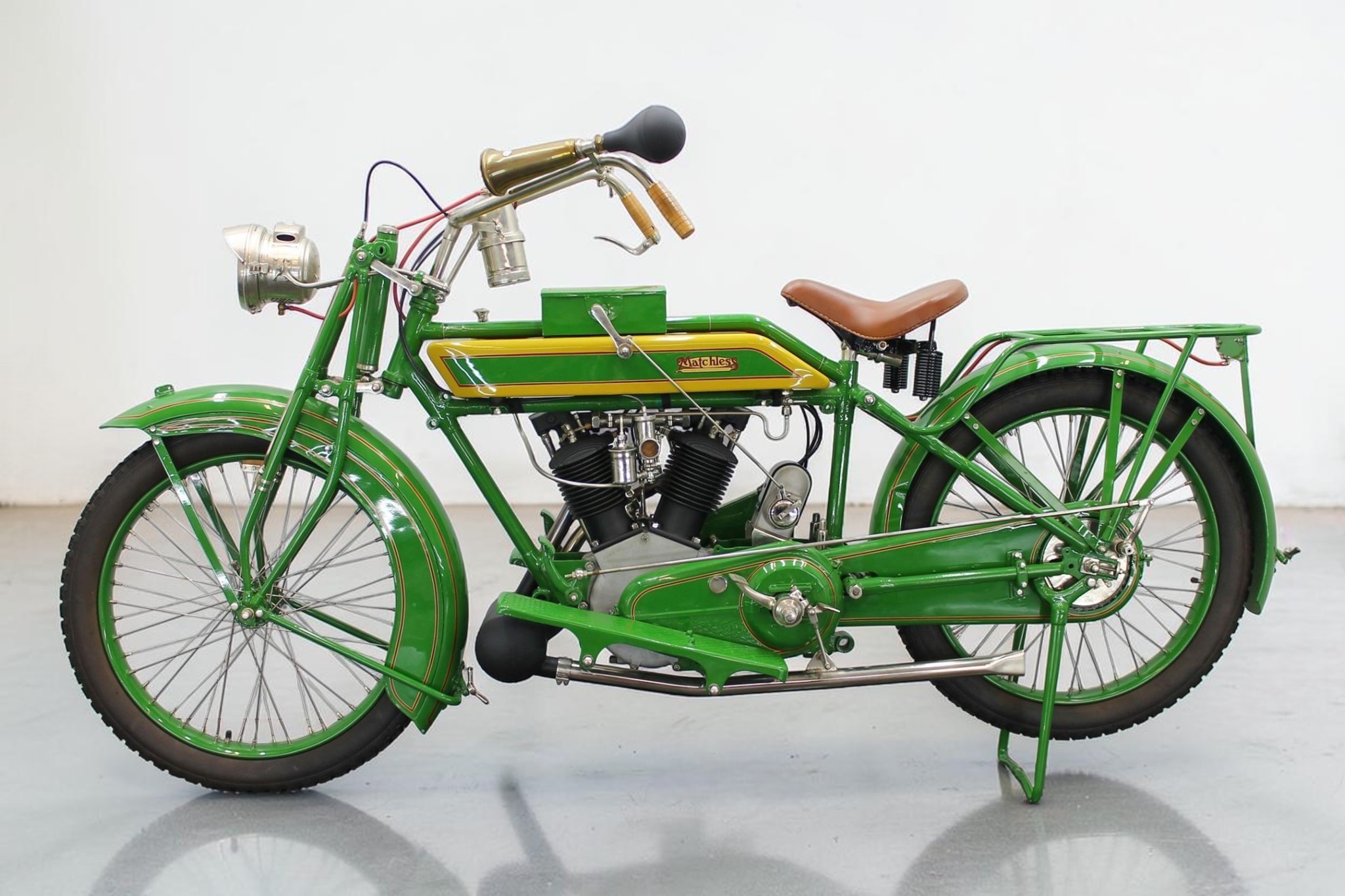
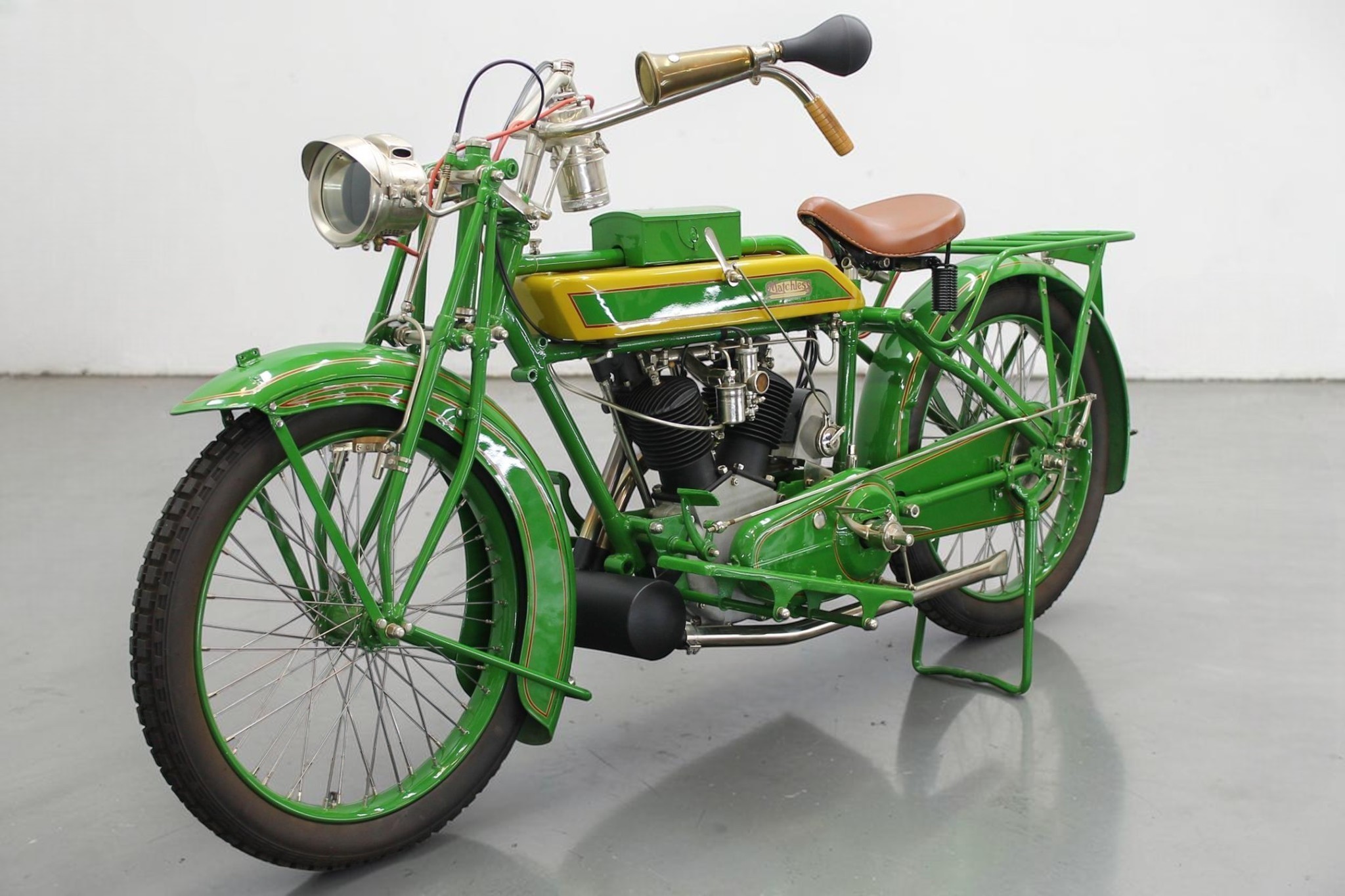
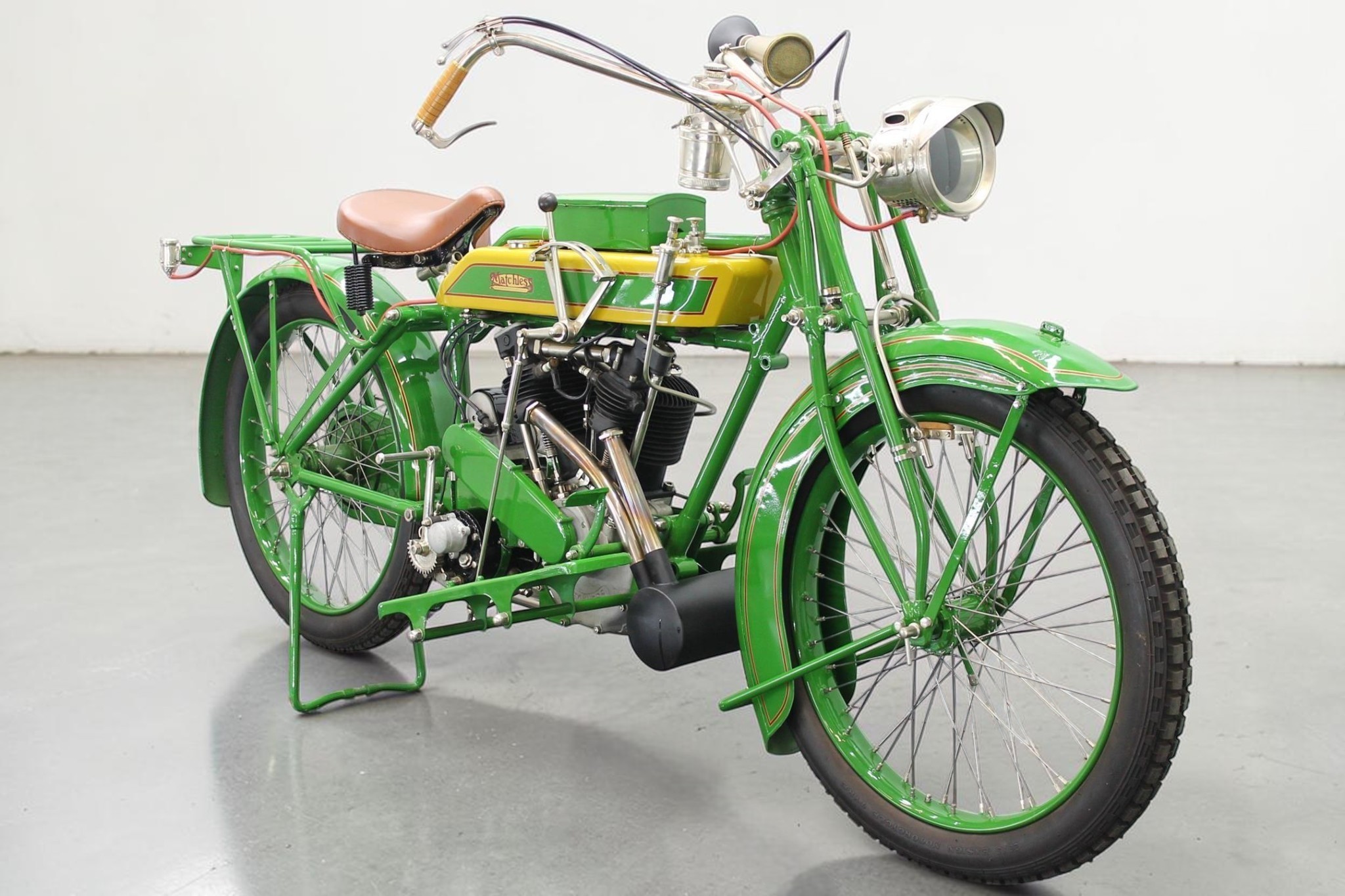
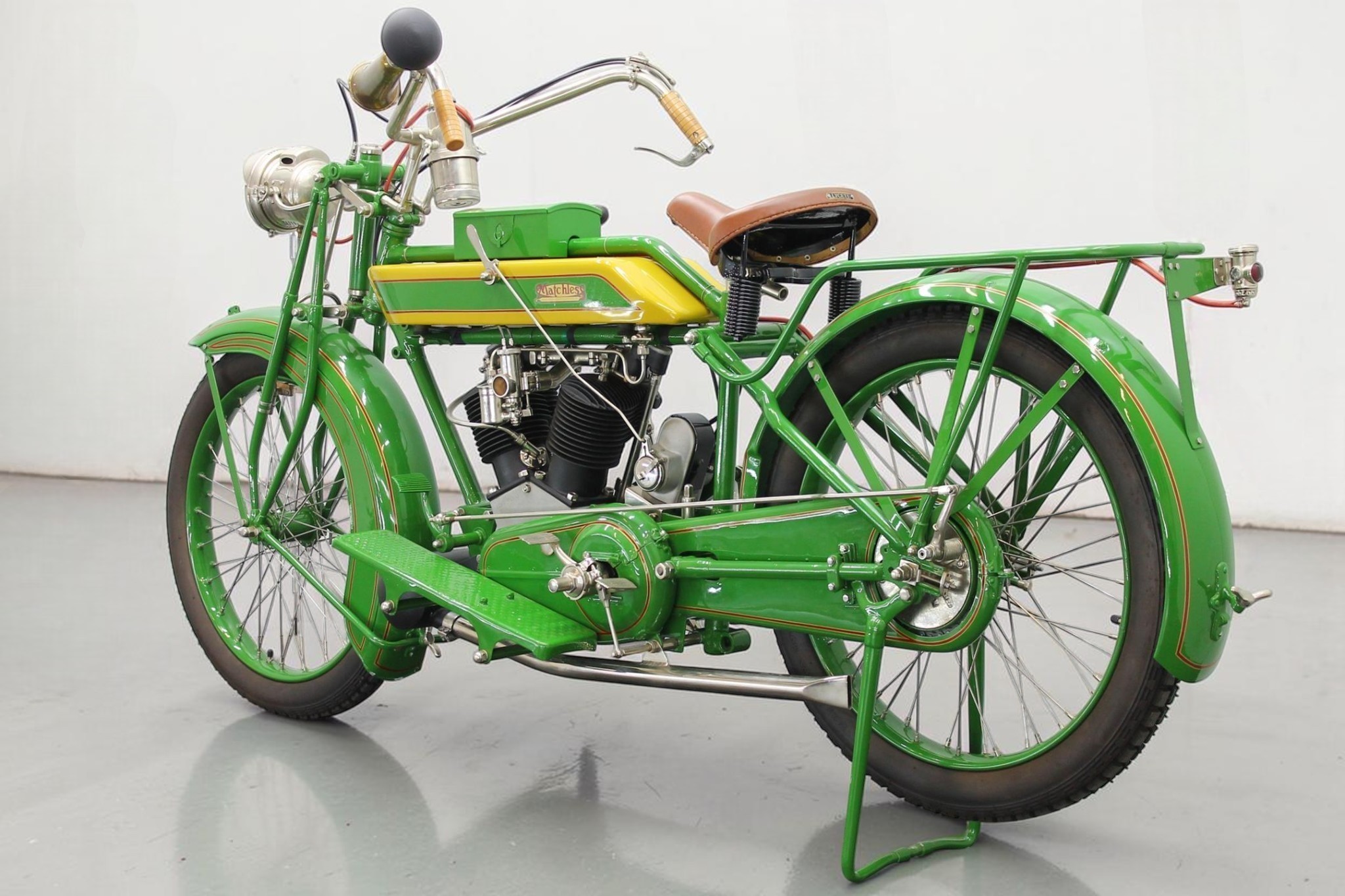

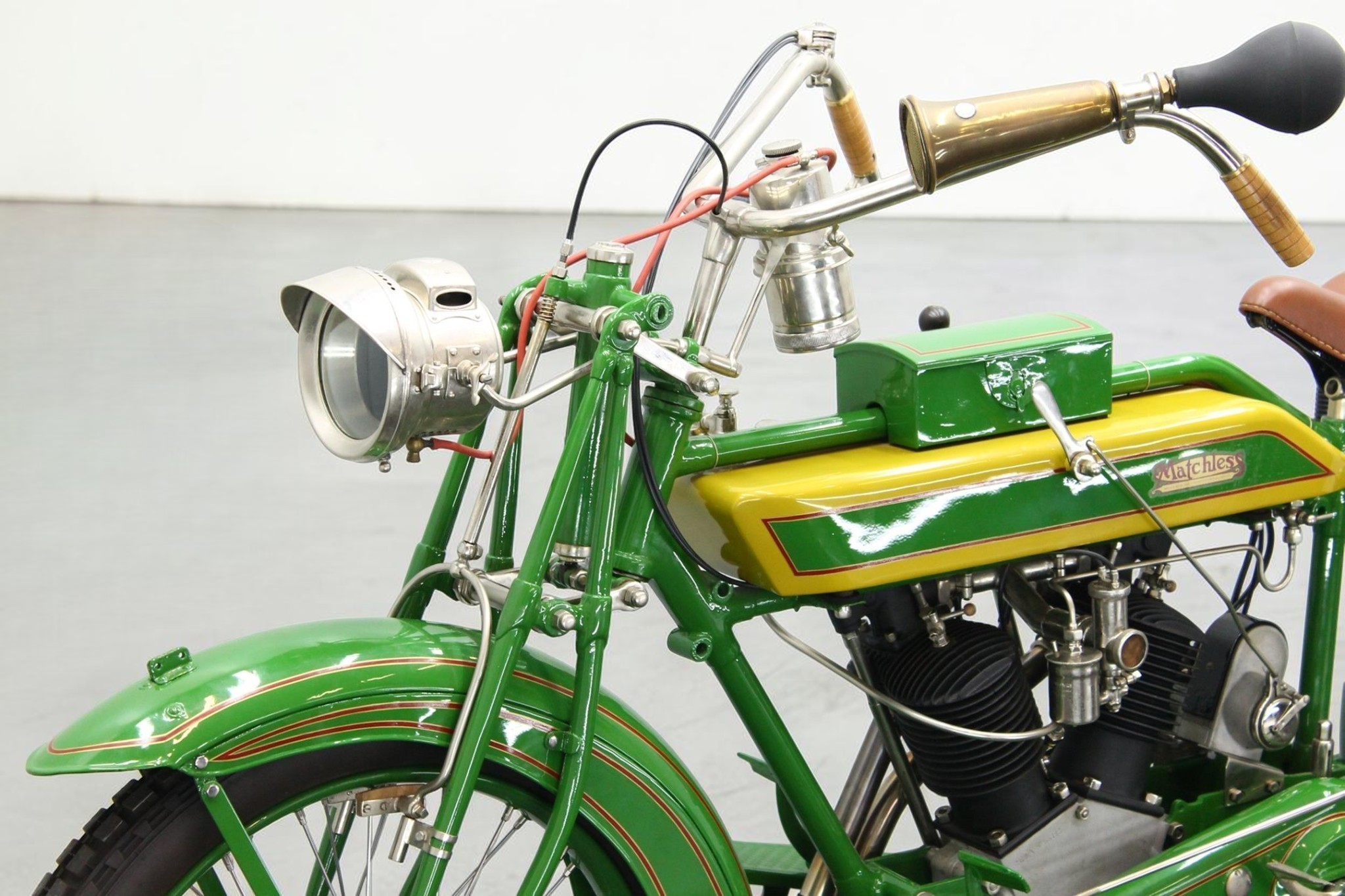
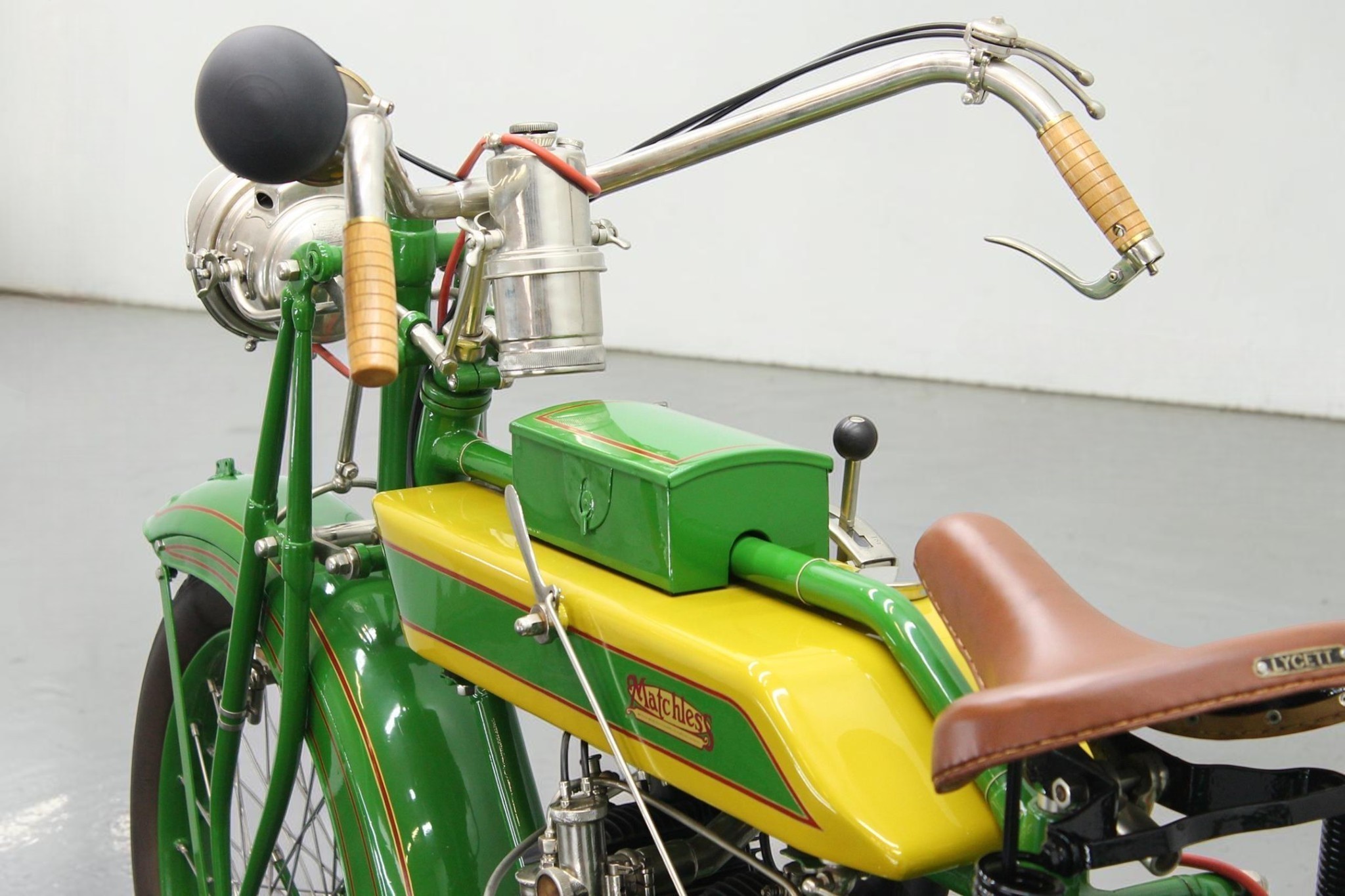
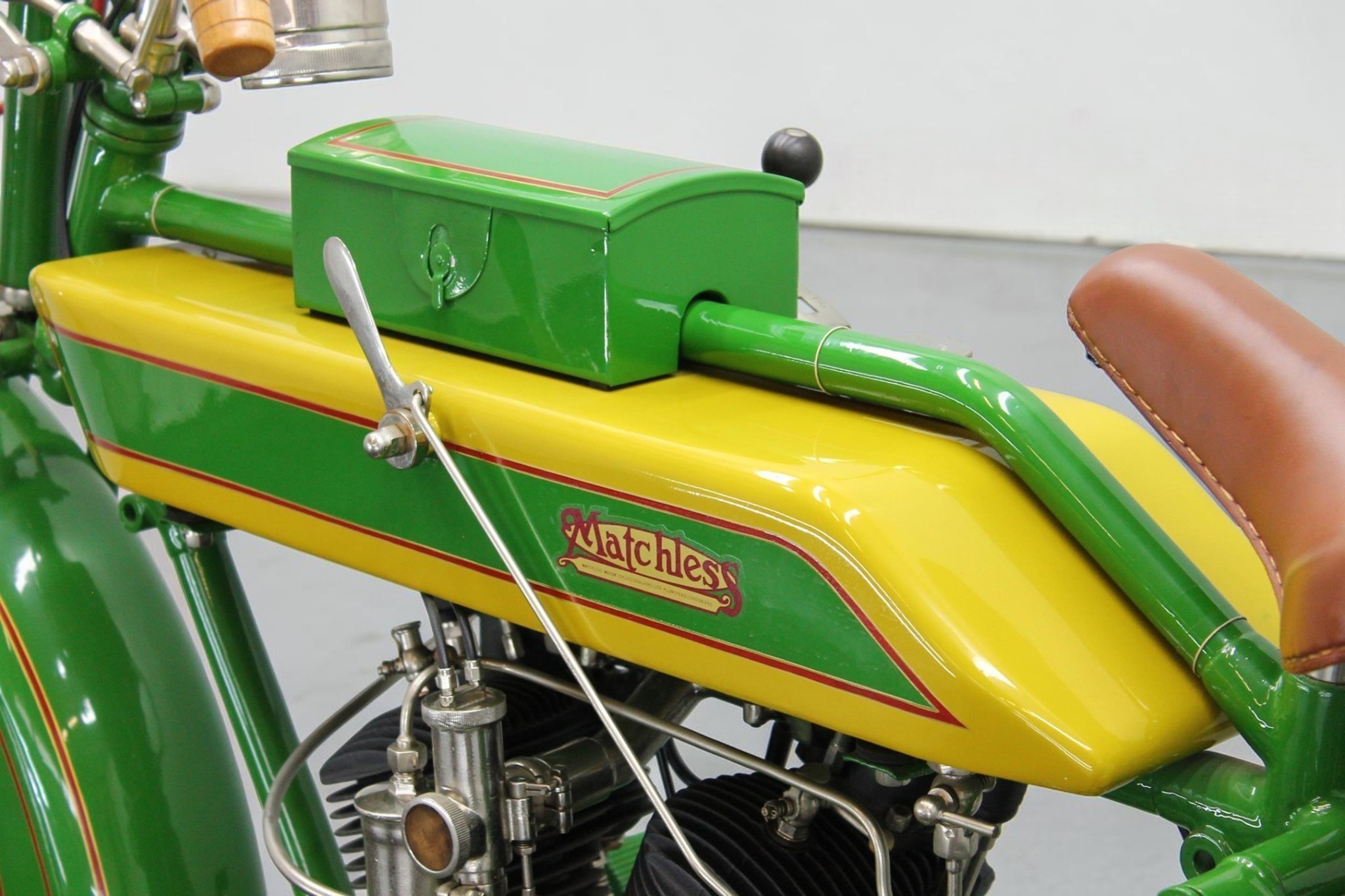
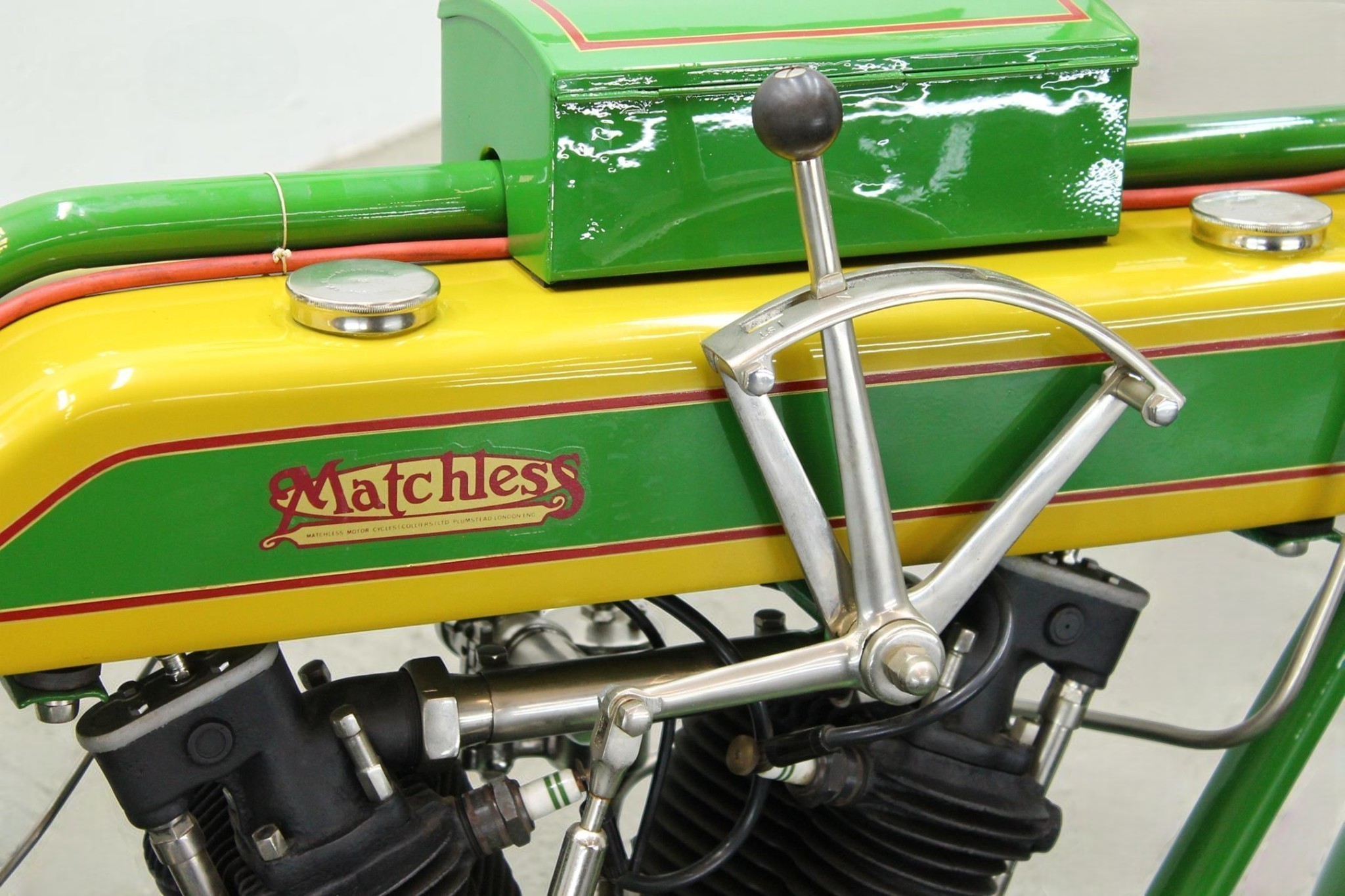
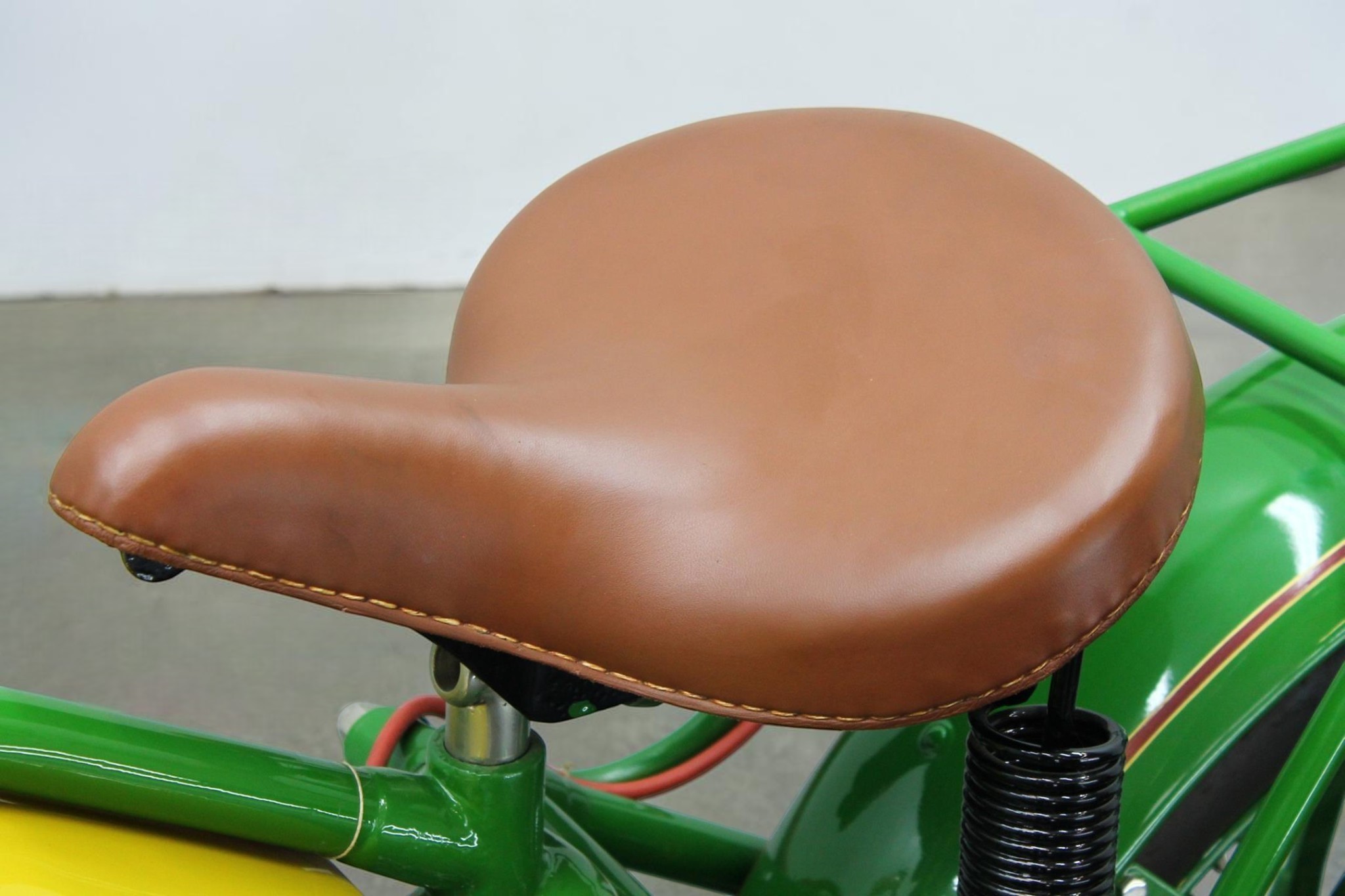
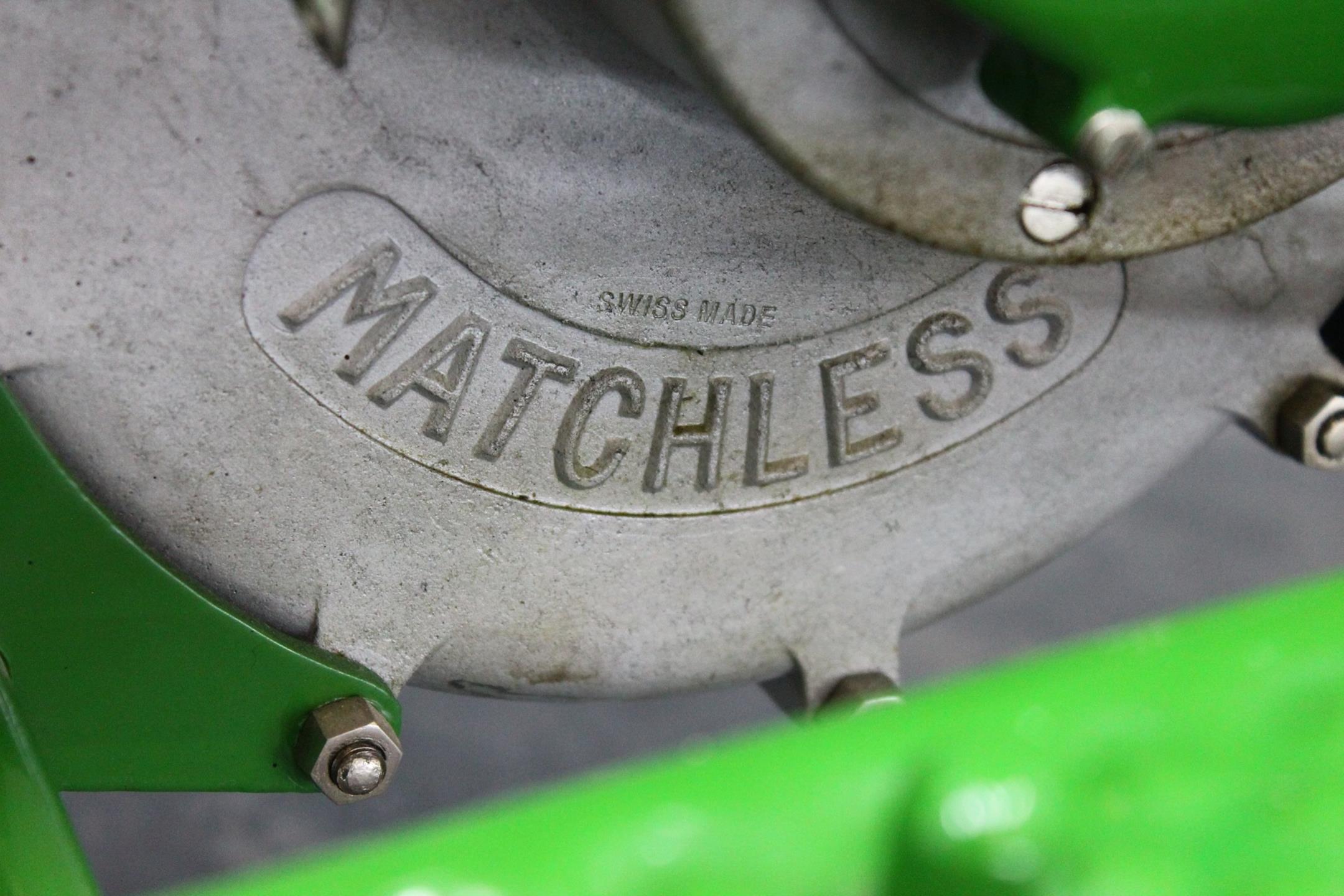


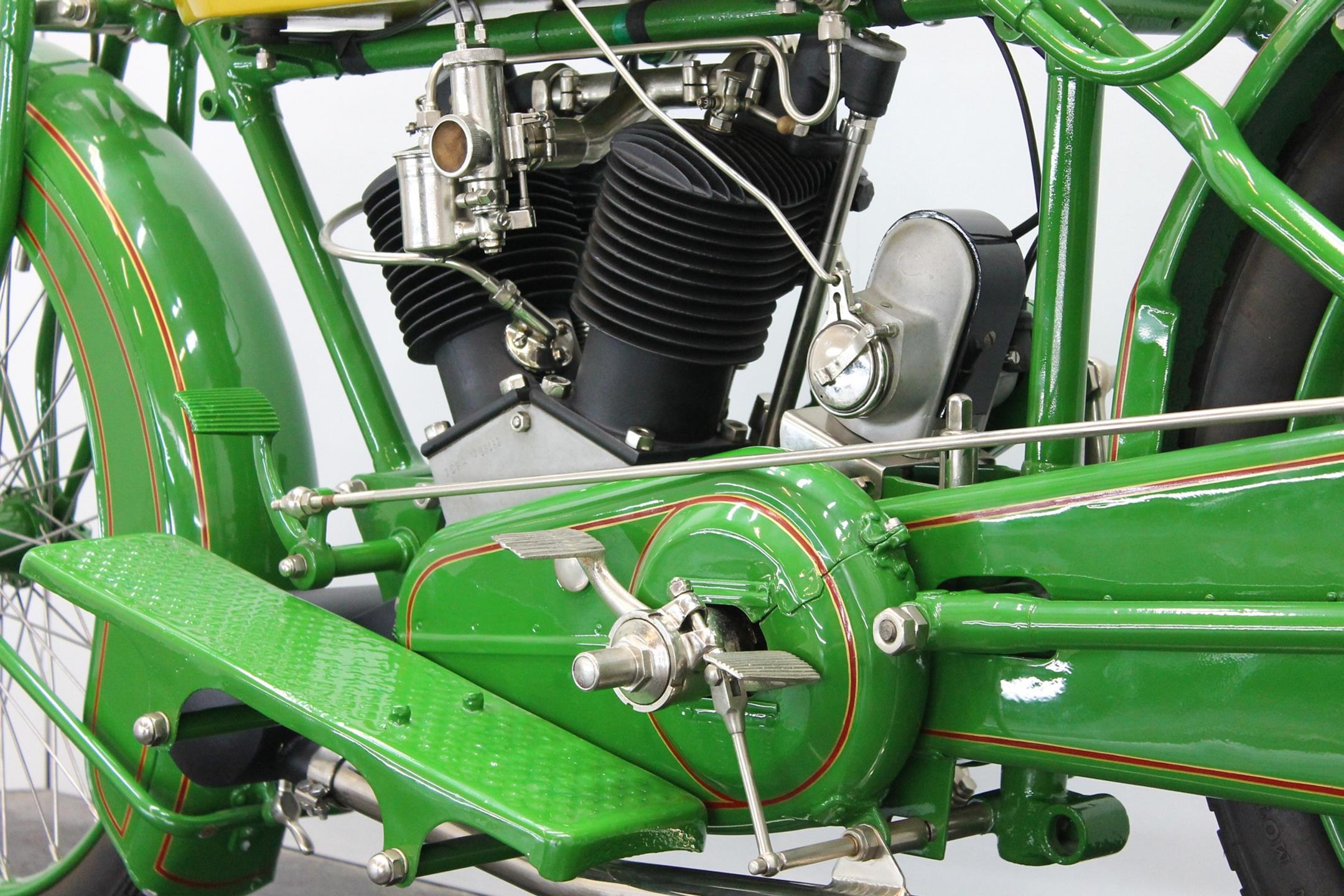
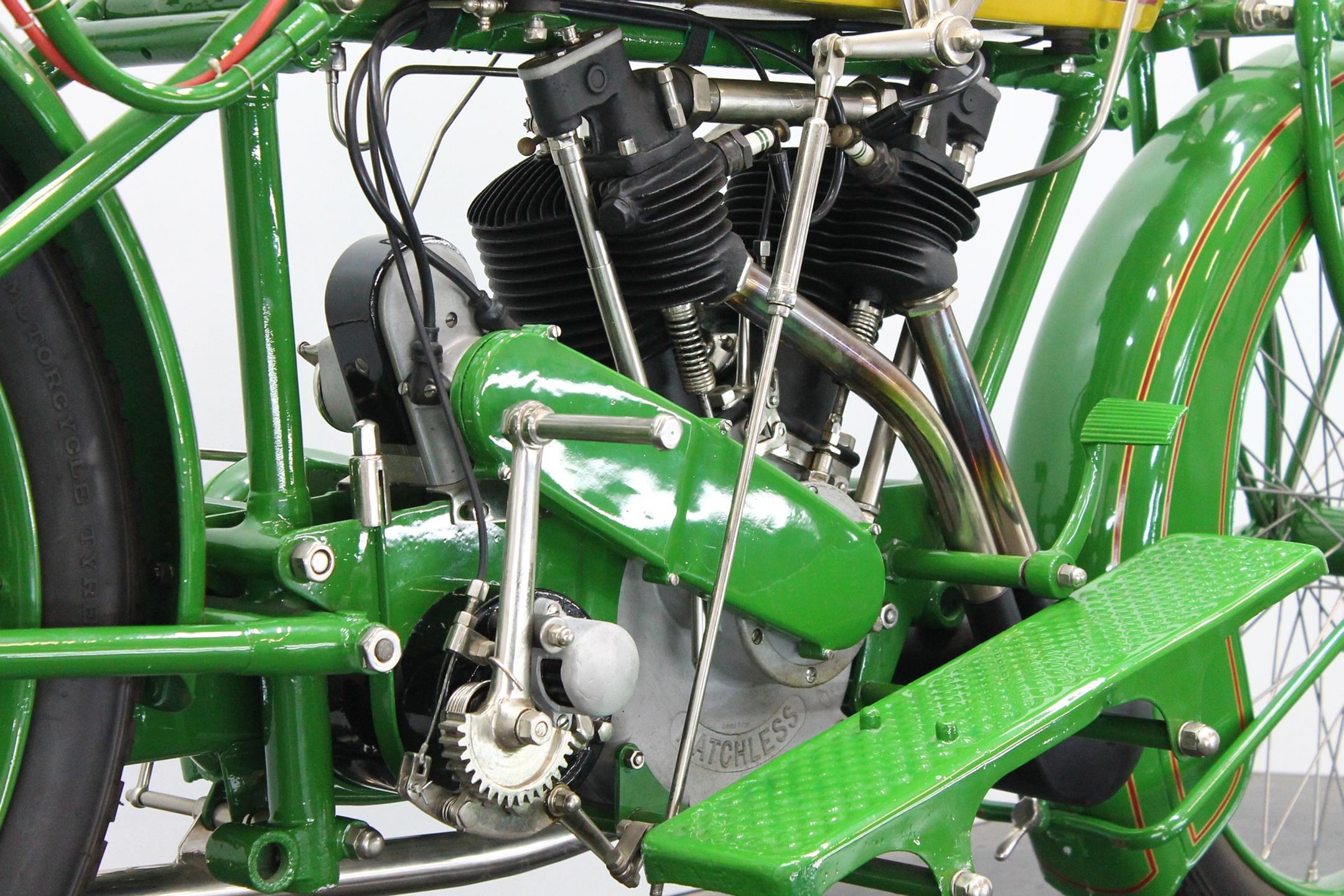
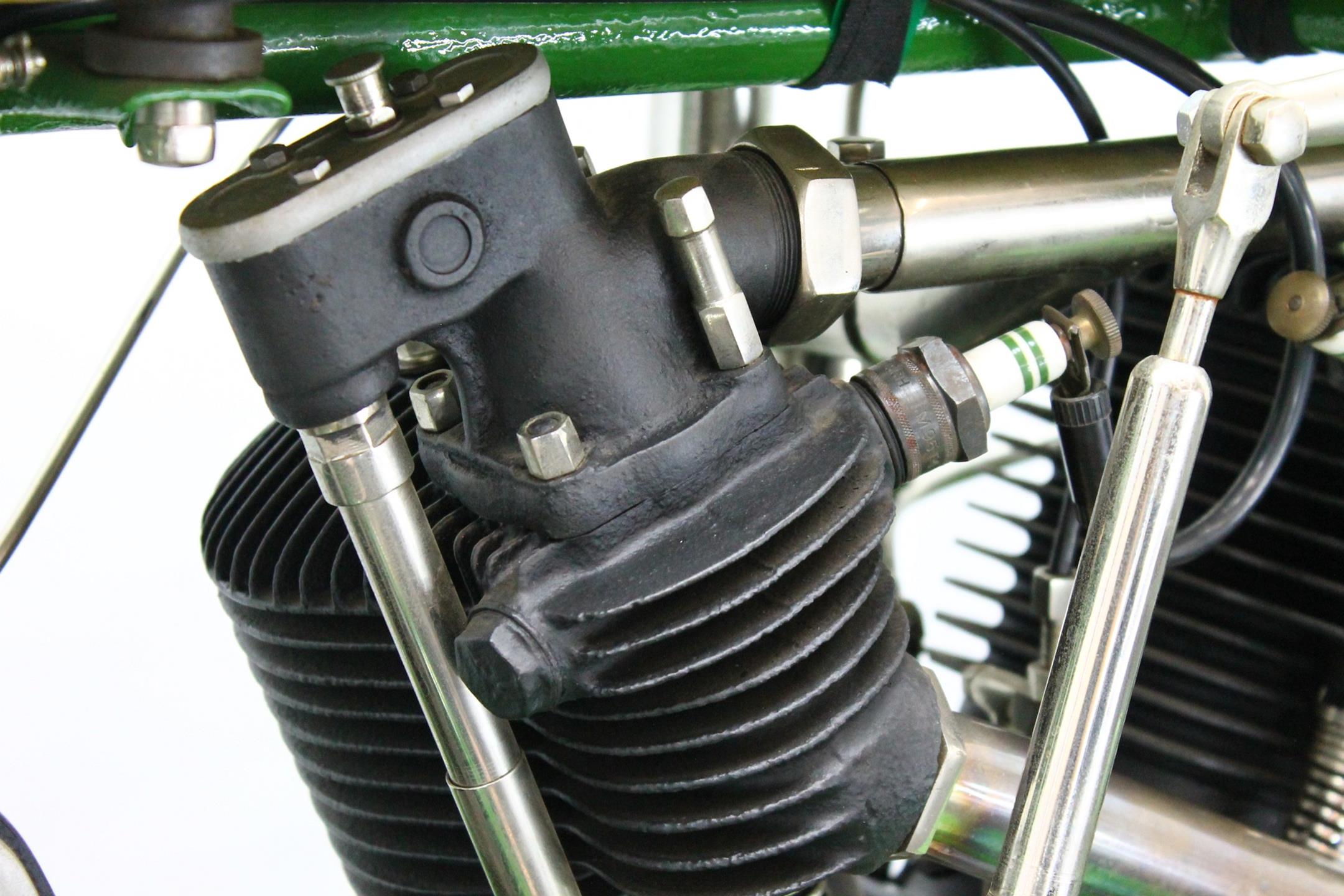
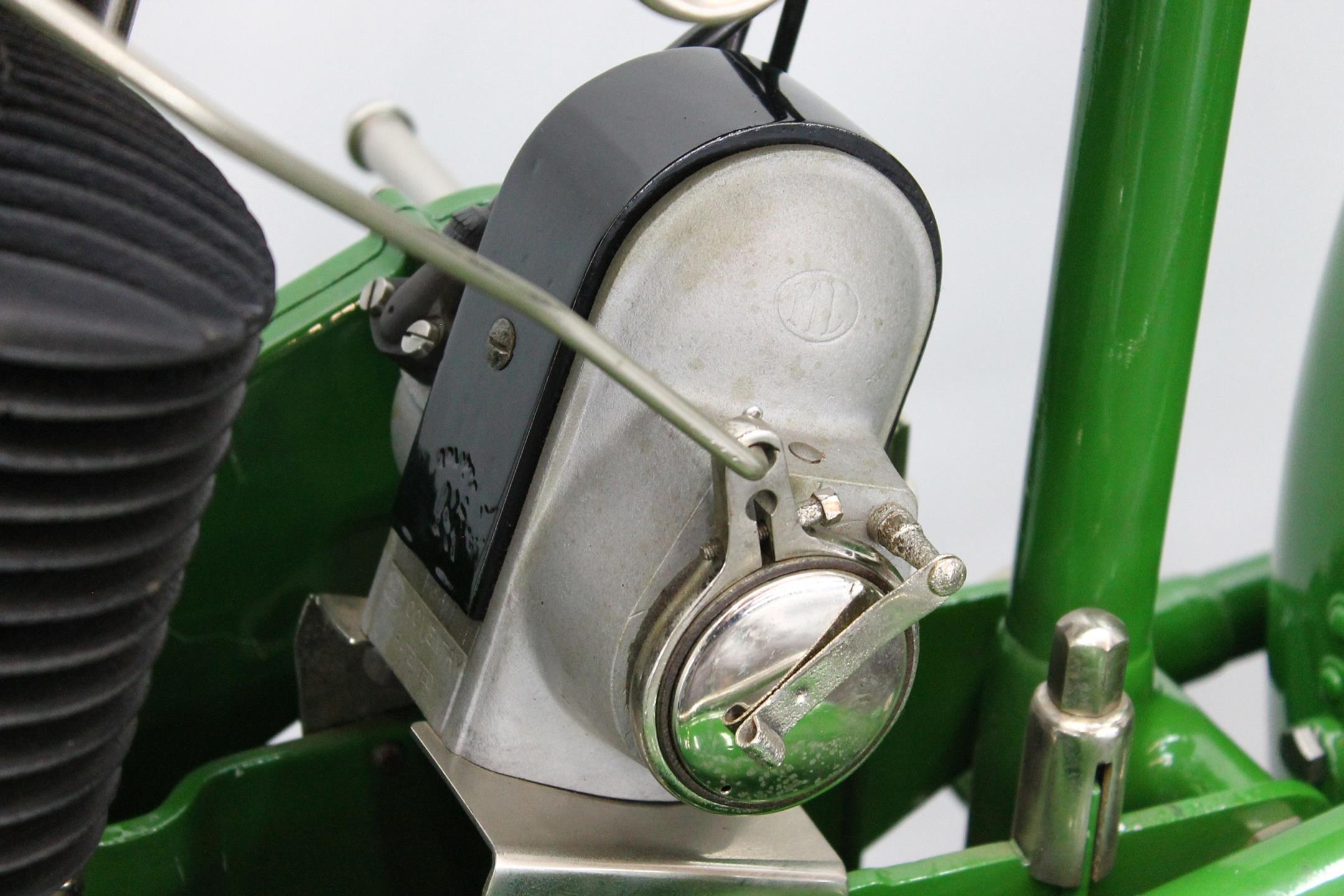
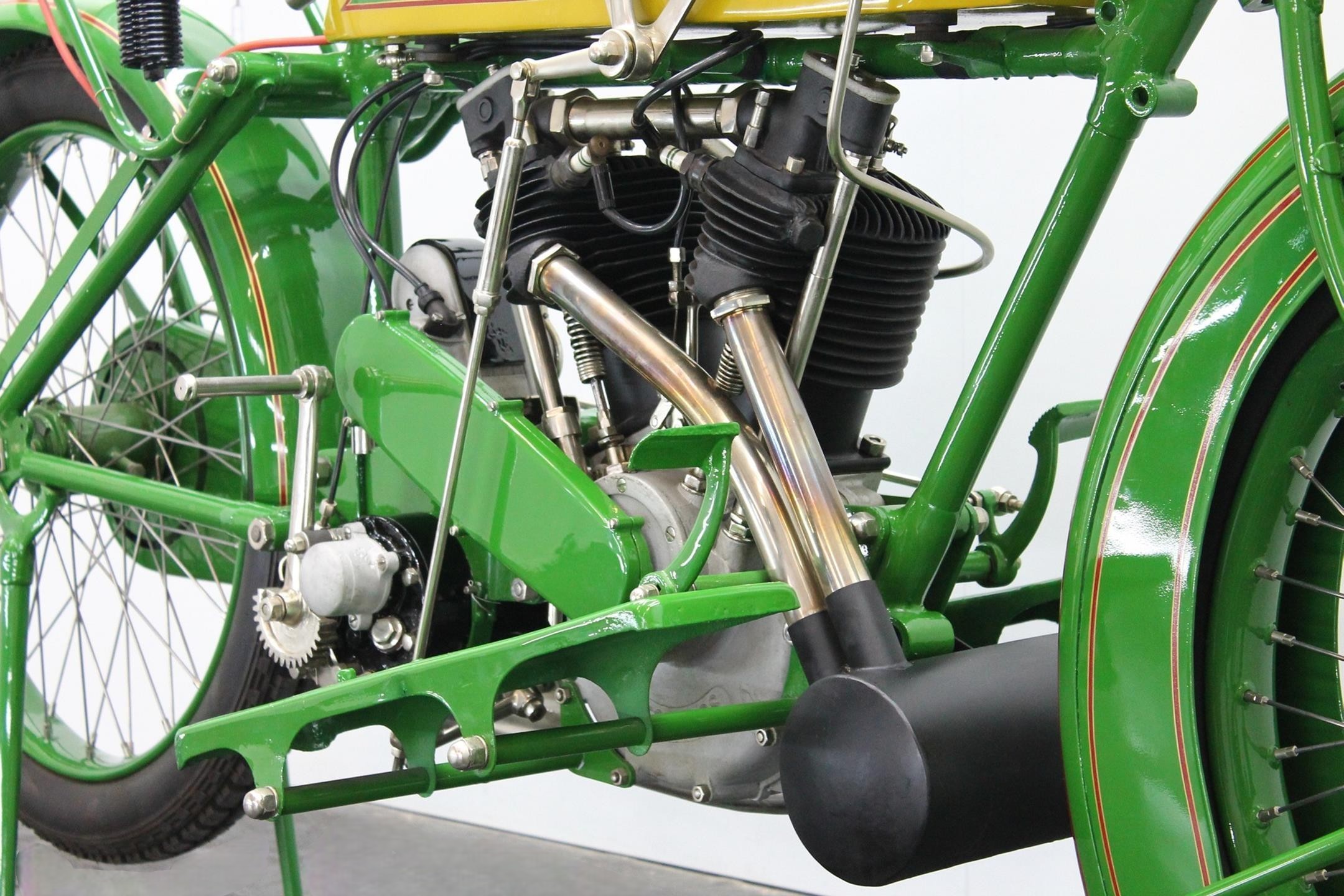
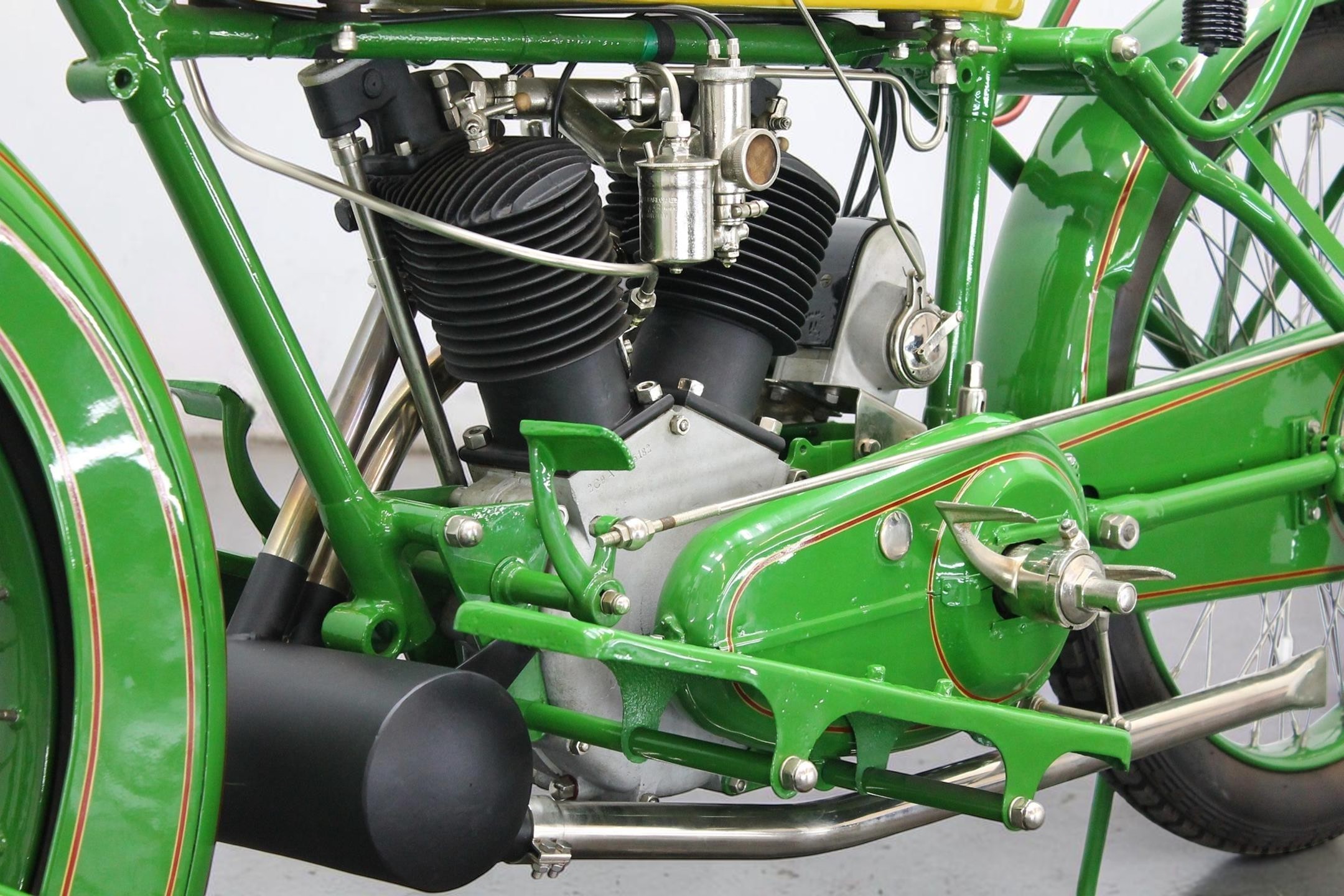
The 1922 Matchless Model J Sport is a rare and important British sporting motorcycle from the early post-war period. Built by H. Collier & Sons of Plumstead, London, the Model J was developed as a powerful big-twin machine intended primarily for fast solo riding while retaining the ability to carry a sidecar.
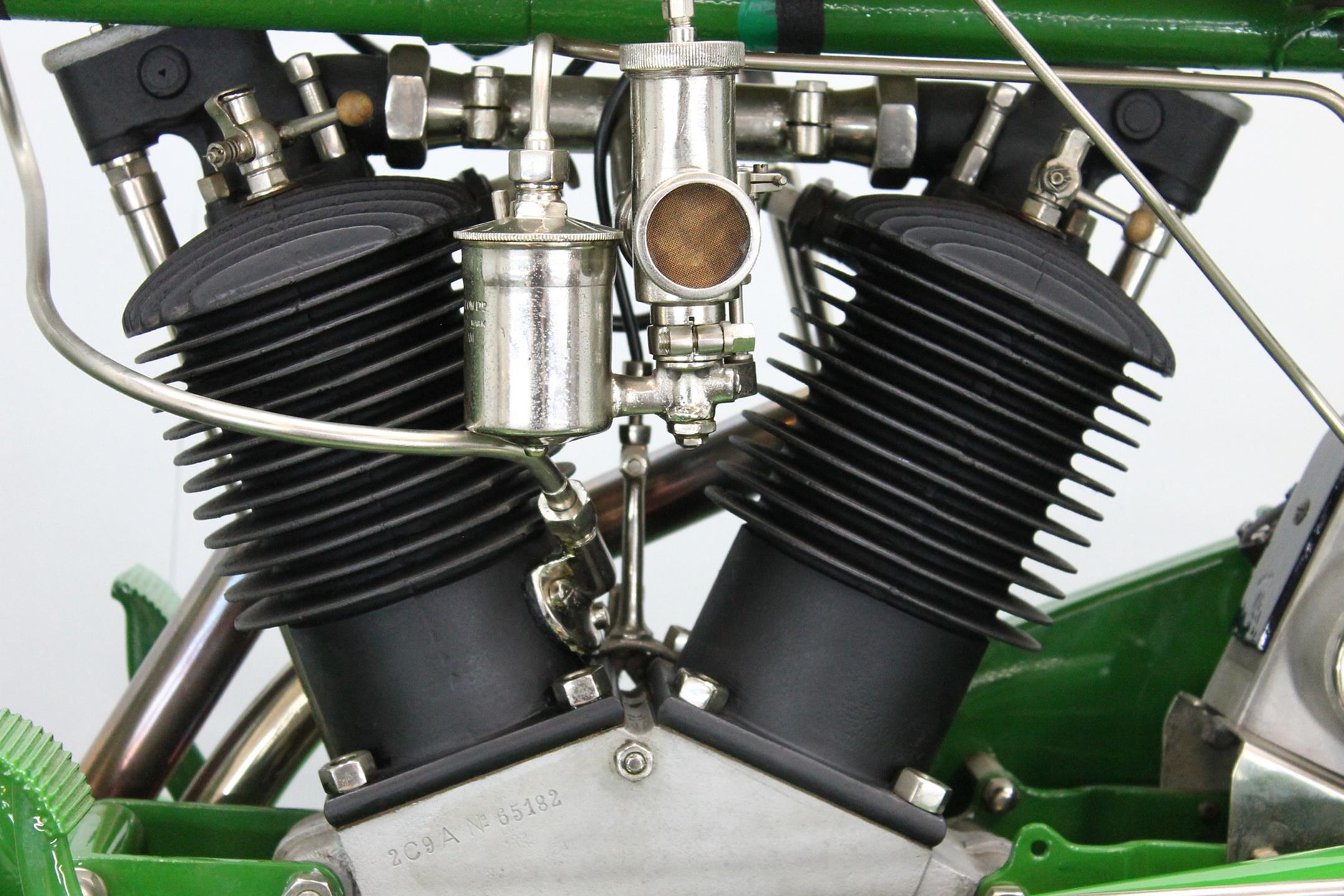
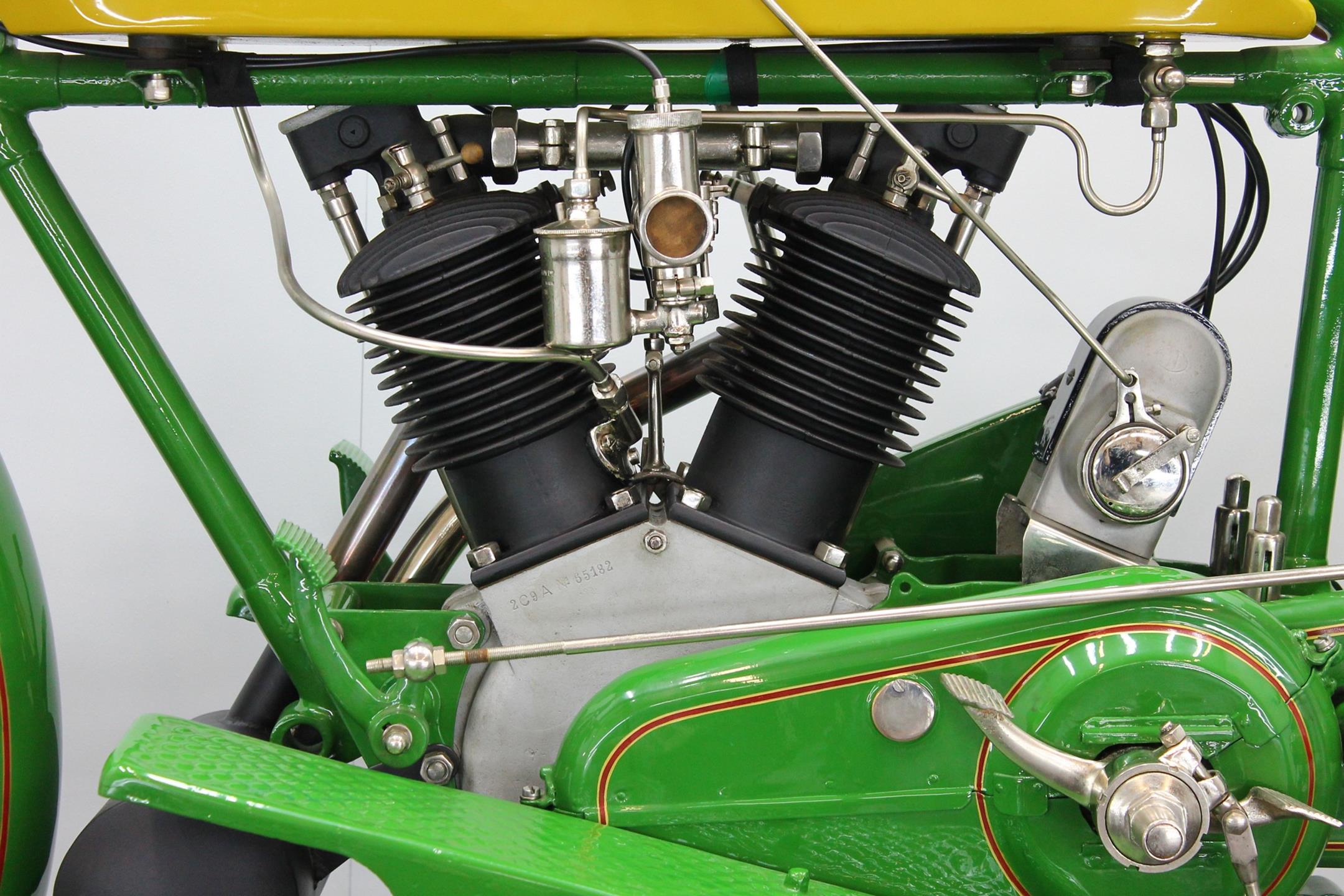
The Model J Sport is powered by a large-capacity 1000 cc-class V-twin engine using an inlet-over-exhaust (IOE) valve arrangement. The model could be equipped with either a 996 cc 7 hp MAG engine or a 976 cc 8 hp JAP engine, with surviving examples including machines fitted with the MAG power unit.
The 1922 Matchless Model J combines substantial V-twin torque with a relatively light sporting chassis, three-speed transmission, chain final drive, period braking equipment, and the distinctive engineering details associated with Matchless motorcycles of the early 1920s.
Its rarity, large-capacity V-twin engine, sporting purpose, and connection with the development of British high-performance motorcycles make the 1922 Model J Sport an especially attractive machine for collectors of early Matchless and pre-war motorcycles.
Matchless was the trading name of H. Collier & Sons, based at Plumstead Road in London. The company had begun with bicycle production before becoming one of Britain's important early motorcycle manufacturers.
Matchless had already established a strong sporting reputation through competition success during the first decades of the twentieth century. The company's motorcycles were used successfully in events such as the Isle of Man TT, helping establish Matchless as a serious performance manufacturer.
After the First World War, Matchless resumed civilian motorcycle production in 1919. During the early post-war years, the company concentrated heavily on large-capacity V-twin motorcycles, particularly machines intended for sidecar use.
The Model J represented a different emphasis. Matchless developed it as a sporting big twin for solo riders who wanted the power and flexibility of a large V-twin without necessarily using a sidecar.
Contemporary descriptions presented the Model J as a powerful and comfortable machine capable of serious touring and fast solo riding. The design was also deliberately made adaptable to sidecar use through dedicated mounting lugs.
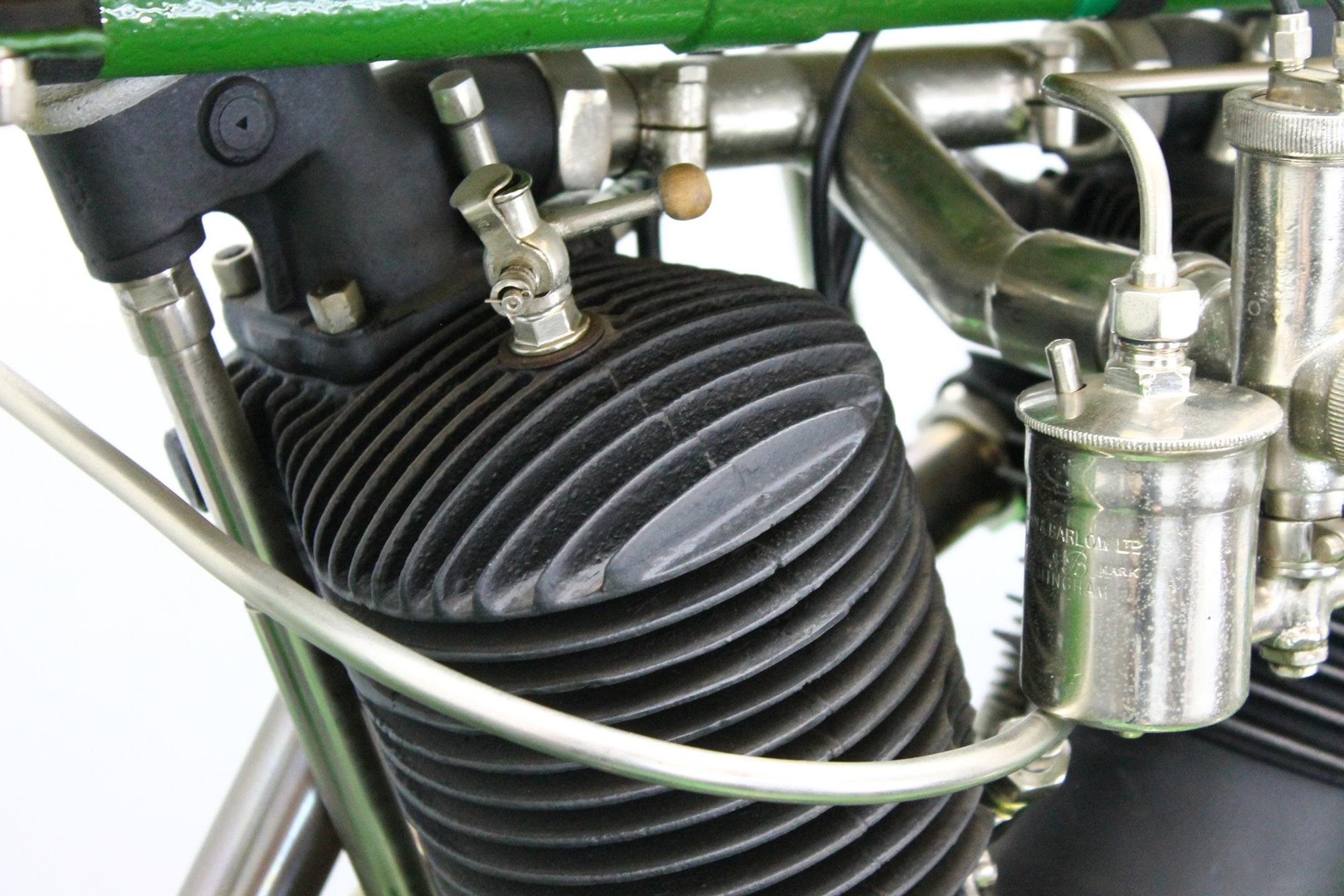
The 1922 Matchless Model J Sport uses a large-capacity V-twin four-stroke engine with an inlet-over-exhaust valve arrangement.
The Model J could be supplied with either a 7 hp MAG engine measuring 82 x 94 mm for approximately 996 cc, or an 8 hp JAP engine measuring 85.5 x 85 mm for approximately 976 cc.
The MAG-powered specification is particularly associated with surviving Model J Sport examples and gives the motorcycle a substantial 993 to 996 cc-class engine capacity.
The IOE arrangement was an important early form of valve technology, combining a side-mounted exhaust valve with an overhead inlet valve. This configuration allowed manufacturers to obtain improved breathing while retaining a relatively compact and practical engine design.
The large V-twin provides strong torque and smooth power delivery, making the Model J suitable for fast road riding and demanding gradients.
Contemporary testing described the Model J as having excellent acceleration, strong hill-climbing ability, good balance, comfortable handling, and a high potential road speed.
Actual performance of an individual motorcycle depends on engine condition, compression, carburetor adjustment, ignition timing, valve condition, exhaust system, gearing, and restoration quality.
The Model J Sport uses a three-speed manual countershaft gearbox.
The gearbox was based on Matchless's own design and was shared in principle with the company's sidecar model.
The transmission provides three useful ratios for making effective use of the large V-twin engine's torque.
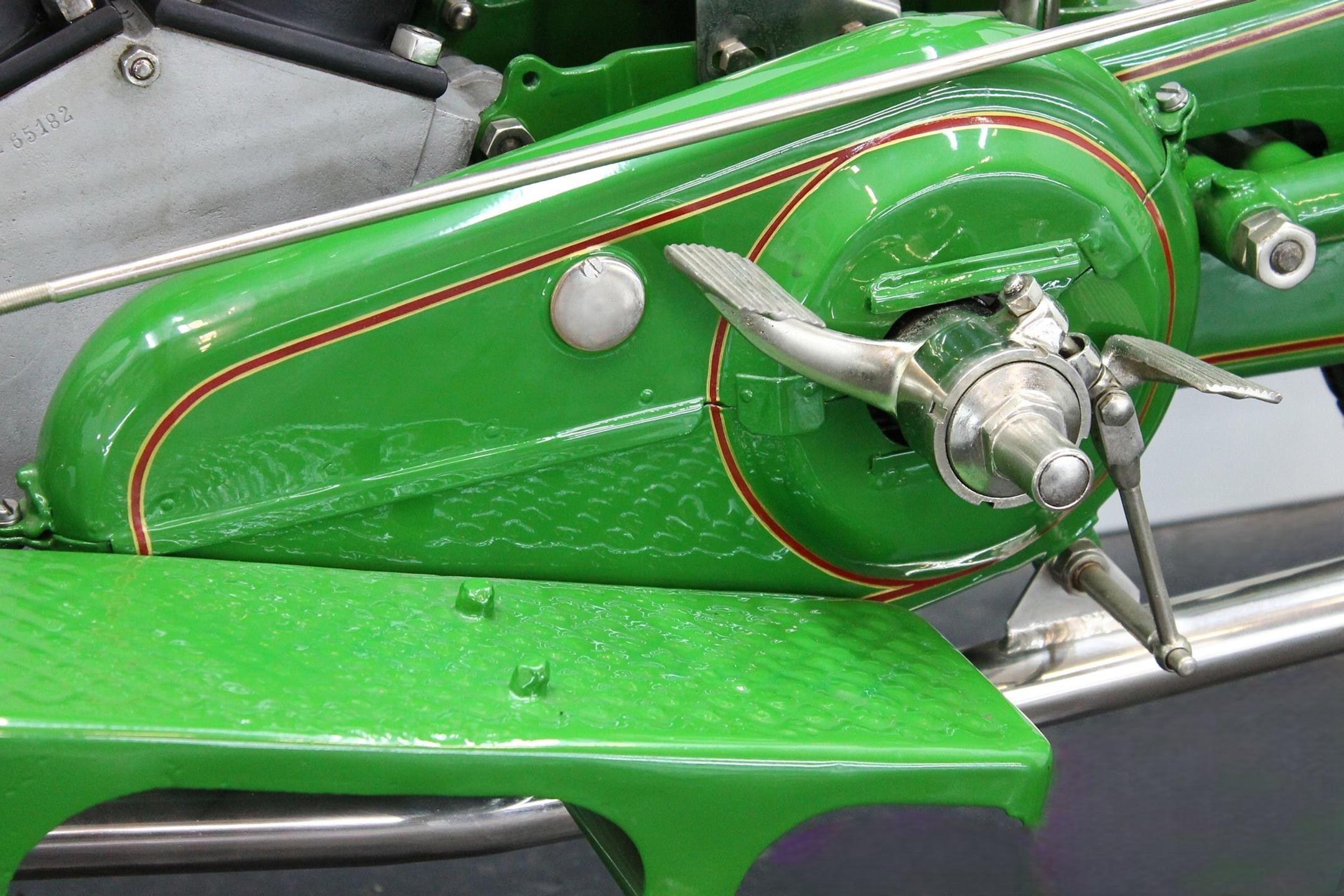
The primary transmission uses a Coventry silent chain and is enclosed for protection and lubrication.
Final drive is by chain, with the rear chain protected by a dedicated guard.
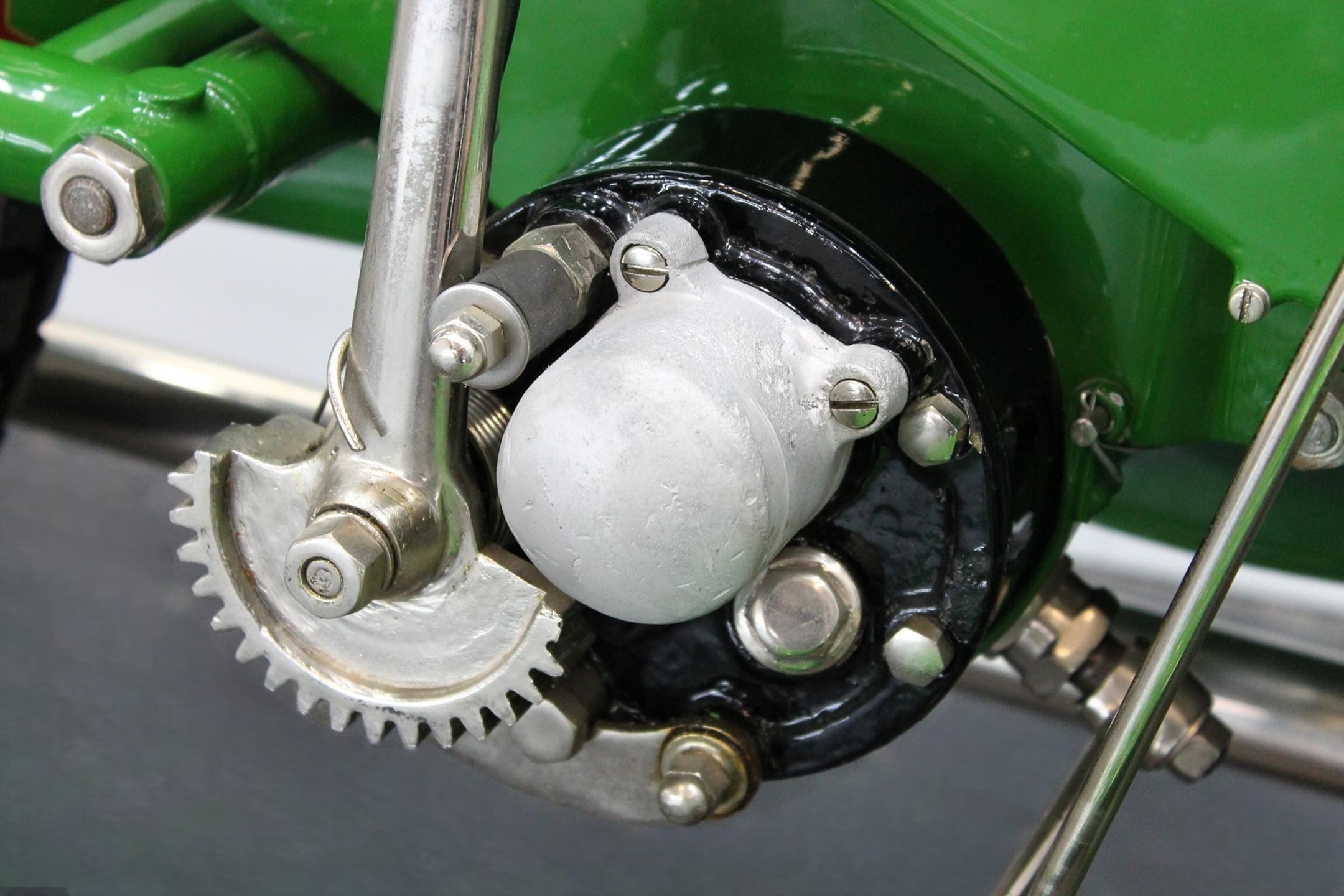
The Model J retains a distinctive Matchless kick-start arrangement that is mechanically connected with the exhaust-valve lifting system.
The clutch could be operated through the traditional Matchless heel-and-toe pedal arrangement or, depending on specification, through a handlebar lever.
The clutch, gearbox, primary chain, rear chain, sprockets, bearings, and kick-start mechanism should all be inspected carefully on a surviving machine.
The 1922 Model J Sport uses a steel motorcycle frame derived from the chassis used for Matchless's sidecar models.
For the sporting solo version, the rear section of the frame was rigid, giving the motorcycle a relatively direct and stable road-going character.
The substantial chassis was designed to cope with the considerable torque and weight of the large V-twin engine while retaining enough agility for sporting solo riding.
The Model J also incorporated dedicated lugs allowing a sidecar to be fitted, making it a genuine dual-purpose motorcycle.
The front fork and steering system use period British motorcycle technology appropriate to the early 1920s.
The steering head, fork pivots, frame tubes, engine mounting points, rear frame, sidecar lugs, and wheel alignment should be carefully inspected for cracks, distortion, corrosion, or previous repairs.
The Model J Sport uses wire-spoked wheels with period British braking equipment.
The standard tire specification for the early sporting Model J was approximately 28 x 3 inches.
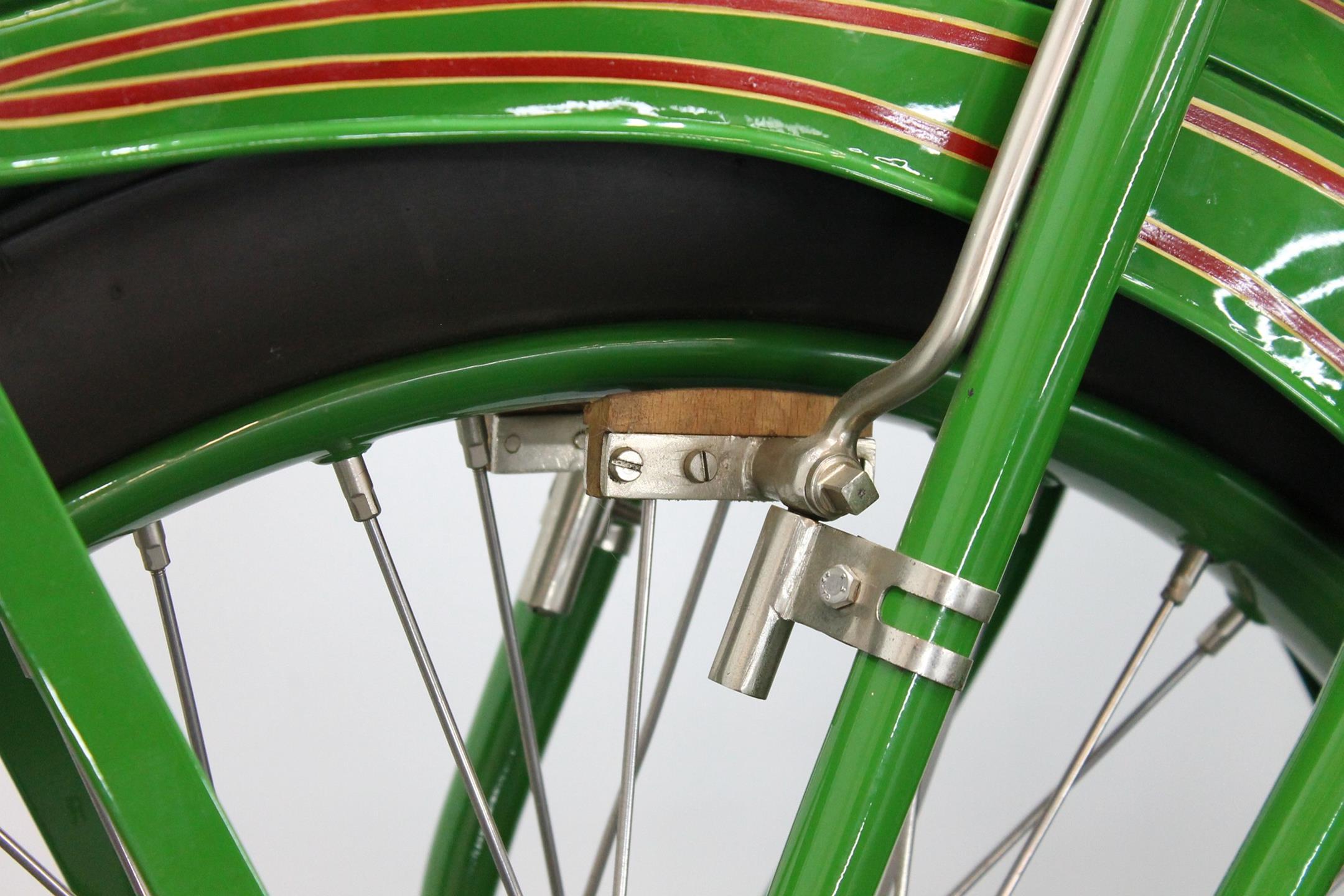
The front brake was a rim-brake arrangement, although a contracting band brake could be specified as an alternative.
The rear brake used an internal-expanding mechanism operated through foot pedals, allowing the rider to apply the brake using either foot.
This braking arrangement reflects the engineering of the early 1920s and is considerably less powerful than the braking systems of later motorcycles.
Brake drums, shoes, rims, spokes, operating mechanisms, cables, wheel bearings, and tires should all be carefully inspected before riding.
The 1922 Matchless Model J Sport uses period British motorcycle ignition and lighting equipment.
Surviving examples can be equipped with Lucas acetylene lighting systems appropriate to the early 1920s.
The ignition system was designed around the requirements of the large V-twin engine and was intended to provide reliable operation during touring and sporting use.
The magneto, lighting equipment, headlamp, wiring, switches, horn, rear lamp, and associated components should be inspected for both functionality and historical authenticity.
A surviving example may have received rebuilt magneto components, replacement wiring, modern electrical regulators, or updated lighting during restoration.
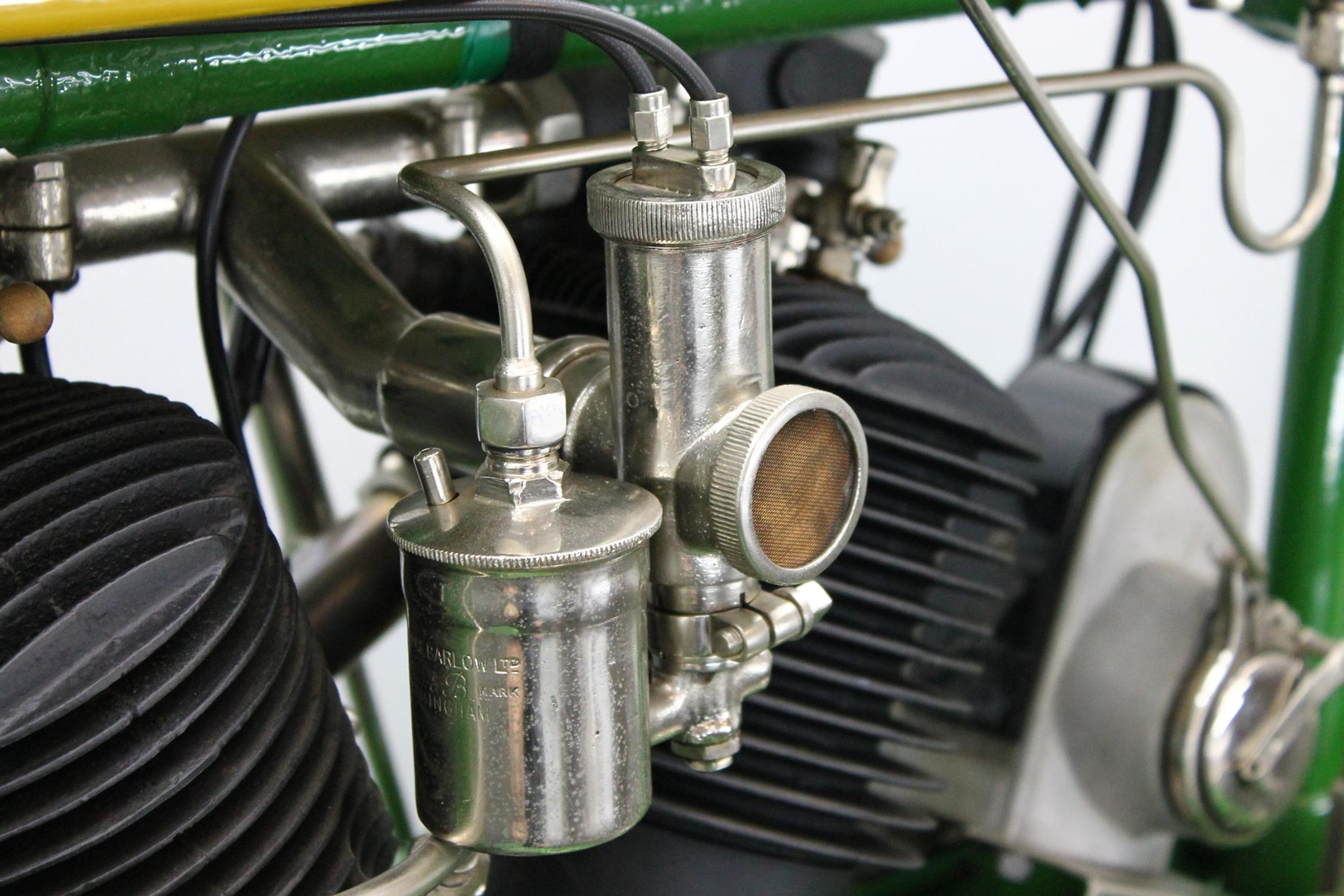
Period Model J Sport examples could be fitted with a Brown & Barlow carburetor.
The carburetor was responsible for supplying the large V-twin with the fuel-air mixture required for both strong acceleration and sustained road operation.
The motorcycle also uses distinctive period Matchless control arrangements, including the company's characteristic clutch operation and mechanically integrated kick-start and exhaust-valve-lifting system.
Correct carburetor, control levers, cables, pedals, footrests, handlebars, and fittings are important when assessing the originality of a restored motorcycle.
Because early motorcycles were frequently modified during their working lives, replacement carburetors and later control components should be identified rather than automatically assumed to be original.
The 1922 Matchless Model J Sport has the muscular appearance typical of a large British V-twin motorcycle from the early 1920s.
The large V-twin engine dominates the motorcycle, while the narrow fuel tank, exposed mechanical components, substantial frame, wire wheels, and upright controls create a purposeful sporting silhouette.
The use of footrests instead of broad footboards emphasizes the Model J's sporting role.
The motorcycle was designed to be both powerful and visually clean, with the mechanical components remaining prominently exposed.
Period features such as the Matchless winged M badge, tank finish, Lucas lighting equipment, Brown & Barlow carburetor, toolbox, hand-operated horn, exhaust system, and characteristic controls all contribute to the authentic appearance of a restored Model J.
The 1922 model year is particularly significant because it represents the early production period of the Model J Sport.
The model had been developed specifically to answer the demand for a British large-capacity twin suitable for solo sporting use.
Contemporary descriptions emphasized the shortage of British big twins suitable for solo riders and presented the Model J as Matchless's response to that market.
The motorcycle could be fitted with either the MAG or JAP V-twin, giving buyers a choice between two established proprietary engine suppliers.
The 1922 specification also included the rigid rear frame, three-speed gearbox, enclosed front chain, protected rear chain, period braking arrangement, and 28 x 3 inch tires.
These details make correct first-year specification particularly important when evaluating an original or restored example.
The 1922 Matchless Model J Sport provides the distinctive riding experience of a large British V-twin from the early post-war period.
The approximately 1000 cc engine produces strong torque and substantial acceleration for its era.
Contemporary road testing found the machine particularly well balanced and comfortable, while also noting its ability to accelerate rapidly and climb steep gradients with ease.
The Model J could reportedly be slowed to walking pace on a steep hill and then accelerated strongly without requiring an immediate gear change, demonstrating the flexibility of its large V-twin engine.
The rigid rear chassis and period fork provide a direct vintage riding experience, while the large engine gives the motorcycle considerable presence on the road.
A surviving example should nevertheless be operated conservatively until the engine, lubrication system, carburetor, ignition, clutch, gearbox, steering, fork, wheels, tires, brakes, and frame have been thoroughly inspected.
Although the Model J Sport was designed primarily as a sporting solo motorcycle, it was also intended as a dual-purpose machine.
Dedicated lugs were provided for fitting a sidecar, allowing the large-capacity V-twin to be used for passenger and touring applications.
The substantial torque of the 1000 cc-class engine made the motorcycle well suited to carrying the additional weight of a sidecar.
A former sidecar motorcycle should be inspected carefully for reinforcement, modified mounting points, frame repairs, altered wheel alignment, and other evidence of combination use.
A period-correct sidecar can add considerable historical interest to a Model J, but its age, manufacturer, and provenance should be established separately from the motorcycle itself.
The 1922 Matchless Model J Sport is historically important because it represents Matchless's deliberate move into the market for powerful sporting big twins designed specifically for solo riders.
At the time, many large V-twin motorcycles were primarily associated with sidecar combinations, but Matchless recognized demand for machines capable of carrying the rider alone while delivering strong performance.
The Model J combined a large V-twin engine with a rigid sporting chassis, three-speed gearbox, footrests, and relatively sophisticated control arrangements.
The motorcycle also demonstrates the flexibility of early British motorcycle engineering because the same basic platform could be adapted for both solo and sidecar use.
Its appearance during the early 1920s places it at an important point in the transition from veteran motorcycle design toward the more mature vintage machines of the later decade.
The 1922 Matchless Model J Sport is a highly appealing motorcycle for collectors specializing in British pre-war V-twins.
Its approximately 1000 cc engine, sporting solo specification, early IOE valve arrangement, Matchless chassis, and rarity make it particularly desirable.
Collectors should pay close attention to the engine, crankcases, cylinder heads, valve gear, carburetor, magneto, gearbox, kick-start mechanism, clutch, frame, fuel tank, fork, wheels, brakes, exhaust, controls, lighting equipment, and sidecar mounting lugs.
Engine and frame numbers are especially important because early Matchless motorcycles could be supplied with different proprietary engines and were often rebuilt during their long service lives.
One documented surviving example is recorded with frame number H2940 and engine number 2C9A 65182, demonstrating the importance of preserving these identifiers as part of a motorcycle's provenance.
Original MAG or JAP engine components, correct Model J chassis parts, period lighting, Brown & Barlow carburetion, original controls, correct tank details, and documented ownership history can significantly increase collector value and historical interest.
Authenticating a 1922 Matchless Model J Sport requires examination of the complete motorcycle and identification of the specific engine configuration.
The engine should be checked to determine whether it is the appropriate MAG or JAP unit, with attention paid to crankcase castings, cylinder dimensions, valve arrangement, cylinder heads, carburetor, magneto, and period fittings.
The MAG specification uses an approximately 82 x 94 mm cylinder configuration for about 996 cc, while the JAP specification uses approximately 85.5 x 85 mm dimensions for about 976 cc.
The frame should be inspected for the correct rigid rear construction, steering head, engine mounting points, sidecar lugs, rear section, and frame-number markings.
The three-speed Matchless gearbox, enclosed primary chain, rear chain guard, kick-start arrangement, braking system, footrests, tank, controls, and lighting equipment should be compared with period documentation.
Period Matchless instruction and parts literature exists specifically for the 1922-1923 Model J, providing an important reference when evaluating component originality.
Engine and frame numbers should be recorded and preserved as part of the motorcycle's historical file.
Registration documents, factory literature, period photographs, restoration invoices, previous auction records, and ownership documentation can provide valuable supporting evidence.
The 1922 Matchless Model J Sport matters because it represents an important early British attempt to create a genuinely sporting large-capacity V-twin for solo riders.
Its approximately 1000 cc IOE V-twin engine provided the torque and acceleration expected from a big twin, while the rigid sporting chassis, footrests, three-speed gearbox, and dedicated solo configuration gave the motorcycle a more performance-oriented character.
The Model J also illustrates the engineering flexibility of the period, combining a proprietary Matchless gearbox and chassis with either MAG or JAP power units.
Its connection with Matchless's competition heritage and its position in the early development of British sporting V-twins make it an important pre-war motorcycle.
A well-preserved or accurately restored 1922 Matchless Model J Sport with its correct engine, chassis, period equipment, and documented provenance represents a significant example of early British motorcycle engineering.
This 1922 Matchless Model J Sport represents a rare and historically important example of early British large-capacity V-twin engineering.
Its approximately 1000 cc IOE V-twin engine, three-speed Matchless gearbox, rigid sporting chassis, period braking system, enclosed primary drive, and distinctive early-1920s controls give it an unmistakable character.
The Model J was specifically developed as a sporting big twin for solo riders, while retaining the ability to accept a sidecar. Its combination of strong acceleration, hill-climbing ability, comfortable handling, and substantial engine capacity made it one of Matchless's most interesting motorcycles of the early post-war period.
For collectors, the correct MAG or JAP engine, Model J chassis, period gearbox, original control arrangement, Brown & Barlow carburetor where applicable, Lucas lighting equipment, correct tank and frame details, and documented provenance are particularly important when establishing authenticity.
A well-preserved or accurately restored 1922 Matchless Model J Sport with correct period components and strong documentation represents a significant piece of British motorcycle history and an important example of the evolution of the sporting V-twin.
Contact us for additional photographs, detailed specifications, engine and frame numbers, service history, originality assessment, restoration information, historical documentation, and purchasing information for this 1922 Matchless Model J Sport.
The Vintage Motorcycles presents a curated selection of historically significant British machines, where Matchless represents one of the longest-standing names in early motorcycle manufacturing. Founded in the late 19th century, Matchless developed from bicycle production into a key contributor to British motorcycle engineering, producing machines defined by mechanical durability, competition heritage, and structural refinement.
Within the broader network of global vintage motorcycle manufacturers, Matchless occupies an important position in shaping early British design philosophy. Its development is closely tied to the evolution of pre-war motorcycle engineering (1900-1939), a period characterized by rapid innovation, racing influence, and the gradual standardization of engine and chassis architecture.
This progression continued into post-war motorcycle development, where Matchless, as part of the Associated Motor Cycles (AMC) group, contributed to the refinement of British single and twin-cylinder platforms. These machines reflected a balance between performance-oriented engineering and everyday usability, reinforcing the brand's long-standing identity.
Each Matchless motorcycle within our collection is selected based on provenance, originality, and mechanical integrity, ensuring alignment with museum-grade preservation standards. Collectors can explore available acquisition opportunities through our global vintage motorcycle inventory, with all motorcycles supported by a fully insured international shipping service.
Matchless developed during a period when British engineering was heavily influenced by competition and long-distance reliability. Early participation in endurance events and road racing helped shape the brand's mechanical philosophy, emphasizing robust construction and consistent performance.
This engineering approach can be better understood within the broader historical framework of WW2 military motorcycle development, where British manufacturers produced machines designed for durability and operational reliability under demanding conditions. These experiences directly influenced post-war production models, including those developed by Matchless.
In addition to solo motorcycles, British engineering during this period also incorporated utility-focused designs, including configurations related to sidecar-equipped motorcycles, which expanded the functional capabilities of two-wheel platforms across both civilian and military applications.
British motorcycle engineering, as represented by Matchless, is characterized by a focus on mechanical reliability, serviceability, and long-distance performance. Unlike more experimental continental approaches, British manufacturers prioritized structural consistency and practical engineering solutions suited to a wide range of riding conditions.
From early V-twin and single-cylinder machines to later competition-inspired models, Matchless developed a diverse lineup that reflected the broader trajectory of British motorcycle design. These machines illustrate a continuous refinement of core engineering principles rather than radical reinvention, resulting in motorcycles known for their durability and historical significance.
Today, Matchless remains an important reference point in the study of British motorcycle history, representing a lineage that connects early industrial experimentation with the mature engineering systems of the mid-20th century. For collectors, these motorcycles offer a combination of historical depth, mechanical integrity, and enduring relevance within the global vintage market.
Key Highlights
Collector Assurance
All enquiries handled with discretion. We typically respond within 6 hours.
Choose the payment method that is most convenient for you. We accept widely used international payment methods as well as, where available, local bank transfer options that allow you to pay like a domestic transaction. Full payment instructions are provided for your specific purchase.
Direct international bank wire transfer is available for motorcycle purchases and export transactions.
Credit card payments can be arranged through Wise.com, subject to the applicable payment and processing conditions.
PayPal is accepted. A 5% PayPal processing fee applies to the transaction.