
The Vintage Motorcycles
Specialists in antique, classic, veteran and vintage motorcycles.
Specialists in antique, classic, veteran and vintage motorcycles.
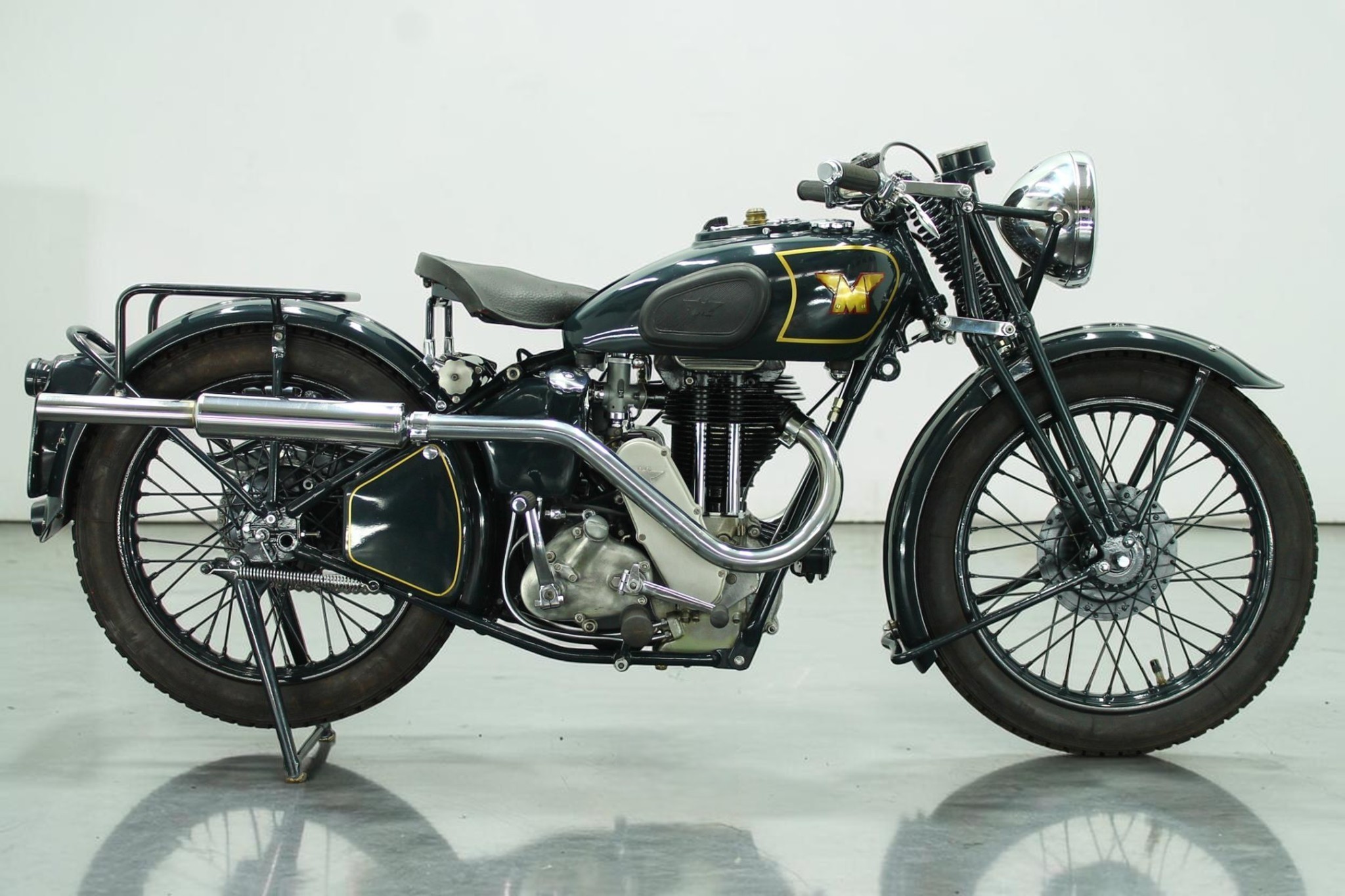
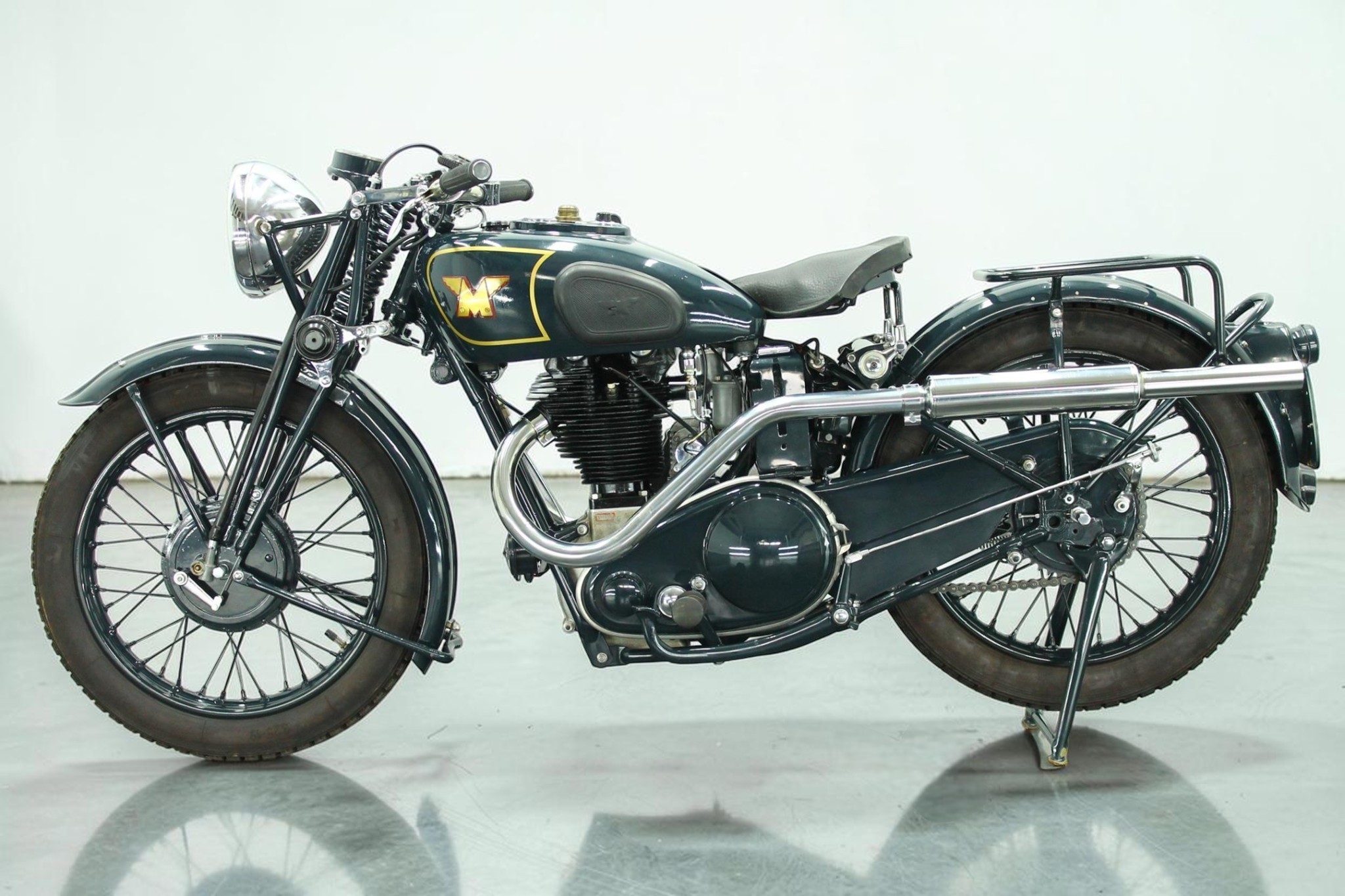
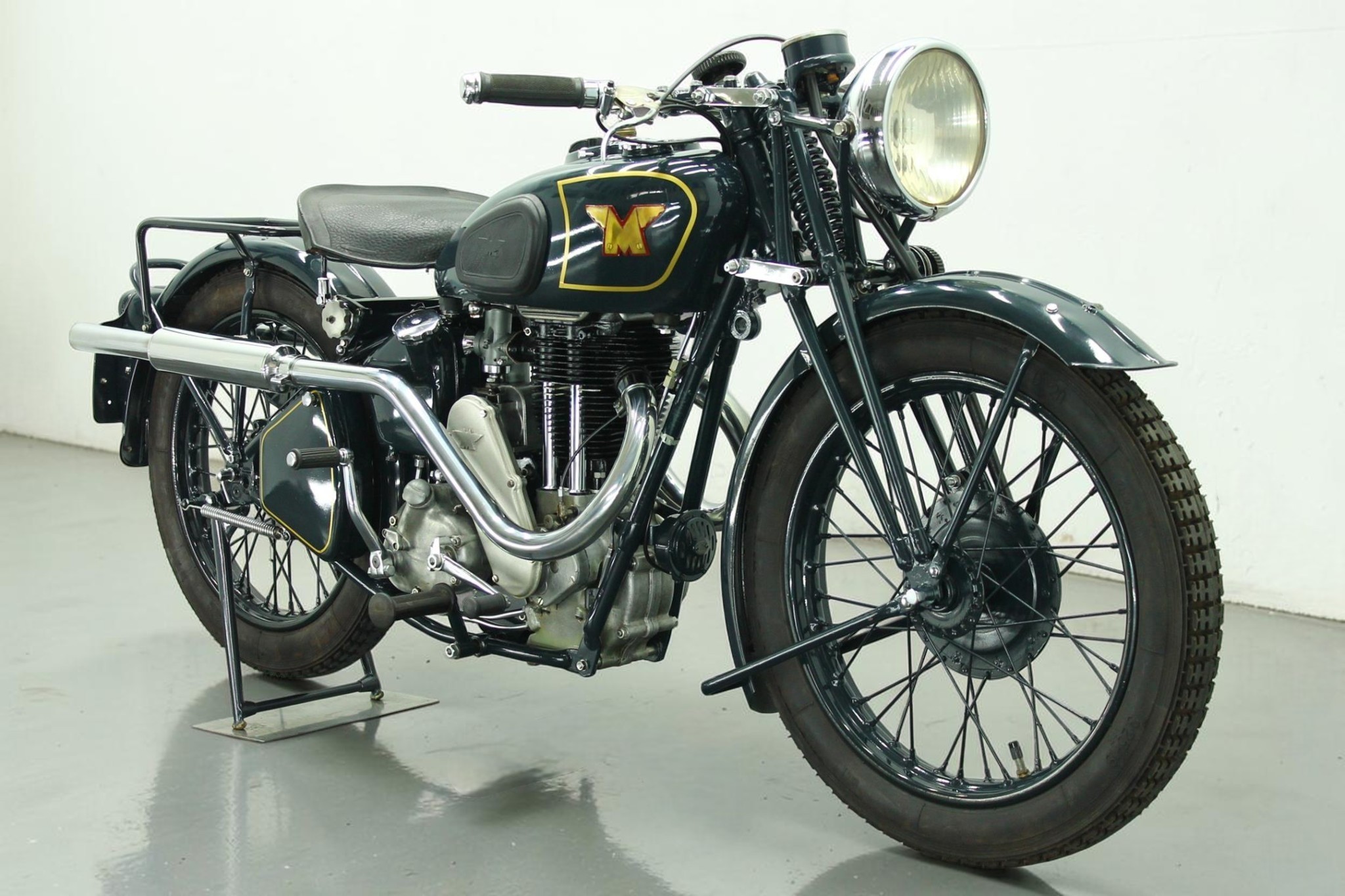
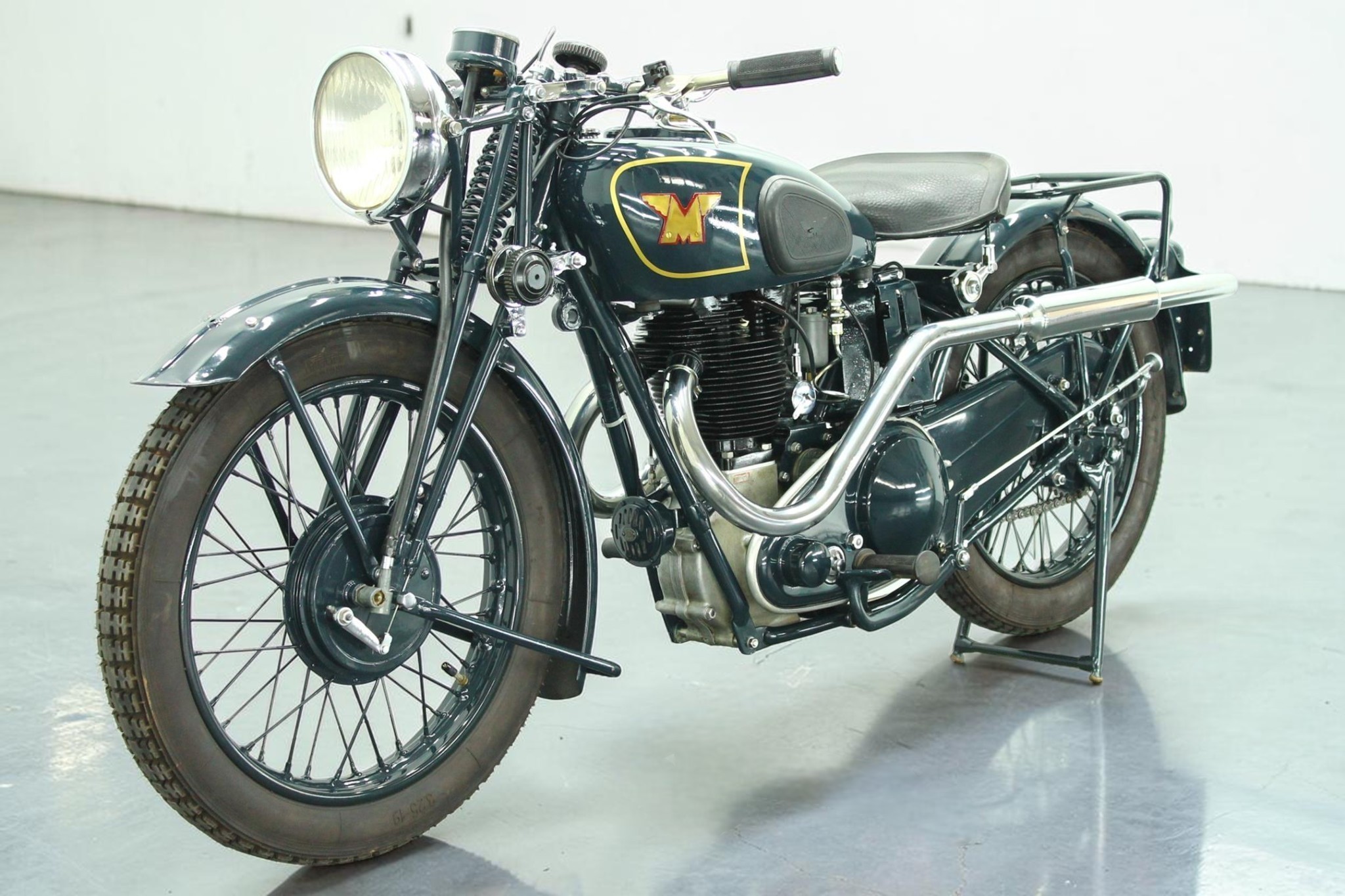

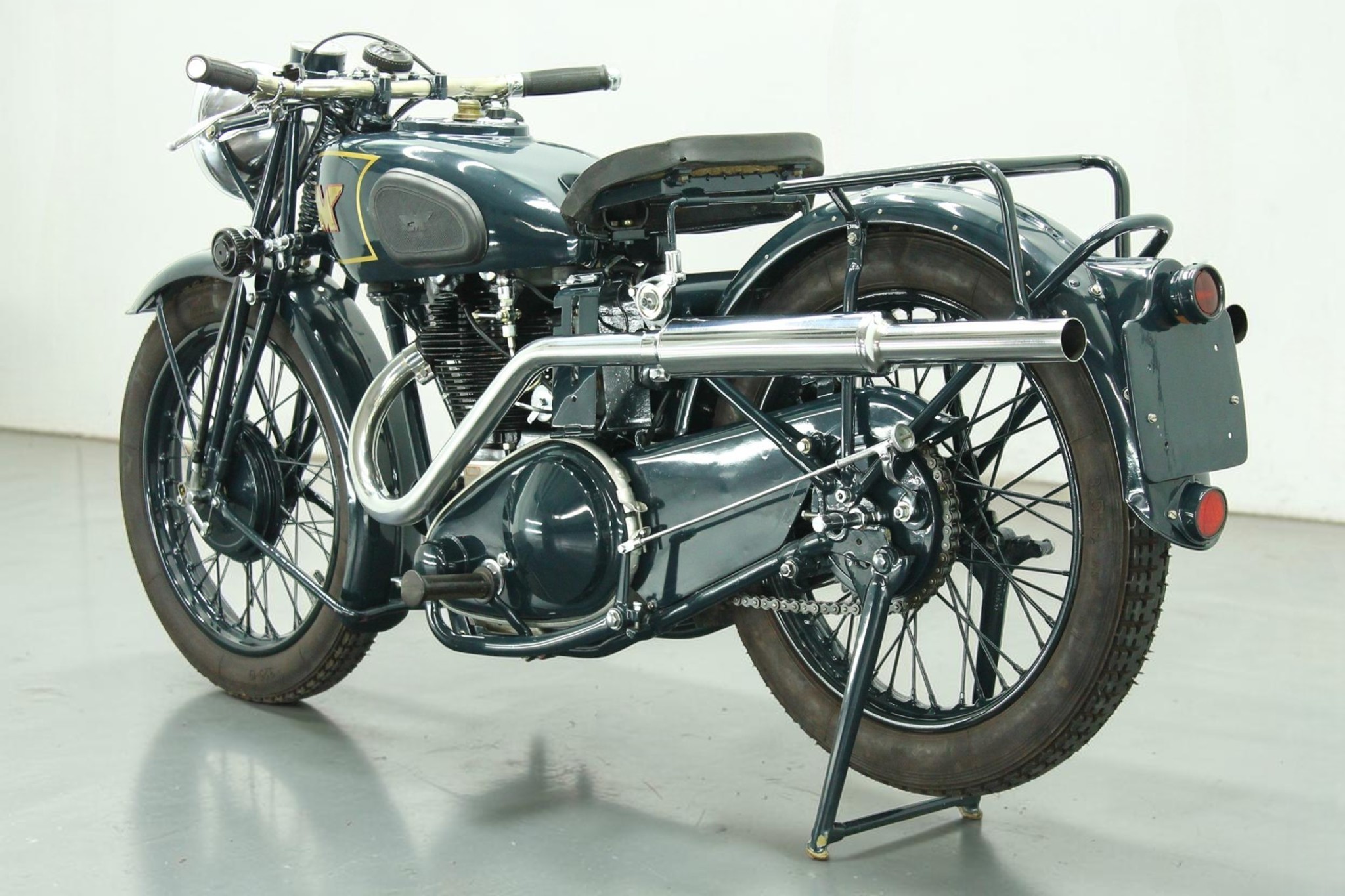
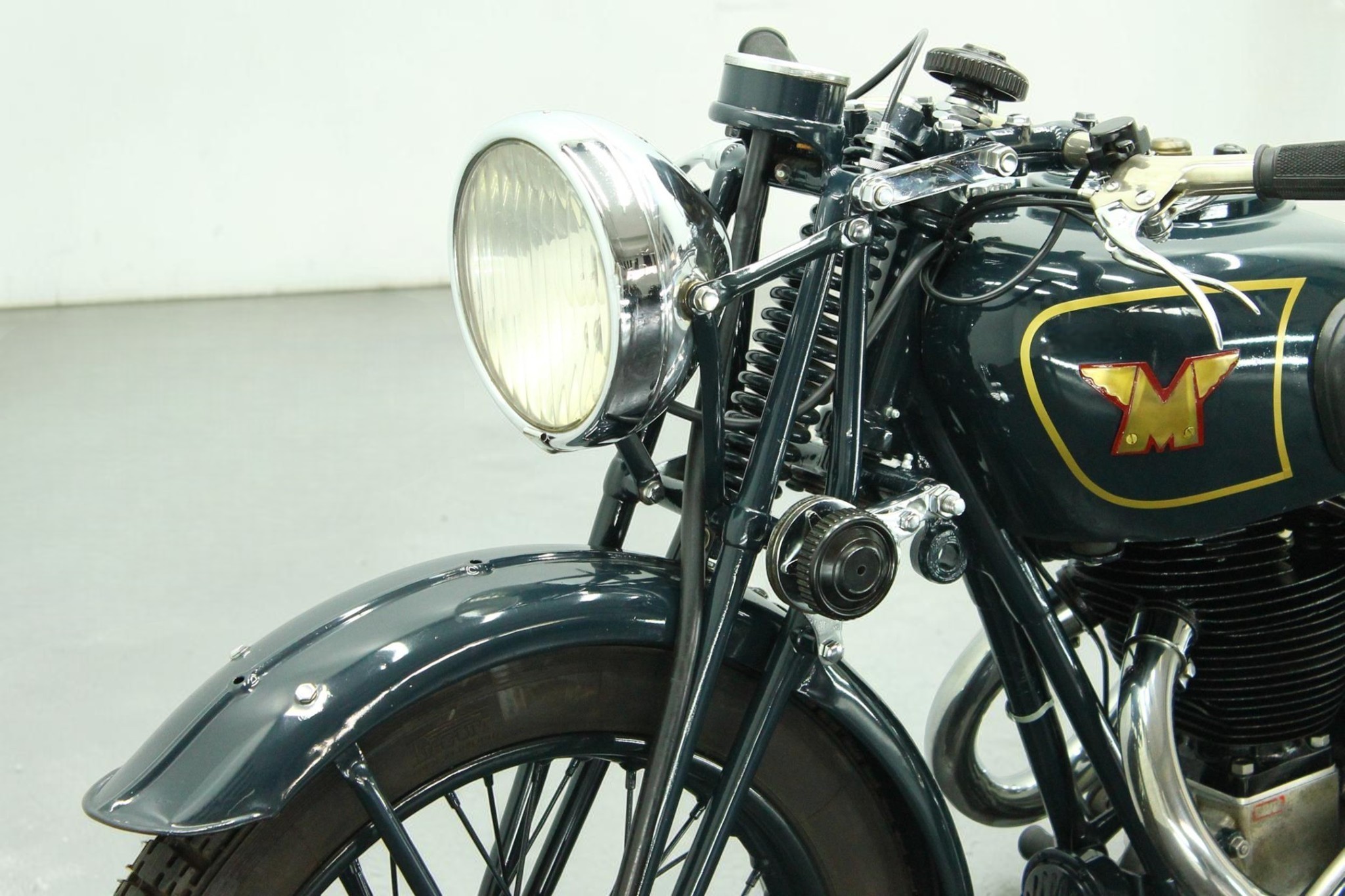
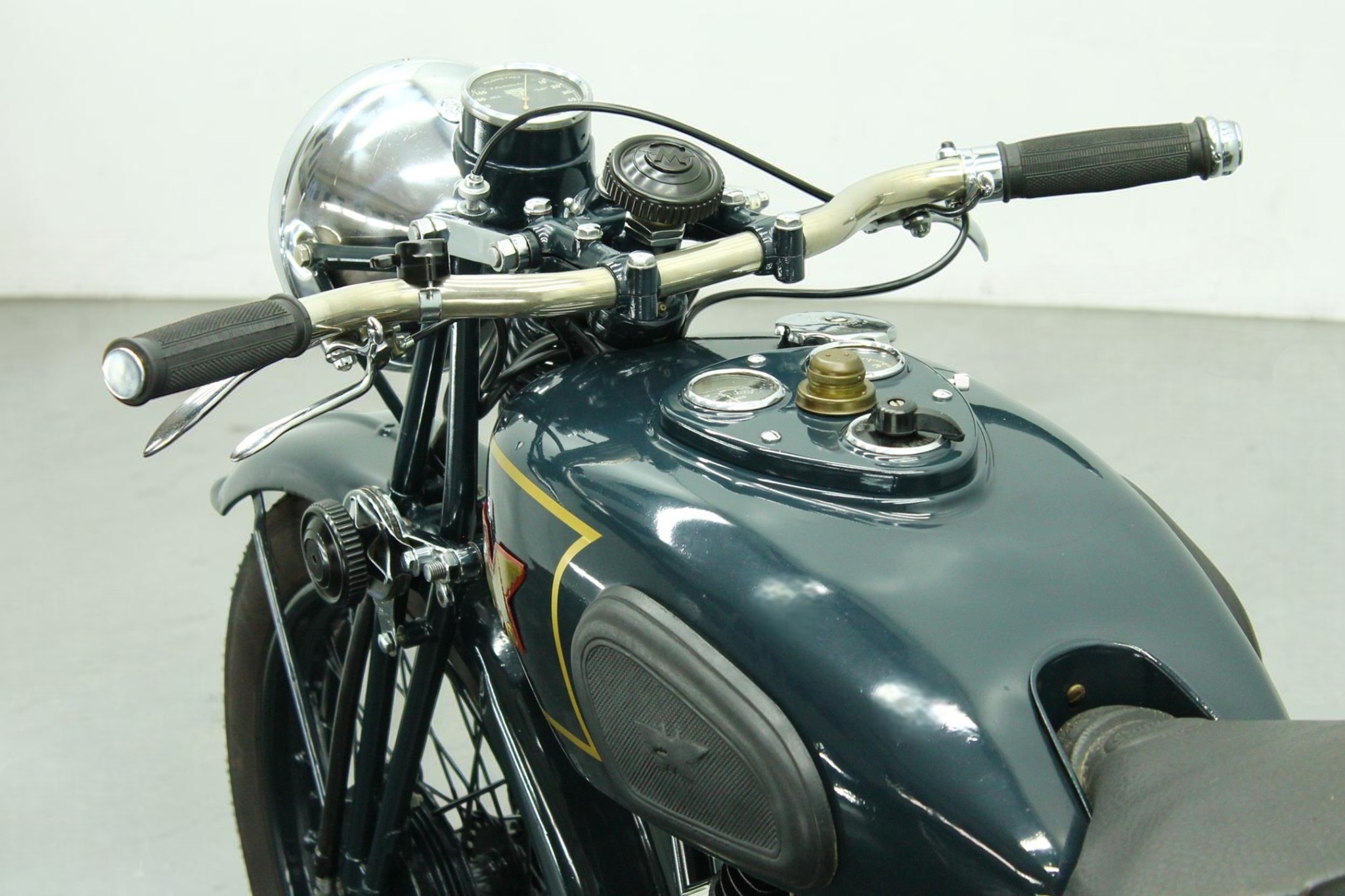
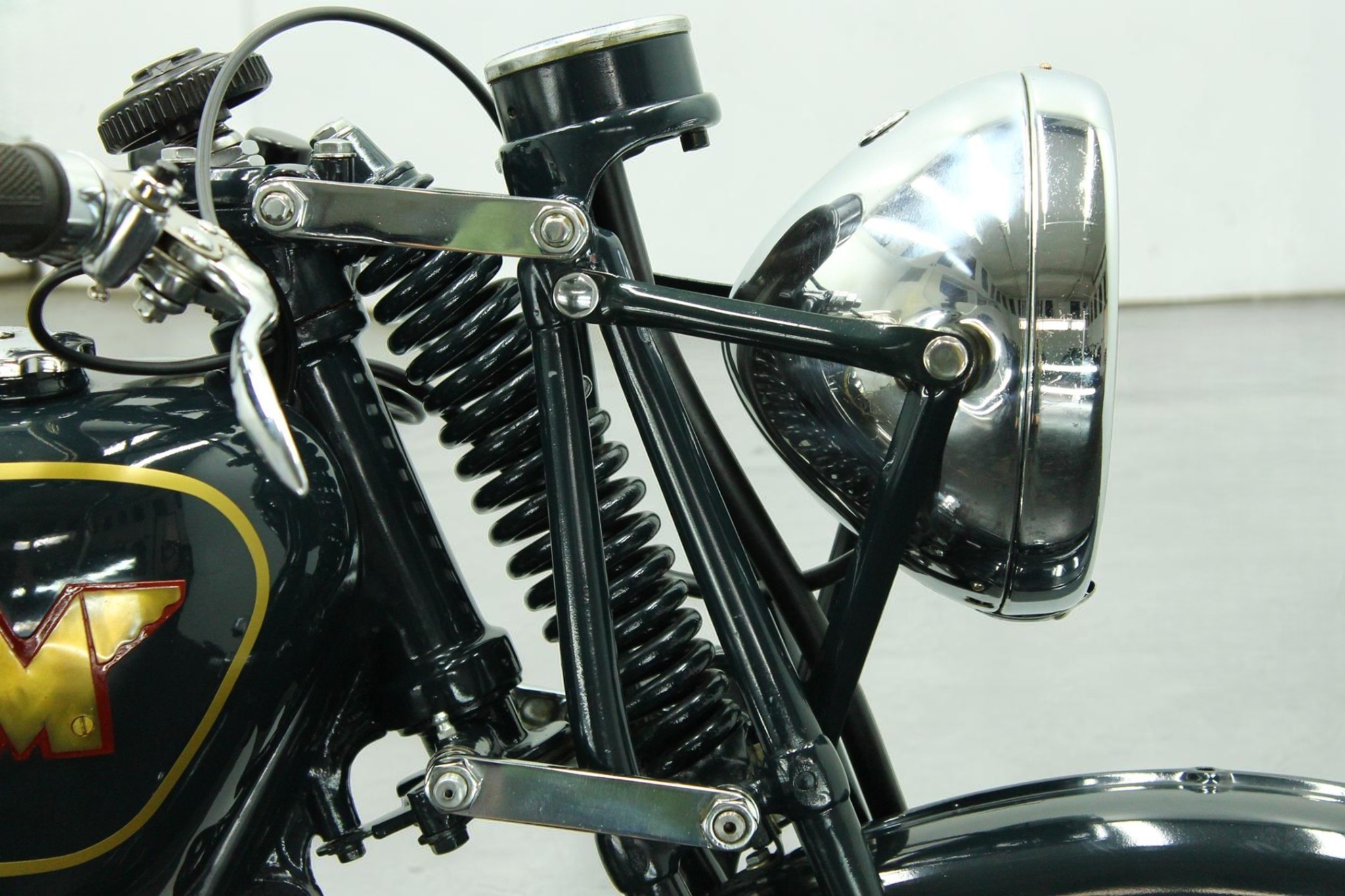


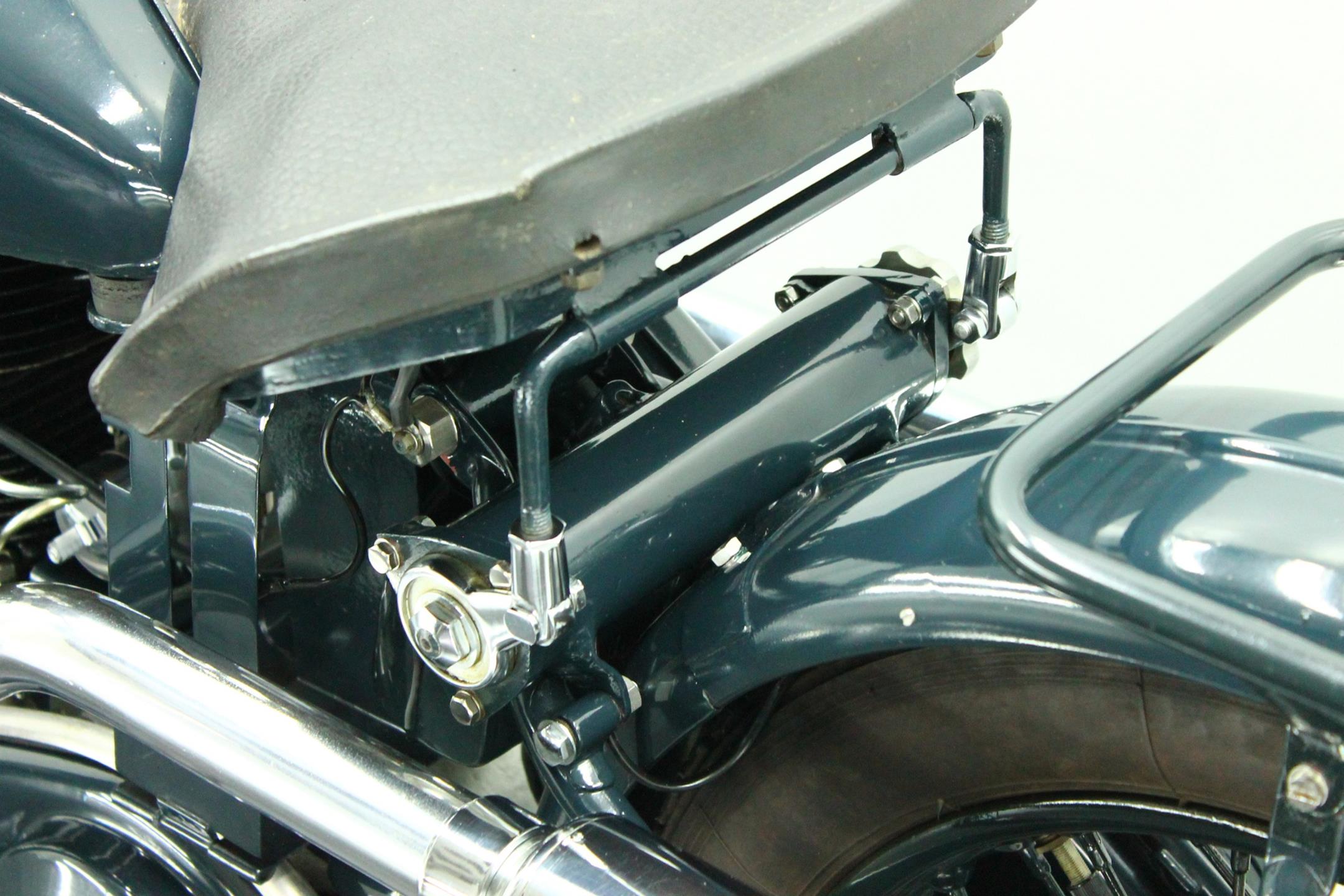




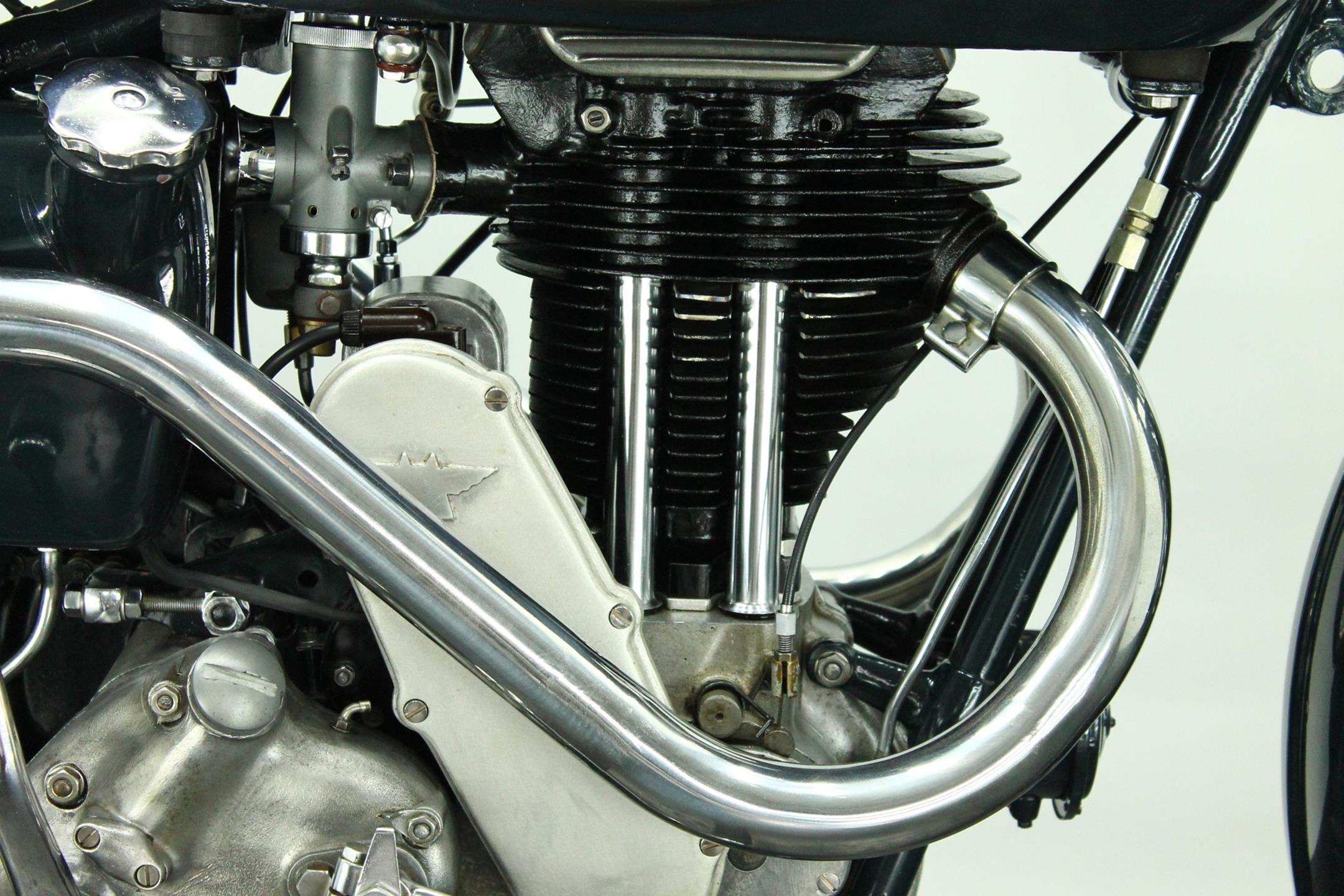
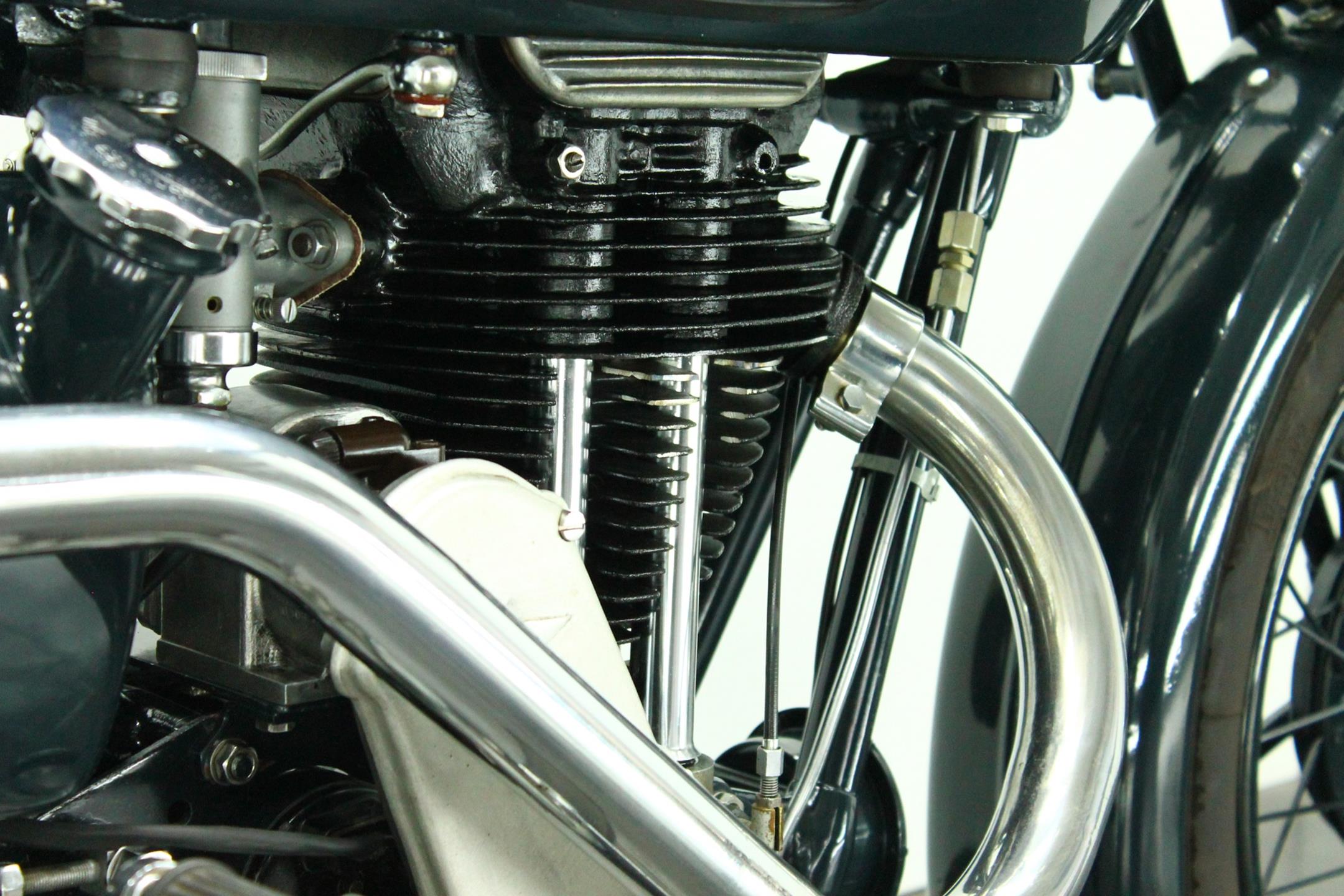
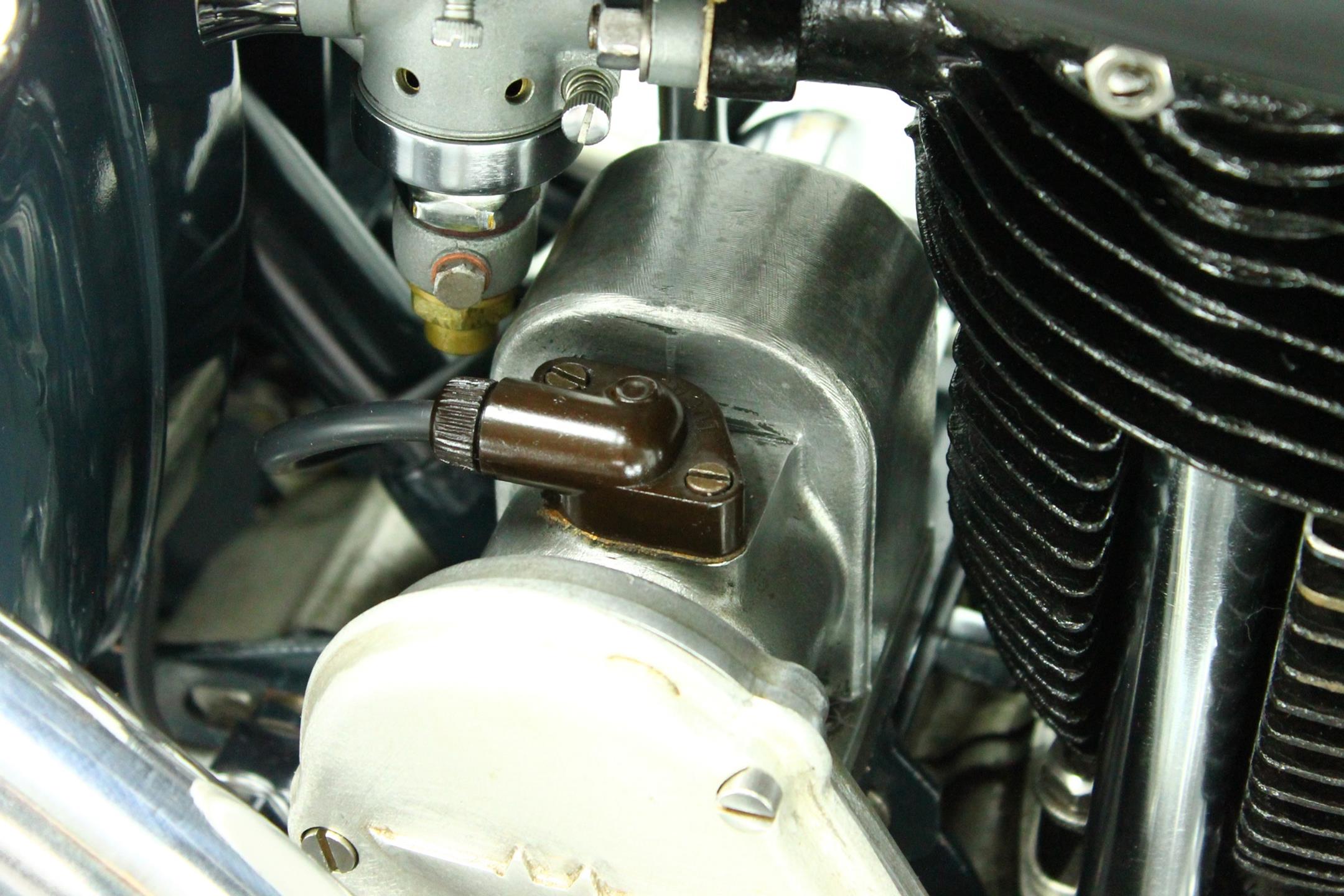
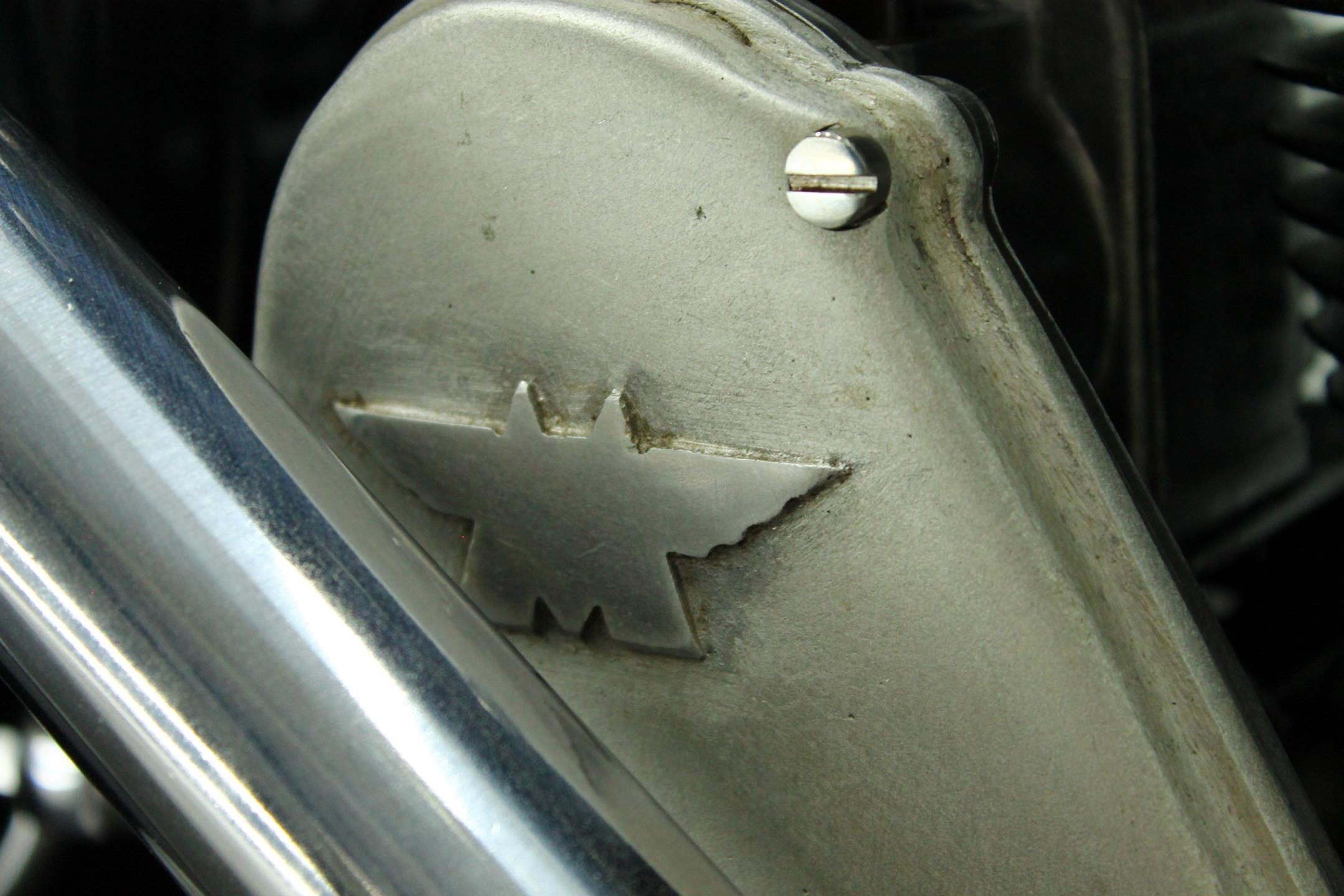

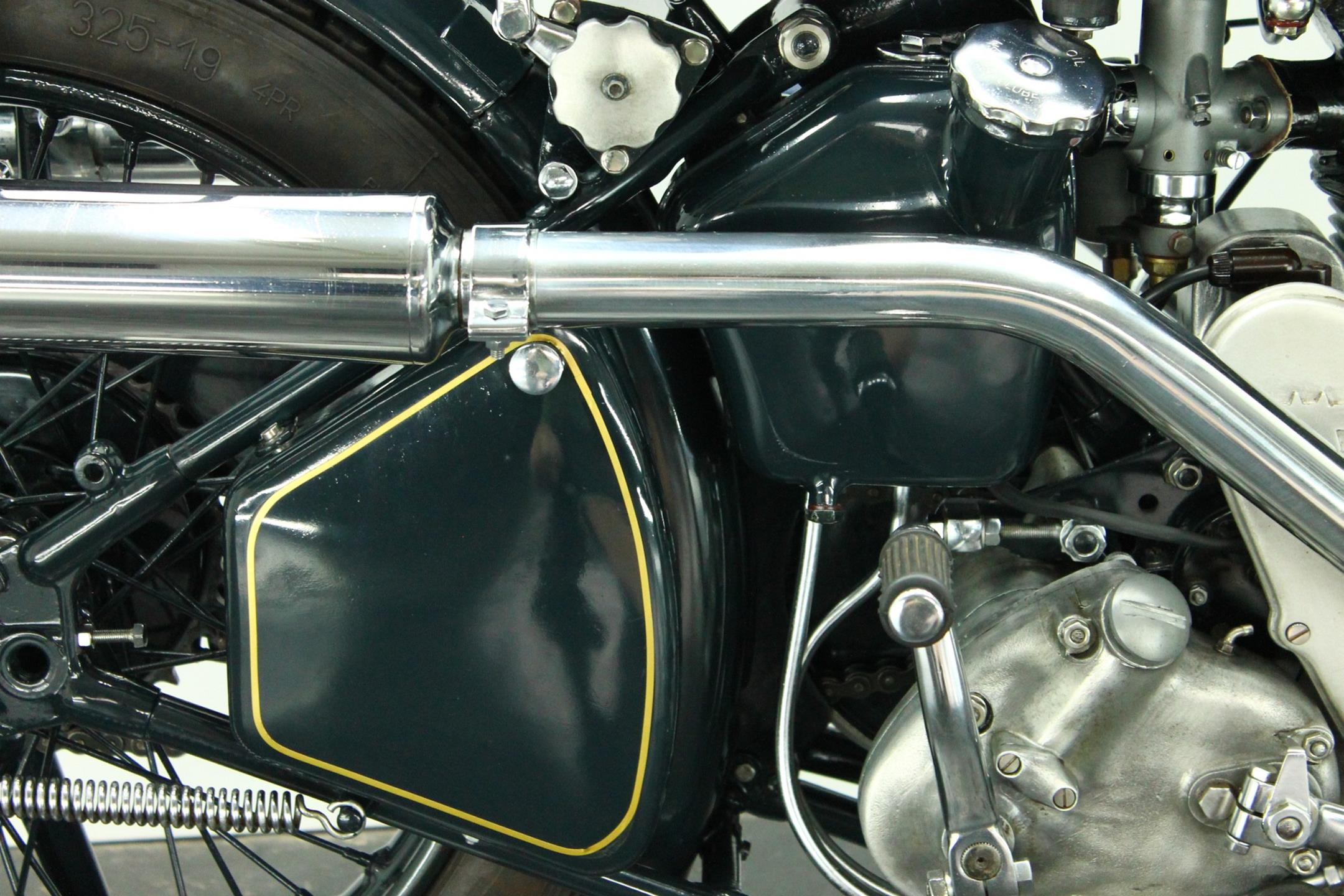

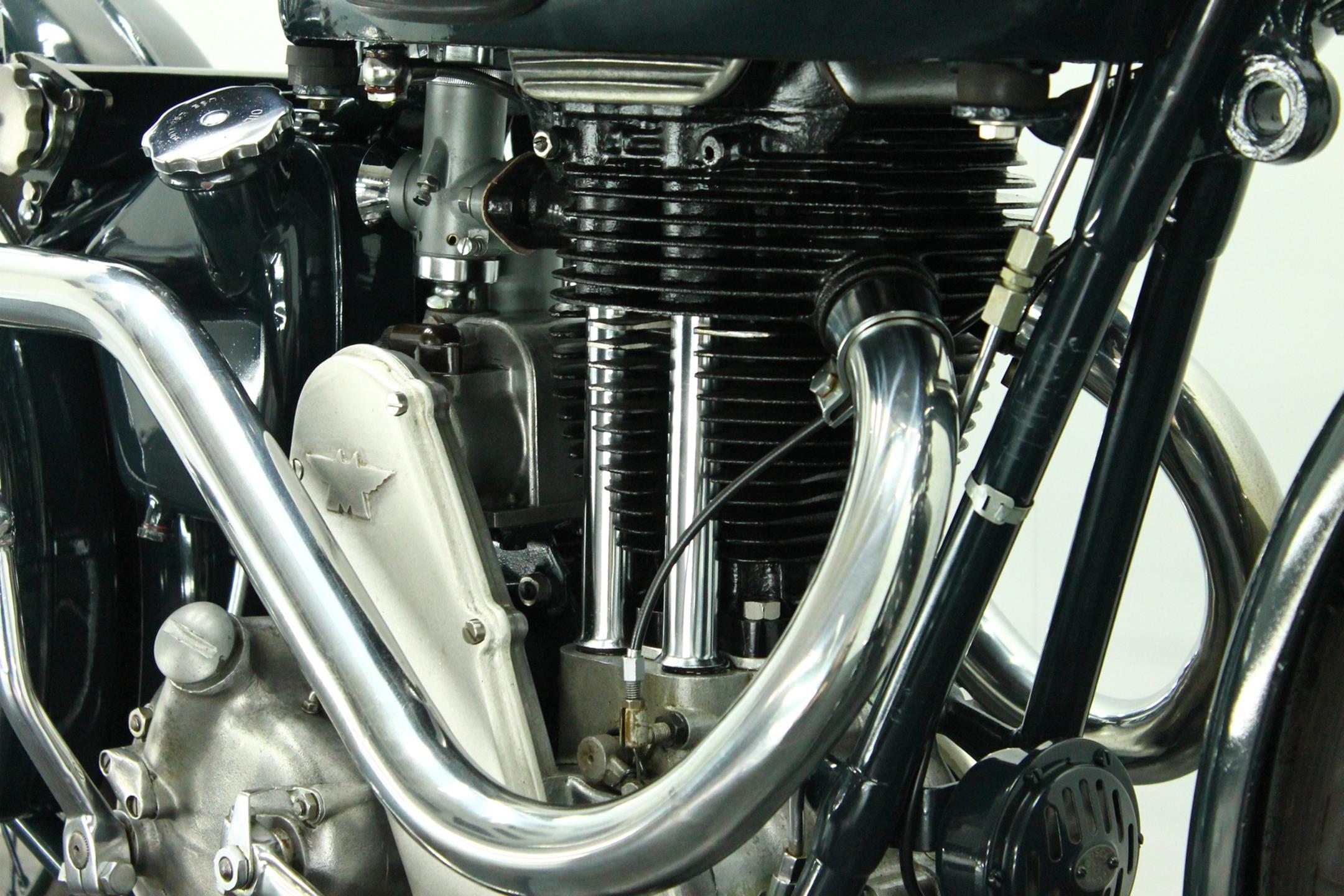
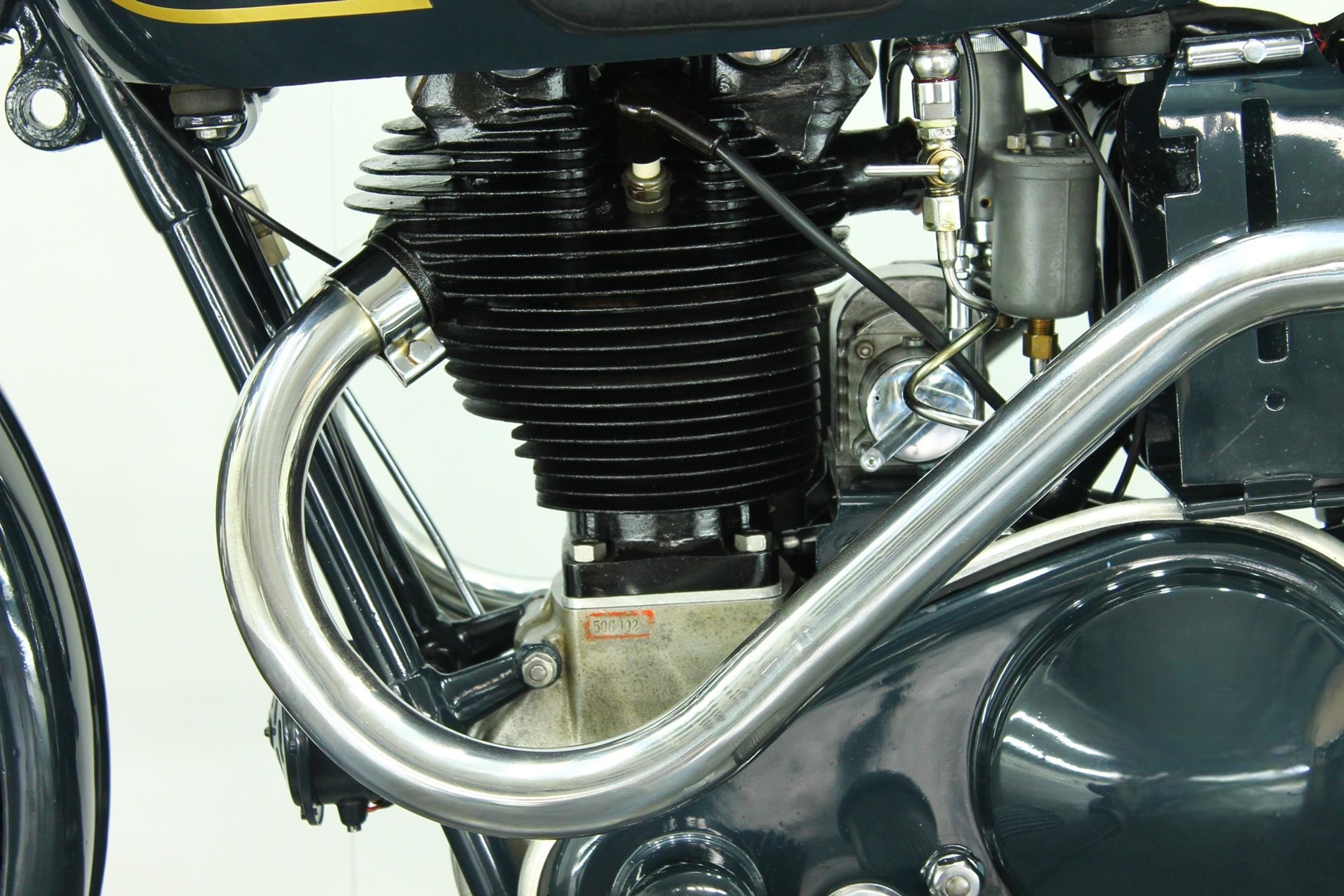
The 1938 Matchless Model G80 Clubman is a distinctive British sporting motorcycle from the final years of the pre-war era. Built by H. Collier & Sons under the Matchless name, the G80 represents the company's mature development of the 500 cc overhead-valve single-cylinder motorcycle.
The G80 is powered by a 498 cc-class OHV single-cylinder engine with an 82.5 mm bore and 93 mm stroke. For 1938, the engine used magneto ignition and dry-sump lubrication, combining traditional British motorcycle engineering with the performance requirements of fast road and sporting use.
The Clubman specification gave the G80 a more performance-oriented character than ordinary touring versions. The motorcycle was designed around a lightweight steel chassis, four-speed gearbox, sporting gearing, wire wheels, and a purposeful riding position.
The 1938 G80 Clubman belongs to a particularly interesting period in Matchless history, immediately before the outbreak of the Second World War and the company's transition toward military production. Its combination of a large single-cylinder engine, relatively light chassis, and competition-influenced engineering makes it an appealing pre-war British motorcycle for collectors.
Matchless was one of Britain's major early motorcycle manufacturers. The company was founded by H. Collier & Sons in London and developed from bicycle production into motorcycle manufacturing, eventually establishing a strong reputation for engineering quality and competition success.
Matchless had extensive experience in motorcycle racing and reliability events, including major successes at the Isle of Man TT. This competition background influenced the company's production motorcycles, particularly its sporting singles and competition derivatives.
By the late 1930s, Matchless offered a broad range of motorcycles including 250 cc, 350 cc, and 500 cc overhead-valve singles. The G80 occupied the 500 cc OHV class and represented one of the company's most substantial single-cylinder road machines.
The 1938 season was an important stage in the evolution of these motorcycles. Matchless introduced special Clubman and competition-oriented specifications alongside its standard production range, reflecting the growing popularity of production-based sporting events.
Matchless documentation for the 1938-1939 period identifies the G80 as a 500 cc OHV single with magneto ignition, while the competition and special Clubman versions incorporated additional performance-oriented features.
The 1938 Matchless Model G80 Clubman is powered by a 498 cc four-stroke single-cylinder overhead-valve engine.
The engine has an 82.5 mm bore and 93 mm stroke, giving a displacement of approximately 498 cc. The long-stroke configuration provides useful torque and strong pulling power at moderate engine speeds.
The OHV valve arrangement was an important feature of the G80, allowing the engine to breathe more efficiently than a comparable side-valve unit.
The 1938 G80 uses magneto ignition and a dry-sump lubrication system. Oil is carried in a separate tank and circulated through the engine by a mechanical oil pump.
The sporting specification emphasizes responsive acceleration and sustained road performance rather than the relaxed characteristics of a utility motorcycle.
Contemporary engineering information places the standard 1938 G80 compression ratio at approximately 6.2:1, with an 18-tooth engine sprocket used for solo gearing in the period technical data.
Actual performance depends on engine condition, compression, carburetor adjustment, ignition timing, valve clearances, exhaust configuration, gearing, lubrication, and restoration quality.
The 1938 Matchless G80 Clubman uses a four-speed manual gearbox with foot-operated gear selection.
The four-speed transmission gives the 500 cc single a useful range of ratios for both acceleration and fast road riding.
The period Matchless gearbox was designed to work closely with the engine's strong torque characteristics and sporting gearing.
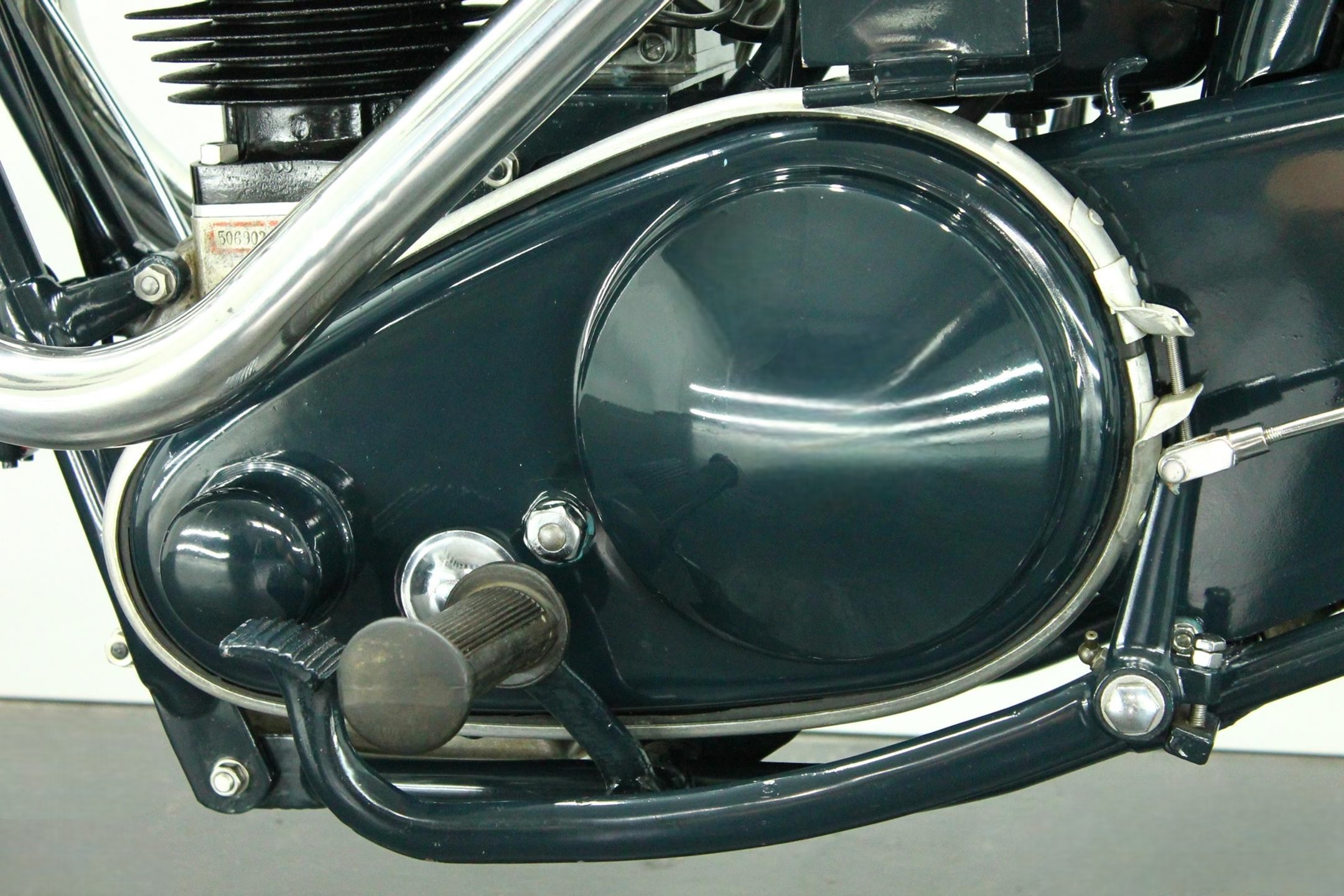
Primary drive is by chain, while final drive to the rear wheel is also by chain.
The clutch operates in conjunction with the primary transmission and allows the rider to make full use of the four-speed gearbox.
The gearbox, clutch, primary chain, rear chain, sprockets, bearings, selector mechanism, and kick-start assembly should all be inspected carefully on a surviving G80.
The G80 Clubman uses a steel motorcycle chassis designed to provide a balance between strength, light weight, and sporting handling.
The frame reflects Matchless's long experience in competition motorcycles and provides a stable platform for the relatively large 500 cc single-cylinder engine.
The rear of the motorcycle uses a rigid frame, as was still common among British motorcycles immediately before the widespread adoption of rear suspension.
The front suspension uses a period girder-style fork with friction damping and appropriate steering geometry for fast road use.
The relatively narrow chassis and upright single-cylinder engine contribute to the motorcycle's agile and purposeful handling character.
The steering head, fork blades, frame tubes, engine mounting points, rear wheel alignment, and frame-number area should be carefully checked for cracks, corrosion, distortion, or evidence of previous repairs.
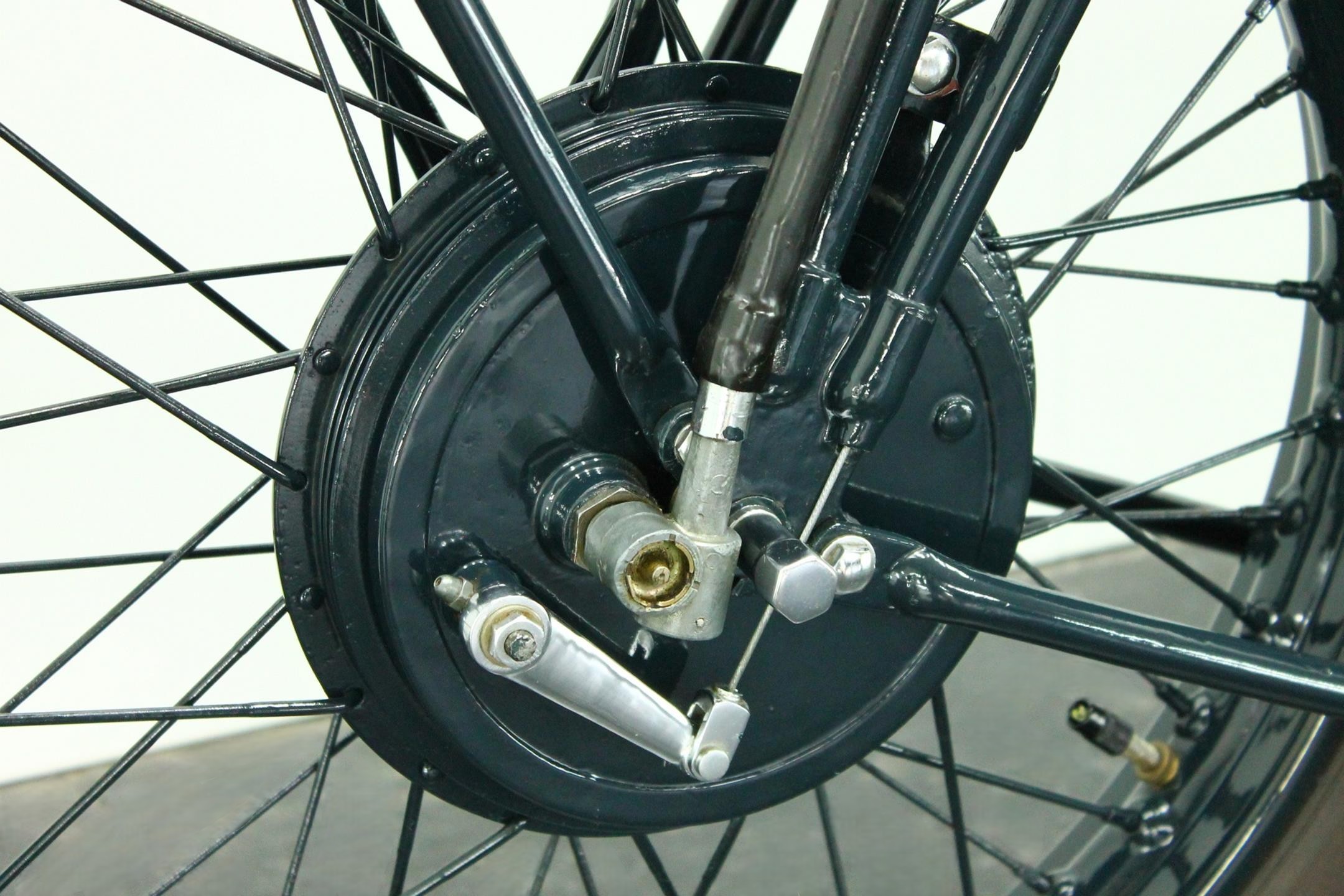
The 1938 Matchless G80 Clubman uses wire-spoked wheels with period British motorcycle braking equipment.
The wheels were designed to provide a useful combination of low weight, strength, and serviceability for sporting road use.
The period braking system was mechanically operated and substantially less powerful than the hydraulic disc-brake systems used on modern motorcycles.
Brake drums, shoes, operating arms, cables, wheel bearings, spokes, rims, axles, and tires should all be inspected before road use.
Correct Matchless hubs, rims, spokes, brake components, and period tire sizes can provide valuable evidence when assessing the originality of a restored G80.
The 1938 Matchless G80 Clubman uses magneto ignition, an established and highly practical system for pre-war British motorcycles.
The magneto provides the high-voltage ignition necessary for the single-cylinder engine without relying entirely on the motorcycle's lighting battery.
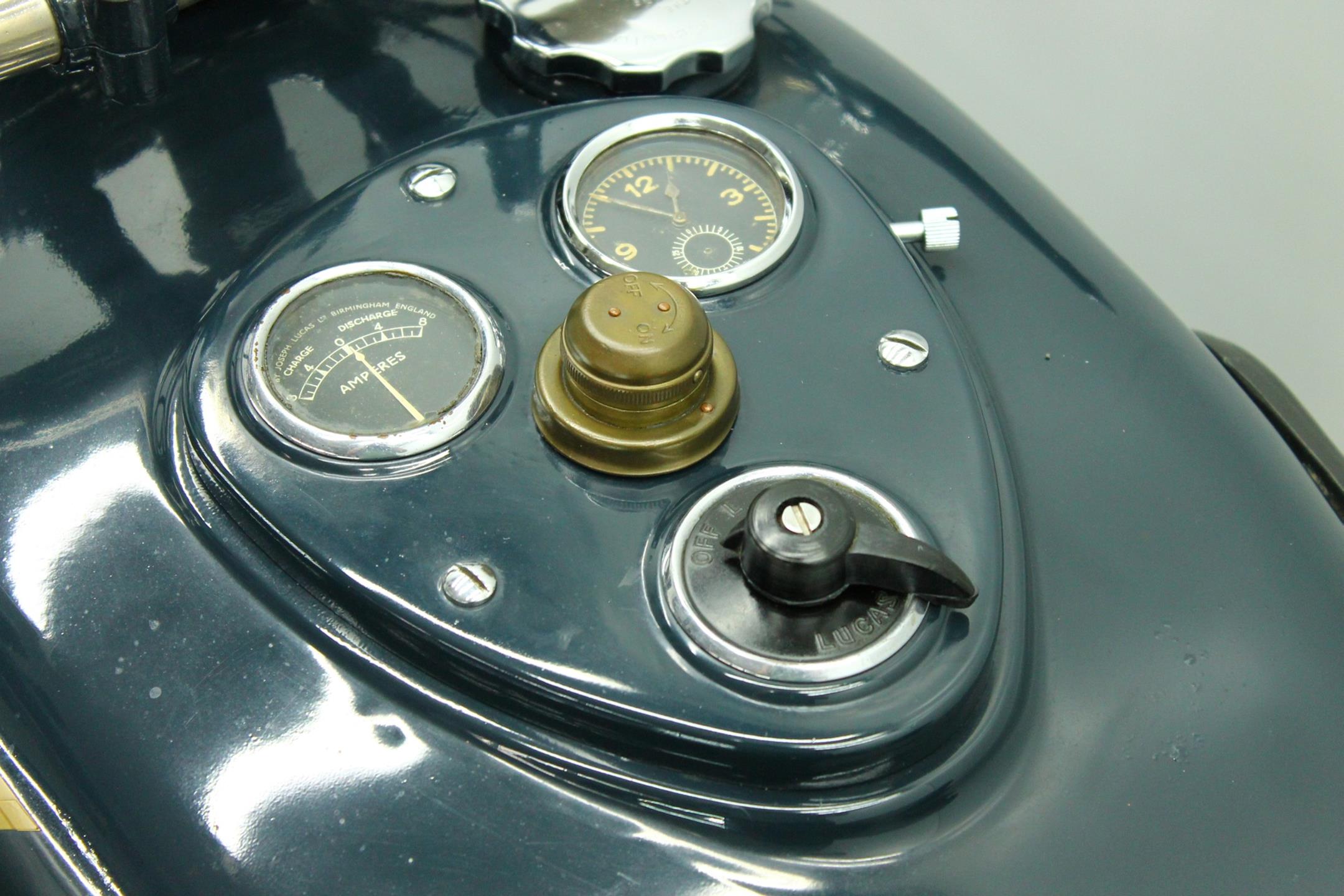
Period Matchless motorcycles were equipped with Lucas electrical equipment for lighting and associated electrical functions.
The magneto, generator, headlamp, rear lamp, horn, switches, wiring, and other electrical components should be checked for both functionality and historical correctness.
Restored motorcycles may contain rebuilt magnetos, replacement wiring, modern capacitors, updated regulators, or other discreet electrical improvements. Such modifications should be recorded when documenting originality.
The 1938 G80 uses an Amal carburetor appropriate to the 500 cc OHV engine.
Period carburetion was carefully matched to the engine's displacement, compression ratio, valve arrangement, and sporting specification.
Historical carburetor documentation identifies the 1938 G80 and G90 family with an Amal carburetor using a 76/004 mixing-chamber specification and a main jet around 180, although exact equipment can vary between individual motorcycles and factory configurations.
The motorcycle's controls are typical of late-1930s British sporting machines, with handlebar-operated clutch and brake controls, twist-grip throttle, foot-operated gear selection, and a kick starter.
Correct Amal carburetion, control levers, cables, handlebars, footrests, pedals, and fittings are important when restoring a G80 to period specification.
The 1938 Matchless G80 Clubman has the clean and purposeful appearance of a late pre-war British sporting motorcycle.
The upright 500 cc single-cylinder engine dominates the center of the motorcycle, while the narrow fuel tank, steel frame, wire wheels, girder fork, exposed exhaust system, and relatively minimal bodywork create a functional silhouette.
The Clubman character is emphasized by the sporting riding position and equipment designed around fast road use.
Late-1930s Matchless motorcycles were also distinguished by carefully finished fuel tanks, polished or plated metalwork, black-painted chassis components, and prominent Matchless branding.
Correct tank panels, Matchless badges, engine finishes, exhaust arrangement, carburetor, headlamp, wheels, controls, toolbox, and period fasteners all contribute to an authentic restoration.
The 1938 model year represents an important stage in Matchless development immediately before the Second World War.
For the 1938-1939 season, Matchless offered the G80 as a 500 cc OHV single-cylinder motorcycle with an 82.5 mm bore and 93 mm stroke.
The G80 used magneto ignition and dry-sump lubrication, while the wider Matchless range included standard, competition, and special Clubman specifications.
The late-1930s Clubman machines incorporated performance-oriented engineering intended for riders who wanted a production-based motorcycle with stronger sporting capability.
The G80's 500 cc engine placed it at the top of Matchless's OHV single-cylinder road range and made it particularly suitable for long-distance touring and fast sporting riding.
The 1938 Matchless G80 Clubman provides the direct and mechanical riding experience associated with a late pre-war British single-cylinder motorcycle.
The 498 cc engine produces useful torque throughout the lower and middle portions of the rev range, allowing the motorcycle to make effective progress without constant gear changes.
The four-speed gearbox gives the rider closer control over engine speed and makes the G80 more versatile than many earlier three-speed motorcycles.
The relatively lightweight chassis and narrow single-cylinder layout provide an agile feel, while the rigid rear frame delivers the direct road feedback typical of motorcycles of the era.
The motorcycle is particularly suited to vintage rallies, historic motorcycle events, touring at moderate speeds, and carefully planned road riding.
A surviving example should be ridden conservatively until the engine, lubrication system, carburetor, magneto, clutch, gearbox, steering, fork, wheels, tires, brakes, and frame have been thoroughly inspected.
The Clubman designation is significant because production-based sporting motorcycles were increasingly popular in Britain during the late 1930s.
These machines were intended for riders who wanted more performance than a standard touring motorcycle while retaining the basic architecture of a road-legal production machine.
Matchless developed special competition and Clubman versions of its single-cylinder models, including the 500 cc G80 family.
Competition-oriented details could include altered gearing, specialized engine components, improved lubrication of highly stressed parts, sporting exhaust arrangements, and other equipment intended to improve performance and durability.
Because Clubman and competition motorcycles were often modified by their owners for particular events, originality should be assessed carefully on each surviving example.
A motorcycle described as a G80 Clubman should therefore be examined for evidence supporting its original factory specification rather than relying solely on its present appearance.
The 1938 Matchless G80 Clubman is historically important because it represents the maturity of the British 500 cc overhead-valve single-cylinder motorcycle immediately before the Second World War.
Its 82.5 x 93 mm engine configuration, four-speed transmission, magneto ignition, dry-sump lubrication, and sporting chassis demonstrate how far British single-cylinder engineering had developed since the early 1920s.
The model also illustrates the increasing influence of competition on production motorcycles, with Clubman and competition specifications providing private riders with machines capable of serious sporting use.
Matchless's long competition history helped shape this engineering philosophy, and the G80 represents the culmination of many years of development in large single-cylinder motorcycles.
The motorcycle therefore occupies an important place in the history of British pre-war sporting machines.
The 1938 Matchless G80 Clubman is an appealing motorcycle for collectors specializing in British pre-war singles, Matchless motorcycles, and competition-derived road machines.
Its 500 cc OHV engine, late-1930s engineering, magneto ignition, four-speed gearbox, and sporting specification give it considerable historical interest.
Collectors should pay close attention to the engine, crankcases, cylinder, cylinder head, rocker gear, carburetor, magneto, gearbox, clutch, frame, fuel tank, fork, wheels, brakes, exhaust, controls, headlamp, generator, and toolbox.
Engine and frame numbers are particularly important because pre-war motorcycles were frequently rebuilt, and competition machines were often modified during their active service lives.
Original Matchless components, correct Clubman equipment, period Amal carburetion, correct magneto, appropriate gearing, original tank details, factory accessories, and documented provenance can substantially increase collector interest.
Authenticating a 1938 Matchless G80 Clubman requires examination of the complete motorcycle and confirmation of its engine and chassis specification.
The engine should be identified through its 82.5 x 93 mm dimensions, OHV cylinder head and rocker arrangement, crankcase castings, magneto, carburetor, oil-pump system, and period manufacturing details.
The chassis should be checked for the correct steel frame, steering head, fork, engine mounting points, rear frame construction, wheel alignment, and frame-number markings.
The four-speed gearbox, primary chain, clutch, Amal carburetor, magneto ignition, fuel tank, exhaust, wheels, brakes, headlamp, generator, controls, and toolbox should all be compared with period Matchless documentation.
Factory parts catalogues for the 1938 OHV range provide useful references for identifying correct components and distinguishing standard G80 equipment from competition and special Clubman equipment.
Engine and frame numbers should be photographed, recorded, and preserved as part of the motorcycle's permanent historical documentation.
Registration documents, factory catalogues, period photographs, restoration invoices, previous sales records, competition history, and ownership documentation can all provide valuable evidence of authenticity.
The 1938 Matchless G80 Clubman matters because it represents the culmination of the classic British 500 cc overhead-valve single-cylinder formula immediately before the Second World War.
Its large 498 cc engine, dry-sump lubrication, magneto ignition, four-speed gearbox, lightweight chassis, and sporting configuration combine traditional Matchless engineering with the increasingly specialized demands of late-1930s motorcycle sport.
The G80 also demonstrates the influence of competition on production motorcycles, giving private riders access to machines with a distinctly sporting character.
For collectors, the combination of British manufacture, late pre-war engineering, 500 cc OHV performance, Matchless competition heritage, and relative rarity makes the G80 Clubman particularly appealing.
A well-preserved or accurately restored 1938 Matchless Model G80 Clubman with correct period components and documented provenance represents a significant example of British motorcycle history.
This 1938 Matchless Model G80 Clubman represents a significant example of late pre-war British 500 cc single-cylinder motorcycle engineering.
Its 498 cc overhead-valve engine, dry-sump lubrication, magneto ignition, four-speed gearbox, sporting chassis, wire wheels, and Clubman character give it the distinctive identity of a high-performance British motorcycle from the final years before the Second World War.
The G80 belongs to an important stage in Matchless development, when the company was refining its large single-cylinder motorcycles through experience gained from road use, racing, reliability events, and private competition.
For collectors, the correct G80 engine, frame, gearbox, Amal carburetor, magneto, tank, exhaust, wheels, controls, and documented Clubman specification are particularly important when establishing authenticity.
A well-preserved or accurately restored 1938 Matchless Model G80 Clubman with correct period components and strong documentation represents a valuable piece of British motorcycle history and an excellent example of the mature pre-war sporting single.
Contact us for additional photographs, detailed specifications, engine and frame numbers, service history, originality assessment, restoration information, historical documentation, and purchasing information for this 1938 Matchless Model G80 Clubman.
The Vintage Motorcycles presents a curated selection of historically significant British machines, where Matchless represents one of the longest-standing names in early motorcycle manufacturing. Founded in the late 19th century, Matchless developed from bicycle production into a key contributor to British motorcycle engineering, producing machines defined by mechanical durability, competition heritage, and structural refinement.
Within the broader network of global vintage motorcycle manufacturers, Matchless occupies an important position in shaping early British design philosophy. Its development is closely tied to the evolution of pre-war motorcycle engineering (1900-1939), a period characterized by rapid innovation, racing influence, and the gradual standardization of engine and chassis architecture.
This progression continued into post-war motorcycle development, where Matchless, as part of the Associated Motor Cycles (AMC) group, contributed to the refinement of British single and twin-cylinder platforms. These machines reflected a balance between performance-oriented engineering and everyday usability, reinforcing the brand's long-standing identity.
Each Matchless motorcycle within our collection is selected based on provenance, originality, and mechanical integrity, ensuring alignment with museum-grade preservation standards. Collectors can explore available acquisition opportunities through our global vintage motorcycle inventory, with all motorcycles supported by a fully insured international shipping service.
Matchless developed during a period when British engineering was heavily influenced by competition and long-distance reliability. Early participation in endurance events and road racing helped shape the brand's mechanical philosophy, emphasizing robust construction and consistent performance.
This engineering approach can be better understood within the broader historical framework of WW2 military motorcycle development, where British manufacturers produced machines designed for durability and operational reliability under demanding conditions. These experiences directly influenced post-war production models, including those developed by Matchless.
In addition to solo motorcycles, British engineering during this period also incorporated utility-focused designs, including configurations related to sidecar-equipped motorcycles, which expanded the functional capabilities of two-wheel platforms across both civilian and military applications.
British motorcycle engineering, as represented by Matchless, is characterized by a focus on mechanical reliability, serviceability, and long-distance performance. Unlike more experimental continental approaches, British manufacturers prioritized structural consistency and practical engineering solutions suited to a wide range of riding conditions.
From early V-twin and single-cylinder machines to later competition-inspired models, Matchless developed a diverse lineup that reflected the broader trajectory of British motorcycle design. These machines illustrate a continuous refinement of core engineering principles rather than radical reinvention, resulting in motorcycles known for their durability and historical significance.
Today, Matchless remains an important reference point in the study of British motorcycle history, representing a lineage that connects early industrial experimentation with the mature engineering systems of the mid-20th century. For collectors, these motorcycles offer a combination of historical depth, mechanical integrity, and enduring relevance within the global vintage market.
Key Highlights
Collector Assurance
All enquiries handled with discretion. We typically respond within 6 hours.
Choose the payment method that is most convenient for you. We accept widely used international payment methods as well as, where available, local bank transfer options that allow you to pay like a domestic transaction. Full payment instructions are provided for your specific purchase.
Direct international bank wire transfer is available for motorcycle purchases and export transactions.
Credit card payments can be arranged through Wise.com, subject to the applicable payment and processing conditions.
PayPal is accepted. A 5% PayPal processing fee applies to the transaction.