
The Vintage Motorcycles
Specialists in antique, classic, veteran and vintage motorcycles.
Specialists in antique, classic, veteran and vintage motorcycles.
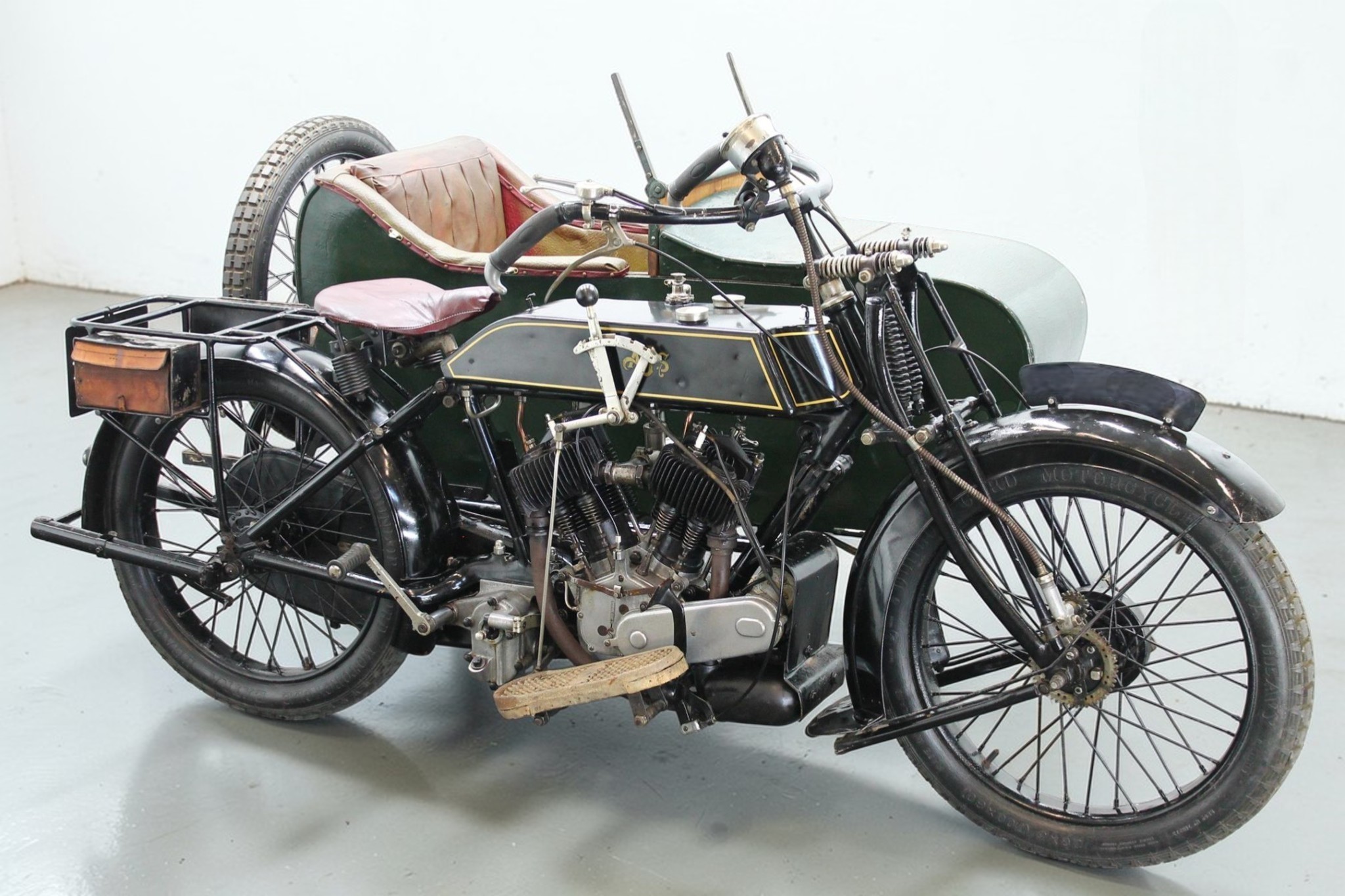
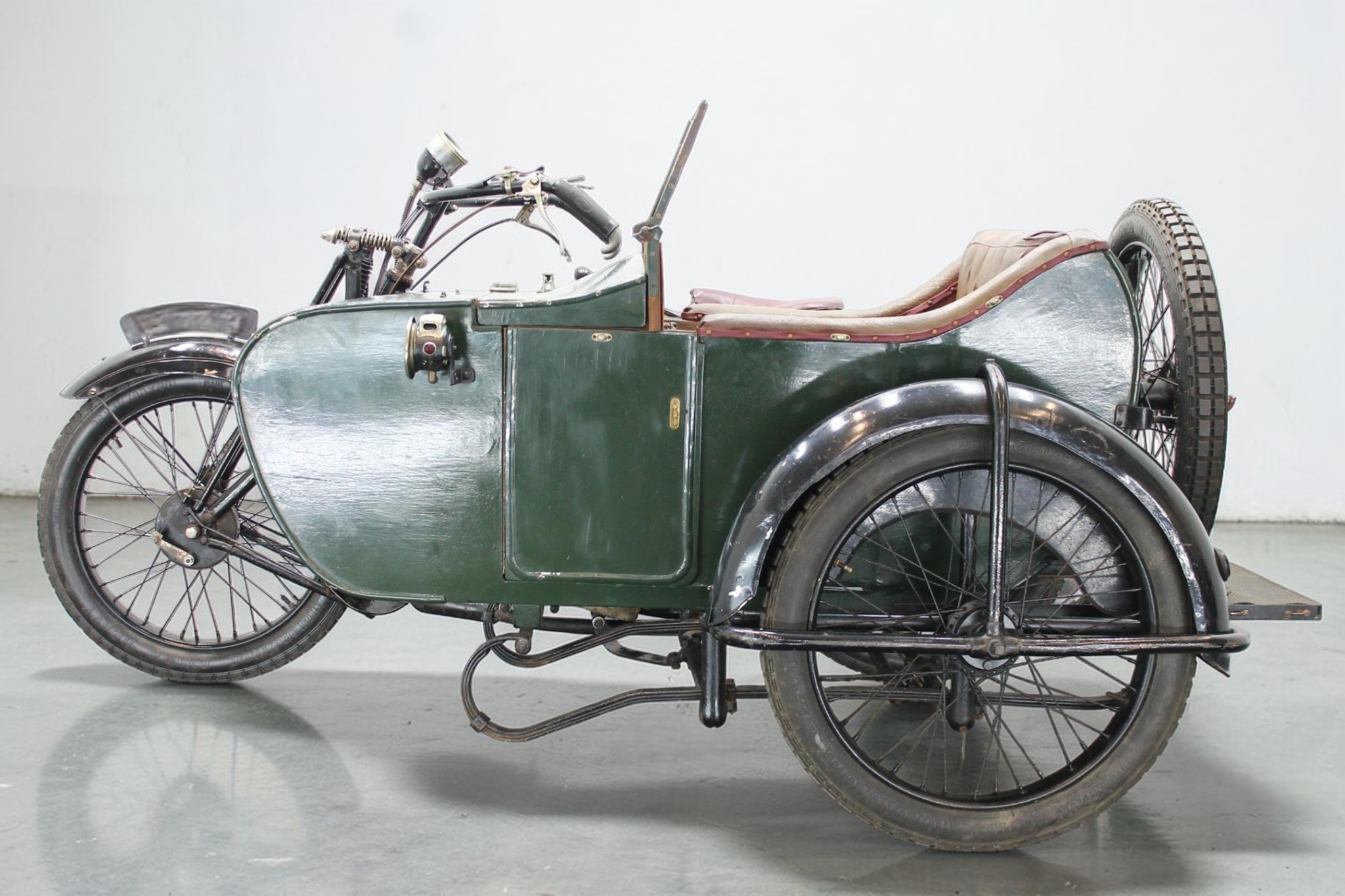

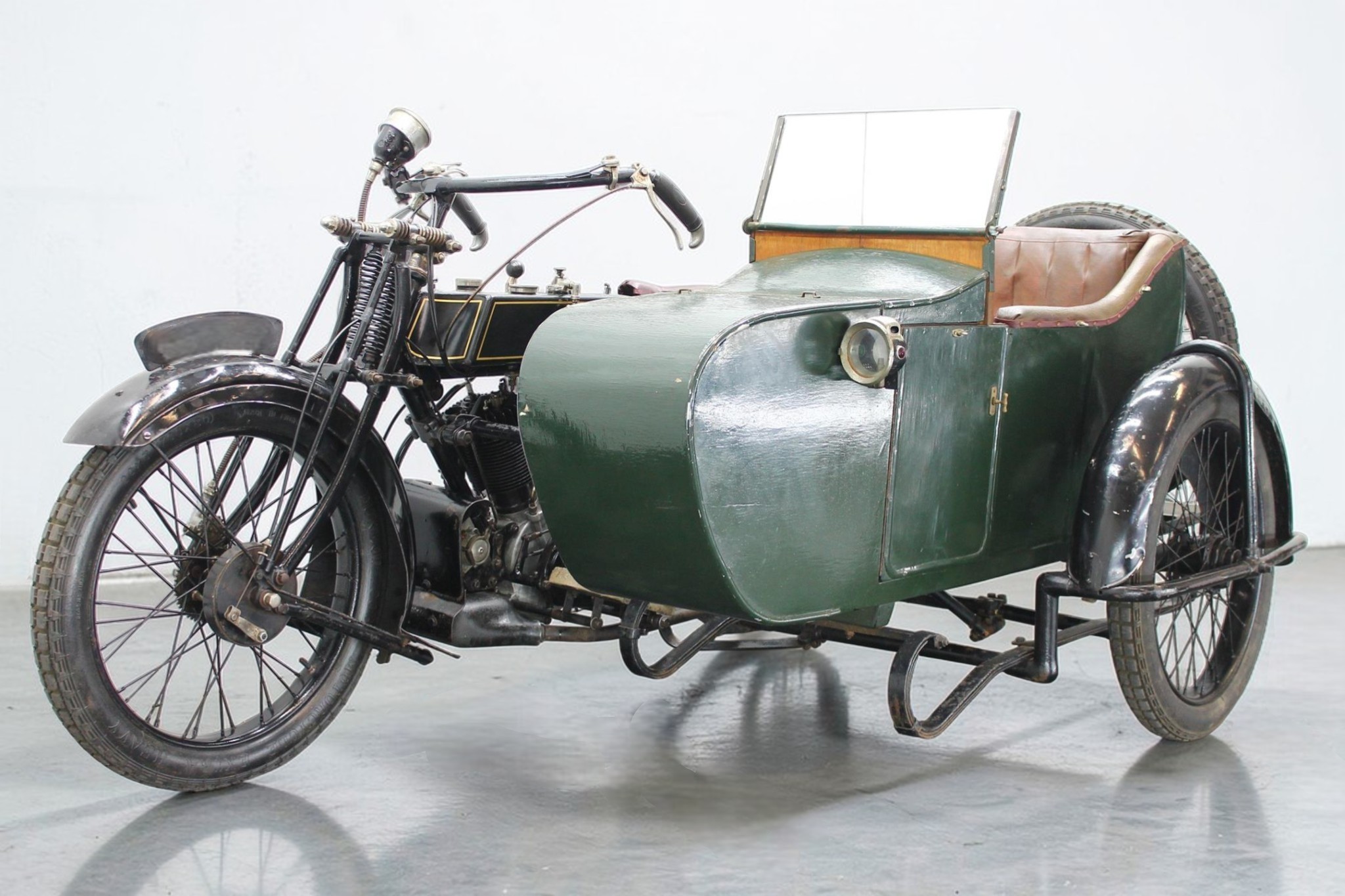
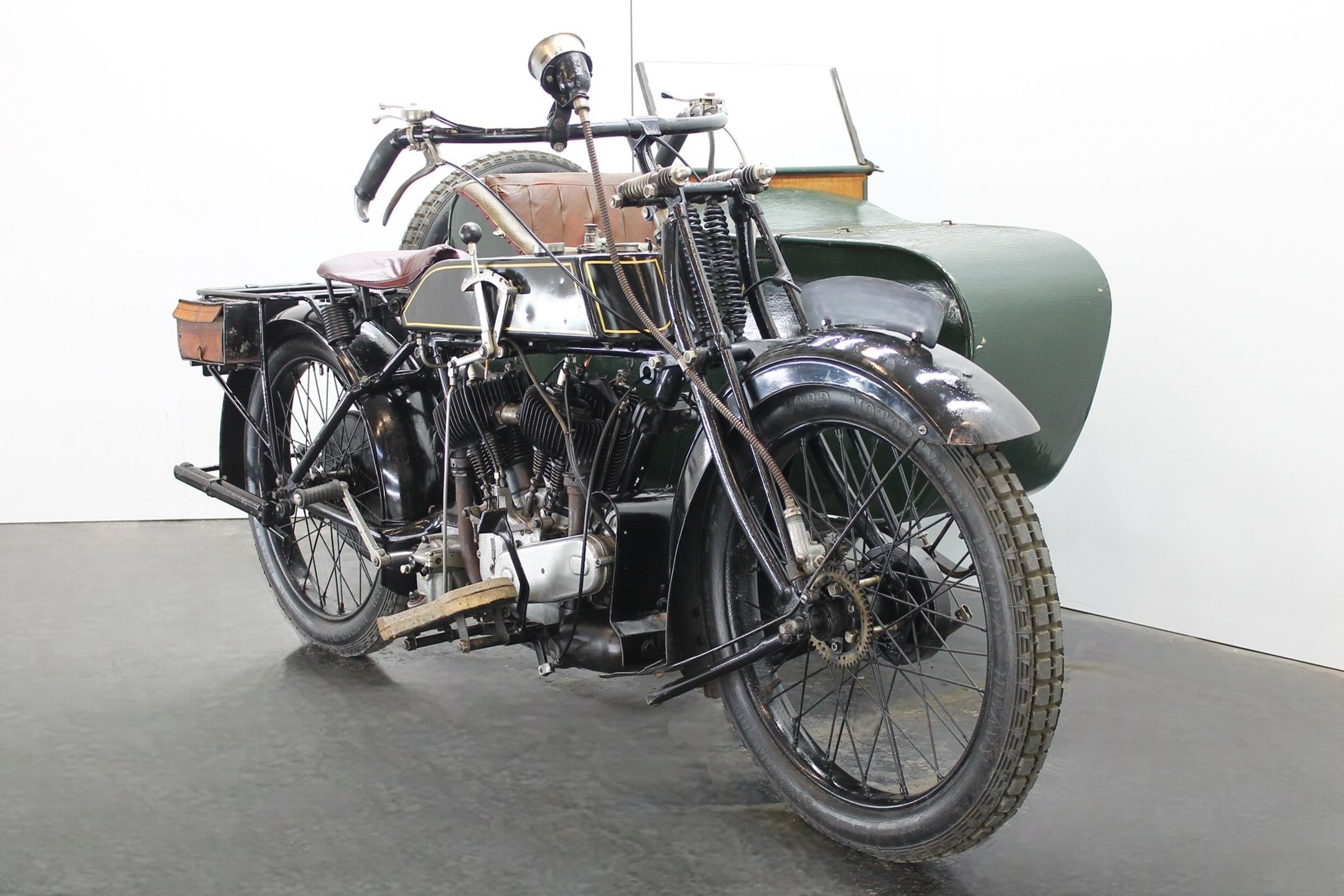
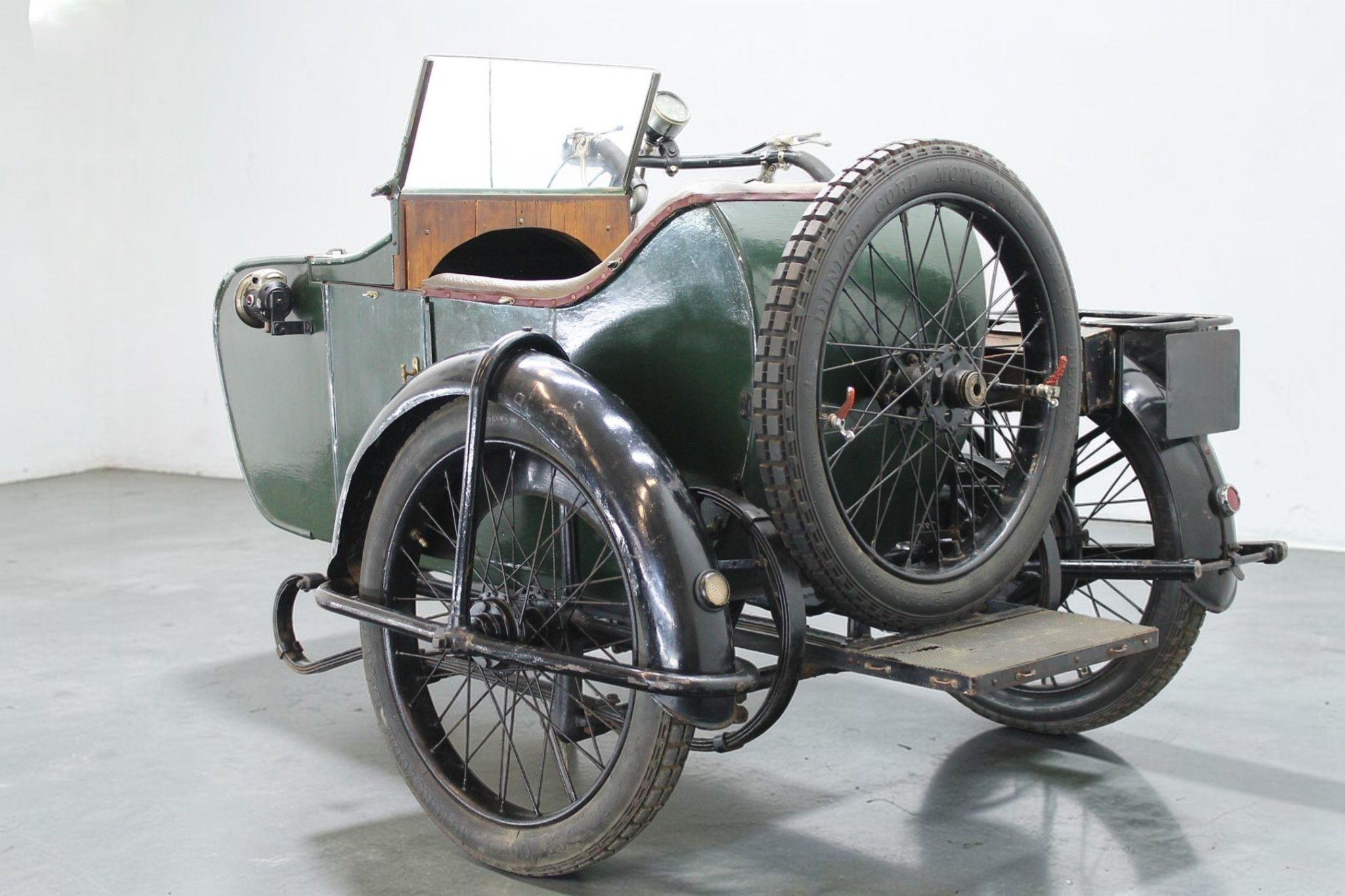

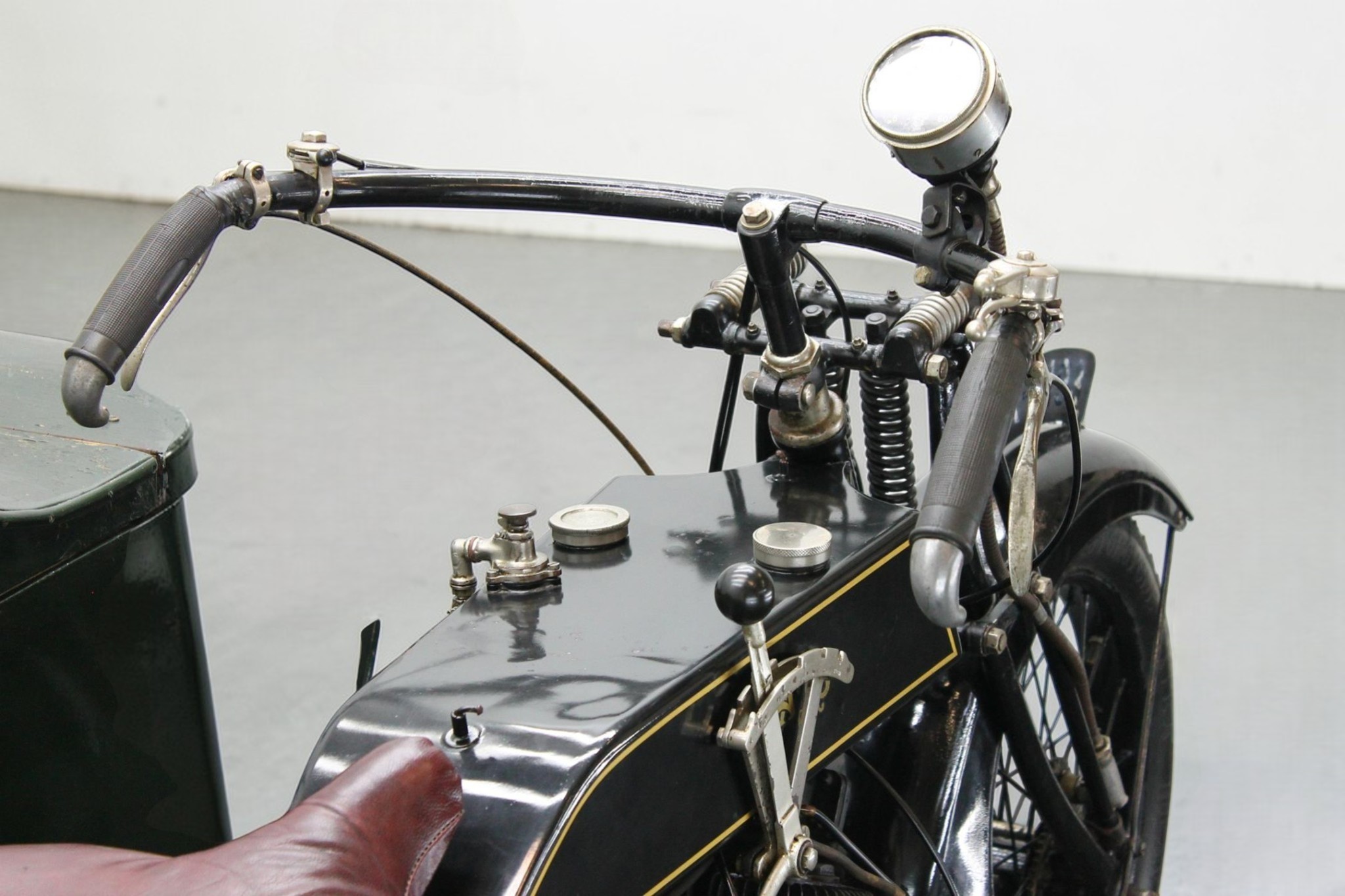
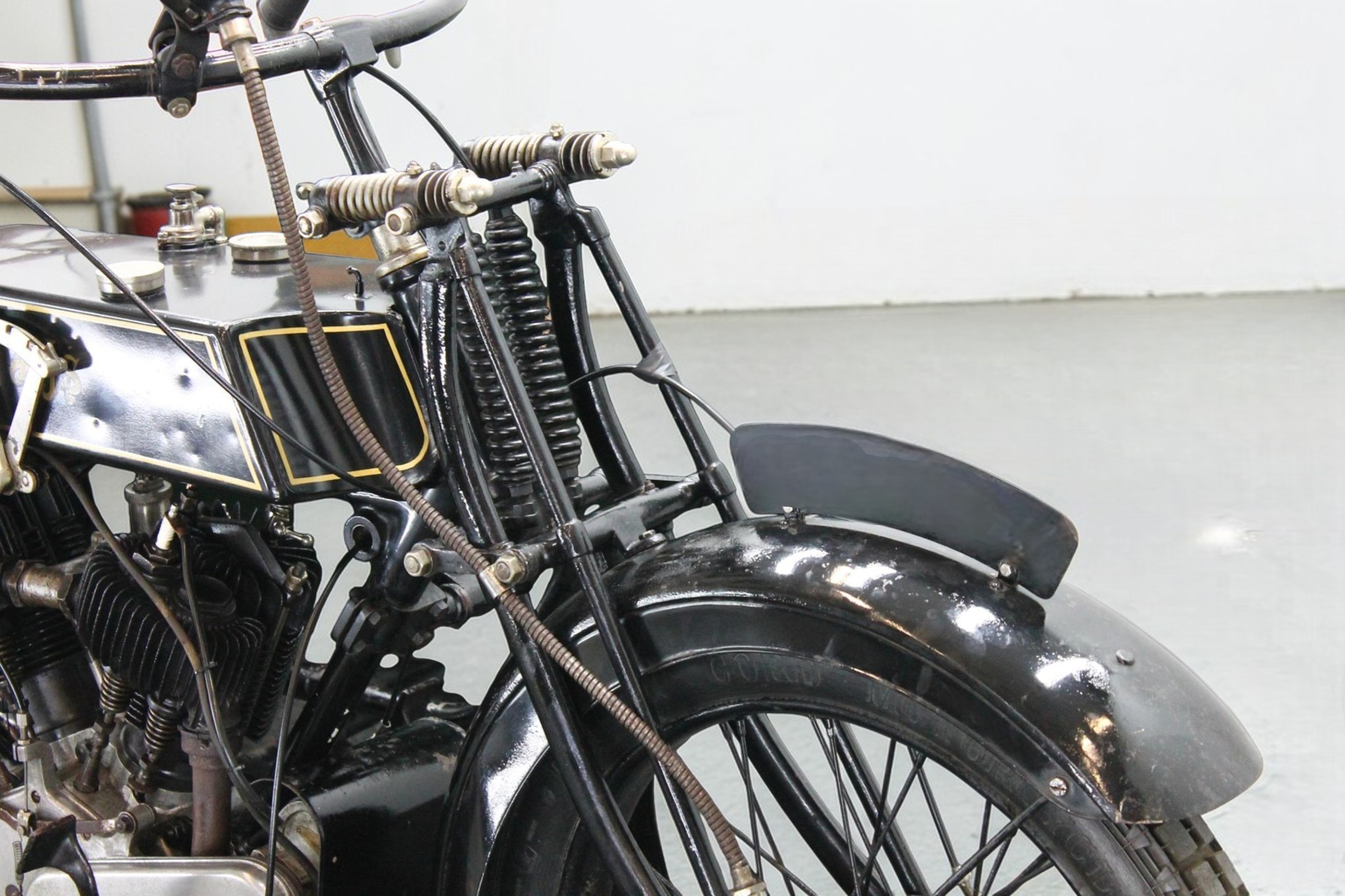

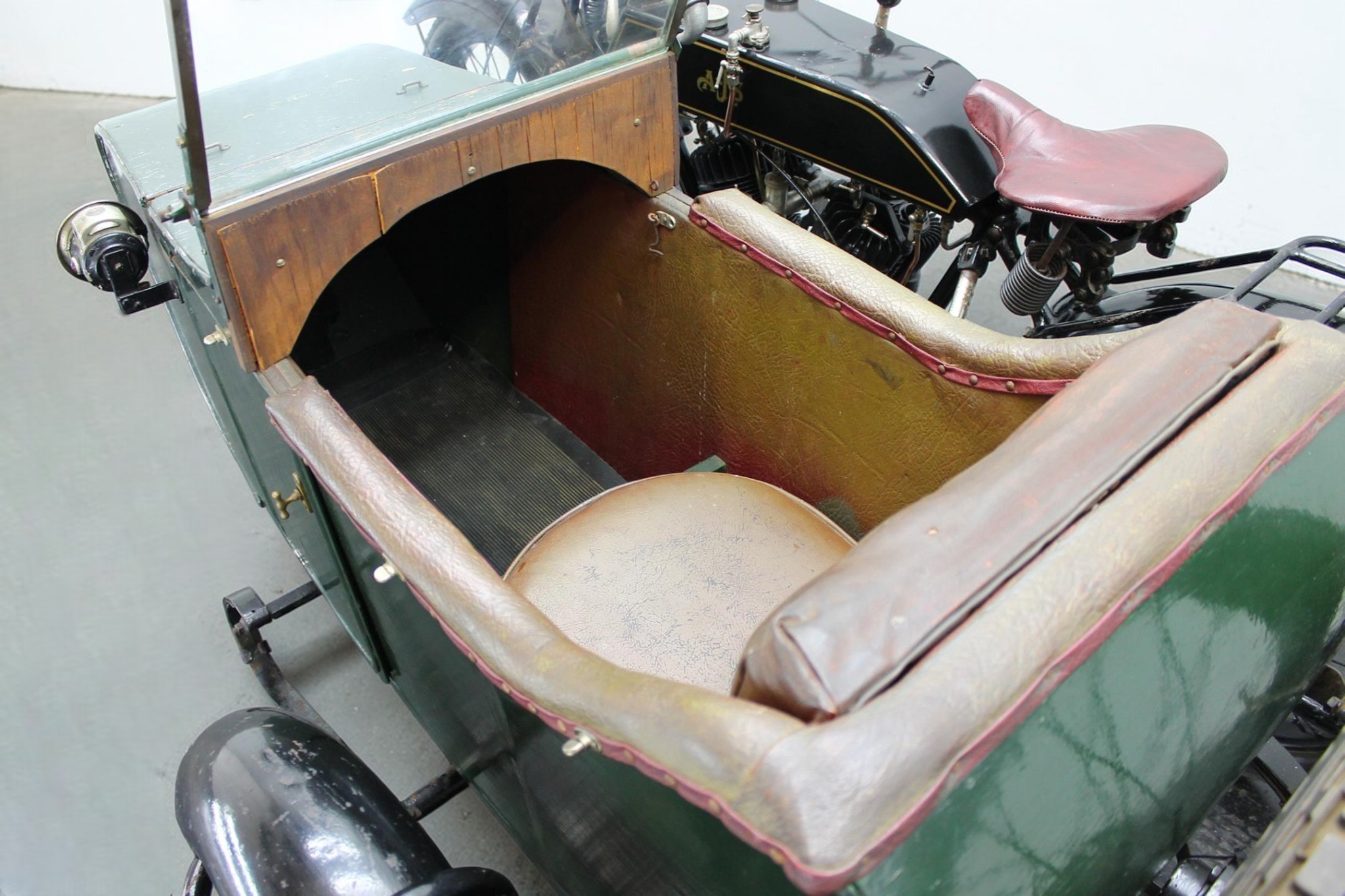
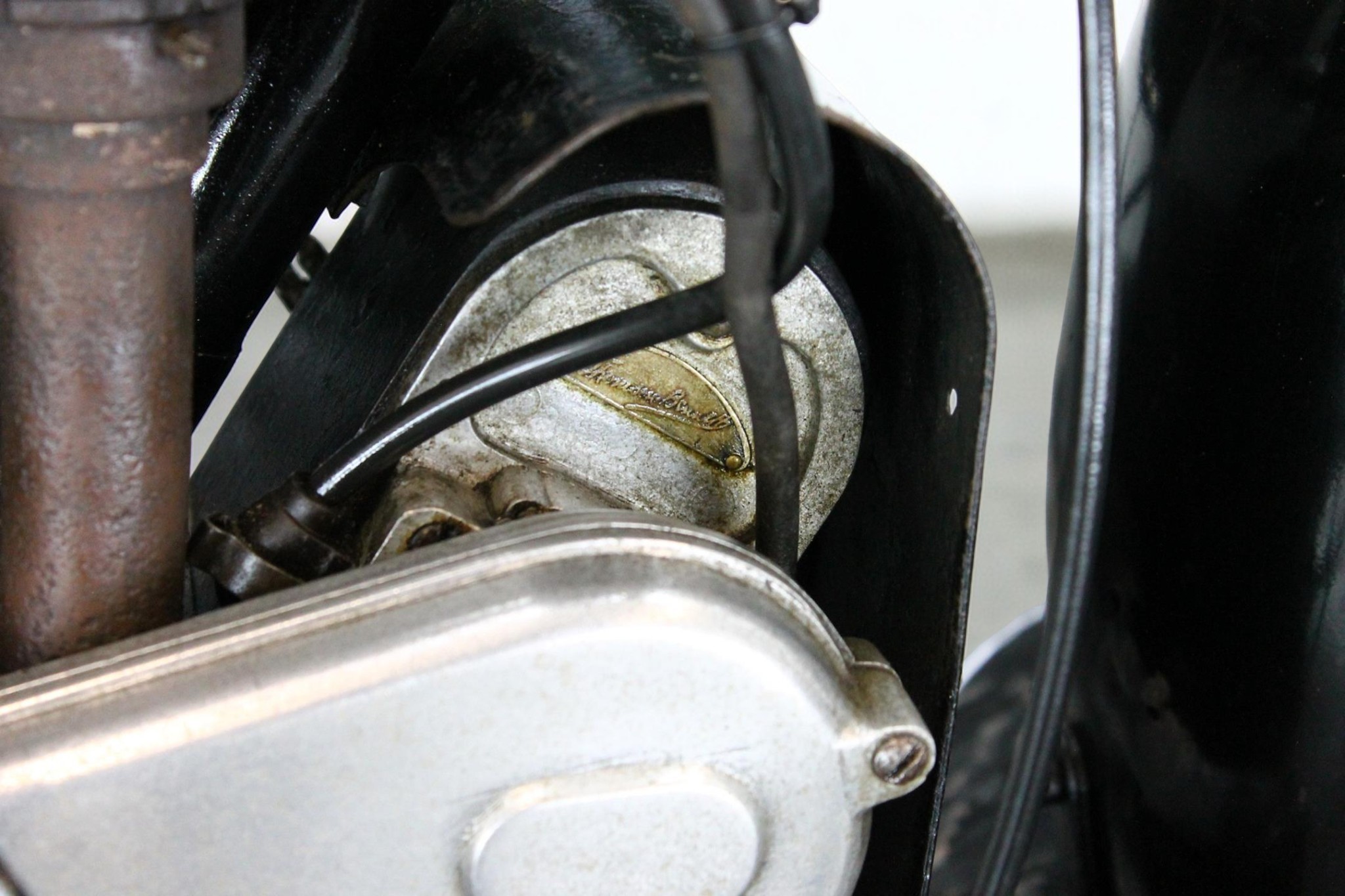
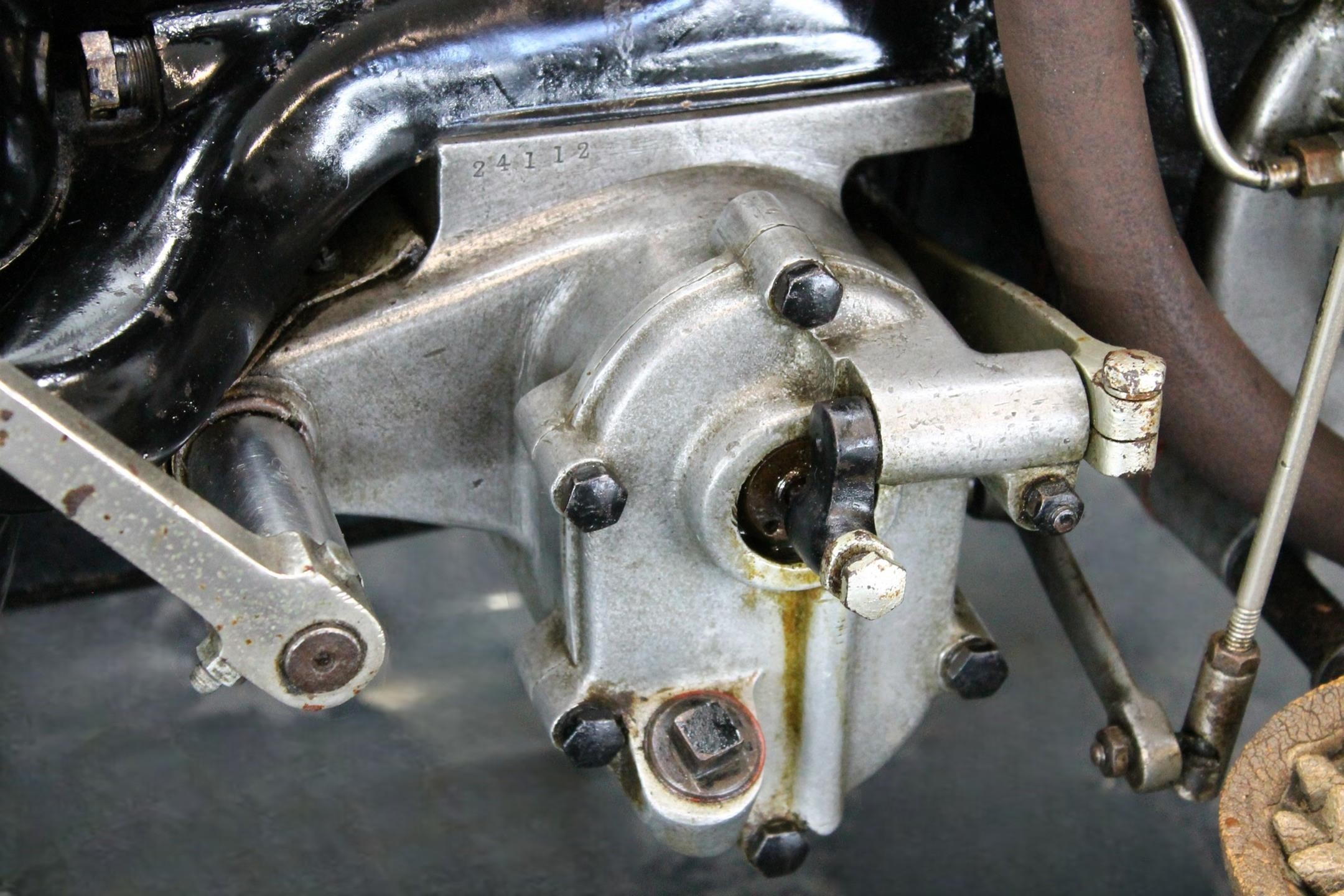
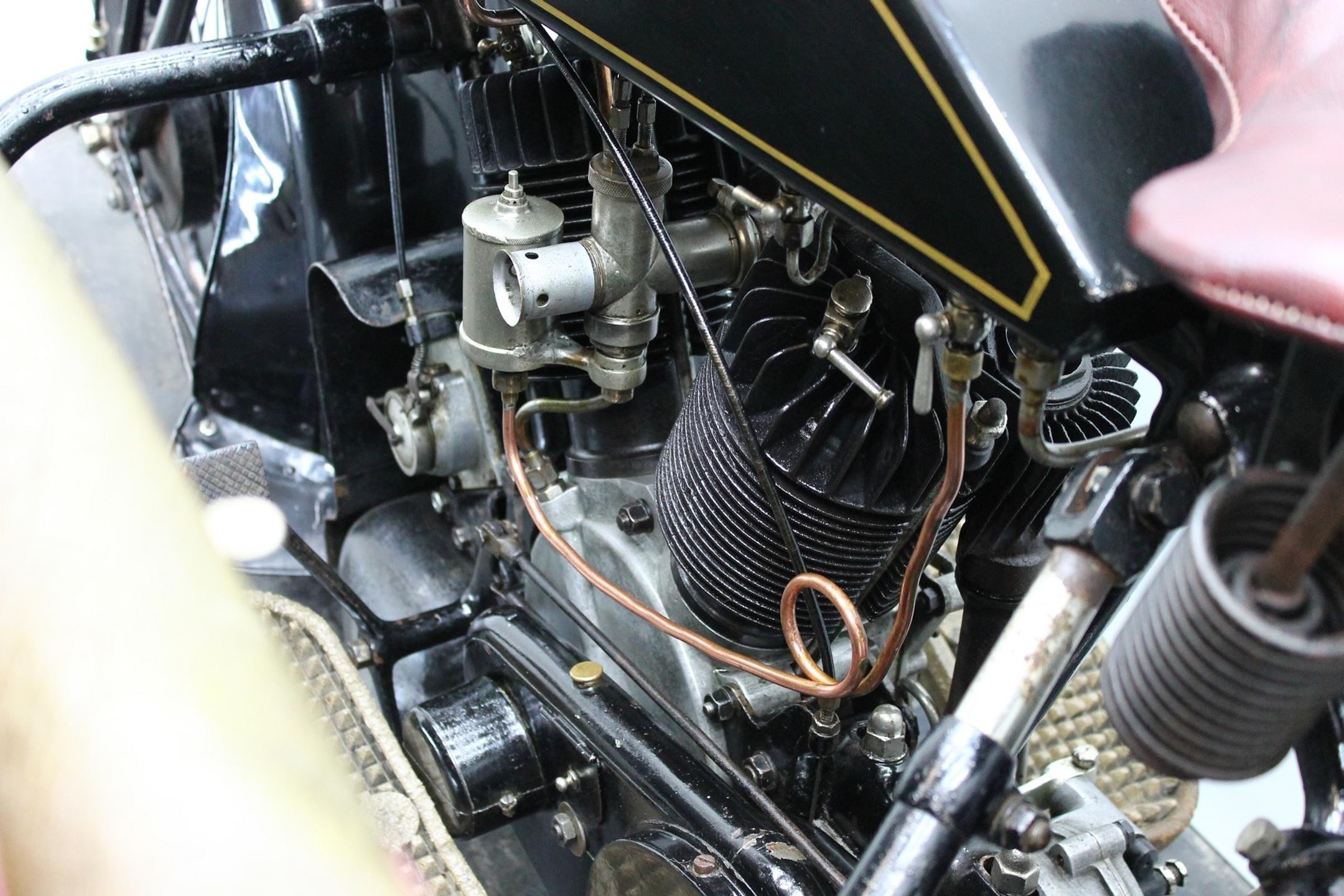
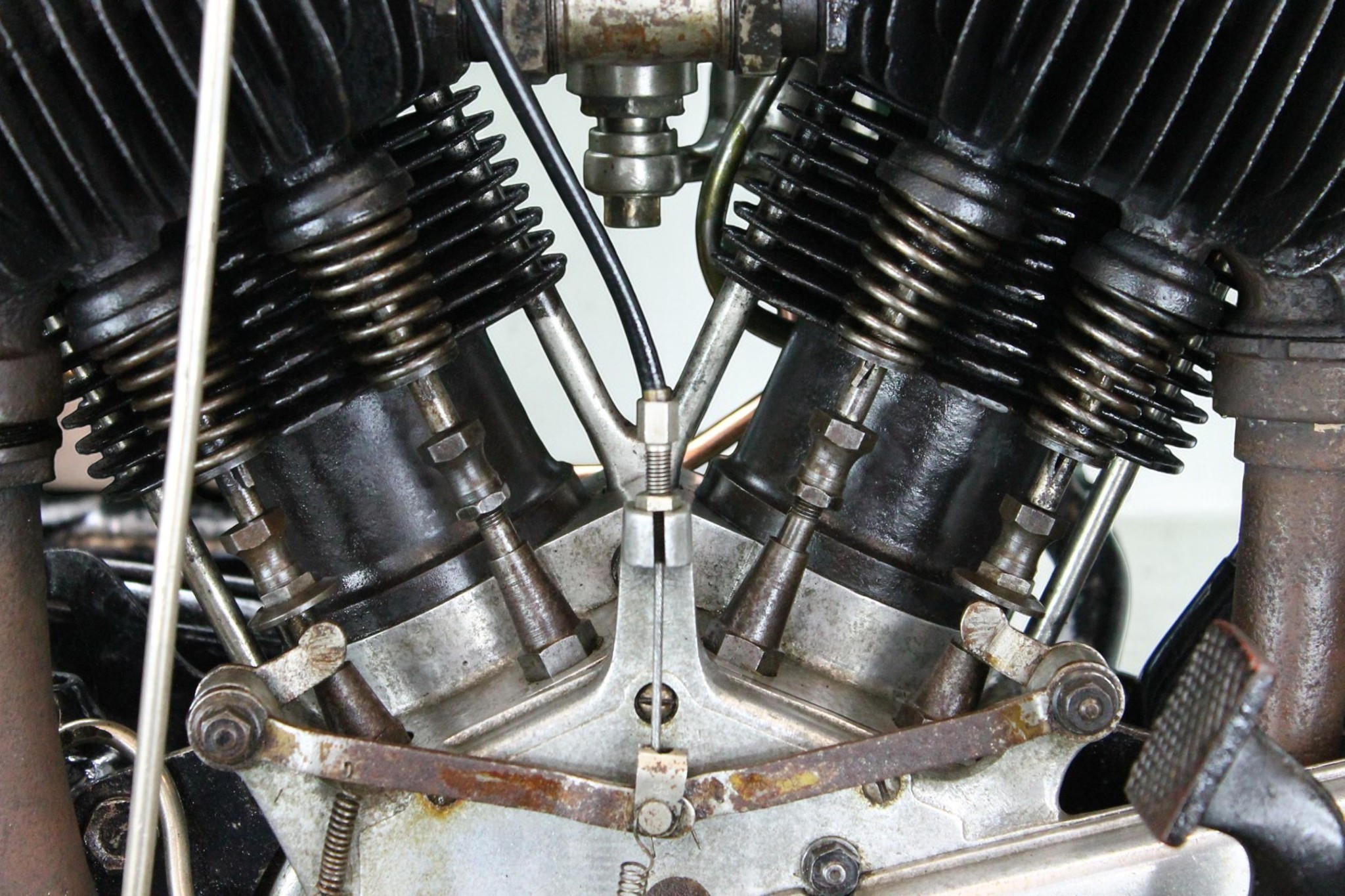
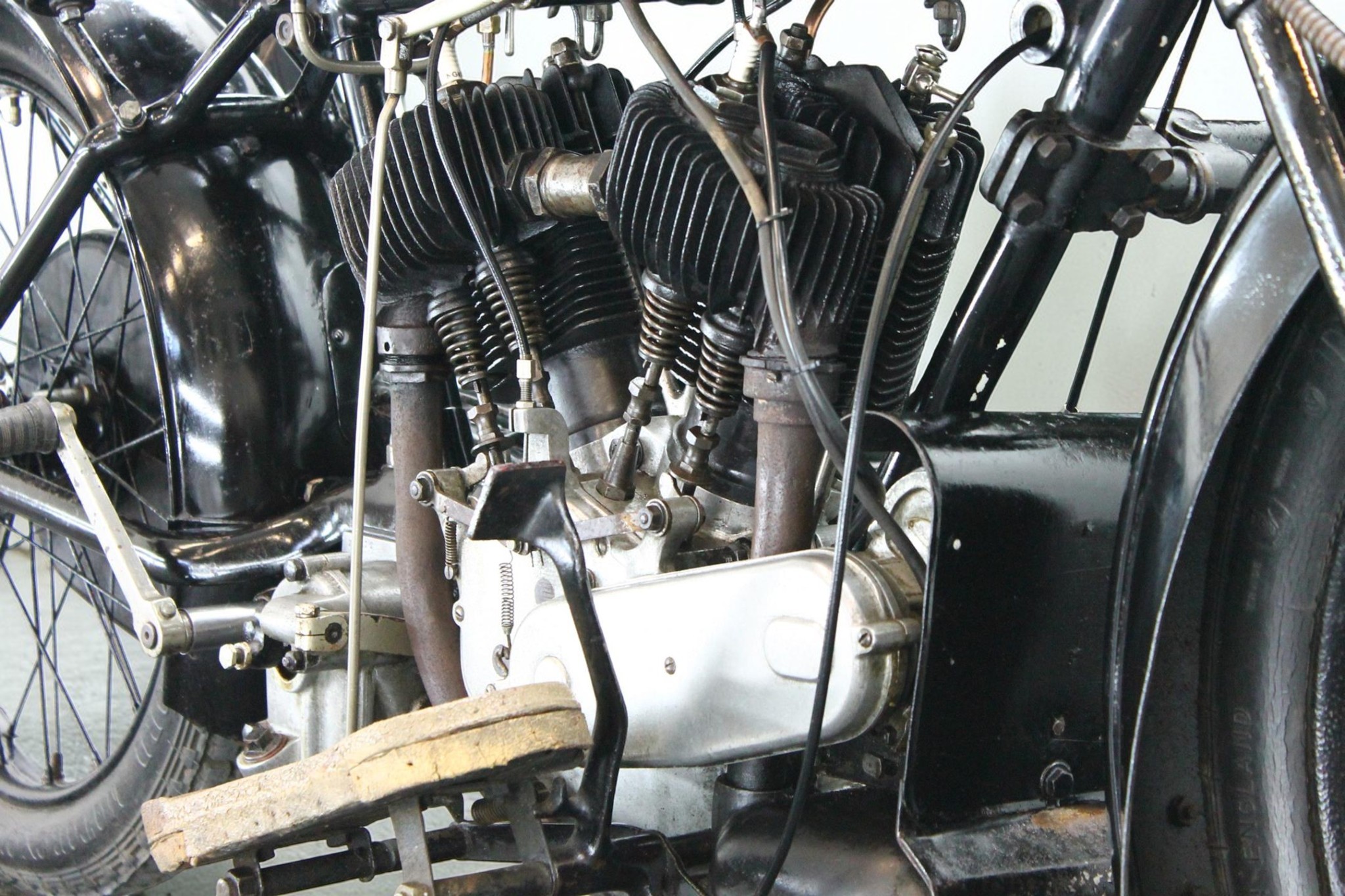
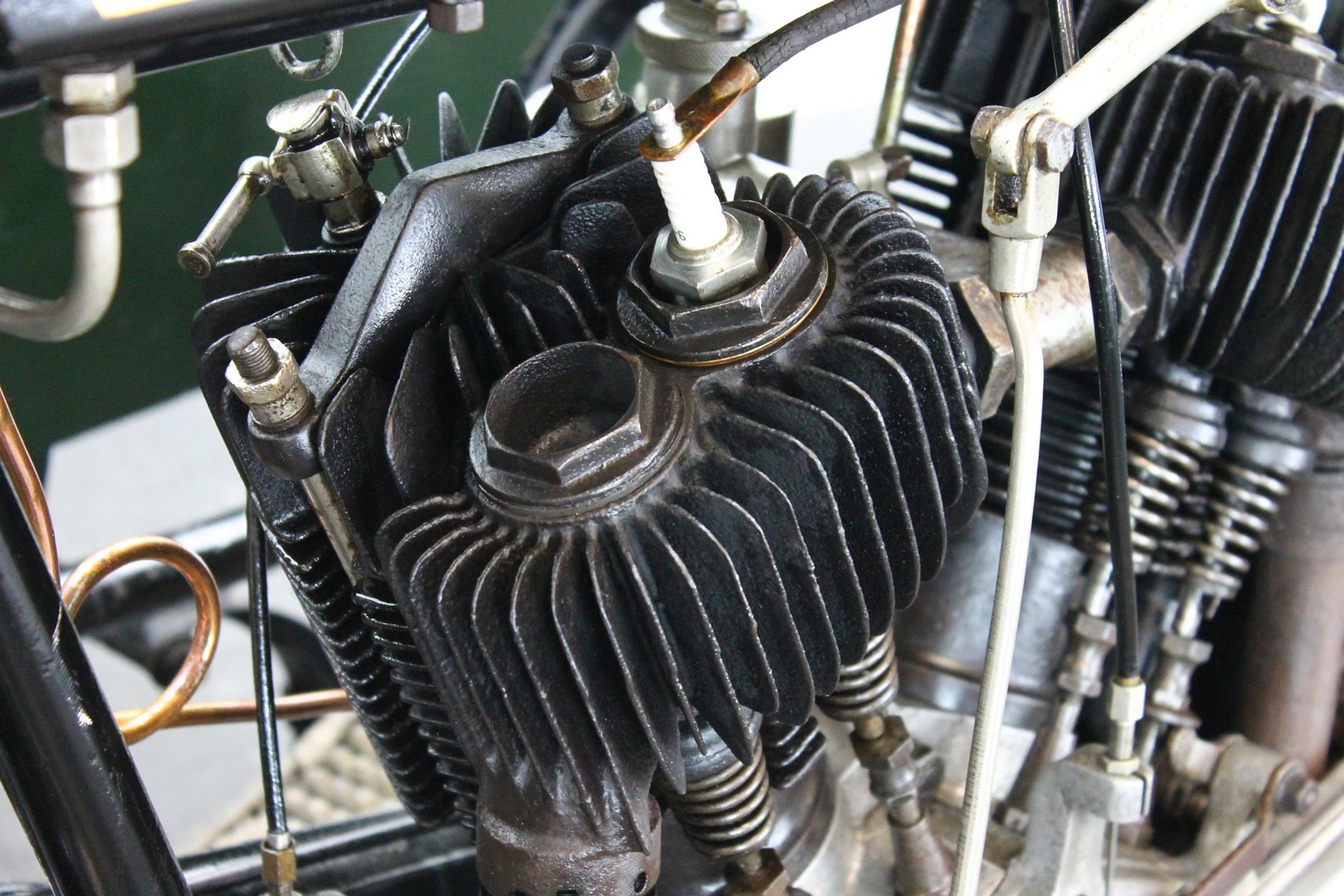
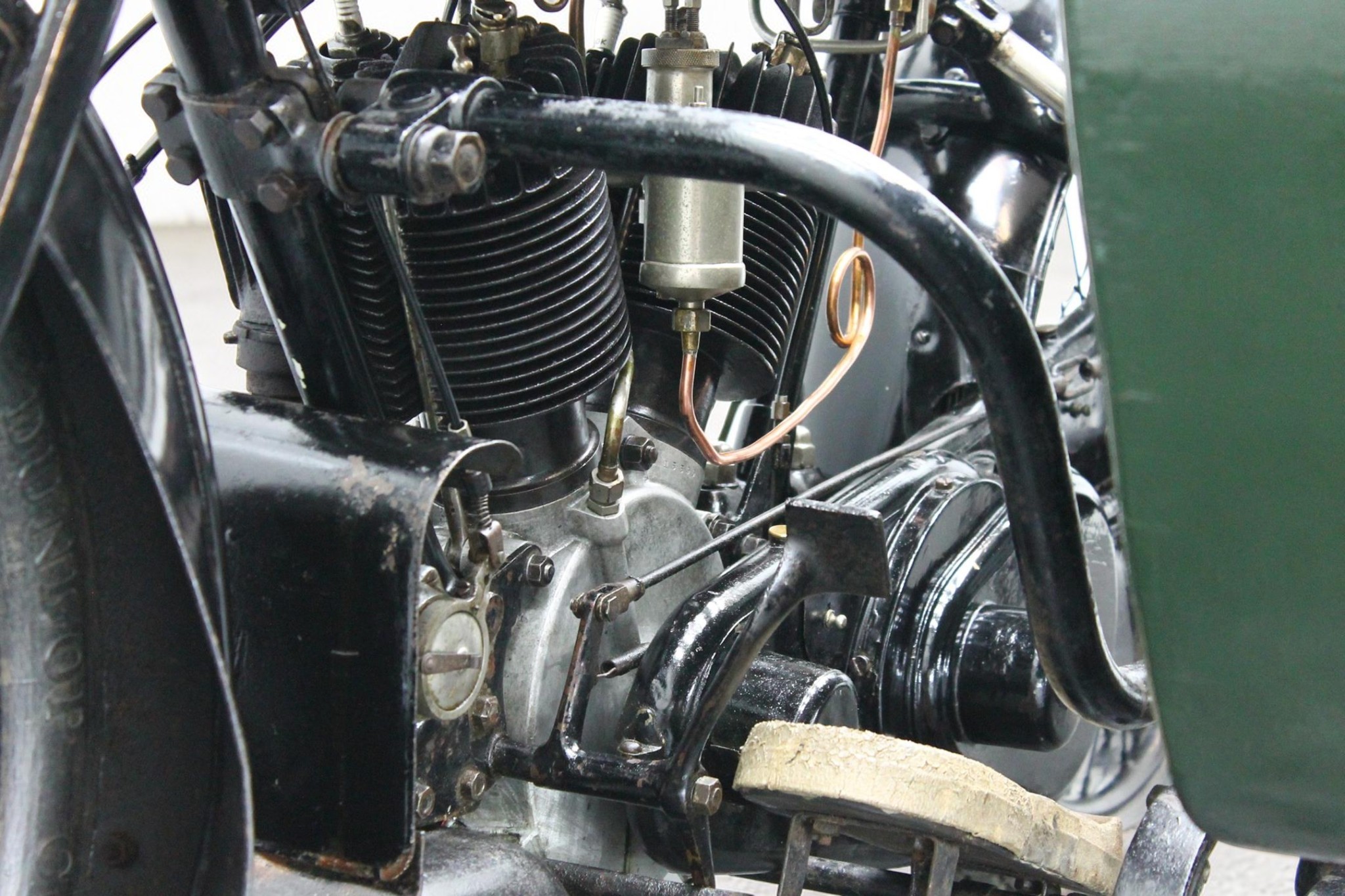


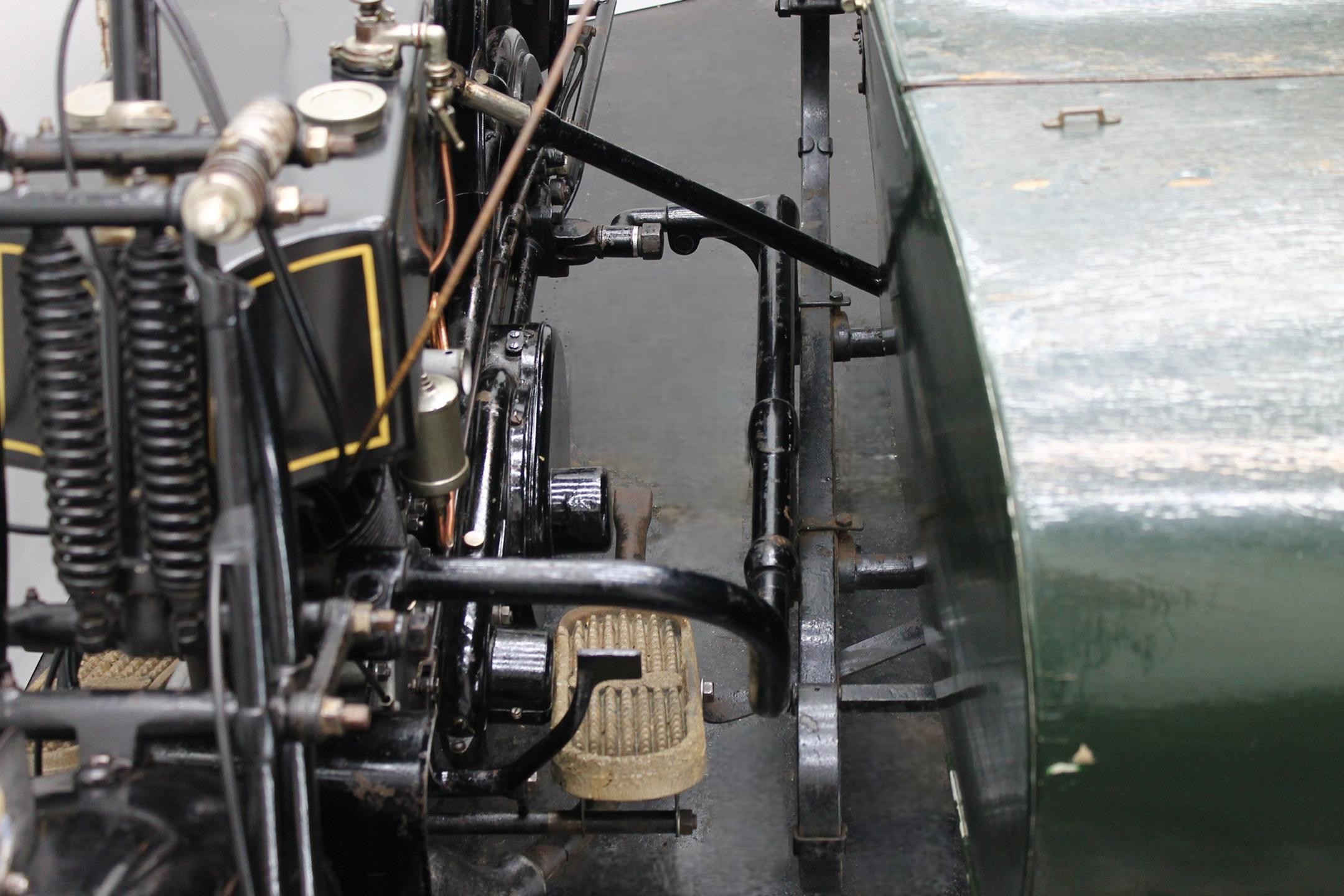

The 1924 AJS Model D Sidecar is one of the most significant heavyweight British motorcycle combinations of the early 1920s. Built by A. J. Stevens & Co. of Wolverhampton, the Model D combined a large 799cc side-valve V-twin engine with a three-speed transmission and a chassis developed for practical road and sidecar use.
The Model D had already established a strong reputation as a sidecar motorcycle before 1924. Its large-capacity V-twin engine provided the steady pulling power required to carry a passenger and additional load, while the substantial AJS chassis was designed around the demands of combination riding.
For 1924, the Model D used a 799cc V-twin engine with a 74mm bore and 93mm stroke. The engine was a side-valve design and formed the mechanical heart of one of AJS's most enduring pre-war models.
The Model D's importance extends beyond its engine size. AJS had developed the model specifically around the growing practical role of motorcycles and sidecars in British transport, making the D an important example of early heavyweight combination engineering.
The motorcycle uses a conventional three-speed gearbox with chain transmission. Its mechanical simplicity, substantial construction and large V-twin engine made it particularly well suited to touring and sidecar operation.
The 1924 AJS Model D belongs to a transitional period in British motorcycle development. Manufacturers were moving toward larger-capacity engines, improved braking and more practical chassis designs while motorcycles and sidecars remained an important alternative to the automobile.
Today, a genuine 1924 Model D Sidecar represents a rare surviving example of AJS's heavyweight V-twin engineering and the practical sidecar motorcycles that helped establish the company as an important British manufacturer.
A. J. Stevens & Co., better known as AJS, introduced the Model D in 1912 as a large-capacity side-valve V-twin intended particularly for sidecar work. The model became one of the company's most successful and recognisable heavyweight motorcycles.
The original Model D used a 698cc V-twin engine. Through successive developments the engine capacity increased, and the post-war version evolved into the larger 799cc configuration associated with the early-1920s Model D.
AJS resumed production of the Model D after the First World War with an enlarged engine and a number of chassis and equipment improvements. By the early 1920s the model had become a mature heavyweight combination designed around dependable road use and sidecar duties.
The 799cc version used a 74mm bore and 93mm stroke. Historical model records identify the 799cc V-twin as part of the Model D range from the early 1920s, including the 1924 model year.
The Model D was particularly important because of the popularity of its sidecar configuration. Contemporary motorcycle transport frequently relied on combinations for carrying passengers, luggage and other loads, making a large-capacity V-twin a practical choice.
1924 was an important year within the AJS Model D story. The company offered the 799cc D and D1 variants, while the Model D continued to represent the established heavyweight V-twin sidecar concept immediately before the introduction of the next generation of AJS models.
The Model D remained in production through 1925, when AJS adopted a new model designation system and the Model E became its successor. The 1924 example therefore belongs to the final period of the long-running Model D lineage.
The 1924 AJS Model D is powered by a 799cc four-stroke side-valve V-twin engine. The cylinders are arranged in a V configuration and use a 74mm bore with a 93mm stroke.
The side-valve layout places the valves alongside the cylinders rather than above the combustion chambers. This was a conventional and proven arrangement for large British motorcycles of the period, particularly machines designed around durability and practical road use.
The 799cc capacity gives the Model D a substantial engine for its period. Rather than being developed primarily as a high-speed sporting motorcycle, the engine was well suited to producing the steady pulling characteristics required for touring and sidecar work.
The V-twin configuration also gives the Model D a distinctive mechanical identity. The two cylinders share the characteristic V layout that became closely associated with AJS's heavyweight motorcycles of the period.
Historical specifications commonly associate the 799cc Model D with approximately 7 horsepower. Period output figures should be understood within the engineering standards of the early 1920s rather than compared directly with later motorcycle power ratings.
The engine was designed for practical serviceability. Its relatively straightforward side-valve construction avoided the additional mechanical complexity of overhead-valve systems while providing the large-capacity torque characteristics expected from a heavyweight V-twin.
For a collector, the correct 799cc engine configuration is one of the defining characteristics of a 1924 Model D. Engine numbers, crankcases, cylinder assemblies and period components should therefore be carefully examined when establishing authenticity.
The AJS Model D uses a conventional three-speed gearbox, providing the gearing required for practical road operation and the additional loads associated with sidecar use.
Power is transmitted to the rear wheel through a chain final drive. Chain transmission was standard practice for British motorcycles of the period and offered a relatively simple and serviceable method of transferring power from the gearbox to the rear wheel.
The three-speed transmission reflects the practical character of the Model D. The motorcycle was engineered to deliver dependable progress rather than the high-speed performance associated with later sporting machines.
The drivetrain was particularly appropriate for combination work. A sidecar adds considerable weight and aerodynamic resistance, making usable engine torque and appropriate gearing more important than outright engine speed.
The mechanical layout of the Model D remained deliberately straightforward. The large V-twin engine, three-speed gearbox and chain final drive formed a robust combination suitable for touring, passenger carrying and everyday road transportation.
For collectors, originality of the gearbox, primary drive, chain transmission and associated controls is an important part of assessing a surviving Model D. Period-correct mechanical components contribute significantly to both historical authenticity and collector value.
The Model D uses a substantial tubular motorcycle chassis developed around the requirements of a large V-twin engine and the additional loads associated with sidecar operation.
The front suspension uses a period girder-type fork arrangement. Early AJS Model D development is associated with Brampton-type fork systems, characteristic of heavyweight British motorcycles of the era.
The rear of the motorcycle is rigid, with the chassis relying on the saddle, tires and frame construction to provide the rider with a degree of compliance over the road surfaces of the period.
The combination of a large V-twin engine, substantial frame and rigid rear construction gave the Model D the robust character expected from a heavyweight British motorcycle intended for practical transportation.
The chassis was particularly relevant to sidecar use. Carrying a passenger and additional equipment placed greater demands on the motorcycle than solo riding, making frame strength and predictable handling essential characteristics.
Period Model D development also included practical improvements to braking, wheels and chassis equipment as AJS refined the motorcycle through the post-war years.
The 1924 AJS Model D has the unmistakable appearance of a heavyweight British motorcycle from the early 1920s. Its large V-twin engine, substantial frame, traditional fuel tank and period cycle equipment create a distinctive mechanical silhouette.
The V-twin engine is the dominant visual feature. The two cylinders rise from the crankcase in the characteristic V arrangement, immediately distinguishing the Model D from AJS's smaller single-cylinder machines.
The saddle-tank design is another important element of the motorcycle's period appearance. AJS developed its tank and chassis arrangements significantly during the evolution of the Model D, producing a machine that looked both substantial and purposeful.
Quickly detachable and interchangeable wheels were among the practical features associated with the Model D's development. Such details reflected the emphasis AJS placed on serviceability and everyday usability.
The motorcycle's large-capacity engine, girder fork, wire wheels, exposed mechanical components and period exhaust arrangement give it a strong pre-war British engineering identity.
When equipped with its sidecar, the Model D becomes an even more distinctive representation of early British transport. The motorcycle and sidecar form a practical combination rather than simply a sporting motorcycle with an accessory attached.
The sidecar was central to the identity of the AJS Model D. From its introduction, the large V-twin was particularly successful as a sidecar motorcycle, and the combination configuration became one of the model's defining applications.
A large-capacity motorcycle was well suited to sidecar use because the additional weight of the passenger and body required strong pulling power and a substantial chassis.
The Model D's 799cc V-twin provided considerably more capacity than many smaller motorcycles of the period. This made the machine particularly appropriate for carrying a passenger while maintaining practical road performance.
The sidecar also expanded the usefulness of the motorcycle. In the early 1920s, motorcycle combinations provided a relatively practical and economical form of passenger transportation at a time when private automobiles remained considerably less accessible to many users.
AJS therefore developed the Model D as more than a large solo motorcycle. Its reputation as a sidecar tug became an important part of the model's historical identity and commercial success.
A surviving 1924 Model D with an original or historically correct sidecar is consequently of particular interest to collectors because it represents the complete form in which the model became so important to AJS.
The mechanical character of the 1924 AJS Model D is defined by its large side-valve V-twin engine, straightforward transmission and substantial chassis.
The 799cc engine delivers the traditional character associated with a large British V-twin of the period. Its design emphasises usable pulling power, durability and practical operation rather than high engine speeds.
The side-valve configuration contributes to the engine's relatively simple mechanical architecture. For the early 1920s, this was a proven engineering solution for a large-capacity road and sidecar motorcycle.
The three-speed gearbox complements the engine's characteristics by providing practical gearing without introducing unnecessary complexity.
The chain final drive is equally straightforward. Properly maintained, it provides a direct and easily understood method of transferring power to the rear wheel.
With its large V-twin engine and substantial chassis, the Model D has the mechanical presence expected from one of AJS's flagship motorcycles of the period.
The AJS Model D was one of the company's longest-running and most important heavyweight designs. Introduced in 1912, it continued through successive technical developments and remained part of the AJS range into the mid-1920s.
The model evolved from its original 698cc configuration through larger-capacity versions, eventually reaching the 799cc specification associated with the early-1920s machines.
The 1924 Model D represents the mature form of this development. By this stage the motorcycle combined a large 799cc V-twin engine with a three-speed gearbox and a chassis proven through years of production and practical use.
The model is particularly important because of its relationship with the development of the British sidecar motorcycle. The Model D became known as an effective sidecar machine and helped establish AJS as a manufacturer capable of producing substantial combinations for passenger transportation.
1924 also represents the final phase of the Model D's production history. In 1925 AJS introduced the Model E series, which succeeded the D and continued the company's development of large-capacity V-twin motorcycles.
The 1924 Model D therefore occupies an important position between the early pioneering AJS V-twins and the more developed heavyweight machines that followed.
The 1924 AJS Model D Sidecar is particularly significant to collectors because it combines rarity, historical importance and one of AJS's most recognisable early V-twin designs.
The 799cc side-valve V-twin is the defining mechanical feature of the 1924 model. Correct engine components, crankcases, cylinder assemblies, gearbox and period controls should therefore be carefully examined when evaluating an example.
For a combination, the sidecar itself is equally important. The authenticity of the sidecar body, chassis, fittings, wheel, mounting arrangement and associated hardware can have a major influence on the historical integrity of the complete machine.
Engine and frame numbers should be recorded and compared with surviving AJS documentation whenever possible. Matching numbers and documented historical continuity can substantially strengthen the provenance of an important pre-war motorcycle.
The engine should be inspected for cylinder wear, valve and guide condition, crankshaft and big-end wear, lubrication-system operation and evidence of previous repairs or modifications.
The gearbox, clutch, primary drive, chain final drive, wheels, steering components, fork, brakes and frame should also be examined carefully.
Original period equipment is particularly desirable. Features such as the correct fuel tank, detachable wheels, controls, instruments, exhaust components and sidecar fittings help preserve the character of the original machine.
A well-preserved 1924 AJS Model D Sidecar with strong originality and documented provenance represents a rare opportunity to own one of the most important heavyweight British motorcycle combinations of the early 1920s.
The 1924 AJS Model D matters because it represents the mature development of one of AJS's most important heavyweight V-twin motorcycles.
Its 799cc side-valve V-twin engine, 74mm bore and 93mm stroke gave the Model D the substantial capacity required for practical touring and sidecar transportation.
The model's long development history began with the 698cc AJS V-twin introduced in 1912 and progressed through larger-capacity versions before reaching the 799cc specification used during the early 1920s.
The Model D became particularly associated with sidecar use. Its large engine and substantial chassis made it well suited to carrying a passenger and additional load, helping establish the model as one of the effective British sidecar machines of its era.
The 1924 example also belongs to the final chapter of the Model D story. AJS replaced the D with the Model E series in 1925, making the 1924 machine an important representation of the closing years of this long-running design.
For collectors of British motorcycles, the 1924 AJS Model D Sidecar offers a direct connection to an era when the motorcycle combination was an important form of personal transportation and when large-capacity V-twin engineering defined the heavyweight end of the British market.
This 1924 AJS Model D Sidecar represents a rare example of one of AJS's most historically important heavyweight V-twin motorcycles and one of the company's best-known sidecar designs.
The 799cc side-valve V-twin engine gives the Model D its distinctive mechanical character, combining substantial capacity with the practical characteristics required for early-1920s road and sidecar use.
The motorcycle combines the large V-twin engine with a three-speed manual gearbox, chain final drive, substantial chassis and period girder-type front suspension.
The Model D's historical association with sidecar transportation makes a complete combination particularly desirable. Rather than being simply a large solo motorcycle, the D was closely associated with the practical sidecar market that remained an important part of British motorcycle transportation during the period.
The 1924 model belongs to the final years of the Model D's long production history, immediately before AJS introduced the Model E series in 1925.
Contact us for additional photographs, detailed specifications, frame and engine numbers, mechanical information, originality assessment, provenance, restoration details, sidecar documentation and purchasing information for this 1924 AJS Model D Sidecar.
Explore more AJS motorcycles from the pre-war and classic eras.
The Vintage Motorcycles presents a curated selection of historically significant British vintage motorcycles, with particular attention to machines that represent important developments in early motorcycle engineering and design.
Our collection includes motorcycles from AJS alongside other historically important British motorcycle manufacturers, each contributing to the development of motorcycle engineering during the formative years of the twentieth century. The AJS Model D is especially significant within the history of pre-war motorcycle engineering (1900-1939).
For collectors seeking historically important machines, available motorcycles can be explored through our global vintage motorcycle inventory, supported by professional international shipping services.
AJS occupies an important position in the history of British motorcycle engineering. The company's development of large-capacity V-twin motorcycles demonstrates the importance of practical engine design, chassis strength and dependable transmission during the formative years of the British motorcycle industry.
The 1924 AJS Model D illustrates this engineering philosophy particularly well. Its large 799cc side-valve V-twin, three-speed transmission and sidecar-oriented chassis were developed around the practical requirements of early twentieth-century transportation rather than purely sporting performance.
From early V-twin motorcycles to later developments in British motorcycle engineering, AJS machines provide an important record of the transition from pioneering motorcycle design to increasingly sophisticated road and competition motorcycles. The Model D remains an especially important example of the heavyweight British motorcycle and sidecar combination during this formative period.
Key Highlights
Collector Assurance
All enquiries handled with discretion. We typically respond within 6 hours.
Choose the payment method that is most convenient for you. We accept widely used international payment methods as well as, where available, local bank transfer options that allow you to pay like a domestic transaction. Full payment instructions are provided for your specific purchase.
Direct international bank wire transfer is available for motorcycle purchases and export transactions.
Credit card payments can be arranged through Wise.com, subject to the applicable payment and processing conditions.
PayPal is accepted. A 5% PayPal processing fee applies to the transaction.