
The Vintage Motorcycles
Specialists in antique, classic, veteran and vintage motorcycles.
Specialists in antique, classic, veteran and vintage motorcycles.


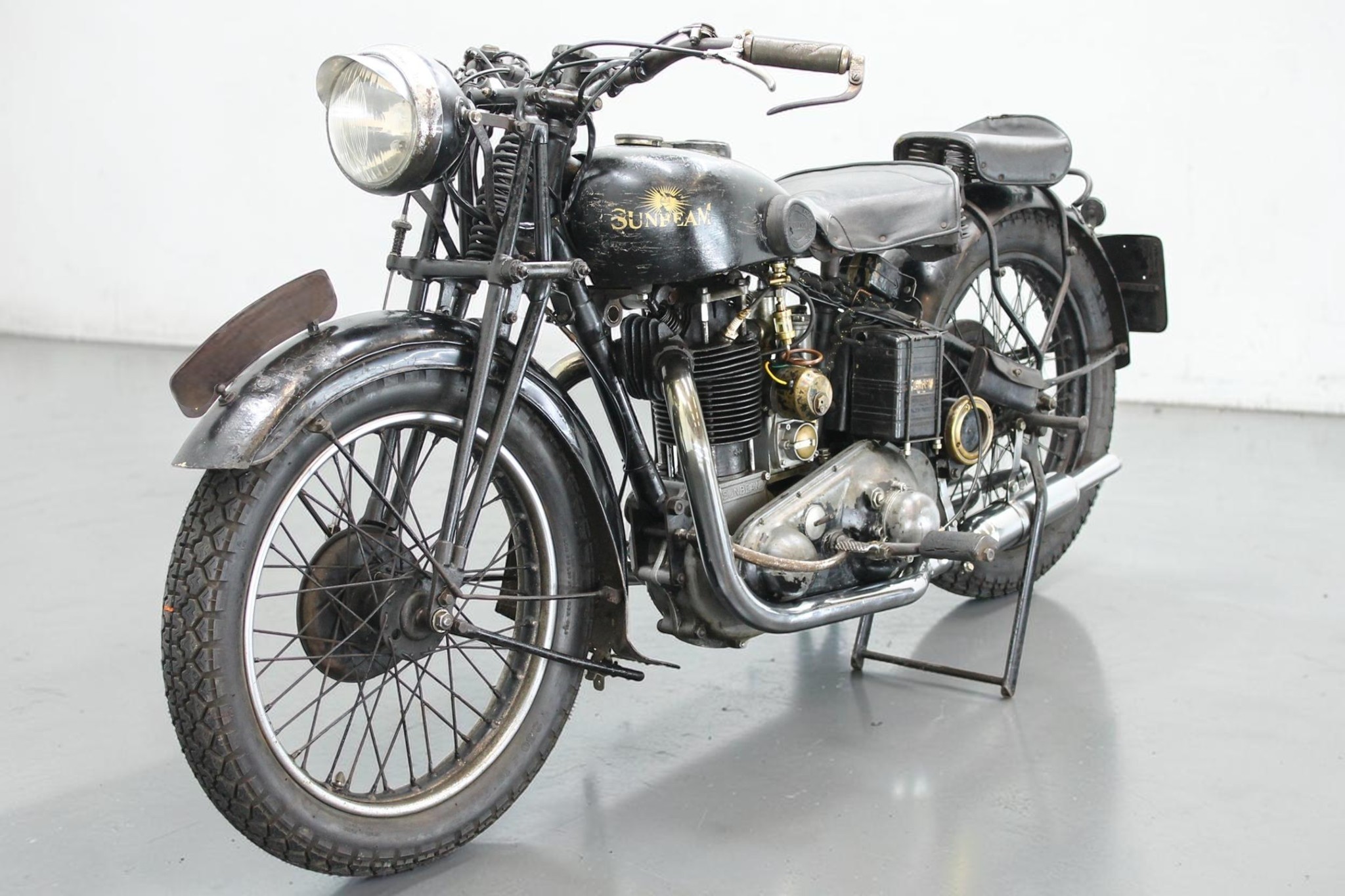

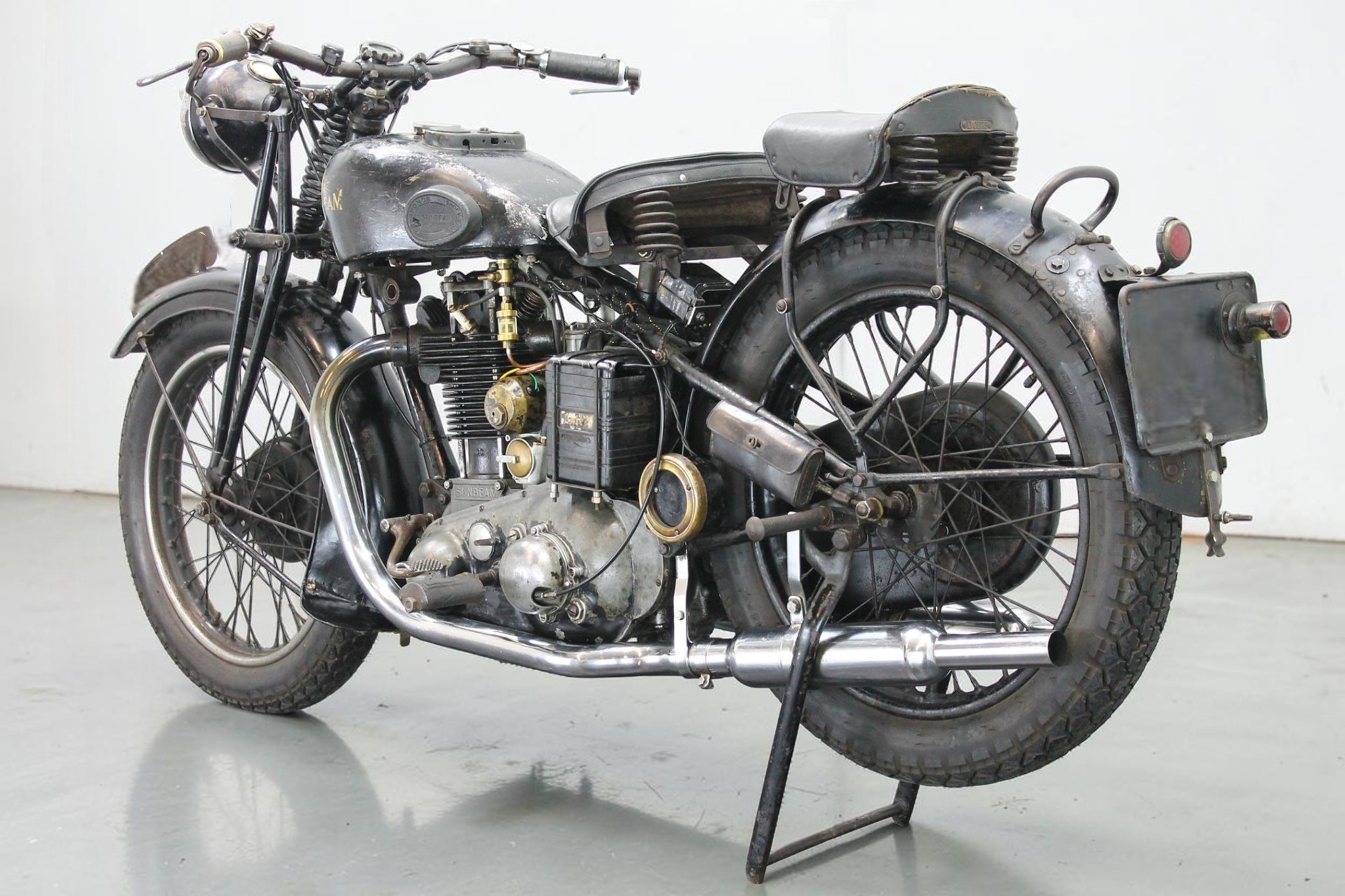
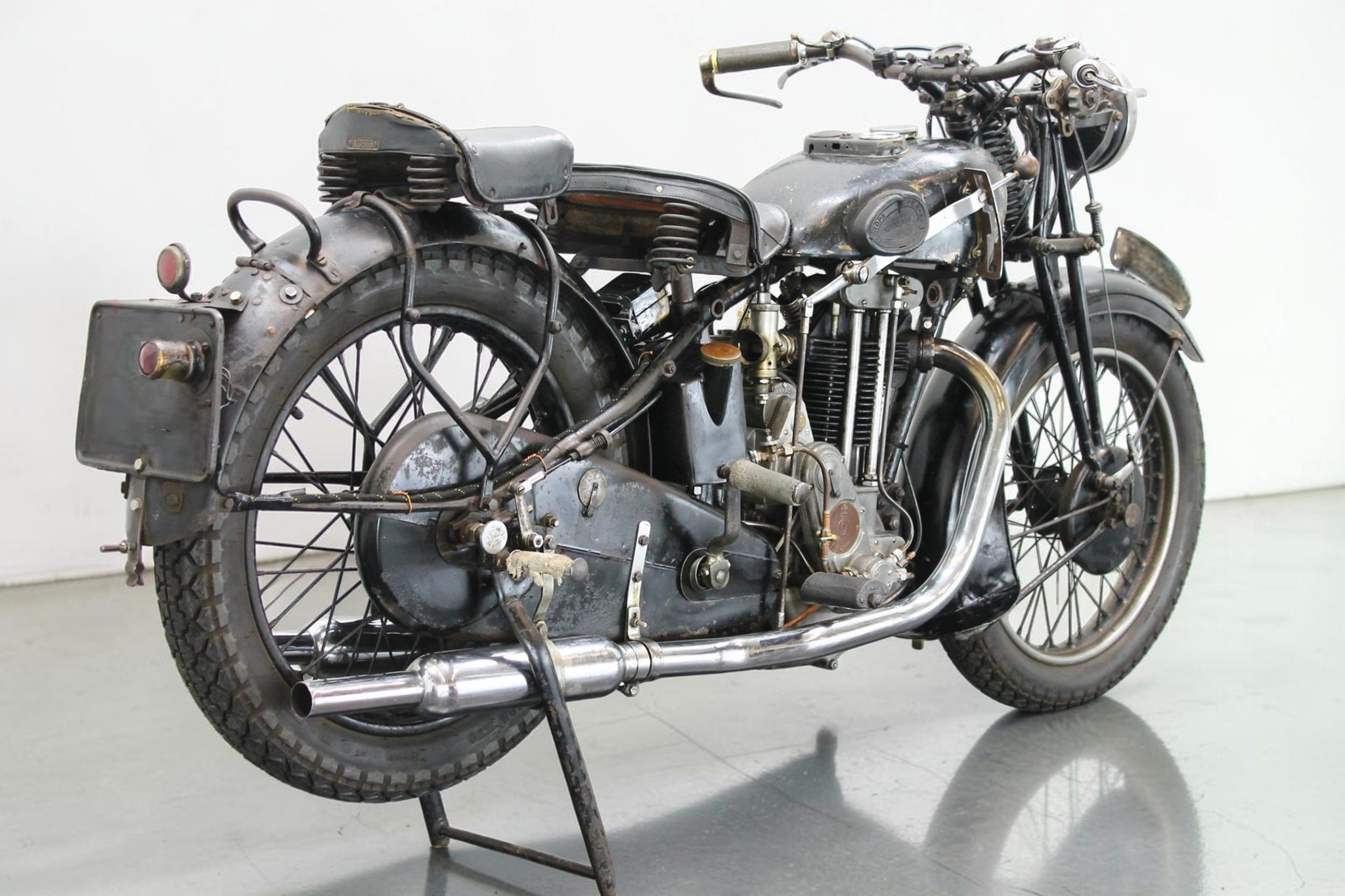
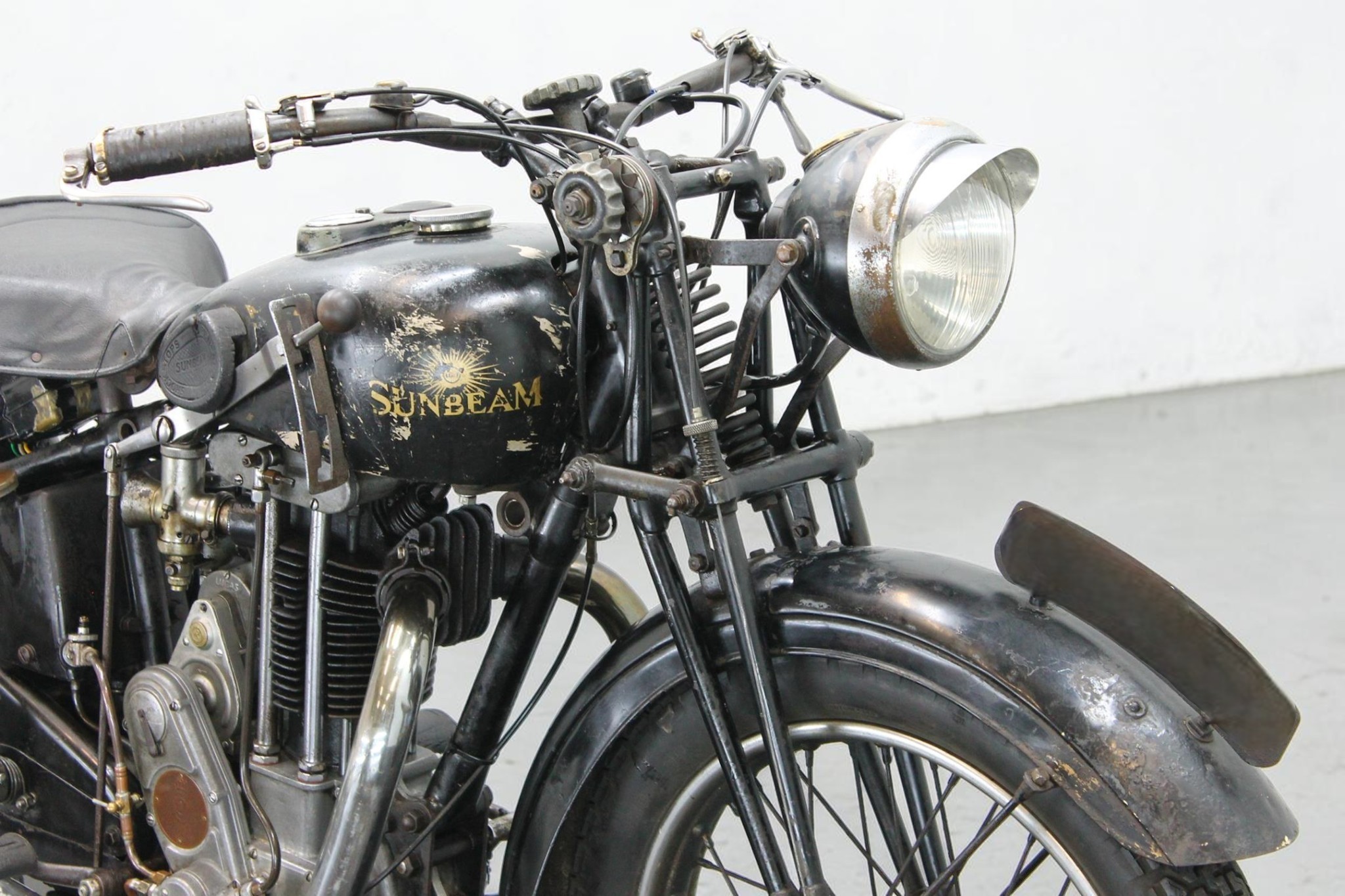
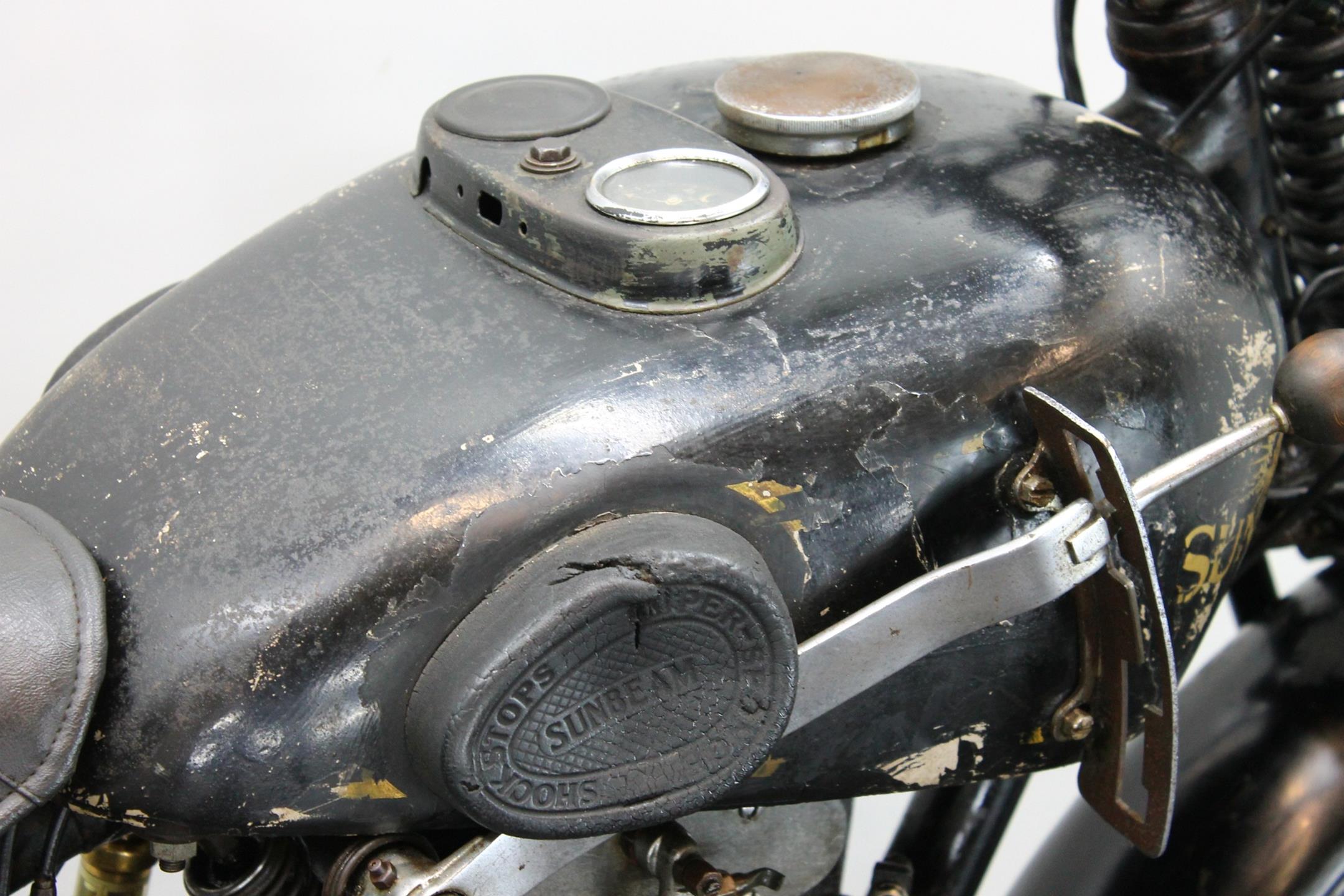
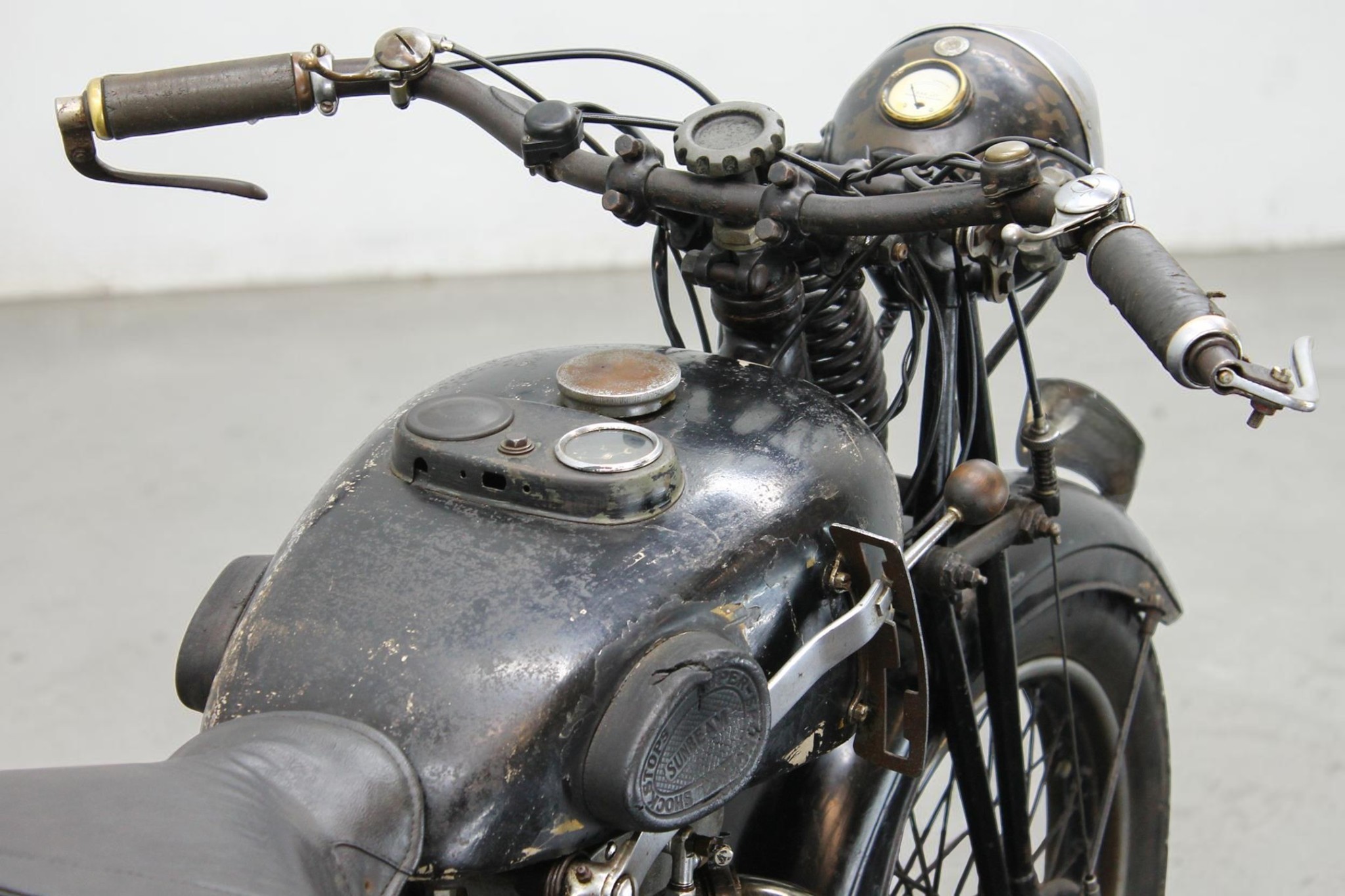

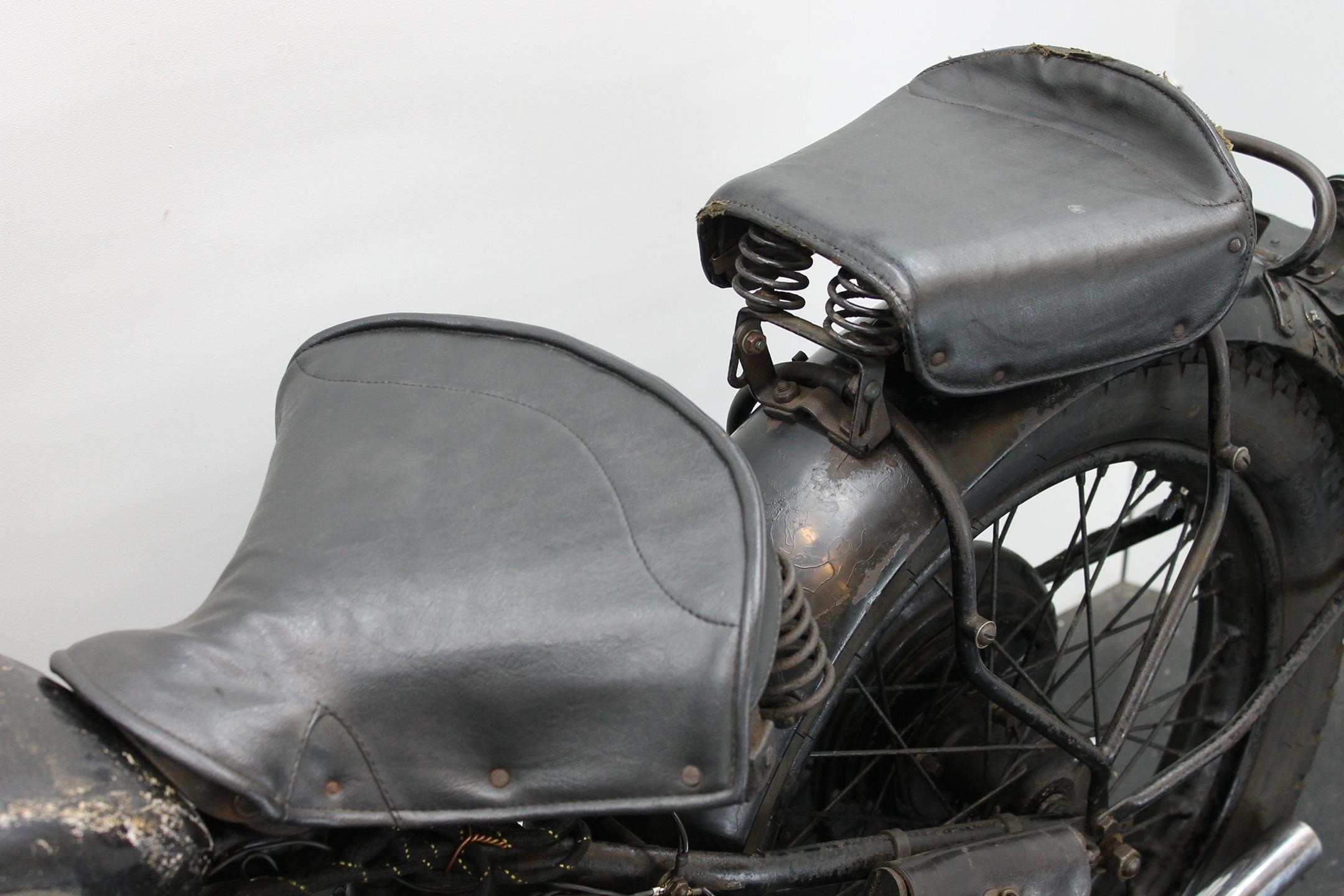
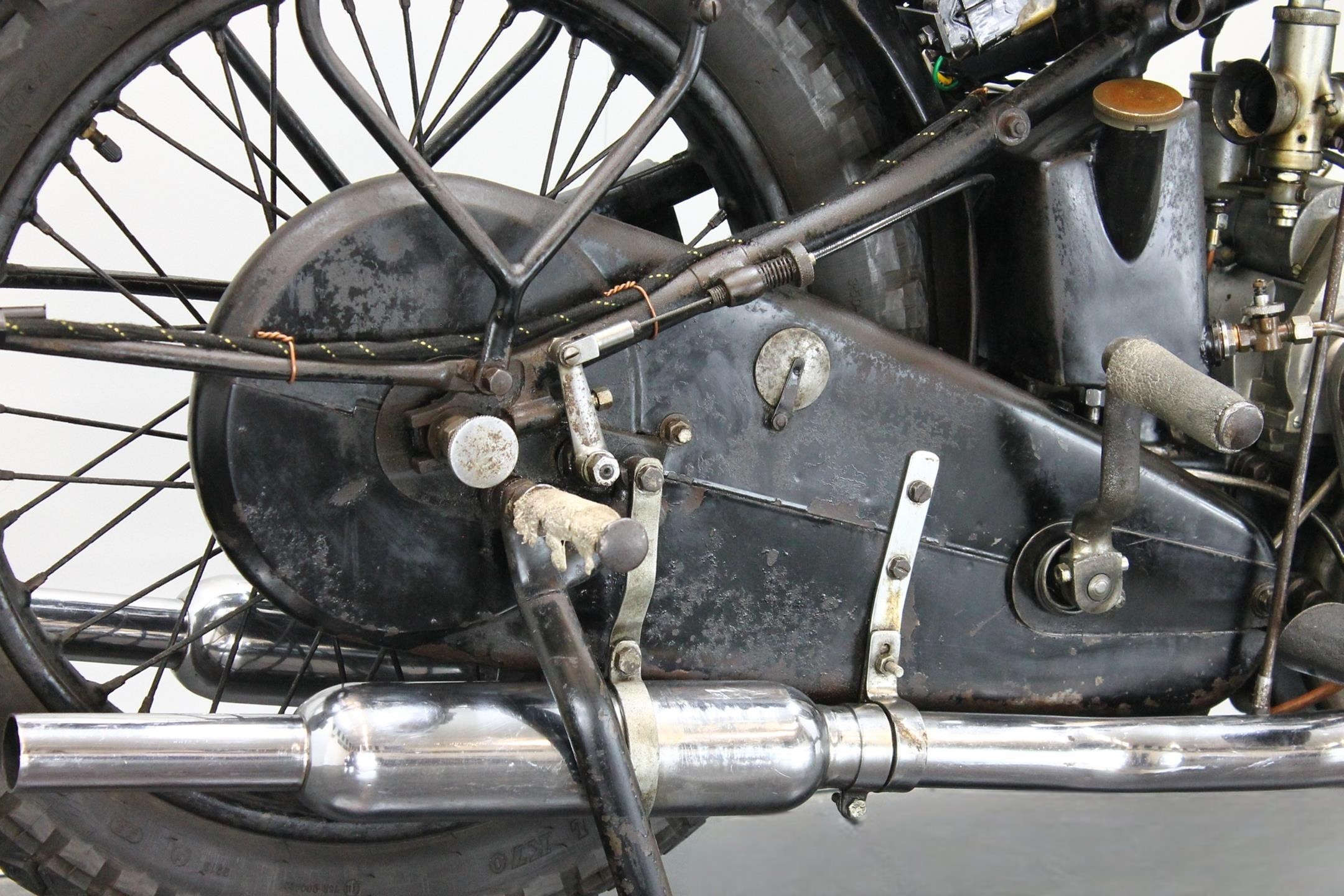
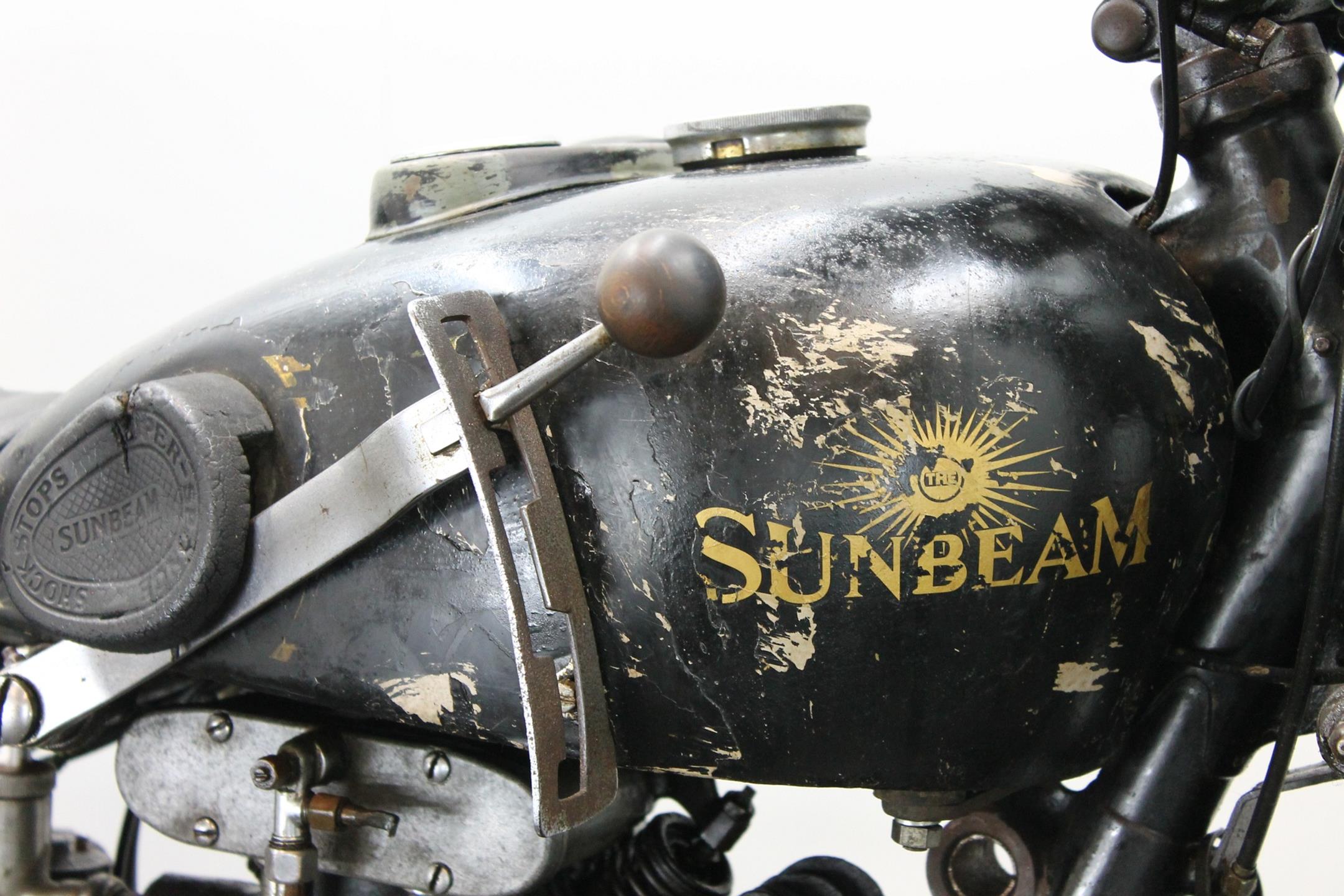
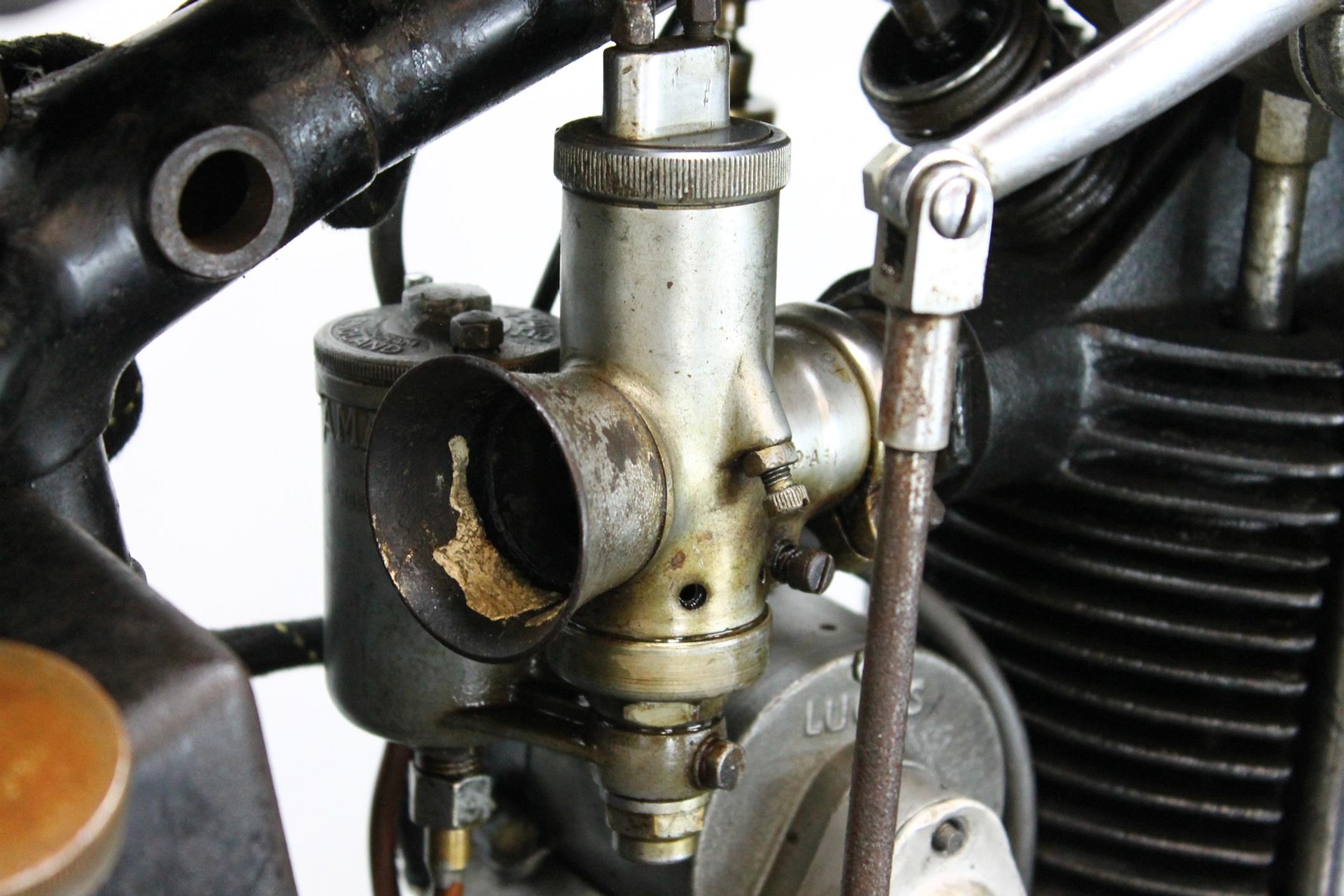
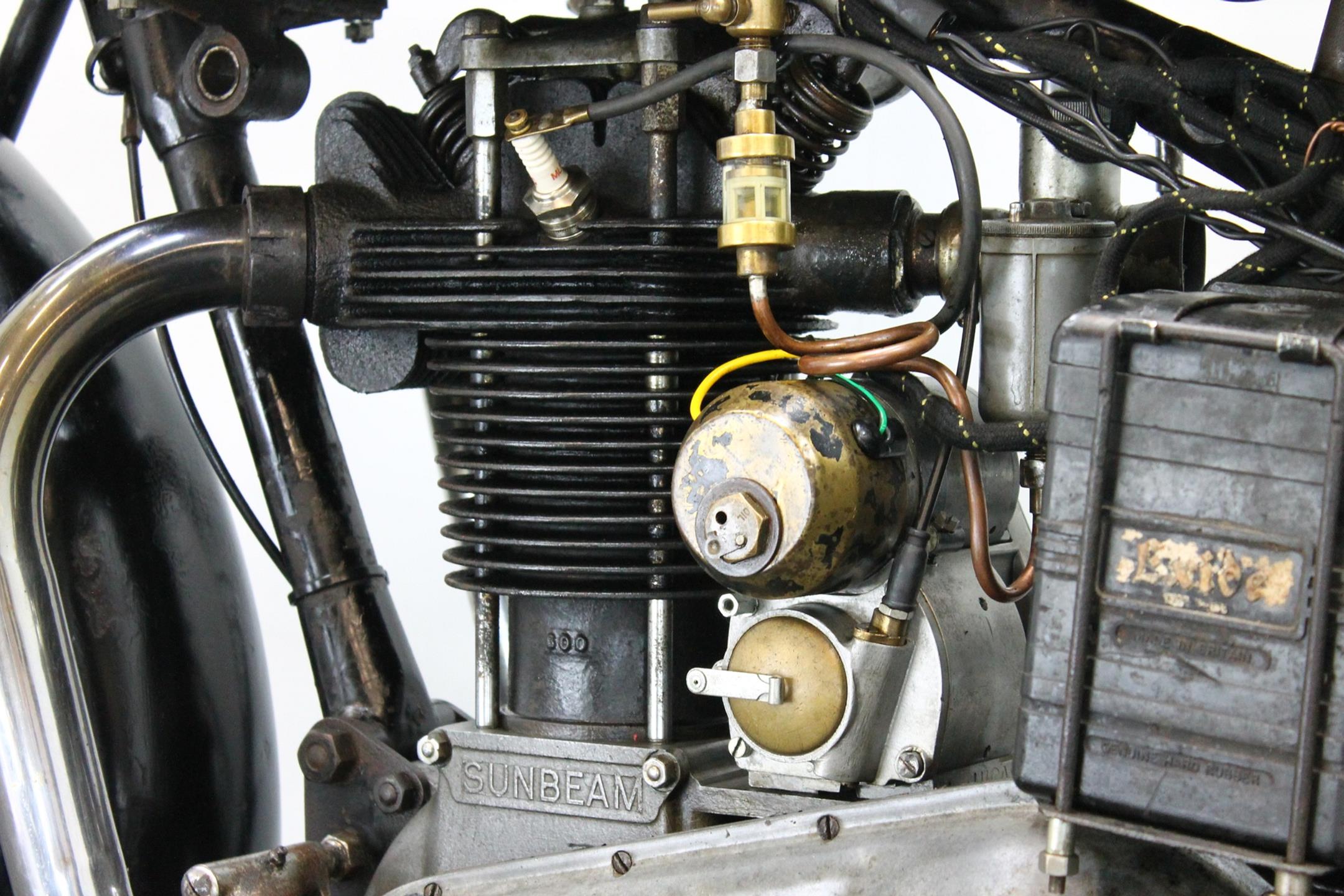

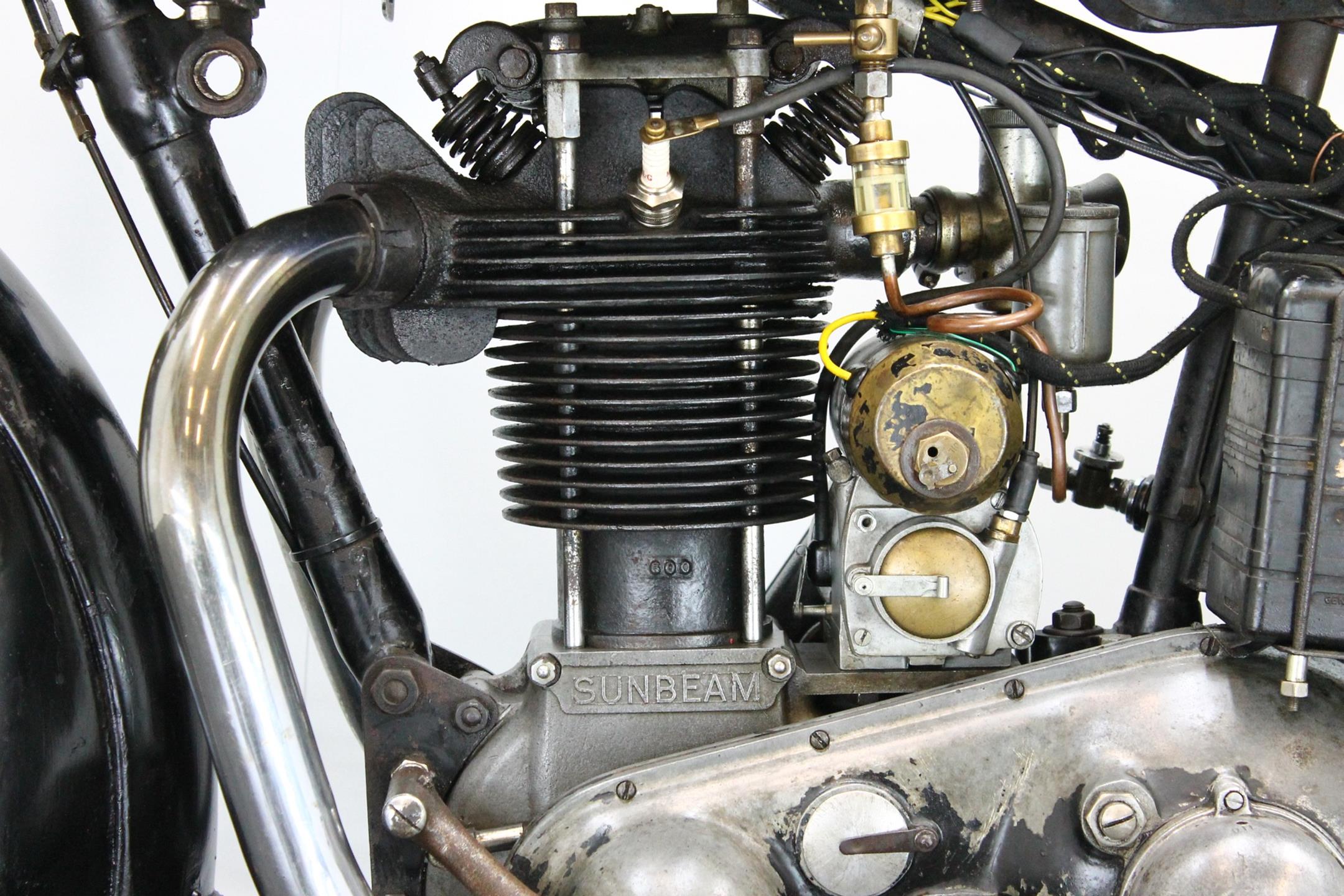
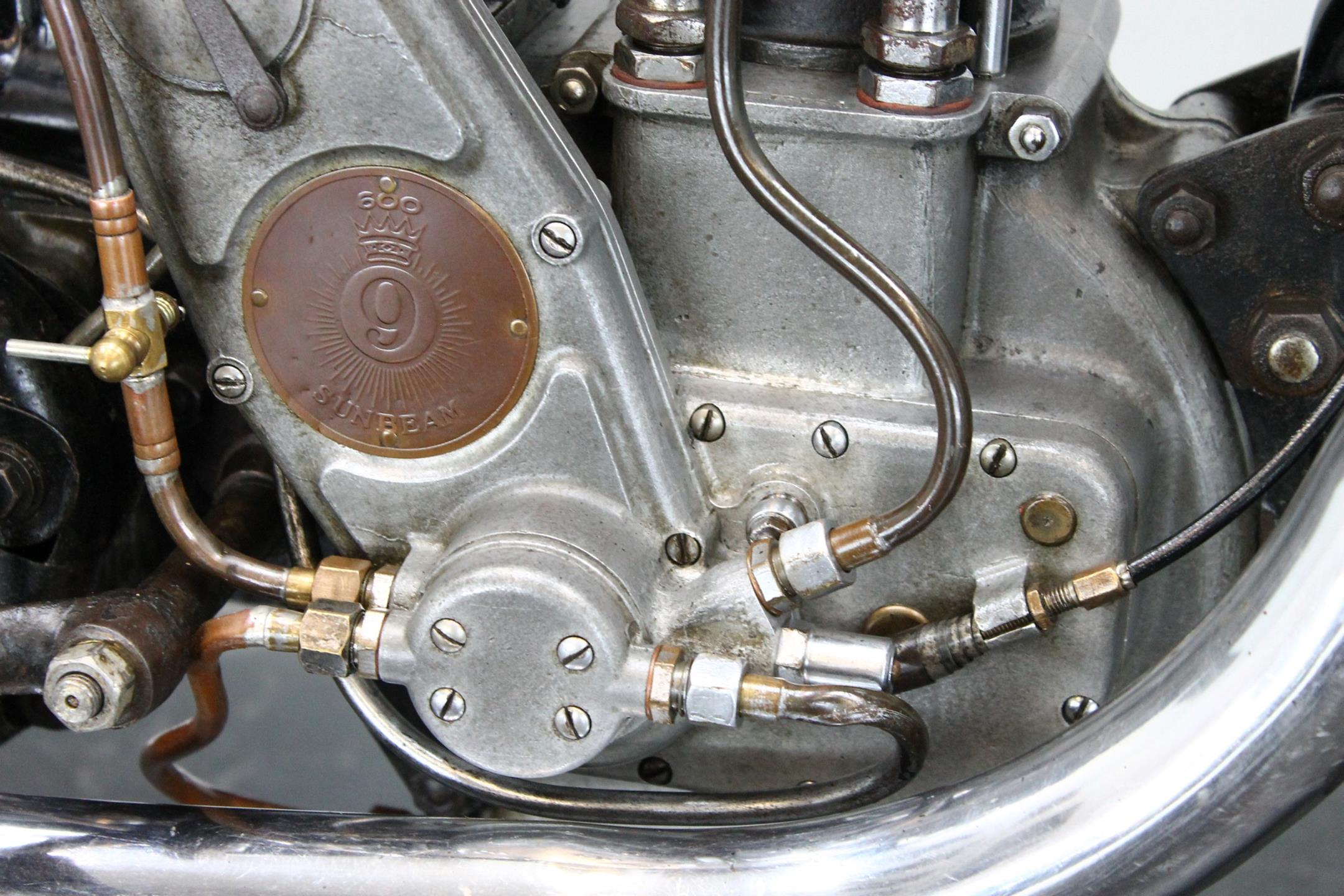
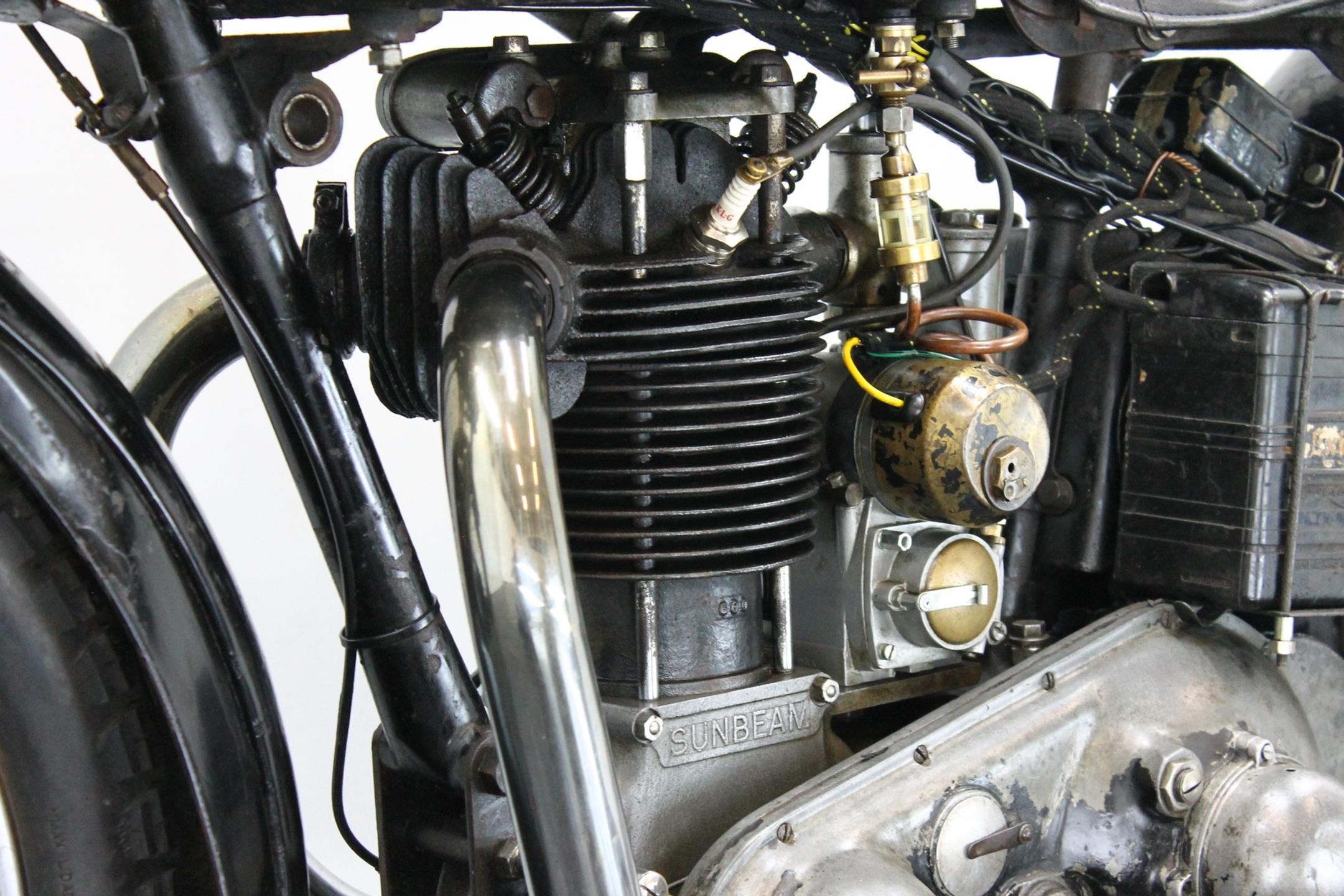
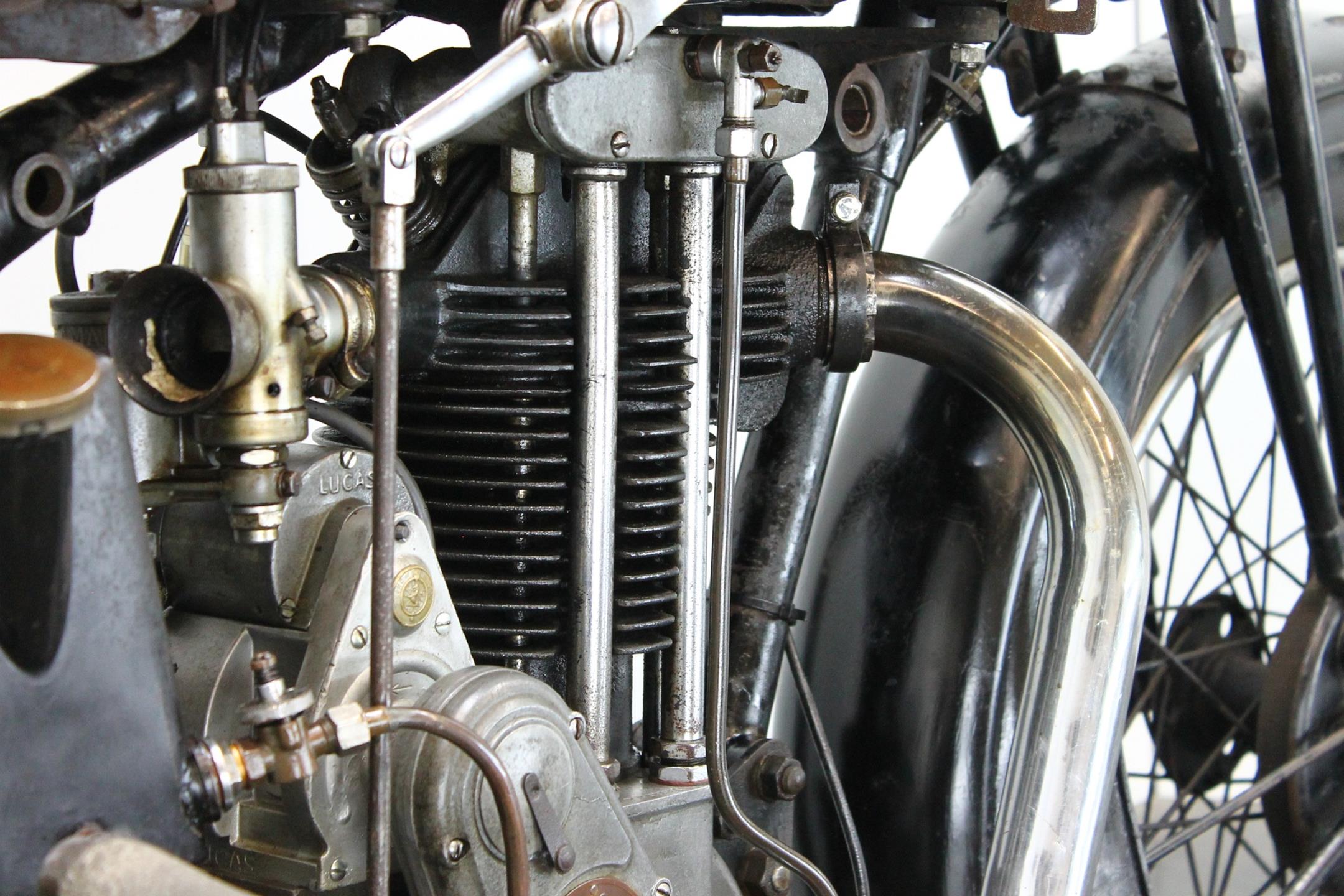
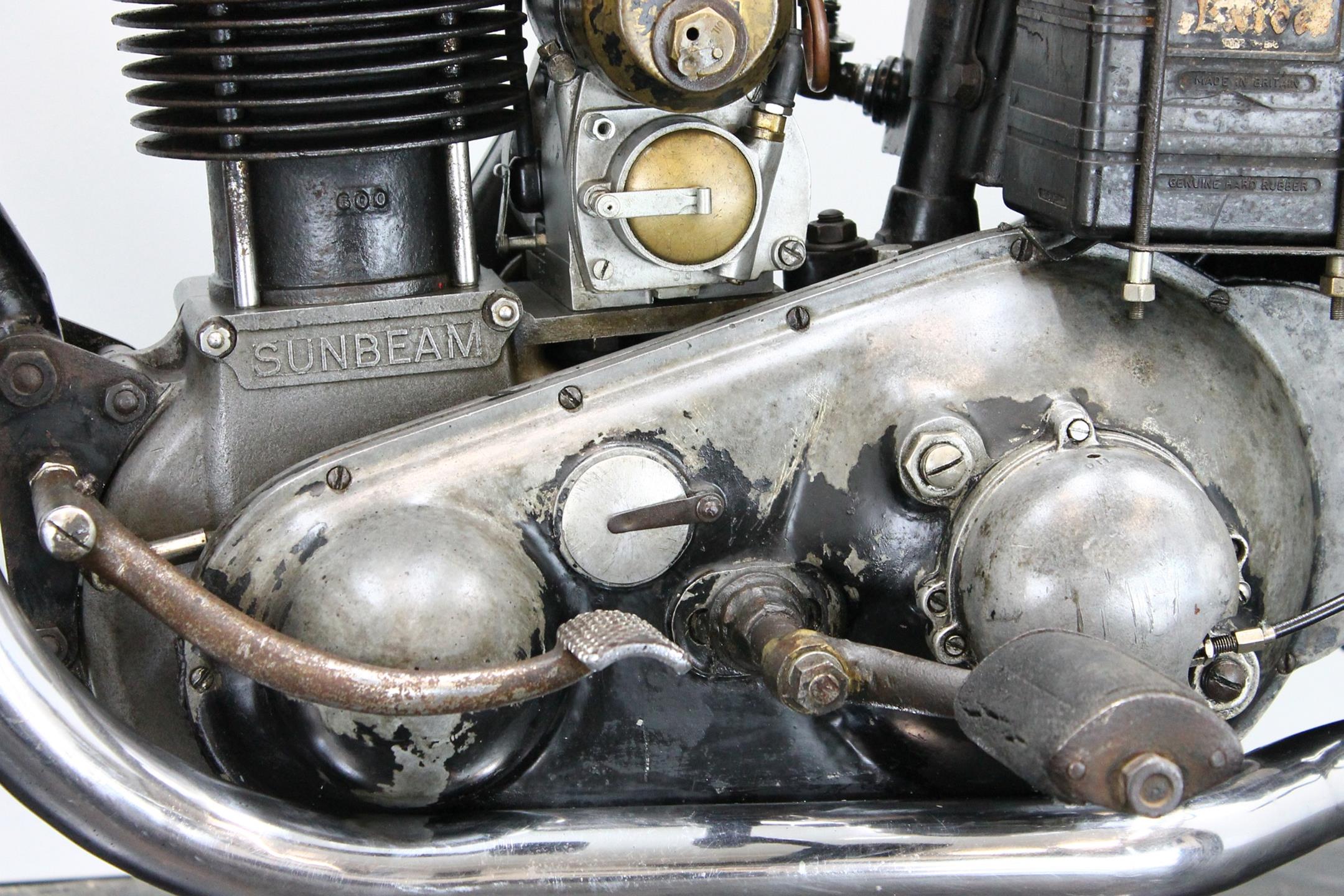
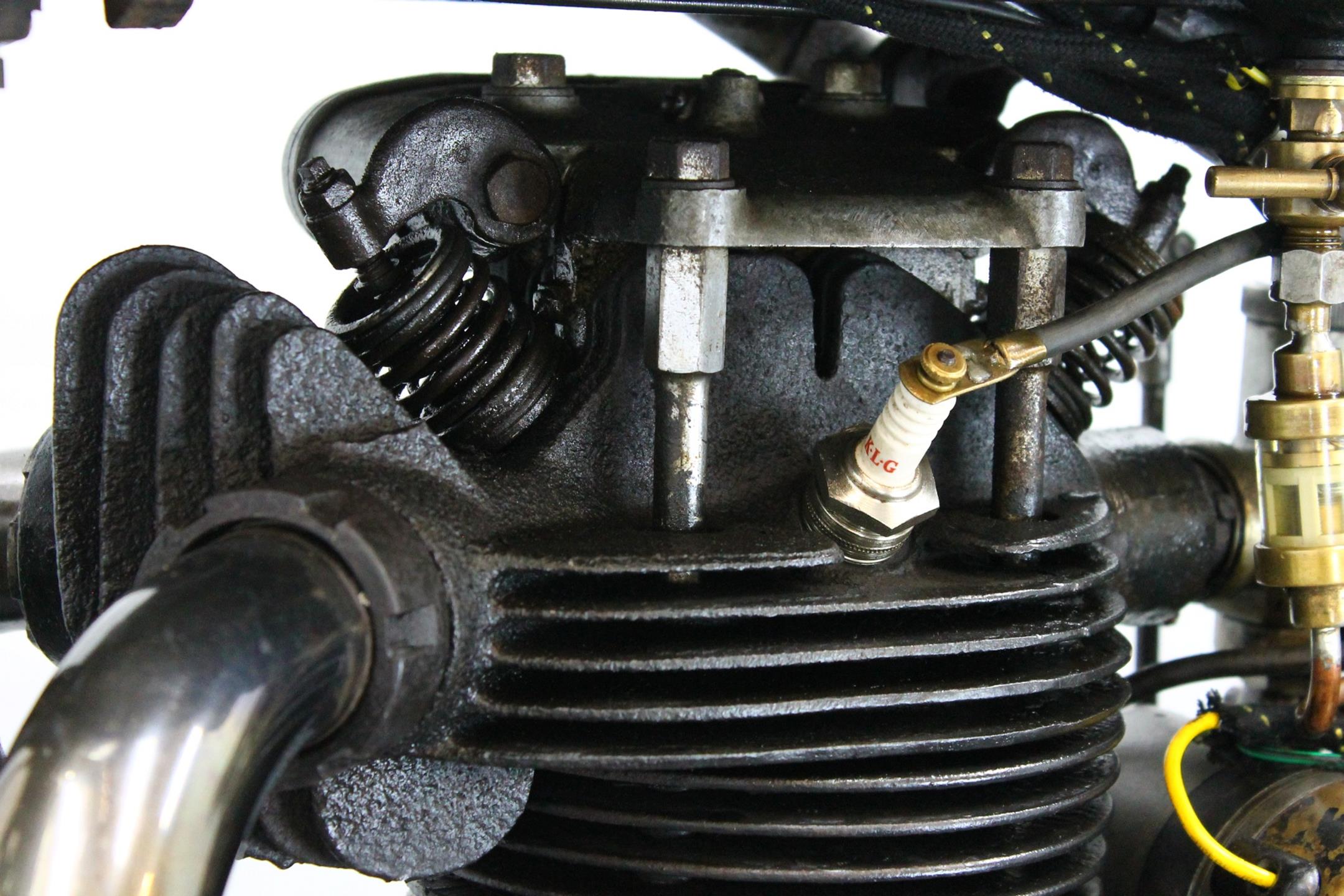
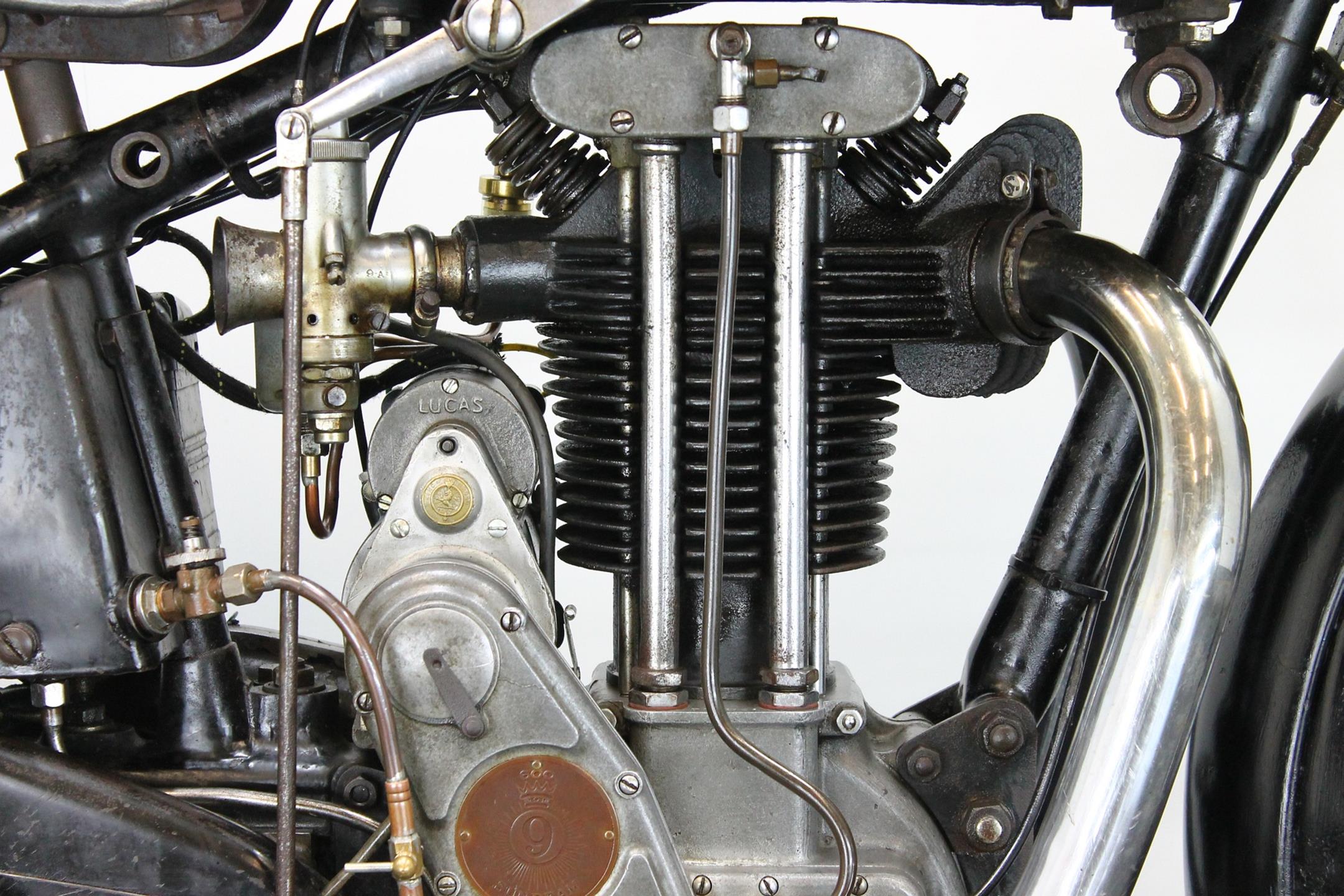
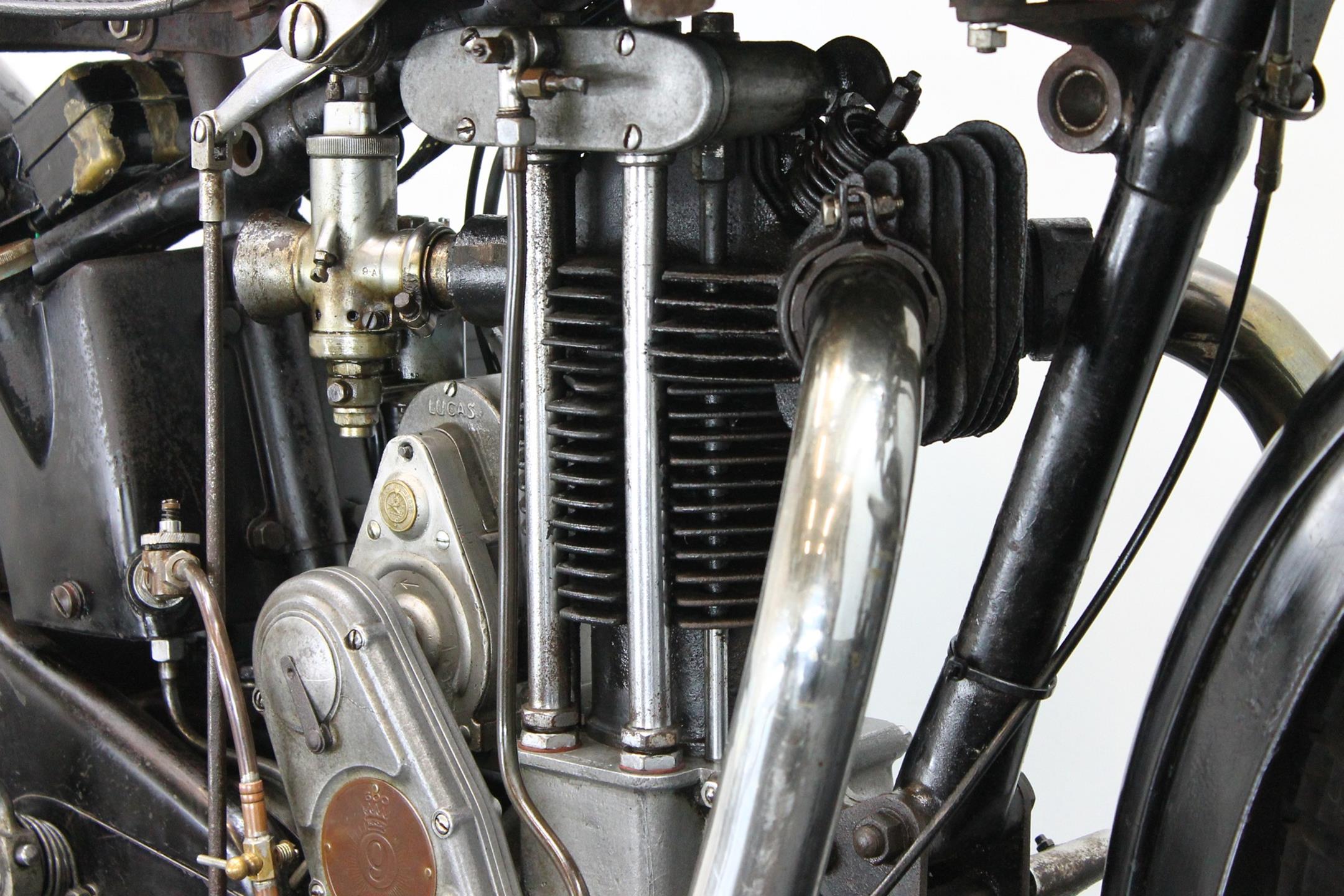
The 1932 Sunbeam Model 9A is a landmark British pre-war motorcycle and the first-year version of Sunbeam's 600 cc overhead-valve sporting tourer. Introduced for the 1932 season, the 9A was developed from the established Model 9 and increased the engine capacity from approximately 500 cc to 599 cc while retaining the sophisticated engineering philosophy for which Sunbeam was known.
The Model 9A uses a 596 cc single-cylinder overhead-valve engine with an 88 mm bore and 98 mm stroke. Its combination of a large long-stroke engine, four-speed gearbox, dry-sump lubrication, enclosed oil-bath primary transmission, and high-quality chassis made it one of the more advanced British motorcycles of its period.
The 9A was intended as a fast and refined touring motorcycle rather than an uncompromising racing machine. Its substantial torque and four-speed transmission also made it particularly suitable for sidecar use. Contemporary road testing specifically highlighted the 600 cc engine and four-speed gearbox as advantageous for fast, comfortable sidecar work.
As the first production year of the 9A, the 1932 model is especially interesting to collectors seeking an early example of Sunbeam's 600 cc overhead-valve touring range.
Sunbeam developed a strong reputation for high-quality motorcycles during the 1920s and early 1930s. The company had already established the Model 9 as a successful 500 cc overhead-valve road motorcycle, itself derived from Sunbeam's competition-engineering experience.
The Model 9 was introduced in 1924 and used a 493 cc overhead-valve single-cylinder engine. It became known as a fast and reliable sports tourer, while the related Model 90 served a more performance-oriented role.
For 1932, Sunbeam increased the Model 9's capacity and introduced the Model 9A with approximately 599 cc. The new motorcycle became the range leader for Sunbeam's touring models and retained many components and engineering principles from the Model 9.
The 9A appeared during the "Sunbeam Marston" period, before the marque was acquired by BSA. Sunbeam's insistence on high-quality manufacturing and substantial in-house production had given the company a reputation for excellent finish and engineering quality.
The early 1930s were nevertheless a difficult period for the British motorcycle industry. Economic conditions placed pressure on manufacturers, while Sunbeam continued to emphasize quality and refinement rather than competing solely on low production cost.
The 1932 Sunbeam Model 9A is powered by a 596 cc single-cylinder four-stroke overhead-valve engine.
The engine has an 88 mm bore and 98 mm stroke, producing a substantial increase in capacity over the 493 cc Model 9.
The two-port cylinder head and overhead-valve configuration provide efficient breathing while retaining the strong torque characteristics expected from a large-capacity British single.
The engine uses dry-sump lubrication, with Sunbeam's lubrication system designed to provide positive oiling to important internal components, including the rocker gear and valve stems.
The long-stroke configuration gives the 9A a strong low- and mid-range character and makes the motorcycle particularly suitable for sustained road use.
Contemporary road-test material described the 600 cc overhead-valve Sunbeam as a high-performance machine intended to combine speed with ease of maintenance and reliability.
Actual performance of an individual surviving motorcycle depends on compression, carburetion, ignition timing, valve condition, lubrication, exhaust system, gearing, and mechanical condition.
The Model 9A uses a four-speed manual gearbox, an important development over the three-speed arrangements used on earlier versions of the Model 9.
The additional ratio allows the engine to be kept within a useful operating range and contributes to the 9A's suitability for both solo touring and sidecar work.
The primary chain is enclosed in a Sunbeam oil-bath chaincase, providing lubrication and protection for the primary drive.
The rear chain is also protected by dedicated chain-guard equipment.
The clutch incorporates Sunbeam's period design and the transmission was engineered as part of the company's emphasis on smooth, dependable road operation.
The clutch, gearbox, primary chaincase, rear chain, sprockets, bearings, and gear-selection mechanism should all be inspected carefully on a surviving motorcycle.
The 1932 Model 9A uses Sunbeam's revised early-1930s chassis design.
The 1932 Sunbeam range incorporated a return to the all-black, gold-lined petrol tank after the previous year's chrome-plated tank with black panels.
The rear mudguard was redesigned with a hinge and an additional lower stay, making rear-wheel removal easier. Front and rear wheels were designed to be interchangeable, requiring a corresponding redesign of the front fork.
The characteristic "dog-leg" fork was introduced across the Sunbeam range in this period, with the Model 10 being the exception.
The chassis was designed to provide stable road handling and was also capable of supporting a sidecar, an important consideration for the large-capacity 9A.
The frame, steering head, fork pivots, engine mounting points, rear frame, wheel alignment, and suspension components should all be inspected for distortion, cracking, corrosion, or previous repairs.
The 1932 Sunbeam Model 9A uses wire-spoked wheels with period mechanical drum brakes.
One of the notable practical features of the 1932 Sunbeam chassis was the use of quickly detachable and interchangeable wheels, which simplified maintenance and puncture repair.
This feature was particularly useful for a touring motorcycle and even more valuable when the motorcycle was operated with a sidecar.
Brake drums, shoes, operating mechanisms, cables, wheel bearings, spokes, rims, and tires should all be inspected before road use.
Correct hubs, rims, brake assemblies, and wheel fittings are also important when evaluating the originality of a restored Model 9A.
The Model 9A was equipped with period Lucas electrical equipment and a magneto-dynamo system.
Examples can feature Lucas lighting equipment, an ammeter integrated into the headlamp assembly, and an oil-pressure gauge mounted in the fuel-tank area.
The electrical system was designed to provide dependable lighting and ignition for a motorcycle intended for serious road touring.
The magneto-dynamo, wiring harness, headlamp, ammeter, horn, rear lamp, switches, and associated electrical components should be inspected for correct operation and historical authenticity.
Some surviving examples have been fitted with rebuilt electrical equipment, replacement wiring, modern regulators, or other upgrades, so original specification should be assessed separately from mechanical reliability.
The 1932 Sunbeam Model 9A has the restrained and purposeful appearance associated with Sunbeam's high-quality touring motorcycles.
The large single-cylinder engine dominates the central portion of the motorcycle, while the carefully finished tank and frame give the machine a refined appearance rather than an aggressively sporting one.
The 1932 specification returned to an all-black, gold-lined petrol tank, creating the classic Sunbeam appearance associated with the company's motorcycles of this period.
The exposed engine, enclosed chaincases, substantial mudguards, wire wheels, period headlamp, and upright riding position give the 9A a distinctly elegant British character.
Correct tank finish, gold lining, Sunbeam badges, engine components, mudguards, exhaust system, controls, wheels, headlamp, and period fasteners are all important details in an authentic restoration.
The 1932 model year is particularly significant because it marks the introduction of the Model 9A.
The 9A was essentially a larger-capacity development of the established Model 9, increasing the engine from approximately 500 cc to 599 cc while retaining the overhead-valve architecture and many proven components.
The 1932 Sunbeam range also received several practical chassis and equipment changes, including interchangeable wheels, redesigned front forks, an improved rear mudguard arrangement, revised lubrication equipment, and the introduction of a four-speed gearbox.
The Model 9A was positioned as the range leader for touring motorcycles and was particularly well suited to fast sidecar work.
Because it is the first production year of the 9A, correct 1932 details are especially important when assessing an original or restored example.
The 600 cc Model 9A was particularly well suited to sidecar use.
The combination of a large-capacity long-stroke single-cylinder engine and four-speed gearbox provided useful torque and gearing for carrying the additional weight of a passenger and sidecar.
Contemporary road-test material specifically described the 600 cc overhead-valve Sunbeam as particularly suitable for fast and comfortable sidecar work.
The chassis, detachable wheels, substantial brakes, and stable road manners further supported its use as a combination motorcycle.
When evaluating a former sidecar motorcycle, the frame should be checked carefully for sidecar mounting modifications, reinforcement, repairs, and distortion caused by prolonged combination use.
The 1932 Sunbeam Model 9A offers the characteristic riding experience of a high-quality British long-stroke single.
The 596 cc engine delivers substantial torque and a relaxed power delivery, allowing the motorcycle to maintain useful road speeds without requiring high engine revolutions.
The four-speed gearbox provides greater flexibility than the earlier three-speed transmission and makes the 9A particularly versatile.
The chassis was designed for stability and predictable handling, while the carefully engineered lubrication and enclosed transmission systems contribute to the motorcycle's touring character.
The 9A is equally interesting as a solo motorcycle or as the basis for a period sidecar combination.
A surviving example should be operated conservatively until the engine, lubrication system, carburetor, magneto-dynamo, clutch, gearbox, steering, fork, wheels, tires, brakes, and chassis have been thoroughly inspected.
The 1932 Sunbeam Model 9A is historically important because it represents the company's transition from the established 500 cc Model 9 to a larger-capacity touring motorcycle.
The 9A retained the Model 9's overhead-valve engineering while increasing displacement to approximately 599 cc.
The model also illustrates Sunbeam's approach to motorcycle development during the early 1930s: rather than pursuing radical design changes, the company refined proven engineering and concentrated on quality, reliability, ease of maintenance, and finish.
The introduction of a four-speed gearbox and interchangeable wheels further improved the practicality of the motorcycle.
The 9A's suitability for sidecar use also demonstrates how large-capacity British motorcycles were evolving from simple transportation into sophisticated long-distance touring machines.
The 1932 Sunbeam Model 9A is highly appealing to collectors of British pre-war motorcycles.
As the first year of production for the 600 cc 9A, the 1932 model has particular historical significance.
Collectors should pay close attention to the engine, crankcases, cylinder, two-port cylinder head, rocker gear, carburetor, magneto-dynamo, gearbox, primary chaincase, frame, fuel tank, front fork, wheels, brakes, headlamp, exhaust, controls, and electrical equipment.
The correct 1932 black and gold-lined tank, early chassis details, four-speed gearbox, interchangeable wheel arrangement, and period electrical equipment are especially useful when assessing authenticity.
Engine and frame numbers are important because pre-war motorcycles were frequently rebuilt or modified during their long service lives.
Original components, correct first-year details, factory accessories, period sidecar equipment, restoration documentation, and continuous ownership history can significantly increase historical interest.
Authenticating a 1932 Sunbeam Model 9A requires examination of the complete motorcycle and its individual components.
The engine should be identified through its 88 x 98 mm cylinder dimensions, overhead-valve configuration, two-port head, crankcases, rocker gear, lubrication system, carburetor, and period casting details.
The four-speed gearbox and enclosed primary chaincase are important features of the 1932 specification.
The frame should be examined for the correct 1932 construction, front fork design, rear mudguard arrangement, wheel fittings, engine mounting points, and frame-number markings.
The tank should be checked for the correct early-1930s Sunbeam shape and black finish with gold lining.
The Lucas magneto-dynamo, headlamp, ammeter, oil-pressure gauge, carburetor, exhaust, controls, wheels, and brakes should also be compared with period documentation and photographs.
Engine and frame numbers should be recorded and preserved as part of the motorcycle's historical file.
Registration documents, factory literature, period photographs, restoration invoices, sidecar documentation, and previous ownership records can provide valuable supporting provenance.
The 1932 Sunbeam Model 9A matters because it introduced Sunbeam's 600 cc development of the highly successful Model 9 overhead-valve single.
Its 596 cc engine, four-speed gearbox, dry-sump lubrication, enclosed oil-bath primary transmission, interchangeable wheels, and refined chassis made it a sophisticated touring motorcycle for its time.
The first-year 1932 specification is particularly important because it captures the introduction of the 9A before later production changes and developments.
The model also represents Sunbeam's distinctive philosophy of engineering refinement, emphasizing quality construction, reliability, ease of maintenance, and excellent finish.
A well-preserved or accurately restored 1932 Sunbeam Model 9A with its correct first-year components, original finishes, period equipment, and documented provenance represents a significant example of British interwar motorcycle engineering.
This 1932 Sunbeam Model 9A represents the first production year of one of Sunbeam's most significant large-capacity overhead-valve touring motorcycles.
Its 596 cc single-cylinder engine, 88 x 98 mm bore and stroke, four-speed gearbox, dry-sump lubrication, enclosed primary chaincase, interchangeable wheels, and refined chassis embody Sunbeam's emphasis on quality engineering and dependable performance.
The 9A was developed directly from the established Model 9 and became the range leader for Sunbeam's touring motorcycles in 1932. Its strong torque and four-speed transmission also made it particularly suitable for fast sidecar work.
For collectors, the correct first-year engine and chassis specification, black and gold-lined tank, four-speed gearbox, period Lucas electrical equipment, original controls, wheels, brakes, and documented provenance are particularly important when establishing authenticity.
A well-preserved or accurately restored 1932 Sunbeam Model 9A with correct period components and strong historical documentation represents a significant piece of British motorcycle history.
Contact us for additional photographs, detailed specifications, engine and frame numbers, service history, originality assessment, restoration information, historical documentation, and purchasing information for this 1932 Sunbeam Model 9A.
The Vintage Motorcycles presents a curated selection of historically significant British vintage motorcycles, with a dedicated focus on Sunbeam Motorcycles, a manufacturer closely associated with refinement, precision finishing, and a distinctly conservative engineering philosophy within early 20th-century Britain. Originating from high-quality bicycle production and later expanding into motor vehicles, Sunbeam developed motorcycles that emphasized mechanical smoothness, aesthetic cohesion, and long-term durability.
This collection is contextualized within the broader ecosystem of global motorcycle history, where you can explore additional manufacturers through our global vintage motorcycle brands archive. Within the British engineering landscape, Sunbeam occupies a unique position, representing a more refined and methodical approach compared to performance-driven marques. Its machines reflect an engineering culture that prioritized reliability, quiet operation, and precision assembly over experimental or competition-focused extremes. These characteristics are best understood within the framework of pre-war motorcycle engineering (1900-1939), where diversity in design philosophy defined the evolution of European motorcycles.
Each motorcycle within our collection is carefully selected based on provenance, originality, and mechanical integrity, ensuring alignment with museum-grade preservation standards. Available machines can be explored through our global vintage motorcycle inventory, including both touring-oriented Sunbeam models and structurally reinforced configurations such as those represented in our sidecar motorcycle collection, which highlight the adaptability of British engineering across civilian and utility use cases. All acquisitions are supported by a fully insured international shipping service designed for global collectors.
British engineering has often been associated with precision, craftsmanship, and incremental refinement, and Sunbeam stands as a clear embodiment of these principles. Rather than pursuing aggressive performance benchmarks, Sunbeam developed motorcycles that emphasized smooth power delivery, mechanical quietness, and structural integrity. This approach reflected a broader philosophy within certain segments of British industry, where engineering excellence was defined by consistency and reliability rather than experimentation alone.
This trajectory becomes clearer when examined through broader historical transitions. During the early 20th century, Sunbeam contributed to the structured evolution of motorcycle design within the experimental yet increasingly systematized environment documented in pre-war motorcycle development. As industrial priorities shifted during global conflict, design considerations increasingly centered on durability and operational stability, as reflected in wartime motorcycle engineering, where reliability and ease of maintenance became essential.
In the post-war period, the engineering values associated with Sunbeam - precision manufacturing, durability, and refinement - continued to influence broader industrial production models. This transition is further explored in post-war motorcycle development, where standardization and efficiency became central to meeting the demands of a changing global market. Within this continuum, Sunbeam serves as a reference point for understanding how a refinement-driven engineering philosophy contributed to the wider trajectory of British and European motorcycle design.
Key Highlights
Collector Assurance
All enquiries handled with discretion. We typically respond within 6 hours.
Choose the payment method that is most convenient for you. We accept widely used international payment methods as well as, where available, local bank transfer options that allow you to pay like a domestic transaction. Full payment instructions are provided for your specific purchase.
Direct international bank wire transfer is available for motorcycle purchases and export transactions.
Credit card payments can be arranged through Wise.com, subject to the applicable payment and processing conditions.
PayPal is accepted. A 5% PayPal processing fee applies to the transaction.