
The Vintage Motorcycles
Specialists in antique, classic, veteran and vintage motorcycles.
Specialists in antique, classic, veteran and vintage motorcycles.
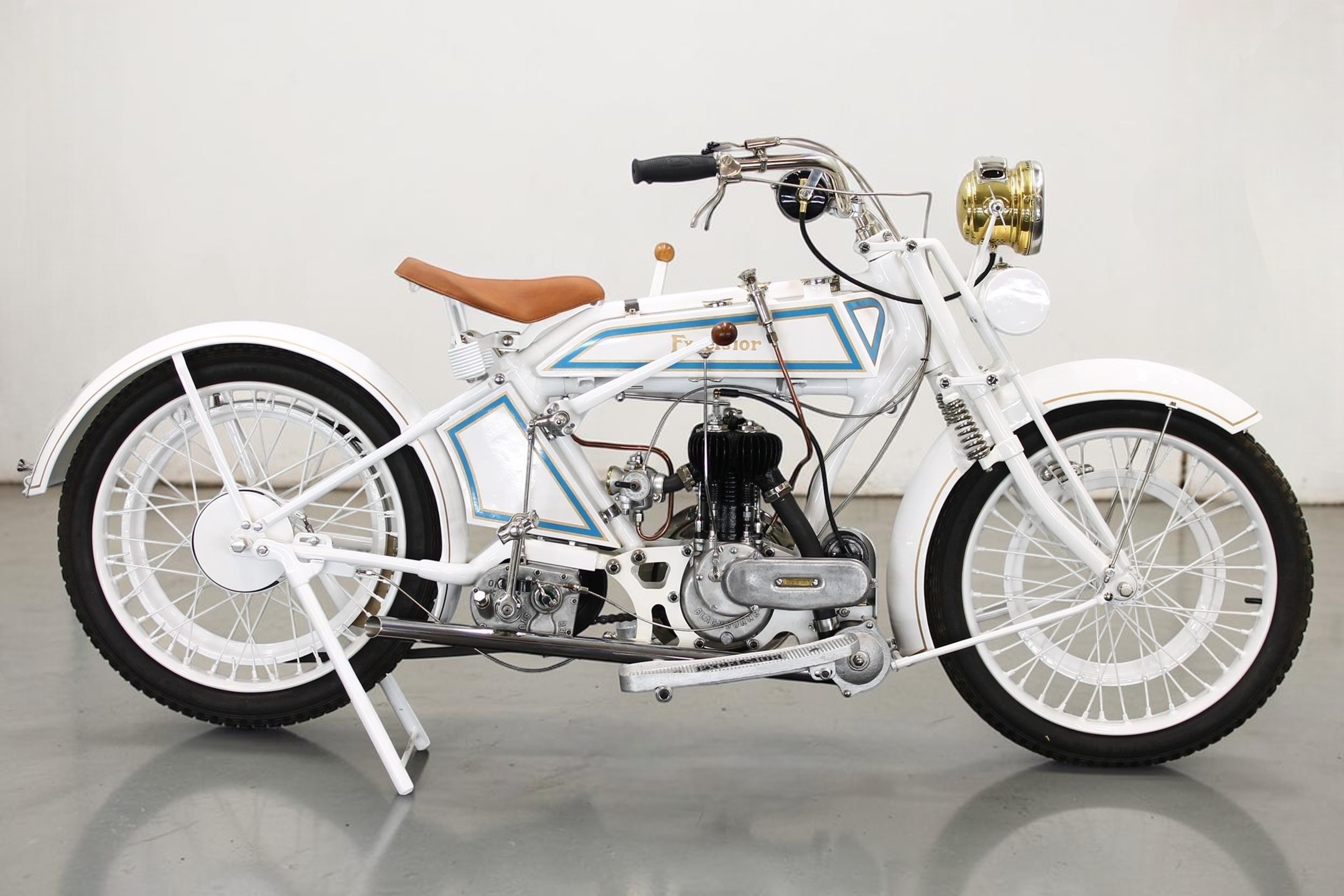
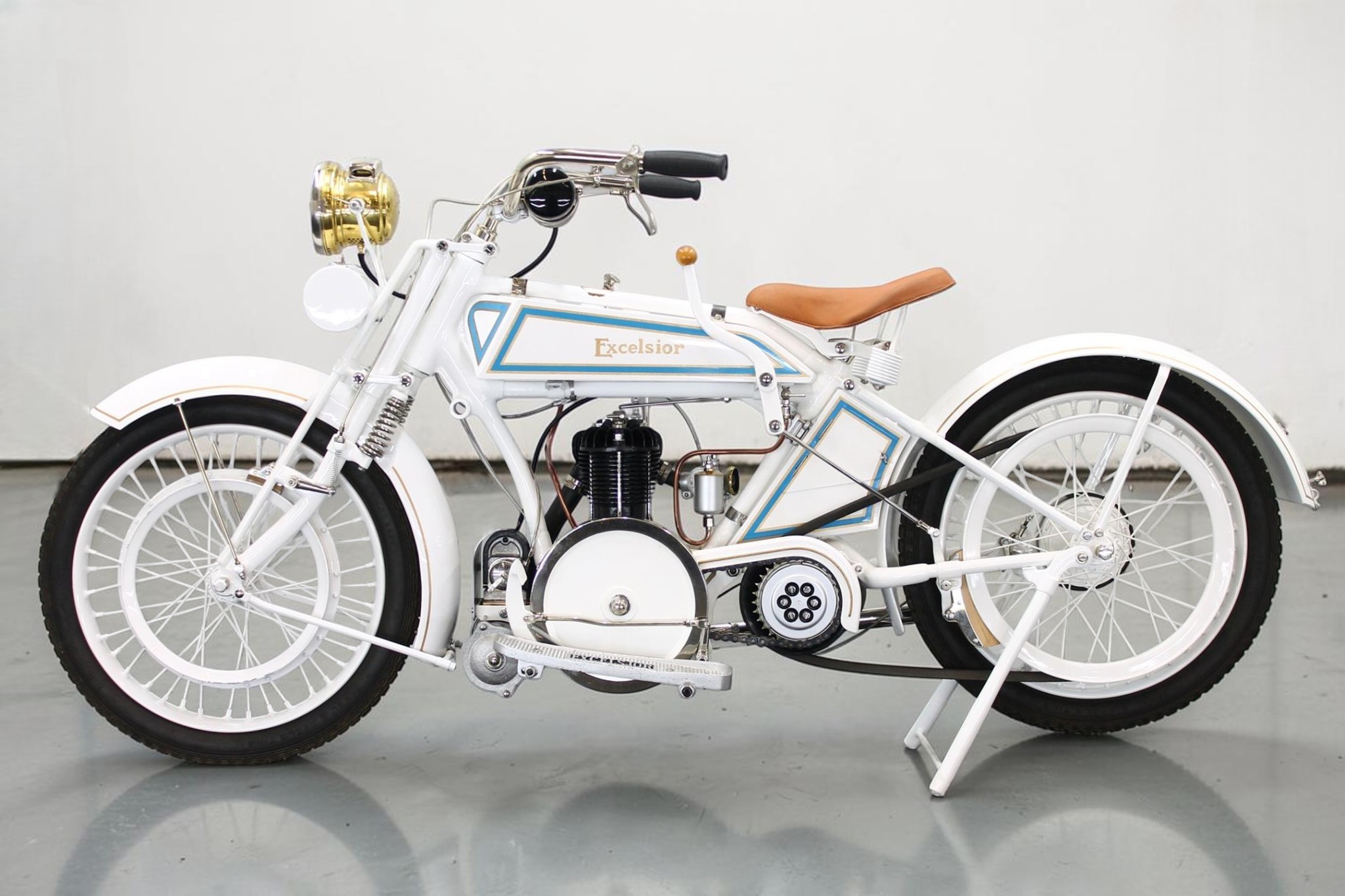

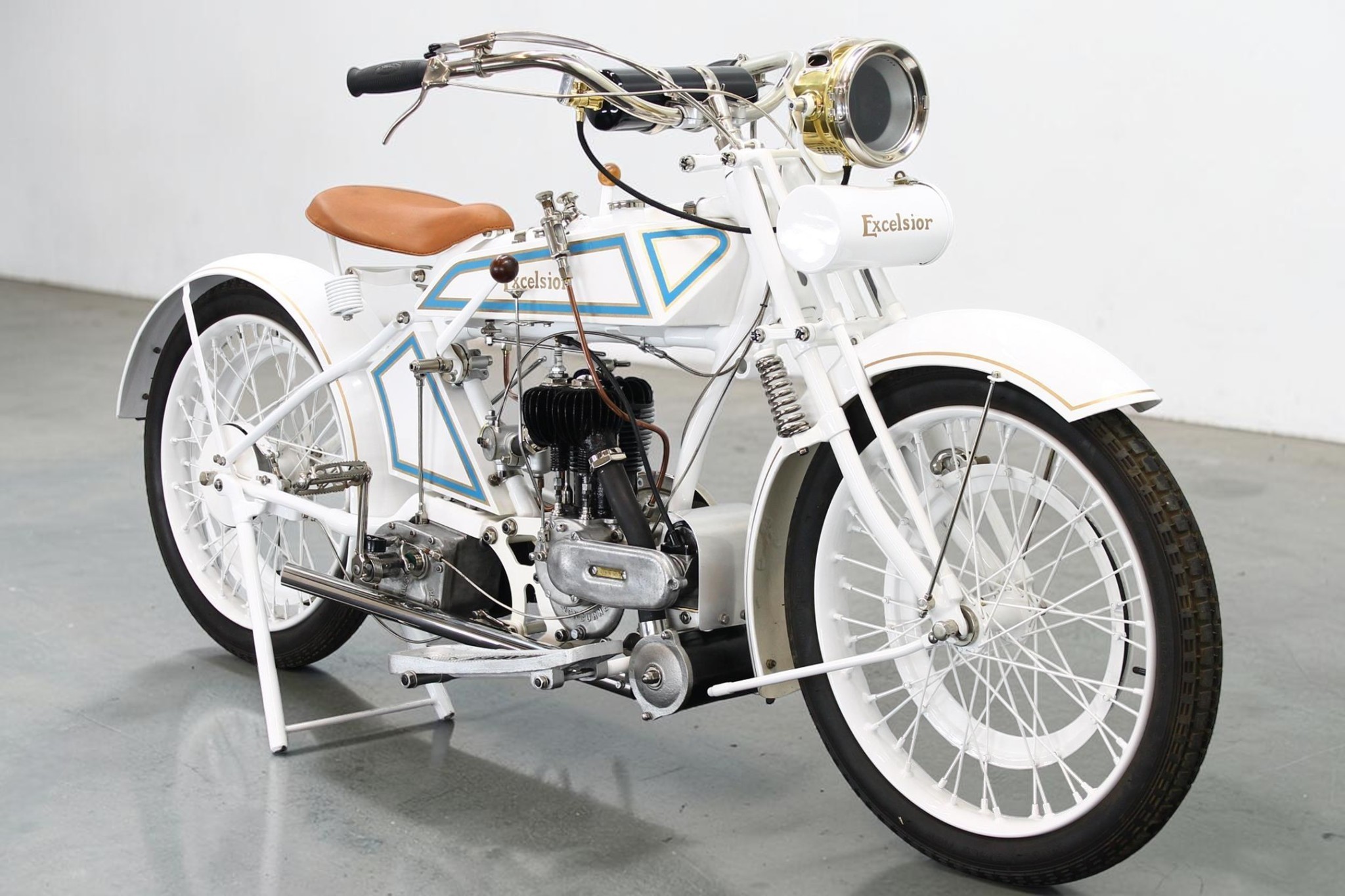
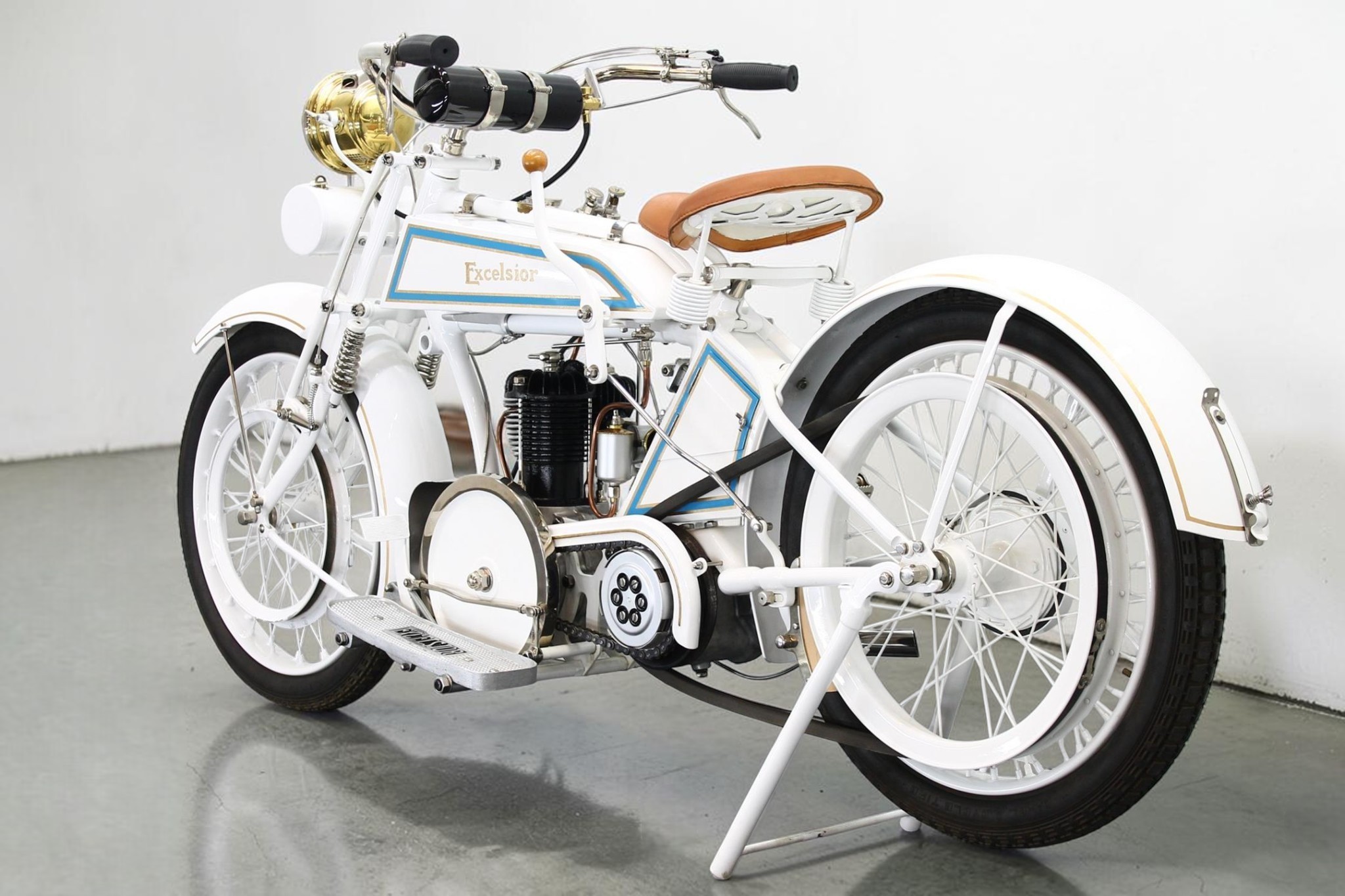
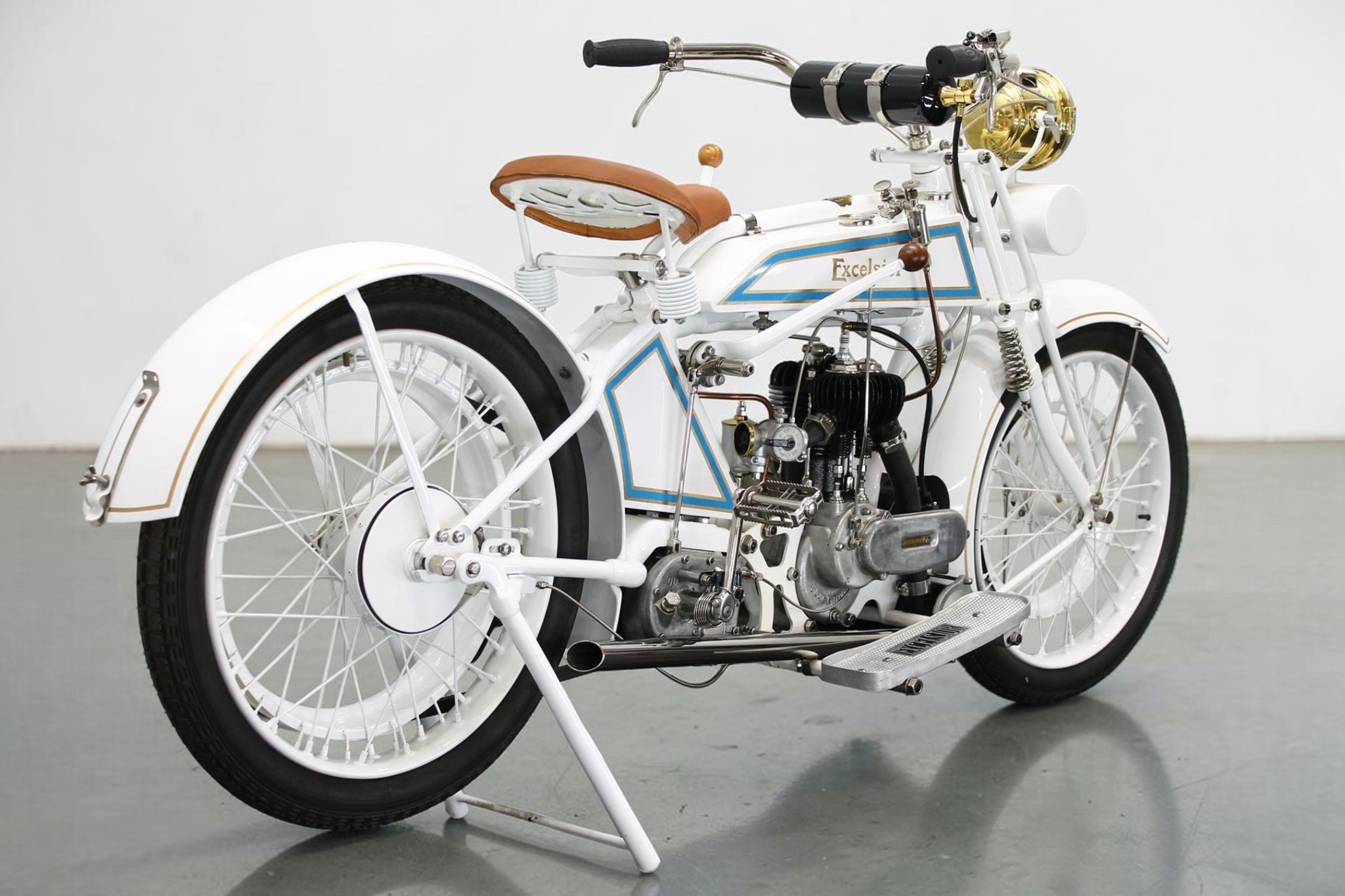

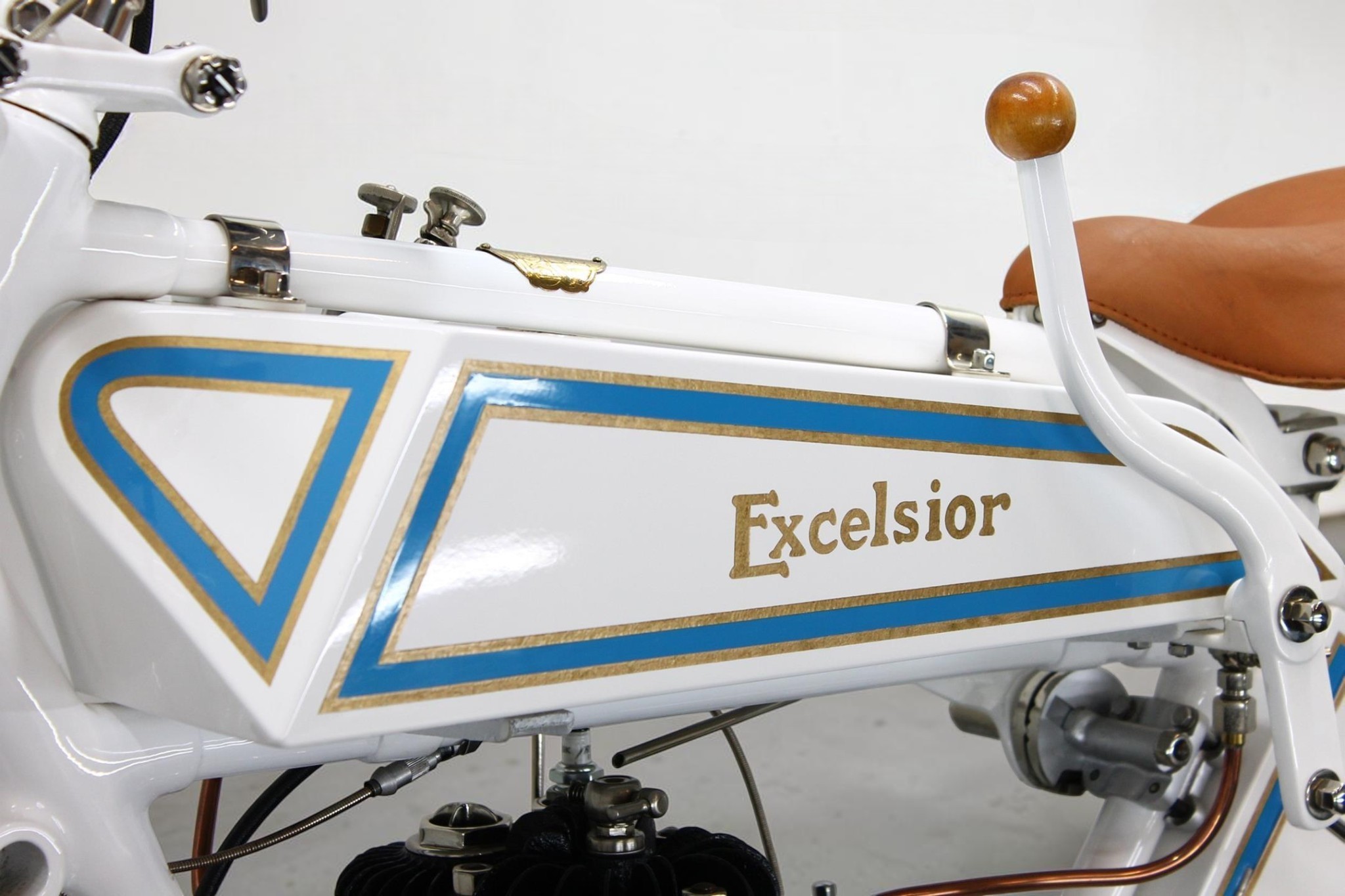




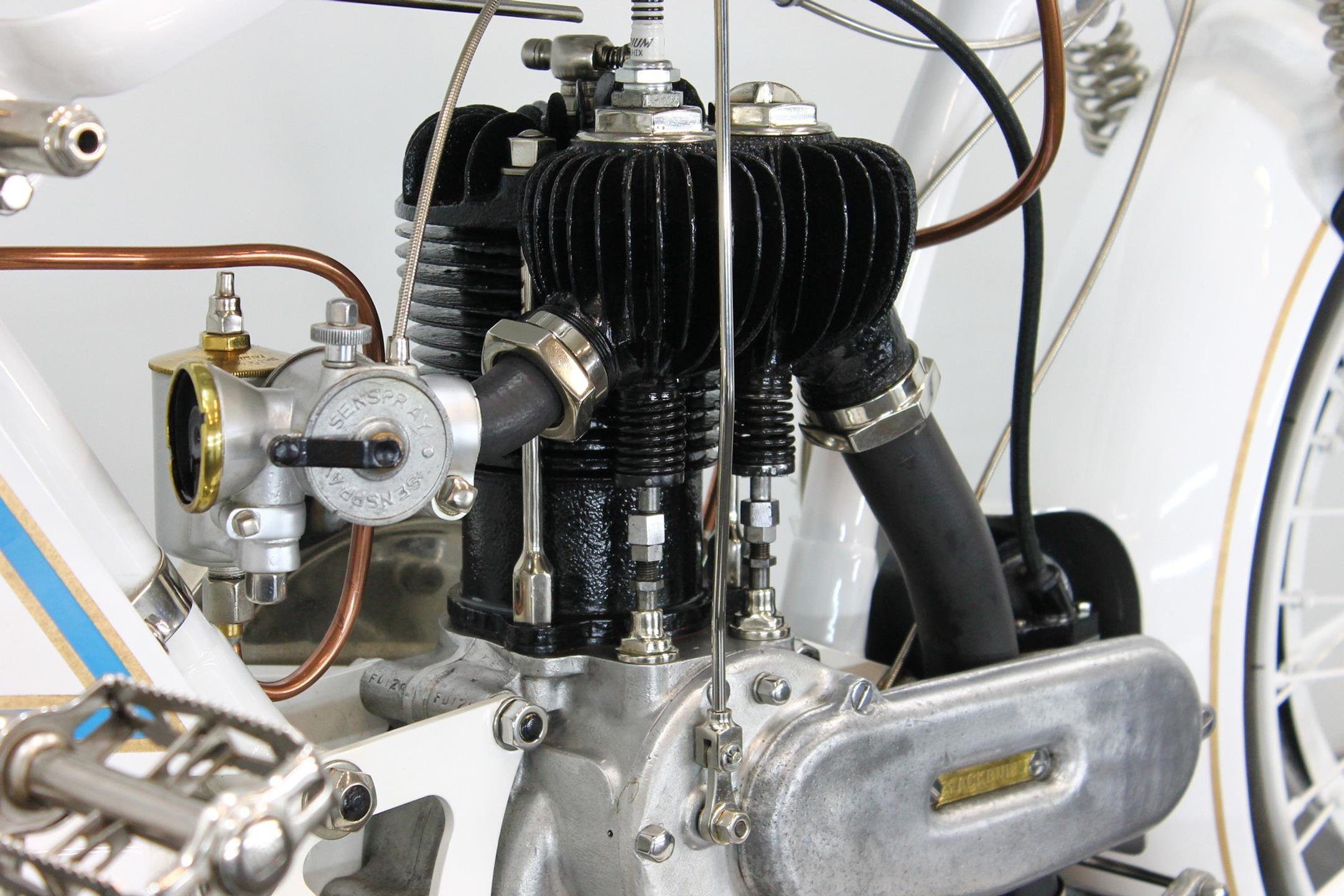
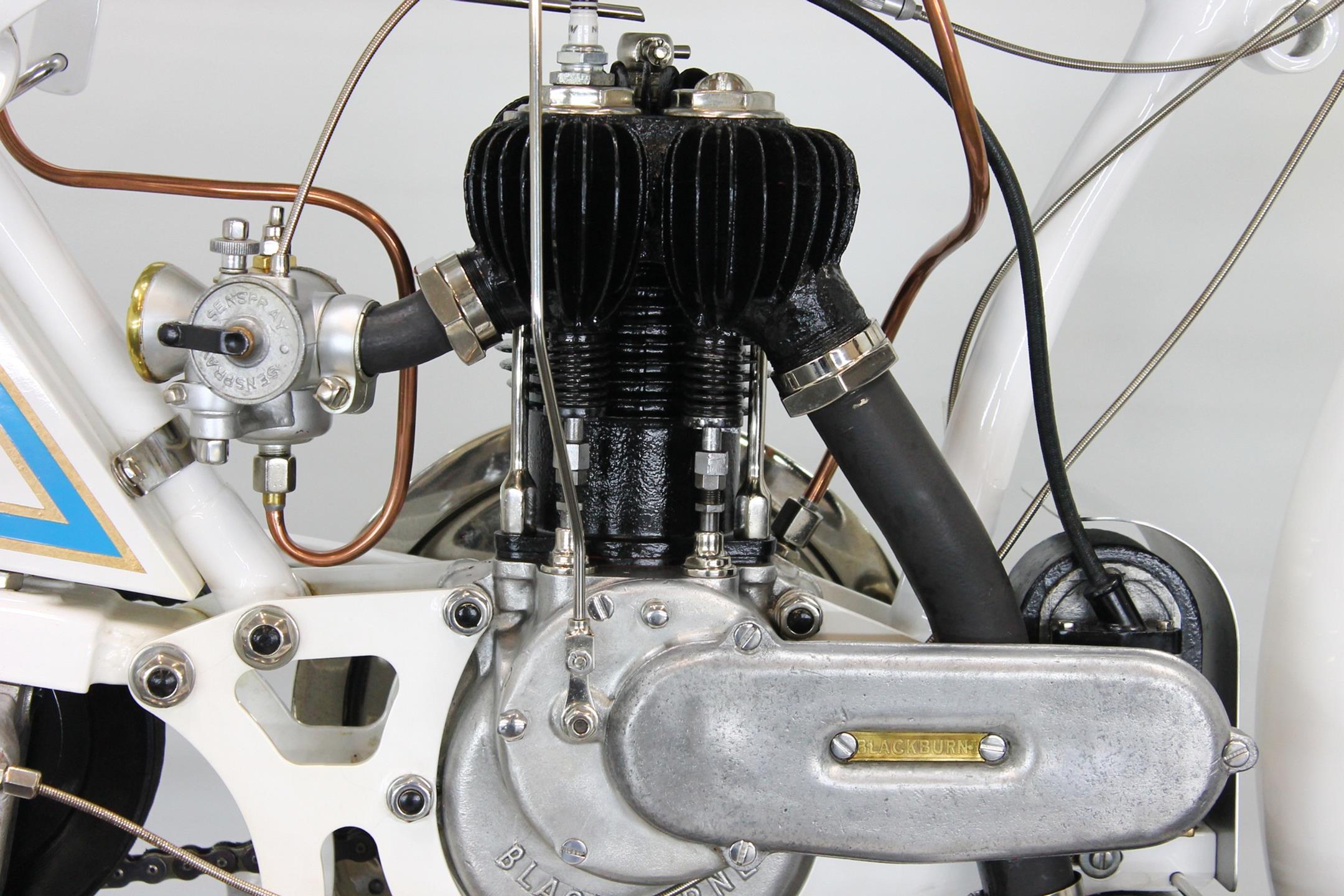
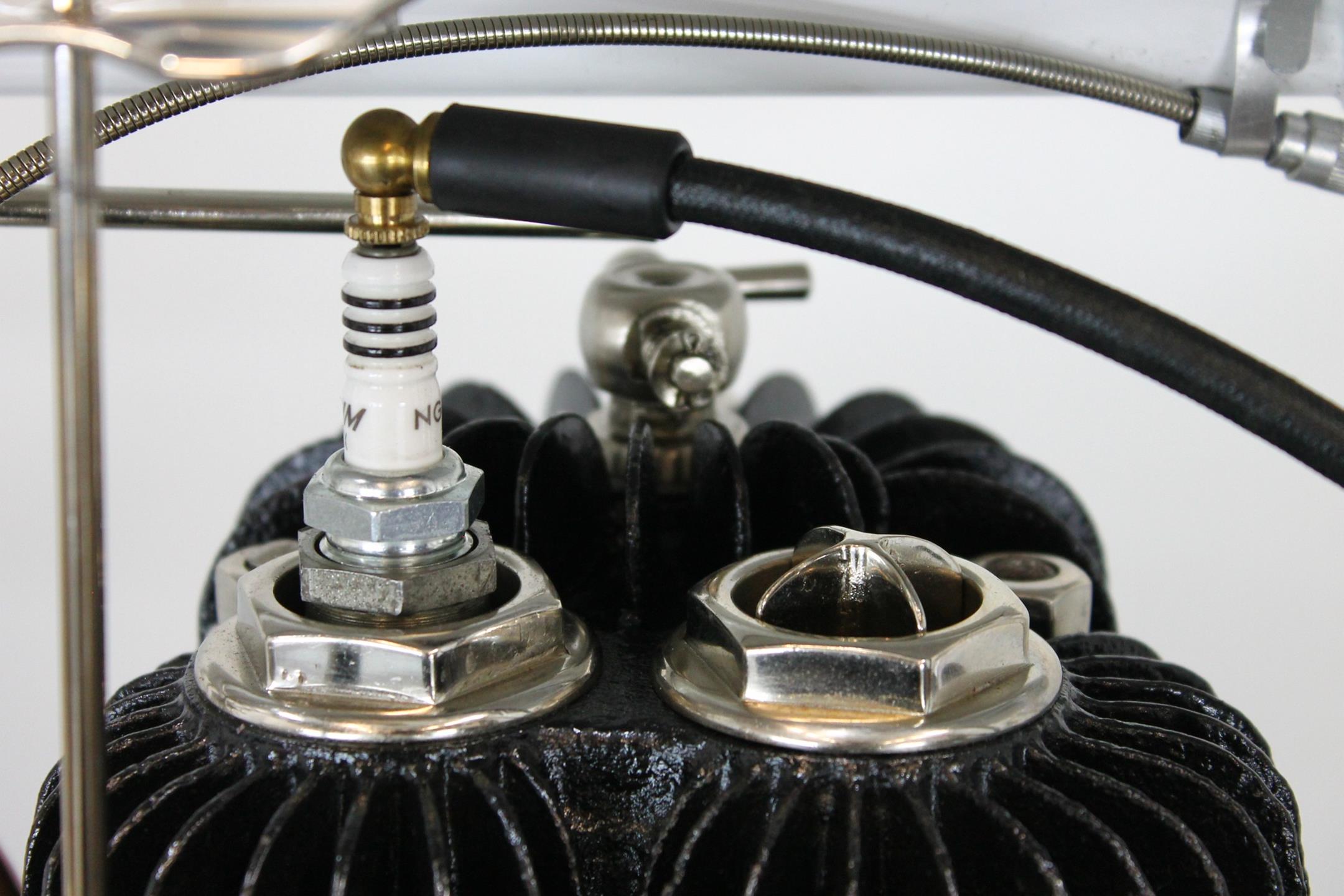
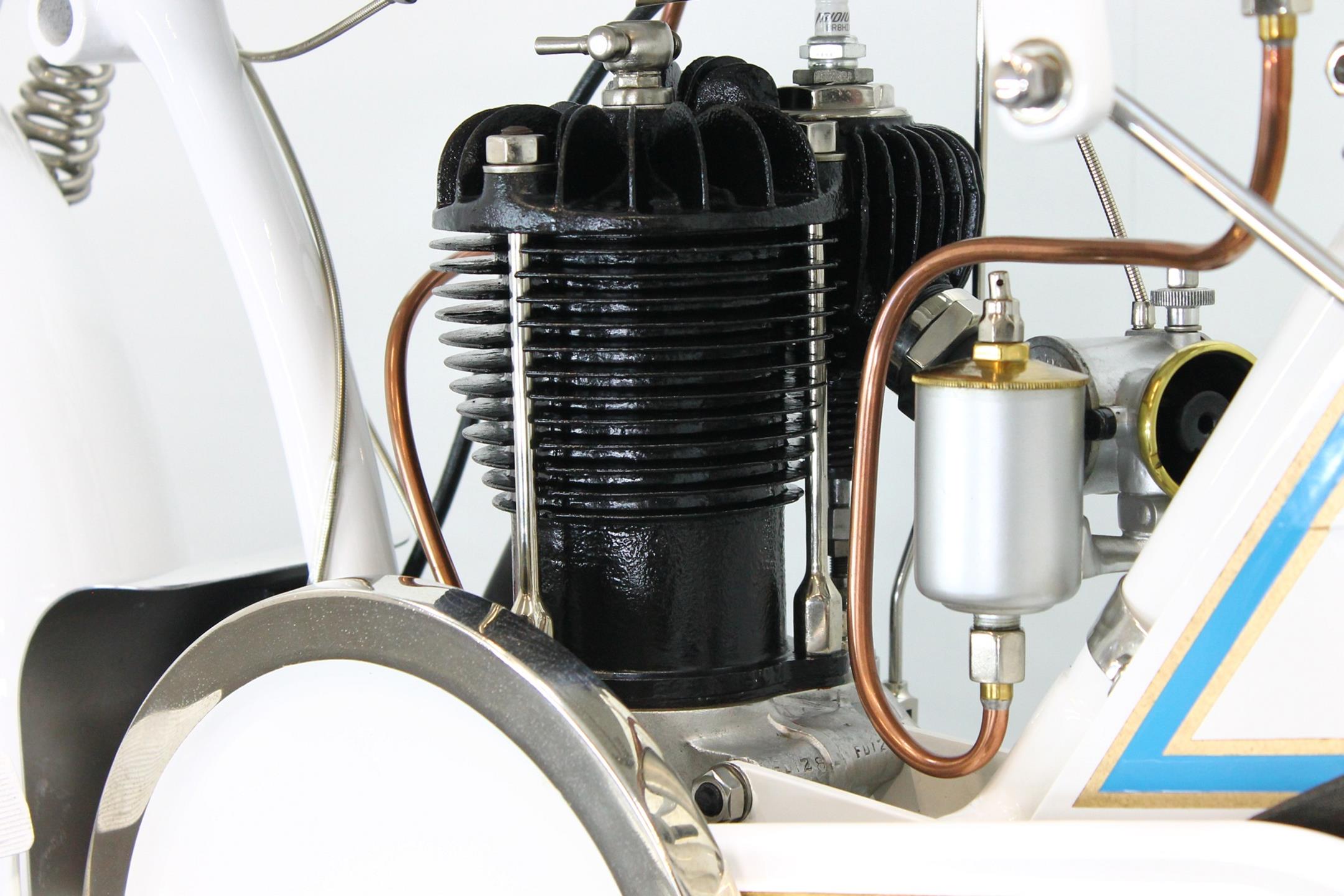
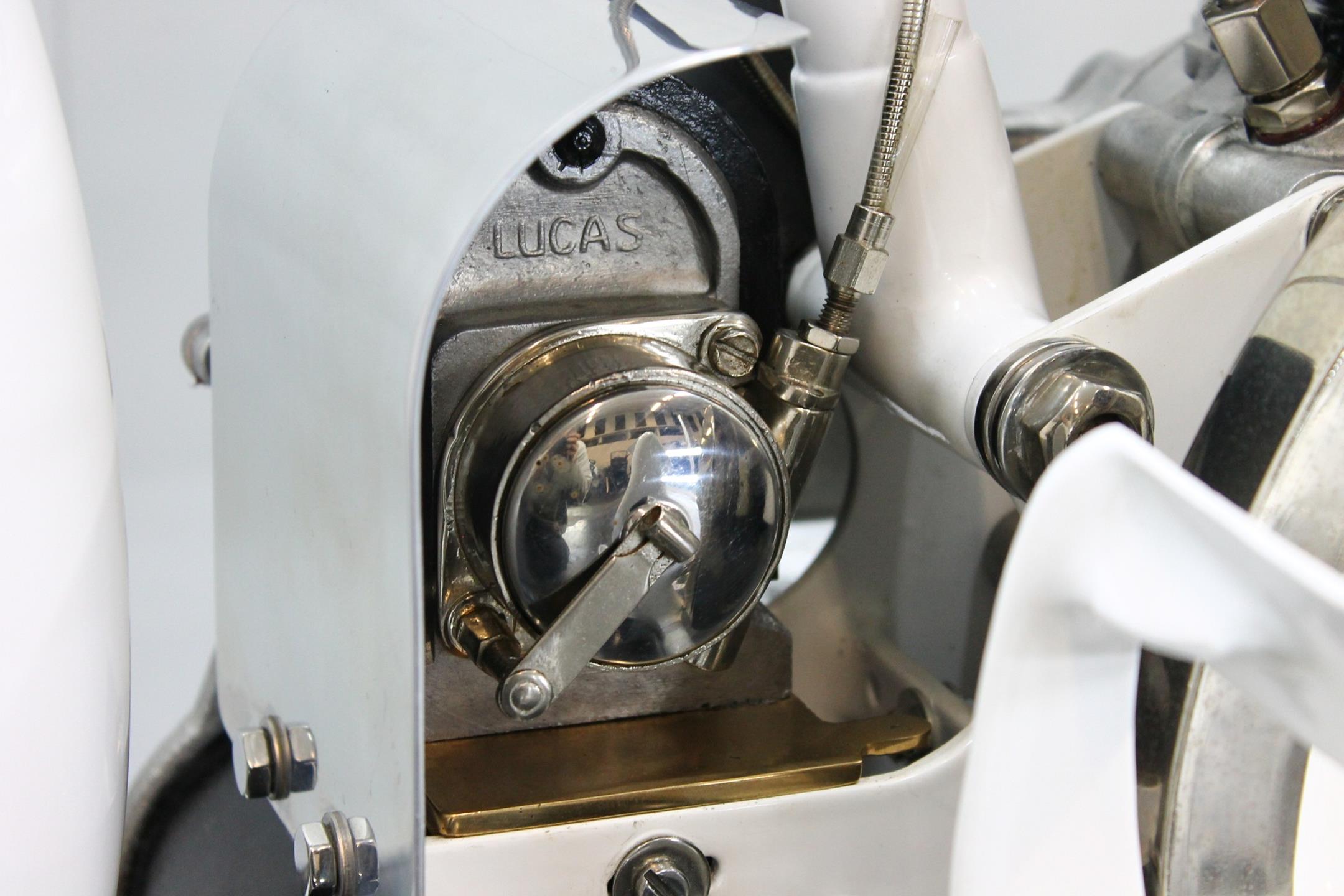
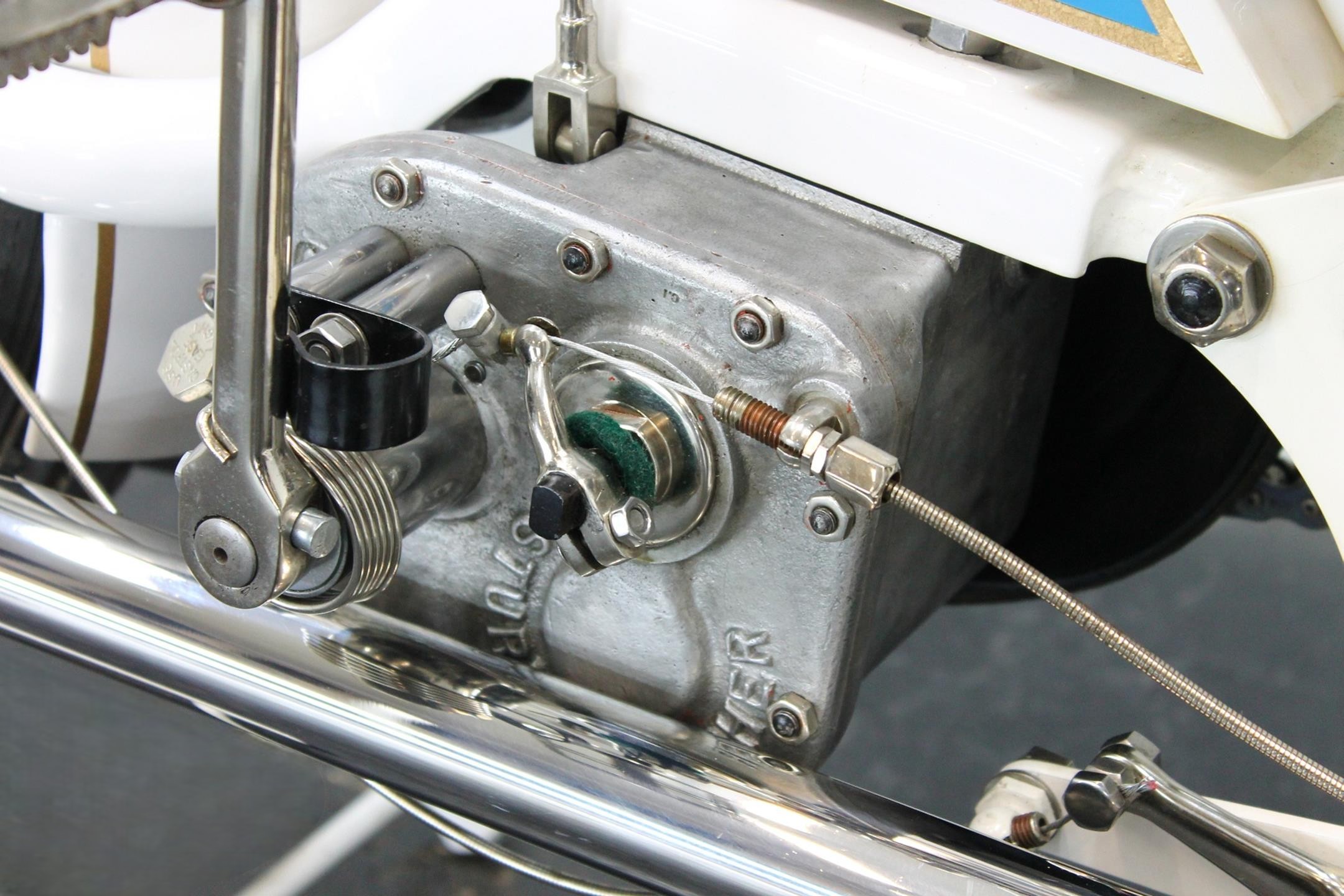
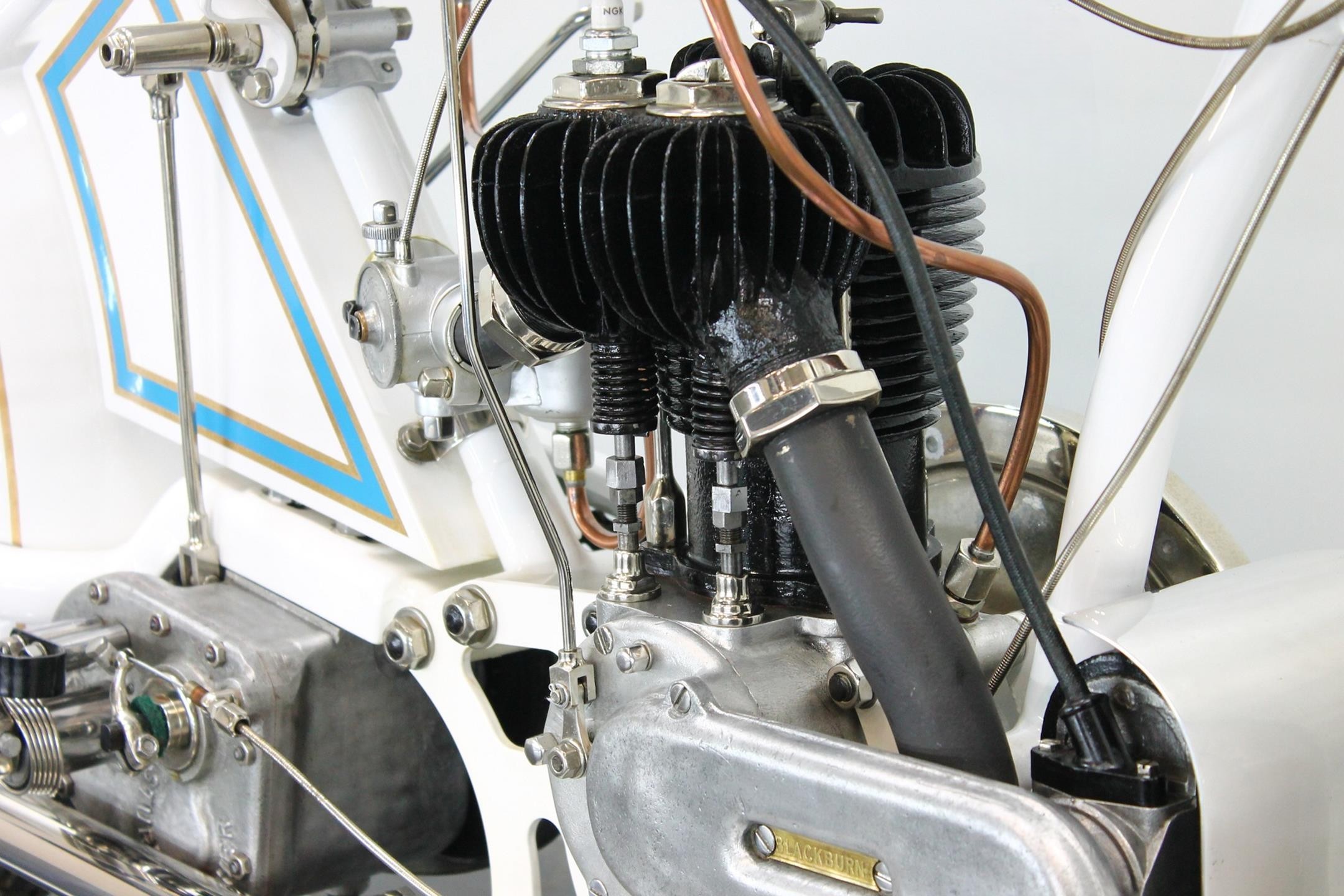

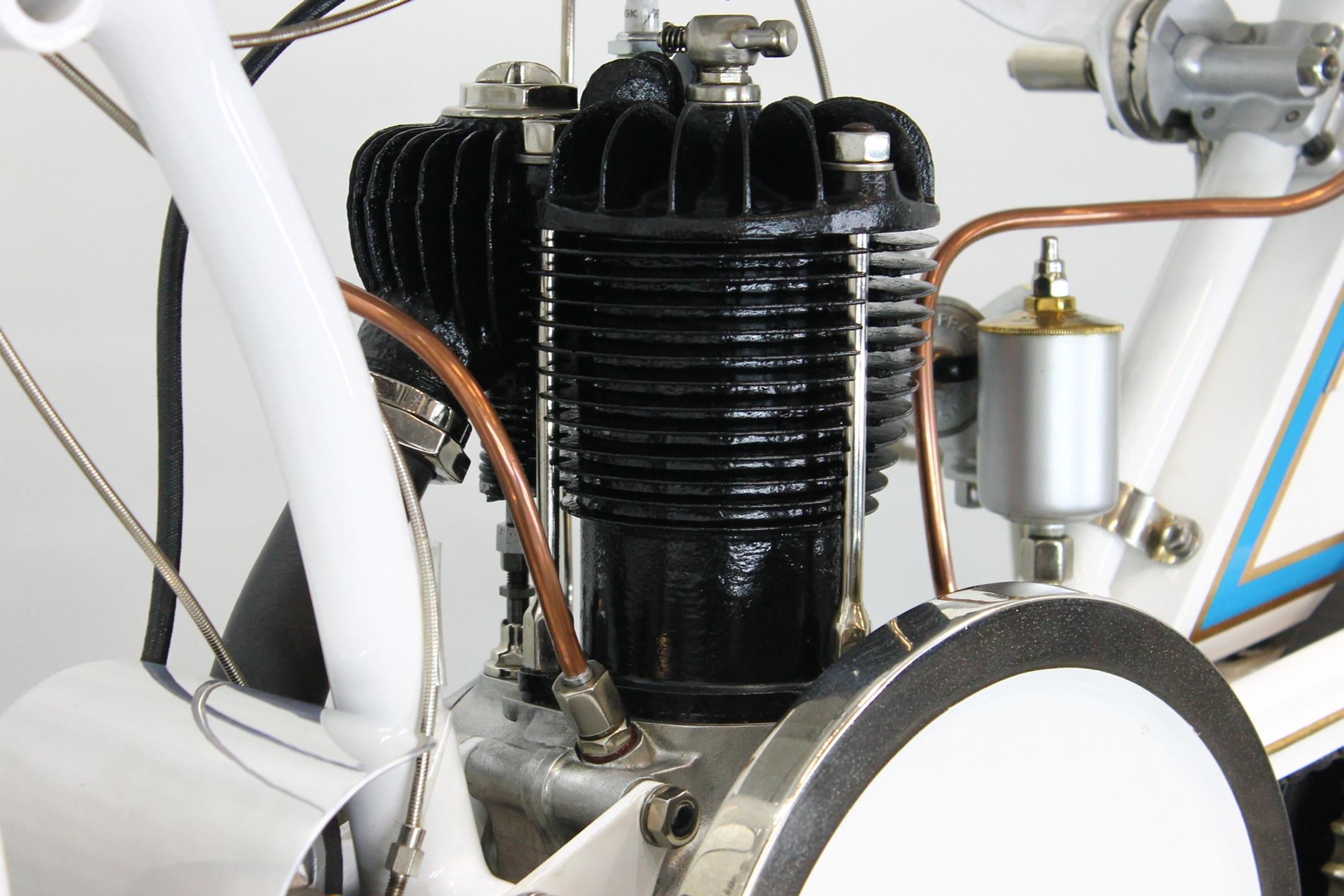

The 1922 Excelsior Blackburne was a British motorcycle produced by the Excelsior Motor Company in Birmingham and powered by a Blackburne engine. Unlike the American Excelsior marque, the British Excelsior was the continuation of the Bayliss, Thomas & Co. motorcycle business and used engines from several specialist manufacturers during the early 1920s.
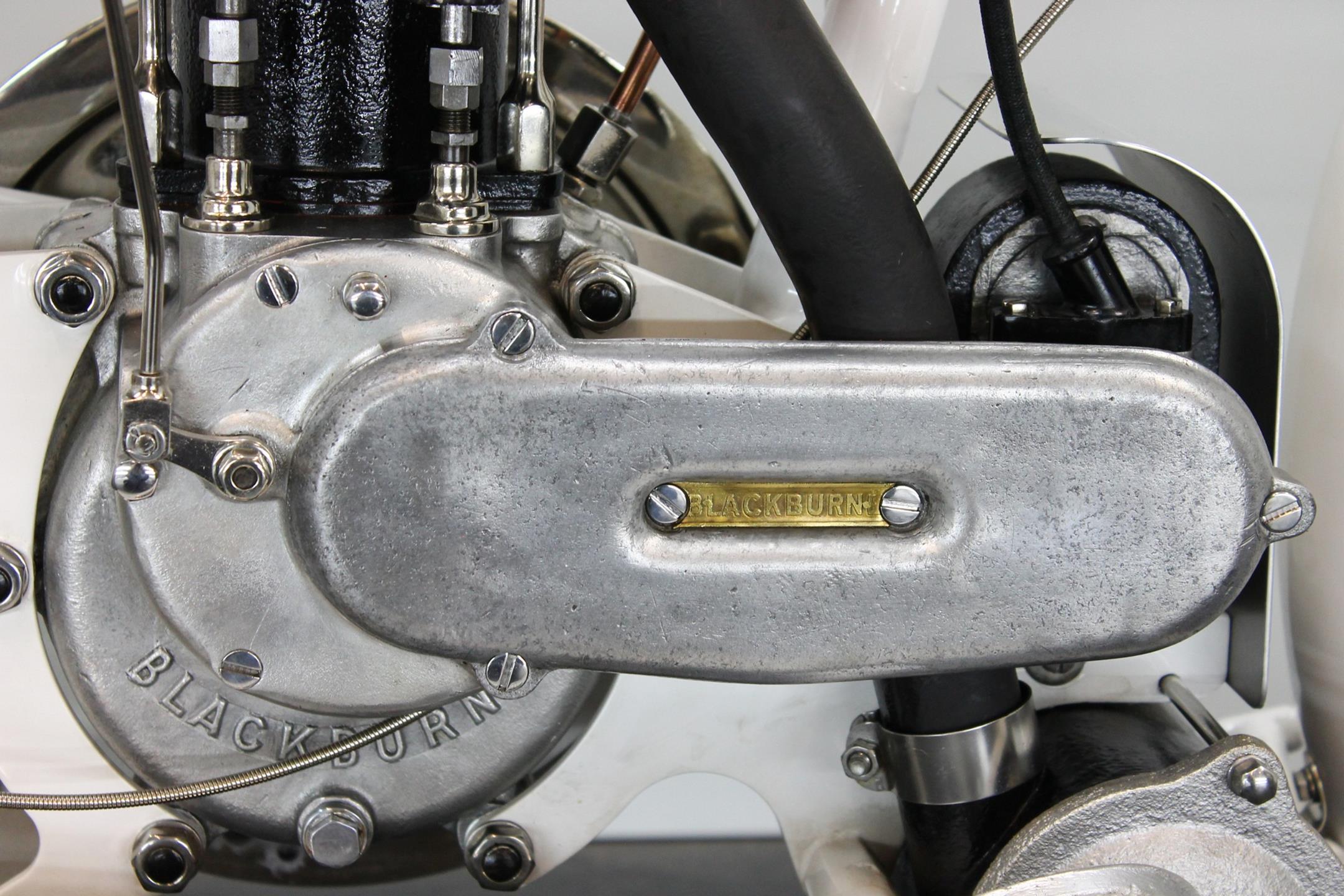
The 1922 Blackburne model was offered in a 4 1/4 hp specification using a 548cc Blackburne single-cylinder engine. Contemporary and surviving-machine references identify the engine as a four-stroke side-valve single with an 85mm bore and 97mm stroke.
The motorcycle was designed as a practical medium-capacity machine and was particularly suitable for general road use and sidecar work. Its large single-cylinder engine provided useful torque, while the Sturmey-Archer three-speed gearbox gave the rider a wider range of ratios than the simpler transmissions used on many earlier motorcycles.
The 1922 Excelsior Blackburne is significant because it combines a British Excelsior chassis with one of the well-regarded Blackburne engines of the period. Blackburne was becoming an important independent engine supplier during the early 1920s, providing power units to a number of motorcycle manufacturers.
Surviving examples are uncommon and are of particular interest to collectors of British motorcycles from the period immediately following the First World War.
Excelsior's British motorcycle history began with Bayliss, Thomas & Co., a Coventry-based manufacturer that had originally been involved in bicycle production. The company developed motorcycles under the Excelsior name and became one of Britain's early motorcycle manufacturers.
After the First World War, R. Walker & Sons acquired the business. Production was moved to King's Road, Tyseley, Birmingham, and the company became the Excelsior Motor Company. The new company continued to use the Excelsior name while adopting a broad range of engines supplied by specialist manufacturers.
Because an American manufacturer also used the Excelsior name, the British company was commonly described as British Excelsior to avoid confusion.
By 1922, the Excelsior range included motorcycles powered by Villiers, J.A.P. and Blackburne engines. The Blackburne-powered machines formed an important part of the company's lightweight and medium-capacity range.
The 1922 model range included a 4 1/4 hp Blackburne-powered motorcycle using the larger 548cc single-cylinder engine. The contemporary range was deliberately broad, extending from small lightweight motorcycles to large sidecar outfits.
Contemporary reports show that Excelsior was also offering a sporty 2 3/4 hp Blackburne-engined model with a three-speed gearbox, clutch, kick-starter, and all-chain drive. This demonstrates that Blackburne engines were being used across more than one Excelsior model during the 1922 season.
The 1922 Excelsior Blackburne 4 1/4 hp uses a 548cc Blackburne single-cylinder four-stroke engine.
The documented bore and stroke are 85mm by 97mm, giving a displacement of approximately 548cc.
The engine uses side-valve operation and air cooling, following the established design philosophy of Blackburne's practical road engines of the period.
The large single-cylinder configuration produces strong low-speed torque and was well suited to motorcycles intended for everyday transportation and sidecar use.
The 4 1/4 hp rating reflects the period's nominal horsepower classification rather than a modern dynamometer measurement. Actual power depends on engine condition, compression, carburetion, ignition timing, exhaust configuration, and fuel quality.
The engine's large flywheel helps provide smooth and steady running, an important characteristic for a substantial single-cylinder motorcycle intended for road use.
Blackburne engines had developed a strong reputation for reliability and manufacturing quality during this period. The company supplied engines to numerous British motorcycle manufacturers and was becoming an increasingly important competitor to J.A.P. as an engine supplier.
The 1922 Excelsior Blackburne uses a three-speed manual gearbox supplied by Sturmey-Archer.
The gearbox provides three forward ratios and is equipped with a clutch and kick-starter, giving the motorcycle a considerably more practical transmission system than the direct-drive arrangements found on some earlier machines.
Contemporary descriptions of the larger Excelsior models identify Burman gearboxes on much of the range, while the documented 4 1/4 hp Blackburne example is fitted with a heavy-duty Sturmey-Archer three-speed gearbox.
The drivetrain uses chain transmission, with engine power transferred through the gearbox and then to the rear wheel by chain.
The all-chain arrangement was becoming increasingly common on British motorcycles because it provided a positive and efficient method of transferring power while remaining relatively straightforward to maintain.
On a surviving motorcycle, the clutch should be checked for smooth engagement, while the gearbox should be inspected for correct selection of all three ratios, bearing wear, selector operation, and abnormal noise.
Chain alignment, sprocket condition, primary drive components, and final-drive wear should also be examined during a mechanical inspection.
The 1922 Excelsior Blackburne uses a conventional steel motorcycle chassis designed around the large single-cylinder Blackburne engine.
The frame provides mounting points for the engine, gearbox, fuel tank, saddle, front fork, and rear wheel while maintaining the relatively open mechanical appearance characteristic of British motorcycles of the early 1920s.
The 4 1/4 hp Blackburne model was built as a substantial machine and was considered suitable for hard work and sidecar applications.
The front suspension uses a period motorcycle fork, while the rear of the motorcycle is based on a rigid frame arrangement typical of the era.
Rider comfort therefore depends heavily on the saddle, tire compliance, and front-fork movement rather than the fully suspended chassis systems that became common much later.
Frame alignment, steering-head bearings, fork straightness, engine mounting points, wheel alignment, and evidence of previous repairs should be carefully inspected on an original or restored example.
The 1922 Excelsior Blackburne uses spoked wheels appropriate to the British motorcycle practice of the early 1920s.
The documented 4 1/4 hp Blackburne machine is equipped with 28 x 3 inch tires, a substantial tire size appropriate for the larger-capacity motorcycle and its intended practical use.
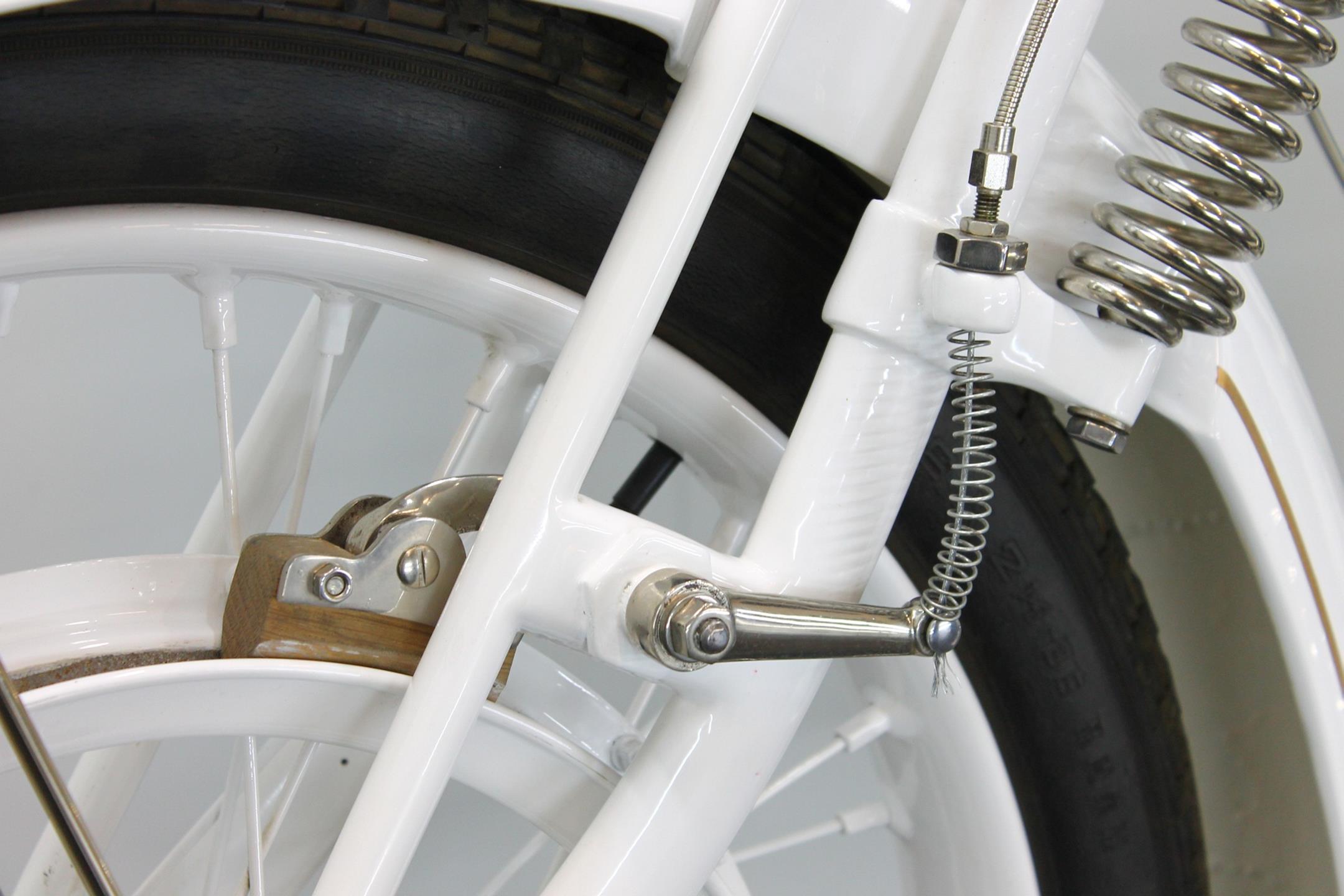
Contemporary Excelsior specifications used mechanical braking systems, with brake arrangements varying between individual models.
The documented Blackburne 4 1/4 hp machine is associated with a belt-rim rear brake, while other Excelsior models in the 1922 range used internal-expanding brakes.
This distinction is important when evaluating originality because brake specifications were not necessarily identical across the entire Excelsior range.
The brake mechanism, drum or rim surface, shoes or belt, cables, operating levers, wheel bearings, spokes, rims, and tires should all be checked before operating a surviving motorcycle.
Period braking performance is considerably more limited than that of modern motorcycles, making mechanical condition and correct adjustment particularly important.
The 1922 Excelsior Blackburne has the distinctive appearance of an early post-war British motorcycle, with a large exposed single-cylinder engine positioned within a conventional steel frame.
The substantial 548cc engine gives the motorcycle a purposeful mechanical appearance and distinguishes it from the smaller lightweight Excelsior models of the same period.
The fuel tank, mudguards, saddle, handlebars, exposed engine, chain drive, and period controls create a practical rather than highly decorative appearance.
The machine was intended to provide dependable transportation and useful performance rather than the specialized appearance of a racing motorcycle.
The use of a Blackburne engine is one of the most important elements of the motorcycle's identity. Blackburne was a specialist engine manufacturer whose products were used by numerous motorcycle companies during the 1920s.
The Excelsior chassis and Blackburne power unit therefore represent the common British practice of combining a motorcycle manufacturer's own frame and equipment with an engine supplied by a specialist engineering company.
The 1922 Excelsior range was unusually broad, covering small two-stroke machines, lightweight four-strokes, medium-capacity Blackburne models, large J.A.P.-powered motorcycles, and sidecar outfits.
The 4 1/4 hp Blackburne was positioned as a substantial single-cylinder model suitable for demanding road work.
The documented specification uses the 548cc Blackburne side-valve engine with an 85mm bore and 97mm stroke, a three-speed gearbox, and chain transmission.
The motorcycle was sold as a solo machine, while the larger Excelsior range also included models specifically intended for sidecar use.
The contemporary 1922 Excelsior catalog and show reports demonstrate how manufacturers were increasingly offering motorcycles in several specialized configurations to suit different customers and forms of transportation.
The 4 1/4 hp Blackburne therefore represents the practical middle ground between Excelsior's lightweight machines and its large sidecar-oriented motorcycles.
The 1922 Excelsior Blackburne has the characteristic riding feel of a large British single-cylinder motorcycle from the early post-war period.
The 548cc engine provides substantial torque at relatively low engine speeds, making the motorcycle well suited to steady road riding and practical transportation.
The three-speed gearbox gives the rider greater flexibility than the simpler transmissions used by many earlier motorcycles, particularly when dealing with gradients and changing road conditions.
The large 28 x 3 inch tires provide a substantial contact patch and contribute to the motorcycle's stable road-going character.
The rigid rear chassis and limited period suspension require a different riding technique from a modern motorcycle. Smooth steering, careful throttle control, and anticipation of braking distances are important.
A properly maintained example provides an engaging experience of British motorcycle engineering at the beginning of the 1920s, before the rapid development of more sophisticated suspension and braking systems later in the decade.
The 1922 Excelsior Blackburne is significant because it illustrates the changing structure of the British motorcycle industry after the First World War.
Instead of manufacturing every major component internally, companies such as Excelsior increasingly relied on specialist engine manufacturers including Blackburne, J.A.P., and Villiers.
Blackburne became particularly important during the 1920s because its engines were used by a large number of motorcycle manufacturers and gained a strong reputation in competition as well as road applications.
The 1922 Scottish Motorcycle Show featured Excelsior's sporty Blackburne-engined models, demonstrating the company's willingness to use Blackburne power units in machines aimed at performance-oriented riders.
Blackburne-powered motorcycles also achieved notable results in contemporary competition. In the 1922 Lightweight and Junior TT events, Blackburne-engined machines recorded several strong finishes, reinforcing the reputation of Blackburne engines among British motorcycle manufacturers.
The Excelsior Blackburne therefore represents both the practical and sporting side of British motorcycle engineering during an important period of development.
The 1922 Excelsior Blackburne is an interesting collector motorcycle because it combines a historic British motorcycle marque with a period Blackburne power unit.
Excelsior motorcycles from this period are less commonly encountered than machines from larger manufacturers, while Blackburne-powered examples demonstrate the important role played by specialist engine suppliers in the British motorcycle industry.
The 548cc side-valve single-cylinder engine is especially significant because it represents Blackburne's substantial-capacity road-engine technology of the early 1920s.
Original frame components, engine castings, gearbox, fuel tank, wheels, controls, exhaust, mudguards, saddle, and period braking equipment should all be considered when assessing an example.
Correct engine identification is particularly important because Blackburne supplied engines to numerous manufacturers, and replacement engines could potentially have been installed during a motorcycle's working life.
Original registration records, period photographs, factory literature, invoices, competition records, and documented ownership history can provide valuable evidence of provenance.
Authenticating a 1922 Excelsior Blackburne requires examination of the frame, Blackburne engine, gearbox, drivetrain, chassis components, and period equipment.
The engine should be consistent with the documented 548cc Blackburne side-valve single-cylinder specification, with an 85mm bore and 97mm stroke.
The engine identification number should be recorded and compared with available Blackburne and Excelsior documentation wherever possible.
The three-speed gearbox and chain-drive arrangement should also be examined for period correctness.
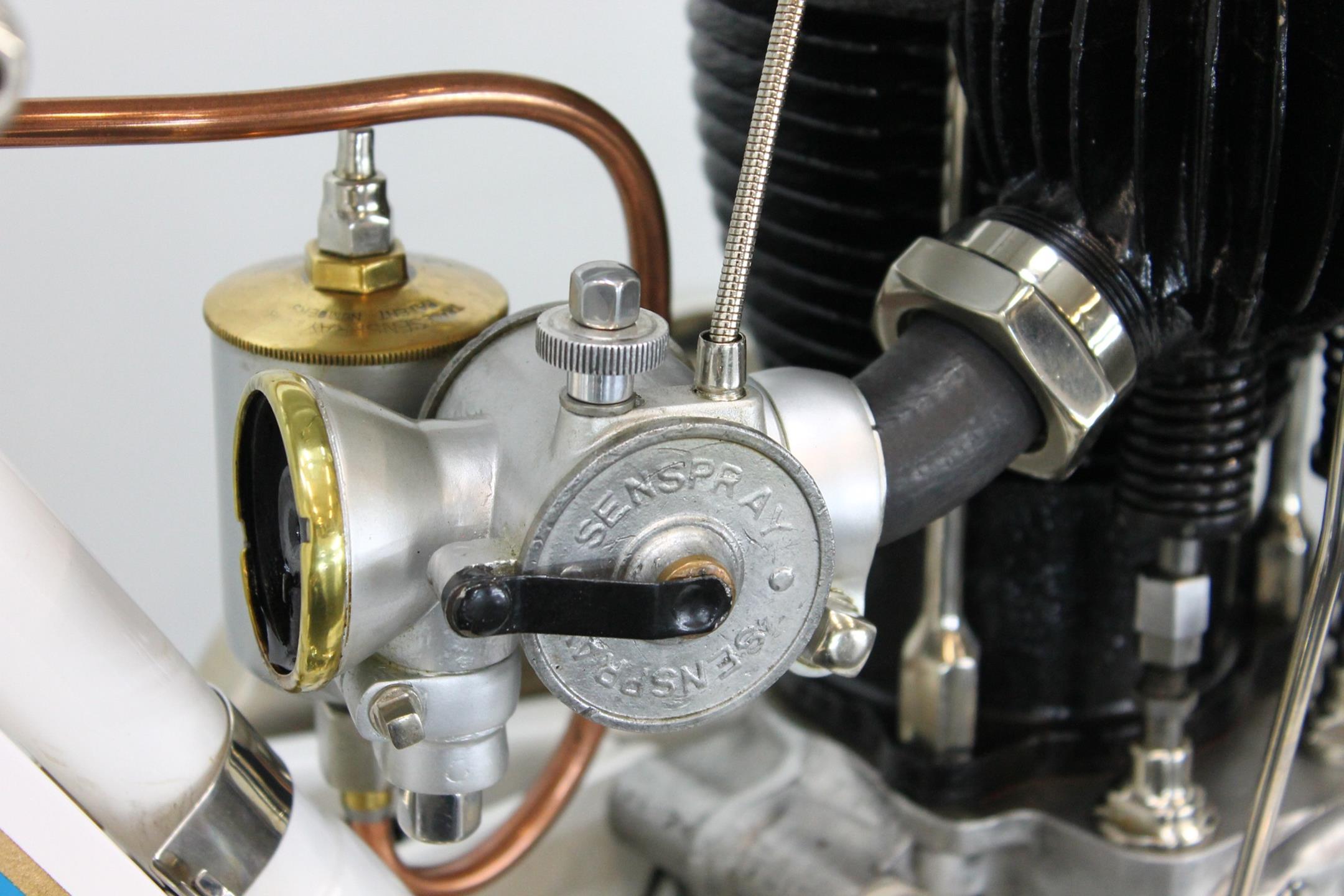
The documented 4 1/4 hp example uses a heavy-duty Sturmey-Archer three-speed gearbox and Senspray carburetor.
The 28 x 3 inch tire specification is another useful reference point for the larger 1922 Blackburne model, although surviving motorcycles should always be assessed according to their individual factory configuration.
Because British motorcycles of this period were often repaired or upgraded during their working lives, the presence of later components does not necessarily invalidate a motorcycle, but such changes should be clearly documented.
A convincing example should demonstrate consistency between its frame, Blackburne engine, gearbox, drivetrain, wheels, controls, braking system, and supporting historical documentation.
The 1922 Excelsior Blackburne matters because it captures an important stage in the development of the British motorcycle industry immediately after the First World War.
Its 548cc Blackburne side-valve single-cylinder engine demonstrates the growing importance of specialist engine manufacturers, while the Excelsior chassis illustrates how motorcycle companies integrated externally supplied power units into their own machines.
The combination of a large single-cylinder engine, three-speed transmission, chain drive, and substantial road tires made the motorcycle a practical machine for British roads of the period.
The model also reflects the expanding choice available to British riders in 1922, when manufacturers were producing motorcycles for lightweight transportation, sporting use, touring, and sidecar work.
Blackburne's growing reputation in motorcycle competition during the same period adds another layer of historical interest to the engine used by Excelsior.
For collectors of early British motorcycles, the 1922 Excelsior Blackburne offers a combination of rarity, substantial single-cylinder performance, specialist-engine history, and authentic post-war British engineering character.
This 1922 Excelsior Blackburne represents a rare example of British motorcycle engineering from the early post-war period and combines a Birmingham-built Excelsior chassis with a substantial Blackburne single-cylinder engine.
The 548cc side-valve Blackburne engine uses an 85mm bore and 97mm stroke and carries a period rating of 4 1/4 horsepower. The large single-cylinder configuration provides the strong low-speed torque characteristic of substantial motorcycles from this era.
The three-speed gearbox, clutch, kick-starter, chain final drive, and substantial 28 x 3 inch tires provide a practical specification suited to early-1920s road use.
The use of a Blackburne engine is historically important because Blackburne became one of Britain's major specialist motorcycle-engine suppliers during the 1920s and supplied power units to numerous manufacturers.
As a British Excelsior model, the motorcycle should not be confused with the contemporary American Excelsior marque. The British company operated from Birmingham and used engines from manufacturers including Blackburne, J.A.P., and Villiers.
Contact us for additional photographs, detailed specifications, frame and engine numbers, service history, originality assessment, provenance, restoration details, historical documentation, and purchasing information for this 1922 Excelsior Blackburne.
The Vintage Motorcycles maintains a curated collection of historically significant Excelsior motorcycles, documenting the evolution of one of Britain's earliest and most innovative motorcycle manufacturers. The collection spans early experimental machines, interwar lightweight models, and racing-derived engineering developments that defined the marque's identity.
This collection is situated within the broader historical context of pre-war motorcycle development, a period defined by rapid mechanical innovation and strong industrial competition. Excelsior's contribution to this era is particularly notable for its emphasis on small-capacity engineering and its integration of motorsport experience into production motorcycles.
Each motorcycle is evaluated based on provenance, originality, mechanical authenticity, and historical significance. Available examples may be explored through our vintage motorcycle inventory, while selected machines associated with touring and utility applications can also be viewed within our sidecar motorcycle collection. International acquisitions are supported through our dedicated global shipping service.
The significance of the Excelsior Model D7 Pathfinder extends beyond its mechanical specification, representing a broader phase of transition in British motorcycle manufacturing during the 1930s. This era saw manufacturers balancing innovation with economic realities, leading to the development of efficient, practical machines such as the 247cc lightweight class.
Excelsior's sustained involvement in motorcycle racing ensured that even its production models retained a connection to performance engineering. This interplay between competition and road use helped define the company's identity and influenced the development of motorcycles across multiple capacity classes.
This engineering direction can be better understood when viewed alongside broader historical transitions, from early experimental designs in the pre-war engineering era, to later applications in both civilian and military contexts. During World War II, motorcycle engineering shifted significantly toward durability and operational reliability, as reflected in military motorcycle development, where mechanical simplicity and field serviceability became essential requirements.
Following this period, motorcycle design continued evolving into more standardized and consumer-oriented systems, as seen in post-war motorcycle development, where industrial production techniques refined earlier engineering foundations. Across these transitions, Excelsior remains an important reference point in understanding the rise of American motorcycle engineering identity.
Key Highlights
Collector Assurance
All enquiries handled with discretion. We typically respond within 6 hours.
Choose the payment method that is most convenient for you. We accept widely used international payment methods as well as, where available, local bank transfer options that allow you to pay like a domestic transaction. Full payment instructions are provided for your specific purchase.
Direct international bank wire transfer is available for motorcycle purchases and export transactions.
Credit card payments can be arranged through Wise.com, subject to the applicable payment and processing conditions.
PayPal is accepted. A 5% PayPal processing fee applies to the transaction.