
The Vintage Motorcycles
Specialists in antique, classic, veteran and vintage motorcycles.
Specialists in antique, classic, veteran and vintage motorcycles.
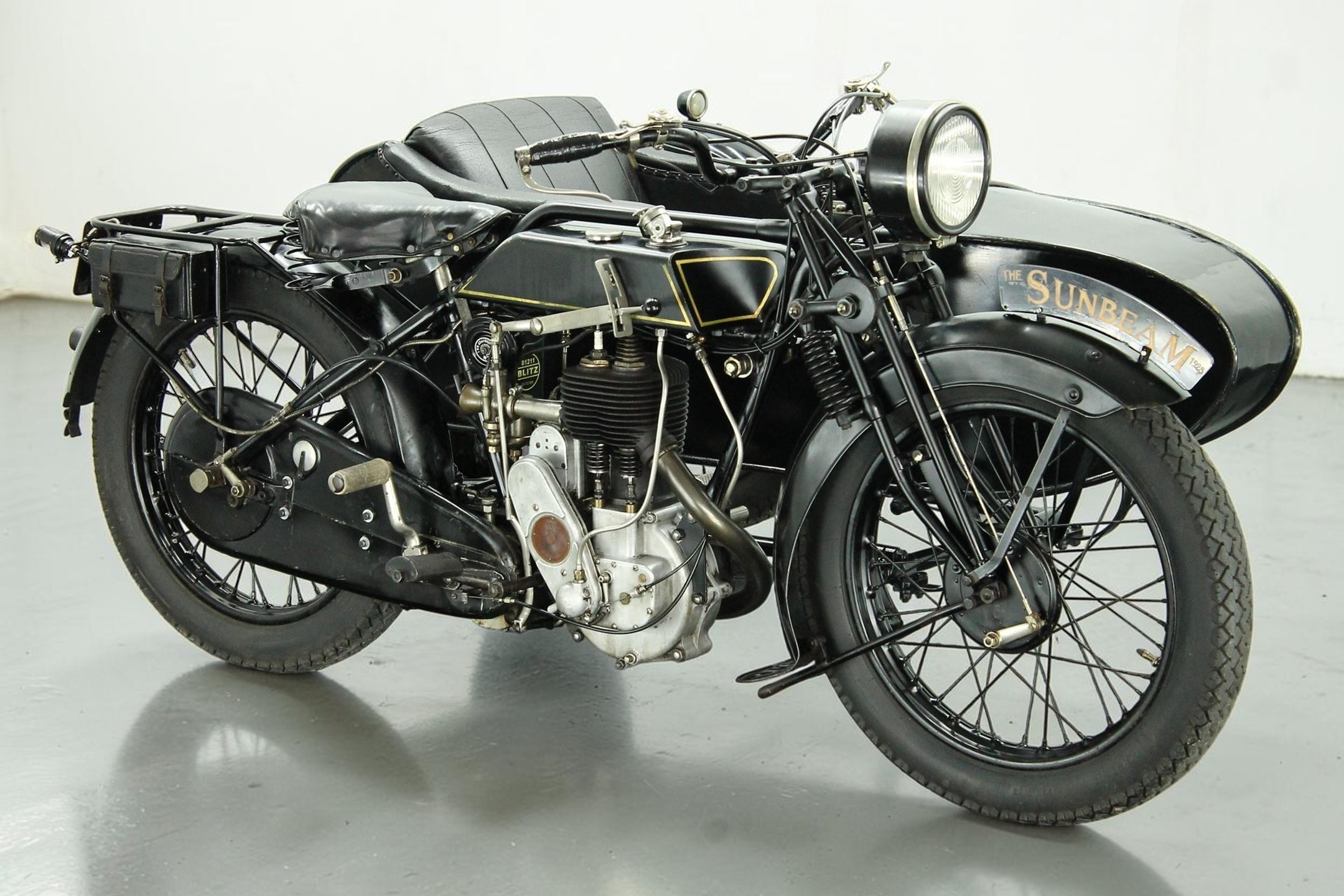
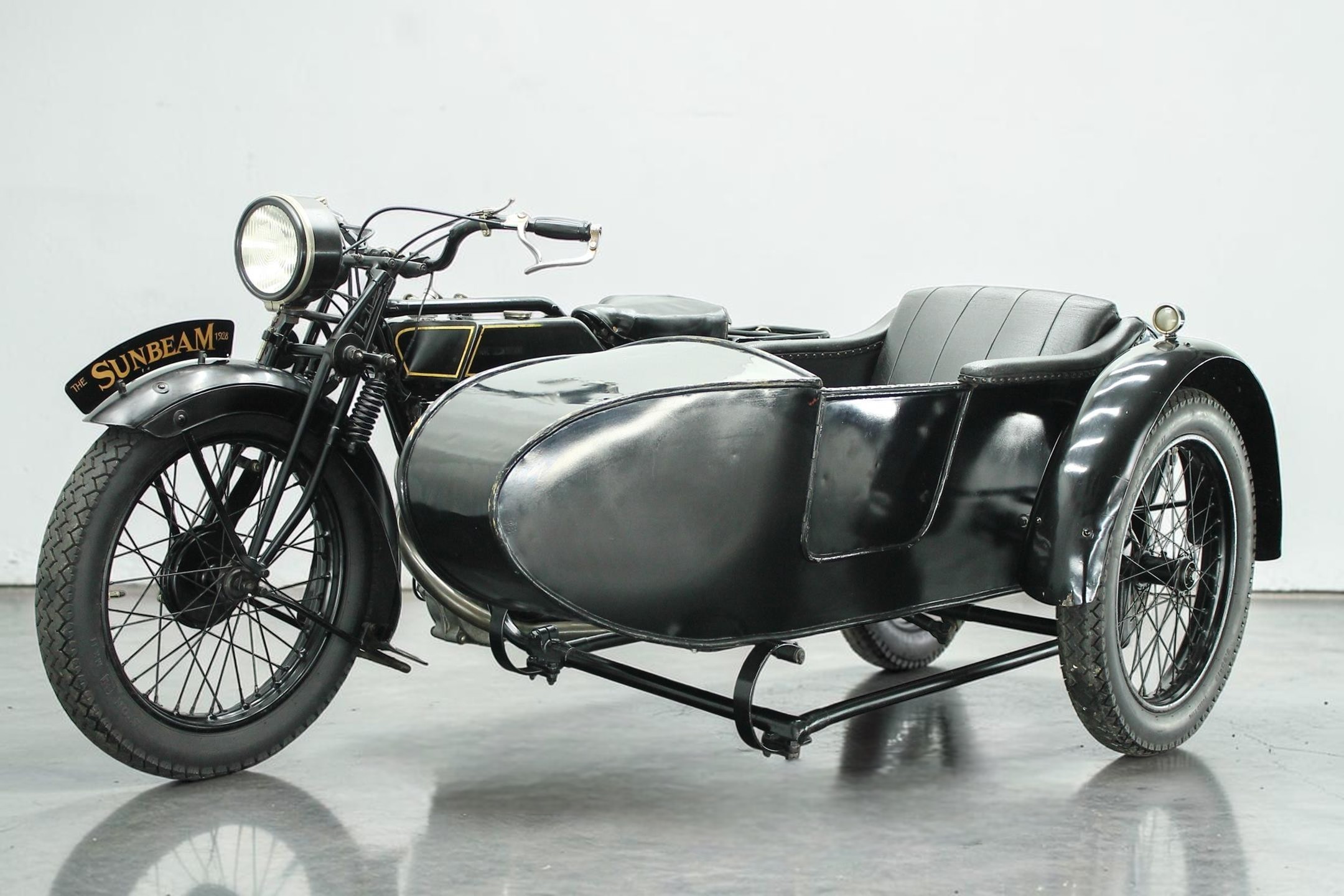
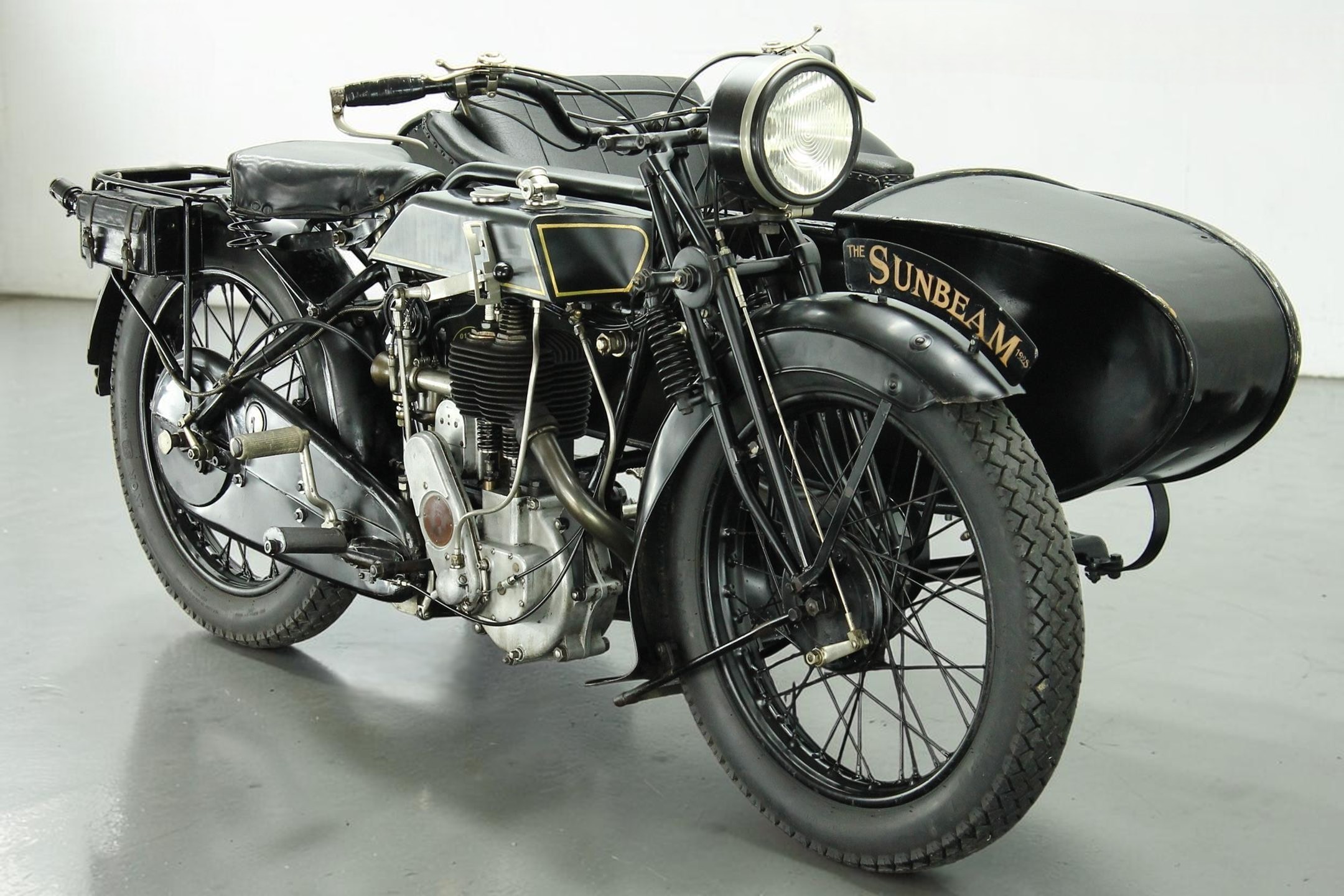

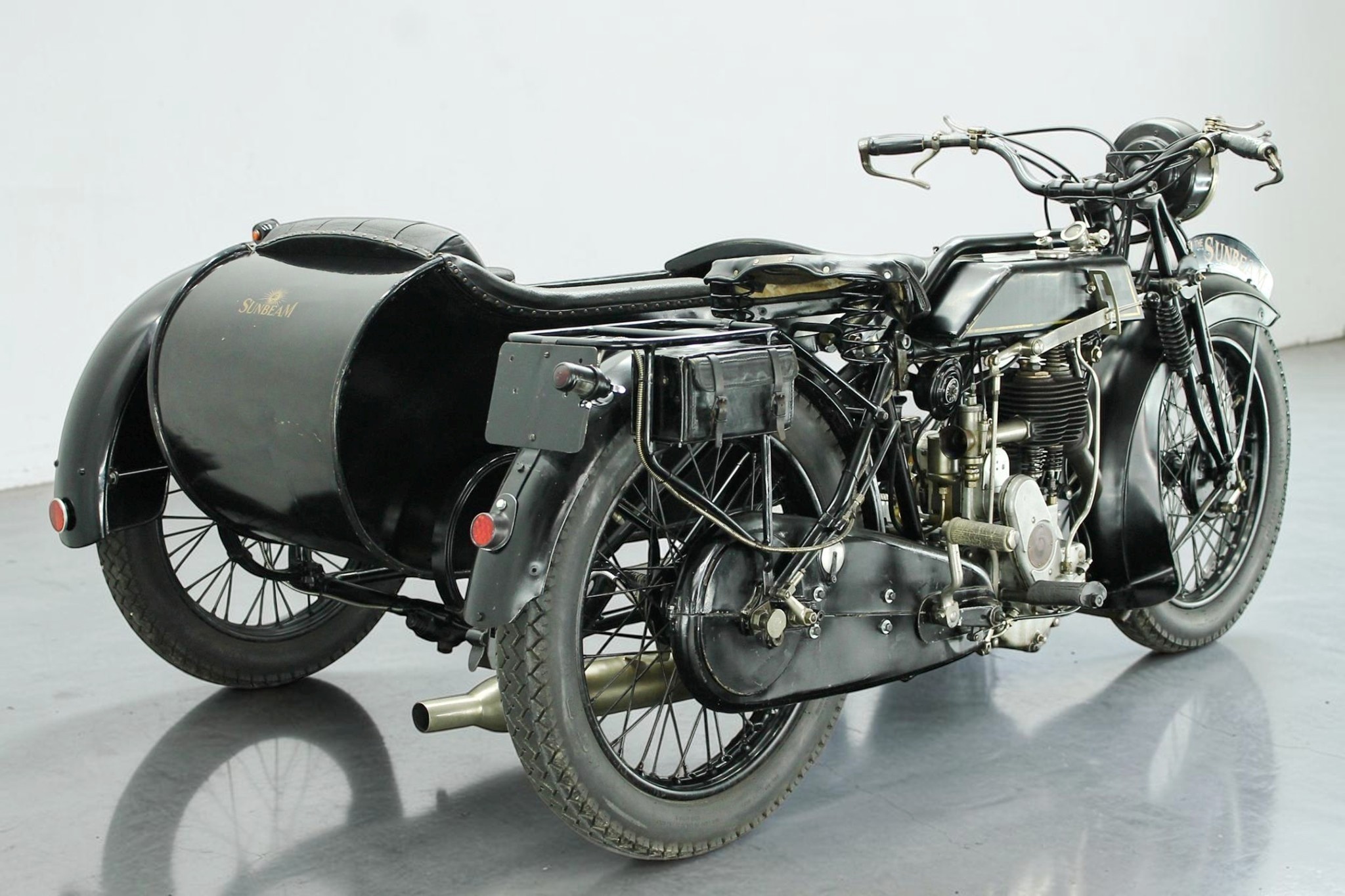

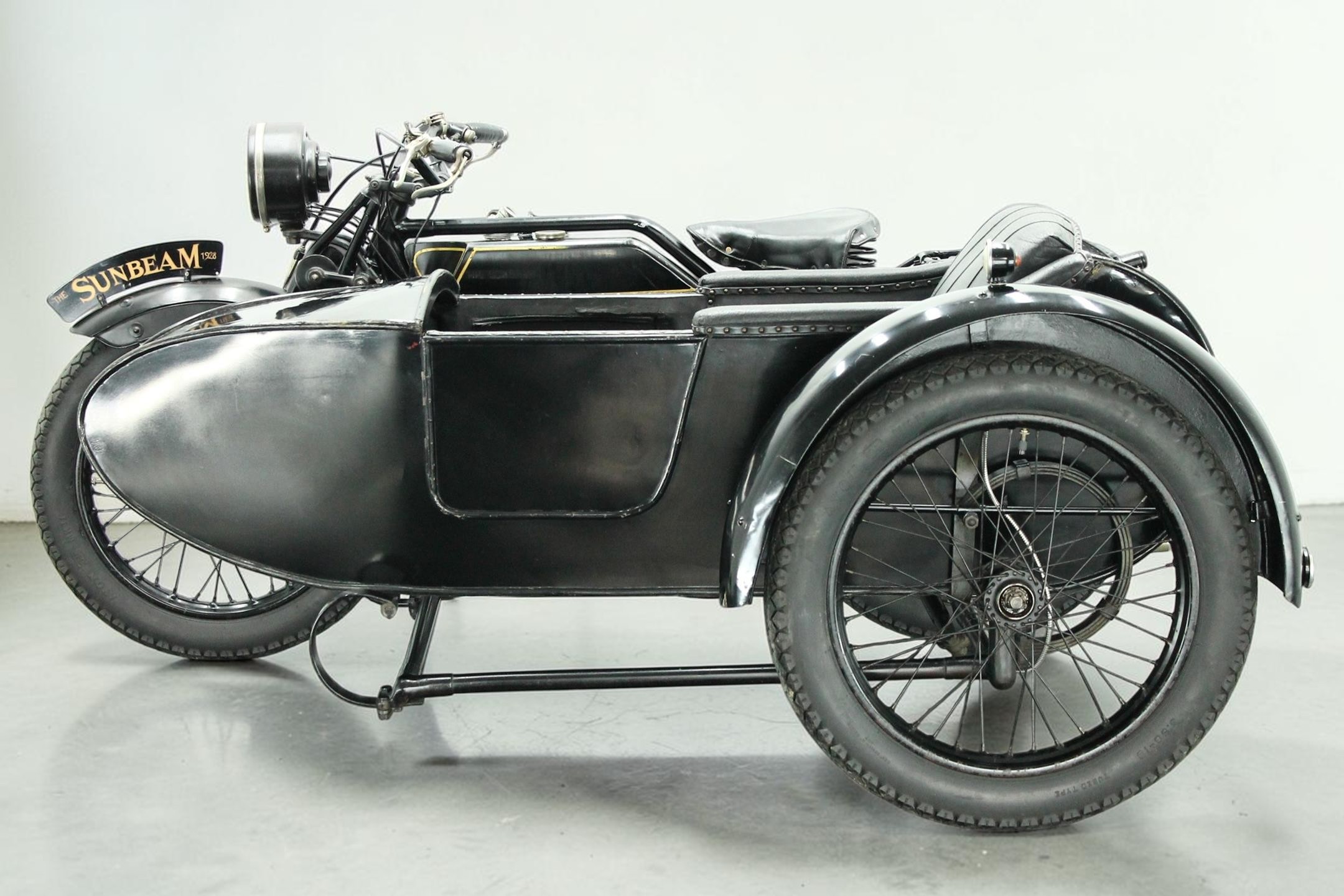
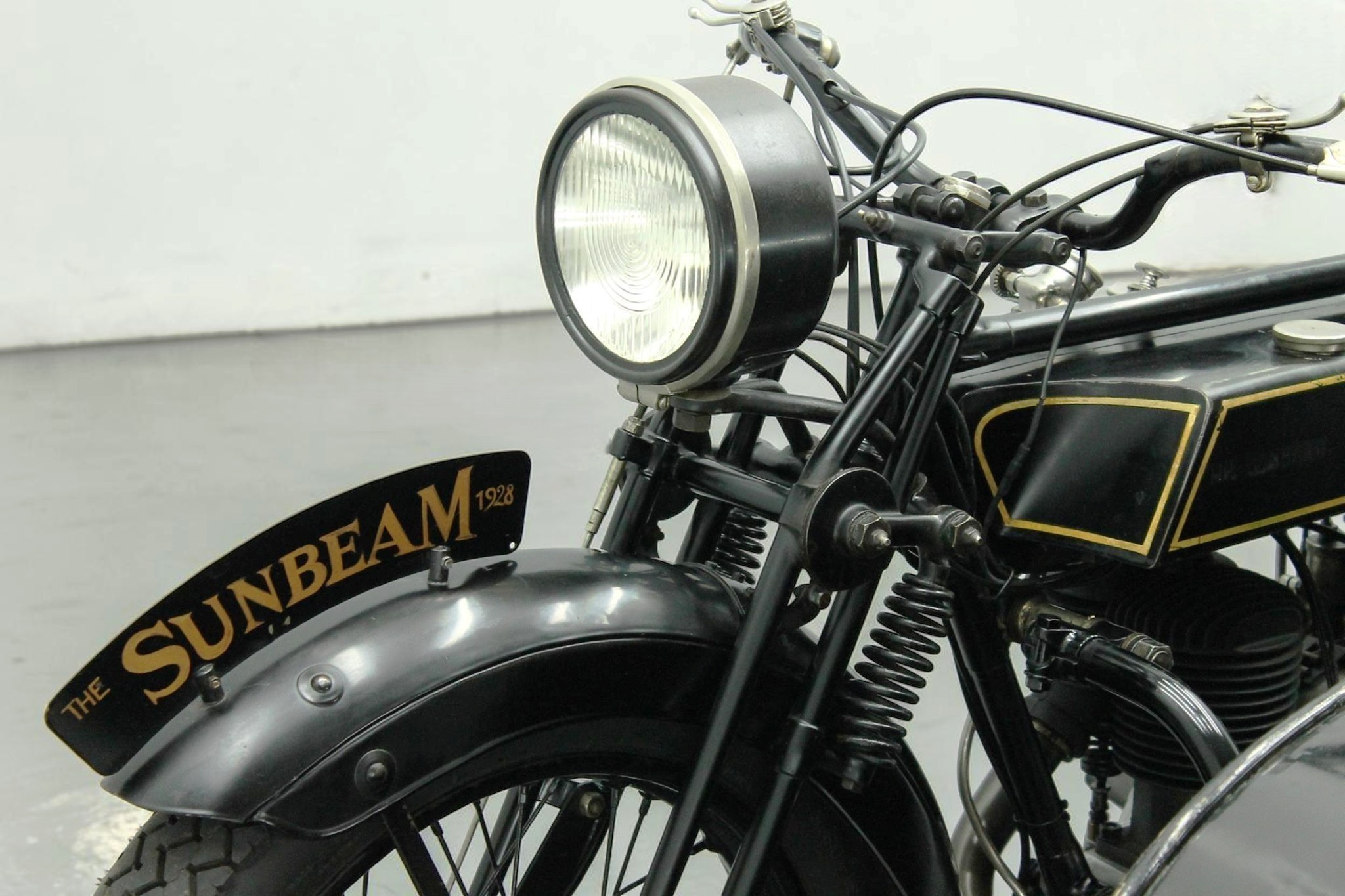
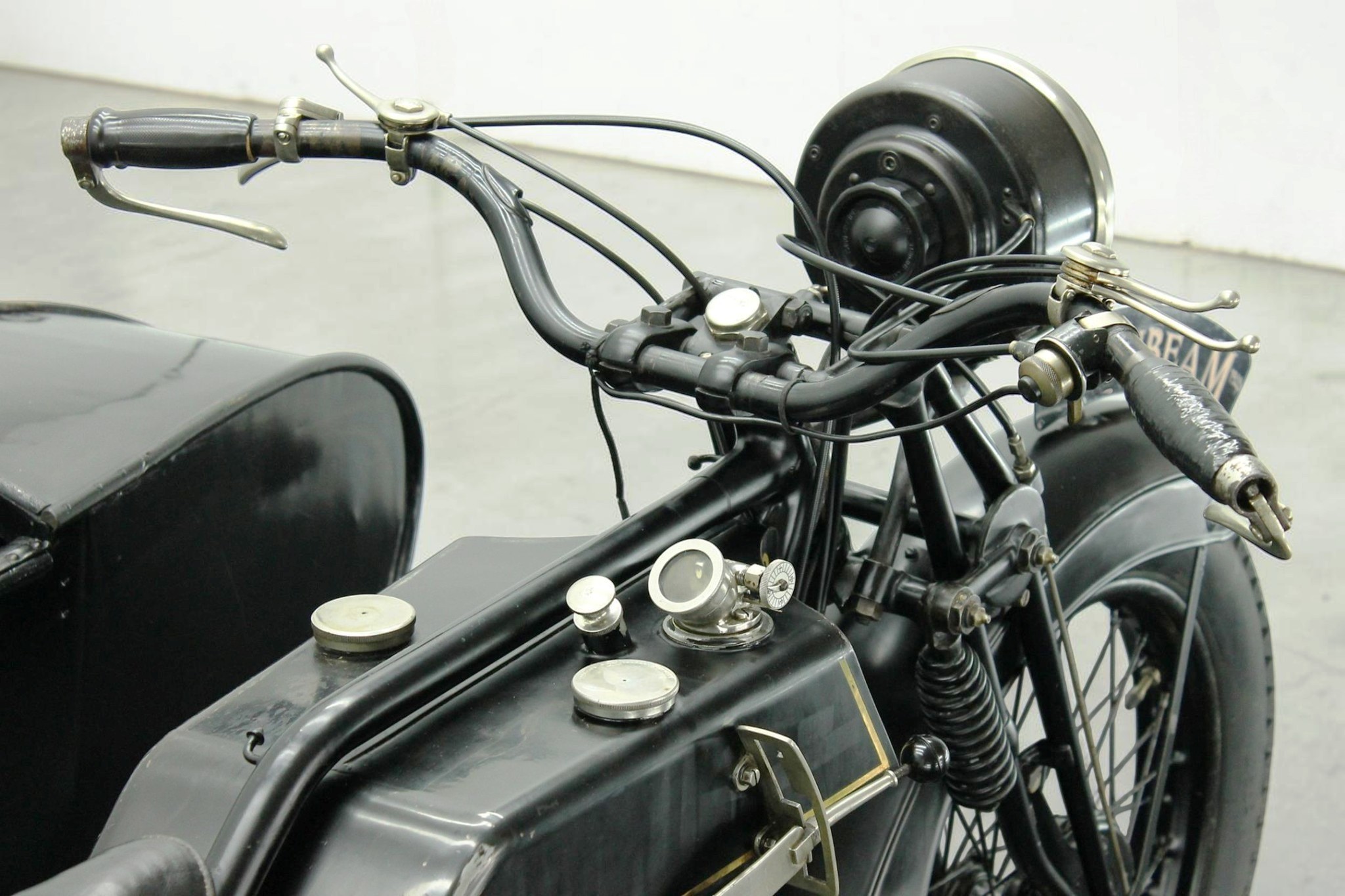
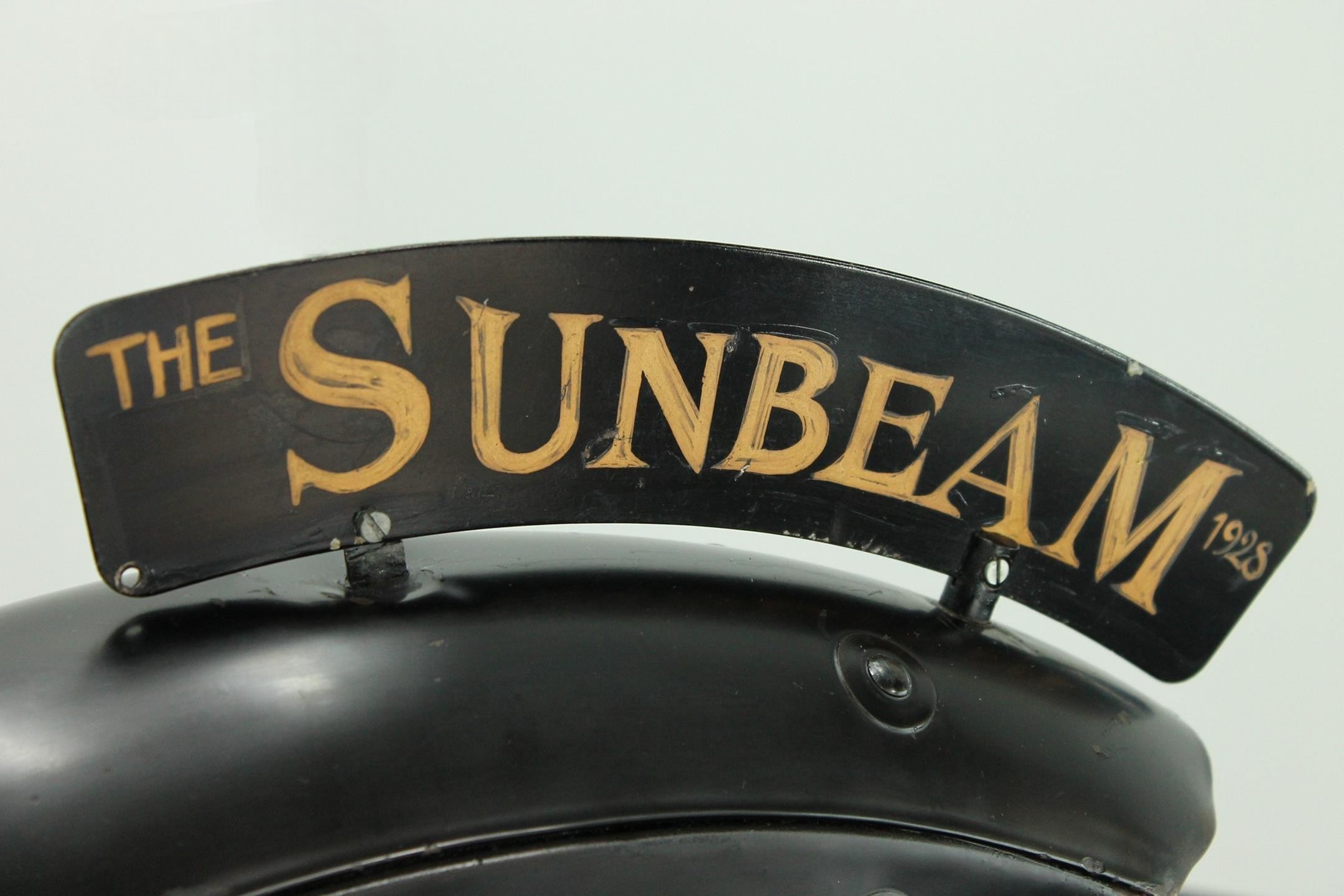
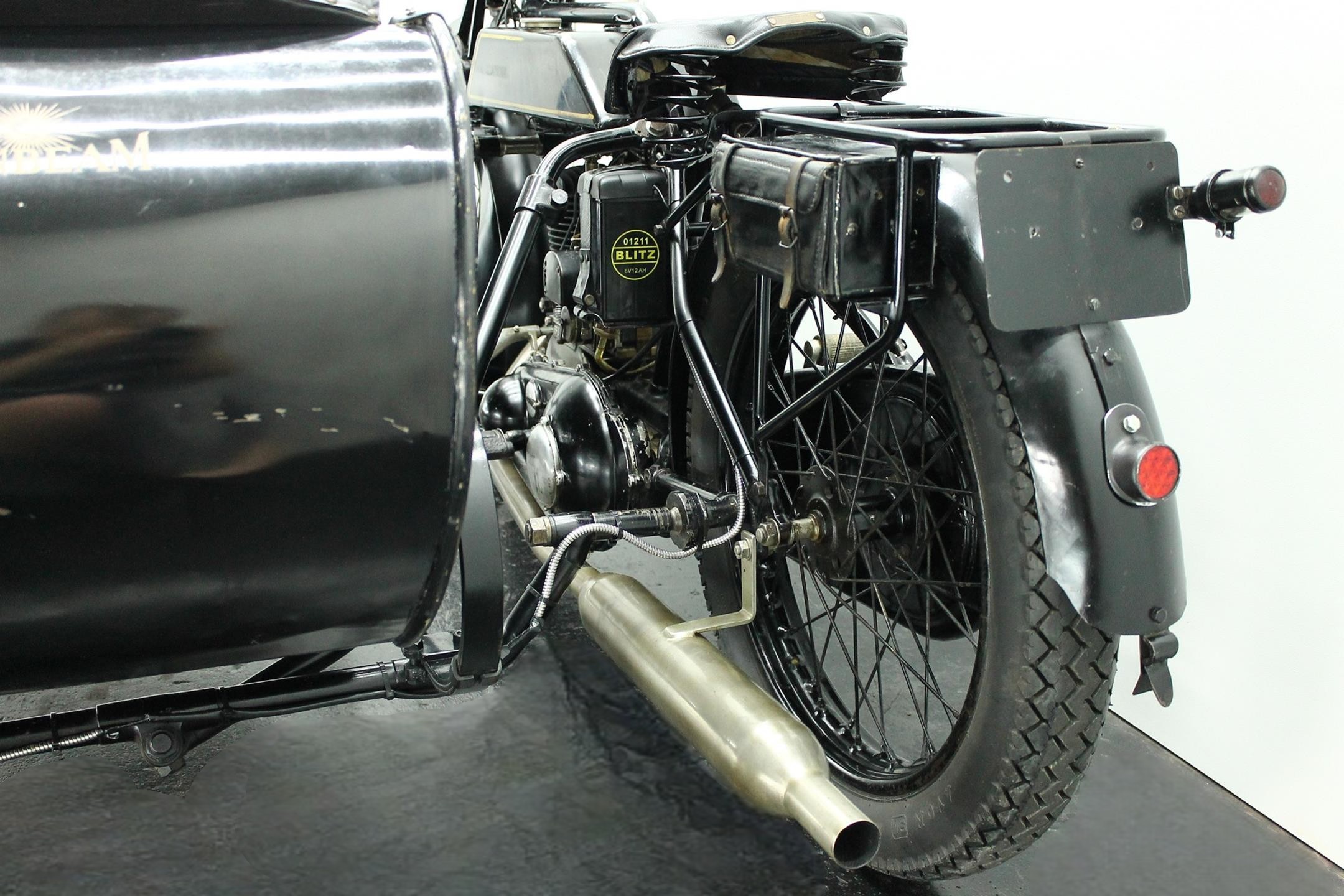
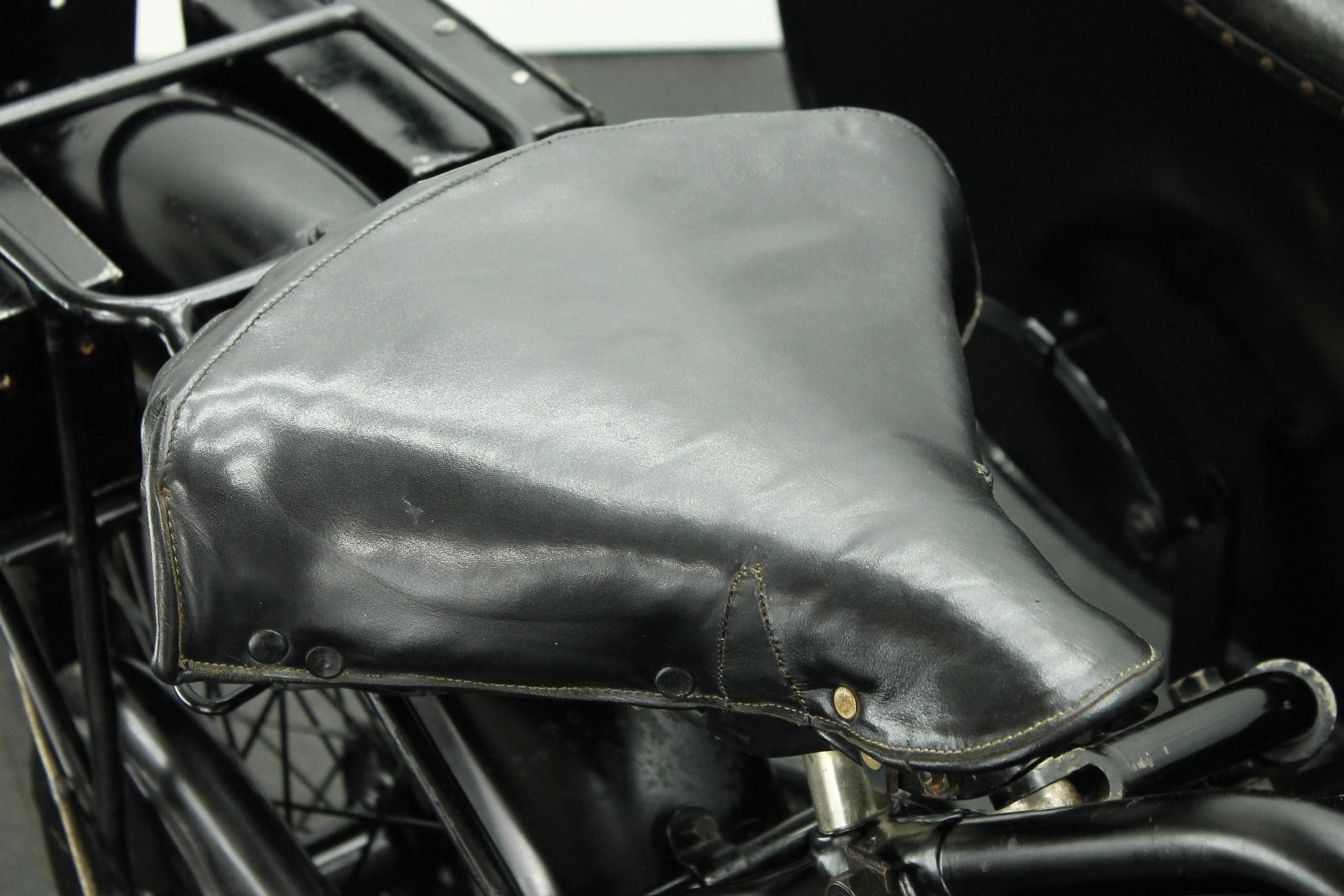
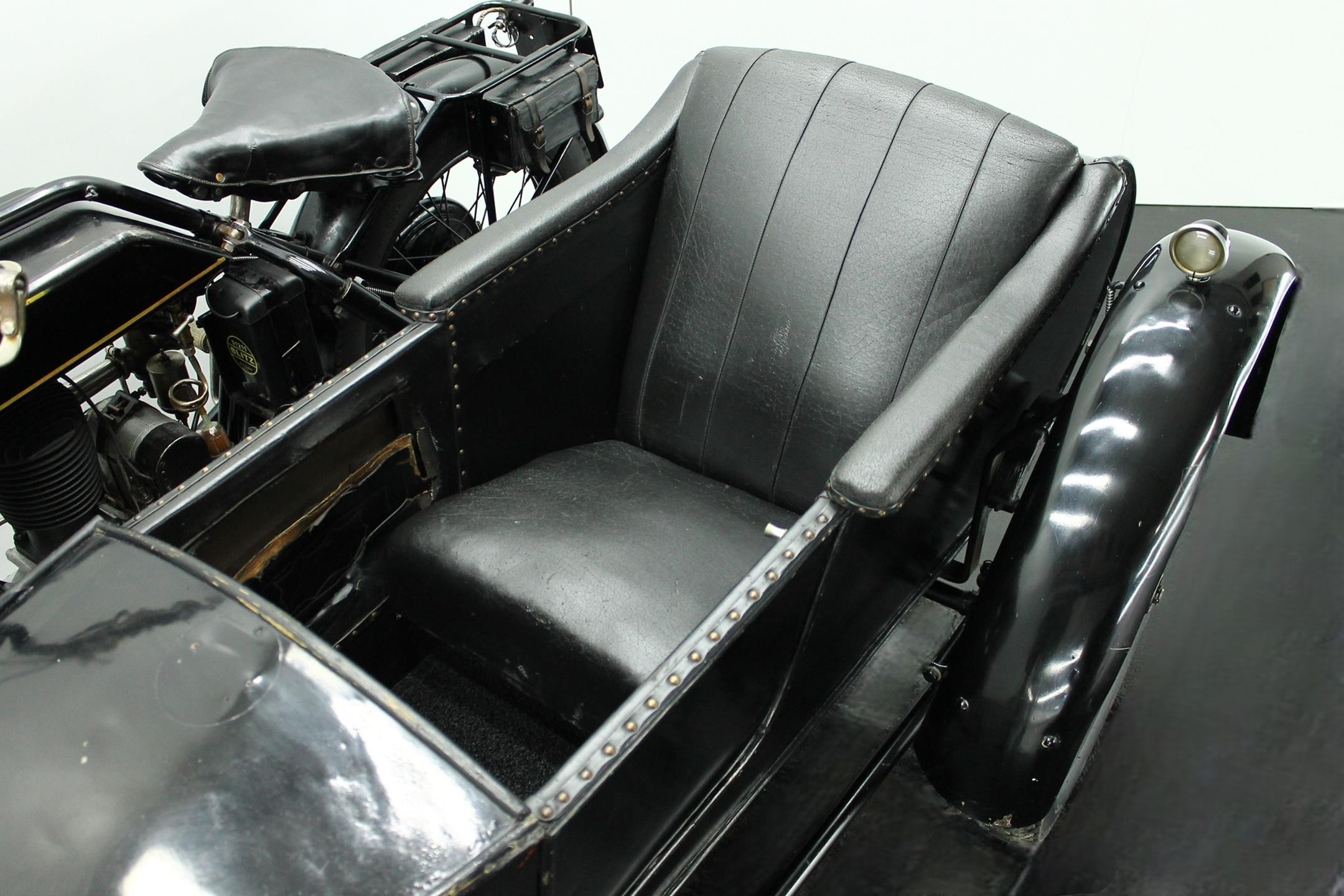
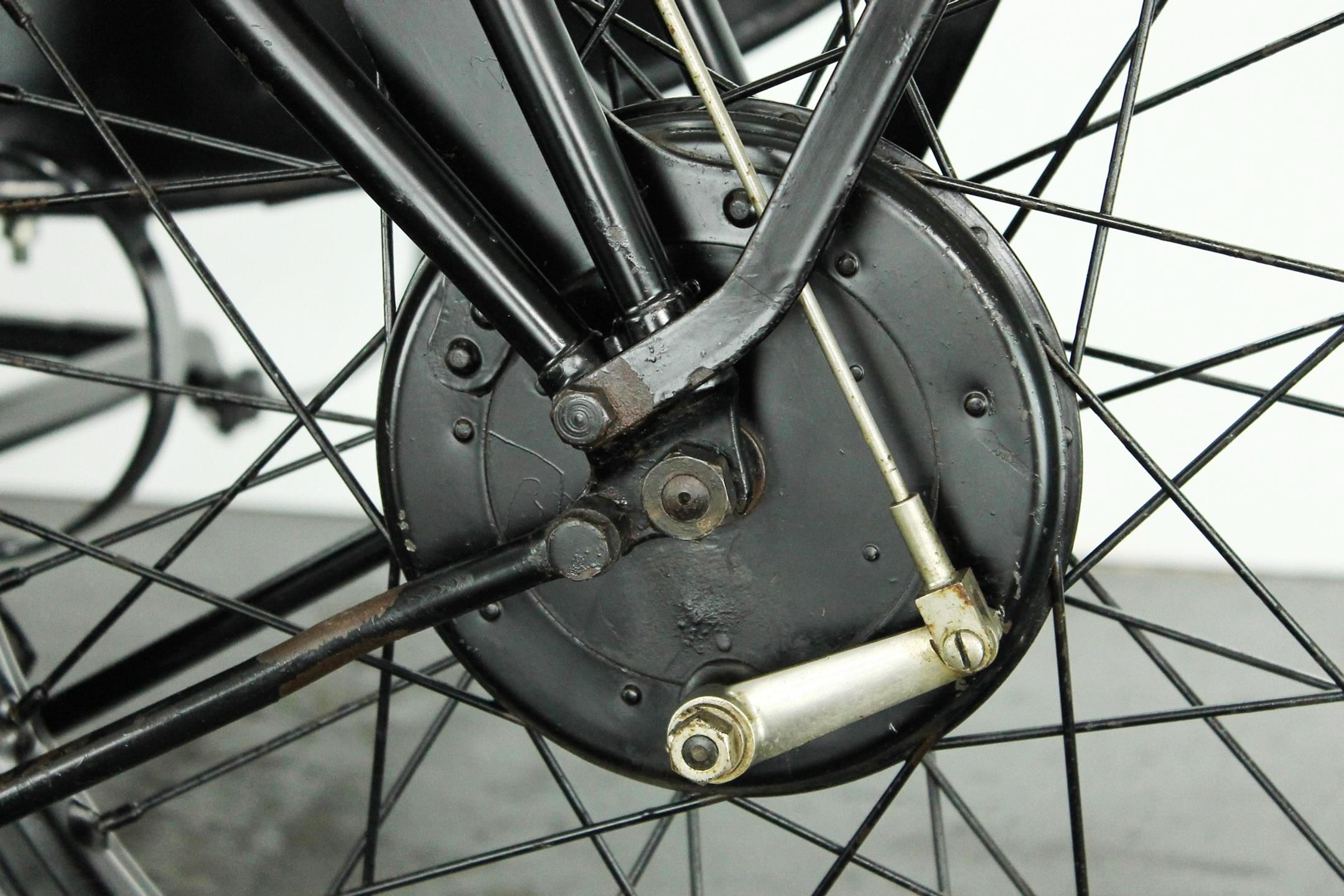


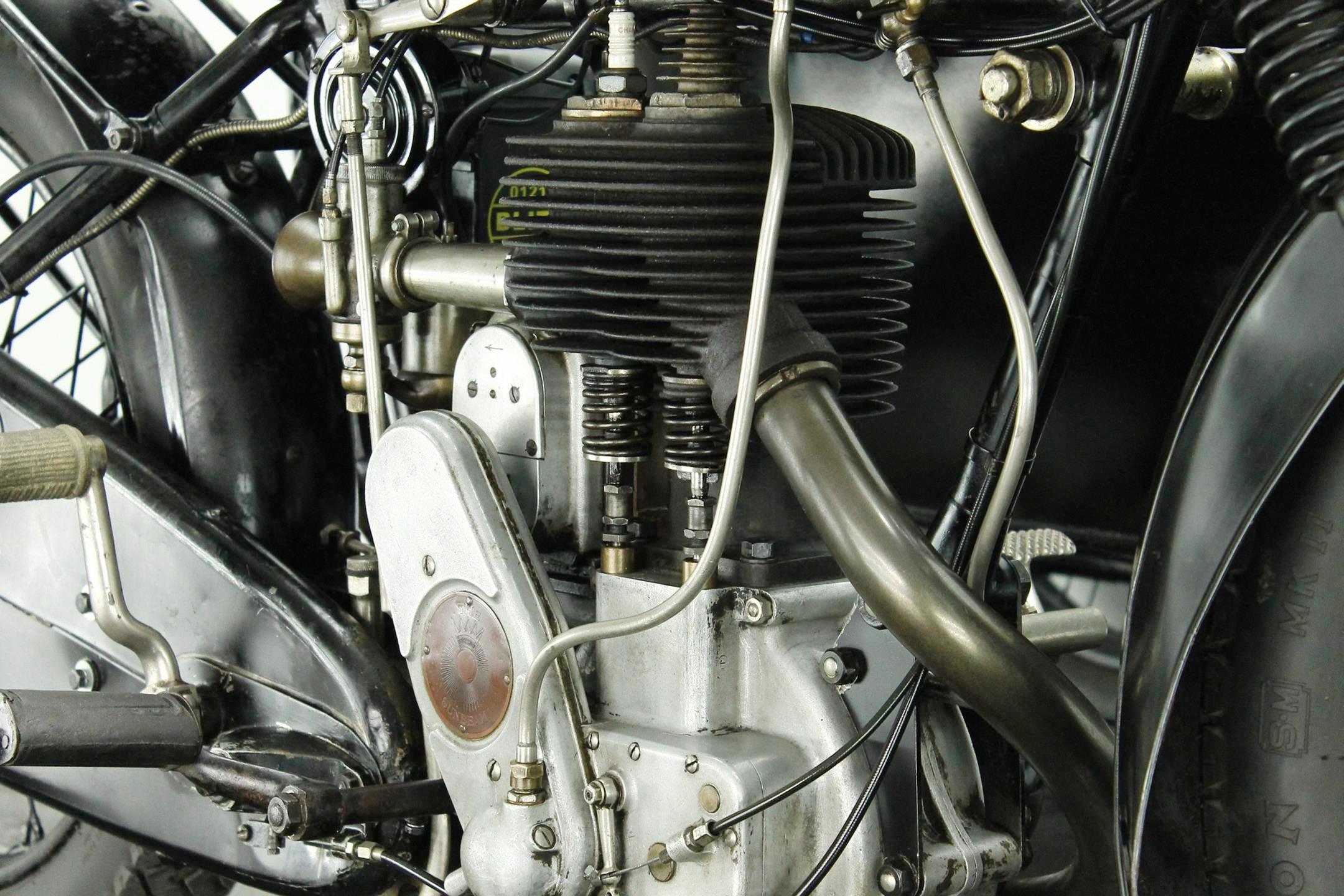
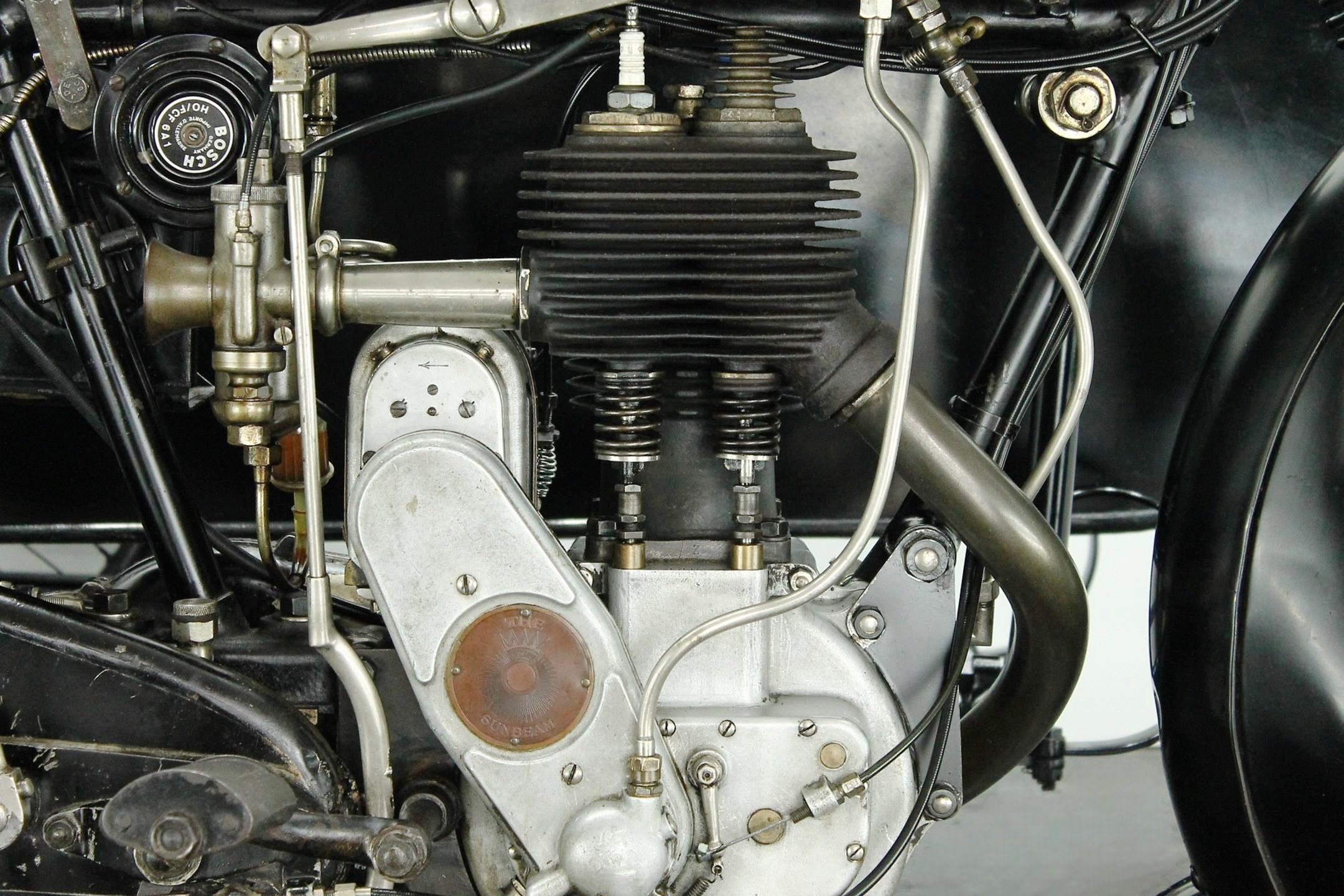
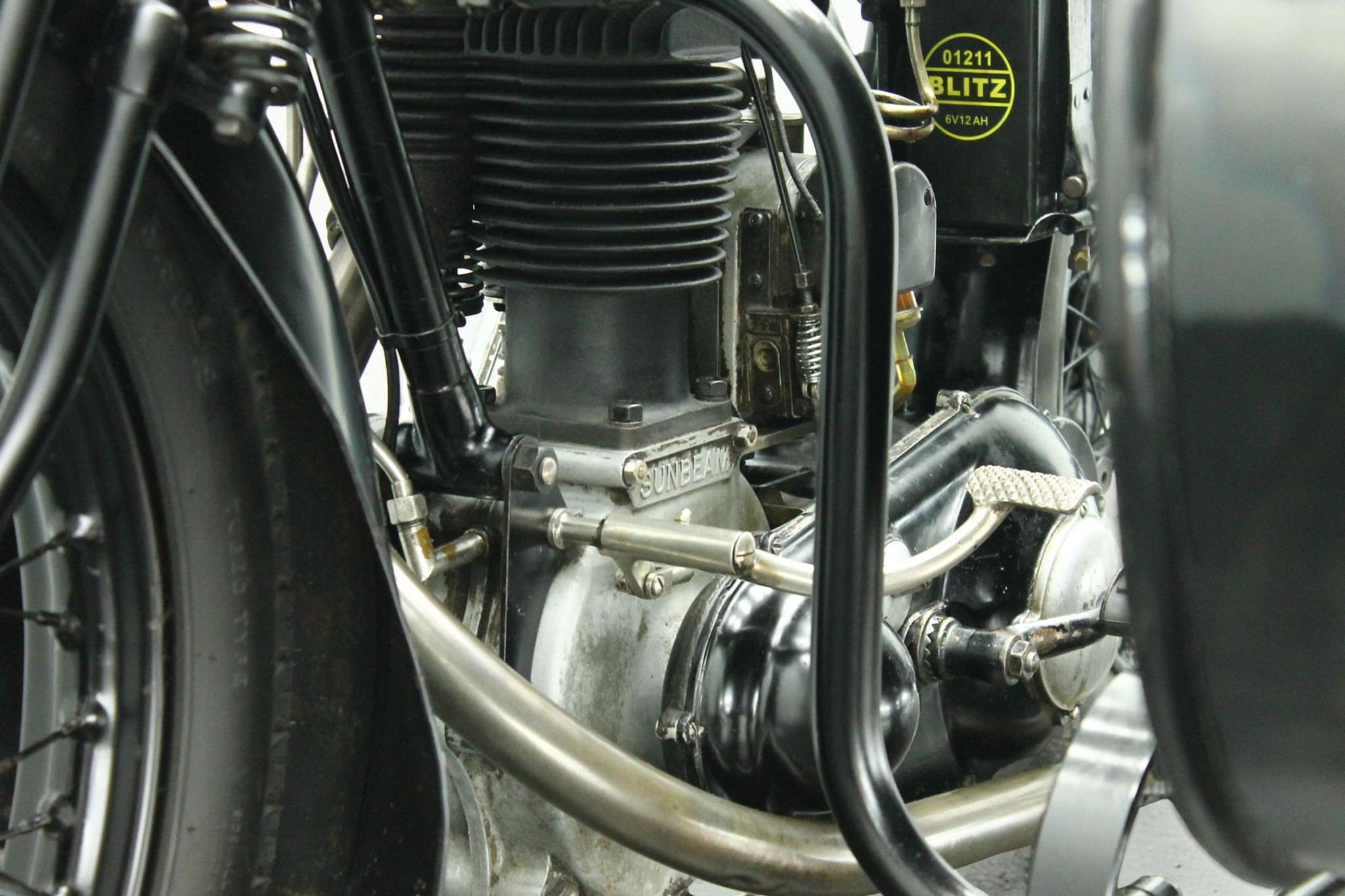


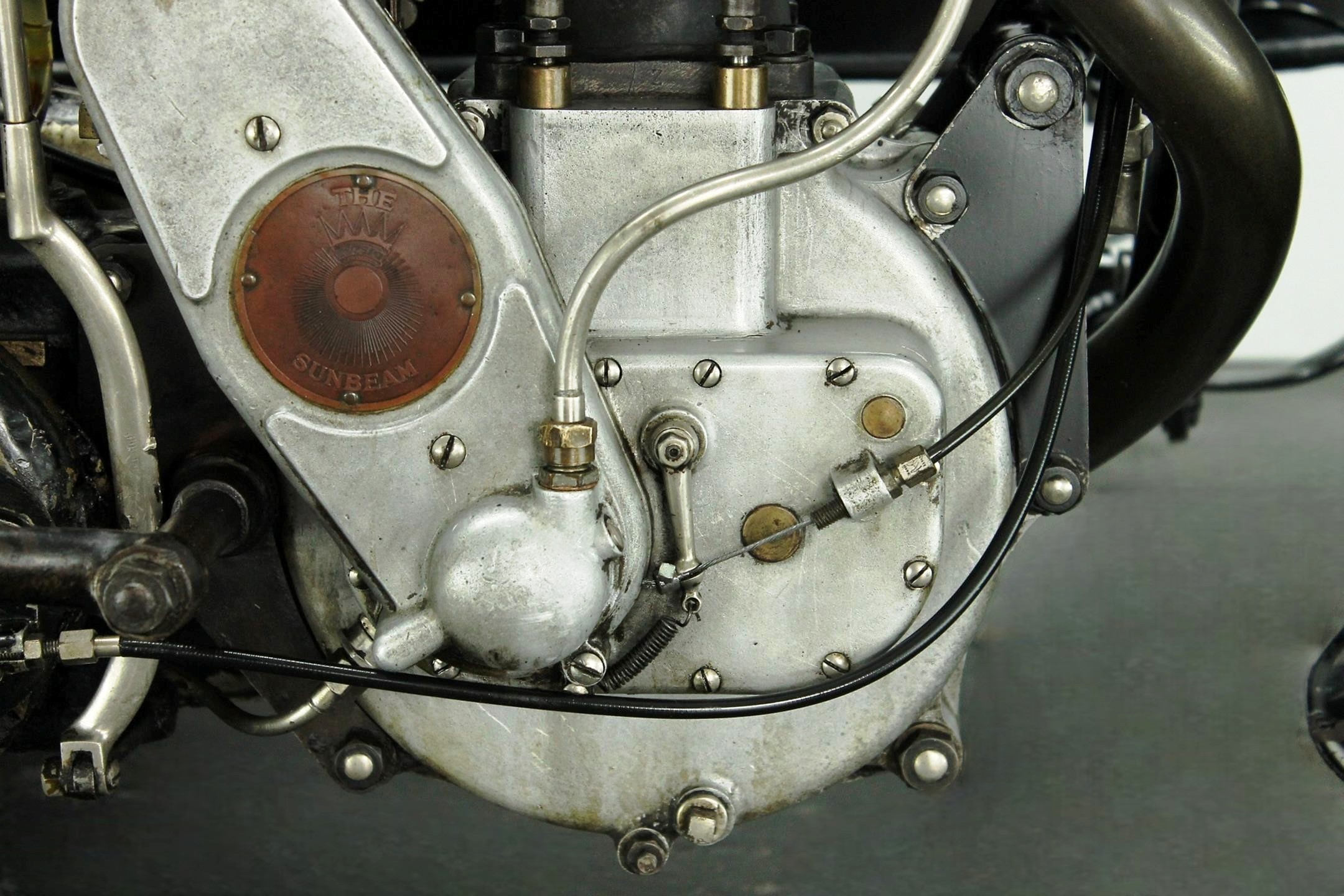


The 1928 Sunbeam Model 6 with Sidecar is a classic British vintage motorcycle combination from Sunbeam's highly regarded Wolverhampton production era. The Model 6 was one of Sunbeam's 492 cc side-valve motorcycles and was offered as part of the company's 1928 range alongside other single-cylinder models.
The Model 6 uses Sunbeam's famous long-stroke single-cylinder side-valve engine, with a 77 mm bore and 105.5 mm stroke. The long-stroke configuration gives the engine a distinctive torque-focused character and became one of the defining features of Sunbeam's successful vintage motorcycles.
Fitted with a period sidecar, the Model 6 becomes a practical three-wheeled touring combination, providing additional carrying capacity while retaining the mechanical simplicity of the motorcycle.
The 1928 Model 6 is particularly interesting because it belongs to the final years of Sunbeam's classic flat-tank, long-stroke design before the company's major chassis and tank-style transition later in 1928.
Sunbeam motorcycles were manufactured in Wolverhampton, England, and earned a strong reputation for quality, engineering, reliability, and sporting success.
The Model 6 was part of Sunbeam's long-running range of side-valve motorcycles. The 500 cc long-stroke engine was one of the company's most successful vintage designs and remained in production through much of the 1920s.
For 1928, Sunbeam offered the Model 6 alongside Models 1, 2, 5, 7, 8, and 9. The Model 6 was listed as a 492 cc side-valve motorcycle, and period examples were also used in combination with sidecars.
During 1928 Sunbeam was undergoing an important design transition. Earlier machines retained the elegant flat-tank configuration, while later motorcycles moved toward a saddle tank and a revised frame arrangement.
A surviving Model 6 with a sidecar can therefore be historically significant both as a motorcycle and as an example of the practical touring combinations that were popular during the vintage period.
Engine and frame numbers, original registration documents, period photographs, factory literature, sidecar identification, restoration records, and ownership history are valuable when establishing provenance.
The 1928 Sunbeam Model 6 is powered by a 492 cc single-cylinder four-stroke side-valve engine.
The engine uses a 77 mm bore and an approximately 105.5 mm stroke, giving it the characteristic long-stroke configuration for which the Model 6 is known.
The long stroke produces strong low- and mid-range torque and gives the engine a relaxed mechanical character.
The engine is air-cooled and uses a period carburetor and magneto ignition system.
Contemporary and historical references commonly identify the Model 6 as a roughly 500 cc machine producing around 3.5 horsepower in standard specification, although actual output varies according to specification and condition.
With a sidecar attached, acceleration and maximum speed are naturally reduced compared with the solo motorcycle, but the strong low-speed torque makes the Model 6 well suited to combination work.
Actual performance depends on engine condition, compression, carburetor settings, ignition timing, valve condition, gearing, sidecar weight, wheel alignment, and overall restoration quality.
The Model 6 uses a three-speed manual gearbox.
The three-speed transmission was appropriate to the motorcycle's long-stroke engine and provided useful ratios for both town riding and open-road travel.
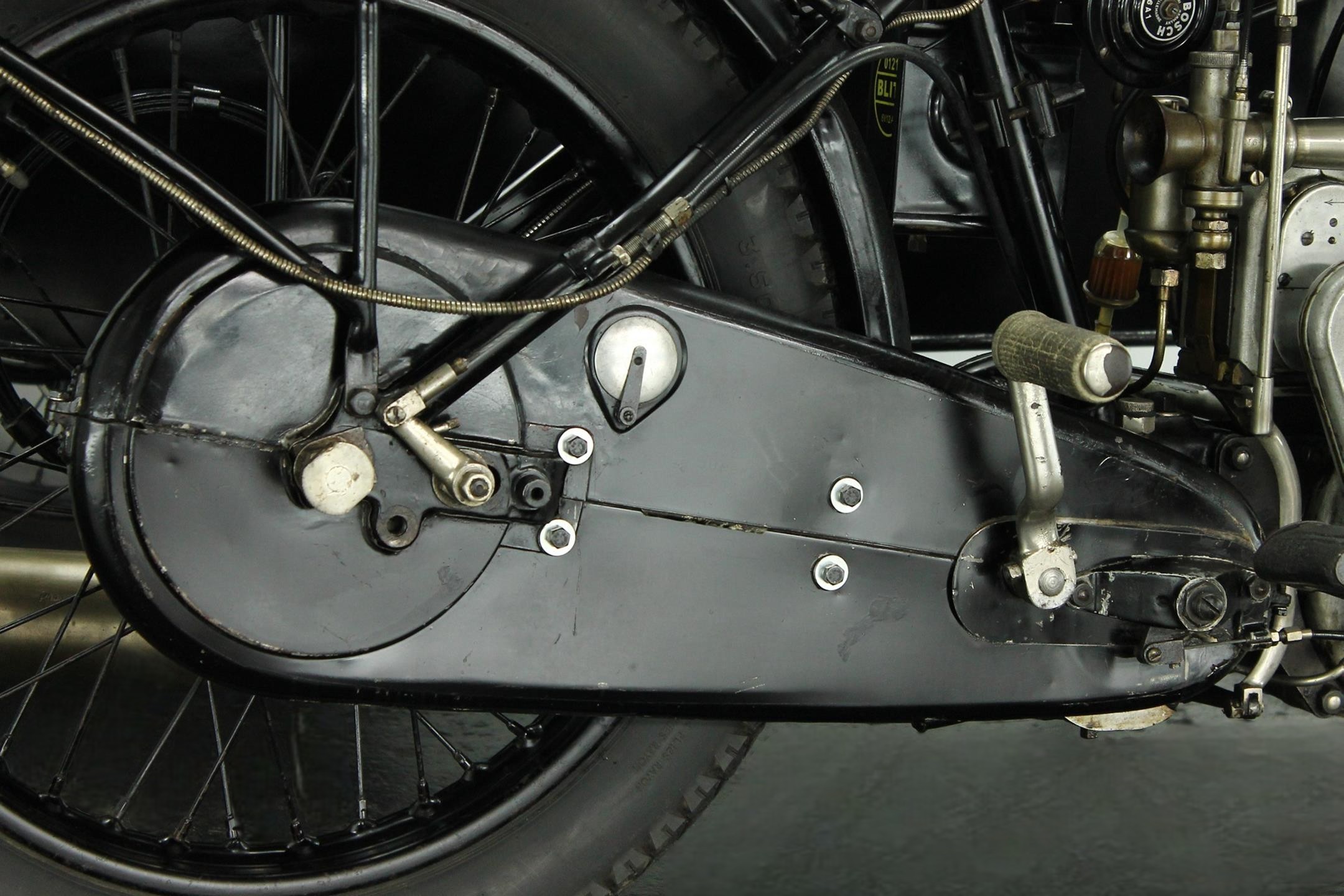
Power is transmitted to the rear wheel through a chain final drive.
When fitted with a sidecar, the drivetrain must work against additional weight and rolling resistance, making clutch condition and correct gearing particularly important.
The clutch, gearbox, primary drive, chain, sprockets, bearings, and rear hub should all be inspected carefully on a surviving combination.
Historical Sunbeam specialists also note that 1928 motorcycles can be encountered with different gearbox components because the company was transitioning between earlier and later designs during this period.
The 1928 Model 6 uses Sunbeam's traditional vintage motorcycle chassis, with the engine mounted within a substantial steel frame.
The earlier 1928 configuration retains the elegant flat-tank appearance associated with Sunbeam's classic vintage machines.
The front suspension uses a period girder-style fork, while the rear of the motorcycle is based on a rigid chassis.
The sidecar is attached to the motorcycle frame through dedicated mounting points and introduces additional lateral forces into the chassis, particularly during cornering and braking.
On a combination, the sidecar mounting brackets, frame joints, steering head, fork pivots, wheel alignment, and rear frame should be inspected especially carefully.
Any evidence of cracks, distortion, reinforcement, non-period repairs, or altered sidecar mounts should be documented during an authenticity and safety inspection.
The Model 6 uses period wire-spoked wheels and mechanical drum braking equipment.
The motorcycle's braking system was designed for the solo machine, so a sidecar combination places additional demands on the brakes and tires.
Brake drums, shoes, operating mechanisms, cables, wheel bearings, spokes, rims, and tires should all be carefully inspected before road use.
Sidecar wheel alignment and toe-in are particularly important because incorrect alignment can significantly affect handling and tire wear.
Original Sunbeam hubs, rims, brake components, and period sidecar hardware can also provide useful evidence when assessing the originality of a restored combination.
The 1928 Sunbeam Model 6 uses period British motorcycle electrical and ignition equipment.
Magneto ignition was used for the single-cylinder engine, while period lighting equipment could be fitted for road use.
Examples may retain Lucas lighting equipment or other period components appropriate to the motorcycle's specification.
The magneto, generator or lighting equipment, wiring, headlamp, switches, horn, rear lamp, and sidecar lighting should all be inspected for both functionality and originality.
Many surviving vintage Sunbeams have received rebuilt magnetos, replacement wiring, modern regulators, or updated electrical components during restoration.
The 1928 Sunbeam Model 6 has the elegant appearance associated with Sunbeam's classic vintage motorcycles.
The flat fuel tank, exposed long-stroke engine, slender frame, girder fork, wire wheels, valanced mudguards, and period controls create a particularly distinctive pre-war British motorcycle silhouette.
Period examples could also be equipped with footboards, enclosed rear chaincases, lighting equipment, leg shields, luggage carriers, and other touring accessories.
A sidecar gives the motorcycle a substantially different visual character while remaining consistent with the practical touring use of large vintage singles.
Correct Sunbeam tank finish and badges, engine components, mudguards, exhaust, controls, wheels, sidecar body, mounting hardware, and period accessories all contribute to an authentic restoration.
The 1928 model year is particularly significant in Sunbeam history because it represents a transition between two distinct design periods.
The Model 6 was still offered in its established 492 cc side-valve long-stroke form, while Sunbeam was moving toward a new chassis and saddle-tank configuration.
Historical descriptions of 1928 motorcycles show the Model 6 in the traditional flat-tank form, while later in the year Sunbeam introduced a saddle tank mounted in a single-tube diamond frame with the engine functioning as a stressed member.
This makes the exact production date and specification of an individual 1928 Model 6 important when assessing originality.
A motorcycle retaining its correct early-1928 flat-tank configuration can therefore have considerable historical appeal.
The addition of a sidecar transforms the Model 6 from a conventional solo motorcycle into a practical touring combination.
During the vintage period, sidecars were widely used for transporting passengers, luggage, tools, and other equipment, making them an important part of everyday motorcycle transportation.
The Model 6's long-stroke engine is well suited to sidecar use because of its useful low-speed torque and relatively relaxed power delivery.
A correct period sidecar should be examined for its frame construction, body style, wheel, mudguard, lighting, fittings, mounting brackets, and relationship to the motorcycle.
Not every surviving sidecar attached to a Model 6 will necessarily be original to the motorcycle. Documentation of the sidecar's age and provenance is therefore important when claiming an original period combination.
The 1928 Sunbeam Model 6 has the characteristic relaxed and torquey feel of a long-stroke British single-cylinder motorcycle.
The large 105.5 mm stroke gives the engine a distinctive rhythmic character and useful pulling power at modest engine speeds.
As a solo motorcycle, the Model 6 can provide enjoyable vintage-road performance with a strong emphasis on mechanical smoothness and steady cruising.
With a sidecar attached, the motorcycle becomes more deliberate and requires greater attention to steering, braking, cornering technique, and road position.
The rigid rear chassis and period girder fork provide a distinctly vintage ride and should not be compared directly with later motorcycles equipped with telescopic forks and rear suspension.
A surviving combination should be operated conservatively until the engine, lubrication system, carburetor, magneto, clutch, gearbox, steering, fork, wheels, tires, brakes, and sidecar mounting system have been thoroughly inspected.
The 1928 Sunbeam Model 6 is historically important because it represents one of the mature forms of Sunbeam's famous long-stroke side-valve motorcycle design.
The Model 6's 77 x 105.5 mm engine configuration had already established a strong reputation for reliability and sporting ability.
The motorcycle also illustrates the importance of sidecars in British transportation during the vintage era, when a motorcycle combination could serve many of the practical functions that would later be taken over by inexpensive automobiles.
The 1928 model year is particularly interesting because Sunbeam was beginning a significant transition in chassis and fuel-tank design.
A genuine early 1928 Model 6 with a correct period sidecar therefore represents both the end of one important Sunbeam design tradition and an example of practical vintage motorcycle transportation.
The 1928 Sunbeam Model 6 with Sidecar is an appealing combination for collectors of British vintage motorcycles.
The long-stroke 492 cc engine, traditional Sunbeam chassis, flat-tank styling, period touring equipment, and sidecar configuration make it especially attractive to collectors interested in usable vintage motorcycles.
Collectors should pay close attention to the engine, crankcases, cylinder and valve gear, carburetor, magneto, gearbox, frame, fuel tank, fork, wheels, brakes, exhaust, lighting equipment, sidecar body, sidecar chassis, and mounting hardware.
Engine and frame numbers are particularly important because vintage motorcycles were frequently rebuilt or assembled from components belonging to different machines.
Original Sunbeam components, correct early-1928 specification, period sidecar equipment, factory accessories, original finishes, and documented ownership history can significantly increase historical interest.
Authenticating a 1928 Sunbeam Model 6 with Sidecar requires examination of both the motorcycle and the sidecar.
The motorcycle engine should be identified through its crankcases, 77 mm bore and long-stroke cylinder arrangement, valve gear, carburetor, magneto, and period casting details.
The frame should be checked for its correct early-1928 construction, tank arrangement, engine mounting points, steering head, rear section, and frame-number markings.
The three-speed gearbox and associated controls should be compared with the appropriate 1928 specification.
The sidecar should be separately examined for its chassis, body construction, wheel, mudguard, fittings, mounting brackets, and period details.
Engine and frame numbers should be recorded and preserved as part of the motorcycle's historical documentation.
Registration documents, period photographs, Sunbeam factory literature, sidecar documentation, restoration invoices, and previous ownership records can provide valuable evidence of provenance.
The 1928 Sunbeam Model 6 with Sidecar matters because it combines one of Sunbeam's most famous vintage engine designs with one of the most important practical uses of motorcycles during the 1920s.
Its 492 cc long-stroke side-valve single-cylinder engine provides the characteristic torque and durability associated with the Model 6, while the sidecar adds genuine historical context as a form of family, passenger, and utility transportation.
The 1928 model year is also significant because Sunbeam was moving from its traditional flat-tank design toward the saddle-tank motorcycles that would define the company's next generation.
For collectors, an early 1928 Model 6 retaining its correct vintage chassis, long-stroke engine, period equipment, and properly documented sidecar is an especially appealing combination.
A well-preserved or accurately restored 1928 Sunbeam Model 6 with Sidecar represents a significant example of British vintage motorcycle engineering and early twentieth-century transport history.
This 1928 Sunbeam Model 6 with Sidecar represents a particularly appealing example of British vintage motorcycle engineering from the late 1920s.
Its 492 cc long-stroke side-valve single-cylinder engine, traditional Sunbeam chassis, three-speed gearbox, period girder fork, wire wheels, and practical sidecar configuration make it both historically significant and visually distinctive.
The Model 6 was one of Sunbeam's established 500 cc side-valve motorcycles, and 1928 represents an important transitional year as the company moved from its traditional flat-tank design toward a new generation of saddle-tank motorcycles.
For collectors, the correct Model 6 engine and chassis, early-1928 tank configuration, original period controls and equipment, and properly documented sidecar are particularly important when establishing authenticity.
A well-preserved or accurately restored 1928 Sunbeam Model 6 with Sidecar represents a significant piece of British motorcycle history and an excellent example of the practical role played by motorcycle combinations during the vintage era.
Contact us for additional photographs, detailed specifications, engine and frame numbers, sidecar details, service history, originality assessment, restoration information, historical documentation, and purchasing information for this 1928 Sunbeam Model 6 with Sidecar.
The Vintage Motorcycles presents a curated selection of historically significant British vintage motorcycles, with a dedicated focus on Sunbeam Motorcycles, a manufacturer closely associated with refinement, precision finishing, and a distinctly conservative engineering philosophy within early 20th-century Britain. Originating from high-quality bicycle production and later expanding into motor vehicles, Sunbeam developed motorcycles that emphasized mechanical smoothness, aesthetic cohesion, and long-term durability.
This collection is contextualized within the broader ecosystem of global motorcycle history, where you can explore additional manufacturers through our global vintage motorcycle brands archive. Within the British engineering landscape, Sunbeam occupies a unique position, representing a more refined and methodical approach compared to performance-driven marques. Its machines reflect an engineering culture that prioritized reliability, quiet operation, and precision assembly over experimental or competition-focused extremes. These characteristics are best understood within the framework of pre-war motorcycle engineering (1900-1939), where diversity in design philosophy defined the evolution of European motorcycles.
Each motorcycle within our collection is carefully selected based on provenance, originality, and mechanical integrity, ensuring alignment with museum-grade preservation standards. Available machines can be explored through our global vintage motorcycle inventory, including both touring-oriented Sunbeam models and structurally reinforced configurations such as those represented in our sidecar motorcycle collection, which highlight the adaptability of British engineering across civilian and utility use cases. All acquisitions are supported by a fully insured international shipping service designed for global collectors.
British engineering has often been associated with precision, craftsmanship, and incremental refinement, and Sunbeam stands as a clear embodiment of these principles. Rather than pursuing aggressive performance benchmarks, Sunbeam developed motorcycles that emphasized smooth power delivery, mechanical quietness, and structural integrity. This approach reflected a broader philosophy within certain segments of British industry, where engineering excellence was defined by consistency and reliability rather than experimentation alone.
This trajectory becomes clearer when examined through broader historical transitions. During the early 20th century, Sunbeam contributed to the structured evolution of motorcycle design within the experimental yet increasingly systematized environment documented in pre-war motorcycle development. As industrial priorities shifted during global conflict, design considerations increasingly centered on durability and operational stability, as reflected in wartime motorcycle engineering, where reliability and ease of maintenance became essential.
In the post-war period, the engineering values associated with Sunbeam - precision manufacturing, durability, and refinement - continued to influence broader industrial production models. This transition is further explored in post-war motorcycle development, where standardization and efficiency became central to meeting the demands of a changing global market. Within this continuum, Sunbeam serves as a reference point for understanding how a refinement-driven engineering philosophy contributed to the wider trajectory of British and European motorcycle design.
Key Highlights
Collector Assurance
All enquiries handled with discretion. We typically respond within 6 hours.
Choose the payment method that is most convenient for you. We accept widely used international payment methods as well as, where available, local bank transfer options that allow you to pay like a domestic transaction. Full payment instructions are provided for your specific purchase.
Direct international bank wire transfer is available for motorcycle purchases and export transactions.
Credit card payments can be arranged through Wise.com, subject to the applicable payment and processing conditions.
PayPal is accepted. A 5% PayPal processing fee applies to the transaction.