
The Vintage Motorcycles
Specialists in antique, classic, veteran and vintage motorcycles.
Specialists in antique, classic, veteran and vintage motorcycles.
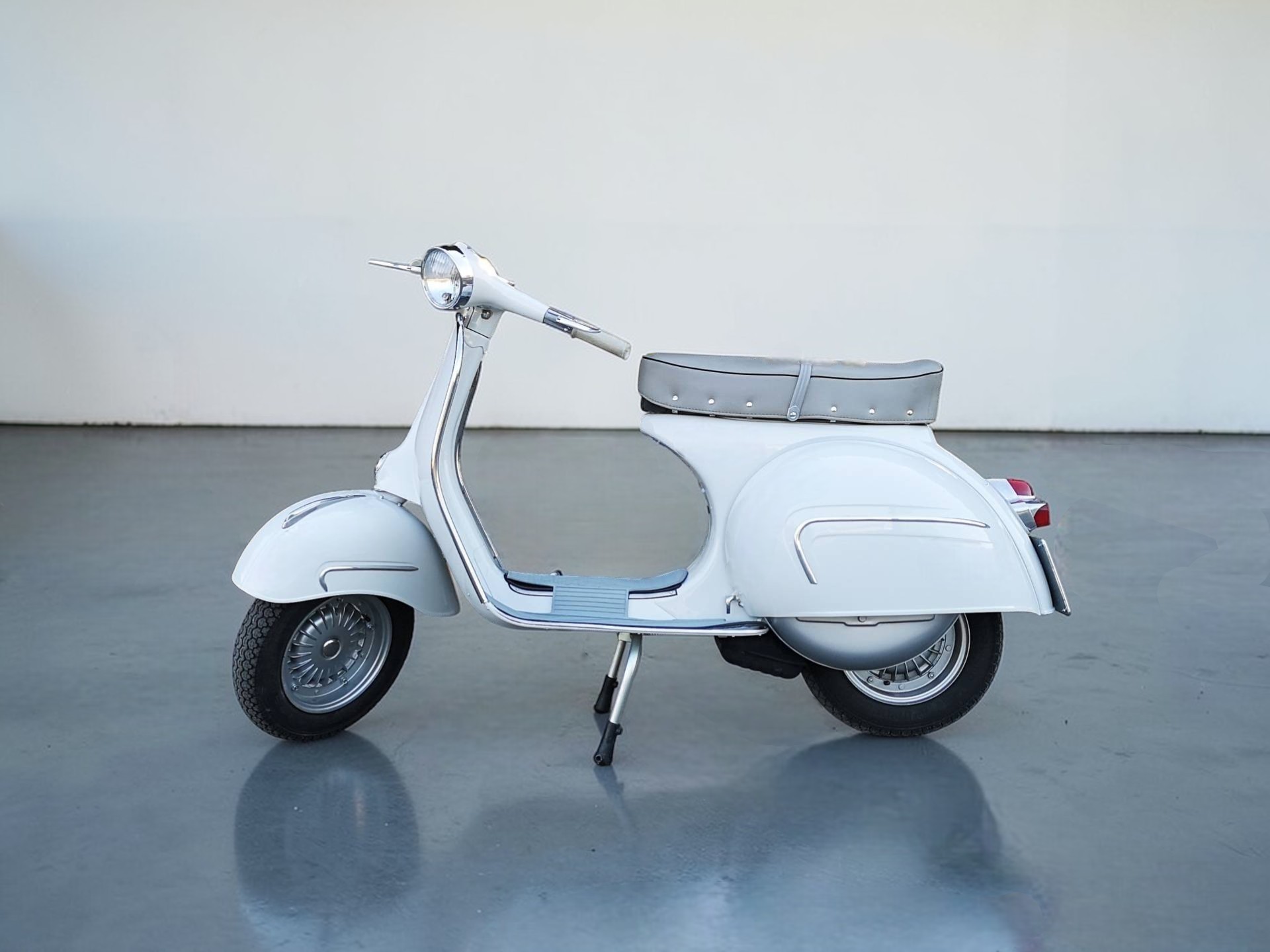
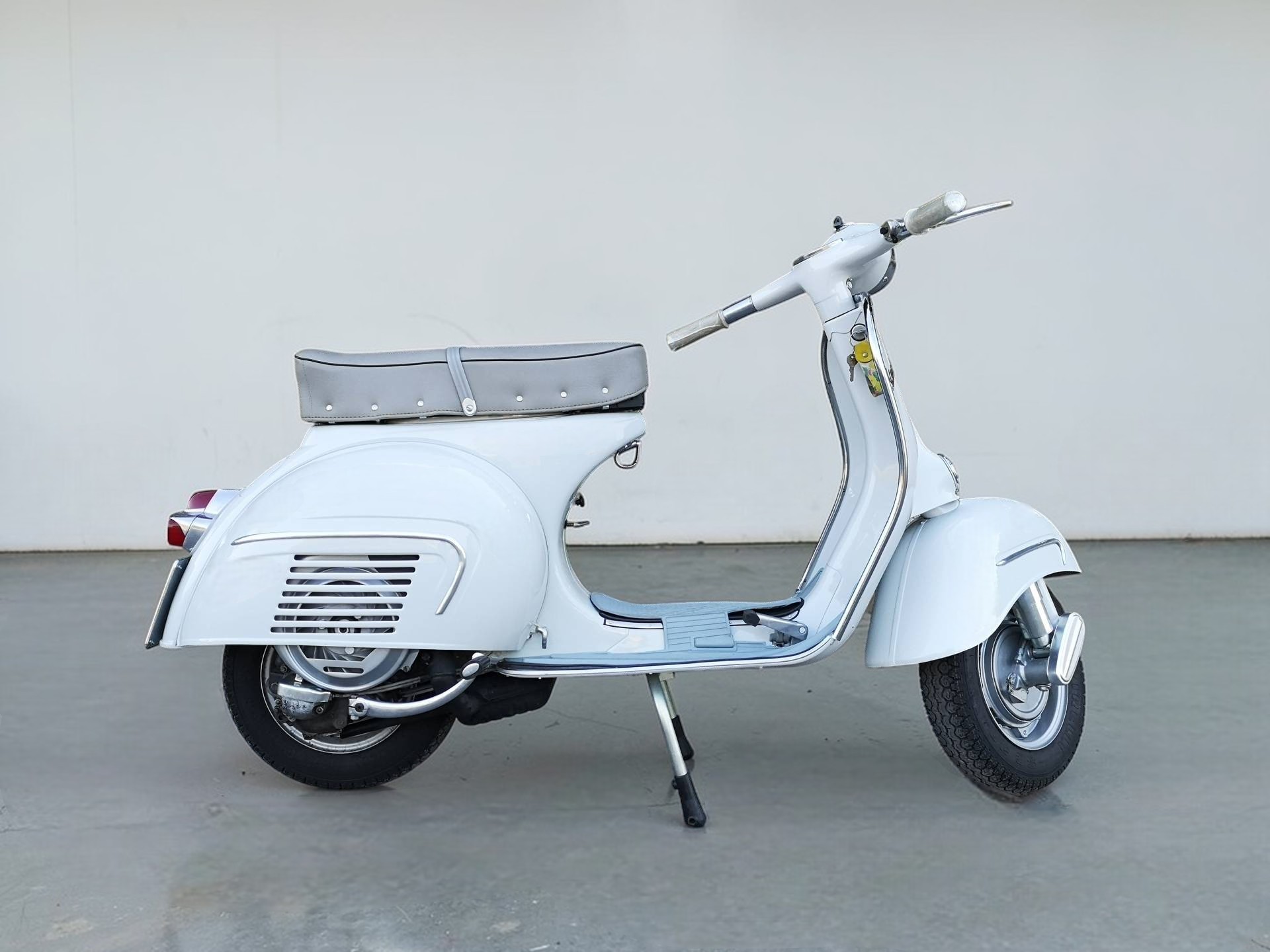
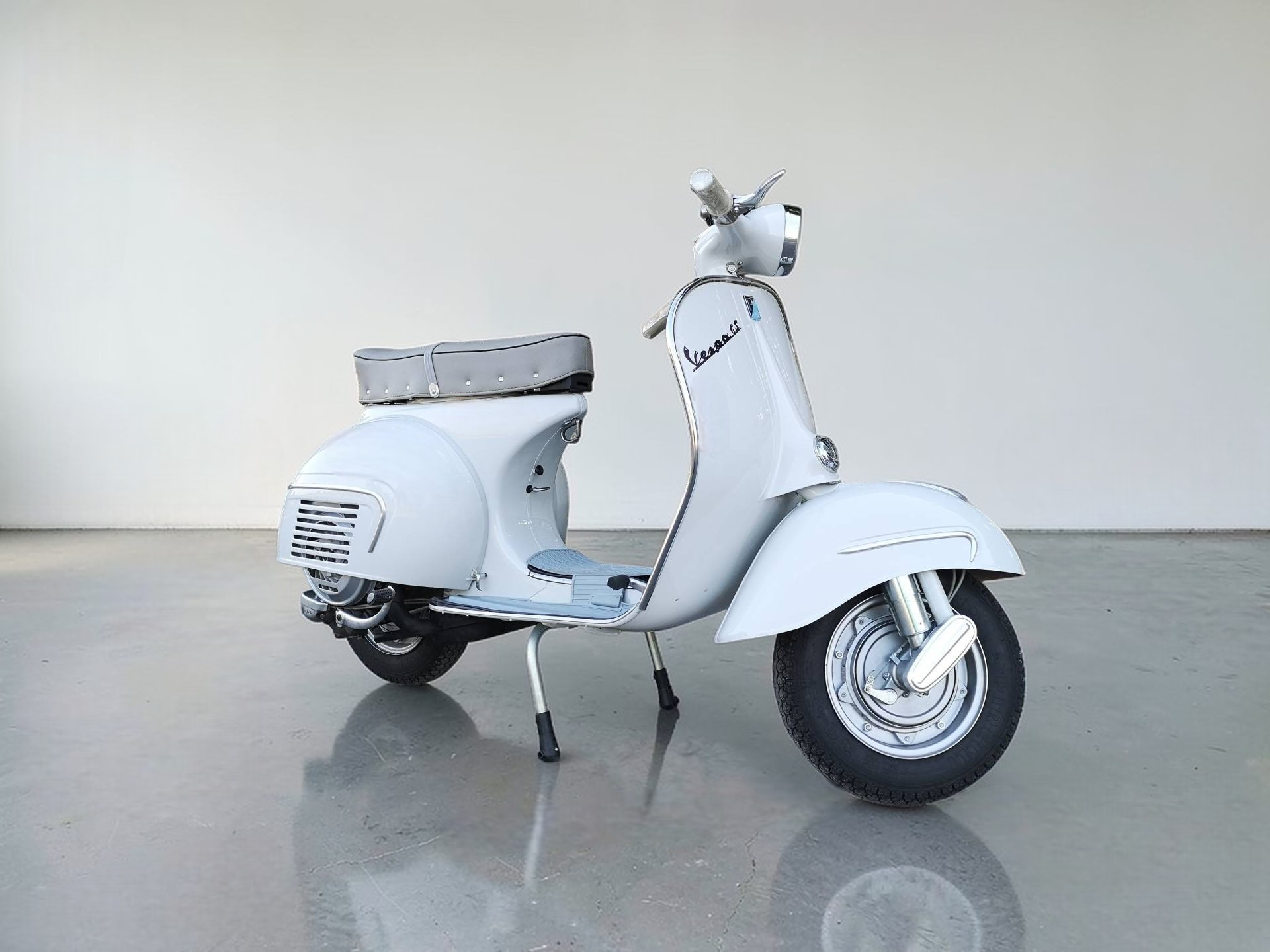
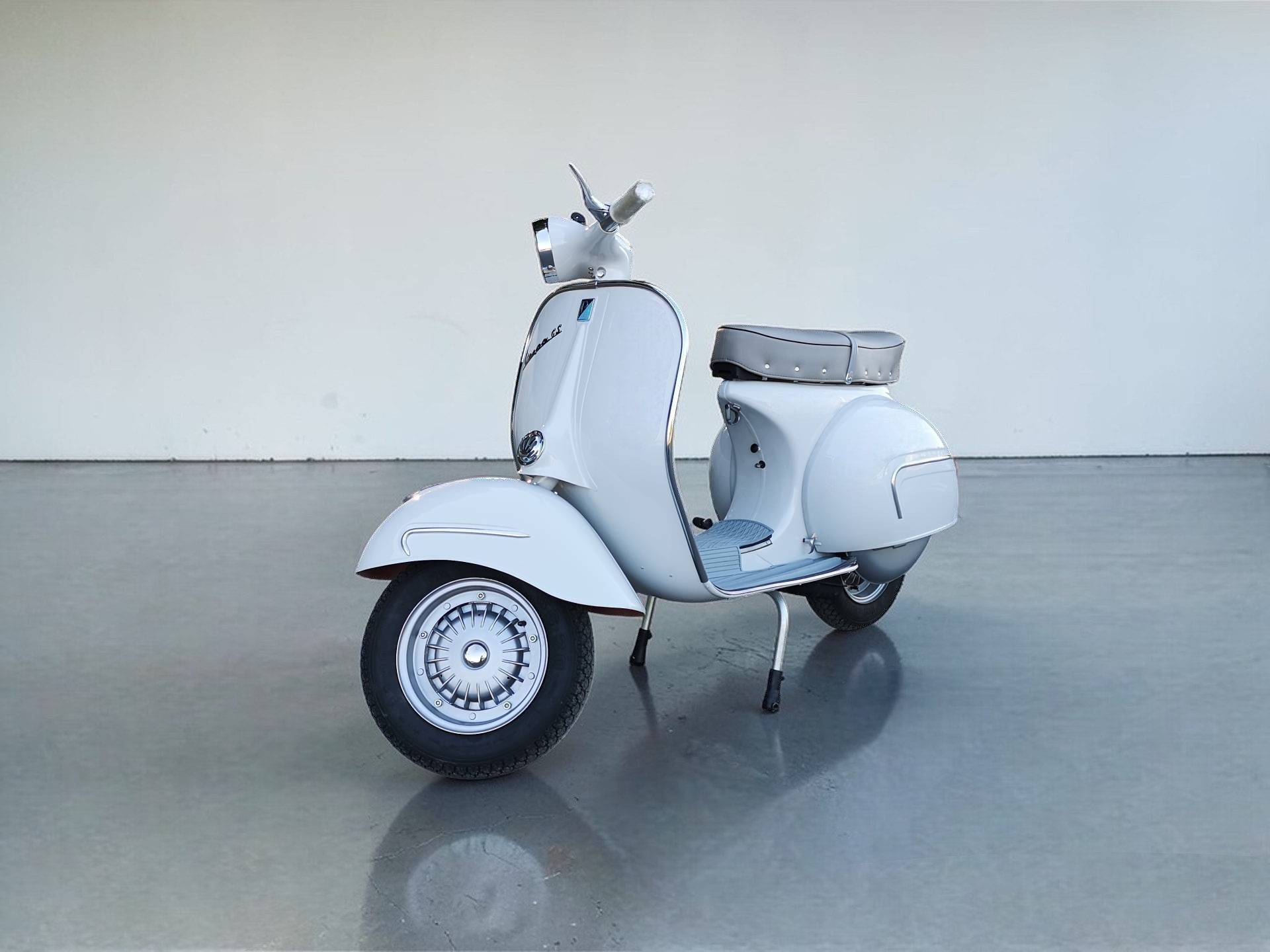
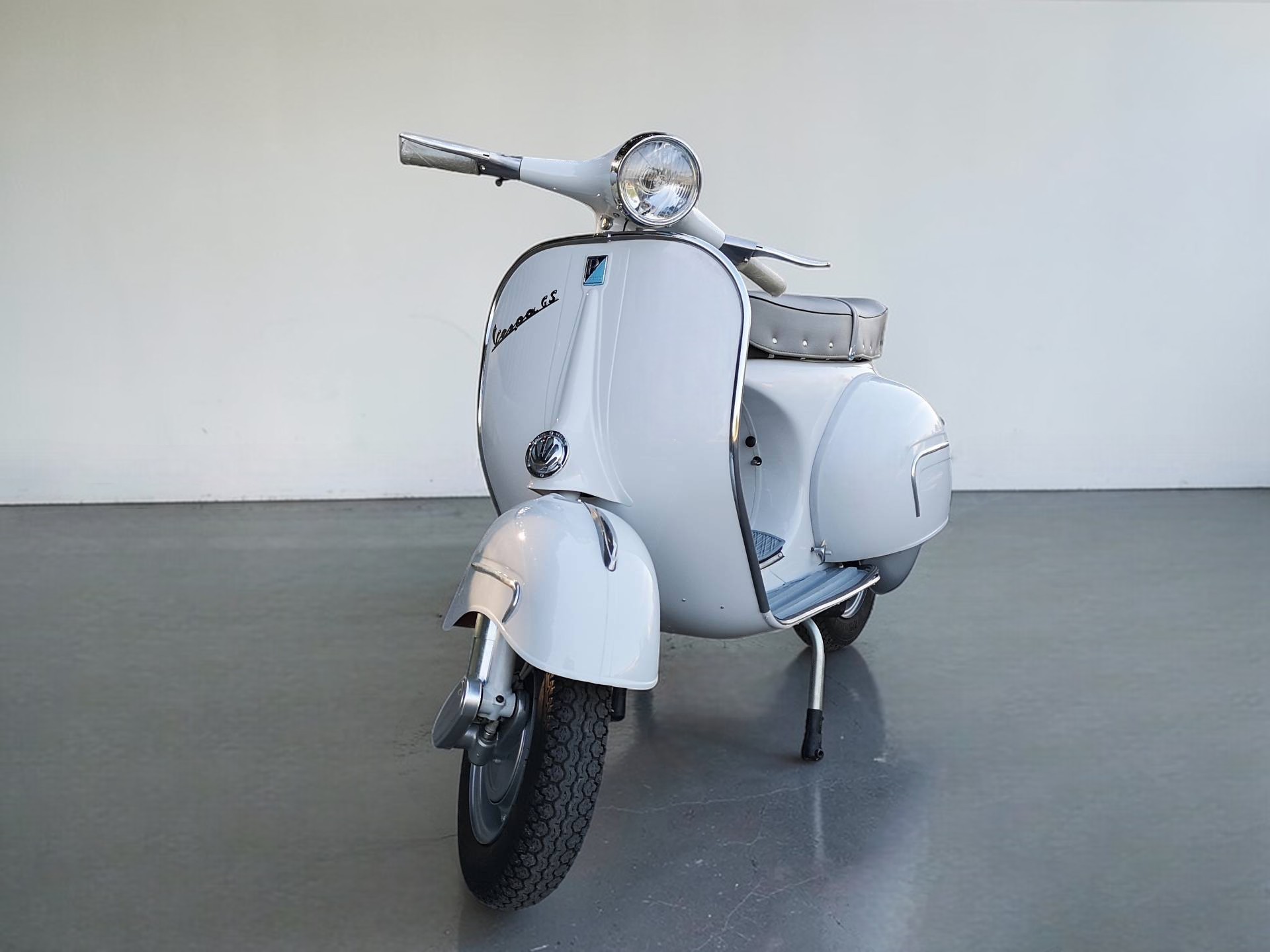
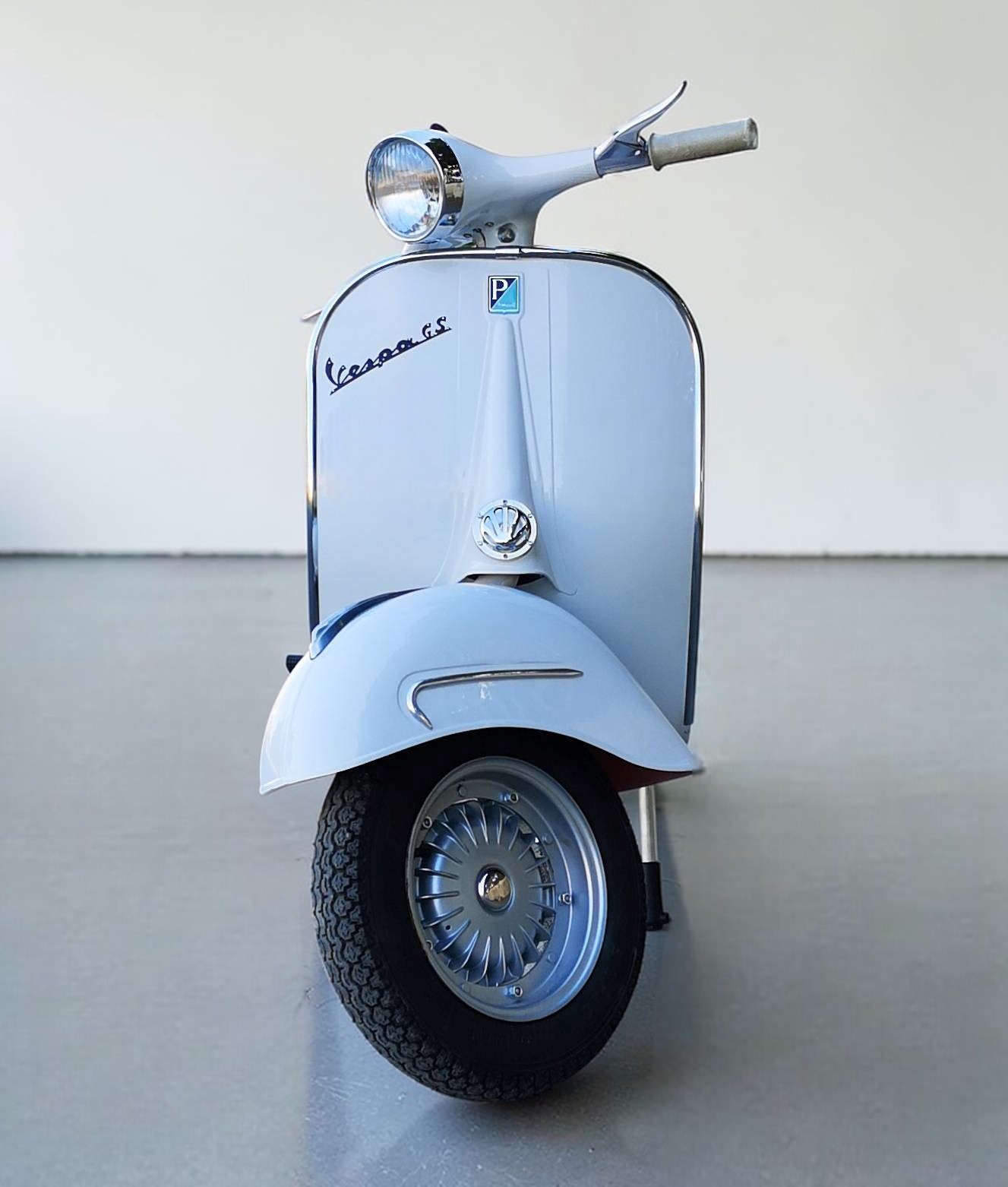
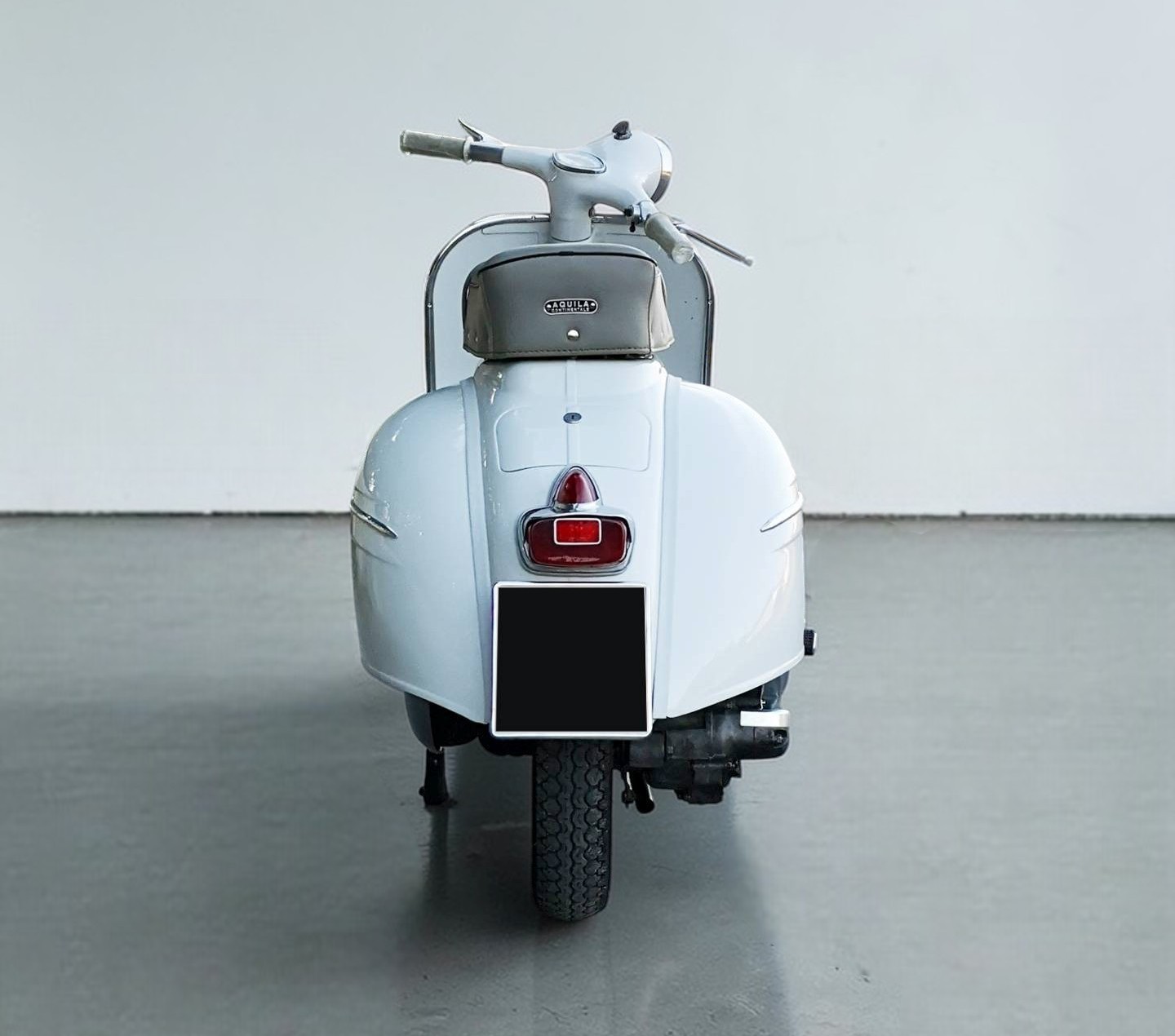
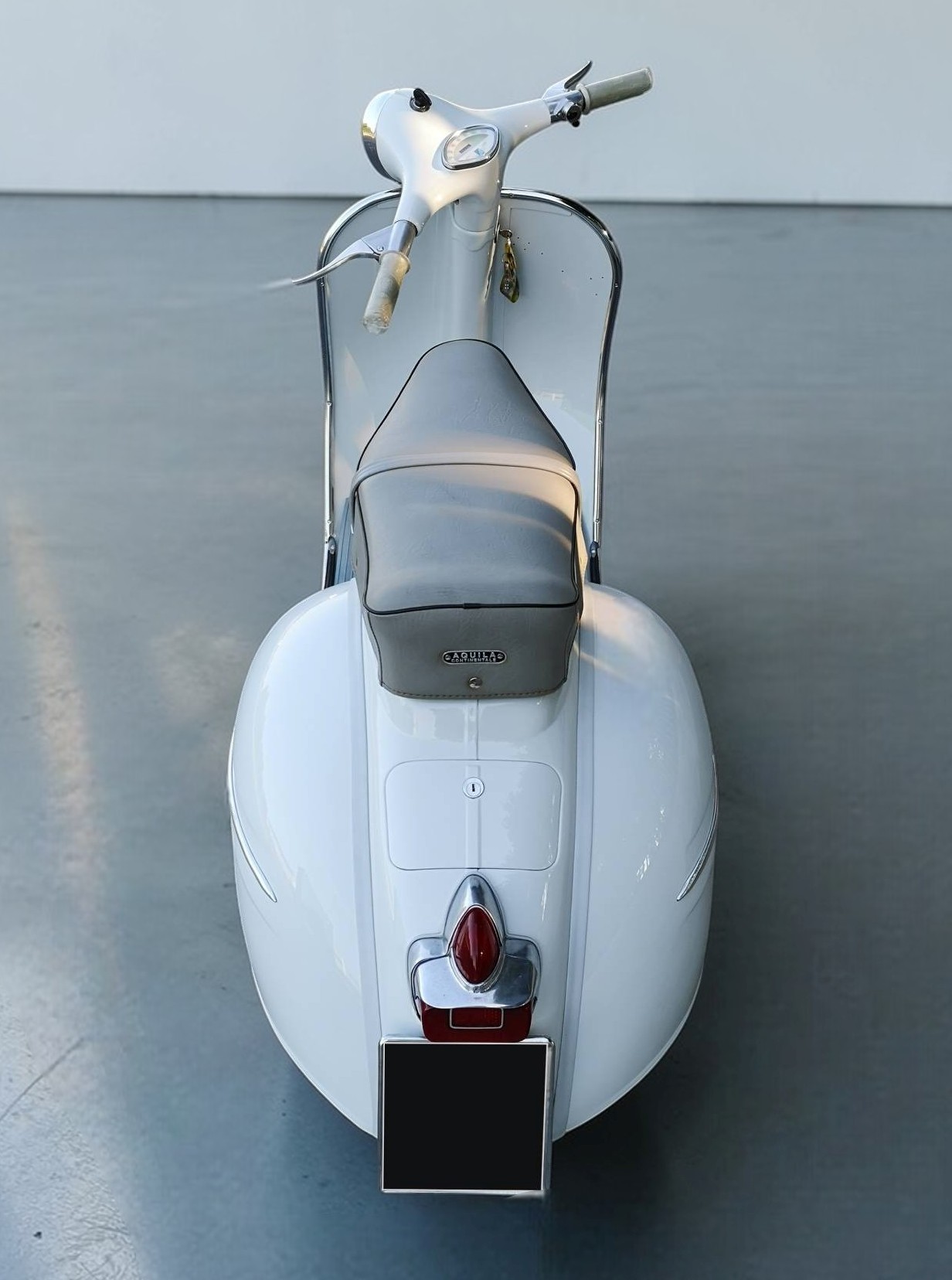
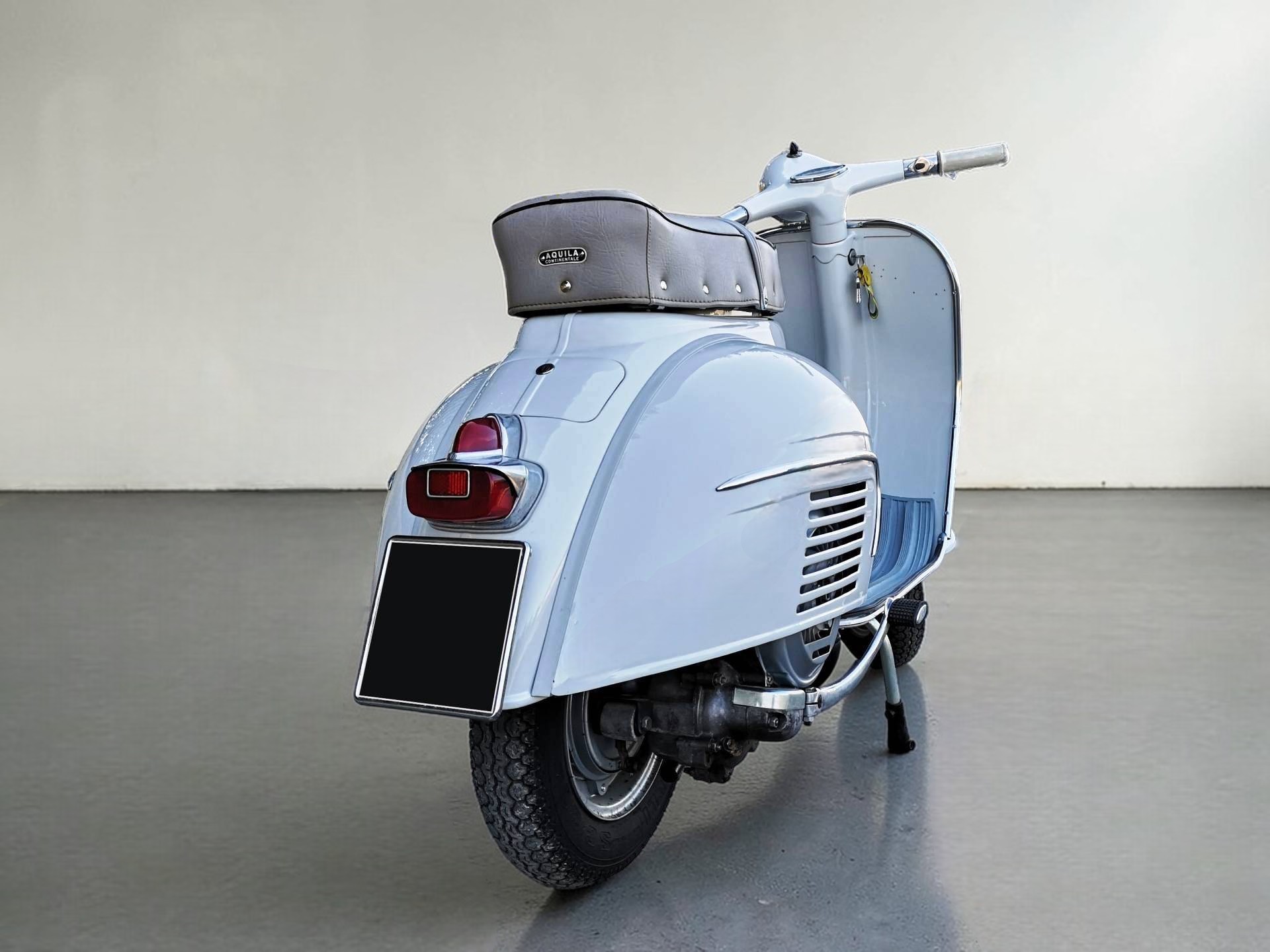
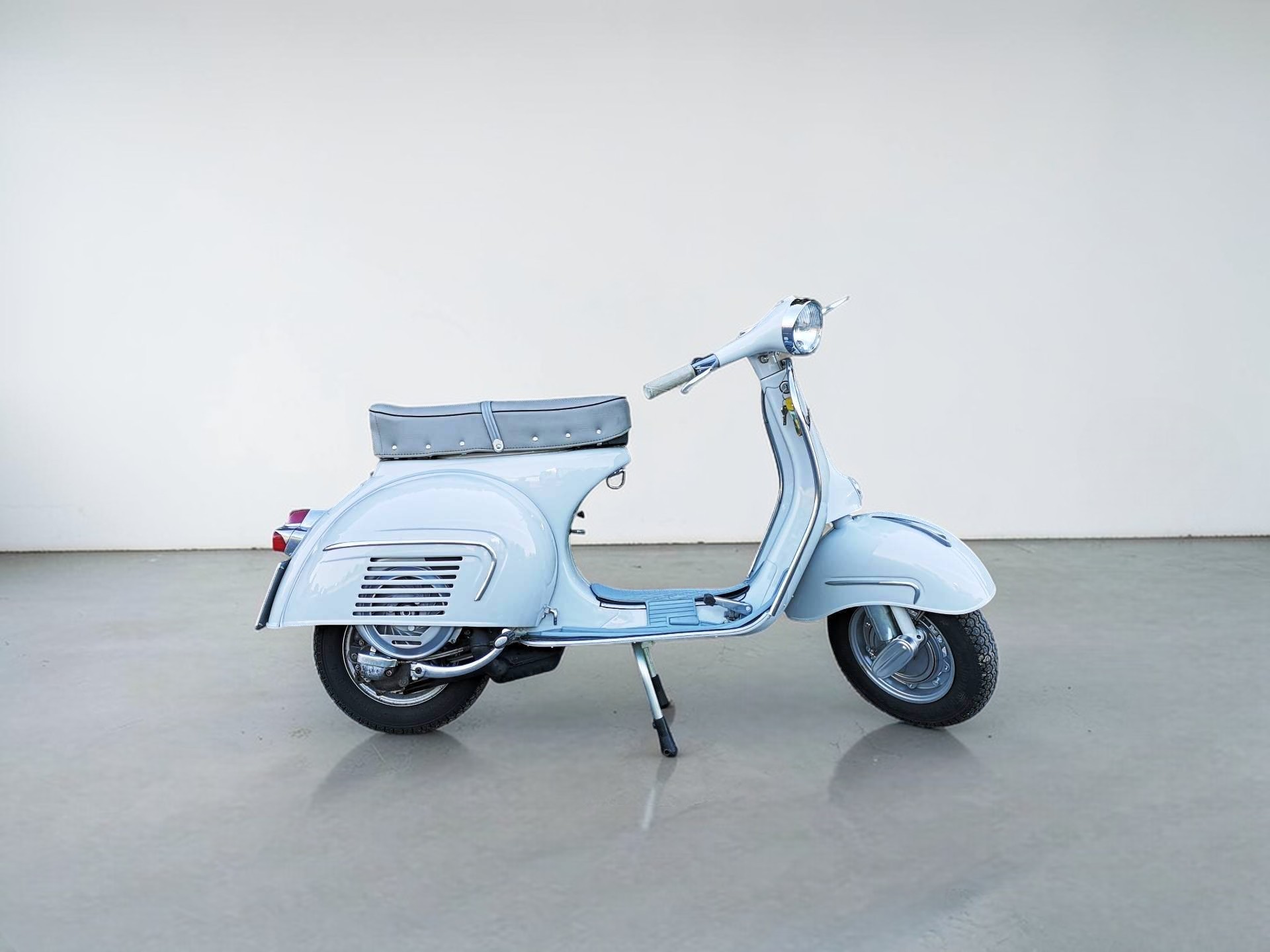
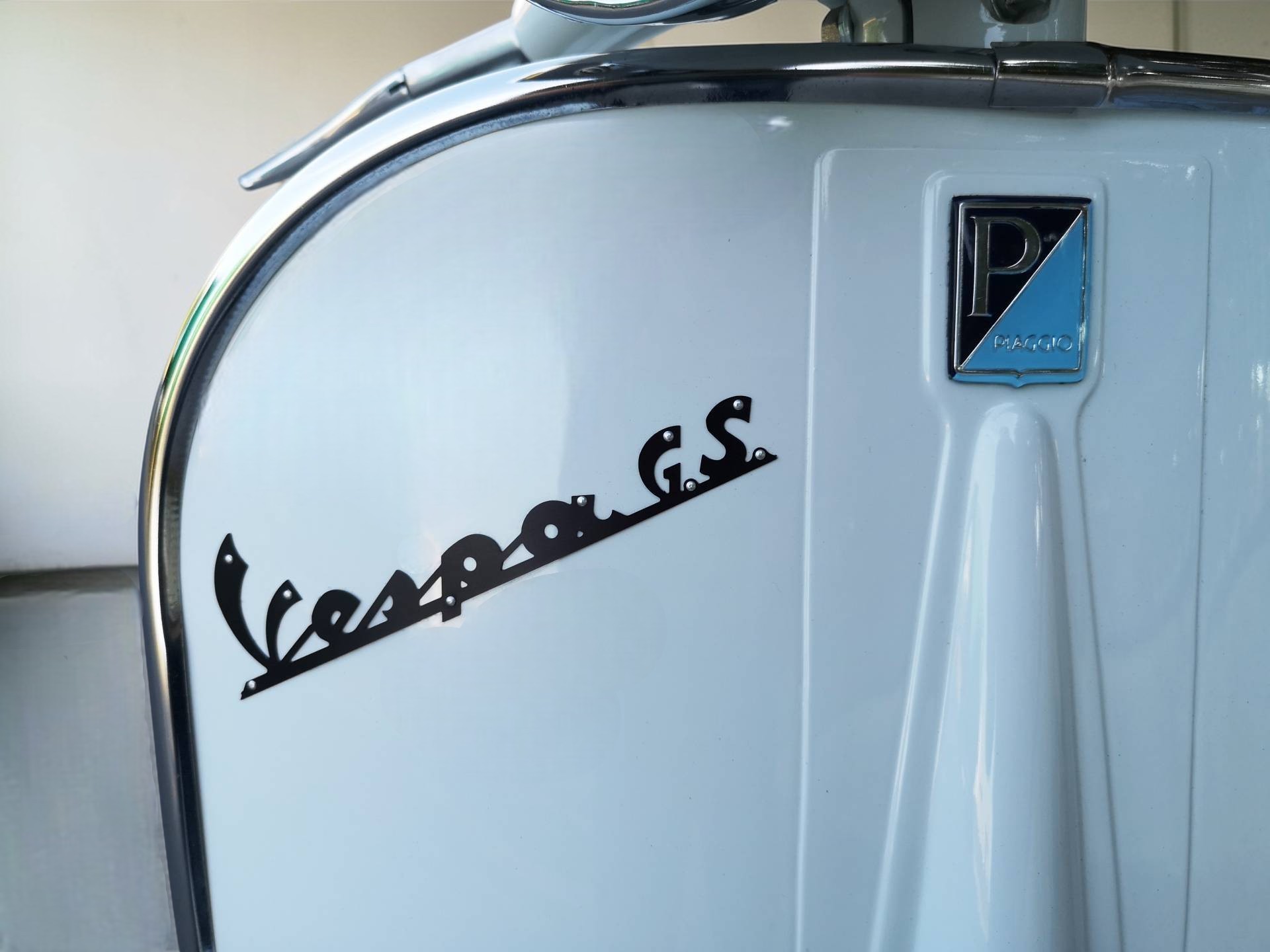
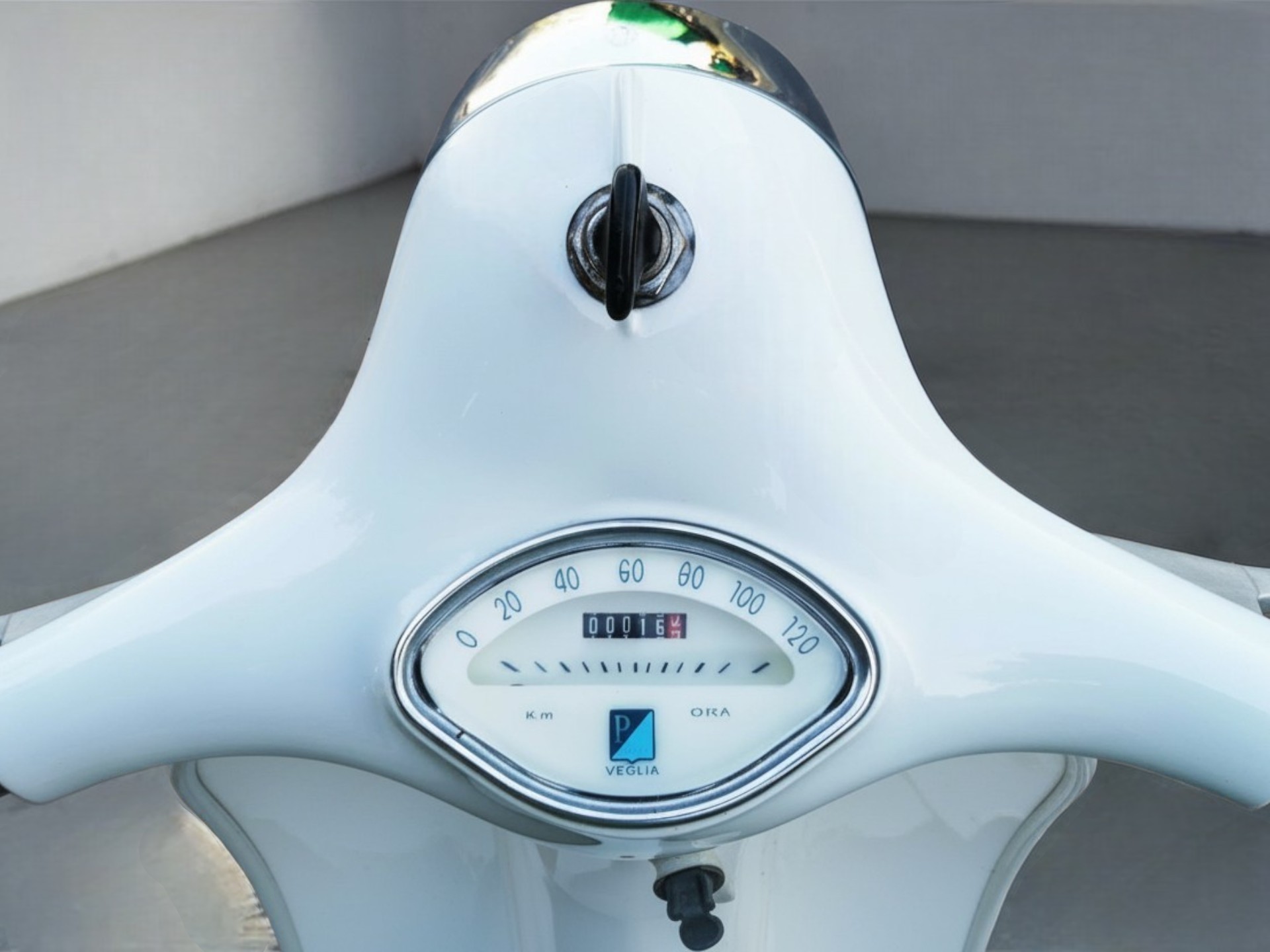
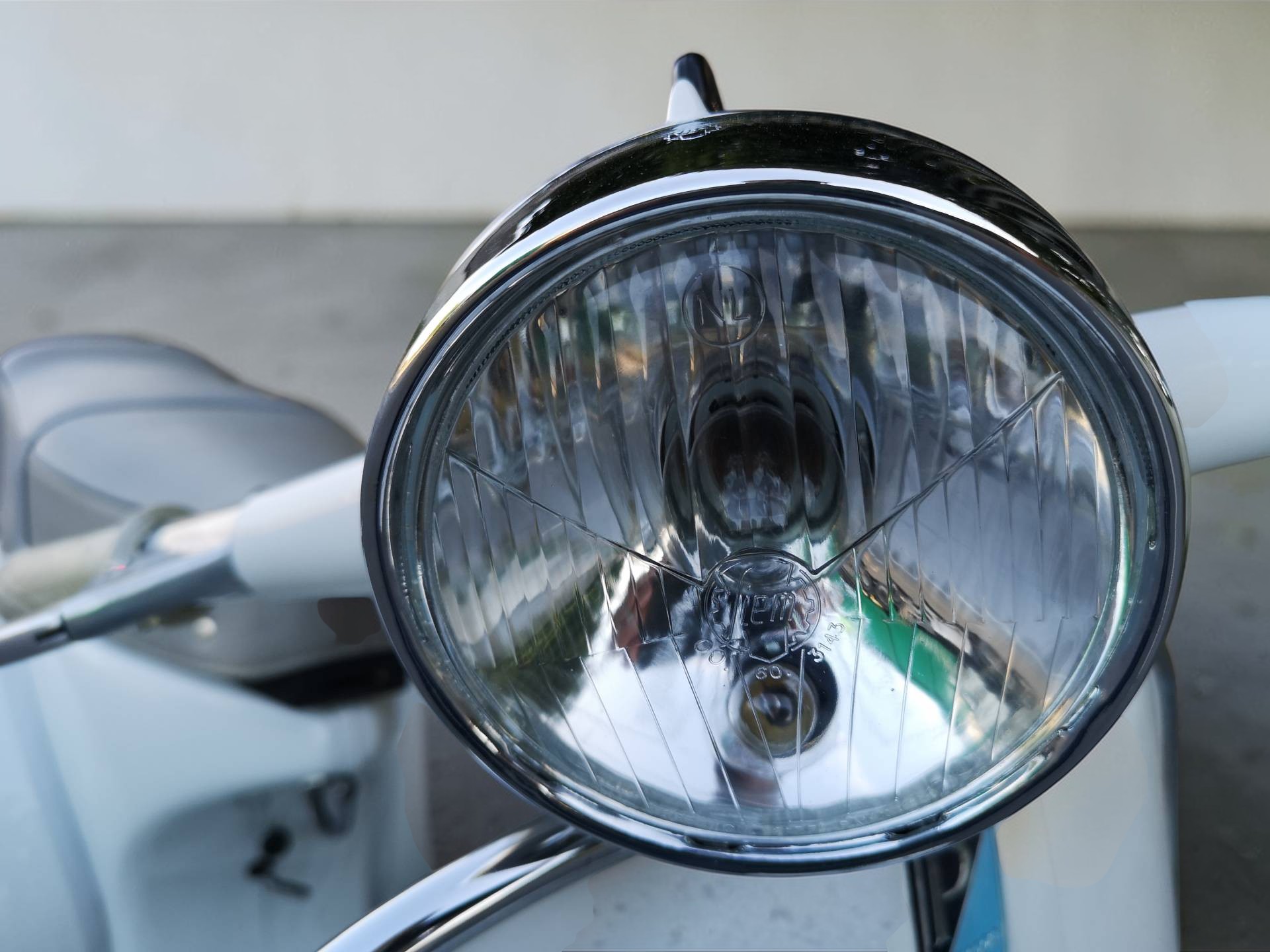
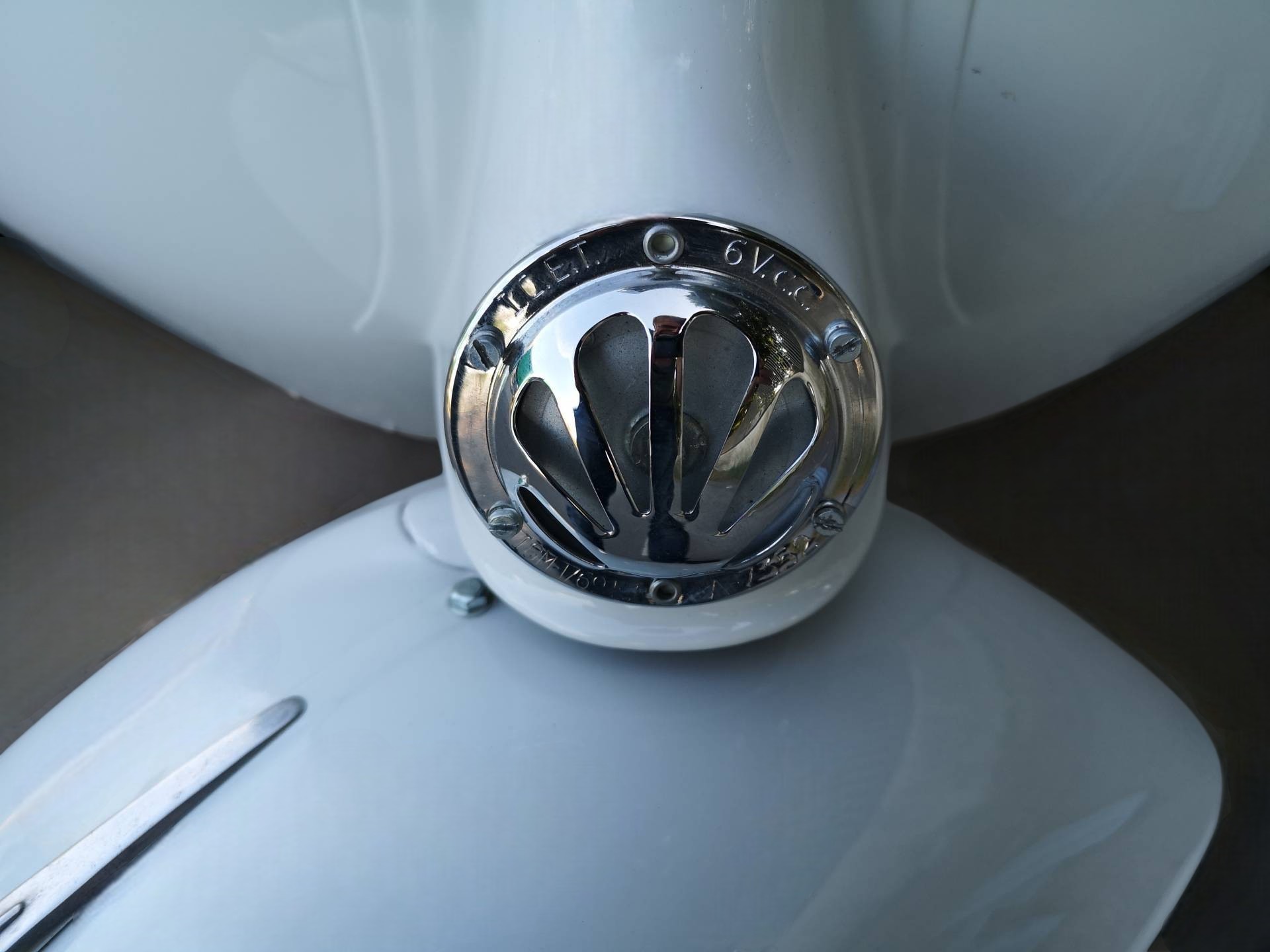
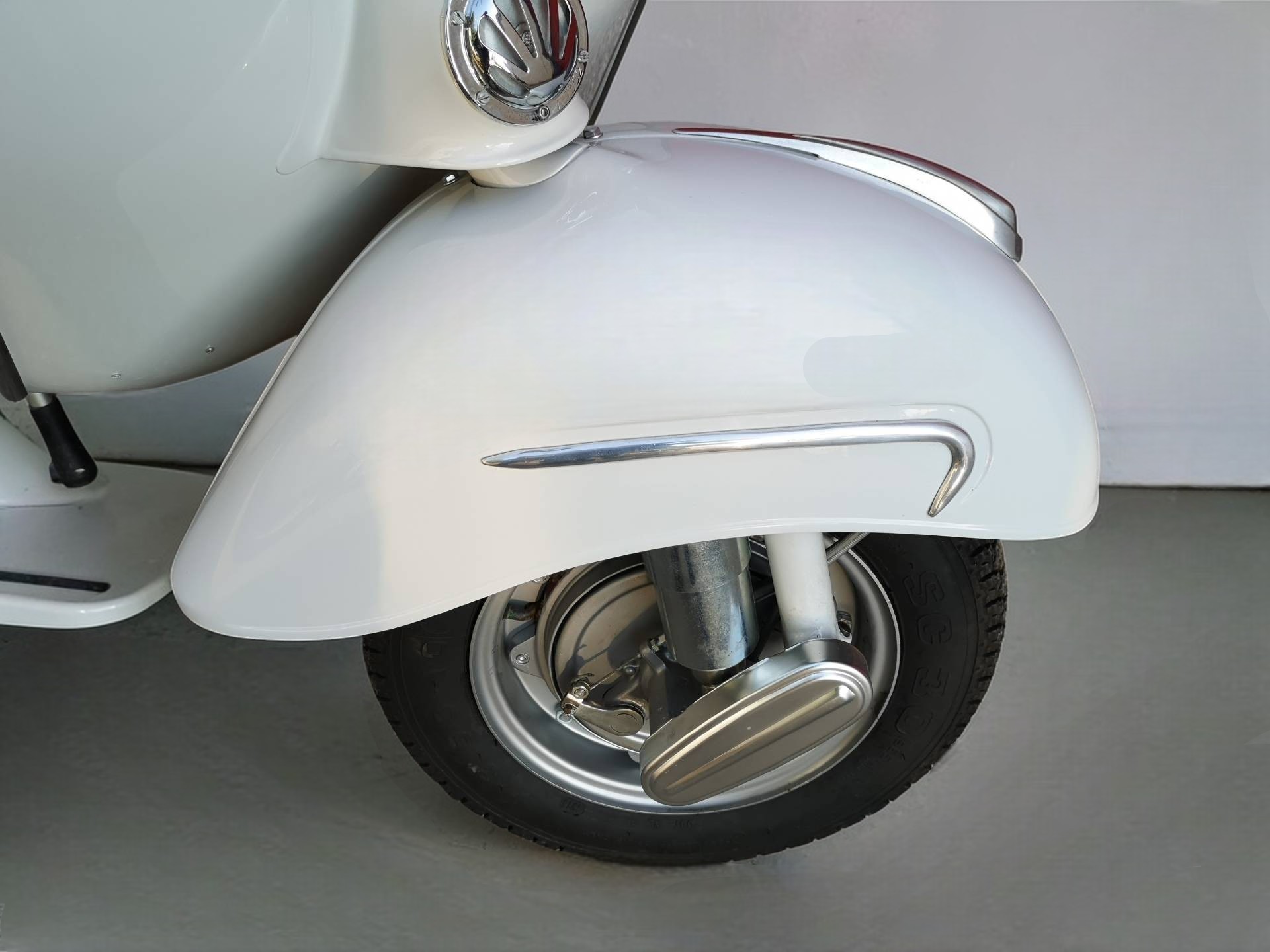
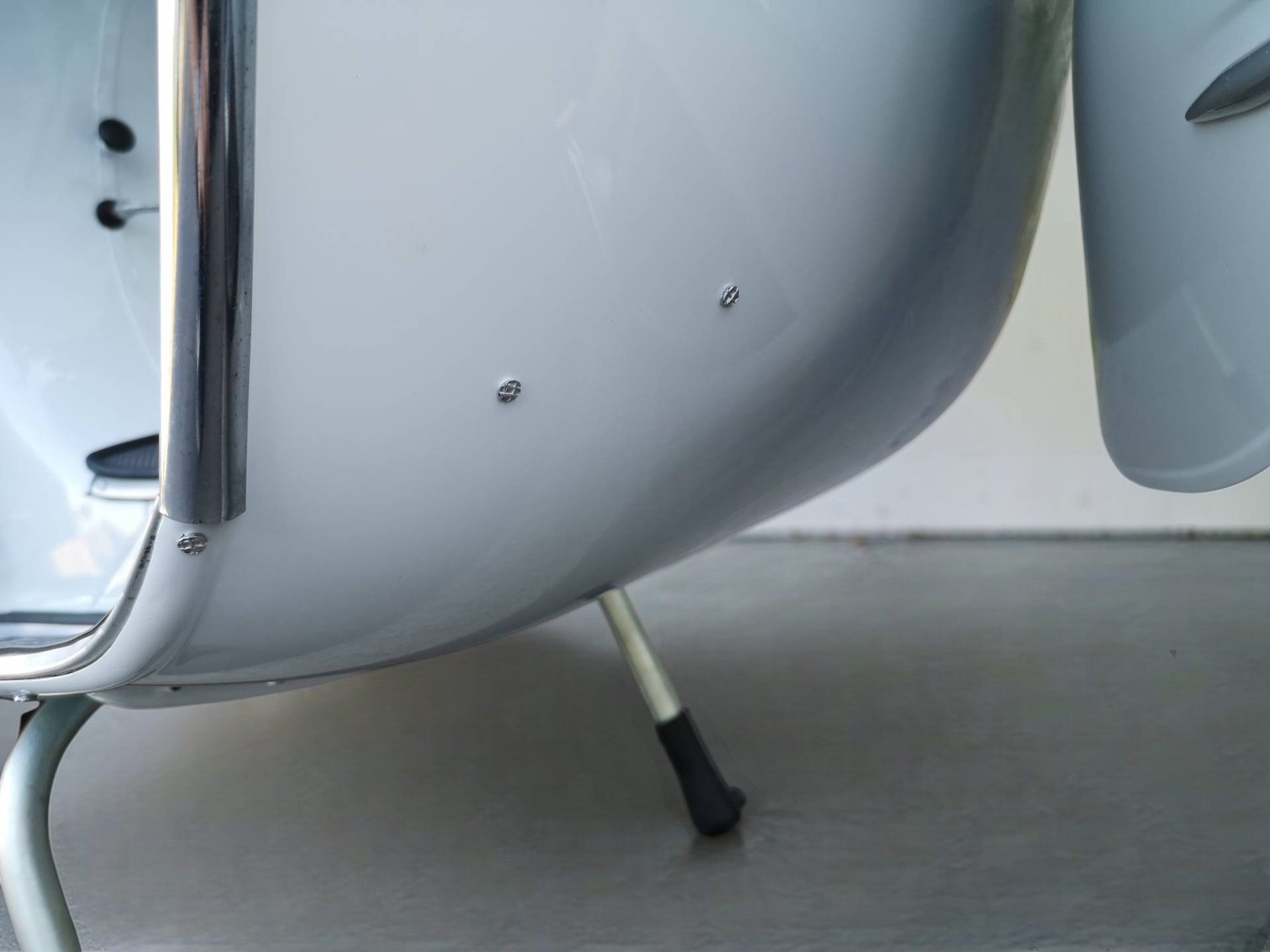
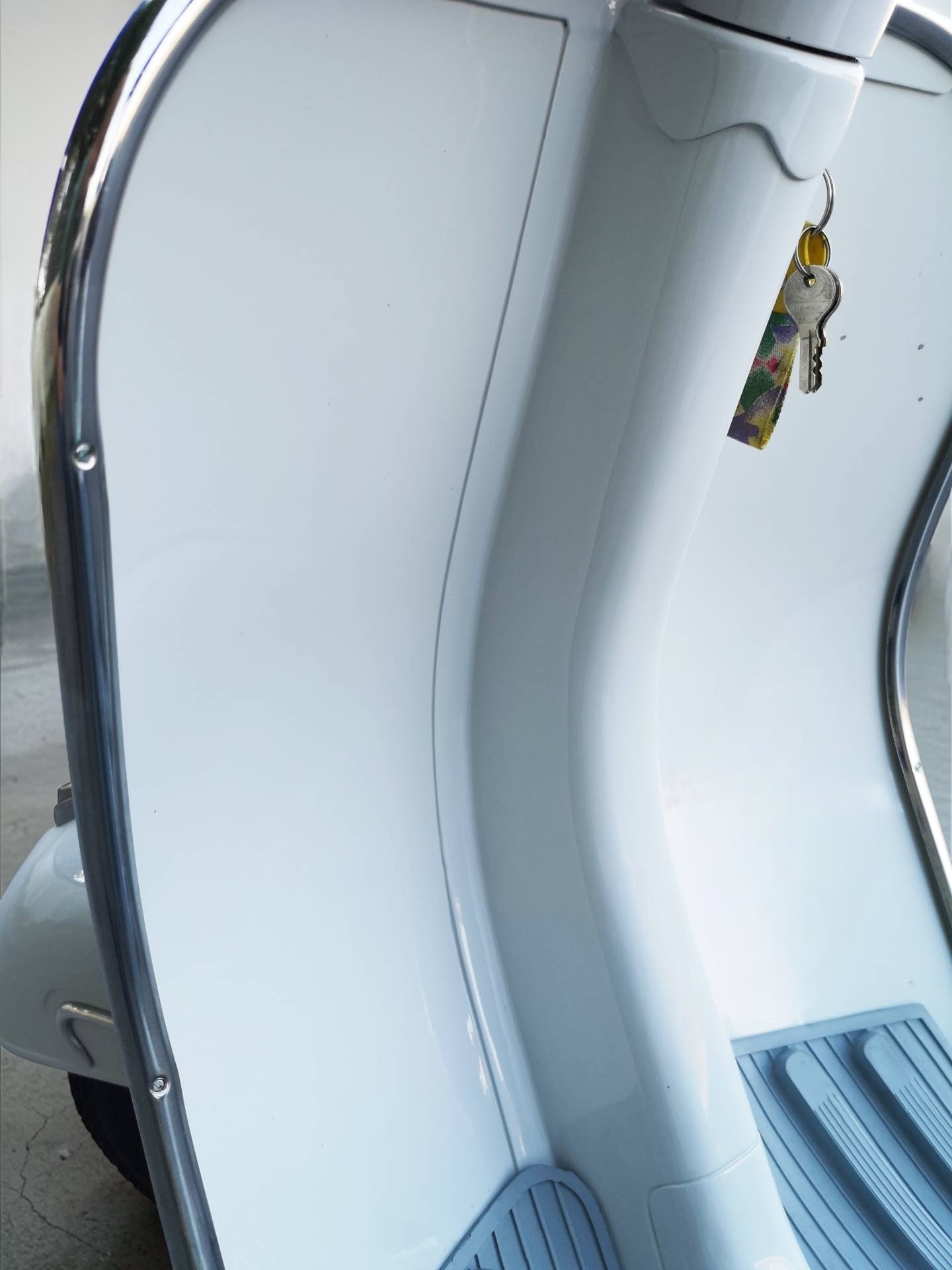
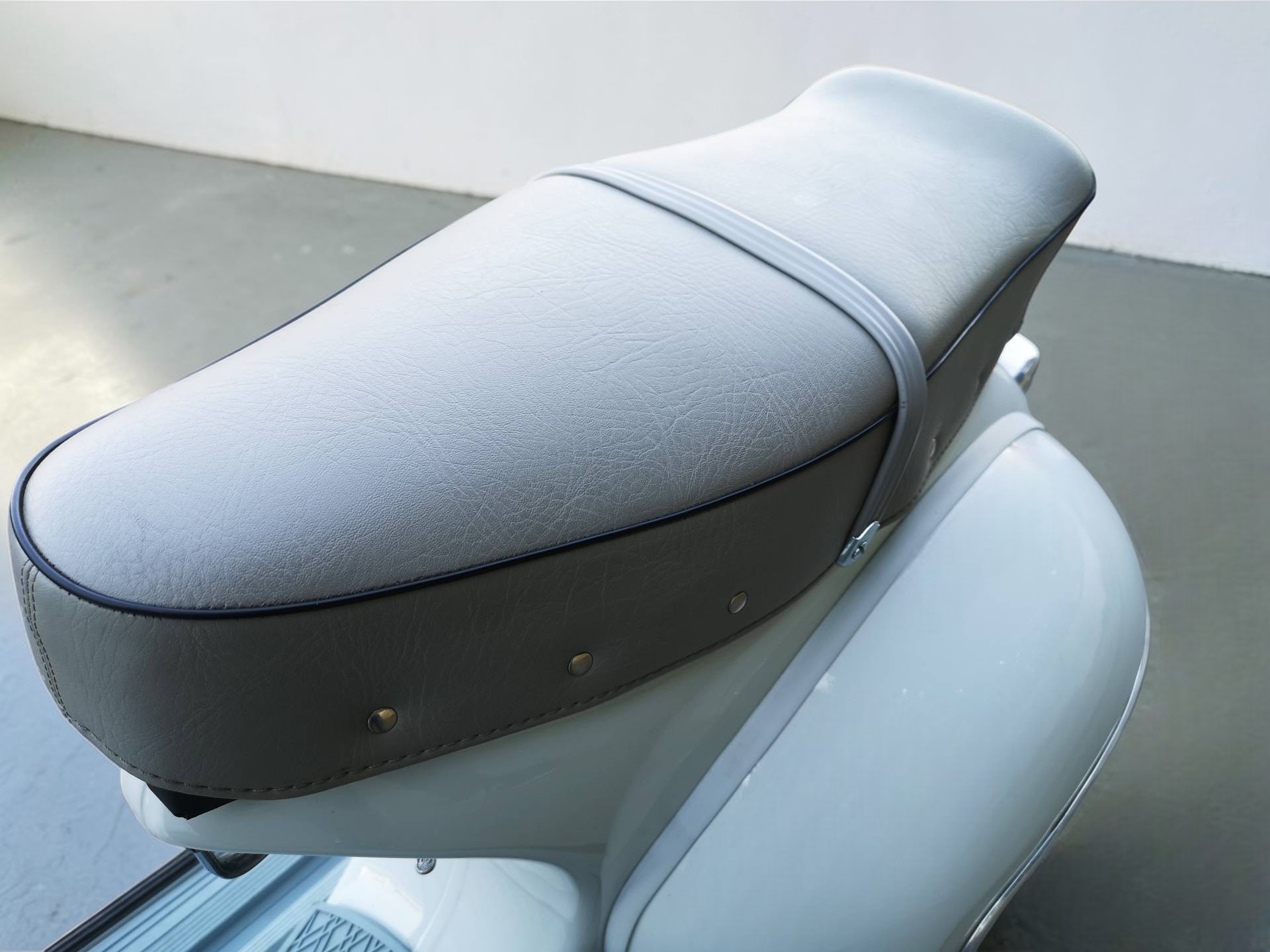

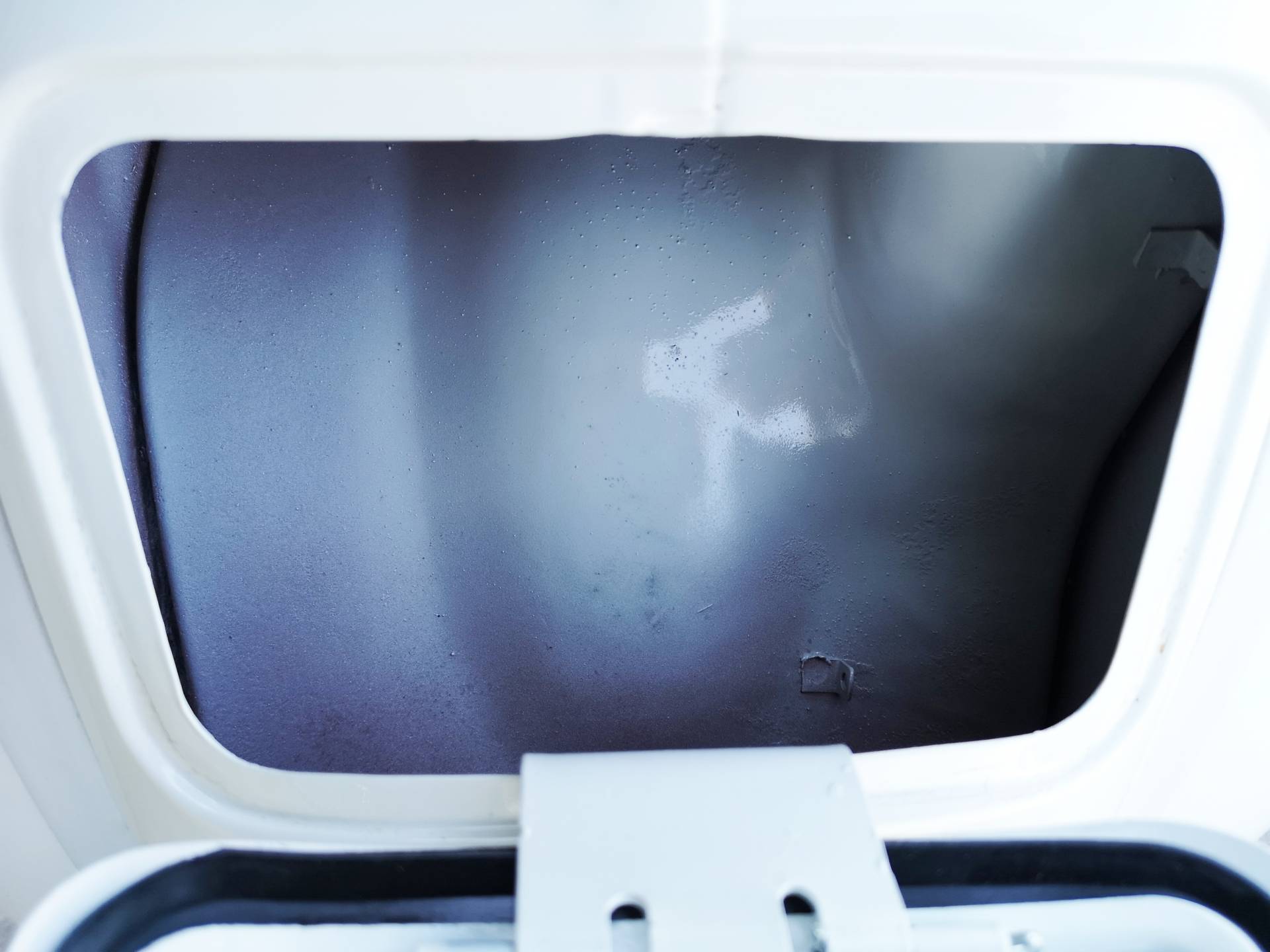
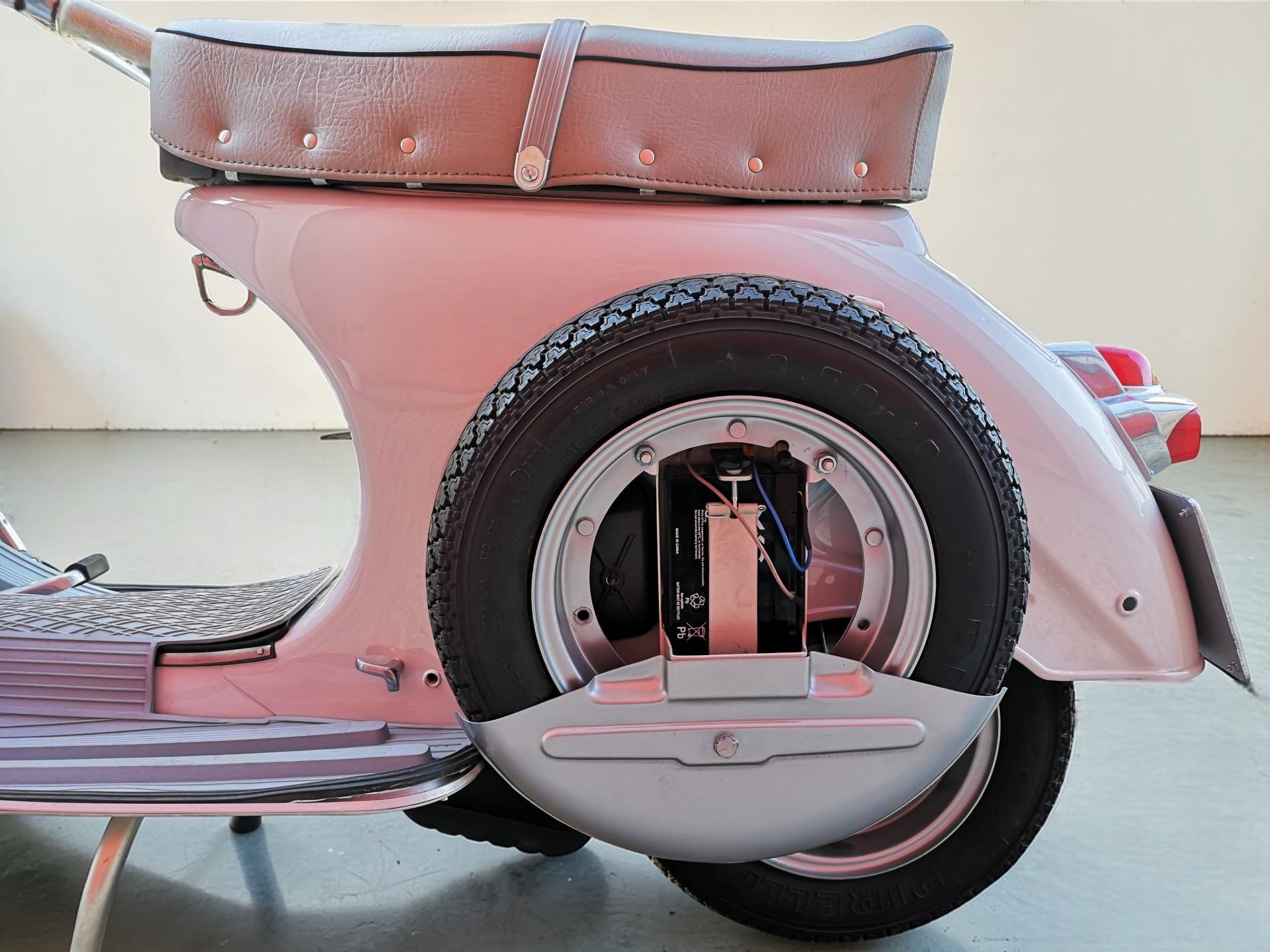
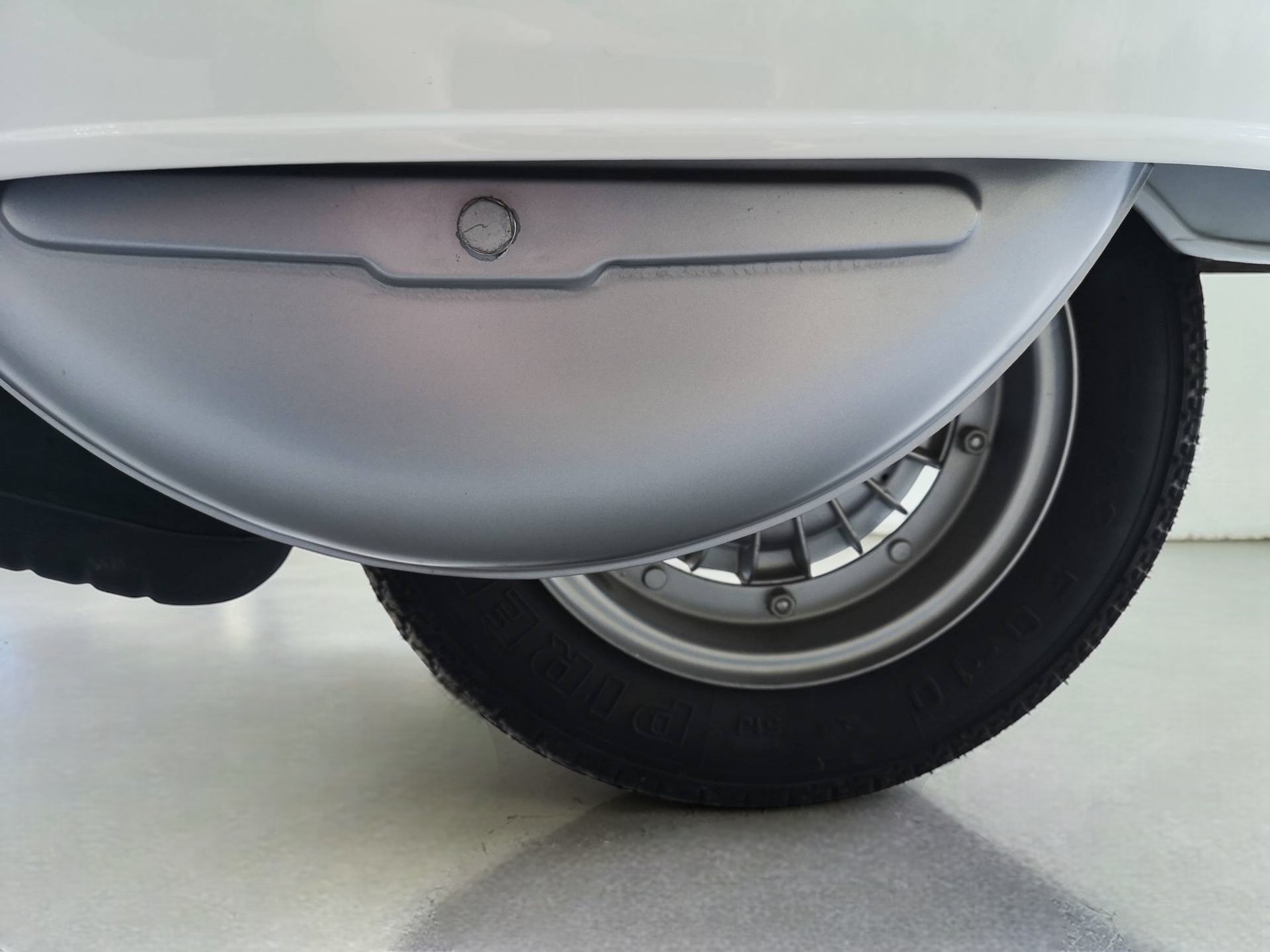
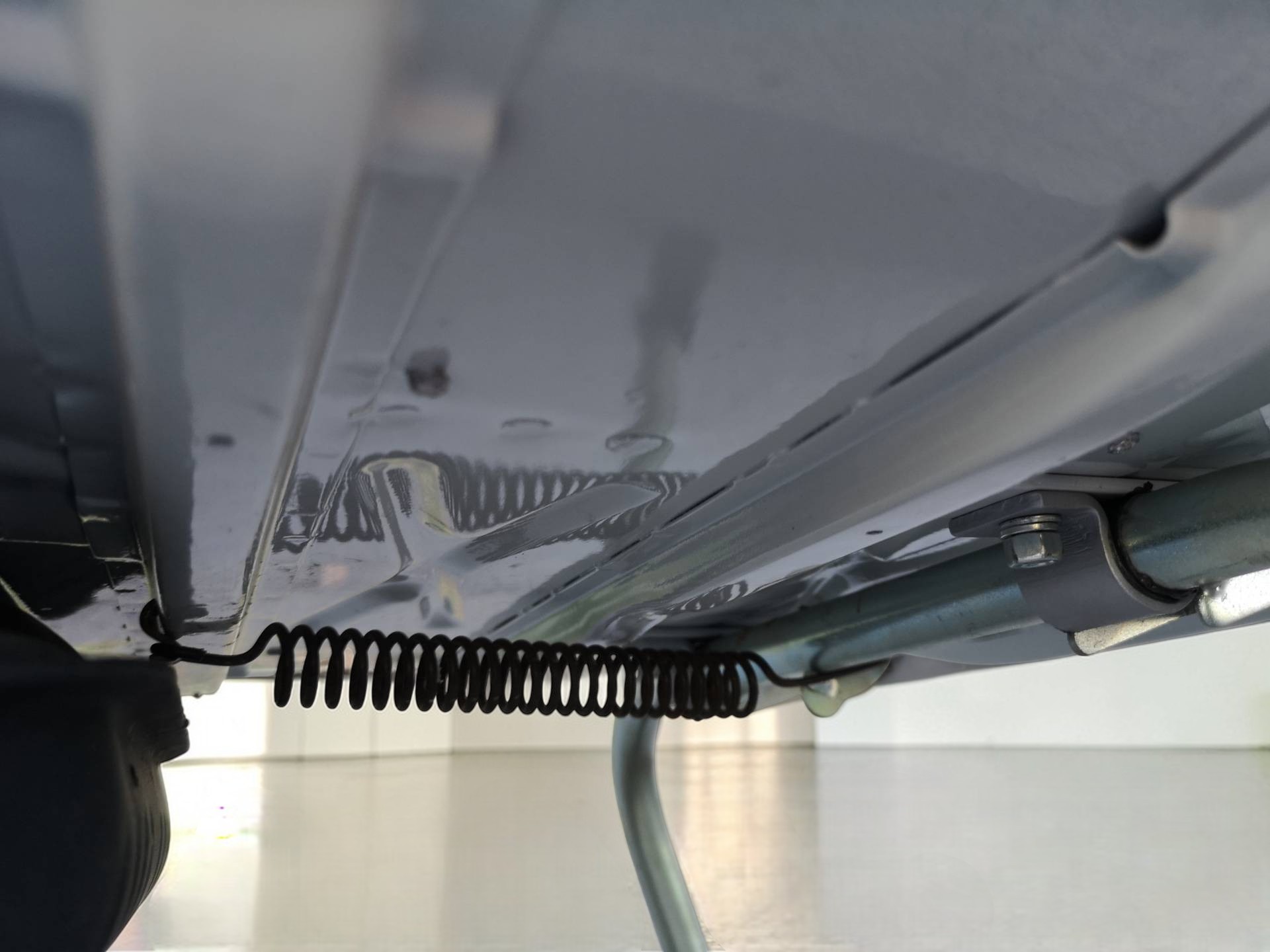
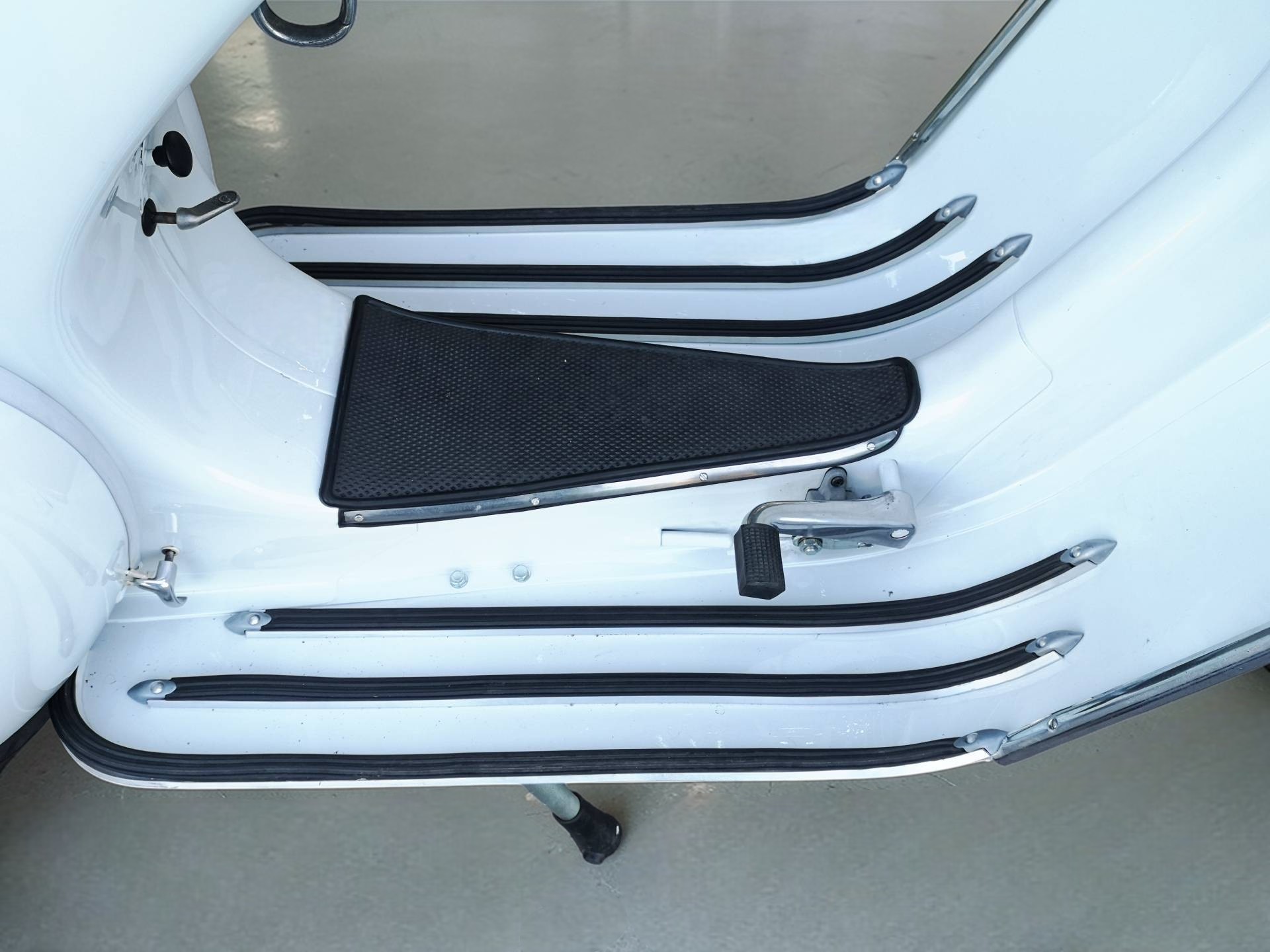
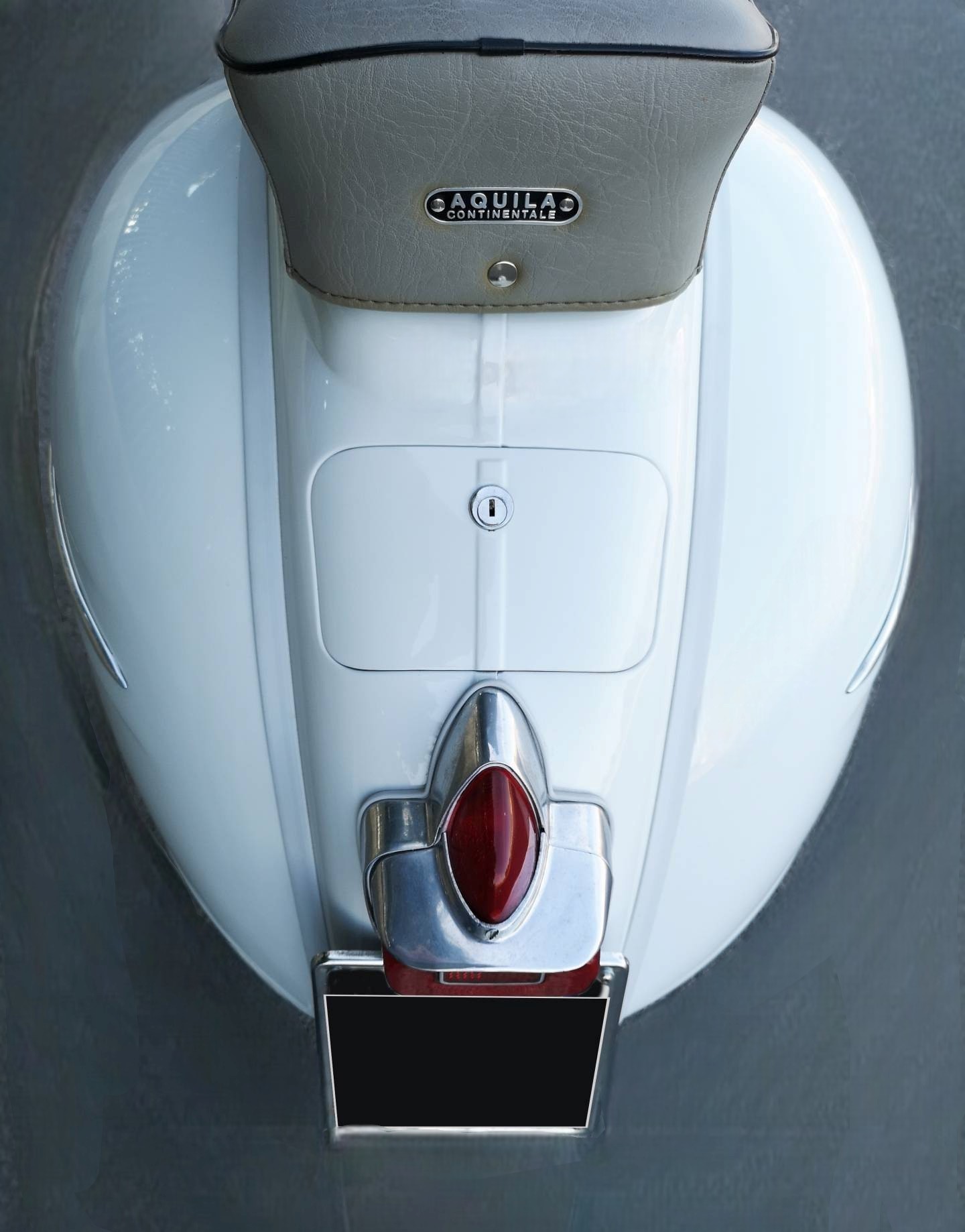
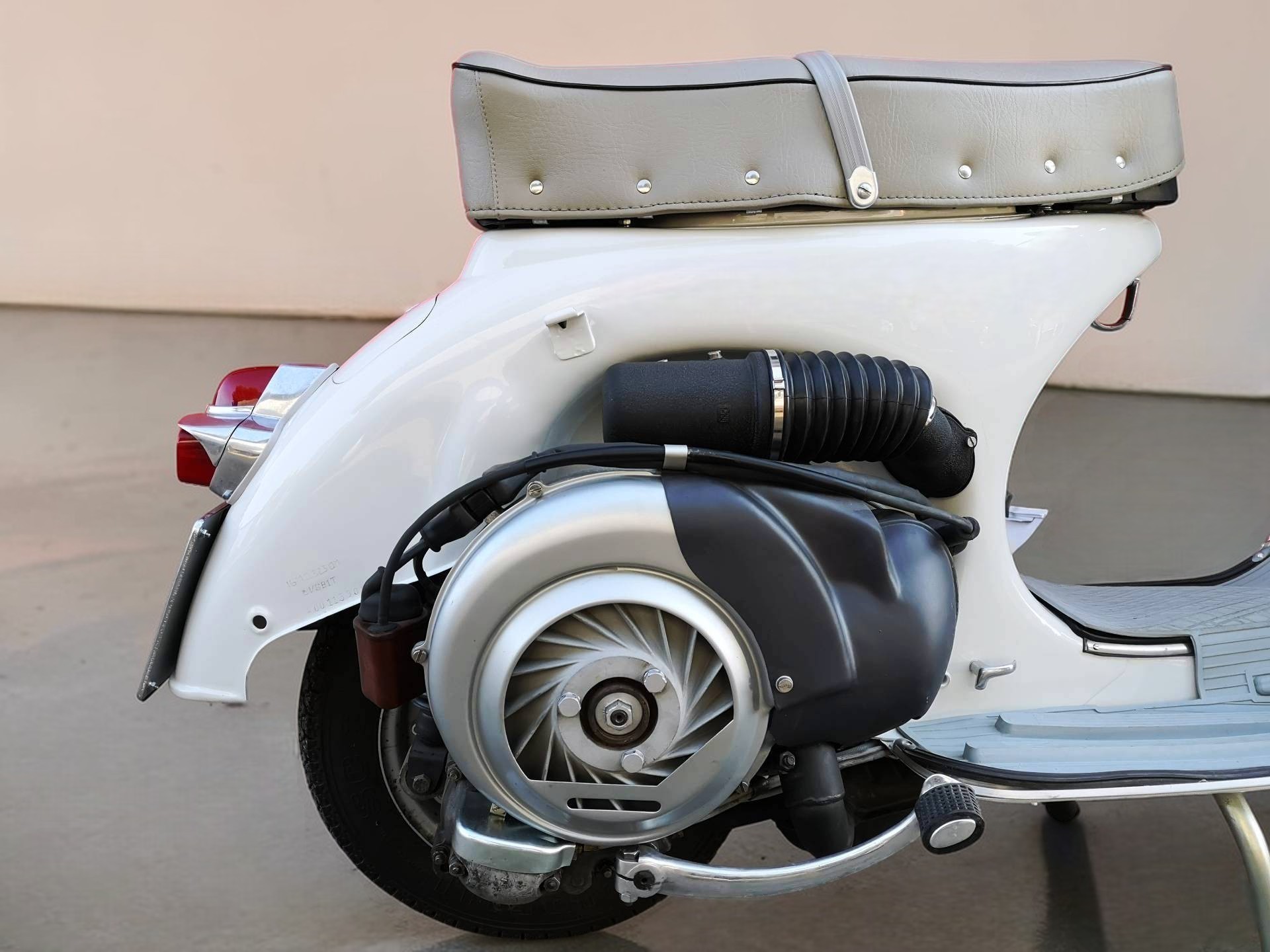
The 1962 Vespa GS 160 Series 1 was the first generation of Piaggio's new 160 cc Gran Sport scooter and the direct successor to the highly successful Vespa 150 GS. Introduced in 1962, it represented a major technical and styling development for the Vespa range, combining a larger engine with a completely revised chassis and a more modern body design.
Known by the frame prefix VSB1T and engine prefix VSB1M, the GS 160 Series 1 was produced during 1962 and is distinguished from the later Series 2 by its unique rear luggage compartment positioned above the rear bodywork and behind the seat.
The scooter uses a 158.5 cc horizontal single-cylinder two-stroke engine with a 58 mm bore and 60 mm stroke. The engine produces approximately 8.2 to 8.9 horsepower at 6,500 rpm, depending on the specification reference, and drives the rear wheel through a four-speed manual transmission.
The GS 160 introduced a new front suspension arrangement in which the hydraulic shock absorber and coil spring were combined into a single unit. It also used 10-inch wheels, improved braking equipment, and a spare wheel mounted beneath the left side body panel.
With a top speed of approximately 100 km/h, the GS 160 was one of the fastest and most sophisticated production Vespas of its time.
The Vespa GS 160 was developed as the successor to the Vespa 150 GS, which had established the Gran Sport name as Piaggio's sporting Vespa line.
By the beginning of the 1960s, Piaggio was preparing a new generation of scooters with more modern styling, larger wheels, improved suspension, and increased engine capacity. The result was the Vespa 160 GS, introduced in 1962.
The new model was mechanically different from the preceding 150 GS rather than simply being an enlarged version of it. The engine, crankcases, chassis, suspension, bodywork, and electrical system were all developed for the new model.
The Italian GS 160 carried the VSB1T frame prefix and VSB1M engine prefix. The first series is associated with 1962 production, with frame numbers beginning in the early VSB1T range and ending at approximately 0029970 according to detailed model-number references.
The Series 1 was produced for only one model year before Piaggio introduced the Series 2 configuration in 1963. Approximately 29,000 Italian Series 1 examples were produced, making the first series considerably more limited than the combined production of the complete GS 160 range.
The model was also produced in Germany by Vespa's Augsburg operation, where the GS 160 was marketed as the GS/4. German production carried its own frame-number range and included both Series 1 and Series 2 examples.
Original frame and engine numbers, factory documentation, registration papers, period photographs, restoration records, and documented ownership history are especially valuable when establishing the provenance of a GS 160 Series 1.
The 1962 Vespa GS 160 Series 1 is powered by a horizontal single-cylinder, air-cooled two-stroke engine with a displacement of approximately 158.5 cc.
The engine has a 58 mm bore and 60 mm stroke, producing a relatively large increase in capacity compared with the preceding 150 GS.
The VSB1M engine uses piston-controlled induction and a Dell'Orto SI 27/23 carburetor.
Published specifications commonly list output at approximately 8.2 horsepower at 6,500 rpm, while some references give approximately 8.9 horsepower for the GS 160. The difference reflects variations in specification references and measurement conventions.
The compression ratio is approximately 7.3:1.
The engine's larger displacement and four-speed transmission provide significantly stronger performance than earlier Vespa GS models, allowing the GS 160 to reach approximately 100 km/h under suitable conditions.
The engine was designed to provide strong road performance while retaining the simplicity and compactness of the Vespa two-stroke architecture.
Actual performance of a surviving GS 160 depends on cylinder and piston condition, crankshaft health, carburetor adjustment, ignition timing, exhaust condition, gearing, tire condition, and restoration quality.
The GS 160 Series 1 uses a four-speed manual transmission operated through the characteristic Vespa twist-grip system on the left side of the handlebar.
The four-speed gearbox was an important part of the model's sporting character, allowing the rider to keep the 158.5 cc engine within its useful operating range.
The clutch is a wet multi-plate unit and is operated manually through the left-hand lever.
The engine and transmission are integrated into the rear portion of the scooter and drive the rear wheel through the enclosed Vespa final-drive system.
The GS 160 uses a 22/67 primary drive ratio, with four transmission ratios designed to provide a useful balance between acceleration and cruising speed.
The integrated drivetrain eliminates the exposed chain found on many conventional motorcycles and keeps the mechanical components protected within the bodywork.
On a surviving GS 160 Series 1, the clutch, gearbox, selector mechanism, bearings, seals, crankshaft, and rear hub should be inspected carefully because incorrect adjustment or worn components can affect both performance and reliability.
The 1962 GS 160 Series 1 uses a pressed-steel self-supporting monocoque chassis, continuing the fundamental Vespa construction method while introducing a more modern structure.
The bodywork was redesigned with smoother and more angular lines than the previous 150 GS, giving the scooter a more contemporary appearance.
The front suspension was one of the most significant technical changes. Instead of the earlier arrangement, the GS 160 uses a single hydraulic shock absorber with the coil spring mounted coaxially around it.
This integrated spring and damper arrangement provided improved control and became an important influence on subsequent Vespa suspension designs.
The rear suspension uses a coil spring combined with a hydraulic damper, with the engine and transmission assembly forming part of the rear-wheel mounting structure.
The GS 160 also uses 10-inch wheels, providing a larger rolling diameter than the 8-inch wheels used by many earlier Vespa models.
The combination of a revised chassis, improved suspension, larger wheels, and low center of gravity gave the GS 160 considerably more stable road manners than many earlier Vespas.
The GS 160 Series 1 uses 10-inch wheels with 3.50 x 10-inch tires.
The larger wheels represented an important development compared with the smaller wheels used on earlier Vespa models and contributed to improved stability at higher speeds.
The front and rear wheels use mechanical drum brakes.
The braking system was upgraded for the higher performance of the 160 GS and was designed to provide effective stopping power for a scooter capable of approximately 100 km/h.
The brake drums, shoes, cables, operating mechanisms, wheel bearings, rims, spokes, and tires should all be checked carefully on a surviving example.
Correct brake adjustment is particularly important on a vintage GS 160 because worn shoes, contaminated drums, stretched cables, and corrosion can significantly reduce braking performance.
The 1962 Vespa GS 160 Series 1 introduced a substantially more modern appearance than the preceding 150 GS.
The bodywork uses cleaner and more angular forms while retaining the classic Vespa step-through architecture and pressed-steel construction.
The front mudguard and side panels were redesigned, giving the scooter a more streamlined appearance.
The GS 160 is particularly recognizable by its trapezoidal headlamp mounted in the handlebar assembly, its 10-inch wheels, and its distinctive side-panel arrangement.
The spare wheel is mounted beneath the left side body panel, protected within the bodywork rather than being carried externally.
One of the most important Series 1 identification features is the small lockable luggage compartment positioned behind the seat and above the rear bodywork.
This rear luggage compartment was unique to the first-series configuration and was replaced by a larger glovebox integrated into the leg shield on the Series 2 model introduced from 1963.
The Series 1 also retained the rounded rear body profile that distinguishes many of the earliest GS 160 examples from later Series 2 scooters.
The 1962 Vespa GS 160 Series 1 was the first production version of the new VSB1T model.
The frame prefix is VSB1T and the engine prefix is VSB1M.
The first-series Italian production is generally identified by frame numbers beginning at approximately VSB1T 1001 and extending to approximately VSB1T 0029970.
The Series 1 was produced only during 1962 before the Series 2 configuration appeared in 1963.
The defining visual feature of the Series 1 is the small lockable luggage compartment located at the rear of the frame behind the seat and above the taillight.
The Series 2 replaced this arrangement with a larger glovebox positioned inside the leg shield.
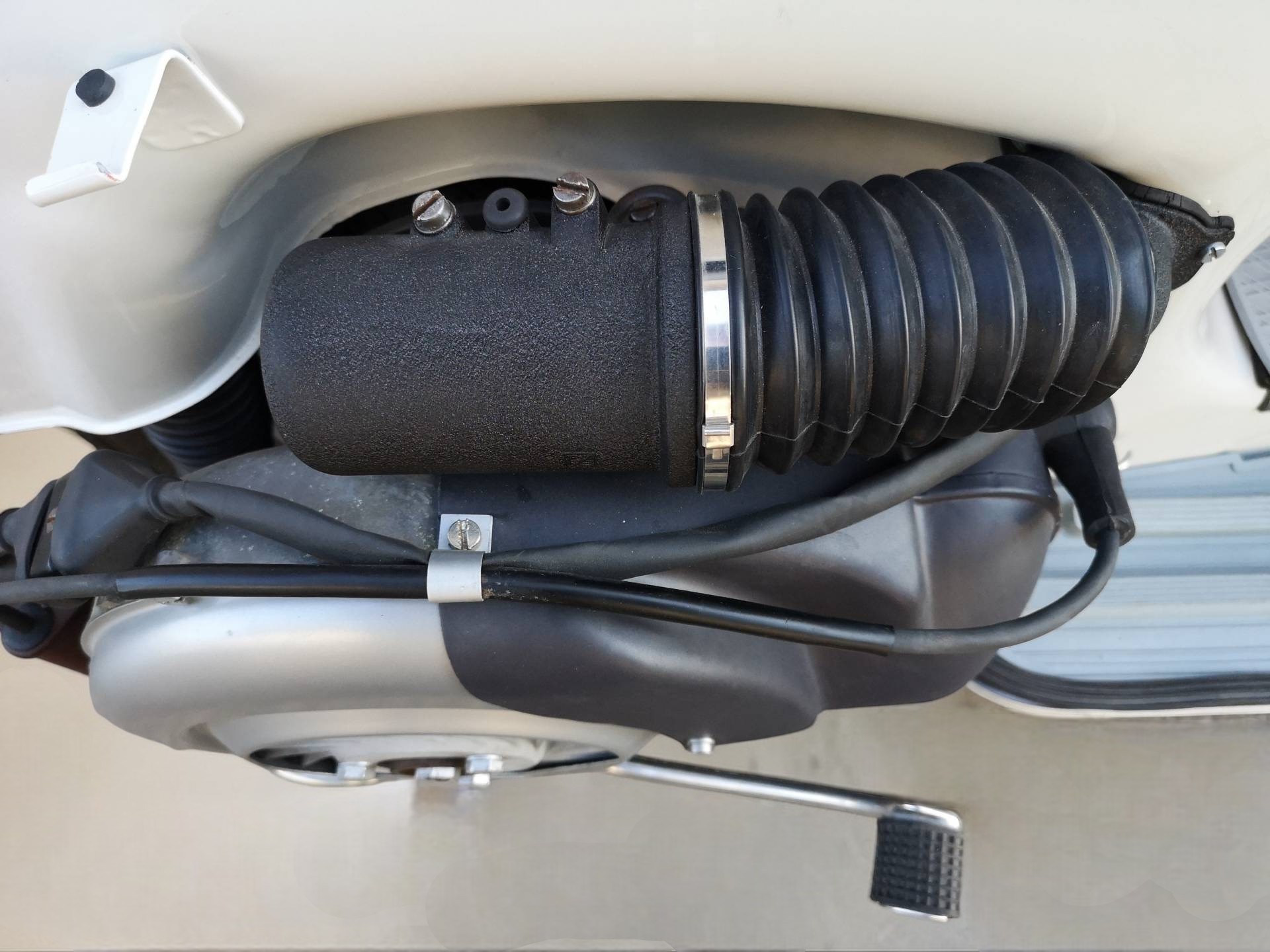
The Series 1 also used a distinctive cylindrical or tube-style air filter arrangement, a detail that is frequently replaced with the later Series 2 air filter during restorations.
Early Series 1 examples can also be identified by their lighter-colored seat covering, while later Series 2 machines generally used darker seat coverings.
These small details are important when evaluating originality because many Series 1 scooters have been updated with Series 2 components during their lifetimes.
The 1962 Vespa GS 160 Series 1 has a noticeably more sporting character than ordinary Vespa models of the period.
The 158.5 cc two-stroke engine provides strong acceleration for a scooter of its size, while the four-speed gearbox allows the rider to use the available power effectively.
The low center of gravity and step-through chassis make the scooter agile at low speeds, while the 10-inch wheels and improved suspension provide greater stability at higher road speeds.
The integrated front spring and hydraulic damper provide more controlled suspension movement than the systems used on many earlier Vespas.
The GS 160's approximately 100 km/h top speed places it firmly within the sporting category of early-1960s scooters.
The riding position remains characteristically Vespa, with an upright posture, twist-grip gear control, and the protective leg shield surrounding the rider.
A restored GS 160 should nevertheless be ridden with respect for its original mechanical and braking technology, especially when compared with modern scooters.
The Vespa GS 160 is historically important because it represented a major step forward in Piaggio's sporting scooter development.
The earlier 150 GS had already established Vespa's reputation for performance, but the GS 160 introduced a new chassis, a new engine, improved suspension, larger wheels, and a four-speed transmission.
The model demonstrated that a scooter could offer genuinely strong road performance while retaining the practicality and accessibility of the Vespa format.
The GS 160 was also one of the first Vespa models to use the integrated front spring and hydraulic damper arrangement that would influence later Vespa chassis development.
The model's combination of approximately 160 cc displacement and a four-speed transmission made it one of the most capable production Vespas available in the early 1960s.
The GS 160 was eventually succeeded in the sporting range by the Vespa 180 Super Sport, but its engineering and styling had a lasting influence on later performance-oriented Vespa models.
The 1962 Vespa GS 160 Series 1 is highly desirable among collectors of early sporting Vespas.
Its limited one-year Series 1 production, unique rear luggage compartment, distinctive bodywork, and important mechanical specification make it particularly sought after.
Collectors pay close attention to the VSB1T frame number, VSB1M engine, rear luggage compartment, Series 1 air filter, seat covering, taillight area, body panels, front suspension, wheels, carburetor, electrical equipment, and trim.
The Series 1 rear luggage compartment is one of its most important identifying features. Many scooters have been modified with the larger front glovebox from the Series 2, which can make an otherwise genuine first-series machine appear later than it actually is.
The same issue applies to the air filter, seat, electrical components, and other parts that were updated or replaced during normal service.
Original paint, matching frame and engine numbers, correct Series 1 components, factory markings, period accessories, and documented ownership history can significantly increase the historical value of an example.
Because the GS 160 has been highly collectible for decades, reproduction and replacement parts are common. Authentication should therefore rely on multiple identifying features rather than appearance alone.
Authenticating a 1962 Vespa GS 160 Series 1 requires careful examination of the frame number, engine number, bodywork, mechanical components, and Series 1-specific details.
The frame should carry the VSB1T prefix and the engine should correspond to the VSB1M specification.
The frame number should fall within the appropriate 1962 Series 1 range when the scooter is claimed to be an Italian-market example.
The rear luggage compartment located behind the seat is one of the strongest visual indicators of a Series 1 machine.
The scooter should also be checked for the correct Series 1 air filter, seat configuration, rear body profile, electrical equipment, headlamp, taillight, front suspension, wheels, and other period components.
The later Series 2 glovebox is frequently fitted to Series 1 scooters, so the presence of a front glovebox alone does not prove that a scooter was originally a Series 2.
Frame and engine numbers should be documented and compared with reliable historical production records whenever possible.
Original registration documents, factory records, period photographs, restoration invoices, and ownership history can provide additional evidence of authenticity.
Replacement or reproduction components should be identified clearly when assessing originality, as a mechanically restored scooter may contain many components that were not present when it left the factory.
The 1962 Vespa GS 160 Series 1 matters because it introduced one of the most important technical and stylistic developments in the history of Piaggio's Gran Sport scooters.
The 158.5 cc two-stroke engine, four-speed gearbox, 10-inch wheels, improved suspension, and redesigned pressed-steel chassis created a much more capable performance scooter than the earlier GS models.
The unique rear luggage compartment also makes the Series 1 immediately distinguishable from the later GS 160 Series 2.
Its one-year production period and relatively limited production make genuine Series 1 examples particularly interesting to collectors.
For enthusiasts, the GS 160 Series 1 represents an important point in the evolution from the classic post-war Vespa toward the faster, more sophisticated sporting scooters of the 1960s.
This 1962 Vespa GS 160 Series 1 represents the first production version of Piaggio's new 160 cc Gran Sport and is one of the most significant sporting scooters of the early 1960s.
The 158.5 cc single-cylinder two-stroke engine produces approximately 8.2 to 8.9 horsepower at 6,500 rpm and drives the rear wheel through a four-speed manual twist-grip transmission, giving the GS 160 a top speed of approximately 100 km/h.
The scooter combines a redesigned pressed-steel chassis with 10-inch wheels, improved drum brakes, a new integrated front spring and hydraulic damper, and a spare wheel mounted beneath the left side body panel.
The most important Series 1 identification feature is the small lockable luggage compartment positioned behind the seat and above the rear bodywork. This configuration was replaced by the larger front glovebox on the Series 2 model introduced from 1963.
With its one-year Series 1 production, distinctive mechanical specification, and strong connection to the development of Vespa's sporting models, an authentic 1962 GS 160 is highly desirable among collectors.
For more information about the Vespa marque and other historic models, visit Vespa vintage scooters.
Contact us for additional photographs, detailed specifications, frame and engine numbers, service history, originality assessment, provenance, restoration details, historical documentation, and purchasing information for this 1962 Vespa GS 160 Series 1.
The Vintage Motorcycles presents a curated selection of historically significant Italian machines, where Vespa represents one of the most influential developments in post-war mobility engineering. Introduced as a response to the need for affordable and efficient transportation, Vespa redefined two-wheel design through its monocoque chassis, enclosed mechanical systems, and highly accessible riding ergonomics.
Within the broader landscape of global vintage motorcycle manufacturers, Vespa stands apart from traditional motorcycle architecture, representing a shift toward integrated industrial design. This transformation can be better understood when contrasted with earlier pre-war motorcycle engineering (1900-1939), where exposed mechanical systems and rigid frame structures defined the dominant design philosophy.
The emergence of Vespa aligns closely with wider post-war motorcycle development, a period marked by economic reconstruction and the demand for lightweight, practical transportation solutions. Italian manufacturers, particularly Piaggio through the Vespa platform, played a defining role in this transition, introducing vehicles that combined mechanical simplicity with mass production efficiency.
Each Vespa within our collection is selected based on provenance, originality, and structural integrity, ensuring alignment with museum-grade preservation standards. Available acquisition opportunities can be explored through our global vintage motorcycle inventory, supported by a fully insured international shipping service.
Vespa's development is deeply connected to Italy's industrial recovery following World War II, where engineering priorities shifted toward efficiency, affordability, and accessibility. Unlike conventional motorcycles, Vespa introduced a fully integrated body structure that protected mechanical components, reduced maintenance complexity, and improved rider comfort.
This transformation reflects broader changes explored through WW2 military motorcycle development, where industrial capabilities and engineering knowledge were redirected from military production toward civilian mobility solutions. Vespa emerged directly from this context, adapting aeronautical and industrial manufacturing techniques into a new form of urban transport.
Although primarily designed as a solo urban vehicle, Vespa also intersected with broader European mobility trends, including adaptations and utility concepts related to sidecar-equipped motorcycles, highlighting how diverse engineering solutions coexisted during the mid-20th century.
Italian engineering, as embodied by Vespa, emphasizes the integration of form and function, where mechanical efficiency is combined with clean, purposeful design. This philosophy distinguishes Vespa from many contemporaries, positioning it not only as a vehicle but also as a cultural and industrial design icon.
From early models such as the Vespa 98 to later developments across the 1950s and 1960s, the brand continuously refined its engineering approach while maintaining its core identity. These machines represent a departure from traditional motorcycle evolution, focusing instead on accessibility, usability, and mass adoption.
Today, Vespa remains a critical reference point in the study of post-war transportation systems, illustrating how engineering innovation can reshape not only vehicle design but also social mobility. For collectors, these machines offer a unique combination of historical significance, design heritage, and enduring global recognition.
Key Highlights
Collector Assurance
All enquiries handled with discretion. We typically respond within 6 hours.
Choose the payment method that is most convenient for you. We accept widely used international payment methods as well as, where available, local bank transfer options that allow you to pay like a domestic transaction. Full payment instructions are provided for your specific purchase.
Direct international bank wire transfer is available for motorcycle purchases and export transactions.
Credit card payments can be arranged through Wise.com, subject to the applicable payment and processing conditions.
PayPal is accepted. A 5% PayPal processing fee applies to the transaction.