The Vintage Motorcycles
Specialists in antique, classic, veteran and vintage motorcycles.
Specialists in antique, classic, veteran and vintage motorcycles.
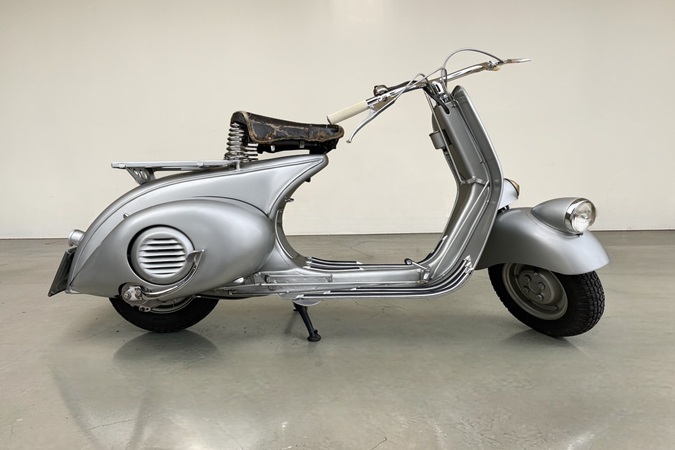
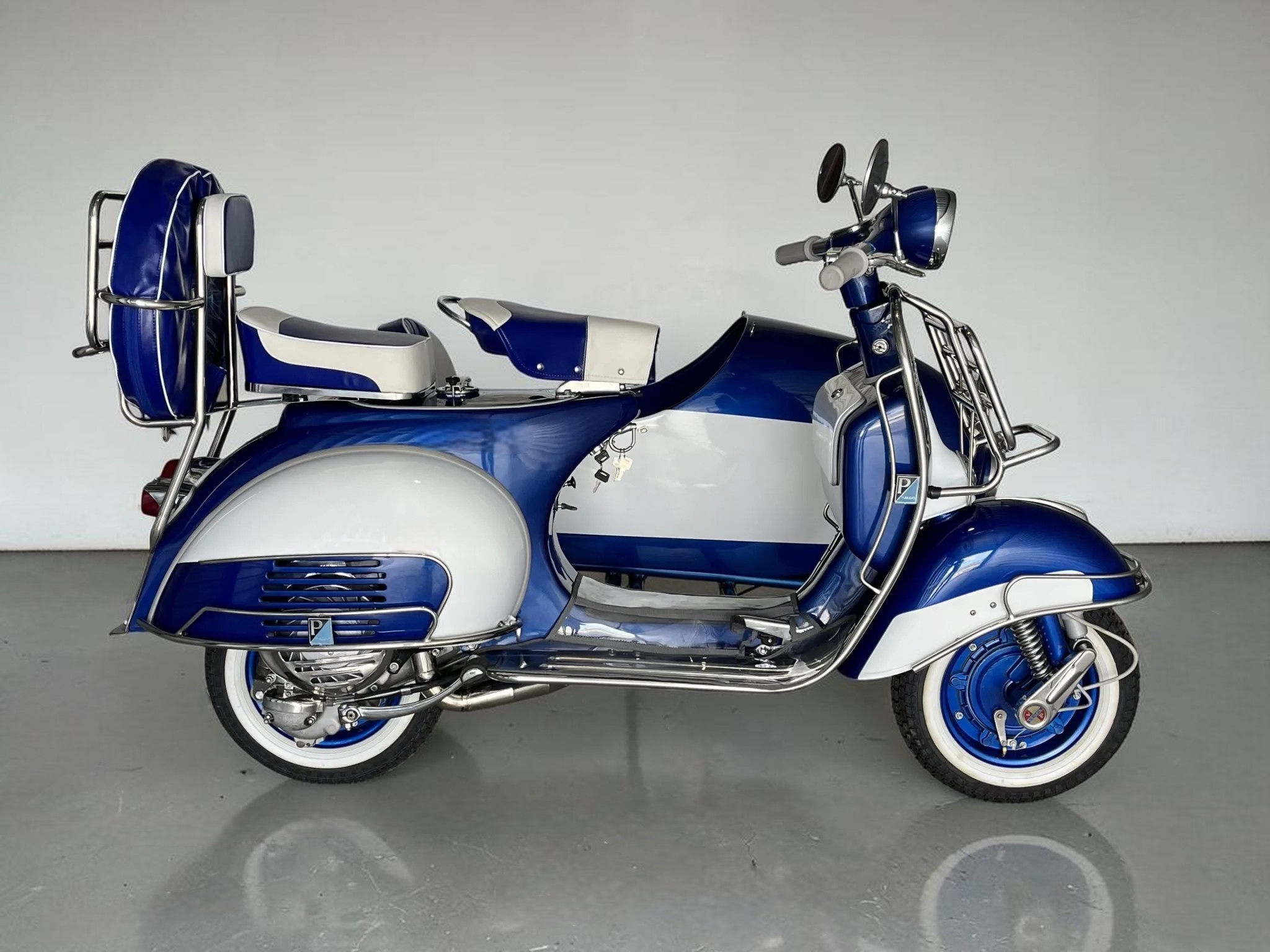
A curated collection of investment-grade Vespa vintage scooters, from the groundbreaking 1947 Vespa 98 to rare sport and touring models of the 1950s and 1960s. Each example represents a defining moment in post-war Italian design, engineering innovation, and global mobility culture
Curated by American, European vintage motorcycle specialists. Established 1986, supplying collector-grade machines to private collectors and investors worldwide.
Vespa vintage scooters are among the most iconic vehicles ever produced, representing a revolution in post-war transportation and industrial design. Introduced in 1947, Vespa redefined personal mobility with its lightweight monocoque frame, enclosed mechanics, and elegant Italian styling.
From the earliest Vespa 98 models to performance-oriented scooters such as the GS160 and SS90 Super Sprint, these machines reflect the evolution of urban mobility, motorsport influence, and global cultural impact. Today, collector-grade Vespa scooters are increasingly sought after for their rarity, originality, and historical importance.
Early Vespa models such as the Vespa 98 (1947-1948) were produced in limited numbers, making surviving examples exceptionally rare and highly desirable among collectors.
During the 1950s and 1960s, Vespa expanded globally, producing a wide range of models from utilitarian scooters like the 125 U to high-performance machines such as the GS160 and SS90 Super Sprint.
Original, well-preserved scooters with matching components and documented restoration history are now considered valuable collector assets in the international market.
1946 - Vespa was created by Piaggio in Italy, designed by engineer Corradino D'Ascanio as a practical solution for post-war urban transportation.
1946 - The Vespa 98 was introduced, featuring a step-through frame, enclosed bodywork, and clean design focused on everyday usability.
1950s - Vespa became a global cultural icon, representing modern Italian lifestyle and expanding rapidly across Europe and international markets.
1953 - The Vespa 125 gained widespread popularity, improving performance, comfort, and ride stability for urban commuting.
1950s-1960s - Vespa played a central role in the rise of European scooter culture, especially among youth movements and city riders.
1960s - New models introduced increased engine capacity and improved styling, while maintaining the signature monocoque steel body design.
1970s - Vespa adapted to changing urban transport needs, expanding into larger-capacity scooters and improving mechanical durability.
1980s - The brand modernized its scooter lineup with improved engines, electric systems, and more efficient urban performance.
1990s - Vespa experienced a global revival, becoming both a lifestyle symbol and a premium urban mobility product.
2000s - Modern Vespa scooters combined fuel injection, improved emissions control, and classic Italian styling evolution.
Modern Era - Vespa remains one of the most iconic scooter brands in the world, representing Italian design heritage, urban mobility innovation, and cultural identity.
Due to high usage rates and mass production during their original lifespan, many Vespa scooters were heavily modified or lost over time. Authentic, correctly restored examples with original specifications are now increasingly rare.
Collector-grade Vespa scooters, particularly early production models and performance variants, often transact quickly in the global collector market.
Key collector models include the Vespa 98 (1947), Sei Giorni Sport (1953), 125 U (1958), GS160 Series 1 (1962), and the SS90 Super Sprint (1970). These scooters are highly regarded for their design innovation, cultural significance, and collector appeal. And you can explore our full range of vintage motorcycles in the Inventory page.
Vespa scooters combine mechanical simplicity with iconic design, making them one of the most recognisable and collectible vehicles in the world. Their influence on global mobility and design culture has elevated them beyond transportation into collectible works of industrial art.
Each Vespa scooter in our collection is carefully sourced and restored with a focus on authenticity, originality, and historical accuracy.
Vintage Vespa scooters have gained significant traction among collectors due to their cultural relevance, distinctive design, and increasing rarity. Early models such as the Vespa 98 represent the origin of the brand, while sport and touring models like the GS160 and SS90 highlight Vespa's engineering evolution.
Collector-grade examples with documented provenance and correct restoration are increasingly viewed as long-term investment assets in the global vintage vehicle market.
When acquiring a vintage Vespa, collectors should prioritize originality, matching components, and high-quality restoration work. Models retaining factory-correct details typically achieve higher collector value.
Verification of authenticity, condition, and historical accuracy is essential. At The Vintage Motorcycles, each Vespa is inspected and prepared to meet collector-grade standards.
Below is a curated selection of collector-grade Vespa scooters available for acquisition. Each example is verified, restored, and offered with worldwide shipping support.
We offer Vespa vintage scooters for sale to collectors worldwide, including the United States, Europe, Australia, and Asia.
Each scooter is professionally crated and shipped with full documentation and insurance coverage. Pricing varies depending on rarity, originality, and restoration quality.
Contact our specialists for availability, pricing, and worldwide shipping options. Request Availability!
Pre-war motorcycle engineering between 1900 and 1939 provides important context for understanding the mechanical foundations that preceded Vespa's development. While Vespa itself emerged in the post-war era, its design philosophy reflects a shift away from traditional motorcycle architecture toward simplified, accessible urban mobility.
This transition is best understood through post-war motorcycle development across Europe, where manufacturers like Vespa redefined two-wheel transportation through lightweight construction, enclosed bodywork, and user-friendly engineering. The broader industrial shift was influenced by wartime production and recovery, as explored in WW2 military motorcycle engineering, which shaped post-war manufacturing priorities and mobility solutions.
For collectors and enthusiasts, Vespa scooters can be evaluated alongside broader categories of vintage machines through global vintage motorcycle inventory archives, including practical utility formats such as sidecar and utility motorcycle configurations, which highlight alternative approaches to transport design during the same period.
What is the most valuable vintage Vespa scooter?
Early models such as the Vespa 98 and Sei Giorni are among the most valuable due to their historical significance, limited production, and role in defining post-war scooter design.
Are vintage Vespa scooters reliable?
Yes. Classic Vespa scooters are known for their simple mechanical layout, enclosed drivetrain, and durable construction when properly maintained.
Where can I buy vintage Vespa scooters?
You can explore curated Vespa models directly on this page or browse the full
vintage motorcycle inventory.
How much does a classic Vespa scooter cost?
Prices vary depending on model rarity, originality, and condition, ranging from entry-level classics to high-value collector-grade examples.
Are Vespa scooters a good investment?
Well-preserved early Vespa scooters and rare variants have shown consistent collector demand, supported by strong cultural significance and global recognition.
Vespa scooters represent a major shift in two-wheel engineering, prioritizing accessibility, simplicity, and urban mobility over traditional motorcycle performance design. From early post-war models to later sport-oriented variants, Vespa established a distinct category within the global two-wheel market. For collectors, evaluating originality, body integrity, and historical production context is essential when assessing vintage Vespa scooters.
The development of Vespa is closely tied to post-war Italian industrial design, where innovation focused on efficiency, practicality, and mass mobility. This broader context can be explored through motorcycle manufacturers across different countries, alongside insights into Italian engineering and design heritage.
Within the vintage vehicle market, Vespa scooters occupy a unique position as both cultural icons and collectible machines. Their value is influenced by rarity, originality, and historical significance, aligning with broader observations in global vintage motorcycle market analysis.
Vespa engineering is defined by its monocoque chassis design, enclosed mechanical components, and emphasis on ease of use. These characteristics distinguish it from traditional motorcycles and highlight its role in redefining personal mobility in the post-war era.
Gain access to thoroughly researched buyer guides and in-depth garage knowledge, including international delivery queries, model repair manuals, classic motorcycle issues, and full restoration procedures: