
The Vintage Motorcycles
Specialists in antique, classic, veteran and vintage motorcycles.
Specialists in antique, classic, veteran and vintage motorcycles.
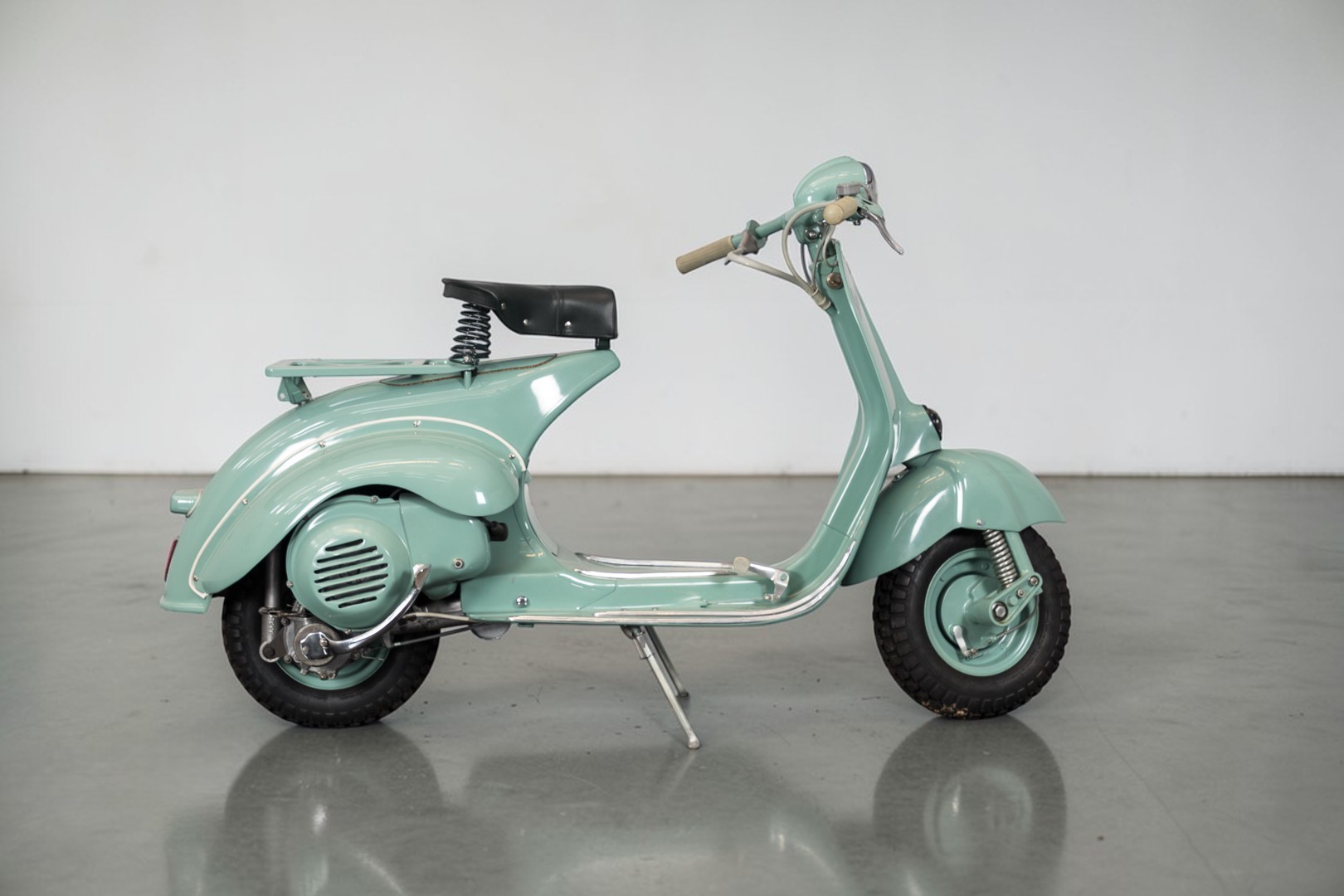
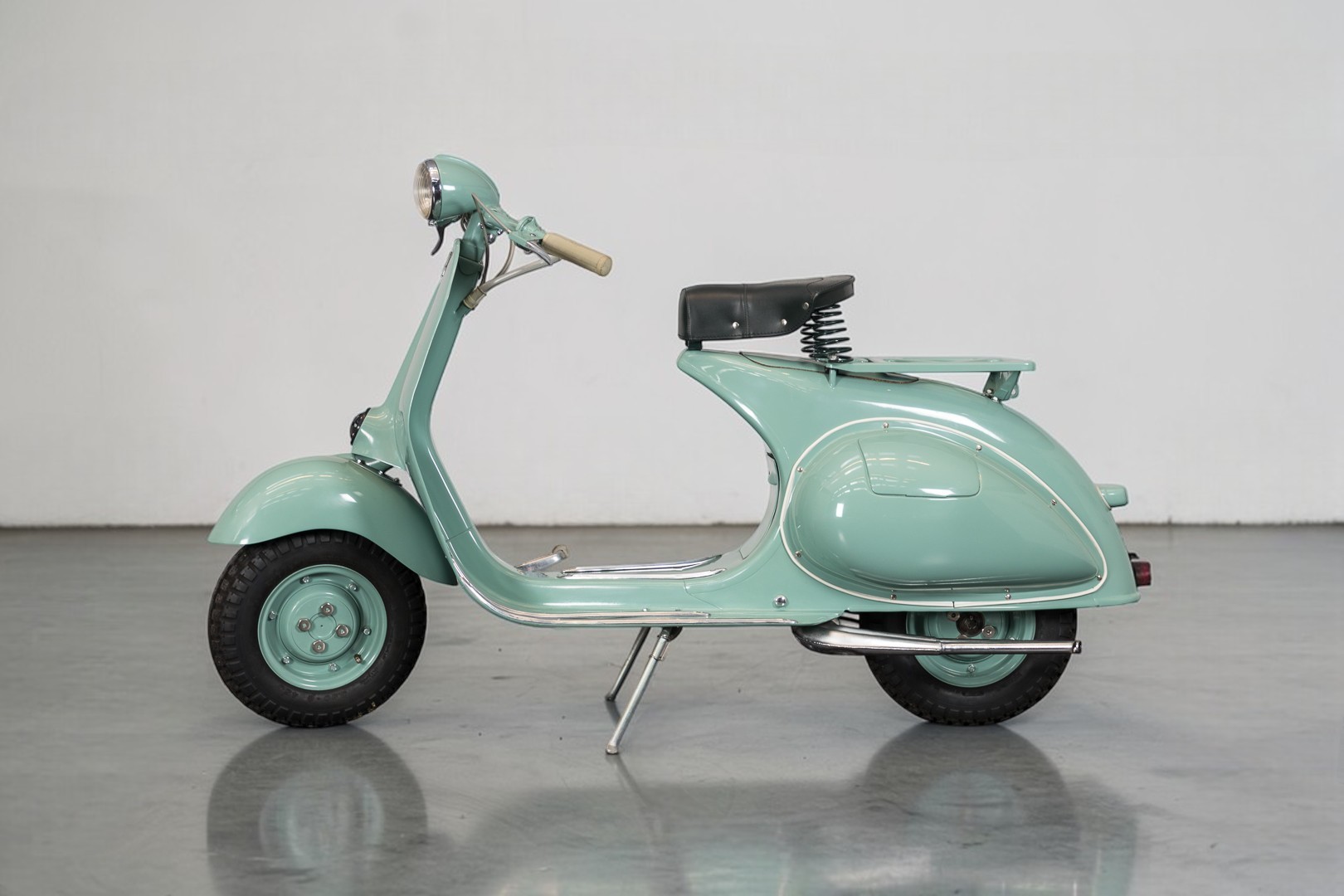
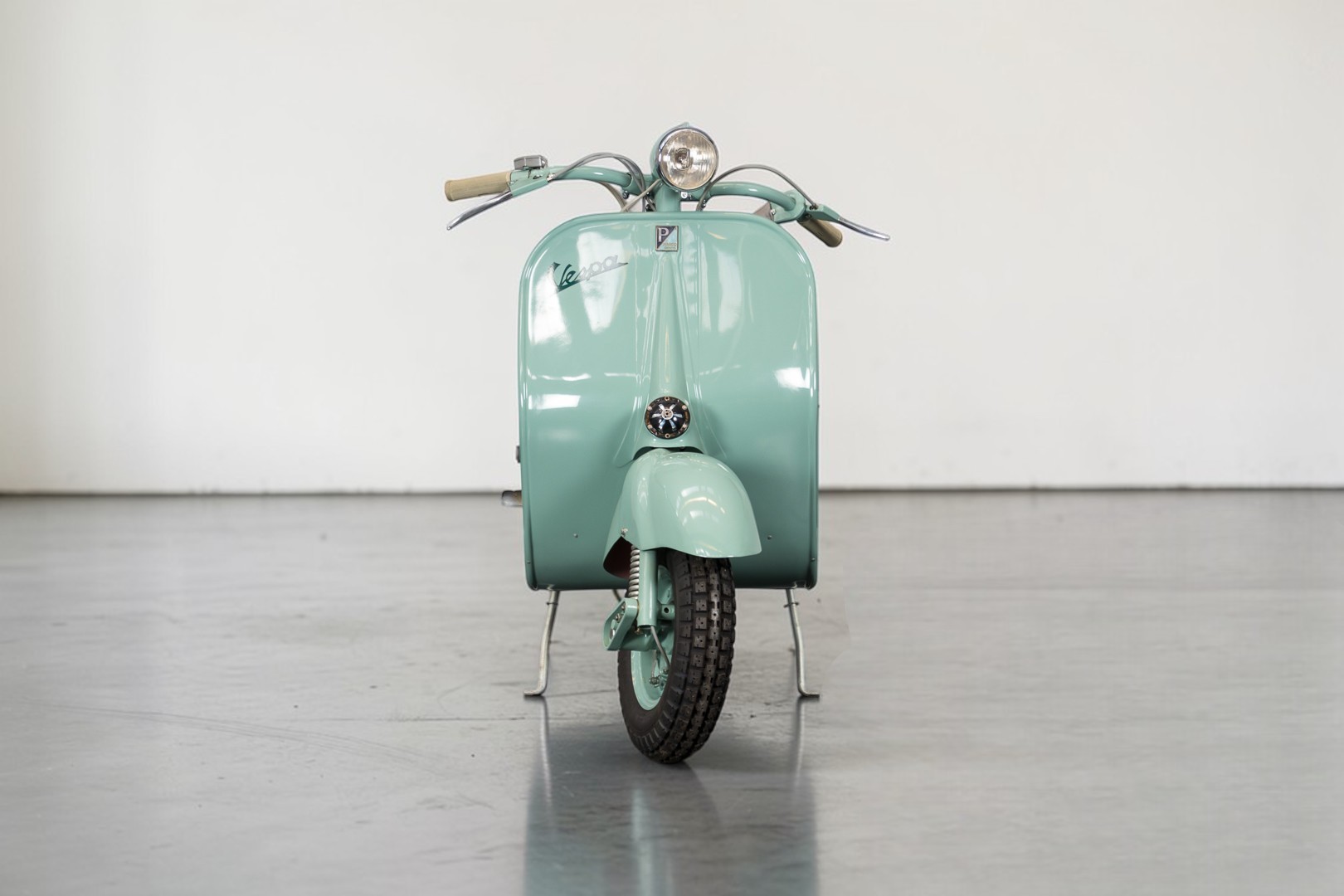
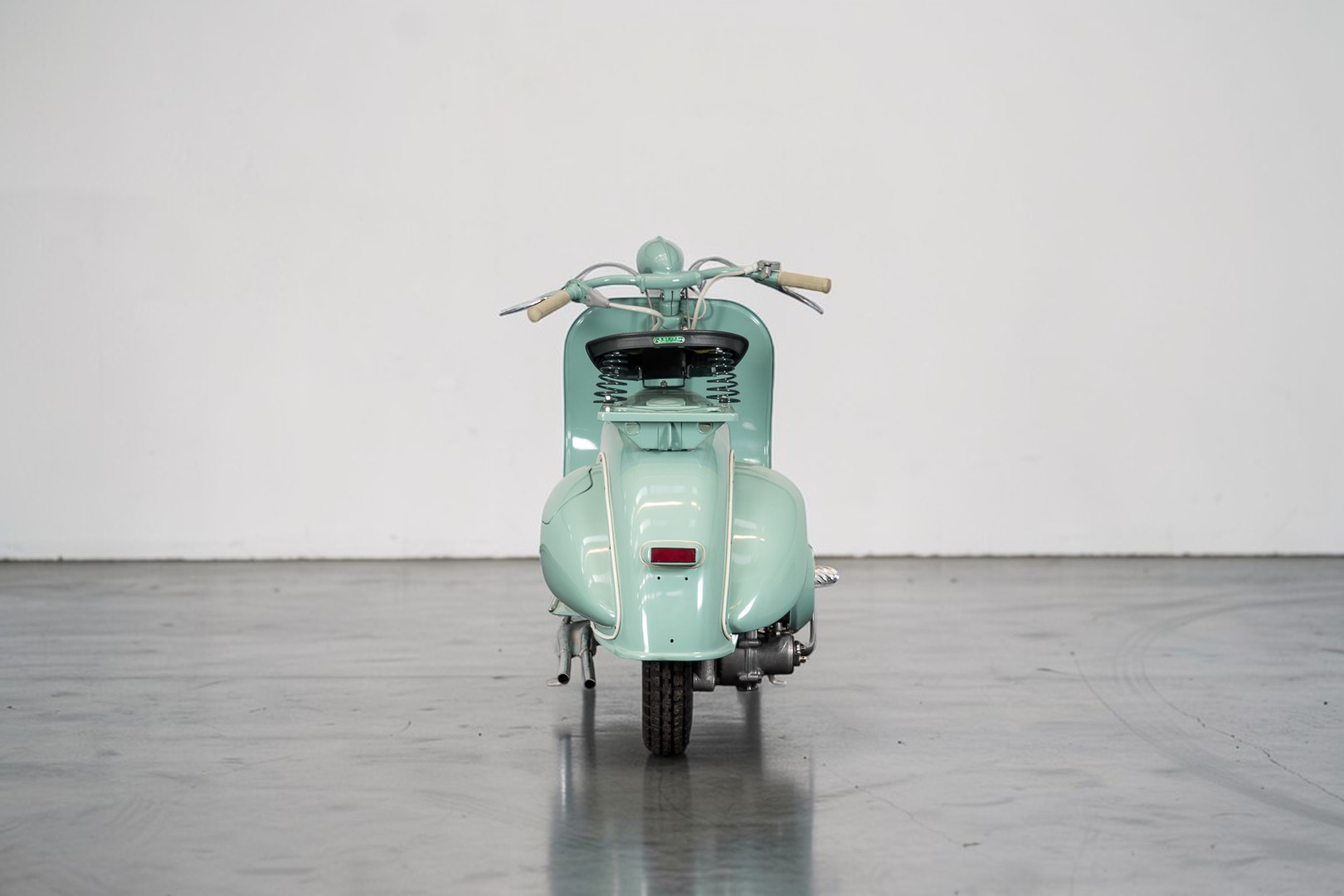
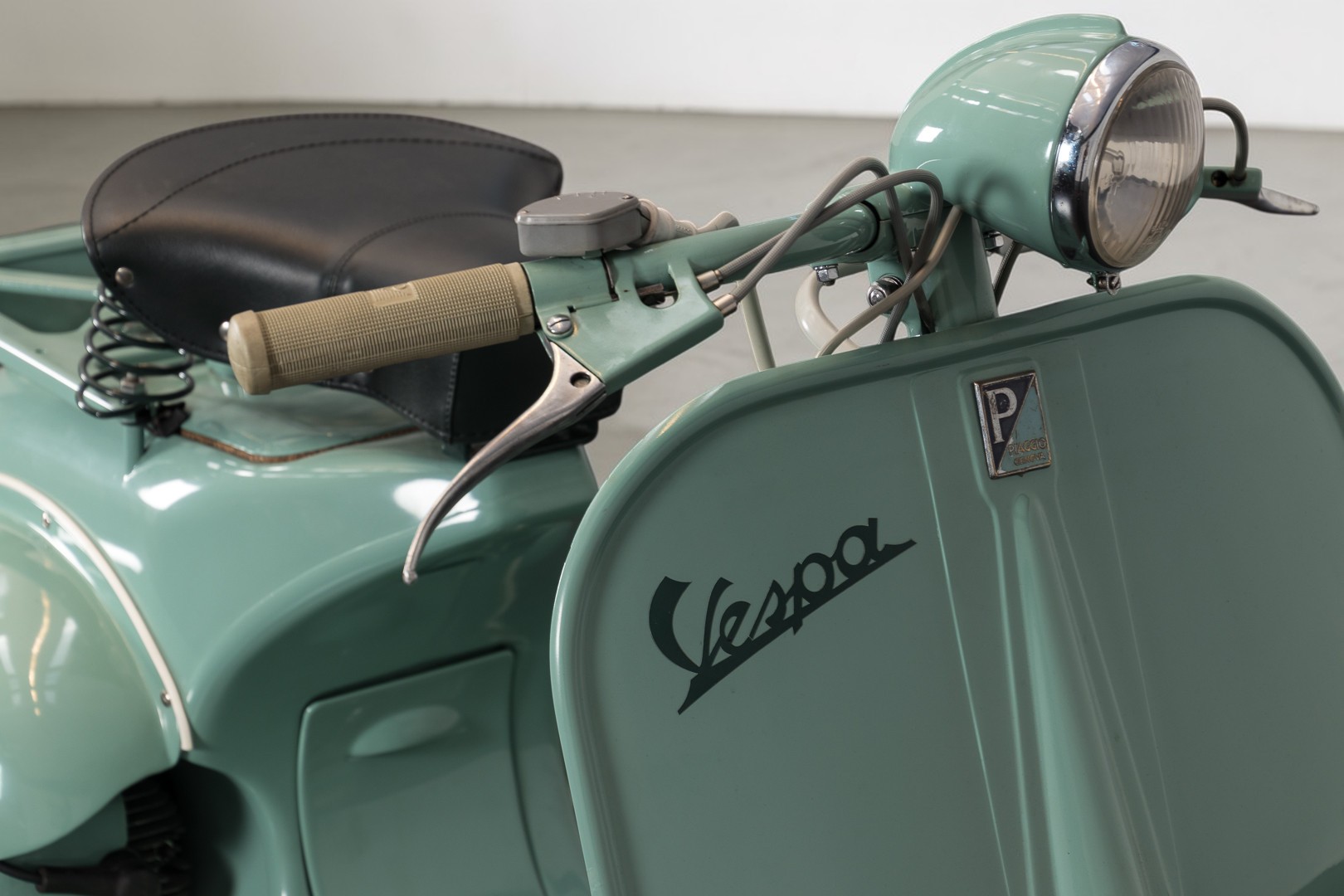
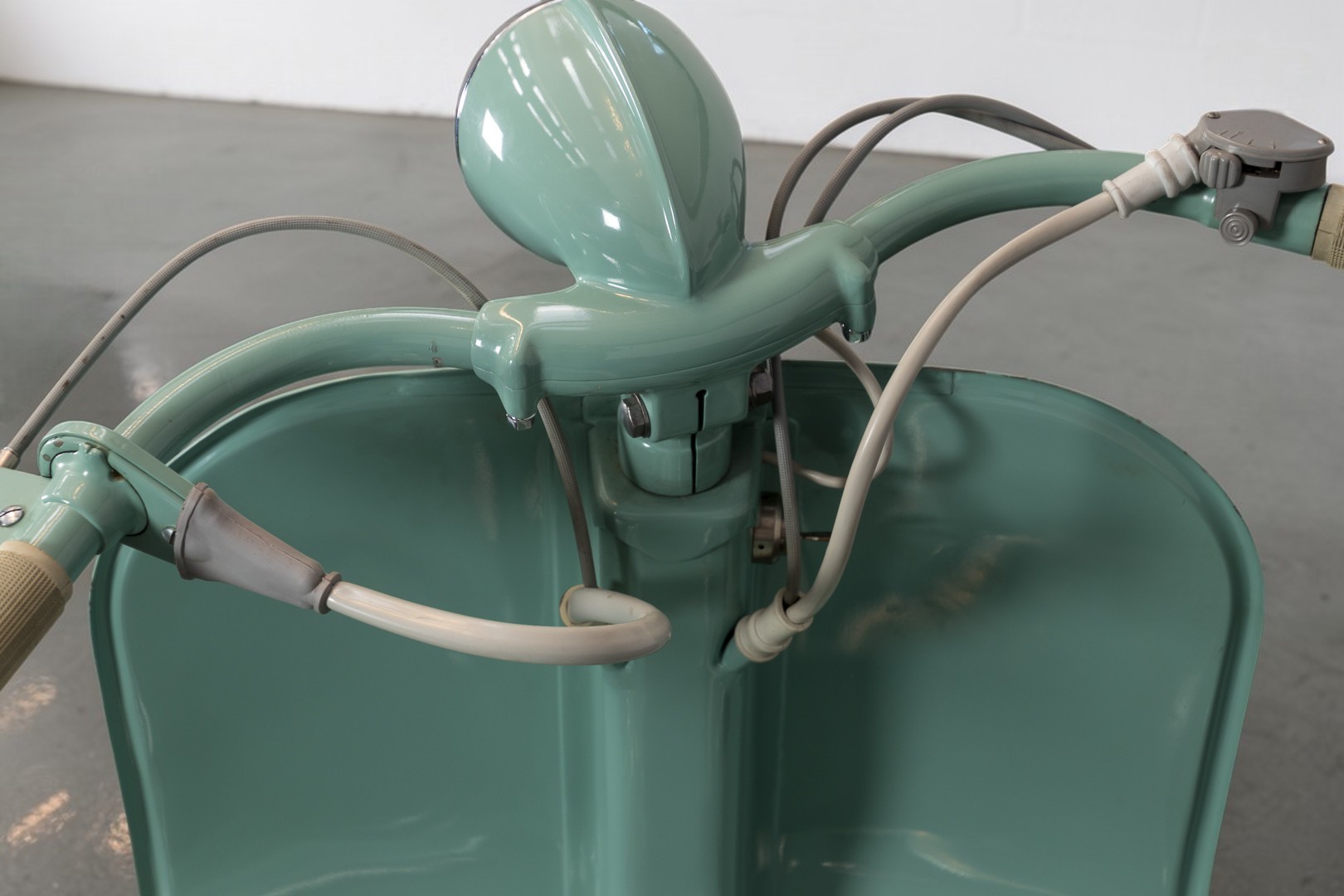
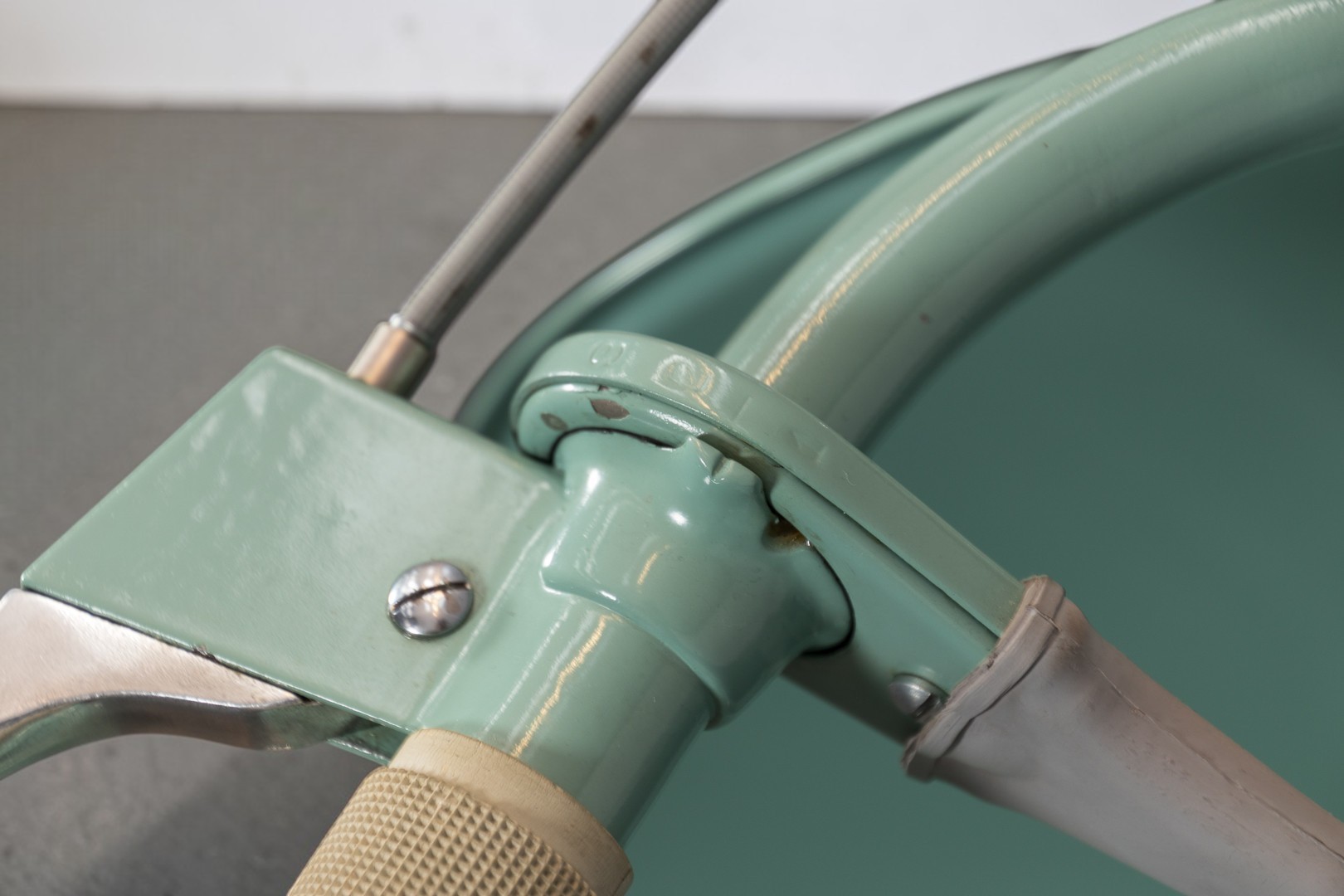
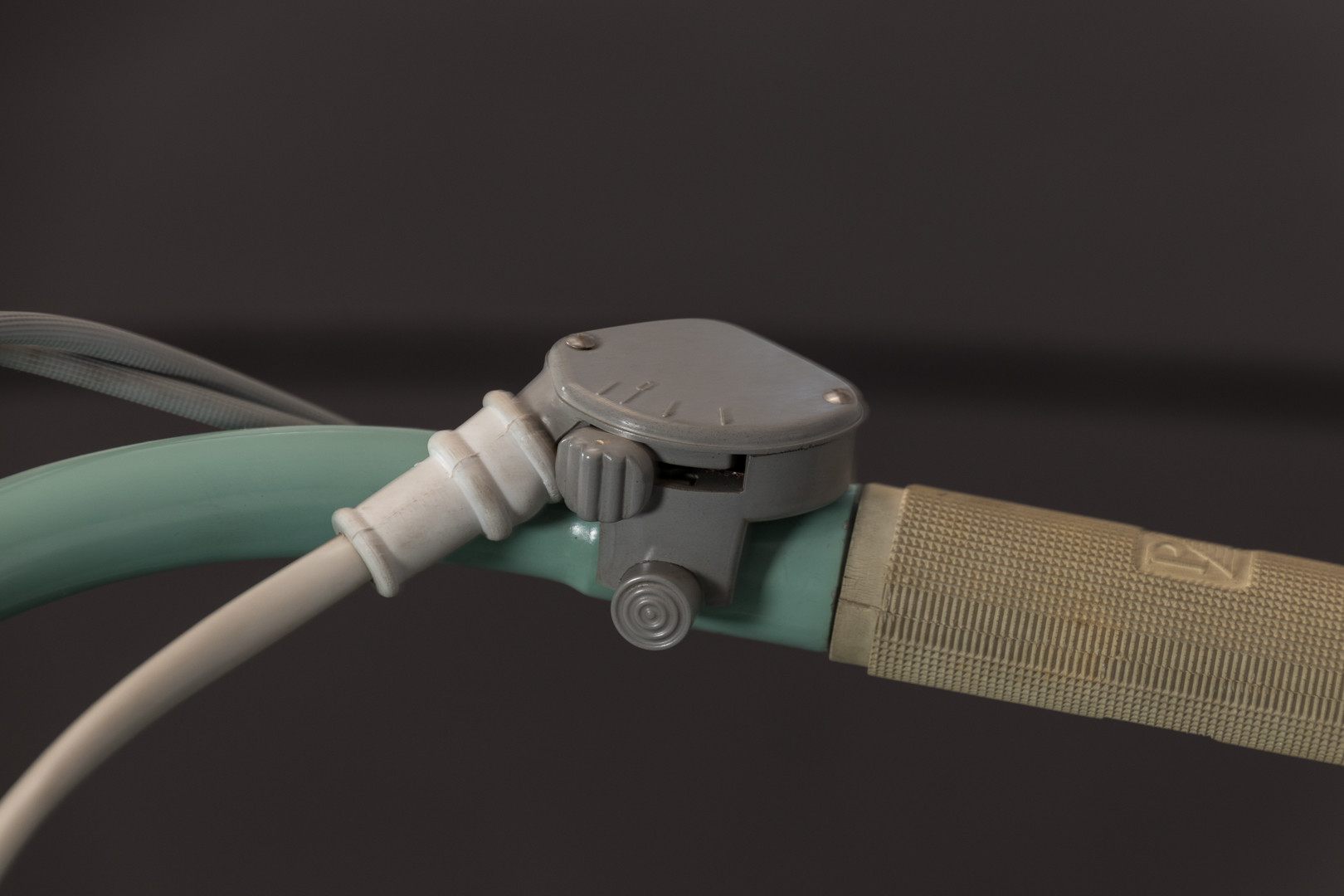
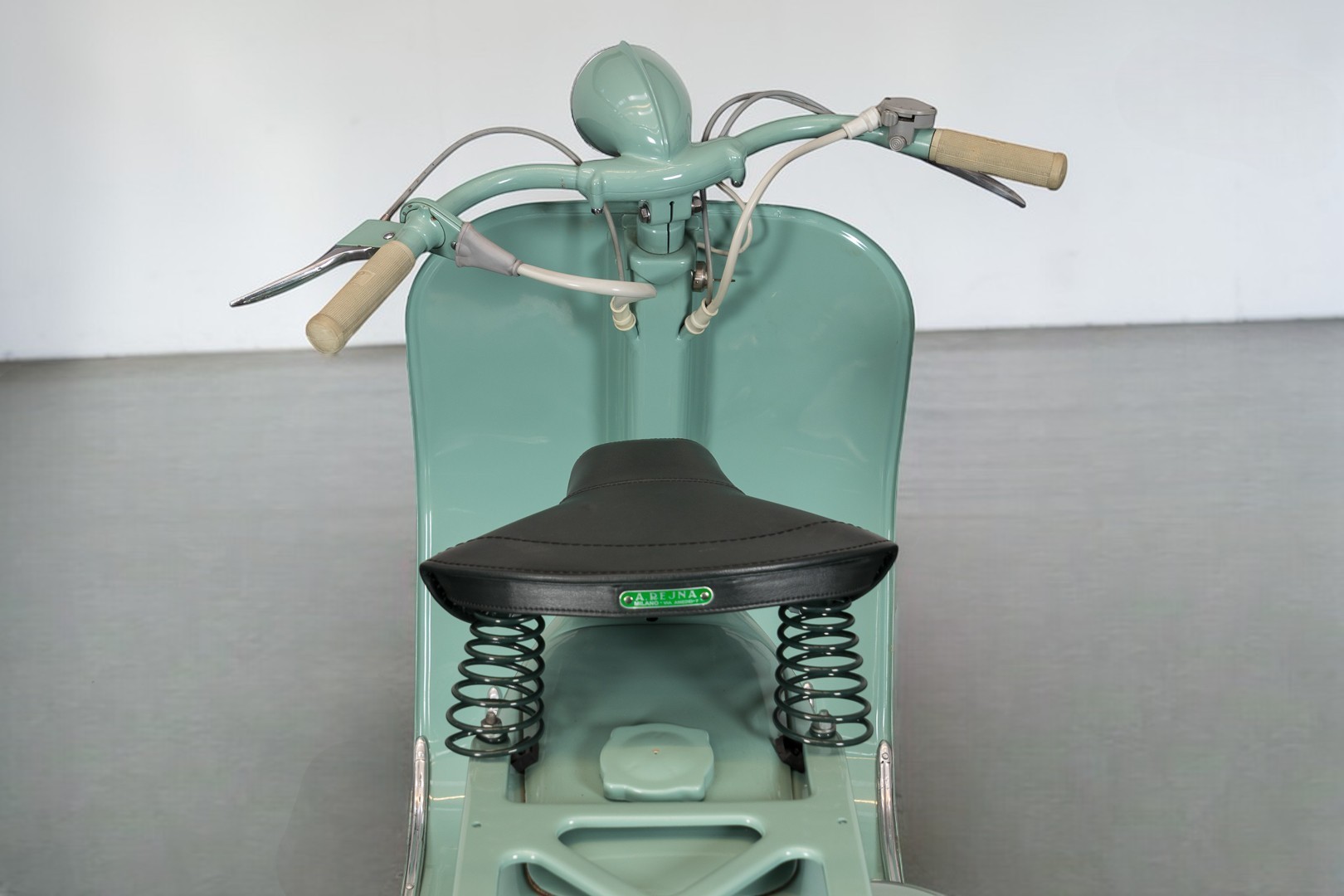
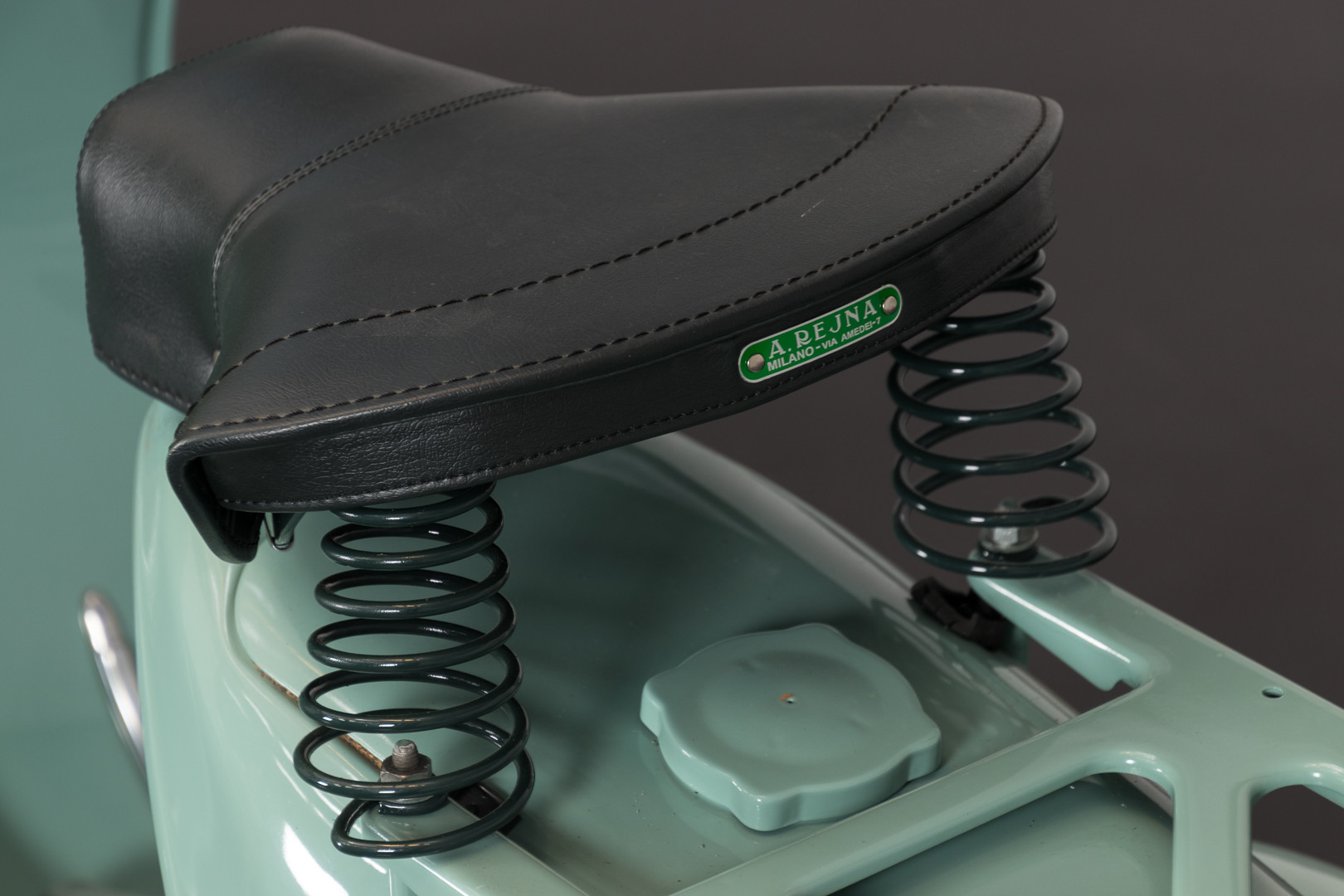
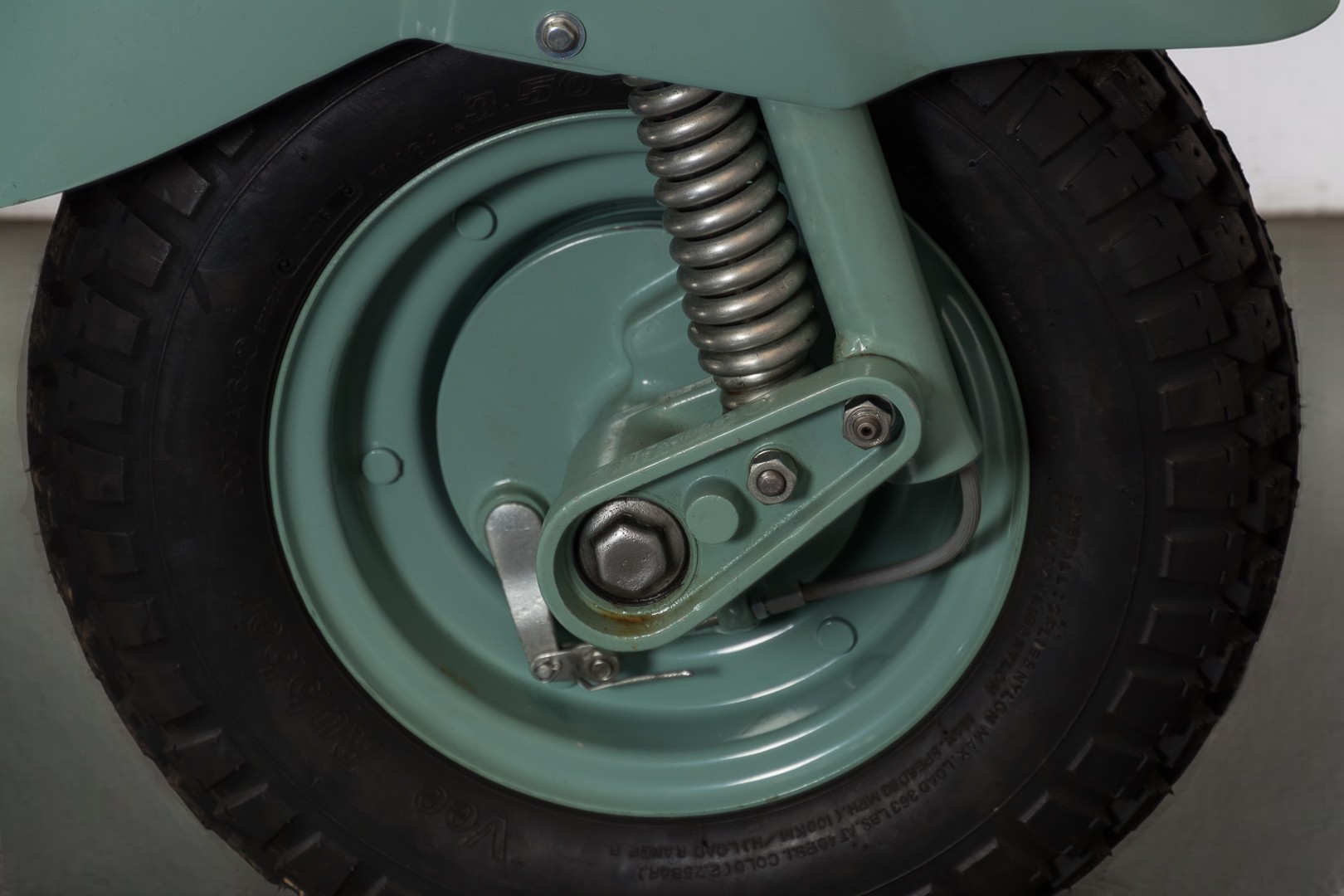
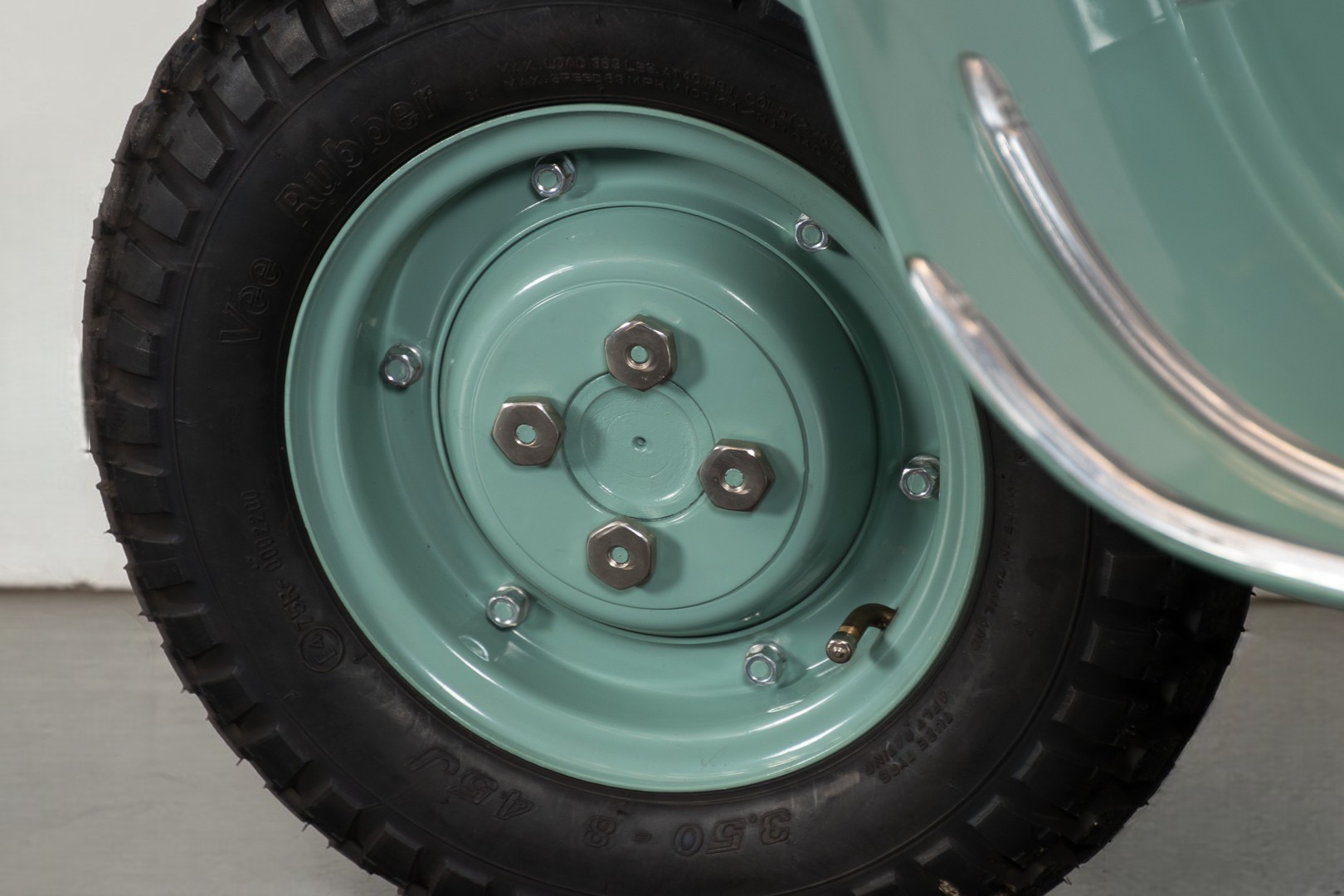
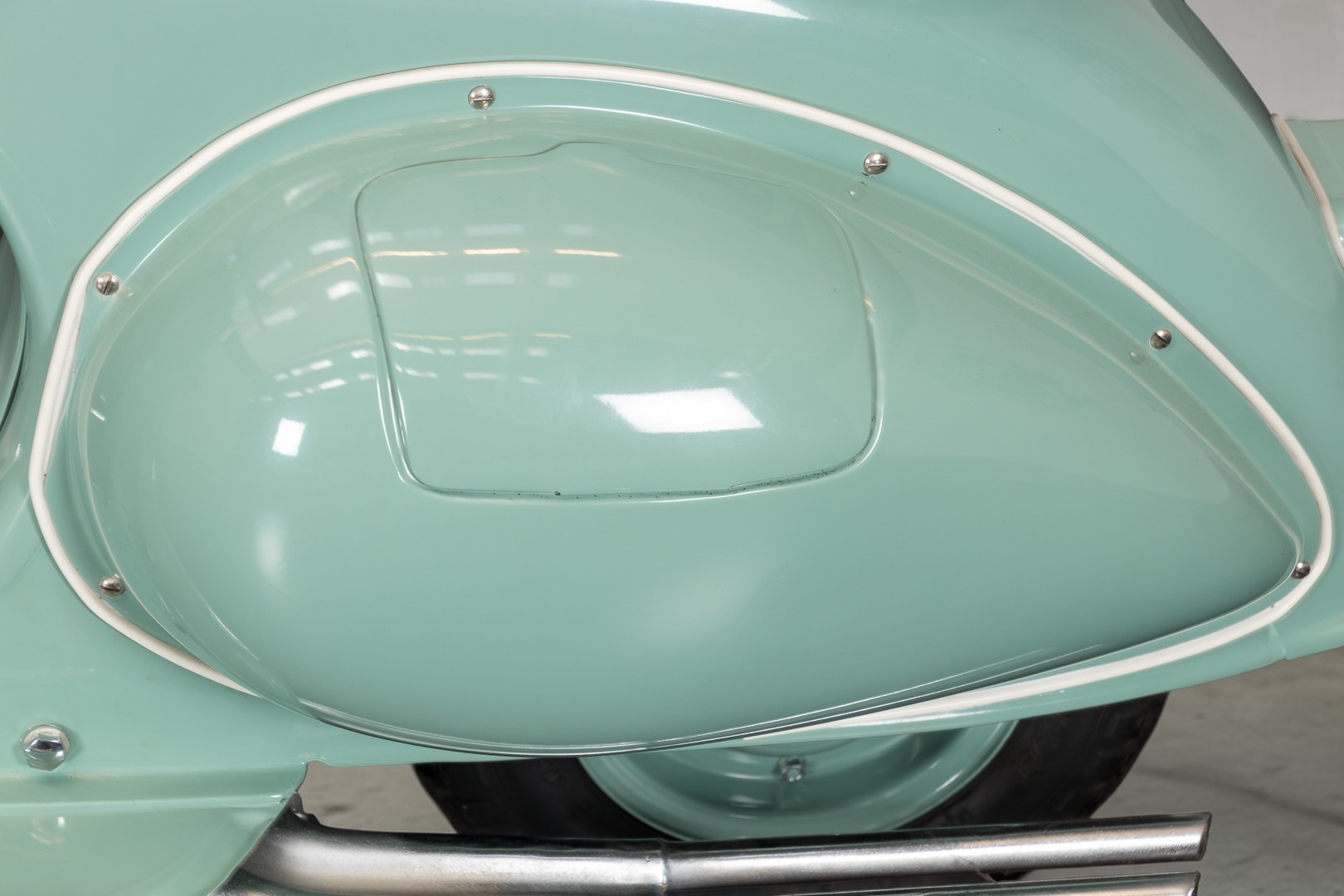
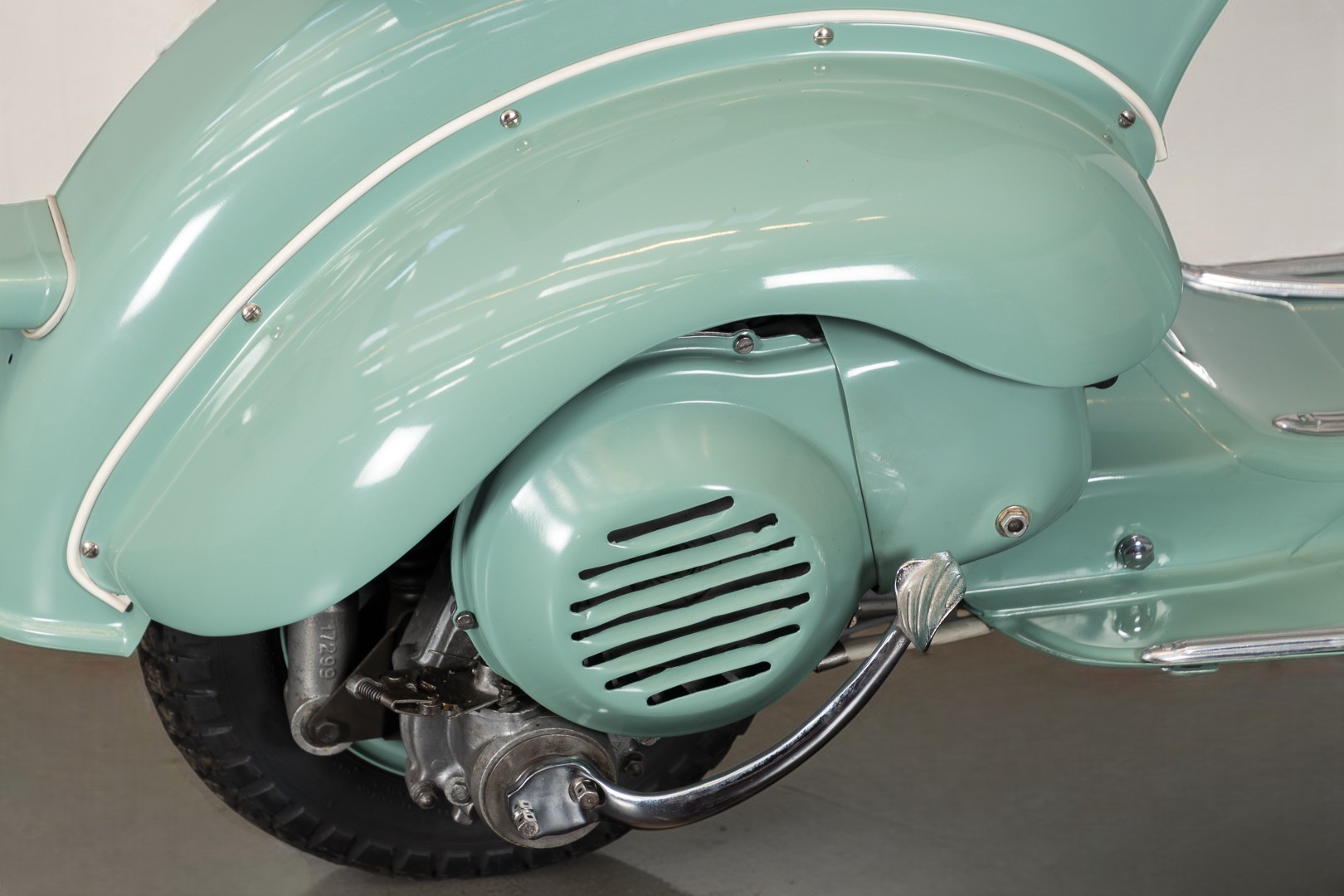
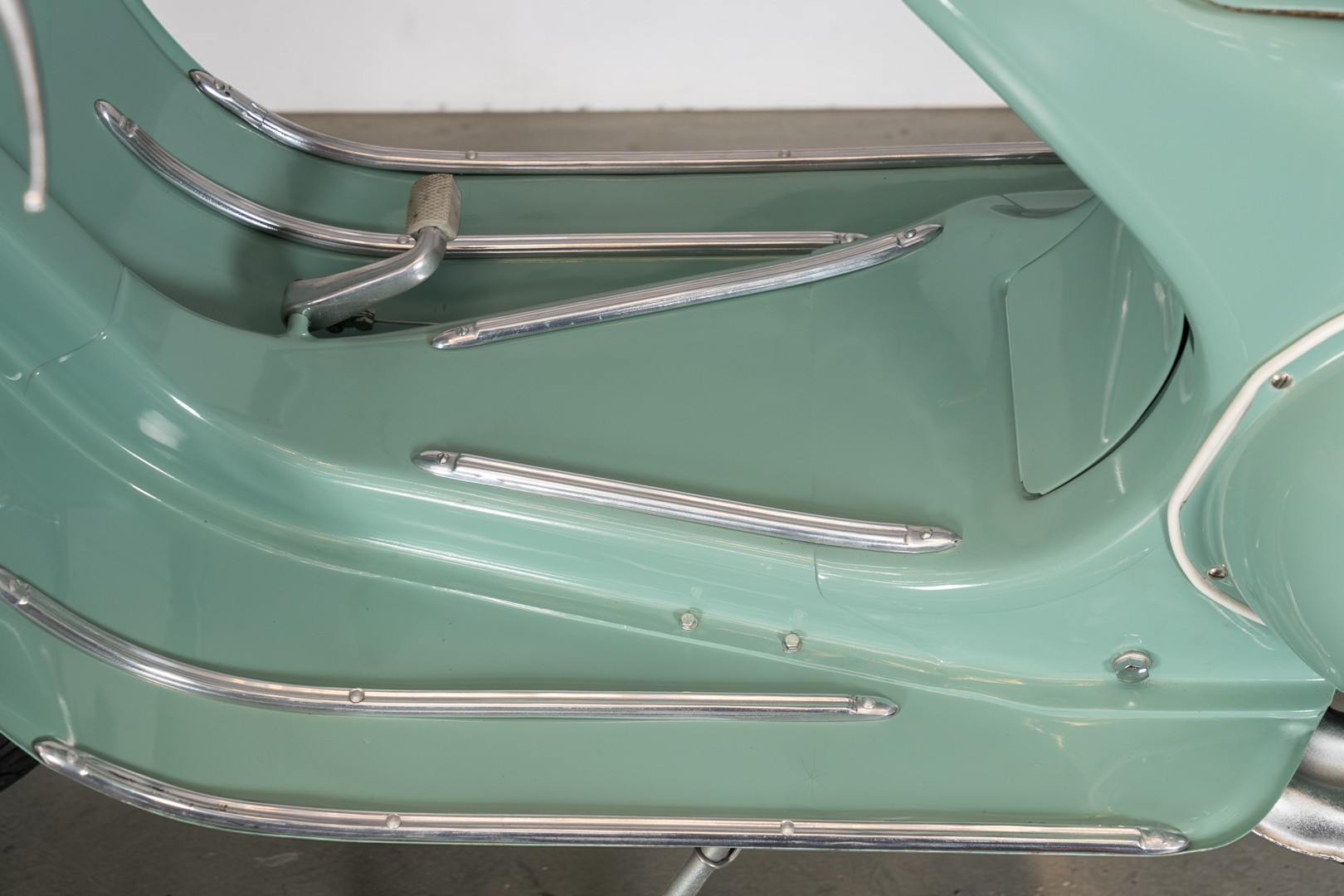
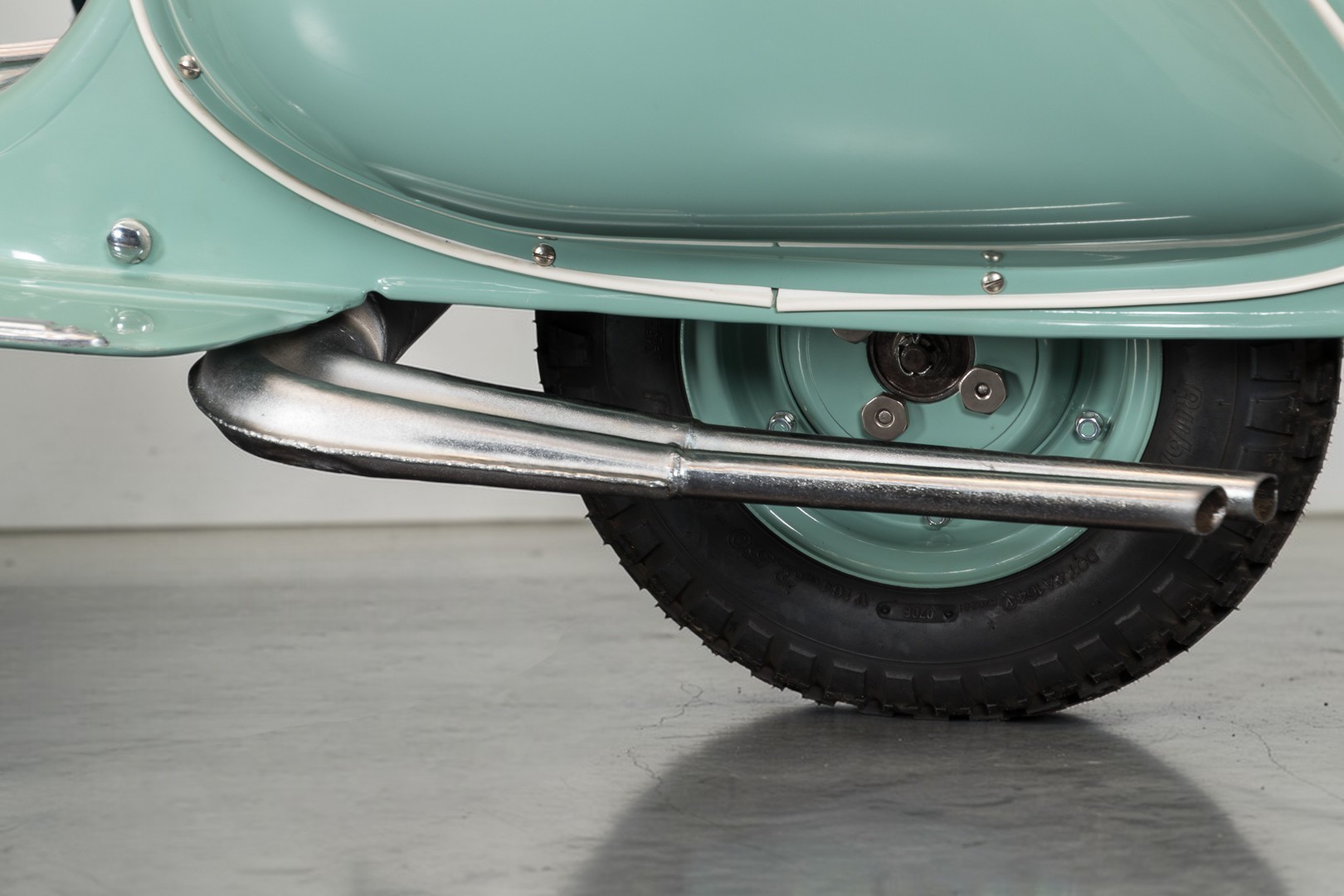
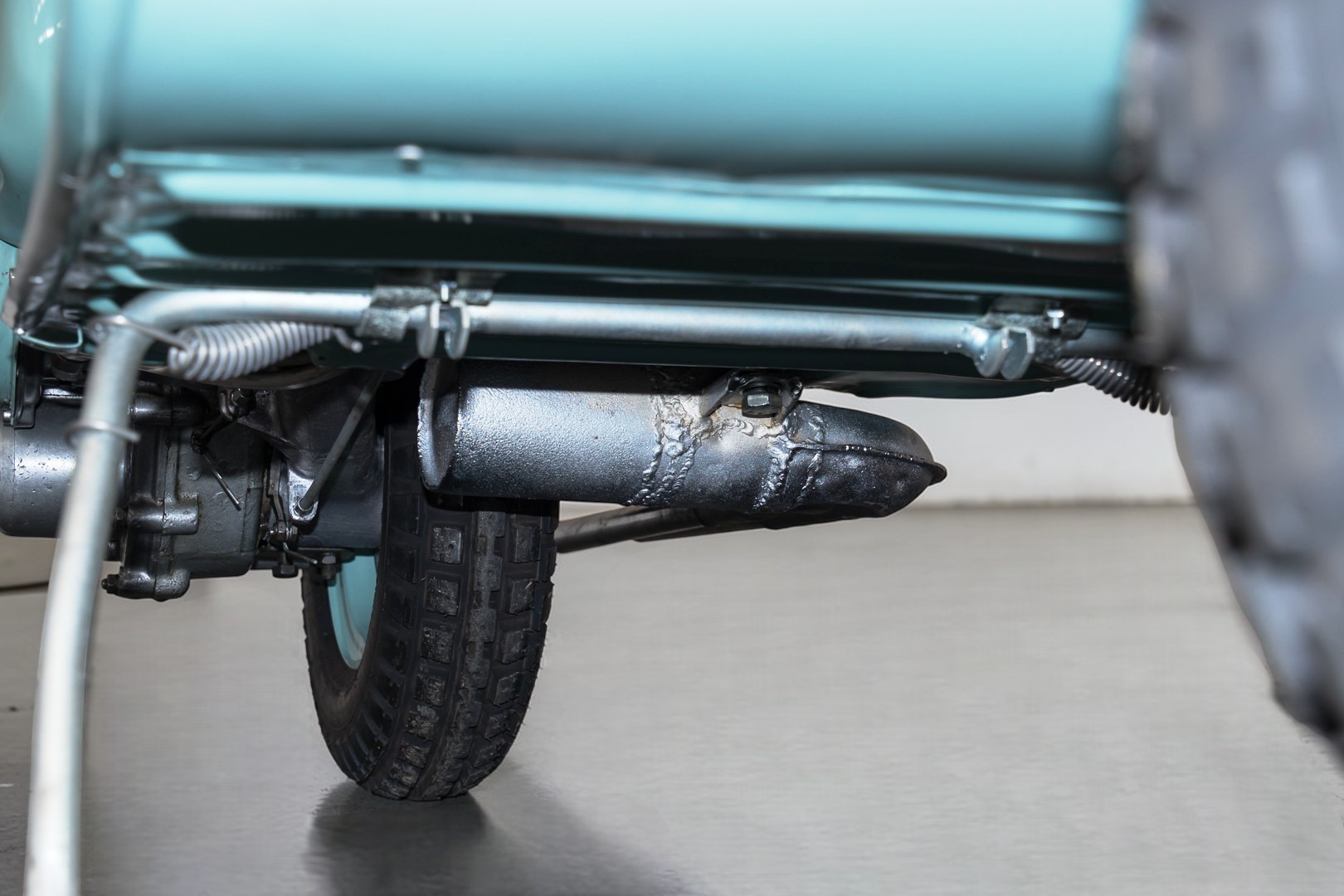
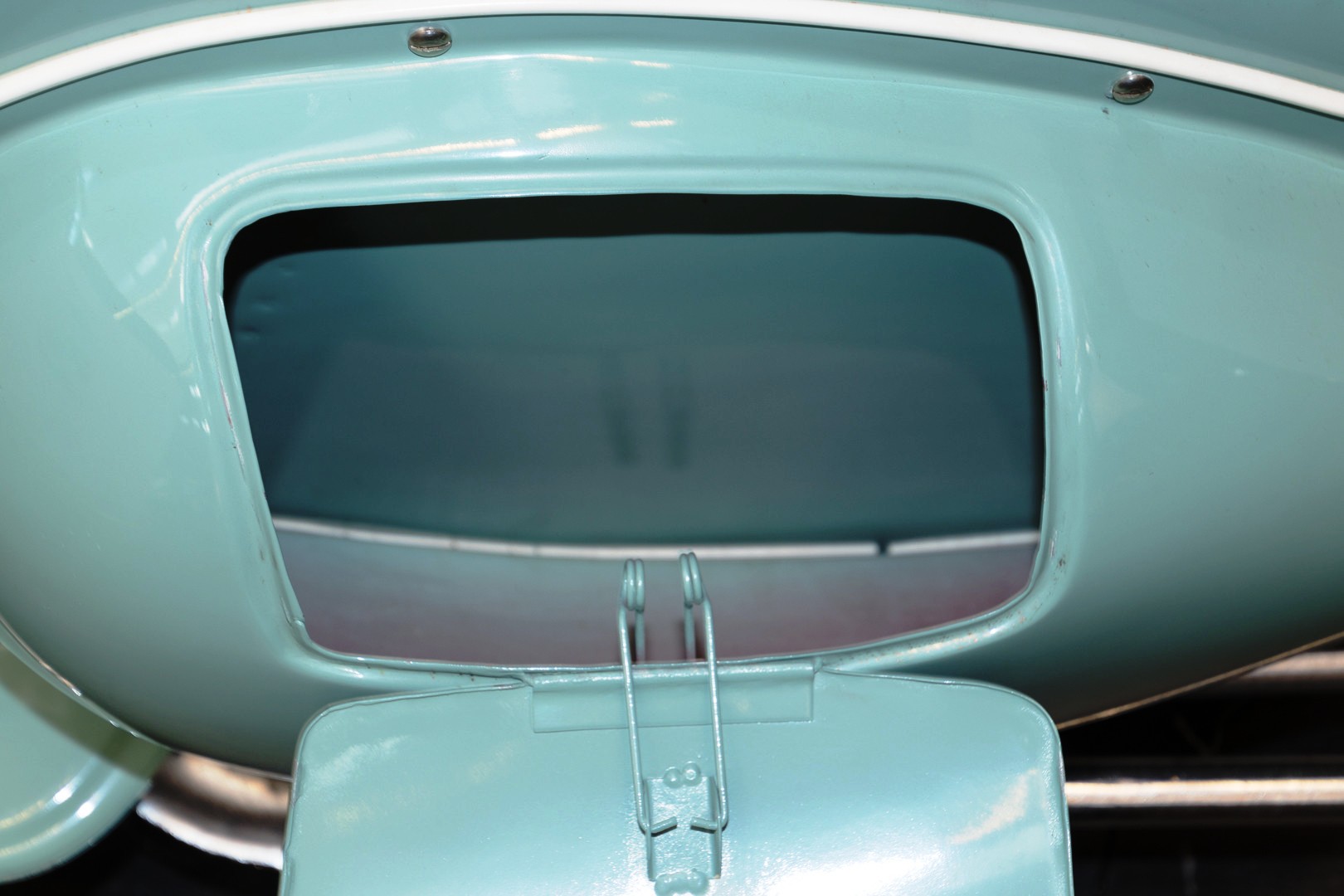
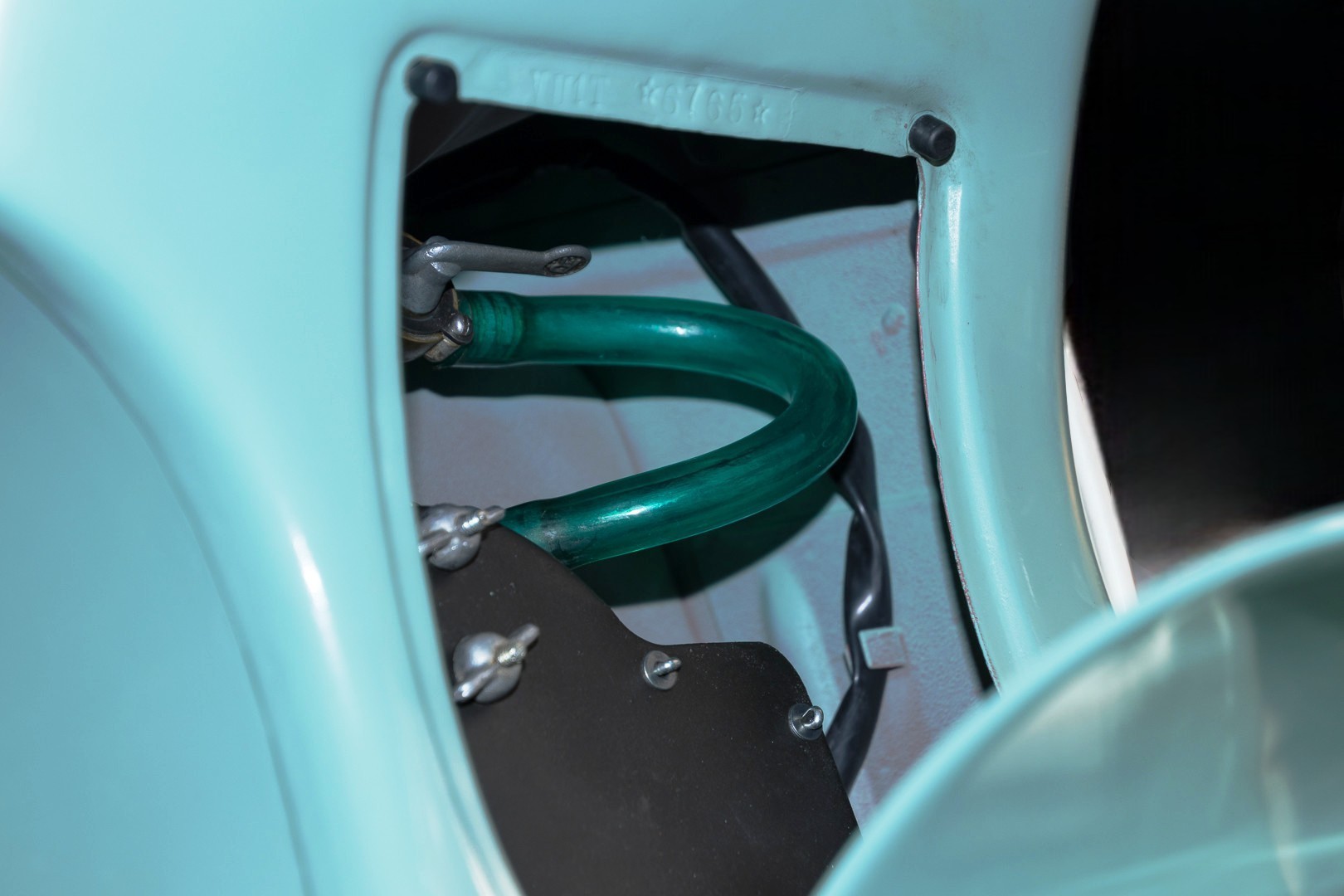
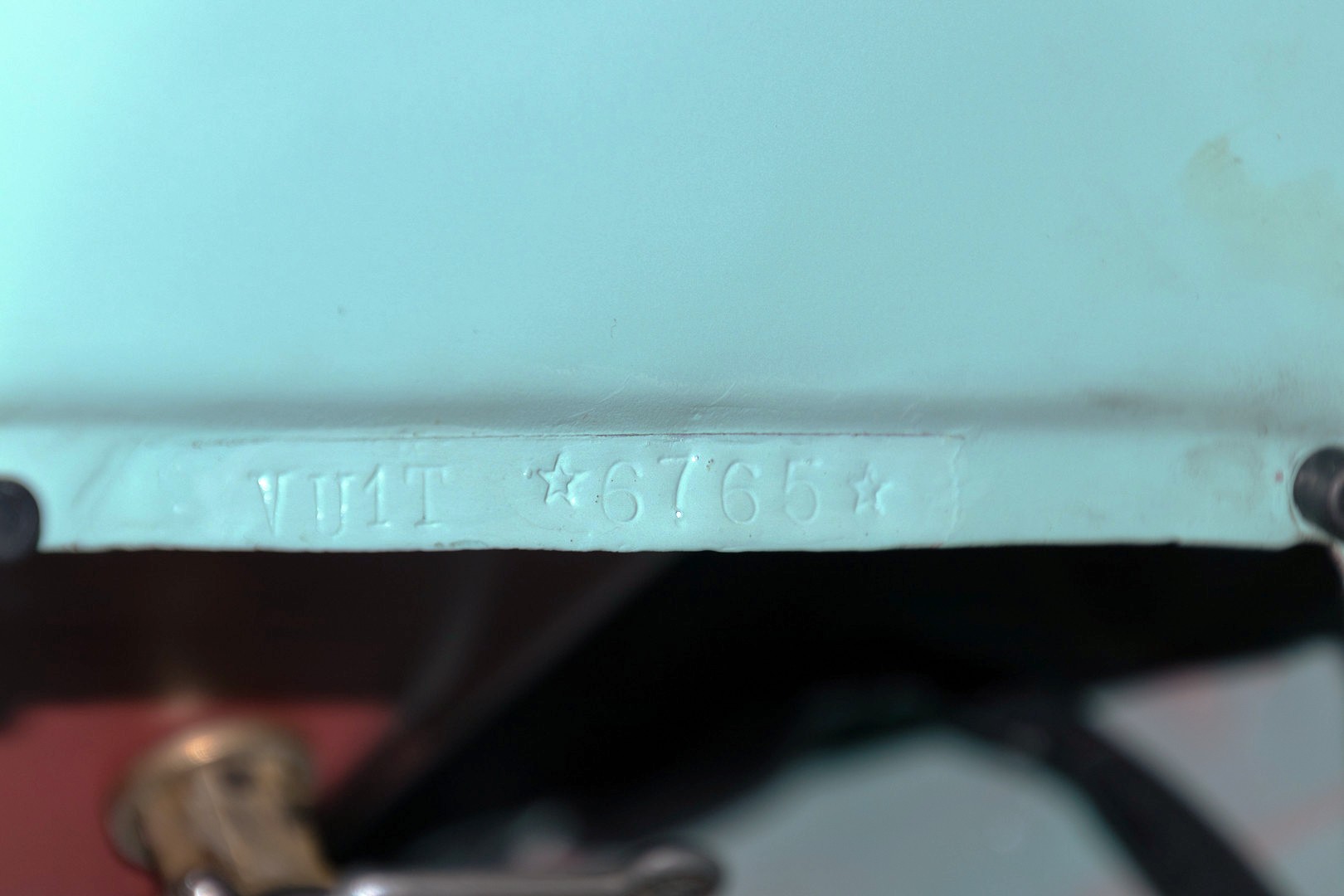
The 1958 Vespa 125 U was a limited-production Vespa model developed as a lower-cost alternative to the more expensive 125 cc models of the period. The letter "U" is generally understood as referring to "Utilitaria", reflecting Piaggio's intention to offer a practical and economical scooter for a broader market.
The Vespa 125 U was introduced for the 1953 model year and remained in production through 1955, with approximately 7,000 examples produced. A scooter identified as a 1958 Vespa 125 U therefore requires careful verification of its frame and engine numbers, because the documented production period of the 125 U does not normally extend to 1958.
The model was based on the established Vespa 125 architecture but simplified in several areas to reduce production cost. It retained the pressed-steel body, step-through layout, enclosed drivetrain, and 125 cc two-stroke engine that defined the Vespa range.
The 125 U used a 123.4 cc single-cylinder, air-cooled two-stroke engine with a three-speed manual transmission. Its straightforward mechanical specification was designed for dependable everyday transportation rather than sporting performance.
The model is now particularly interesting to collectors because of its relatively limited production and its position as one of the most economical early large-frame Vespas.
Piaggio developed the Vespa 125 U during the early 1950s as part of an effort to make Vespa ownership more accessible. The standard Vespa 125 had become increasingly sophisticated, while the U model was intentionally simplified to reduce its purchase price.
The Vespa 125 U was introduced in 1953 and was produced in comparatively small numbers. Contemporary historical references generally place production at approximately 7,000 units.
The U model followed the successful early Vespa 125 models but simplified the equipment and trim. It therefore occupied a different position from the more luxurious and better-equipped Vespa 125 models of the same period.
The model was built during an important period in Vespa development. Piaggio was rapidly expanding its scooter range, improving engine performance, chassis design, lighting, braking, and rider comfort while maintaining the basic pressed-steel Vespa architecture.
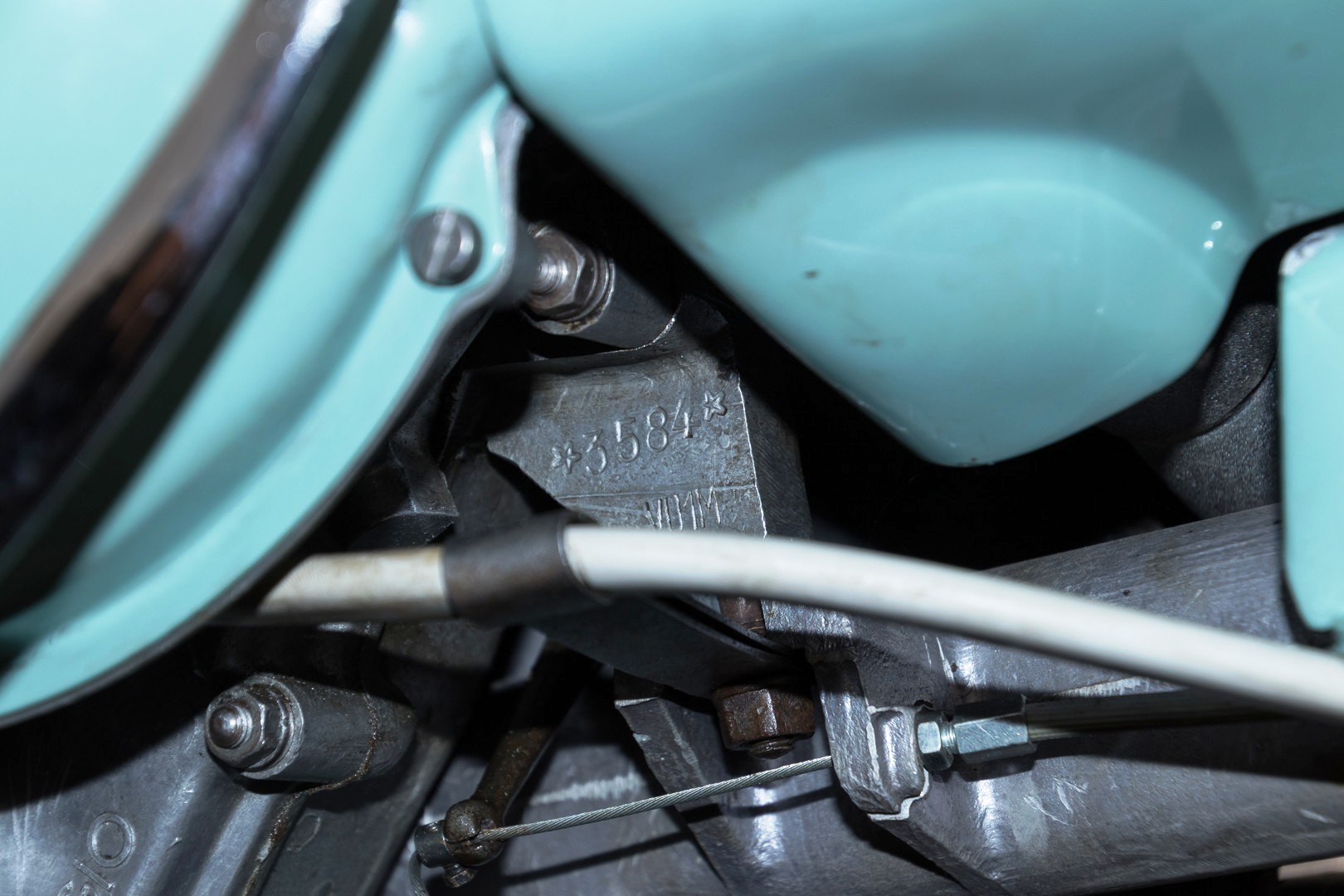
Because the documented production period of the Vespa 125 U is associated with 1953 through 1955, a machine described specifically as a 1958 model should not be accepted solely on the basis of a seller's stated year. The frame number, engine number, registration documents, and period records should be checked carefully.
Original invoices, registration documents, factory records, period photographs, ownership history, restoration records, and matching engine and frame numbers can provide valuable evidence when establishing the history of an individual Vespa 125 U.
The Vespa 125 U is powered by a single-cylinder, air-cooled two-stroke engine with a displacement of approximately 123.4 cc.
The engine uses a bore of approximately 52.5 mm and a stroke of approximately 57 mm.
Power output is modest by modern standards and was intended primarily for economical urban and regional transportation.
The engine uses carburetion and a conventional two-stroke lubrication system.
The compact engine and integrated transmission are mounted at the rear of the pressed-steel chassis, creating the characteristic Vespa mechanical layout.
The 125 U was not designed as a high-performance scooter. Its principal advantages were simplicity, low operating cost, ease of use, and sufficient performance for normal road transportation.
Actual performance of a surviving example depends on cylinder and piston condition, crankshaft bearings, carburetor adjustment, ignition timing, exhaust condition, gearing, tire condition, and restoration quality.
The Vespa 125 U uses a three-speed manual transmission.
Gear selection is controlled through the characteristic twist-grip mechanism on the left side of the handlebar.
The integrated engine and gearbox are positioned at the rear of the scooter and drive the rear wheel through the enclosed Vespa drivetrain.
This arrangement eliminates the exposed chain and sprocket system common on conventional motorcycles and keeps the mechanical components protected by the scooter's bodywork.
The three-speed gearbox provides a simple range of ratios appropriate for the 125 cc engine and the scooter's intended utility role.
The clutch is manually operated through the left-hand lever and works together with the rotating gear selector.
On a surviving 125 U, the clutch, gear selector, transmission gears, bearings, seals, and rear-drive components should be inspected carefully, particularly if the scooter has undergone a long-term restoration.
The Vespa 125 U uses Piaggio's pressed-steel structural chassis, with the body and frame forming an integrated load-bearing structure.
The step-through frame allows easy mounting and dismounting and remains one of the defining advantages of the Vespa design.
The front suspension uses the traditional Vespa trailing-arm arrangement.
The rear wheel is mounted as part of the engine and transmission assembly, following the established Vespa design.
The compact chassis gives the 125 U a low center of gravity and relatively light handling characteristics.
The U model was deliberately simplified compared with more expensive Vespa versions, making it an especially useful example of Piaggio's ability to adapt the same basic engineering concept to different price levels.
Frame alignment, steering-head bearings, front fork components, suspension springs, engine mounting points, and evidence of accident repairs should be checked carefully when evaluating a surviving scooter.
The Vespa 125 U uses small-diameter spoked wheels characteristic of early large-frame Vespa scooters.
The small wheels contribute to the scooter's compact dimensions and low center of gravity.
The front and rear wheels use mechanical drum brakes.
The braking system was appropriate for the modest performance and weight of the scooter but is considerably less powerful than modern hydraulic braking systems.
Brake drums, shoes, cables, operating arms, wheel bearings, spokes, rims, and tires should all be inspected carefully before riding.
Correct brake adjustment is particularly important on a vintage scooter because cable stretch, worn brake shoes, corrosion, and drum wear can substantially reduce braking performance.
The 125 U retained the essential Vespa design language of the early 1950s while using simpler equipment and trim to achieve its lower price.
The pressed-steel body forms a protective shell around the engine and drivetrain and creates the smooth exterior profile associated with Vespa scooters.
The open step-through center section makes the scooter easy to mount and provides practical everyday usability.
The front leg shield protects the rider from road debris while also forming a major structural component of the body.
The engine is concealed beneath the right-hand rear bodywork, while the spare wheel and other equipment are integrated into the compact body design.
The 125 U is visually related to other early-1950s Vespa models but can be distinguished by its simplified specification and equipment.
Its understated appearance reflects the model's utilitarian purpose rather than the more elaborate styling and trim used on higher-priced Vespa versions.
The Vespa 125 U was introduced in 1953 as a utility-oriented version of the 125 cc Vespa.
The model retained the established 123.4 cc single-cylinder two-stroke engine and three-speed manual transmission.
Piaggio simplified selected equipment and trim to reduce manufacturing cost while maintaining the fundamental Vespa chassis and drivetrain.
The result was a practical scooter intended to make Vespa transportation available to customers who did not require the additional equipment of more expensive models.
Approximately 7,000 Vespa 125 U scooters were produced, making the model considerably less common than many mass-produced Vespa models from the same era.
The documented production period is generally given as 1953 through 1955. Consequently, a scooter listed as a 1958 Vespa 125 U should be investigated carefully rather than automatically accepted as a genuine 1958 production model.
The Vespa 125 U provides a straightforward and lightweight riding experience typical of early large-frame Vespa scooters.
The 123.4 cc two-stroke engine provides adequate power for urban transportation and moderate road speeds.
The three-speed twist-grip gearbox is simple to operate and allows the rider to make effective use of the available engine power.
The low center of gravity and compact chassis make the scooter easy to maneuver in city traffic.
The small wheels produce quick steering responses but require additional attention when crossing potholes, broken pavement, and other rough surfaces.
The enclosed drivetrain and step-through chassis also give the Vespa a fundamentally different character from conventional motorcycles of the same period.
A restored 125 U should be operated with consideration for its original braking, suspension, tire, and engine technology.
The Vespa 125 U is historically important because it demonstrates how Piaggio adapted the successful Vespa platform for customers seeking a more affordable form of transportation.
During the early 1950s, Vespa was becoming increasingly popular across Italy and international markets. Offering a simplified model allowed Piaggio to broaden the potential customer base without abandoning the basic Vespa concept.
The 125 U therefore represents an important part of Vespa's commercial development rather than simply a stripped-down version of another model.
Its combination of a pressed-steel chassis, step-through frame, enclosed drivetrain, and 125 cc engine illustrates the fundamental characteristics that allowed Vespa to become one of the world's most influential scooter designs.
The relatively small production run also makes the 125 U an interesting surviving example of Piaggio's early model diversification.
The Vespa 125 U is an attractive model for collectors interested in early Piaggio scooters and the development of Vespa's post-war product range.
Its limited production compared with more common Vespa models gives genuine examples additional collector interest.
Collectors generally pay close attention to the frame and engine numbers, pressed-steel bodywork, engine, carburetor, transmission, handlebar controls, wheels, brakes, lighting equipment, saddle, spare wheel arrangement, and period-correct trim.
The simplified specification is an important part of the model's identity. Replacing missing components with parts from more expensive contemporary Vespa models can make a restored scooter visually attractive but historically incorrect.
Original paint, correct period components, factory markings, matching frame and engine numbers, and documented ownership history can significantly strengthen an example's authenticity.
Because the 125 U was produced in limited numbers, later restorations and conversions should be examined carefully.
Authenticating a Vespa 125 U requires examination of the complete scooter rather than relying only on its appearance.
The engine should correspond to the approximately 123.4 cc two-stroke specification associated with the model.
The frame, engine, transmission, bodywork, controls, suspension, wheels, brakes, lighting equipment, and trim should be consistent with the documented 125 U specification.
The model's production period is especially important. Reliable historical references generally place the Vespa 125 U in production from 1953 through 1955, not as a newly produced 1958 model.
For this reason, a claimed 1958 example should be verified through its frame number, engine number, registration documentation, and historical ownership records.
A scooter first registered in 1958 may still be a genuine 125 U produced earlier, but the registration year should not automatically be treated as the manufacturing year.
Original factory documentation and period photographs can provide valuable evidence when determining whether the scooter retains its correct equipment.
Replacement or reproduction parts should be identified clearly when evaluating originality and restoration quality.
The Vespa 125 U matters because it demonstrates Piaggio's effort to make the successful Vespa concept accessible to a wider range of customers during the crucial expansion of the scooter market in the 1950s.
Its simplified specification retained the essential Vespa engineering package while reducing unnecessary equipment and cost.
The model also provides an important historical link between the early post-war Vespa scooters and the increasingly sophisticated models that followed during the second half of the 1950s.
For collectors, the limited production of approximately 7,000 examples, straightforward utility specification, and place in early Vespa history make the 125 U an interesting and relatively uncommon model.
A genuine example with matching numbers, correct equipment, original components, and strong documentation is especially valuable to collectors of early Italian scooters.
This Vespa 125 U represents one of Piaggio's limited-production utility scooters from the early 1950s and is notable for its simplified specification and place in the development of the Vespa range.
The 123.4 cc single-cylinder two-stroke engine is paired with a three-speed manual twist-grip transmission and the characteristic pressed-steel Vespa chassis, providing practical and economical transportation with the distinctive riding character of an early large-frame scooter.
The 125 U was produced in approximately 7,000 examples and is considerably less common than many later Vespa models. Correct frame and engine numbers, period-correct components, original bodywork, and documented provenance are therefore particularly important.
It is important to note that reliable historical references generally place production of the Vespa 125 U between 1953 and 1955. If this scooter is described as a 1958 example, the stated year should be verified against its frame number, engine number, registration documents, and historical records.
For more information about the Vespa marque and other historic models, visit Vespa vintage scooters.
Contact us for additional photographs, detailed specifications, frame and engine numbers, service history, originality assessment, provenance, restoration details, historical documentation, and purchasing information for this Vespa 125 U.
The Vintage Motorcycles presents a curated selection of historically significant Italian machines, where Vespa represents one of the most influential developments in post-war mobility engineering. Introduced as a response to the need for affordable and efficient transportation, Vespa redefined two-wheel design through its monocoque chassis, enclosed mechanical systems, and highly accessible riding ergonomics.
Within the broader landscape of global vintage motorcycle manufacturers, Vespa stands apart from traditional motorcycle architecture, representing a shift toward integrated industrial design. This transformation can be better understood when contrasted with earlier pre-war motorcycle engineering (1900-1939), where exposed mechanical systems and rigid frame structures defined the dominant design philosophy.
The emergence of Vespa aligns closely with wider post-war motorcycle development, a period marked by economic reconstruction and the demand for lightweight, practical transportation solutions. Italian manufacturers, particularly Piaggio through the Vespa platform, played a defining role in this transition, introducing vehicles that combined mechanical simplicity with mass production efficiency.
Each Vespa within our collection is selected based on provenance, originality, and structural integrity, ensuring alignment with museum-grade preservation standards. Available acquisition opportunities can be explored through our global vintage motorcycle inventory, supported by a fully insured international shipping service.
Vespa's development is deeply connected to Italy's industrial recovery following World War II, where engineering priorities shifted toward efficiency, affordability, and accessibility. Unlike conventional motorcycles, Vespa introduced a fully integrated body structure that protected mechanical components, reduced maintenance complexity, and improved rider comfort.
This transformation reflects broader changes explored through WW2 military motorcycle development, where industrial capabilities and engineering knowledge were redirected from military production toward civilian mobility solutions. Vespa emerged directly from this context, adapting aeronautical and industrial manufacturing techniques into a new form of urban transport.
Although primarily designed as a solo urban vehicle, Vespa also intersected with broader European mobility trends, including adaptations and utility concepts related to sidecar-equipped motorcycles, highlighting how diverse engineering solutions coexisted during the mid-20th century.
Italian engineering, as embodied by Vespa, emphasizes the integration of form and function, where mechanical efficiency is combined with clean, purposeful design. This philosophy distinguishes Vespa from many contemporaries, positioning it not only as a vehicle but also as a cultural and industrial design icon.
From early models such as the Vespa 98 to later developments across the 1950s and 1960s, the brand continuously refined its engineering approach while maintaining its core identity. These machines represent a departure from traditional motorcycle evolution, focusing instead on accessibility, usability, and mass adoption.
Today, Vespa remains a critical reference point in the study of post-war transportation systems, illustrating how engineering innovation can reshape not only vehicle design but also social mobility. For collectors, these machines offer a unique combination of historical significance, design heritage, and enduring global recognition.
Key Highlights
Collector Assurance
All enquiries handled with discretion. We typically respond within 6 hours.
Choose the payment method that is most convenient for you. We accept widely used international payment methods as well as, where available, local bank transfer options that allow you to pay like a domestic transaction. Full payment instructions are provided for your specific purchase.
Direct international bank wire transfer is available for motorcycle purchases and export transactions.
Credit card payments can be arranged through Wise.com, subject to the applicable payment and processing conditions.
PayPal is accepted. A 5% PayPal processing fee applies to the transaction.