
The Vintage Motorcycles
Specialists in antique, classic, veteran and vintage motorcycles.
Specialists in antique, classic, veteran and vintage motorcycles.


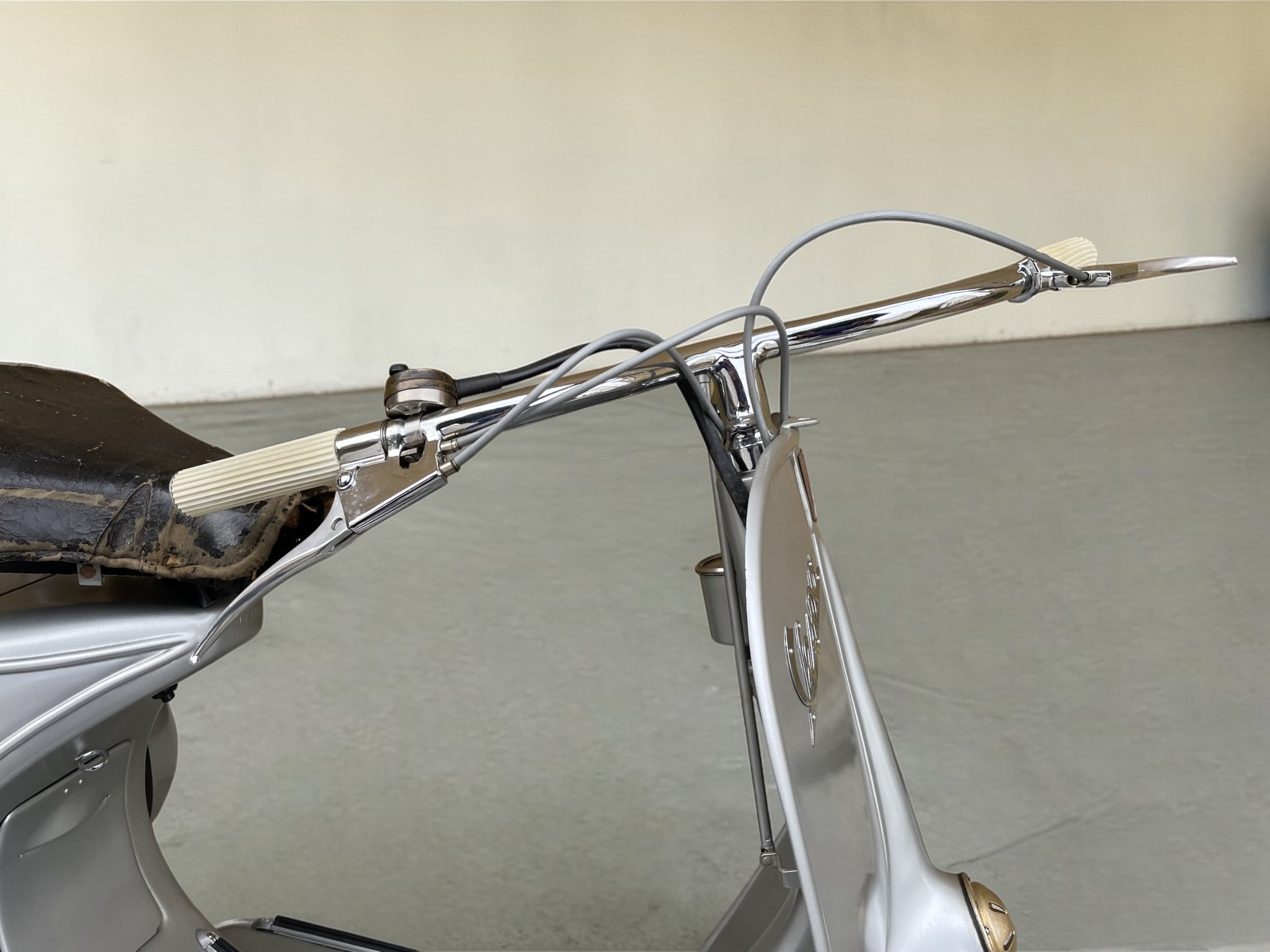


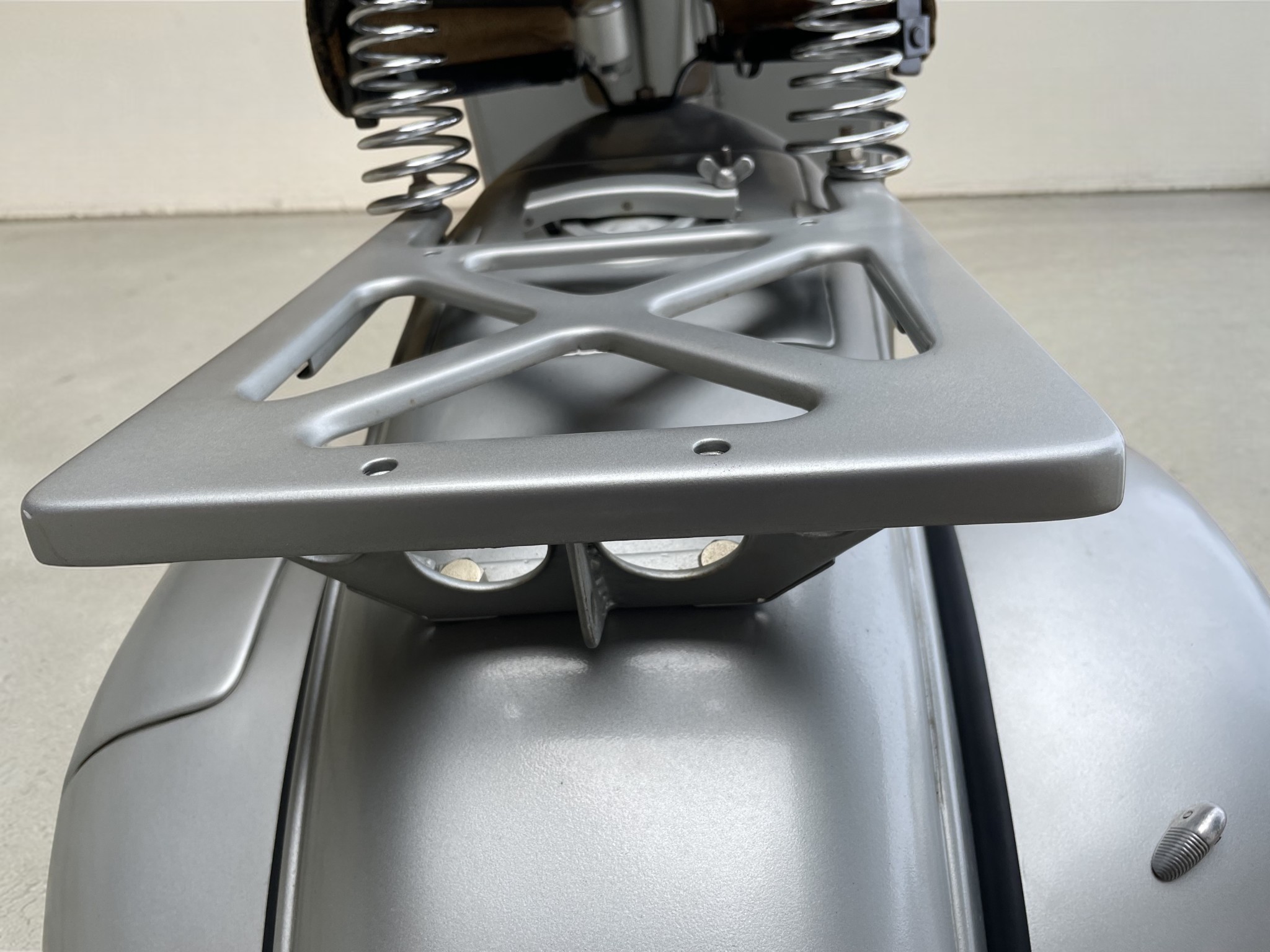


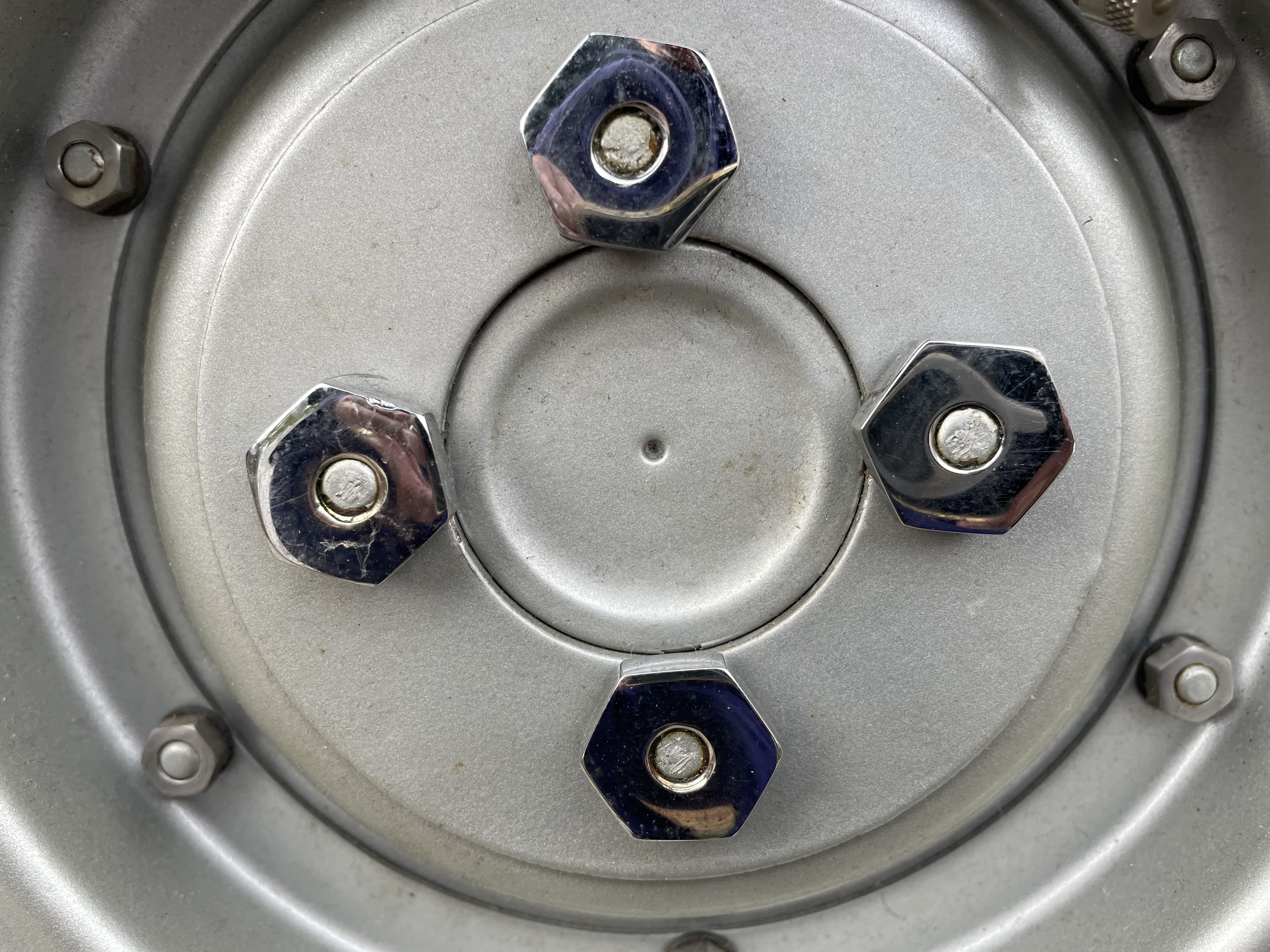

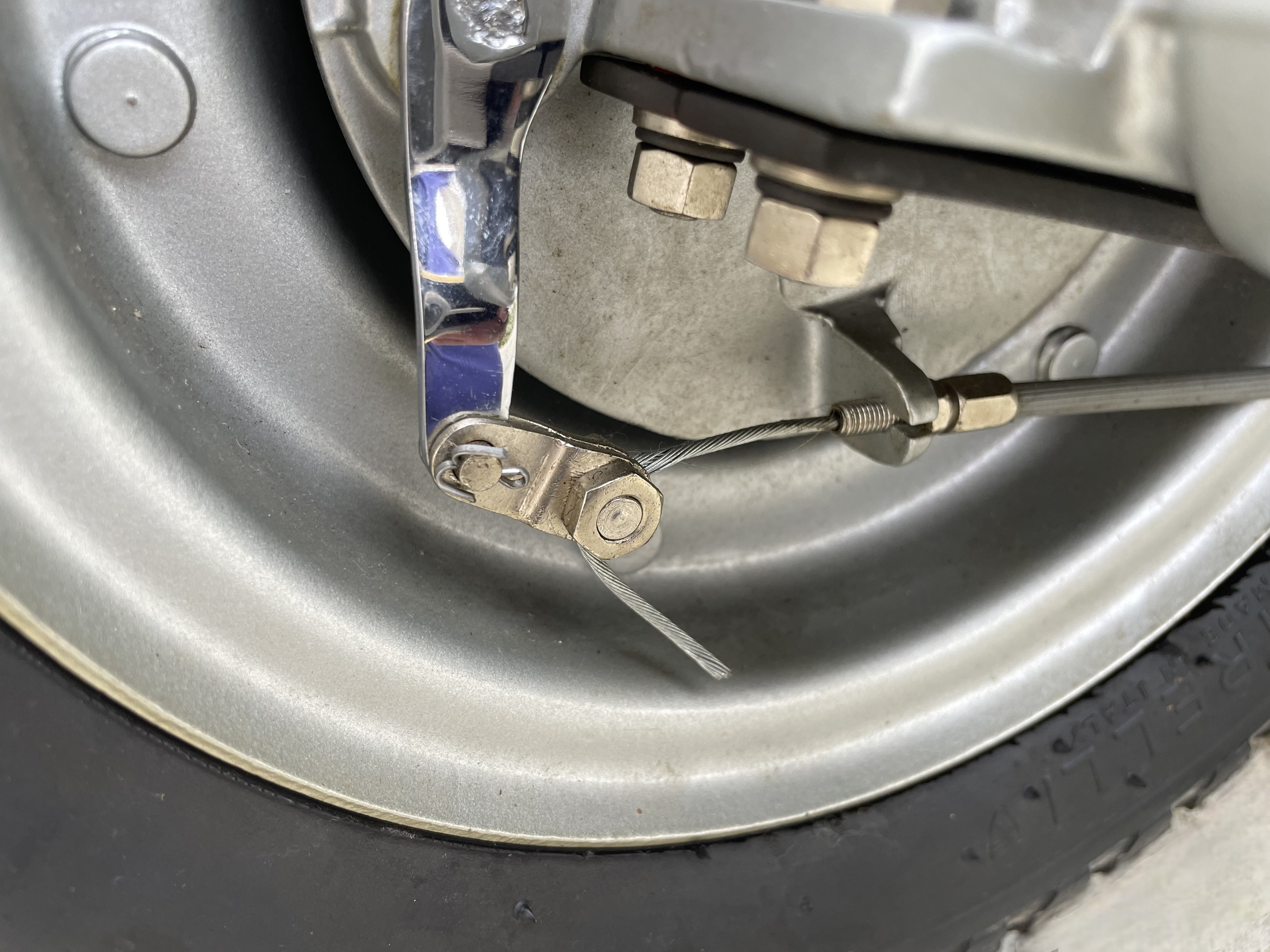


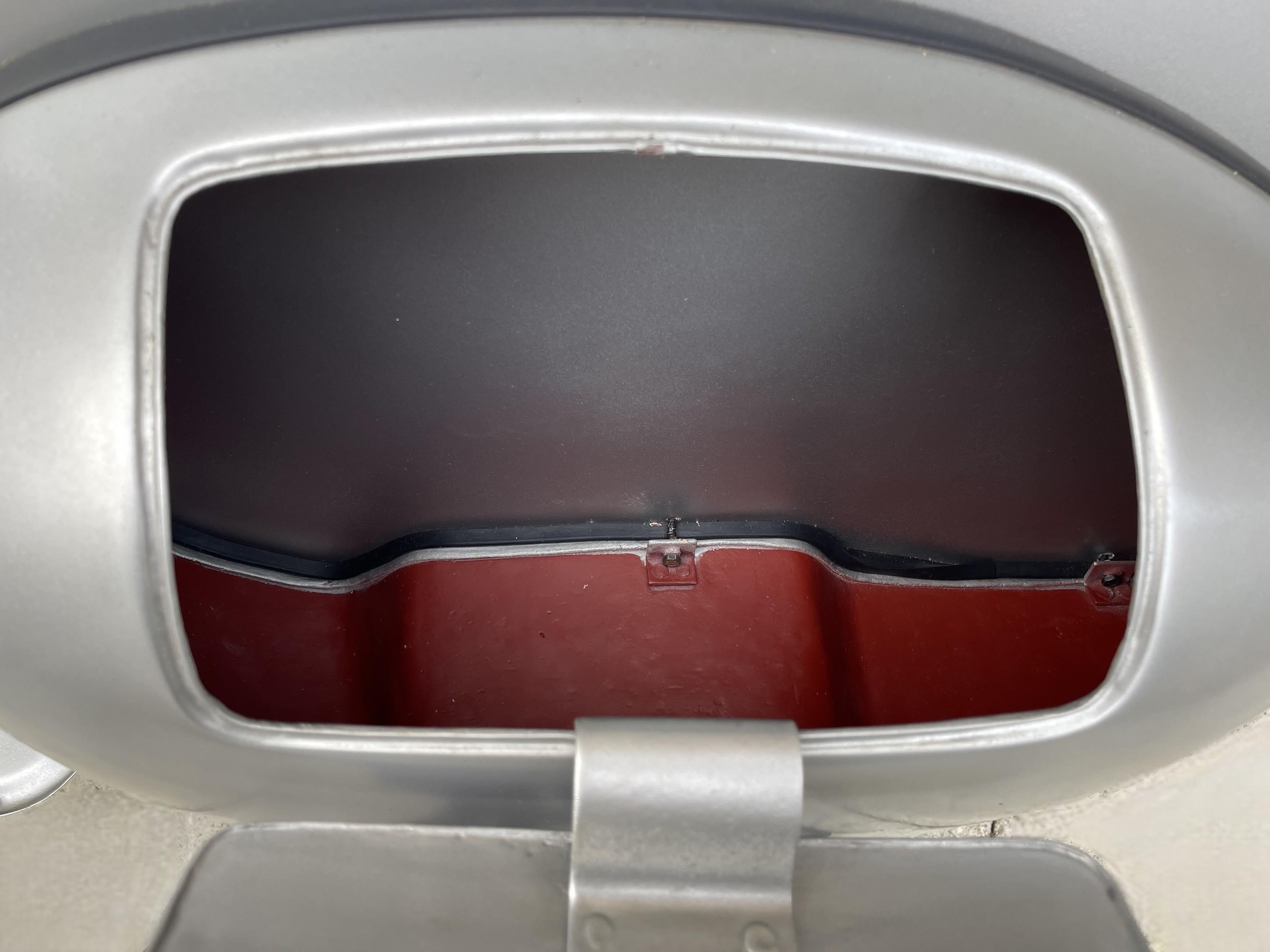


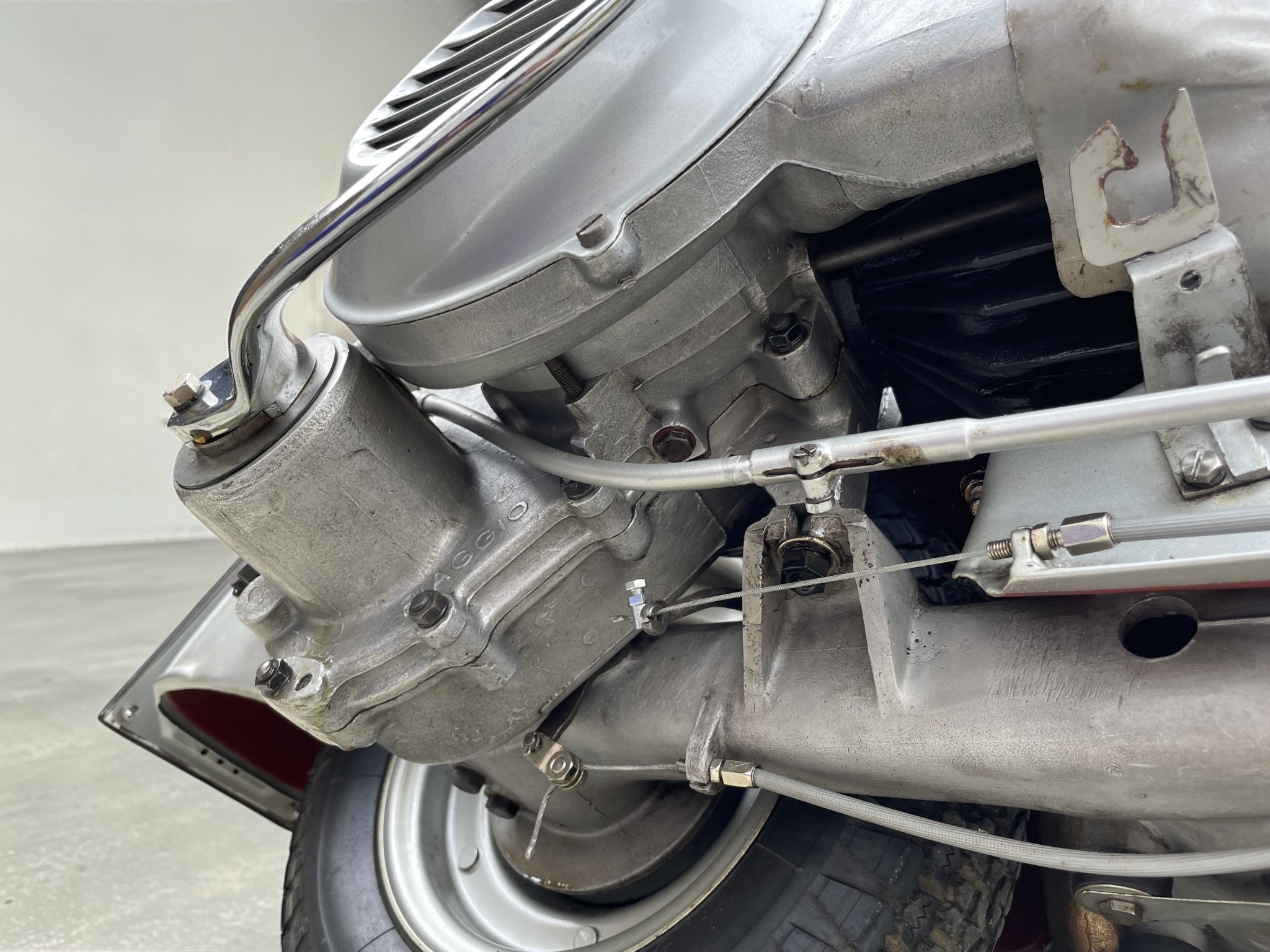


The 1947 Vespa 98 Serie 4, officially identified as the V.98/4, is one of the earliest production scooters built by Piaggio and represents the final series of the original Vespa 98. Introduced after the V.98/3 during 1947, the Serie 4 retained the fundamental mechanical architecture of the first Vespa while incorporating a number of small production refinements.
The Vespa 98 was created from the post-war scooter designs developed by Corradino D'Ascanio and Enrico Piaggio. Its step-through layout, enclosed mechanical components, pressed-steel construction, small wheels, and compact two-stroke engine established the basic concept that would define Vespa scooters for decades.
The V.98/4 uses a 98 cc air-cooled single-cylinder two-stroke engine with a 50 mm bore and 50 mm stroke. The engine produces approximately 3.2 horsepower at around 4,500 rpm and drives the rear wheel through a three-speed manual transmission.
The Serie 4 has a claimed top speed of approximately 60 km/h. It uses mechanical drum brakes, 3.50 x 8-inch tires, a 5-liter fuel tank, and a distinctive early Vespa chassis without a conventional center stand.
The 1947 Vespa 98 Serie 4 is exceptionally important to collectors because it belongs to the final stage of the first-generation Vespa 98 and represents one of the earliest forms of the scooter that would become one of the world's most recognizable transportation designs.
The origins of Vespa can be traced to Piaggio's post-war search for a practical and inexpensive form of personal transportation. Engineer Corradino D'Ascanio developed a radically different two-wheeled vehicle based around ease of use, enclosed mechanical components, and a step-through structure.
The MP5 Paperino and subsequent MP6 prototypes provided important foundations for the production Vespa. Enrico Piaggio approved the concept, and the new scooter was presented to the public in Rome in April 1946.
The first production model was designated Vespa 98, using a 98 cc two-stroke engine. Production began in 1946 and continued through the early stages of 1948, although the model is generally classified as a 1946-1947 production Vespa because the final V.98 examples carried into 1948.
The Vespa 98 was divided into four principal series: V.98/1 and V.98/2 during 1946, followed by V.98/3 and V.98/4 beginning in 1947. The changes between these series were relatively small but are important when authenticating an early Vespa.
The V.98/3 introduced several recognizable refinements, including a narrower front mudguard and an additional mounting arrangement for a speedometer. The V.98/4 remained closely related to the V.98/3 while incorporating further small mechanical improvements.
Production records indicate that the V.98 series ended at frame number 18,079. Surviving examples are therefore extremely scarce compared with later Vespa models.
Because the V.98/4 was produced during the final stage of the first Vespa generation, original engine and frame identification, period documentation, restoration records, historical photographs, and ownership history are particularly valuable when establishing provenance.
The 1947 Vespa 98 Serie 4 is powered by a 98 cc air-cooled single-cylinder two-stroke engine.
The engine uses a 50 mm bore and 50 mm stroke, producing a square 98 cc displacement.
Published specifications commonly give the engine approximately 3.2 horsepower at 4,500 rpm. Some period and secondary references quote slightly different horsepower figures, but approximately 3.2 horsepower is a commonly documented specification for the V.98.
The engine uses a carburetor for fuel mixture preparation and a conventional two-stroke lubrication system requiring gasoline mixed with oil.
Power is delivered directly through the compact drivetrain to the rear wheel. The engine and transmission are integrated into the rear portion of the scooter, helping create the compact mechanical package that became one of Vespa's defining characteristics.
The modest output was appropriate for the scooter's intended purpose. The Vespa 98 was designed primarily for economical personal transportation rather than high-speed performance.
With its lightweight construction and three-speed gearbox, the scooter could reach approximately 60 km/h under suitable conditions.
Actual performance of an individual surviving Vespa depends on engine compression, piston and cylinder condition, carburetor adjustment, ignition timing, gearing, tire condition, rider weight, and restoration quality.
The 1947 Vespa 98 Serie 4 uses a three-speed manual transmission.
Gear selection is operated through the left side of the handlebar using the characteristic twist-grip gear-change system that became a defining feature of geared Vespa scooters.
The integrated engine and transmission assembly is mounted at the rear of the pressed-steel chassis and drives the rear wheel through the compact Vespa drivetrain.
The layout eliminates the exposed chain and sprocket arrangement common on conventional motorcycles, keeping the mechanical components largely enclosed within the scooter's bodywork.
The clutch is manually operated through the left-hand control, while gear selection is coordinated through the rotating handlebar grip.
The three-speed gearbox provides the limited but useful range required by the small 98 cc engine for urban riding and moderate road speeds.
On a surviving Serie 4, the clutch, gear-change mechanism, transmission gears, bearings, seals, and rear-drive components should be inspected carefully because incorrect adjustment or worn components can significantly affect the scooter's usability.
The 1947 Vespa 98 Serie 4 uses a pressed-steel monocoque-style body and frame structure, one of the most important engineering characteristics of the early Vespa.
Instead of using a conventional tubular motorcycle frame, Piaggio integrated the structural bodywork into a pressed-steel chassis. This approach provided a clean exterior shape while also enclosing much of the mechanical equipment.
The open step-through center section made mounting and dismounting considerably easier than on conventional motorcycles.
The front suspension uses a distinctive trailing-arm arrangement associated with the earliest Vespa models.
The rear of the scooter does not use a conventional modern rear suspension system. Suspension movement is provided through the early Vespa rear-wheel and engine mounting arrangement, with the saddle and tire construction also contributing to rider comfort.
The early Vespa did not use a conventional center stand. Instead, the scooter was supported for parking by outrigger sections extending from the rear portion of the footboard.
This unusual parking arrangement is one of the defining characteristics of the first Vespa 98 and is an important detail when evaluating originality.
The 1947 Vespa 98 Serie 4 uses small 8-inch spoked wheels with 3.50 x 8-inch tires.
The compact wheel size contributes to the scooter's low center of gravity and compact proportions while also allowing the wheels to fit within the enclosed bodywork.
Both front and rear wheels use mechanical drum brakes.
The brakes are operated mechanically through cables and linkages rather than hydraulic systems.
Although adequate for the modest performance of the original Vespa, the braking system is considerably less powerful than modern scooter braking equipment.
Brake drums, shoes, cables, operating arms, wheel bearings, rims, spokes, and tire condition should all be inspected before riding a surviving Serie 4.
Correct wheel alignment and properly adjusted brake mechanisms are especially important on an early scooter with narrow tires and lightweight construction.
The 1947 Vespa 98 Serie 4 established many of the visual characteristics that would become permanently associated with the Vespa name.
The most important feature is the open step-through chassis. The rider can enter the scooter without swinging a leg over a conventional motorcycle fuel tank, making the vehicle considerably more practical for everyday urban transportation.
The pressed-steel bodywork encloses the engine and drivetrain, protecting mechanical components from road dirt while also creating a smooth and distinctive exterior appearance.
The early Vespa uses a low-mounted headlamp arrangement on the front mudguard rather than the handlebar-mounted headlamp that became standard on later Vespa generations.
The leg shield and front bodywork give the scooter its characteristic aerodynamic-looking profile, while the rear body panels create the rounded shape that inspired the Vespa name.
The V.98/4 retained the classic early body design while incorporating the incremental refinements that distinguished it from the earliest 1946 examples.
The original factory finish for the V.98/4 is associated with metallic grey, including Max Meyer color specification 8000M, while the underside and anti-corrosion primer used a contrasting red oxide finish.
The 1947 Vespa 98 Serie 4 was the fourth and final series of the original V.98 production model.
The scooter retained the 98 cc single-cylinder two-stroke engine, three-speed manual gearbox, step-through pressed-steel chassis, small 8-inch wheels, and mechanical drum brakes of the preceding series.
The V.98/4 remained visually very similar to the V.98/3. The differences were primarily detail refinements rather than a fundamental redesign.
One documented V.98/4 development concerned the rear swinging-arm cross member, where rubber bushes were introduced and secured using six screws with cup washers.
The model continued to use the distinctive early parking outriggers rather than a conventional center stand.
The V.98/4 should therefore be regarded as the final refinement of the original Vespa 98 rather than a completely new model.
After the V.98 production ended, Piaggio moved to the larger 125 cc Vespa generation, which retained the essential concept while providing greater engine capacity and improved practicality.
The 1947 Vespa 98 Serie 4 offers a riding experience that is very different from a conventional motorcycle of the same period.
The lightweight chassis, compact dimensions, step-through layout, and low seating position make the scooter particularly approachable for urban riding.
The 98 cc two-stroke engine produces modest power but is sufficient for the scooter's intended role as economical transportation.
The three-speed twist-grip transmission allows the rider to make effective use of the small engine's available power.
The small wheels and short overall dimensions provide nimble handling at low and moderate speeds, although they require more attention over uneven surfaces than larger motorcycle wheels.
The enclosed engine and drivetrain also make the Vespa feel mechanically different from a conventional motorcycle, with much of the machinery hidden behind the pressed-steel bodywork.
A restored V.98/4 should be ridden within the limits of its original braking, suspension, tire, and engine technology. Its historical significance is far greater than its outright performance.
The 1947 Vespa 98 Serie 4 is historically important because it represents the final stage of the first production Vespa design.
The original Vespa transformed the concept of two-wheeled transportation by combining motorcycle-style mechanical simplicity with scooter-style accessibility and body protection.
Its step-through frame, enclosed engine, small wheels, compact dimensions, and lightweight construction provided a practical answer to the transportation problems facing post-war Italy.
The V.98/4 is particularly significant because it belongs to the final series of the original 98 cc model before Piaggio moved to the larger 125 cc Vespa.
The basic architecture established by the Vespa 98 proved extraordinarily influential. The combination of pressed-steel construction, enclosed drivetrain, twist-grip gear control, and step-through ergonomics became the foundation of Vespa's subsequent development.
The model therefore represents not simply an early scooter but the beginning of one of the most influential scooter designs in automotive and industrial-design history.
The 1947 Vespa 98 Serie 4 is one of the most desirable early Vespa models for collectors.
Its significance comes from its position at the beginning of Vespa history, its limited production, and the survival of relatively few completely authentic examples.
Collectors pay close attention to the pressed-steel body, frame number, engine number, early front suspension, low-mounted headlamp, handlebar controls, carburetor, engine casing, three-speed gearbox, wheels, brakes, footboard outriggers, and body panels.
The V.98/4 is especially important because small differences between the four early series can help establish whether a restored scooter is genuinely representative of its claimed production period.
Original metallic grey paint, correct Max Meyer finishes, factory-correct components, original bodywork, and period electrical equipment can add considerable historical importance.
Original frame and engine numbers, factory documentation, registration records, period photographs, restoration invoices, and documented ownership history can significantly strengthen provenance.
Because early Vespa 98 scooters have been highly collectible for many years, reproduction components and incorrectly dated parts are common. Careful examination of individual components is therefore essential when evaluating originality.
Authenticating a 1947 Vespa 98 Serie 4 requires examination of the complete scooter rather than relying solely on its overall appearance.
The scooter should have the 98 cc single-cylinder two-stroke engine and V.98 chassis identification associated with the early Vespa production series.
The frame, bodywork, engine, transmission, front suspension, wheels, brakes, electrical equipment, controls, and parking outriggers should all be consistent with the V.98/4 specification.
The V.98/4 should be distinguished from the earlier V.98/1, V.98/2, and V.98/3 through period-correct details rather than simply by the claimed year.
The V.98/3 introduced an air filter arrangement for the Dell'Orto carburetor, a slimmer front mudguard, and an additional mounting point associated with a speedometer. The V.98/4 retained the basic V.98/3 configuration while incorporating further small mechanical refinements.
The V.98/4 also remained without a conventional center stand, using the distinctive rear footboard outriggers for parking.
Frame and engine numbers should be carefully recorded and compared with reliable Vespa historical references whenever possible.
A scooter containing reproduction components can still be historically significant, but non-original parts should be identified clearly when assessing authenticity and restoration quality.
The 1947 Vespa 98 Serie 4 matters because it represents the culmination of the original Vespa 98 design and one of the most important milestones in post-war two-wheel transportation.
Its 98 cc two-stroke engine, three-speed gearbox, pressed-steel chassis, step-through frame, enclosed drivetrain, and compact wheels created a completely different approach to personal mobility.
The Serie 4 preserved the essential characteristics of the first Vespa while incorporating the small production improvements developed during 1946 and 1947.
Its position at the end of the original V.98 production makes it particularly valuable for collectors who want to understand the transition from the earliest Vespa prototypes to the later 125 cc models.
For collectors, the V.98/4 combines rarity, pioneering Italian industrial design, post-war historical importance, and the unmistakable mechanical character of the first-generation Vespa.
This 1947 Vespa 98 Serie 4 represents the final series of Piaggio's pioneering V.98 and belongs to the earliest generation of the scooter that would become an international symbol of Italian design and post-war mobility.
The 98 cc single-cylinder two-stroke engine produces approximately 3.2 horsepower and drives the rear wheel through a three-speed manual twist-grip transmission, giving the lightweight scooter a top speed of approximately 60 km/h.
The V.98/4 combines its compact engine and gearbox with a pressed-steel monocoque-style chassis, open step-through frame, low-mounted front headlamp, 8-inch wheels, mechanical drum brakes, and the distinctive early Vespa parking outriggers.
The Serie 4 is particularly important to collectors because it represents the final development of the original Vespa 98 before Piaggio moved to the larger 125 cc generation. Its small production numbers and historical importance make authentic examples exceptionally desirable.
Correct bodywork, matching engine and frame components, period-correct mechanical details, original-style finishes, and documented restoration history are especially important when evaluating an early V.98/4.
For more information about the Vespa marque and other historic models, visit Vespa vintage scooters.
Contact us for additional photographs, detailed specifications, frame and engine numbers, service history, originality assessment, provenance, restoration details, historical documentation, and purchasing information for this 1947 Vespa 98 Serie 4.
The Vintage Motorcycles presents a curated selection of historically significant Italian machines, where Vespa represents one of the most influential developments in post-war mobility engineering. Introduced as a response to the need for affordable and efficient transportation, Vespa redefined two-wheel design through its monocoque chassis, enclosed mechanical systems, and highly accessible riding ergonomics.
Within the broader landscape of global vintage motorcycle manufacturers, Vespa stands apart from traditional motorcycle architecture, representing a shift toward integrated industrial design. This transformation can be better understood when contrasted with earlier pre-war motorcycle engineering (1900-1939), where exposed mechanical systems and rigid frame structures defined the dominant design philosophy.
The emergence of Vespa aligns closely with wider post-war motorcycle development, a period marked by economic reconstruction and the demand for lightweight, practical transportation solutions. Italian manufacturers, particularly Piaggio through the Vespa platform, played a defining role in this transition, introducing vehicles that combined mechanical simplicity with mass production efficiency.
Each Vespa within our collection is selected based on provenance, originality, and structural integrity, ensuring alignment with museum-grade preservation standards. Available acquisition opportunities can be explored through our global vintage motorcycle inventory, supported by a fully insured international shipping service.
Vespa's development is deeply connected to Italy's industrial recovery following World War II, where engineering priorities shifted toward efficiency, affordability, and accessibility. Unlike conventional motorcycles, Vespa introduced a fully integrated body structure that protected mechanical components, reduced maintenance complexity, and improved rider comfort.
This transformation reflects broader changes explored through WW2 military motorcycle development, where industrial capabilities and engineering knowledge were redirected from military production toward civilian mobility solutions. Vespa emerged directly from this context, adapting aeronautical and industrial manufacturing techniques into a new form of urban transport.
Although primarily designed as a solo urban vehicle, Vespa also intersected with broader European mobility trends, including adaptations and utility concepts related to sidecar-equipped motorcycles, highlighting how diverse engineering solutions coexisted during the mid-20th century.
Italian engineering, as embodied by Vespa, emphasizes the integration of form and function, where mechanical efficiency is combined with clean, purposeful design. This philosophy distinguishes Vespa from many contemporaries, positioning it not only as a vehicle but also as a cultural and industrial design icon.
From early models such as the Vespa 98 to later developments across the 1950s and 1960s, the brand continuously refined its engineering approach while maintaining its core identity. These machines represent a departure from traditional motorcycle evolution, focusing instead on accessibility, usability, and mass adoption.
Today, Vespa remains a critical reference point in the study of post-war transportation systems, illustrating how engineering innovation can reshape not only vehicle design but also social mobility. For collectors, these machines offer a unique combination of historical significance, design heritage, and enduring global recognition.
Key Highlights
Collector Assurance
All enquiries handled with discretion. We typically respond within 6 hours.
Choose the payment method that is most convenient for you. We accept widely used international payment methods as well as, where available, local bank transfer options that allow you to pay like a domestic transaction. Full payment instructions are provided for your specific purchase.
Direct international bank wire transfer is available for motorcycle purchases and export transactions.
Credit card payments can be arranged through Wise.com, subject to the applicable payment and processing conditions.
PayPal is accepted. A 5% PayPal processing fee applies to the transaction.