The Vintage Motorcycles
Specialists in antique, classic, veteran and vintage motorcycles.
Specialists in antique, classic, veteran and vintage motorcycles.
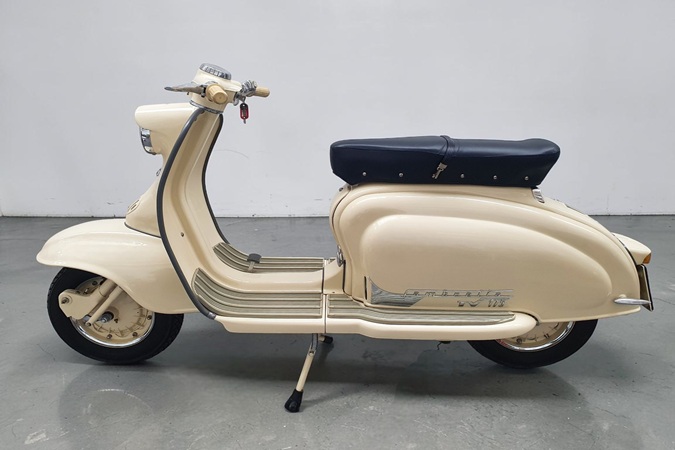
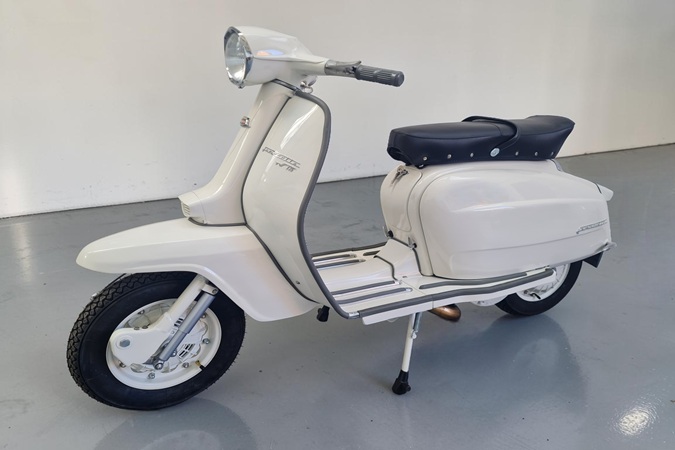
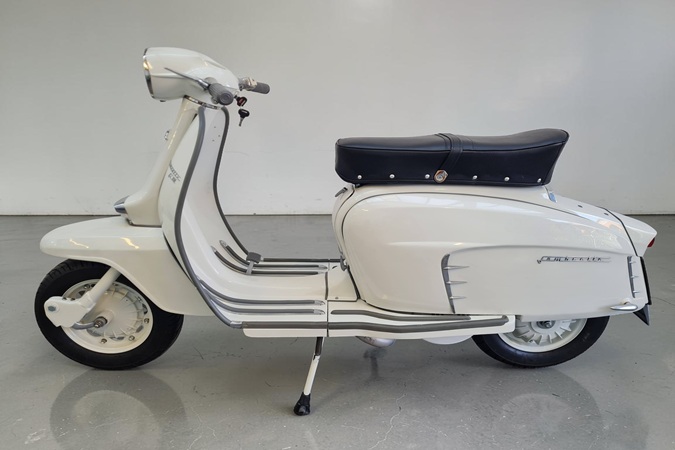
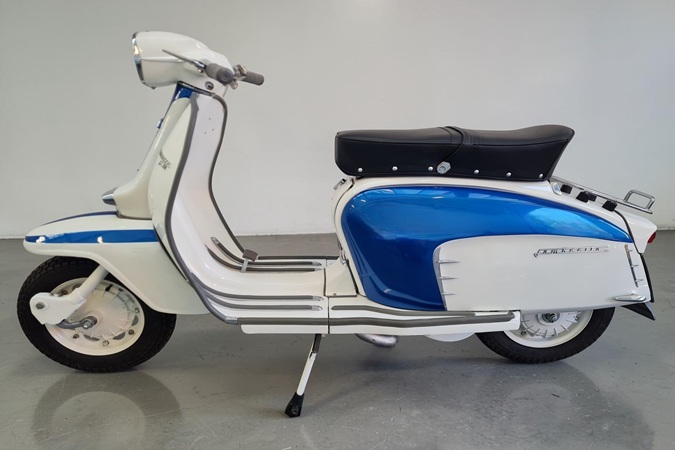
A curated museum-grade collection of vintage scooters, representing the engineering revolution that transformed post-war Europe. From the monocoque design of Vespa to the tubular frame performance of Lambretta, these machines redefined mobility through lightweight construction, mechanical efficiency, and mass production scalability.
Curated by European vintage motorcycle specialists with expertise in post-war Italian engineering and collector-grade scooters. Each machine is selected based on originality, rarity, and historical significance.
Vintage scooters are not simply smaller motorcycles - they represent a completely different engineering philosophy. Designed for accessibility, efficiency, and urban practicality, these machines introduced new structural concepts such as step-through frames, integrated bodywork, and enclosed mechanical systems.
From the earliest production models to high-performance racing variants, scooters played a critical role in rebuilding mobility across Europe after World War II. Today, they remain among the most culturally iconic and collectible vehicles of the 20th century.
Unlike traditional motorcycles, scooters were engineered as unified transport platforms. The most influential innovation was the Vespa monocoque chassis, where the body itself functions as the structural frame, reducing weight while increasing rigidity and simplifying production.
In contrast, Lambretta adopted a tubular frame architecture, offering improved stability, modularity, and performance tuning potential. This fundamental engineering divergence defines the entire scooter category.
Integrated body design, enclosed engines, direct drivetrain layouts and compact urban efficiency.
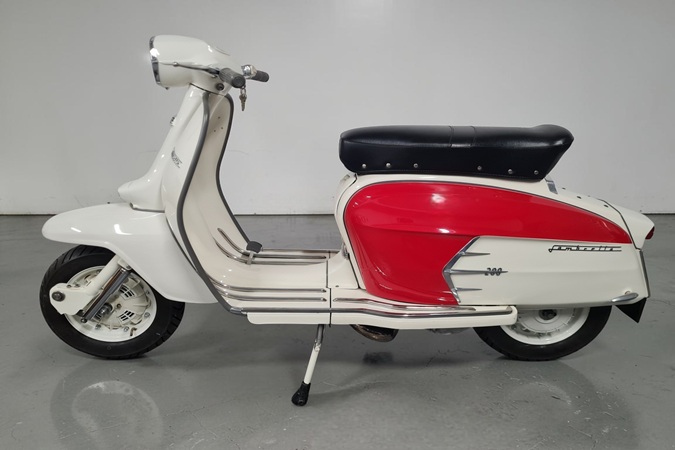
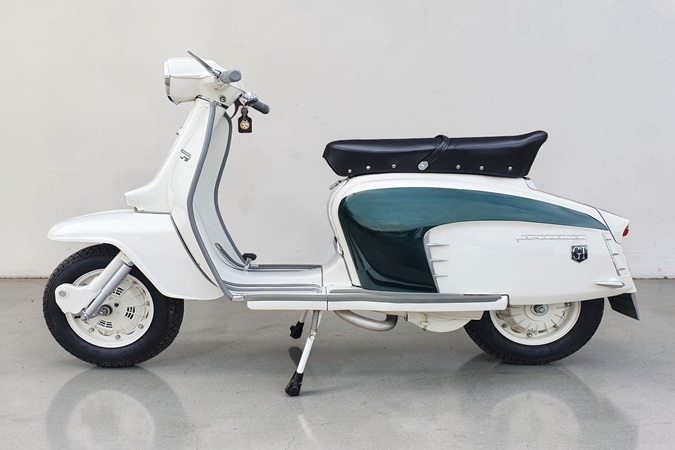
Tubular frame engineering, strong chassis structure and performance tuning capability.
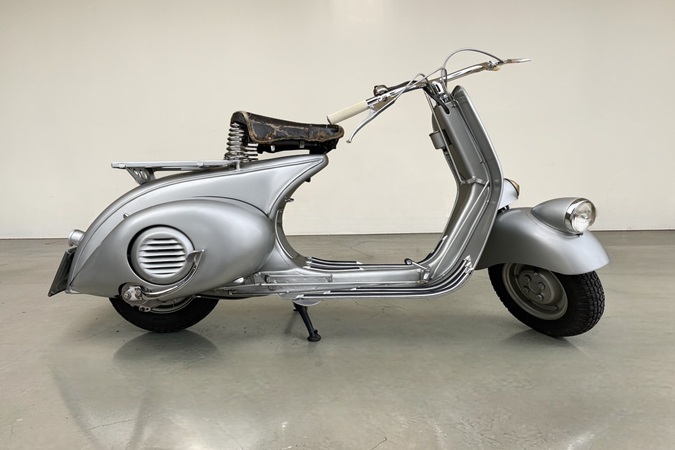
The beginning of a revolutionary monocoque scooter design, combining simplicity, accessibility and Italian engineering.
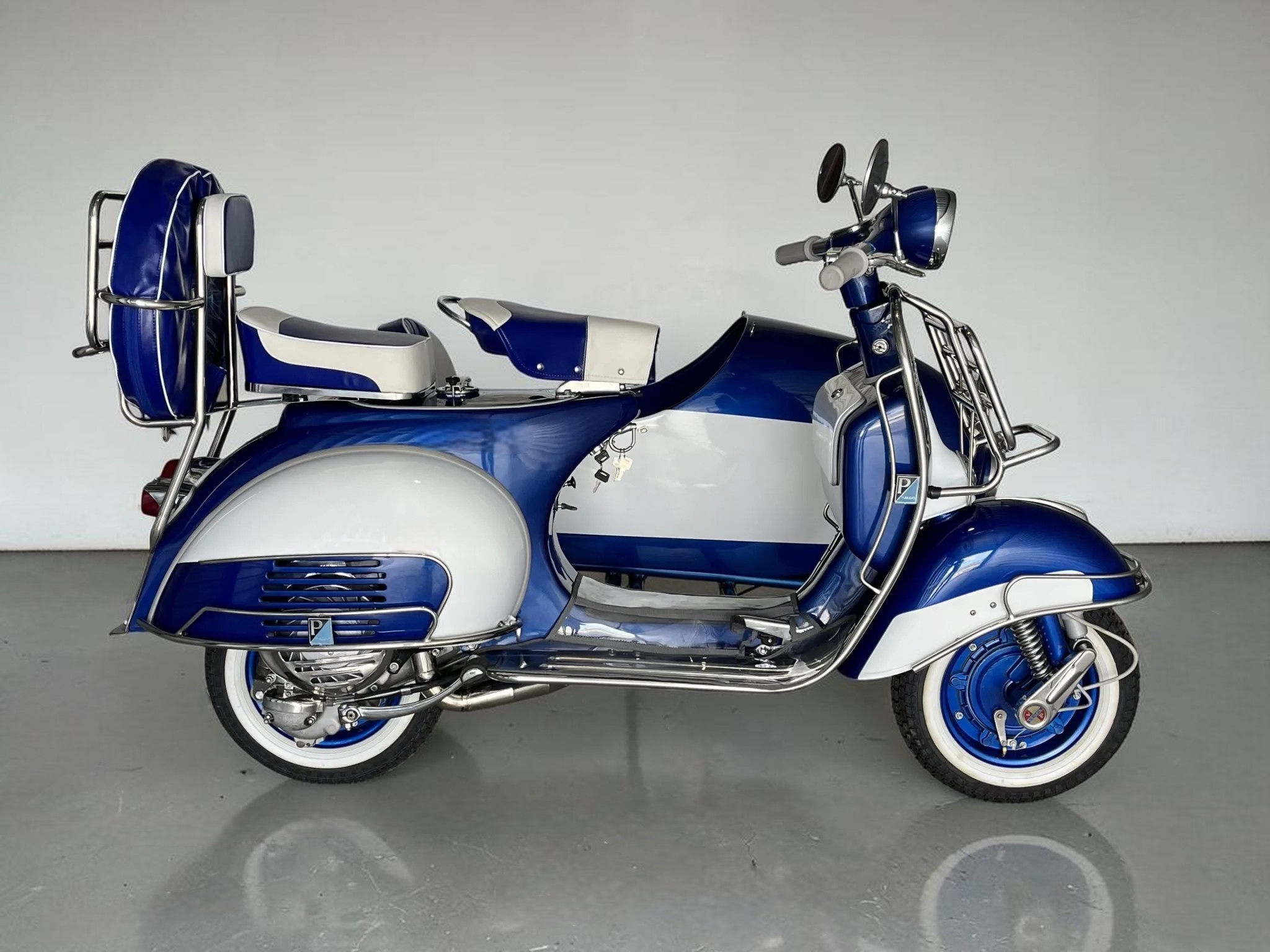
A competition-focused machine proving scooter performance beyond ordinary urban transportation.
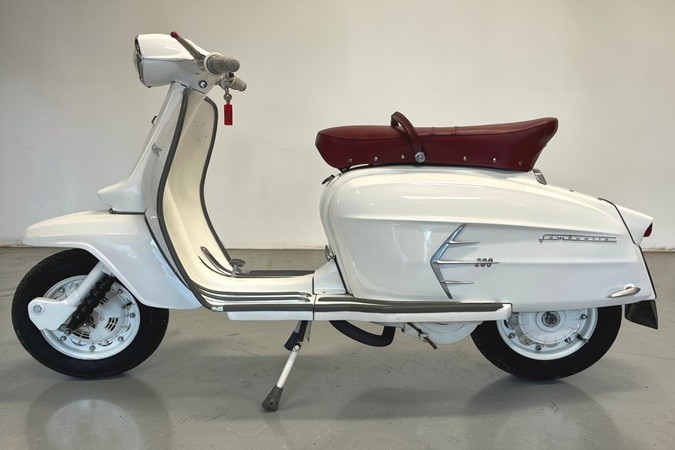
A high-performance scooter representing advanced chassis engineering and sporting capability.
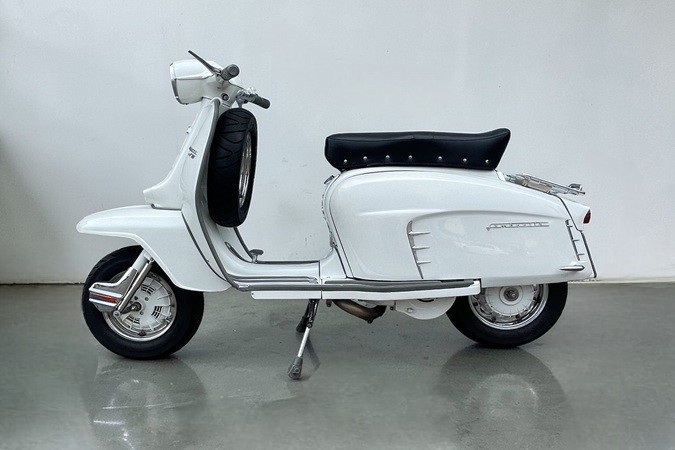
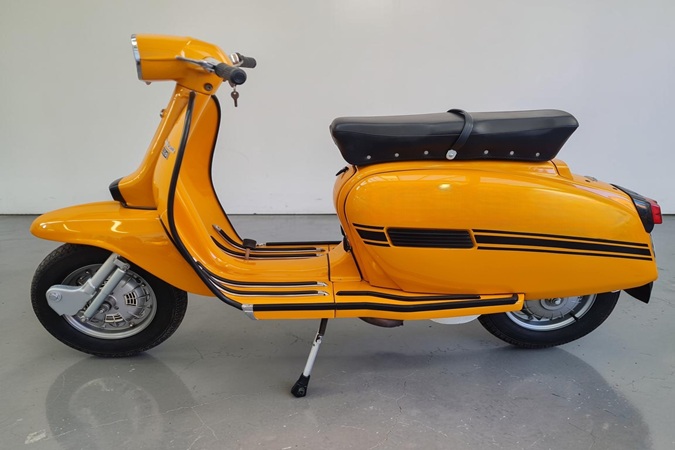
One of the most iconic performance scooters, built around speed, handling and tuning potential.
While scooters are often associated with urban transport, several models were developed specifically for racing and high-performance applications. The Vespa Sei Giorni (1953), Vespa SS90 and Lambretta SX200 pushed the limits of lightweight performance engineering.
In the 1940s and 1950s, scooters became essential tools of mobility across Europe. Their affordability, practicality and elegant design transformed them into cultural icons representing freedom, youth culture and post-war recovery.
Vintage scooters occupy a unique position within the collector market, combining mechanical simplicity with strong cultural appeal. Early production models such as the Vespa 98 are extremely rare, while performance variants like the SS90 and SX200 command premium valuations.
Condition, originality, and provenance remain critical factors, with museum-grade restorations and matching components significantly increasing value.
We offer vintage scooters for sale to collectors worldwide, including Europe, the United States, Australia, and Asia. Each scooter is professionally prepared for export, with secure crating, documentation and insured international shipping.
Pricing varies depending on rarity, condition and historical significance. Please contact us for availability and acquisition details.
Contact our specialists for availability, pricing and worldwide delivery options.
Request Availability!The emergence of vintage scooters is closely tied to broader developments in lightweight mobility and structural engineering. During the pre-war motorcycle era (1900-1939), early concepts of compact transport and simplified mechanical systems began to take shape, laying the groundwork for more accessible urban mobility solutions.
These foundational ideas were indirectly influenced by the WW2 military motorcycle period (1939-1945), where efficiency, material optimization, and simplified construction became critical engineering priorities under wartime constraints.
The full realization of scooter design emerged in the post-war motorcycle era (1945-1970s), with the introduction of monocoque chassis construction, integrated bodywork, and highly efficient small-capacity engines. These innovations redefined personal transportation, particularly in urban environments across Europe and beyond.
For a comprehensive overview of available machines, the full vintage motorcycle inventory includes classic scooters, motorcycles, and sidecar platforms spanning multiple engineering eras and collector categories.
Vintage scooters are monocoque urban mobility systems, engineered with integrated frame-body construction rather than exposed tubular motorcycle frames. This design prioritizes lightweight structure, step-through ergonomics, and efficient urban transport.
The Vespa 98 (1947) is widely recognized as the foundational production scooter that defined post-war mobility and industrial design in Italy.
Yes. Early Vespa and Lambretta models are highly collectible due to their cultural significance, design innovation, and role in post-war European urban reconstruction.
Scooters offered affordable, fuel-efficient transportation during Europe's post-war recovery period, making them accessible alternatives to automobiles.
Rare and original-condition models - especially early production Vespa and performance Lambretta variants - are increasingly regarded as collector-grade investment vehicles.
Vintage scooters represent a defining evolution in 20th-century mobility, introducing monocoque frame architecture that separated them fundamentally from traditional motorcycles.
This collection includes historically significant machines such as the Vespa 98 (1947) , Vespa Sei Giorni (1953) , and performance-oriented machines like the Lambretta SX200 (1966) . Each model reflects a different stage in scooter evolution - from early utilitarian transport to high-performance lightweight engineering.
Vespa scooters represent one of the most influential engineering breakthroughs in post-war transportation history. Developed in Italy, they introduced a fully integrated monocoque structure that combined chassis and body into a single lightweight system.
These machines define the transition from post-war necessity vehicles to globally recognized design icons.
Lambretta scooters represent a parallel Italian engineering philosophy focused on tubular frame construction, mechanical simplicity, and performance-oriented tuning potential.
These models became iconic within European scooter culture, particularly in performance tuning communities and urban transport systems.
Following World War II, scooters became central to European mobility reconstruction. Their compact design, affordability, and fuel efficiency made them essential urban transport solutions.
Models such as the Vespa 125 U illustrate the shift toward mass-market utility engineering, while later performance models like the Lambretta GP200 show the evolution toward higher-speed engineering systems.
Unlike motorcycles, scooters utilize a monocoque load-bearing structure, where the frame and body are unified into a single structural system.
This design improves weight distribution, reduces mechanical complexity, and enables step-through ergonomics optimized for urban environments.
Vintage scooters occupy a unique position in the collector market, combining industrial design history, cultural significance, and accessible engineering heritage.
Early Vespa models represent post-war reconstruction innovation, while Lambretta performance scooters reflect the rise of European youth culture and tuning communities.
Together, they form a complete narrative of modern urban mobility evolution.
For collectors and enthusiasts, understanding the history, rarity, and authenticity of Vespa scooters is essential before acquisition. The following guides provide expert insights into Italian scooter heritage, post-war industrial design, and long-term collector investment value.