
The Vintage Motorcycles
Specialists in antique, classic, veteran and vintage motorcycles.
Specialists in antique, classic, veteran and vintage motorcycles.
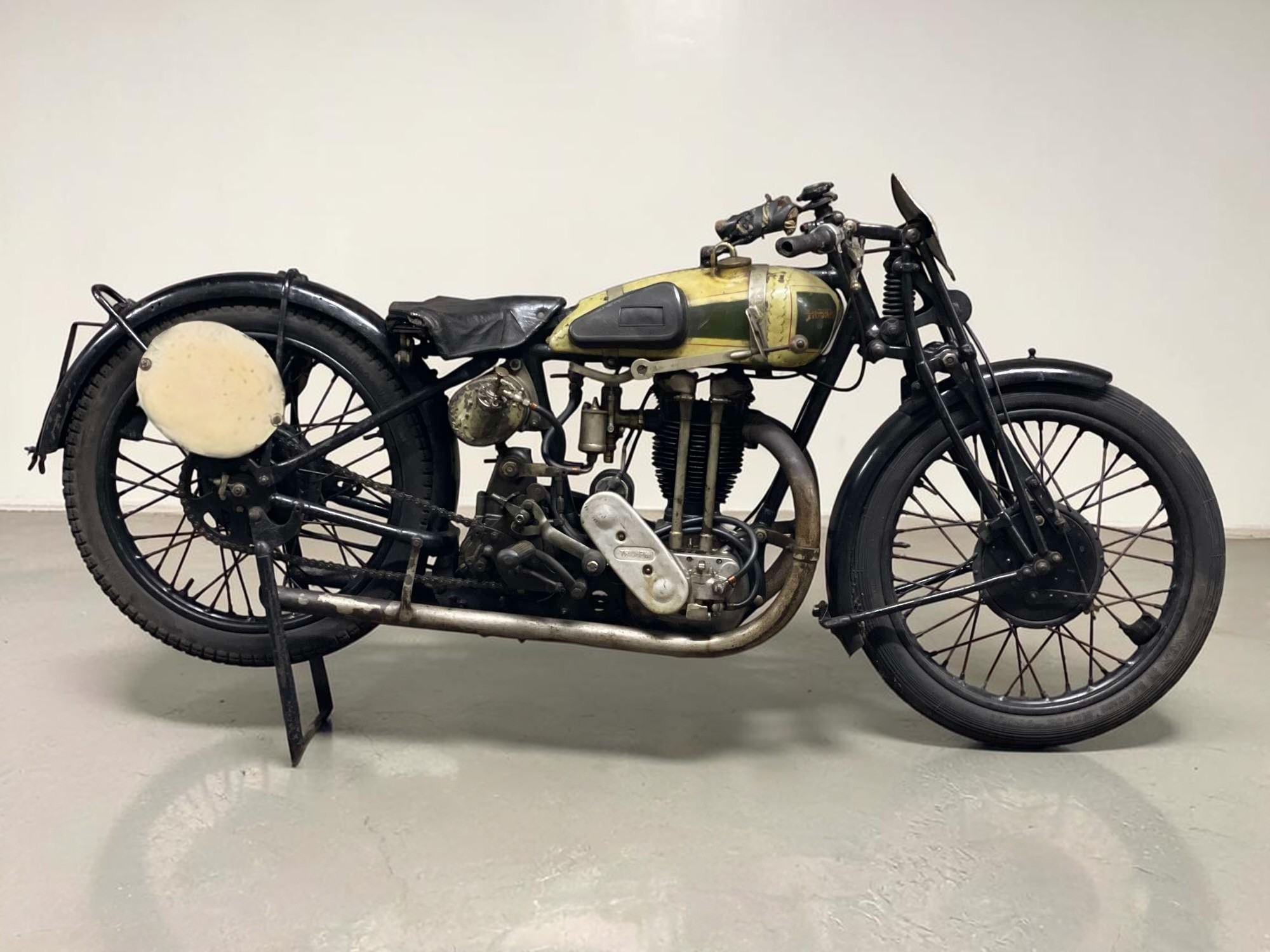
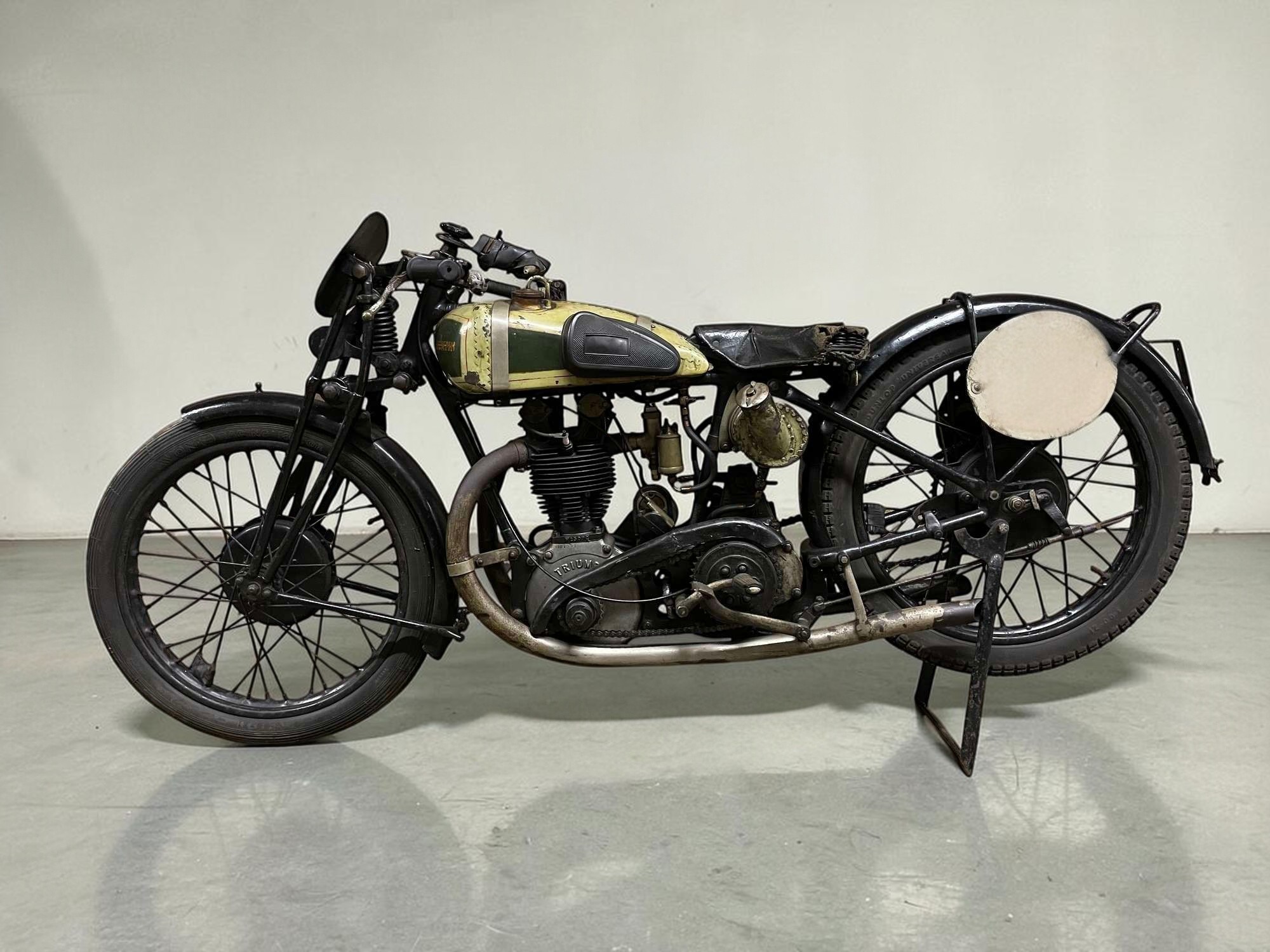
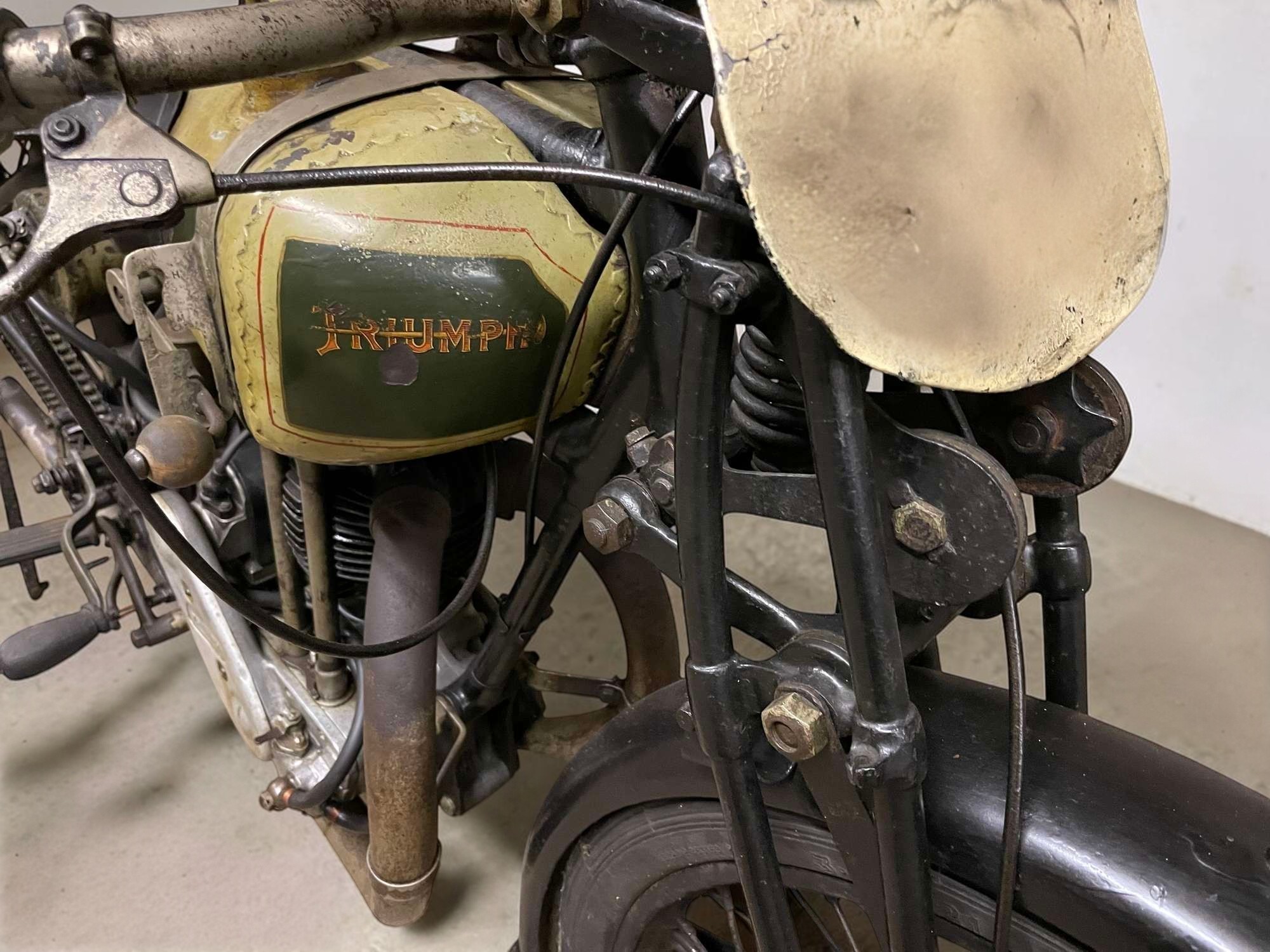
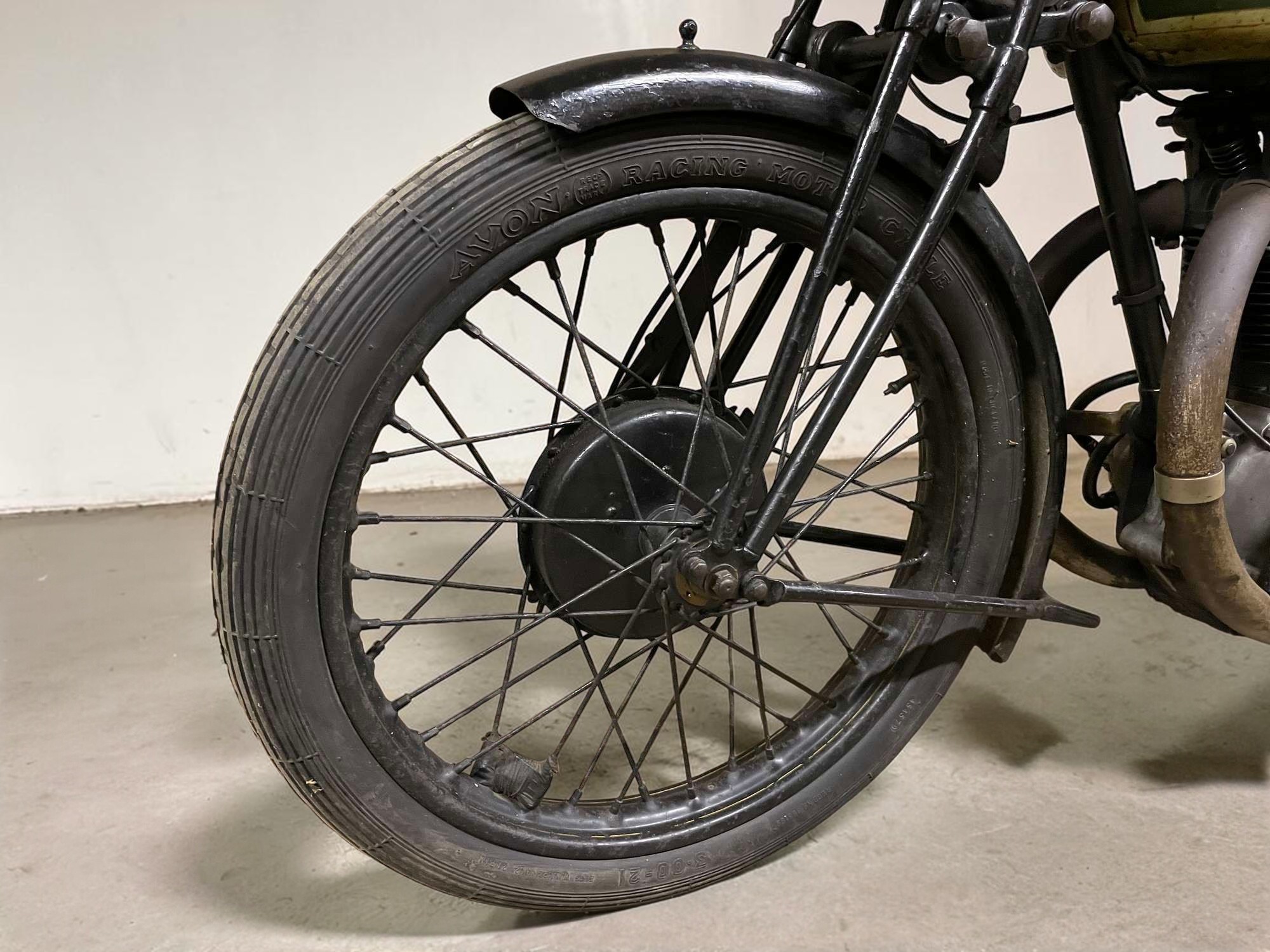
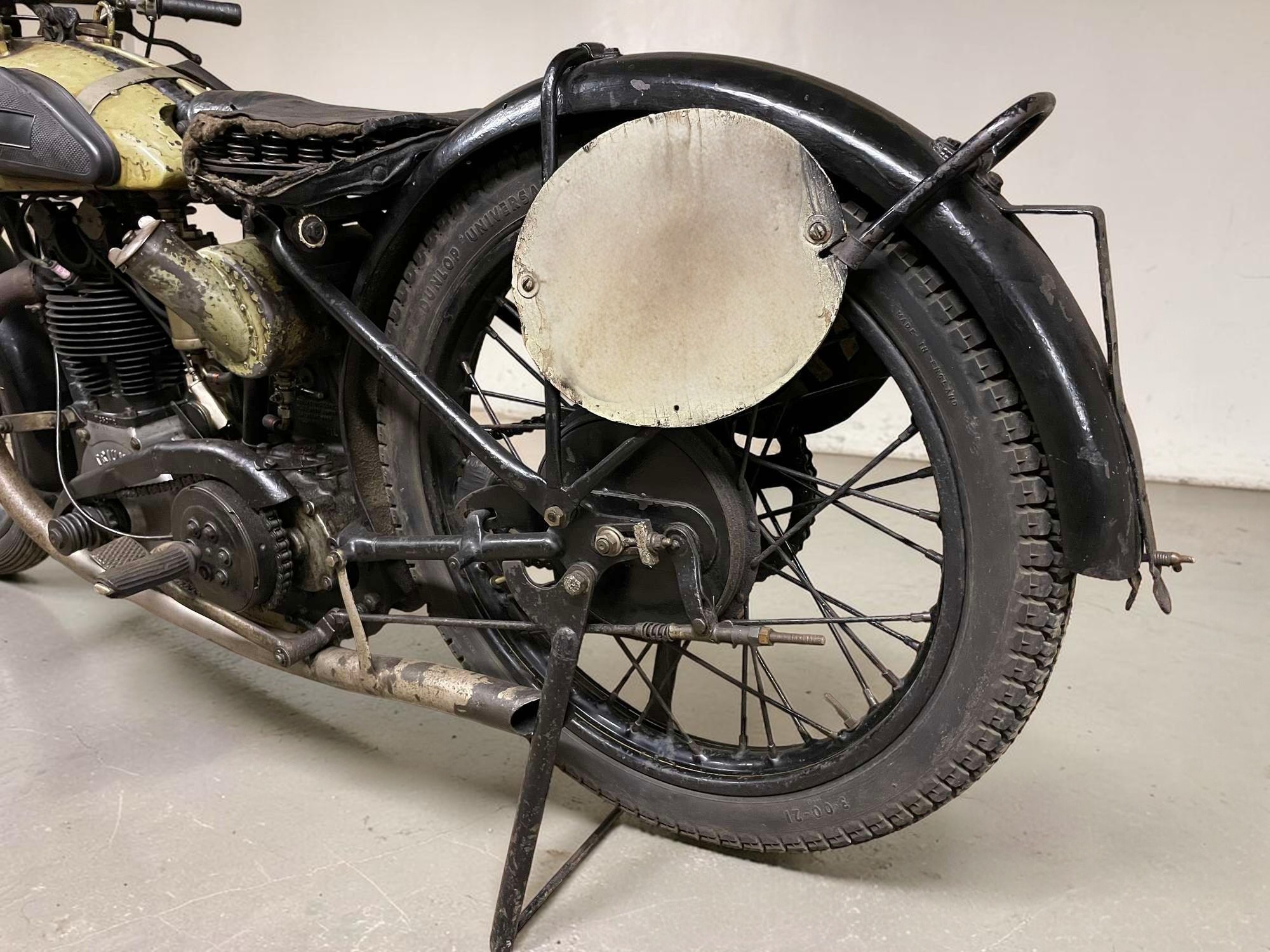
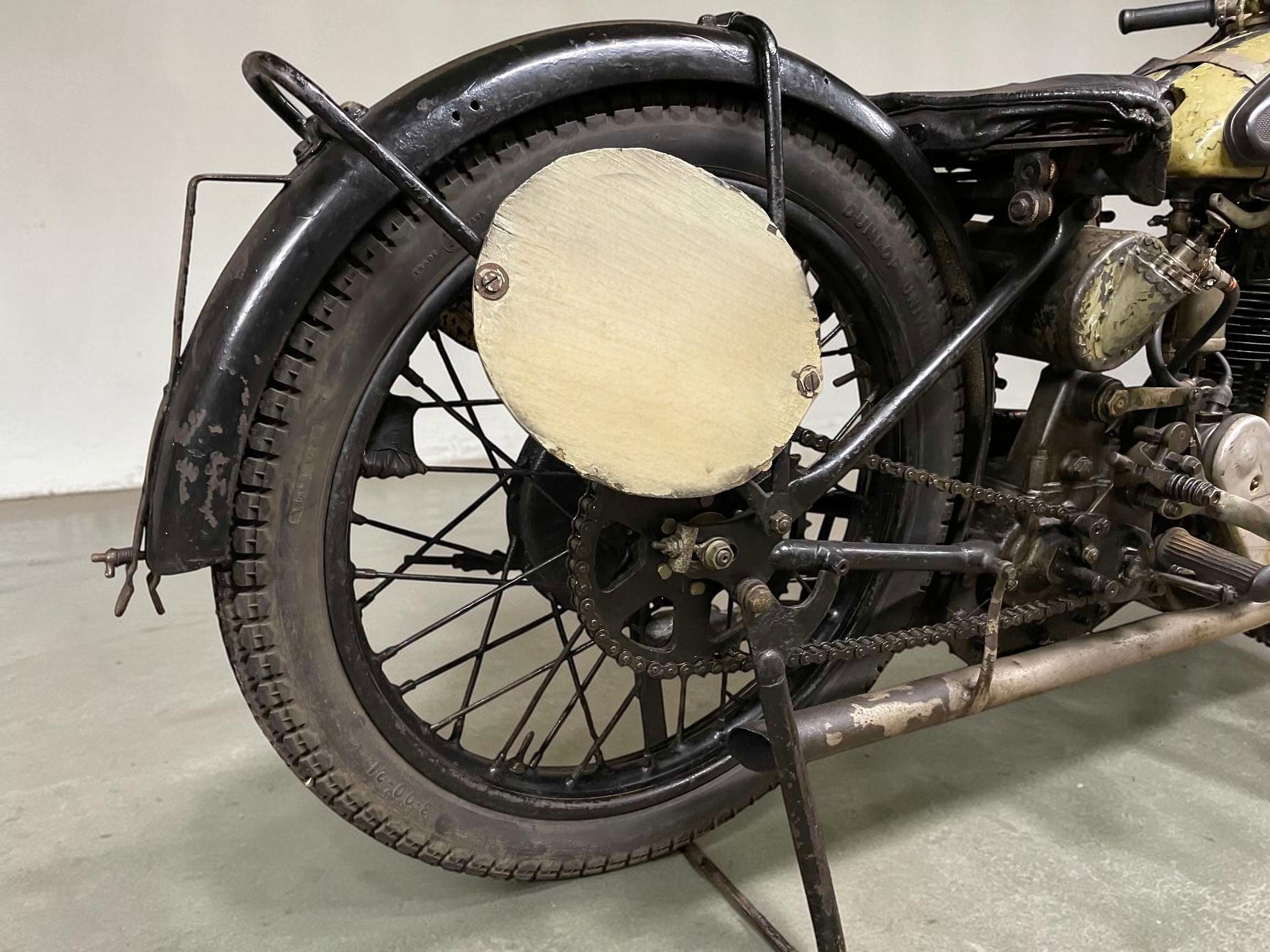
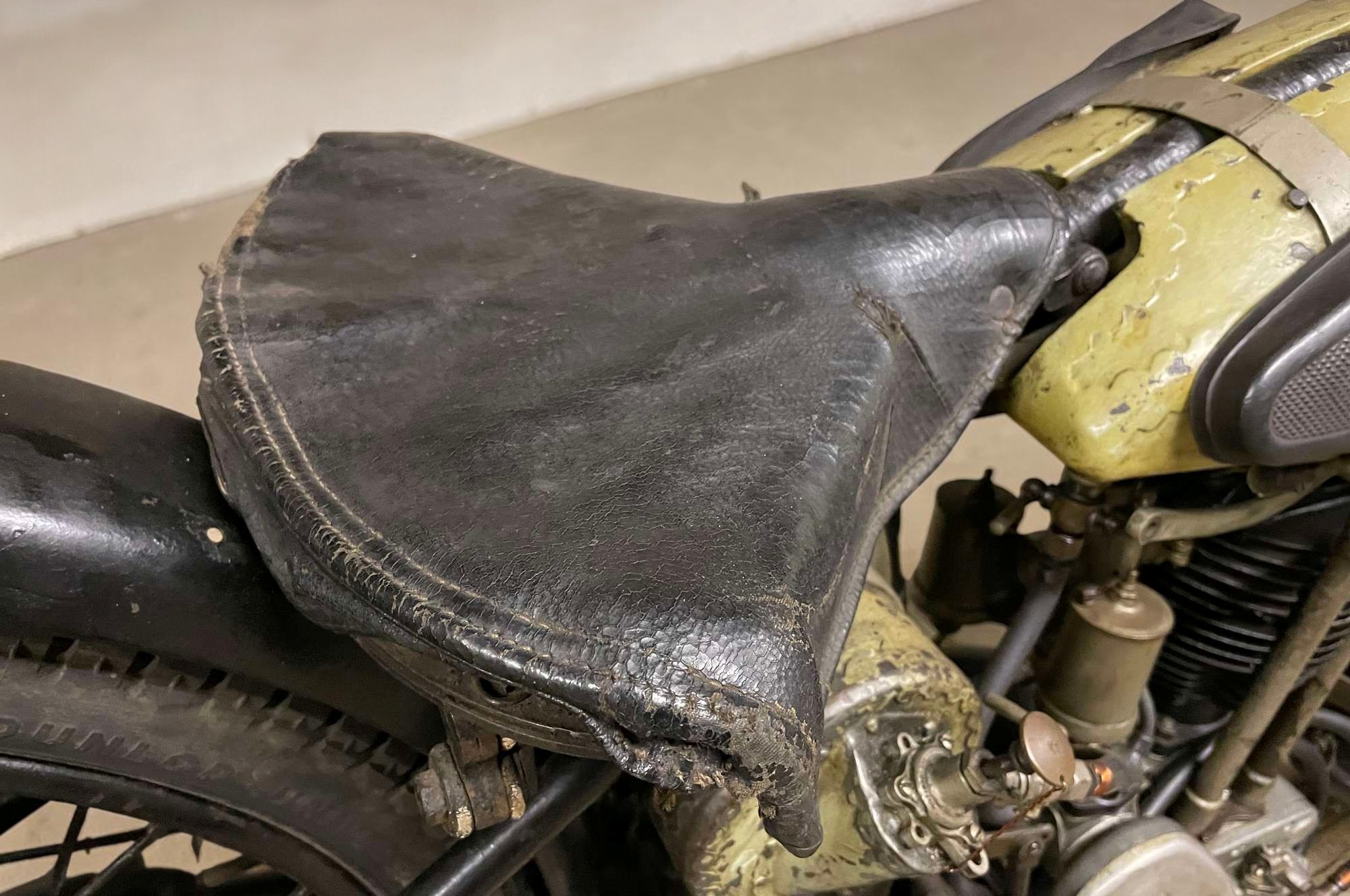
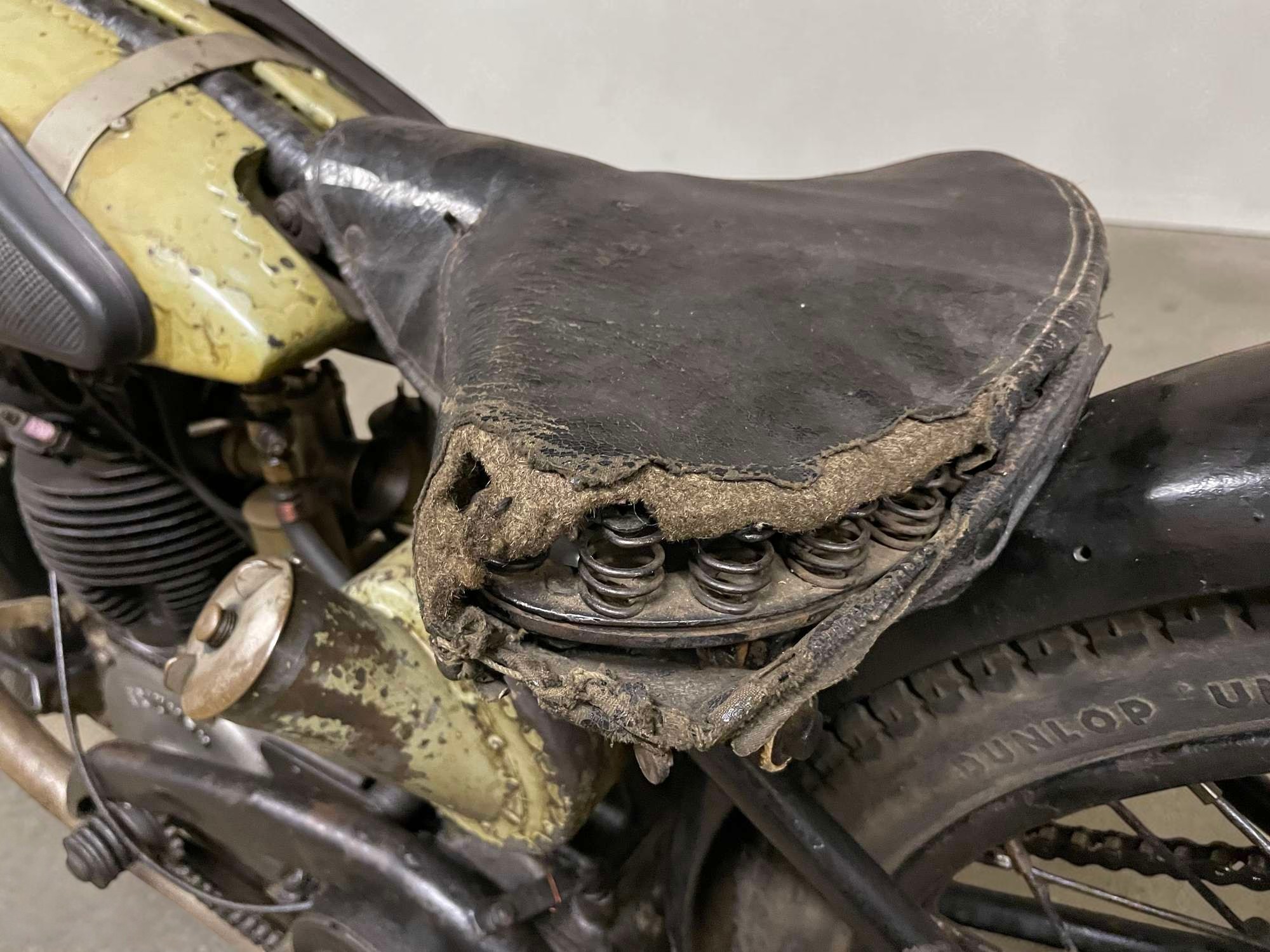
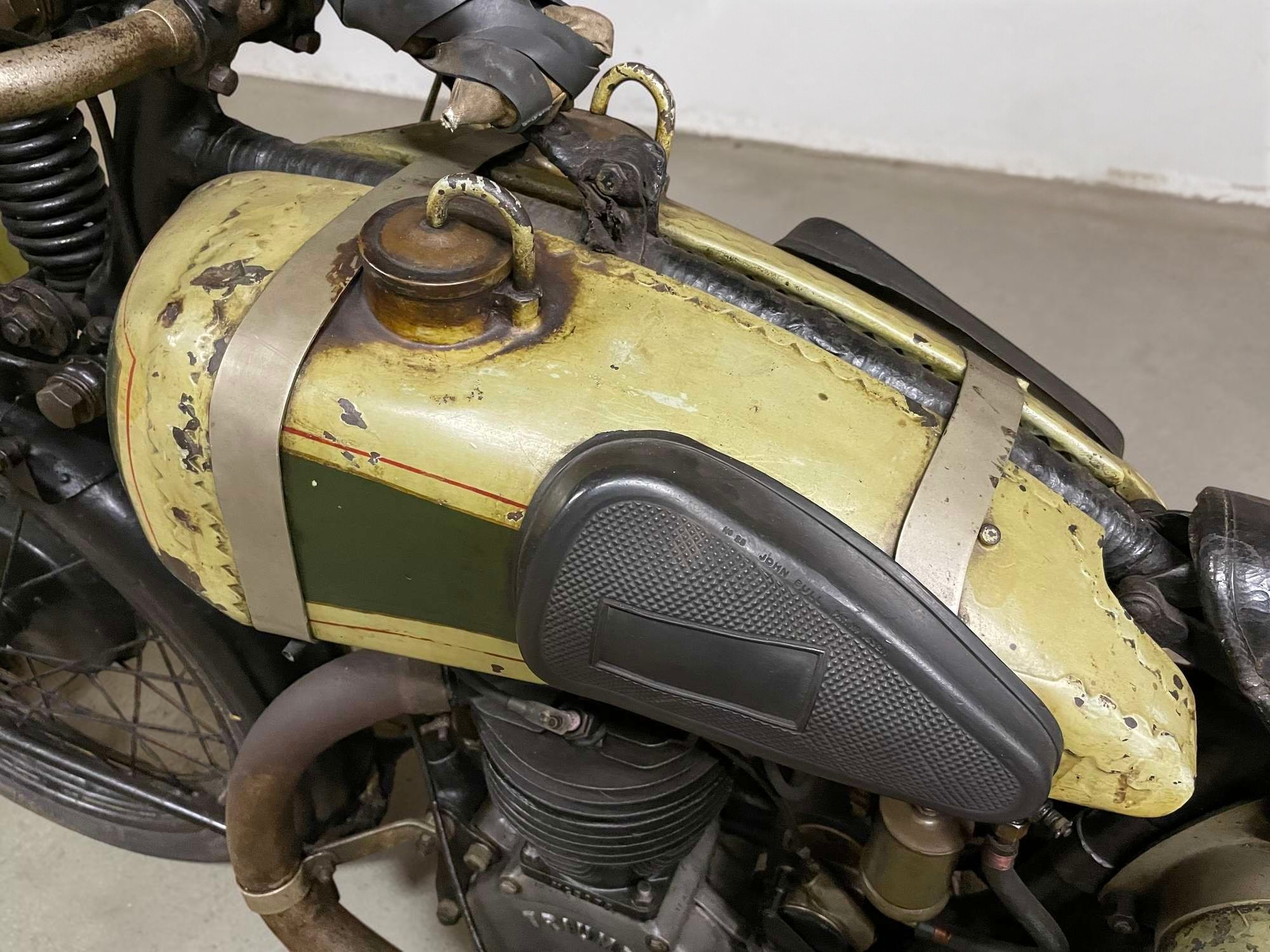
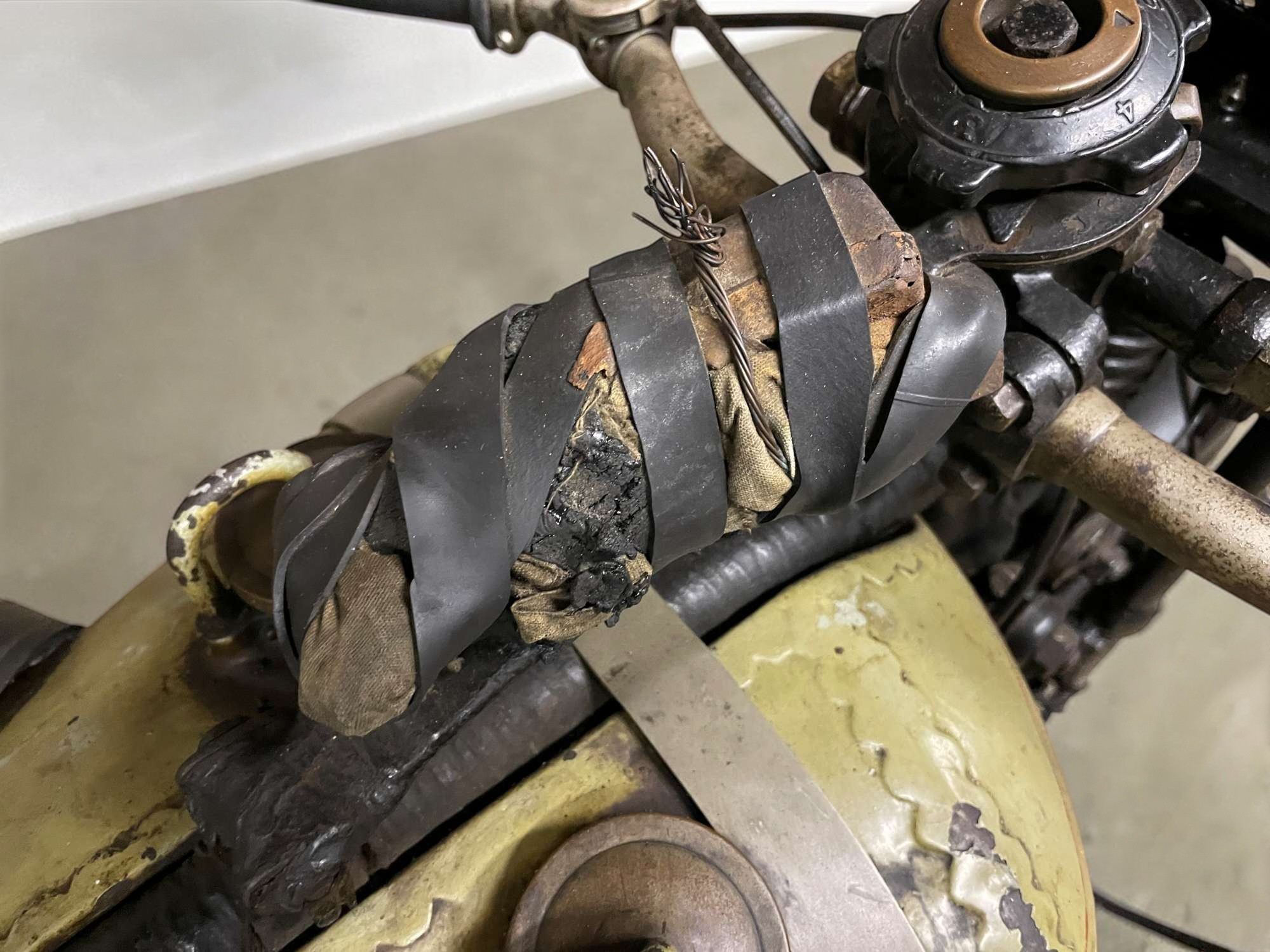
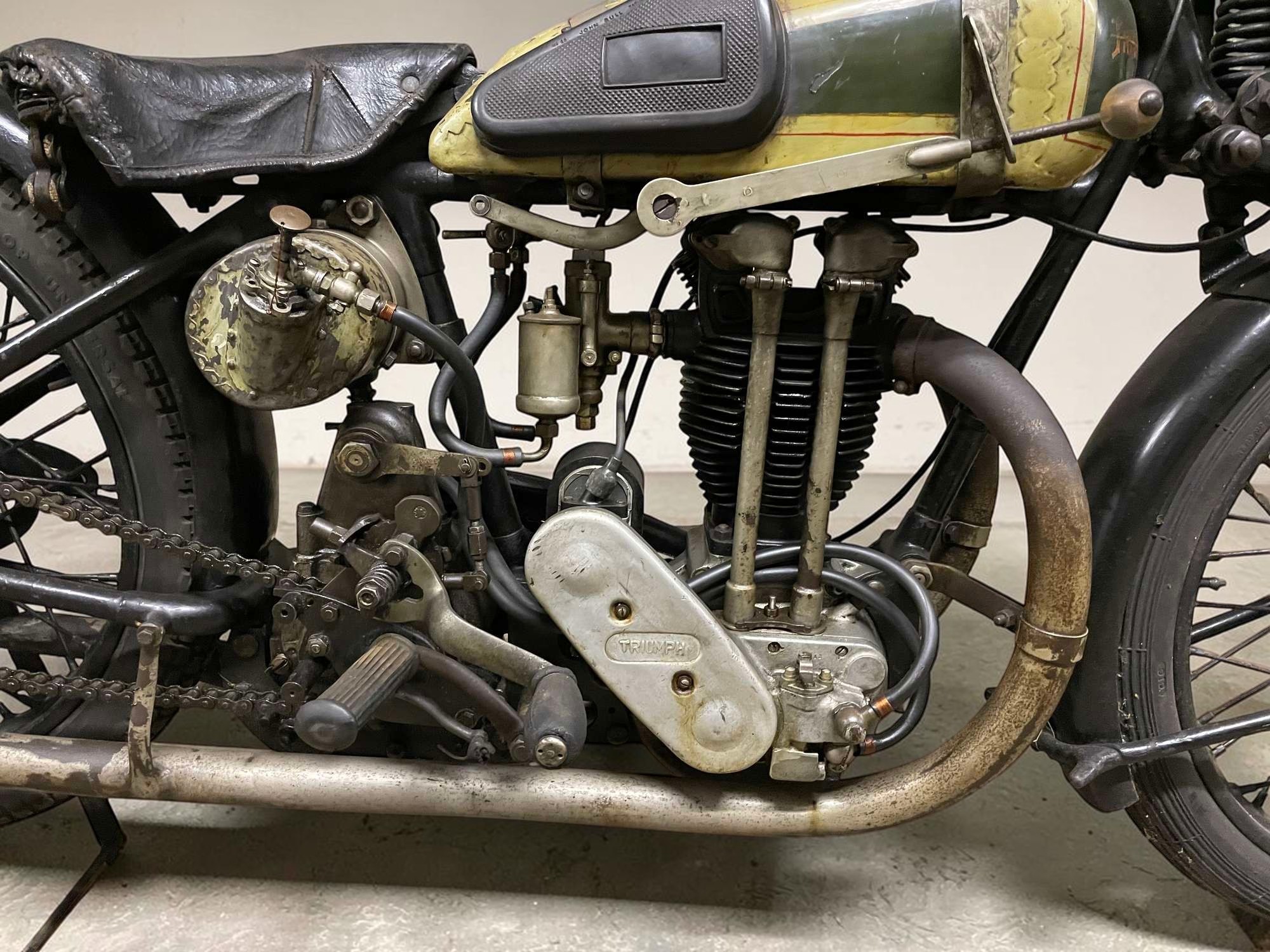
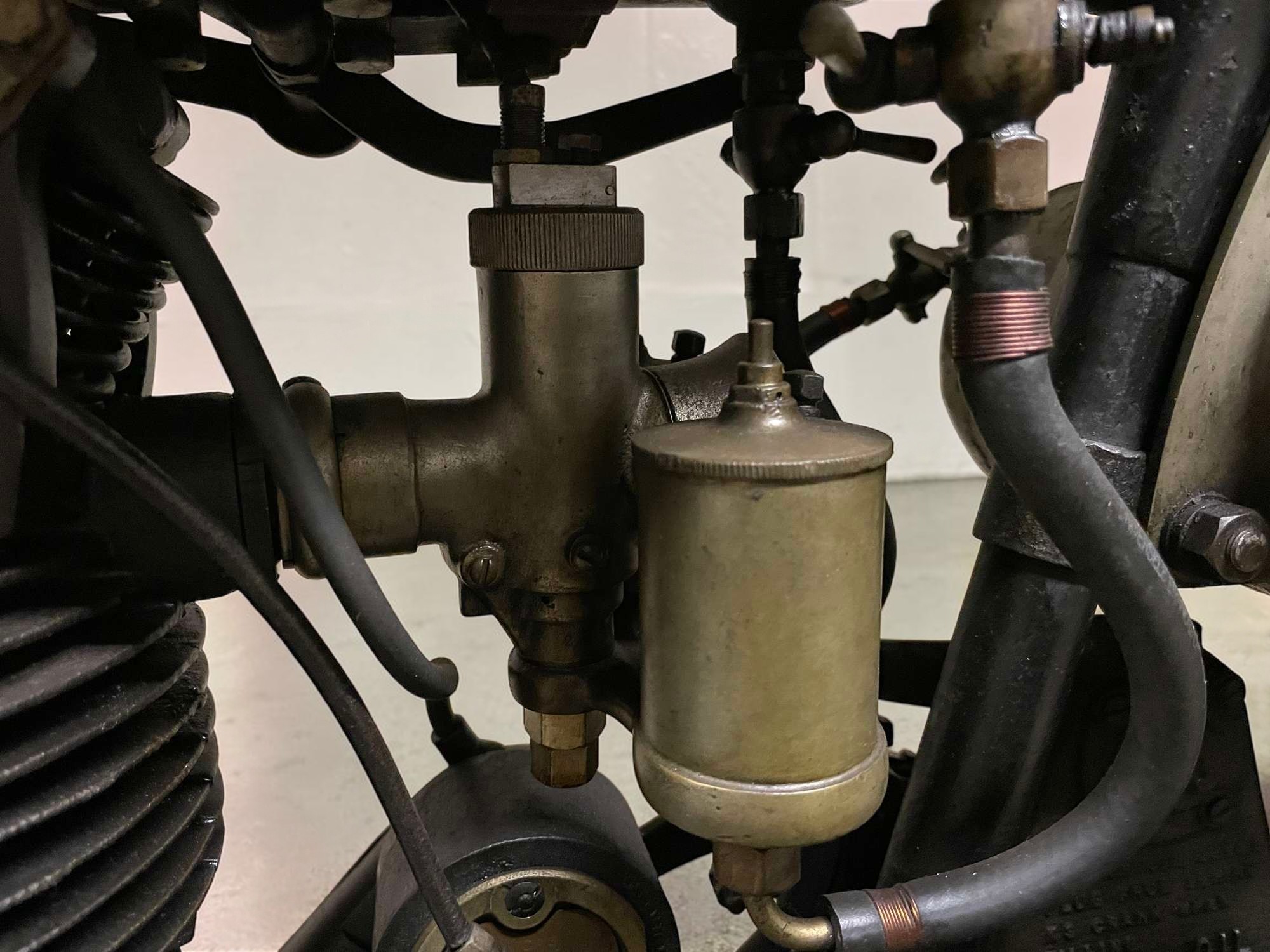
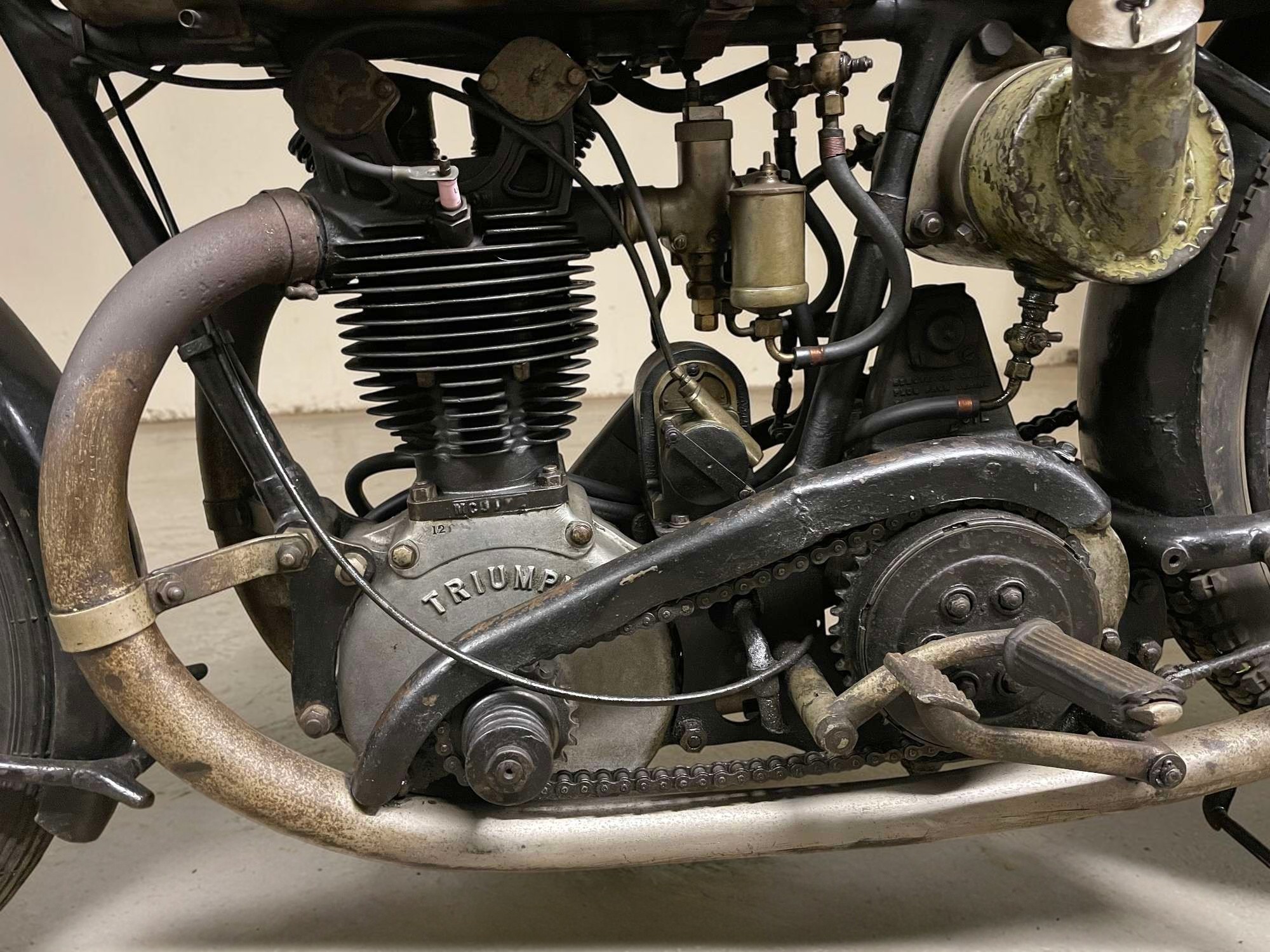
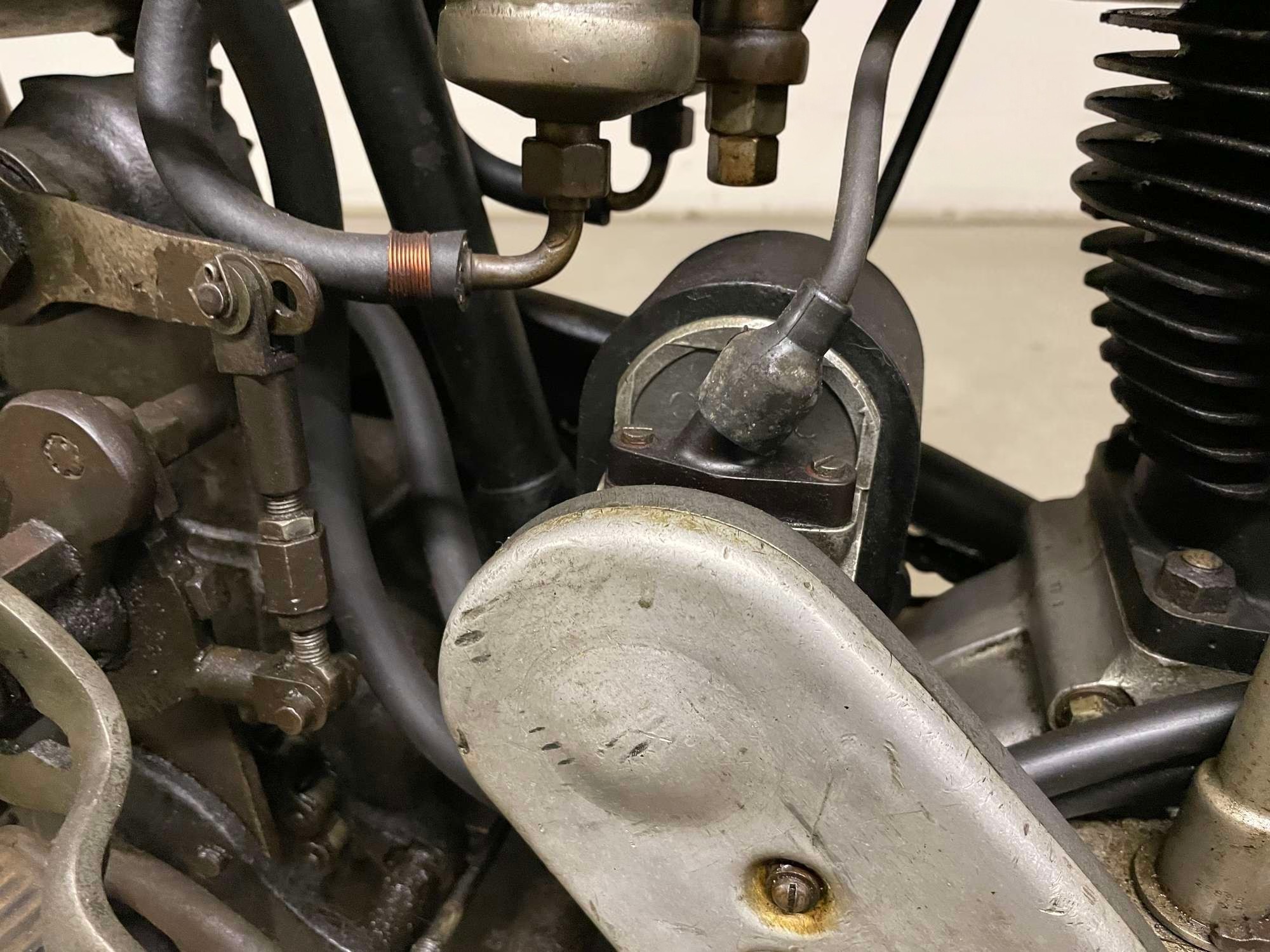
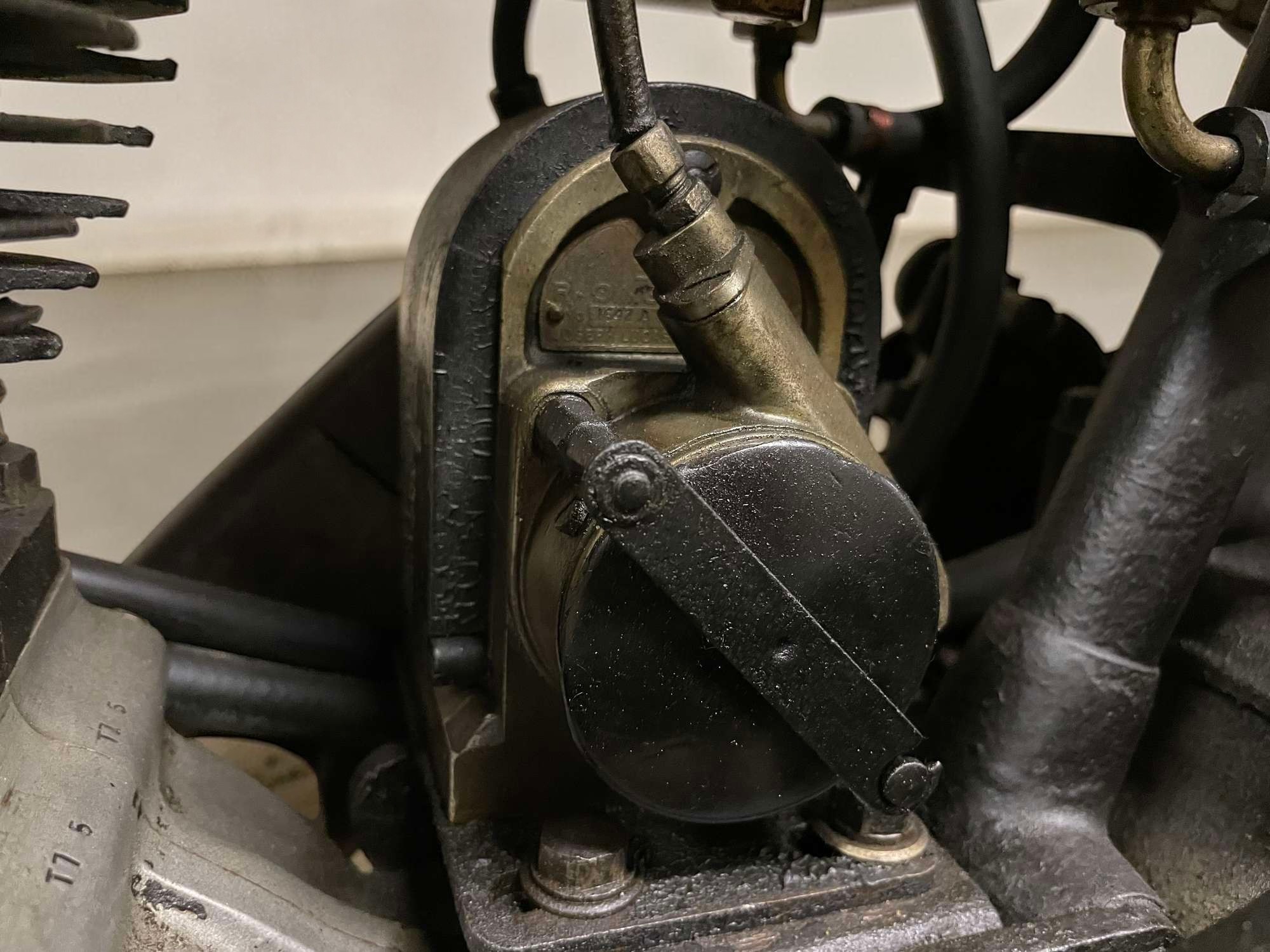
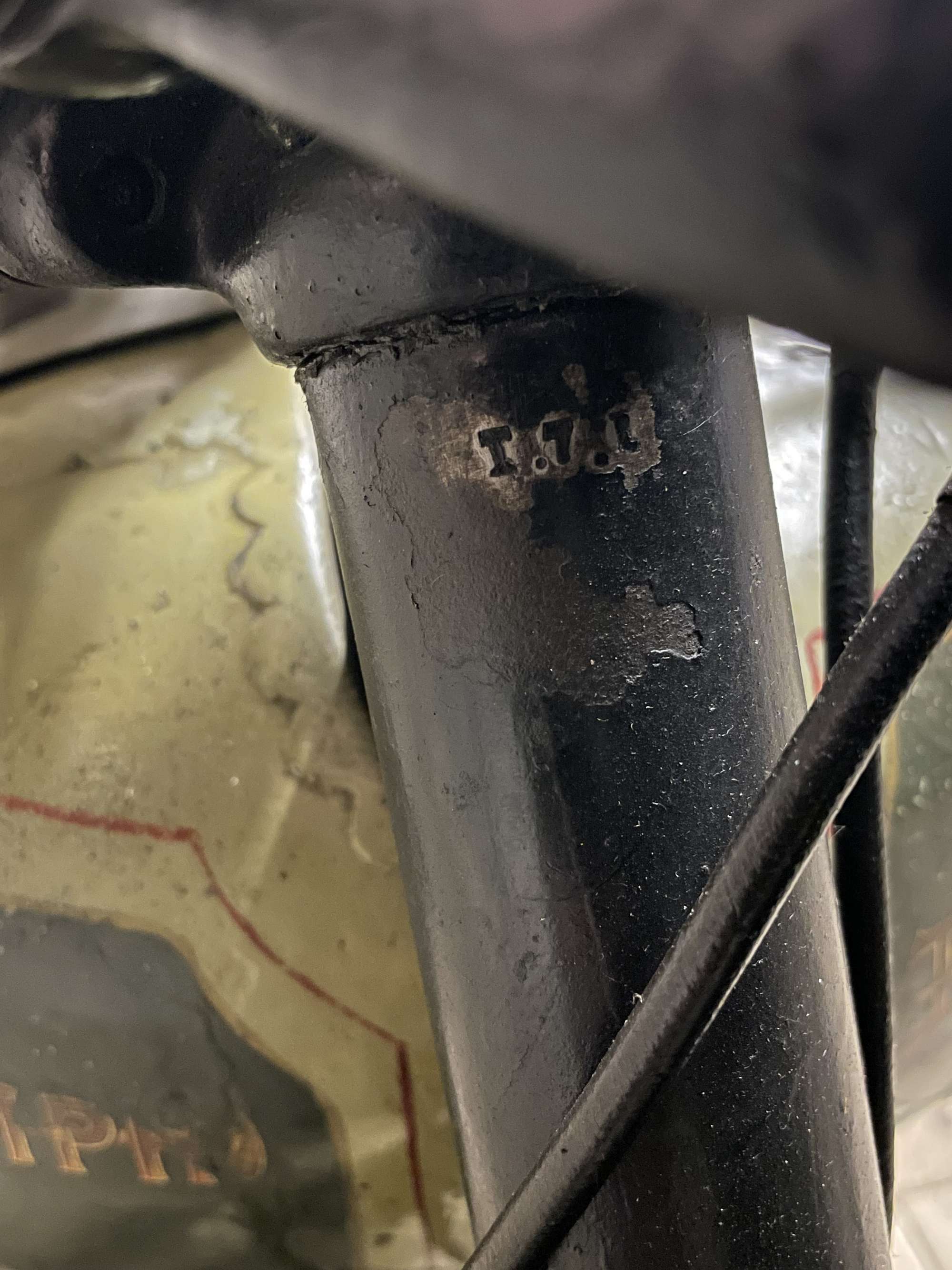
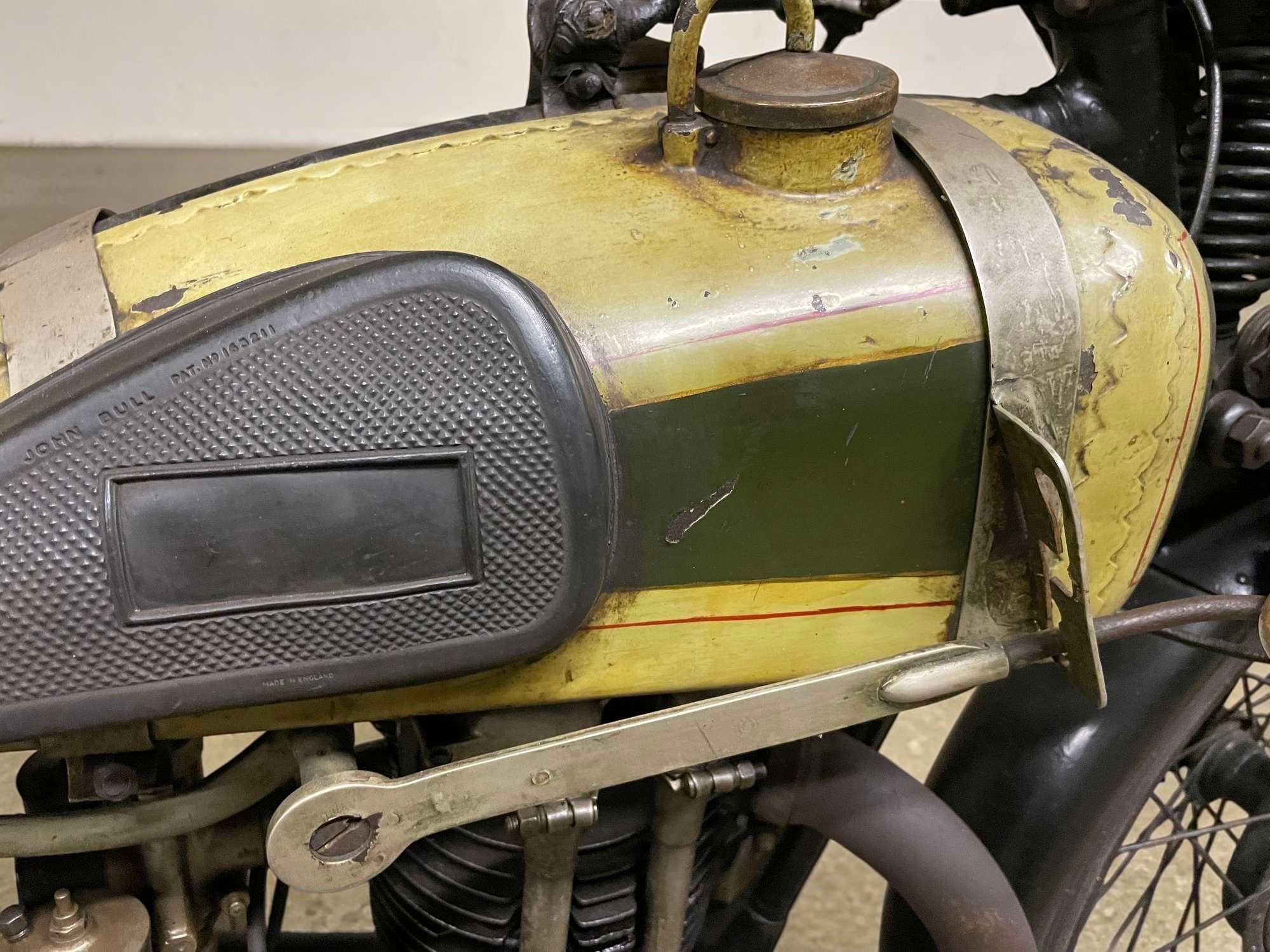
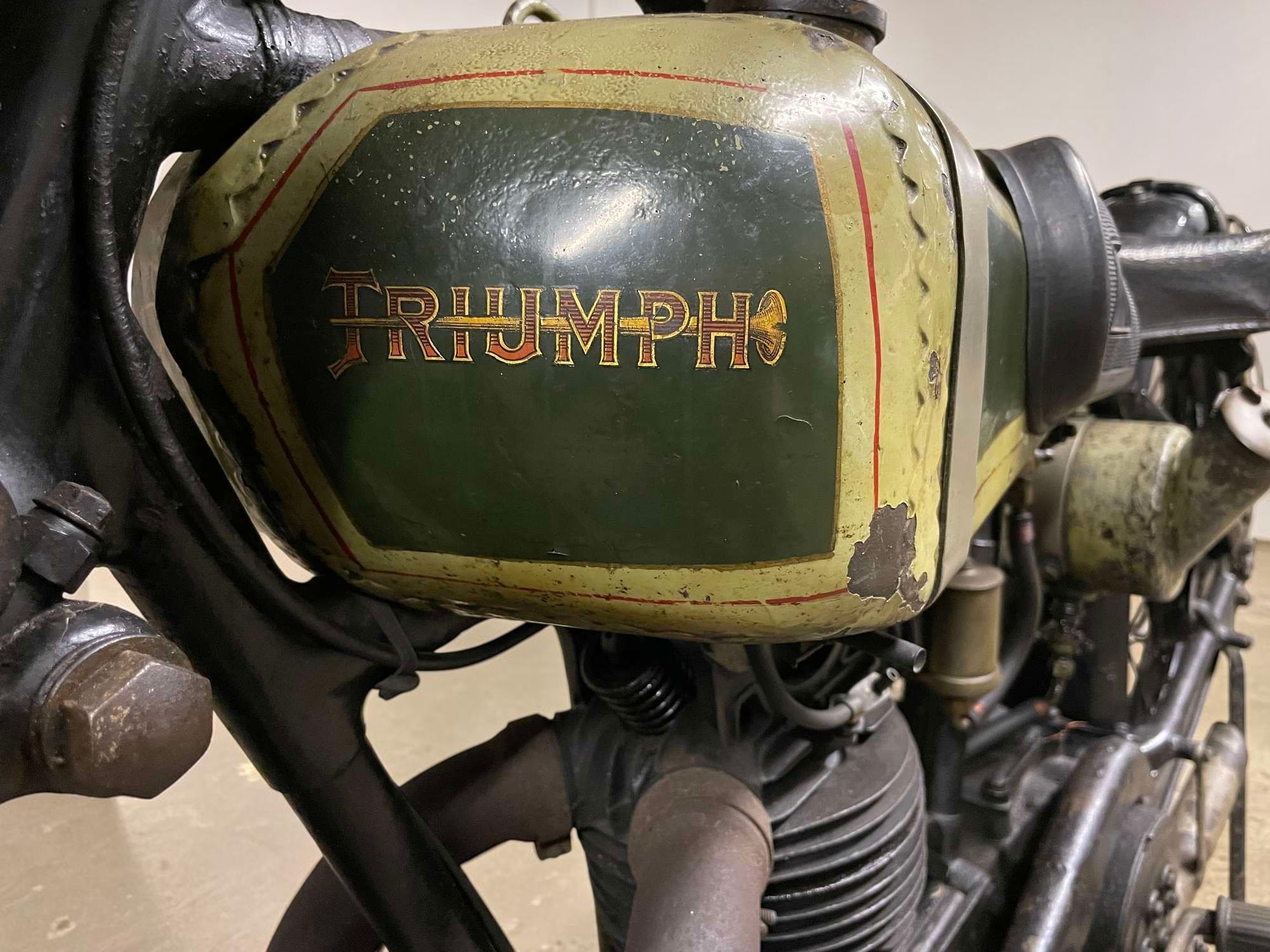
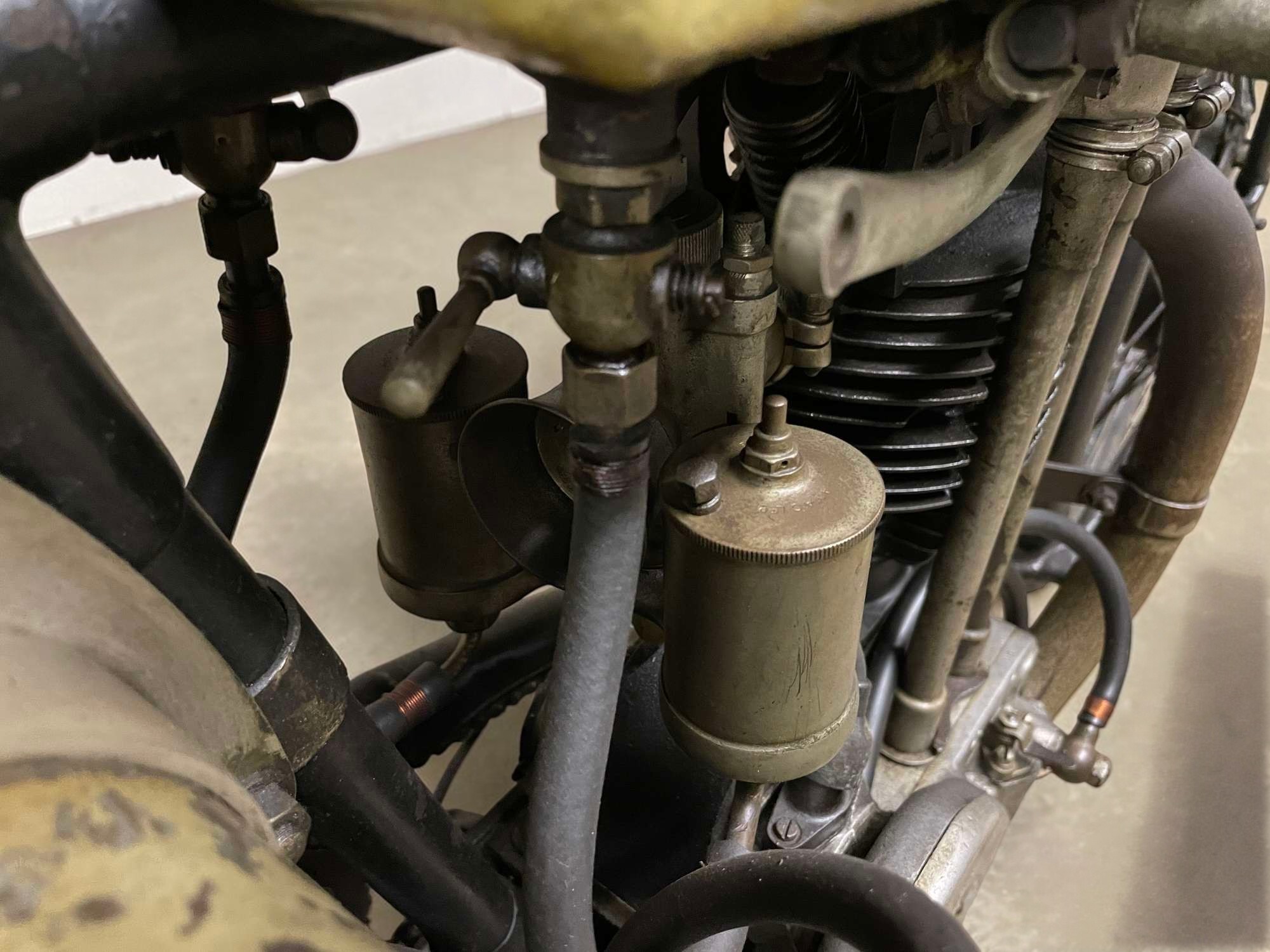
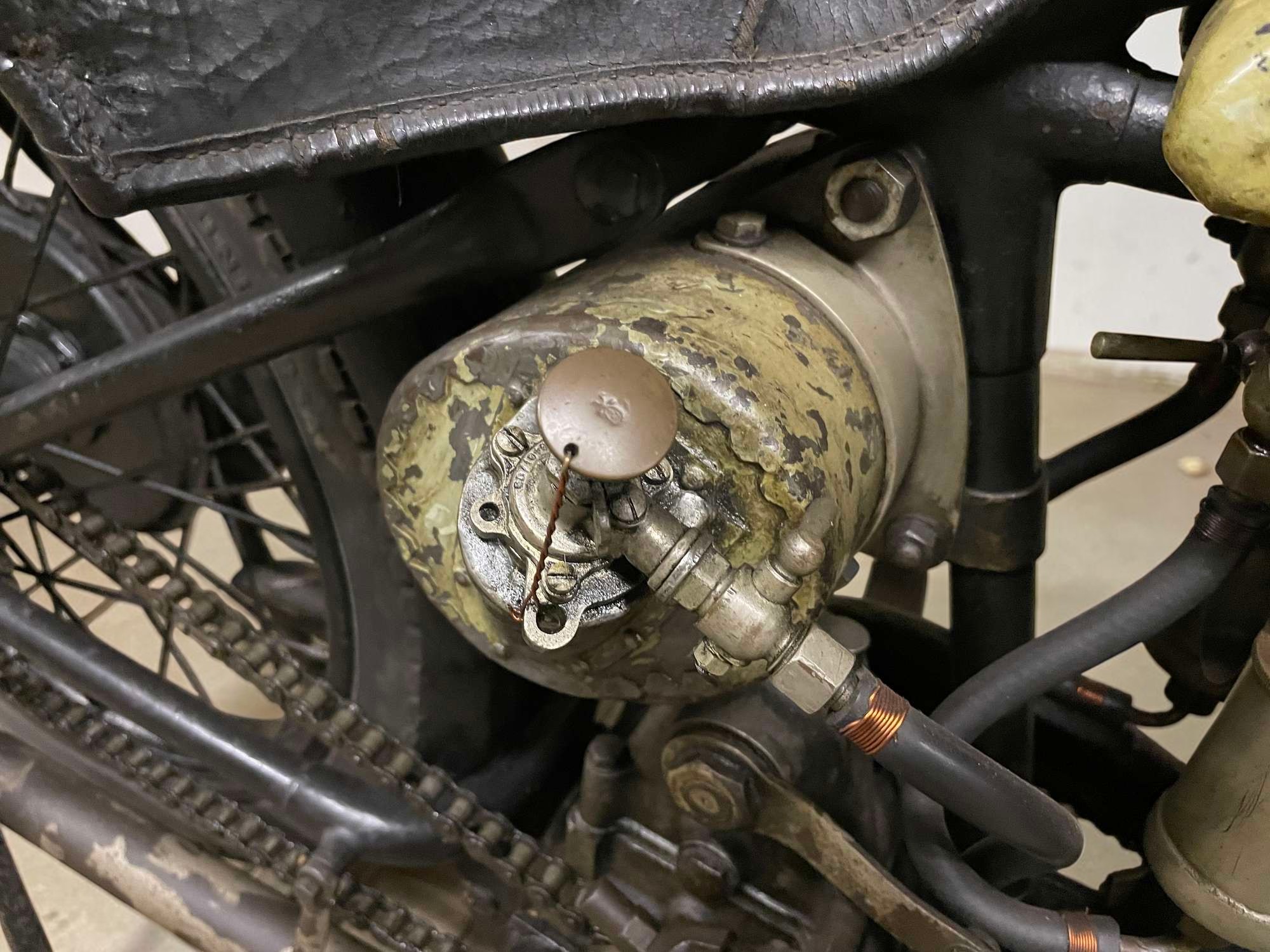
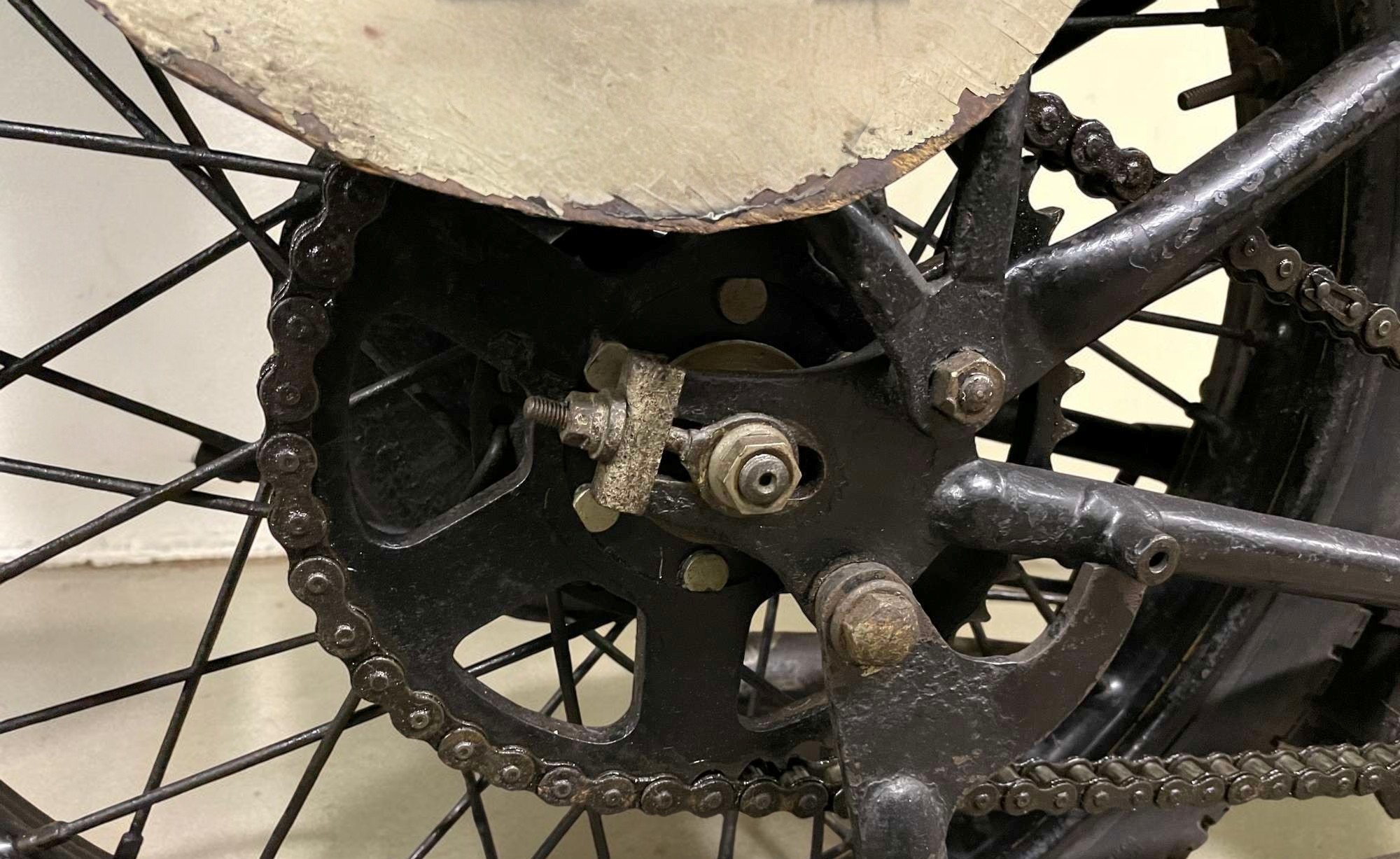
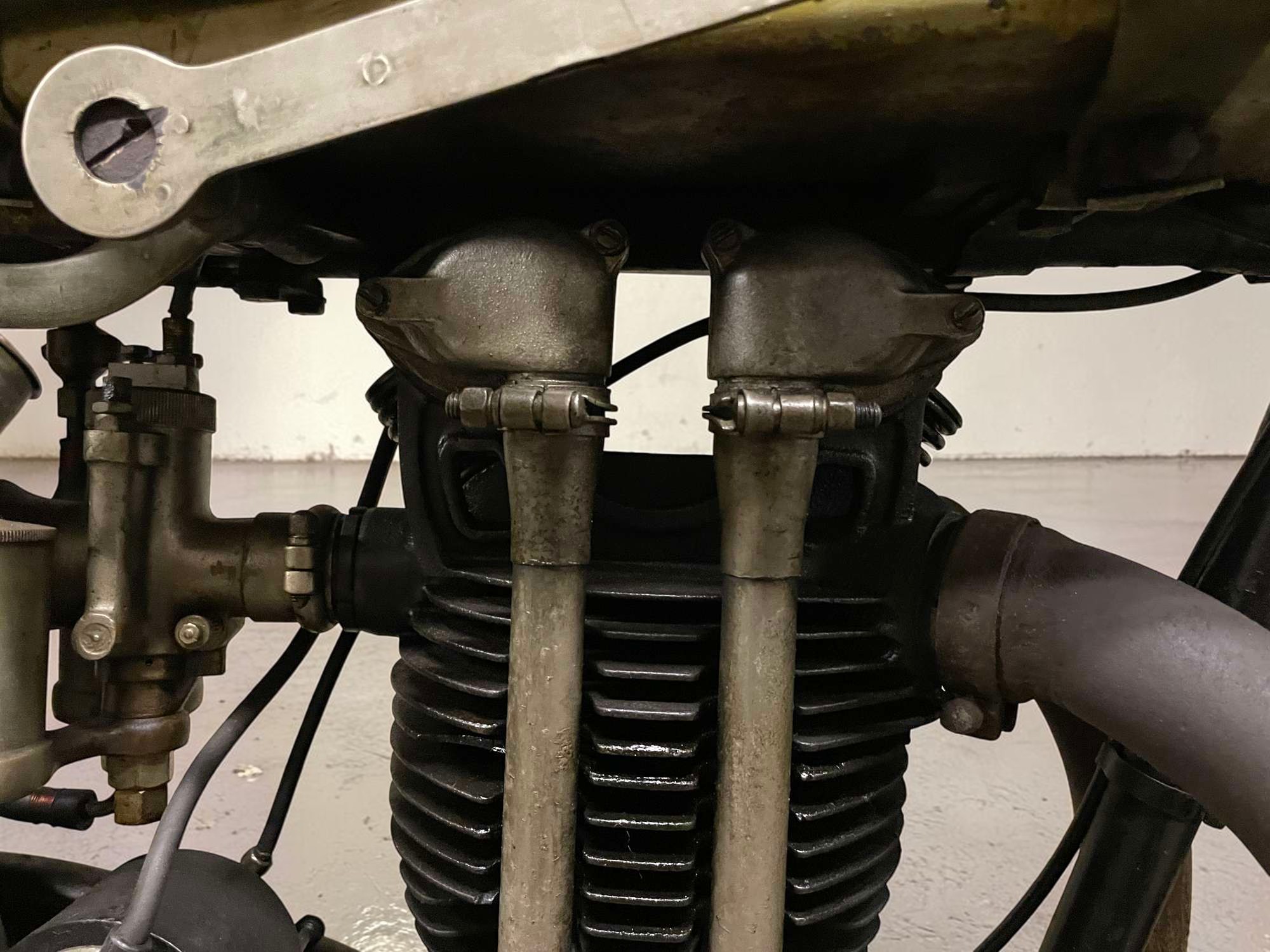
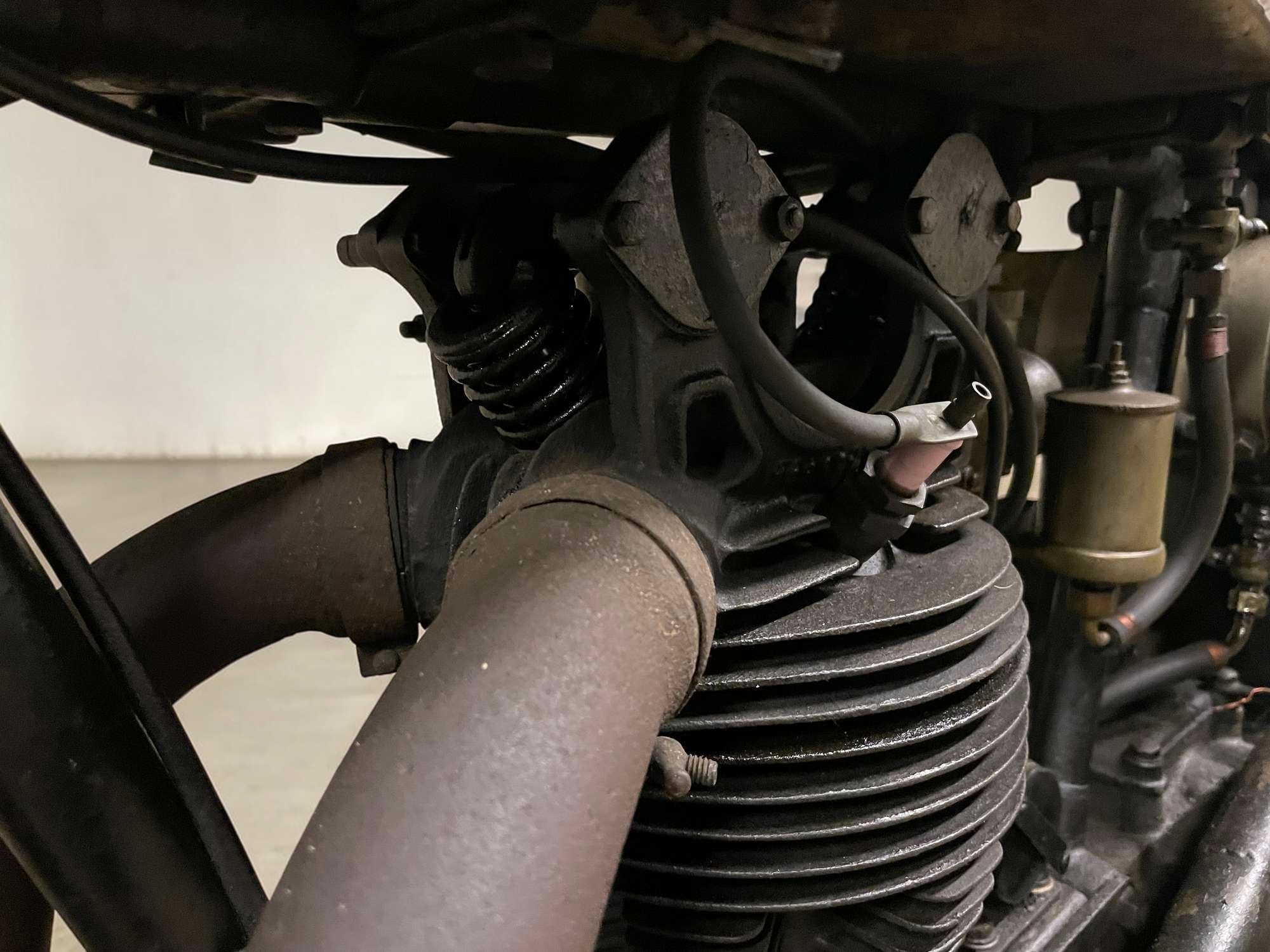
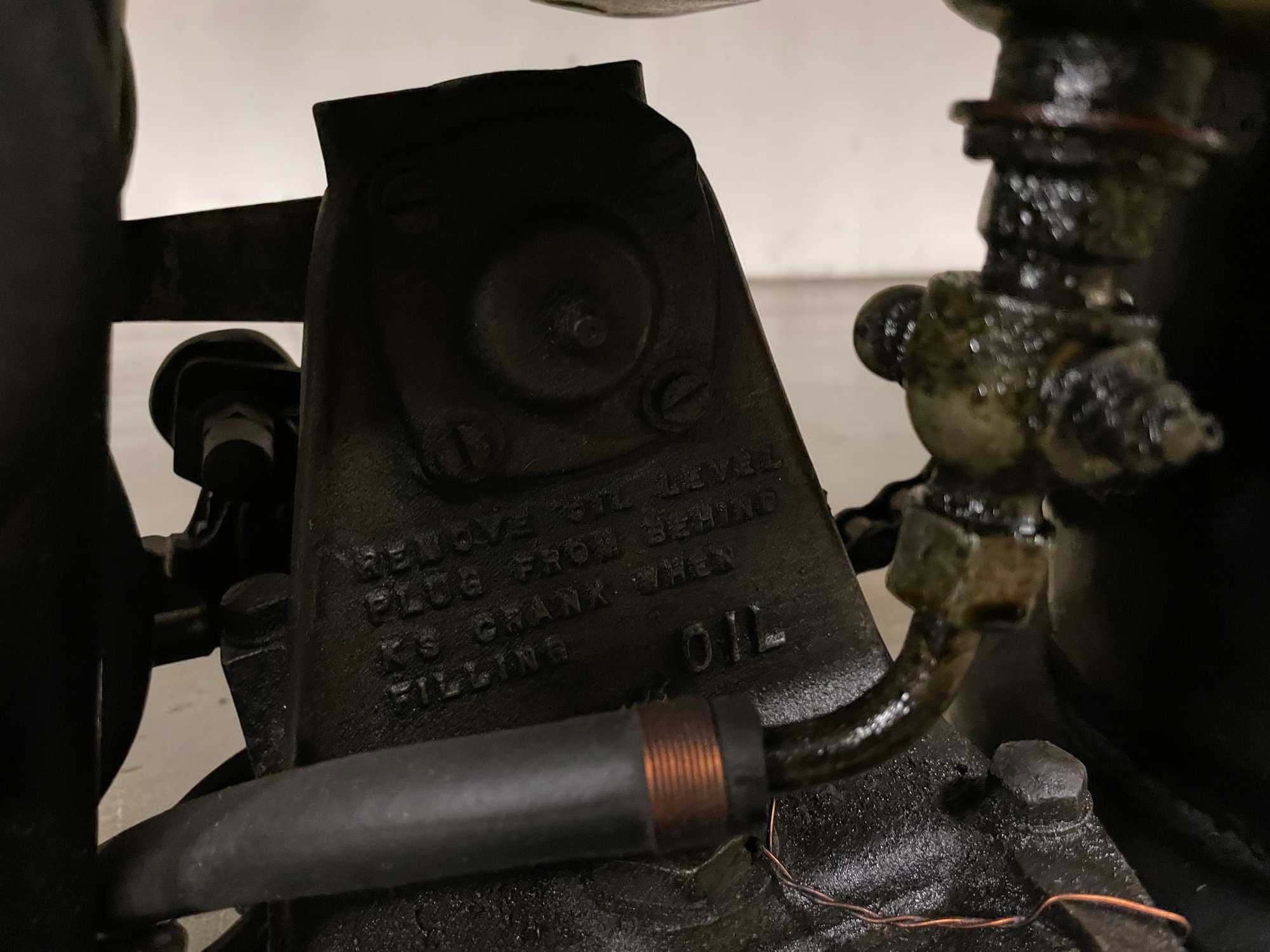
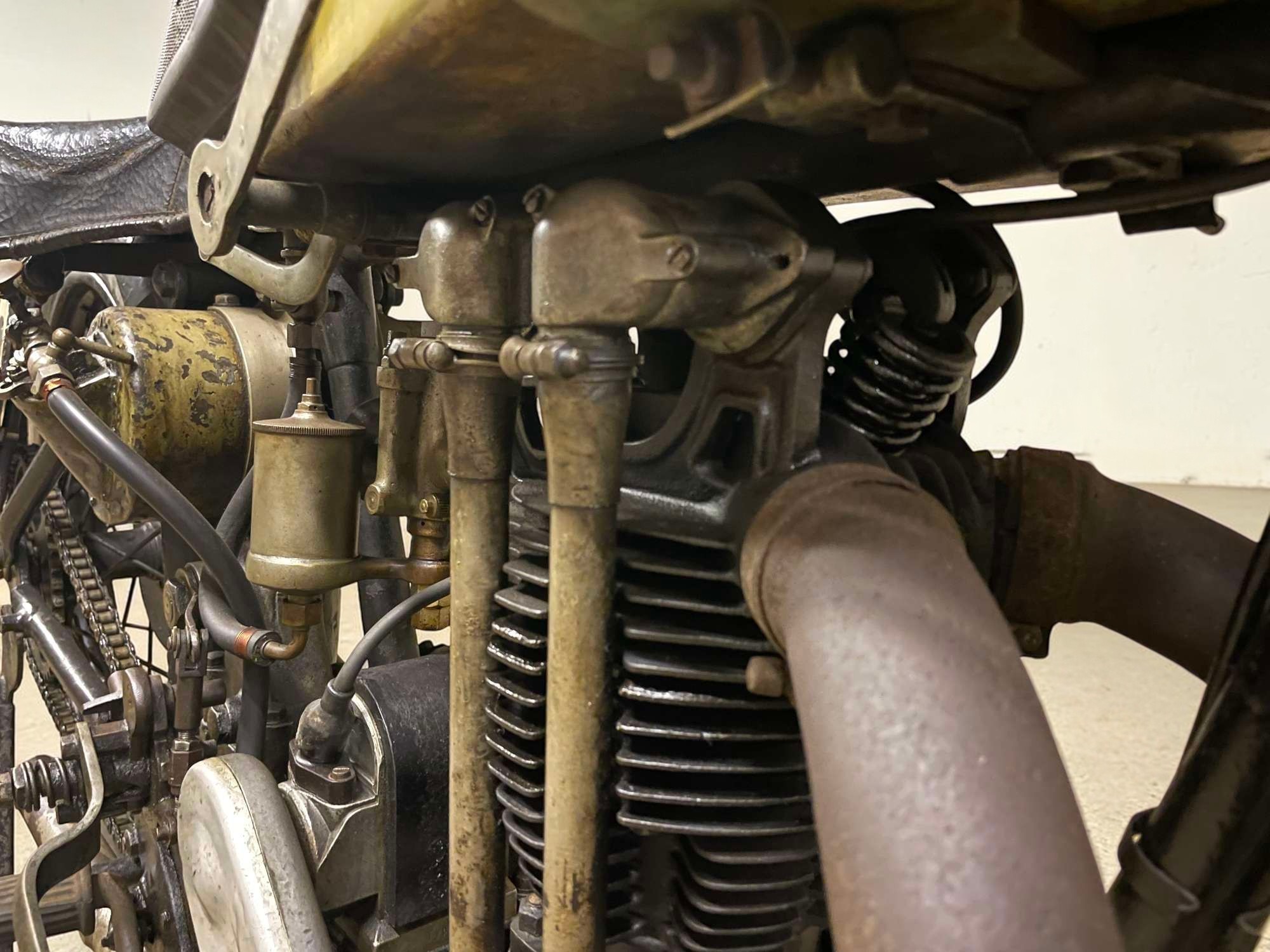
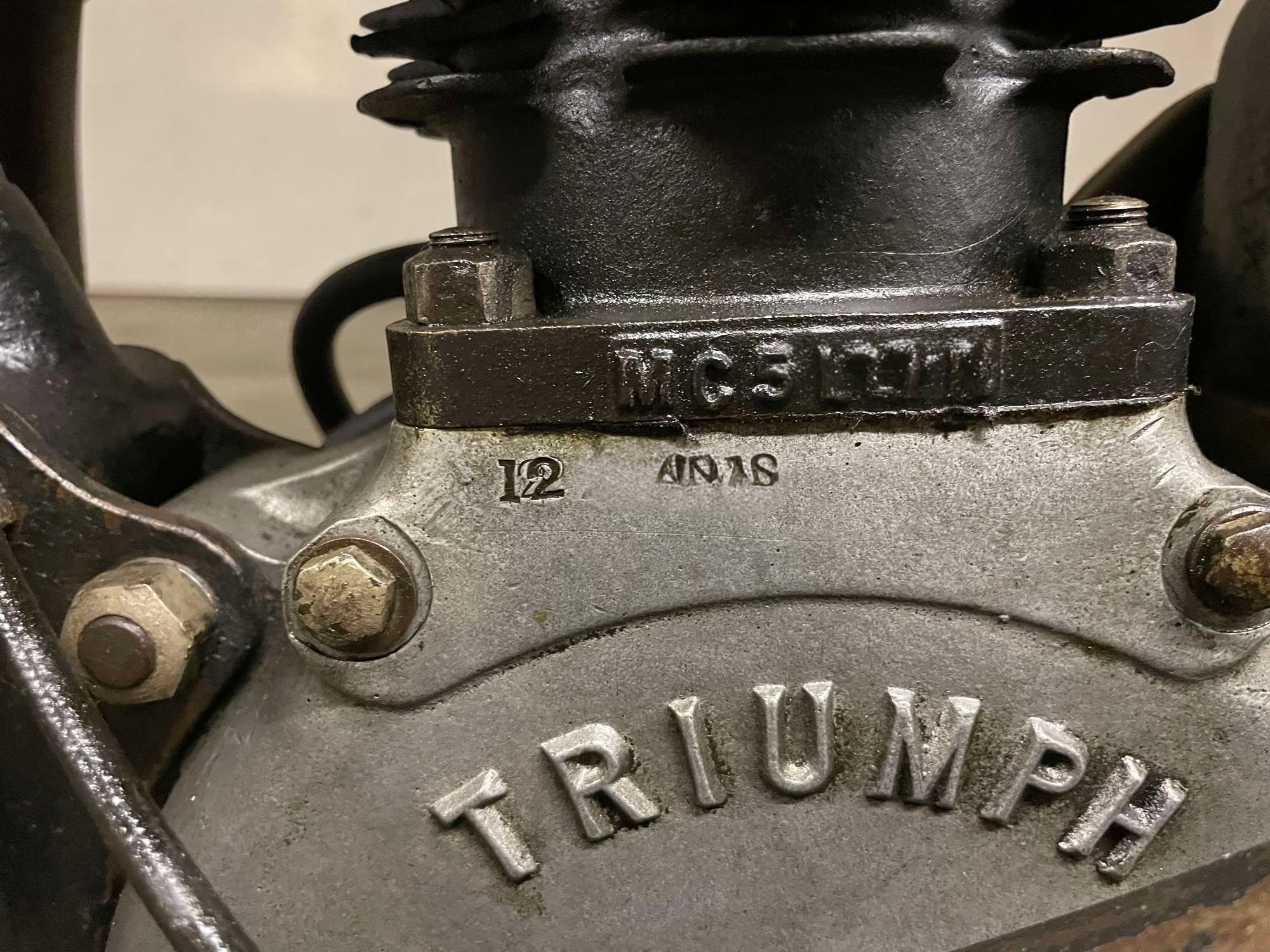
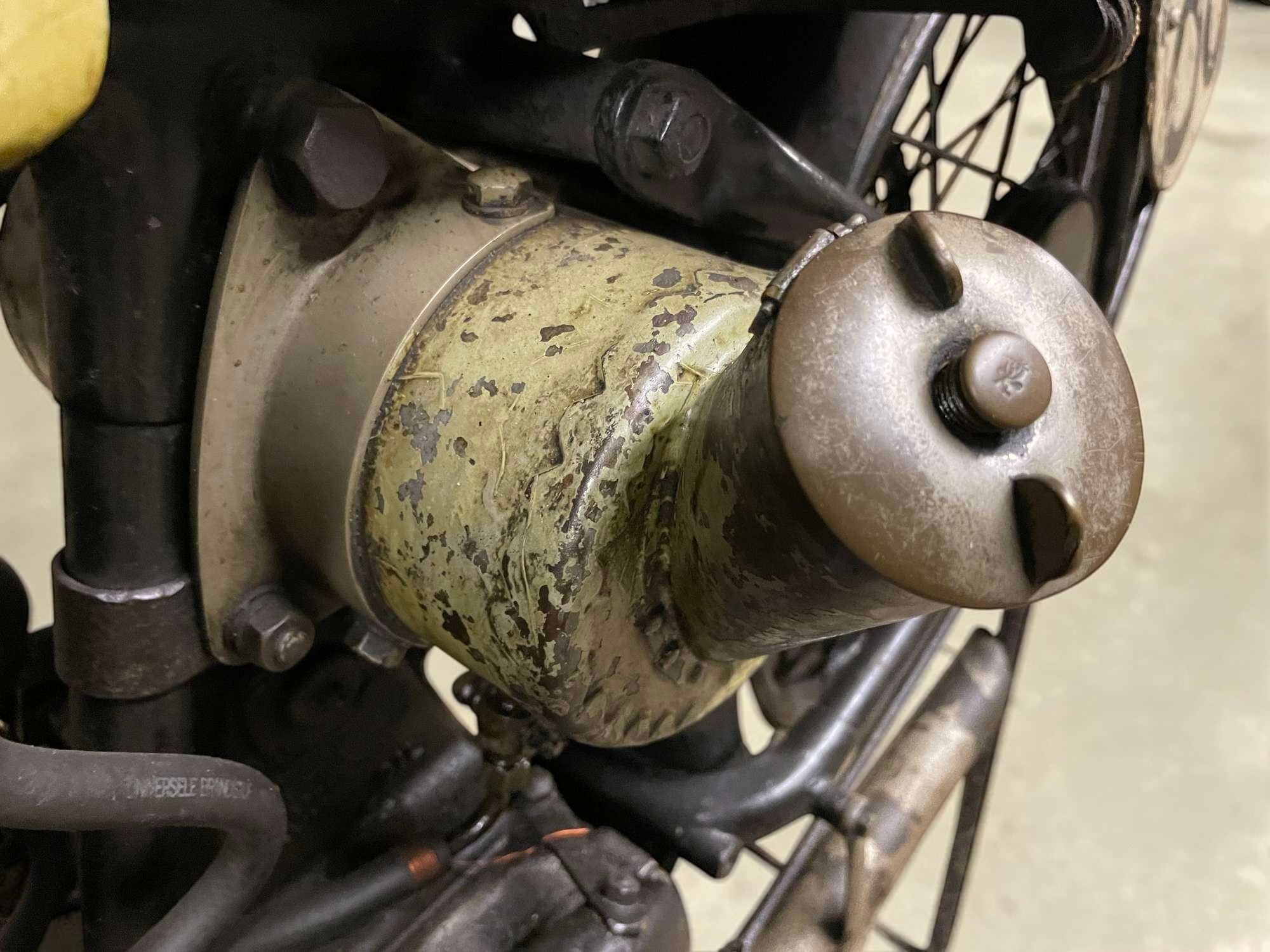
Sporting, purposeful, and directly influenced by competition development, the 1927 Triumph Model TT was one of the most important performance motorcycles produced by Triumph during the Vintage era. Introduced for the 1927 model year, the Model TT brought Victor "Vic" Horsman's highly developed Brooklands racing engine into a production Triumph, creating a fast road-going motorcycle designed for riders who wanted genuine sporting performance rather than conventional touring equipment.
At the heart of the Model TT is a 498cc single-cylinder, four-stroke overhead-valve engine with an 80 x 99 mm bore and stroke. The two-valve cylinder head was developed from the successful Horsman racing design and featured a detachable hemispherical head, tulip valves operated by rockers, roller-bearing valve gear, and tubular enclosed pushrods. An aluminium-alloy piston and two-port cylinder arrangement further emphasized the sporting character of the engine.
The engine was paired with a Triumph-designed three-speed gearbox, giving the Model TT a simple and direct mechanical layout suited to fast road riding. Period testing praised the engine for its lively response and remarkably smooth operation, while the substantial Triumph frame and sporting running gear provided a reassuring sense of stability at speed. The combination made the TT a genuine high-performance roadster rather than merely a standard motorcycle fitted with a larger engine.
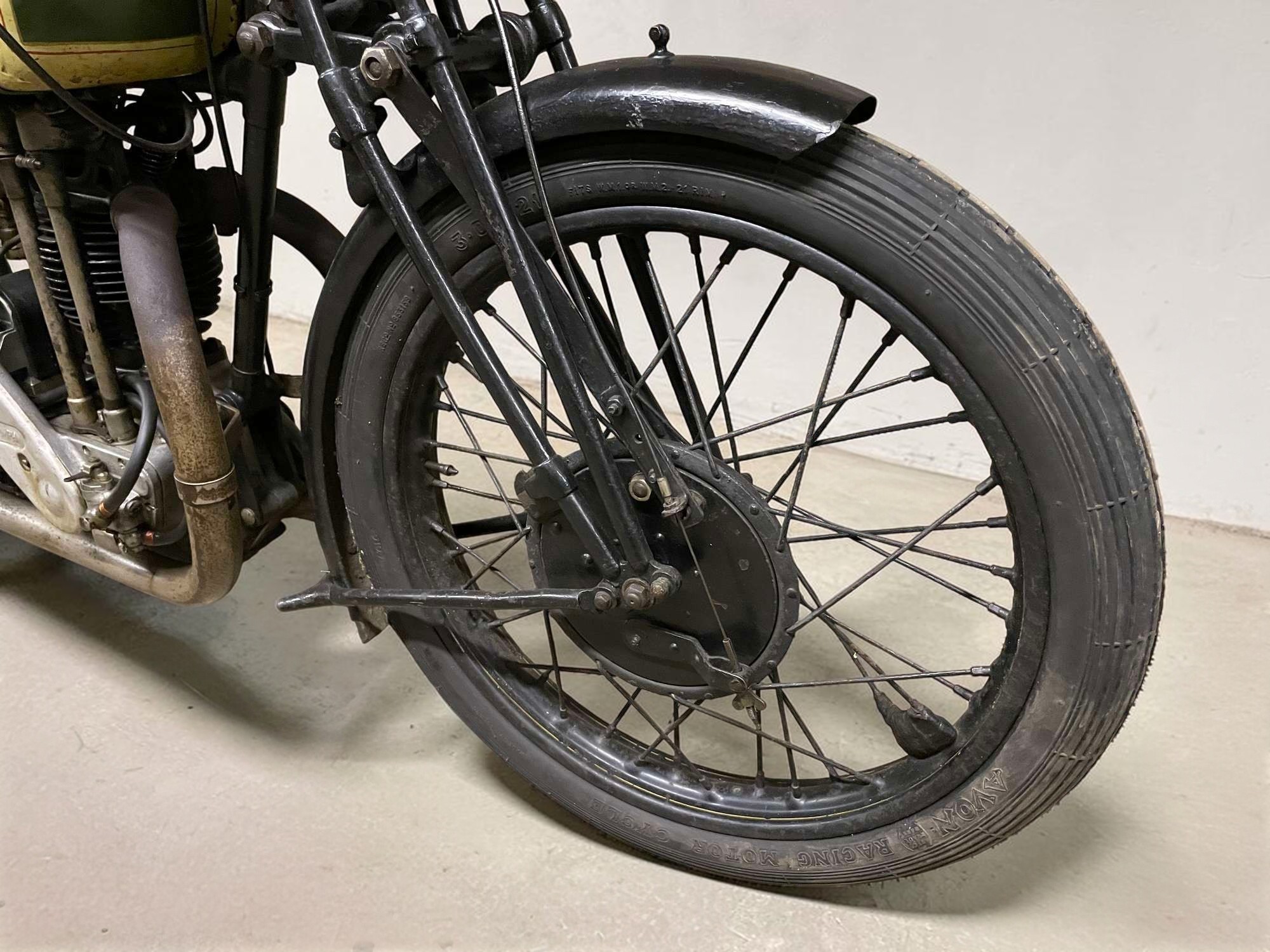
The Model TT was also distinctive in its chassis specification. Triumph adapted its conventional frame, forks, wheels, and braking equipment to suit the requirements of a faster sporting machine. The motorcycle featured twin-shoe brakes, sporting suspension, a relatively high-performance riding position, and a design that prioritized control and stability. Period road testing specifically noted the Model TT's secure cornering characteristics and its ability to be ridden at substantial lean angles with confidence.
Visually, the 1927 Triumph TT reflects the purposeful engineering language of late-Vintage British motorcycles. Its exposed mechanical components, substantial frame, sporting fuel tank, and compact silhouette make its performance intentions immediately apparent. Unlike a dedicated racing machine, however, the production TT retained enough practical equipment to function as a usable fast road motorcycle.
The Model TT occupies a particularly important position in Triumph history because it transformed a proven competition engine concept into a commercially available sporting motorcycle. The design combined Victor Horsman's racing experience with Triumph's own production engineering, creating a machine that connected Brooklands competition development with everyday road use.
For collectors, the 1927 Model TT is significant not simply because it is an early Triumph, but because it represents one of the company's most successful attempts to translate racing-derived overhead-valve technology into a production sports motorcycle. Its 498cc OHV engine, sporting chassis, and strong connection with Victor Horsman's record-setting work make it an important milestone in the development of British performance motorcycles.
The history of the Triumph Model TT begins with Victor "Vic" Horsman, a highly regarded engine tuner and racer whose overhead-valve Triumph engines achieved considerable success at Brooklands and in record attempts during the early and mid-1920s. Horsman developed a two-valve overhead-valve design that proved exceptionally effective at high speed, with variations of the engine used in machines that established numerous British and world speed records.
Triumph became increasingly interested in Horsman's work after his machines demonstrated their speed and reliability in competition. Rather than immediately placing the design into production, Triumph allowed the concept to undergo extensive development through racing and testing. By the middle of the 1920s, the Horsman-derived engine had established a reputation for both speed and durability, providing the foundation for Triumph's next major sporting model.
In 1925 Triumph entered a Horsman-based machine in the Senior Isle of Man TT under the Triumph name. Although the result was not a major racing victory, the experience contributed to the development of the production motorcycle that followed. Triumph subsequently acquired the design and announced that the Victor Horsman-type machine would enter production, with production beginning in late 1926 for the 1927 season.
The resulting Model TT was substantially more than a cosmetic sporting variant. Its 498cc engine retained the essential architecture of the Horsman racing design, including the two-valve overhead cylinder head, while Triumph developed the frame, gearbox, braking system, and other components for series production. The result was a motorcycle that brought genuine competition-derived engineering to private riders.
Contemporary road testing provides an unusually detailed picture of the Model TT's character. Period testers described the engine as exceptionally lively and smooth, with very little mechanical noise, while the motorcycle's overall behavior was praised for its stability and sporting handling. The contemporary assessment considered the TT a particularly attractive fast roadster because it offered the essential qualities of a high-speed motorcycle without carrying all of the specialized equipment associated with a pure Isle of Man TT or Brooklands racing machine.
The Model TT was also used in competition in substantially standard production form. Contemporary reports from the 1927 Tourist Trophy period noted that the 498cc Triumphs entered for the Senior TT were, in essential respects, the same machines available to the public. This close relationship between the production motorcycle and competition machinery became an important part of the Model TT's sporting identity.
The Model TT continued into the 1928 season with relatively limited changes. For 1928, details included the adoption of a Doherty quick-action twist grip and updated black-and-blue finish, while the fundamental 498cc OHV sporting package remained intact. In 1929 Triumph adopted saddle tanks across much of its range, and the TT evolved into the Model ST, with the new name reflecting its saddle-tank configuration.
Historical research by Triumph specialists estimates that approximately 3,150 Model TT motorcycles were produced, followed by a much smaller production run of approximately 450 Model ST machines. For a motorcycle that was once a production model, this relatively modest volume helps explain why correct and complete examples are now encountered far less frequently than more numerous Triumph touring models of the period.
Today, the 1927 Triumph Model TT is recognized as a significant Vintage-era British sporting motorcycle and an important link between Triumph's early racing activities and its later reputation for high-performance road machines. Its connection with Victor Horsman, Brooklands competition, the Isle of Man TT, and Triumph's early OHV development gives the model an unusually rich historical identity for a production motorcycle.
The Model TT's 498cc single-cylinder OHV engine is the defining feature of the motorcycle. Measuring 80 mm by 99 mm, the long-stroke engine was designed around strong torque delivery and dependable high-speed operation rather than the purely utilitarian characteristics of many contemporary motorcycles.
The detachable hemispherical cylinder head, tulip valves, rocker-operated valve gear, enclosed pushrods, and aluminium-alloy piston were advanced features for a production British motorcycle of the period. The two-port cylinder arrangement also reflected the engine's competition-oriented development and allowed the TT to breathe more effectively than many conventional touring machines.
Triumph paired the engine with a three-speed gearbox of its own design. The transmission was deliberately straightforward, allowing the rider to exploit the broad and tractable characteristics of the large single-cylinder engine. Contemporary testing noted that the engine was unusually smooth and responsive, with a subdued mechanical character despite its sporting capabilities.
The chassis was engineered around the demands of fast riding. Triumph adapted its established frame and suspension components for the TT, while the braking system used twin-shoe arrangements front and rear. The motorcycle's relatively high footrest position and stable chassis geometry also contributed to its sporting handling characteristics.
Contemporary road testing emphasized the Model TT's ability to corner securely and remain composed when ridden aggressively. This is an important part of the motorcycle's identity: the TT was not simply a fast engine installed in a standard frame, but a complete sporting package developed around the demands of higher-speed riding.
The motorcycle weighed approximately 325 pounds, a substantial figure for a machine of its class, but contemporary testers noted that the weight was not particularly apparent once the motorcycle was moving. The solid construction contributed to the planted feeling that made the TT suitable for fast road work as well as sporting events.
Victor Horsman's influence is central to understanding the Model TT. His racing engines had already demonstrated exceptional speed and reliability at Brooklands before Triumph adapted the design for series production. Horsman's machines were credited with numerous speed records, helping establish the technical credibility of the two-valve OHV architecture.
The relationship between Horsman's racing engine and the production Model TT was unusually direct. Rather than merely borrowing a styling detail or a general engineering concept, Triumph based the heart of the TT's performance character on a proven competition-derived engine design.
This connection gives the Model TT a particularly important place in the history of British sporting motorcycles. It represents an early example of technology moving directly from specialist racing development into a production motorcycle intended for private owners.
The motorcycle's competition heritage should nevertheless be understood correctly. The production Model TT was a road-going sporting motorcycle, while dedicated Isle of Man TT and Brooklands racing machines could receive additional tuning, equipment changes, and race-specific preparation. The importance of the Model TT lies in how closely the production motorcycle remained connected to the engineering philosophy of those competition machines.
The 1927 Triumph Model TT combines several qualities that make it particularly attractive to collectors of early British motorcycles. It is an early production OHV Triumph, it carries a direct connection to Victor Horsman's racing engineering, and it represents the company's deliberate move toward high-performance sporting motorcycles.
Its relatively limited production compared with more conventional Triumph models also contributes to its historical appeal. Surviving examples can be difficult to locate, particularly motorcycles that retain correct period components, original-style chassis details, and the distinctive mechanical specification associated with the Model TT.
For collectors interested in the development of Triumph's later performance motorcycles, the TT is especially significant. The model sits at an important point in the company's engineering history, between the early Vintage-era Triumphs and the increasingly sophisticated OHV machines that followed during the late 1920s and 1930s.
The Model TT also appeals to collectors interested in the broader history of Brooklands and British motorcycle competition. Its Victor Horsman heritage provides a direct connection to one of the most important British speed venues of the period, while its production specification demonstrates how competition engineering could influence motorcycles available to ordinary riders.
As a result, the 1927 Triumph Model TT should be viewed not simply as an old 500cc motorcycle, but as an important sporting machine that helped establish Triumph's reputation for combining racing development with practical road-going motorcycles.
This 1927 Triumph Model TT represents an important chapter in the development of British sporting motorcycles. With its 498cc two-valve OHV engine, Victor Horsman racing heritage, Triumph three-speed gearbox, and purpose-built sporting chassis, the TT offers collectors a direct connection to the engineering culture of Vintage-era Brooklands and Isle of Man competition.
For collectors seeking an authentic early Triumph sporting motorcycle, the Model TT combines historical importance, mechanical character, and genuine competition-derived engineering in a single machine. Its position in Triumph's development history makes it particularly relevant to collectors of early British motorcycles, Vintage Triumphs, Brooklands motorcycles, and pre-war sporting machines.
Worldwide shipping is available. Contact us for additional photographs, detailed specification information, provenance, restoration details, and purchasing information for this 1927 Triumph Model TT.
The Vintage Motorcycles presents a curated selection of historically significant British vintage motorcycles, with a dedicated focus on Triumph Motorcycles, a manufacturer that came to define the global perception of British engineering through a combination of performance-oriented design, mechanical refinement, and industrial scalability. Originating in the late 19th century and evolving through both bicycle and motorized production, Triumph represents a convergence of craftsmanship and engineering discipline that would later influence motorcycle development far beyond the United Kingdom.
This collection is contextualized within the broader ecosystem of global motorcycle history, where you can explore additional manufacturers through our global vintage motorcycle brands archive. Within the British engineering landscape, Triumph occupies a central role, bridging early experimental motorcycle construction with the emergence of standardized, performance-capable machines that gained international recognition. These developments are best understood within the framework of pre-war motorcycle engineering (1900-1939), where competitive racing, mechanical innovation, and industrial organization collectively shaped the evolution of European motorcycles.
Each motorcycle within our collection is carefully selected based on provenance, originality, and mechanical integrity, ensuring alignment with museum-grade preservation standards. Available machines can be explored through our global vintage motorcycle inventory, including a range of Triumph models - from early single-cylinder machines to later configurations that reflect increasing mechanical sophistication - as well as structurally adaptable setups represented in our sidecar motorcycle collection, illustrating the versatility of British engineering across both civilian and applied contexts. All acquisitions are supported by a fully insured international shipping service designed for global collectors.
British engineering has long been associated with a synthesis of performance, precision, and competitive validation, and Triumph stands as one of its most influential representatives. Unlike purely utilitarian manufacturers, Triumph developed motorcycles that balanced everyday usability with measurable performance capabilities, often validated through racing and endurance events. This dual focus contributed to a design philosophy that emphasized not only mechanical reliability, but also responsiveness, power delivery, and rider engagement.
This trajectory becomes clearer when examined through broader historical transitions. During the early 20th century, Triumph played a significant role in the dynamic environment documented in pre-war motorcycle development, where engineering experimentation increasingly converged with competitive performance benchmarks. As global conflict reshaped industrial priorities, motorcycle design shifted toward durability and operational resilience, as reflected in wartime motorcycle engineering, where robustness and ease of maintenance became critical under demanding conditions.
In the post-war period, Triumph emerged as a globally recognized manufacturer, contributing to the expansion of mass production while retaining elements of its performance-oriented heritage. This evolution is further explored in post-war motorcycle development, where standardization, export markets, and cultural influence played an increasingly important role in shaping motorcycle design. Within this broader continuum, Triumph represents a key reference point for understanding how British engineering extended from domestic innovation into an international benchmark for motorcycle performance and identity.
Key Highlights
Collector Assurance
All enquiries handled with discretion. We typically respond within 6 hours.
Choose the payment method that is most convenient for you. We accept widely used international payment methods as well as, where available, local bank transfer options that allow you to pay like a domestic transaction. Full payment instructions are provided for your specific purchase.
Direct international bank wire transfer is available for motorcycle purchases and export transactions.
Credit card payments can be arranged through Wise.com, subject to the applicable payment and processing conditions.
PayPal is accepted. A 5% PayPal processing fee applies to the transaction.