
The Vintage Motorcycles
Specialists in antique, classic, veteran and vintage motorcycles.
Specialists in antique, classic, veteran and vintage motorcycles.
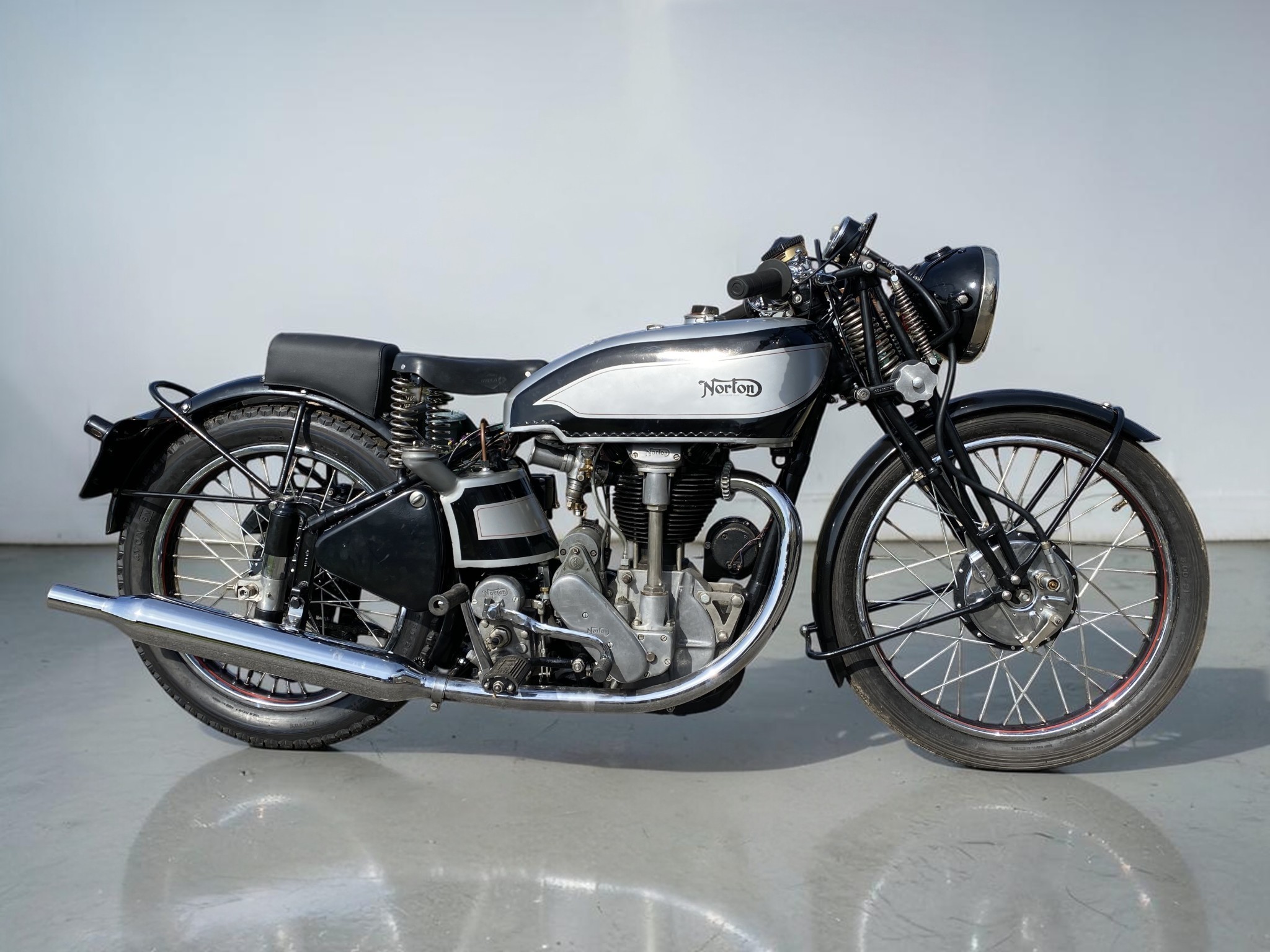
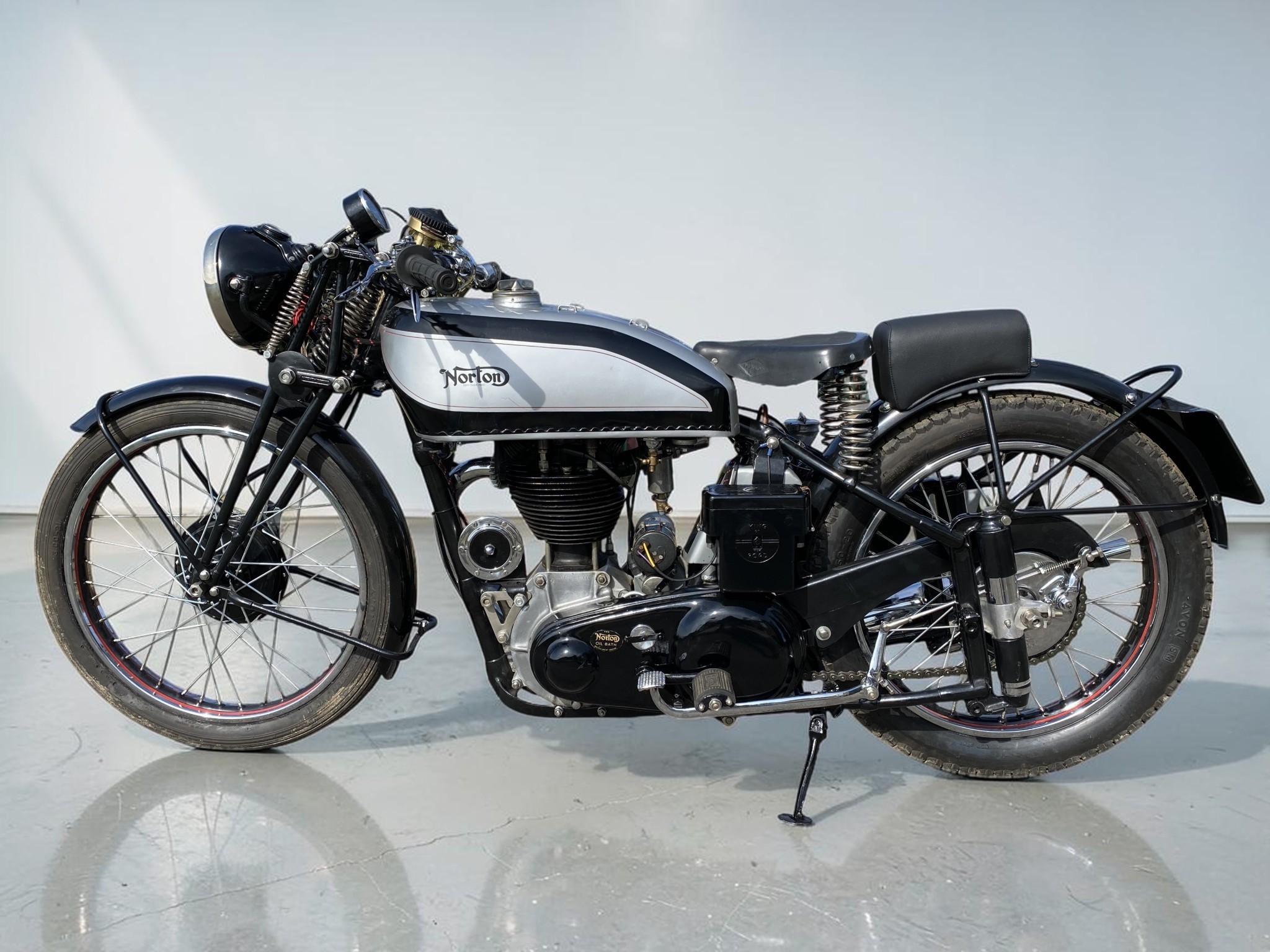


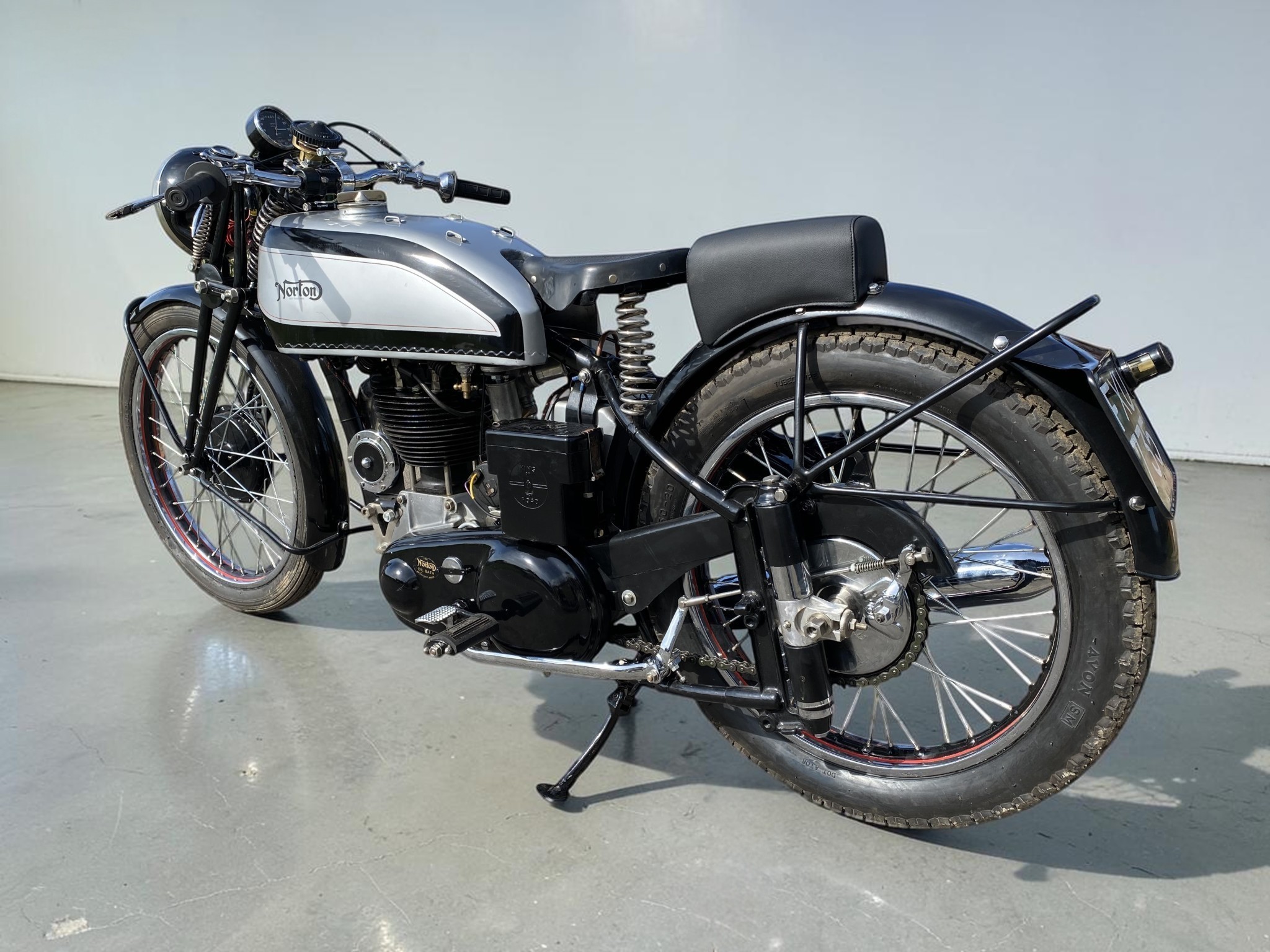


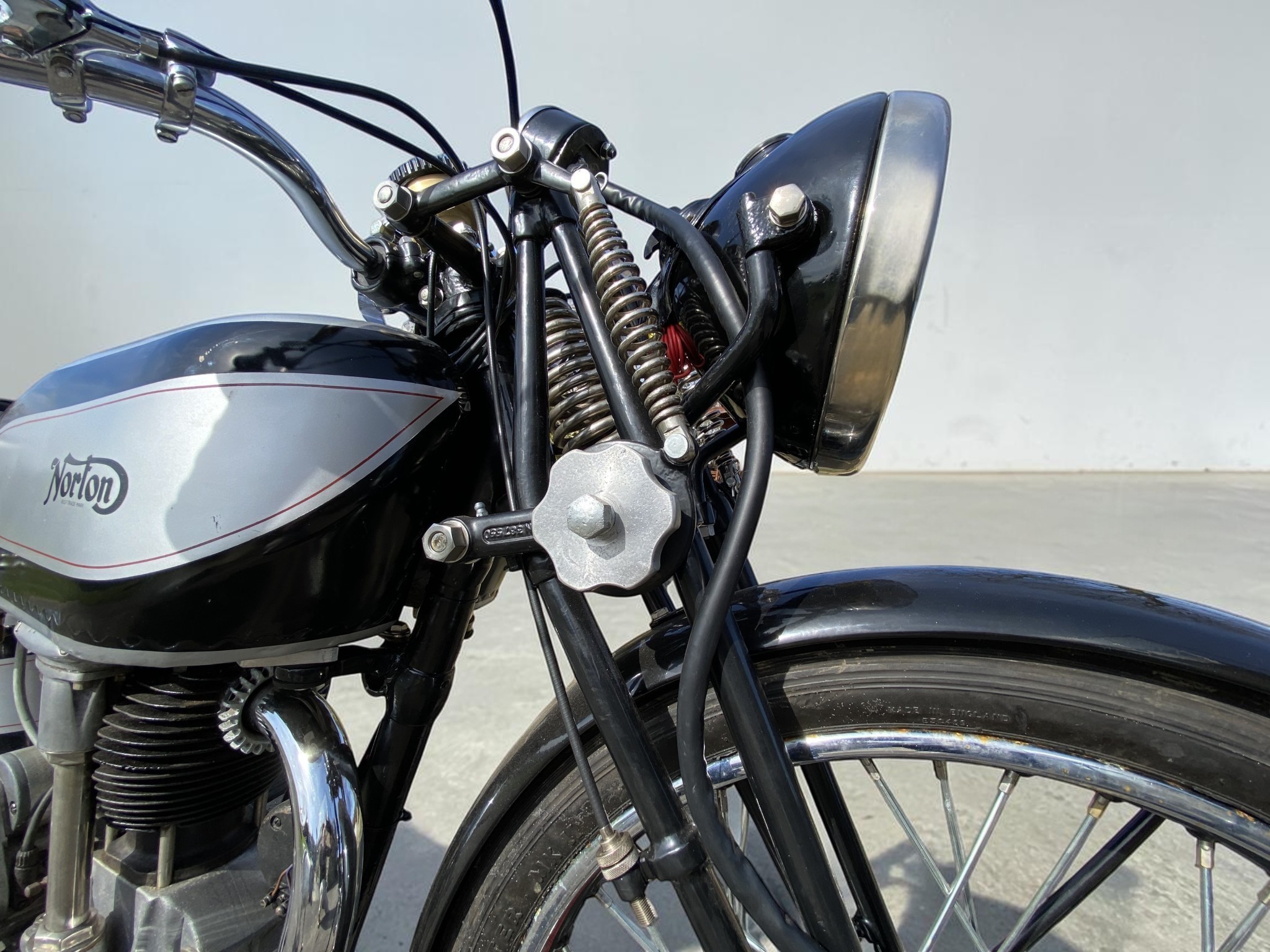


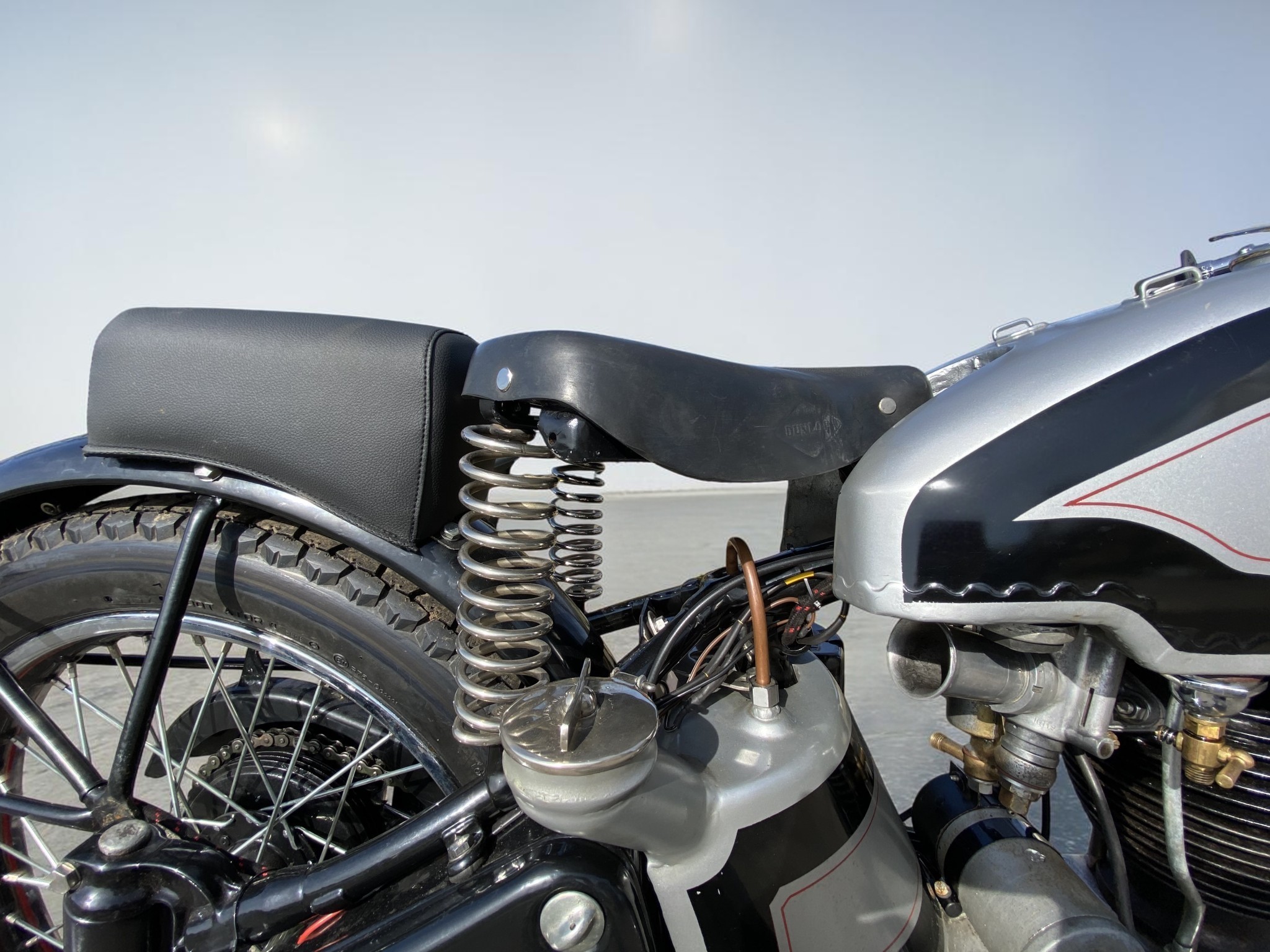
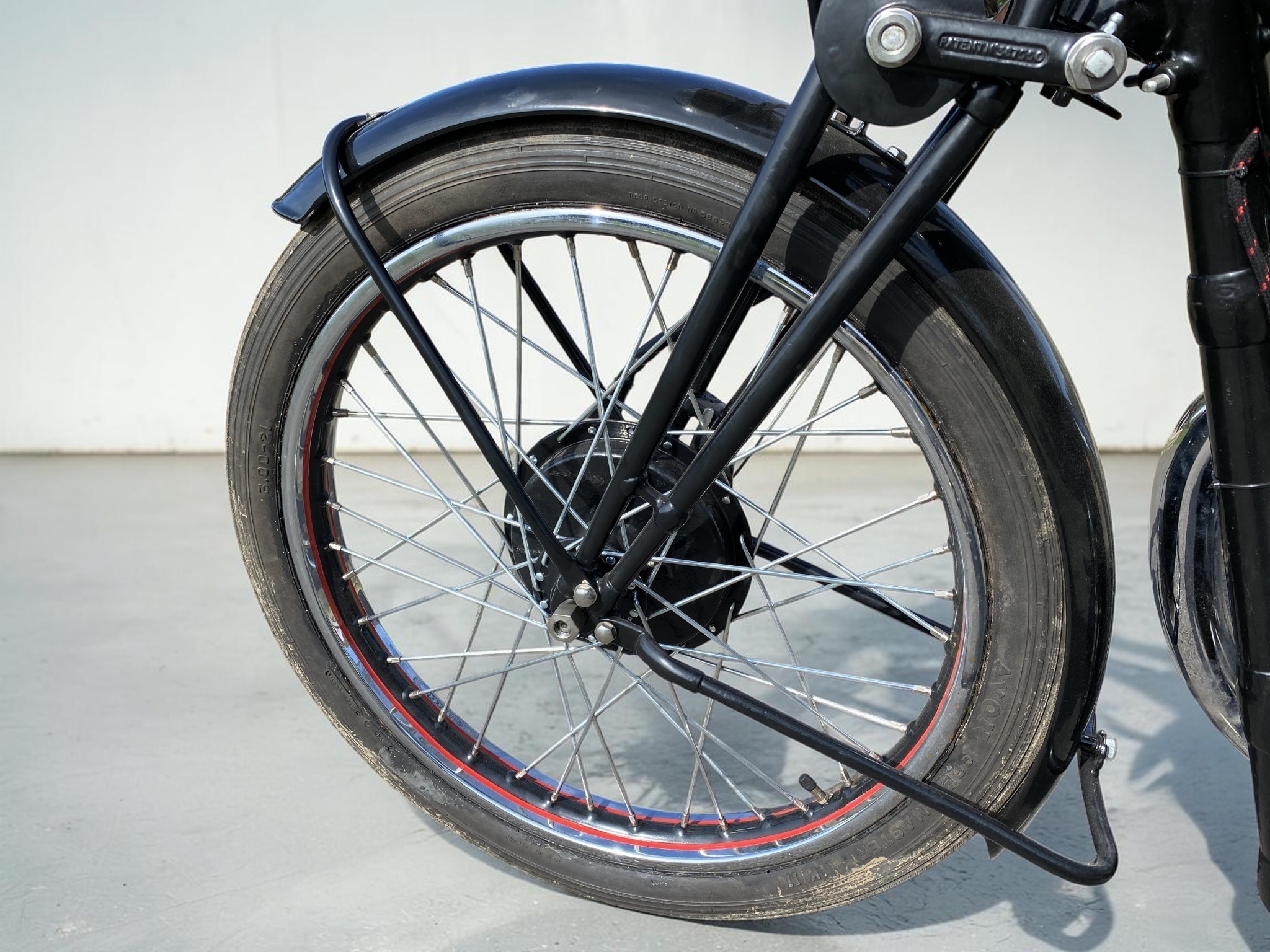


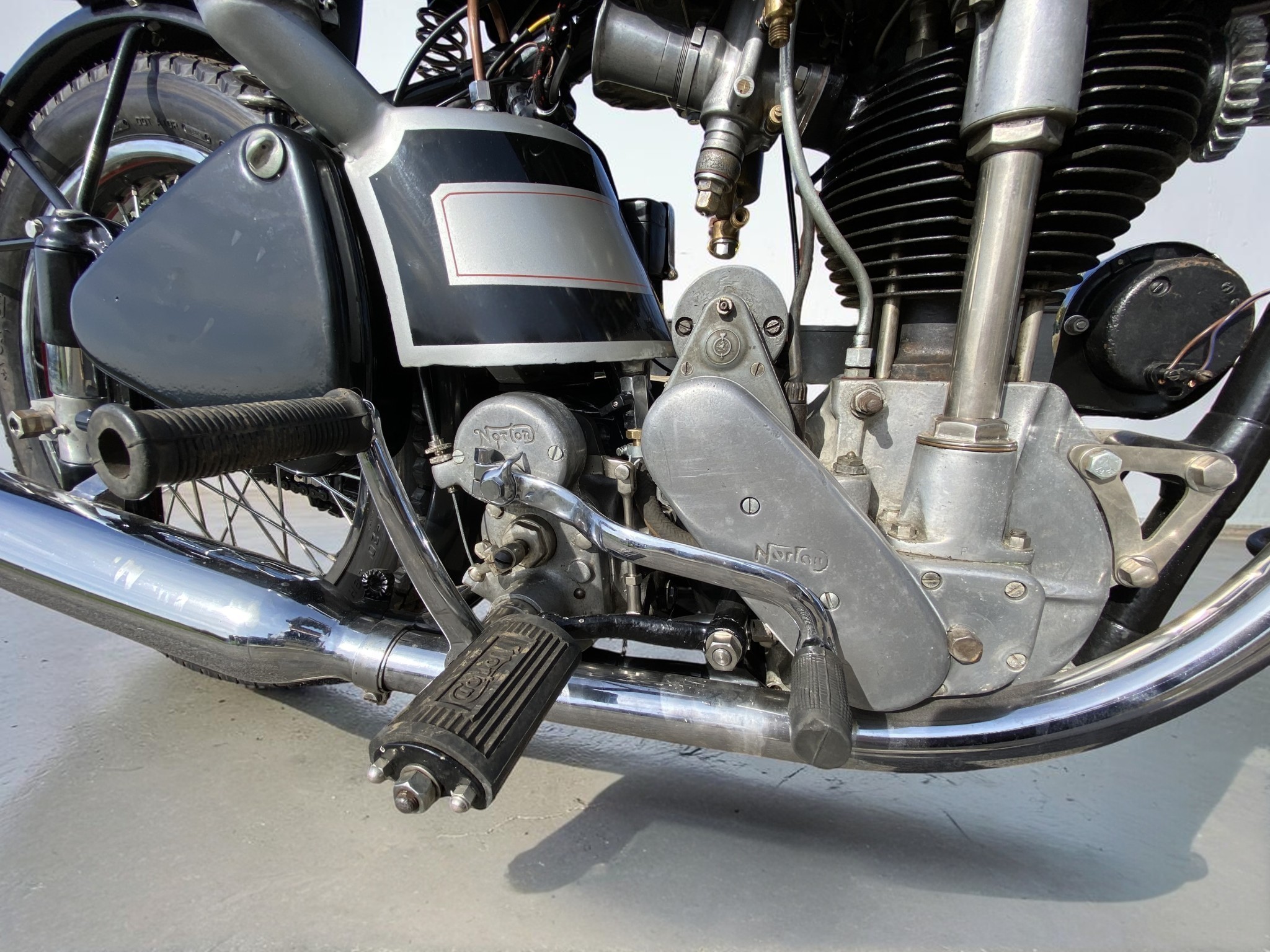


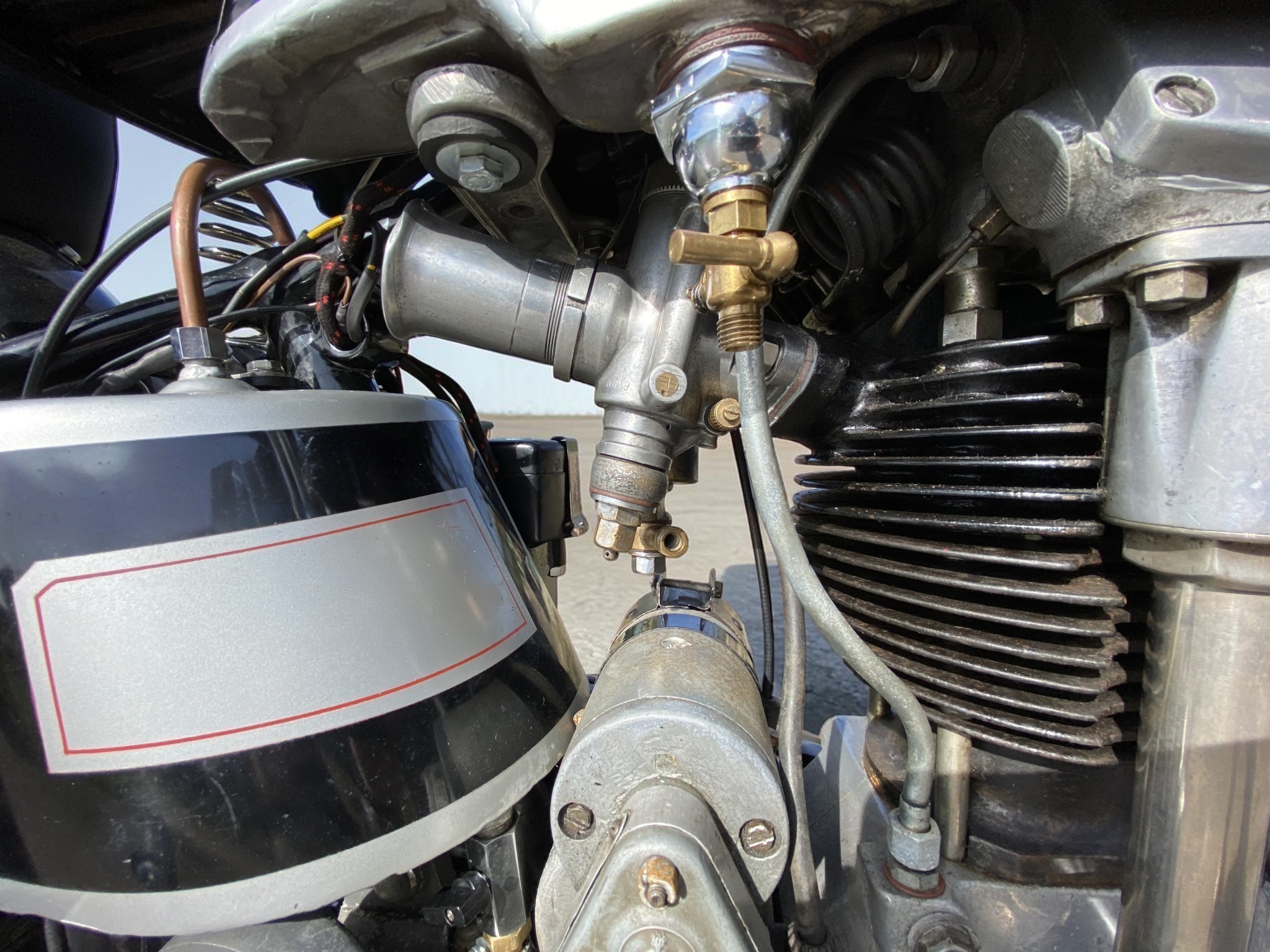

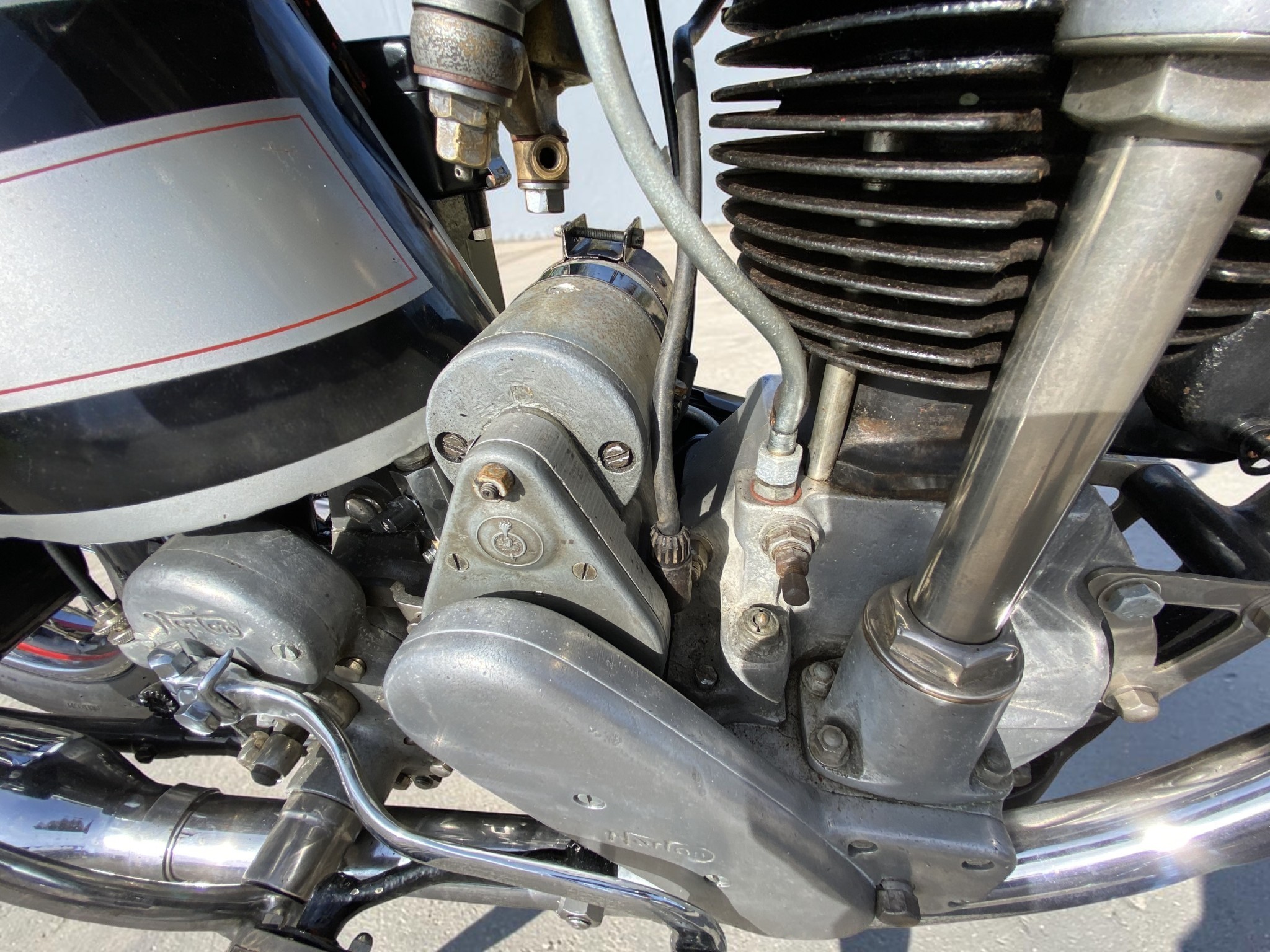


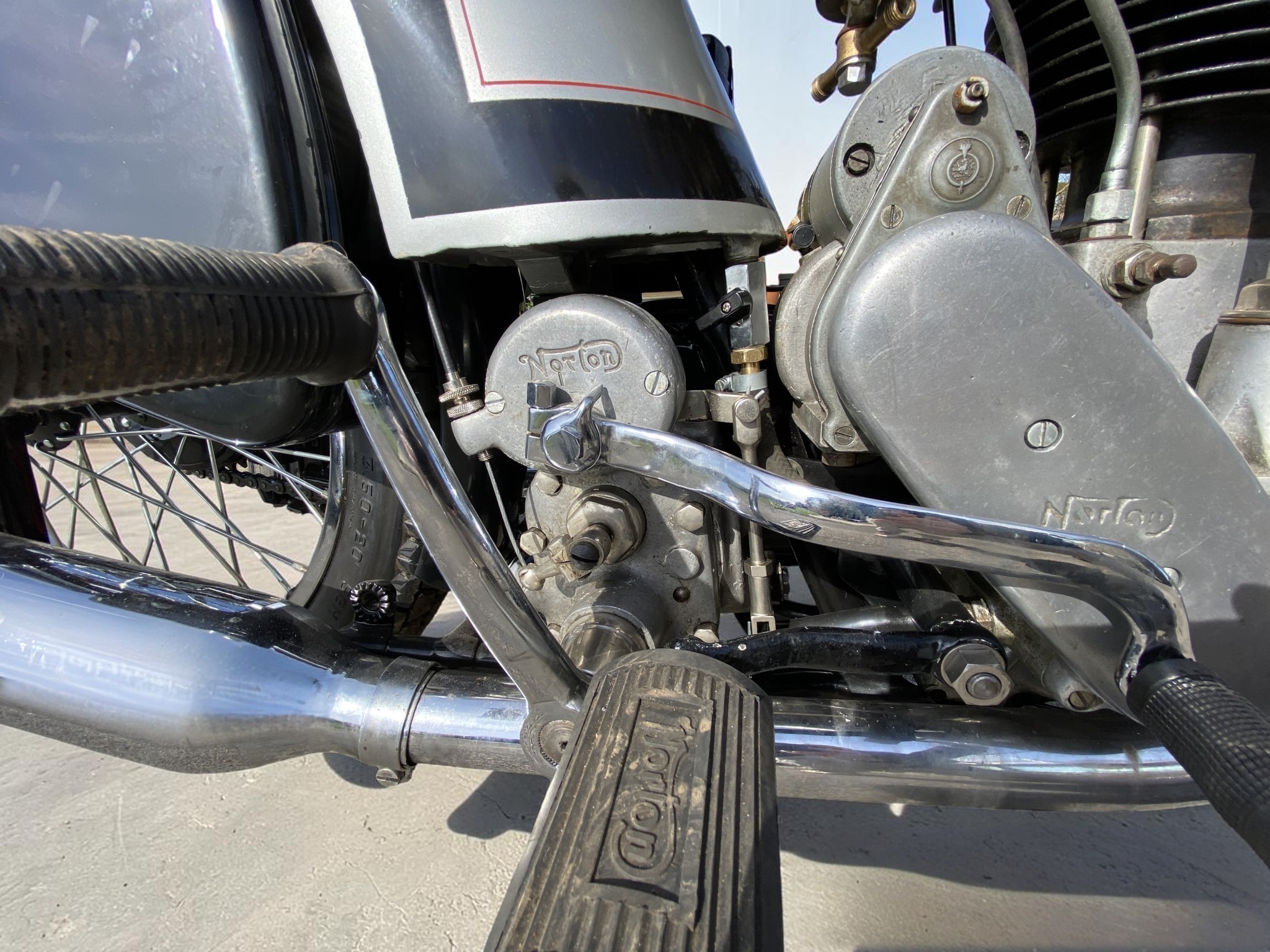

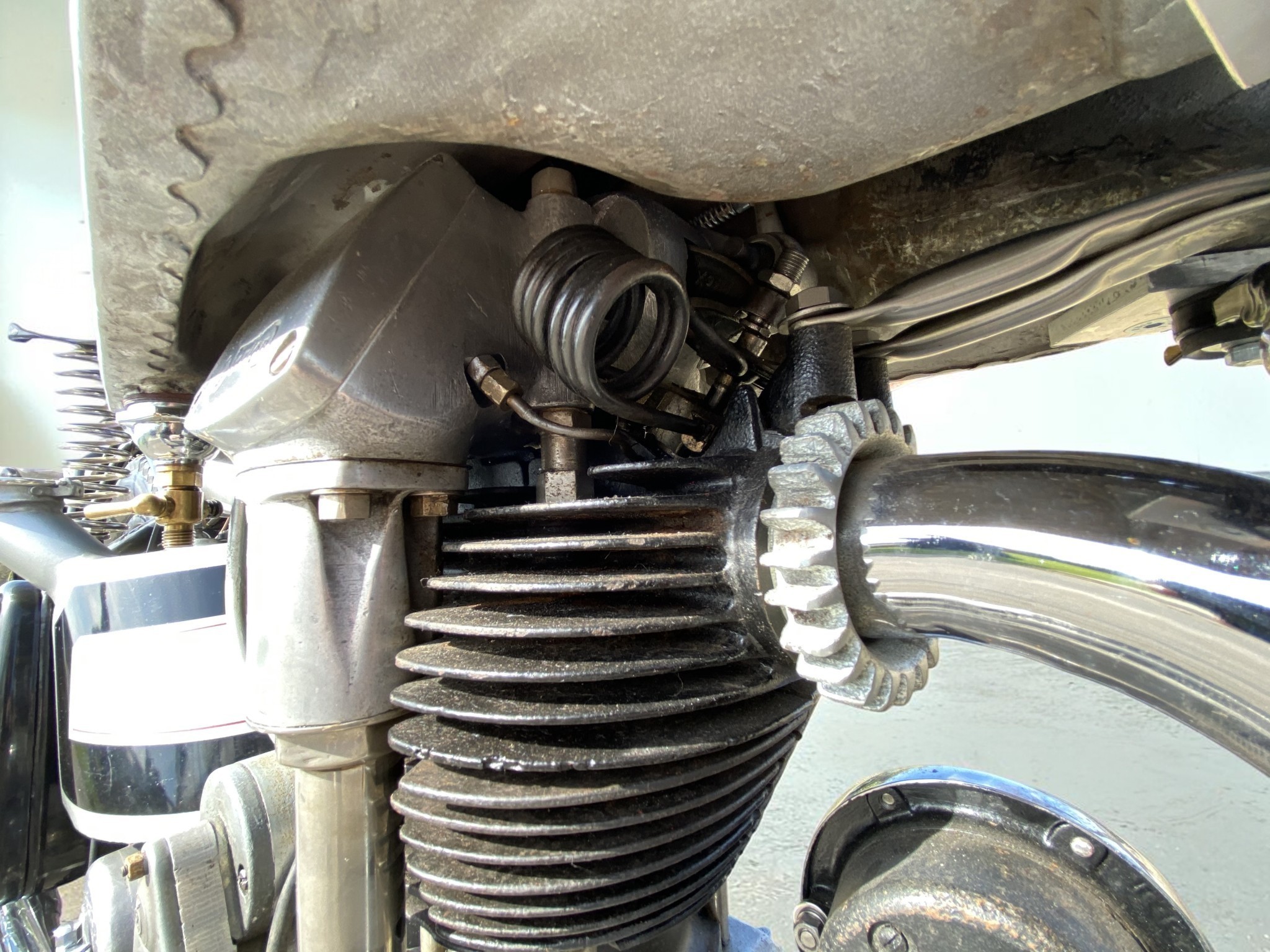
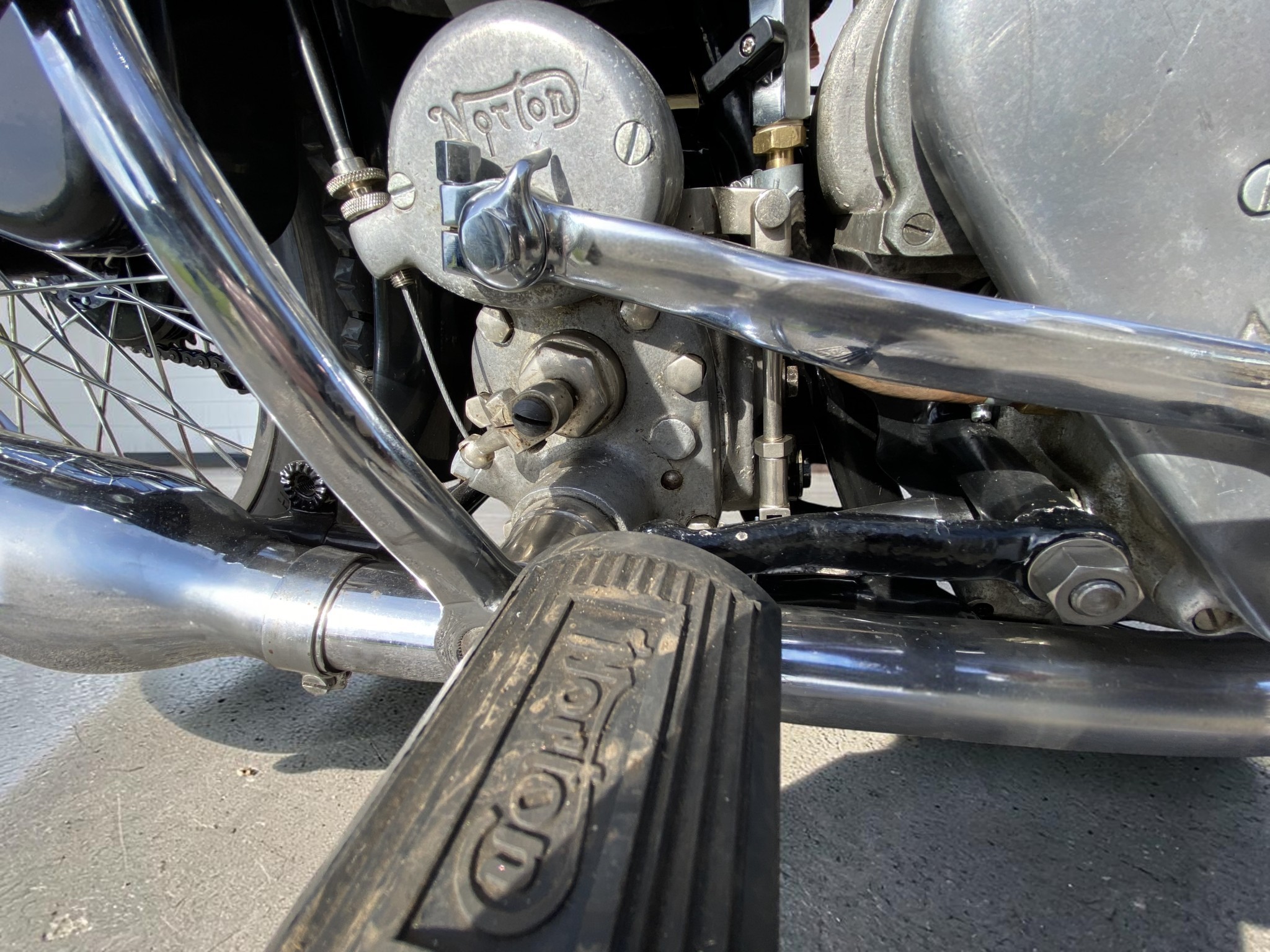


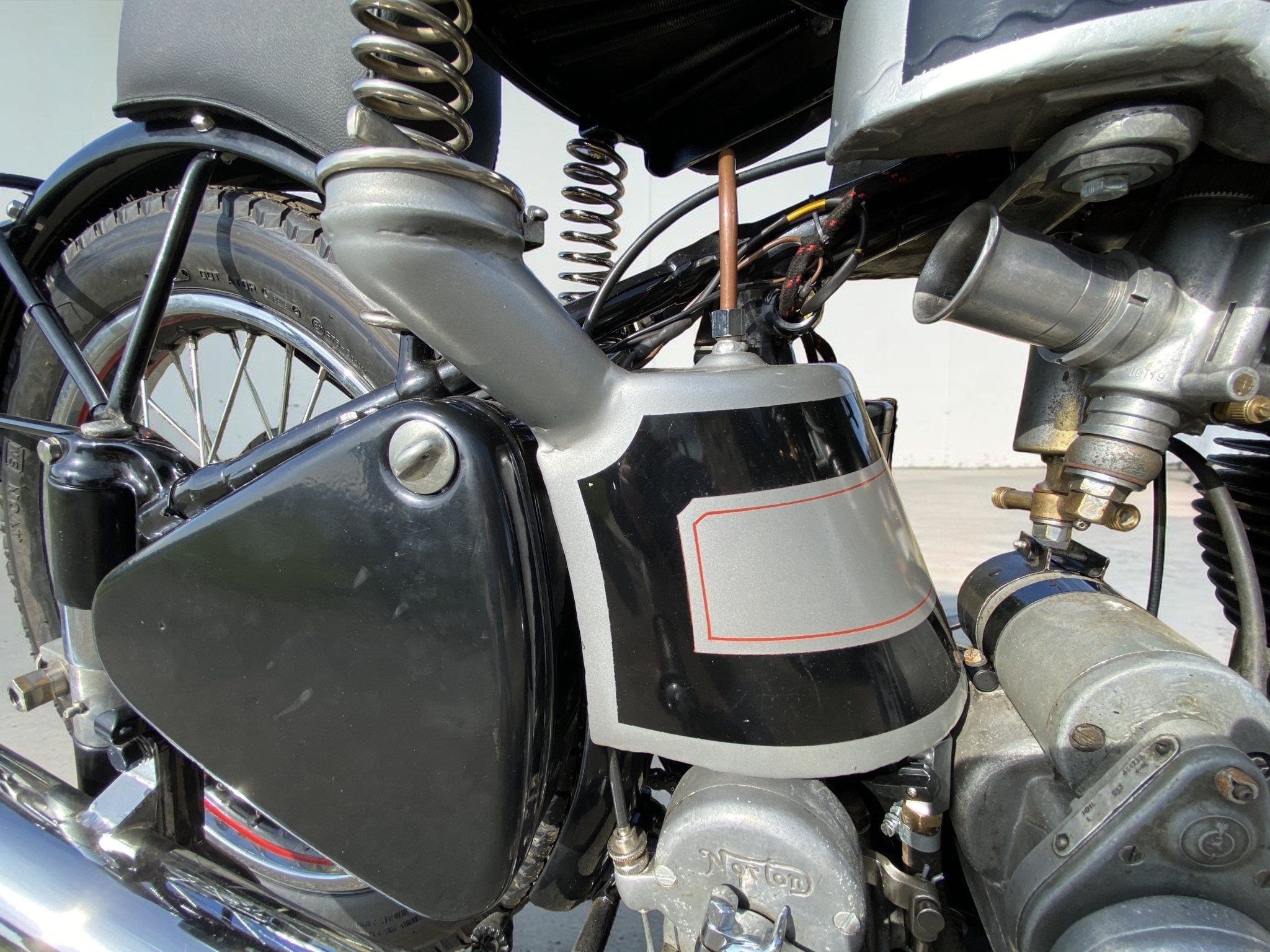
The 1939 Norton Model 30 International is one of the most celebrated pre-war British sporting motorcycles, combining Norton's competition-developed overhead-camshaft technology with a road-going chassis. The International was created to bring much of Norton's successful racing engineering to private riders, and by 1939 it represented the mature form of the company's legendary 490 cc single-cylinder OHC design.
The Model 30 uses a 490 cc single-cylinder four-stroke overhead-camshaft engine driven through Norton's characteristic bevel-gear and vertical-shaft arrangement. The engine was developed from Norton's highly successful racing program and was renowned for its strong performance and distinctive mechanical character.
The 1939 model belongs to the final pre-war generation of the International. It was produced at a time when Norton had established a dominant reputation in British motorcycle racing and had developed the International into a sophisticated high-performance road motorcycle.
With its competition-derived engine, rigid sporting chassis, girder front fork, wire wheels, and unmistakable Norton styling, the 1939 Model 30 International represents the culmination of Norton's pre-war road-going OHC single-cylinder engineering.
Norton's development of overhead-camshaft motorcycles began in the 1920s and quickly transformed the company's competition fortunes. Walter Moore's early OHC design achieved major success at the Isle of Man TT, establishing the foundation for Norton's later racing dominance.
After Moore left Norton in 1930, Arthur Carroll redesigned the OHC engine, while Joe Craig played a major role in its subsequent development. The resulting engine architecture became the basis for Norton's highly successful International and racing motorcycles.
The International was introduced as a sporting road motorcycle using technology closely related to Norton's factory racing machines. The 490 cc Model 30 became the company's principal 500 cc sporting model.
Throughout the 1930s, Norton continued developing the International's engine, chassis, braking, and equipment. By 1939, the Model 30 had reached a highly refined pre-war specification.
The outbreak of the Second World War brought an end to normal civilian motorcycle production, making the 1939 International one of the final examples of Norton's pre-war sporting road motorcycles.
The 1939 Norton Model 30 International is powered by a 490 cc single-cylinder four-stroke overhead-camshaft engine.
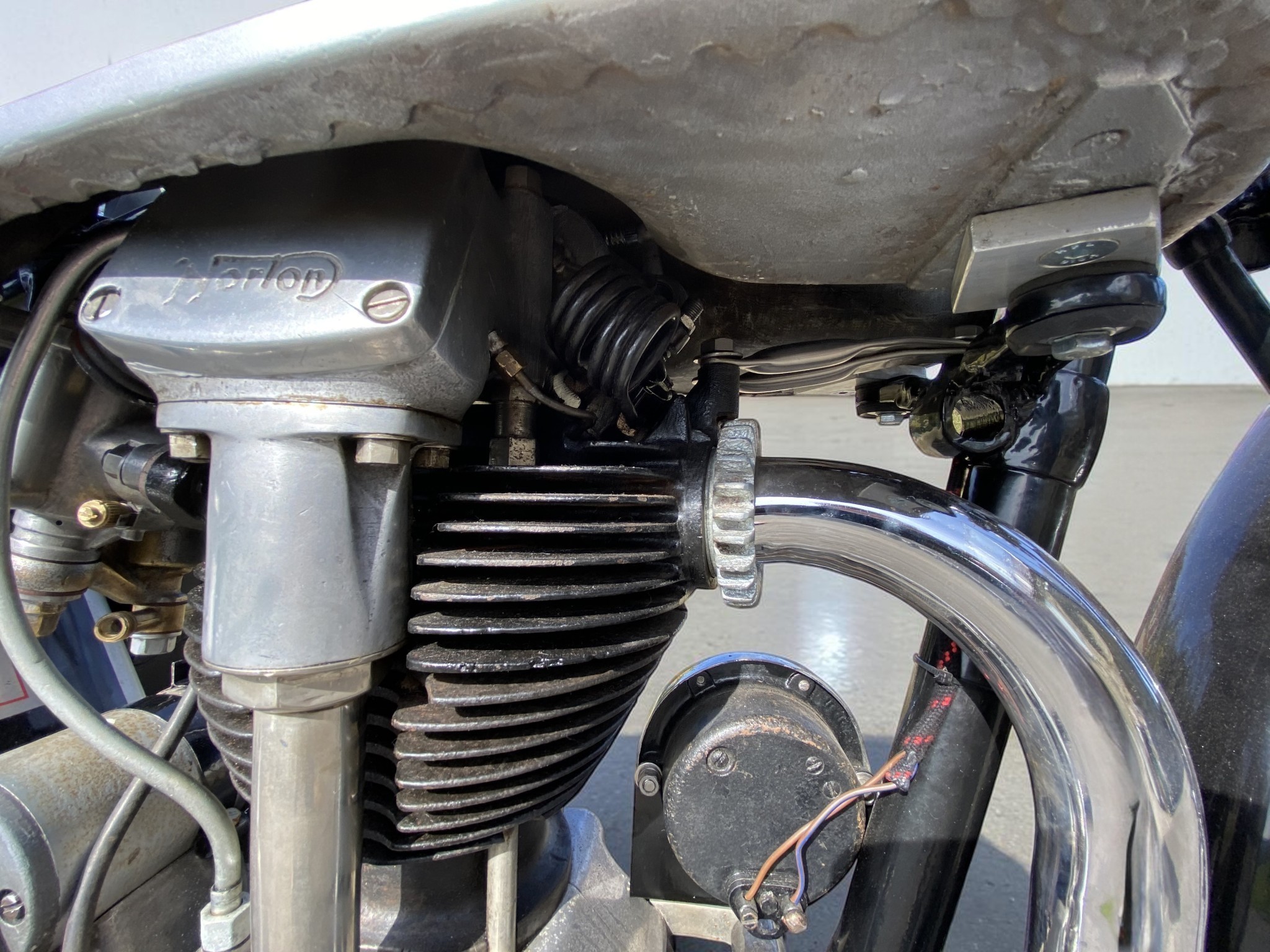
The engine uses Norton's distinctive bevel-driven overhead camshaft system. A vertical shaft and bevel gears transmit drive from the crankcase to the camshaft mounted above the cylinder.
This arrangement provides accurate valve operation and allows the engine to operate effectively at higher speeds while retaining the strong torque characteristics of a large single-cylinder engine.
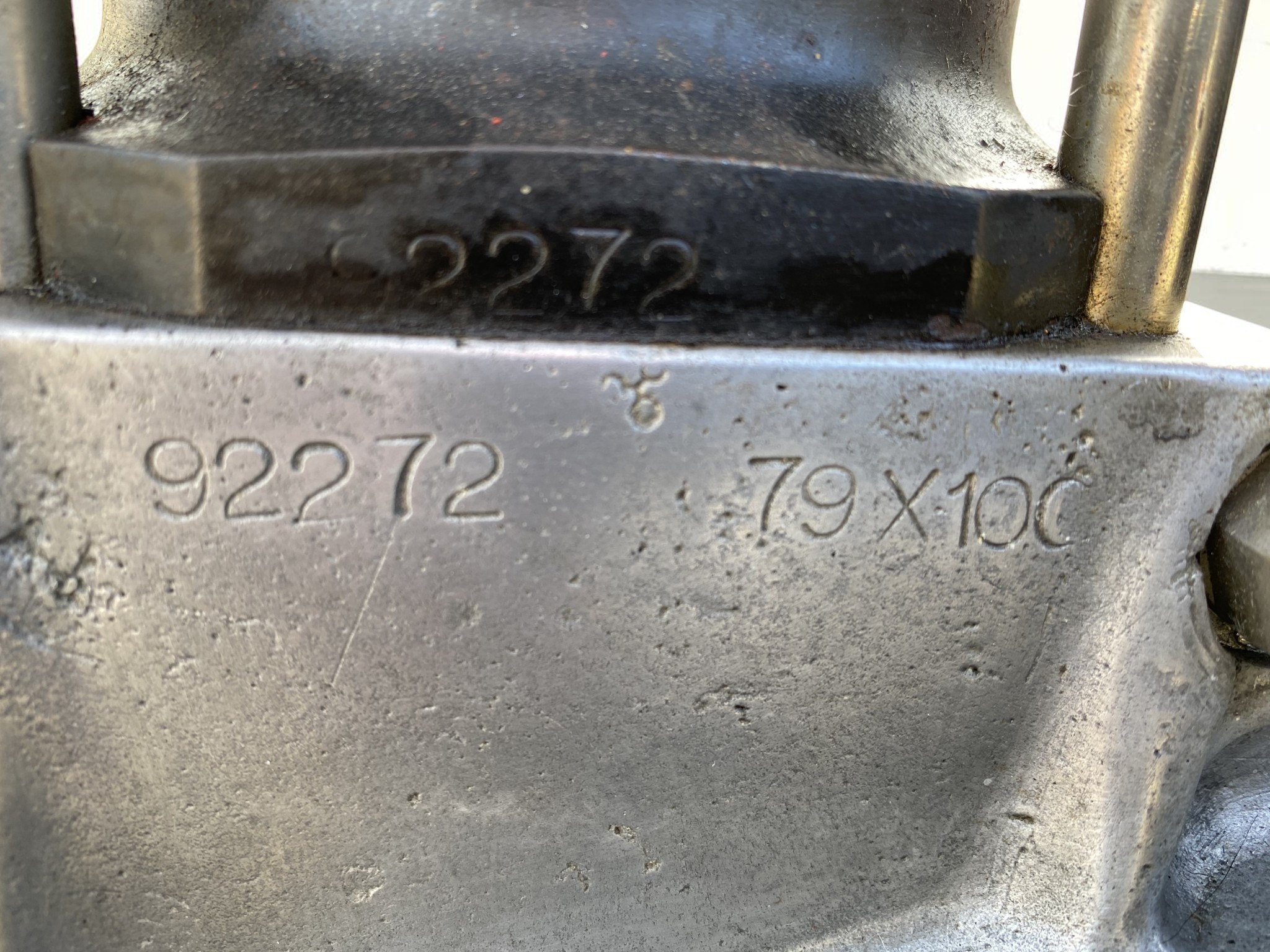
The traditional 79 mm bore and 100 mm stroke configuration gives the engine its long-stroke character and distinctive delivery.
The International engine was developed directly from Norton's competition technology and was intended to provide strong performance for serious road riders.
Period examples were capable of approximately 90 mph under favorable conditions, depending on gearing, engine specification, rider, road surface, and mechanical condition.
Actual performance of an individual surviving motorcycle depends heavily on compression, camshaft condition, carburetor, ignition timing, exhaust system, gearing, lubrication, and restoration quality.
The 1939 Model 30 International uses a period Norton manual transmission designed around the sporting characteristics of the OHC single-cylinder engine.
The gearbox provides ratios appropriate for both road riding and the motorcycle's competition-derived performance.
The clutch and primary drive were designed to transmit the substantial torque of the 490 cc engine while allowing the rider to make effective use of its higher-revving characteristics.
Power reaches the rear wheel through a chain final drive.
The clutch, gearbox, primary drive, chain, sprockets, bearings, and rear hub should all be carefully inspected on a surviving International.
Because these motorcycles were often raced or modified during their long service lives, later gearbox parts, altered ratios, competition components, and replacement drivetrain pieces are relatively common.
The 1939 Norton Model 30 International uses a rigid steel sporting frame designed around the lightweight single-cylinder overhead-camshaft engine.
The rigid chassis gives the motorcycle a direct and precise handling character and reflects the competition origins of the International.
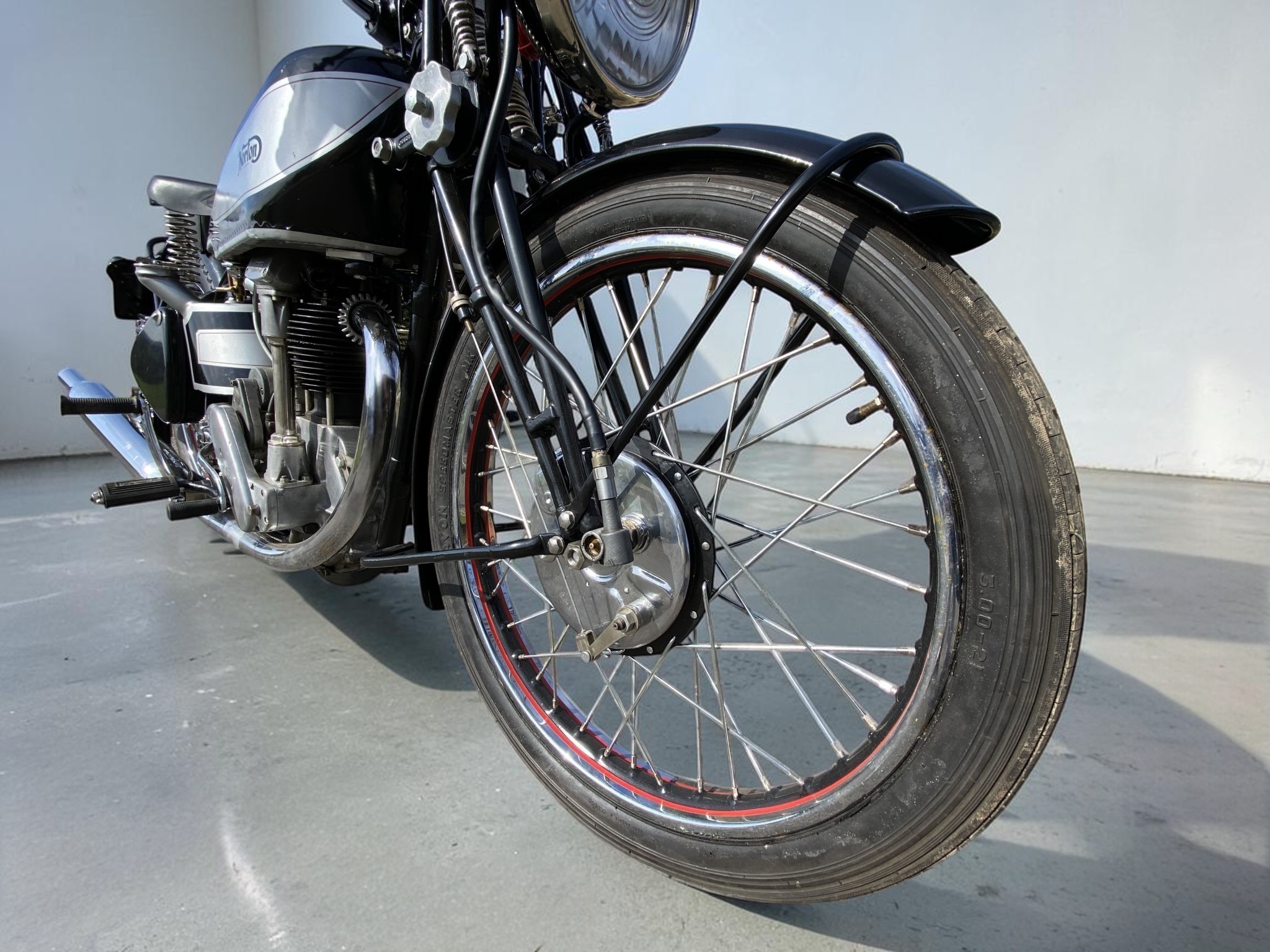
At the front, the motorcycle uses Norton's characteristic girder fork with a period springing arrangement.
The relatively compact chassis and light engine give the International a purposeful sporting stance and help explain its reputation for responsive handling.
The frame should be inspected carefully for straightness, correct engine mounting points, steering-head condition, frame repairs, altered brackets, and evidence of competition modifications.
Original chassis components are particularly desirable because many Internationals were modified during racing careers or rebuilt with later Norton parts.
The 1939 Model 30 International uses wire-spoked wheels and period mechanical drum brakes.
The wheels provide a useful combination of low weight and strength for a sporting motorcycle.
Braking is provided by mechanical drum assemblies typical of the period.
Brake drums, shoes, operating mechanisms, cables, wheel bearings, spokes, rims, and tires should all be inspected carefully before road use.
The condition of the brakes is particularly important because the International was capable of considerably higher speeds than many contemporary utility motorcycles.
Competition use may have resulted in upgraded or modified braking components, so originality should be evaluated individually rather than assumed from appearance alone.
The 1939 Norton Model 30 International uses period British motorcycle electrical and ignition equipment.
Reliable ignition was particularly important for the high-performance overhead-camshaft engine, and correct ignition timing had a significant influence on performance.
Magneto equipment, generator or dynamo components, headlamp, switches, wiring, horn, and rear lighting should be examined for correct period specification.
Many surviving Internationals have received rebuilt magnetos, replacement wiring, modern electrical components, or upgraded lighting during restoration.
Correct period electrical equipment can therefore provide useful evidence when assessing the originality of an individual motorcycle.
The 1939 Norton Model 30 International has a distinctive sporting appearance that clearly reflects its racing heritage.
The tall single-cylinder engine dominates the center of the motorcycle, with the vertical bevel-drive tower forming one of the most recognizable features of the OHC design.
The narrow fuel tank, exposed engine components, wire wheels, girder fork, and rigid rear chassis give the motorcycle a lightweight and purposeful appearance.
The International combines practical road equipment with an unmistakably competition-derived mechanical layout.
Correct tank finishes, Norton badges, polished engine components, leather saddle, period controls, exhaust, mudguards, and hardware all contribute to the authenticity of a restored example.
The 1939 Norton Model 30 International represents the mature development of Norton's pre-war 500 cc OHC road motorcycle.
By this point, Norton had established a formidable reputation through its success at the Isle of Man TT and other major motorcycle competitions.
The International provided private riders with a motorcycle incorporating engineering principles derived directly from those successful racing machines.
The 1939 model is historically significant because it belongs to the final pre-war period before civilian motorcycle production was disrupted by the Second World War.
It therefore represents one of the last mature versions of the classic pre-war Norton International before wartime production transformed the company's manufacturing priorities.
The 1939 Norton Model 30 International provides the distinctive riding experience of a high-performance British single-cylinder motorcycle from the late 1930s.
The overhead-camshaft engine is responsive and capable of sustained higher engine speeds compared with Norton's conventional pushrod singles.
The 490 cc long-stroke configuration still provides strong low- and mid-range torque, giving the motorcycle useful flexibility on the road.
The rigid chassis and girder fork provide a direct riding feel, while the relatively low weight makes the motorcycle responsive to steering inputs.
The International is best suited to an experienced rider who understands the characteristics of early high-performance motorcycles.
A surviving example should be ridden conservatively until the engine, camshaft drive, bevel gears, lubrication system, magneto, carburetor, clutch, gearbox, steering, fork, wheels, tires, and brakes have been thoroughly inspected.
The Norton International is historically important because it brought genuine racing-derived engineering to the road motorcycle market.
The Model 30 allowed private riders to purchase a 490 cc overhead-camshaft motorcycle closely related in engineering philosophy to Norton's successful racing machines.
The model helped establish Norton as one of Britain's leading manufacturers of high-performance motorcycles during the 1930s.
The International's engine architecture also provided an important foundation for Norton's later competition motorcycles, linking the road-going Model 30 to the famous racing machines of the marque.
The 1939 motorcycle represents the mature end of this pre-war engineering development and is therefore particularly significant to historians and collectors.
The 1939 Norton Model 30 International is highly desirable among collectors of British motorcycles and pre-war competition-derived machines.
Its 490 cc overhead-camshaft engine, mature pre-war specification, racing heritage, and position among the final civilian Internationals make it especially significant.
Collectors should pay close attention to the engine, camshaft drive, bevel gears, crankcases, cylinder, frame, fuel tank, gearbox, fork, wheels, brakes, carburetor, magneto, exhaust, controls, and electrical equipment.
Engine and frame numbers are particularly important because many Internationals were raced, modified, and rebuilt using components from other Norton models.
Original OHC components, correct frame construction, period engine castings, original hardware, correct finishes, and documented provenance can substantially increase historical interest.
A 1939 Model 30 retaining its original or correctly documented engine and chassis is especially desirable because authentic pre-war Internationals are increasingly scarce.
Authenticating a 1939 Norton Model 30 International requires careful examination of the complete motorcycle.
The engine should be identified through its crankcase construction, cylinder, overhead-camshaft drive, bevel gears, timing components, valve gear, and period casting details.
The frame should be checked for correct International construction, engine mounting points, steering-head details, frame numbers, and evidence of racing modifications or repairs.
The fuel tank, gearbox, fork, wheels, brakes, exhaust, controls, carburetor, magneto, and electrical equipment should also be compared with period Norton specifications.
Engine and frame numbers should be recorded and checked against reliable Norton factory documentation whenever possible.
Period registration documents, factory literature, photographs, ownership records, competition results, restoration invoices, and historical photographs can provide valuable supporting evidence.
Later Norton components should be identified carefully, especially where parts from post-war International, Manx, or other Norton models may have been incorporated into a restoration.
The 1939 Norton Model 30 International matters because it represents the mature form of one of the most important pre-war British sporting motorcycles.
Its 490 cc overhead-camshaft engine, bevel-driven camshaft, lightweight sporting chassis, and direct connection to Norton's TT racing heritage embody the engineering philosophy that made Norton one of Britain's dominant motorcycle manufacturers.
The model also represents the final stage of an important pre-war development cycle, immediately before wartime production changed the direction of the British motorcycle industry.
For collectors, the 1939 Model 30 provides a direct connection between Norton's successful racing heritage and its final generation of pre-war high-performance road motorcycles.
A well-preserved or accurately restored 1939 Norton Model 30 International with its correct engine, frame, period equipment, and documented provenance represents a significant piece of British motorcycle engineering and racing history.
This 1939 Norton Model 30 International represents the mature development of Norton's legendary pre-war 490 cc overhead-camshaft sporting motorcycle.
Its single-cylinder OHC engine, bevel-driven camshaft, rigid sporting chassis, and direct connection with Norton's successful Isle of Man TT racing program make it one of the most significant British motorcycles of the late 1930s.
The 1939 model is particularly important because it belongs to the final pre-war generation of the International, immediately before the Second World War brought normal civilian motorcycle production to an end.
For collectors, the correct Model 30 engine and frame, original overhead-camshaft and bevel-drive components, period gearbox, fork, wheels, controls, electrical equipment, and documented provenance are particularly important when establishing authenticity.
A well-preserved or accurately restored 1939 Norton Model 30 International with correct period components and strong historical documentation represents a significant example of British motorcycle engineering and racing history.
For more information about Norton motorcycles and historic British motorcycles, visit Norton vintage motorcycles.
Contact us for additional photographs, detailed specifications, frame and engine numbers, service history, originality assessment, competition history, restoration information, historical documentation, and purchasing information for this 1939 Norton Model 30 International.
The Vintage Motorcycles presents a curated selection of historically significant British machines, where Norton represents one of the most influential forces in the development of performance-oriented motorcycle engineering. Established in 1898, Norton evolved from early bicycle-based designs into a manufacturer closely associated with racing success, advanced chassis development, and high-performance single-cylinder engines that would define much of its engineering identity.
Within the broader network of global vintage motorcycle manufacturers, Norton occupies a central position in shaping British performance engineering, particularly through its sustained involvement in competition. This lineage is best understood within the context of pre-war motorcycle engineering (1900-1939), a period marked by rapid technical innovation, where racing environments directly influenced engine design, frame geometry, and the emergence of specialized performance machines.
This trajectory continued into post-war motorcycle development, where Norton refined its engineering approach through models such as the ES2 and the Manx series, emphasizing chassis stability, power delivery, and competition-derived performance. These developments reinforced the brand's role within a broader British industry increasingly focused on balancing speed, control, and reliability.
Each Norton motorcycle within our collection is selected based on provenance, originality, and mechanical integrity, ensuring alignment with museum-grade preservation standards. Collectors can explore available acquisition opportunities through our global vintage motorcycle inventory, with all motorcycles supported by a fully insured international shipping service.
Norton developed during a period when British engineering was deeply influenced by competitive racing and endurance testing. Participation in events such as the Isle of Man TT contributed directly to the refinement of engine performance, frame rigidity, and suspension systems, establishing Norton as a benchmark for handling and speed within the industry.
This engineering progression can be further understood within the broader framework of WW2 military motorcycle development, where British manufacturers adapted performance knowledge to meet the demands of reliability and field serviceability. While Norton's primary reputation remained rooted in performance, these broader industrial conditions influenced its approach to durability and structural integrity in both military and civilian contexts.
Alongside its solo racing machines, Norton engineering also intersected with practical applications, including compatibility with sidecar-equipped motorcycles, demonstrating how British design could accommodate both competition and utility within a unified mechanical framework.
British motorcycle engineering, as exemplified by Norton, emphasizes the integration of performance, stability, and mechanical precision. Innovations such as the featherbed frame illustrate a design philosophy centered on handling dynamics, where chassis engineering plays an equally important role as engine output.
From early single-cylinder machines to later high-performance racing models, Norton maintained a consistent focus on competition-driven refinement. Rather than diverging into multiple engineering identities, the marque developed a coherent lineage that prioritized speed, control, and responsiveness under demanding conditions.
Today, Norton remains a foundational reference in the study of British motorcycle engineering, demonstrating how racing environments can shape long-term industrial development. For collectors, these motorcycles represent a convergence of historical racing heritage, technical innovation, and enduring significance within the global narrative of motorcycling.
Key Highlights
Collector Assurance
All enquiries handled with discretion. We typically respond within 6 hours.
Choose the payment method that is most convenient for you. We accept widely used international payment methods as well as, where available, local bank transfer options that allow you to pay like a domestic transaction. Full payment instructions are provided for your specific purchase.
Direct international bank wire transfer is available for motorcycle purchases and export transactions.
Credit card payments can be arranged through Wise.com, subject to the applicable payment and processing conditions.
PayPal is accepted. A 5% PayPal processing fee applies to the transaction.