
The Vintage Motorcycles
Specialists in antique, classic, veteran and vintage motorcycles.
Specialists in antique, classic, veteran and vintage motorcycles.
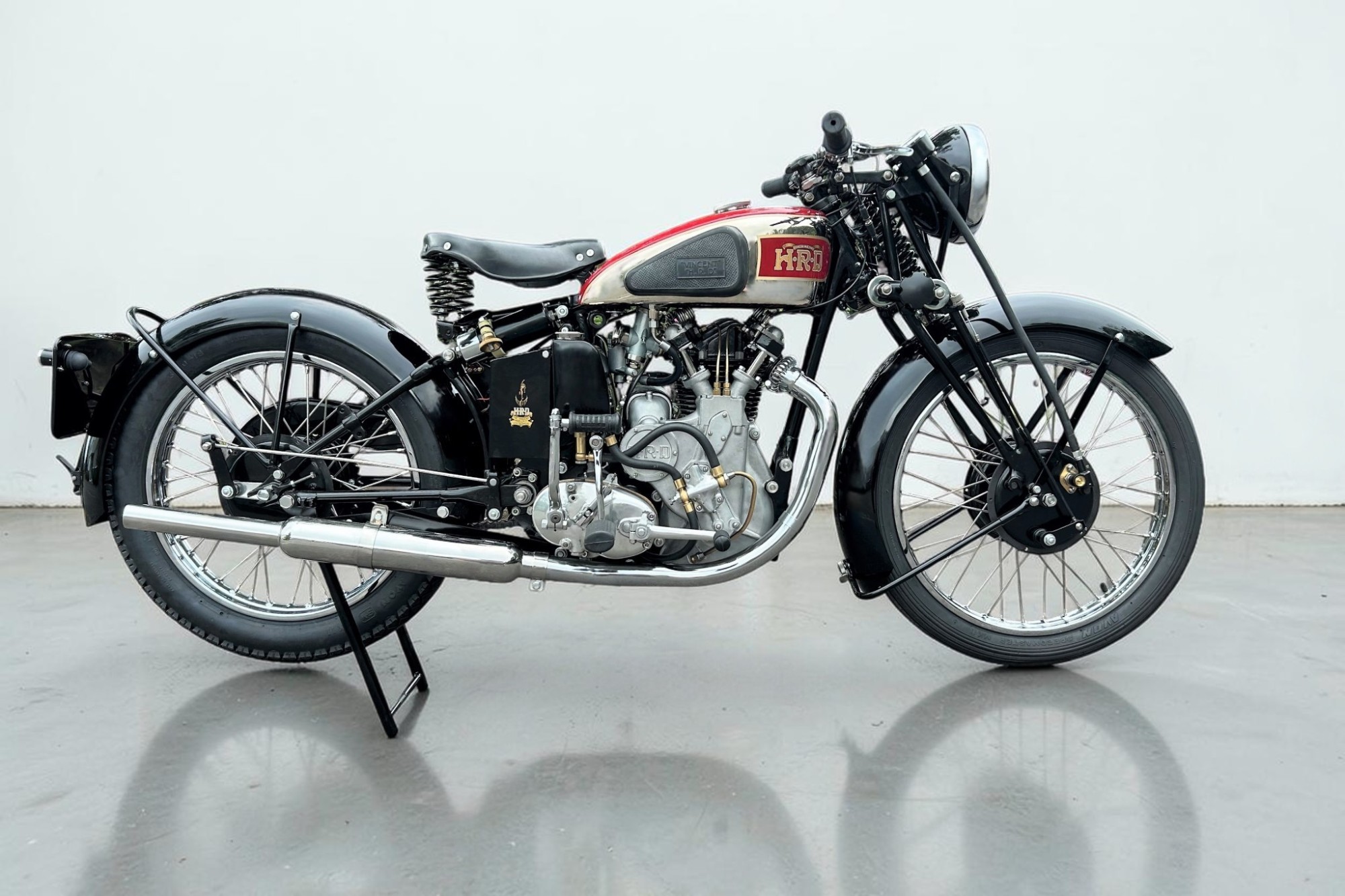
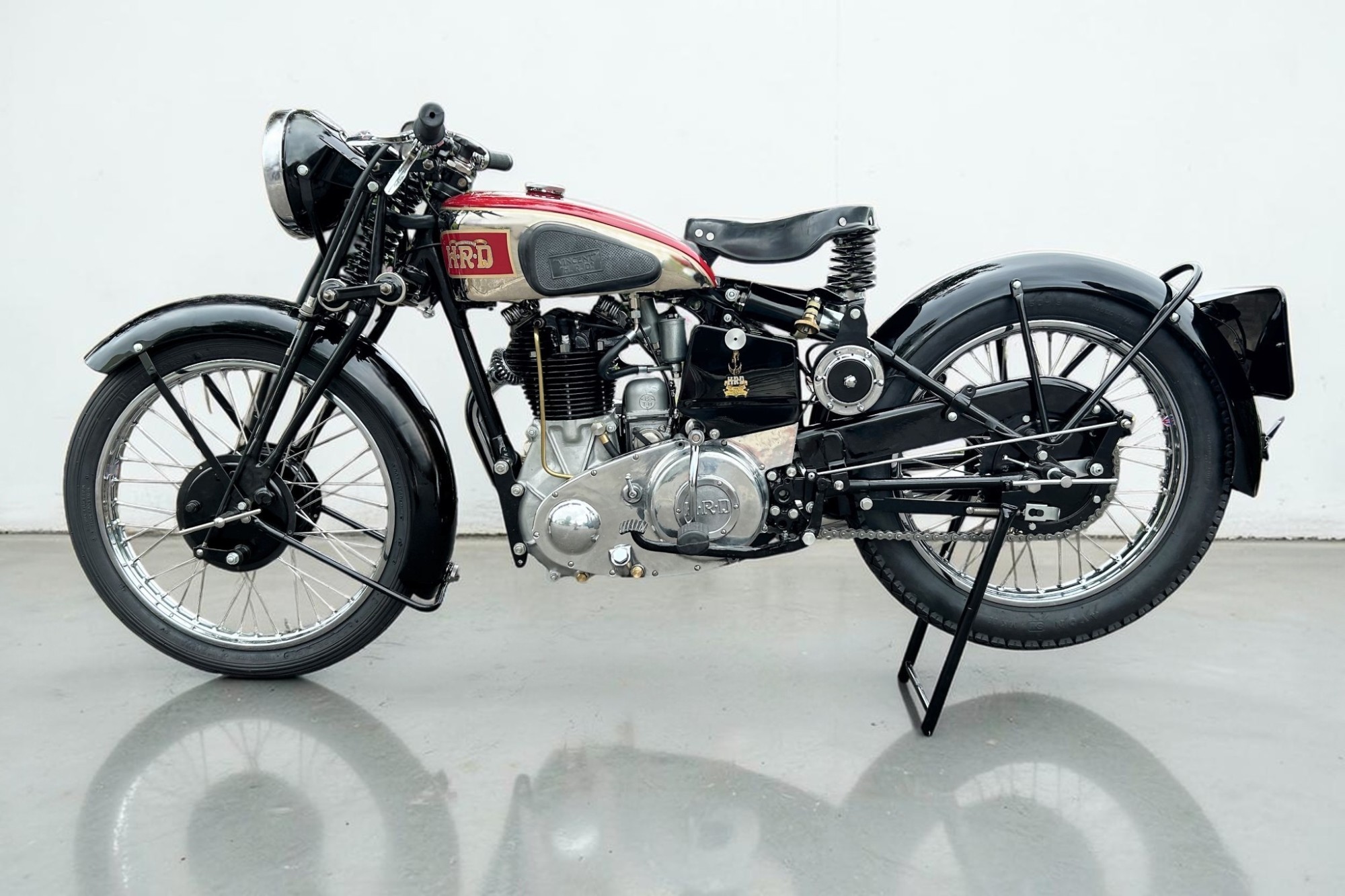
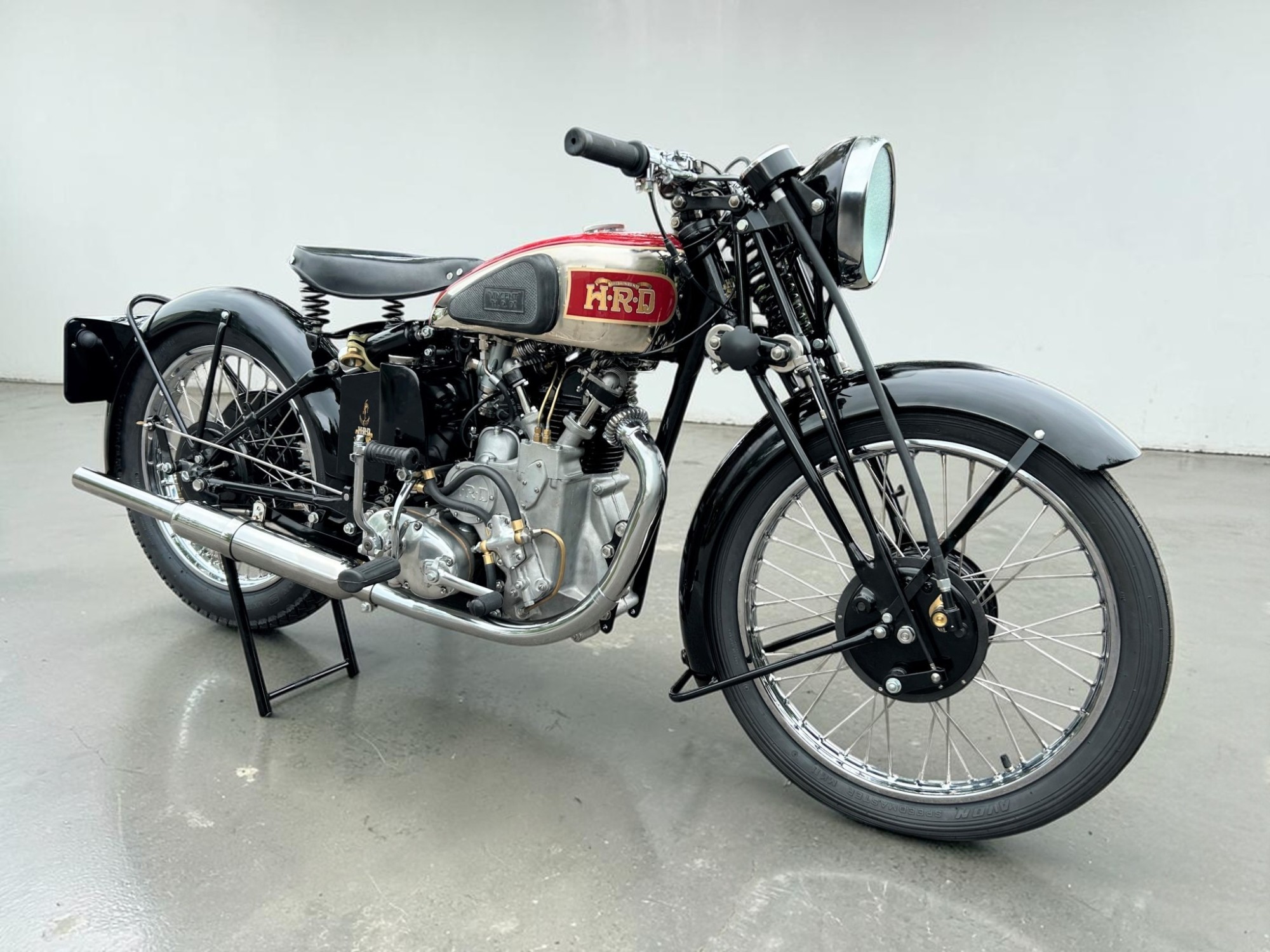
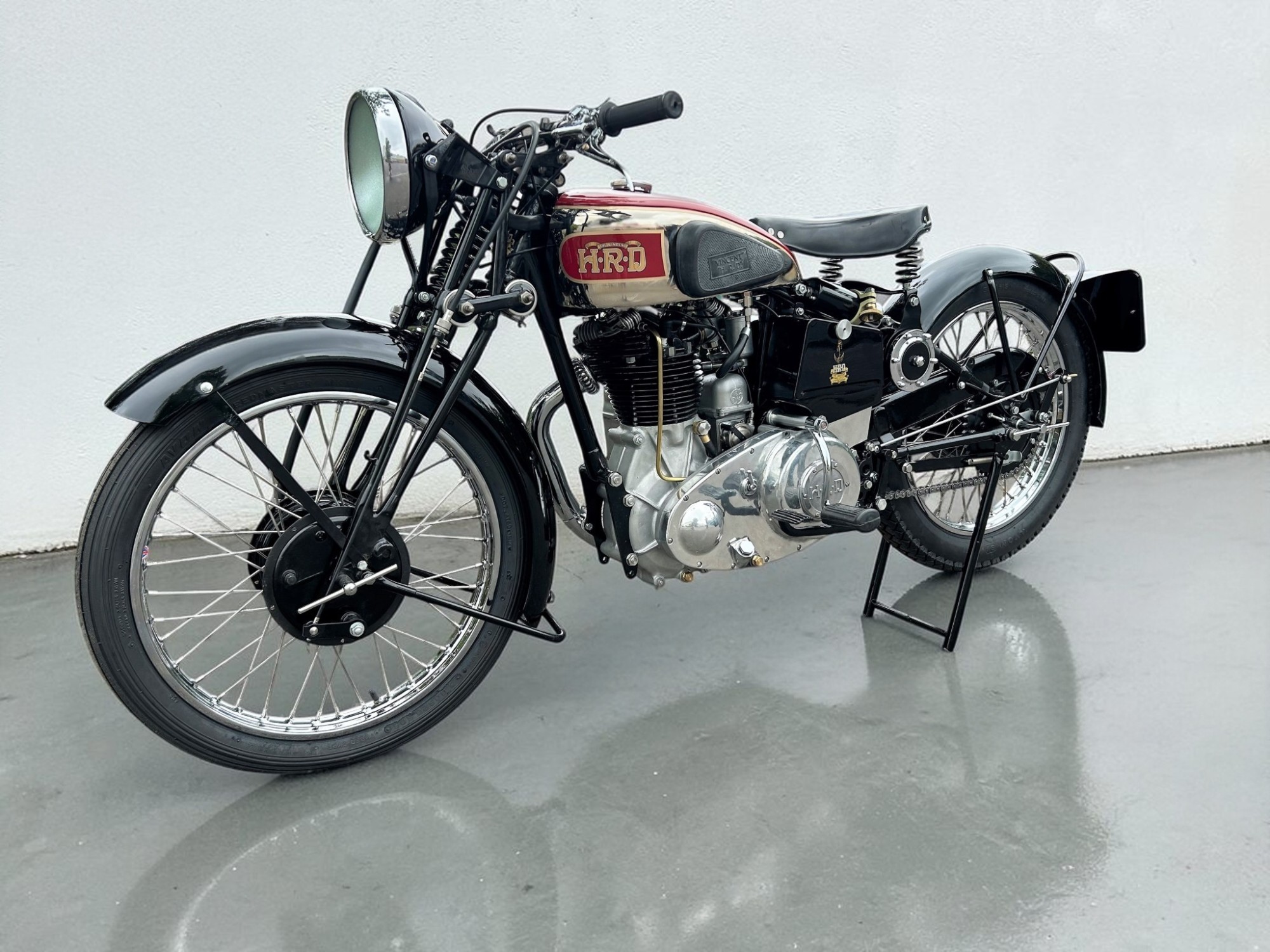
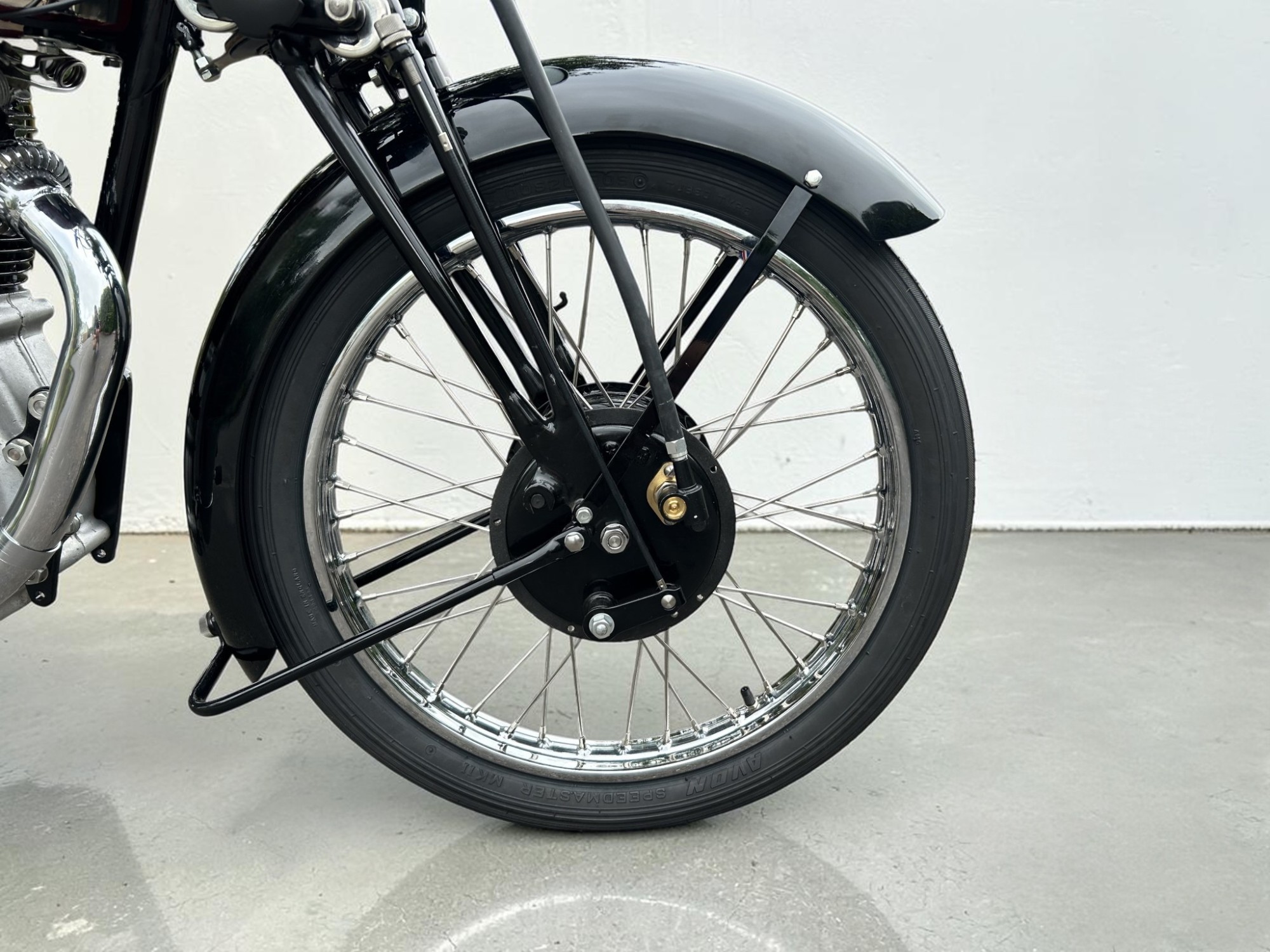
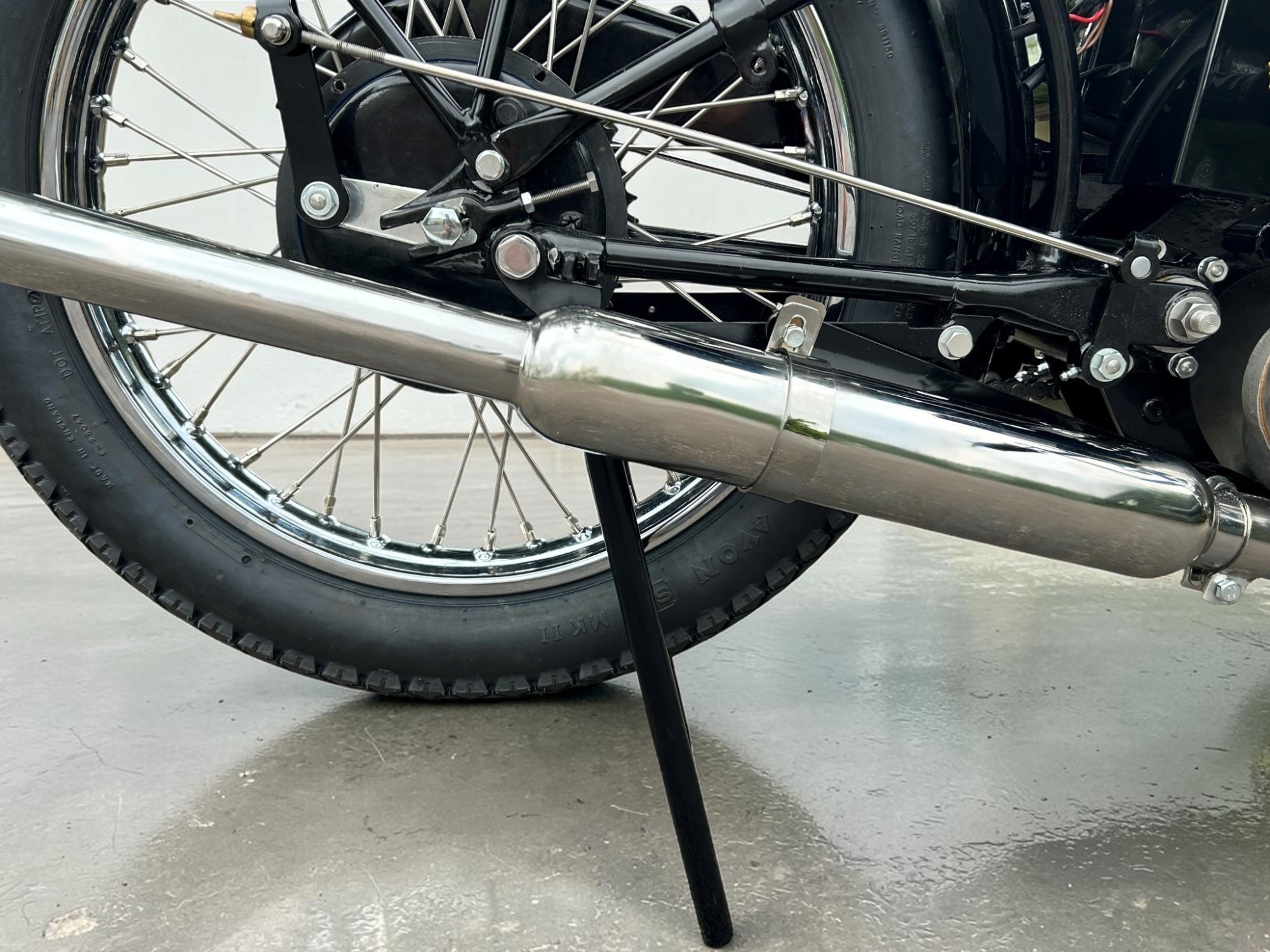
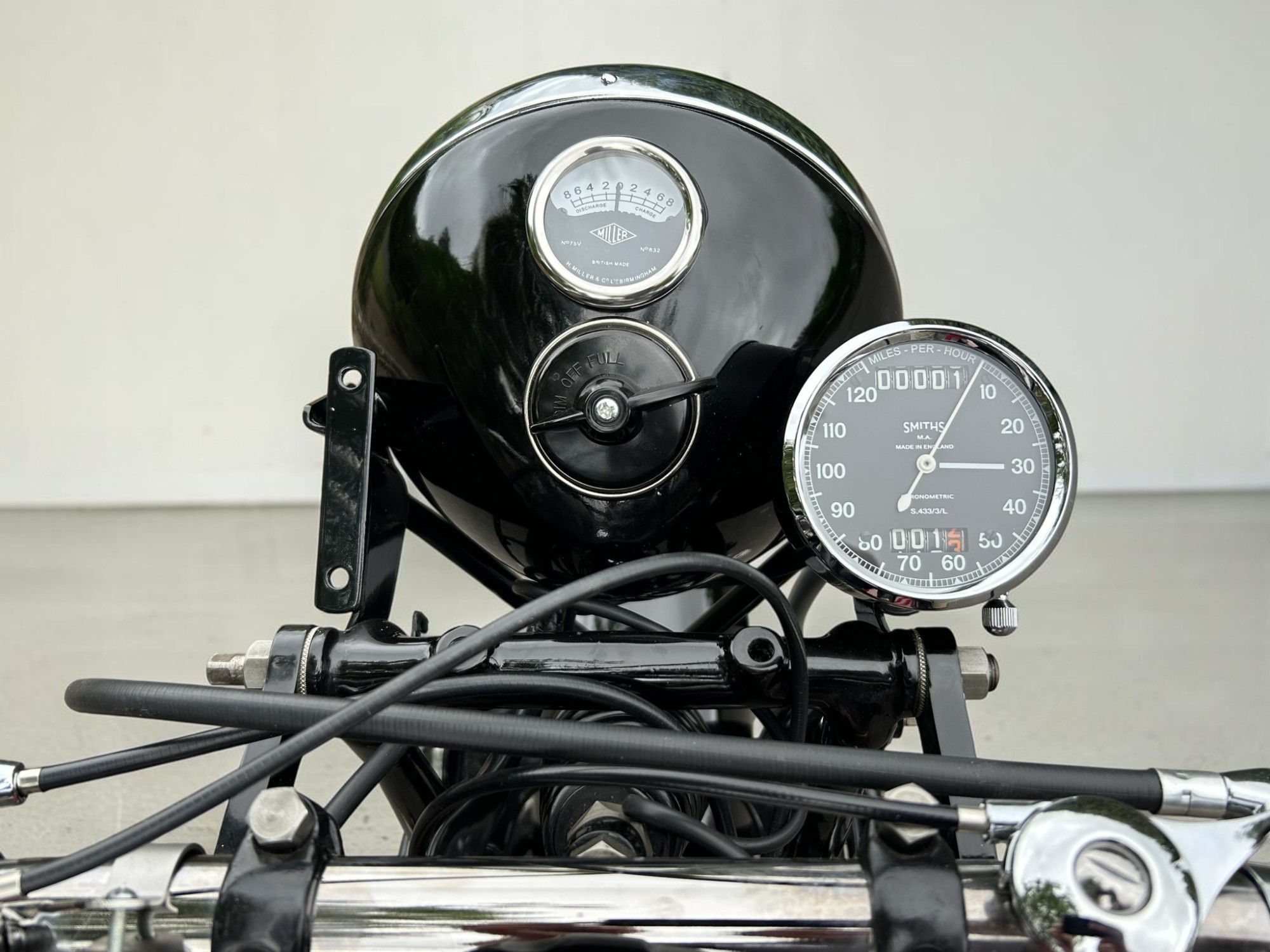
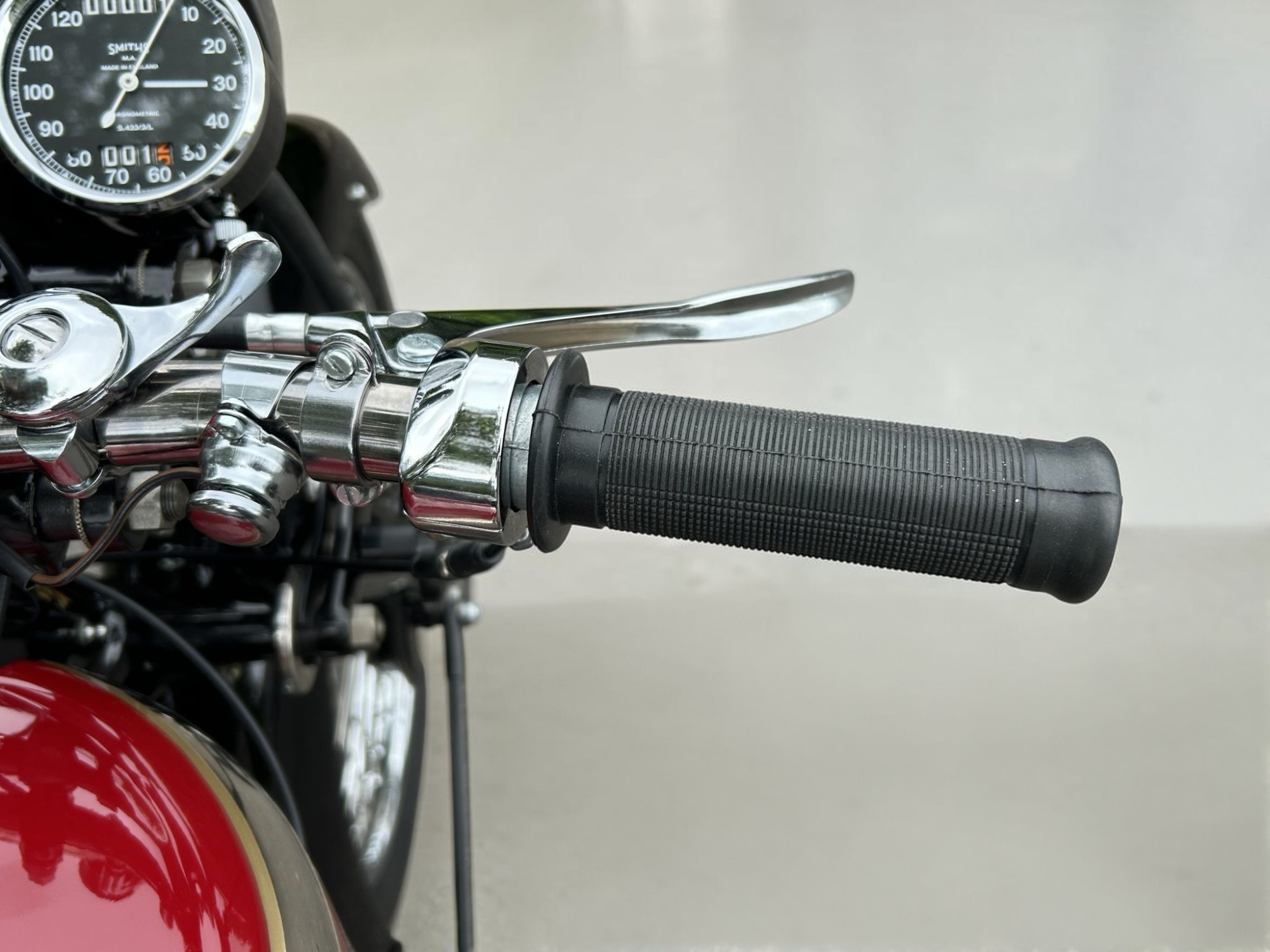
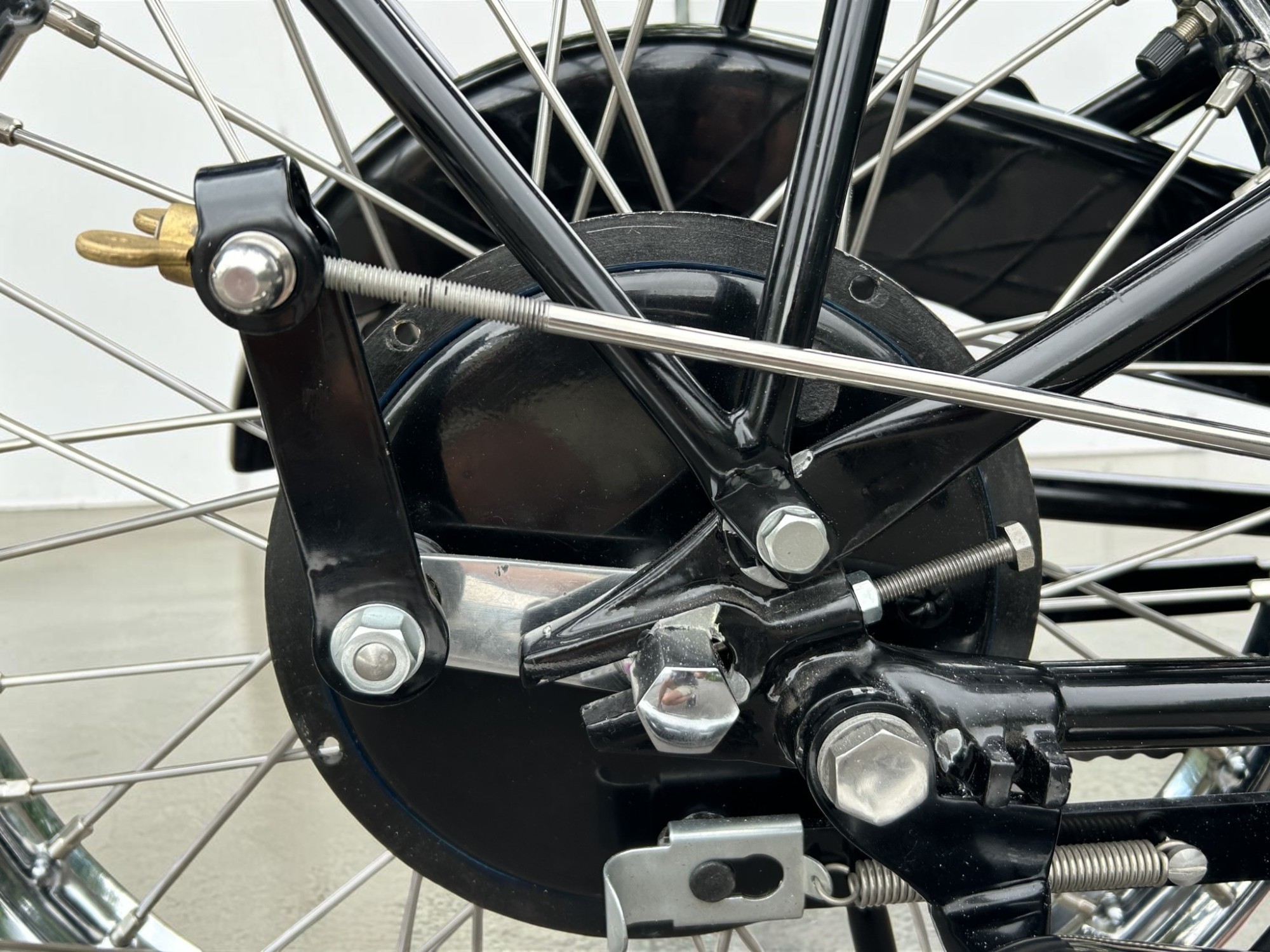
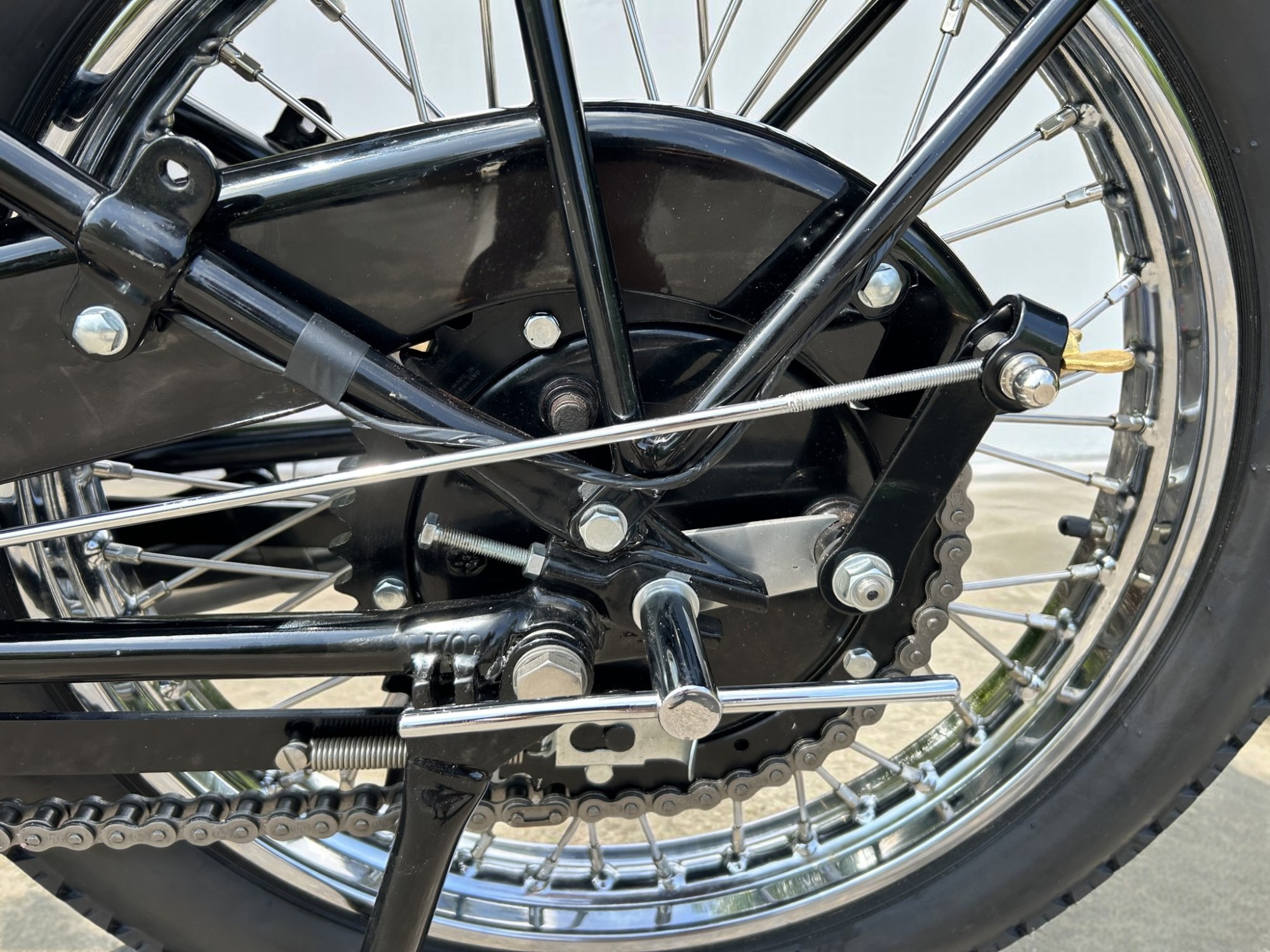
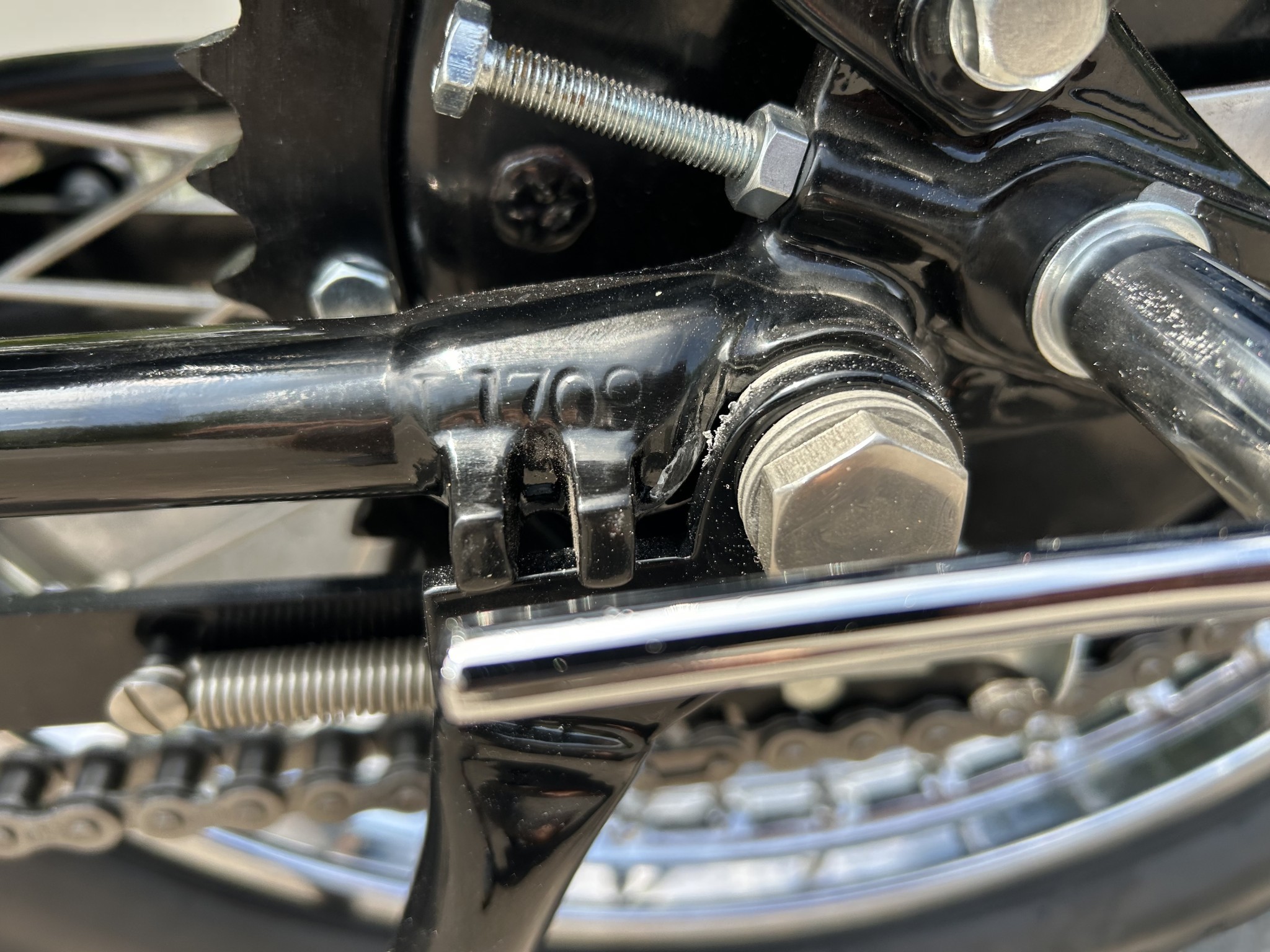
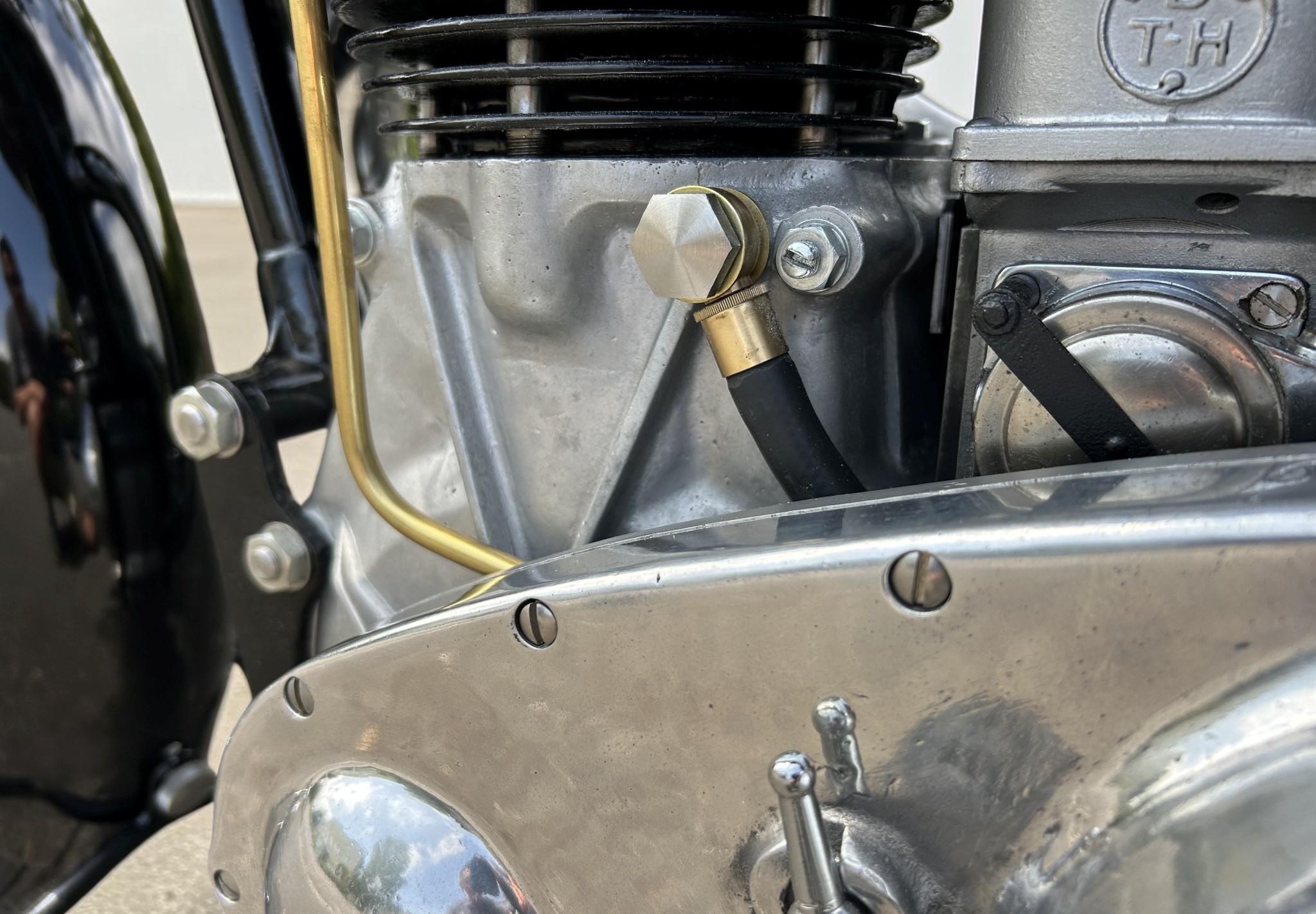
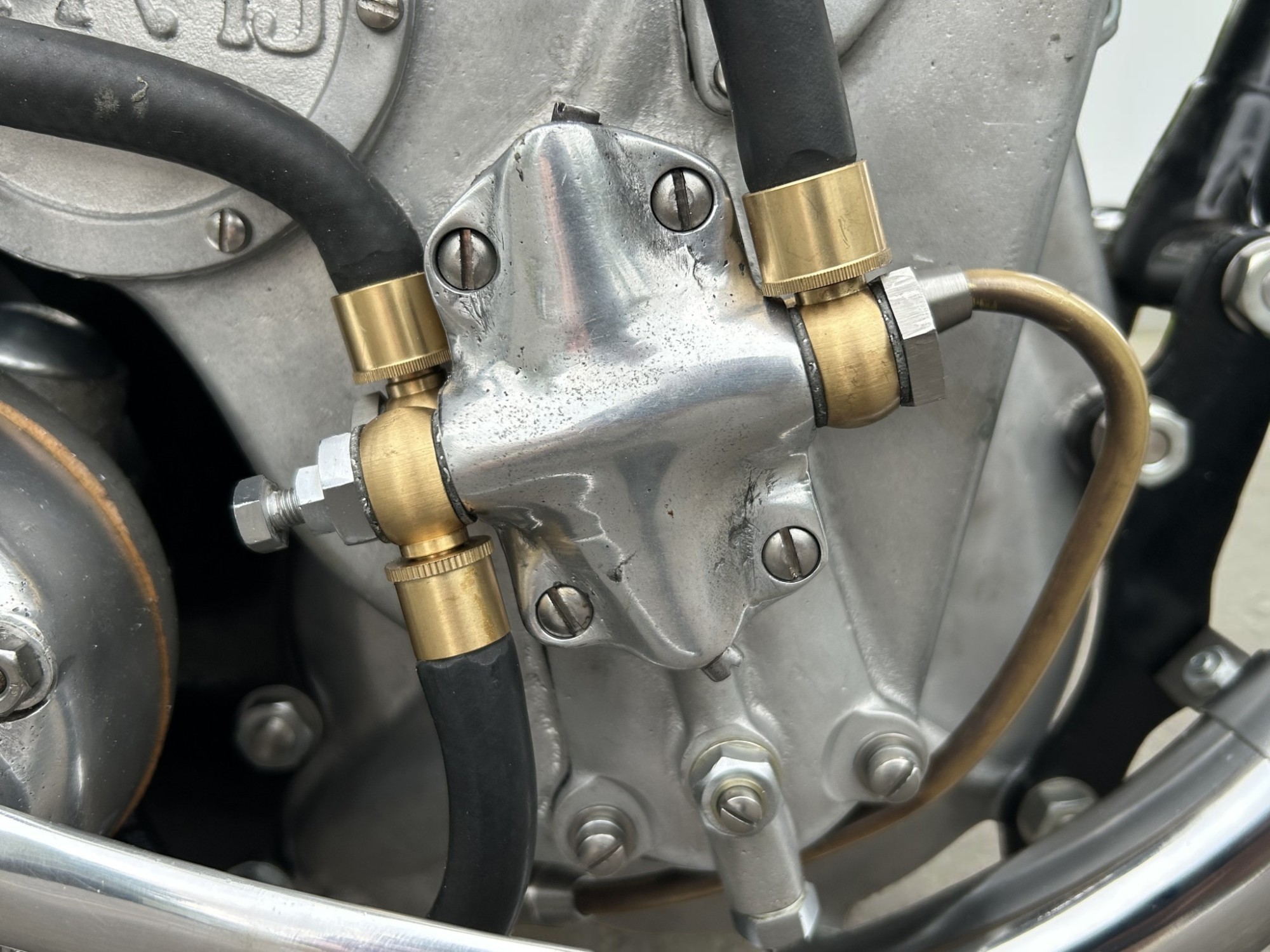
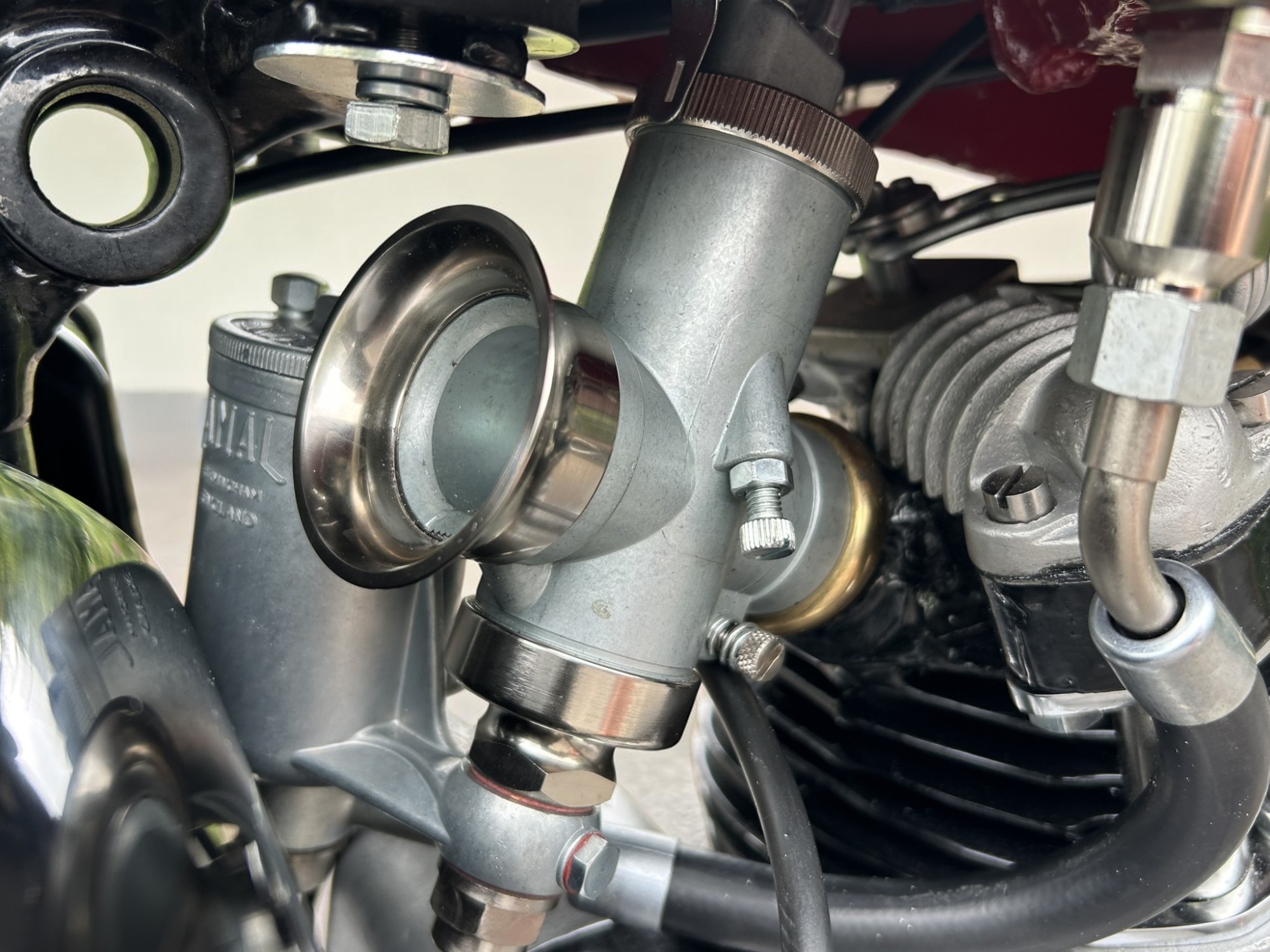
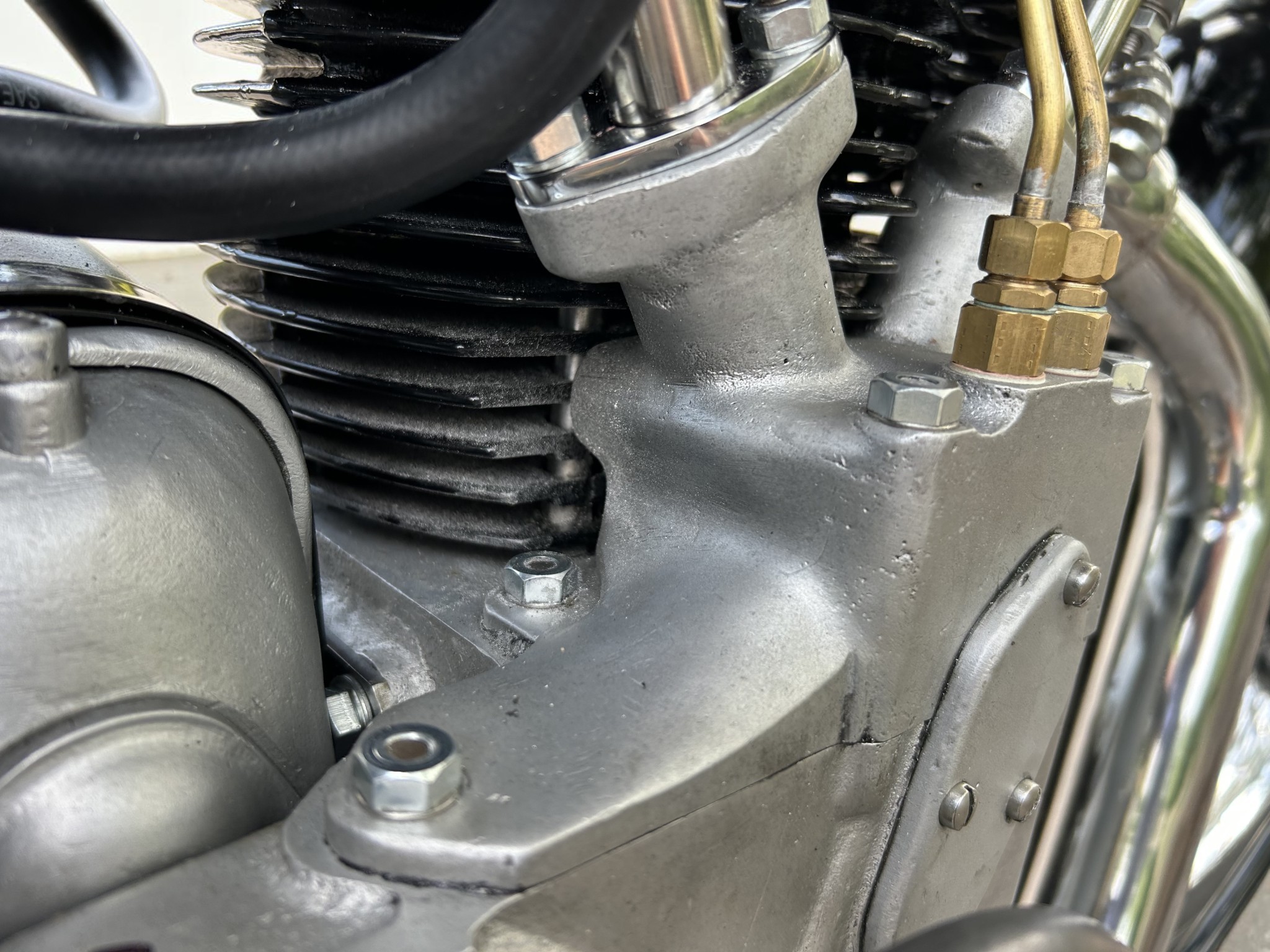
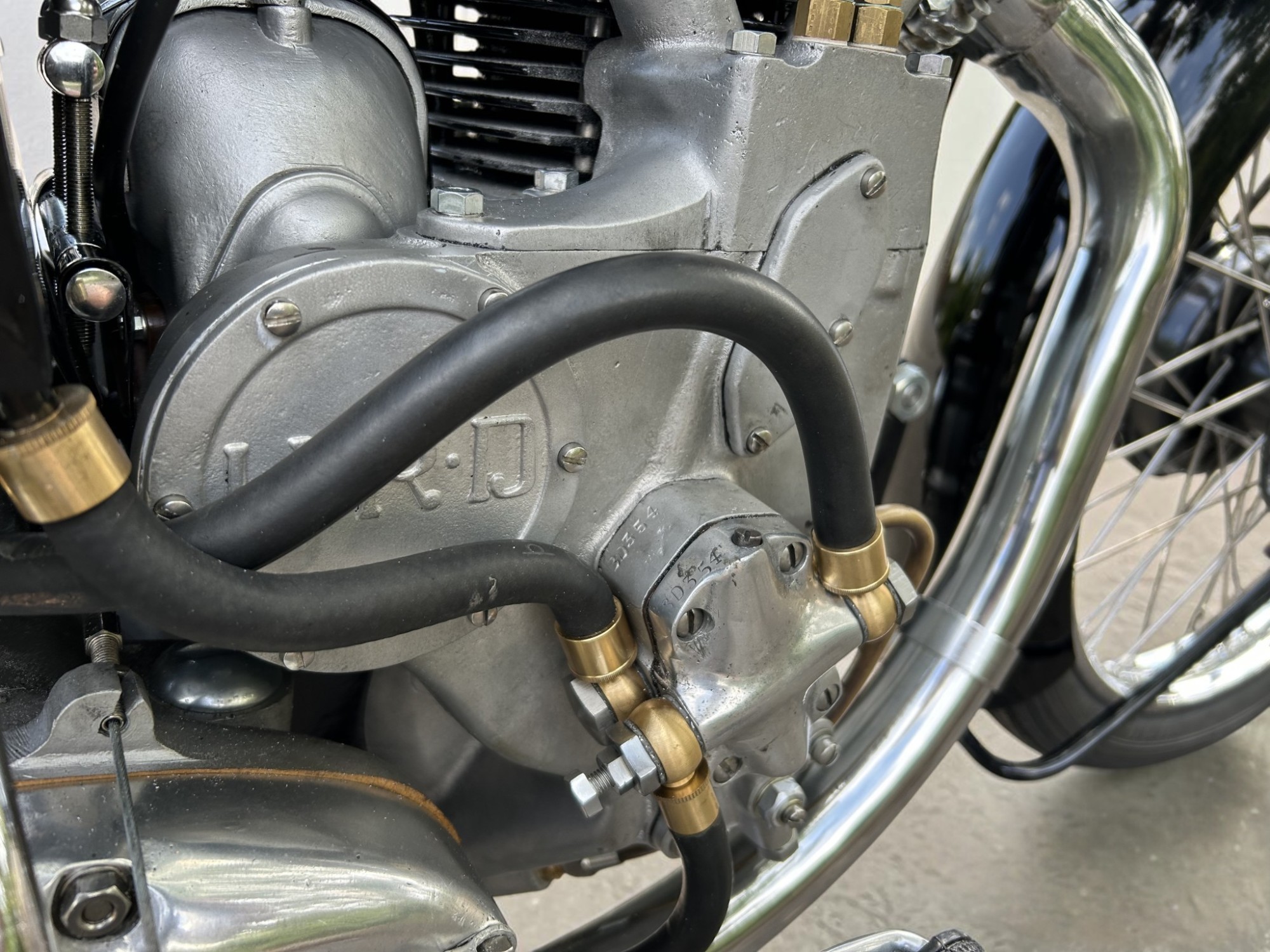
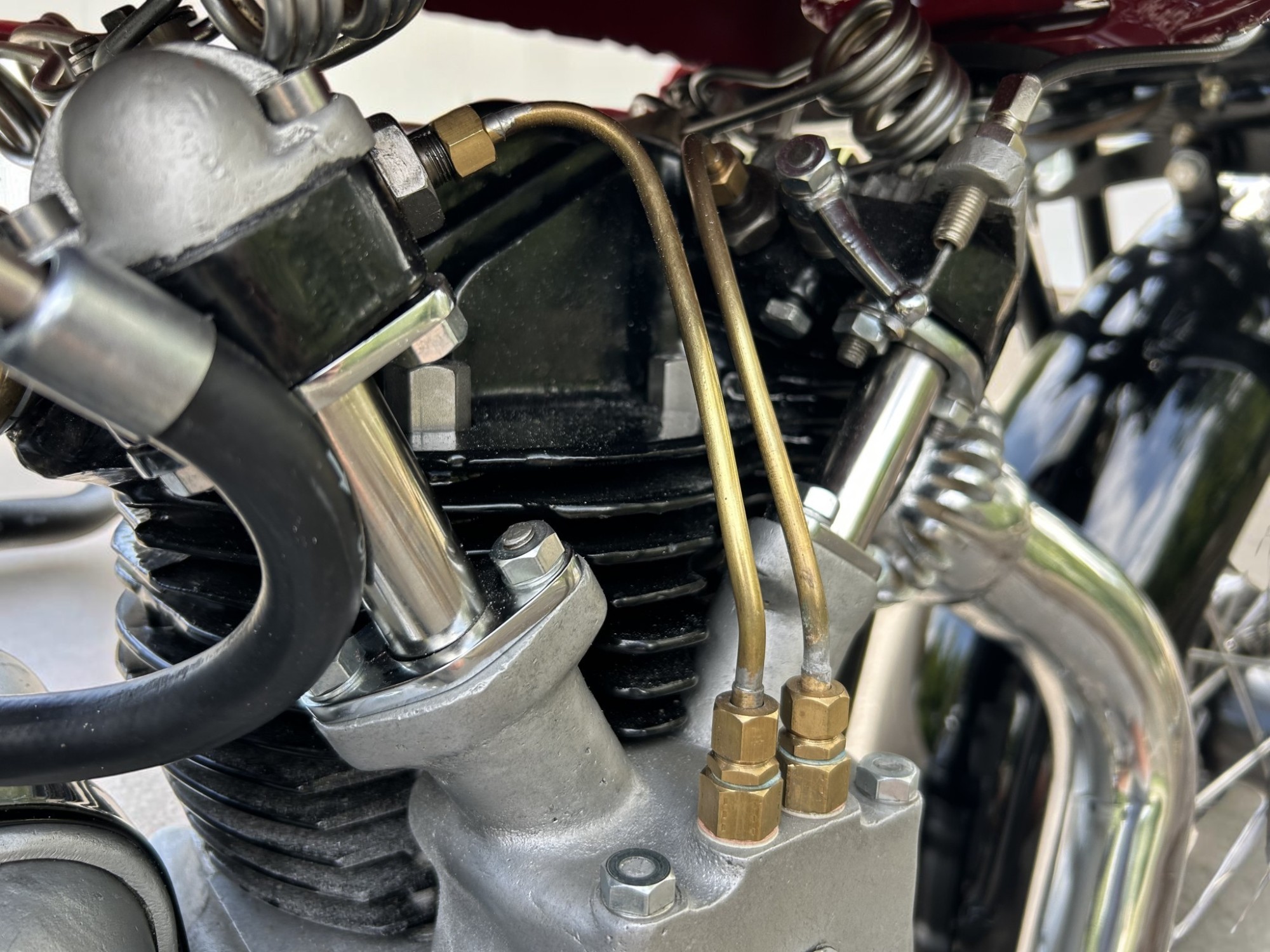
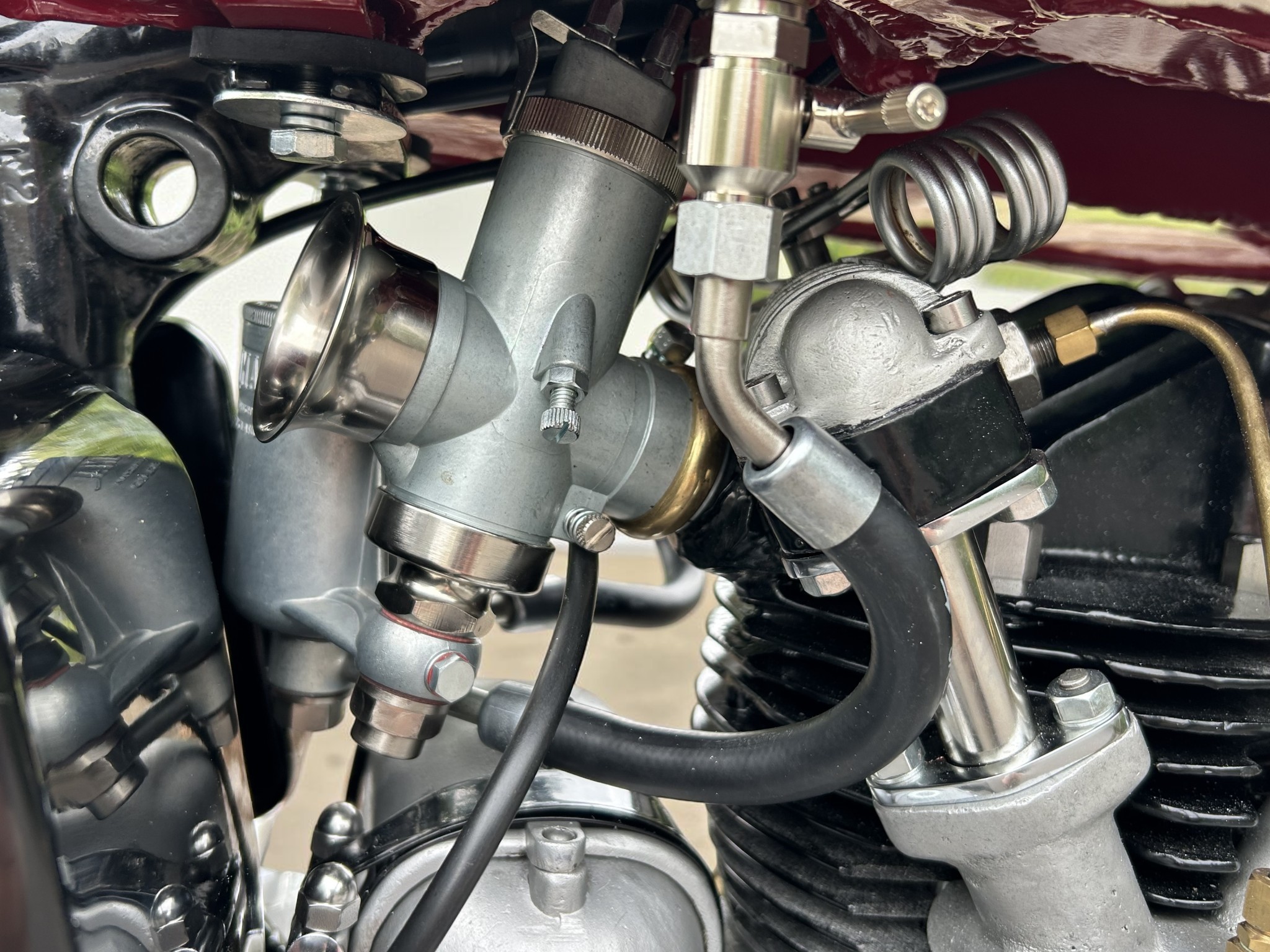
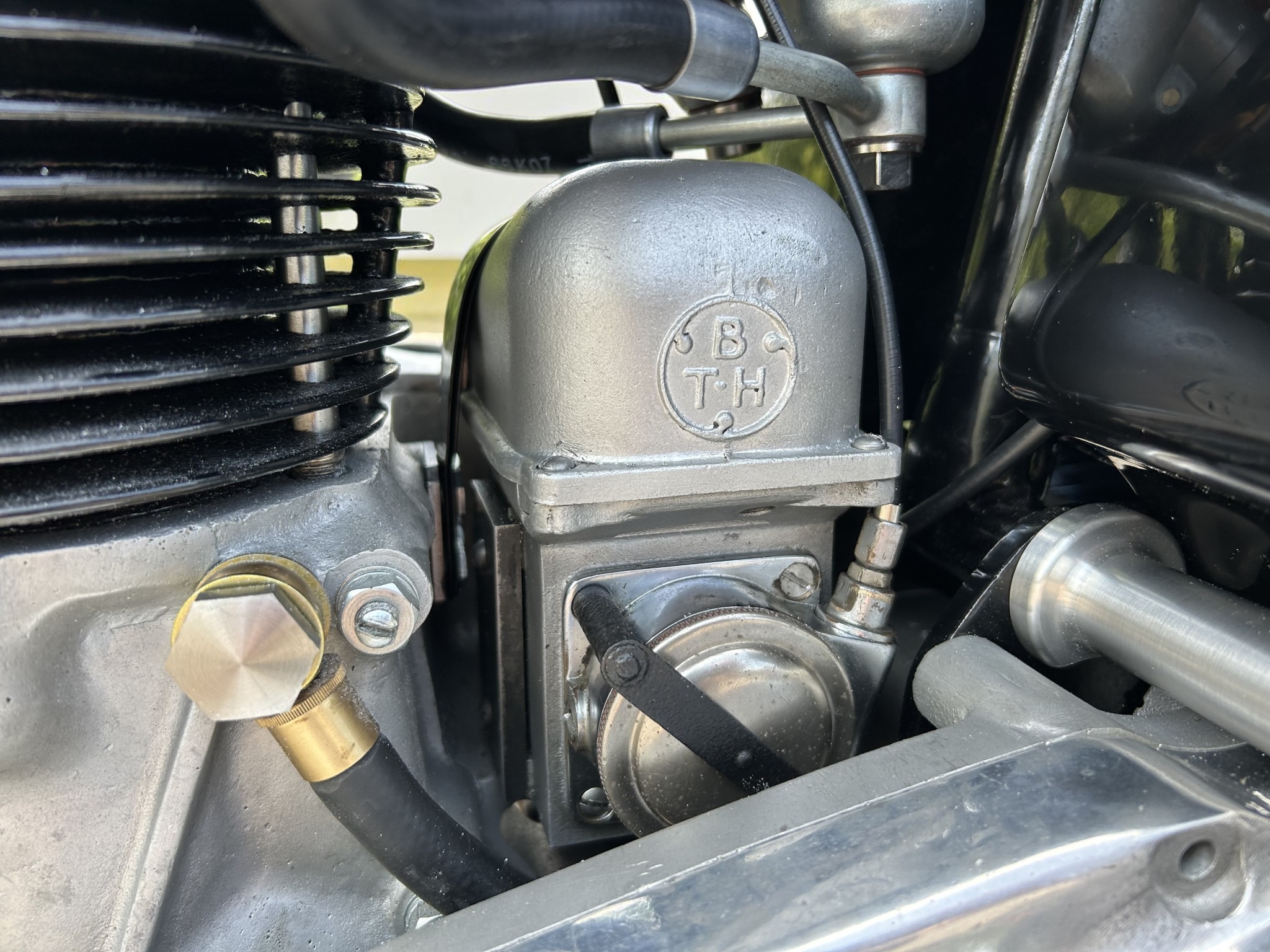
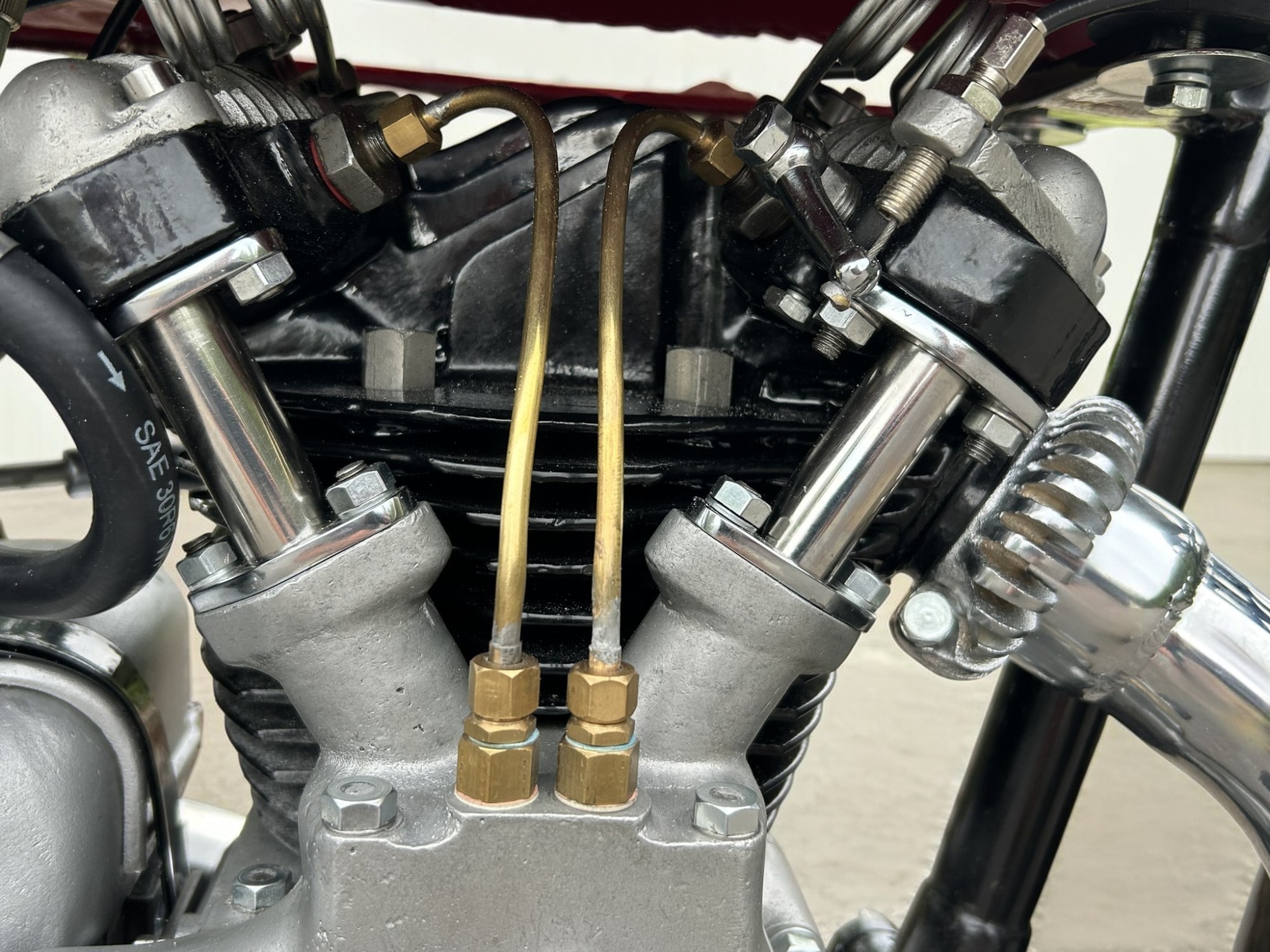
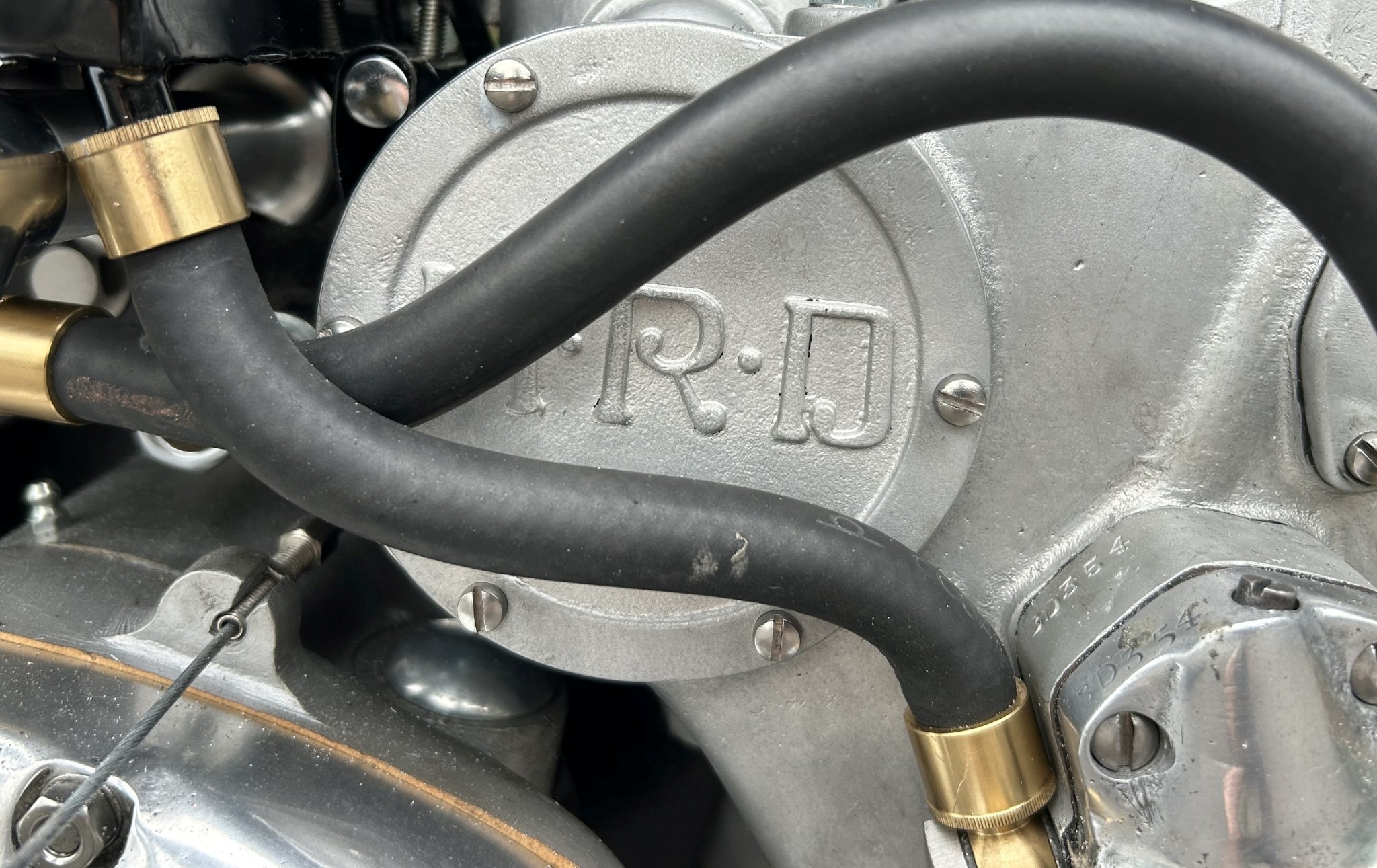
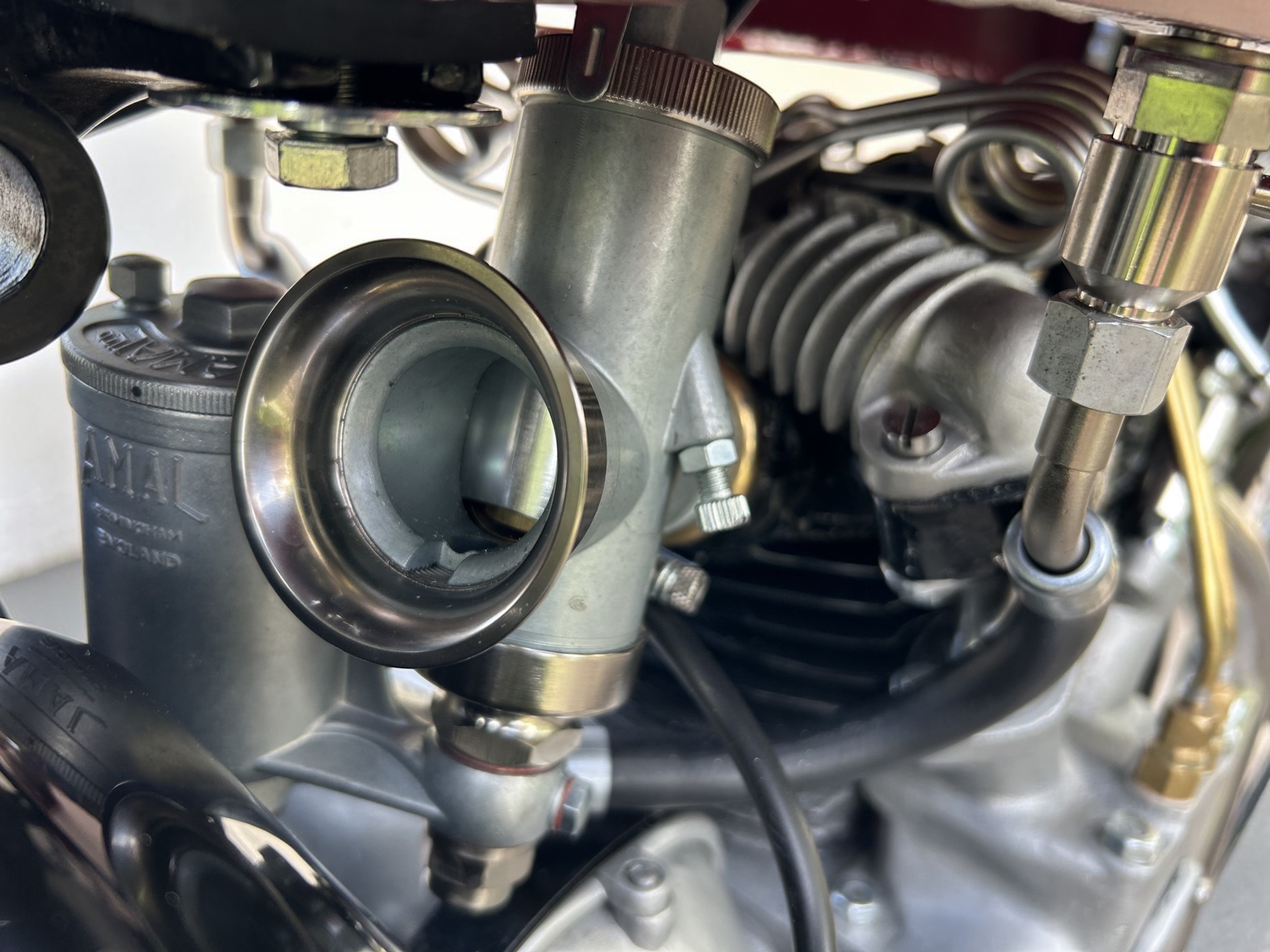
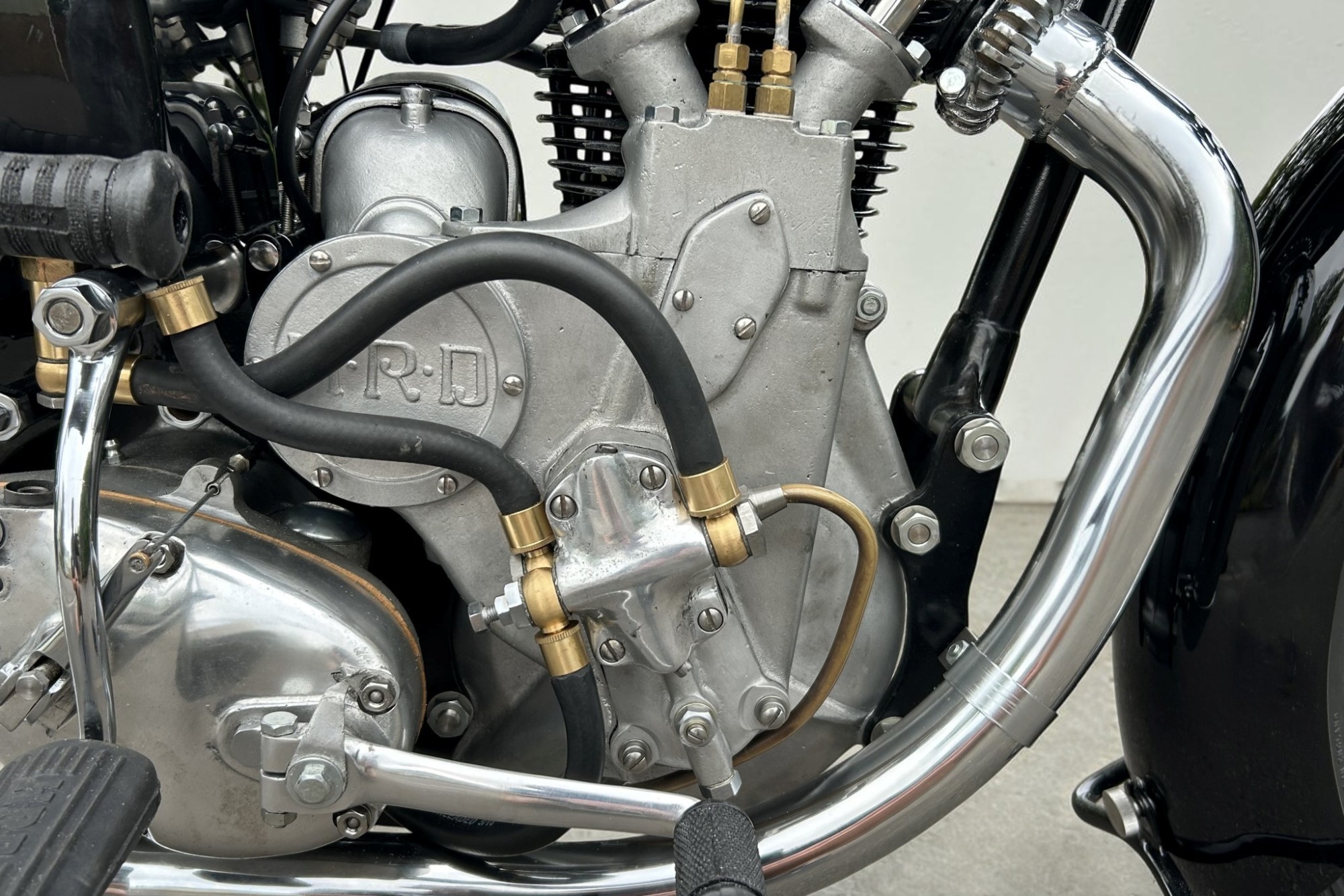
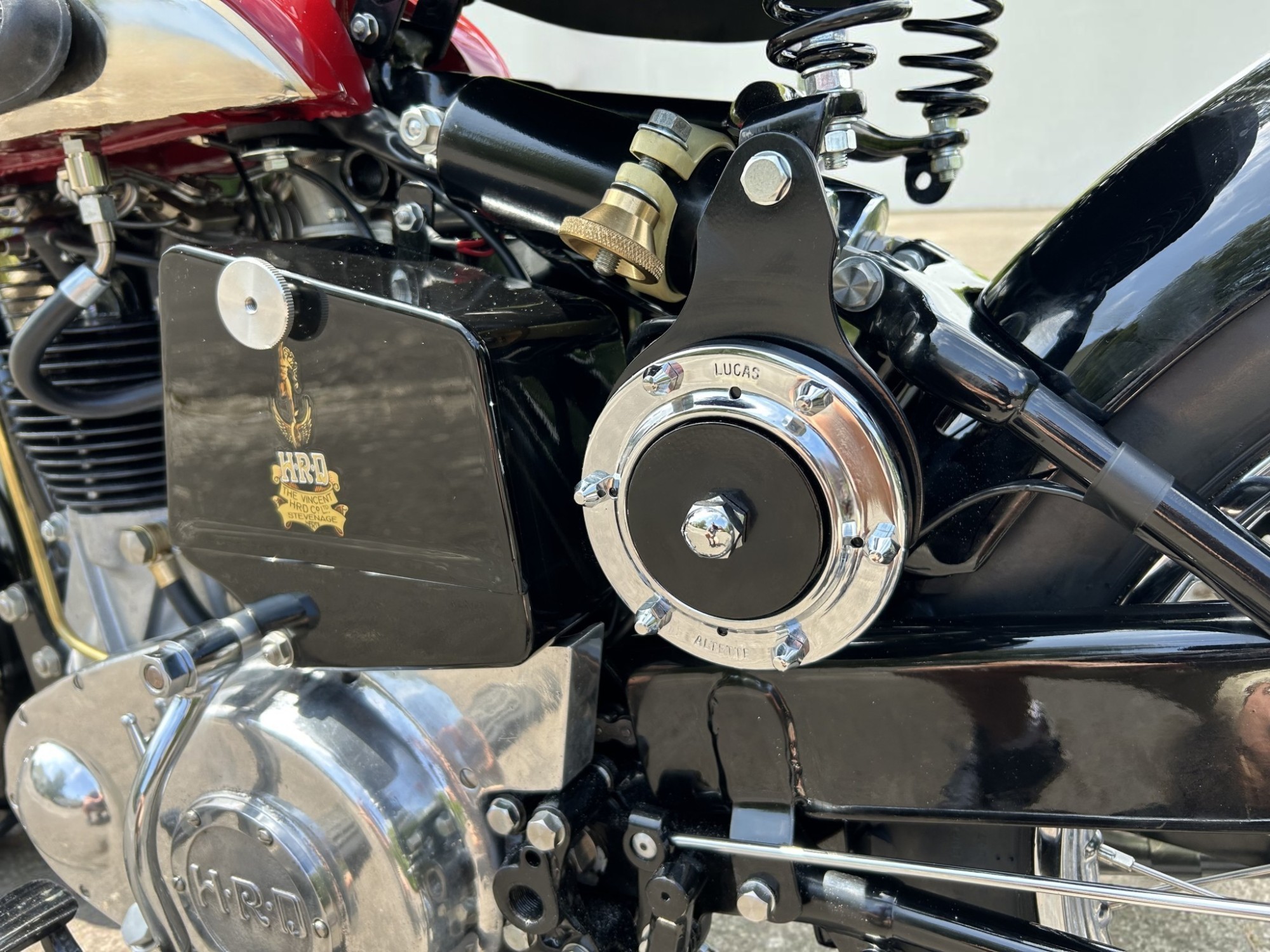
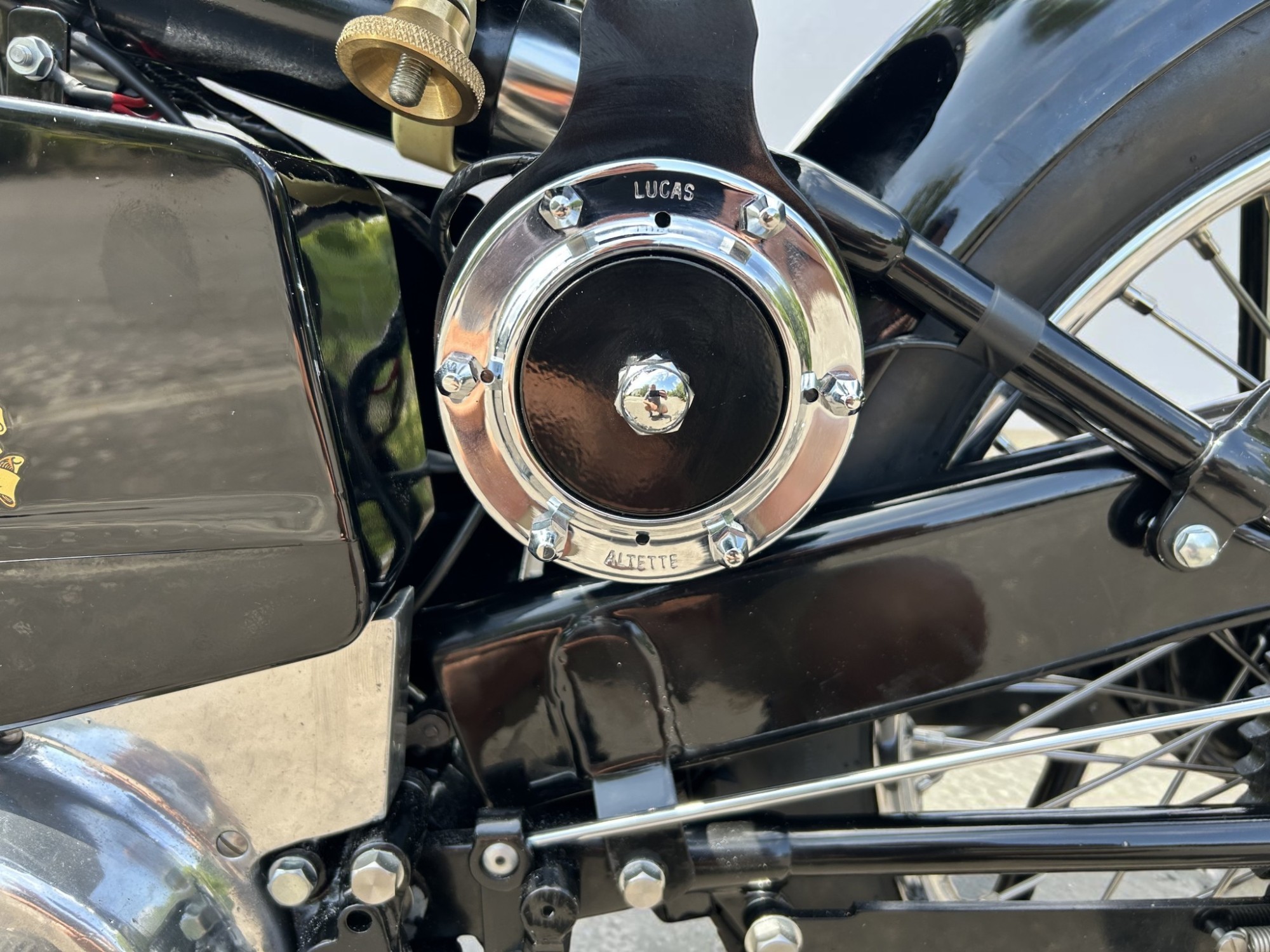
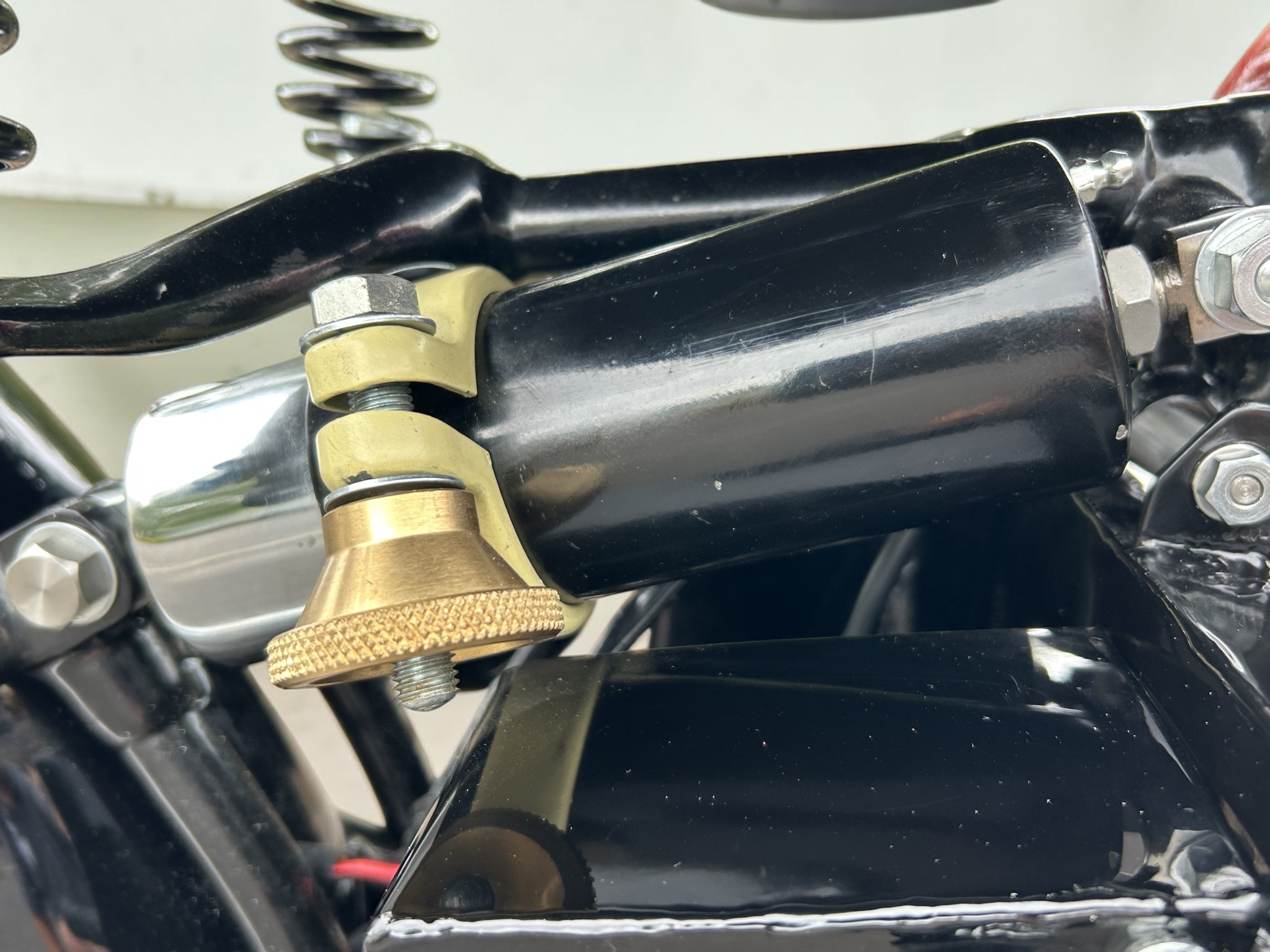
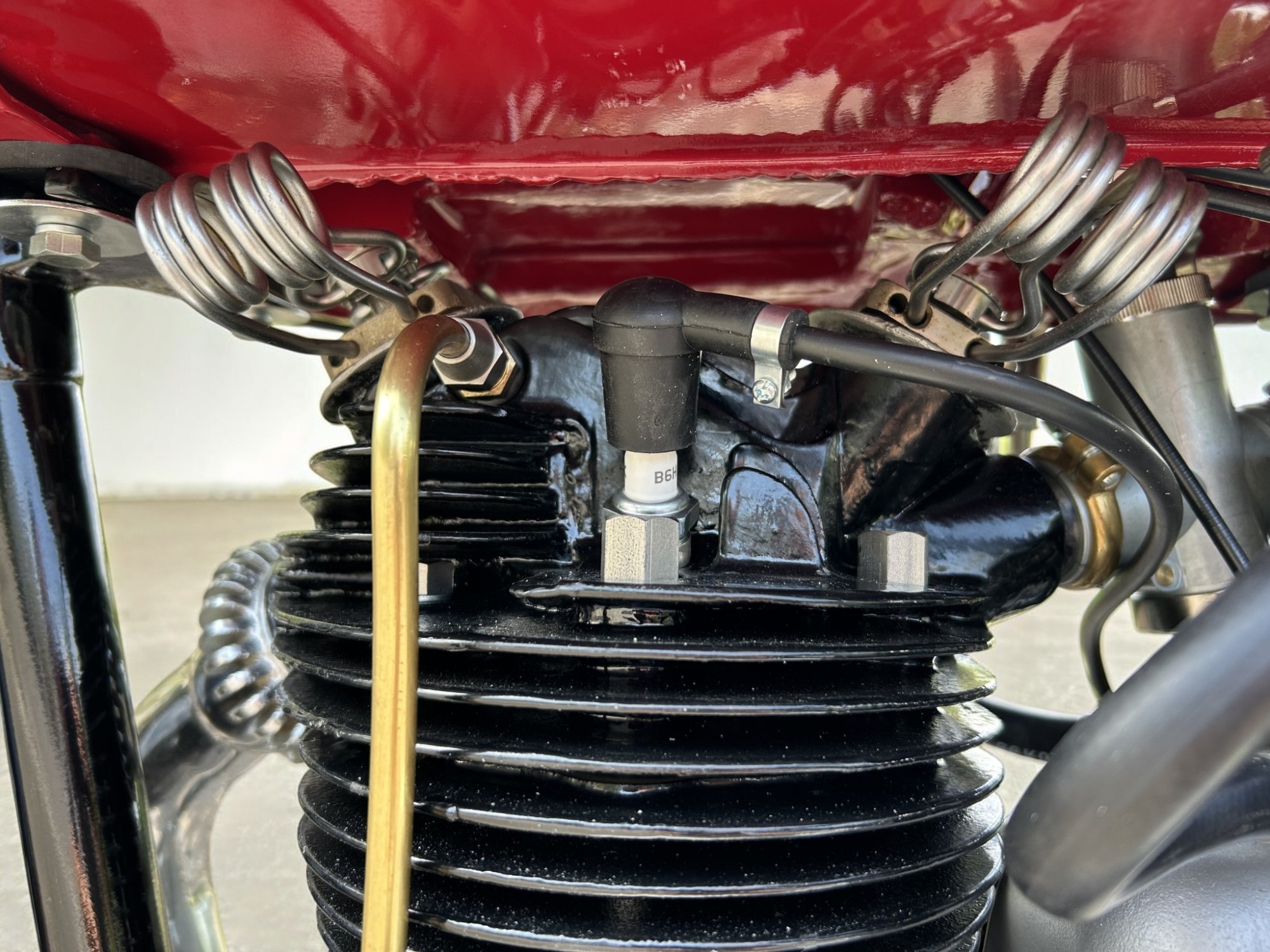
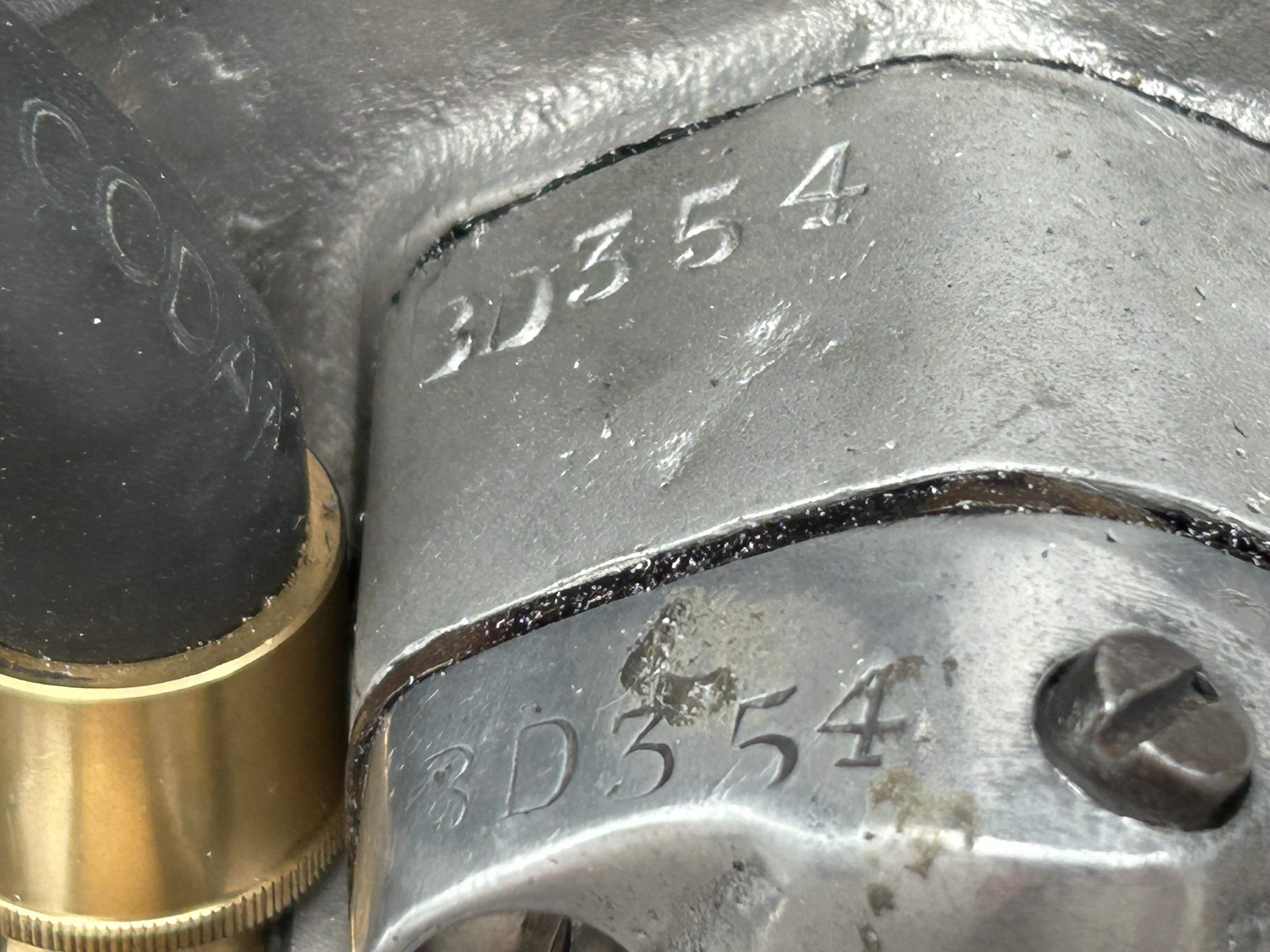
The 1939 Vincent-HRD Model Comet Series A is one of the most distinctive British sporting singles of the pre-war period. Built by Vincent-HRD at its factory in Stevenage, the Comet combined Vincent's advanced chassis design with a compact 499 cc single-cylinder overhead-valve engine.
The Comet was conceived as a lighter and more economical alternative to Vincent's larger V-twin motorcycles while retaining the company's emphasis on performance, engineering quality, and sporting handling.
The Series A Comet belongs to the first generation of Vincent's production motorcycles. It was introduced during a particularly important period in the company's history, when the Vincent-HRD name was being established as a manufacturer of technically sophisticated high-performance motorcycles.
With its distinctive black-painted chassis, large fuel tank, exposed mechanical components, and Vincent's unusual cantilever-style rear suspension arrangement, the 1939 Comet Series A has a highly recognizable appearance and an important place in British motorcycle history.
Philip Vincent acquired the rights to the HRD name in the late 1920s and subsequently developed his own motorcycles under the Vincent-HRD marque. The company initially used engines supplied by other manufacturers before developing its own power units.
The Series A motorcycles represented the first generation of Vincent's own-engine machines. Alongside the Rapide V-twin, the Comet provided a single-cylinder alternative using a new Vincent-designed engine.
The Comet's 499 cc engine was developed around the same engineering philosophy that guided Vincent's larger V-twin. Although smaller and simpler than the Rapide, it incorporated distinctive Vincent engineering and was intended to provide strong performance with comparatively modest weight.
The 1939 model year is historically important because it represents the final pre-war development of the Series A Comet before civilian motorcycle production was interrupted by the Second World War.
Surviving Series A Comets can have complicated histories because many were modified, raced, rebuilt, or fitted with later Vincent components. Engine and frame numbers, factory records, registration documents, period photographs, restoration invoices, and documented ownership history are therefore particularly valuable when establishing provenance.
The 1939 Vincent-HRD Model Comet Series A is powered by a 499 cc single-cylinder four-stroke overhead-valve engine.
The engine was designed by Vincent and reflects the company's emphasis on compact construction and efficient performance. The cylinder and cylinder head are arranged to provide effective breathing while maintaining the relatively narrow dimensions of the motorcycle.
The engine uses air cooling and a period carburetion and ignition system appropriate to its pre-war specification.
The 499 cc single-cylinder configuration provides a useful combination of torque, manageable weight, and sporting performance.
Period performance figures vary according to specification and source, but the Comet was capable of performance that placed it firmly among Britain's sporting middleweight motorcycles.
Actual performance of a surviving motorcycle depends heavily on engine condition, compression, carburetion, ignition timing, valve adjustment, exhaust system, gearing, and restoration quality.
The Series A Comet uses a manual four-speed transmission suited to the characteristics of its single-cylinder engine.
The gearbox gives the rider a useful spread of ratios for both urban riding and faster open-road use.
The clutch and primary transmission are integrated into Vincent's distinctive drivetrain layout and were designed to provide reliable power delivery from the 499 cc engine.
Power is transmitted to the rear wheel through a chain final drive.
The clutch, gearbox, primary drive, chain, sprockets, bearings, and rear hub should all be inspected carefully on a surviving Series A Comet.
Because Vincent motorcycles were often maintained and upgraded over long periods, later replacement parts and improved components can be encountered on otherwise original machines.
One of the defining characteristics of the Series A Comet is its unusual Vincent chassis design.
Rather than relying on a conventional tubular frame surrounding the engine, Vincent used the engine and structural components as part of the motorcycle's overall chassis concept. This approach helped create a relatively low and compact machine.
The rear suspension uses Vincent's distinctive cantilever arrangement, with the rear wheel carried by a pivoted suspension system rather than the conventional layout found on many contemporary British motorcycles.
The front suspension uses a period girder-type fork appropriate to the Series A generation.
The chassis design contributes significantly to the Comet's distinctive handling and visual identity.
Frame and suspension components should be inspected carefully for cracks, repairs, altered mounting points, worn bearings, damaged pivots, and evidence of later modifications.
The 1939 Vincent-HRD Comet Series A uses wire-spoked wheels with period mechanical drum brakes.
The wheel and brake assemblies were designed around the motorcycle's sporting role and relatively light weight.
Brake drums, shoes, operating mechanisms, cables, wheel bearings, spokes, rims, and tires should all be inspected before riding.
Original wheel hubs and braking components are particularly important when assessing an early Vincent because later Vincent parts may have been installed during restoration or maintenance.
The Series A Comet uses period British motorcycle electrical and ignition equipment.
Magneto ignition provided the engine with the reliable spark required for normal operation, while period lighting equipment was fitted for road use.
The magneto, dynamo or generator, wiring, headlamp, switches, horn, rear lamp, and other electrical components should be checked for both correct period specification and operating condition.
Many surviving Vincent motorcycles have received rebuilt magnetos, replacement wiring, modern electrical regulators, or upgraded internal electrical components.
For historically important examples, the originality of the electrical system should therefore be evaluated component by component.
The 1939 Series A Comet has a distinctive appearance that separates it from most contemporary British motorcycles.
The compact single-cylinder engine, large Vincent fuel tank, black chassis components, exposed mechanical hardware, wire wheels, and sporting riding position create a purposeful appearance.
The Vincent chassis design gives the motorcycle a particularly clean and compact profile because the engine forms an important structural element of the overall layout.
The cantilever rear suspension is another highly recognizable feature and demonstrates Vincent's willingness to depart from conventional motorcycle engineering.
Correct tank finish, Vincent-HRD badges, engine details, saddle, controls, exhaust, mudguards, wheel assemblies, and period hardware all contribute to an authentic restoration.
The 1939 Vincent-HRD Model Comet Series A represents the mature pre-war development of Vincent's first generation of single-cylinder motorcycles.
By this time, Vincent-HRD had established a distinctive engineering identity based on innovative chassis construction, powerful engines, and sporting performance.
The Comet provided a lighter alternative to the company's V-twin models while retaining the same general philosophy of advanced design.
The 1939 model is particularly significant because it belongs to the final pre-war period before wartime production interrupted normal civilian motorcycle manufacturing.
It therefore represents one of the last Series A Comets produced before Vincent's post-war motorcycles introduced substantial new engineering developments.
The 1939 Vincent-HRD Comet Series A offers the characteristic feel of a high-quality British sporting single-cylinder motorcycle.
The 499 cc engine provides useful torque while remaining considerably lighter and more compact than Vincent's V-twin models.
The unusual chassis layout gives the motorcycle a distinctive riding position and handling character compared with conventional British motorcycles of the same era.
The cantilever rear suspension was an advanced feature for its time and contributed to the Comet's sporting character.
The motorcycle is best suited to an experienced rider familiar with pre-war machinery and the operating characteristics of vintage British motorcycles.
A surviving example should be ridden conservatively until the engine, lubrication system, carburetor, ignition, clutch, gearbox, steering, fork, rear suspension, wheels, tires, and brakes have been thoroughly inspected.
The Vincent-HRD Comet is historically important because it represents the company's first-generation approach to designing its own complete motorcycle around a Vincent-developed engine.
The single-cylinder Comet shared the Vincent engineering philosophy with the larger Series A Rapide while offering a lighter and more accessible alternative.
The Series A chassis was particularly significant because Vincent developed a distinctive structural arrangement rather than simply copying the conventional frames used by other British manufacturers.
These engineering principles would become even more important in later Vincent motorcycles, including the famous post-war Black Shadow and Black Lightning.
The Comet therefore provides an important link between Vincent's early motorcycle development and the company's later reputation as one of Britain's most innovative motorcycle manufacturers.
The 1939 Vincent-HRD Model Comet Series A is highly desirable among collectors of early Vincent motorcycles and historically significant British engineering.
Its first-generation Vincent engine, unusual chassis, pre-war specification, and connection with the development of later Vincent motorcycles make it particularly important.
Collectors should pay close attention to the engine, cylinder, cylinder head, crankcases, valve gear, gearbox, structural chassis components, fuel tank, rear suspension, fork, wheels, brakes, carburetor, magneto, exhaust, controls, and electrical equipment.
Engine and frame identification is especially important because early Vincent motorcycles can contain later components installed during decades of use and restoration.
Original Series A components, correct engine and chassis details, period finishes, factory equipment, and documented provenance can substantially increase historical significance.
A Comet retaining its correct Series A engine and chassis is particularly desirable because authentic pre-war Vincent motorcycles are considerably rarer than later restorations and assembled examples.
Authenticating a 1939 Vincent-HRD Model Comet Series A requires careful examination of the complete motorcycle.
The engine should be identified through its crankcases, cylinder, cylinder head, valve gear, timing components, carburetor, and period casting details.
The distinctive Vincent structural chassis should be examined carefully, including engine mounting structures, steering head, rear suspension components, frame numbers, and evidence of repairs or modifications.
The gearbox, fuel tank, fork, wheels, brakes, exhaust, controls, magneto, and electrical equipment should also be compared with documented Series A specifications.
Engine and frame numbers should be recorded and checked against reliable Vincent factory documentation whenever possible.
Period registration documents, factory literature, photographs, ownership records, restoration invoices, and historical photographs can provide valuable evidence of provenance.
Because Vincent motorcycles were frequently upgraded with later factory components, originality should be assessed carefully rather than assuming that every Vincent-branded component is correct for a 1939 Series A.
The 1939 Vincent-HRD Model Comet Series A matters because it represents one of the earliest complete expressions of Vincent's own motorcycle engineering philosophy.
Its 499 cc single-cylinder engine, unusual structural chassis, cantilever rear suspension, and sporting design demonstrate the innovative approach that would later make Vincent one of Britain's most famous motorcycle manufacturers.
The Series A Comet also provides an important connection between Vincent's early pre-war motorcycles and the technically advanced post-war models for which the company became internationally renowned.
For collectors, the 1939 Comet is particularly significant as one of the final pre-war Series A motorcycles and as an important example of Vincent's early engineering development.
A well-preserved or accurately restored 1939 Vincent-HRD Model Comet Series A with its correct engine, chassis, period equipment, and documented provenance represents a significant piece of British motorcycle engineering history.
This 1939 Vincent-HRD Model Comet Series A represents an important chapter in the early development of Vincent motorcycles.
Its 499 cc single-cylinder overhead-valve engine, distinctive Vincent structural chassis, cantilever rear suspension, and sporting character make it a particularly significant example of pre-war British motorcycle engineering.
The Series A Comet belongs to the final pre-war generation of Vincent's first-generation motorcycles and provides a direct connection to the engineering philosophy that would later produce the legendary post-war Vincent V-twins.
For collectors, the correct Series A engine and chassis, original structural components, period gearbox, fuel tank, suspension, wheels, brakes, controls, electrical equipment, and documented provenance are particularly important when establishing authenticity.
A well-preserved or accurately restored 1939 Vincent-HRD Model Comet Series A with correct period components and strong historical documentation represents a significant example of early Vincent engineering and British motorcycle history.
Contact us for additional photographs, detailed specifications, engine and frame numbers, service history, originality assessment, restoration information, historical documentation, and purchasing information for this 1939 Vincent-HRD Model Comet Series A.
The Vintage Motorcycles presents a curated selection of historically significant British vintage motorcycles, with a dedicated focus on Vincent-HRD Motorcycles, a manufacturer that represents the upper threshold of performance-oriented British engineering in the pre- and immediate post-war period. Emerging from the integration of HRD engineering concepts with Vincent's design philosophy, these machines reflect a deliberate pursuit of speed, structural innovation, and mechanical efficiency beyond conventional standards of their time.
This collection is contextualized within the broader ecosystem of global motorcycle history, where you can explore additional manufacturers through our global vintage motorcycle brands archive. Within the British engineering landscape, Vincent-HRD occupies a distinct position, often associated with advanced frame integration concepts and high-capacity V-twin configurations that redefined expectations for road-going motorcycles. These developments are best understood within the framework of pre-war motorcycle engineering (1900-1939), where experimental engineering began to converge with measurable performance benchmarks and increasingly sophisticated mechanical systems.
Each motorcycle within our collection is carefully selected based on provenance, originality, and mechanical integrity, ensuring alignment with museum-grade preservation standards. Available machines can be explored through our global vintage motorcycle inventory, including Vincent-HRD models that illustrate the progression from early engineering concepts to highly refined performance machines, alongside structurally adaptable configurations found in our sidecar motorcycle collection, which demonstrate the broader application of British engineering principles across multiple use cases. All acquisitions are supported by a fully insured international shipping service designed for global collectors.
British engineering has often been defined by a balance between tradition and innovation, and Vincent-HRD represents a moment where that balance shifted toward technical ambition. Unlike more conservative manufacturers, Vincent-HRD pursued integrated design solutions, including frameless concepts and high-performance engine configurations, that challenged established norms. This approach positioned the marque at the forefront of engineering development, where performance, structural efficiency, and innovation were closely interlinked.
This trajectory becomes clearer when examined through broader historical transitions. During the late pre-war period, as documented in pre-war motorcycle development, British manufacturers increasingly explored the relationship between mechanical performance and structural design. Vincent-HRD extended this exploration into more radical territory, setting the stage for innovations that would continue into the wartime and immediate post-war years. The demands of global conflict further emphasized durability and reliability, as reflected in wartime motorcycle engineering, even as performance-focused development persisted in parallel.
In the post-war period, Vincent-HRD became synonymous with some of the fastest and most technically advanced production motorcycles of its era. This evolution is further explored in post-war motorcycle development, where engineering priorities expanded to include not only scalability and efficiency, but also the cultural significance of speed and performance. Within this broader continuum, Vincent-HRD remains a critical reference point - illustrating how British engineering could extend beyond incremental refinement into a domain of integrated, high-performance mechanical design.
Key Highlights
Collector Assurance
All enquiries handled with discretion. We typically respond within 6 hours.
Choose the payment method that is most convenient for you. We accept widely used international payment methods as well as, where available, local bank transfer options that allow you to pay like a domestic transaction. Full payment instructions are provided for your specific purchase.
Direct international bank wire transfer is available for motorcycle purchases and export transactions.
Credit card payments can be arranged through Wise.com, subject to the applicable payment and processing conditions.
PayPal is accepted. A 5% PayPal processing fee applies to the transaction.