
The Vintage Motorcycles
Specialists in antique, classic, veteran and vintage motorcycles.
Specialists in antique, classic, veteran and vintage motorcycles.
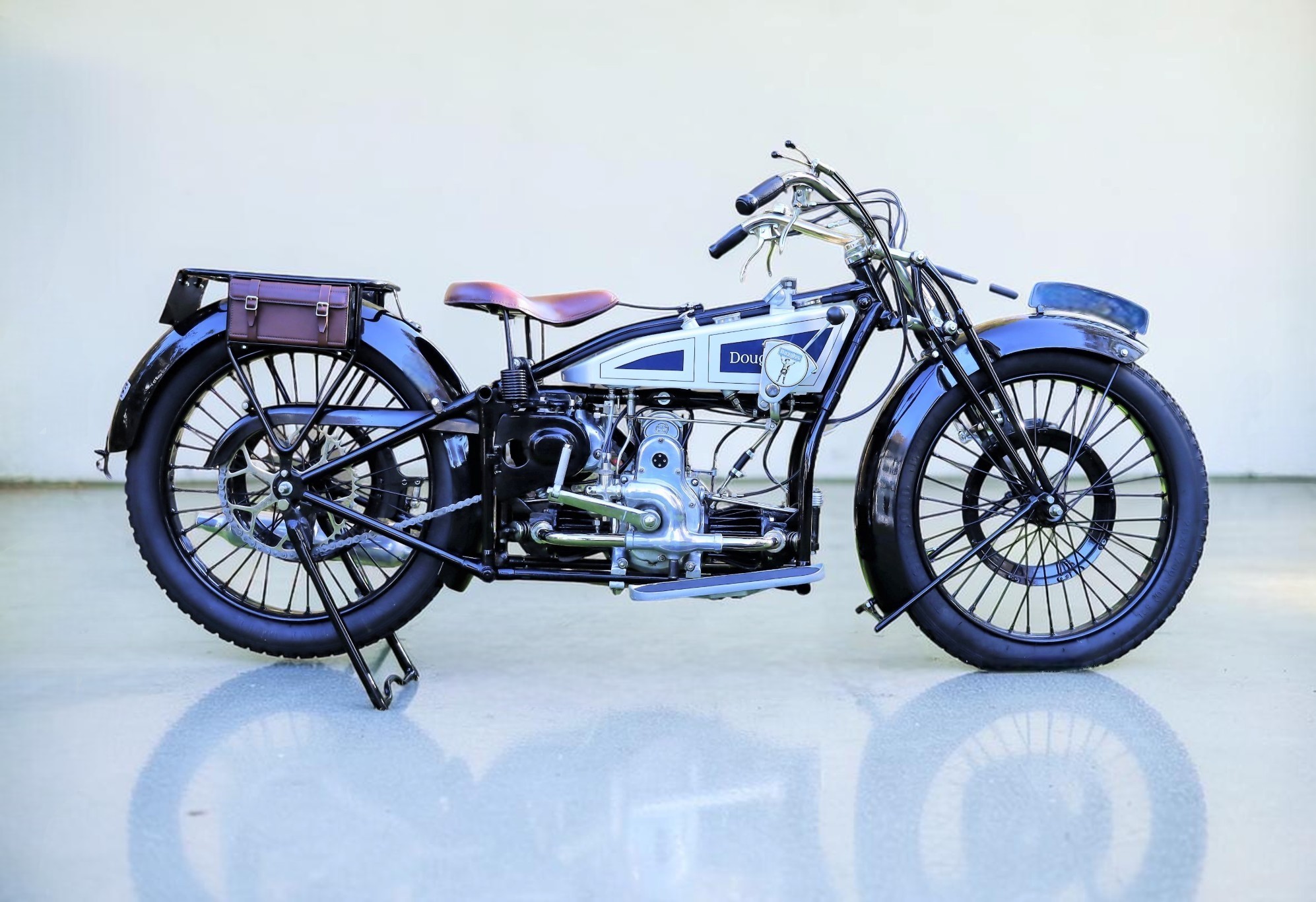
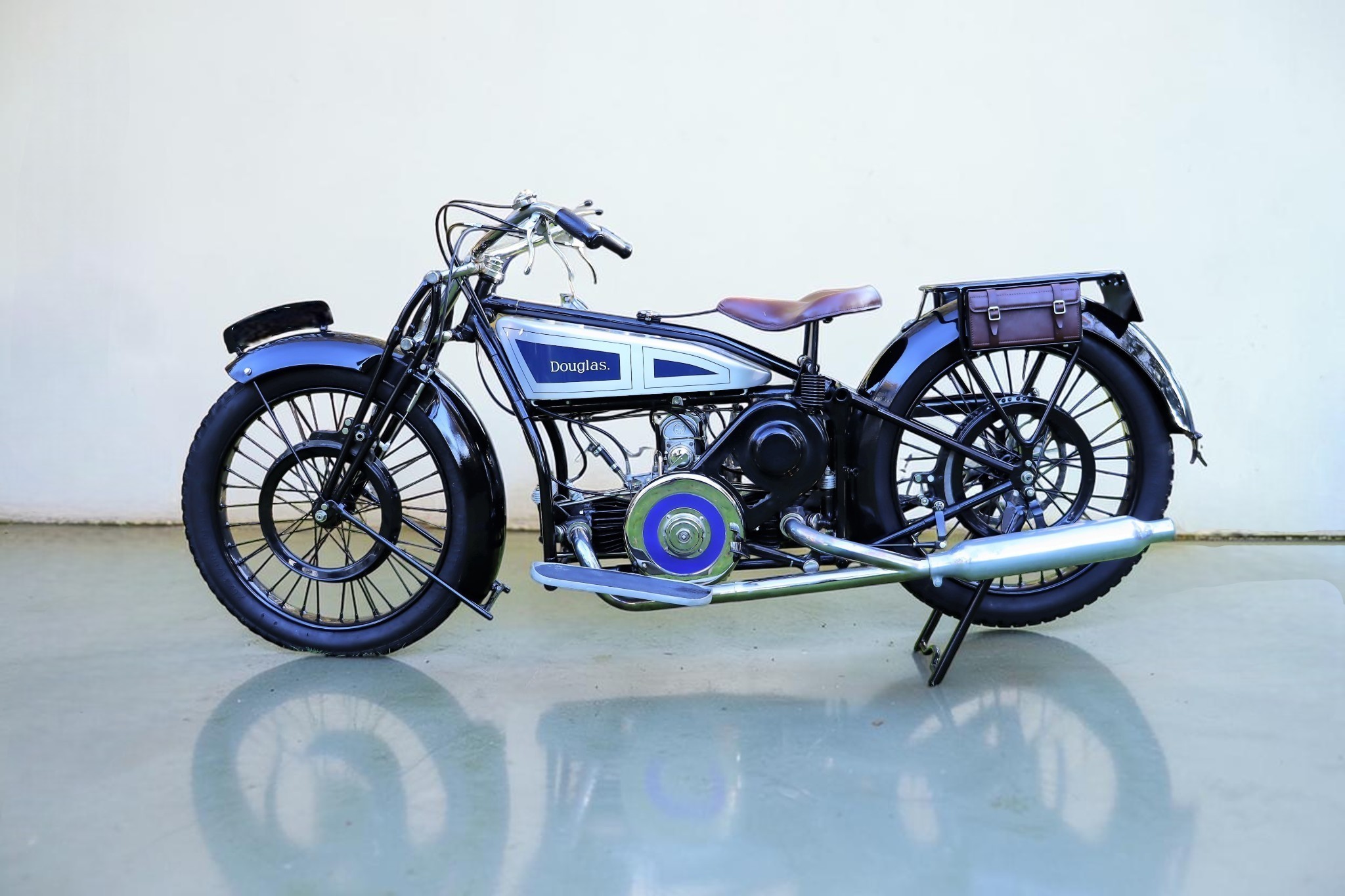
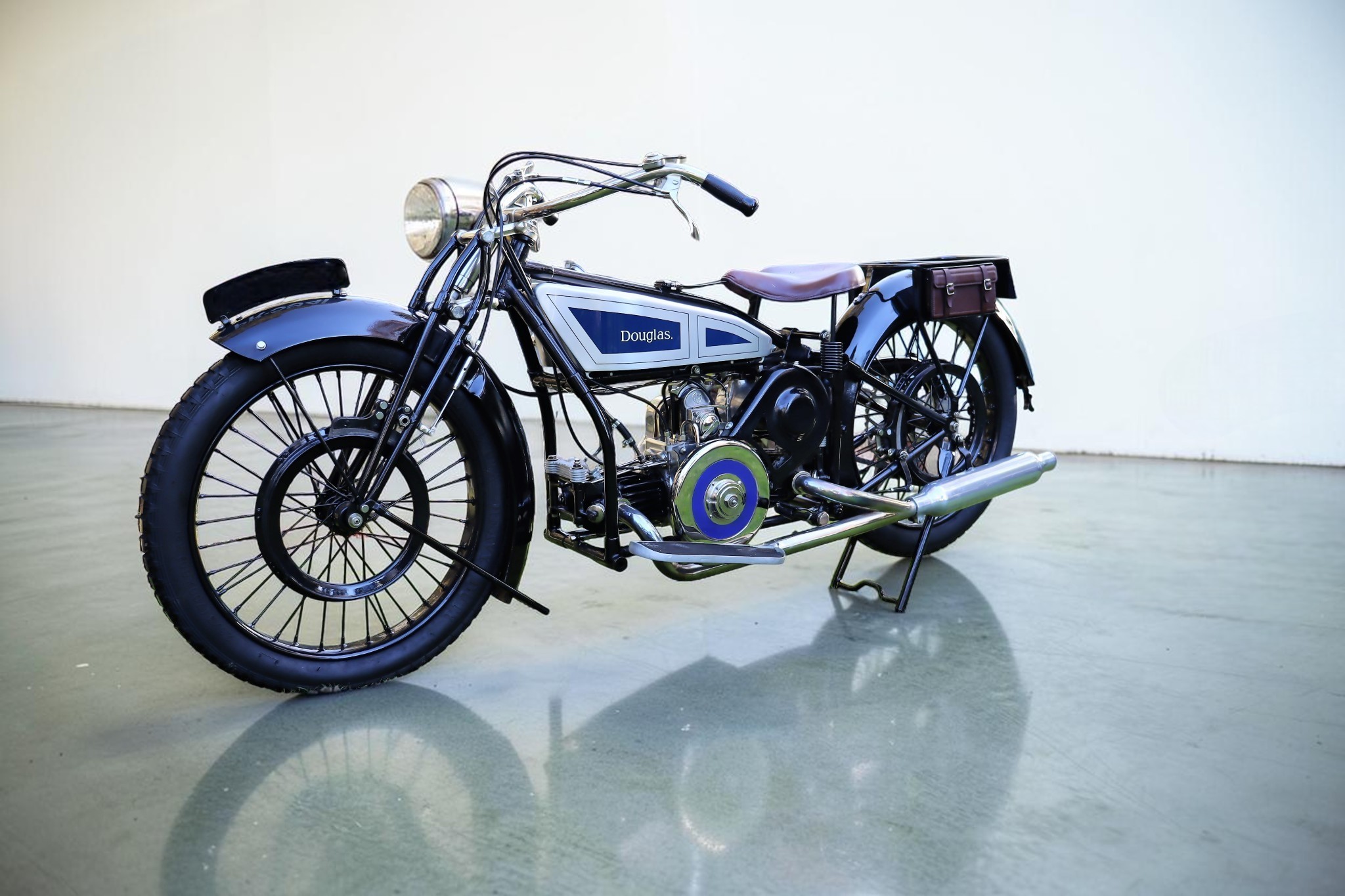
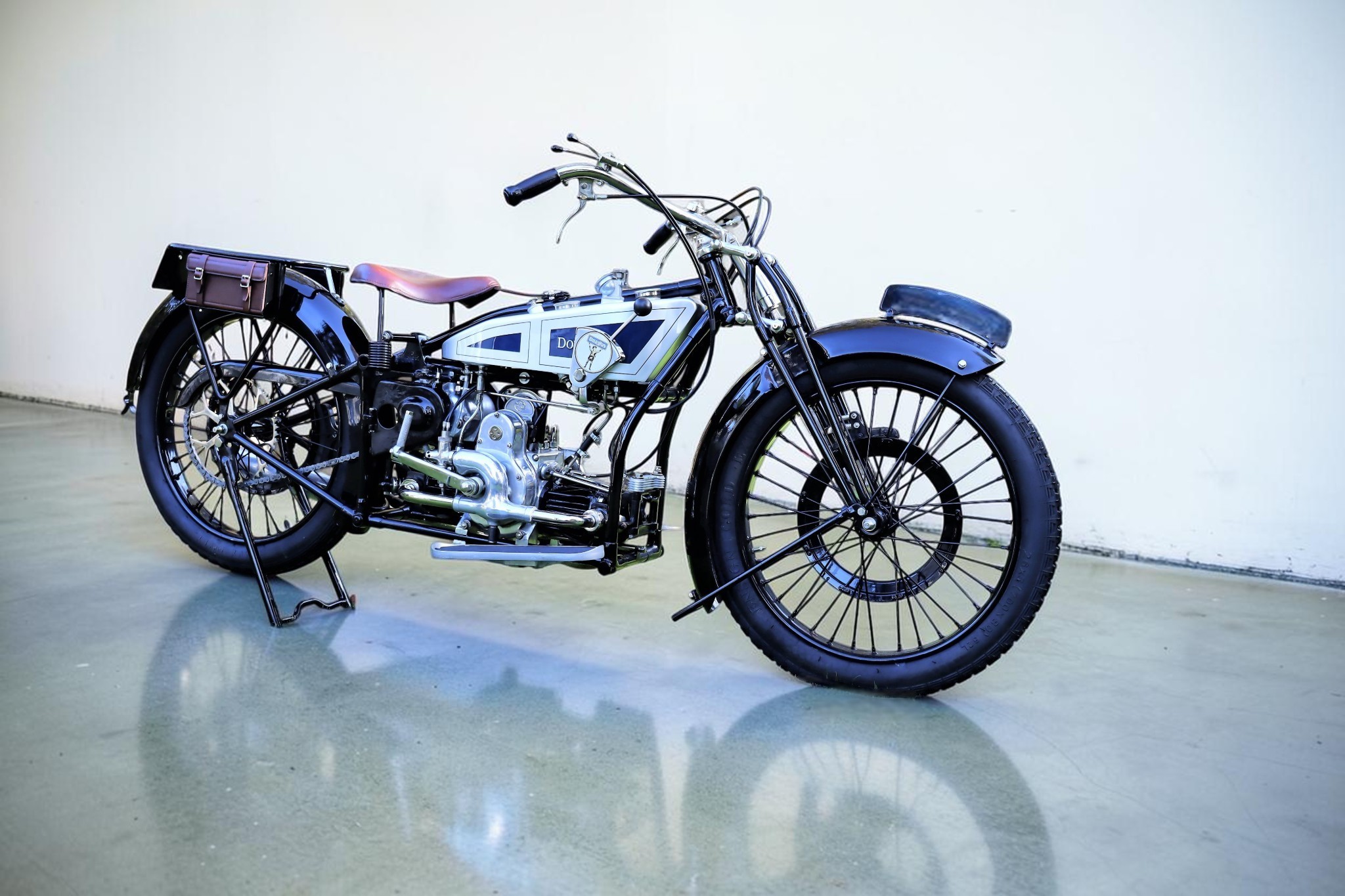
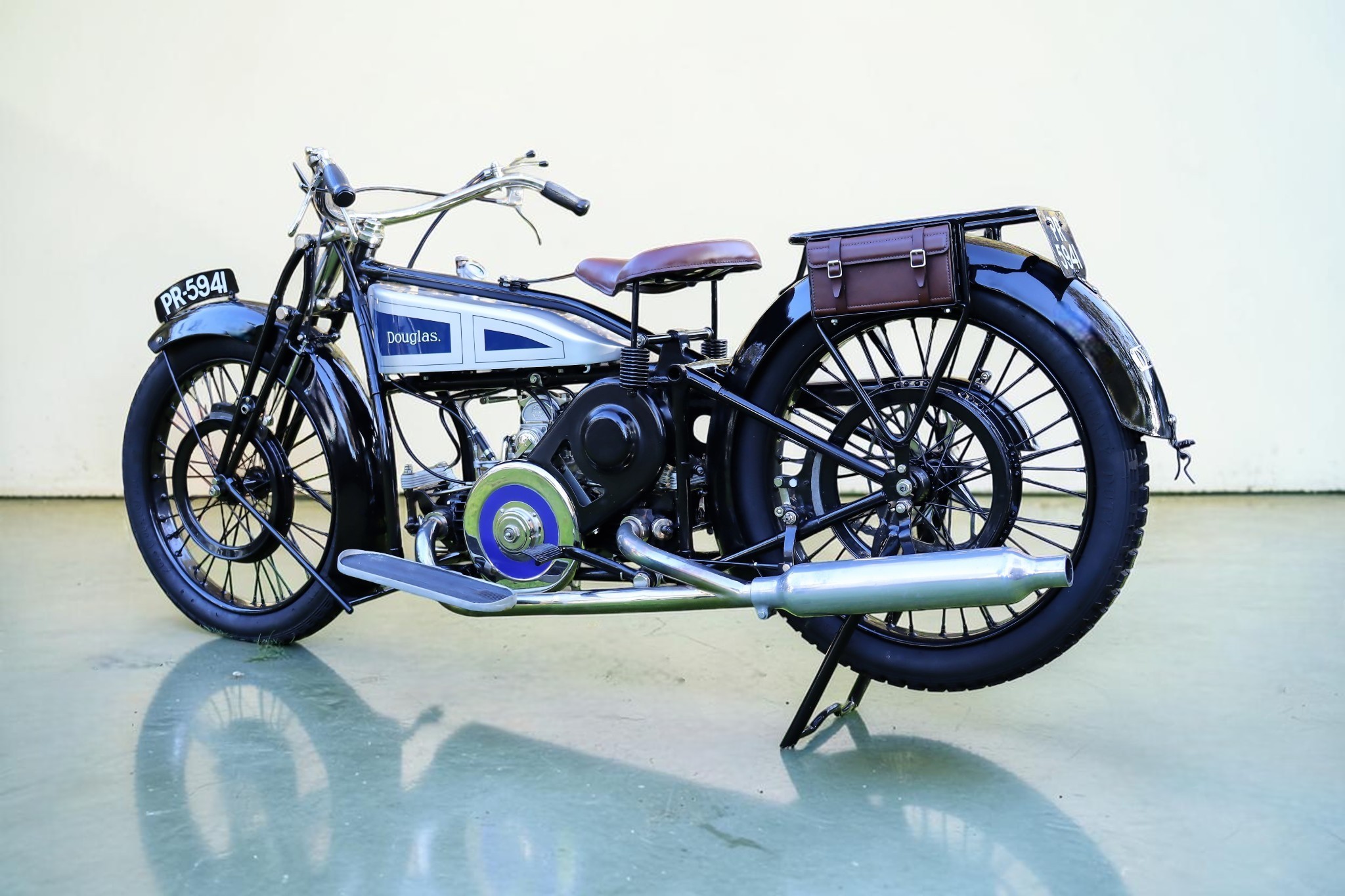

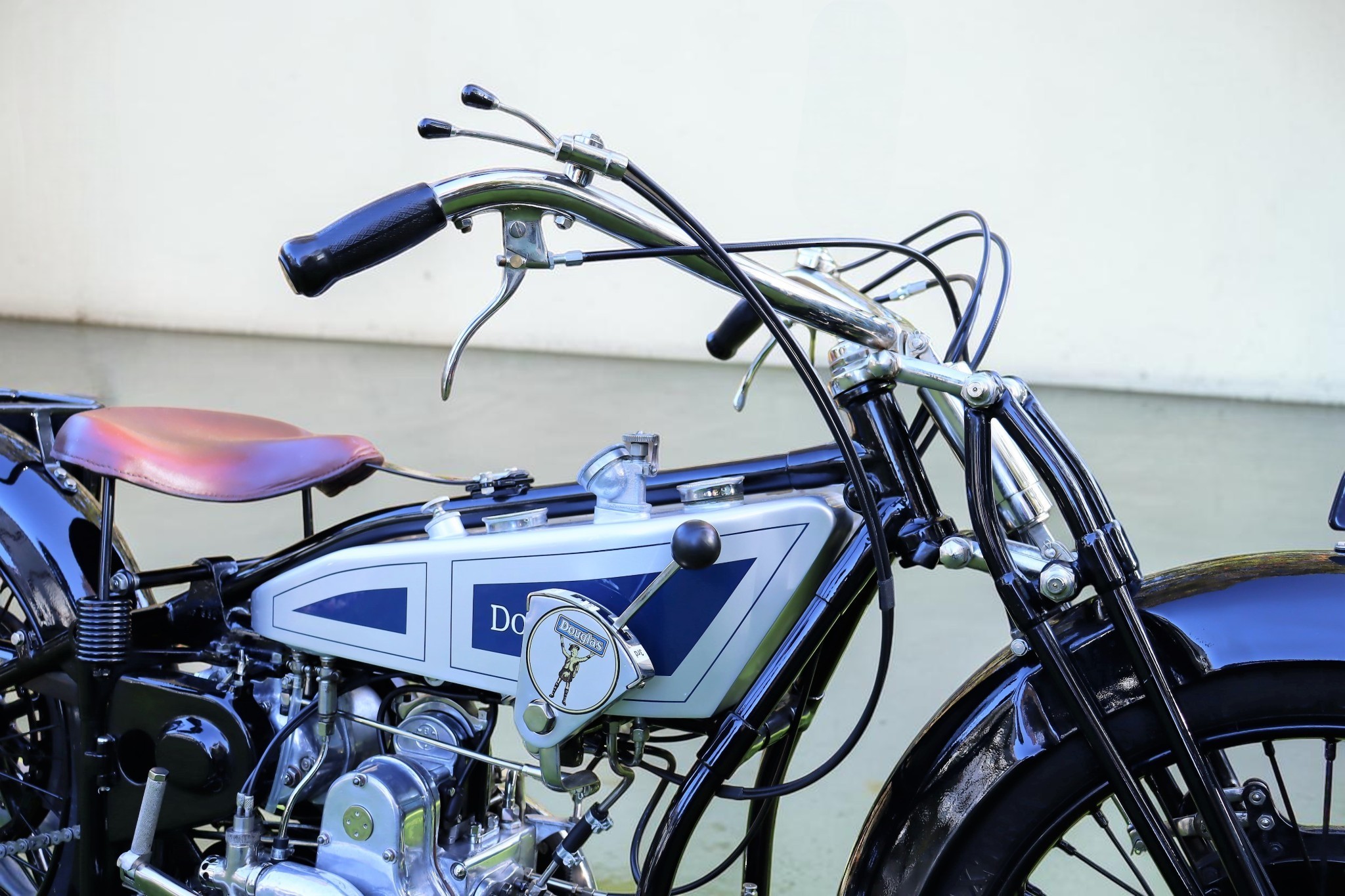


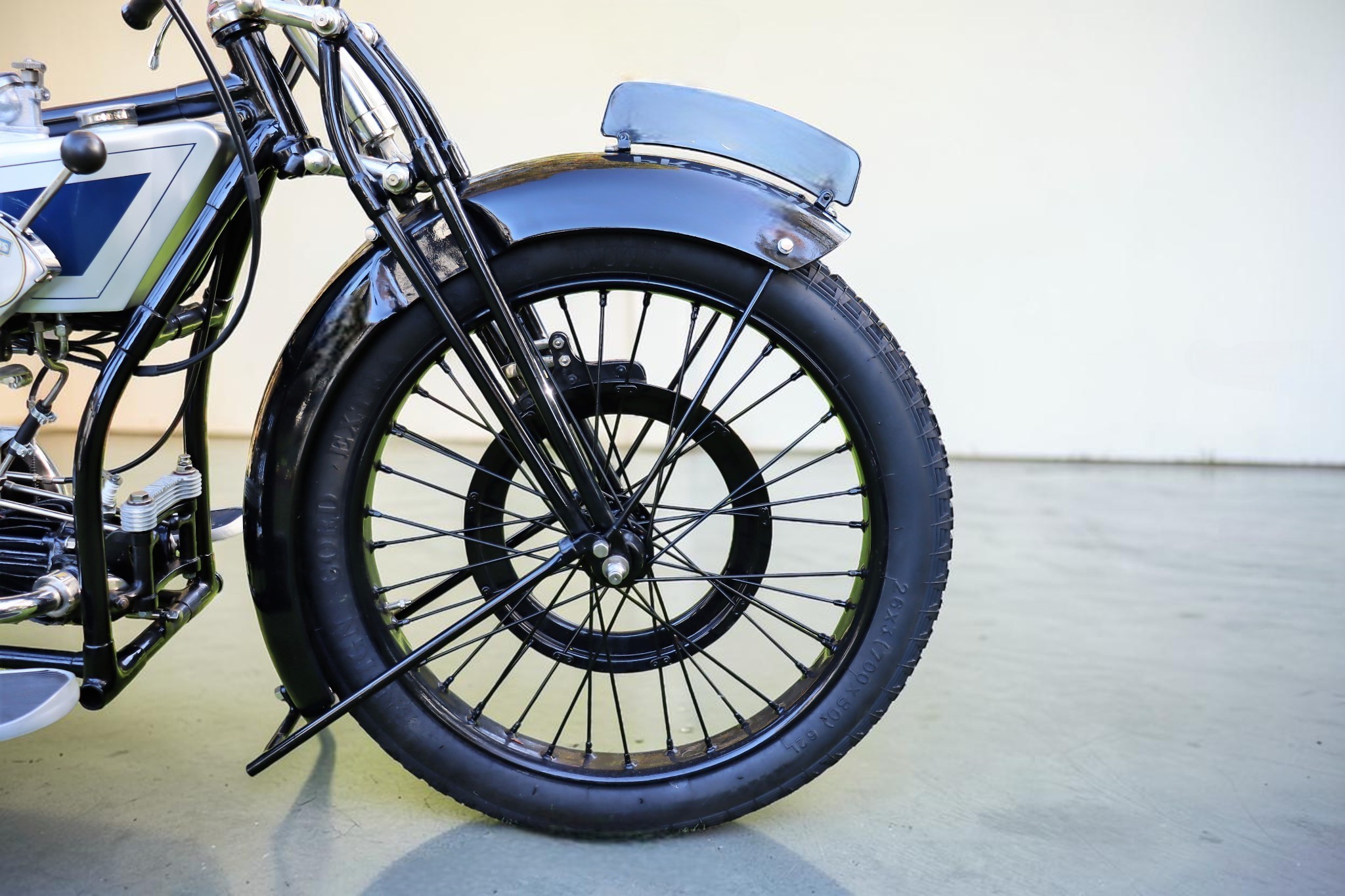


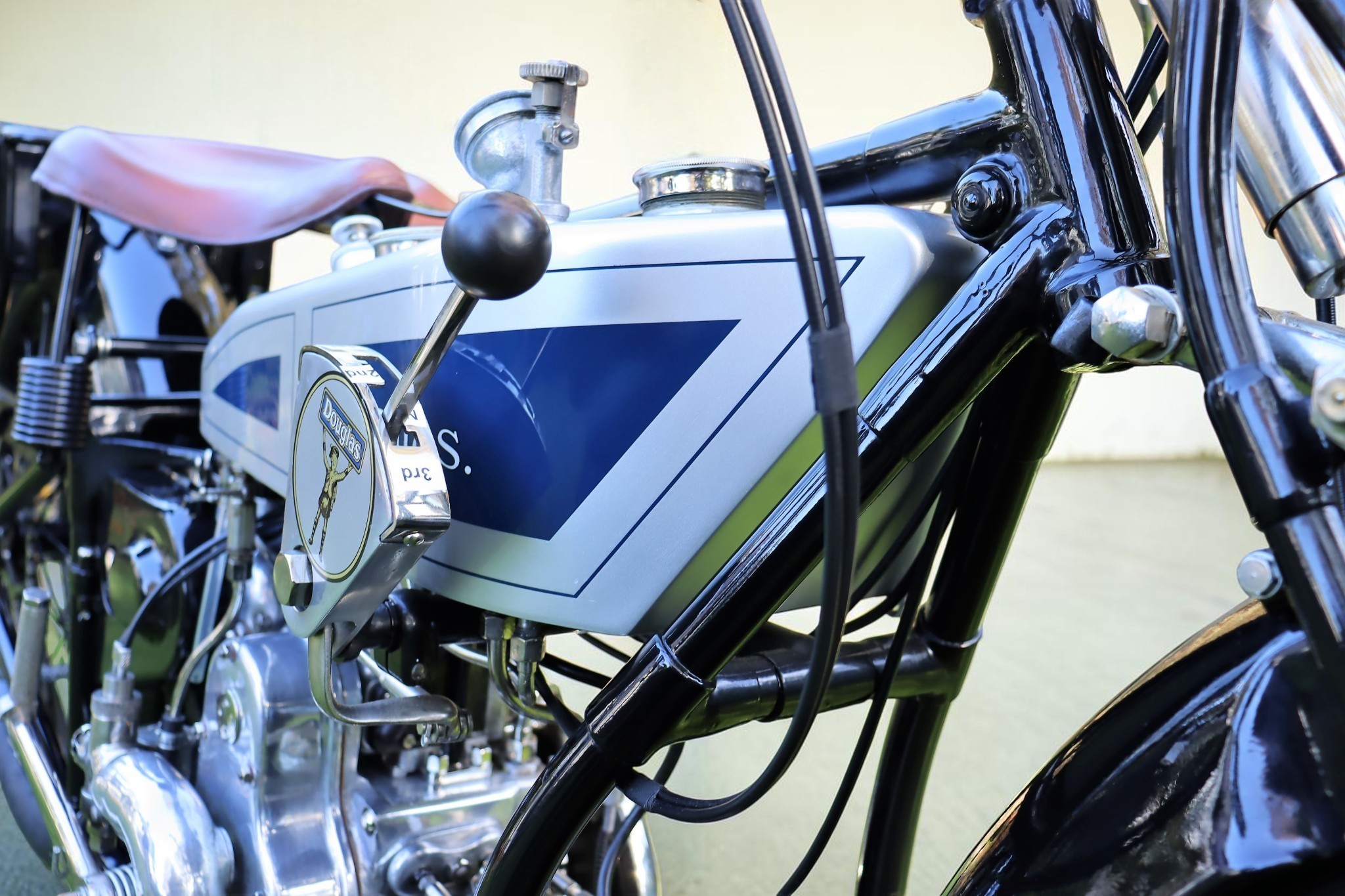




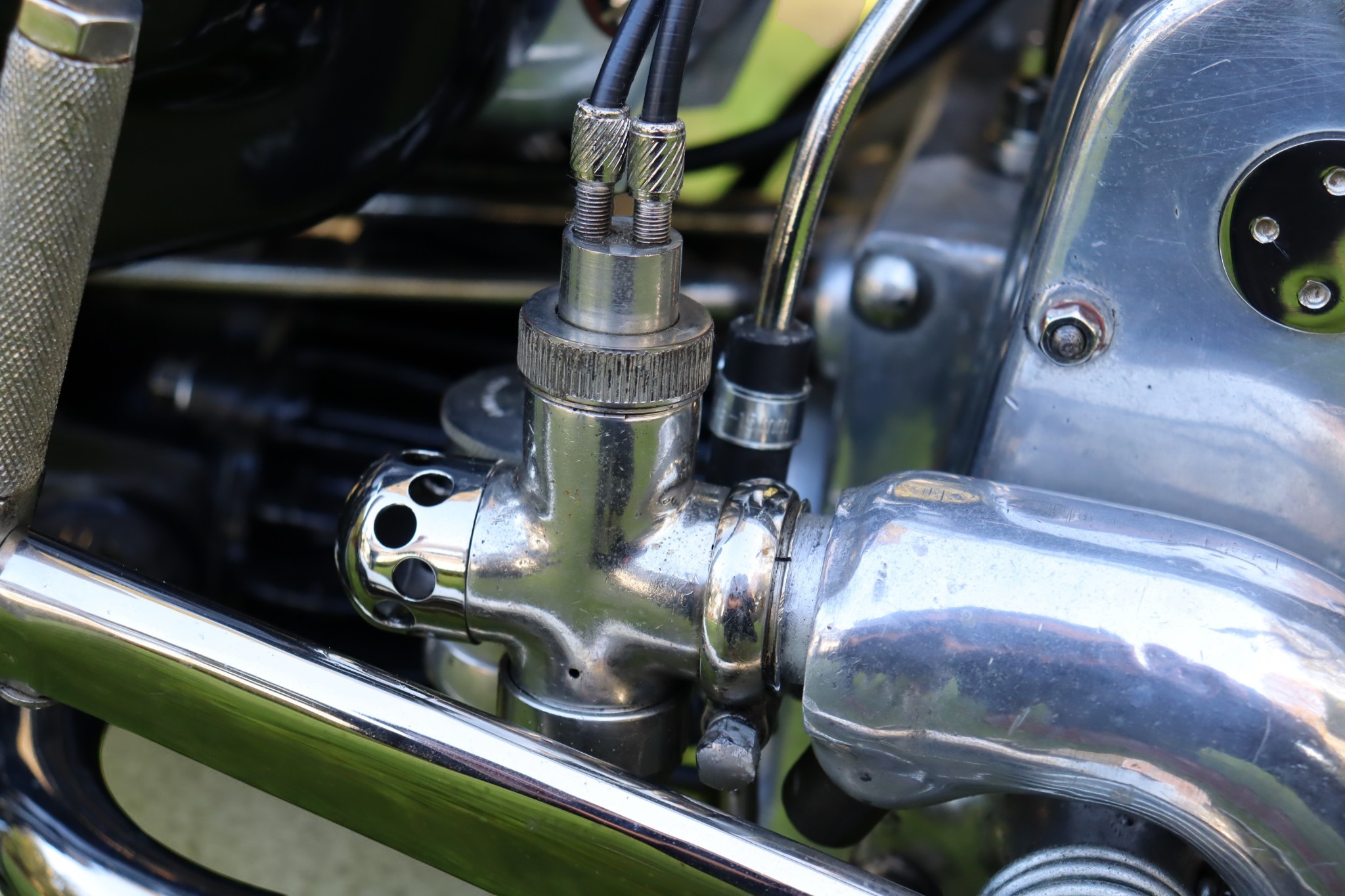
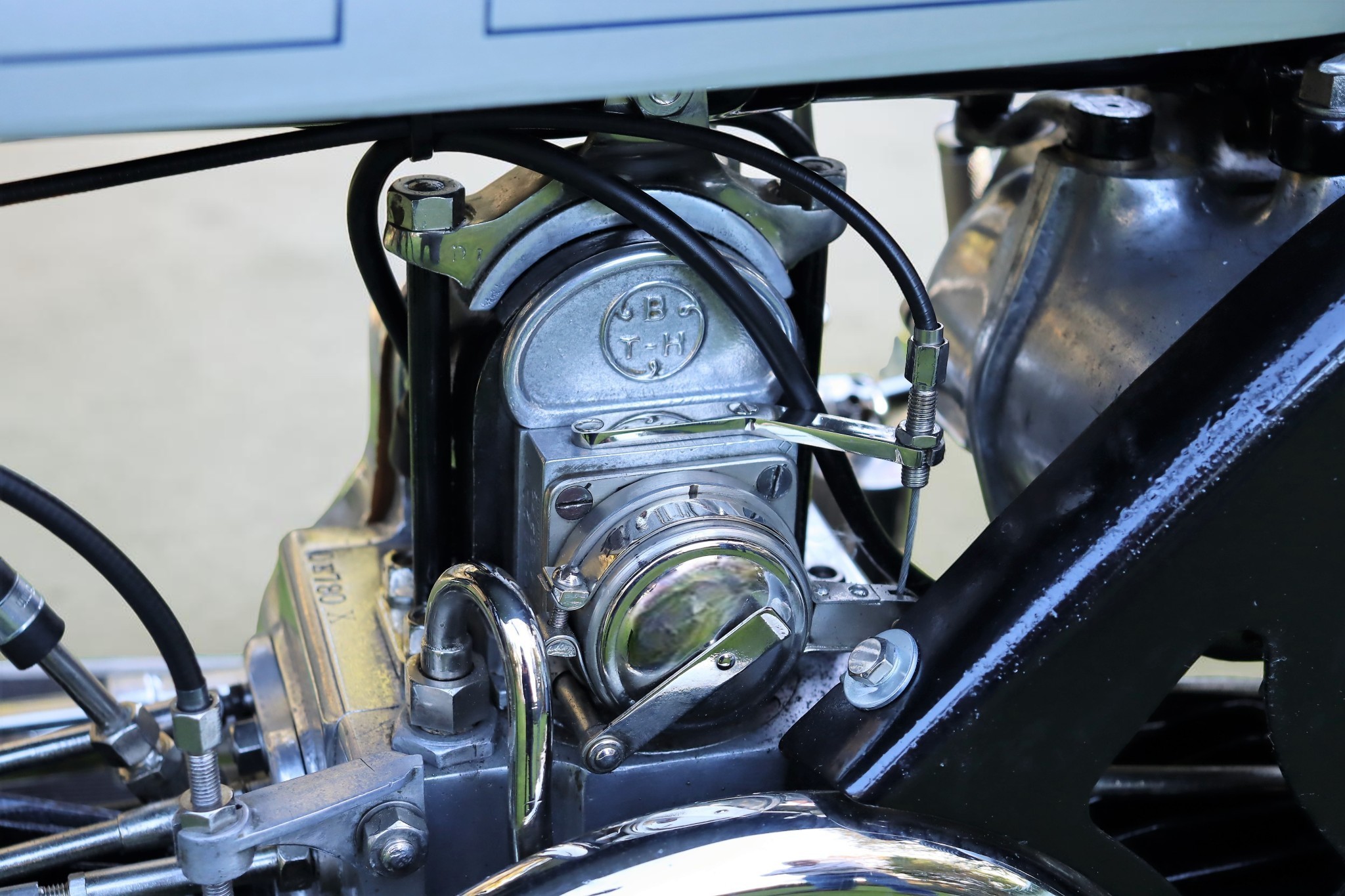
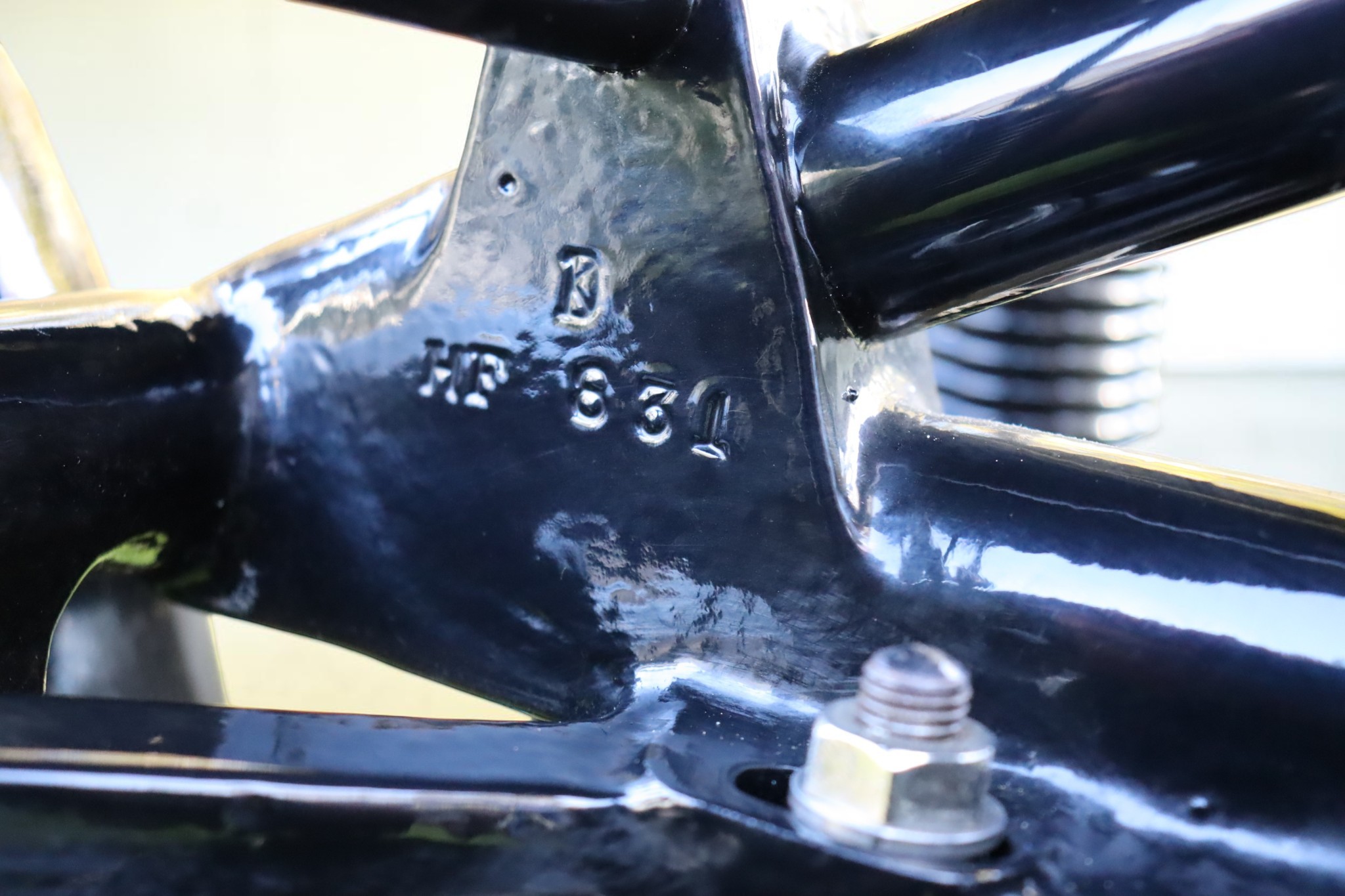
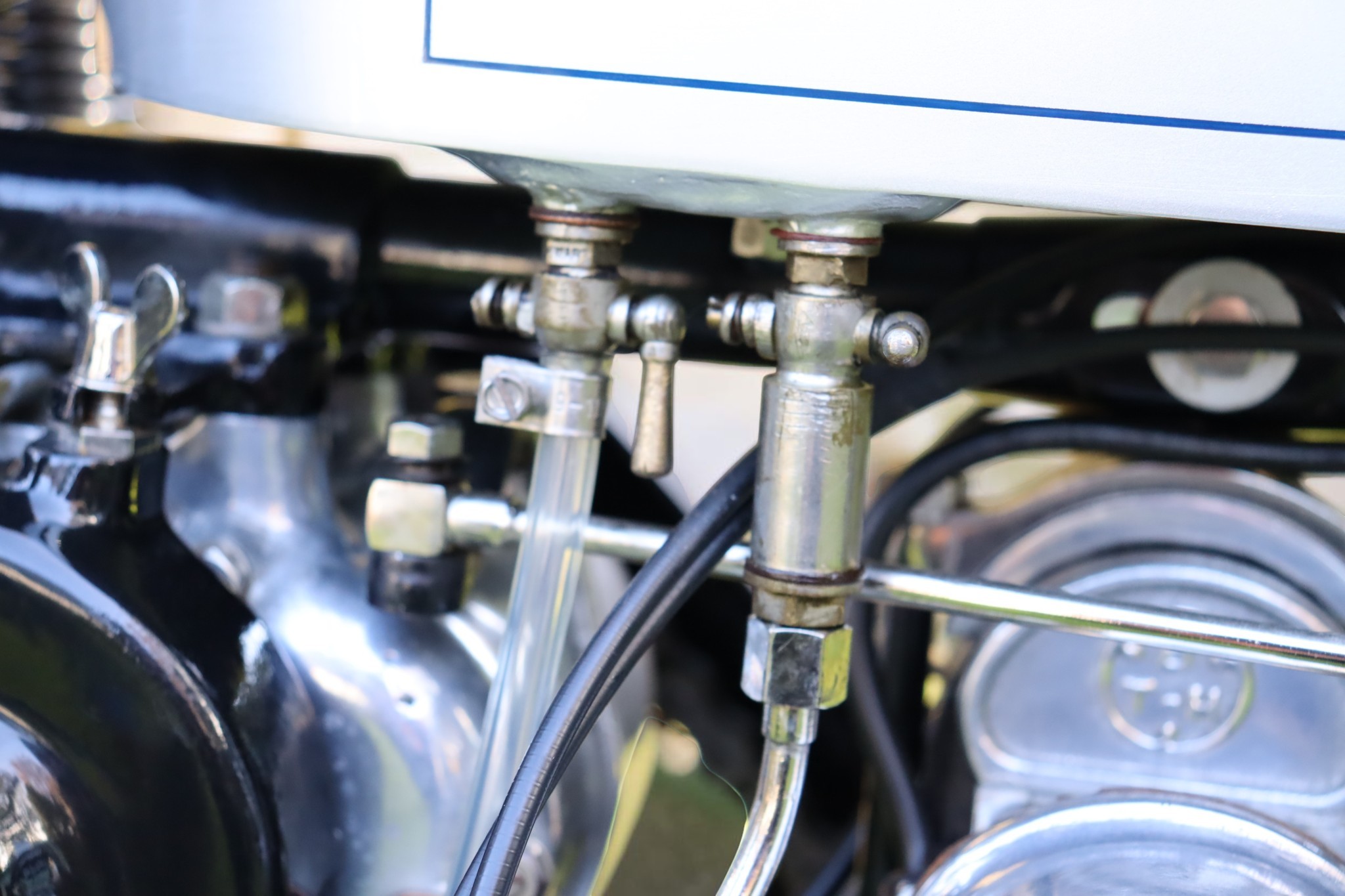

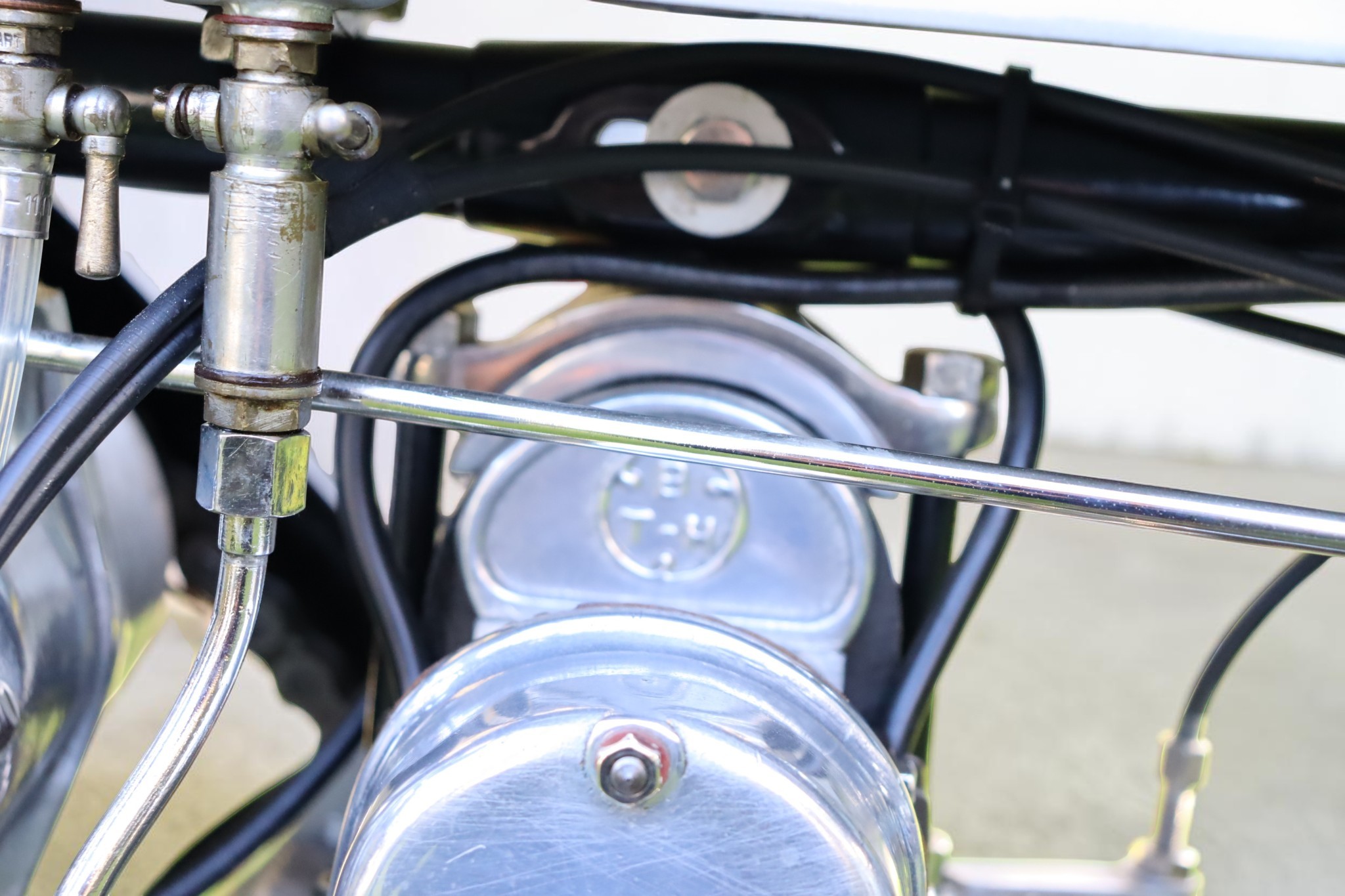

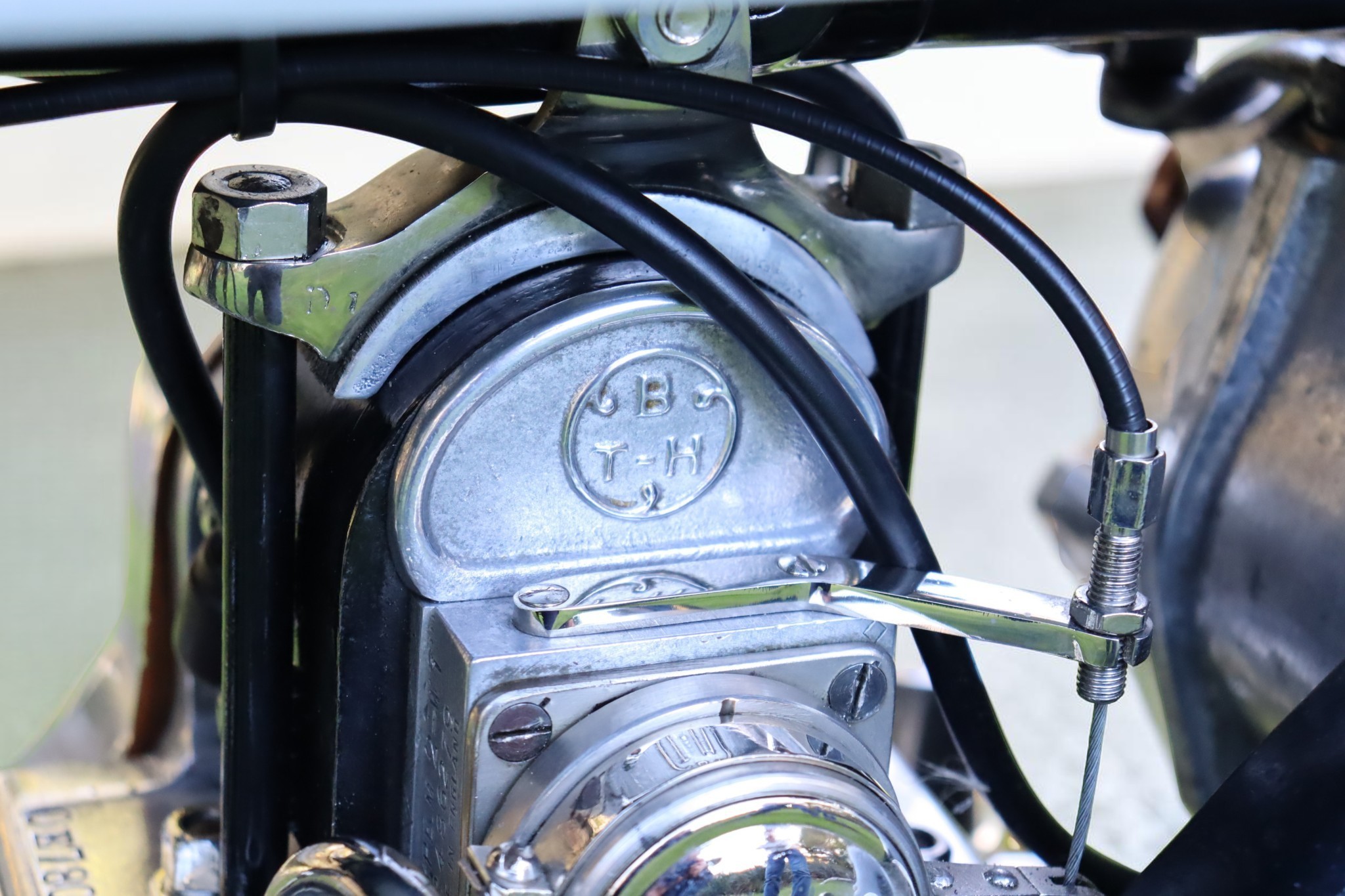
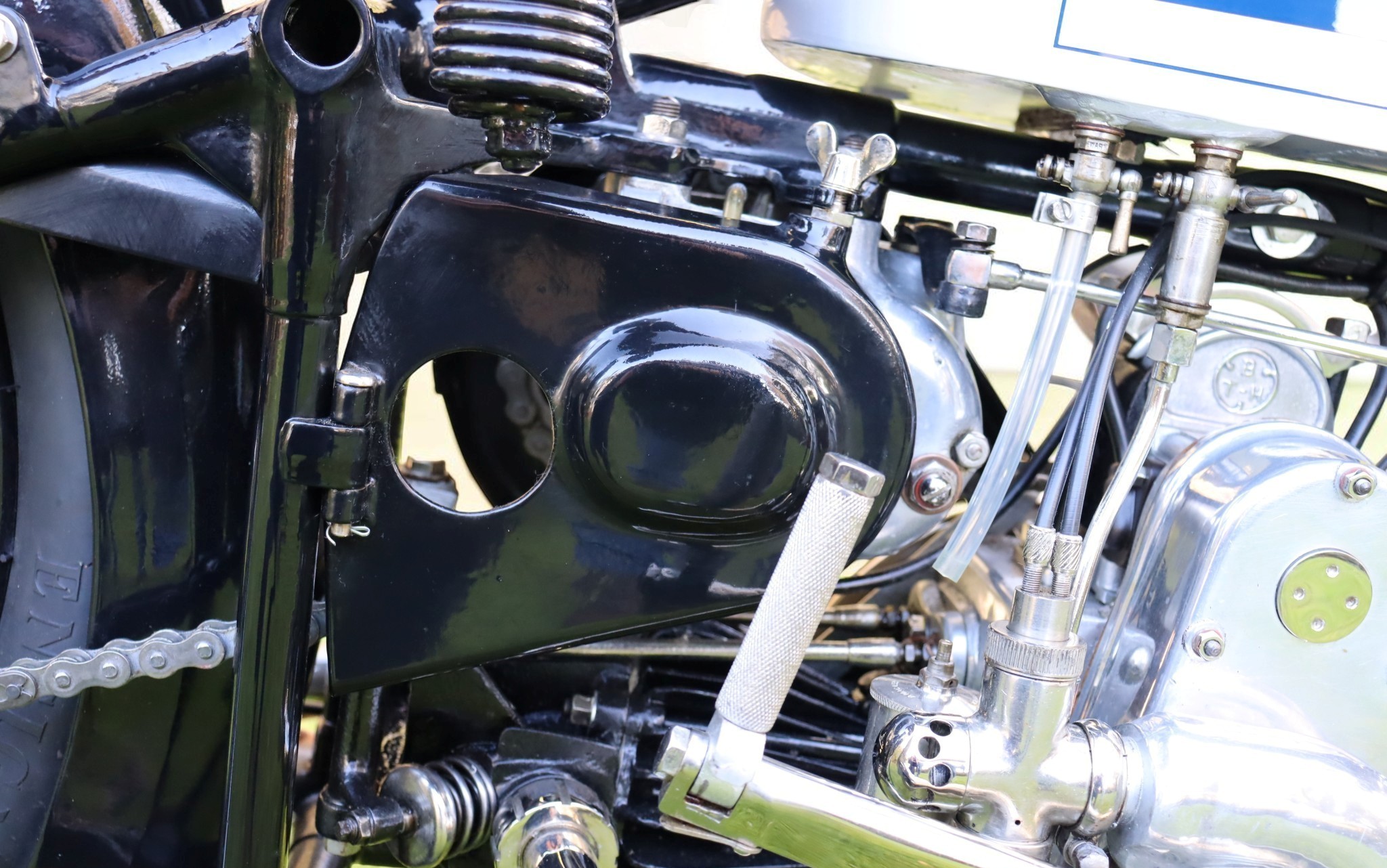
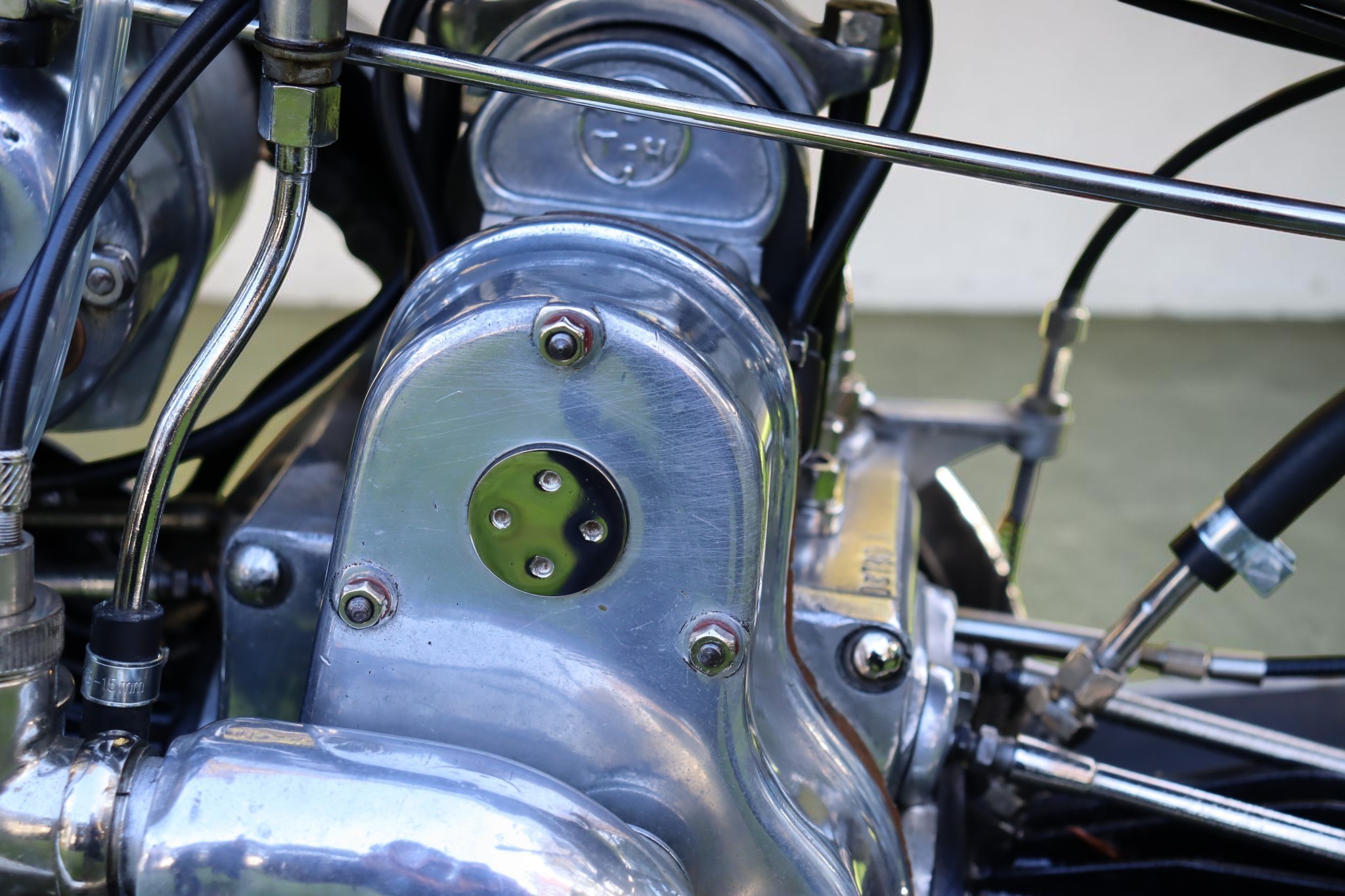
The 1925 Douglas Model OB was a 596cc overhead-valve twin-cylinder motorcycle developed from the successful Douglas RA competition machine. Introduced as the road-going version of the 1923 Isle of Man TT-winning RA, the OB combined Douglas's distinctive longitudinal flat-twin engine with a sporting chassis and equipment designed for both solo riding and sidecar use.
The Model OB used a 596cc air-cooled four-stroke overhead-valve flat-twin engine. The cylinders were arranged longitudinally, giving the motorcycle the low center of gravity that had long been associated with Douglas motorcycles.
The OB was derived from the RA, which had achieved major competition success including Tom Sheard's victory in the 1923 Senior TT. Douglas subsequently developed the production OB as a more practical road-going interpretation of the successful racing design.
For 1925, the OB was one of Douglas's principal 600cc models and was supported by a dedicated factory instruction book covering both the OB and the smaller OW. The model was built around the company's developing overhead-valve twin-cylinder technology and represented a major advance over the earlier side-valve 4HP machines.
The motorcycle was designed with rider comfort in mind. Aluminium rubber-studded footboards, a large combined leg and undershield, and Douglas's patented spring saddle were among the features associated with the model, making the OB considerably more practical for touring than a pure competition machine.
The origins of the Model OB can be traced directly to Douglas's competition program. The RA was developed with several important innovations, including improved braking, a redesigned frame that allowed the engine to sit lower, a twist-grip throttle, and increased use of aluminium components.
The RA achieved an important victory in the 1923 Senior Isle of Man TT when Tom Sheard rode a Douglas to first place. The success gave Douglas an opportunity to develop a production motorcycle based on the competition machine.
The road-going version became known as the OB/24 when it was introduced for the 1924 season. The Model OB continued into 1925 and retained the essential characteristics of the successful RA while being equipped for normal road and touring use.
The OB was not simply a detuned racing motorcycle. Douglas carefully adapted the design for everyday use, adding equipment intended to improve comfort and practicality while preserving the advantages of the low-mounted overhead-valve twin.
The 1925 model is documented by a dedicated Douglas instruction book covering the OB and OW, confirming the model's place in the company's mid-1920s range.
Douglas model identification records show the OB as a 600cc overhead-valve model. The factory used prefix letters for frames and engines during this period, making the identification of original components an important part of assessing surviving motorcycles.
The 1925 Douglas OB is powered by a 596cc air-cooled four-stroke overhead-valve flat-twin engine.
The engine uses a longitudinally mounted horizontally opposed cylinder arrangement, one of the defining engineering characteristics of Douglas motorcycles.
The 596cc displacement comes from a bore of approximately 68 mm and a stroke of approximately 82 mm. The engine was developed from the competition-oriented RA and was designed to provide substantially stronger performance than Douglas's earlier side-valve touring twins.
The overhead-valve arrangement allowed Douglas to improve breathing and combustion efficiency while maintaining the compact dimensions and low center of gravity of the flat-twin configuration.
The OB's engine was designed to provide a useful combination of performance and flexibility rather than the narrow power delivery of a dedicated racing motorcycle.
The low-mounted cylinders contributed to the motorcycle's stability and made the engine particularly well suited to sidecar use.
The 596cc twin also gave the OB strong performance for its time. Its competition ancestry meant that the engine was capable of considerably more sporting use than the conventional touring motorcycles with which it competed.
Exact output figures vary between period references and individual engine specifications, so surviving motorcycles should be evaluated according to their actual engine configuration rather than relying on a single modern specification figure.
The Model OB uses a separate gearbox in the traditional Douglas pre-unit layout. The engine and gearbox are individual assemblies rather than being constructed as a single unit.
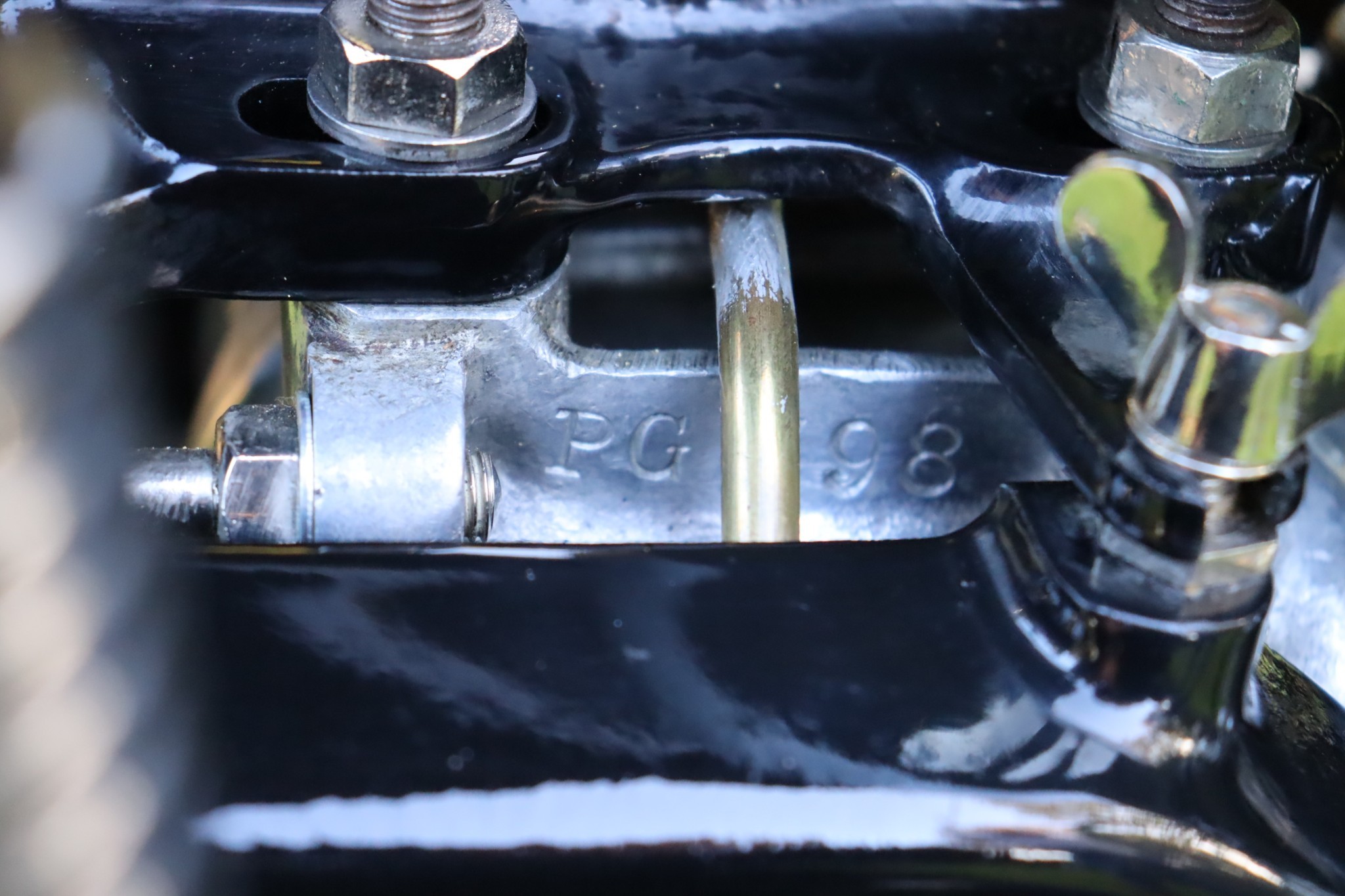
The standard OB gearbox was the PG type, with the mainshaft positioned at the rear. The standard gearing was a mid-ratio arrangement, approximately 2.16:1 in first, 1.39:1 in second, and 1:1 in top gear.
A wider-ratio gearset was also available for sidecar applications and could be specified for the OB. This gave the motorcycle greater flexibility when dealing with the additional load of a passenger and sidecar.
Competition machines used different close-ratio gearing. The QG racing gearbox was associated with Douglas competition motorcycles, including the 1925 TT machines, rather than being the normal road-going OB specification.
The transmission sends power through a clutch and gearbox before driving the rear wheel through the final drive system.
The OB's gearing was intended to balance sporting performance with practical road use. The standard ratios provided a useful compromise for solo riding, while alternative ratios allowed the motorcycle to be adapted for sidecar or competition applications.
The OB uses a lightweight steel frame developed from the RA competition design.
One of the important features of the RA and production OB was the ability to mount the engine lower in the frame. Lowering the engine reduced the center of gravity and contributed to the handling characteristics that had helped the Douglas perform successfully in competition.
The frame was designed around the longitudinal flat-twin engine and provided a narrow, well-balanced motorcycle despite the relatively large 596cc capacity.
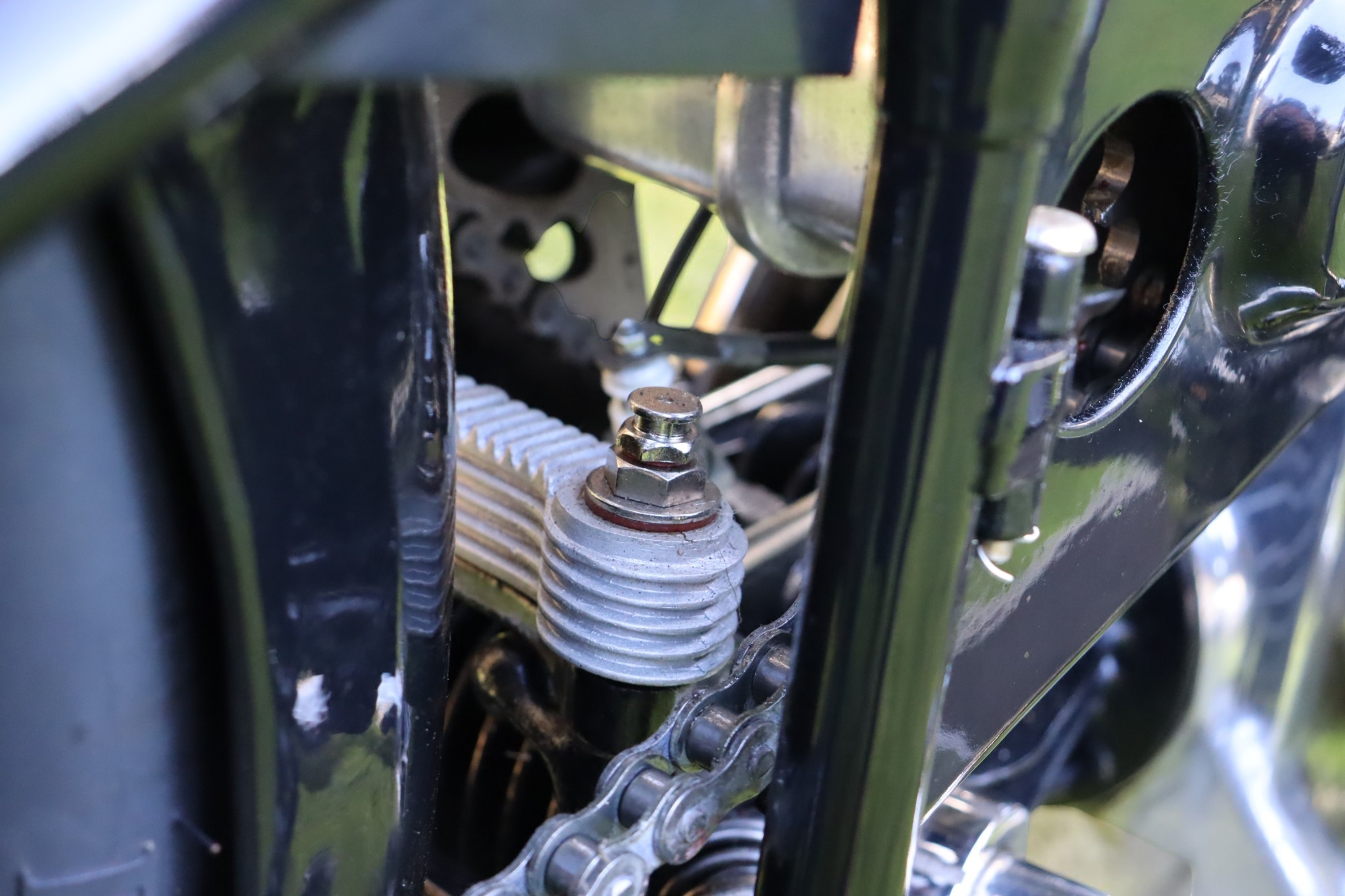
The front suspension used a Douglas girder fork with a springing system appropriate to the period.
The rear chassis was rigid, as was still normal for motorcycles of the mid-1920s. Rider comfort was therefore supported by the sprung saddle and other ergonomic improvements rather than by a modern rear suspension system.
The OB's frame was suitable for both solo and sidecar operation, and the motorcycle's low center of gravity made it particularly stable when used as a combination.
The Model OB was developed from the RA, which had introduced important braking improvements as part of Douglas's competition development.
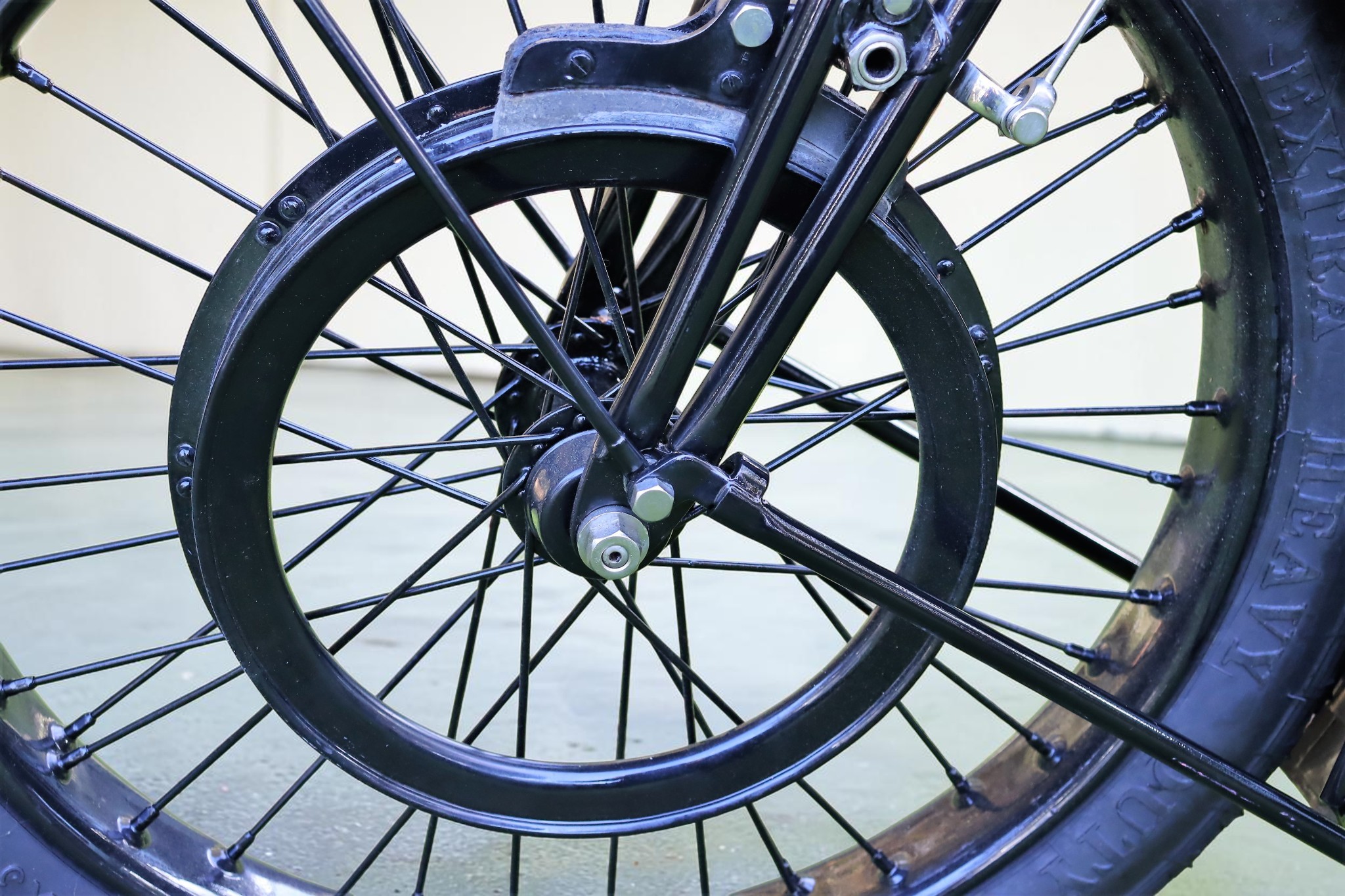
The motorcycle uses wire-spoked wheels with period drum braking equipment. The braking system was substantially more advanced than the very basic braking arrangements found on many earlier motorcycles.
The improved brakes were an important part of Douglas's competition-derived chassis design. The ability to control the motorcycle effectively at higher speeds was essential to the OB's sporting character.
As with other motorcycles of the period, braking performance remains modest by modern standards. Riding the OB requires anticipation and a considerably greater stopping distance than would be expected from a contemporary motorcycle.
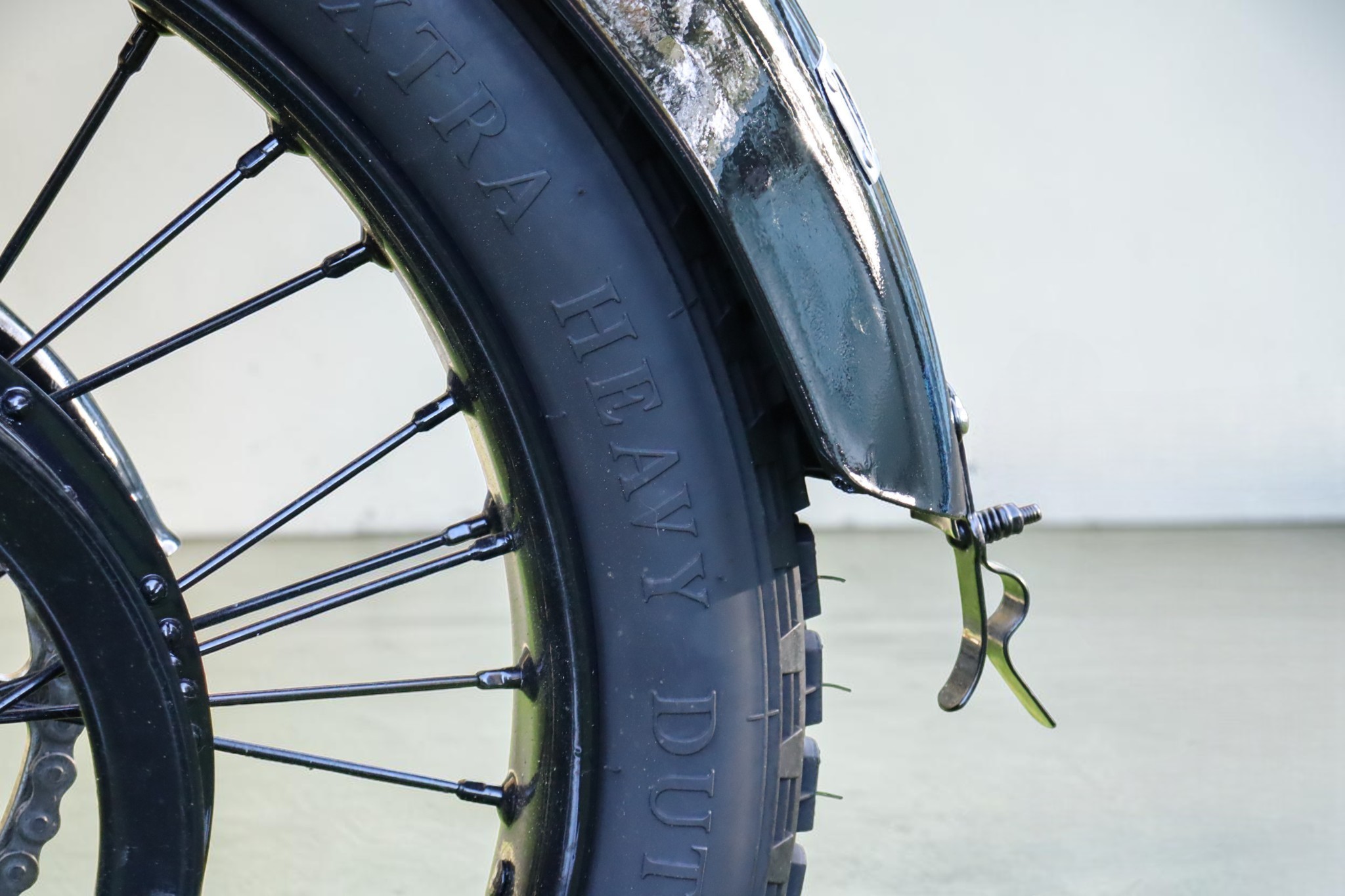
Original hubs, brake plates, rims, spokes, and period tire sizes are important when evaluating a restored or preserved example.
The 1925 Douglas OB has the distinctive appearance created by the company's longitudinal flat-twin layout. The cylinders project horizontally from the sides of the frame, while the engine sits unusually low within the chassis.
The large fuel tank, exposed overhead-valve twin, girder fork, rigid rear frame, and substantial touring equipment give the OB a characteristic mid-1920s appearance.
The motorcycle was designed to be both sporting and practical. Douglas retained the visual and mechanical connection with the successful RA while adding equipment intended to make the motorcycle more comfortable for ordinary riders.
The large combined leg and undershield was particularly useful in wet or muddy conditions. Together with the aluminium rubber-studded footboards and sprung saddle, it helped make the OB suitable for long-distance touring.
The patented Douglas spring saddle was another important comfort feature. Compared with the basic saddles used on many motorcycles of the period, the arrangement provided additional compliance over rough roads.
The OB therefore occupied an interesting position between a competition motorcycle and a conventional touring machine. Its engineering was rooted in racing development, but its equipment was designed for practical road use.
The Model OB's most important historical characteristic is its direct connection with the Douglas RA competition motorcycle.
The RA had been developed with a lower engine position, improved brakes, twist-grip throttle control, and lighter construction. These features helped Douglas produce a competitive motorcycle capable of challenging larger and more established racing machines.
Tom Sheard's victory in the 1923 Senior TT was the most important success associated with the RA. The achievement gave Douglas considerable publicity and helped establish the sporting reputation of its overhead-valve flat twin.
The production OB brought much of this technology to the road. It was not intended to duplicate the exact specification of the TT machine, but it provided ordinary customers with a motorcycle that retained the same basic engineering philosophy.
Douglas continued to develop dedicated racing machines alongside the road-going OB. The competition motorcycles could use different gear ratios and other specialized equipment that should not automatically be assumed to represent standard OB specification.
The OB's importance therefore lies partly in the way it brought Douglas's competition engineering into a practical production motorcycle.
The 1925 Douglas OB has a distinctive riding character created by its longitudinal overhead-valve flat twin and low center of gravity.
The 596cc engine provides a smooth and flexible power delivery compared with a large single-cylinder motorcycle. The opposed-cylinder configuration also contributes to good mechanical balance.
The low-mounted engine helps the motorcycle feel stable and planted, particularly during steady touring and when carrying a sidecar.
The overhead-valve engine gives the OB a more sporting character than Douglas's earlier side-valve 4HP models. It responds more readily to throttle input and is capable of maintaining higher road speeds.
The rigid rear frame and girder front fork provide the unmistakable feel of a motorcycle from the mid-1920s. Steering, braking, and suspension behavior are substantially different from those of a modern motorcycle.
The OB is best appreciated as a fast vintage touring motorcycle with genuine competition ancestry rather than as a modern-style performance machine.
The Model OB was suitable for sidecar use and could be fitted with gearing appropriate to the additional load.
The 596cc overhead-valve twin provided useful torque for carrying a passenger, while the low center of gravity of the longitudinal engine helped maintain stability.
The availability of wider-ratio gearing was particularly useful for sidecar combinations. Lower overall gearing made it easier to pull away from low speeds and climb gradients with the additional weight of the sidecar.
Douglas had considerable experience building motorcycles for sidecar use, and the OB benefited from that engineering background.
The large leg and undershield and sprung saddle also made the motorcycle more suitable for touring with a passenger in poor weather.
The Model OB belongs to one of the most important periods in Douglas engineering. During the early and mid-1920s, the company was moving from its older side-valve twins toward more advanced overhead-valve designs.
The OB was the road-going development of the successful RA and represented Douglas's effort to transfer competition technology into a production motorcycle.
The 1925 model was part of the company's 600cc range and was accompanied by the smaller 350cc overhead-valve OW.
Douglas continued developing the 600cc overhead-valve twin after the OB. The later OC model introduced further changes to the design, while competition versions continued to evolve independently.
The OB is therefore an important link between the 1923 RA and the later Douglas overhead-valve twins of the mid-1920s.
Its rarity today is considerable. H&H described one 1925 OB as one of only 17 known survivors when it was sold in 2022.
The 1925 Douglas OB is highly significant to collectors of early British overhead-valve motorcycles because of its rarity and direct connection with Douglas's Isle of Man TT-winning RA.
Originality is particularly important. The frame, engine, gearbox, carburetor, magneto, wheels, brakes, forks, controls, fuel tank, footboards, leg shield, and saddle should all be assessed against the correct OB specification.
Douglas identification records are especially useful because the company used prefix letters for frame and engine numbers during this period.
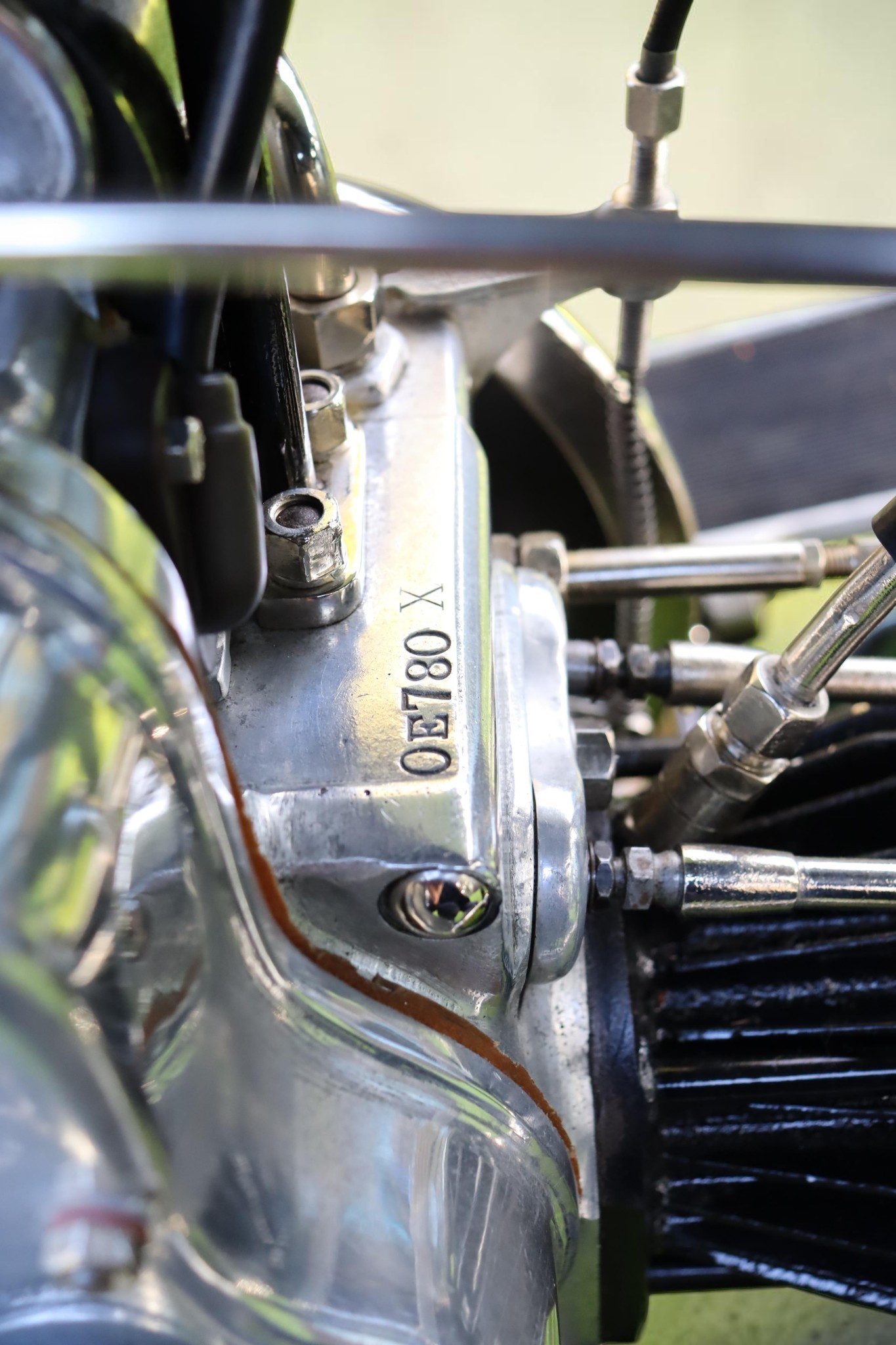
For example, the London Douglas Motor Cycle Club identifies a 1924 Model OB with frame number HF391, engine number OE273, and gearbox number PG407. The 1925 model continued the same basic identification system.
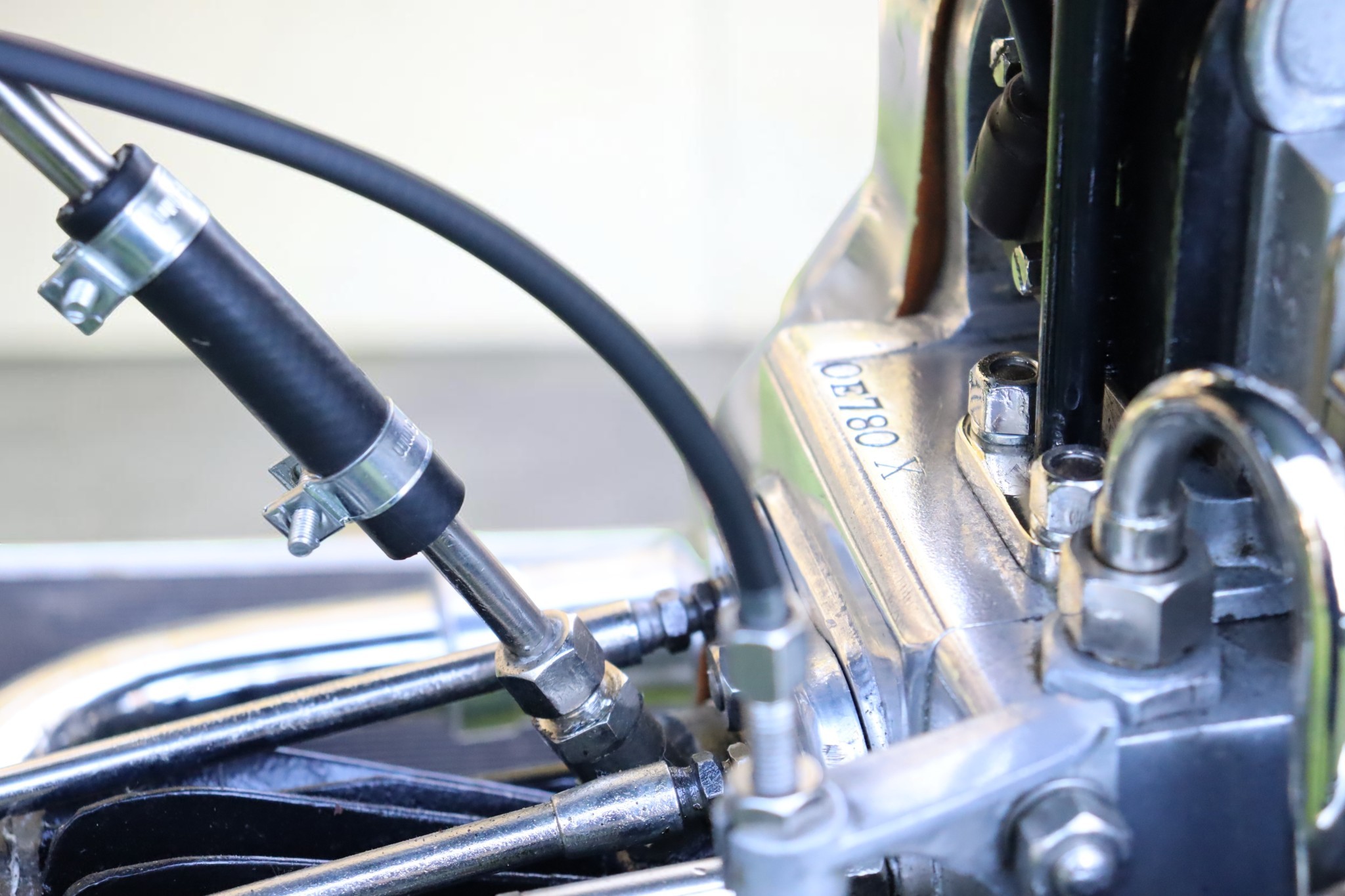
The engine number should be located beside the base of the rear cylinder or on the nearside magneto platform, while the gearbox number is found on the top of the gearbox or on its small nearside mounting lug.
The frame number on post-1925 Douglas motorcycles was moved to the junction of the saddle and tank tubes on the nearside, making frame identification an important part of authentication.
Historical paperwork can add considerable value. Registration records, factory literature, old photographs, restoration documentation, and long-term ownership history can help establish whether a surviving motorcycle retains its original identity.
Authenticating a 1925 Douglas OB requires examination of both the individual components and the motorcycle's documented history.
The engine should be confirmed as the correct 596cc overhead-valve Douglas twin. The frame and engine prefixes should be consistent with the model, while the gearbox should be checked for the correct PG type where original standard specification is claimed.
The standard PG gearbox used mid-ratio gearing. A wider-ratio arrangement could be supplied for sidecar use, while the much closer QG racing gearbox was associated with competition machines.
The motorcycle's equipment should also be considered. Aluminium rubber-studded footboards, the combined leg and undershield, sprung saddle, period controls, and correct fuel tank are important details when assessing an original or accurately restored OB.
Because the OB shares many components and design characteristics with other Douglas models, a motorcycle should not be identified solely by its appearance. Frame, engine, gearbox, and historical records should be considered together.
The 1925 Douglas Model OB matters because it brought the engineering of Douglas's successful RA competition motorcycle into a practical production machine.
Its 596cc overhead-valve flat twin, low-mounted engine, improved braking, lightweight construction, and sporting chassis reflected lessons learned through competition.
The OB also demonstrated that Douglas could combine performance with practical touring equipment. Its sprung saddle, aluminium footboards, and large protective leg and undershield made the motorcycle considerably more usable for everyday road riding.
The model's connection with the 1923 Senior TT victory gives it an important place in Douglas competition history, while its limited survival rate makes genuine examples especially significant to collectors.
As one of the key mid-1920s Douglas overhead-valve twins, the OB represents the company's transition from its earlier side-valve machines toward the more advanced performance motorcycles that followed.
This 1925 Douglas Model OB represents one of the most important British overhead-valve motorcycles of the mid-1920s and a direct production descendant of Douglas's successful RA competition machine.
The 596cc longitudinal overhead-valve flat twin combines the low center of gravity characteristic of Douglas motorcycles with the sporting performance developed through competition.
The OB features a separate gearbox, period girder front fork, rigid rear chassis, wire-spoked wheels, and a chassis designed for both solo and sidecar use.
Douglas also paid particular attention to rider comfort. Aluminium rubber-studded footboards, a large combined leg and undershield, and the patented spring saddle helped make the OB suitable for longer journeys in difficult weather.
The standard PG gearbox used mid-ratio gearing, while wider gearing was available for sidecar applications. Competition Douglas machines used different close-ratio arrangements, so gearbox specification is an important consideration when assessing originality.
The rarity of surviving examples adds considerably to the model's collector significance. H&H described a 1925 OB offered in 2022 as one of only 17 known survivors, and that motorcycle retained most of its original components together with restoration photographs and historical documentation.
Contact us for additional photographs, detailed specifications, frame and engine numbers, service history, originality assessment, provenance, restoration details, historical documentation, and purchasing information for this 1925 Douglas Model OB.
Explore more Douglas motorcycles from the vintage and classic eras.
The Vintage Motorcycles maintains a carefully curated collection of historically significant Douglas motorcycles, documenting the development of one of Britain's most distinctive engineering traditions. From early pioneer-era machines to advanced interwar production models, the collection explores the evolution of Douglas engineering across multiple decades of motorcycle history.
These motorcycles exist within a broader narrative of early motorcycle development, where innovation, experimentation, and regional manufacturing traditions shaped the future of personal transportation. Douglas occupies a unique position within this landscape due to its consistent commitment to the flat-twin architecture, an engineering solution rarely pursued with such dedication by other British manufacturers.
The collection also provides context for understanding the wider ecosystem of British motorcycling, connecting Douglas to the industrial achievements of manufacturers that collectively established Britain as one of the world's leading centers of motorcycle production during the first half of the twentieth century.
Each motorcycle is evaluated according to provenance, originality, historical significance, and mechanical authenticity. Available examples may be explored through our vintage motorcycle inventory, while machines associated with period utility and touring applications can also be viewed within our sidecar motorcycle collection. International acquisitions are supported through our dedicated global shipping service.
The significance of the Douglas Model OB extends beyond its mechanical specifications. It represents a period when British motorcycle manufacturers actively pursued diverse engineering solutions in response to evolving transportation needs. Rather than adopting a single dominant formula, companies developed distinct approaches to engine configuration, chassis design, and rider ergonomics.
Douglas became one of the most recognizable examples of this engineering diversity. The company's flat-twin architecture offered advantages in balance, cooling efficiency, and stability, helping establish a unique identity that distinguished Douglas motorcycles from many contemporary designs. This philosophy remained central to the brand's development throughout much of its production history.
The preservation of motorcycles such as the Model OB contributes to a broader understanding of industrial history, manufacturing innovation, and technological progress during the early twentieth century. These machines document the craftsmanship, experimentation, and engineering ambition that characterized the formative decades of motorcycling.
Viewed within the wider context of British industrial heritage, the 1925 Douglas Model OB stands as a surviving example of an era when engineering originality defined the motorcycle industry. Its continued existence provides a direct connection to the people, technologies, and manufacturing traditions that helped shape the evolution of modern motorcycling.
Key Highlights
Collector Assurance
All enquiries handled with discretion. We typically respond within 6 hours.
Choose the payment method that is most convenient for you. We accept widely used international payment methods as well as, where available, local bank transfer options that allow you to pay like a domestic transaction. Full payment instructions are provided for your specific purchase.
Direct international bank wire transfer is available for motorcycle purchases and export transactions.
Credit card payments can be arranged through Wise.com, subject to the applicable payment and processing conditions.
PayPal is accepted. A 5% PayPal processing fee applies to the transaction.