
The Vintage Motorcycles
Specialists in antique, classic, veteran and vintage motorcycles.
Specialists in antique, classic, veteran and vintage motorcycles.
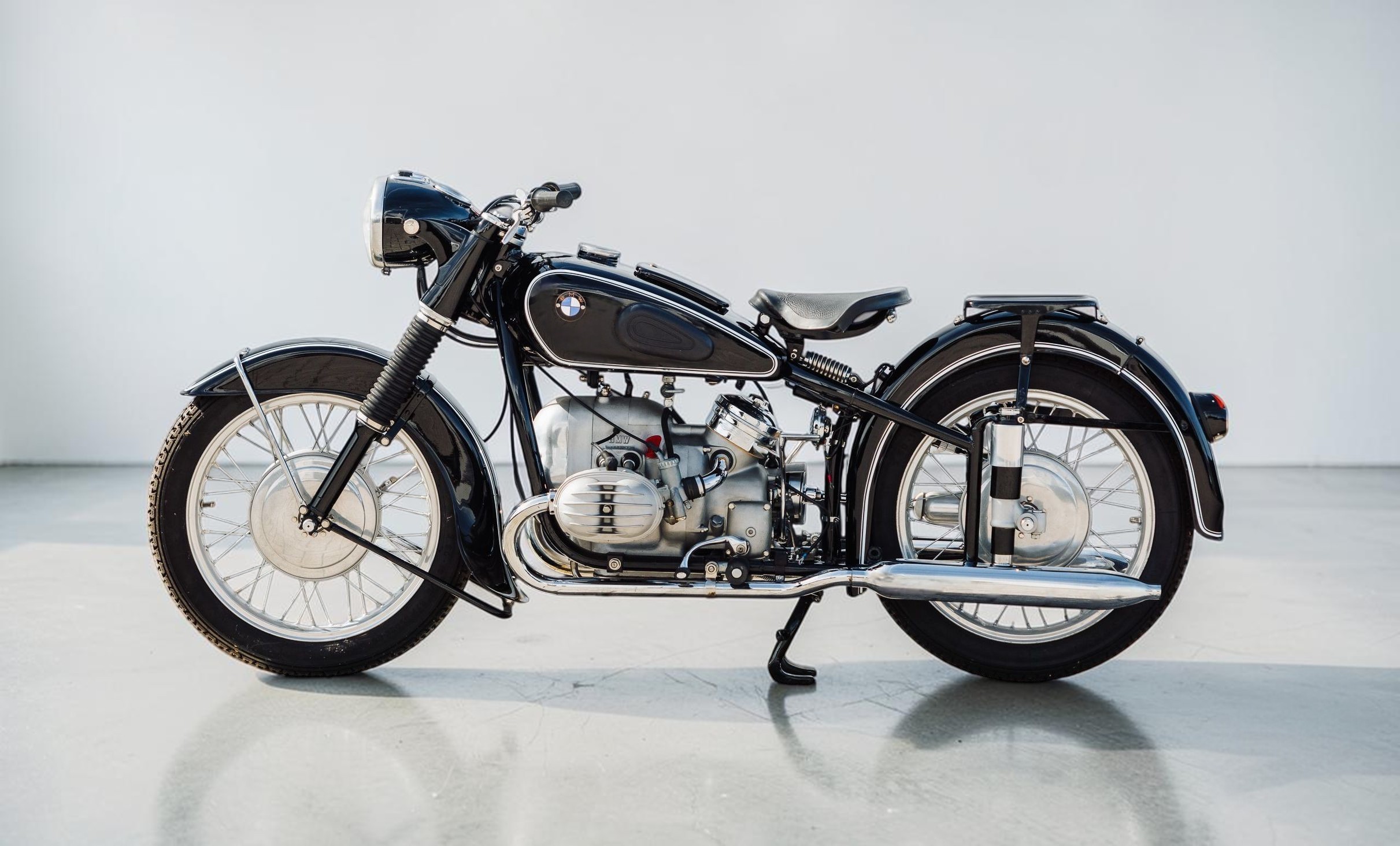
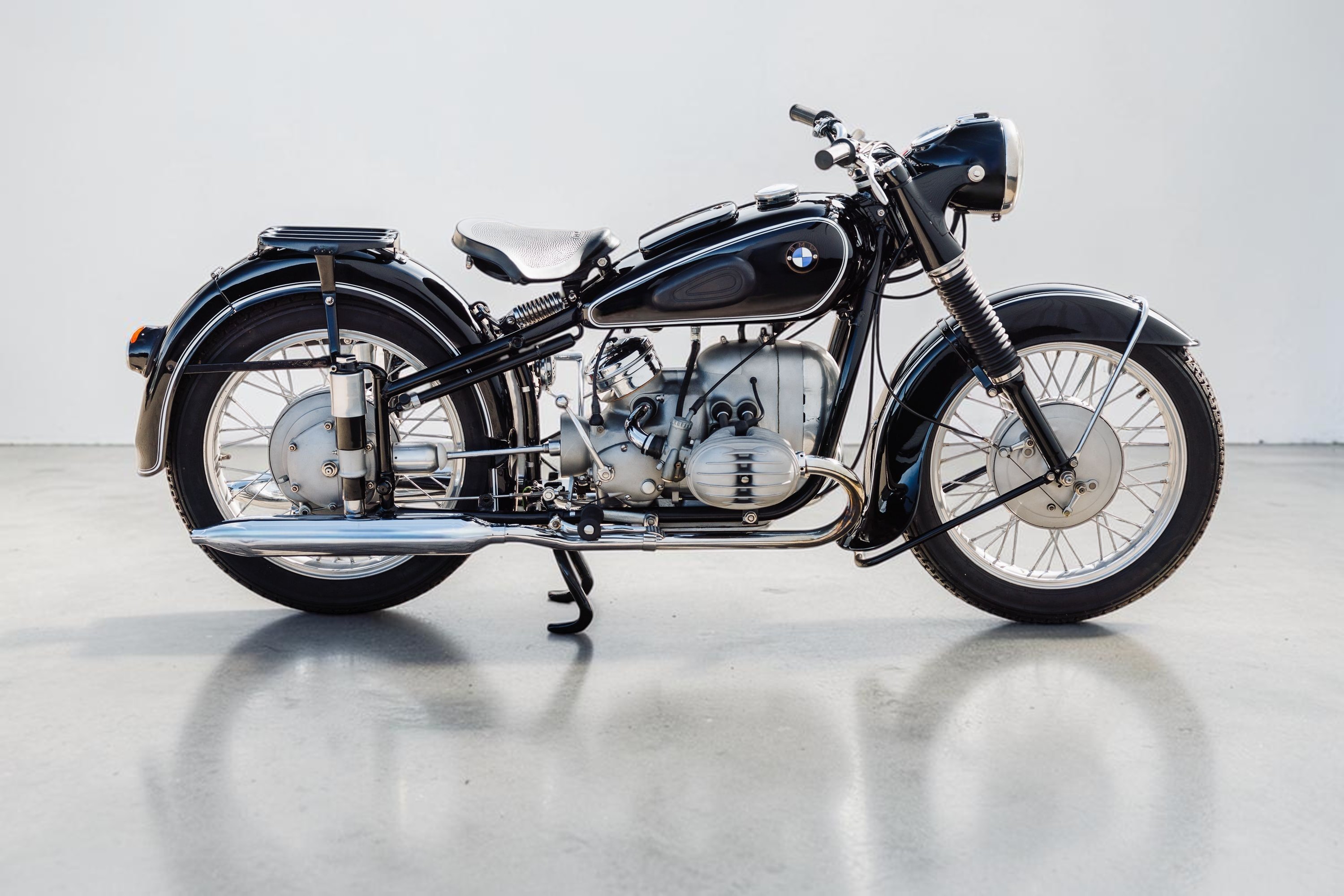
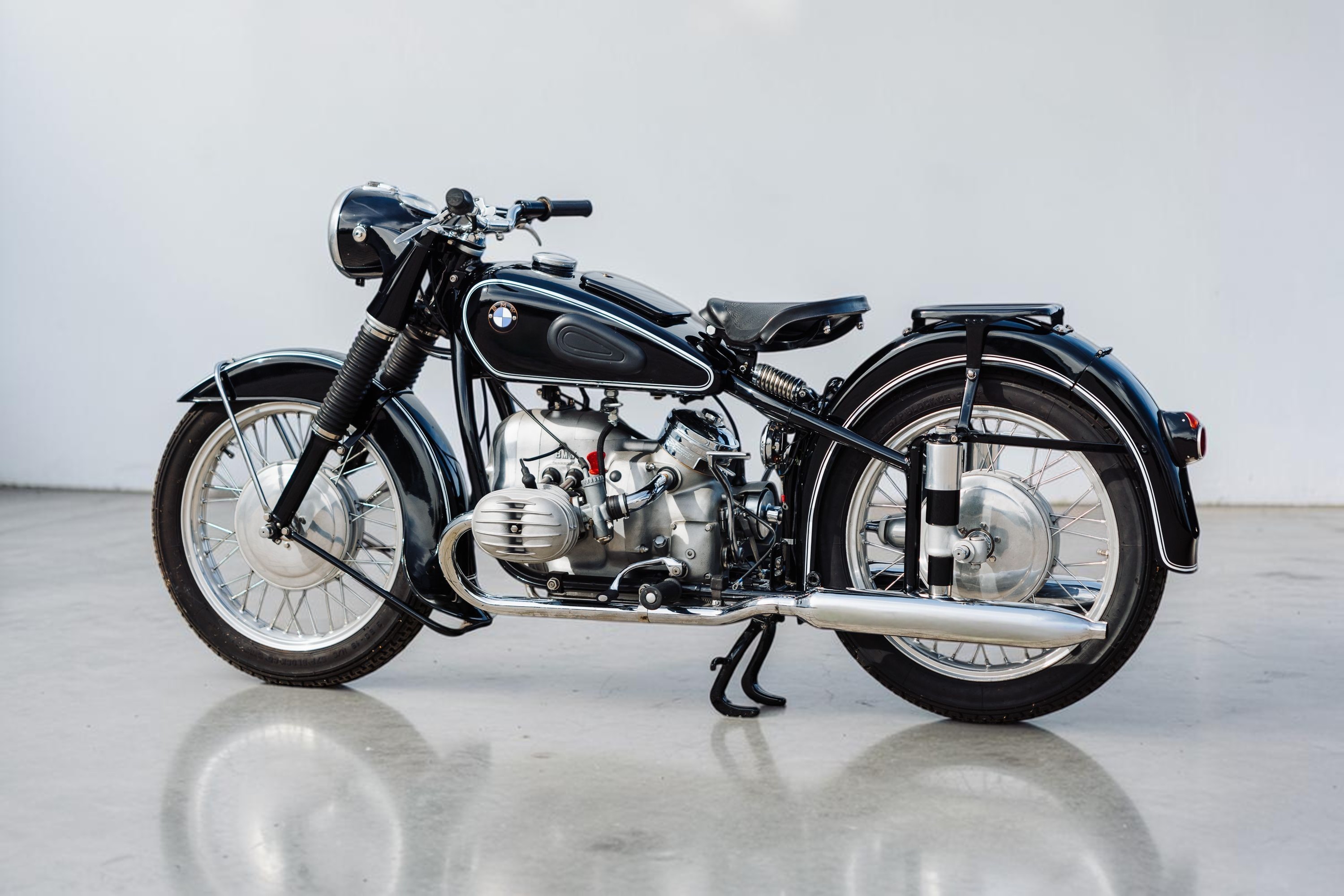
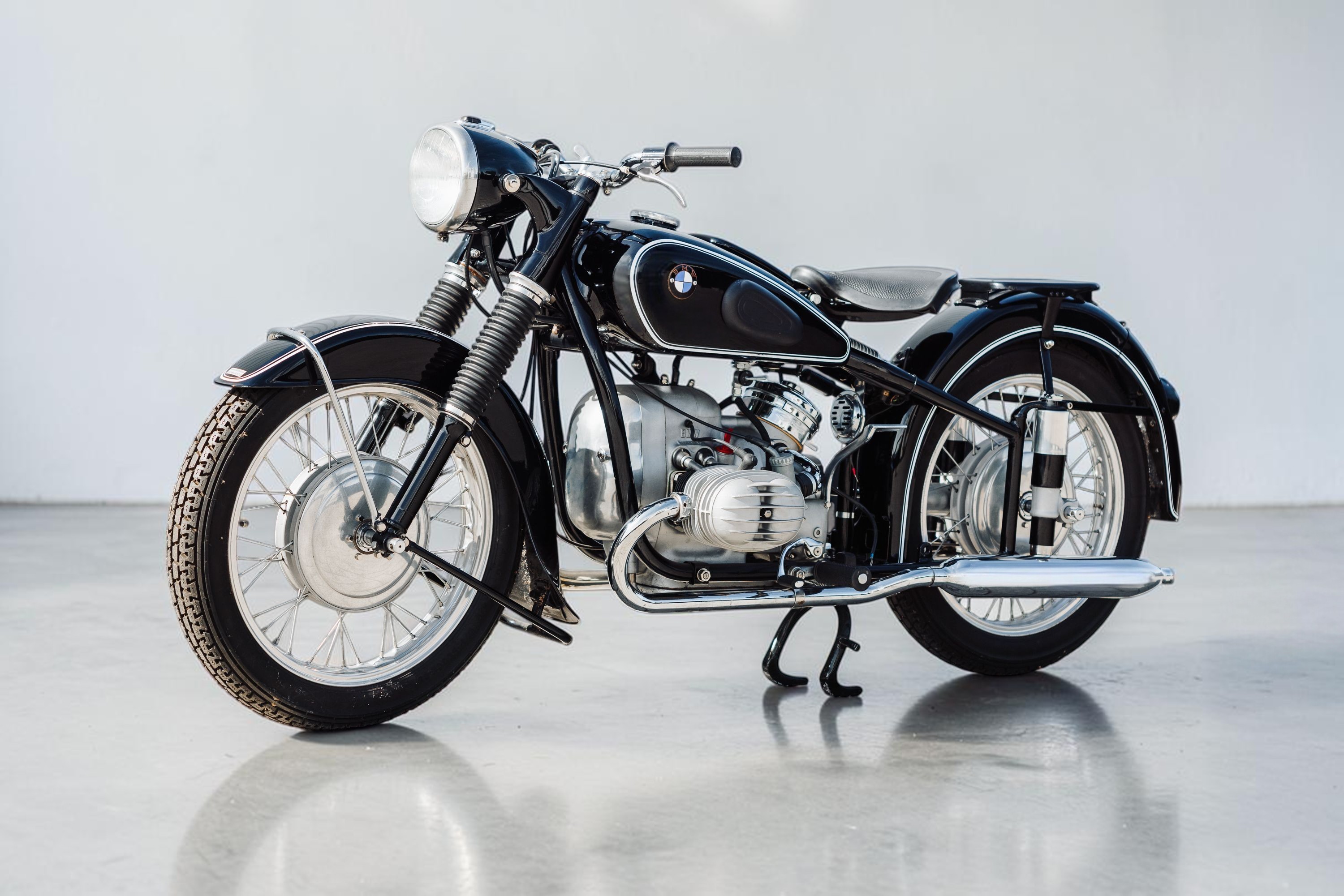
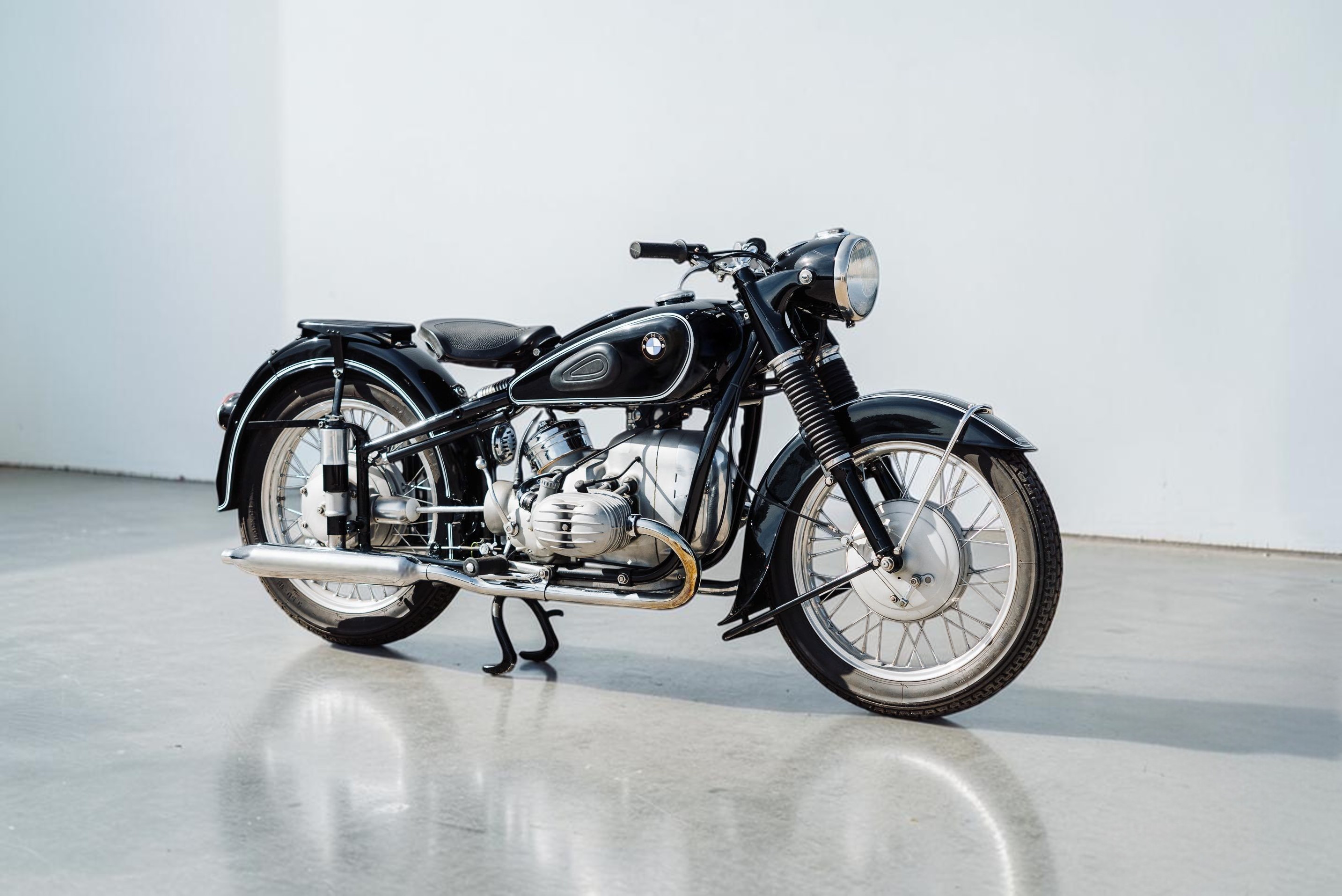
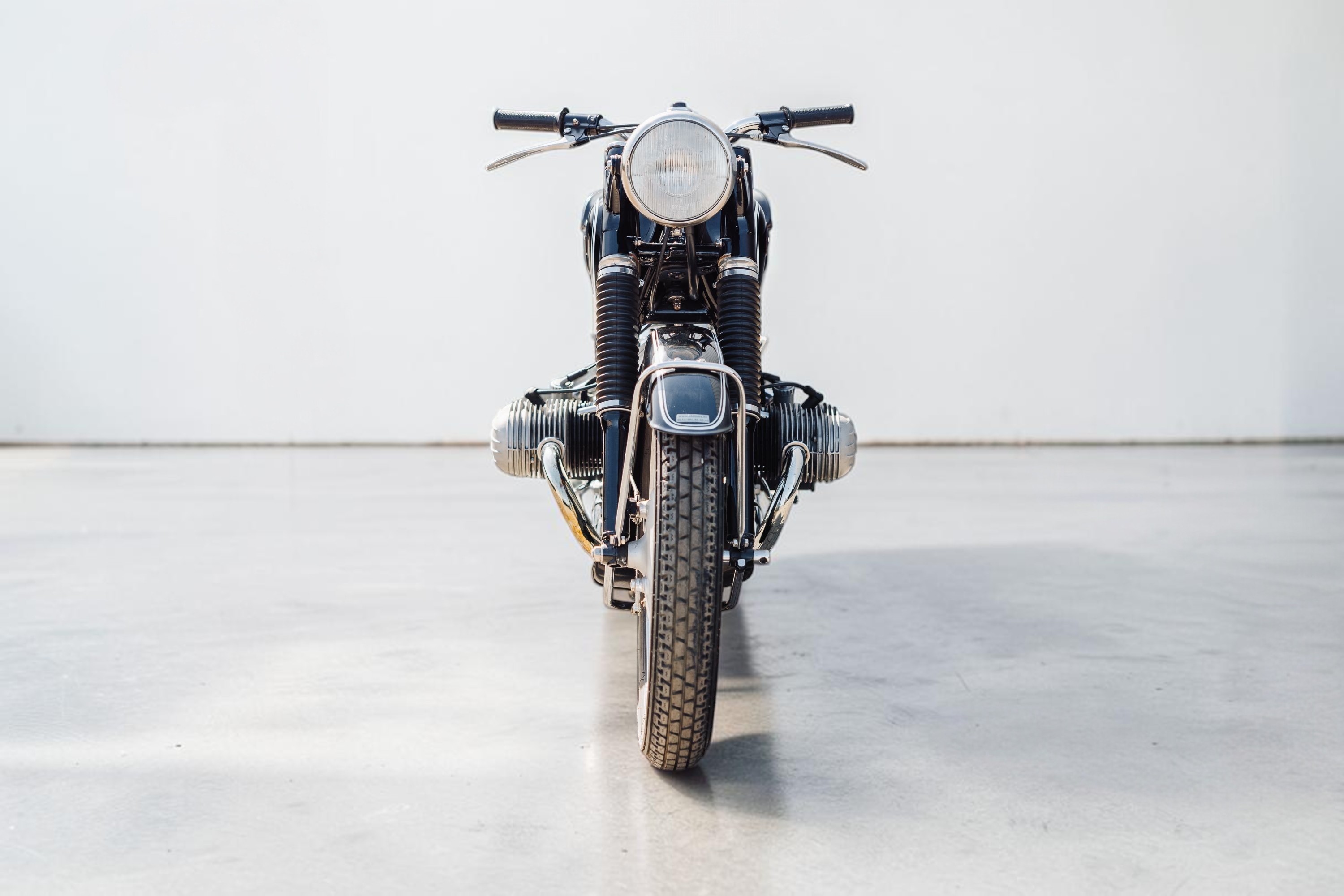
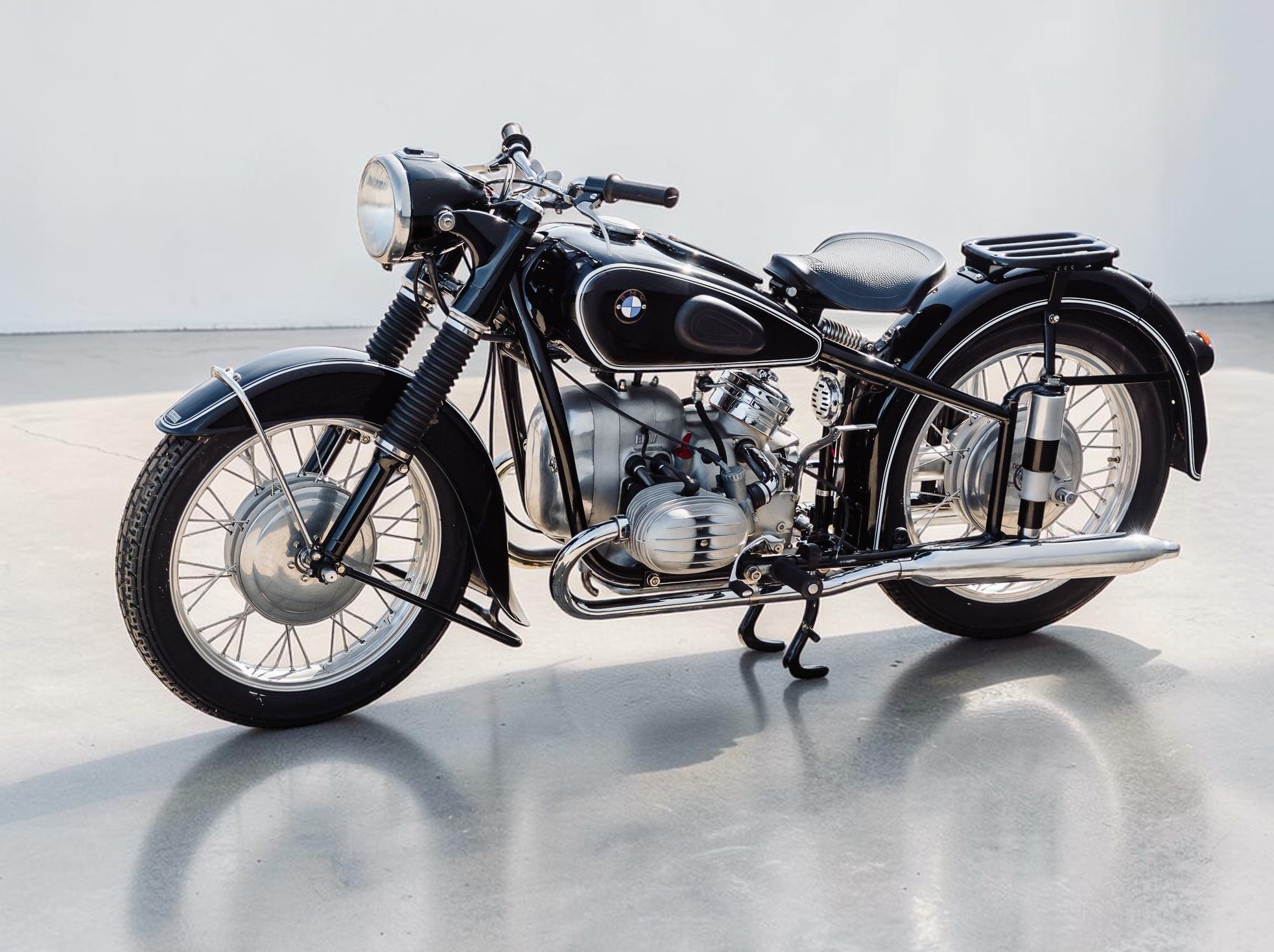
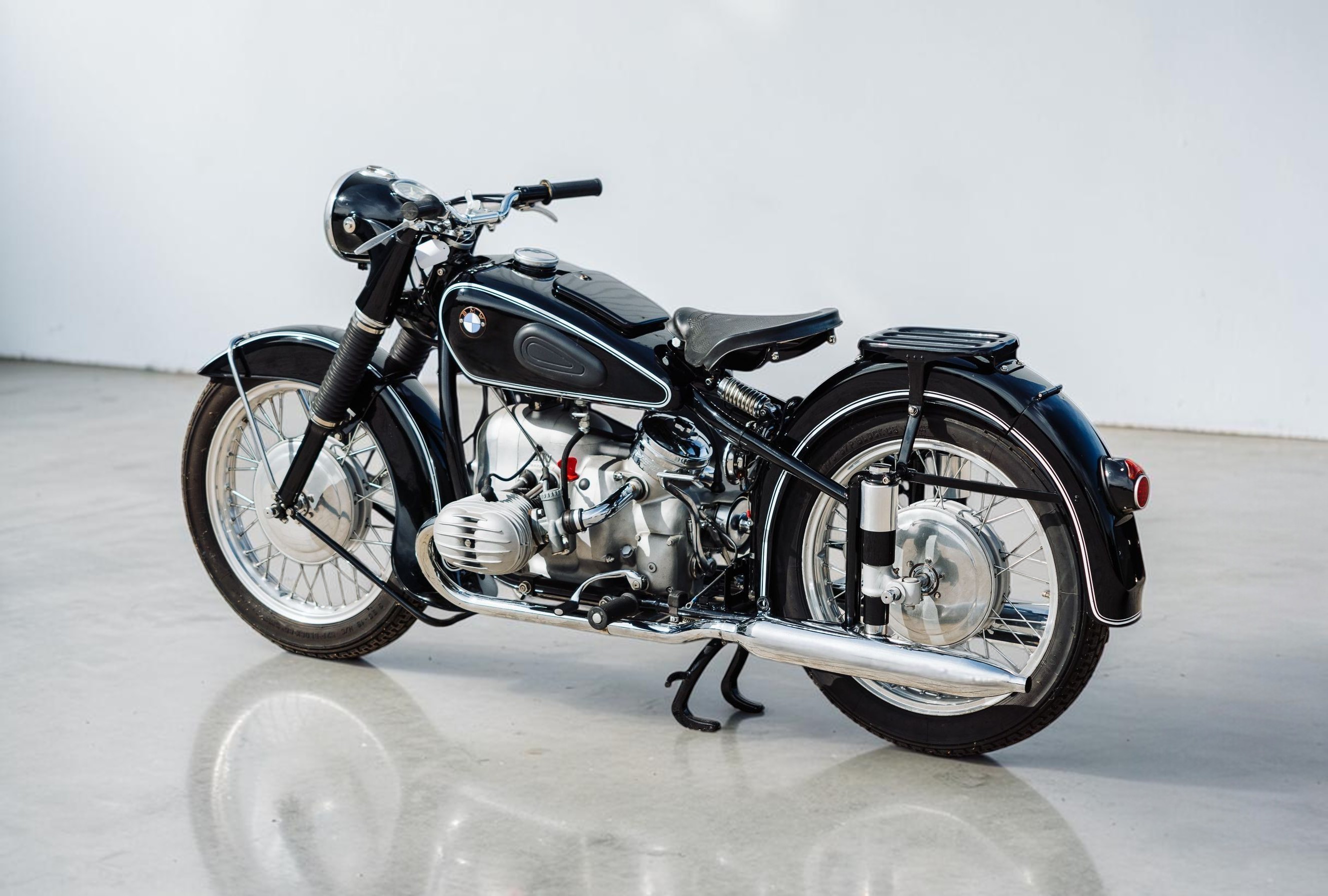
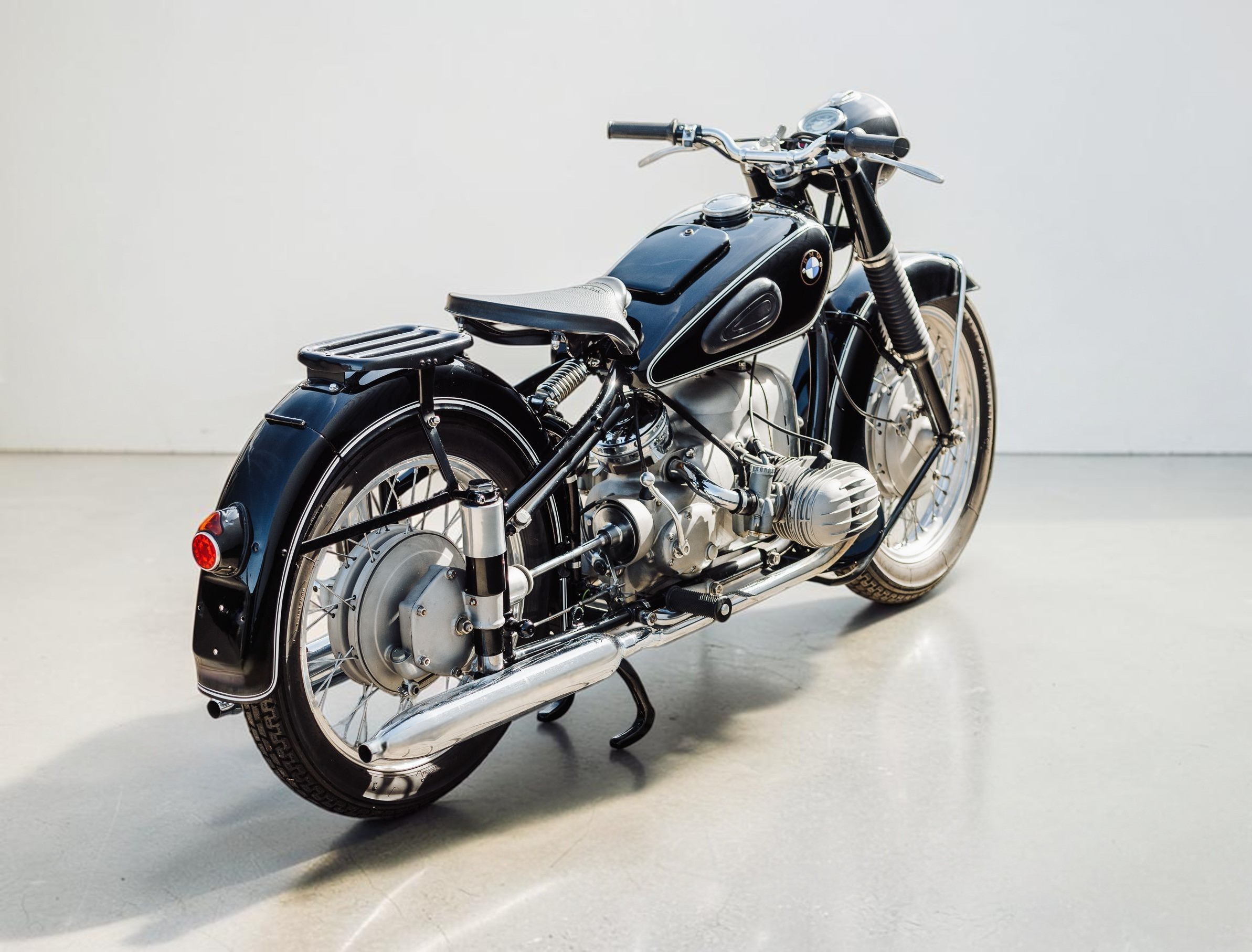
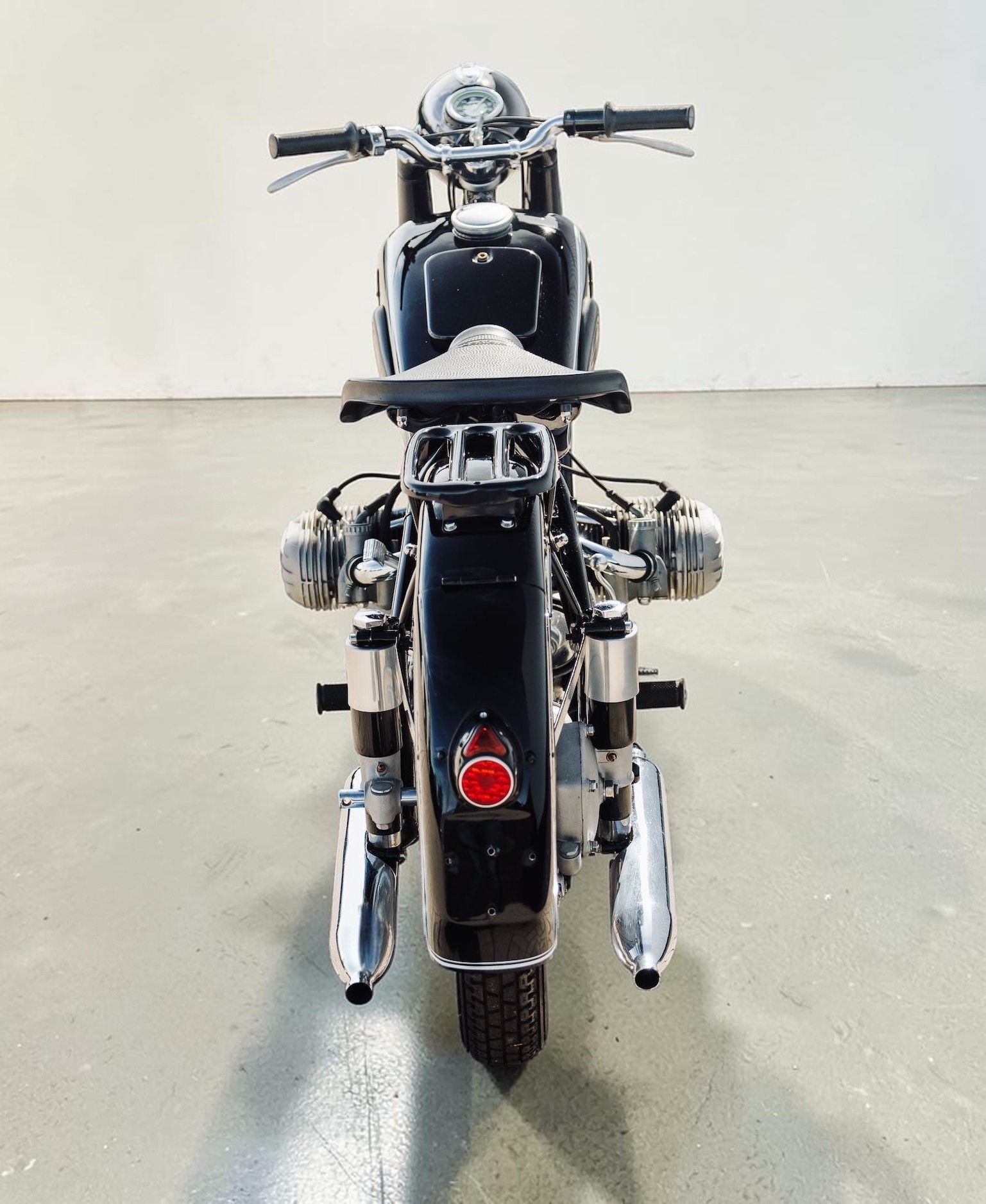
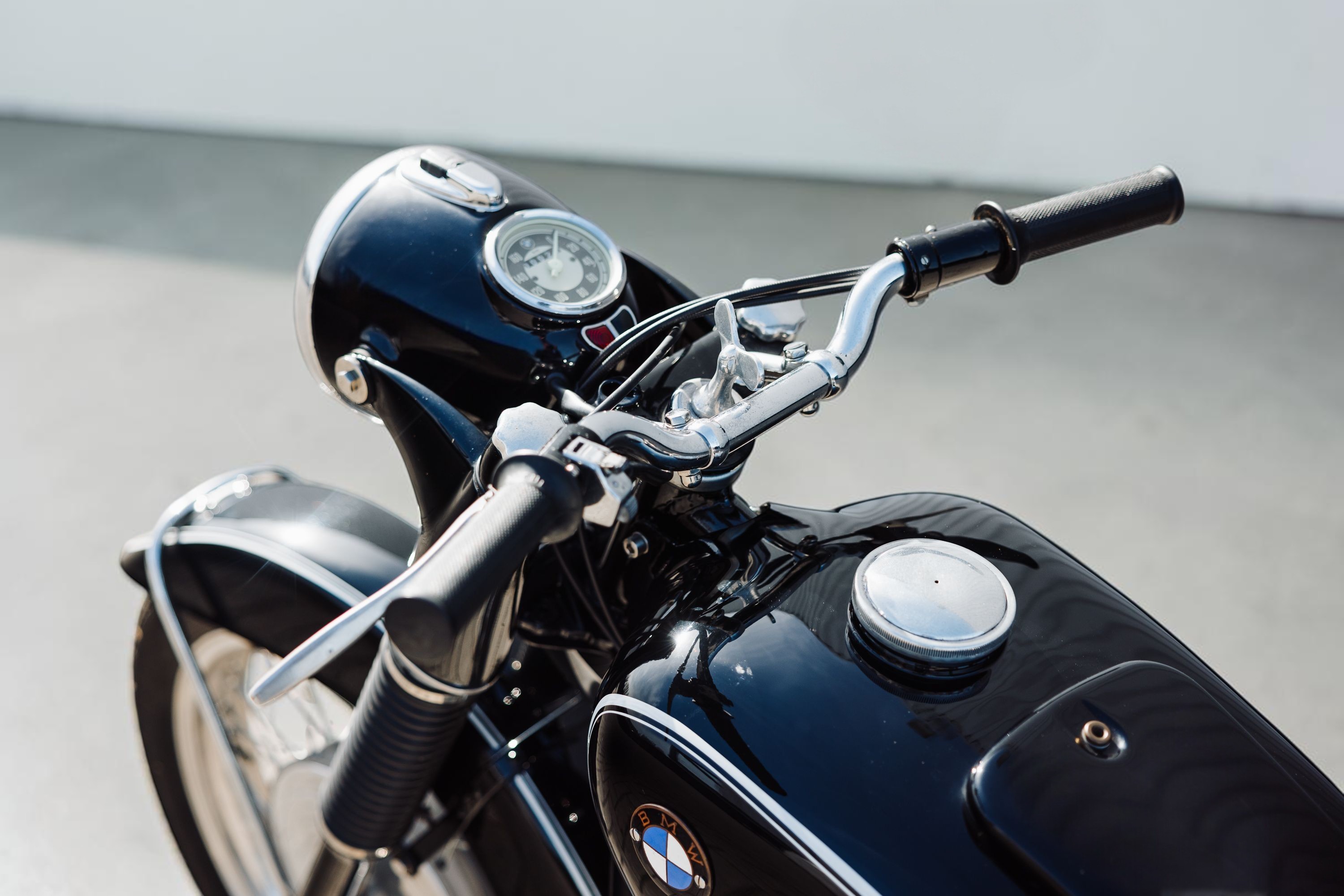
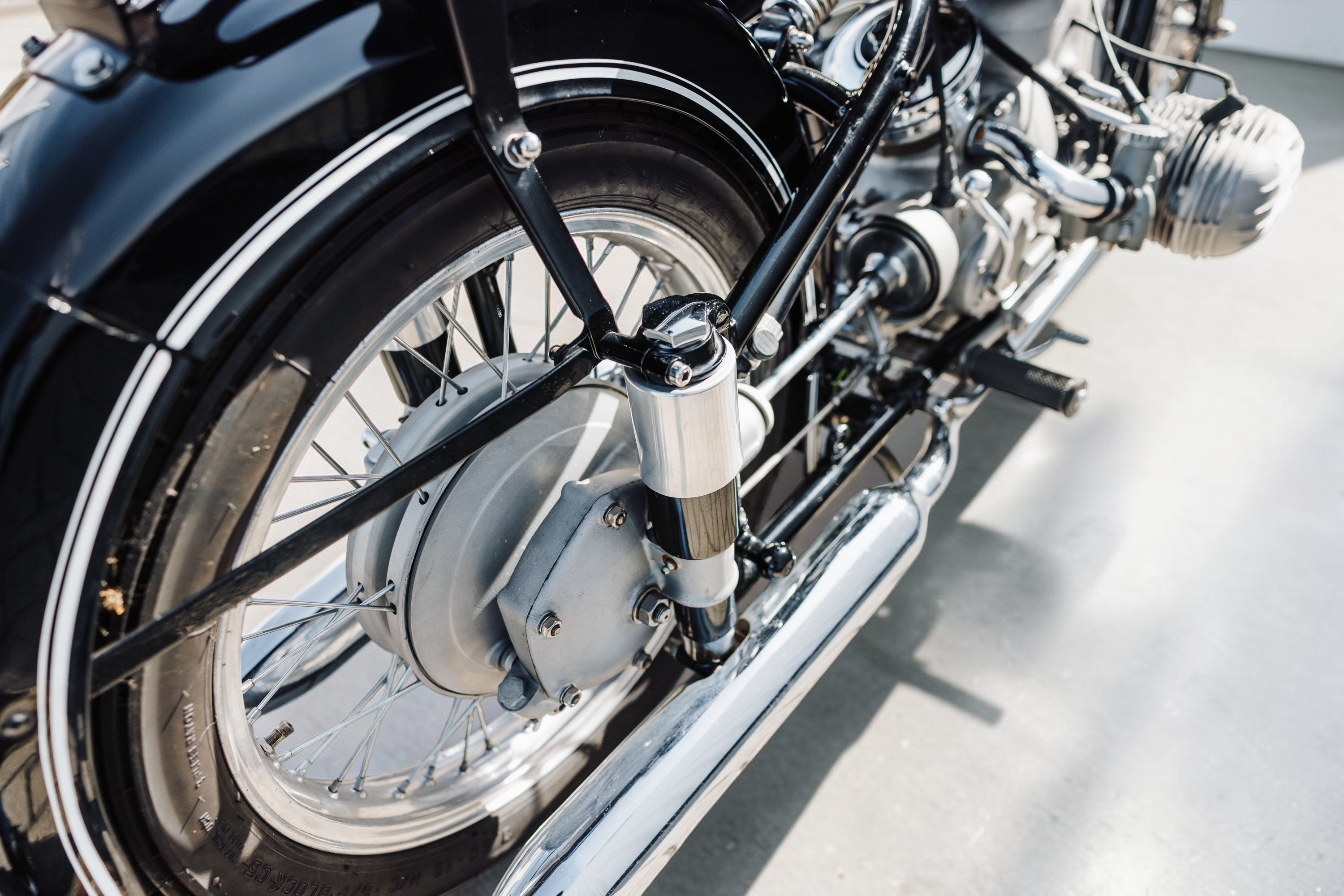
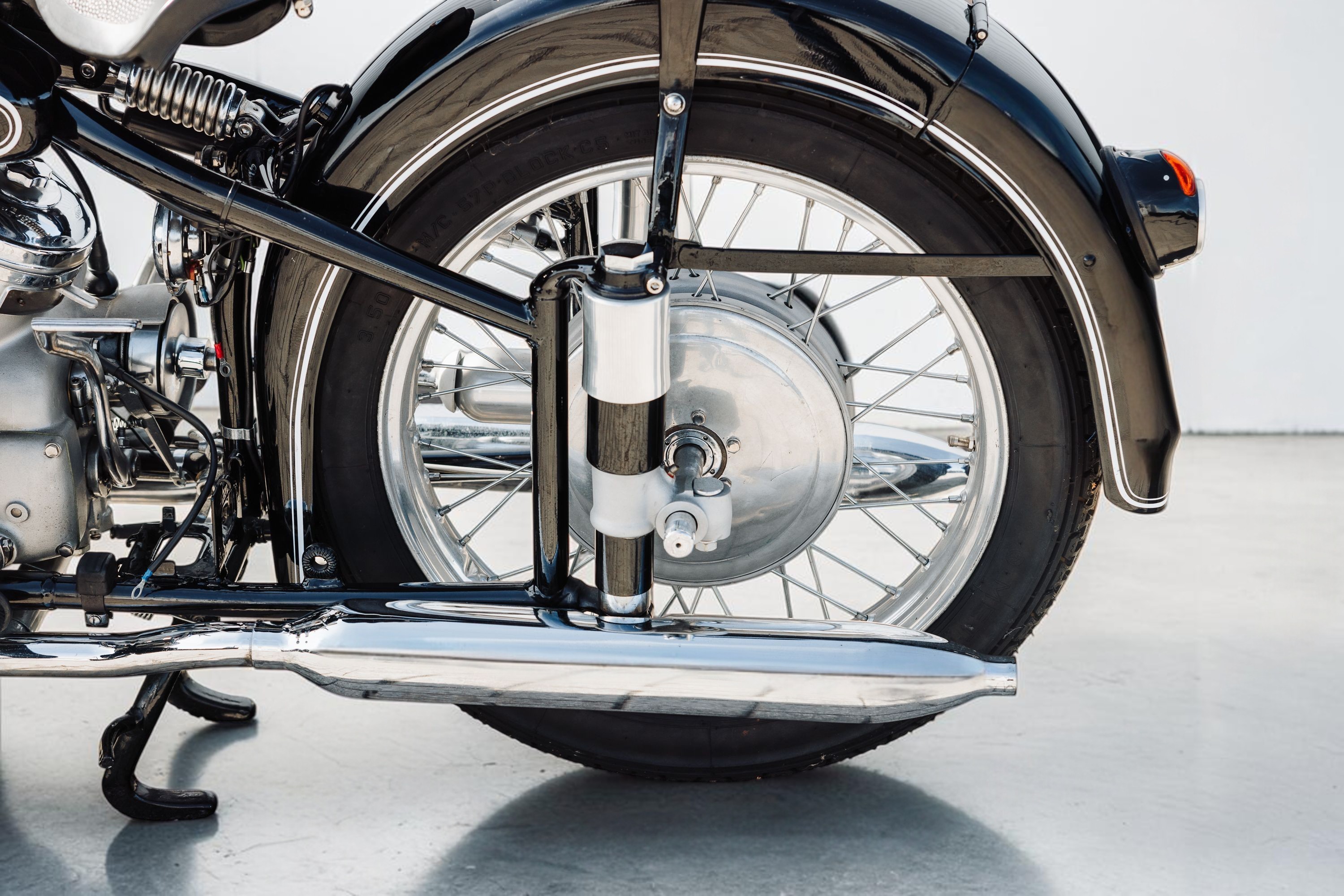
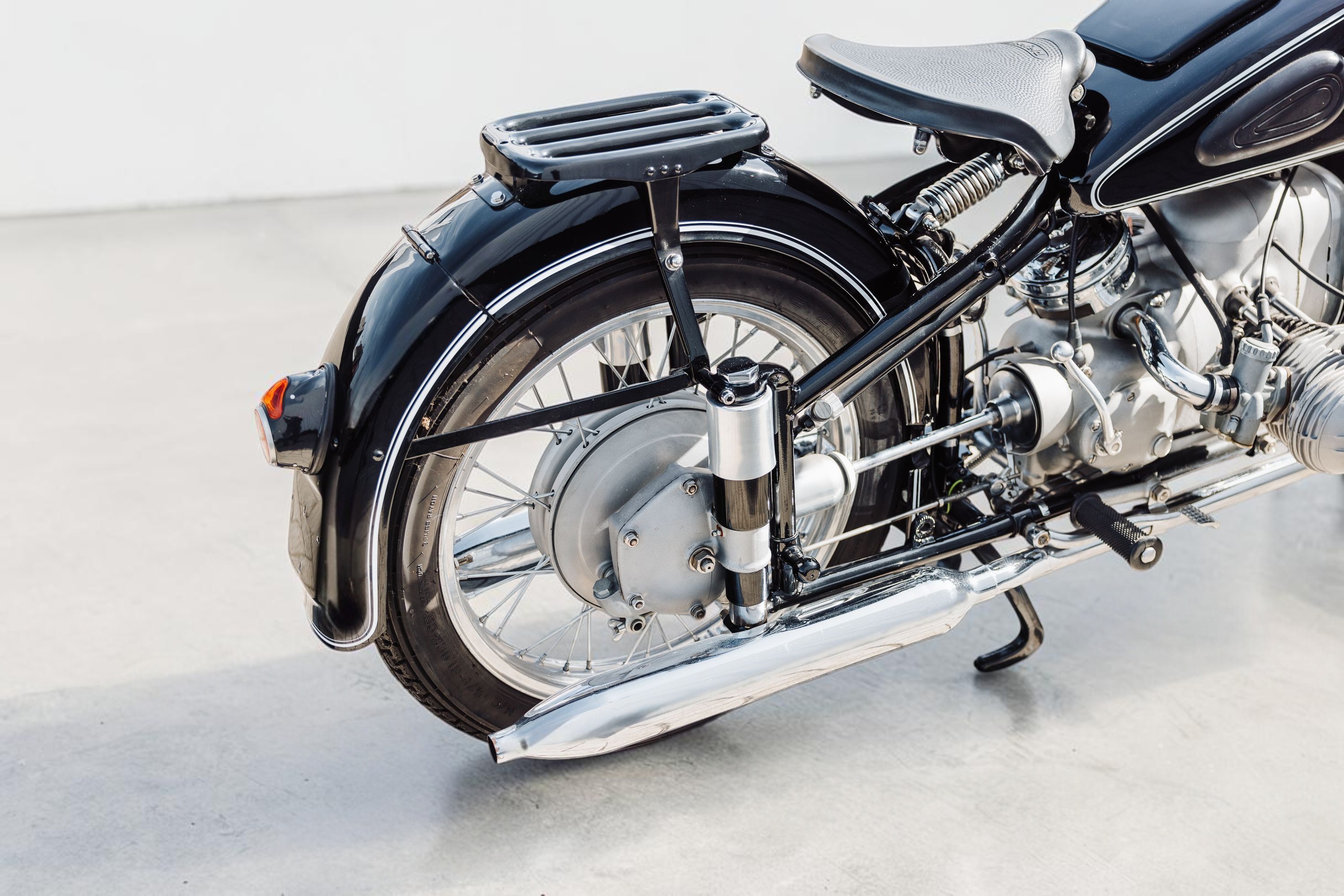
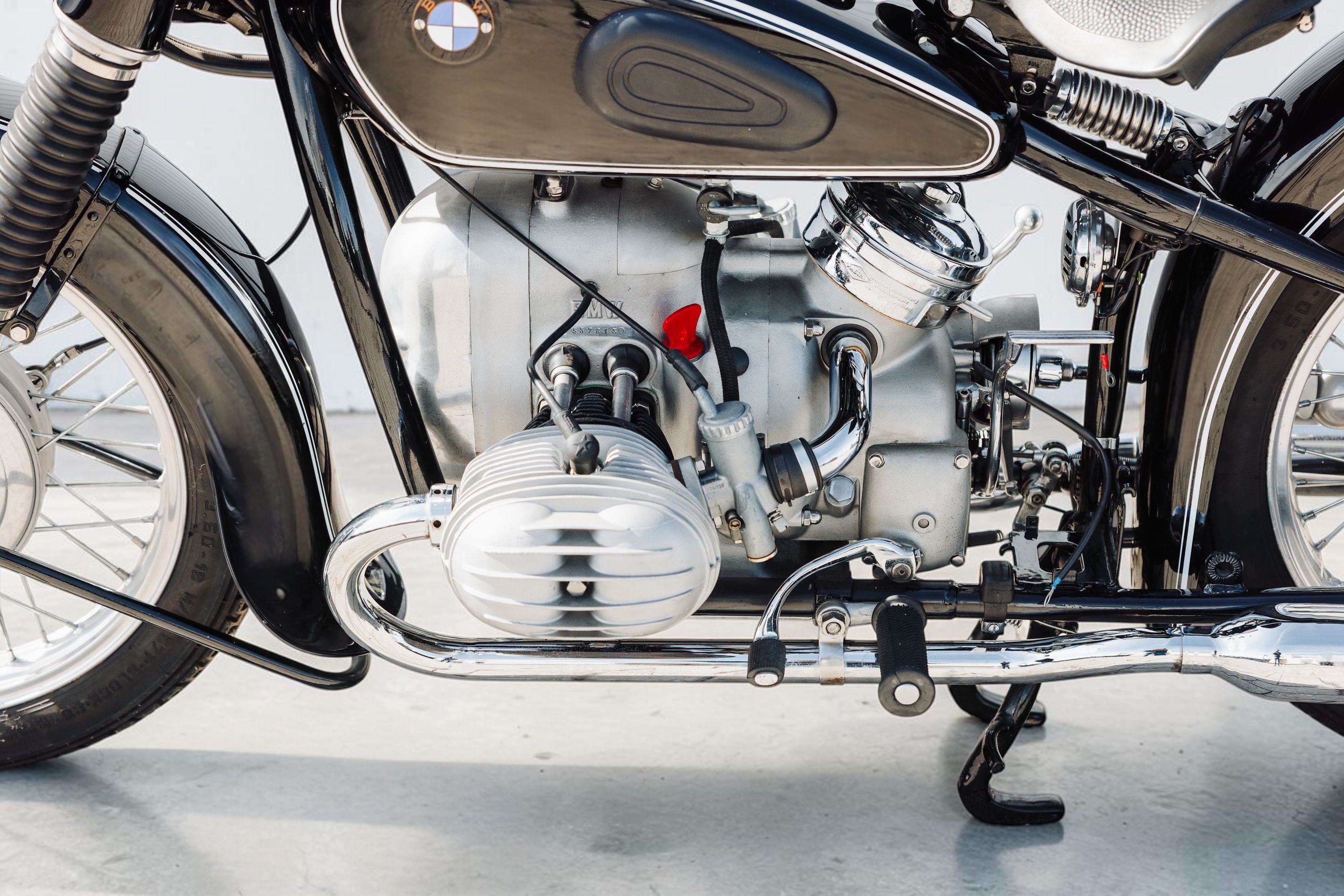

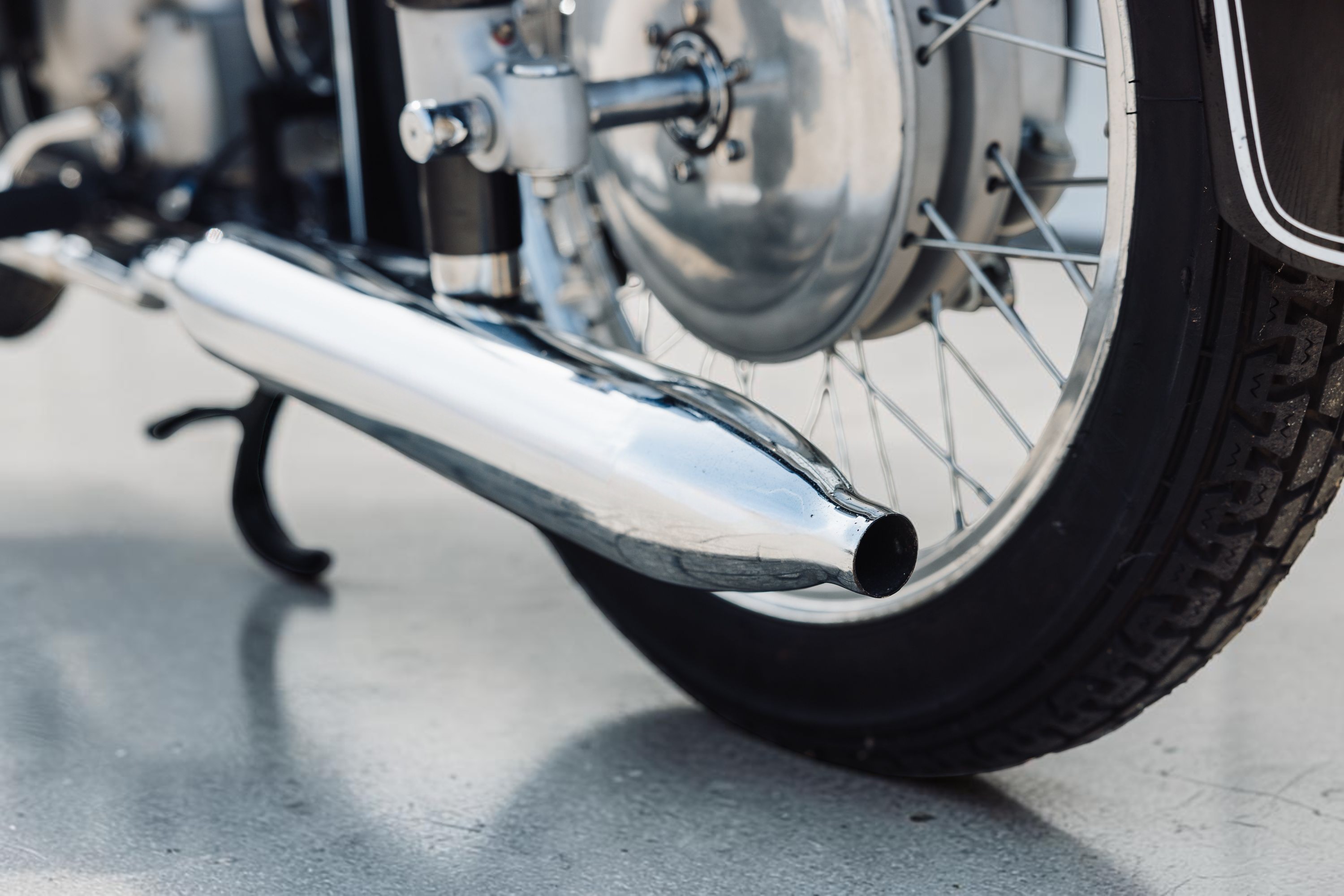
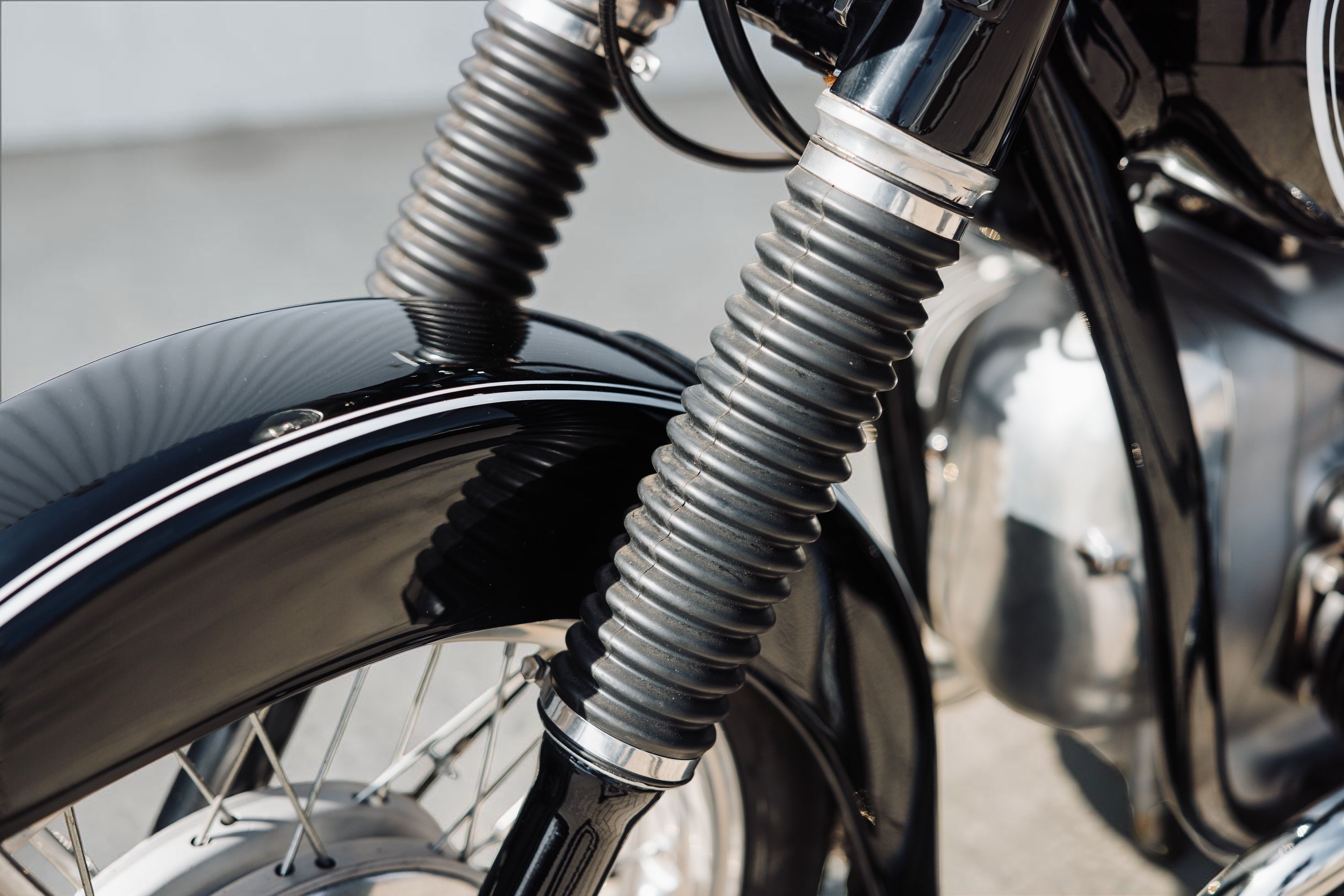
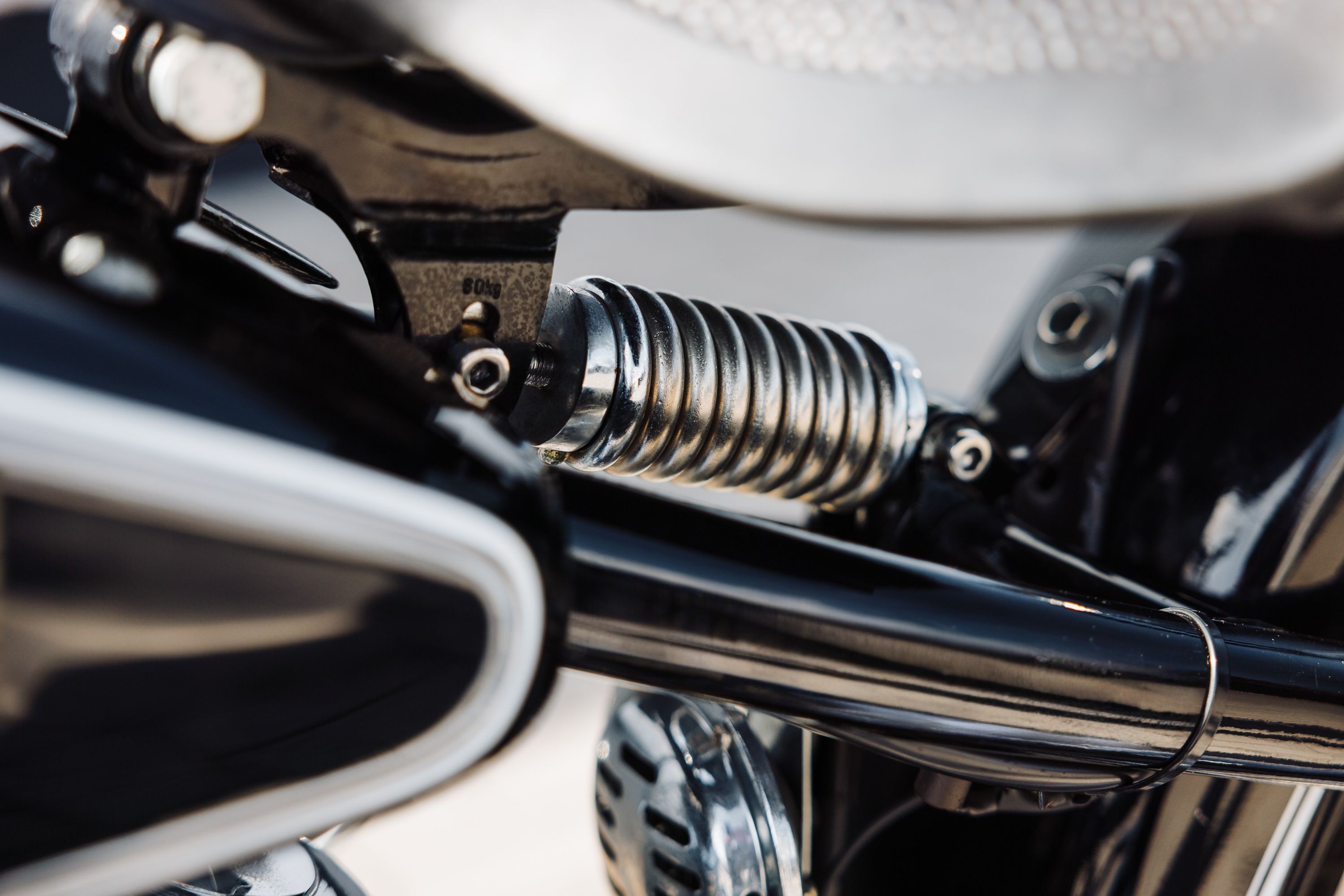
The 1954 BMW R51/3 represents an important stage in the development of BMW's post-war boxer-twin motorcycle range. Produced during the early 1950s, the R51/3 combined BMW's characteristic horizontally opposed twin-cylinder engine with shaft drive, a four-speed transmission, and a refined chassis designed for reliable road use and longer-distance riding.
Unlike BMW's lightweight single-cylinder motorcycles of the same period, the R51/3 belongs to the company's larger-capacity Boxer family. Its 494cc air-cooled flat-twin engine provided a substantial increase in performance and touring capability while retaining the balanced mechanical layout that had become closely associated with BMW motorcycles.
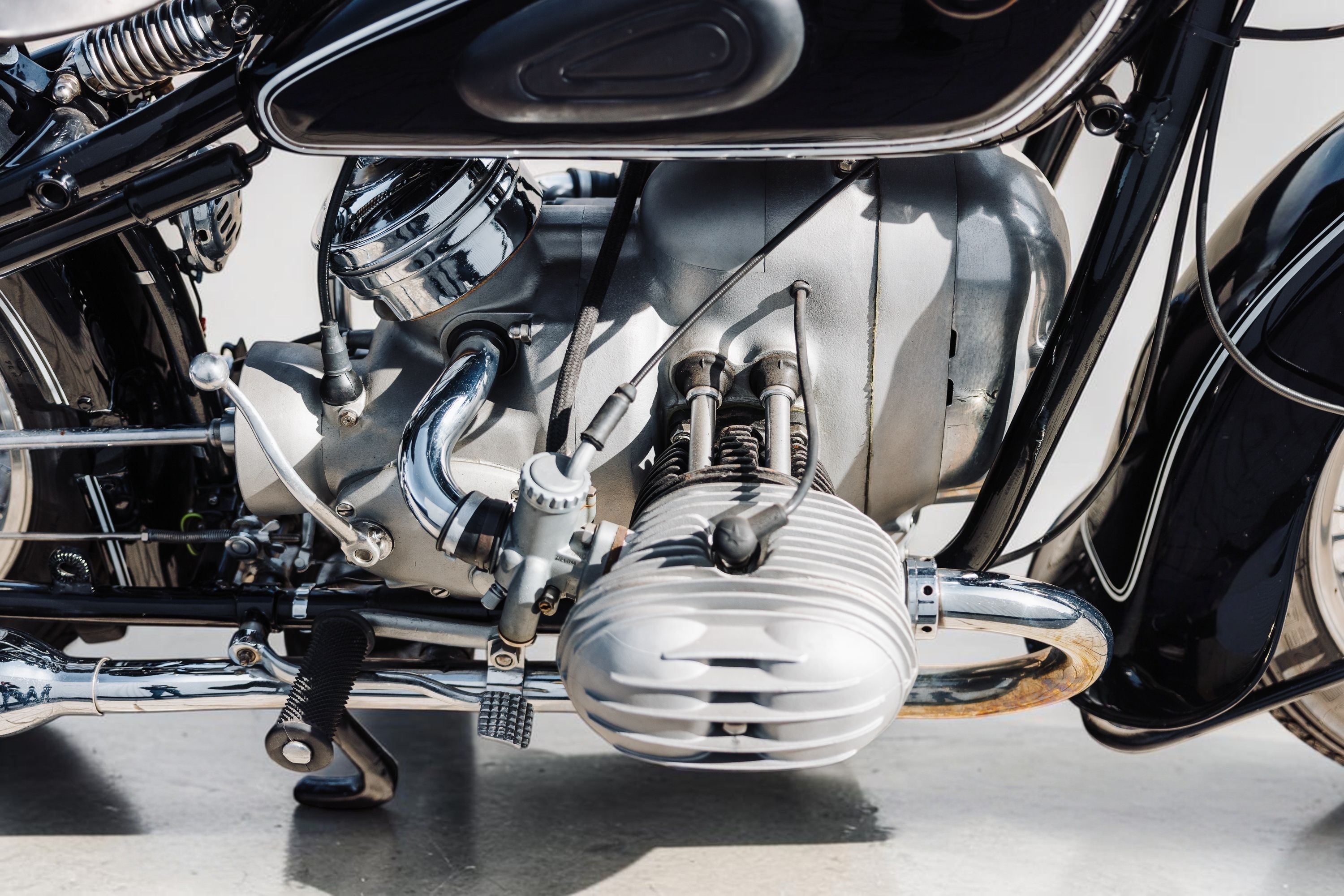
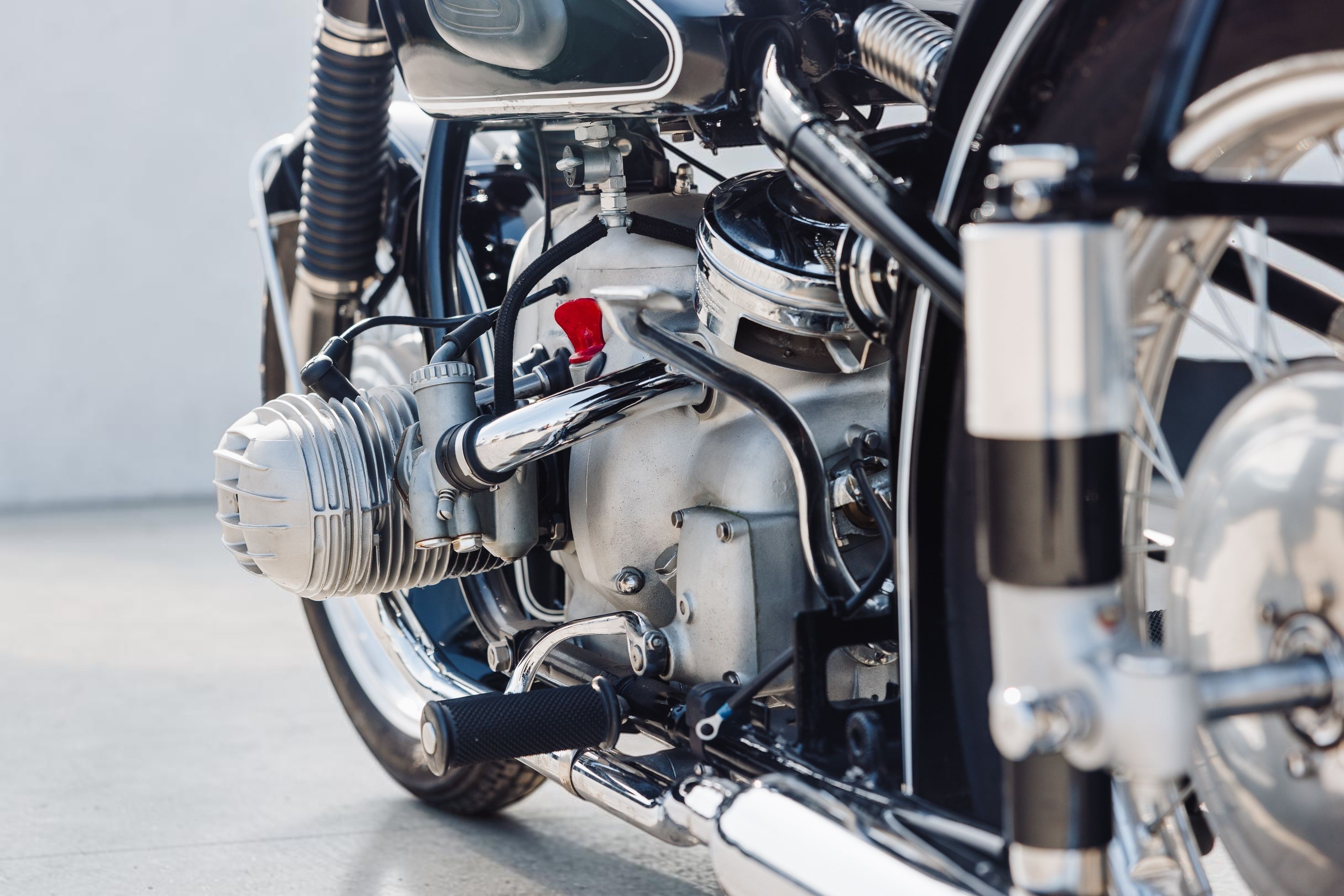
At the heart of the R51/3 is BMW's 494cc air-cooled two-cylinder four-stroke Boxer engine. The horizontally opposed cylinders provide natural mechanical balance and give the motorcycle its characteristic low-slung engine architecture.
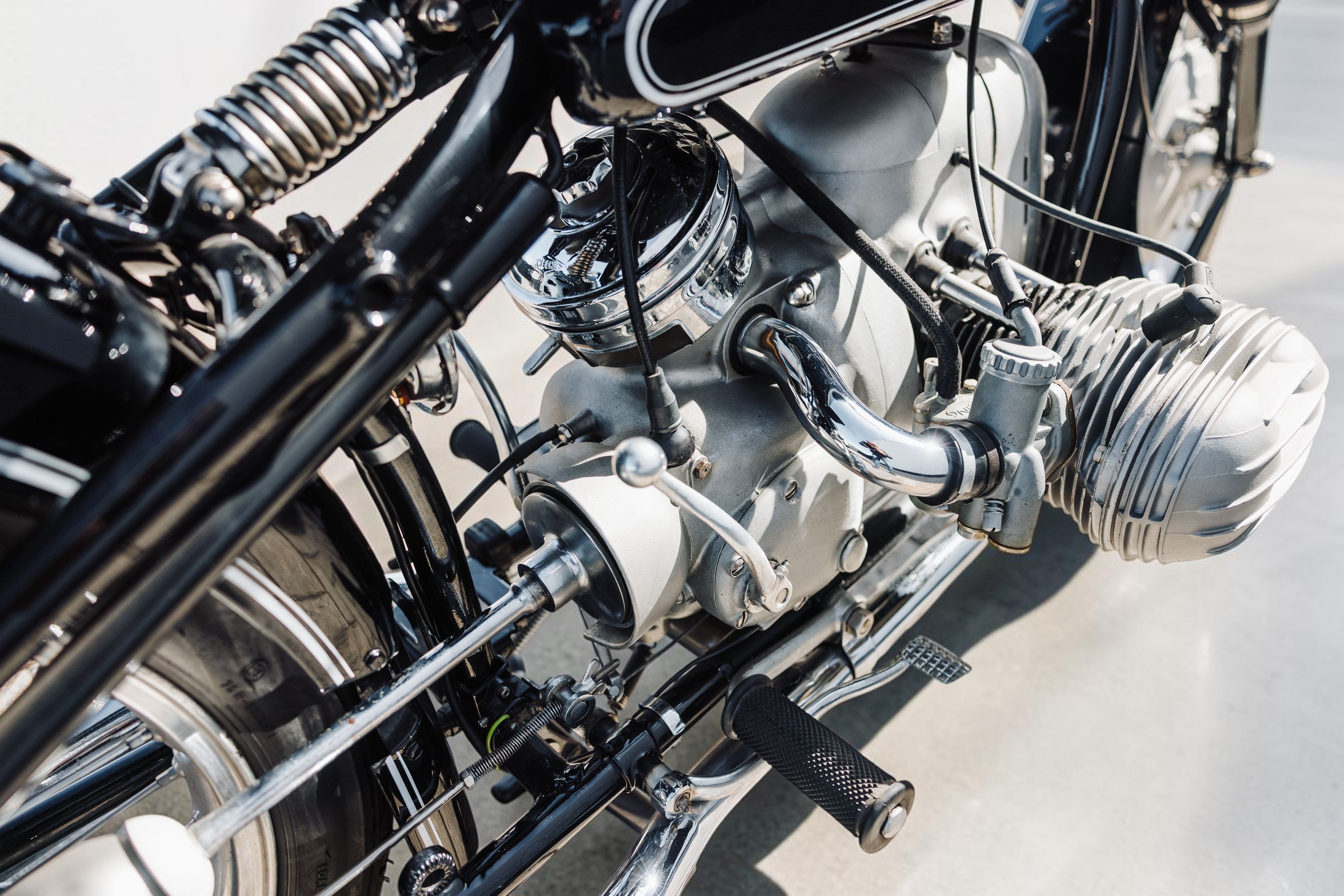
The engine is paired with a four-speed transmission and BMW's shaft final drive. This combination formed one of the defining features of BMW motorcycle engineering, providing an enclosed and durable method of transferring power to the rear wheel while reducing the routine maintenance associated with conventional chain final drives.
The R51/3 also reflects BMW's continuing development of its post-war motorcycle chassis. Its suspension, braking system, wheels, electrical equipment, and engine detailing were developed to provide a combination of stability, comfort, and mechanical durability appropriate to a larger-capacity road motorcycle.
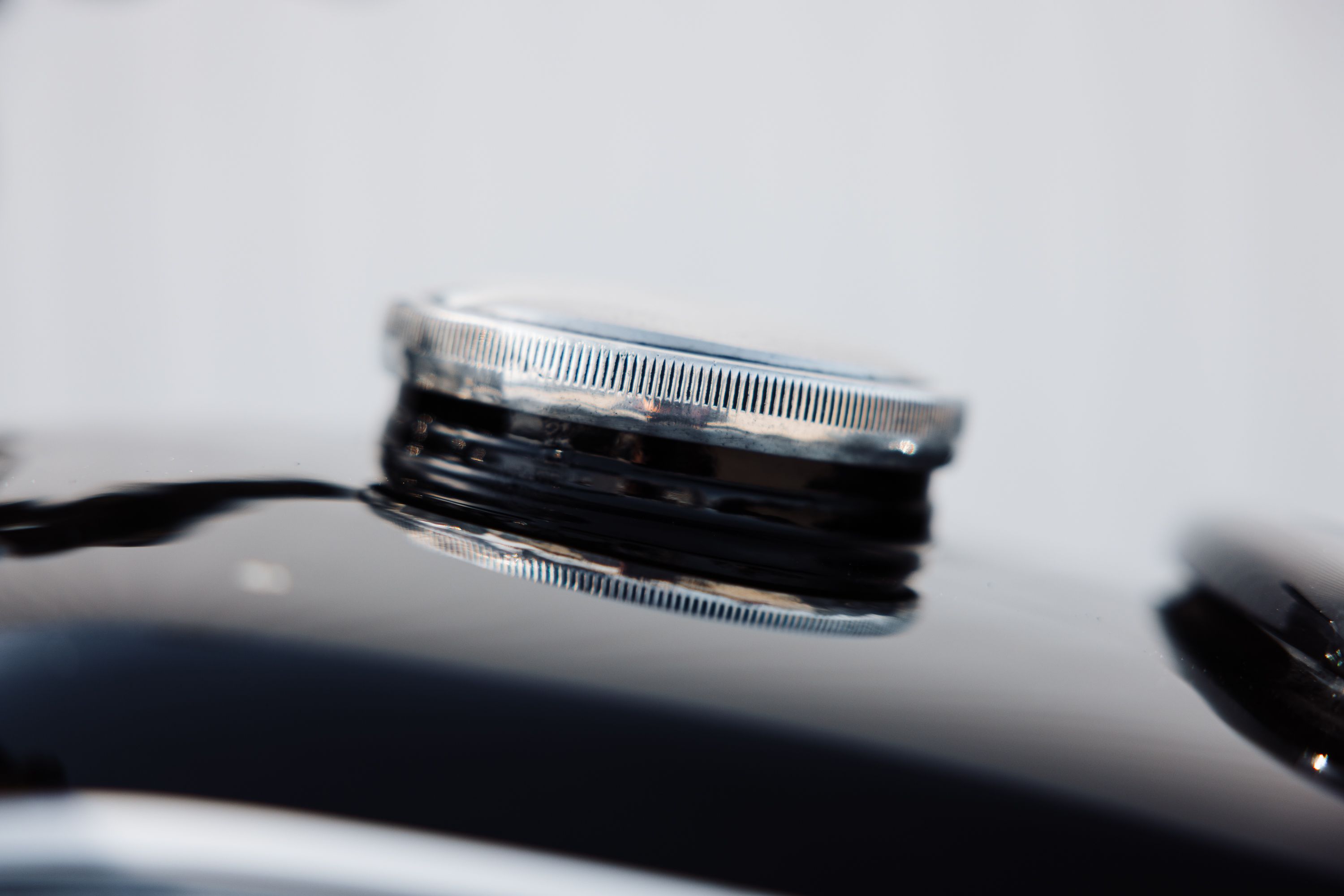
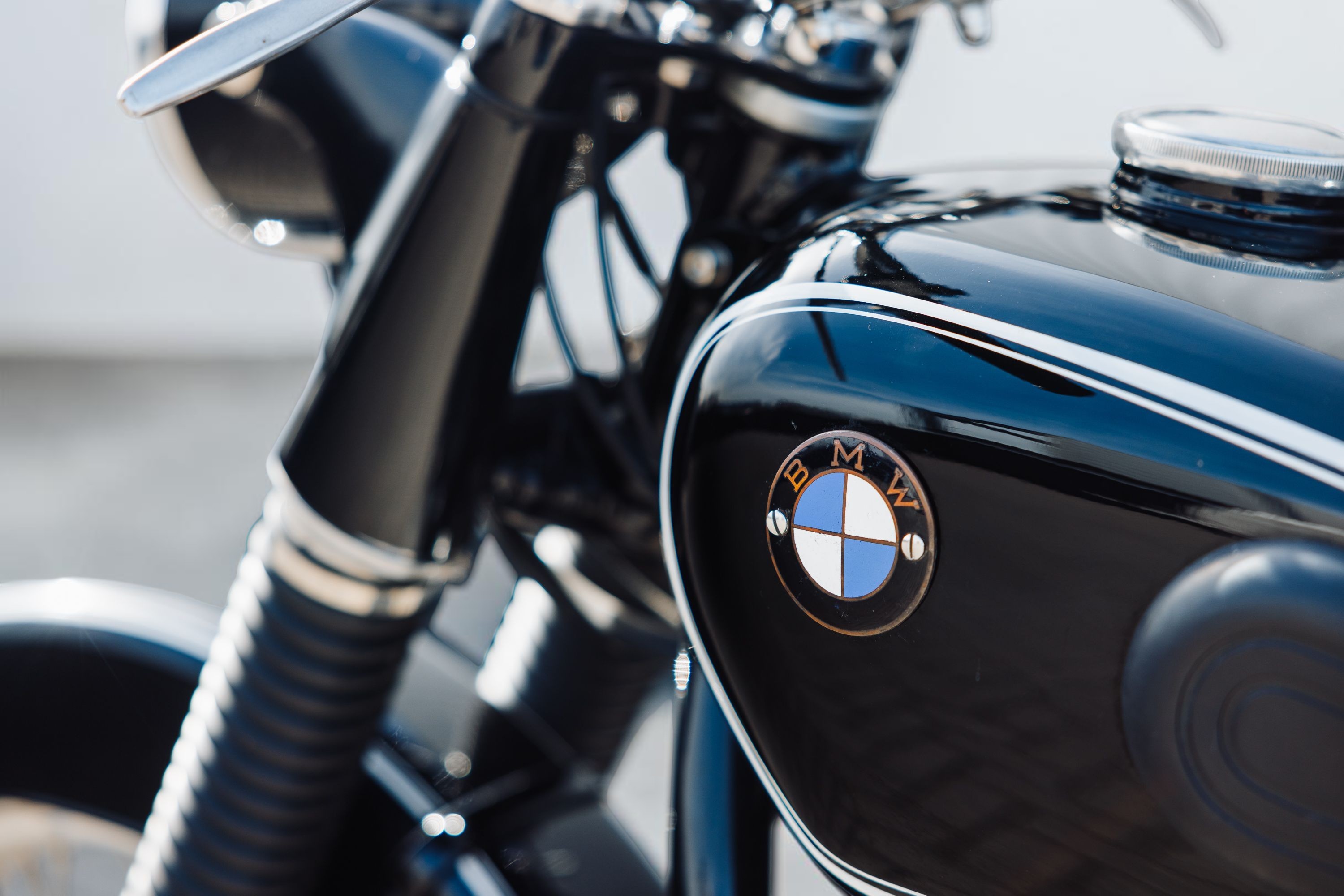
Visually, the R51/3 displays the restrained functional styling characteristic of early 1950s BMW motorcycles. The painted fuel tank, exposed Boxer engine, traditional mudguards, wire-spoke wheels, shaft-drive housing, and integrated mechanical components create a distinctive appearance without unnecessary decoration.
The R51/3 was designed as a versatile road motorcycle capable of both everyday use and longer journeys. Its larger engine, stable chassis, and shaft-drive system made it particularly suitable for riders seeking greater touring capability than BMW's lightweight single-cylinder machines could provide.
Today, the 1954 BMW R51/3 is valued as an important example of BMW's post-war engineering development. It represents the continuation and refinement of the company's Boxer-twin and shaft-drive architecture during a period when BMW was rebuilding its motorcycle range and establishing a distinctive identity in the international motorcycle market.
The history of the R51/3 belongs to BMW's return to civilian motorcycle production following the Second World War. During the early 1950s, European motorcycle manufacturers were rebuilding production capacity while demand for dependable personal transportation and touring motorcycles was increasing.
BMW's post-war motorcycle range developed along two principal directions: lightweight single-cylinder motorcycles for practical transportation and larger Boxer-powered machines designed for greater performance, touring ability, and long-distance use.
The R51/3 formed part of this larger Boxer-twin development. It continued BMW's established use of a horizontally opposed twin-cylinder engine and shaft final drive while incorporating the engineering refinements developed during the company's post-war return to motorcycle production.
The model belongs to an important transitional period in BMW motorcycle history. The company was developing motorcycles that could serve both practical road transportation and increasingly serious touring requirements, while maintaining the engineering architecture that distinguished BMW from many competing manufacturers.
The larger-capacity Boxer motorcycles were particularly significant because they demonstrated BMW's ability to combine useful performance with mechanical durability. Their shaft-drive systems, stable chassis layouts, and horizontally opposed engines became increasingly important elements of BMW's motorcycle identity.
The R51/3 therefore occupies an important place in BMW's post-war history. It represents the maturation of the company's Boxer-twin concept during the early 1950s and provides a direct link between BMW's pre-war engineering heritage and the later generation of larger-capacity touring motorcycles.
The model also illustrates BMW's broader approach to engineering development during this period: rather than abandoning its established mechanical architecture, BMW continued refining the Boxer engine, transmission, final drive, suspension, braking, and electrical systems into an increasingly sophisticated road motorcycle.
The R51/3 can be understood as an important post-war development of BMW's horizontally opposed Boxer-twin motorcycle platform. Rather than pursuing extreme sporting performance, BMW focused on creating a mechanically balanced motorcycle capable of reliable road use and sustained long-distance operation.
The 494cc displacement provided a useful balance between performance, mechanical simplicity, and touring capability. Compared with BMW's smaller single-cylinder machines, the Boxer twin offered substantially greater engine capacity while retaining a compact and well-balanced configuration.
The horizontally opposed cylinder arrangement also contributed to the motorcycle's distinctive mechanical character. The cylinders extend outward from the crankcase, creating a low and balanced engine configuration that became one of BMW's most recognizable engineering features.
This architecture was particularly well suited to BMW's shaft-drive concept. The engine, gearbox, and final-drive assembly formed a coherent longitudinal drivetrain that provided a distinctive mechanical layout and reduced dependence on exposed chain-drive components.
The shaft final drive further reinforced BMW's practical engineering philosophy. By enclosing the final-drive mechanism, BMW provided a drivetrain designed for durability and reduced routine maintenance compared with conventional chain-driven motorcycles.
The BMW R51/3 is powered by a 494cc air-cooled horizontally opposed two-cylinder four-stroke Boxer engine. The engine represents an important development of BMW's traditional twin-cylinder architecture and remains one of the defining mechanical features of the motorcycle.
The Boxer configuration provides natural mechanical balance and contributes to the characteristic low center of gravity associated with BMW's horizontally opposed motorcycles. The exposed cylinder heads also give the motorcycle a highly recognizable mechanical appearance.
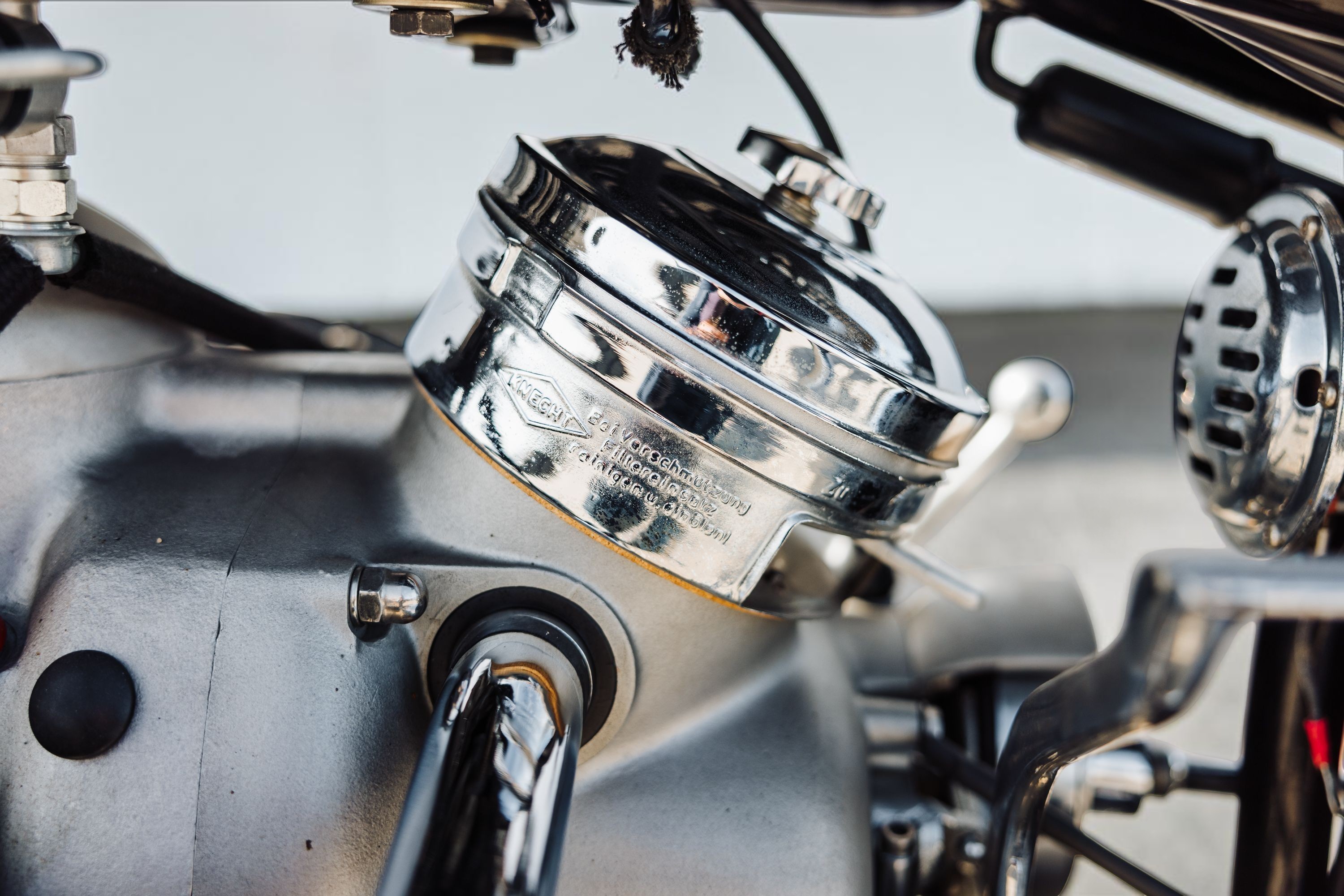
Fuel is supplied through carburetors, while cooling is provided by airflow over the exposed cylinders and cylinder heads. This air-cooled arrangement avoids the complexity of a liquid cooling system and remains consistent with the straightforward mechanical construction of BMW motorcycles of the period.
The engine is connected to a four-speed gearbox designed to provide a useful range of ratios for both urban riding and open-road travel. Power is then transferred through BMW's shaft-drive system to the rear wheel.
The combination of a 494cc Boxer engine, four-speed transmission, and shaft final drive gave the R51/3 a substantially different character from BMW's lightweight single-cylinder machines. It was capable of serving as both a practical road motorcycle and a longer-distance touring machine.
The R51/3's performance character is therefore best understood in the context of early 1950s road motorcycles. Its appeal lies not simply in outright speed, but in the combination of engine balance, usable torque, stable road manners, mechanical durability, and long-distance capability.
The R51/3 uses a tubular steel frame designed around BMW's horizontally opposed twin-cylinder engine. The Boxer engine's compact longitudinal arrangement allowed BMW to maintain a balanced overall chassis while providing sufficient space for the transmission and shaft-drive system.
The motorcycle's suspension was developed to provide greater comfort and stability than the simplest post-war motorcycle designs. The front suspension uses a telescopic fork, providing controlled wheel movement and contributing to the motorcycle's stable road-going character.
At the rear, BMW employed its characteristic rear suspension arrangement appropriate to the R51/3's period chassis design. Together with the front fork, this provided improved comfort and control for both normal road use and longer-distance riding.
The suspension system was particularly important for a larger-capacity motorcycle intended to cover greater distances. BMW's engineering approach emphasized stability and controlled handling rather than extreme sporting characteristics.
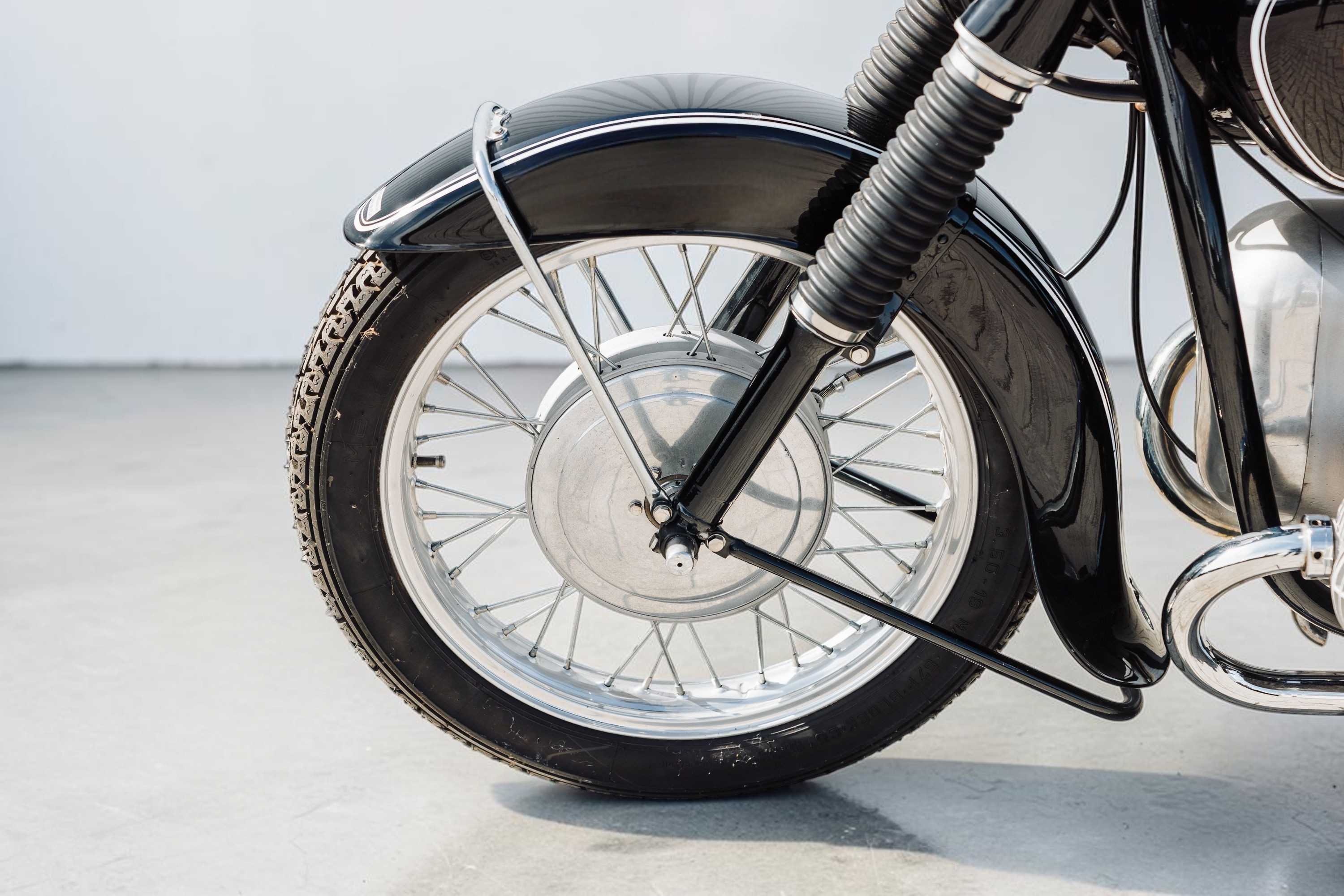
The motorcycle uses conventional wire-spoke wheels and drum brakes, reflecting the engineering standards of the early 1950s. These systems provided durable and serviceable solutions for a road motorcycle of the period.
The result is a chassis that combines the mechanical simplicity of a classic motorcycle with the stability and touring capability expected from BMW's larger Boxer-powered machines.
The visual design of the R51/3 is unmistakably BMW. The horizontally opposed engine forms the central visual element, while the fuel tank, mudguards, wire-spoke wheels, tubular frame, and shaft-drive housing create the distinctive proportions of an early 1950s BMW.
The exposed Boxer cylinders are both functional and visually significant. Their position on either side of the motorcycle creates the characteristic BMW silhouette while allowing direct airflow over the cylinder heads for cooling.
The shaft drive is another immediately recognizable BMW engineering feature. Rather than using a conventional exposed chain, the enclosed final-drive housing creates a clean mechanical appearance and protects the drivetrain from road contamination.
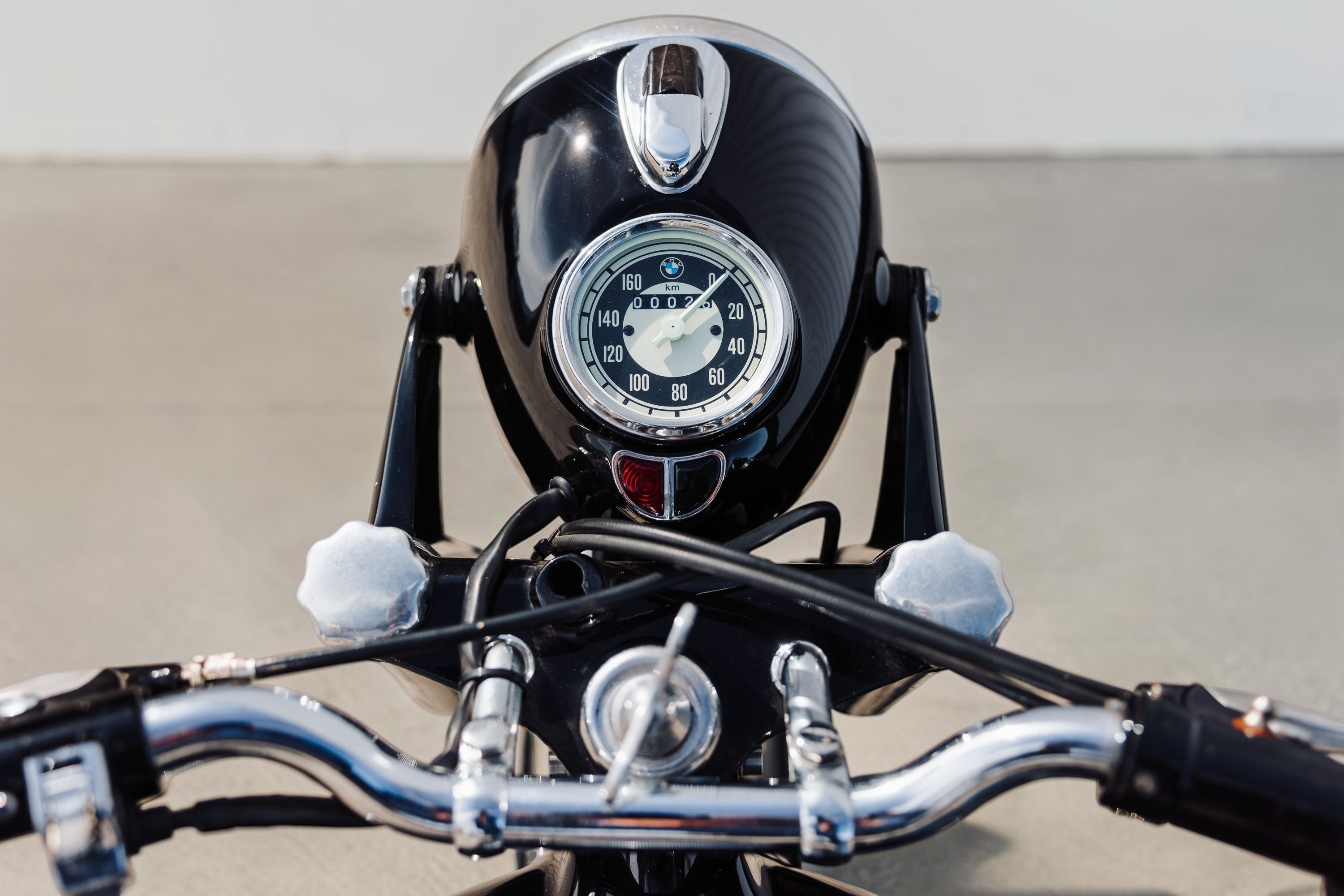
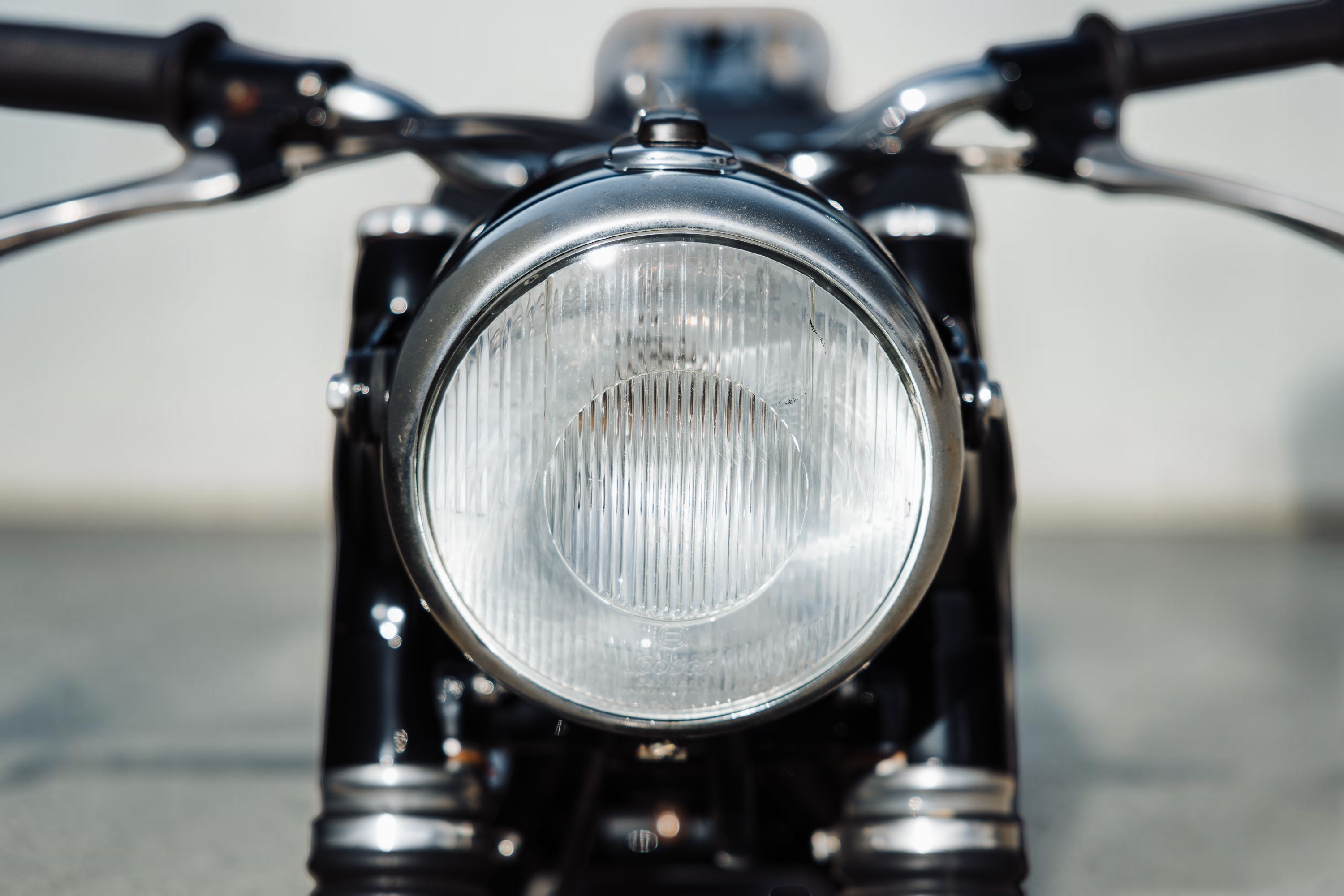
The motorcycle's instrumentation and controls are similarly functional. The speedometer, handlebar controls, headlight, fuel tank, and other components reflect the practical requirements of a road motorcycle rather than decorative styling.
This approach reflects BMW's broader engineering philosophy during the period. Precision, mechanical balance, reliability, and functional design were central characteristics of the company's motorcycles and would remain important elements of BMW engineering for decades.
The R51/3 is significant not only as a motorcycle but also as a product of BMW's post-war industrial recovery. During the early 1950s, BMW was rebuilding its motorcycle business while European demand for dependable and technically sophisticated motorcycles was increasing.
The company's larger Boxer motorcycles occupied an important position within this recovery. They offered greater engine capacity and touring ability than lightweight singles while maintaining BMW's established engineering identity.
The R51/3 consequently represents an important stage in BMW's return to larger-capacity motorcycle production. It demonstrates how the company continued developing its Boxer-twin architecture in the years following the disruption of the war.
Its development also demonstrates BMW's ability to refine an established mechanical concept. The horizontally opposed engine, four-speed transmission, and shaft final drive were not isolated features; together they formed an integrated engineering philosophy that became closely associated with BMW motorcycles.
The R51/3 belongs to a longer line of BMW motorcycles built around the horizontally opposed Boxer engine and shaft-drive concept. BMW had established this architecture before the Second World War, and the post-war R51/3 represents its continued development under changing technical and market conditions.
The early post-war period required BMW to balance proven engineering principles with the need for improved reliability, comfort, performance, and production practicality. The R51/3 reflects this evolutionary approach rather than a complete departure from BMW's established design language.
The model's 494cc Boxer engine, four-speed transmission, shaft drive, suspension system, brakes, and electrical equipment demonstrate the gradual refinement of the platform.
The R51/3 therefore provides an important link between BMW's pre-war Boxer motorcycles and the larger and more sophisticated machines that would follow later in the 1950s.
The 1954 BMW R51/3 has historical appeal for collectors of post-war European motorcycles, particularly those interested in BMW's Boxer development during the early 1950s.
Its significance comes from several factors: its position within BMW's post-war Boxer family, its 494cc horizontally opposed twin-cylinder architecture, its shaft-drive system, and its place during an important period of BMW motorcycle development.
Originality is particularly important when evaluating surviving examples. Correct frame components, engine cases, cylinder heads, fuel tank, mudguards, wheels, exhaust system, instruments, controls, and electrical equipment can help establish whether a motorcycle remains close to its original specification.
The condition of the engine and drivetrain should also be carefully considered. A collector example should ideally retain a mechanically sound Boxer engine, correctly functioning four-speed gearbox, shaft drive, suspension, brakes, wheels, and electrical system.
Documented ownership, original registration documents, service records, factory literature, tool kits, period photographs, and consistent frame and engine identification can further strengthen provenance.
For collectors, the R51/3 offers a particularly important example of BMW's post-war Boxer engineering. It represents a period when the company was refining the mechanical architecture that would become one of the most recognizable traditions in motorcycle history.
The 1954 BMW R51/3 matters because it represents an important stage in the development of BMW's post-war Boxer-twin motorcycle platform. It was produced during a period when European motorcycle manufacturers were combining proven pre-war engineering concepts with new requirements for reliability, comfort, performance, and long-distance road use.
The motorcycle combines a 494cc air-cooled horizontally opposed twin-cylinder engine with a four-speed transmission, shaft final drive, period suspension, drum brakes, and a tubular steel chassis. Together, these features demonstrate BMW's distinctive approach to motorcycle engineering during the early 1950s.
Its historical importance also comes from its position within the continuing development of BMW's Boxer architecture. The R51/3 belongs to the generation of motorcycles that helped re-establish and refine BMW's identity as a manufacturer of technically distinctive road and touring motorcycles after the war.
As a result, the R51/3 provides a clear representation of BMW's early post-war engineering philosophy: mechanically balanced, durable, functional, and designed for dependable road and touring use.
This 1954 BMW R51/3 represents an important chapter in BMW's post-war motorcycle history. As part of the company's continuing Boxer-twin development, the R51/3 combines a distinctive 494cc engine with the mechanical architecture that became closely associated with BMW motorcycles.
Its 494cc air-cooled Boxer engine, four-speed transmission, shaft final drive, period suspension, drum brakes, and wire-spoke wheels provide an authentic representation of early 1950s BMW motorcycle engineering.
The R51/3 is particularly appealing to collectors who appreciate BMW motorcycles from the post-war European era and the development of the company's distinctive Boxer architecture. It represents a period when motorcycles were expected to provide dependable transportation while also offering greater performance and touring capability.
For BMW collectors, the R51/3 provides an important perspective on the company's post-war engineering development. It sits within the lineage of motorcycles that established the Boxer-twin and shaft-drive configuration as a defining part of BMW's motorcycle identity.
Worldwide shipping is available. Contact us for additional photographs, detailed specifications, frame and engine numbers, service history, originality assessment, provenance, restoration details, and purchasing information for this 1954 BMW R51/3.
The Vintage Motorcycles presents a curated selection of historically significant German vintage motorcycles, with BMW representing one of the most technically influential manufacturers in modern motorcycle engineering. From its early motorcycle developments to the establishment of its distinctive Boxer and shaft-drive architecture, BMW played an important role in the development of mechanically distinctive road motorcycles.
This collection includes machines from BMW alongside other notable German motorcycle manufacturers, each contributing to a broader tradition of precision engineering and mechanical durability. BMW motorcycles can be understood within the wider context of pre-war motorcycle engineering (1900-1939), particularly through the development of BMW's horizontally opposed Boxer engine and shaft-drive system, as well as through post-war motorcycle development, where these engineering principles were further refined into internationally recognized road and touring motorcycles.
Each motorcycle within our collection is sourced with attention to historical provenance, structural condition, originality, and mechanical integrity. For collectors seeking acquisition opportunities, available machines can be explored through our global vintage motorcycle inventory, supported by a fully insured international shipping service.
BMW engineering is strongly associated with a systematic approach to motorcycle design, emphasizing mechanical balance, drivetrain efficiency, functional construction, and long-term reliability. The horizontally opposed Boxer engine combined with shaft-drive transmission established a distinctive architecture that separated BMW motorcycles from many contemporary designs.
From early Boxer models through the company's post-war R51/3 and later developments, BMW motorcycles illustrate a continuous evolution based on refinement of established engineering principles. Precision manufacturing, functional design, mechanical durability, and drivetrain integration remained important characteristics as BMW developed increasingly sophisticated motorcycles for road and touring use.
Key Highlights
Collector Assurance
All enquiries handled with discretion. We typically respond within 6 hours.
Choose the payment method that is most convenient for you. We accept widely used international payment methods as well as, where available, local bank transfer options that allow you to pay like a domestic transaction. Full payment instructions are provided for your specific purchase.
Direct international bank wire transfer is available for motorcycle purchases and export transactions.
Credit card payments can be arranged through Wise.com, subject to the applicable payment and processing conditions.
PayPal is accepted. A 5% PayPal processing fee applies to the transaction.