
The Vintage Motorcycles
Specialists in antique, classic, veteran and vintage motorcycles.
Specialists in antique, classic, veteran and vintage motorcycles.
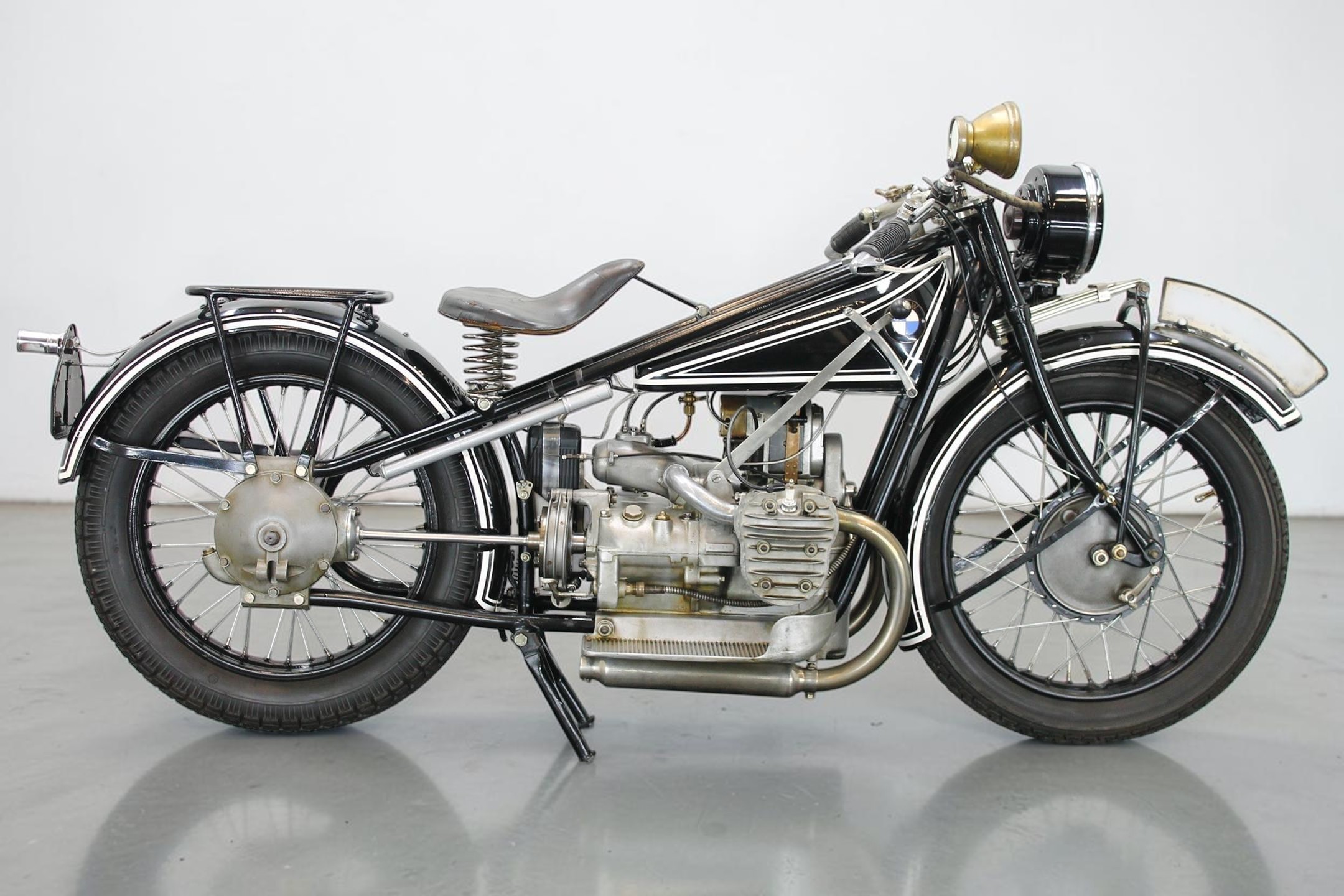
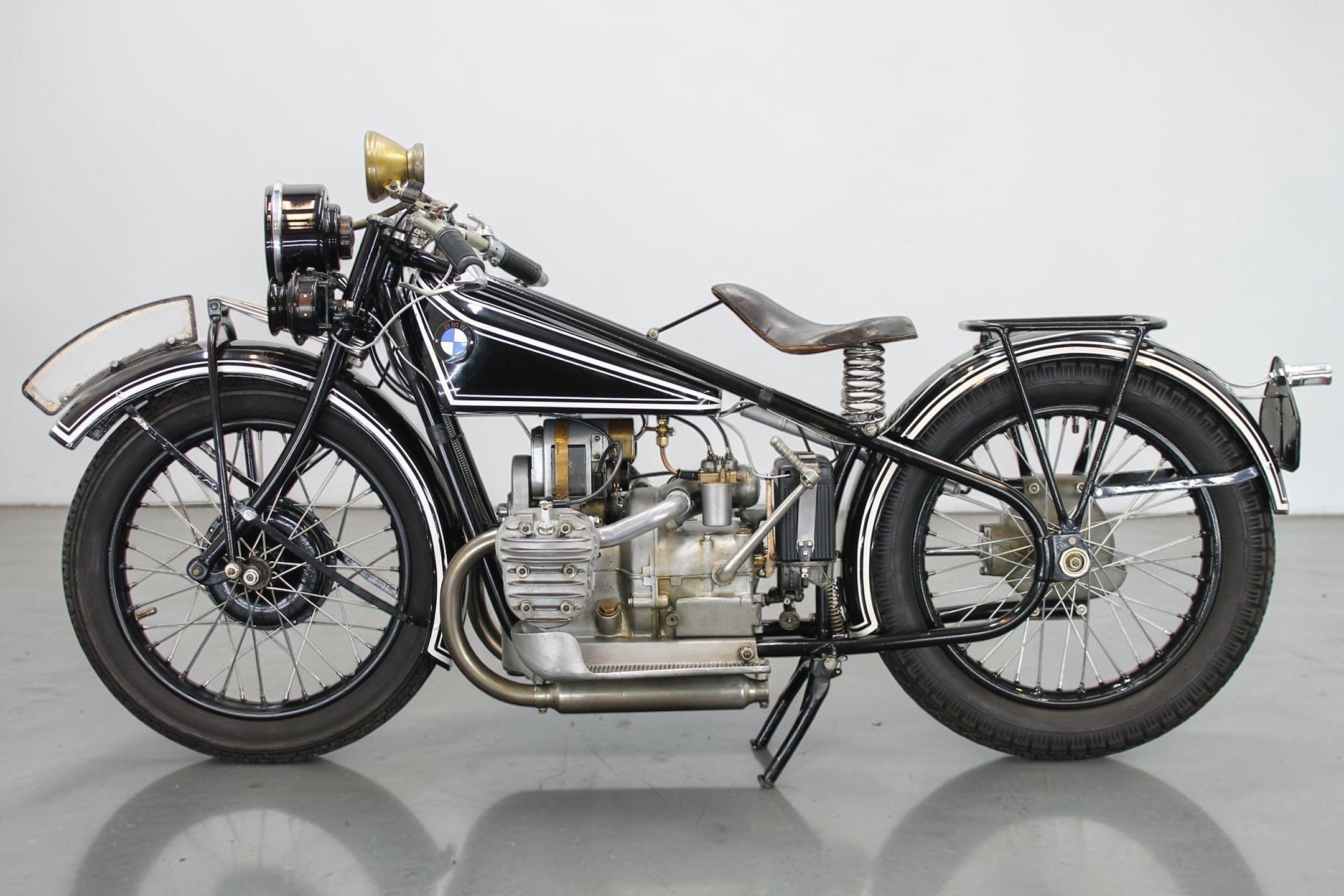
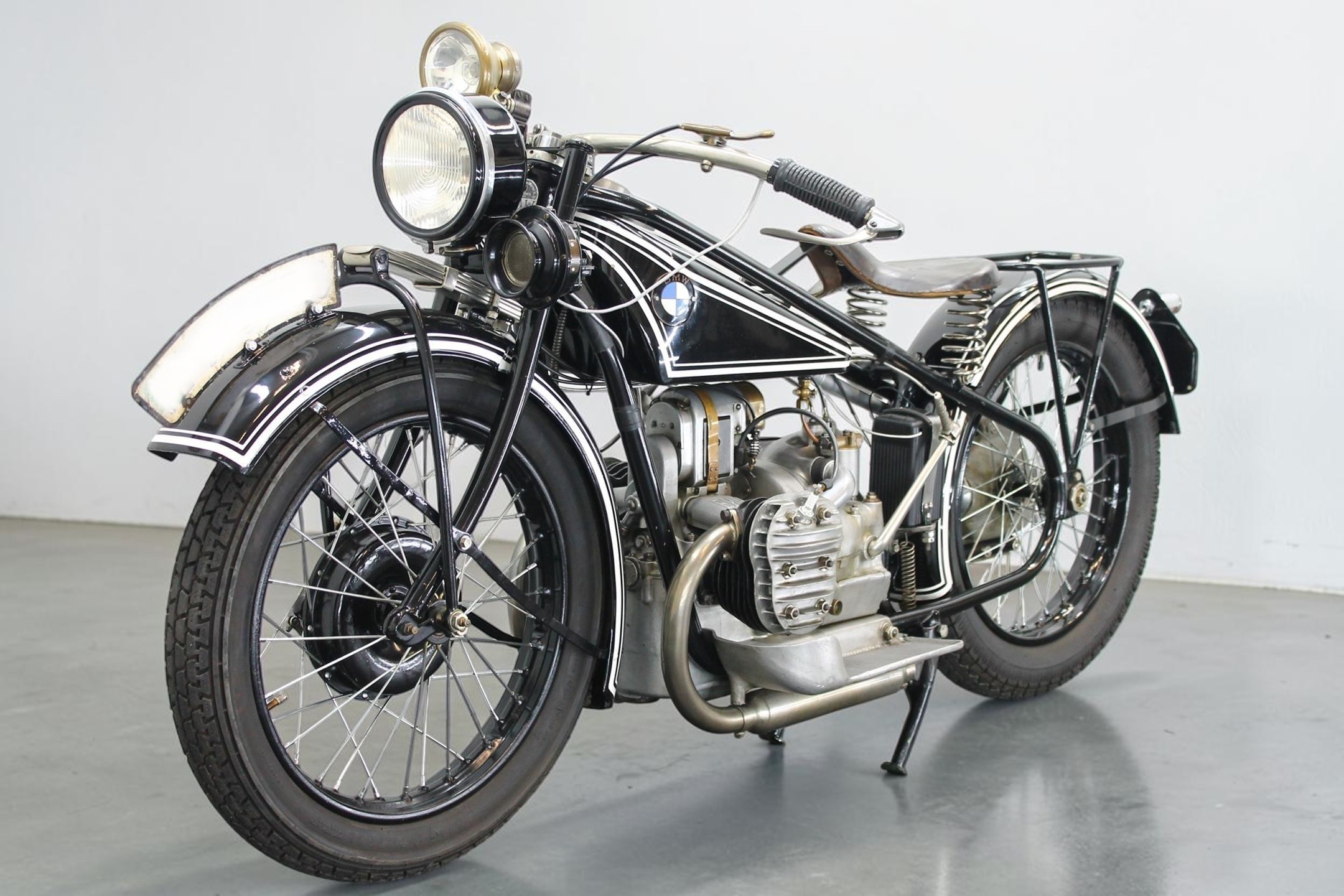
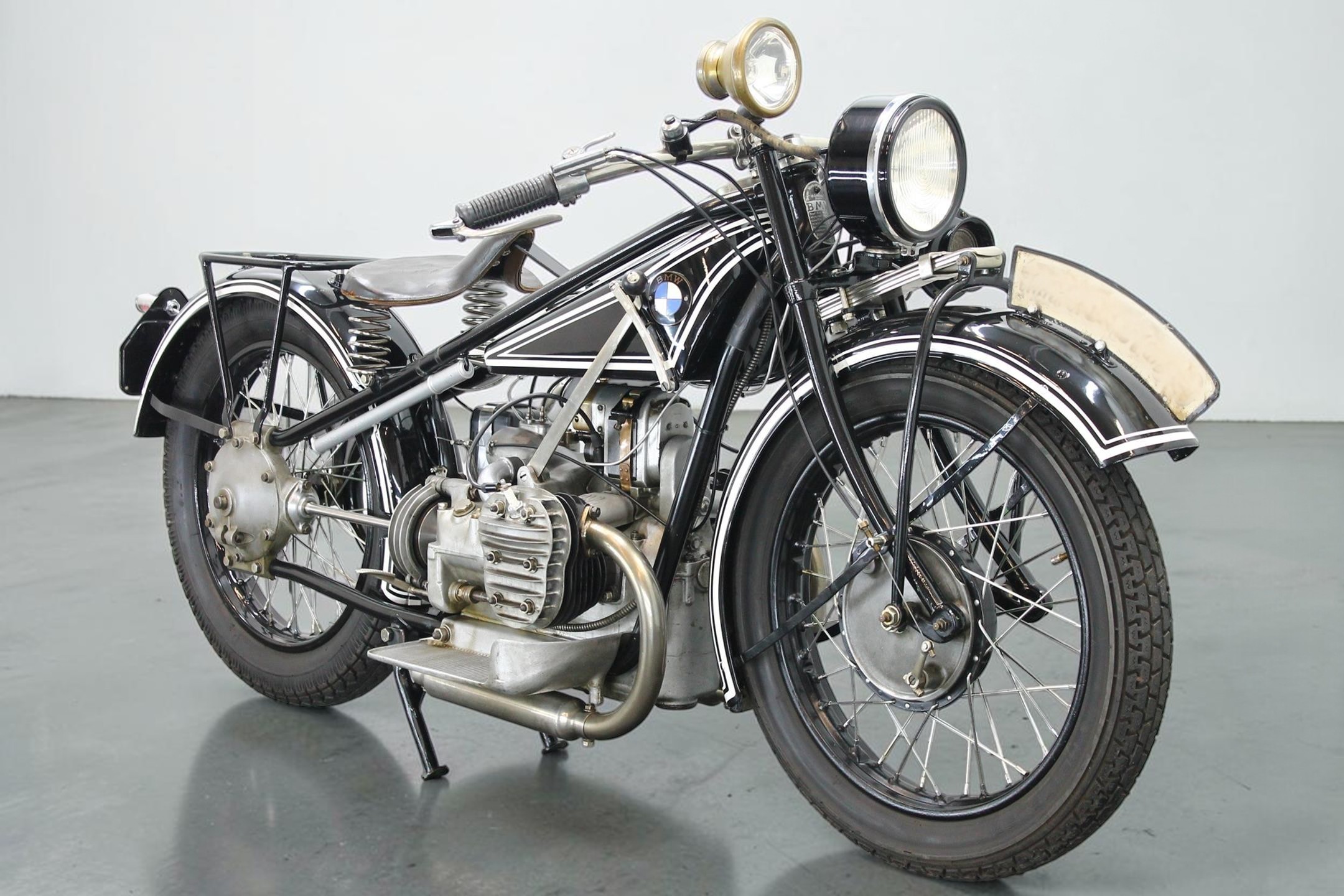
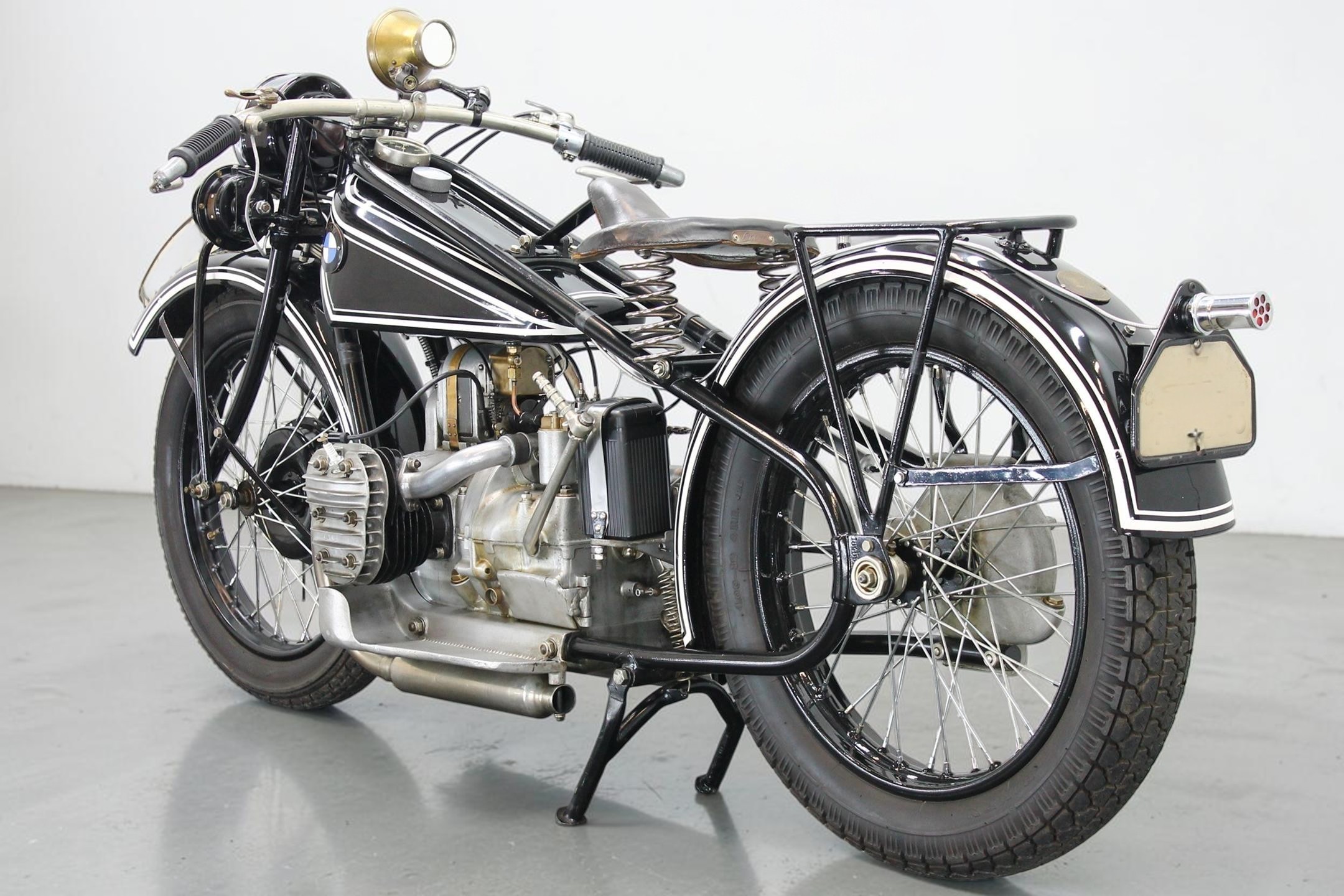
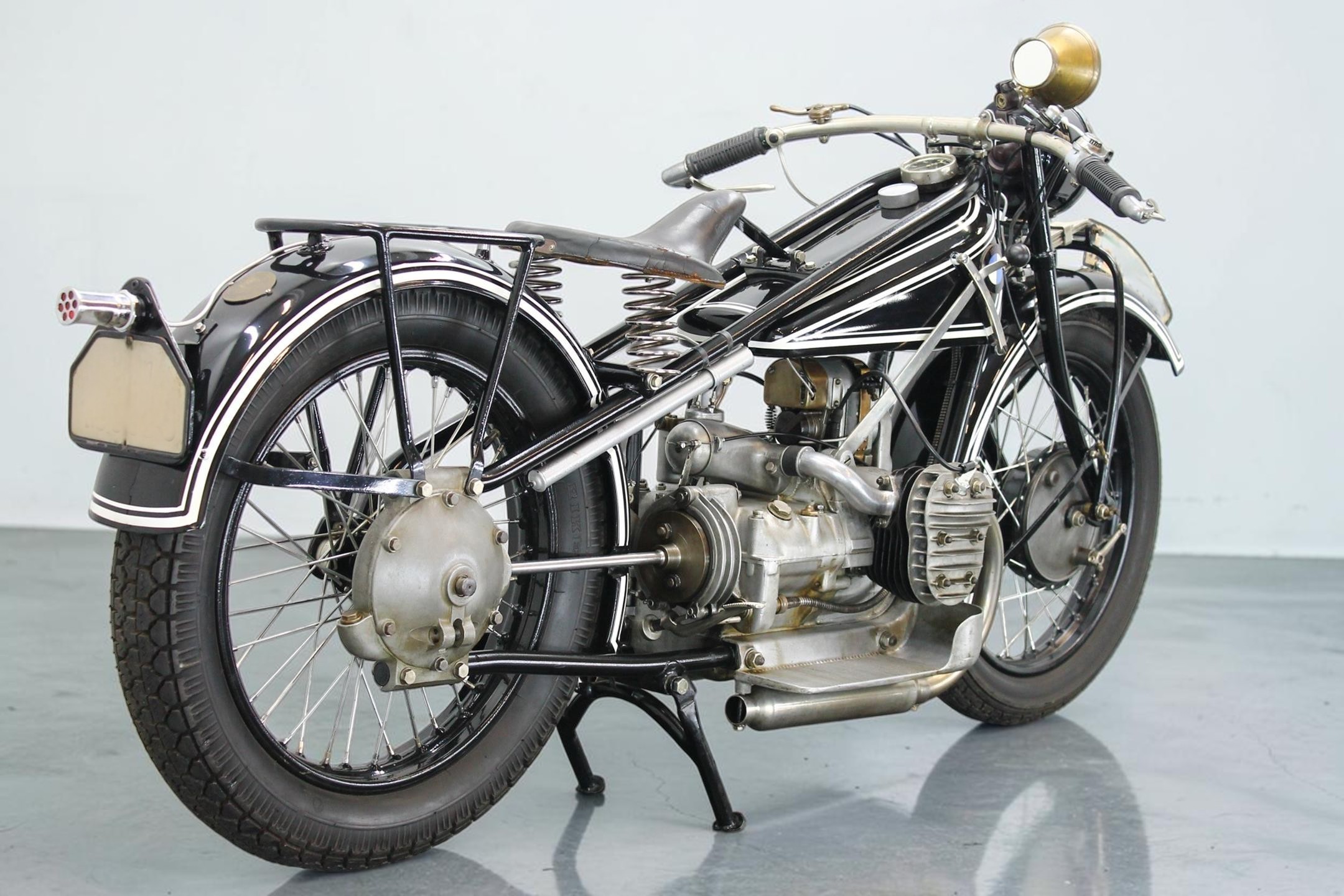

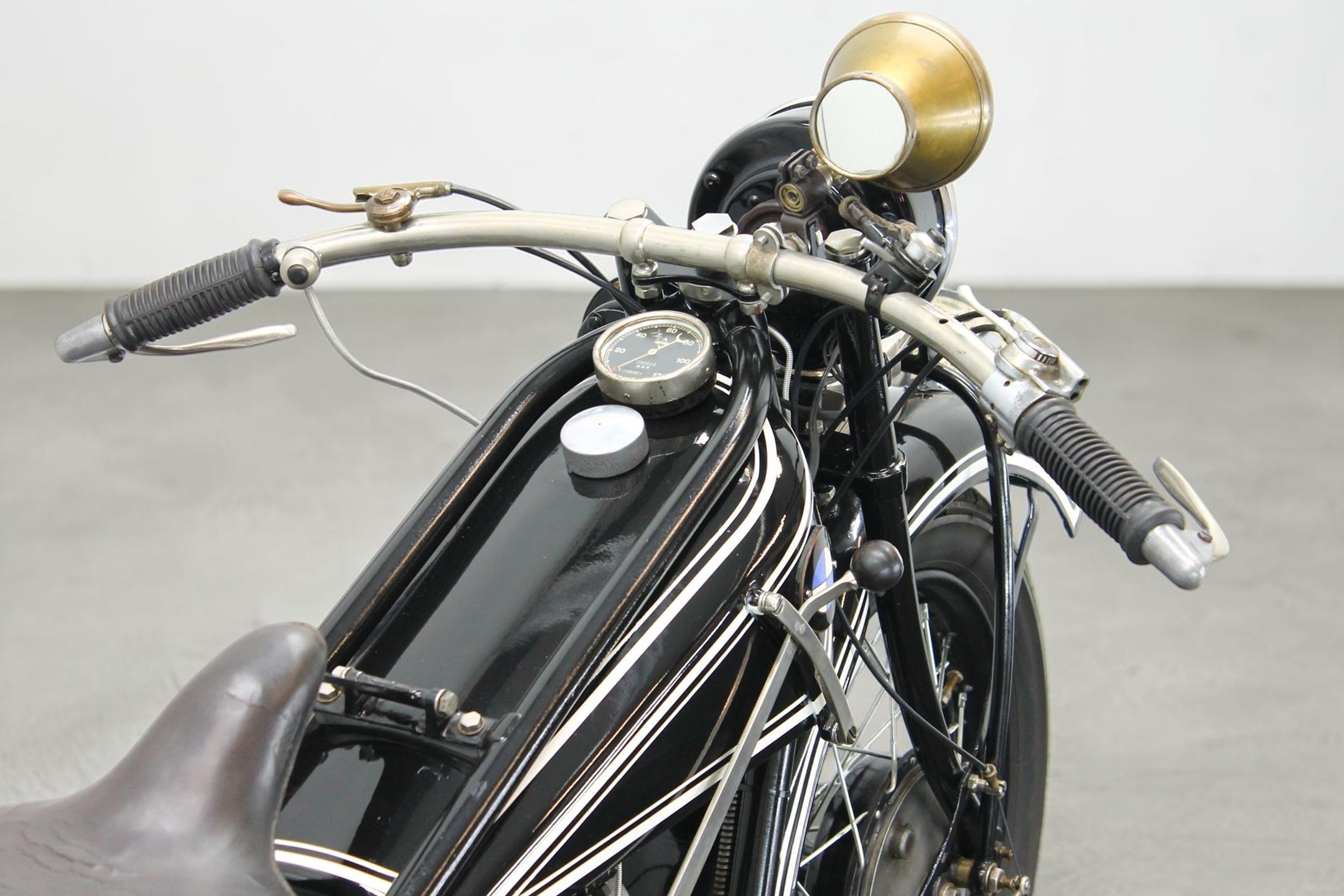
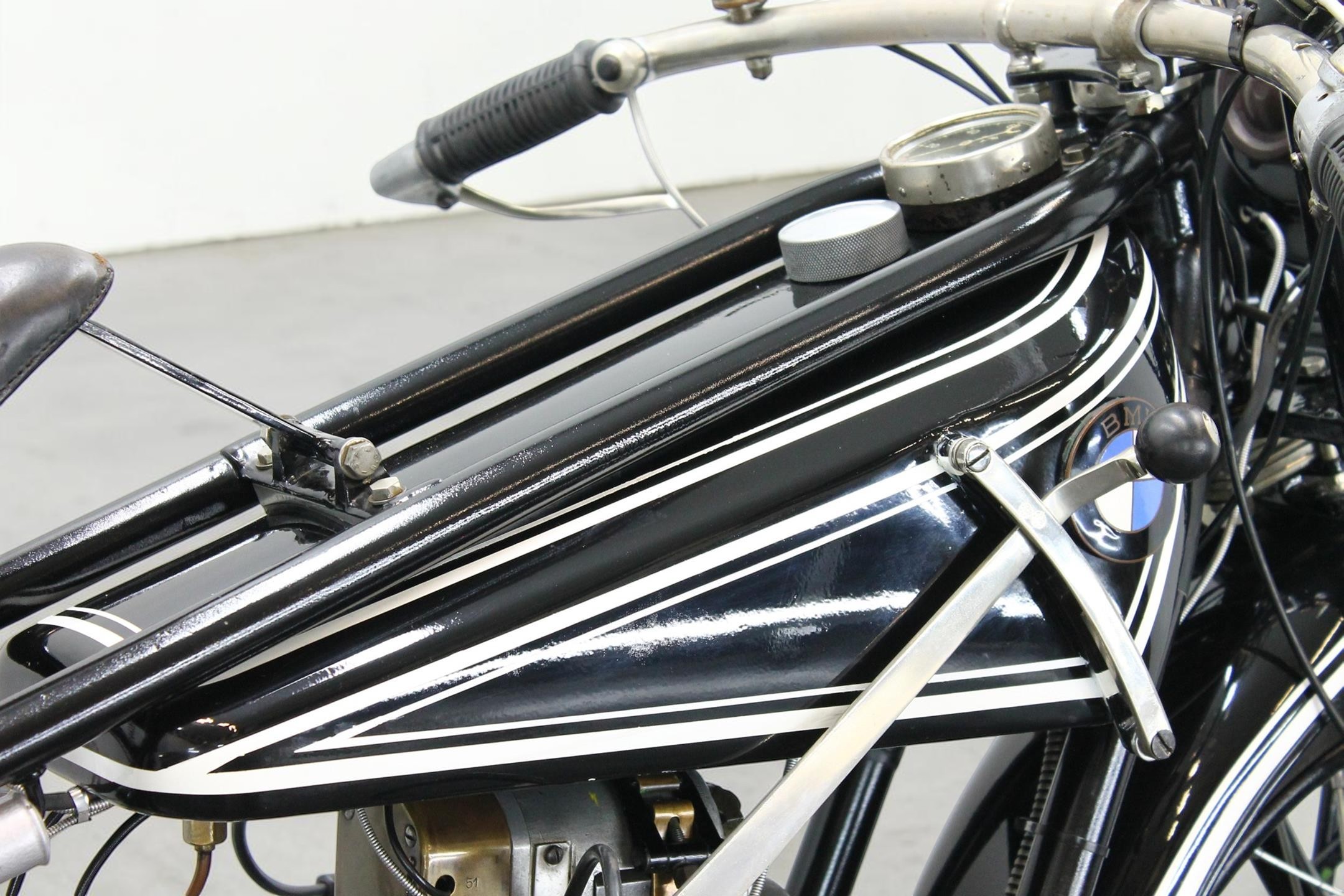
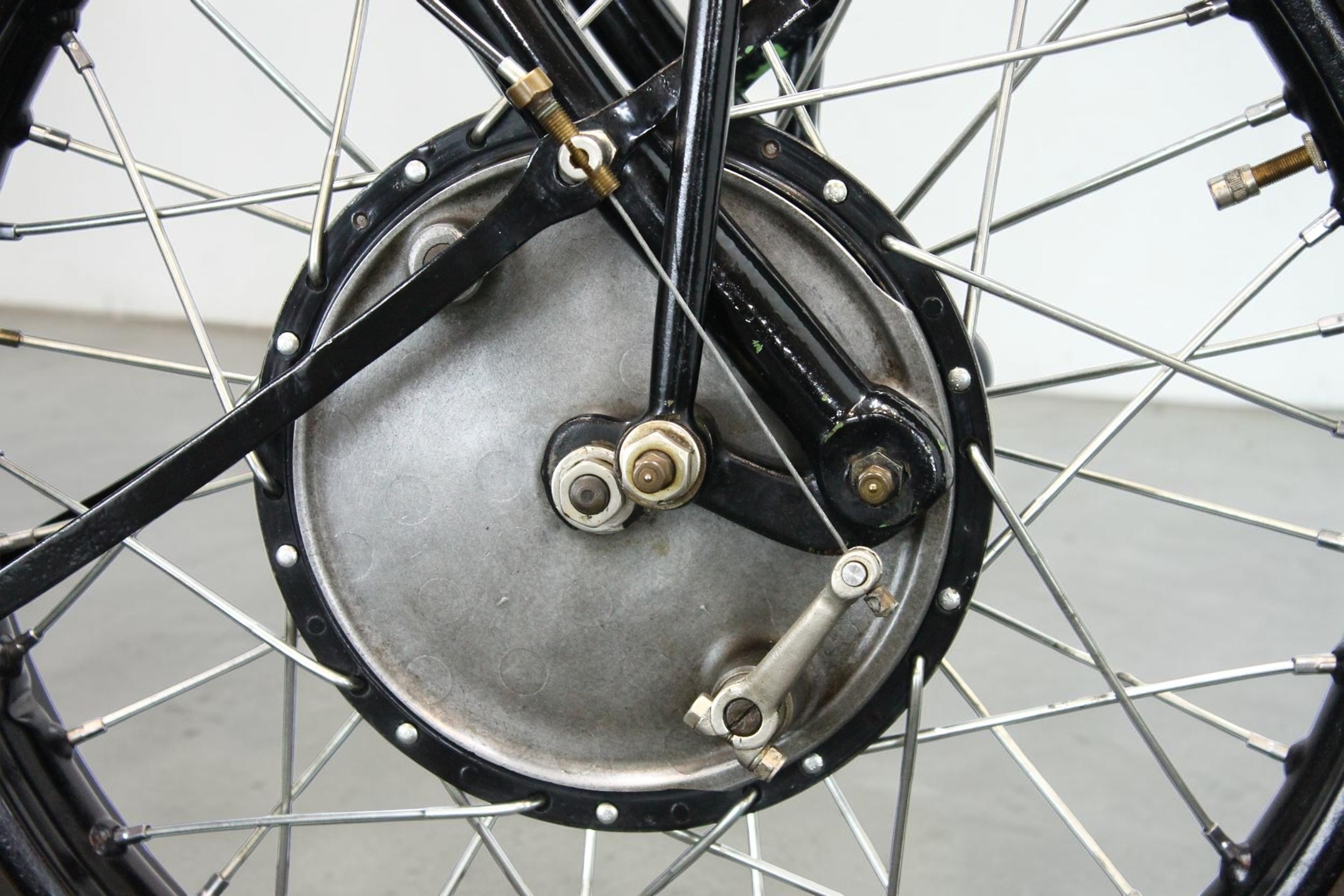
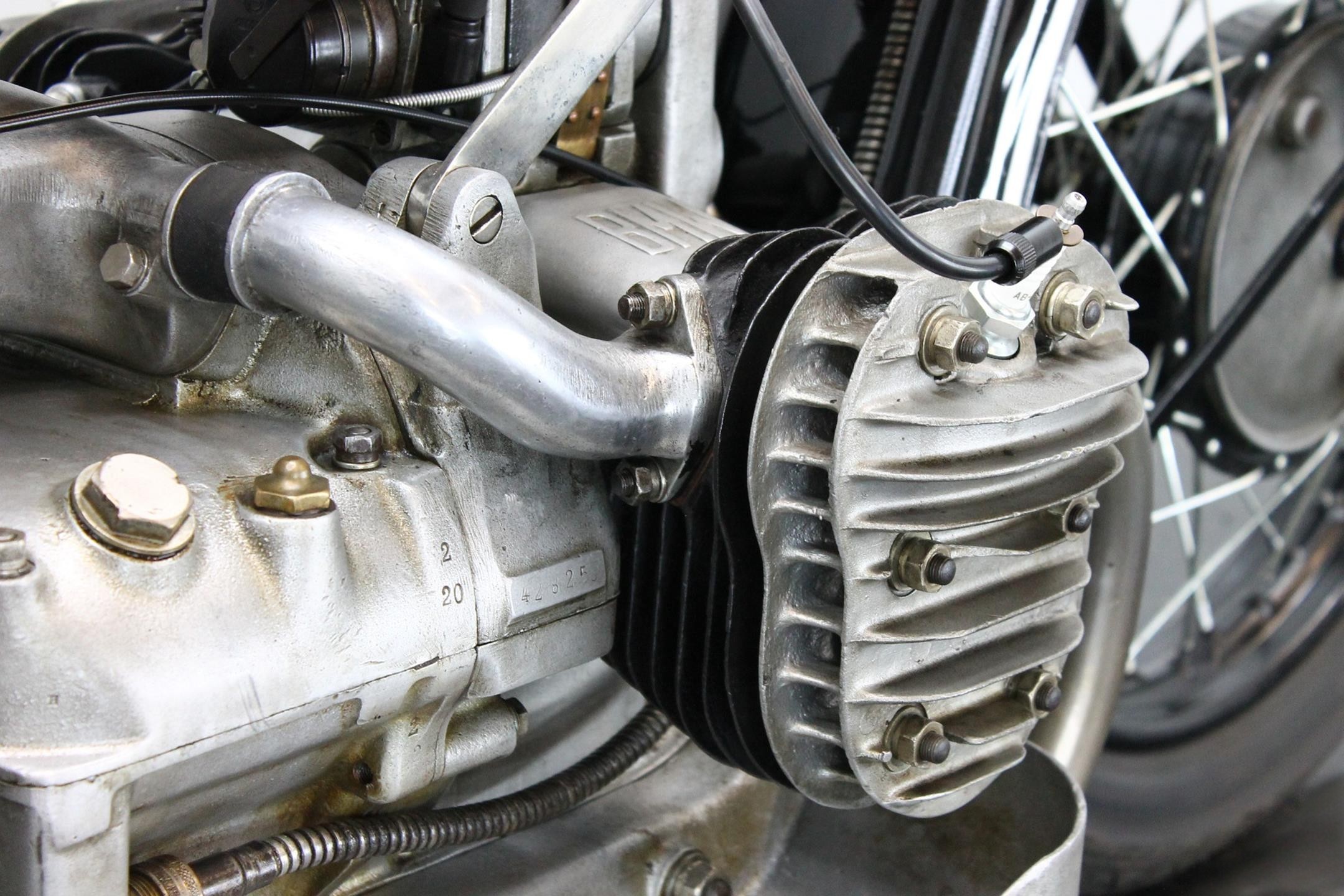
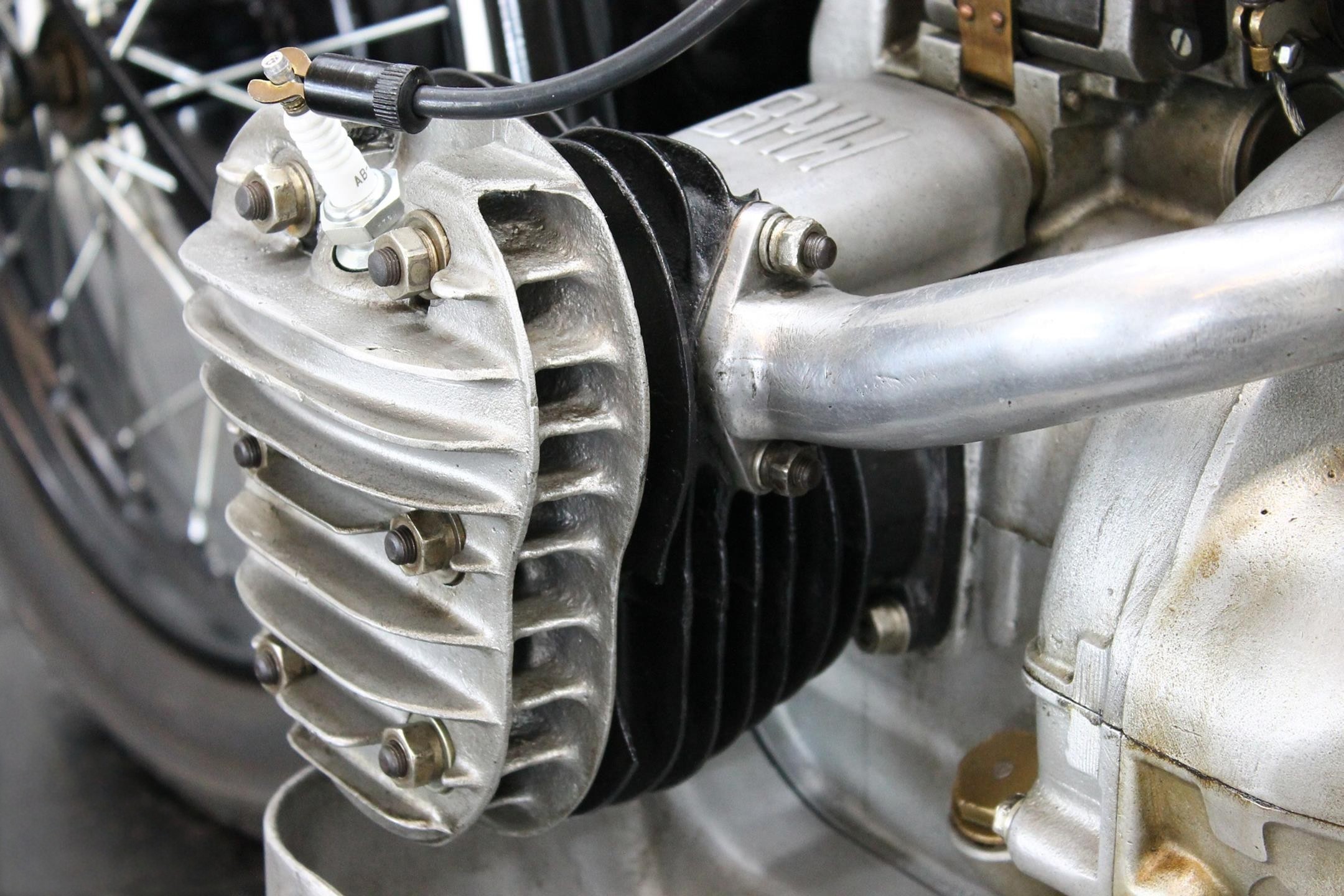
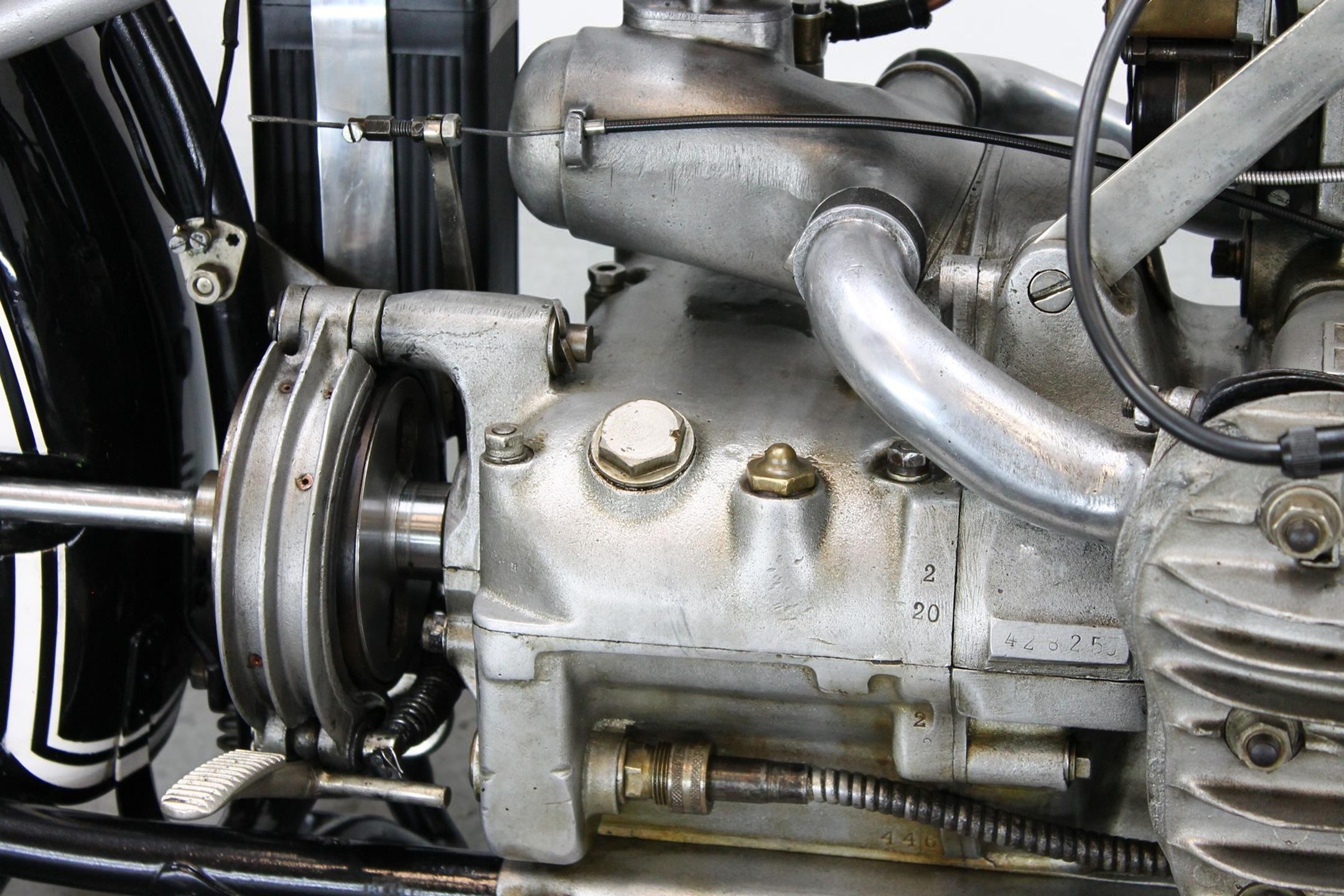
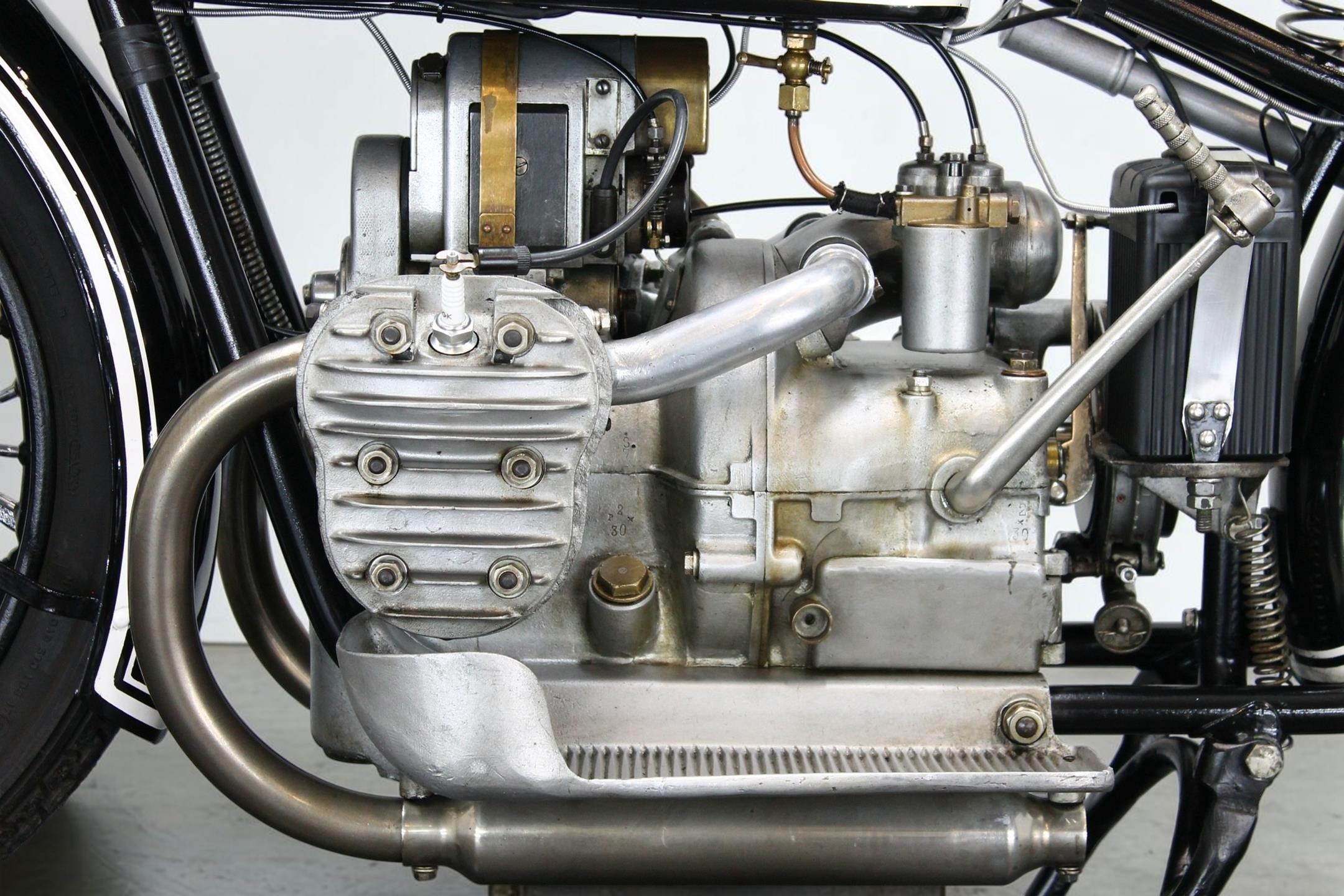
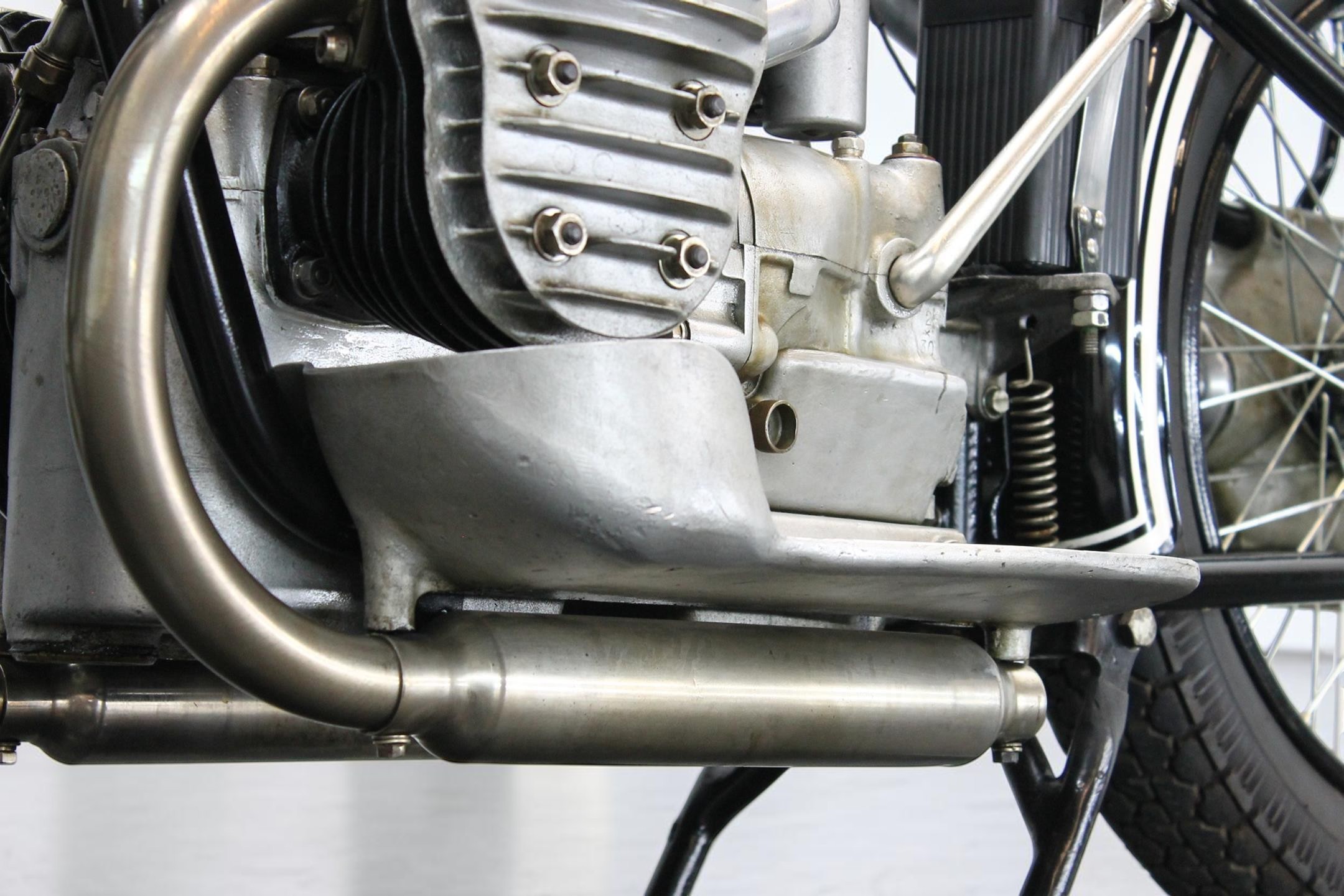
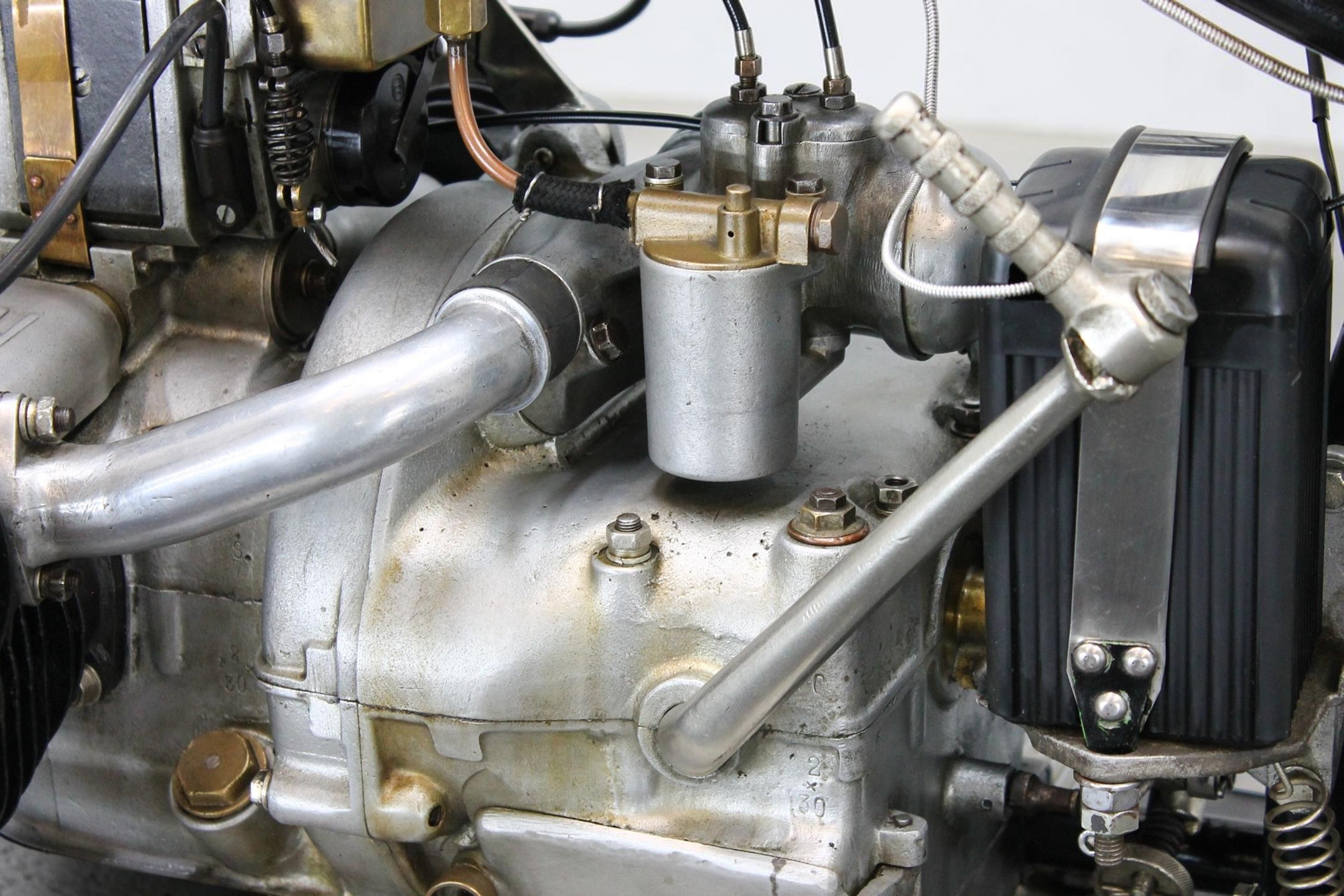
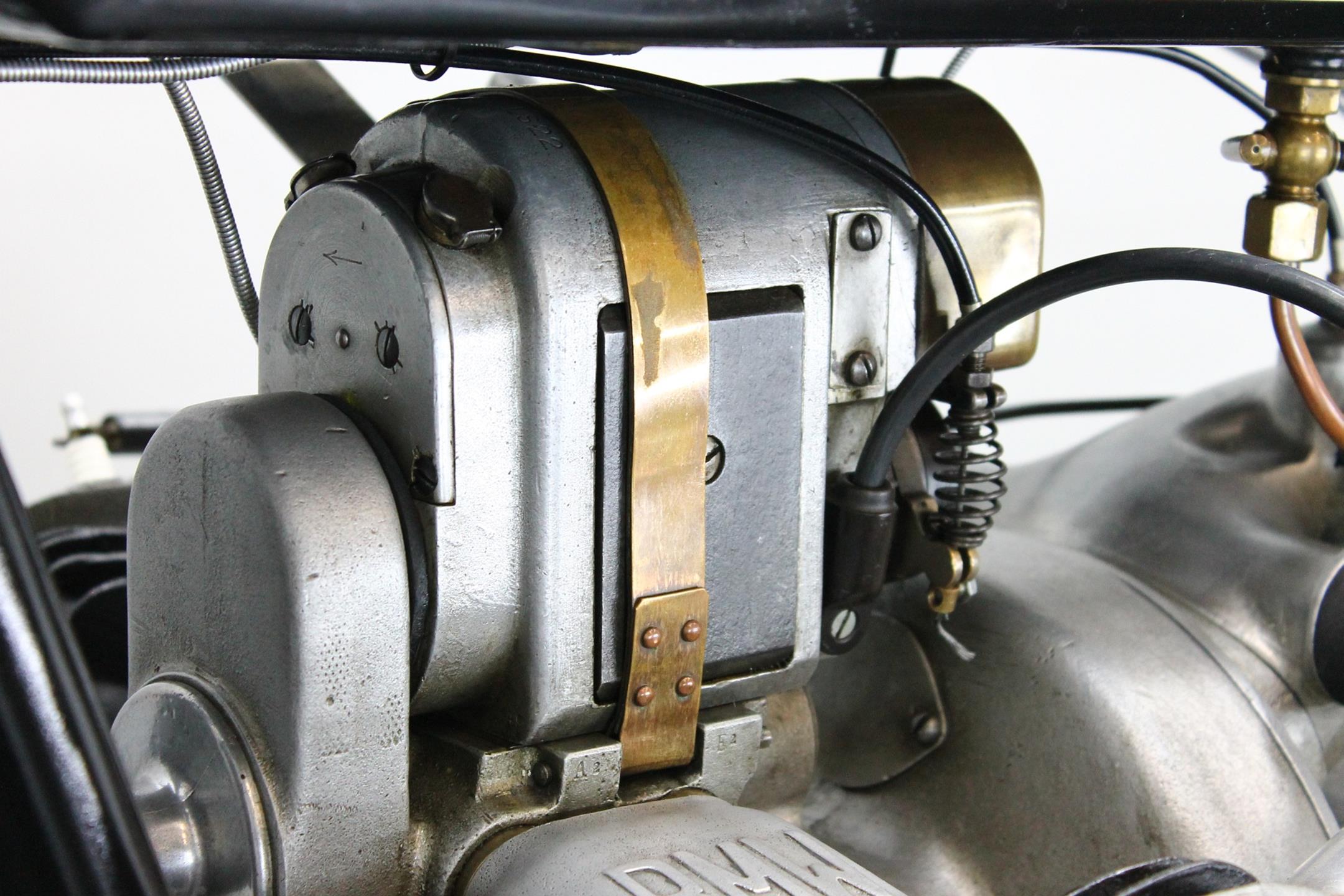
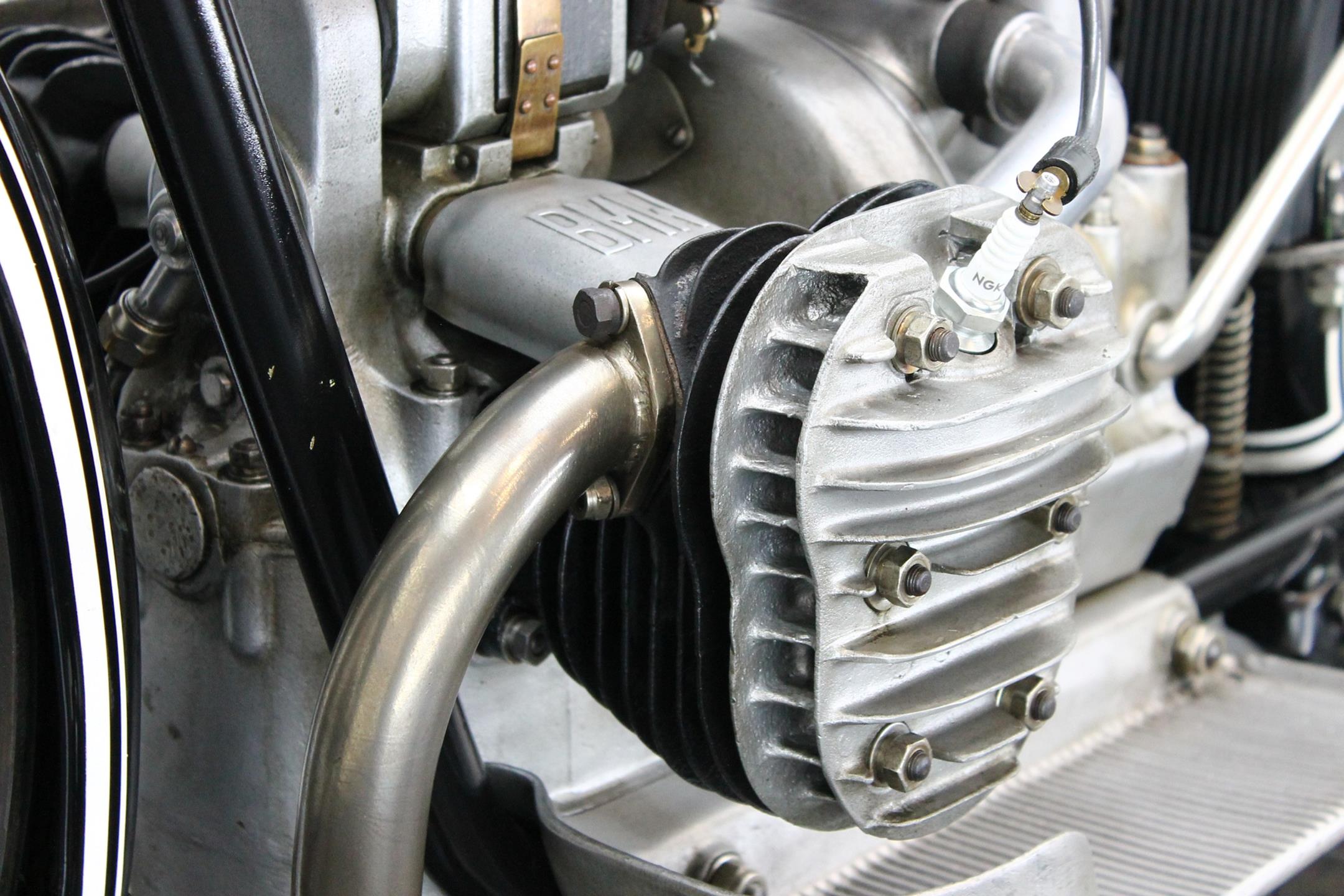
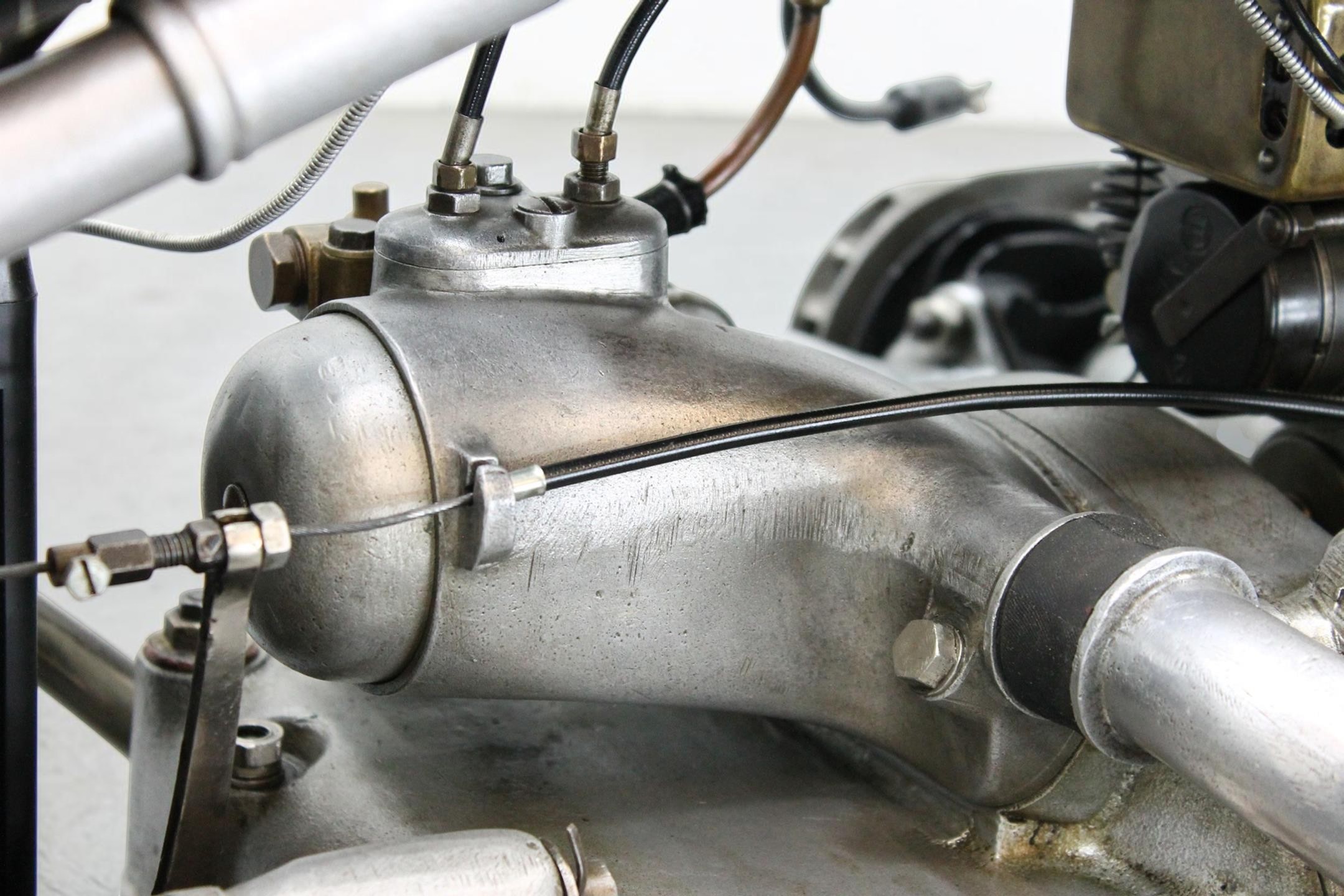
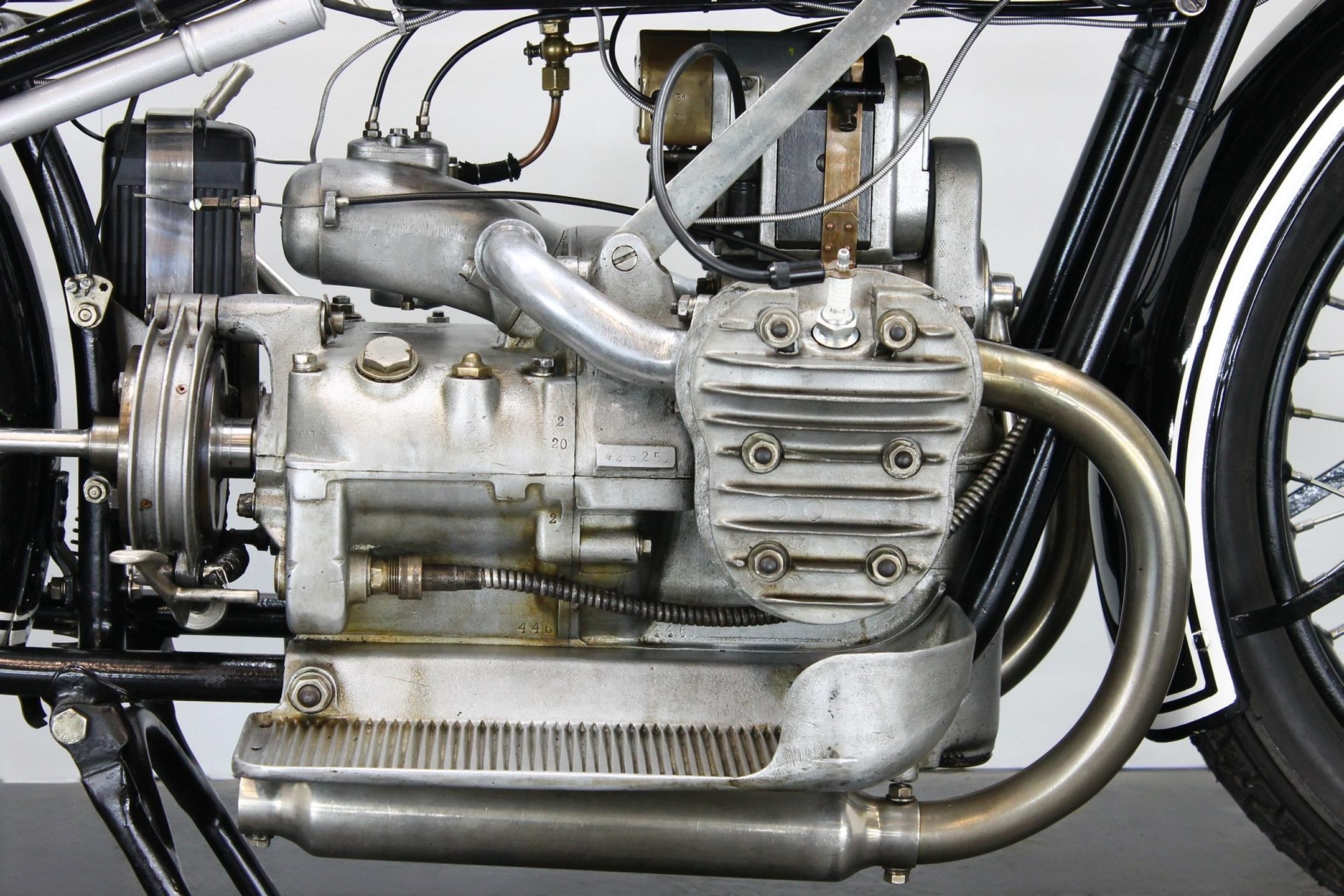
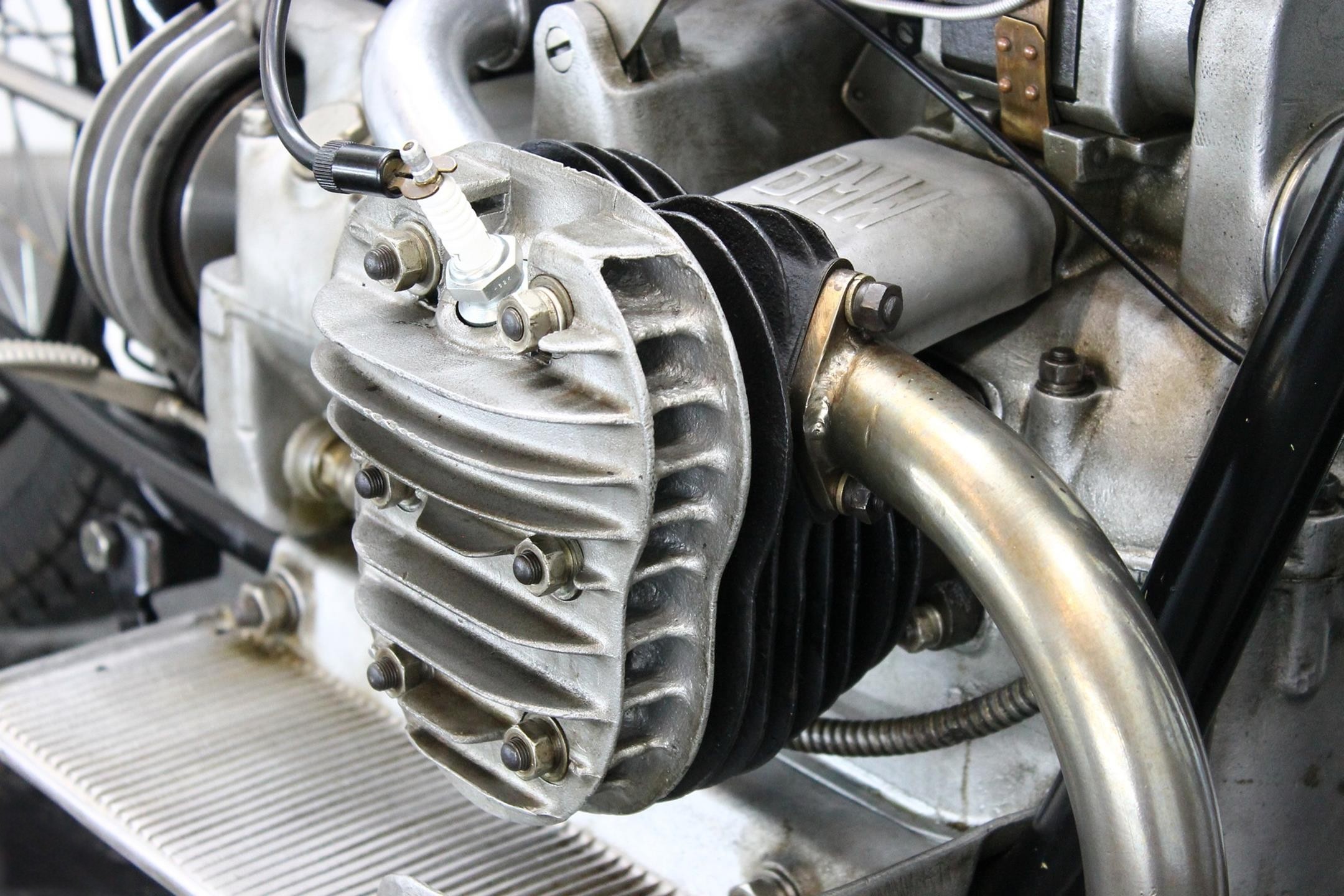
The 1928 BMW R42 was one of the most successful motorcycles of BMW's first decade in motorcycle production. Introduced in 1926 as the successor to the BMW R32, the R42 retained BMW's horizontally opposed Boxer layout and shaft drive while receiving a more powerful engine, improved chassis details, and a substantially lower purchase price.
Its 494cc air-cooled side-valve Boxer engine produced 12 horsepower at 3,400 rpm, an increase over the 8.5 horsepower of the R32. With a top speed of approximately 95 km/h, the R42 was designed primarily as a dependable road and touring motorcycle rather than a sporting machine.
The R42 used BMW's M43 engine, with a square 68 x 68 mm bore and stroke and a 4.9:1 compression ratio. The conservative side-valve design emphasized durability and smooth, steady power delivery.
BMW retained the basic twin-loop tubular steel chassis concept of the R32 but introduced important refinements. The front suspension used a five-laminae plate spring, the rear remained rigid, and braking was improved with a 150mm front drum brake and an external shoe brake acting at the cardan-shaft gearing.
The motorcycle also retained BMW's characteristic shaft final drive. A three-speed manual gearbox transferred power through the enclosed driveshaft to the rear wheel, while alternative gearing was available for sidecar use.
BMW produced the R42 from 1926 through 1928, with 6,502 motorcycles built. The model's combination of improved performance and a 30-percent lower price than the R32 helped make it one of BMW's most commercially successful motorcycles of the 1920s.
The 1928 BMW R42 therefore represents an important stage in the development of BMW's Boxer motorcycle formula: a practical 500cc twin that combined shaft drive, robust construction, simple maintenance, and improved affordability.
The BMW R42 was introduced three years after the R32, BMW's first production motorcycle. The R32 had established the company's basic motorcycle architecture, including the horizontally opposed Boxer engine, longitudinal crankshaft, shaft final drive, and tubular frame.
BMW developed the R42 as a more refined successor. The new model retained the 494cc side-valve Boxer concept but increased output to 12 horsepower at 3,400 rpm, giving riders significantly more performance than the original R32.
The R42 also benefited from chassis and braking improvements. BMW introduced a five-plate front suspension and a new driveshaft brake arrangement, while the frame remained closely related to the proven R32 design.
One of the most important changes was the motorcycle's price. BMW reduced the R42's list price to 1,510 Reichsmarks, approximately 30 percent below the price of the R32. This made the new motorcycle considerably more accessible and helped increase sales.
BMW Group Classic records production from 1926 to 1928 and a total of more than 6,500 motorcycles sold. The R42 therefore more than doubled the production volume of the R32 and became one of BMW's strongest-selling motorcycles during the 1920s.
The 1928 model year sits in the middle of this short production period. It represents the established form of the R42 before BMW moved on to the next generation of 500cc motorcycles, including the R47 sporting model and later R52.
For collectors, a documented 1928 R42 can therefore provide a direct connection to the period when BMW was transforming its early Boxer design into a commercially successful motorcycle range.
The R42 is powered by BMW's M43, an air-cooled four-stroke horizontally opposed two-cylinder Boxer engine with a displacement of 494cc.
The engine uses a 68 x 68 mm bore and stroke, giving it a square configuration. The compression ratio is 4.9:1, reflecting the relatively low-compression operating requirements of the period.
The M43 uses side-valve distribution and produces 12 horsepower at 3,400 rpm. Its power delivery is deliberately conservative, prioritizing dependable road performance and usable low-speed torque over high engine speeds.
Fuel is supplied by a single BMW Spezial two-valve 22mm carburetor. The straightforward carburetion system complements the engine's simple and durable mechanical design.
Lubrication is provided by forced-feed lubrication through a gear-driven oil pump. This system supplies controlled lubrication to the engine and was an important part of BMW's effort to create a dependable motorcycle for everyday road use.
The R42's top speed is approximately 95 km/h. Although modest by modern standards, this was respectable performance for a 494cc touring motorcycle of the late 1920s.
The horizontally opposed cylinders provide a low and balanced engine configuration while exposing the cylinder assemblies directly to cooling airflow. This Boxer layout would remain one of BMW's defining engineering characteristics for the rest of the century.
The R42 uses a three-speed manual transmission with a hand-operated shift mechanism. The gearbox ratios are approximately 2.49:1 in first gear, 1.50:1 in second, and 1.08:1 in third.
The gearbox is connected to the engine through a dry single-plate clutch. The three-speed configuration was simple but appropriate for the R42's modest power output and touring-oriented purpose.
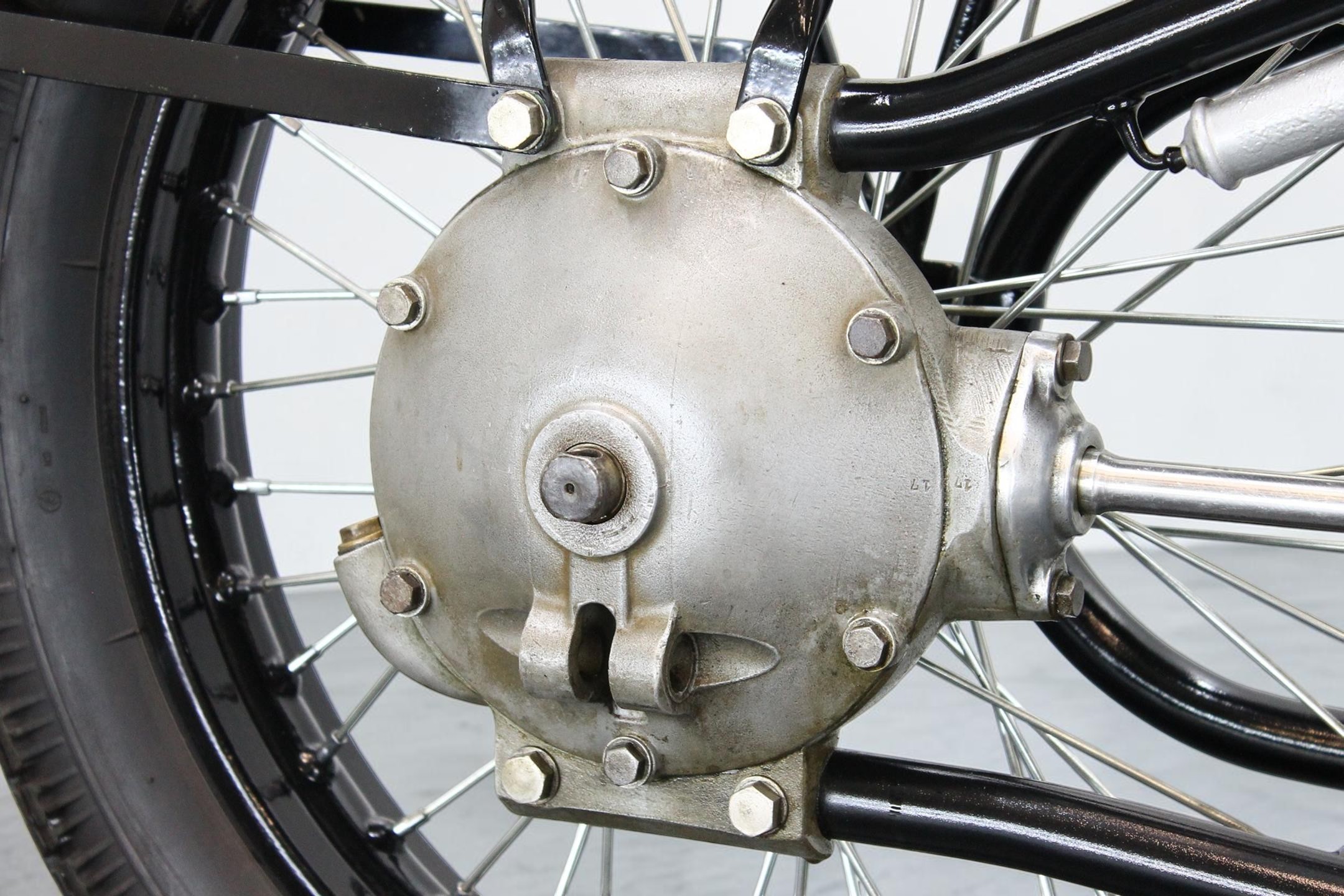
Power is transmitted to the rear wheel through BMW's shaft-drive system. The driveshaft runs longitudinally from the gearbox to the rear bevel-drive housing, providing an enclosed and durable final-drive arrangement.
Depending on specification, the rear-wheel gearing was approximately 4.53:1 or 3.80:1. Sidecar configurations used lower gearing, approximately 6.27:1 or 5.70:1, to provide additional pulling force for the heavier combination.
The shaft-drive system was one of the features that distinguished BMW from many contemporary motorcycles using exposed chain final drives. It also established a mechanical characteristic that would become inseparable from BMW motorcycles.
The R42's drivetrain therefore combined a simple three-speed gearbox with a sophisticated enclosed shaft final drive, creating a reliable mechanical package suited to long-distance use.
The R42 uses a twin-loop steel tubular frame. Although closely related to the R32 chassis, the frame and running gear were revised to improve the motorcycle's handling and practicality.
The front suspension uses a five-laminae plate-spring system. The leaf-spring arrangement provides front-wheel movement while maintaining the mechanically simple construction typical of BMW motorcycles during the 1920s.
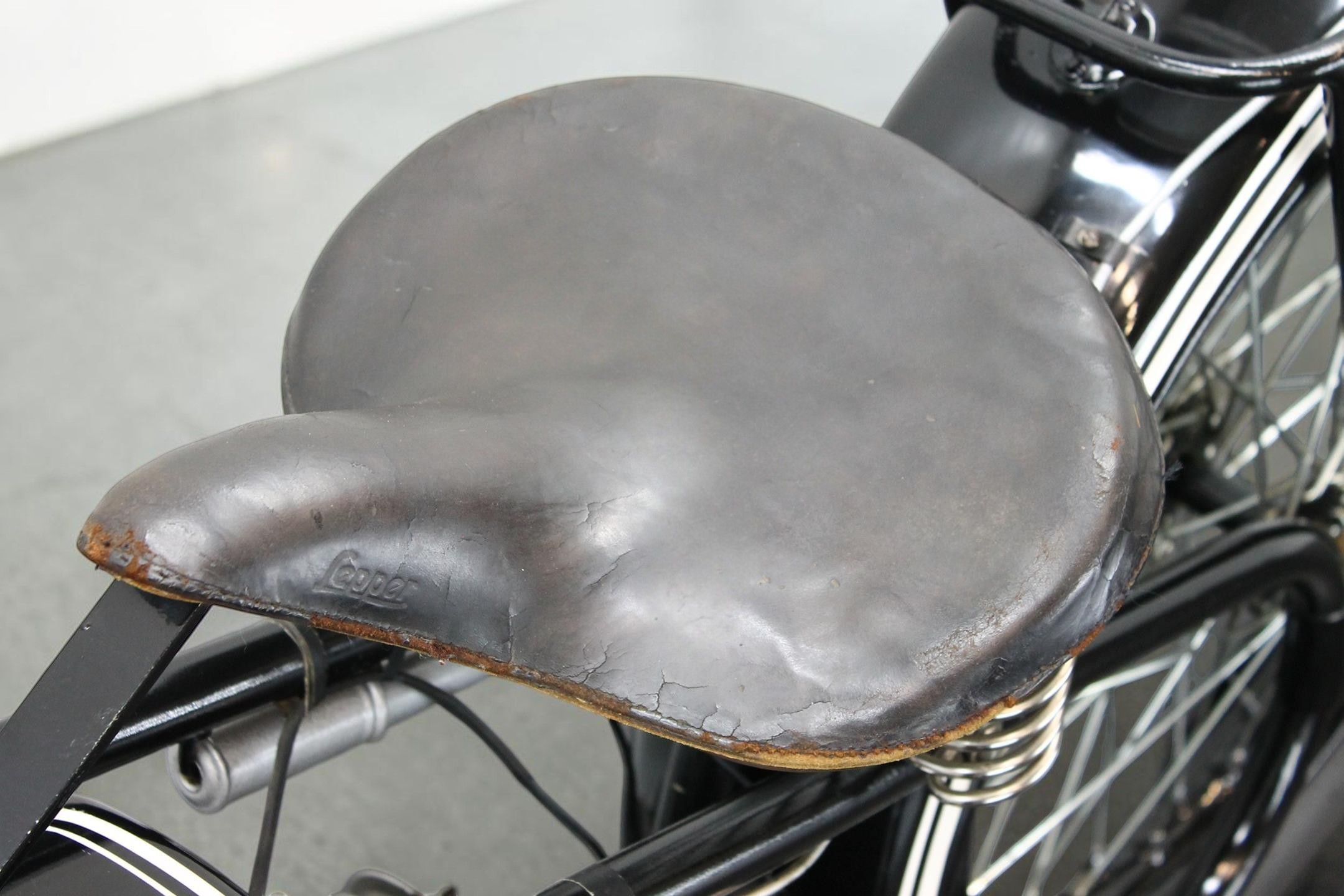
The rear wheel is rigidly mounted to the frame. There is no conventional rear-wheel suspension, with rider comfort assisted by the sprung saddle and the relatively large tires.
The R42 could be fitted with either 19 x 3 or 21 x 2.5-inch wheel rims. Corresponding tire sizes were 26 x 3.5 or 27 x 2.75, depending on wheel specification.
Braking was an important improvement over the earliest BMW motorcycles. The front wheel used a 150mm drum brake, while an external shoe brake operated on the gearing at the cardan shaft at the rear.
The chassis measures approximately 2,100mm in length, 800mm in width, and 950mm in height, with a wheelbase of approximately 1,410mm.
With a listed weight of approximately 126kg with a full fuel tank, the R42 was relatively light for a large-framed twin-cylinder motorcycle. An original sidecar increased the combination weight substantially.
The 1928 BMW R42 has the distinctive appearance of a mid-1920s BMW Boxer motorcycle, with an exposed horizontally opposed engine, large tubular frame, broad fuel tank, wire wheels, traditional mudguards, and an upright touring position.
The Boxer engine dominates the visual design. The cylinders project horizontally from the crankcase, giving the motorcycle a low and mechanically distinctive appearance that would become fundamental to BMW's identity.
The tubular twin-loop frame remains visually prominent and gives the R42 the straightforward structural appearance typical of early BMW motorcycles.
The large wire wheels and substantial mudguards reflect the road conditions of the period. The motorcycle was intended for practical transportation and touring rather than for aerodynamic styling or racing-focused design.
The enclosed cardan shaft is another defining feature. BMW placed the final-drive shaft inside a housing running from the gearbox toward the rear wheel, creating a clean and durable alternative to the exposed chain systems used by many competitors.
The overall design is highly functional. Mechanical components remain visible and accessible, while the motorcycle's proportions emphasize stability, durability, and practical road use.
The R42 was developed directly from the successful BMW R32 and retained the fundamental engineering principles that made the earlier motorcycle historically important.
Both motorcycles use a 494cc horizontally opposed Boxer engine, longitudinal crankshaft, three-speed transmission, and shaft final drive. The R42, however, introduced a number of refinements that improved both performance and usability.
The most important mechanical improvement was the increase in output from approximately 8.5 horsepower in the R32 to 12 horsepower in the R42. This represented a substantial improvement without abandoning the simple side-valve engine architecture.
The R42 also introduced improved braking, a revised front suspension, and other chassis refinements. These changes made the motorcycle more suitable for the increasing demands of road travel during the second half of the 1920s.
BMW also made the R42 considerably more affordable. The lower price was a major factor in the model's commercial success and helped BMW expand its customer base beyond the buyers who could afford the original R32.
The R42 therefore represents an important transition from BMW's pioneering first motorcycle toward a more mature and commercially viable production motorcycle.
The R42 was designed to accommodate a sidecar, extending its usefulness beyond solo riding. BMW provided dedicated sidecar gearing that reduced the final-drive ratio and increased the mechanical advantage available at the rear wheel.
The sidecar rear-wheel ratios were approximately 6.27:1 or 5.70:1 compared with the solo ratios of approximately 4.53:1 or 3.80:1.
The lower gearing helped compensate for the additional mass and rolling resistance of the sidecar combination. The 494cc Boxer engine was not powerful by modern standards, but its low-speed characteristics made it practical for passenger and touring use.
The rigid rear frame and sturdy tubular construction also suited the loads imposed by sidecar operation. BMW's shaft-drive housing incorporated the necessary mounting and drivetrain arrangements for this type of use.
The R42's sidecar capability was an important part of its practical appeal. During the 1920s, sidecars were commonly used to carry passengers and luggage, making them a significant part of the motorcycle market.
The R42 has the mechanical character of a straightforward pre-war touring motorcycle. Its 494cc side-valve Boxer engine is low-revving, conservative, and designed for reliable road operation.
The 4.9:1 compression ratio and 3,400-rpm power peak reflect the technology and fuel available during the period. The engine is not designed for high-speed operation but instead provides steady power for normal road travel.
The three-speed hand-shift gearbox is simple and direct. The limited number of gears is appropriate for the R42's modest performance and relatively broad power characteristics.
The shaft final drive gives the motorcycle a distinctive mechanical smoothness and reduces the external maintenance associated with chain-drive systems.
The five-plate leaf-spring front suspension and rigid rear frame provide a riding experience that is very different from modern motorcycles. The large wheels and relatively long wheelbase contribute to stability, while the sprung saddle provides some isolation from the road.
The R42's appeal lies in this combination of simplicity, durability, and mechanical character. It represents BMW's early engineering philosophy before telescopic forks, rear suspension, hydraulic brakes, and more sophisticated overhead-valve engines transformed motorcycle design.
The R42 was one of BMW's most successful motorcycles of the 1920s. BMW Group Classic notes that the model's price was reduced by approximately 30 percent compared with the R32, helping sales increase to more than 6,500 units.
BMW's production records list 6,502 R42 motorcycles built between 1926 and 1928. This figure was more than double the production of the R32, demonstrating the effectiveness of BMW's strategy of combining improved engineering with a substantially lower purchase price.
The R42 therefore played an important role in expanding BMW's motorcycle customer base. It provided many riders with access to BMW's Boxer and shaft-drive technology at a considerably lower price than the company's first production motorcycle.
The motorcycle's success also gave BMW a strong commercial foundation for further development. The company could build upon the R42 architecture while introducing sportier models such as the R47 and later touring models such as the R52.
The R42's sales performance demonstrates that BMW's early success was not based solely on technical innovation. Pricing, reliability, practical design, and a growing reputation were equally important factors.
The R42 helped establish the Boxer engine as the central architecture of BMW's motorcycle range. The same basic horizontally opposed layout would continue through increasingly sophisticated generations of BMW motorcycles.
Its 494cc displacement became an important foundation for BMW's 500cc motorcycles during the late 1920s. The company developed both side-valve touring and overhead-valve sporting versions from the same general engine family.
The R47, introduced in 1928, provided a more performance-oriented alternative using an overhead-valve engine and producing 18 horsepower. The R42 remained the practical side-valve touring model.
This distinction between reliable touring motorcycles and higher-performance sporting motorcycles helped BMW develop a broader product range while retaining a common Boxer and shaft-drive identity.
The R42's influence therefore extended beyond its own production period. It helped establish the basic architecture and commercial strategy that allowed BMW to develop a much larger motorcycle range during the late 1920s and early 1930s.
The 1928 BMW R42 is historically important because it represents the mature form of BMW's first-generation 500cc Boxer touring motorcycle.
BMW produced 6,502 R42 motorcycles between 1926 and 1928. Although this production figure is considerably higher than some contemporary BMW models, surviving original examples are now uncommon because the motorcycles were built nearly a century ago and many were modified, rebuilt, or lost during subsequent decades.
Originality is particularly important when evaluating an R42. Correct M43 engine components, the twin-loop tubular frame, BMW Spezial carburetor, Bosch magneto ignition, three-speed gearbox, five-plate spring fork, large wire wheels, fuel tank, controls, mudguards, brakes, and cardan-drive components all contribute to historical authenticity.
Matching engine and frame numbers can help establish whether an example retains its original major components. Period registration documents, photographs, factory records, service documentation, and restoration records can provide additional evidence of provenance.
The frame should be checked for corrosion, cracks, brazed repairs, distortion, or later modifications. The suspension, brake mechanisms, gearbox, driveshaft, bevel drive, and engine should likewise be inspected carefully because replacement parts and later modifications can significantly affect originality.
Because the R42 was widely used as practical transportation, many examples experienced substantial service during their working lives. A surviving motorcycle retaining correct period components and documented provenance can therefore be particularly valuable to collectors of early BMW motorcycles.
The model's importance is also enhanced by its place between the pioneering R32 and the more advanced BMW motorcycles that followed. It represents the point at which BMW's original Boxer concept became a commercially successful motorcycle formula.
The 1928 BMW R42 matters because it helped turn BMW's pioneering Boxer motorcycle design into a successful production formula.
Its 494cc side-valve Boxer engine produced 12 horsepower at 3,400 rpm, giving the motorcycle useful performance while retaining the simplicity and durability expected from a touring machine of the period.
The R42 retained the core architecture established by the R32 but introduced improved braking, revised suspension, a refined frame, and a significantly lower price. These changes made BMW's motorcycle more practical and accessible.
Its shaft final drive was particularly significant. BMW had already established shaft drive with the R32, but the R42 demonstrated that the system could be integrated into a commercially successful motorcycle rather than remaining merely an engineering novelty.
The R42's ability to operate with a sidecar further increased its versatility and made it suitable for passenger carrying, touring, and practical transportation.
With 6,502 motorcycles produced from 1926 to 1928, the R42 became one of BMW's strongest-selling motorcycles of the decade. Its commercial success provided an important foundation for the company's subsequent expansion of its motorcycle range.
A 1928 BMW R42 therefore represents more than an early Boxer motorcycle. It is an important link between the revolutionary R32 and the increasingly sophisticated BMW motorcycles that established the company's reputation during the late 1920s and 1930s.
This 1928 BMW R42 represents one of the most important early stages in the development of BMW's Boxer motorcycle range. As the successor to the R32, the R42 retained the 494cc side-valve Boxer engine and shaft final drive while adding greater power, improved braking, revised suspension, and a more practical chassis.
The M43 engine produces 12 horsepower at 3,400 rpm and gives the R42 a top speed of approximately 95 km/h. Its low-compression, low-revving design was intended for dependable touring and everyday road use rather than high-speed performance.
BMW produced 6,502 R42 motorcycles from 1926 through 1928. The model's success was helped by a substantial reduction in price to 1,510 Reichsmarks, making the R42 considerably more accessible than the R32 and helping BMW more than double its production volume compared with its first motorcycle.
The R42 also established several characteristics that became fundamental to BMW motorcycles: the horizontally opposed Boxer engine, longitudinal crankshaft, shaft final drive, tubular frame, and practical sidecar capability.
For collectors, the 1928 BMW R42 offers the opportunity to own a historically important pre-war BMW that sits directly between the pioneering R32 and the more advanced Boxer motorcycles that followed. Contact us for additional photographs, detailed specifications, frame and engine numbers, service history, originality assessment, provenance, restoration details, and purchasing information for this 1928 BMW R42.
Explore more BMW motorcycles from the pre-war and classic eras.
The Vintage Motorcycles presents a curated selection of historically significant German vintage motorcycles, with BMW representing one of the most technically influential manufacturers in modern motorcycle engineering. From its early post-World War I developments to the establishment of a distinct mechanical identity, BMW played a central role in redefining structural balance, drivetrain efficiency, and long-distance reliability.
This collection includes machines from BMW alongside other notable German motorcycle manufacturers, each contributing to a tradition of precision engineering and mechanical durability. BMW motorcycles are best understood within the broader context of pre-war motorcycle engineering (1900-1939), particularly during the interwar period when the brand introduced its defining boxer engine and shaft-drive system, as well as through post-war motorcycle development, where these engineering principles were further refined into globally recognized touring platforms.
Each motorcycle within our collection is sourced based on historical provenance, structural originality, and mechanical integrity, ensuring alignment with museum-grade preservation standards. For collectors seeking acquisition opportunities, available machines can be explored through our global vintage motorcycle inventory, supported by a fully insured international shipping service.
BMW engineering is defined by a systematic and highly disciplined approach to mechanical design, emphasizing structural balance, drivetrain efficiency, and long-term reliability. The introduction of the horizontally opposed boxer engine, combined with shaft-drive transmission, established a unique engineering architecture that distinguished BMW from most contemporaries.
From early models such as the R32 to later pre-war and post-war developments, BMW motorcycles illustrate a continuous evolution focused on refinement rather than radical change. This consistency reflects a broader German engineering philosophy, where precision manufacturing, functional design, and mechanical longevity take precedence, positioning BMW as a cornerstone in the study of global motorcycle engineering history.
Key Highlights
Collector Assurance
All enquiries handled with discretion. We typically respond within 6 hours.
Choose the payment method that is most convenient for you. We accept widely used international payment methods as well as, where available, local bank transfer options that allow you to pay like a domestic transaction. Full payment instructions are provided for your specific purchase.
Direct international bank wire transfer is available for motorcycle purchases and export transactions.
Credit card payments can be arranged through Wise.com, subject to the applicable payment and processing conditions.
PayPal is accepted. A 5% PayPal processing fee applies to the transaction.