The Vintage Motorcycles
Specialists in antique, classic, veteran and vintage motorcycles.
Specialists in antique, classic, veteran and vintage motorcycles.
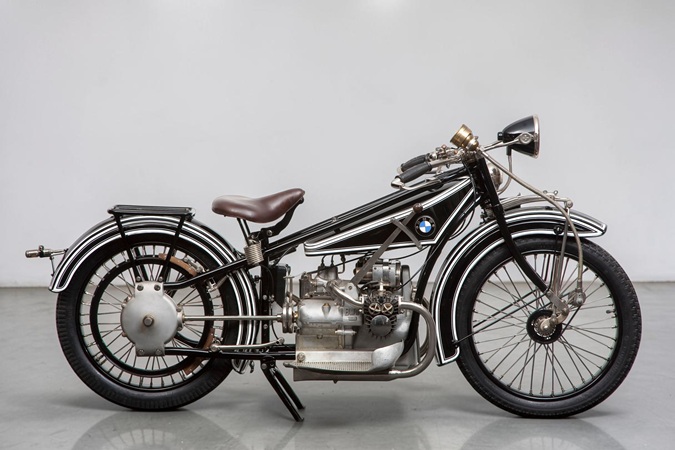
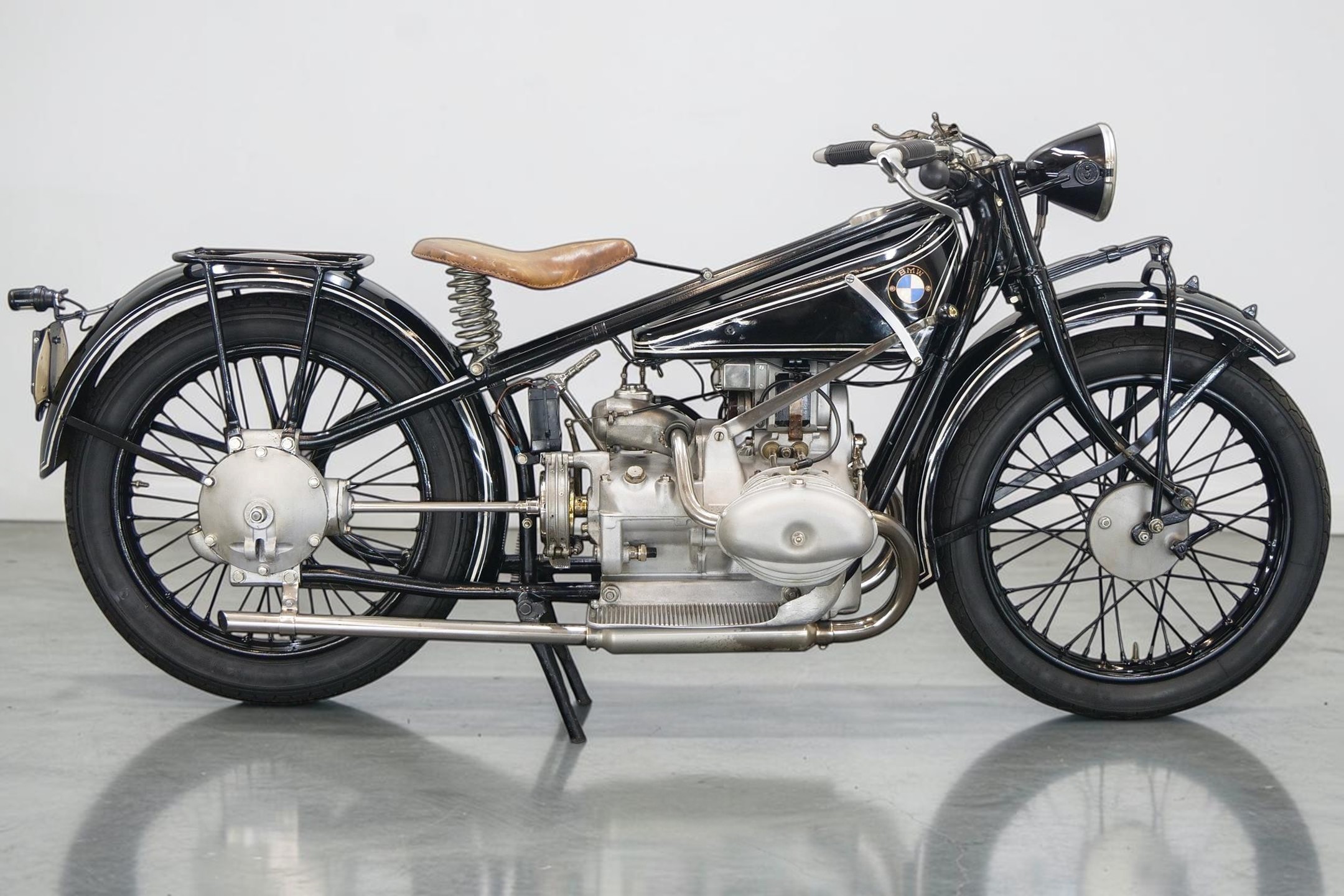
A curated portfolio of investment-grade BMW motorcycles, spanning the pioneering 1923 R32 through rare wartime machines and post-war performance icons. Each example is meticulously sourced, documented, and restored to concours-level authenticity.
Curated by American, European vintage motorcycle specialists. Established 1986, supplying collector-grade machines to private collectors and investors worldwide.
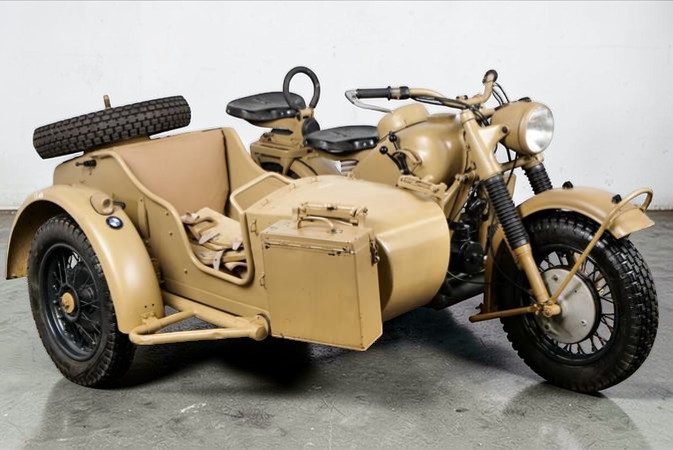
BMW vintage motorcycles are among the most engineering-driven machines ever produced, defined by their horizontally opposed boxer engines, shaft drive systems, and precision manufacturing standards. From the revolutionary 1923 BMW R32 to rare wartime models such as the R75 military sidecar, these motorcycles represent key milestones in 20th-century mechanical development.
Today, collector-grade BMW motorcycles are increasingly sought after, with rare and well-documented examples achieving strong results in international auctions and private sales. Factors such as matching numbers, original components, and verified restoration history significantly influence long-term value.
Early BMW motorcycles were produced in relatively limited numbers. For example, the BMW R32 (1923-1926) had an estimated production of approximately 3,000 units, making surviving original examples highly desirable among collectors.
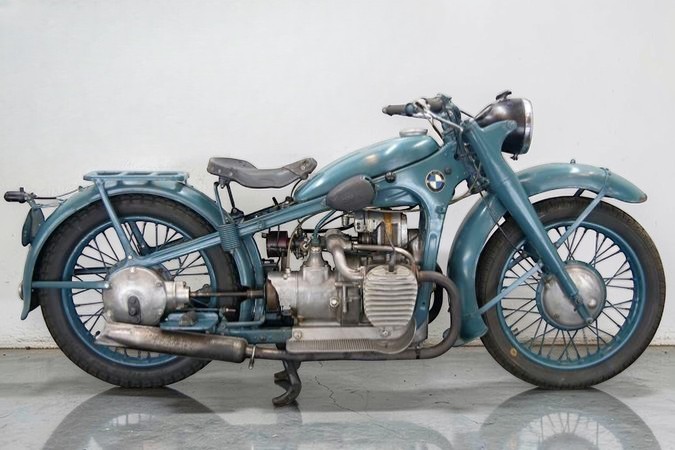
Wartime models such as the BMW R75 were produced for military use, with many units lost or heavily modified after the war. Authentic, correctly restored examples with original components are now considered rare collector assets.
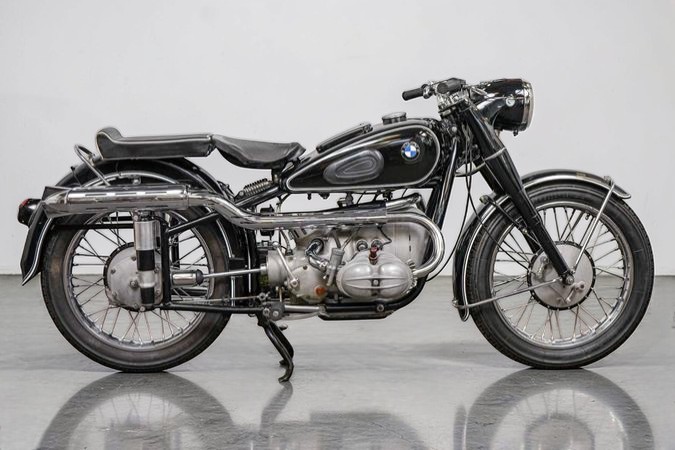
Post-war models like the BMW R68 are recognised as early performance motorcycles, capable of reaching speeds over 160 km/h, further increasing their historical significance.
1916 - BMW originated as an aircraft engine manufacturer in Germany, laying the engineering foundation for its future motorcycle development.
1923 - The BMW R32 was introduced, featuring the company's signature horizontally opposed boxer engine and shaft-drive system.
1920s - BMW established a reputation for precision engineering, reliability, and innovative drivetrain design in long-distance touring motorcycles.
1930s - The brand advanced motorcycle performance through refined boxer engines, pressed-steel frames, and successful international racing programs.
1935 - BMW introduced hydraulic front forks on production motorcycles, setting new standards for ride comfort and handling stability.
1939 - The supercharged BMW racing machines became dominant in European competition, demonstrating the company's high-performance engineering capabilities.
1945-1950 - Post-war production restrictions temporarily halted motorcycle manufacturing before BMW gradually resumed civilian production.
1950s - BMW focused on durable touring motorcycles with improved suspension, larger boxer twins, and enhanced long-distance comfort.
1969 - Production moved to the Berlin Spandau plant, marking the beginning of BMW's modern motorcycle manufacturing era.
1970s - The /5 and /6 series modernized BMW motorcycles with updated electrical systems, stronger frames, and refined touring performance.
Modern Era - Vintage BMW motorcycles remain highly respected for their boxer-engine heritage, shaft-drive reliability, and timeless German engineering philosophy.
Due to limited original production numbers and high attrition rates over the past century, authentic BMW vintage motorcycles are increasingly difficult to source. Many surviving examples are held in long-term private collections, making publicly available units exceptionally rare.
As a result, collector-grade BMW motorcycles often transact quickly when offered on the open market.
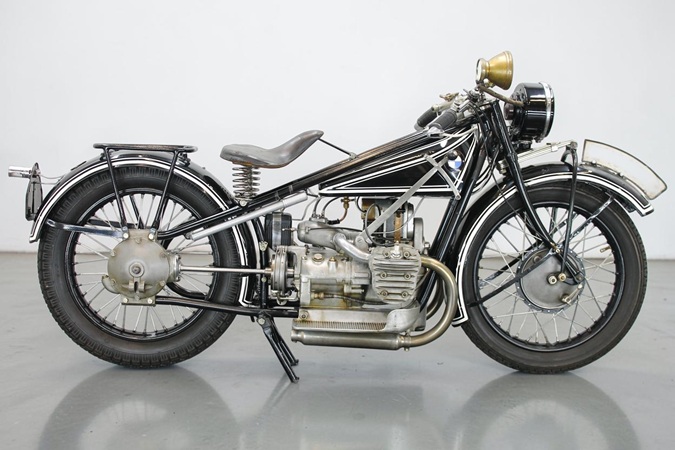
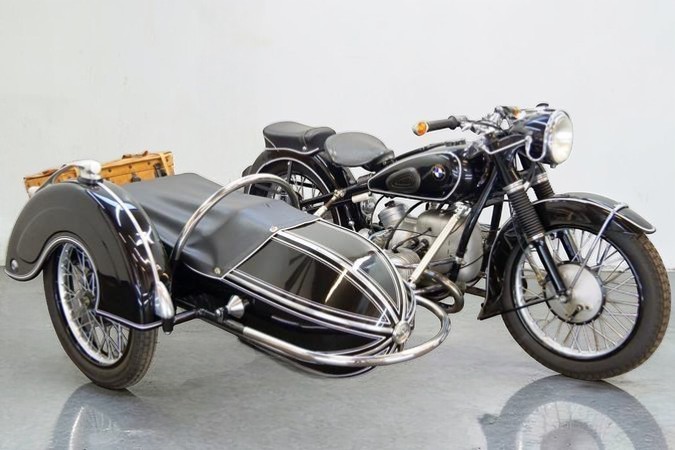
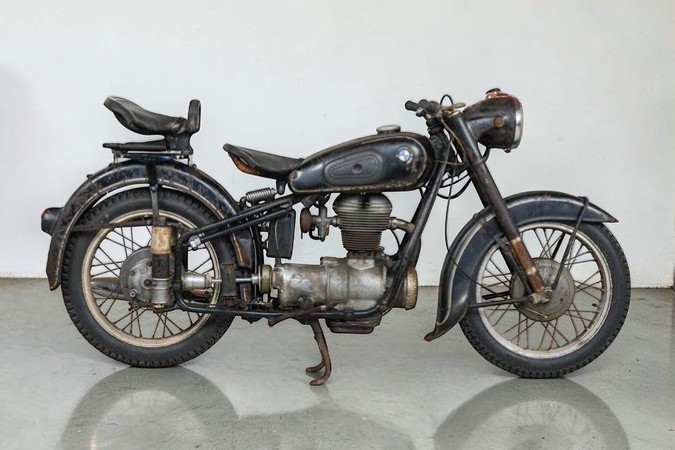
Key collector models include the BMW R32 (1924), R42 (1928), R75 military sidecar (WW2), R68 (1952 performance model) and the R25/3 single-cylinder touring machine. These motorcycles are highly sought after by collectors for their engineering innovation and historical importance. And you can explore our full range of vintage motorcycles in the Inventory page.
BMW motorcycles are renowned for their shaft drive systems, boxer engines, and unmatched engineering reliability. Their role in both civilian and military history further enhances their desirability among collectors and institutions worldwide.
Each BMW motorcycle in our collection is carefully sourced and restored with a focus on authenticity, originality, and mechanical excellence.
Vintage BMW motorcycles have become increasingly desirable among collectors due to their engineering precision, historical relevance, and limited surviving examples. Early models such as the R32 and R42 represent the foundation of BMW's boxer engine legacy, while wartime machines like the R75 offer unique historical significance.
Collector-grade BMW motorcycles with matching numbers, original components, and documented restoration history often command premium valuations in the global collector market. As demand continues to rise, well-preserved examples are considered both cultural artifacts and long-term investments.
When acquiring a vintage BMW motorcycle, collectors should prioritize originality, matching engine and frame numbers, and documented restoration work. Models equipped with original factory components typically retain higher historical and market value.
It is also essential to verify mechanical condition, restoration quality, and provenance. At The Vintage Motorcycles, each BMW machine undergoes detailed inspection to ensure authenticity and collector-grade standards.
Below is a curated live inventory of collector-grade BMW motorcycles available for acquisition. Each machine is documented, verified, and offered with full provenance and export support.
We offer BMW vintage motorcycles for sale to collectors worldwide, including the United States, Europe, Australia, and Asia. Each motorcycle can be securely crated and shipped with full export documentation and insurance.
Pricing varies depending on rarity, originality, and restoration level. Please view individual listings or contact us directly for current availability and acquisition details.
Contact our specialists for availability, pricing, and worldwide shipping options. Request Availability!
The evolution of BMW motorcycles can be understood through the broader framework of pre-war motorcycle engineering (1923-1939), beginning with early models such as the R32, which introduced the now-iconic horizontally opposed boxer engine and shaft drive system. These foundational engineering principles established BMW's long-term identity within European motorcycle design.
This trajectory shifted significantly during World War II military motorcycle production, where BMW machines such as the R75 were engineered for durability, off-road capability, and sidecar integration, reflecting the demands of military logistics and battlefield mobility.
Following the war, BMW adapted its engineering philosophy within the context of post-war motorcycle development (1945-1969), transitioning toward civilian road motorcycles while retaining its core mechanical architecture and reputation for reliability.
For collectors and researchers seeking broader comparative context, global vintage motorcycle inventory archives provide a comprehensive view of BMW motorcycles alongside other European manufacturers across different historical periods and engineering approaches.
What is the most valuable vintage BMW motorcycle?
Early models such as the R32, along with rare wartime machines like the R75, are among the most valuable due to their historical significance and limited surviving examples.
Are BMW vintage motorcycles reliable?
BMW motorcycles are widely recognized for their durability, particularly due to the combination of boxer engine configuration and shaft drive transmission, which reduce mechanical wear and improve long-term reliability.
Where can I buy vintage BMW motorcycles?
Collector-grade BMW motorcycles can be explored through curated listings on this site or within the broader
global inventory of vintage motorcycles, where machines are categorized by era, engineering type, and historical relevance.
How much does a vintage BMW motorcycle cost?
Values vary depending on model rarity, originality, and historical context, ranging from accessible collector pieces to high-value investment-grade machines with documented provenance.
Are BMW vintage motorcycles a good investment?
Well-preserved BMW motorcycles with verified history and mechanical integrity have demonstrated strong long-term value within the global collector market.
Understanding BMW motorcycles requires more than model recognition, it involves examining the relationship between engineering innovation, historical context, and long-term collector value. From early pre-war development through wartime adaptation and post-war refinement, BMW motorcycles reflect a continuous evolution shaped by both industrial progress and geopolitical influence.
BMW's development is closely tied to the broader landscape of German engineering, where precision manufacturing and mechanical consistency played a defining role. This context is explored through comparative studies of motorcycle manufacturers by country, alongside deeper insights into German motorcycle brand development and the evolution of BMW-specific models documented in BMW motorcycle engineering timelines.
Within the global vintage motorcycle market, BMW occupies a position defined by engineering reliability and historical depth. These dynamics align with broader patterns observed in vintage motorcycle market analysis, where mechanically distinctive and well-documented machines continue to attract long-term collector interest.
BMW motorcycles also serve as a reference point within broader studies of vintage motorcycle engineering, particularly in areas such as drivetrain design, structural consistency, and long-distance reliability. These themes are further explored through general research into motorcycle history, competition, and cross-country engineering comparisons.
Access comprehensive purchasing tips alongside deep technical tutorials, including overseas delivery questions, brand maintenance guides, classic bike fixes, and garage restoration processes: