
The Vintage Motorcycles
Specialists in antique, classic, veteran and vintage motorcycles.
Specialists in antique, classic, veteran and vintage motorcycles.
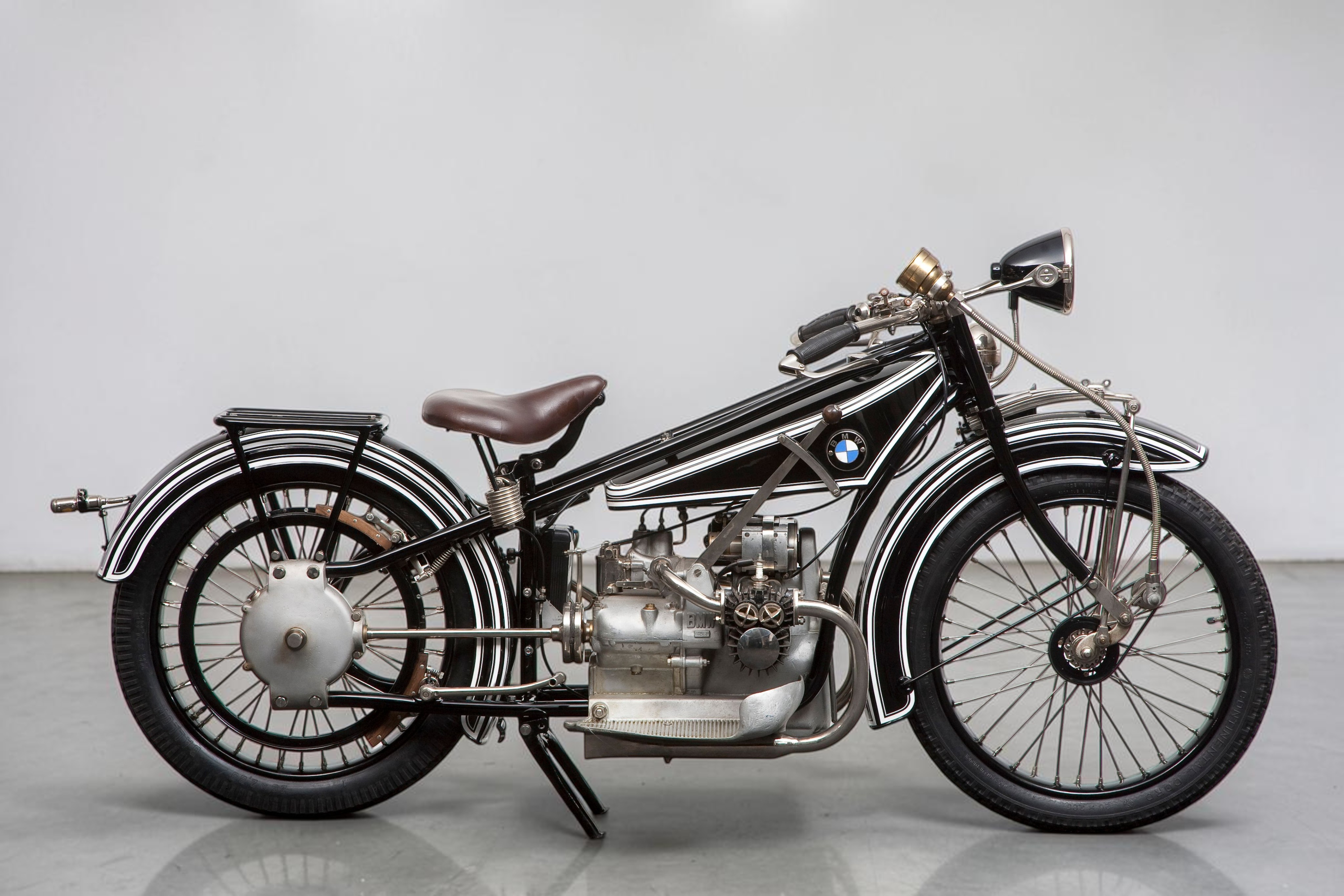
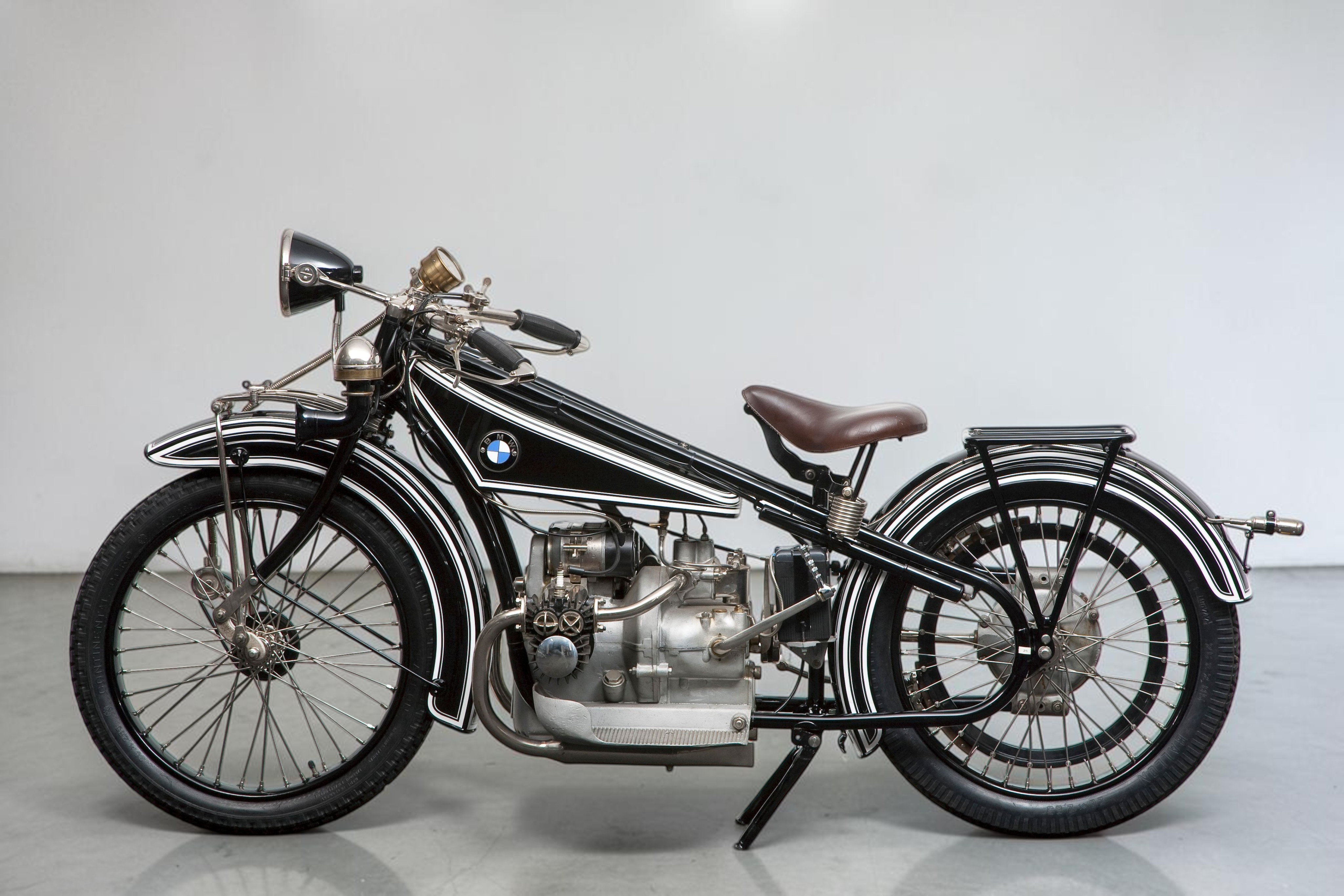
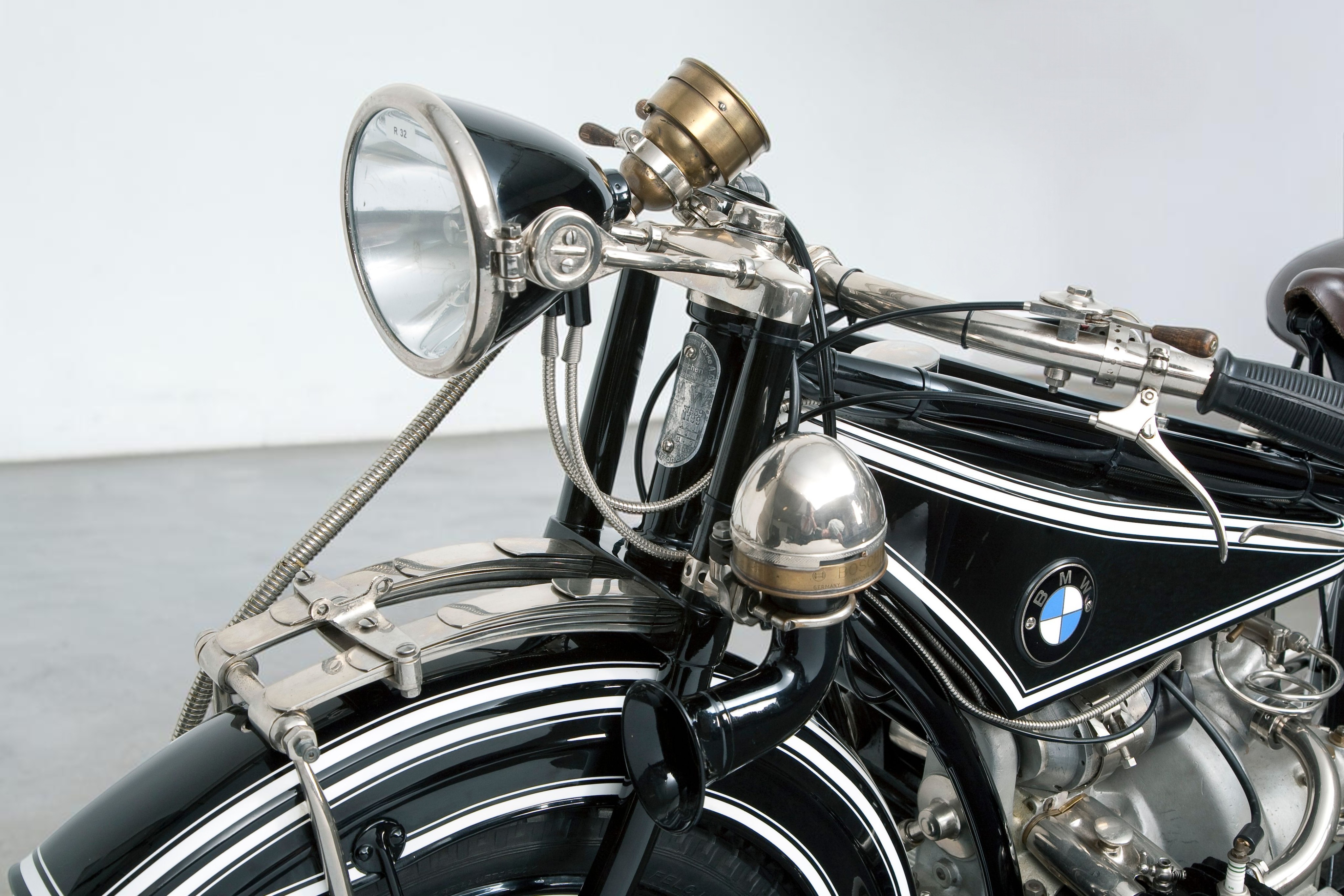
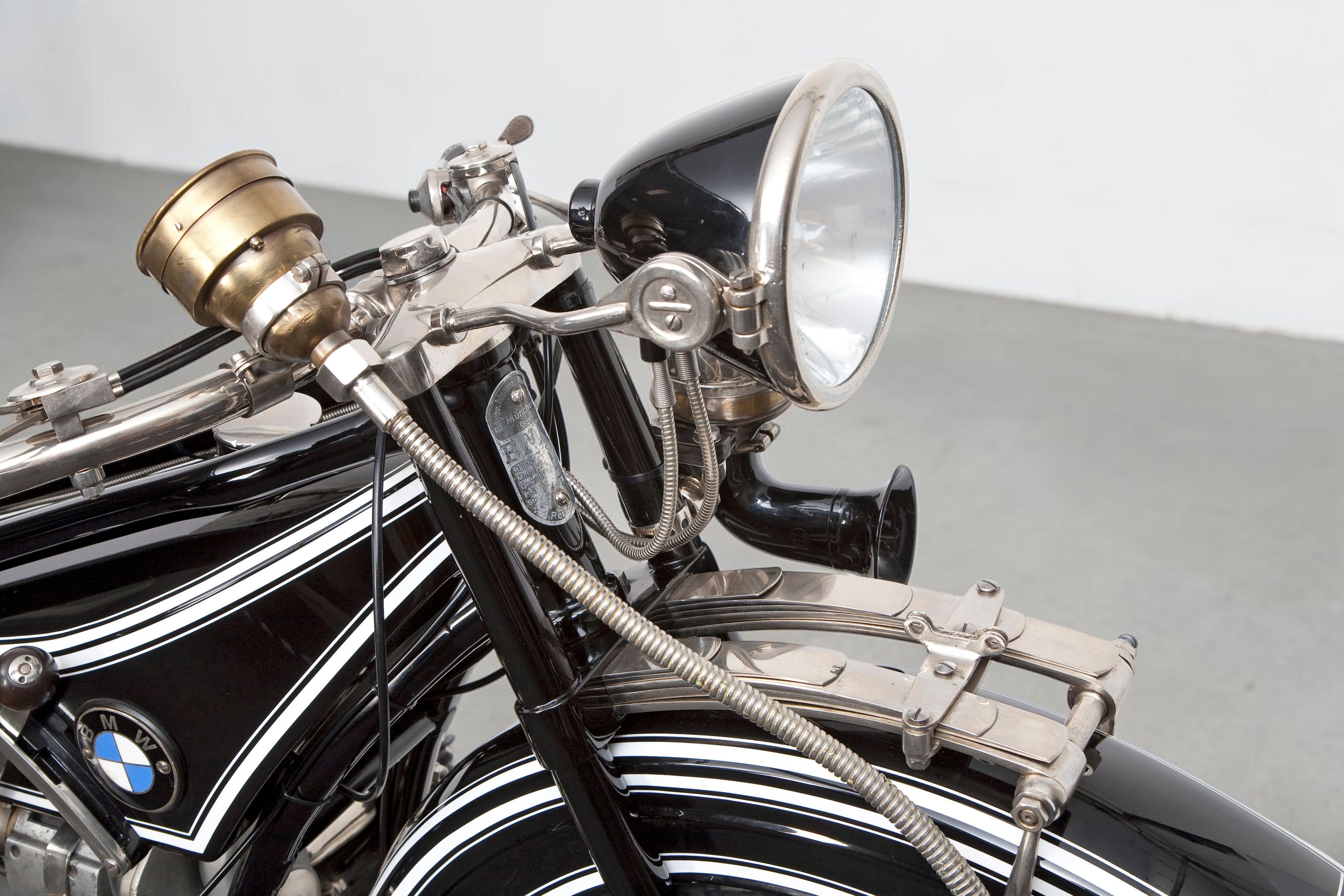
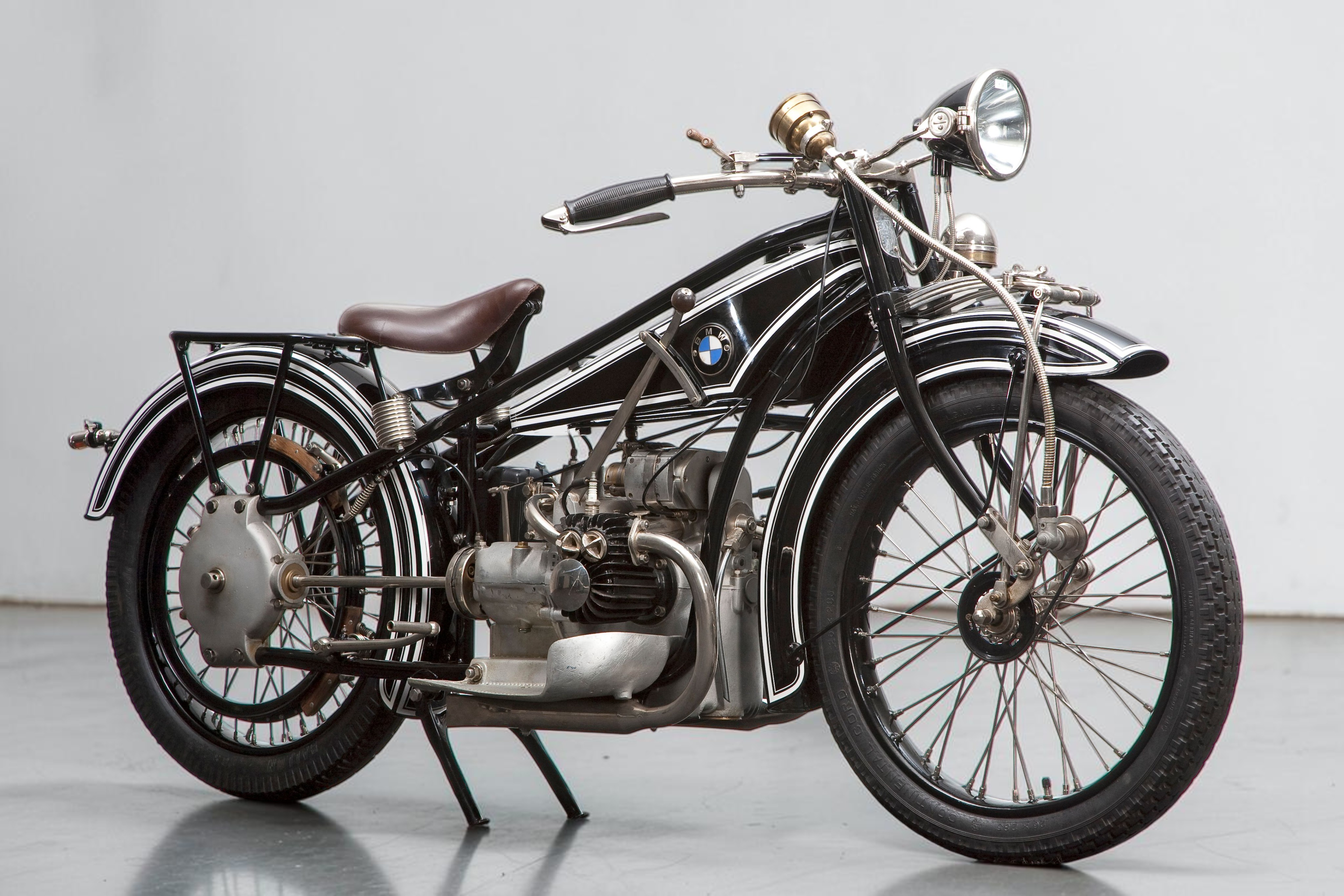
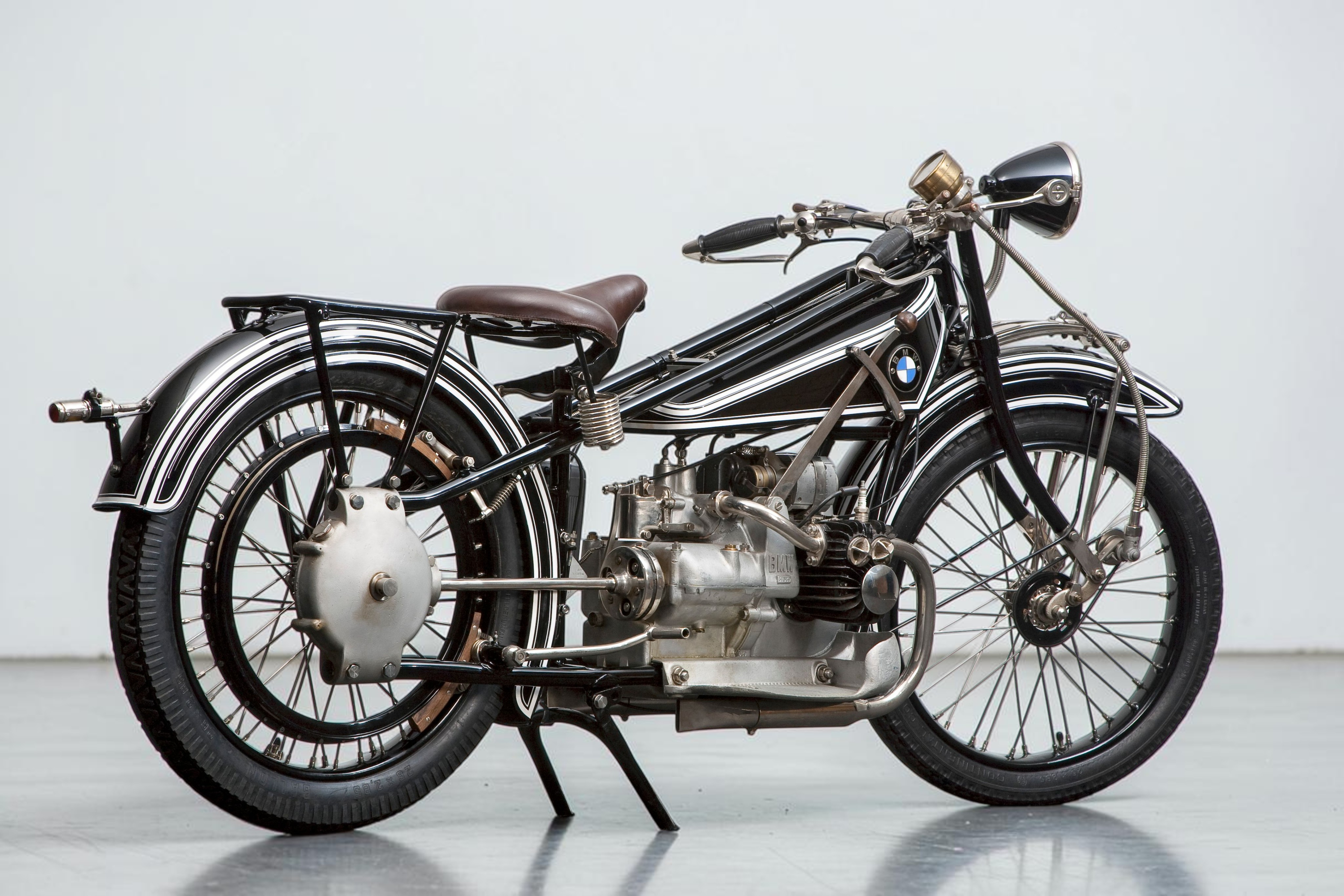
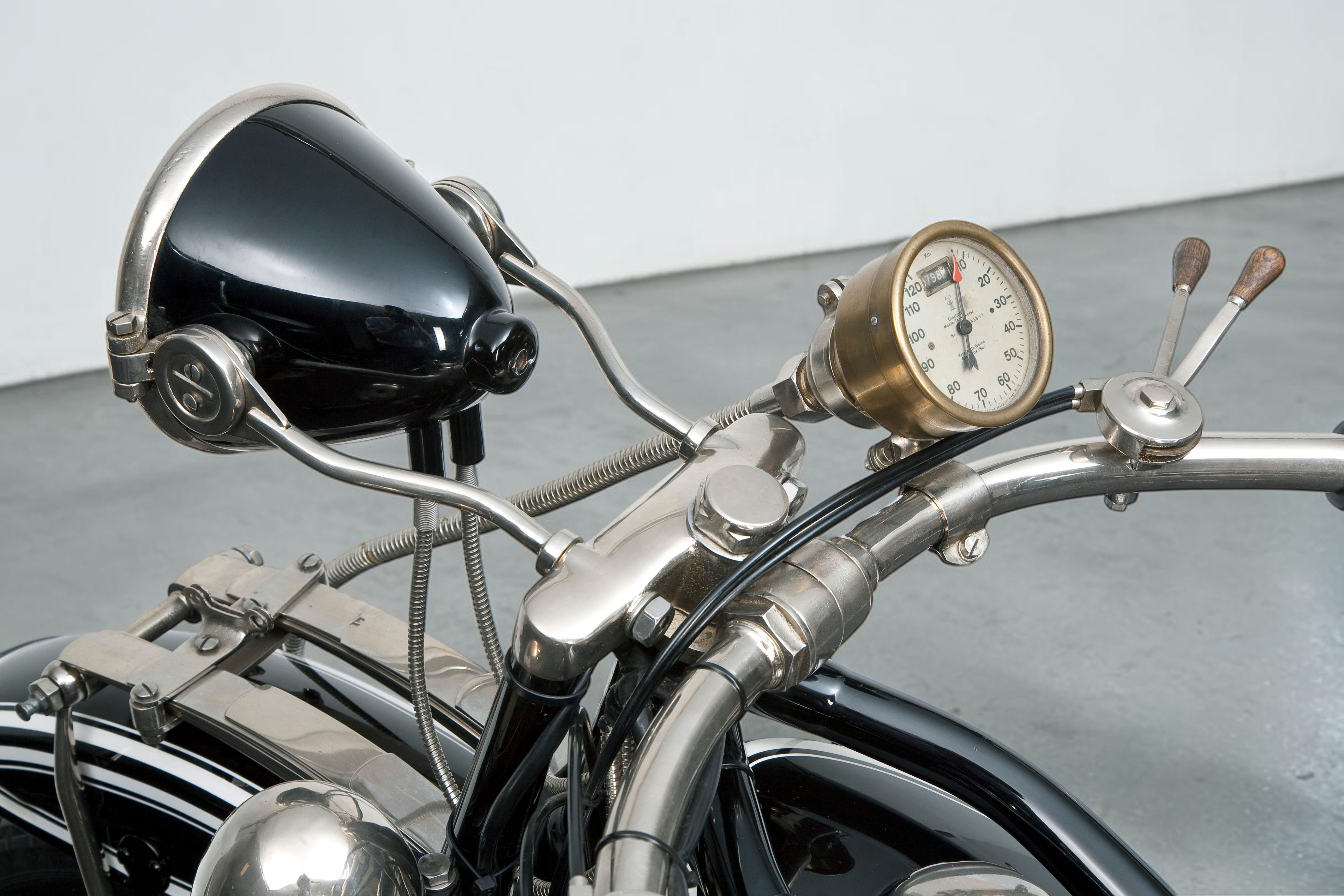
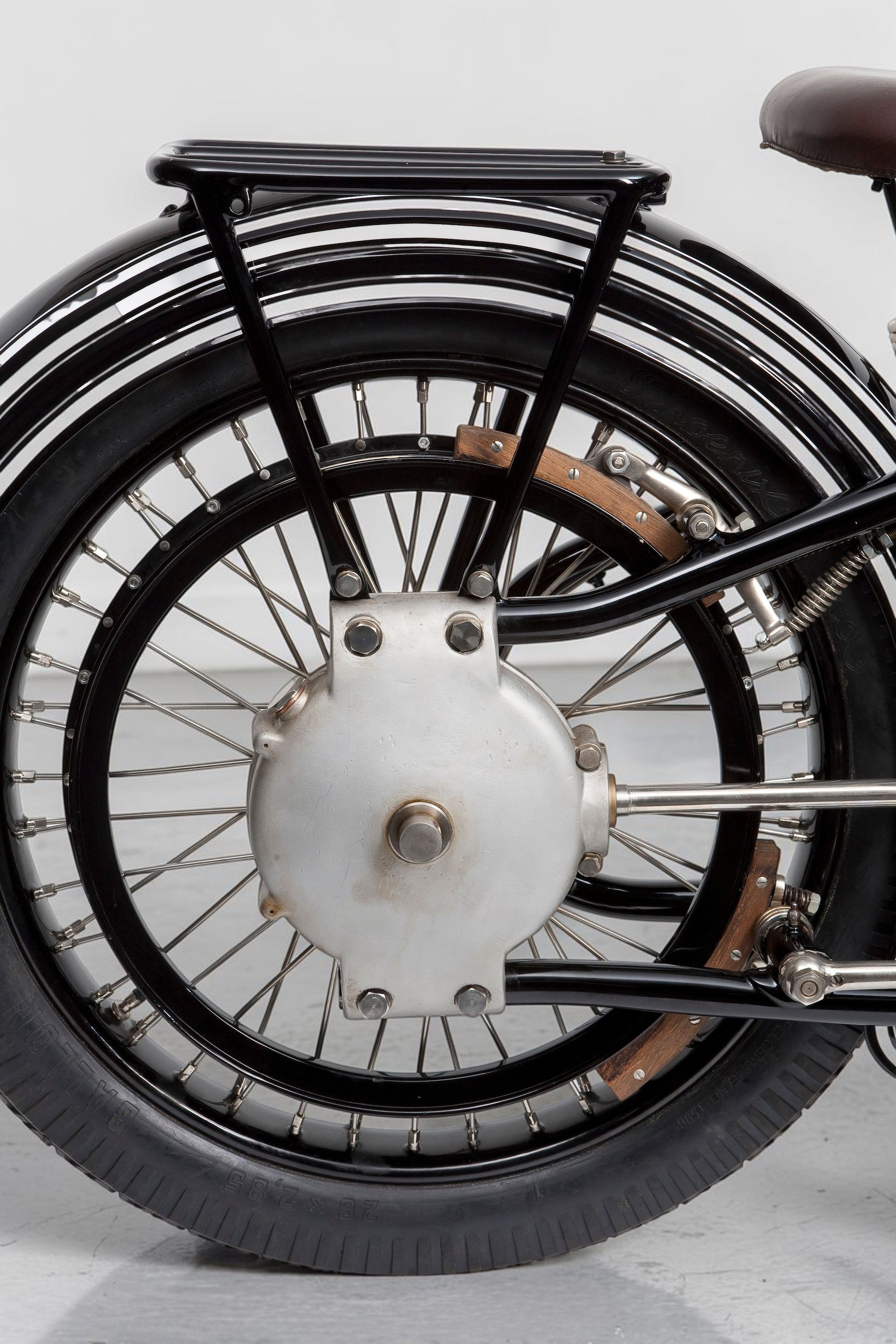
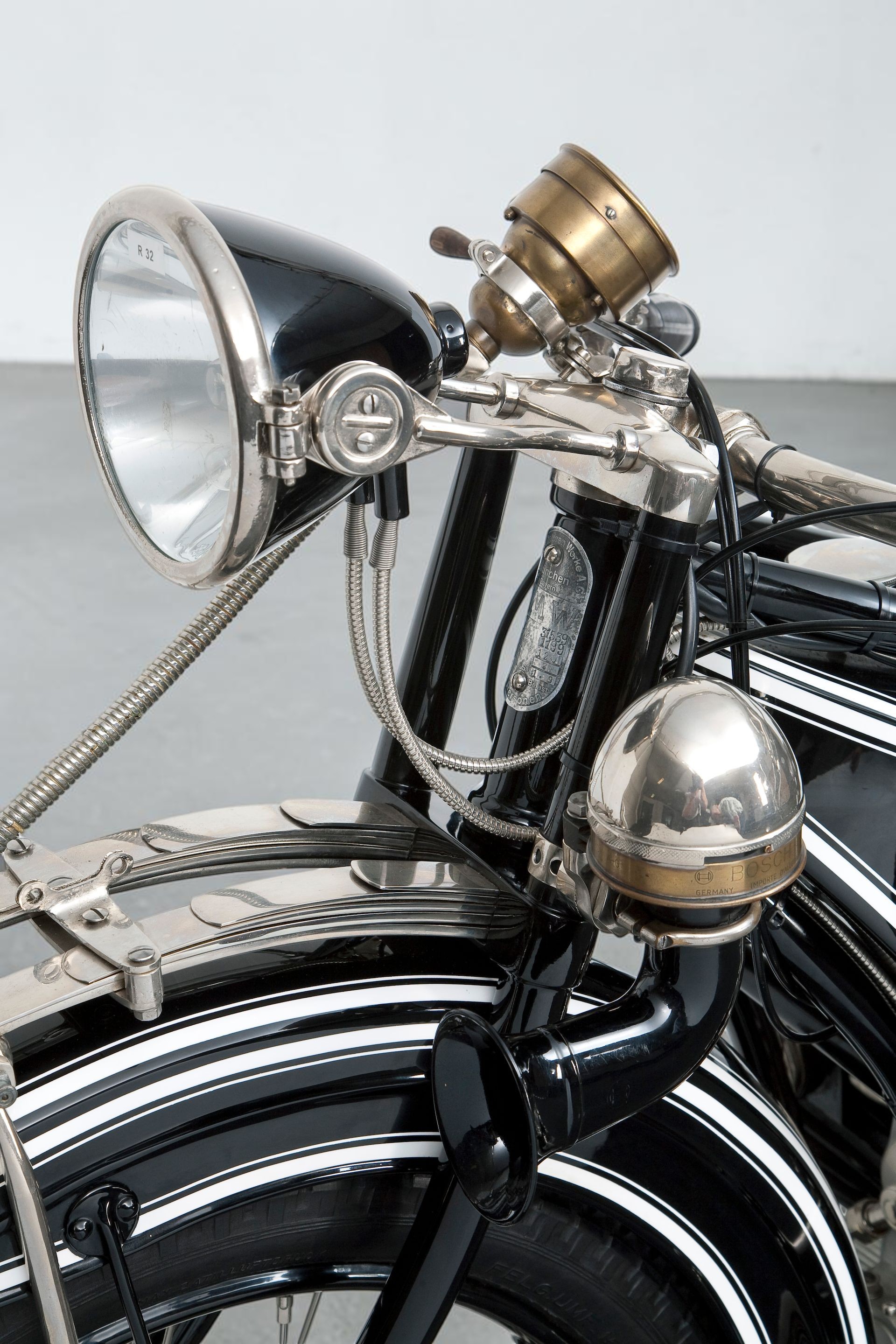
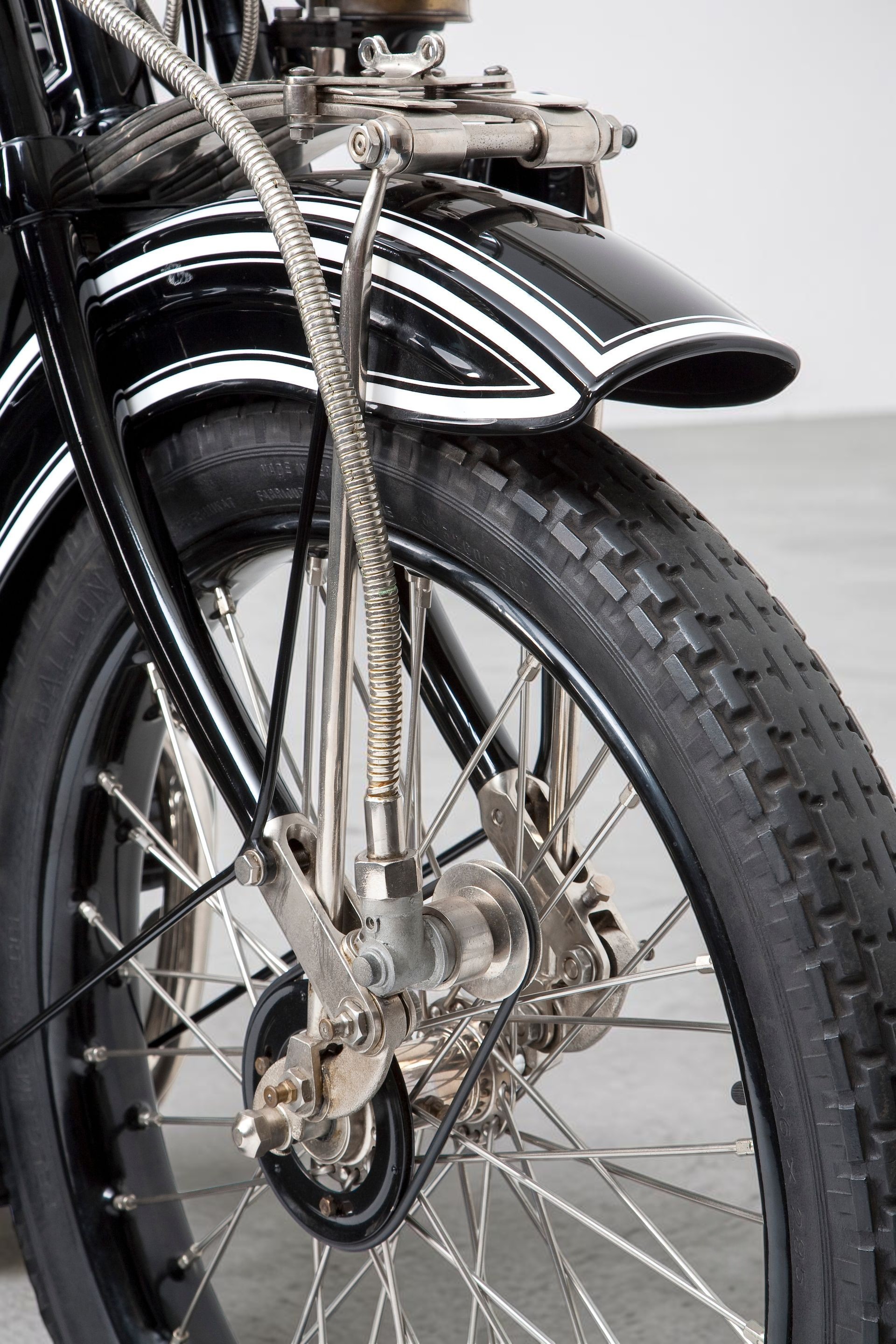
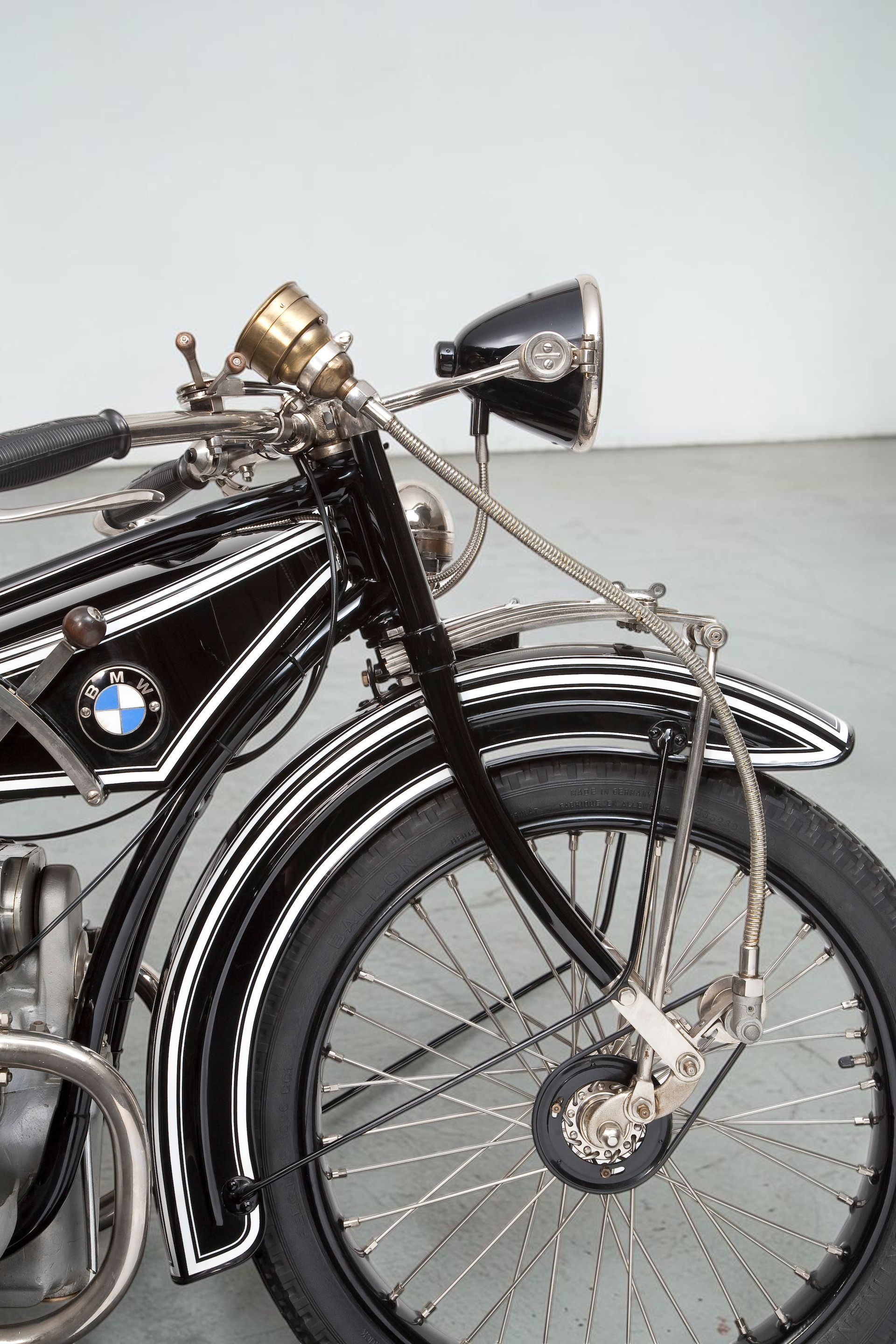
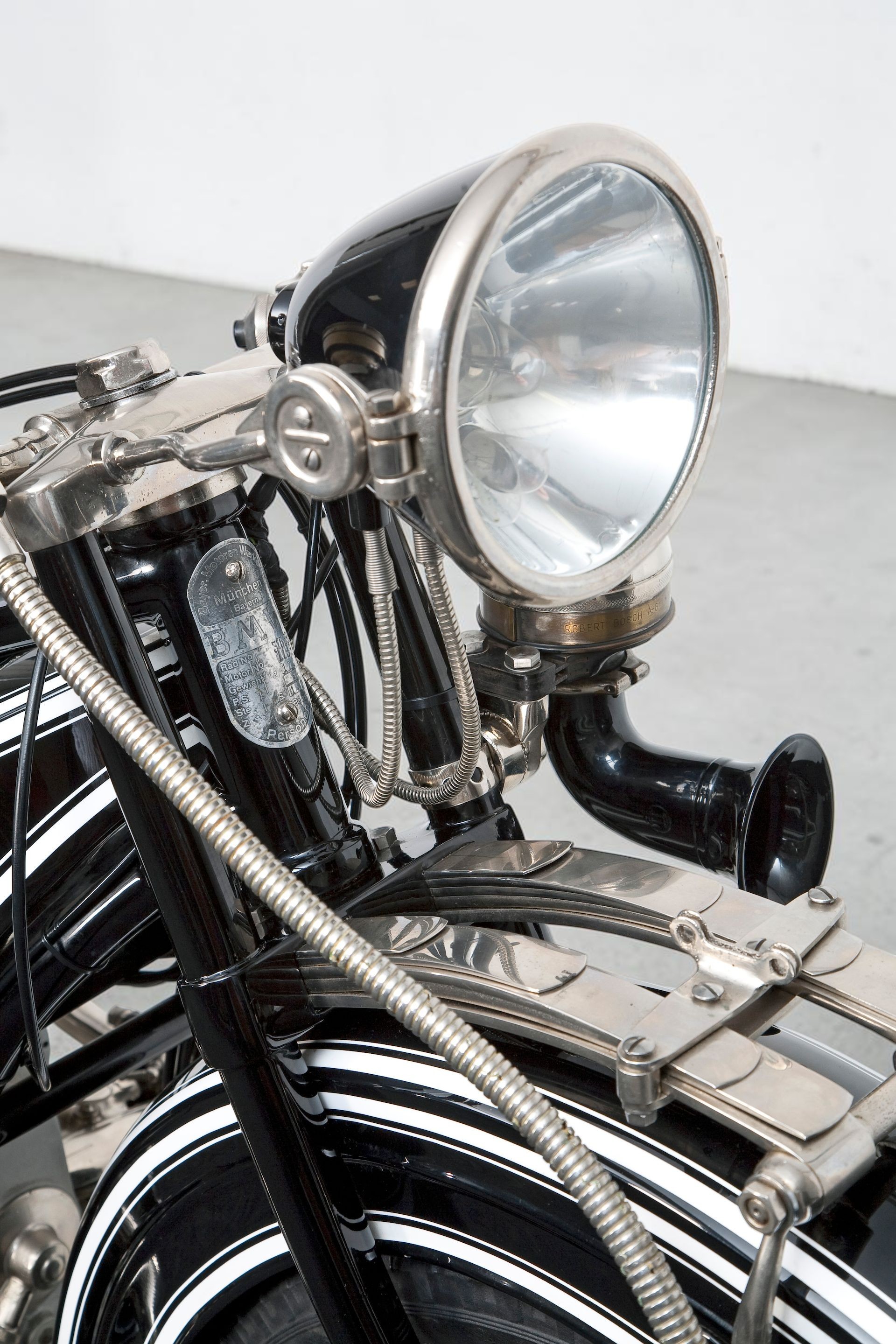
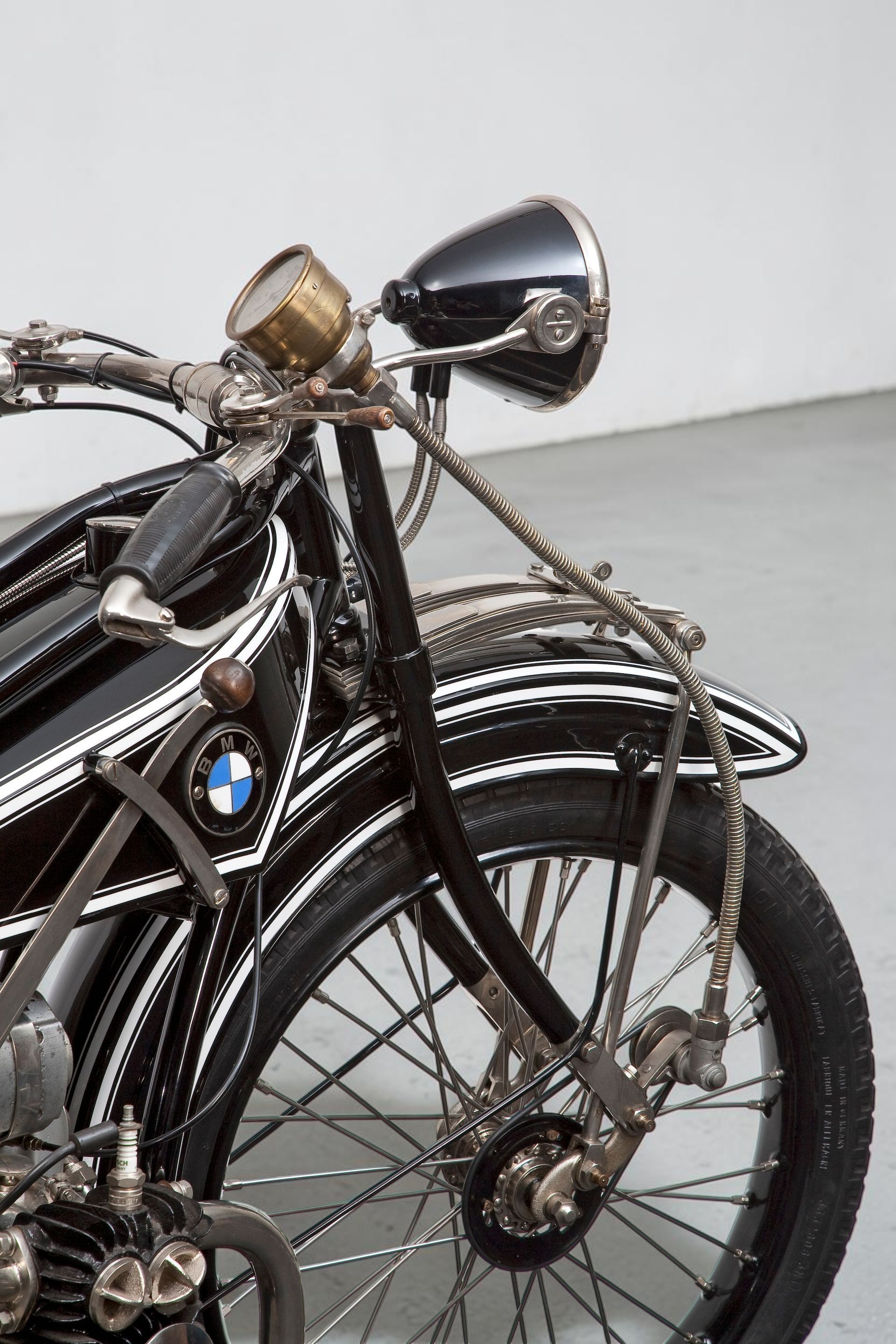
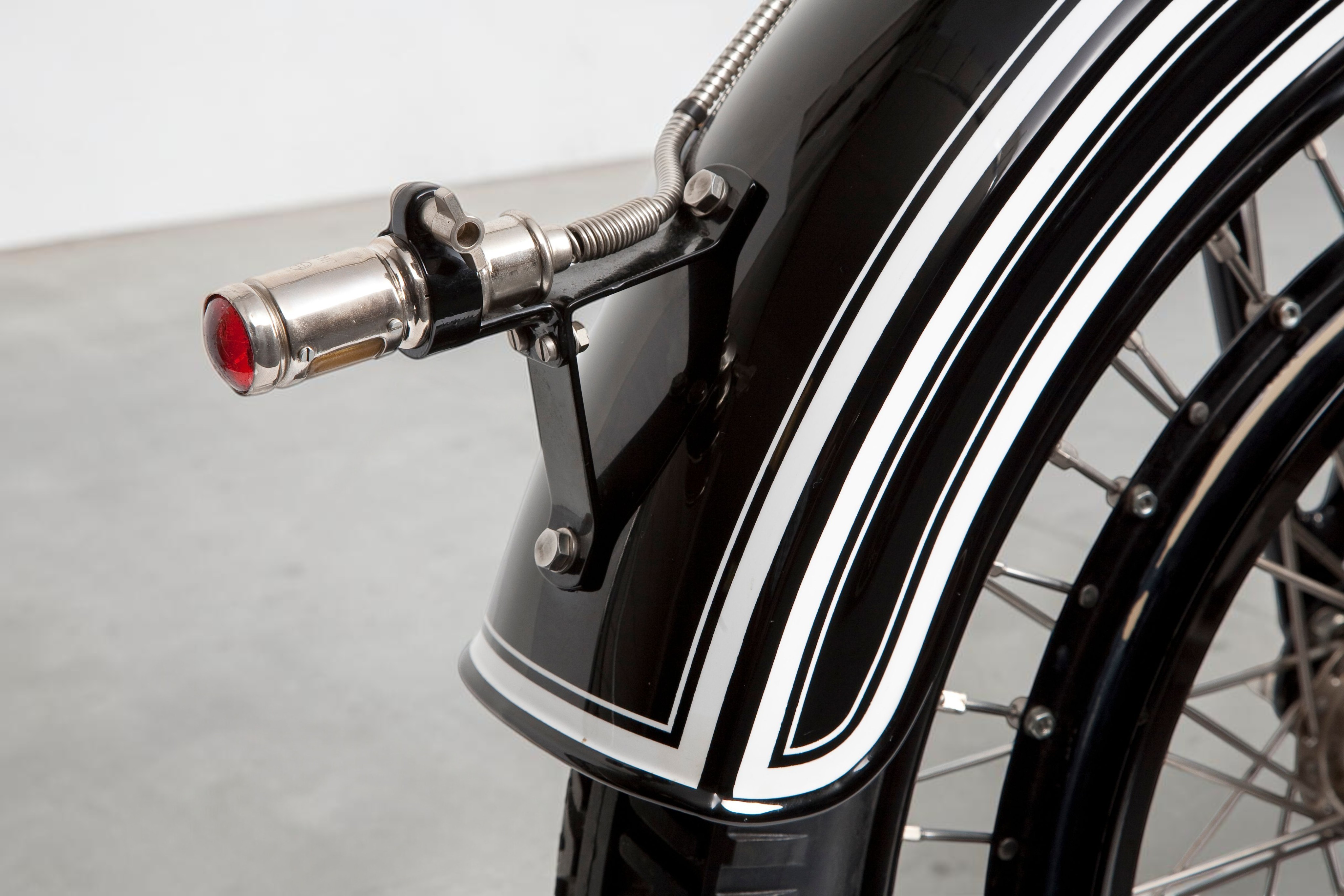
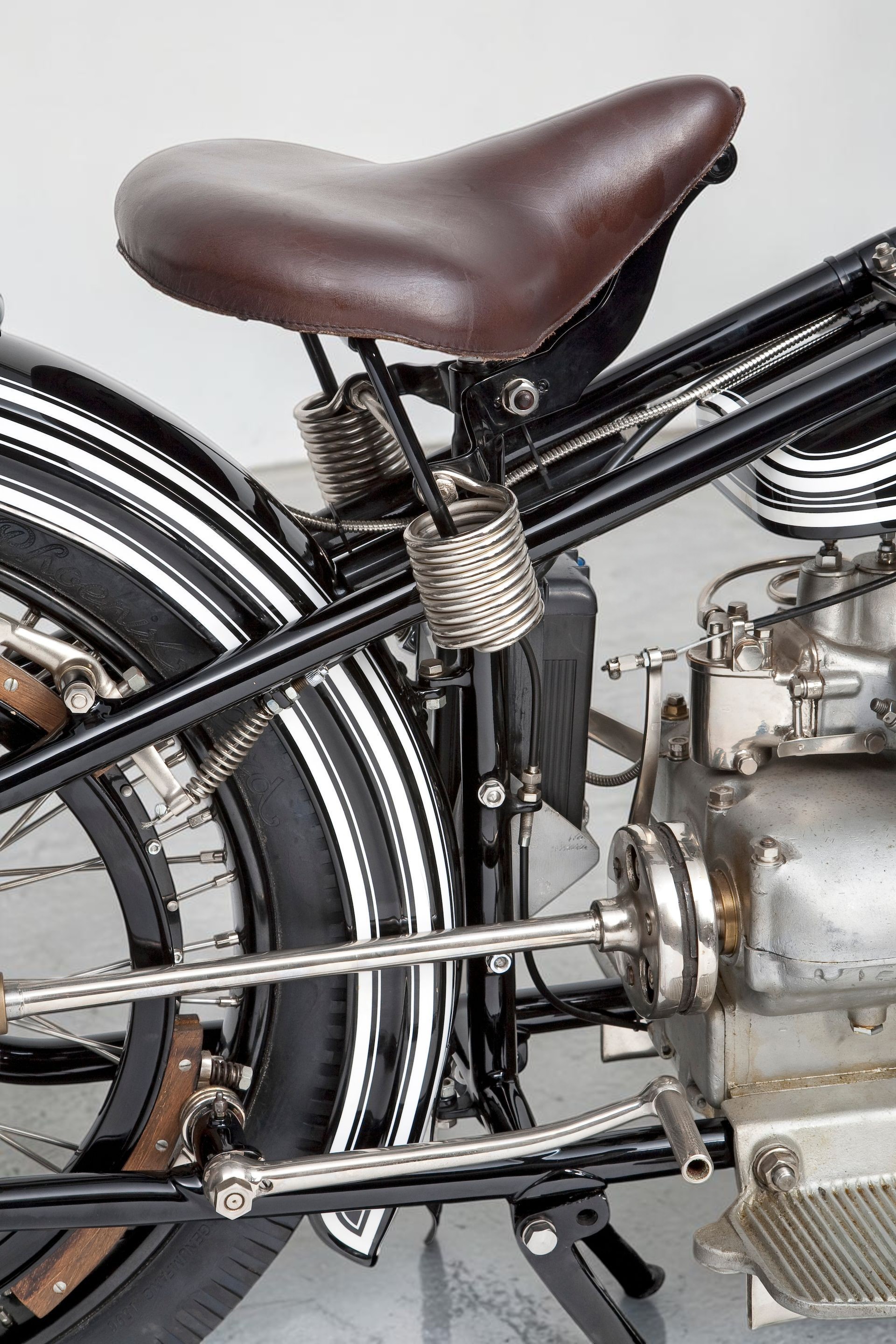
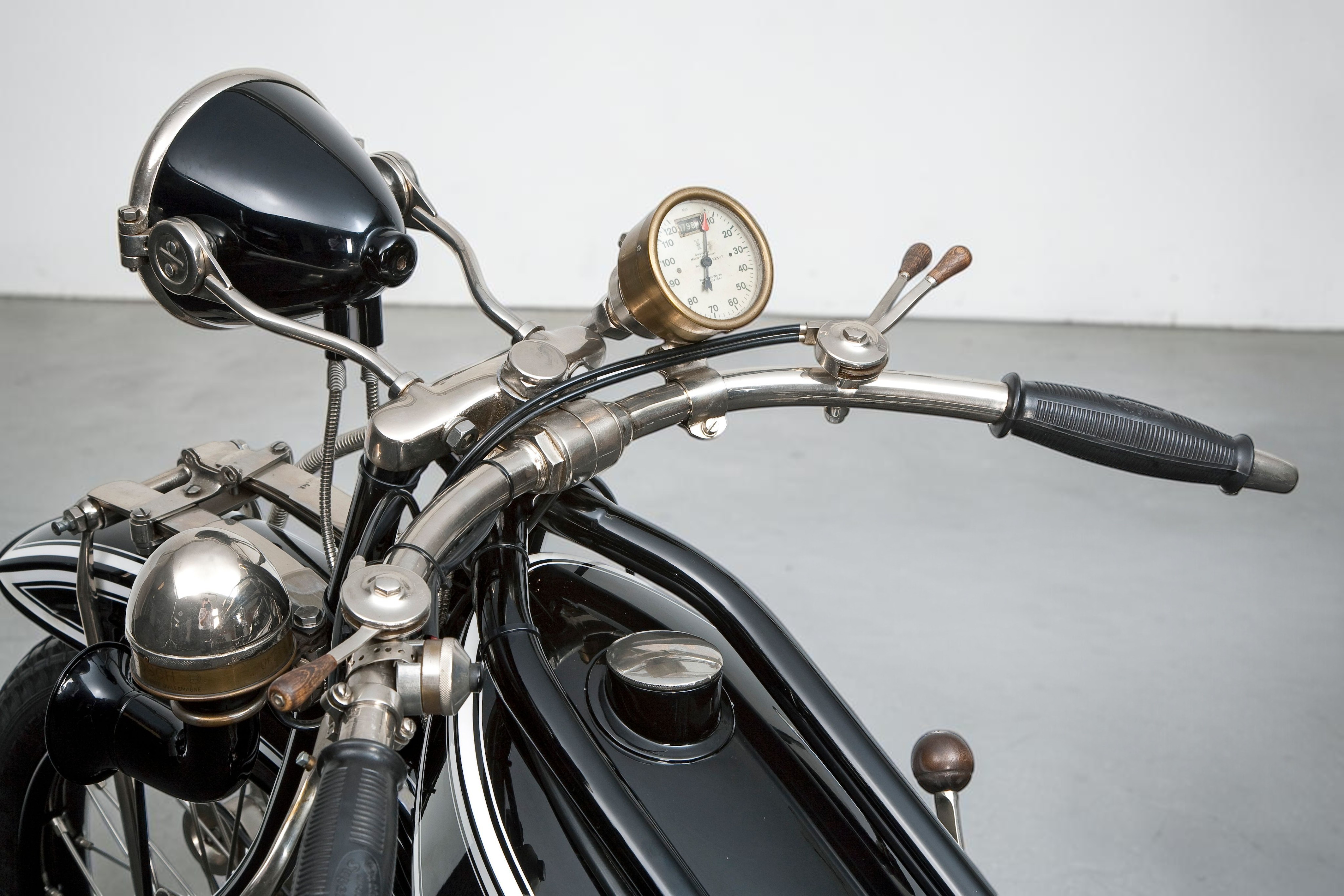
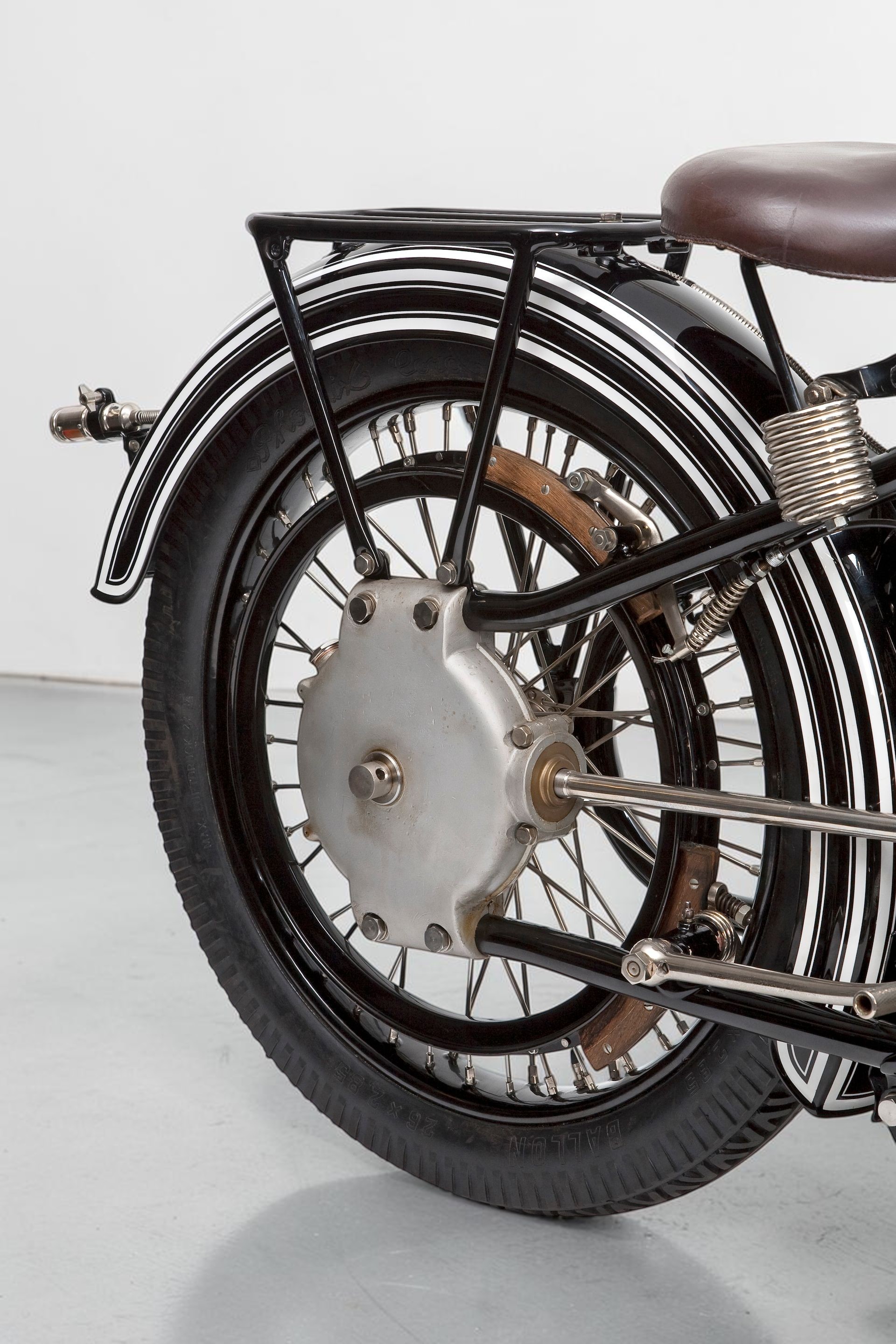
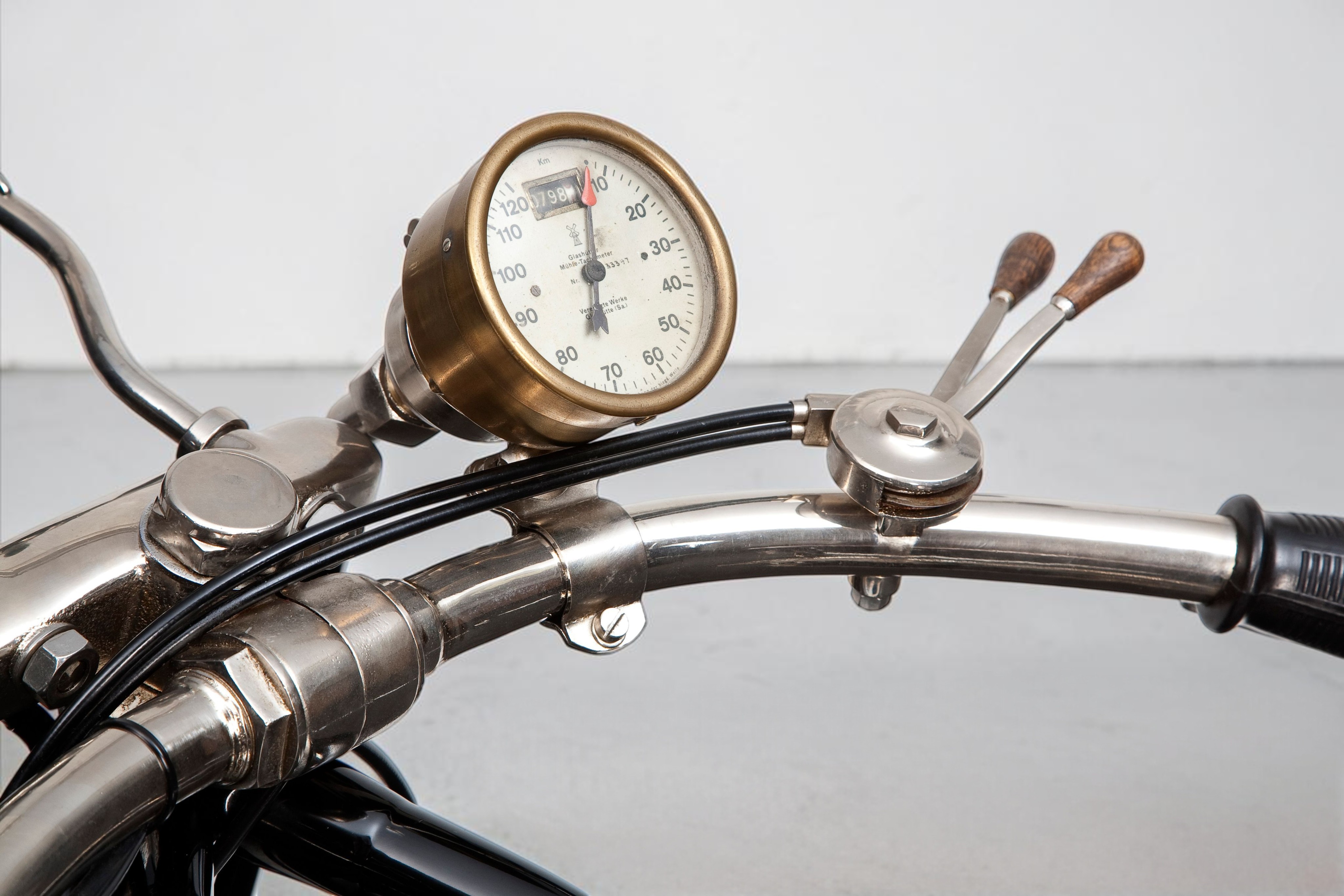
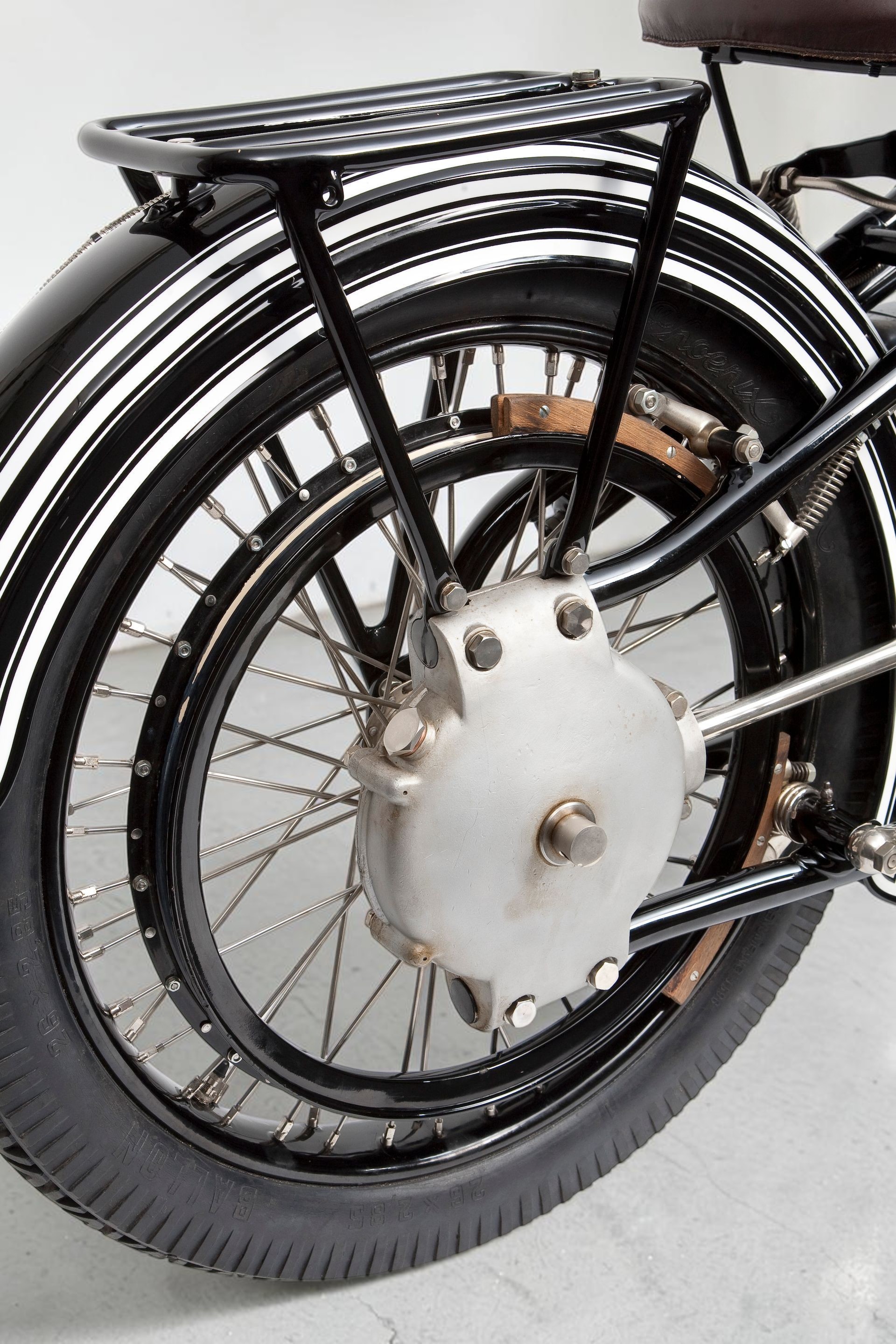
The 1924 BMW R32 was the first motorcycle produced under the BMW name and the machine that established the fundamental engineering identity of BMW motorcycles. Designed by Max Friz and presented at the Berlin Motor Show in September 1924, the R32 introduced a horizontally opposed Boxer engine combined with shaft final drive, a layout that would remain central to BMW motorcycle engineering for decades.
The R32 used a 494cc air-cooled side-valve two-cylinder Boxer engine designated M2B33. It produced 8.5 horsepower at 3,200 rpm and gave the motorcycle a top speed of approximately 95 km/h.
Unlike many motorcycles of the period that used chain or belt final drive, the R32 transmitted power through an enclosed driveshaft to the rear wheel. BMW's use of shaft drive reduced exposed maintenance components and became one of the defining characteristics of the marque.
The engine and three-speed gearbox were mounted together as a compact power unit inside a twin-loop tubular-steel frame. The horizontally opposed cylinders projected into the airflow on either side of the motorcycle, improving cooling and contributing to the R32's distinctive appearance.
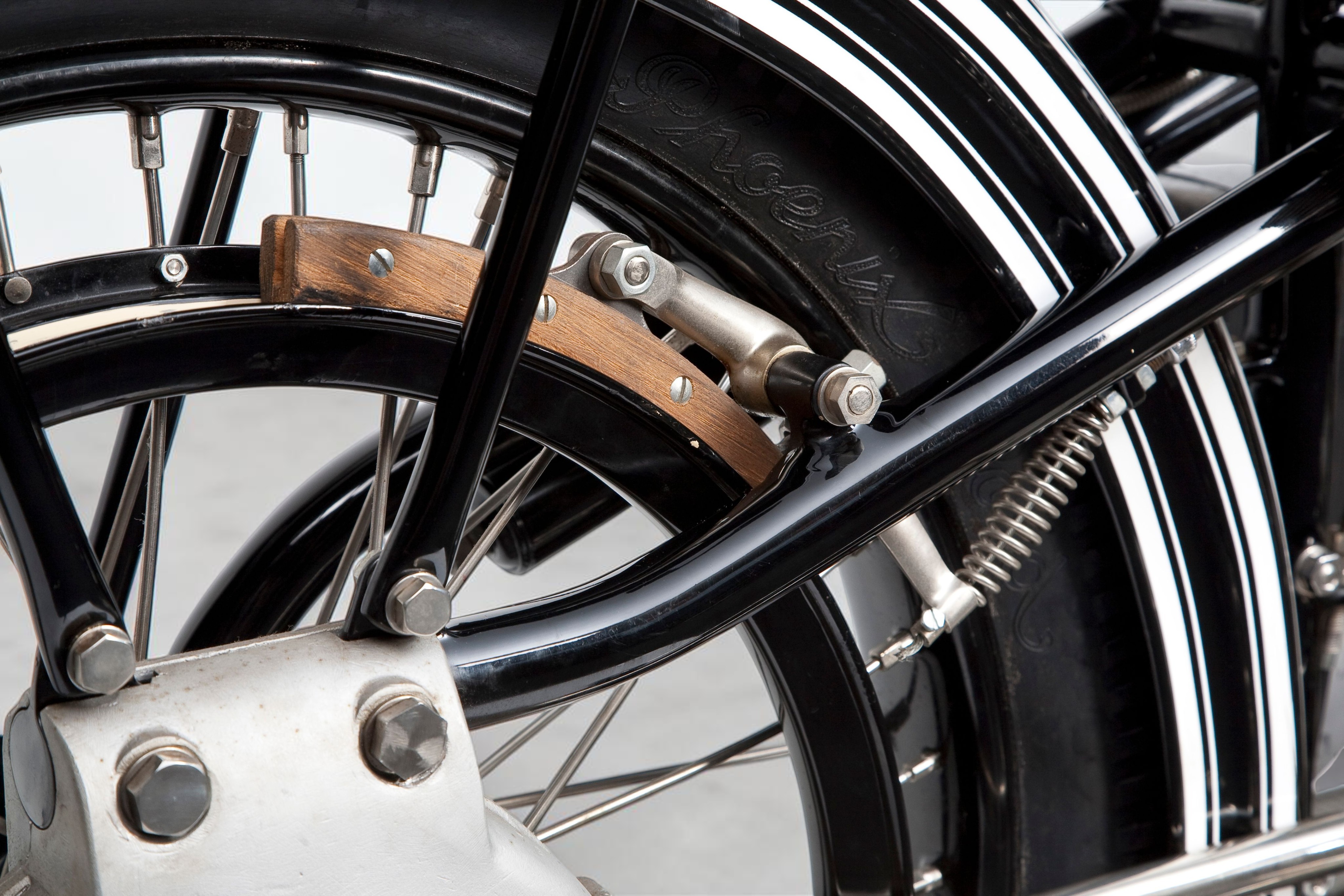
The original R32 used a twin cantilever front suspension and a rigid rear frame. Early first-series motorcycles did not have a front brake, while later examples received a 150mm front drum brake. The rear wheel used a block brake.
BMW produced 3,090 R32 motorcycles between 1924 and 1926. The model became the foundation for BMW's subsequent R-Series motorcycles and is regarded as one of the most important motorcycles in the history of the company.
The BMW R32 was developed after BMW moved into motorcycle production following its earlier work in aircraft and industrial engines. Chief designer Max Friz created an entirely new motorcycle rather than simply adapting an existing design.
The R32 was officially presented at the Berlin Motor Show on September 28, 1924. It was BMW's first motorcycle to carry the BMW name and established an engineering formula that distinguished the company from many competitors.
The motorcycle's most significant innovation was the combination of a longitudinally mounted Boxer engine and shaft final drive. The crankshaft ran in the direction of travel while the two cylinders projected horizontally to the left and right.
This arrangement solved important cooling and packaging problems while keeping the engine's mass relatively low in the chassis. The shaft final drive also reduced the maintenance associated with exposed chains and belts.
BMW Group Classic records production from 1924 through 1926, with a 494cc engine, 8.5 horsepower at 3,200 rpm, a top speed of 95 km/h, and an original price of 2,200 Reichsmarks. The company identifies the R32 as the first BMW motorcycle and a milestone in motorcycle history.
The R32 remained in production until 1926, when it was succeeded by the BMW R42 and R47. Its basic Boxer and shaft-drive architecture, however, continued to define BMW motorcycles long after the R32 itself disappeared from production.
The 1924 model year is particularly significant because it represents the beginning of BMW's motorcycle production and the origin of the R-Series designation that would become synonymous with BMW's motorcycle range.
The 1924 BMW R32 is powered by the M2B33, an air-cooled four-stroke two-cylinder horizontally opposed Boxer engine with a displacement of 494cc.
The engine has a 68 x 68 mm bore and stroke and a compression ratio of approximately 5.0:1. The square configuration provides a balanced relationship between cylinder dimensions and engine displacement.
The M2B33 uses side-valve operation and produces 8.5 horsepower at 3,200 rpm. The engine was designed around dependable road use and moderate engine speeds rather than outright performance.
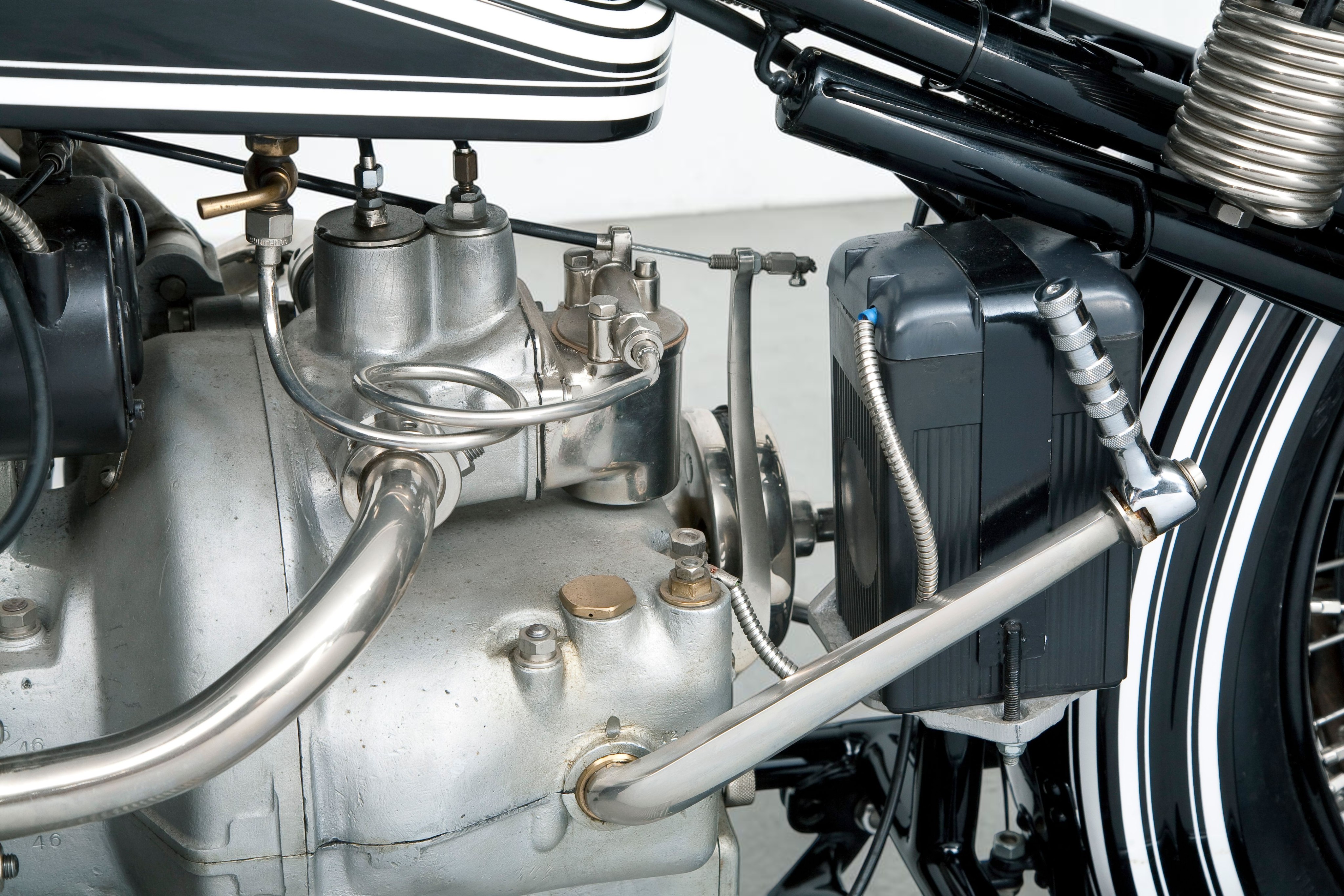
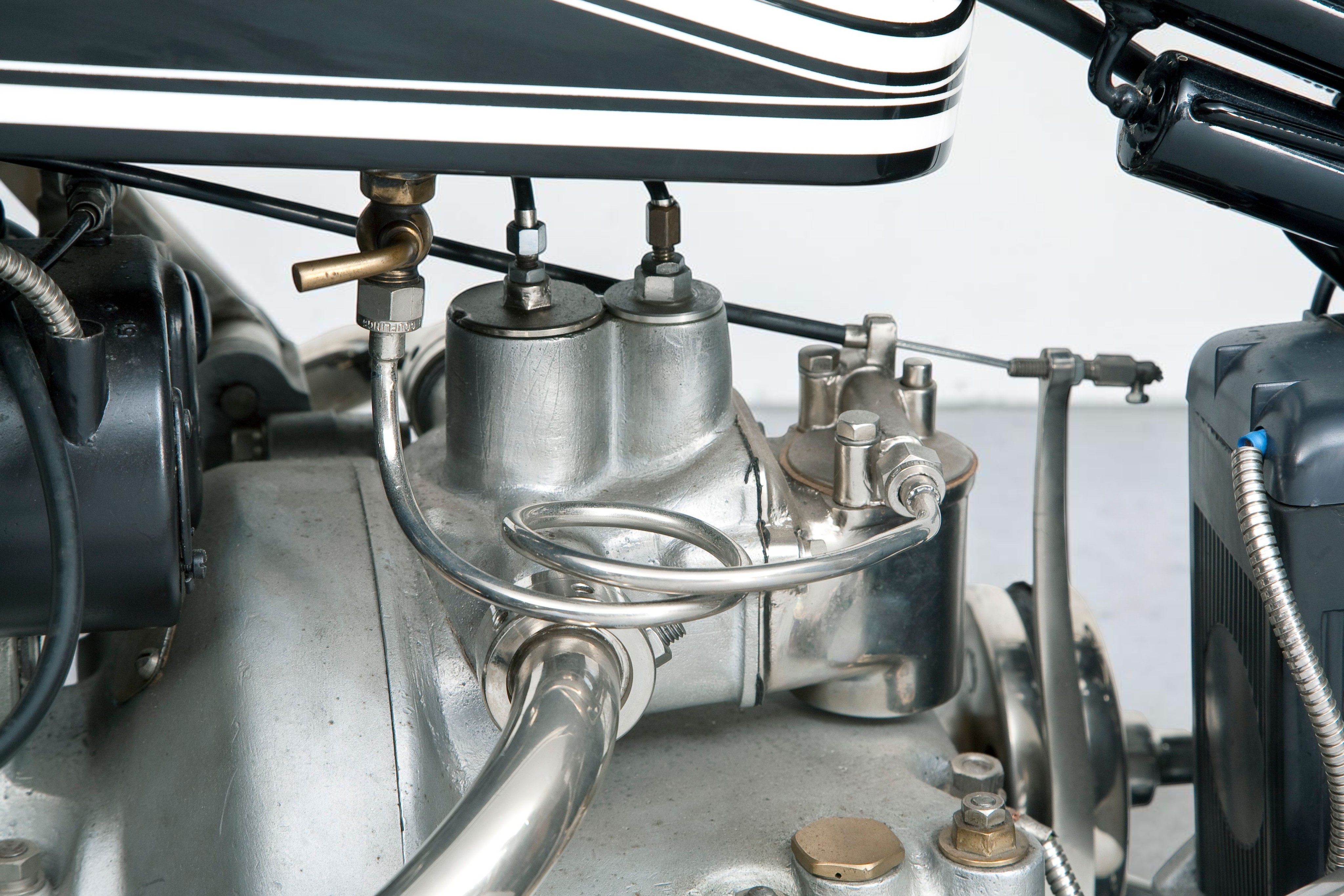
A single BMW Spezial 22mm carburetor supplies the fuel mixture. The engine uses forced-feed lubrication with a gear-driven oil pump, an important feature for reliable operation.
The R32 has a top speed of approximately 95 km/h. BMW Group Classic lists 95 km/h as the official maximum speed, while some historical references give a figure approaching 100 km/h depending on specification and conditions.
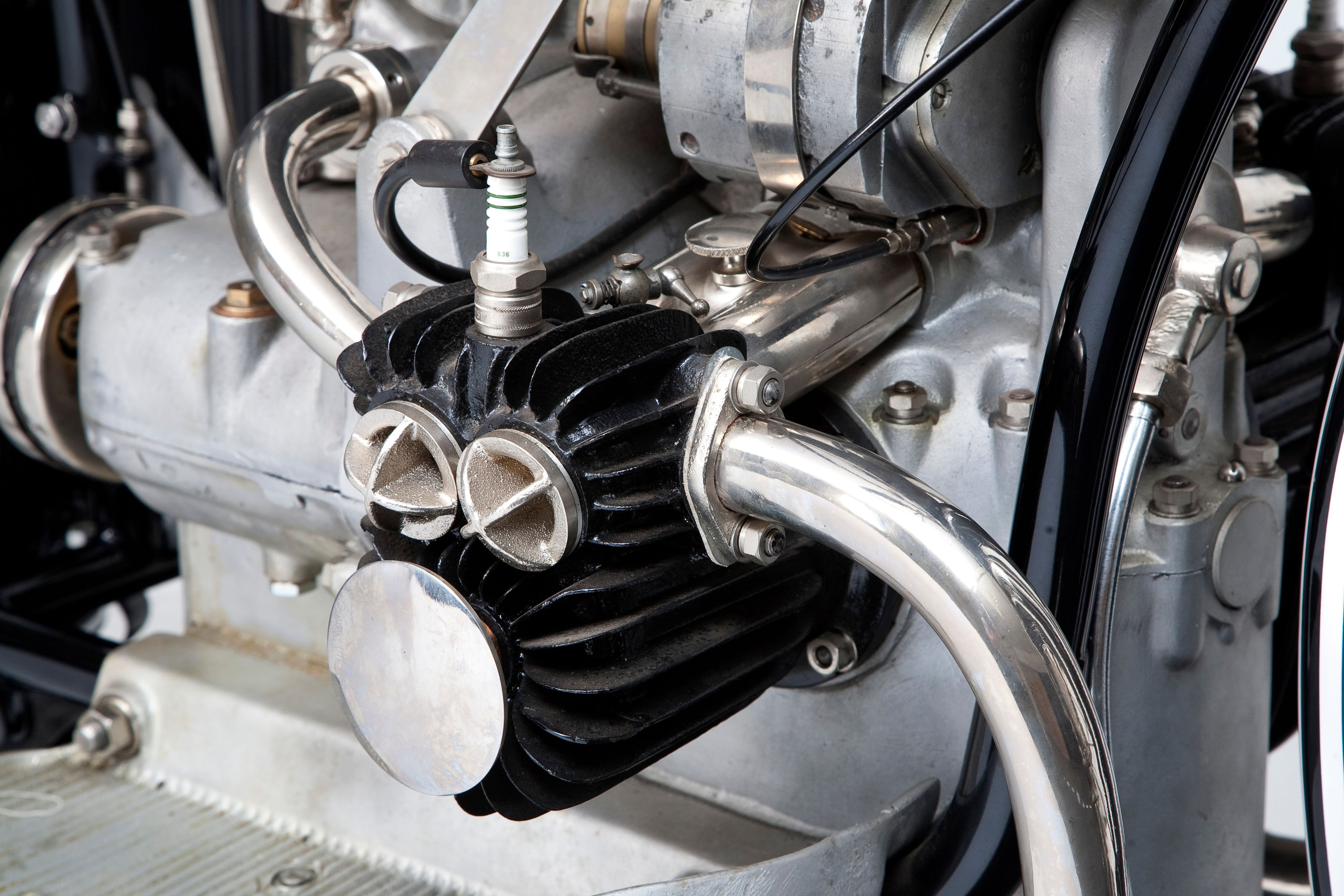
The Boxer configuration was one of the R32's most important engineering features. The cylinders projected into the airflow on both sides of the motorcycle, providing direct air cooling and allowing BMW to position the crankshaft longitudinally within the chassis.
The low-mounted engine also contributed to a low center of gravity. Together with the shaft-drive layout, this gave the R32 a distinctive mechanical character that became a foundation of BMW motorcycle design.
The R32 uses a three-speed manual gearbox with hand shifting. The approximate gear ratios are 2.27:1 in first gear, 1.50:1 in second gear, and 1.08:1 in third gear.
The gearbox is integrated with the engine as a compact power unit and is connected through a dry single-plate clutch.
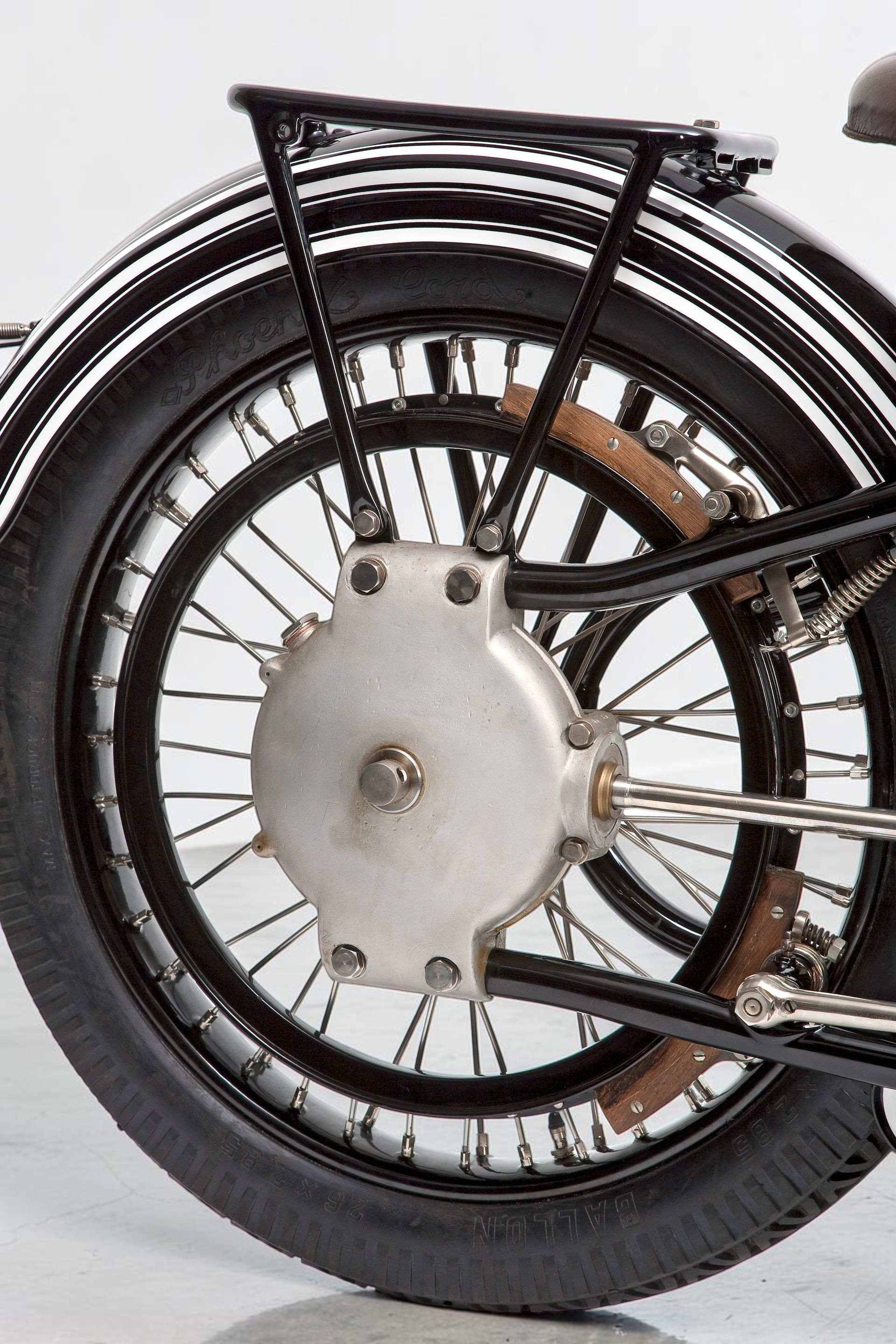
Power reaches the rear wheel through an enclosed shaft final drive. A flexible coupling connects the gearbox output to the driveshaft, which then drives a bevel gear and ring gear at the rear wheel.
The standard rear-wheel final-drive ratio is approximately 4.41:1. A lower 5.36:1 ratio was available for sidecar operation, providing additional mechanical advantage for the heavier combination.
The shaft final drive was a major departure from the exposed chain and belt systems commonly used on motorcycles during the early 1920s. BMW emphasized the reduced maintenance and enclosed construction of the system.
The R32's Boxer engine and shaft drive were designed as an integrated engineering concept. The longitudinal crankshaft naturally aligned with the driveshaft, producing a clean and efficient drivetrain layout.
The R32 uses a twin-loop tubular-steel frame that surrounds the engine and gearbox. The frame was designed to provide a rigid and lightweight structure while keeping the engine low in the chassis.
The front suspension uses twin cantilever springs. This early suspension arrangement provided movement at the front wheel while maintaining the simple construction characteristic of motorcycles of the period.
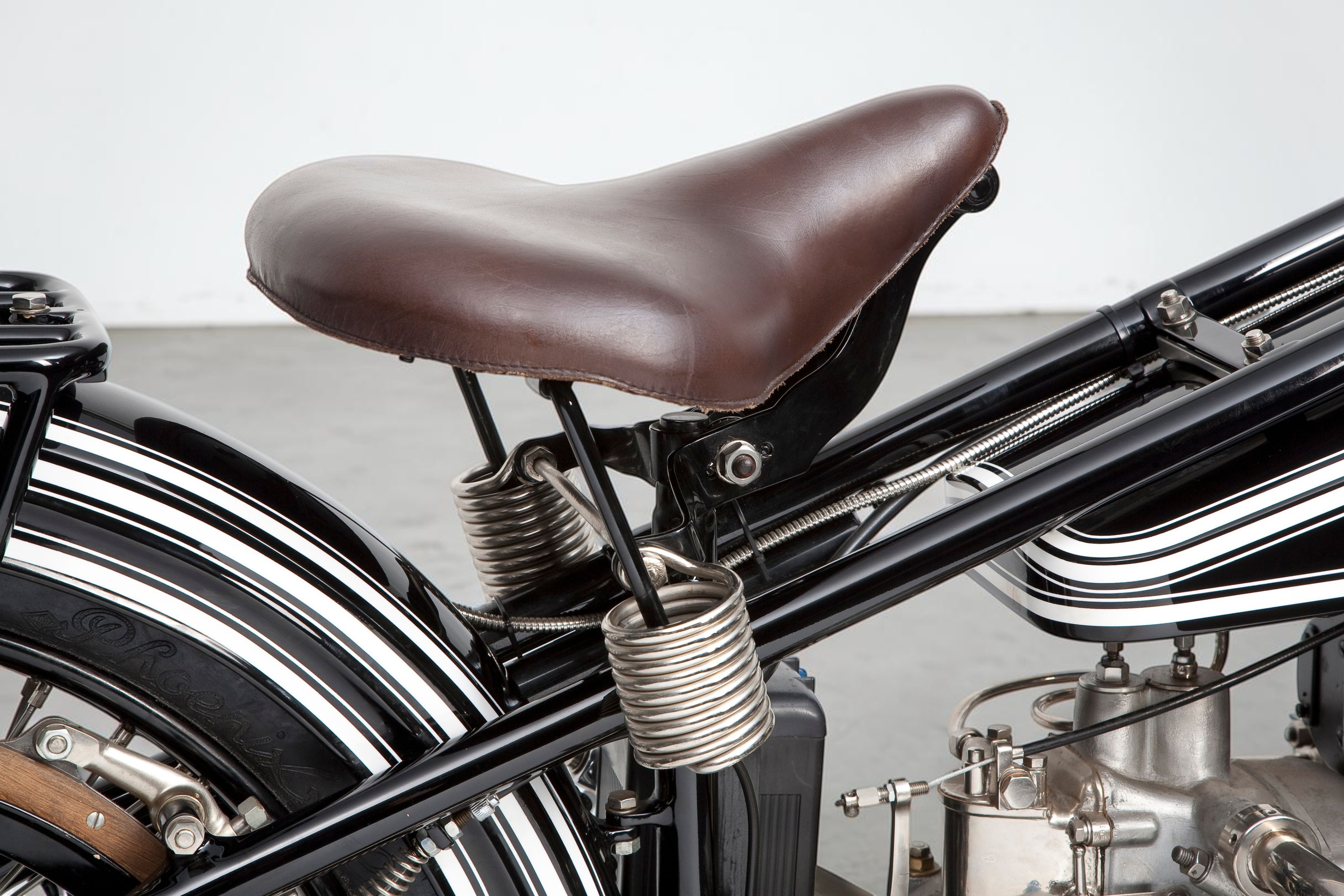
The rear wheel is rigidly mounted to the frame. Instead of rear suspension, the motorcycle uses a sprung saddle to provide additional comfort to the rider.
The R32 uses 26 x 2.5-inch wheel rims with 26 x 3-inch tires. The large-diameter wheels were well suited to the uneven and poorly surfaced roads common during the early 1920s.
Early first-series R32 motorcycles were produced without a front brake. Later production motorcycles received a 150mm front drum brake, while the rear wheel used a block brake.
The motorcycle has an approximately 1,380mm wheelbase and overall dimensions of approximately 2,100mm in length, 800mm in width, and 950mm in height.
Weight with a full fuel tank is approximately 122kg, while a complete original sidecar combination weighs approximately 184kg.
The 1924 BMW R32 has a remarkably distinctive appearance for a motorcycle of its era. Its horizontally opposed engine, tubular frame, large wheels, compact fuel tank, and enclosed shaft drive give it an unmistakable mechanical identity.
The Boxer cylinders project horizontally from opposite sides of the crankcase. This arrangement was not merely a styling decision; it provided direct airflow across the cylinders and supported the longitudinal crankshaft layout.
The fuel tank sits within the tubular frame rather than dominating the upper portion of the motorcycle as on many later designs. The exposed mechanical components make the R32's engineering architecture immediately visible.
The twin-loop tubular frame provides the main structural backbone of the motorcycle. Its simple geometry reflects the engineering priorities of the early 1920s, when durability and ease of maintenance were more important than aerodynamic styling.
The shaft-drive housing running toward the rear wheel is another important visual feature. It gives the R32 a clean drivetrain appearance and clearly distinguishes it from contemporary chain-driven motorcycles.
The overall design was created by Max Friz and is widely regarded as a milestone because the major engineering principles introduced with the R32 remained recognizable in BMW motorcycles many decades later.
The R32 holds a unique position in BMW history because it was the first motorcycle produced under the BMW name.
BMW had previously been involved in aircraft engines and industrial engine production, but the R32 established the company's own motorcycle engineering direction.
Rather than simply adapting an existing motorcycle, Max Friz designed a new machine around the Boxer engine and shaft-drive concept. This allowed the engine, gearbox, frame, and final drive to function as a coherent mechanical package.
The result was a motorcycle that was technically conservative in some areas but remarkably forward-looking in its overall architecture.
The use of a shaft final drive was particularly significant. While chain and belt drives were common, BMW's enclosed shaft system offered reduced exposure to dirt and required less routine attention than many open final-drive arrangements.
The R32 therefore established much more than BMW's first motorcycle model. It established the basic mechanical DNA that would define the company's motorcycles for generations.
The braking arrangement of the R32 changed during its production period. Early first-series motorcycles did not have a front brake, reflecting the braking technology and regulatory environment of the early 1920s.
Later R32 motorcycles were equipped with a 150mm front drum brake. The rear wheel used a block brake acting on the rear wheel or its associated braking surface.
This distinction is important when evaluating an original 1924 R32 because a first-series machine may correctly lack a front drum brake. A later production motorcycle should be evaluated against its appropriate specification rather than automatically judged against the later configuration.
The early braking system demonstrates how quickly motorcycle safety equipment was evolving during the R32 production period.
For collectors, the presence or absence of a front brake can therefore provide useful information when assessing the production period and originality of a surviving motorcycle.
The BMW R32 was capable of operating with a sidecar and was available with a lower final-drive ratio for this purpose.
The standard rear-wheel ratio was approximately 4.41:1, while the sidecar configuration used approximately 5.36:1. The lower gearing increased torque at the rear wheel and helped compensate for the additional weight of the sidecar and passenger.
The R32's sturdy tubular frame, rigid rear chassis, low center of gravity, and shaft final drive made it well suited to practical sidecar use.
A complete original sidecar combination weighed approximately 184kg, compared with approximately 122kg for the solo motorcycle with a full fuel tank.
Sidecars were an important form of passenger transportation during the 1920s. Their availability increased the practical usefulness of the R32 and allowed BMW to market the motorcycle for both solo and passenger applications.
The R32 has the direct and mechanical character expected from a pioneering motorcycle of the early 1920s. Its 494cc side-valve Boxer produces modest power but delivers it through a simple and durable drivetrain.
The 5.0:1 compression ratio and 3,200-rpm power peak reflect the conservative operating characteristics of the engine. The R32 was designed for dependable road use rather than high-speed performance.
The three-speed hand-shift gearbox is simple and functional. Its ratios provide enough flexibility for normal road use while keeping the transmission mechanically straightforward.
The shaft final drive is one of the most distinctive aspects of the riding experience. Unlike an exposed chain, the enclosed driveshaft requires less routine external maintenance and keeps the drivetrain relatively clean.
The twin cantilever front suspension and rigid rear frame provide a riding experience very different from a modern motorcycle. The large 26-inch wheels and long, stable chassis were designed for the road conditions of the early 1920s.
The R32's appeal comes from its combination of pioneering design and mechanical simplicity. It is an early example of BMW establishing an engineering philosophy that would remain recognizable for generations.
BMW produced the R32 from 1924 through 1926, with a total production figure of 3,090 motorcycles.
BMW Group Classic lists an original price of 2,200 Reichsmarks. At the time, the motorcycle represented BMW's entry into a highly competitive motorcycle market.
The R32's success was based on more than its technical specifications. The quality of its construction and the practical advantages of its enclosed shaft drive helped distinguish it from contemporary motorcycles.
The Boxer engine also provided BMW with a clear mechanical identity. Instead of developing a conventional vertical twin or single-cylinder motorcycle, BMW committed to a horizontally opposed configuration that offered both cooling and packaging advantages.
The R32 became the foundation for BMW's subsequent motorcycle range. The R42 and R47 followed in the second half of the 1920s, developing the Boxer and shaft-drive concept further.
Although only 3,090 R32 motorcycles were produced, the model's historical influence was far greater than its production volume suggests.
The R32 established the basic BMW Boxer formula: a horizontally opposed twin-cylinder engine, longitudinal crankshaft, integrated gearbox, and shaft final drive.
This layout provided BMW with a strong technical identity. The cylinders projected into the airflow for cooling while the longitudinal crankshaft aligned naturally with the shaft final drive.
The R42 later developed the concept with greater power and improved chassis and braking features. The R47 introduced an overhead-valve version of the Boxer engine for more sporting performance.
The fundamental layout, however, remained recognizable. BMW continued to develop horizontally opposed engines and shaft-drive systems rather than abandoning the concept introduced with the R32.
The R32 therefore represents the beginning of a technical lineage that eventually produced some of the most recognizable motorcycles in BMW history.
The 1924 BMW R32 is one of the most historically significant BMW motorcycles because it is the first motorcycle produced under the BMW name.
Only 3,090 R32 motorcycles were produced between 1924 and 1926. After more than a century, surviving examples are exceptionally important because they document the origins of BMW's motorcycle engineering identity.
Originality is especially important when evaluating an R32. The M2B33 engine, twin-loop tubular frame, early fuel tank, BMW Spezial carburetor, Bosch magneto, three-speed gearbox, cantilever front suspension, wheels, controls, and shaft-drive components should all be examined carefully.
First-series motorcycles require particular attention because early examples did not have the later 150mm front drum brake. The specification of the braking system should therefore be evaluated according to the motorcycle's production sequence.
Matching engine and frame numbers can help establish whether a surviving motorcycle retains its original major components. Period registration records, photographs, historical documentation, restoration records, and previous ownership information can provide additional evidence of provenance.
The frame should be inspected for corrosion, cracks, brazed repairs, distortion, and non-period modifications. The engine, gearbox, shaft drive, bevel gears, suspension, brakes, wheels, and electrical system should also be evaluated carefully.
A well-preserved original R32 is particularly valuable to collectors because it represents the starting point of BMW's motorcycle history and the origin of the Boxer and shaft-drive architecture that became synonymous with the brand.
The 1924 BMW R32 matters because it was the motorcycle that established BMW as a motorcycle manufacturer and introduced the engineering principles that would define the company for decades.
Its 494cc M2B33 Boxer engine produced 8.5 horsepower at 3,200 rpm and used a horizontally opposed cylinder arrangement that provided direct airflow and a low engine position.
The R32 also introduced BMW's shaft final drive. The enclosed driveshaft reduced the maintenance associated with exposed chain and belt systems and became one of the most recognizable features of BMW motorcycles.
The combination of Boxer engine, integrated three-speed gearbox, tubular frame, and shaft drive created a coherent mechanical package that was remarkably influential.
BMW produced 3,090 R32 motorcycles from 1924 through 1926. Although production was modest, the model established the foundation for every major stage of BMW motorcycle development that followed.
The R32 is therefore more than an early BMW motorcycle. It is the origin of the BMW Boxer motorcycle tradition and one of the key landmark machines in motorcycle engineering history.
This 1924 BMW R32 represents the beginning of BMW's motorcycle history and one of the most important motorcycles ever produced by the company. Designed by Max Friz, the R32 was introduced at the Berlin Motor Show in 1924 as BMW's first motorcycle produced under the BMW name.
Its 494cc M2B33 side-valve Boxer engine produces 8.5 horsepower at 3,200 rpm and drives the rear wheel through a three-speed gearbox and enclosed shaft final drive. The combination of horizontally opposed cylinders and shaft drive established the mechanical identity that became synonymous with BMW motorcycles.
The R32 uses a twin-loop tubular-steel frame, twin cantilever front suspension, rigid rear suspension, 26-inch wheels, and a rear block brake. Early first-series motorcycles did not have a front brake, while later production examples received a 150mm front drum brake.
BMW produced only 3,090 R32 motorcycles between 1924 and 1926. The limited production, historical importance, and pioneering engineering make surviving original examples highly significant to collectors of BMW and early motorcycle history.
For collectors, the 1924 BMW R32 offers the opportunity to own the motorcycle that established BMW's Boxer and shaft-drive tradition. Contact us for additional photographs, detailed specifications, frame and engine numbers, service history, originality assessment, provenance, restoration details, and purchasing information for this 1924 BMW R32.
Explore more BMW motorcycles from the pre-war and classic eras.
The Vintage Motorcycles presents a curated selection of historically significant German vintage motorcycles, with BMW representing one of the most technically influential manufacturers in modern motorcycle engineering. From its early post-World War I developments to the establishment of a distinct mechanical identity, BMW played a central role in redefining structural balance, drivetrain efficiency, and long-distance reliability.
This collection includes machines from BMW alongside other notable German motorcycle manufacturers, each contributing to a tradition of precision engineering and mechanical durability. BMW motorcycles are best understood within the broader context of pre-war motorcycle engineering (1900-1939), particularly during the interwar period when the brand introduced its defining boxer engine and shaft-drive system, as well as through post-war motorcycle development, where these engineering principles were further refined into globally recognized touring platforms.
Each motorcycle within our collection is sourced based on historical provenance, structural originality, and mechanical integrity, ensuring alignment with museum-grade preservation standards. For collectors seeking acquisition opportunities, available machines can be explored through our global vintage motorcycle inventory, supported by a fully insured international shipping service.
BMW engineering is defined by a systematic and highly disciplined approach to mechanical design, emphasizing structural balance, drivetrain efficiency, and long-term reliability. The introduction of the horizontally opposed boxer engine, combined with shaft-drive transmission, established a unique engineering architecture that distinguished BMW from most contemporaries.
From early models such as the R32 to later pre-war and post-war developments, BMW motorcycles illustrate a continuous evolution focused on refinement rather than radical change. This consistency reflects a broader German engineering philosophy, where precision manufacturing, functional design, and mechanical longevity take precedence, positioning BMW as a cornerstone in the study of global motorcycle engineering history.
Key Highlights
Collector Assurance
All enquiries handled with discretion. We typically respond within 6 hours.
Choose the payment method that is most convenient for you. We accept widely used international payment methods as well as, where available, local bank transfer options that allow you to pay like a domestic transaction. Full payment instructions are provided for your specific purchase.
Direct international bank wire transfer is available for motorcycle purchases and export transactions.
Credit card payments can be arranged through Wise.com, subject to the applicable payment and processing conditions.
PayPal is accepted. A 5% PayPal processing fee applies to the transaction.