
The Vintage Motorcycles
Specialists in antique, classic, veteran and vintage motorcycles.
Specialists in antique, classic, veteran and vintage motorcycles.


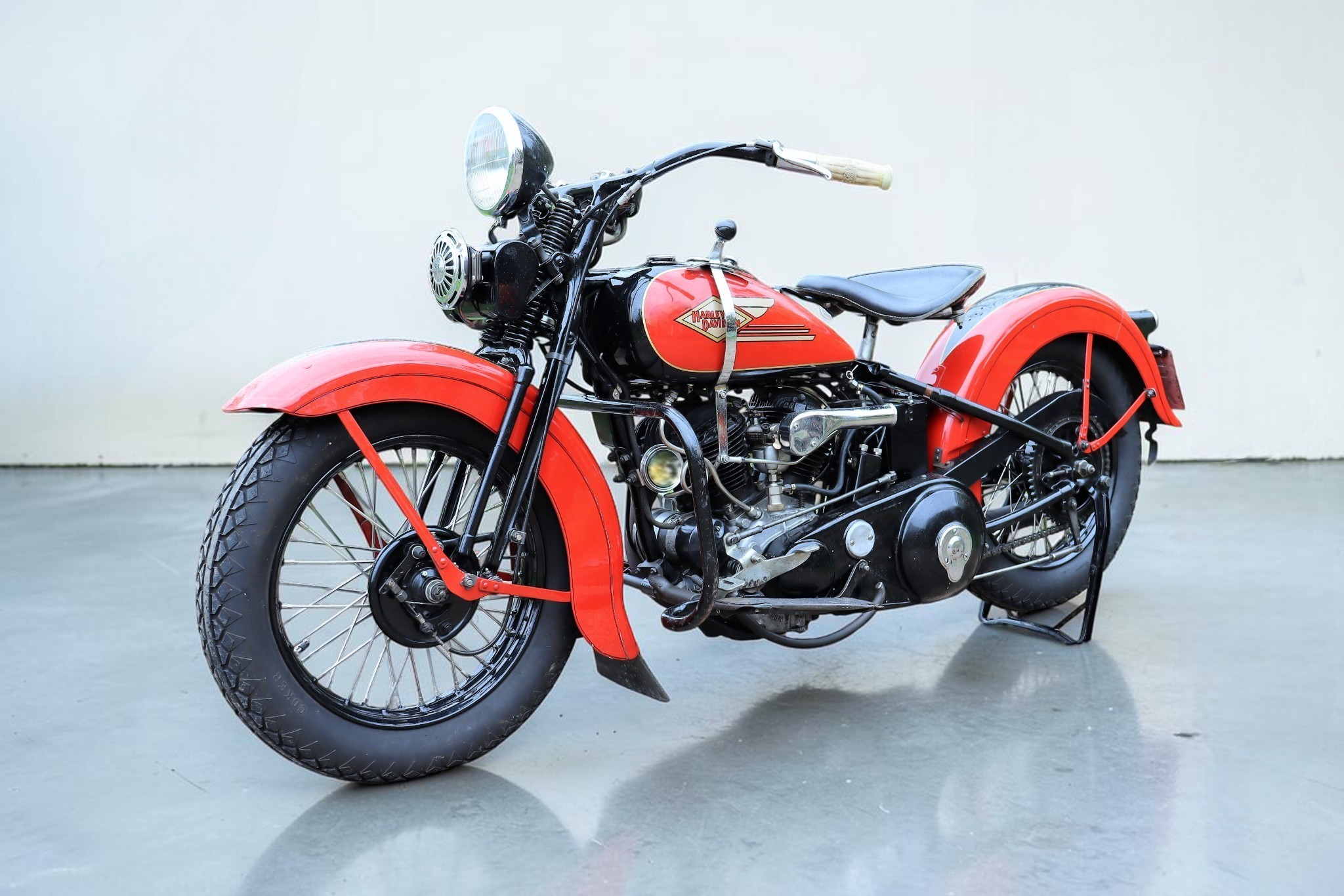
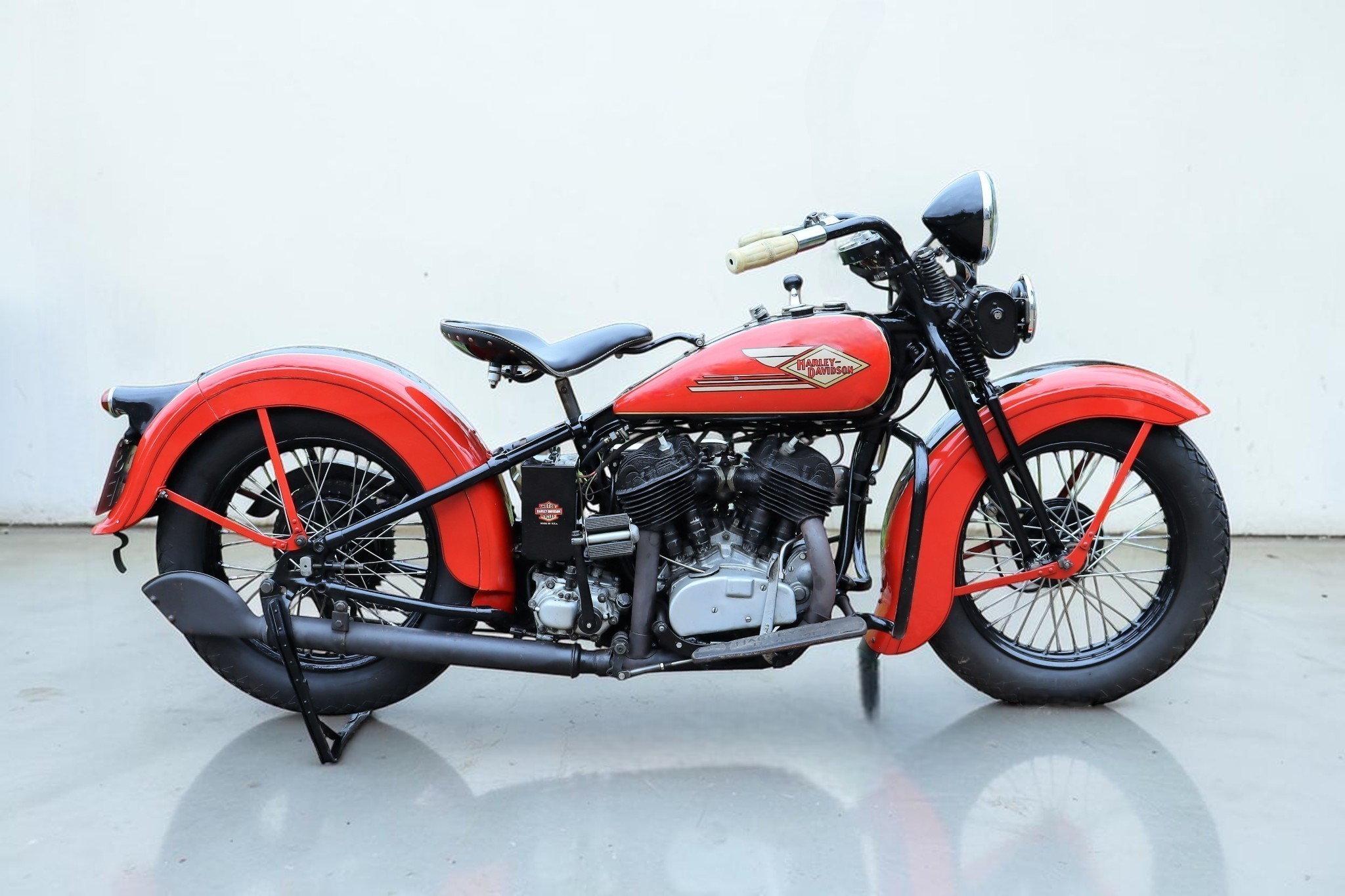

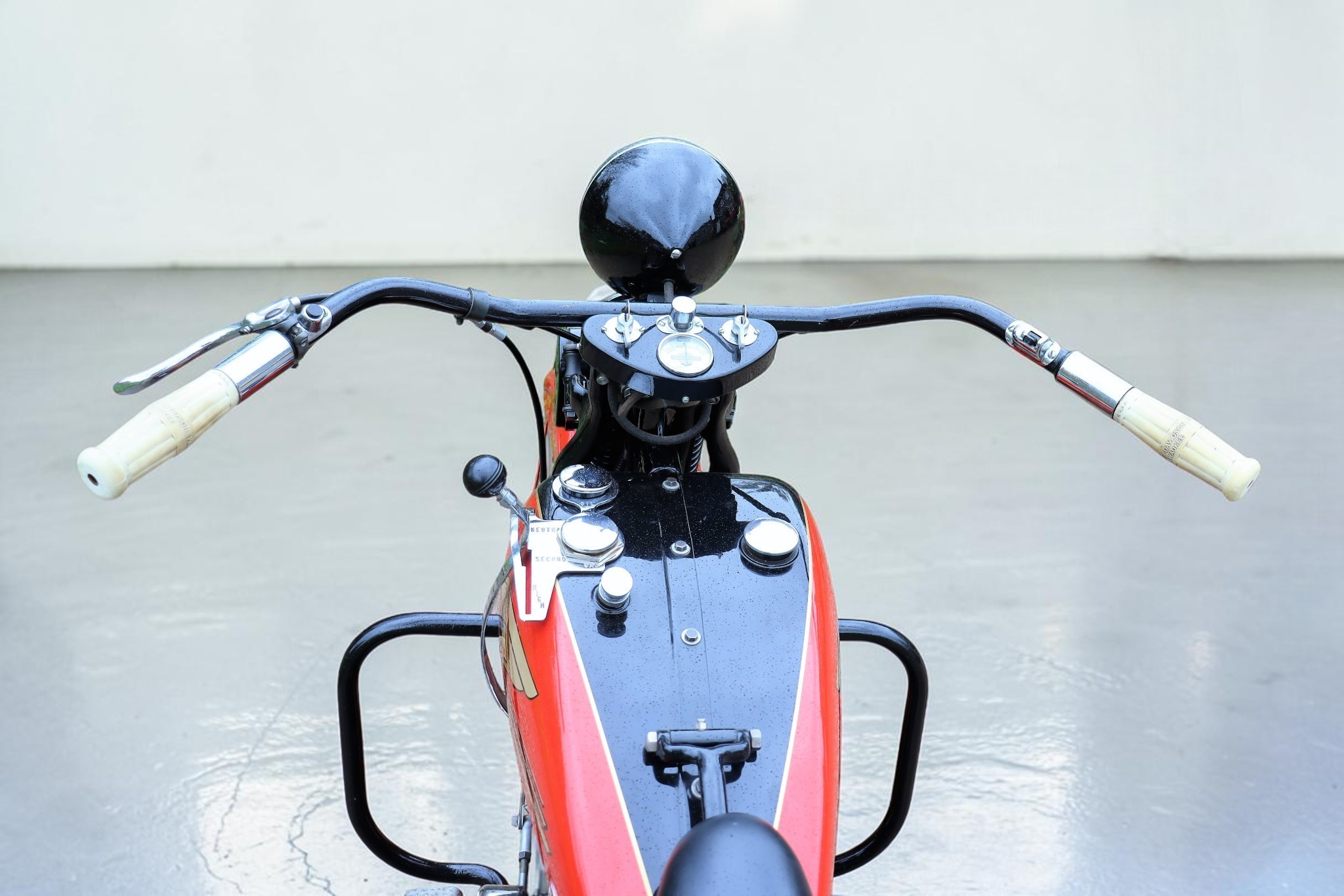


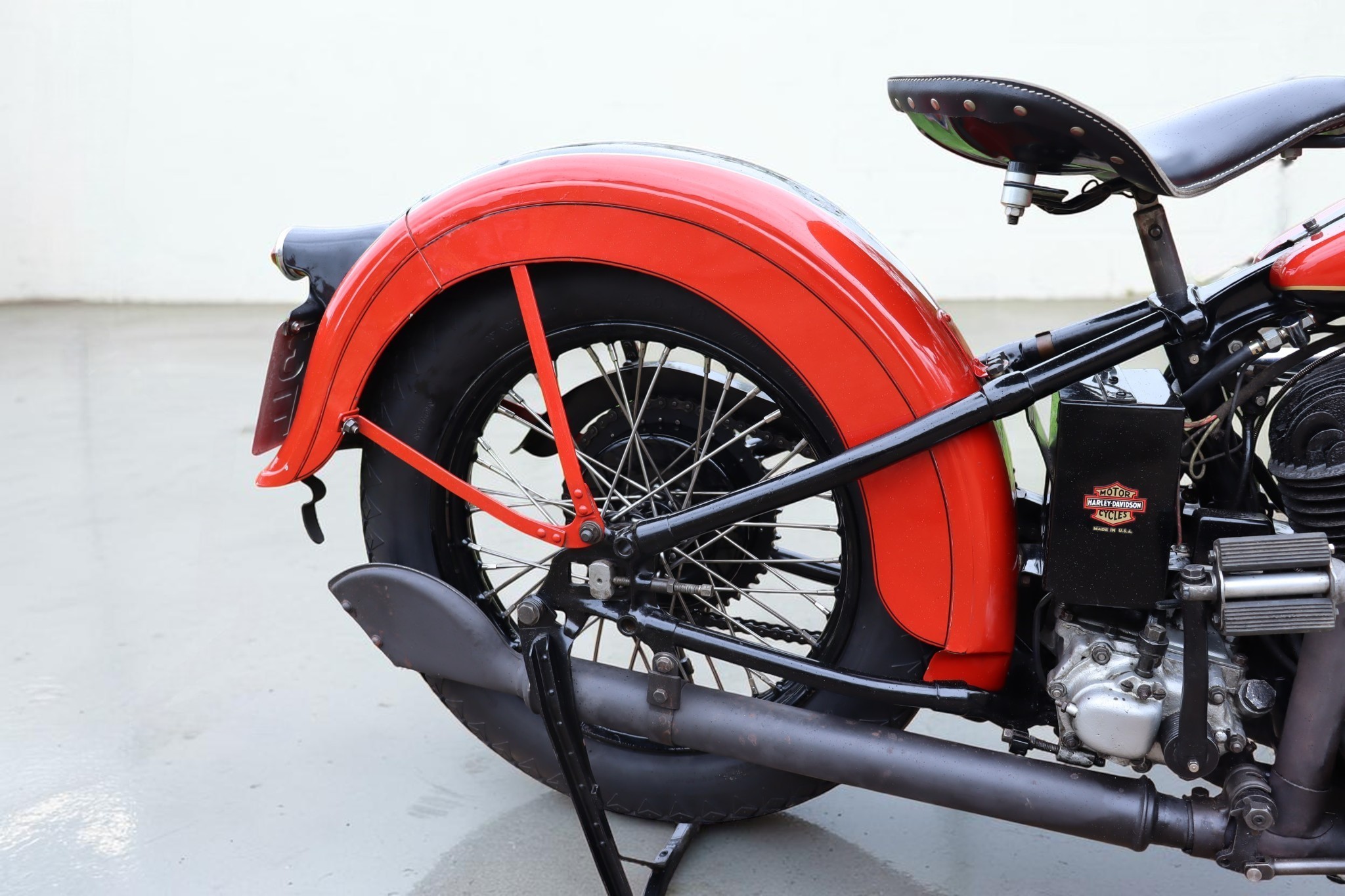


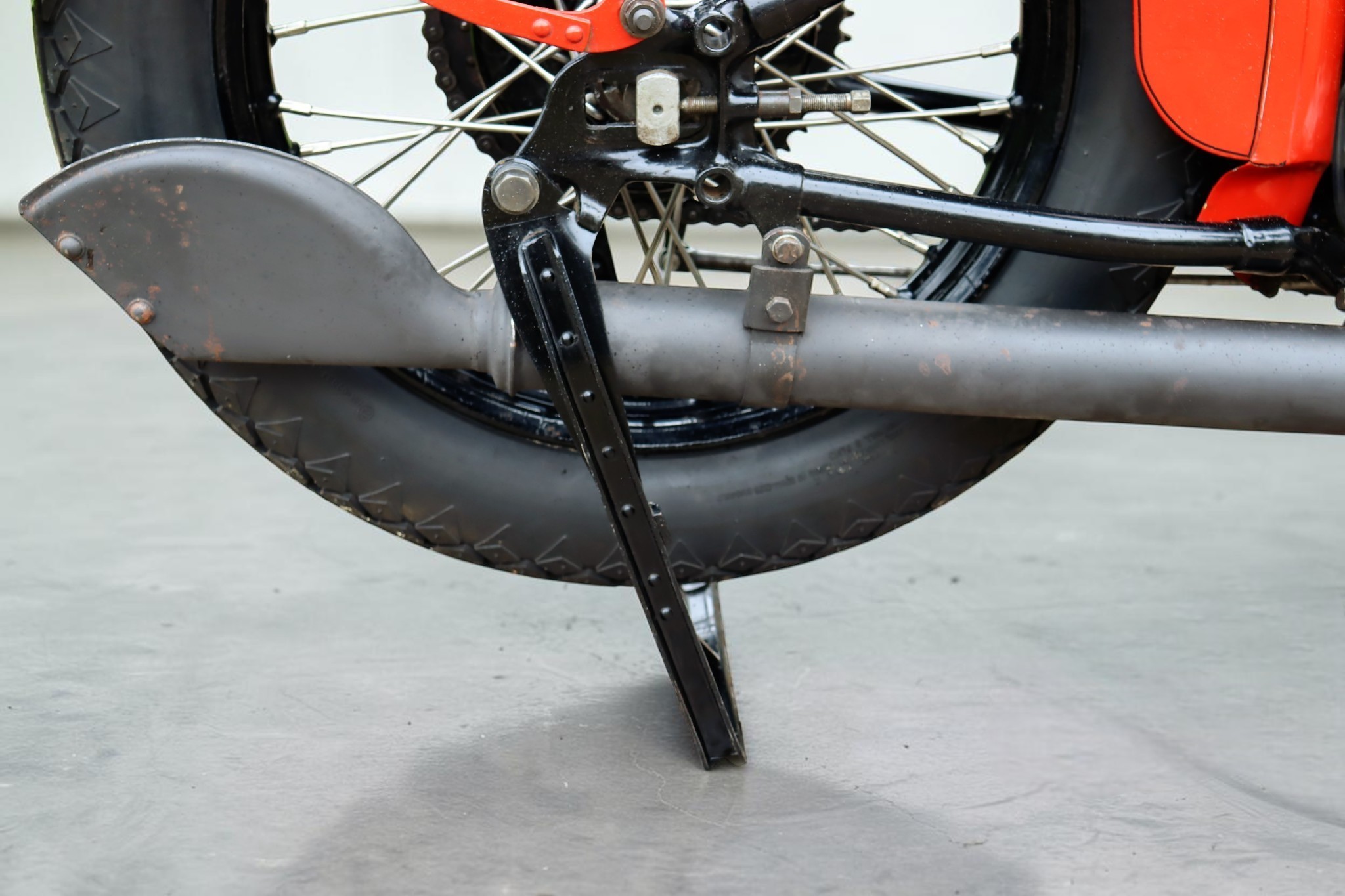


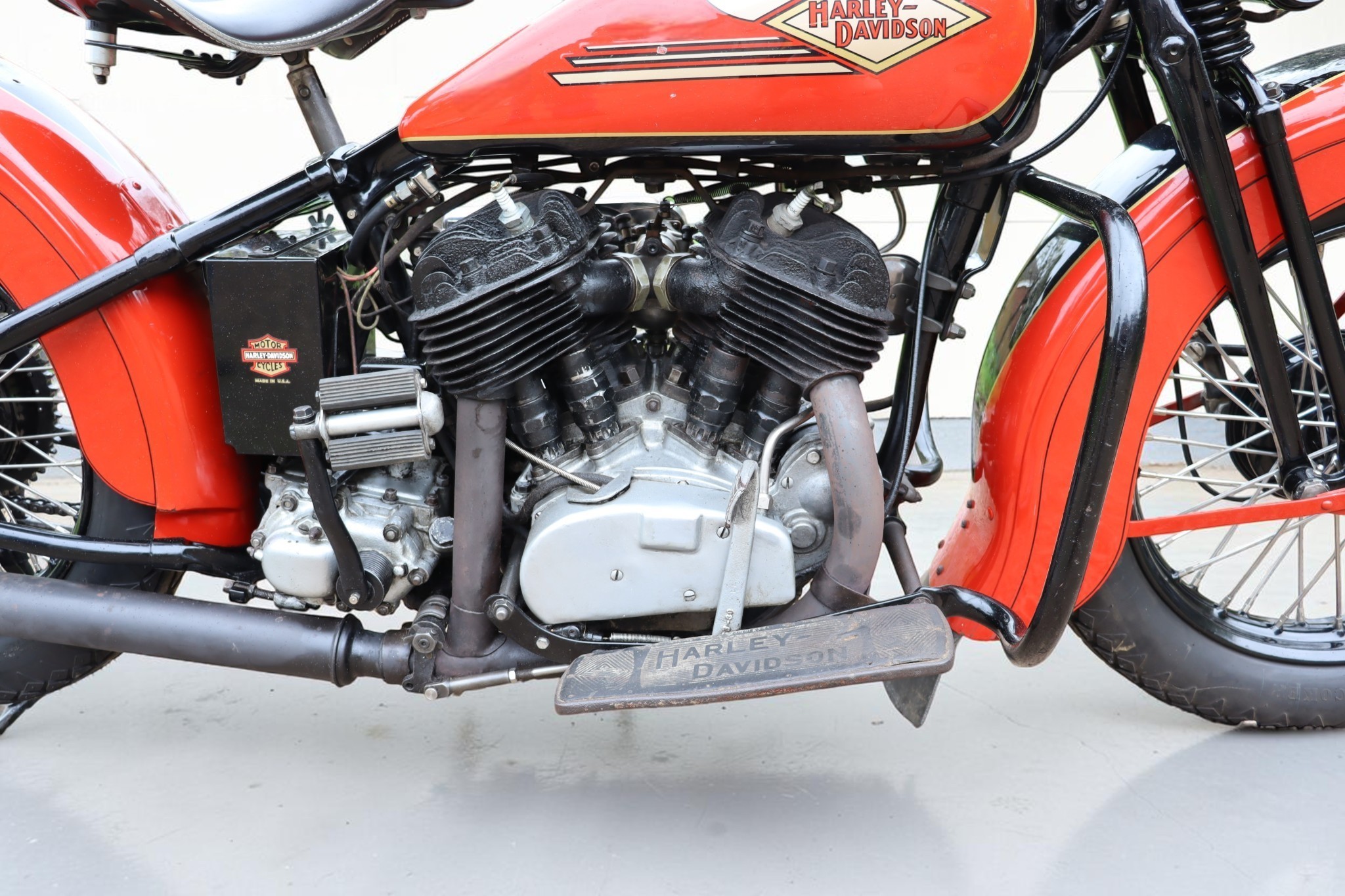


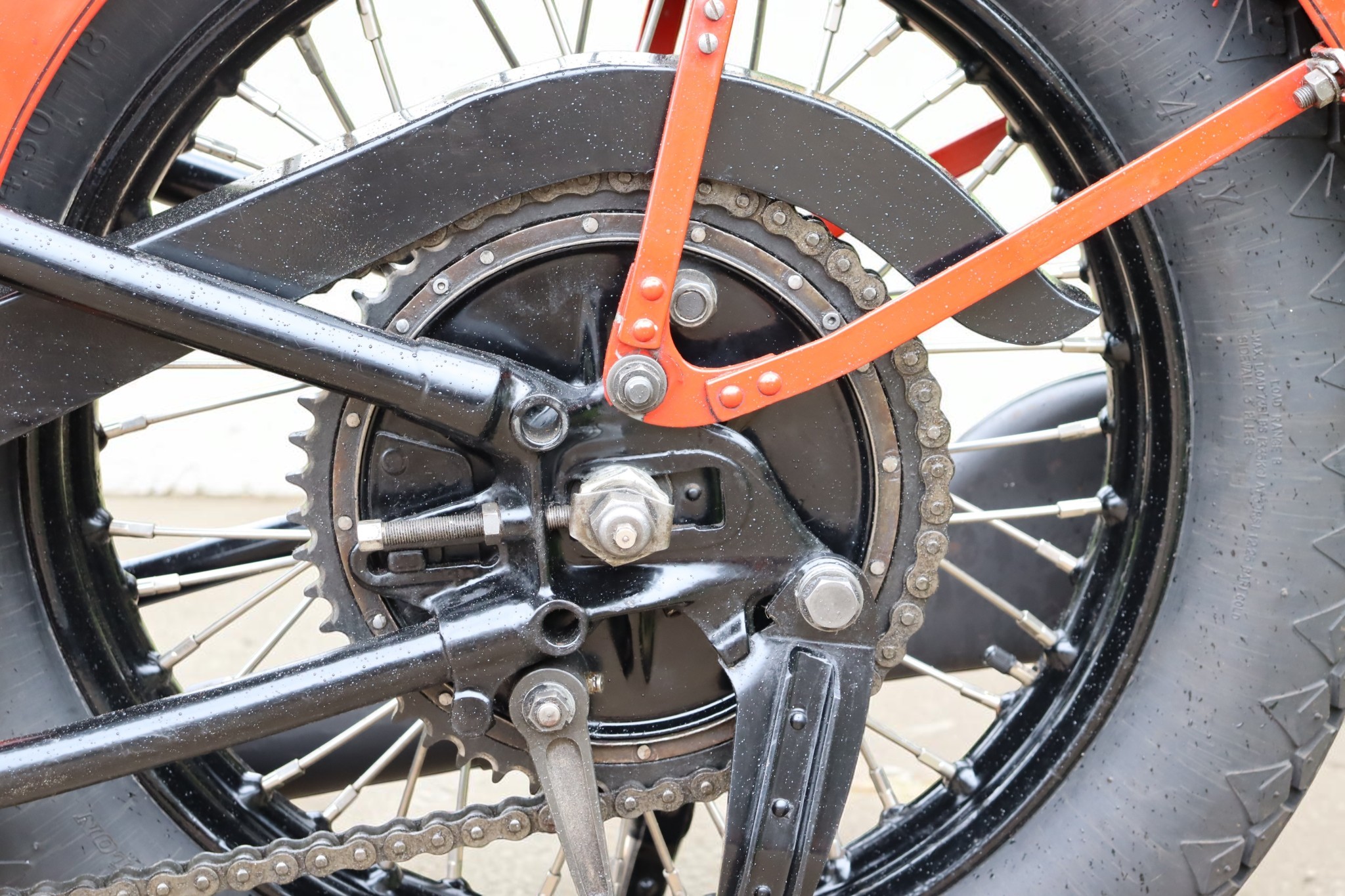

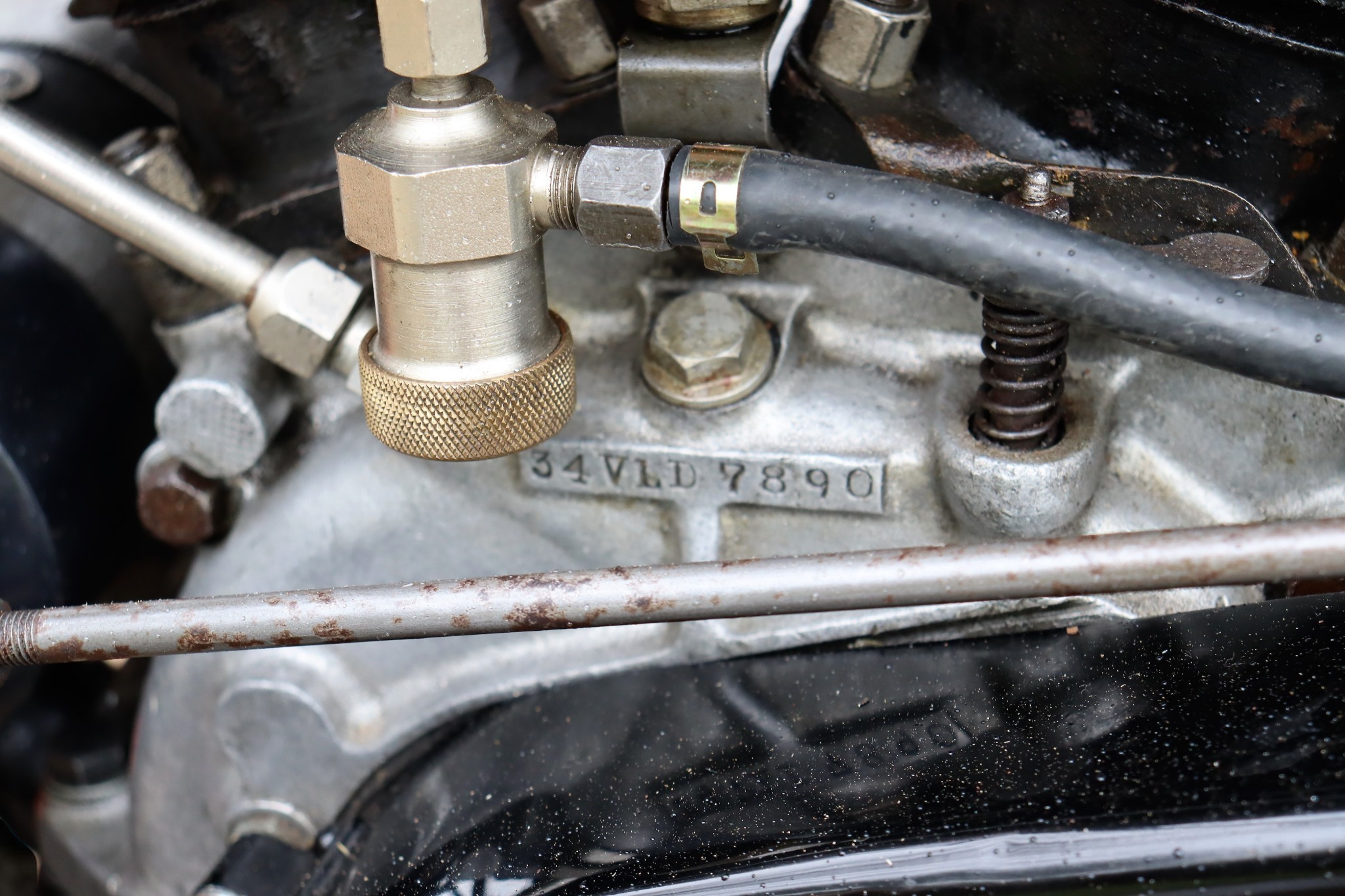


The 1934 Harley-Davidson Model VLD was a heavyweight American V-twin motorcycle produced by the Harley-Davidson Motor Company of Milwaukee, Wisconsin. It belonged to the VL family introduced for the 1930 model year and used Harley-Davidson's 74 cubic-inch side-valve V-twin engine.
The VLD was the high-compression version of the VL 74 cubic-inch Big Twin. Its 74 cubic-inch engine displaced approximately 1,208 cc and used Harley-Davidson's side-valve configuration, with the valves positioned beside the cylinders.
The 1934 VLD combined the large side-valve V-twin with Harley-Davidson's improved chassis, three-speed transmission, chain final drive, spring front fork, rigid rear frame, and the styling developments that characterized the company's motorcycles during the early 1930s.
The VLD is particularly important because it belongs to the period when Harley-Davidson was refining its side-valve Big Twin architecture while also introducing significant improvements to frame construction, braking, electrical equipment, and overall motorcycle design.
Today, the 1934 Harley-Davidson Model VLD is an important pre-war American motorcycle and a representative example of Harley-Davidson's heavyweight side-valve V-twin engineering during the Depression era.
Harley-Davidson introduced the VL family in 1930 as the successor to the earlier F-head JD series. The VL used a new 74 cubic-inch side-valve V-twin and represented a major change in Harley-Davidson's heavyweight engine design.
The transition from the F-head JD to the side-valve VL was significant. The new engine placed both valves beside each cylinder, allowing Harley-Davidson to develop a more compact and durable heavyweight power unit.
The VLD was the higher-compression version of the 74 cubic-inch VL. The higher compression ratio provided improved performance compared with the standard VL while retaining the basic side-valve architecture.
By 1934, Harley-Davidson had continued developing the VL chassis and engine through several model years. Improvements to the frame, brakes, wheels, electrical system, and engine components made the later VL models substantially more refined than the first 1930 examples.
The 1934 model year was also an important period in Harley-Davidson history because the company was developing motorcycles during the continuing economic effects of the Great Depression while maintaining its heavyweight motorcycle range.
Surviving VLD motorcycles can provide valuable provenance through original engine and frame numbers, registration documents, factory records, period photographs, ownership histories, restoration invoices, and original Harley-Davidson literature.
The 1934 Harley-Davidson Model VLD is powered by a 74 cubic-inch, approximately 1,208 cc, air-cooled four-stroke V-twin engine.
The engine uses a side-valve, or flathead, configuration. Both the inlet and exhaust valves are positioned beside the cylinders and are operated from the camshaft through the valve train.
The engine has an approximately 87 mm bore and 100 mm stroke, producing a displacement of approximately 1,208 cc.
The VLD used a higher compression ratio than the standard VL. This allowed the engine to produce greater performance while retaining the smooth, low-speed characteristics expected from a large side-valve V-twin.
The long-stroke engine was designed to provide strong torque at relatively low engine speeds. This made the VLD suitable for touring, long-distance road use, and sidecar applications.
The engine uses carburetion and period battery-and-coil ignition equipment. The electrical system was based on the 6-volt technology used by Harley-Davidson during this period.
Actual performance of an individual surviving VLD depends heavily on engine condition, compression, carburetor adjustment, ignition timing, gearing, tire condition, and restoration quality.
The 1934 Harley-Davidson Model VLD uses a three-speed manual transmission.
The three-speed gearbox was well established in Harley-Davidson's heavyweight motorcycles and provided a useful range of ratios for starting, climbing hills, touring, and maintaining road speed.
The clutch is manually operated and allows the rider to disconnect the engine from the transmission during starting and gear changes.
Primary drive is by chain, while final drive to the rear wheel is also by chain.
The drivetrain was designed for durability and high torque rather than lightweight construction. This was particularly valuable when the VLD was used for long-distance touring or equipped with a sidecar.
The gearbox, clutch, primary chain, final-drive chain, and sprockets should all be carefully inspected on a surviving motorcycle.
Correct operation of all three transmission ratios, selector mechanisms, bearings, and clutch components is essential when evaluating a restored or running VLD.
The 1934 Model VLD uses Harley-Davidson's heavyweight steel frame developed for the VL series.
The VL chassis represented an important advance over the earlier J-series design and was engineered around the new side-valve Big Twin.
The front suspension uses Harley-Davidson's period spring fork, while the rear of the motorcycle remains a rigid hard-tail design.
The rigid rear frame was typical of Harley-Davidson motorcycles of the period, with rider comfort provided by the sprung saddle, front fork, and large pneumatic tires.
The frame was designed to provide substantial strength for a heavyweight motorcycle and could also accommodate the additional loads associated with sidecar operation.
Frame alignment, steering-head bearings, fork condition, engine mounting points, rear axle alignment, and evidence of previous repairs should be carefully examined during inspection.
The 1934 Harley-Davidson Model VLD uses spoked wheels with period balloon-type tires.
The large wheels and pneumatic tires were intended to provide a combination of stability and improved ride quality on the relatively poor road surfaces common during the period.
The motorcycle uses mechanically operated drum brakes, with braking equipment substantially more developed than that found on many earlier Harley-Davidson motorcycles.
Braking performance remained modest compared with modern motorcycles, particularly when the VLD was operated with a sidecar or additional passenger load.
Brake drums, shoes, operating mechanisms, cables, wheel bearings, spokes, rims, and tires should be carefully checked on any surviving example.
Correct wheel alignment is especially important on motorcycles equipped with period sidecar fittings or other heavy accessories.
The 1934 Harley-Davidson VLD has the distinctive appearance of an early-1930s American heavyweight motorcycle.
The large side-valve V-twin is prominently displayed within the frame, while the fuel tanks, deep mudguards, sprung saddle, wide handlebars, footboards, exhaust system, and exposed final-drive chain create the characteristic Harley-Davidson appearance of the period.
The VL generation represented a major styling and engineering transition for Harley-Davidson. The motorcycle retained the traditional heavyweight American V-twin silhouette while incorporating the newer side-valve engine architecture.
The VLD's larger engine and substantial chassis gave it a purposeful road-going appearance and made it suitable for both solo touring and sidecar use.
The higher-compression VLD specification also gave the motorcycle a more performance-oriented identity within the 74 cubic-inch VL range.
The 1934 Harley-Davidson Model VLD was the high-compression 74 cubic-inch member of Harley-Davidson's VL Big Twin family.
The approximately 1,208 cc side-valve V-twin used the same basic engine architecture as the standard VL but incorporated a higher compression ratio for improved performance.
The motorcycle retained the three-speed transmission, chain primary drive, chain final drive, spring front fork, and rigid rear frame associated with the VL series.
The VLD was designed as a heavyweight road motorcycle and could also be configured for sidecar operation.
By 1934, Harley-Davidson had refined the VL chassis and mechanical systems through several years of production, making the later models important examples of the mature side-valve Big Twin design.
The VLD should be distinguished from the later EL Knucklehead introduced for 1936. The EL used an overhead-valve engine, while the VLD retained Harley-Davidson's side-valve configuration.
The 1934 Harley-Davidson Model VLD provides the substantial and deliberate riding experience associated with a heavyweight American side-valve V-twin.
The 74 cubic-inch engine produces strong low-speed torque and a steady power delivery, allowing the motorcycle to maintain road speed without requiring high engine revolutions.
The higher-compression VLD specification gives the engine a stronger performance character than the standard VL while retaining the smooth and tractable nature of the large side-valve engine.
The three-speed transmission is well suited to the engine's torque characteristics and provides useful flexibility for normal road riding and touring.
The rigid rear chassis and period spring fork give the motorcycle a characteristic ride that is very different from modern fully suspended motorcycles.
Braking performance is limited by period technology, so a VLD must be ridden with substantially more anticipation than a modern motorcycle.
The 1934 Harley-Davidson Model VLD is historically important because it represents the mature development of Harley-Davidson's early side-valve Big Twin architecture.
The VL family replaced the F-head JD generation and established a new foundation for Harley-Davidson's heavyweight motorcycles during the 1930s.
The VLD's higher-compression engine demonstrates Harley-Davidson's effort to extract greater performance from the side-valve configuration while retaining its durability and relatively simple mechanical construction.
The model was produced during the Great Depression, a period when Harley-Davidson had to maintain a competitive motorcycle range despite greatly reduced demand.
The VL generation ultimately formed an important bridge between Harley-Davidson's earlier F-head motorcycles and the overhead-valve Knucklehead generation that followed.
The 1934 VLD therefore occupies an important position in the development of Harley-Davidson's heavyweight V-twin motorcycles.
The 1934 Harley-Davidson Model VLD is an important collector motorcycle because it represents the high-compression version of Harley-Davidson's 74 cubic-inch VL side-valve Big Twin.
Collectors value the model for its combination of large-displacement side-valve engineering, Depression-era history, late-1930s styling development, and its place immediately before Harley-Davidson's transition to overhead-valve technology.
The engine cases, cylinder assemblies, cylinder heads, frame, transmission, fuel tanks, fork, wheels, brakes, carburetor, ignition equipment, exhaust system, and controls should all be examined when assessing originality.
Engine and frame numbers are particularly important when establishing the identity of an early Harley-Davidson motorcycle.
Original factory documentation, registration papers, period photographs, service records, dealer literature, and long-term ownership histories can provide valuable evidence of provenance.
Because these motorcycles were used extensively during their working lives, surviving examples may contain a mixture of original components, period replacements, and later reproduction parts.
Authenticating a 1934 Harley-Davidson Model VLD requires careful examination of the engine, frame, transmission, fuel tanks, fork, wheels, brakes, carburetor, ignition system, controls, and other period-specific components.
The motorcycle should have the 74 cubic-inch side-valve V-twin associated with the VL family and the higher-compression specification characteristic of the VLD.
The engine should be distinguished from the earlier F-head JD engine. The VLD uses a side-valve arrangement in which the valves are located beside the cylinders, while the JD uses the earlier inlet-over-exhaust F-head design.
The VLD should also be distinguished from the later EL Knucklehead. The EL, introduced for 1936, uses an overhead-valve V-twin and is mechanically different from the side-valve VLD.
The three-speed transmission, VL-series frame, spring fork, rigid rear chassis, spoked wheels, period braking equipment, and correct fuel-tank configuration should all be consistent with the 1934 model year.
Engine numbers and frame details should be checked against reliable Harley-Davidson factory records and period references wherever possible.
Replacement parts are common on motorcycles of this age and do not automatically make an example inauthentic. However, non-original components should be identified clearly when assessing historical originality.
A strong example should demonstrate consistency between its engine, frame, transmission, chassis components, controls, and available documentation.
The 1934 Harley-Davidson Model VLD matters because it represents a mature stage in the development of Harley-Davidson's 74 cubic-inch side-valve Big Twin.
Its approximately 1,208 cc high-compression V-twin provided stronger performance than the standard VL while retaining the durability and torque characteristics of the side-valve engine.
The model combines Harley-Davidson's early-1930s chassis development with a large-displacement engine designed for touring, transportation, and sidecar use.
The VLD also occupies an important position between two major Harley-Davidson engineering eras: the earlier F-head JD generation and the overhead-valve Knucklehead generation that followed.
Its production during the Great Depression adds another layer of historical significance, showing how Harley-Davidson continued to develop heavyweight motorcycles despite difficult economic conditions.
For collectors of early American motorcycles, the 1934 Model VLD offers important engineering history, distinctive pre-war styling, heavyweight V-twin character, and a direct connection with Harley-Davidson's transition toward its later generations of motorcycle design.
This 1934 Harley-Davidson Model VLD represents the high-compression version of Harley-Davidson's 74 cubic-inch VL side-valve Big Twin and belongs to an important transitional period in the company's history.
The approximately 1,208cc side-valve V-twin combines substantial low-speed torque with the higher-compression specification of the VLD, while the three-speed manual transmission and chain final drive provide the traditional mechanical layout of the period.
The VL-series chassis features a spring front fork, rigid rear frame, spoked wheels, mechanical drum brakes, and the distinctive heavyweight styling of Harley-Davidson's early-1930s motorcycles.
The VLD is particularly significant because it represents a mature development of Harley-Davidson's side-valve Big Twin immediately before the company's transition to the overhead-valve Knucklehead generation.
Its Depression-era production history, large-displacement V-twin, and place within the evolution of Harley-Davidson's heavyweight motorcycles make it an important motorcycle for collectors of American pre-war machinery.
For more information about the Harley-Davidson marque and other historic models, visit Harley-Davidson vintage motorcycles.
Contact us for additional photographs, detailed specifications, engine and frame numbers, service history, originality assessment, provenance, restoration details, historical documentation, and purchasing information for this 1934 Harley-Davidson Model VLD.
The Vintage Motorcycles presents a curated selection of historically significant American motorcycles, centered on Harley-Davidson, a defining name in United States motorcycle engineering and one of the most influential manufacturers in global motorcycling history. From early single-cylinder machines to large-displacement V-twin platforms, Harley-Davidson represents the evolution of American industrial power translated into mechanical mobility.
This collection is part of a broader historical archive of global manufacturers, accessible through our global vintage motorcycle brands archive, where American engineering is positioned alongside European developments to illustrate the parallel evolution of motorcycle design philosophies. Harley-Davidson's identity is deeply rooted in the industrial expansion of the United States, where engineering focused on torque, durability, and long-distance usability. These machines are best understood within the framework of pre-war motorcycle engineering (1900-1939), a period that established the mechanical foundations of modern motorcycling.
Each motorcycle within our collection is selected based on provenance, originality, and mechanical authenticity, ensuring alignment with museum-grade preservation standards. Available machines can be explored through our global vintage motorcycle inventory, including historically significant American machines that reflect early road expansion and long-distance riding culture. All acquisitions are supported by a fully insured international shipping service, ensuring secure global delivery for collectors and institutions.
American motorcycle engineering developed through a strong industrial foundation, where scalability, durability, and torque-focused design became defining characteristics. Harley-Davidson emerged as one of the most recognizable expressions of this philosophy, producing V-twin motorcycles that prioritized low-end power delivery and long-distance reliability.
This engineering evolution can be contextualized within broader historical developments, beginning with the experimental foundations of the pre-war motorcycle era, when global manufacturers were still defining basic mechanical architectures. During World War II, American motorcycle production shifted toward military requirements, where reliability and field performance became critical, as seen in military motorcycle development. In the post-war period, these engineering principles evolved into standardized production systems supporting global consumer demand, reflected in post-war motorcycle development.
Key Highlights
Collector Assurance
All enquiries handled with discretion. We typically respond within 6 hours.
Choose the payment method that is most convenient for you. We accept widely used international payment methods as well as, where available, local bank transfer options that allow you to pay like a domestic transaction. Full payment instructions are provided for your specific purchase.
Direct international bank wire transfer is available for motorcycle purchases and export transactions.
Credit card payments can be arranged through Wise.com, subject to the applicable payment and processing conditions.
PayPal is accepted. A 5% PayPal processing fee applies to the transaction.