The Vintage Motorcycles
Specialists in antique, classic, veteran and vintage motorcycles.
Specialists in antique, classic, veteran and vintage motorcycles.
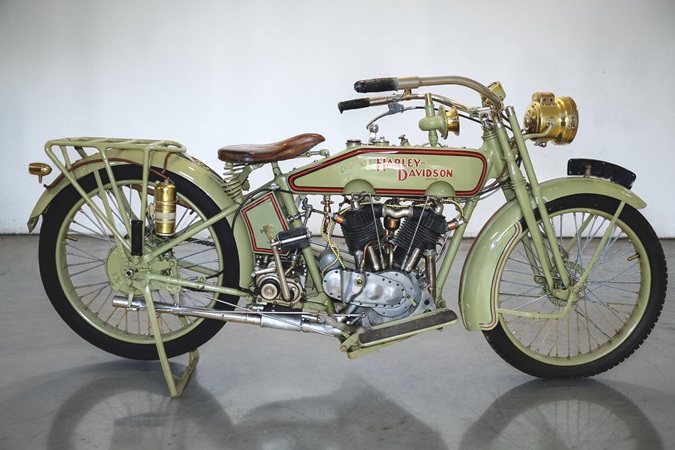
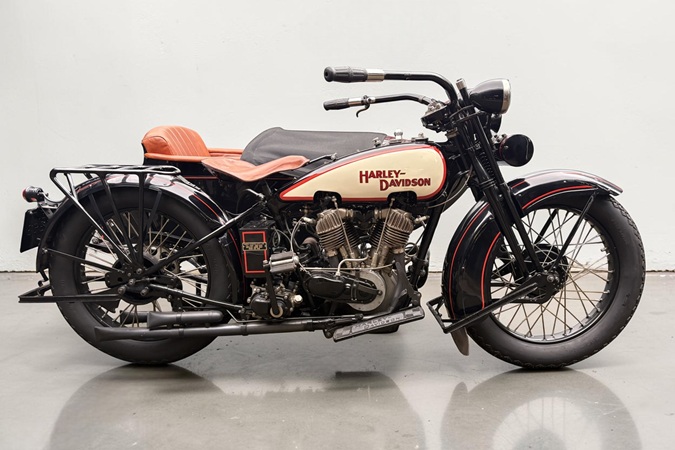
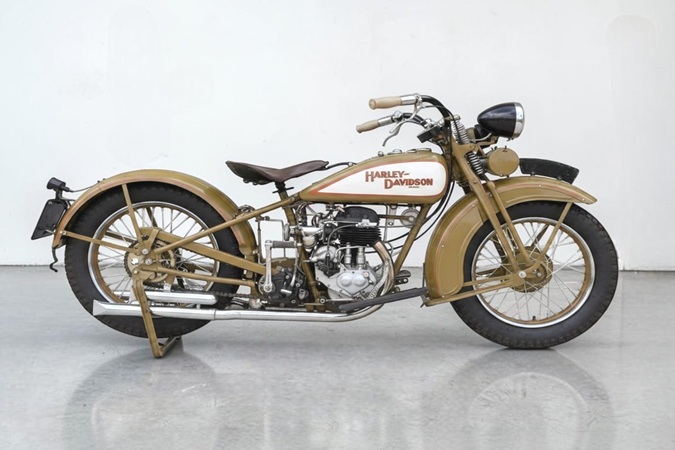
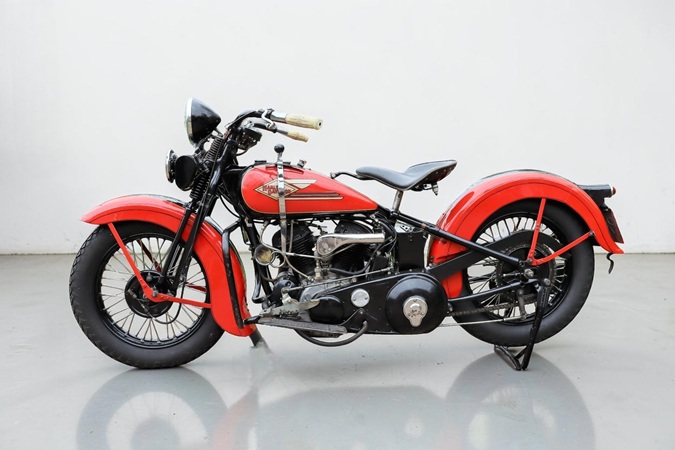
A museum-grade collection of Harley-Davidson motorcycles, representing the foundation of American two-wheel engineering. From early belt-driven V-twins of the 1920s to legendary wartime military machines and the revolutionary Knucklehead era, each motorcycle embodies mechanical heritage, cultural identity, and enduring collector significance.
Curated by international vintage motorcycle specialists. Each Harley-Davidson motorcycle is selected based on historical importance, mechanical authenticity, and preservation quality suitable for elite private collections, museums, and global auctions.
Harley-Davidson Motorcycles stands as one of the most influential manufacturers in motorcycle history, defining the American V-twin identity and shaping global motorcycling culture for over a century.
Unlike many early European manufacturers focused on lightweight engineering, Harley-Davidson developed robust, torque-rich machines built for endurance, long-distance travel, and military application.
These motorcycles are more than engineering achievements - they are cultural artifacts that symbolize freedom, industrial strength, and American design philosophy.
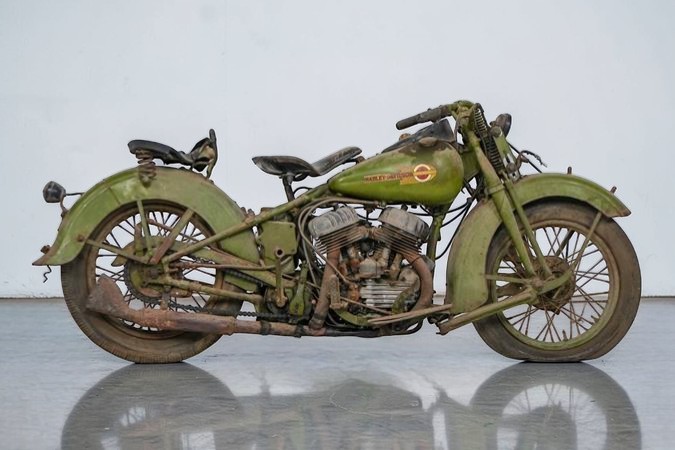
Early Harley-Davidson models such as the Model J (1920s) and Model JS (1927) reflect the transition from belt-drive systems to more advanced mechanically driven platforms, marking a key evolution in reliability and performance.
The 1930s introduced technically refined machines such as the Model D (1931) and Model R (1936), demonstrating improvements in engine durability, chassis engineering, and riding stability.
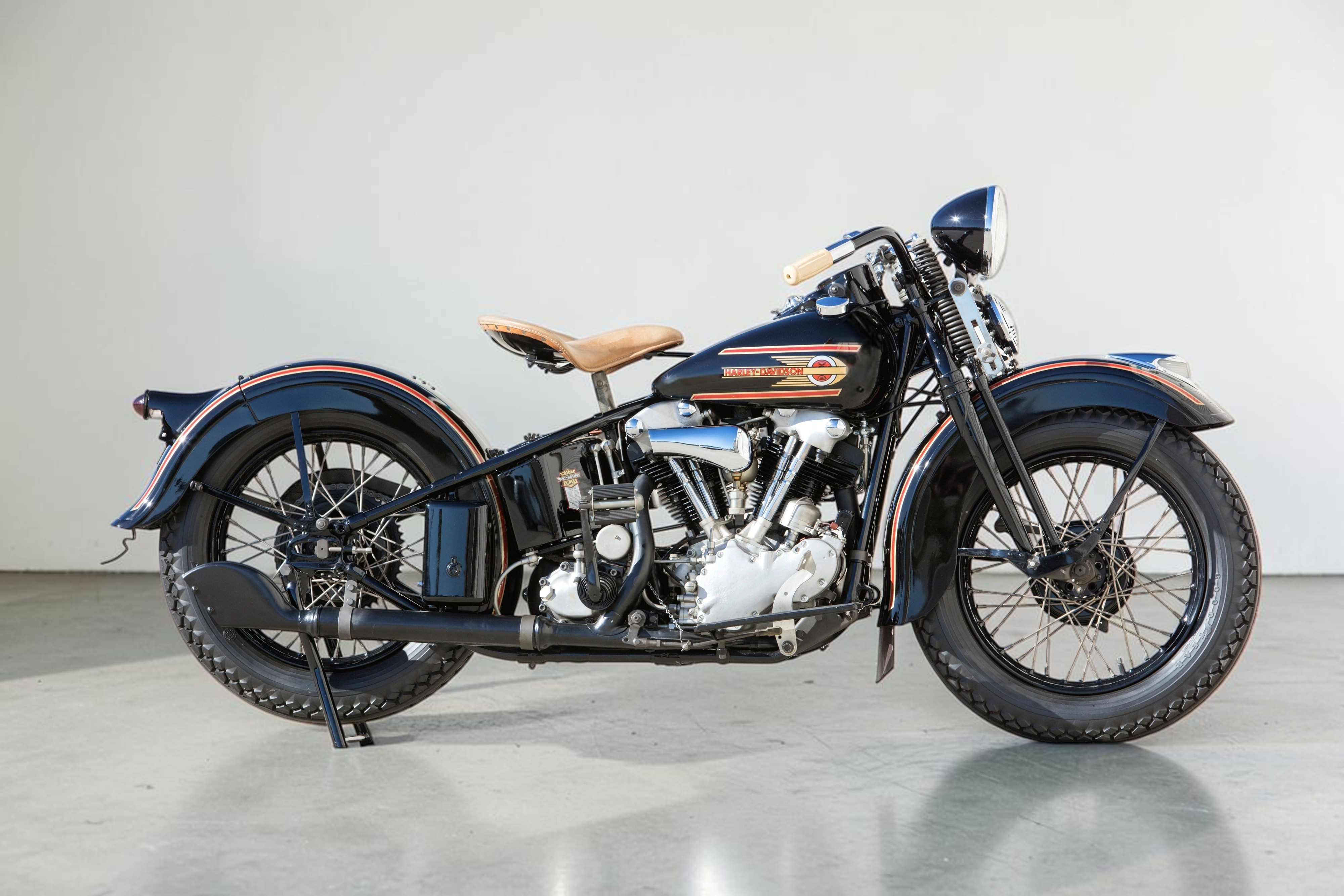
One of the most historically significant milestones came with the introduction of the EL Knucklehead (1937), widely regarded as one of the most important V-twin engines ever produced.
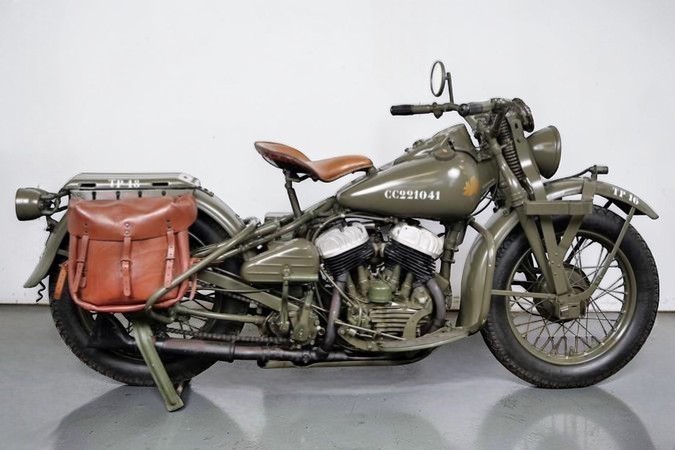
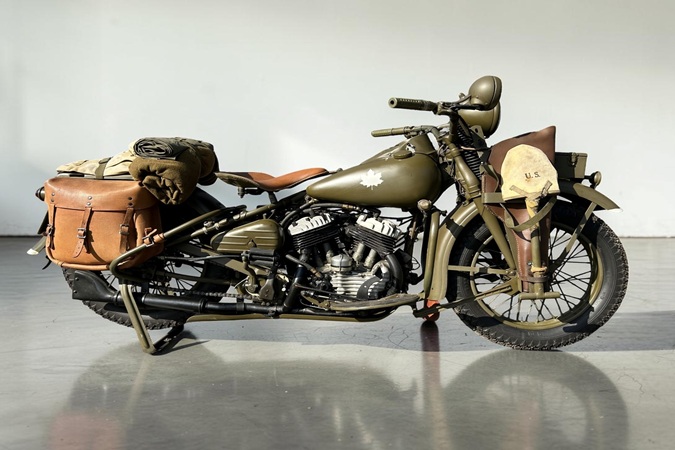
During World War II, Harley-Davidson became a critical supplier of military motorcycles, with models such as the WLC (1942-1943) serving Allied forces across multiple continents.
Today, surviving early Harley-Davidson motorcycles with matching numbers and documented provenance are among the most desirable assets in the global vintage motorcycle market.
1903 - Harley-Davidson was founded in Milwaukee, Wisconsin by William S. Harley and the Davidson brothers, beginning with a small workshop prototype.
1905 - The company produced its first factory-built motorcycles, focusing on simple single-cylinder machines for early American riders.
1909 - Harley-Davidson introduced its first V-twin engine, marking a defining moment in its engineering identity.
1910s - The brand expanded rapidly, supplying motorcycles for both civilian use and military contracts during World War I.
1920s - Harley-Davidson became the largest motorcycle manufacturer in the world, known for durable V-twin touring and police models.
1930s - The company refined its Big Twin engines, introducing improved reliability, better cooling, and stronger chassis design.
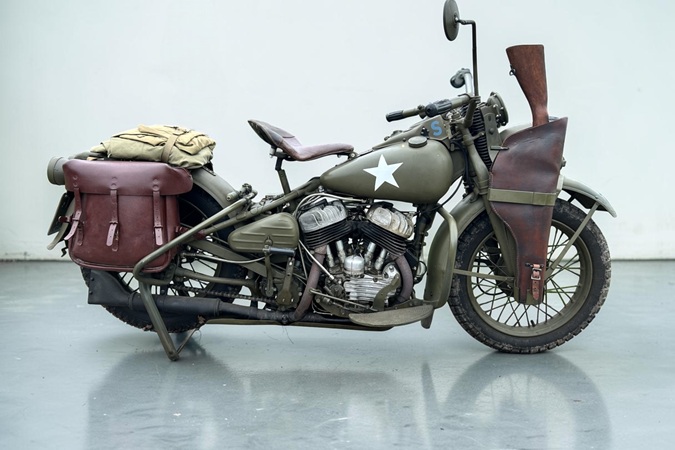
1940-1945 - During World War II, Harley-Davidson supplied the U.S. military with the WLA "Liberator" motorcycle in large numbers.
1950s - The post-war era brought styling changes, increased chrome detailing, and stronger performance-focused V-twin models.
1960s - Harley-Davidson faced growing competition from European and Japanese manufacturers, prompting technical and market adjustments.
1969 - American Machine and Foundry (AMF) acquired Harley-Davidson, leading to mass production changes and mixed quality results.
1981 - A management buyout returned control to Harley-Davidson, beginning a major turnaround in quality and brand identity.
1990s - The company solidified its modern cruiser image, emphasizing torque-heavy V-twins, customization culture, and lifestyle branding.
Modern Era - Harley-Davidson remains an iconic American motorcycle brand, defined by its air-cooled V-twin engines, long-distance cruisers, and cultural influence.
Harley-Davidson motorcycles from the pre-war and wartime era occupy a dominant position in the collector market, combining mechanical durability with unmatched brand recognition.
Models such as the Knucklehead and early military WLC variants are particularly sought after, with demand consistently exceeding supply in both private transactions and major auction houses.
Highly original examples with factory-correct specifications and documented history are considered blue-chip assets within the vintage motorcycle investment landscape.
Key collector-grade motorcycles in this collection include:
1975 Harley-Davidson Model XR750 - Legendary flat-track racing machine
1927 Harley-Davidson Model JS - Early V-twin touring platform
1943 Harley-Davidson Model WLC - Wartime military specification
1937 Harley-Davidson Model EL Knucklehead - Iconic overhead-valve V-twin
1942 Harley-Davidson Model WLC - Military production variant
1927 Harley-Davidson Model J - Transitional engineering milestone
1931 Harley-Davidson Model D - Pre-war engineering refinement
1930 Harley-Davidson Model DL - Early side-valve development
1936 Harley-Davidson Model R - Lightweight performance platform
These motorcycles represent critical milestones in Harley-Davidson's engineering evolution, from early mechanical experimentation to globally recognized design excellence.
Harley-Davidson is not simply a manufacturer - it is the foundation of American motorcycle identity.
Its influence extends beyond engineering into culture, media, and lifestyle, becoming one of the most recognized automotive brands in the world.
From military service to open-road touring, Harley-Davidson motorcycles have defined generations of riders and collectors alike.
Pre-1950 Harley-Davidson motorcycles are widely regarded as blue-chip collectibles, combining historical importance, brand prestige, and long-term value stability.
The strongest appreciation is typically seen in: original-condition motorcycles, matching-numbers engines, and historically documented military or early production models.
As global demand continues to grow, high-quality examples are increasingly difficult to acquire.
When acquiring a Harley-Davidson motorcycle, collectors should prioritize authenticity, engine originality, and correct period components.
Particular attention should be paid to: matching engine and frame numbers, correct military specifications (for WLC models), and original finishes or historically accurate restorations.
Each motorcycle in our collection undergoes expert verification and documentation to ensure museum-grade quality and long-term collector value.
Below is a curated selection of investment-grade Harley-Davidson motorcycles available for acquisition. Each example is authenticated, documented, and sourced from reputable collections.
We offer Harley-Davidson vintage motorcycles for sale to collectors worldwide, including the United States, Europe, United Kingdom, Australia, and Asia. Each motorcycle can be professionally crated and shipped with full export documentation and insurance.
Pricing varies depending on rarity, provenance, and restoration quality. Please contact us directly for current availability and private acquisition opportunities.
Contact our specialists for availability, pricing, and worldwide shipping options. Request Availability!
The development of Harley-Davidson motorcycles is closely tied to the broader framework of pre-war motorcycle engineering (1900s-1939), a period in which the American V-twin platform was established through progressive refinement of side-valve engines, rigid frame construction, and long-distance touring capability. These early machines defined the mechanical identity that would later become synonymous with Harley-Davidson.
This engineering foundation was further shaped during World War II military motorcycle production, where models such as the WLA and WLC were developed for durability, ease of maintenance, and logistical adaptability. In this context, motorcycles were frequently configured for utility roles, often intersecting with the evolution of sidecar-equipped transport systems, where load distribution and mechanical reliability became critical design priorities.
Following the war, Harley-Davidson transitioned into the era of post-war motorcycle development (1940s-1960s), adapting military engineering into civilian production while expanding its influence beyond mechanical design into global cultural identity.
For collectors seeking a broader comparative perspective, global vintage motorcycle inventory archives provide context in which Harley-Davidson machines can be evaluated alongside European and American contemporaries across different engineering traditions.
What makes Harley-Davidson motorcycles historically significant?
Harley-Davidson is one of the longest continuously operating motorcycle manufacturers, defining the American V-twin architecture and influencing both engineering and cultural dimensions of motorcycling worldwide.
Are vintage Harley-Davidson motorcycles rare?
Yes. Pre-war and wartime models - particularly those with matching numbers and documented provenance - are increasingly scarce, with many preserved within private collections or institutional archives.
Which Harley-Davidson models are most collectible?
Collector interest often centers on early V-twin platforms such as the Model J, pre-war milestones like the 1937 EL Knucklehead, and wartime military variants including the WLA and WLC.
Are Harley-Davidson motorcycles a good investment?
Collector-grade Harley-Davidson motorcycles are widely regarded as stable long-term assets, supported by strong global demand, historical continuity, and brand recognition.
Harley-Davidson occupies a unique position within the vintage motorcycle market, where mechanical durability, historical continuity, and cultural influence converge. From early V-twin touring machines to wartime military production and post-war civilian expansion, these motorcycles reflect a continuous evolution shaped by both industrial development and global historical events. For collectors, understanding provenance, originality, and model-specific engineering context is essential when evaluating long-term value.
The evolution of Harley-Davidson is inseparable from the broader trajectory of American motorcycle engineering, where large-displacement engines and long-distance capability defined a distinct approach compared to European manufacturers. This context is further explored through comparative studies of motorcycle manufacturers by country, alongside insights into American motorcycle heritage and the broader development of American vintage motorcycle brands.
Within the global vintage motorcycle market, Harley-Davidson is positioned as a benchmark for brand-driven collector value, where historical continuity and mechanical identity contribute to long-term demand. These patterns align with broader observations in vintage motorcycle market analysis, particularly in segments where provenance and cultural significance intersect.
Harley-Davidson engineering is defined by its emphasis on durability, torque-rich performance, and long-distance capability, evolving from early side-valve engines to overhead-valve configurations such as the Knucklehead. These developments illustrate a distinctly American approach to motorcycle design, where mechanical robustness and functional simplicity were prioritized over high-revving performance.
Navigate through key purchasing resources and thorough mechanical tutorials, featuring international buyer FAQs, specific brand repairs, classic motorcycle troubleshooting, and detailed workshop restoration guides: