
The Vintage Motorcycles
Specialists in antique, classic, veteran and vintage motorcycles.
Specialists in antique, classic, veteran and vintage motorcycles.
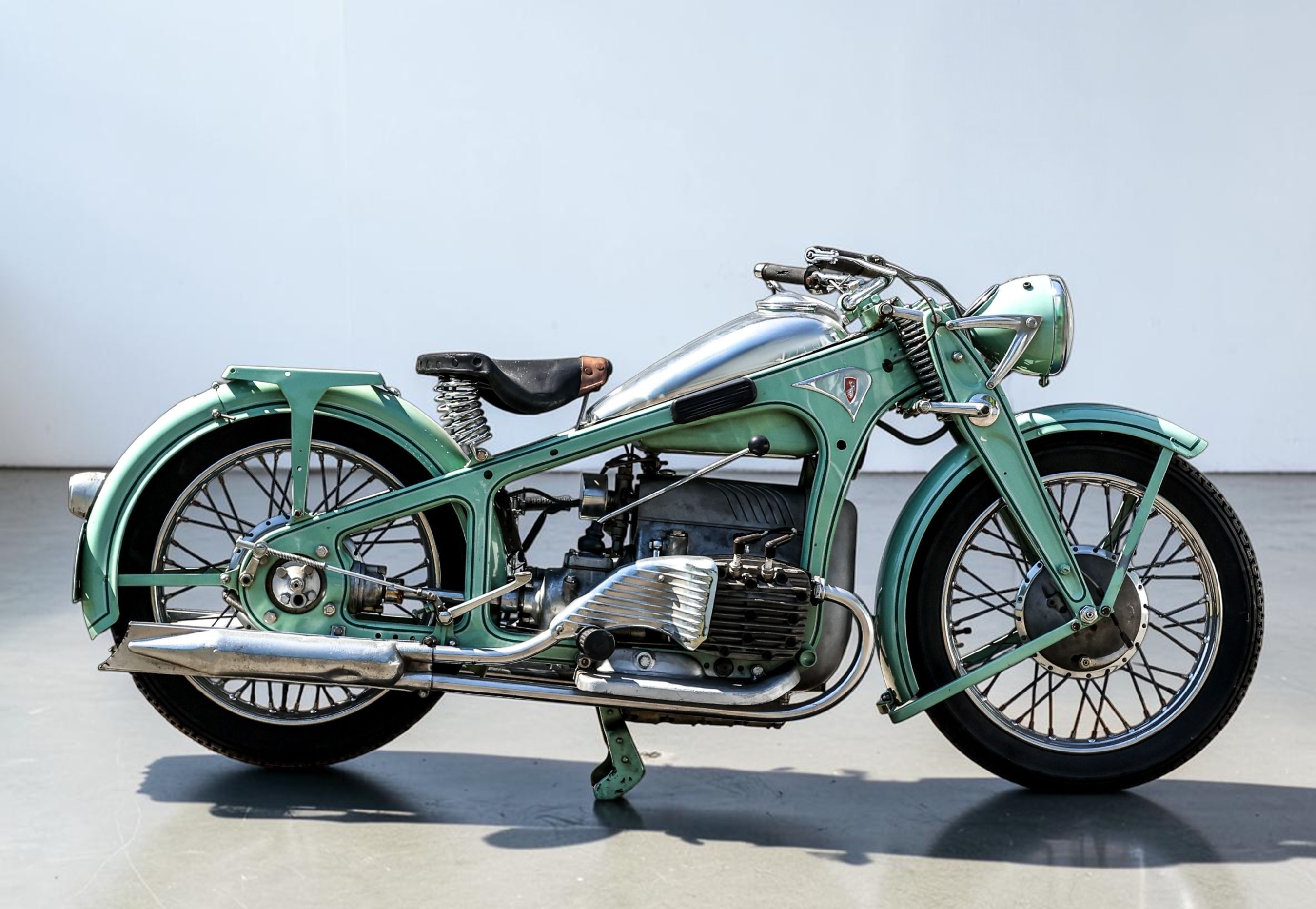
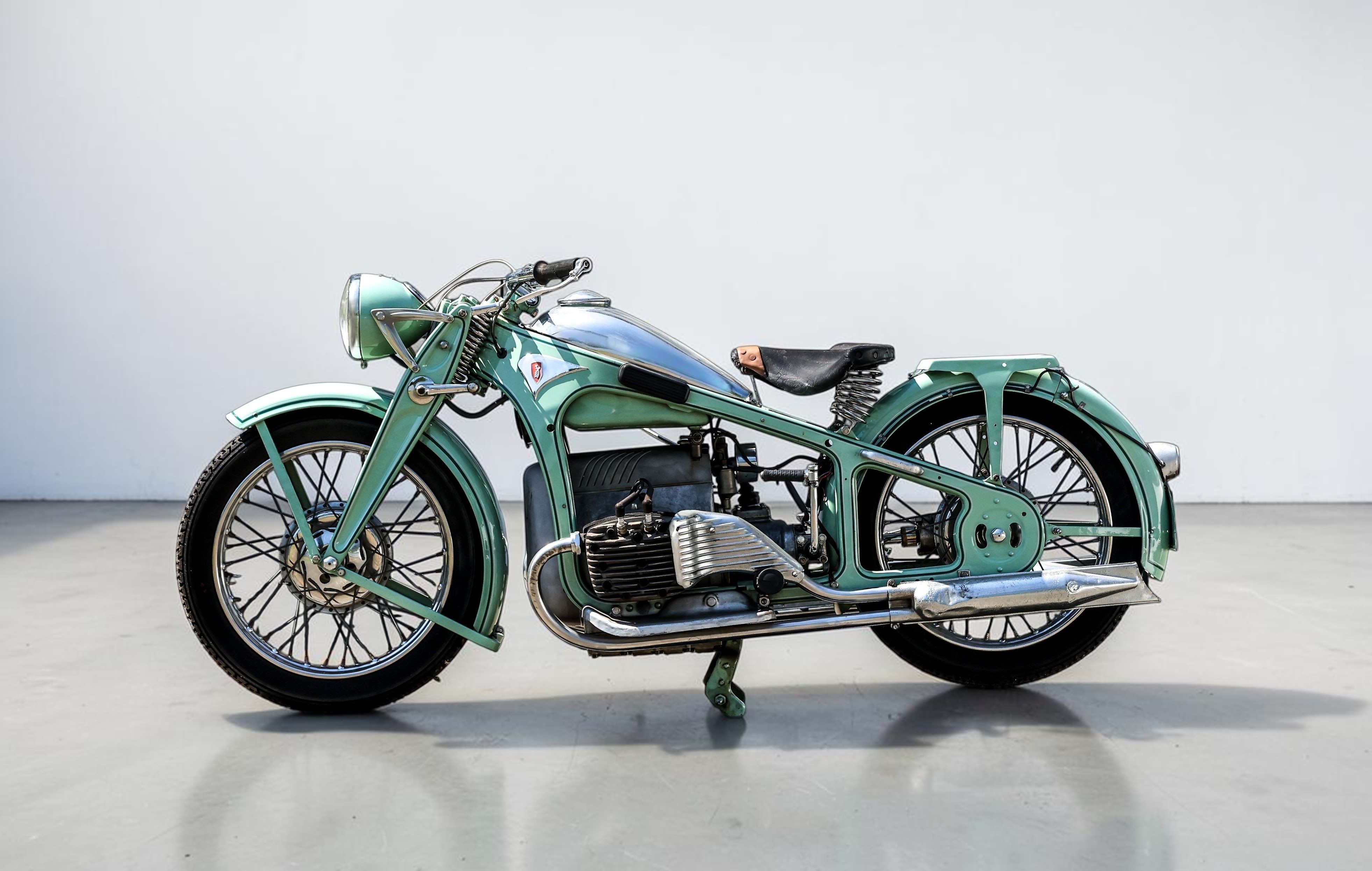
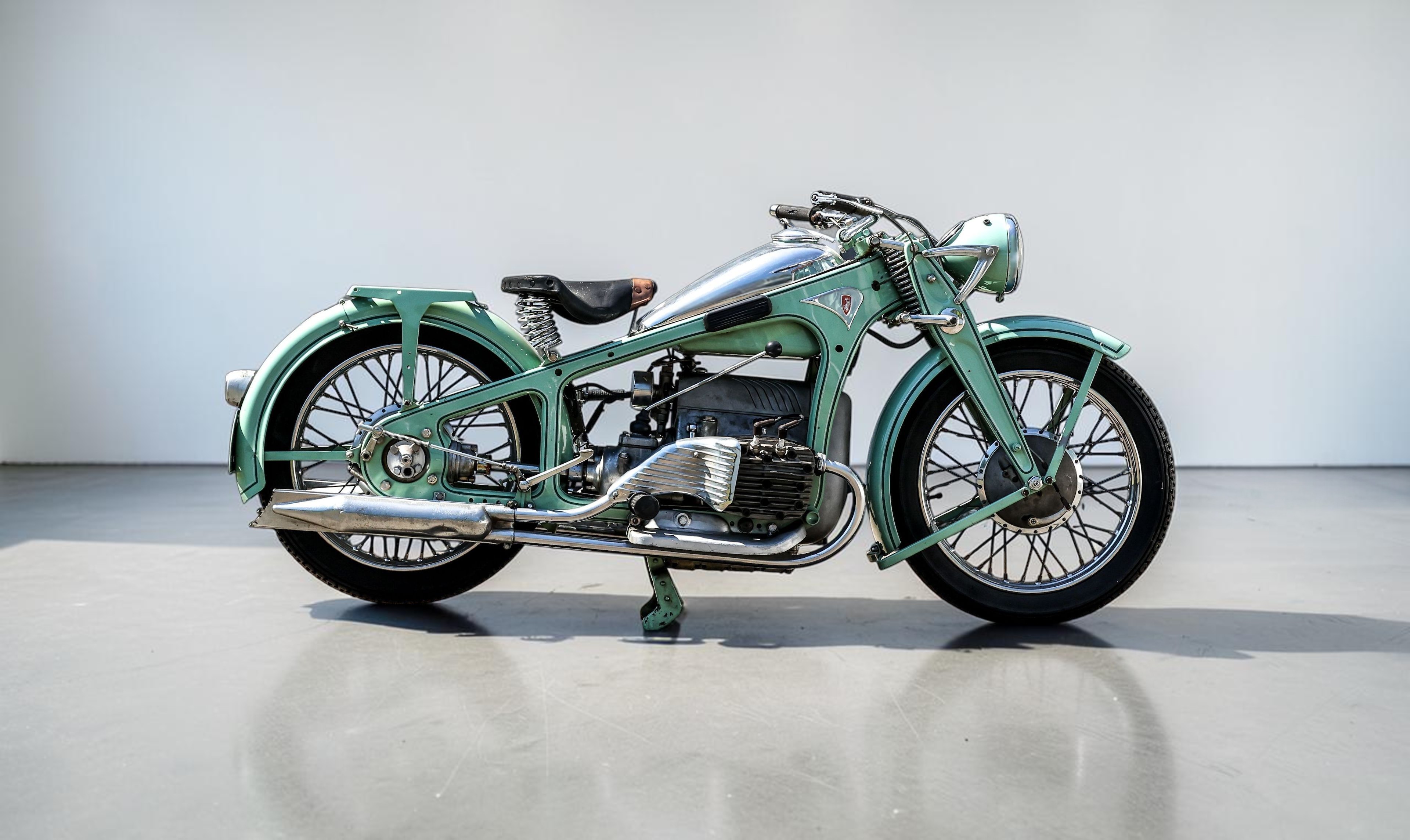
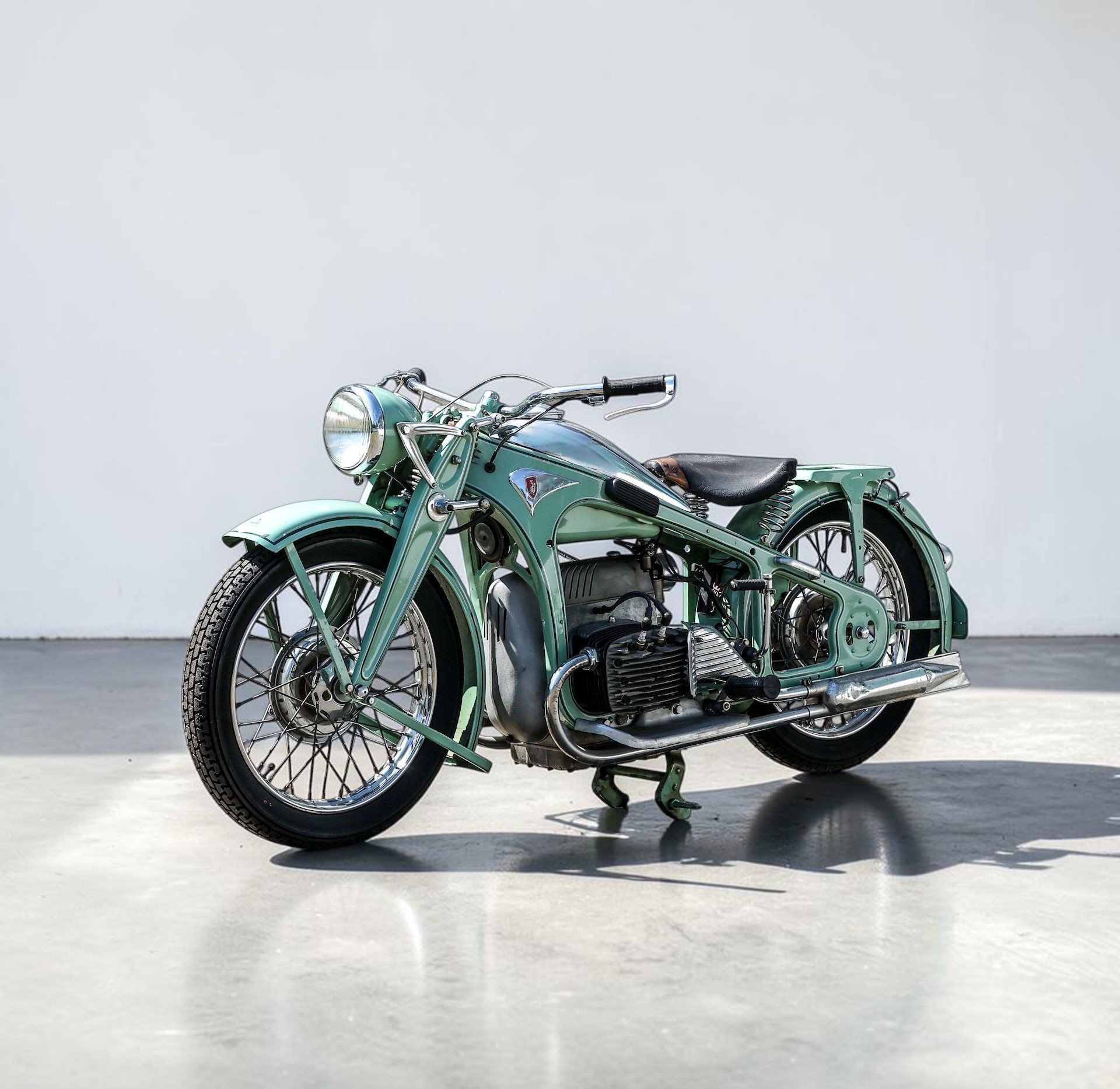
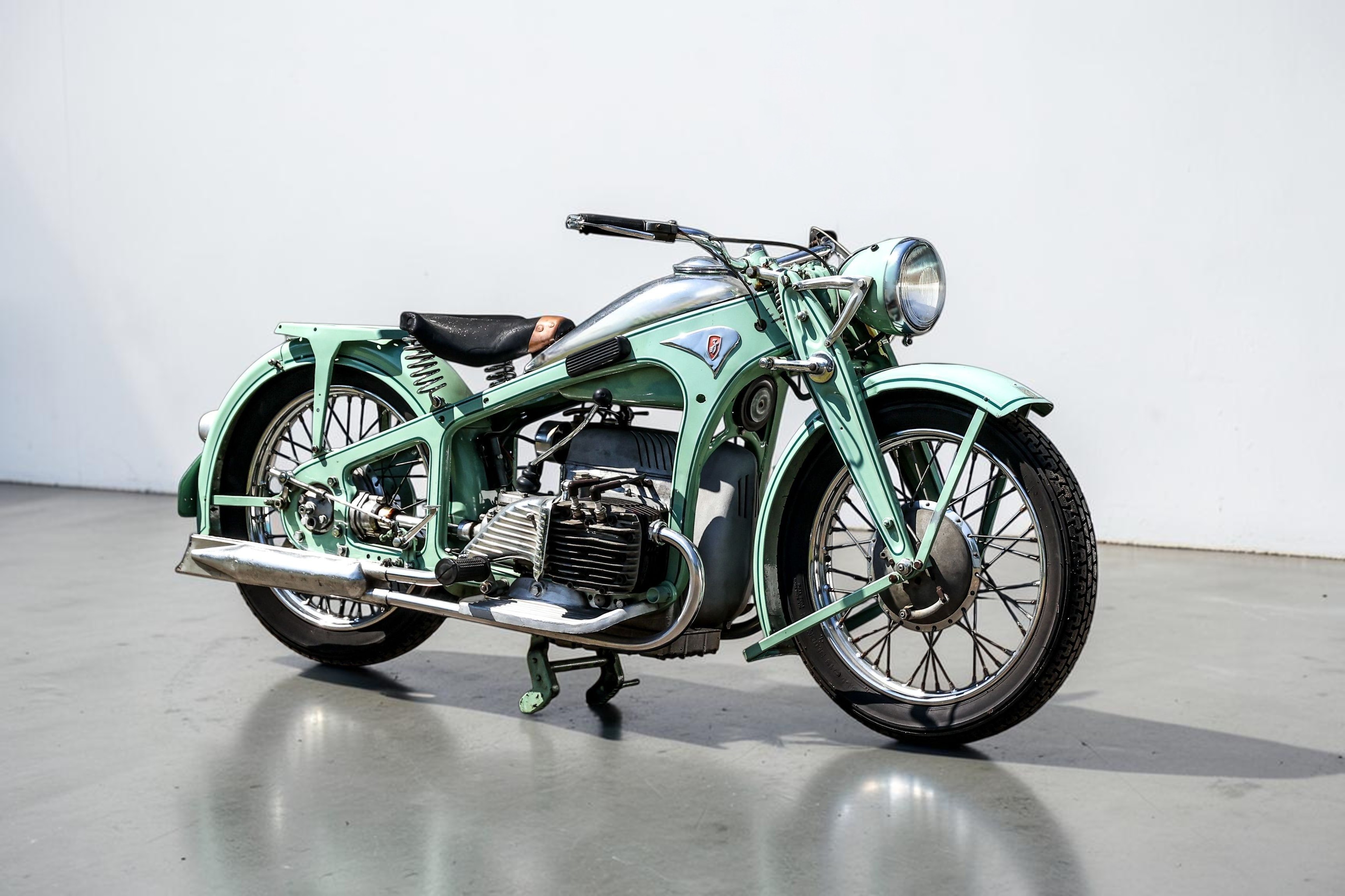
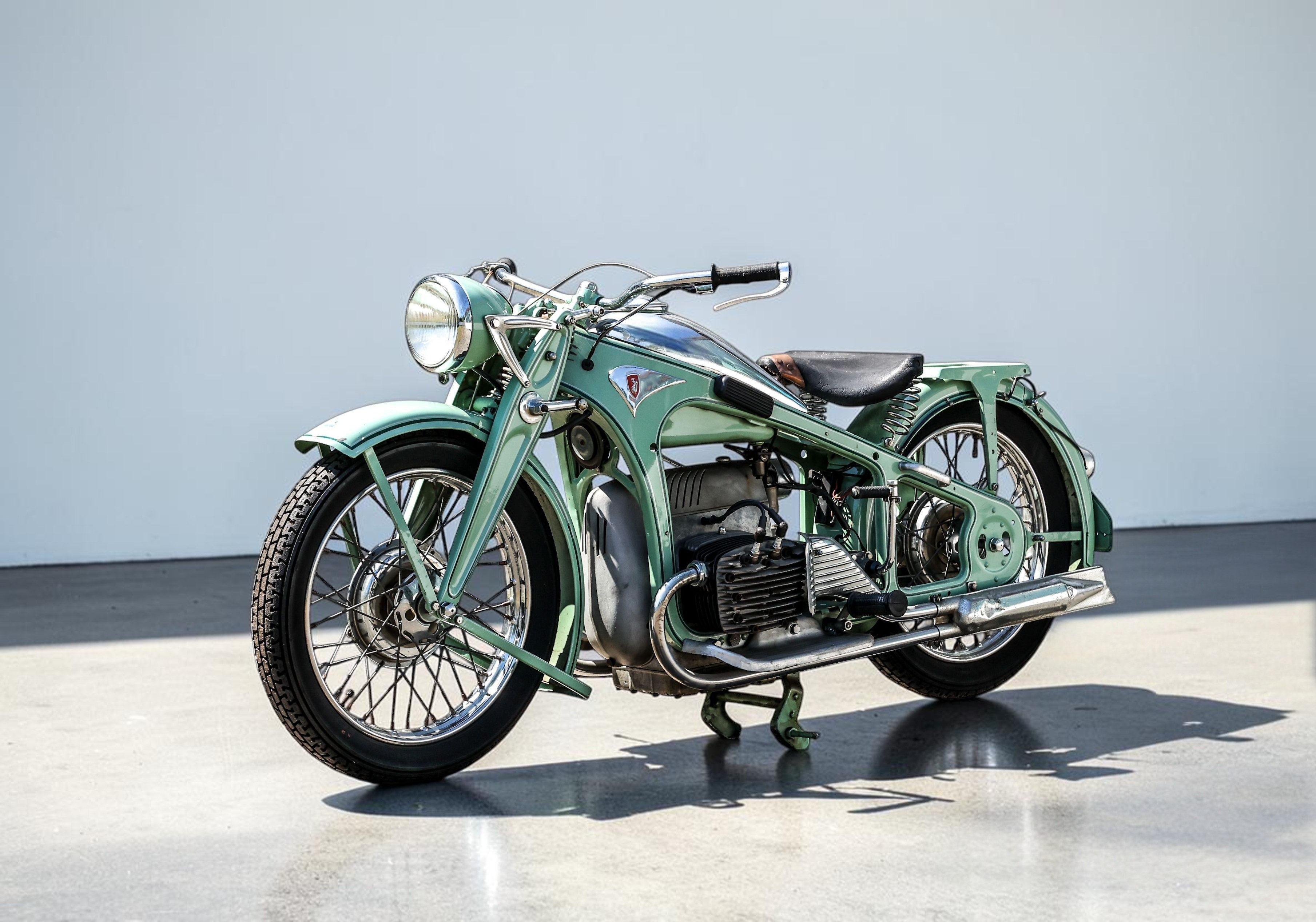
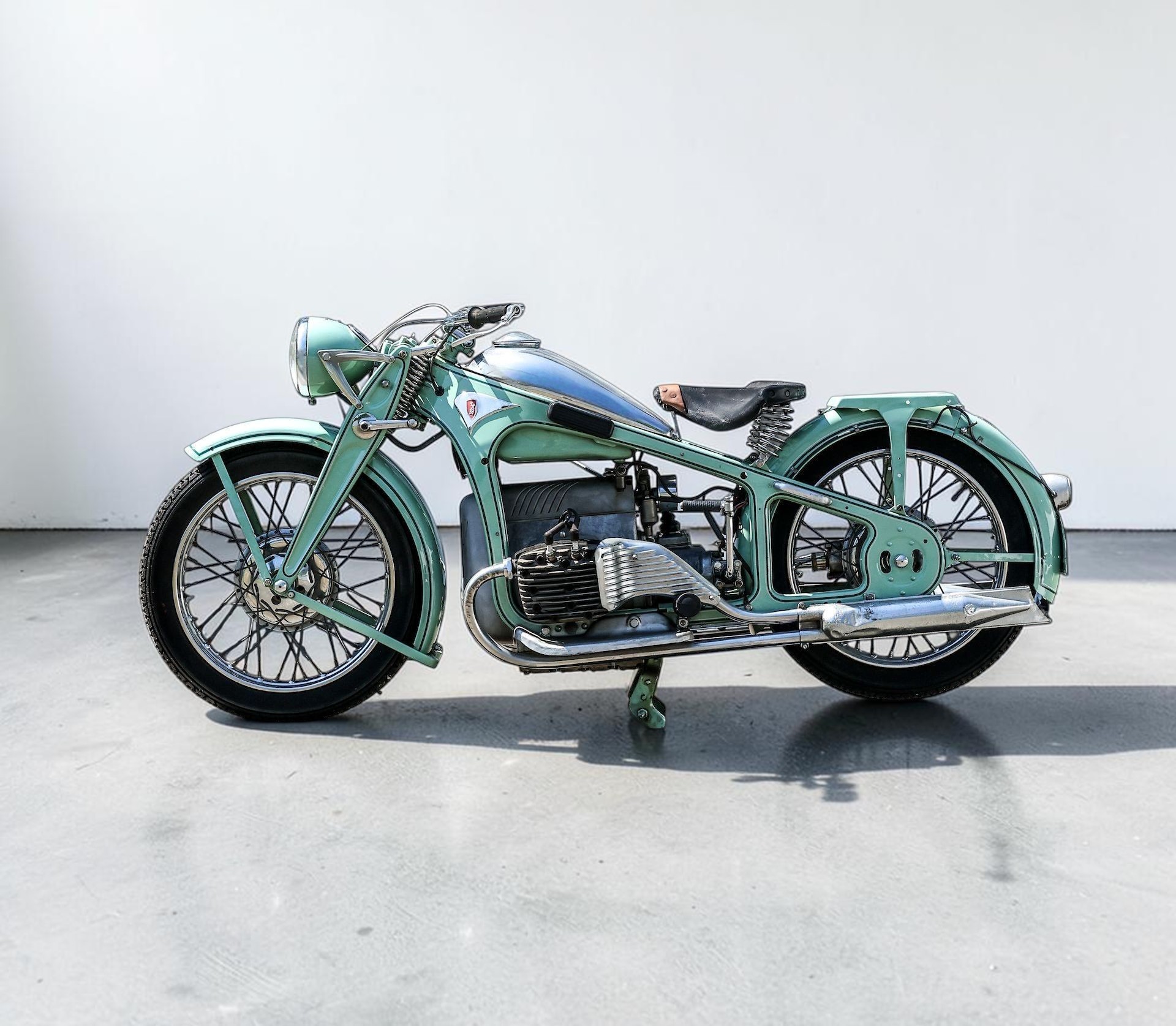
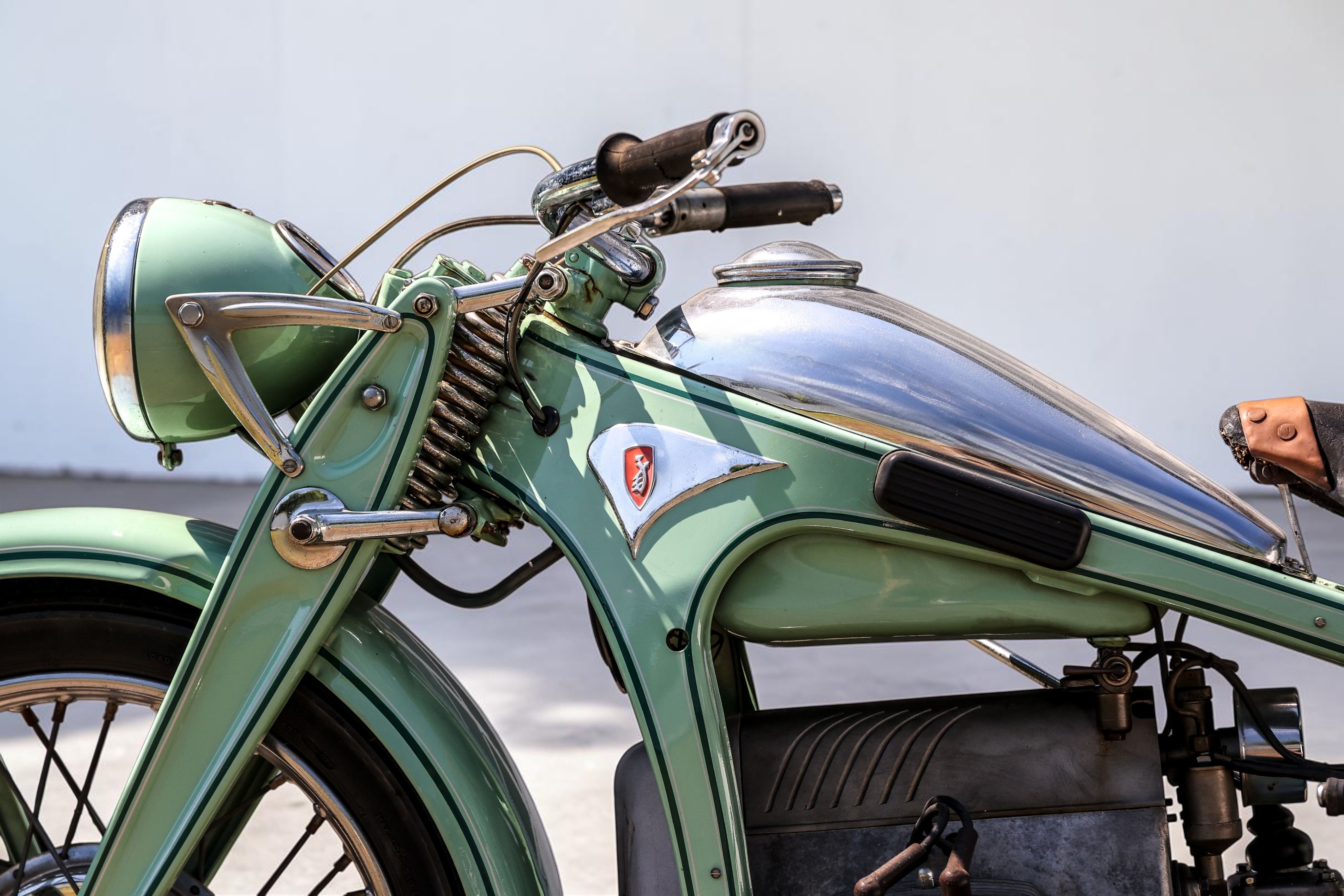
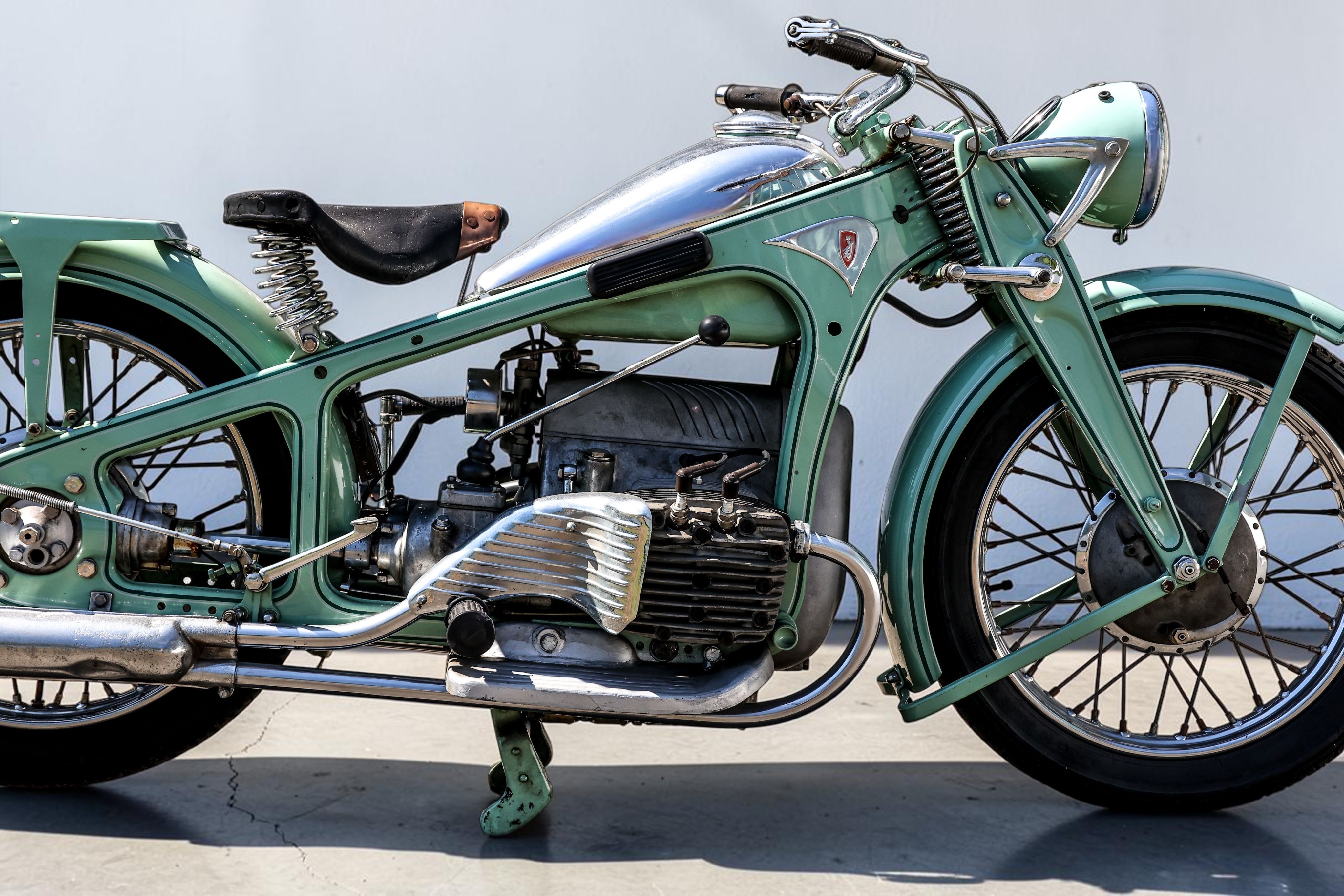
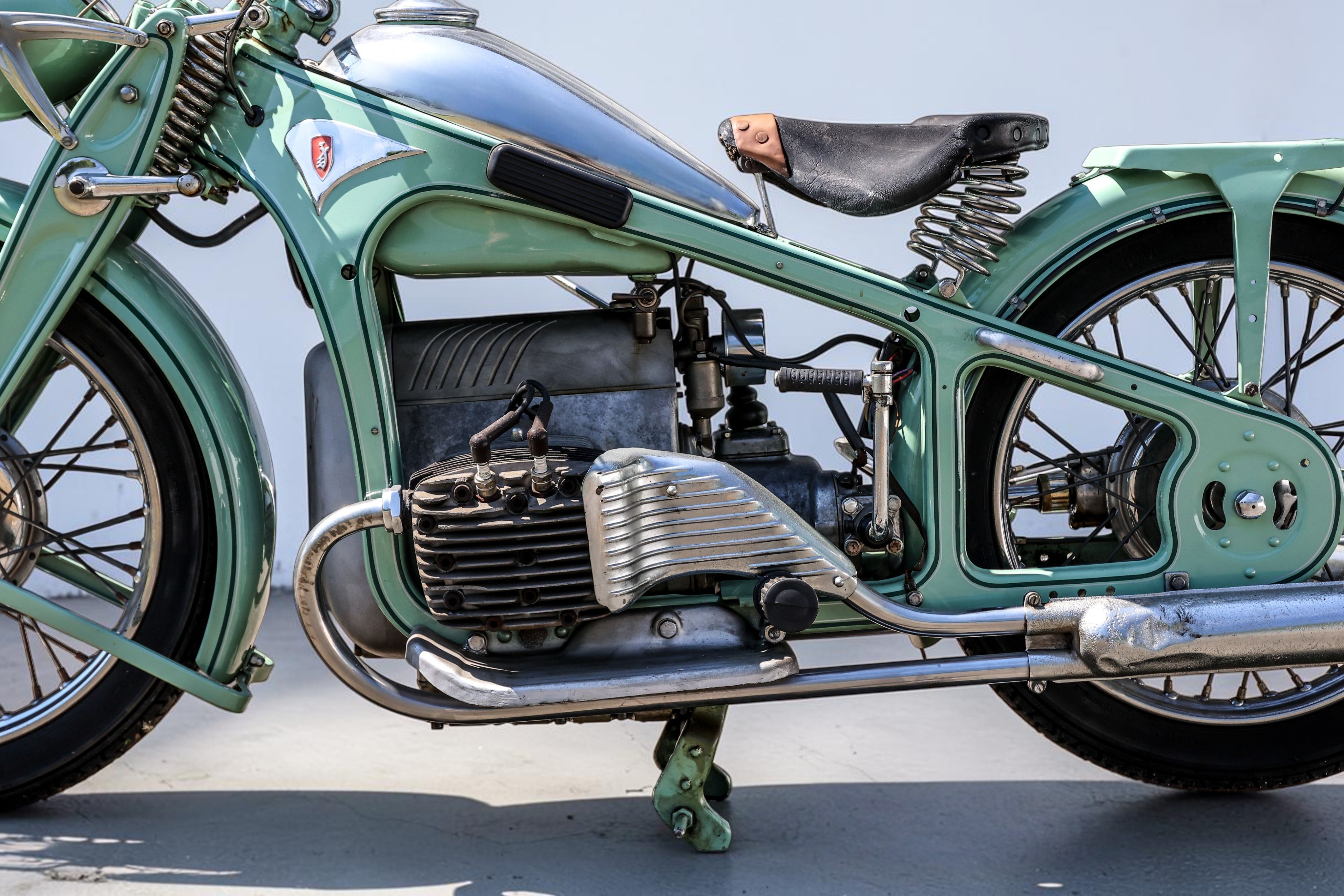
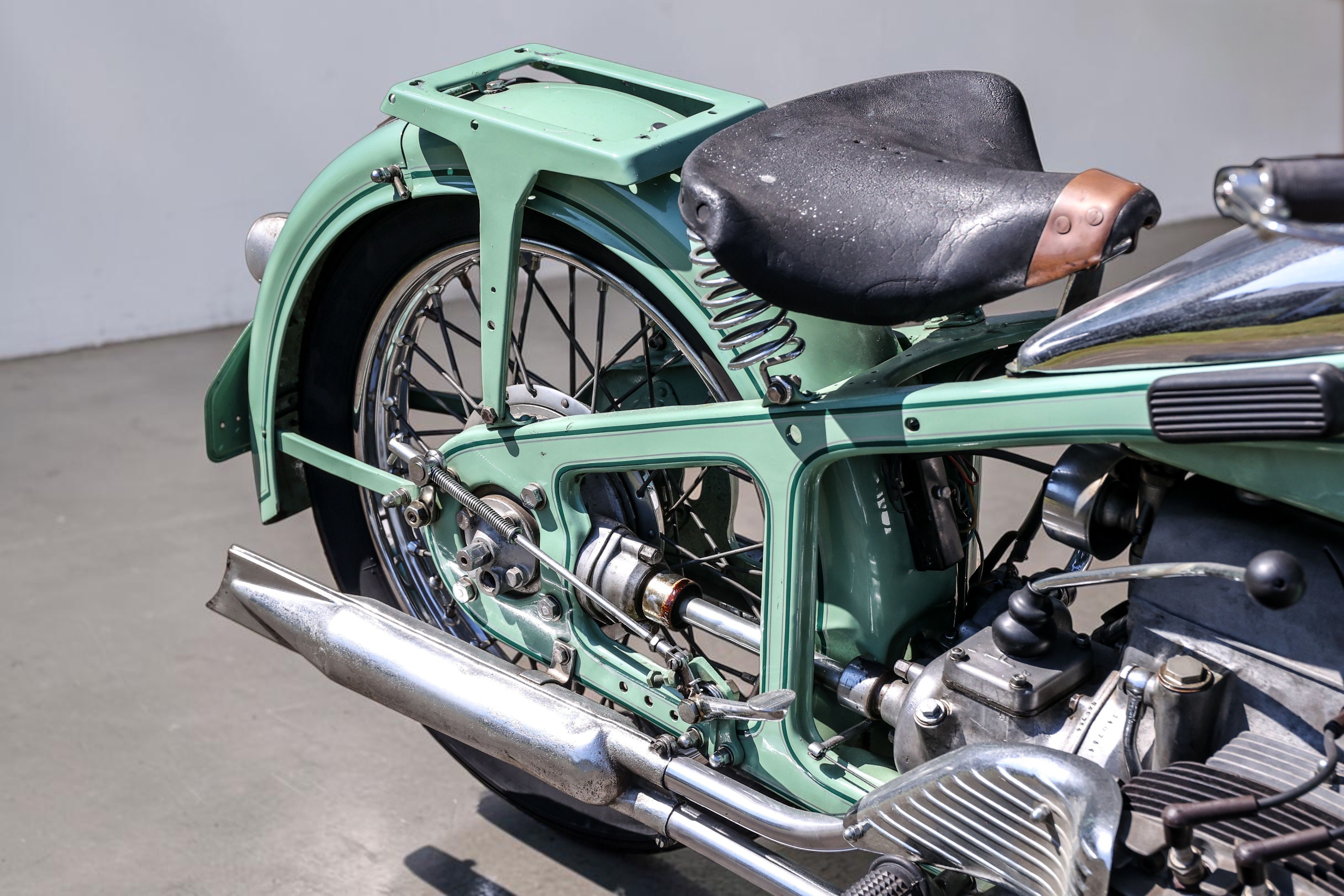
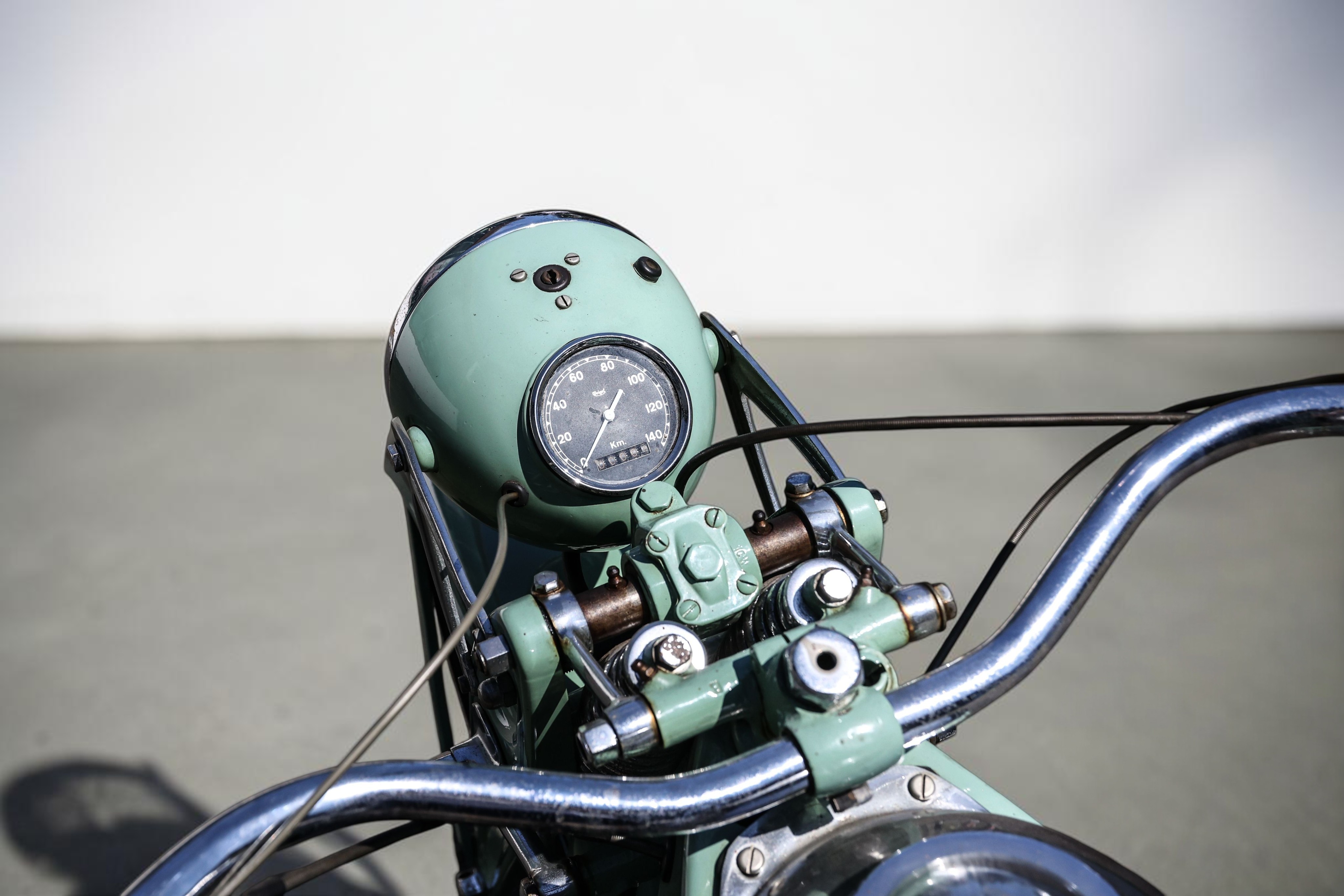
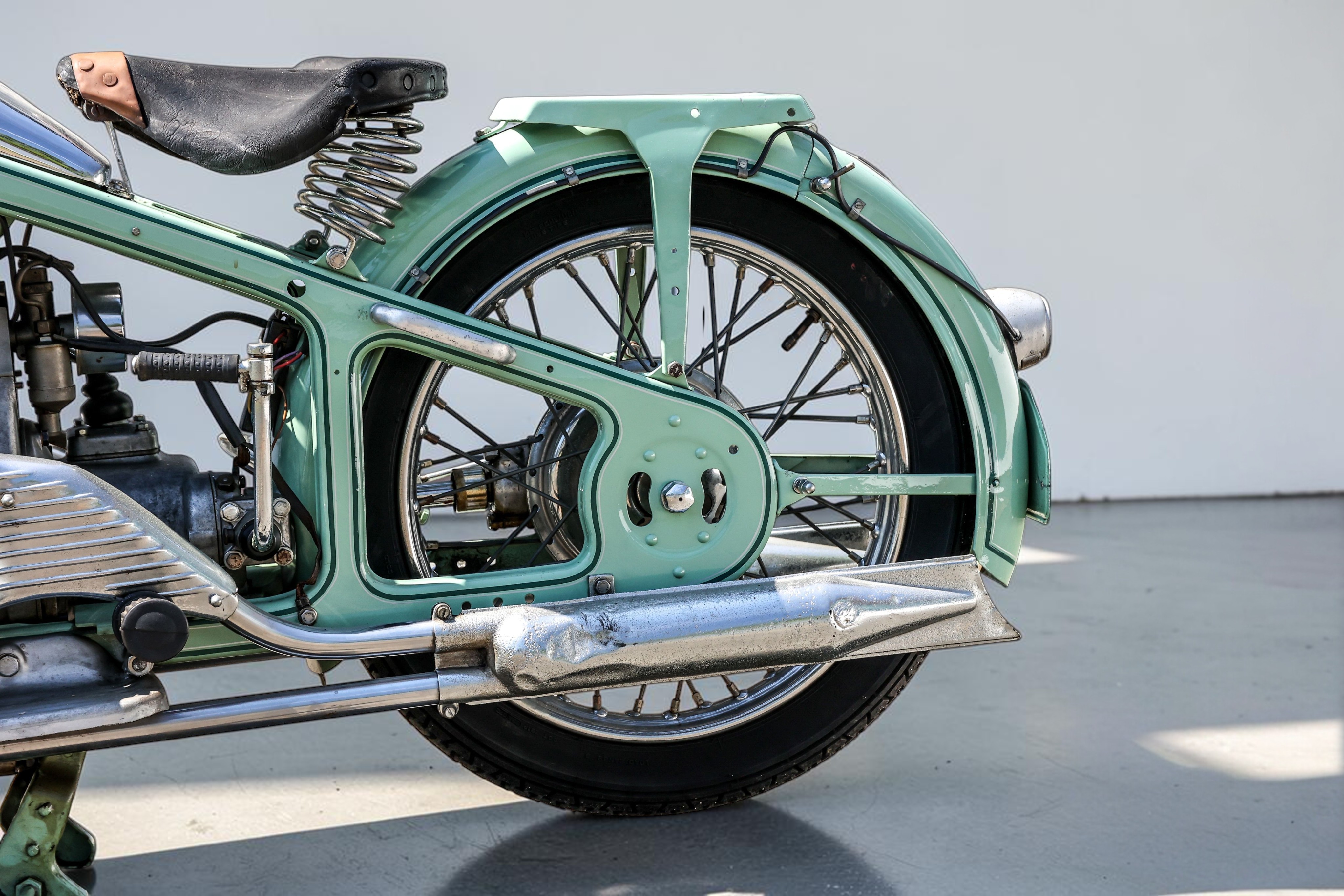
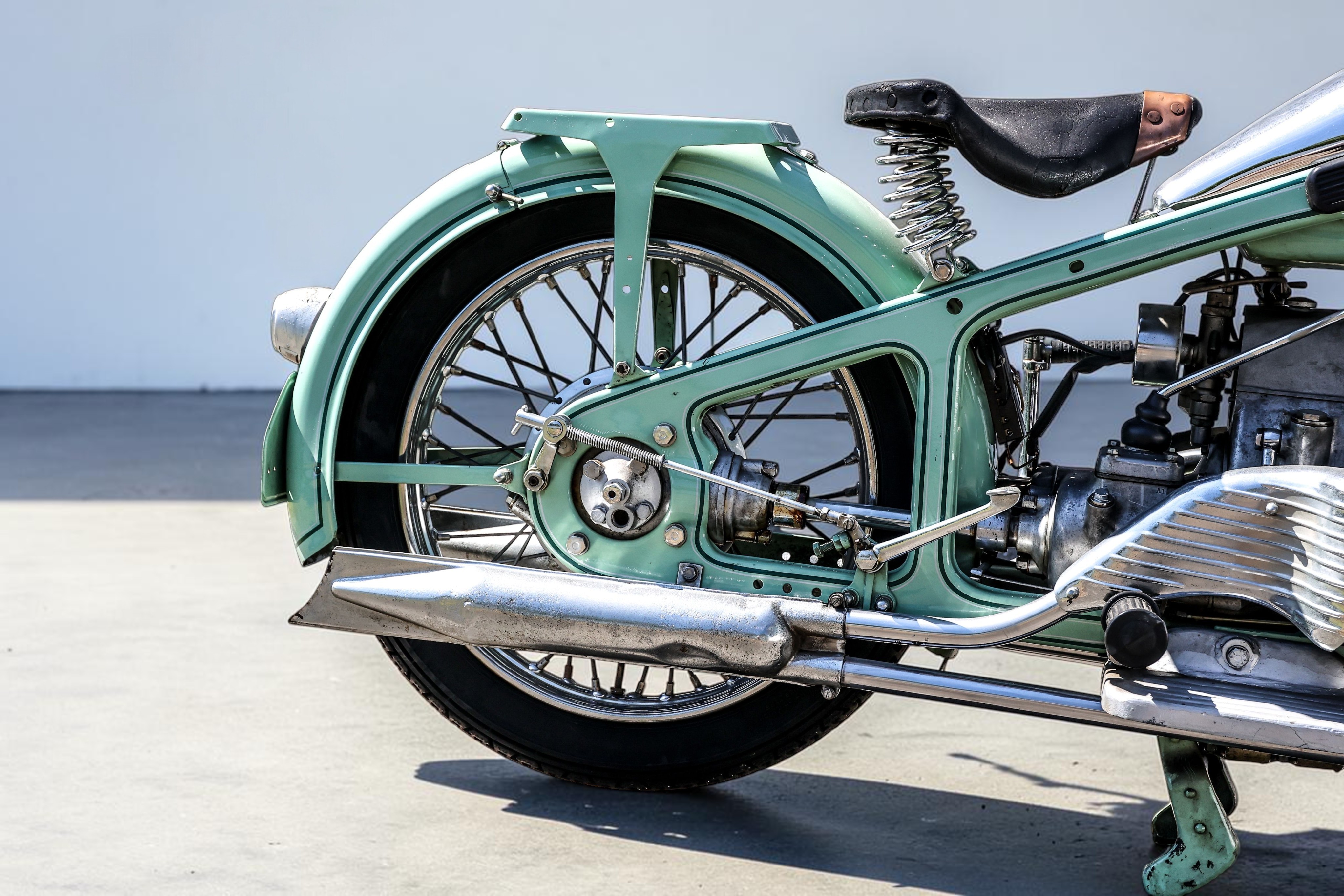
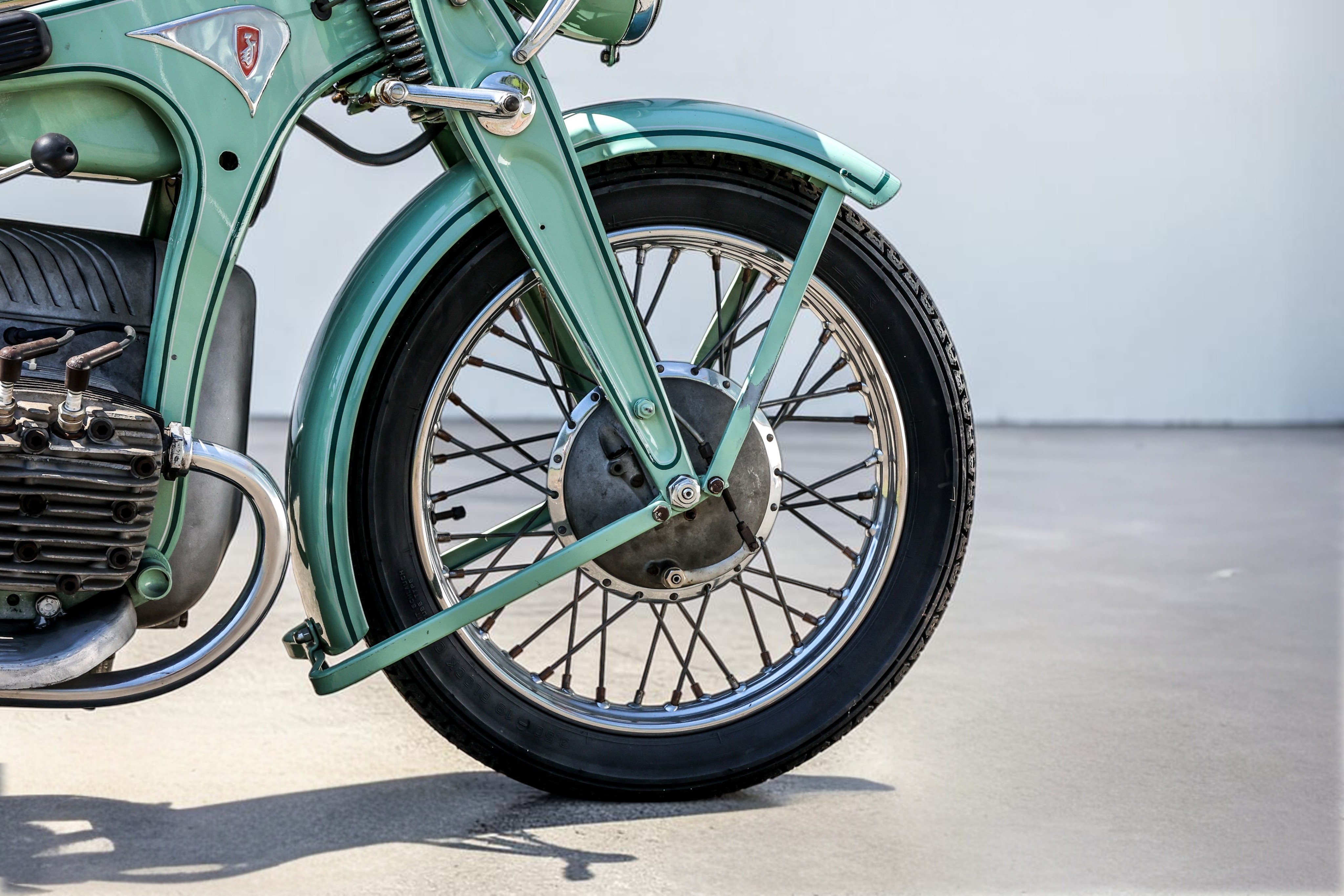
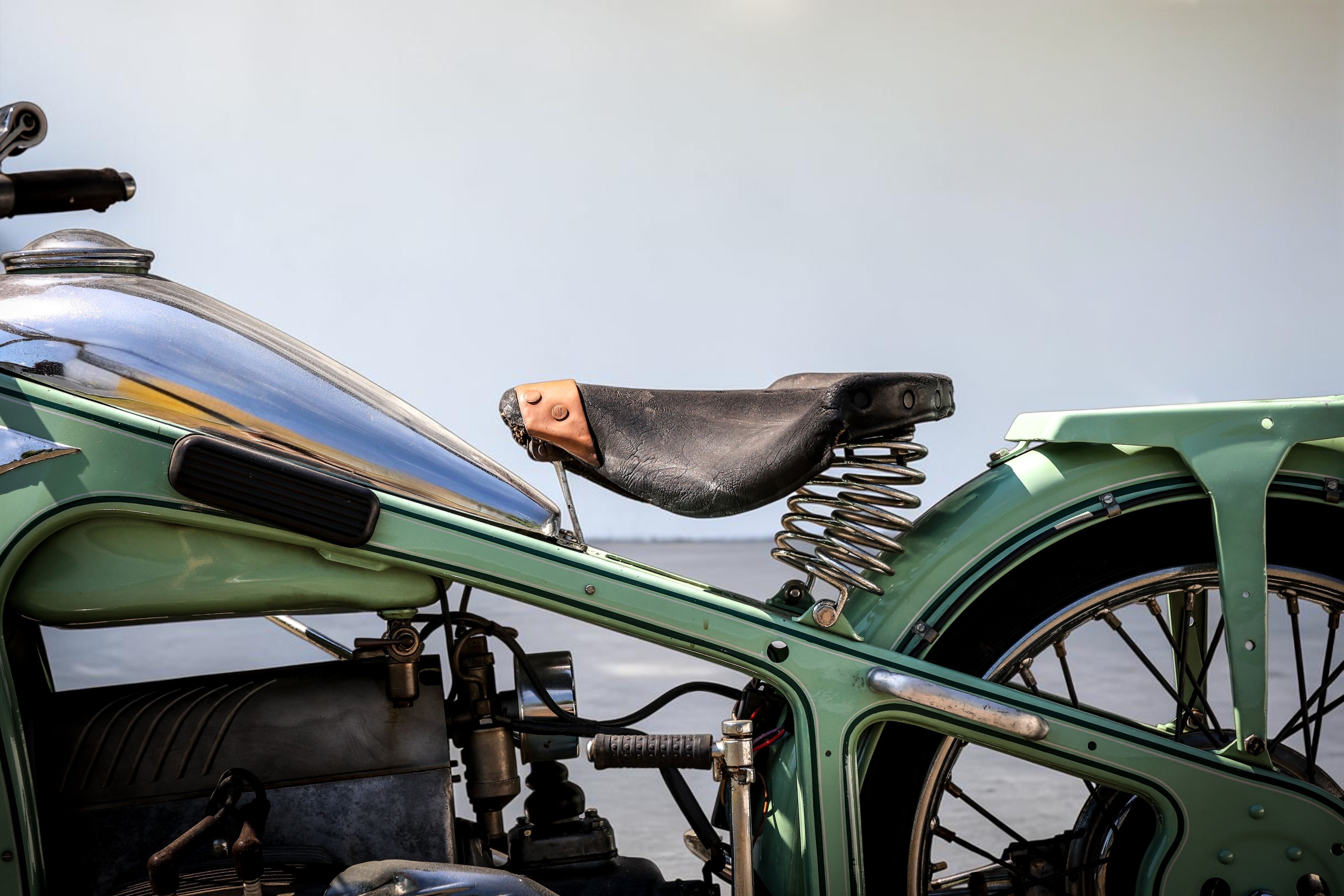
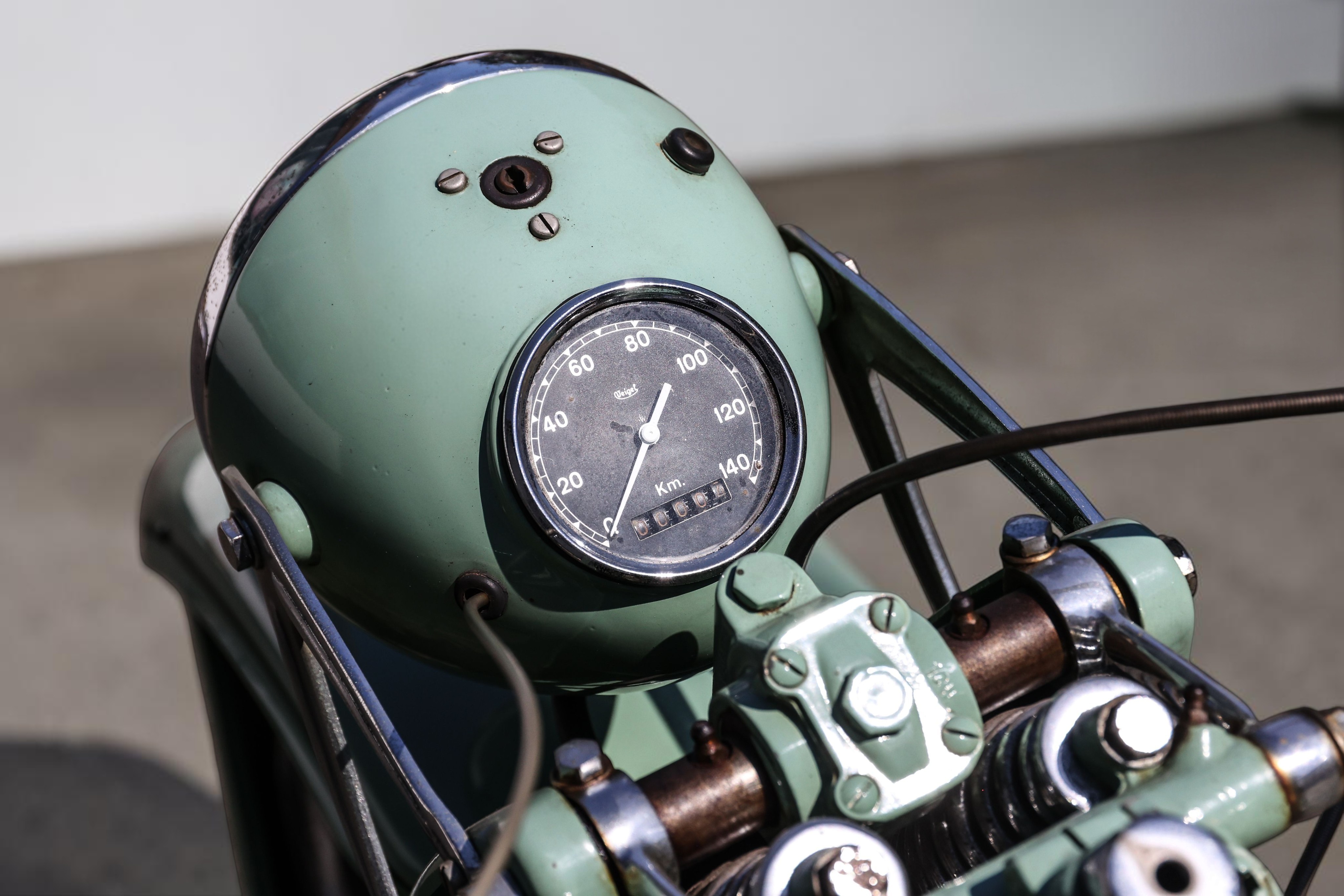
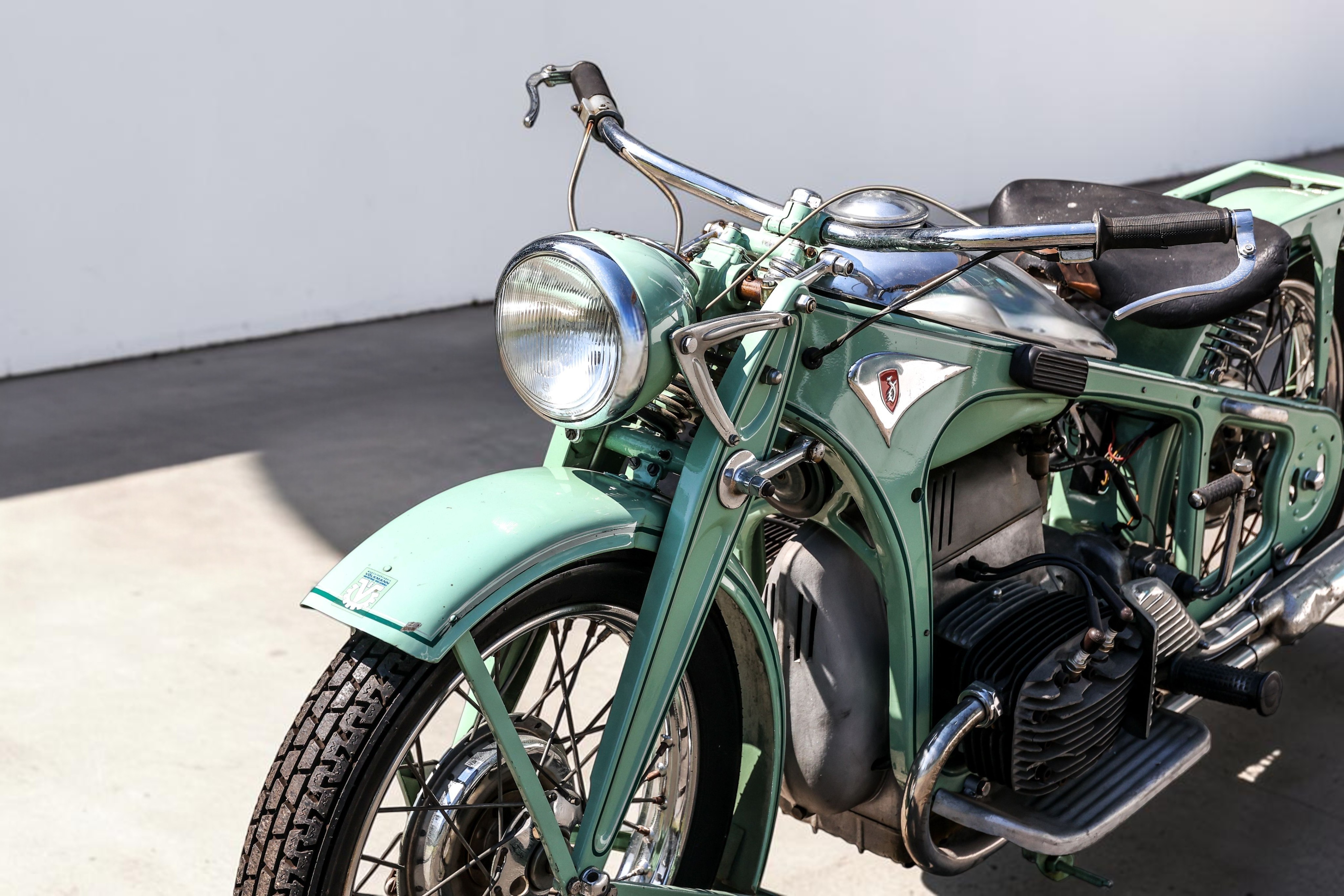
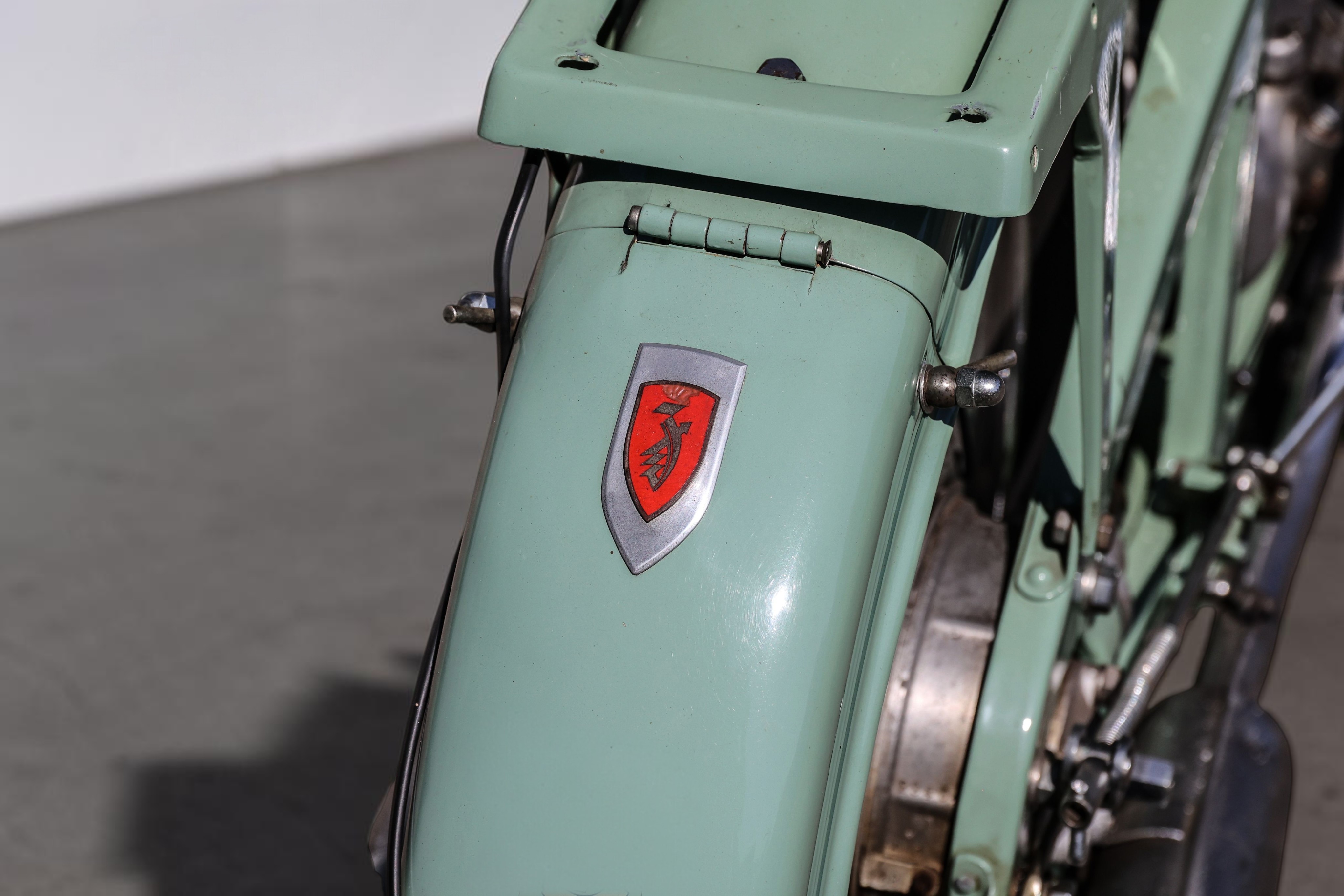
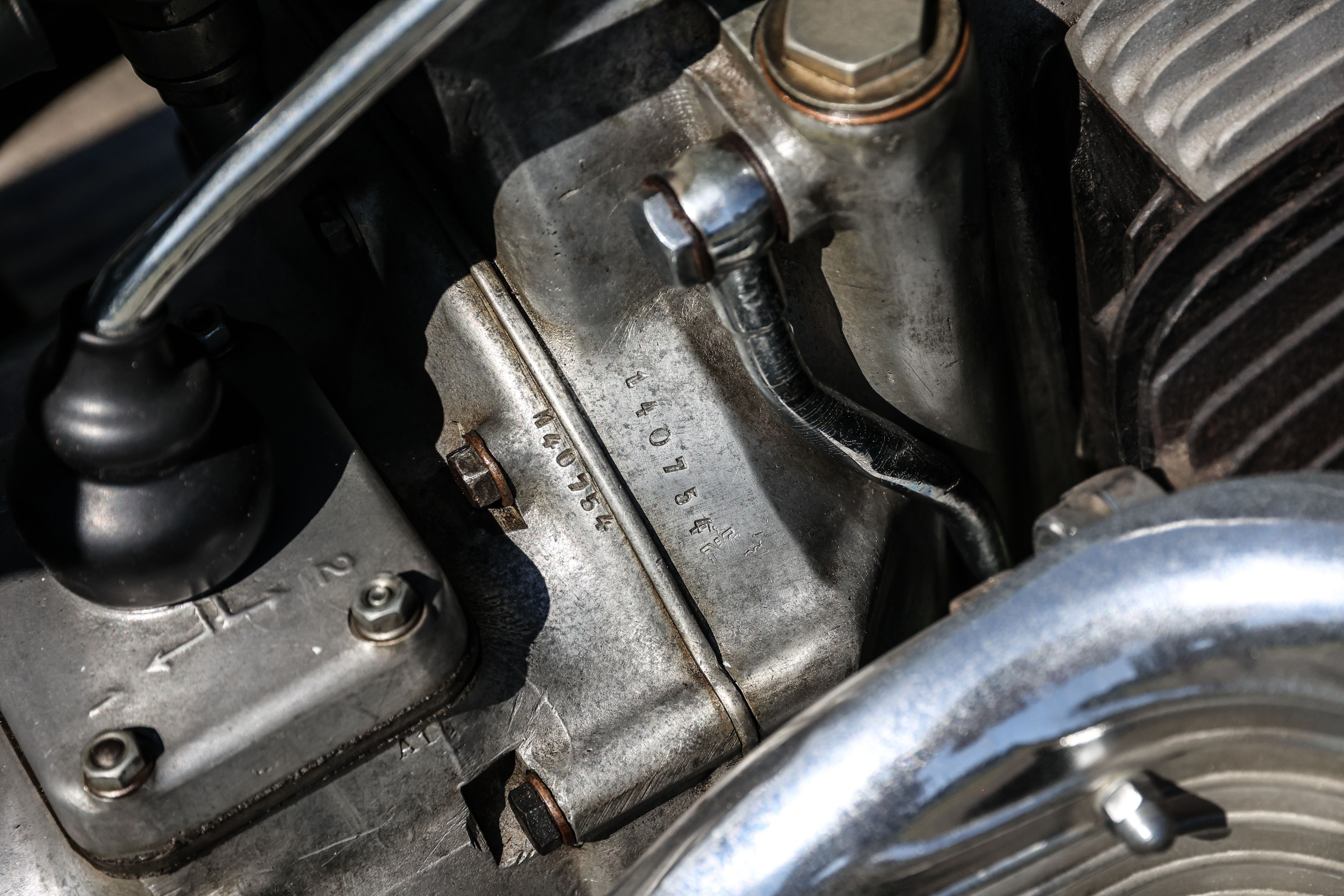
The 1934 Zundapp K 800 is one of the most distinctive German pre-war motorcycles of the 1930s, combining an unusual four-cylinder boxer engine with shaft drive and a robust pressed-steel chassis. Built by Zundapp-Werke in Nuremberg, the K 800 represented the company's flagship large-capacity motorcycle during the early development of its K-series machines.
At the heart of the 1934 K 800 is an air-cooled, four-cylinder horizontally opposed boxer engine with approximately 791 cc displacement. The smooth-running four-cylinder configuration, substantial low-speed torque, four-speed transmission, and shaft final drive gave the motorcycle a character that was highly unusual among motorcycles of its era.
The 1934 model belongs to the early production period of the Zundapp K 800, introduced in 1933 as a major step forward from the smaller K 600. Early K 800 examples were rated at approximately 20 horsepower, with later production receiving increased output. This makes a genuine 1934 example particularly interesting to collectors studying the development of Zundapp's large pre-war motorcycles.
With its four-cylinder boxer architecture, hand-operated gearbox, shaft drive, substantial frame construction, wire-spoked wheels, mechanical drum brakes, and unmistakable 1930s German styling, the K 800 represents an important chapter in the history of pre-war European motorcycle engineering.
Zundapp was founded in Nuremberg, Germany, in 1917 and entered motorcycle manufacturing after the First World War. During the following decades, the company developed an increasingly sophisticated range of motorcycles, eventually becoming one of Germany's important motorcycle manufacturers.
The Zundapp K 800 was introduced in 1933 as the largest member of the company's early K-series. Its engineering was notable for the use of a large four-cylinder boxer engine, a configuration rarely seen in European motorcycles of the period.
The K 800 was designed primarily as a substantial touring and transportation motorcycle, with shaft final drive and a strong chassis that also made it suitable for sidecar operation. Its engineering represented Zundapp's effort to combine smooth four-cylinder operation with the durability and practical drivetrain layout expected from a large German motorcycle.
The 1934 model year falls very early in the K 800's production history. Period references identify 1934 machines within the early K 800 chassis-number sequence, while early examples are associated with approximately 20 horsepower before later versions received increased output.
As with other surviving German motorcycles from the 1930s, individual examples can have complex histories. Civilian ownership, later military or institutional use, post-war modifications, restoration, replacement components, and changes to electrical or fuel-system equipment can all affect the originality of a surviving motorcycle. Engine numbers, frame numbers, identification plates, period documents, photographs, and restoration records are therefore important when establishing provenance.
The 1934 Zundapp K 800 is powered by an air-cooled four-cylinder horizontally opposed boxer engine with approximately 791 cc displacement.
The four-cylinder boxer configuration is the defining engineering feature of the K 800. With cylinders arranged in opposed pairs and the engine mounted longitudinally in the motorcycle, the design provides a distinctive mechanical character and contributes to balanced running for a large motorcycle of the period.
Unlike later overhead-valve Zundapp engines, the early K 800 uses side-valve technology. The engine was designed around usable torque, smooth running, and dependable road performance rather than high engine speed.
For the 1934 model year, period specifications commonly identify approximately 20 horsepower at around 4,300 rpm. Depending on the reference and specification, published displacement figures vary slightly around 791 to 804 cc; this reflects differences in period and modern reference data rather than a fundamentally different motorcycle.
Published period-related specifications place the K 800's maximum speed at approximately 120 km/h, although actual performance depends on gearing, engine condition, carburetor adjustment, ignition, compression, tires, load, and restoration quality.
The exposed cylinder arrangement also provides important visual evidence when assessing originality. Cylinder heads, valve covers, crankcase castings, carburetion, ignition components, cooling fins, and other engine details should be compared with appropriate period references.
The 1934 Zundapp K 800 uses a four-speed manual transmission designed to complement the broad torque characteristics of its four-cylinder boxer engine.
One of the unusual characteristics of the K 800 is its hand-operated gear selector. The transmission is operated by a substantial external shift lever positioned alongside the motorcycle, giving the machine a distinctive driving experience compared with later motorcycles that adopted conventional foot-operated gear changes.
Power is transmitted to the rear wheel through a shaft final drive. The enclosed cardan shaft system was an important feature of Zundapp's large K-series motorcycles and eliminated the exposed rear chain commonly found on many motorcycles of the period.
The drivetrain should be examined as a complete mechanical system, including clutch, gearbox, primary transmission, shaft coupling, universal joints, final-drive housing, bearings, seals, and gear-selection mechanism.
Correct transmission components are particularly valuable when assessing an original or historically accurate K 800 because the early four-speed arrangement and external hand-shift mechanism are distinctive features of the model.
The 1934 K 800 uses the characteristic pressed-steel chassis associated with Zundapp's K-series motorcycles.
The substantial frame was designed to support the weight and torque of the large four-cylinder engine while providing the structural strength required for long-distance road use and potential sidecar operation.
The front suspension uses a period motorcycle fork arrangement with mechanical damping appropriate to the technology of the early 1930s. The rear of the motorcycle uses a rigid frame arrangement, with suspension characteristics reflecting the design conventions of the period.
The combination of a low-mounted boxer engine and substantial chassis gives the K 800 a distinctive road-going character. Its engineering was focused on stability, durability, and practical touring rather than lightweight sporting performance.
The steering head, frame members, engine mounting points, fork assembly, rear frame, wheel alignment, and sidecar attachment areas should all be carefully inspected for corrosion, distortion, cracks, previous repairs, or structural modifications.
The 1934 Zundapp K 800 uses large wire-spoked wheels appropriate to a heavy pre-war touring motorcycle.
Period specifications commonly associate the K 800 with 19-inch tires, with period references listing sizes around 3.50 or 4.00 inches depending on specification.
Braking is provided by mechanically operated drum brakes at the front and rear. These systems reflect the braking technology of the 1930s and require considerably more anticipation than modern hydraulic braking systems.
Brake drums, shoes, operating mechanisms, cables, wheel bearings, spokes, rims, axles, and tires should all be inspected carefully before regular road use.
On a sidecar-equipped example, the sidecar mounting structure, wheel alignment, steering geometry, and any additional braking equipment should also be examined carefully.
The 1934 Zundapp K 800 uses a period German electrical and ignition system characteristic of pre-war motorcycle engineering.
Early K 800 references identify Bosch-related electrical and ignition equipment, with a 6-volt electrical system associated with the model. The exact components found on an individual surviving motorcycle should nevertheless be verified against its production specification and historical documentation.
Period electrical components are an important part of the motorcycle's visual and historical authenticity. The generator, ignition equipment, battery, headlamp, rear lamp, horn, switches, wiring, and charging system should therefore be evaluated for both operation and originality.
Restored motorcycles may contain rebuilt electrical components, replacement wiring, modern capacitors, updated regulation equipment, or discreet electrical improvements. Any such changes should ideally be documented separately from the motorcycle's surviving original equipment.
The 1934 K 800 uses carburetion appropriate to its large four-cylinder side-valve engine and early-1930s German specification.
Period references identify Amal carburetion on K 800 motorcycles, although exact carburetor specification can vary according to production details, subsequent replacement, and restoration history.
The motorcycle's controls are particularly interesting from a historical perspective. Unlike later motorcycles using conventional foot-operated gear selection, the K 800 employs a hand-operated external gear lever, creating a driving arrangement closer in concept to contemporary automobile controls.
Throttle, clutch, front brake, rear brake, gear selector, handlebars, footrests, pedals, cables, switches, and control levers should all be examined when assessing originality.
Correct period controls and fittings can provide useful evidence when determining whether a surviving K 800 retains its original configuration or has been modified during its subsequent history.
The 1934 Zundapp K 800 has an unmistakable appearance created by its large four-cylinder boxer engine, pressed-steel frame, substantial fuel tank, wire wheels, broad fenders, shaft drive, and upright touring configuration.
The opposed cylinders project prominently from the sides of the motorcycle, immediately identifying the unusual four-cylinder boxer layout.
The substantial engine occupies the central portion of the chassis while the shaft-drive arrangement creates a clean and mechanically distinctive rear section.
The motorcycle's overall design reflects early-1930s German engineering priorities: substantial construction, practical touring capability, mechanical durability, and efficient power transmission.
Tank badges, Zundapp identification marks, headlamp, exhaust system, toolbox, controls, wheels, hardware, and other period fittings all contribute to the visual authenticity of a surviving K 800.
The 1934 model year is particularly significant because it represents one of the earliest production years of the Zundapp K 800.
The K 800 was introduced in 1933, and the 1934 model continued the company's development of its large four-cylinder boxer motorcycle. Early examples are associated with approximately 20 horsepower, while later K 800 production received increased output.
The 1934 motorcycle therefore predates many of the later developments associated with the K 800 series and provides an important view of Zundapp's early approach to large-capacity four-cylinder motorcycle engineering.
The combination of a side-valve boxer engine, four-speed hand-shift transmission, shaft final drive, pressed-steel chassis, and substantial touring configuration makes the 1934 K 800 mechanically distinct from the later Zundapp motorcycles that became more closely associated with wartime production.
The 1934 Zundapp K 800 offers a distinctly different riding experience from conventional single-cylinder and twin-cylinder motorcycles of the same period.
The four-cylinder boxer engine provides smooth and unusually refined operation for a motorcycle of the early 1930s, while the approximately 800 cc displacement provides substantial torque for touring and sidecar use.
The four-speed transmission allows the rider to make effective use of the engine's torque across different road conditions. The external hand-operated gear selector is one of the defining characteristics of the K 800 and forms an important part of its historical riding experience.
The shaft final drive provides a clean, enclosed method of transferring power to the rear wheel and eliminates the exposed rear chain found on many contemporary motorcycles.
The K 800 was designed as a substantial road motorcycle rather than a lightweight sporting machine. Its weight, rigid rear construction, period braking system, and early-1930s chassis technology should therefore be respected when operating a surviving example.
Before regular road use, the engine, lubrication system, carburetion, ignition, clutch, gearbox, shaft drive, steering, fork, wheels, tires, brakes, frame, and electrical system should be thoroughly inspected.
The substantial construction of the Zundapp K 800 made it particularly suitable for sidecar operation.
The large four-cylinder boxer engine provides useful torque for carrying the additional weight associated with a sidecar and passenger, while the robust chassis and shaft final drive provide a practical foundation for combination use.
Historical examples of the K 800 are known in sidecar configurations, making the model relevant to collectors interested in both solo motorcycles and period German sidecar combinations.
A surviving sidecar-equipped K 800 should be examined for correct mounting points, frame alignment, wheel geometry, steering adjustments, sidecar braking equipment where applicable, and evidence of subsequent modifications.
A period-correct sidecar with identifiable manufacturer, appropriate fittings, and documented history can add considerable historical context to a K 800, particularly when the motorcycle and sidecar can be demonstrated to have a coherent period relationship.
The Zundapp K 800 occupied an important position within German motorcycle development during the 1930s, a period when large motorcycles were used not only for civilian transportation but also increasingly for institutional, official, and military purposes.
From the middle of the 1930s, K 800 motorcycles were also associated with military use, including specially equipped versions intended for the Wehrmacht. Military configurations could incorporate equipment such as luggage systems, toolboxes, lighting equipment, and other specification changes.
However, not every surviving K 800 should automatically be described as a military motorcycle. Civilian motorcycles continued to exist, and surviving examples may have experienced civilian ownership, military requisition, institutional service, post-war civilian use, or later conversion.
Collectors should therefore distinguish between a documented military example and a civilian K 800 that has subsequently received military-style equipment.
Paint, equipment, identification plates, frame fittings, electrical components, luggage racks, toolbox configuration, sidecar attachments, engine and frame numbers, and surviving documentation can all help establish the historical identity of an individual motorcycle.
The Zundapp K 800 occupies an unusual position in pre-war motorcycle history because it combined a large four-cylinder boxer engine with shaft final drive in a production motorcycle.
Introduced in 1933, the K 800 represented a major expansion of Zundapp's engineering ambitions beyond smaller-capacity motorcycles. Its four-cylinder configuration offered a level of mechanical sophistication and smoothness that was unusual among European motorcycles of the period.
The 1934 model is especially interesting because it belongs to the early years of this design. Its approximately 20-horsepower engine, four-speed transmission, shaft drive, pressed-steel frame, and substantial touring configuration demonstrate the engineering direction Zundapp was taking during the early 1930s.
The K 800 also provides an important link between the experimental diversity of early European motorcycle engineering and the increasingly standardized heavy motorcycles that appeared later in the decade.
For historians and collectors, the motorcycle therefore represents more than simply an early large-capacity motorcycle: it is an example of Zundapp's distinctive approach to combining four-cylinder boxer engineering, shaft drive, practical chassis construction, and long-distance touring capability.
The 1934 Zundapp K 800 is particularly interesting to collectors specializing in German pre-war motorcycles, unusual four-cylinder motorcycles, early boxer engines, and historically significant European engineering.
Its four-cylinder boxer configuration, side-valve architecture, shaft final drive, hand-operated four-speed transmission, pressed-steel chassis, and early production status give the model a distinctive place within the Zundapp range.
Collectors should pay particular attention to the engine crankcase, cylinders, cylinder heads, valve gear, carburetor, ignition equipment, gearbox, clutch, shaft-drive components, final-drive housing, frame, fuel tank, fork, wheels, brakes, exhaust, electrical equipment, controls, and identification plates.
Engine and frame numbers are especially important when evaluating a surviving K 800 because motorcycles from this period could undergo extensive repairs, component replacement, military conversion, and restoration during their long service lives.
Original Zundapp components, correct early K 800 fittings, period electrical equipment, appropriate carburetion, original or historically documented engine and frame numbers, surviving paint, identification plates, and credible provenance can all contribute to a stronger understanding of a motorcycle's historical authenticity.
Authenticating a 1934 Zundapp K 800 requires examination of the complete motorcycle rather than relying on a single component or identification number.
The engine should be examined for the correct four-cylinder boxer configuration, approximately 791 cc displacement, side-valve architecture, period crankcase castings, cylinder arrangement, cooling components, carburetion, ignition equipment, and manufacturing details appropriate to the early K 800.
The chassis should be examined for the characteristic pressed-steel construction, steering head, engine mounting points, front fork, rear frame, sidecar attachment points, and frame-number markings.
The four-speed gearbox and external hand-shift mechanism are particularly important identifying features. The clutch, primary transmission, shaft coupling, final-drive housing, brakes, wheels, fuel tank, exhaust, headlamp, generator, controls, and identification plates should also be compared with appropriate period references.
Factory literature, parts catalogues, owner's manuals, technical publications, period photographs, registration documents, and surviving historical records can provide valuable evidence when assessing originality.
Engine and frame numbers should be photographed and permanently recorded as part of the motorcycle's historical file. Where available, registration documents, military records, factory documentation, period photographs, restoration invoices, previous sales records, and ownership history can provide additional provenance.
The 1934 Zundapp K 800 matters because it represents one of the most unusual expressions of German pre-war motorcycle engineering: a large-capacity four-cylinder boxer motorcycle with shaft drive and a substantial touring chassis.
Its approximately 791 cc side-valve engine, four-speed hand-operated transmission, shaft final drive, pressed-steel frame, and sidecar suitability create a combination rarely encountered in motorcycles from the early 1930s.
The 1934 model year also places the motorcycle near the beginning of the K 800's production history, making it particularly relevant to collectors interested in the early development of Zundapp's largest motorcycles.
For collectors, the combination of four-cylinder boxer engineering, early Zundapp design, distinctive transmission arrangement, shaft drive, pre-war German construction, and documented provenance makes the K 800 an important motorcycle to study and preserve.
A well-preserved or accurately restored 1934 Zundapp K 800 with correct period components and credible documentation represents a significant example of German motorcycle history and the engineering diversity of the pre-war era.
This 1934 Zundapp K 800 represents a distinctive example of early German pre-war motorcycle engineering and the ambitious development of Zundapp's large-capacity K-series motorcycles.
Its approximately 791 cc four-cylinder boxer engine, side-valve architecture, four-speed hand-operated transmission, shaft final drive, pressed-steel chassis, wire-spoked wheels, and substantial touring configuration give the K 800 a mechanical identity unlike most motorcycles of its period.
The 1934 model year is particularly interesting because it belongs to the early production period of the K 800, introduced only one year earlier. Early examples are associated with approximately 20 horsepower, making the 1934 motorcycle an important reference point in the development of Zundapp's four-cylinder flagship.
For collectors, the correct engine and frame components, early K 800 fittings, period carburetion and electrical equipment, hand-shift transmission, shaft-drive components, identification plates, and documented civilian or military history are particularly important when establishing authenticity.
A well-preserved or accurately restored 1934 Zundapp K 800 with correct period components and credible documentation represents a significant piece of German motorcycle history and a rare expression of four-cylinder pre-war boxer engineering.
Contact us for additional photographs, detailed specifications, engine and frame numbers, service history, originality assessment, restoration information, historical documentation, and purchasing information for this 1934 Zundapp K 800.
The Vintage Motorcycles presents a curated selection of historically significant German vintage motorcycles, with a dedicated focus on Zundapp Motorcycles, a manufacturer that represents an important chapter in early 20th-century German motorcycle engineering. Zundapp developed motorcycles with a strong emphasis on mechanical durability, practical construction, shaft-driven power transmission, and adaptability across civilian and institutional applications.
The 1934 K 800 occupies a particularly distinctive position within this collection because of its unusual four-cylinder boxer engine and shaft-drive configuration. Its engineering can be understood within the wider history of global vintage motorcycle brands, while its early-1930s design belongs naturally within the development of pre-war motorcycle engineering (1900-1939).
Each motorcycle within our collection is carefully selected with attention to provenance, originality, mechanical integrity, and historical significance. Available machines can be explored through our global vintage motorcycle inventory, including historically significant German motorcycles and appropriate sidecar motorcycles. All acquisitions are supported by a fully insured international shipping service designed for global collectors.
German motorcycle engineering during the early twentieth century developed through a combination of mechanical experimentation, industrial standardization, and increasing emphasis on practical reliability. Zundapp provides a particularly interesting example of this development, producing motorcycles ranging from relatively simple machines to highly unusual large-capacity designs such as the four-cylinder K 800.
The 1934 K 800 demonstrates this engineering diversity particularly clearly. Its four-cylinder boxer engine, shaft final drive, pressed-steel chassis, four-speed transmission, and substantial touring configuration represent an alternative approach to motorcycle design during the early 1930s. This development can be examined within the broader history of pre-war motorcycle development, when manufacturers experimented with different engine configurations, transmission systems, chassis designs, and methods of power transmission.
As European motorcycle engineering developed through the later 1930s, motorcycles increasingly reflected changing transportation, institutional, and military requirements. This broader transition can also be explored through our archive covering wartime motorcycle engineering. The K 800 therefore provides an important historical bridge between early 1930s civilian motorcycle experimentation and the more specialized heavy motorcycles that emerged toward the end of the pre-war period.
The later evolution of German motorcycle engineering can be viewed within the broader transition toward post-war production, civilian mobility, and standardized manufacturing described in our post-war motorcycle development archive. Within this wider historical continuum, the Zundapp K 800 remains an especially distinctive reference point because of its rare combination of four-cylinder boxer architecture, shaft drive, and early German touring motorcycle design.
Key Highlights
Collector Assurance
All enquiries handled with discretion. We typically respond within 6 hours.
Choose the payment method that is most convenient for you. We accept widely used international payment methods as well as, where available, local bank transfer options that allow you to pay like a domestic transaction. Full payment instructions are provided for your specific purchase.
Direct international bank wire transfer is available for motorcycle purchases and export transactions.
Credit card payments can be arranged through Wise.com, subject to the applicable payment and processing conditions.
PayPal is accepted. A 5% PayPal processing fee applies to the transaction.