
The Vintage Motorcycles
Specialists in antique, classic, veteran and vintage motorcycles.
Specialists in antique, classic, veteran and vintage motorcycles.
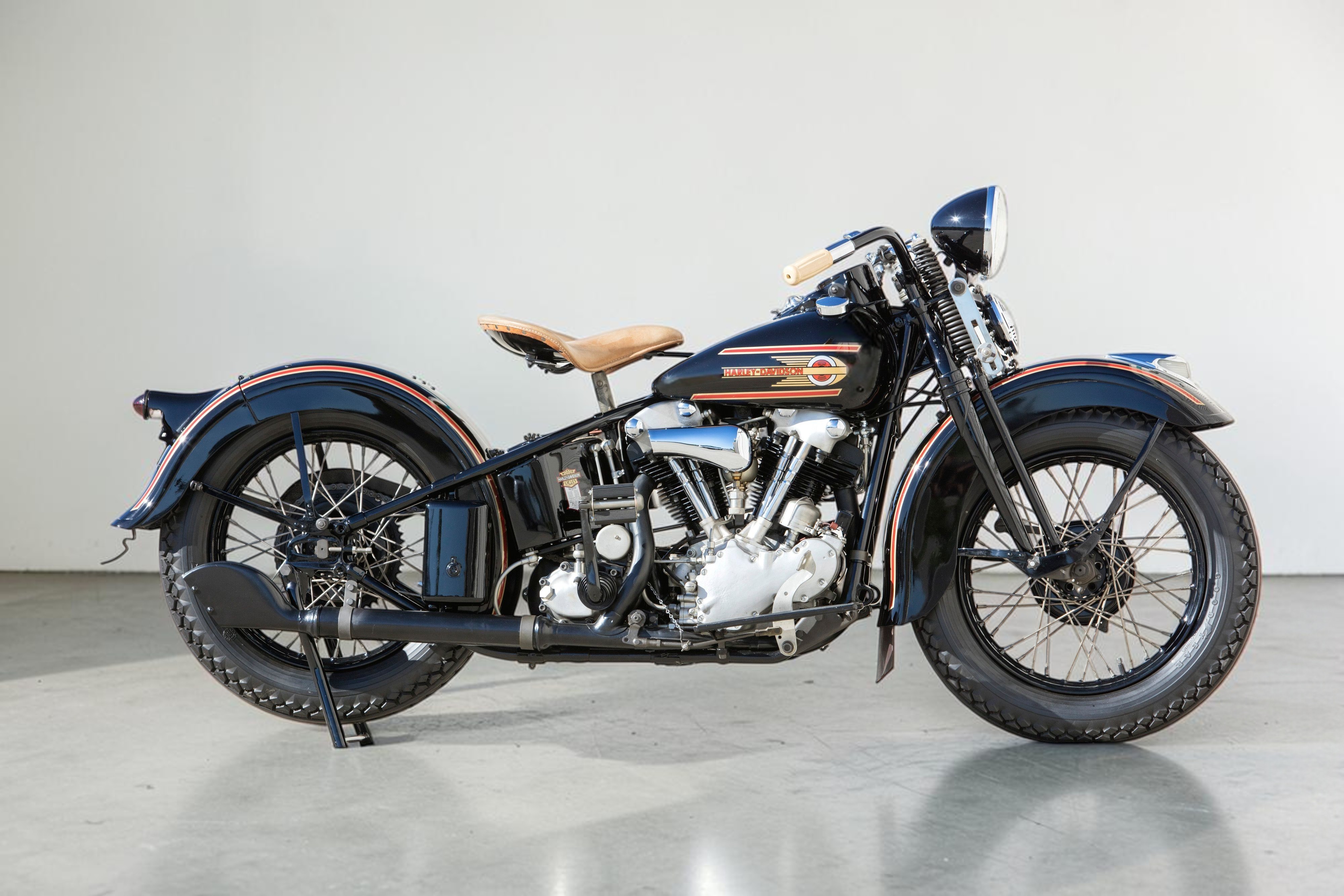
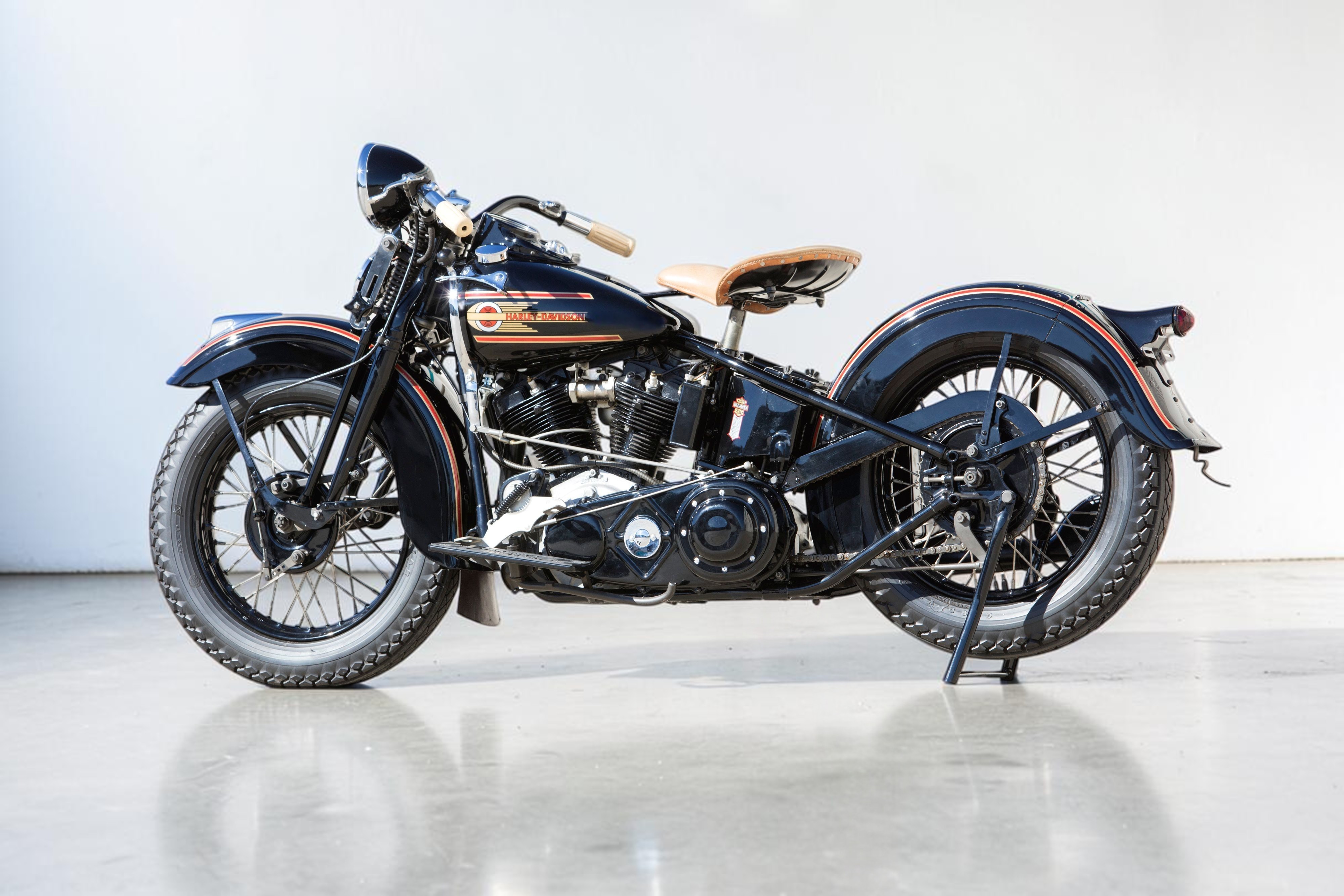
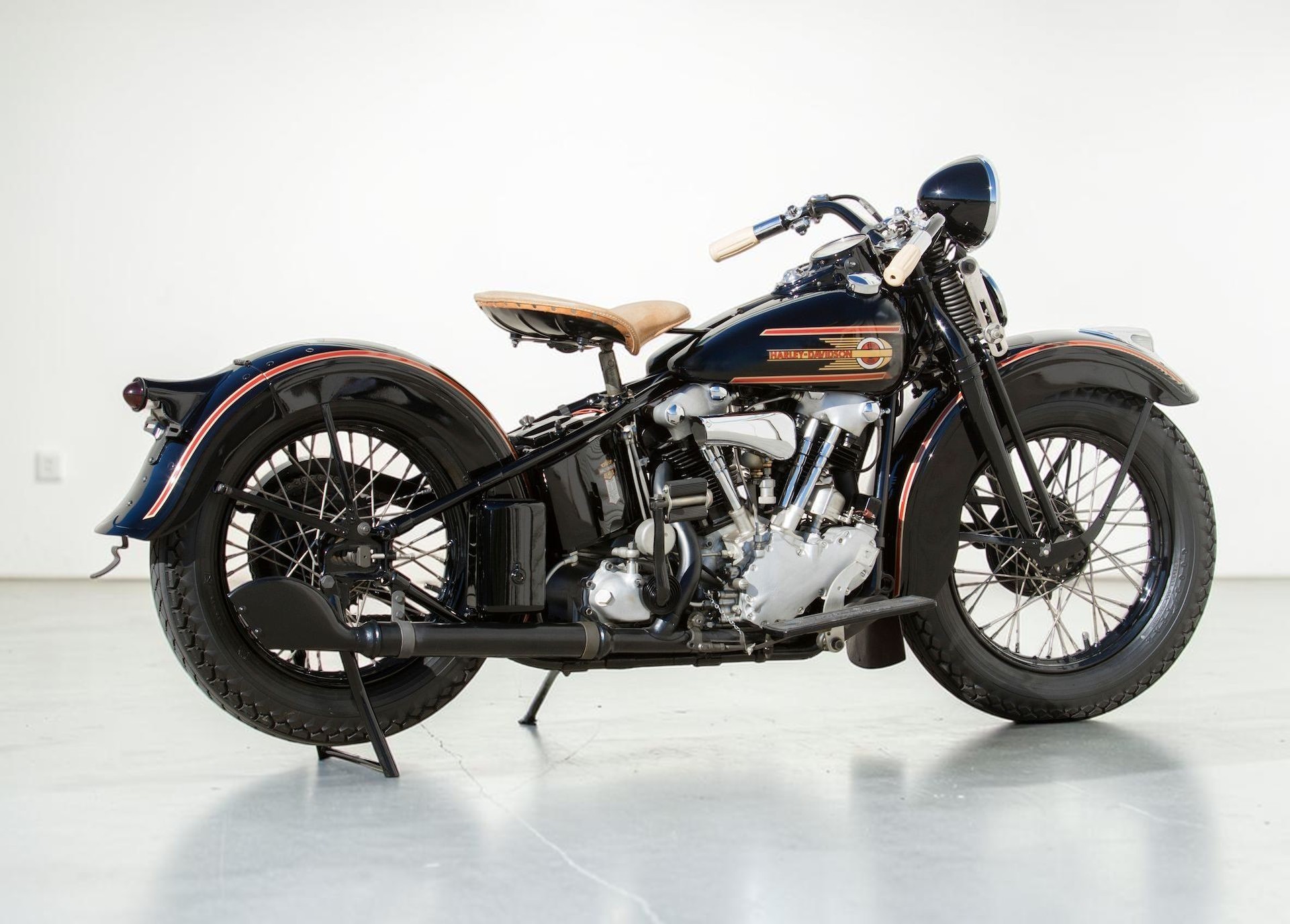
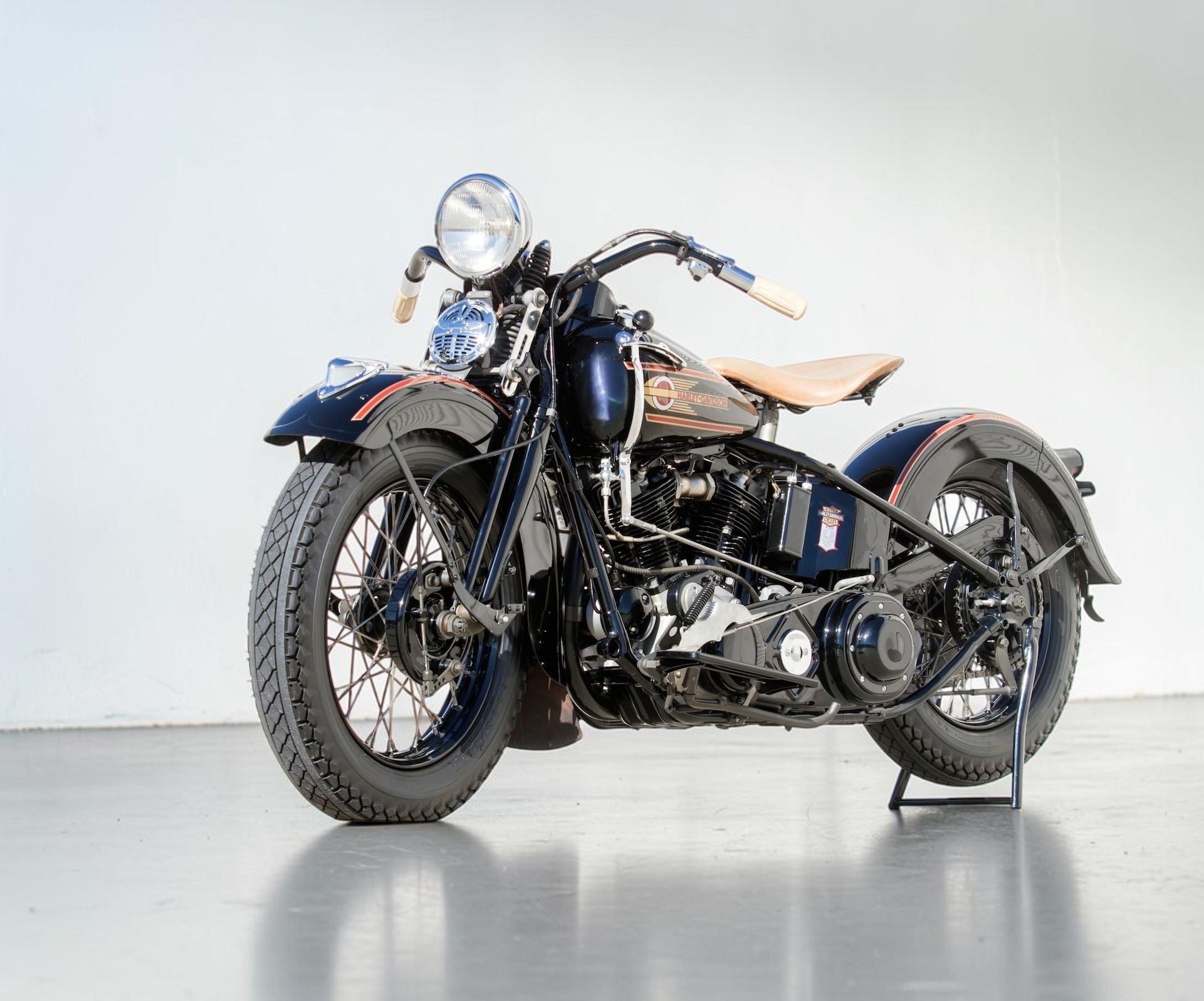
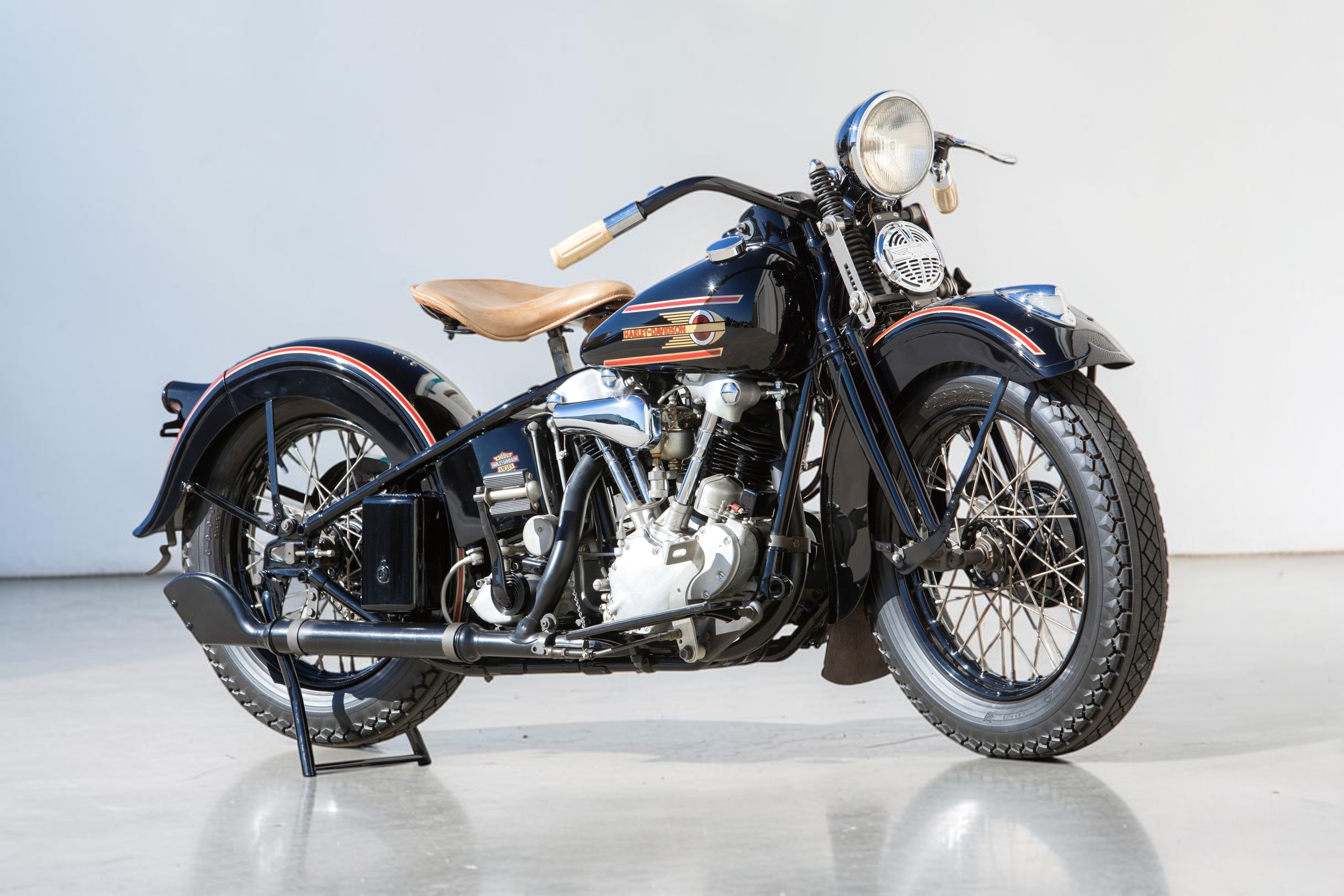
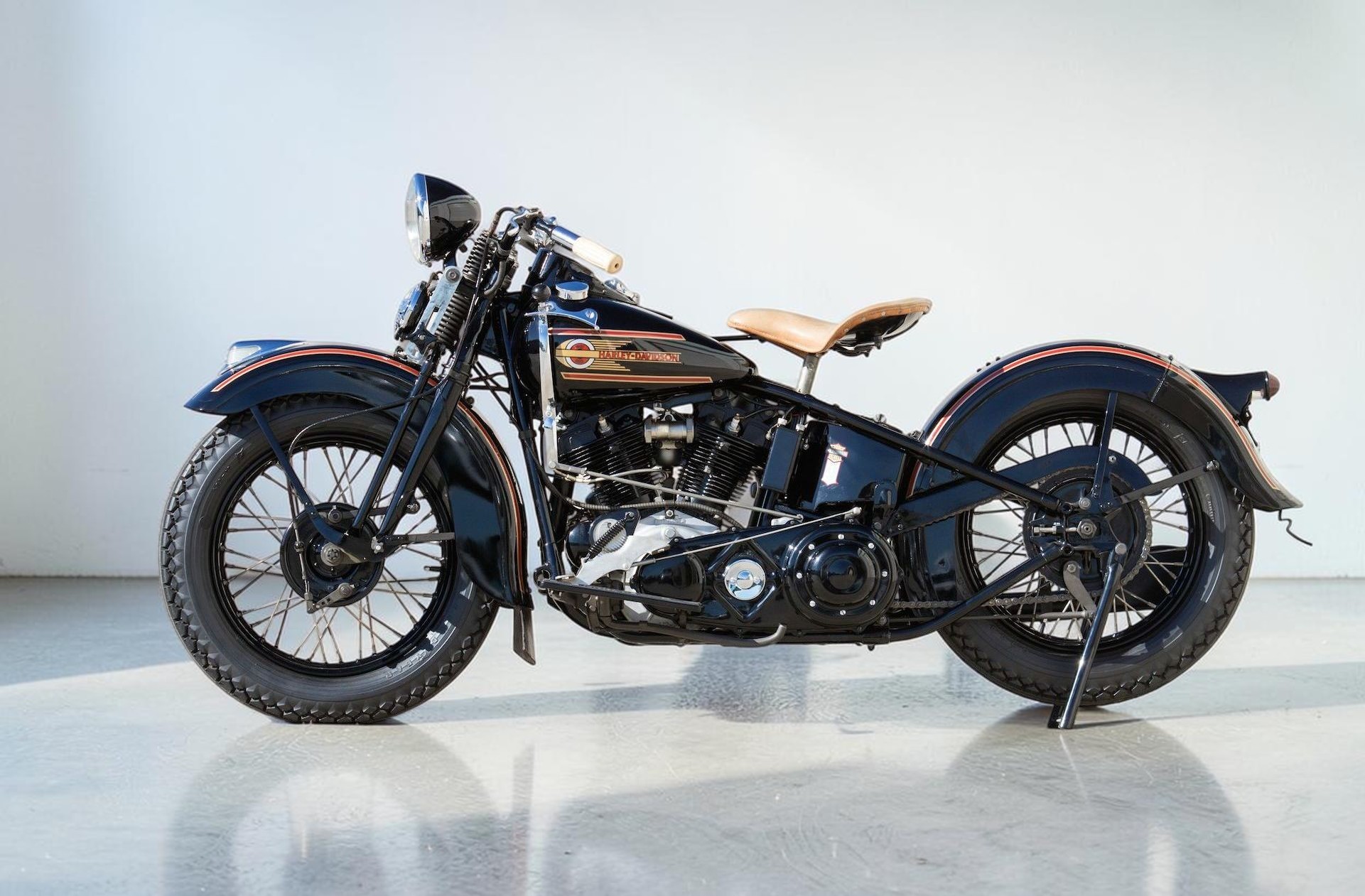
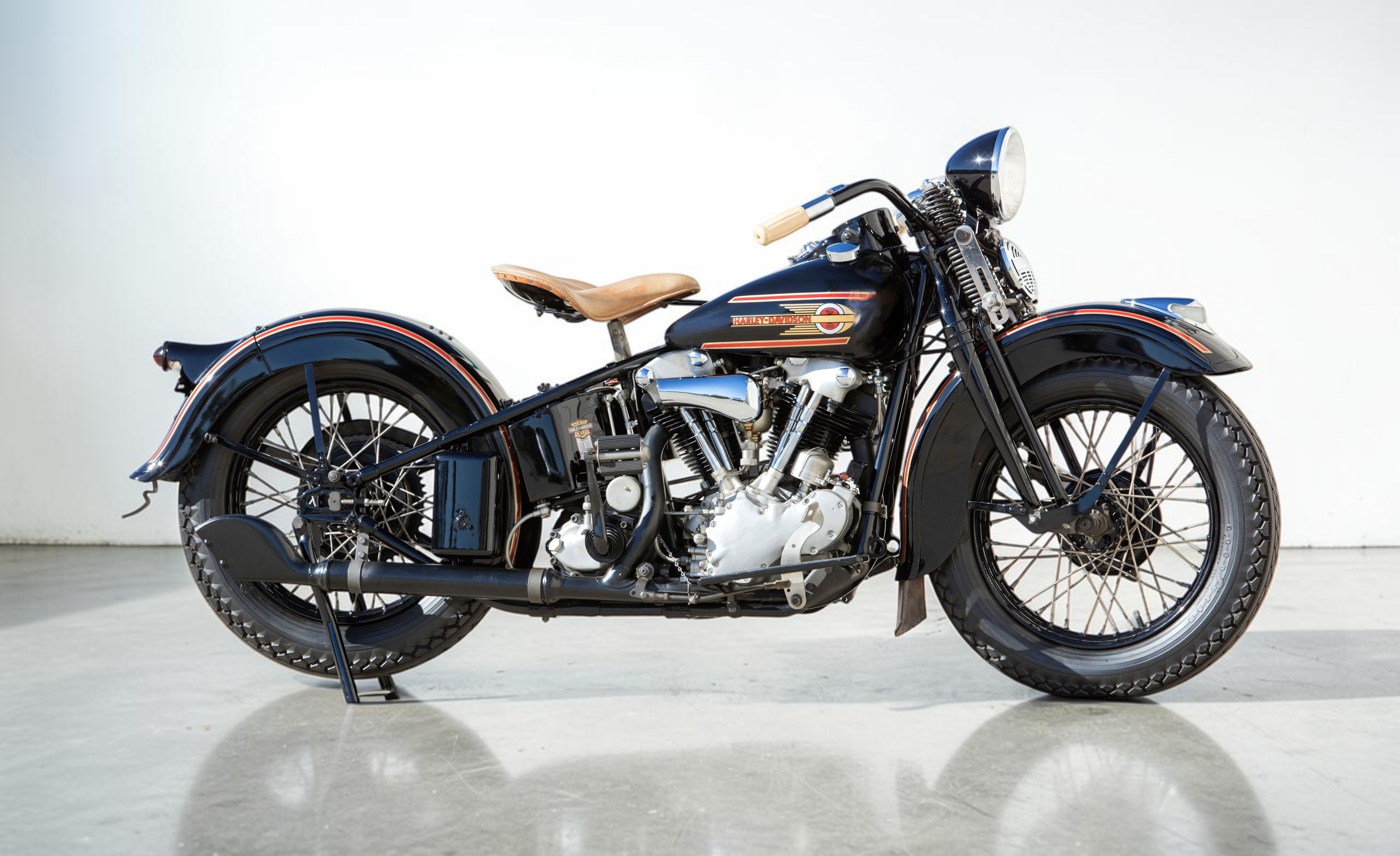
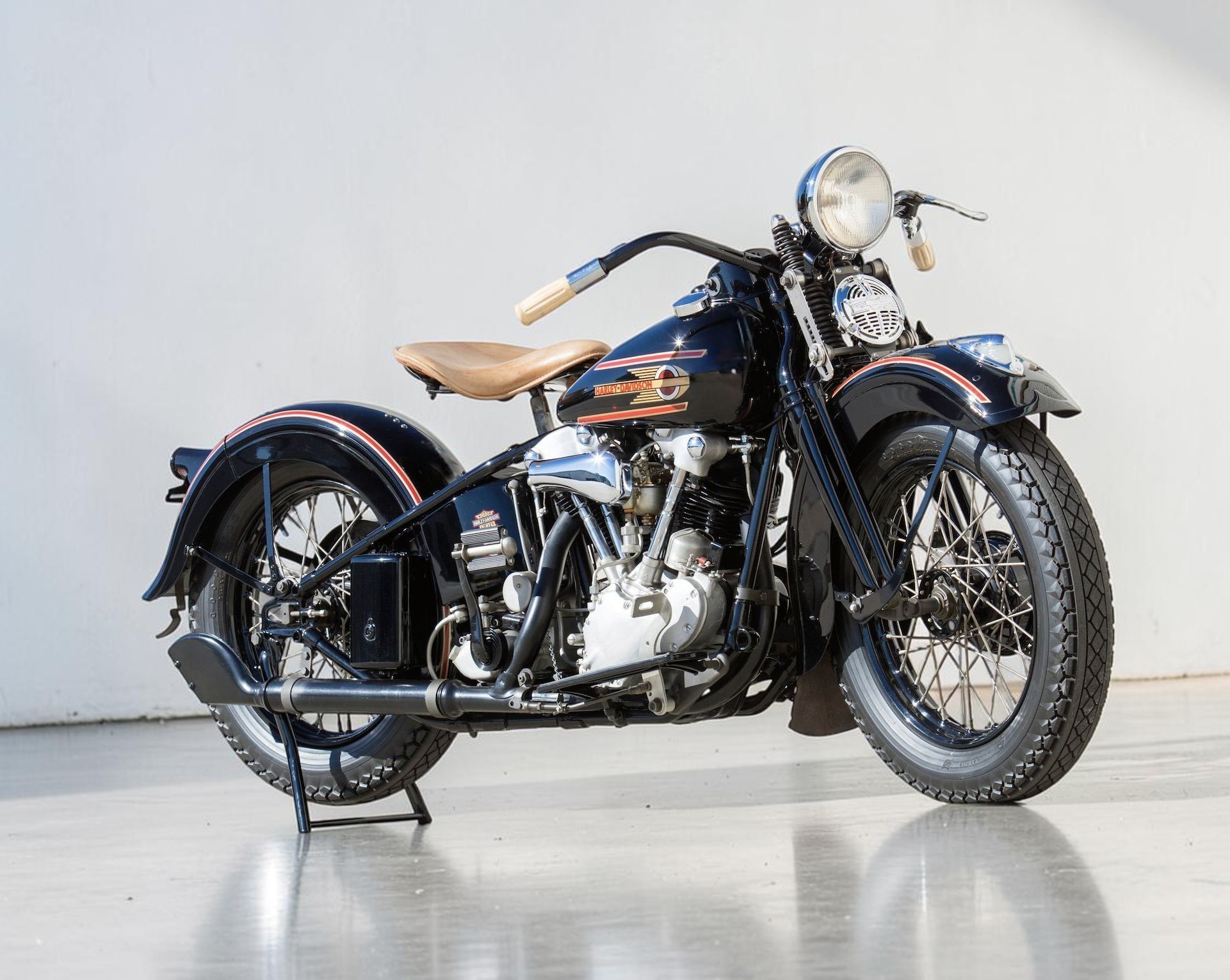
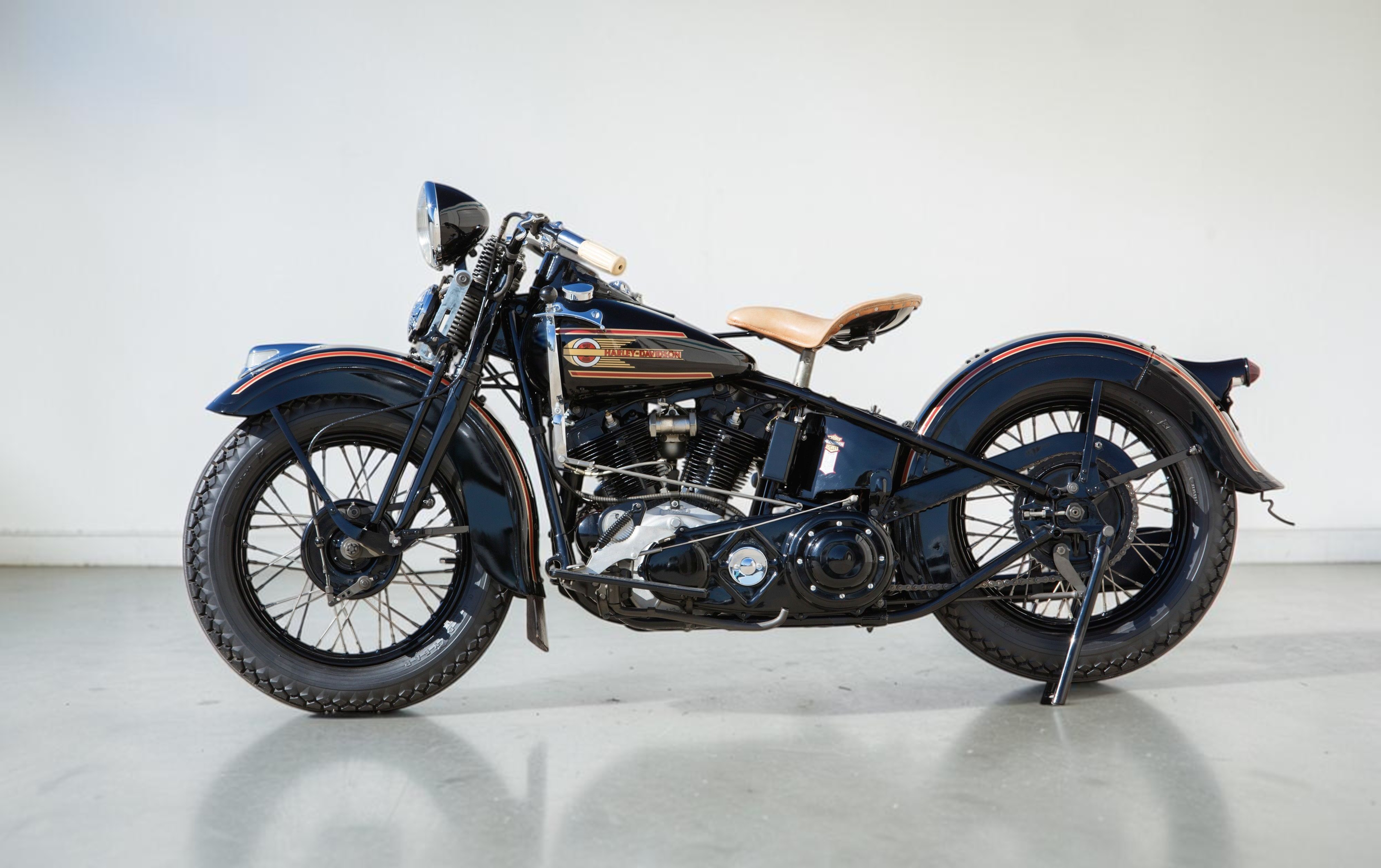
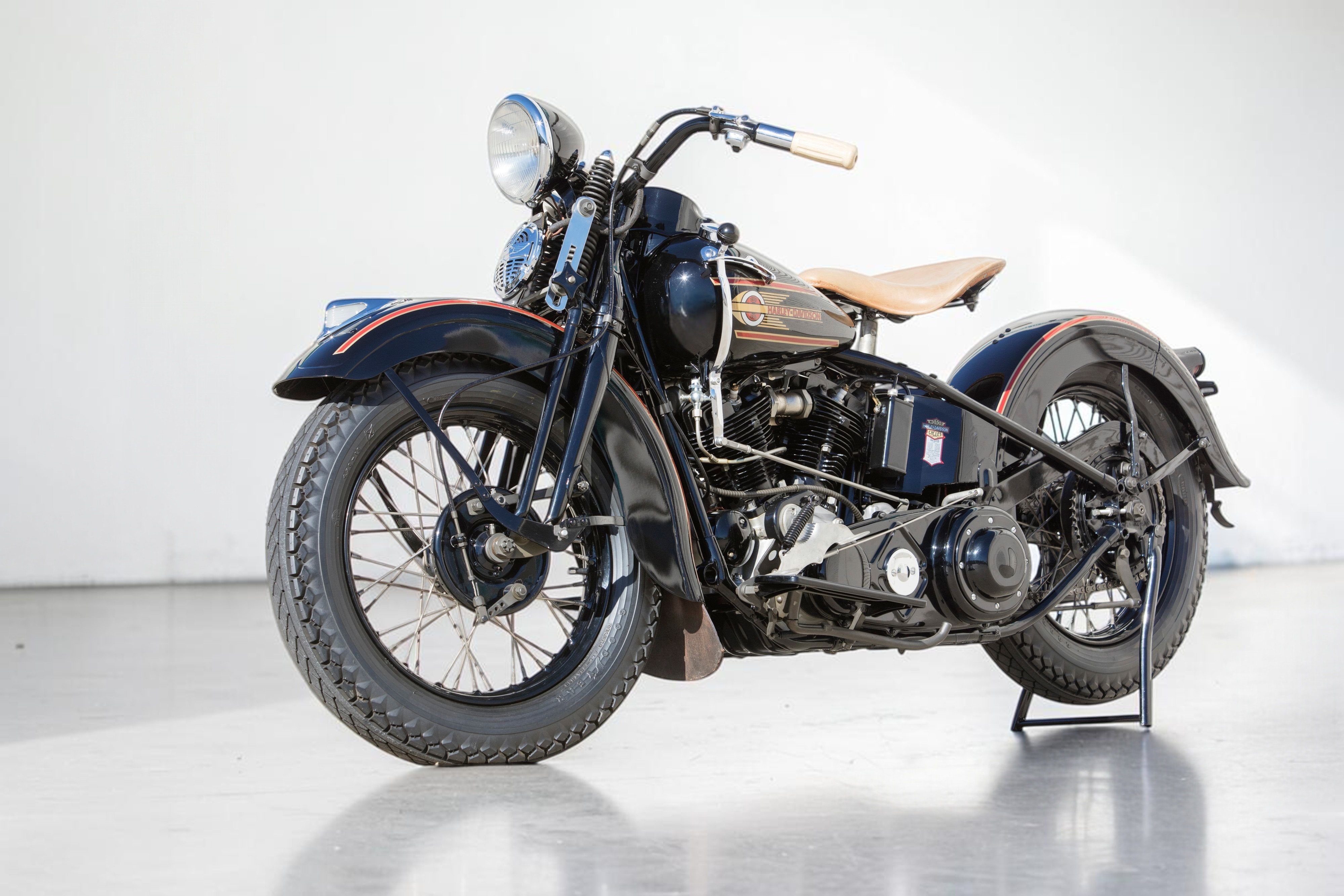
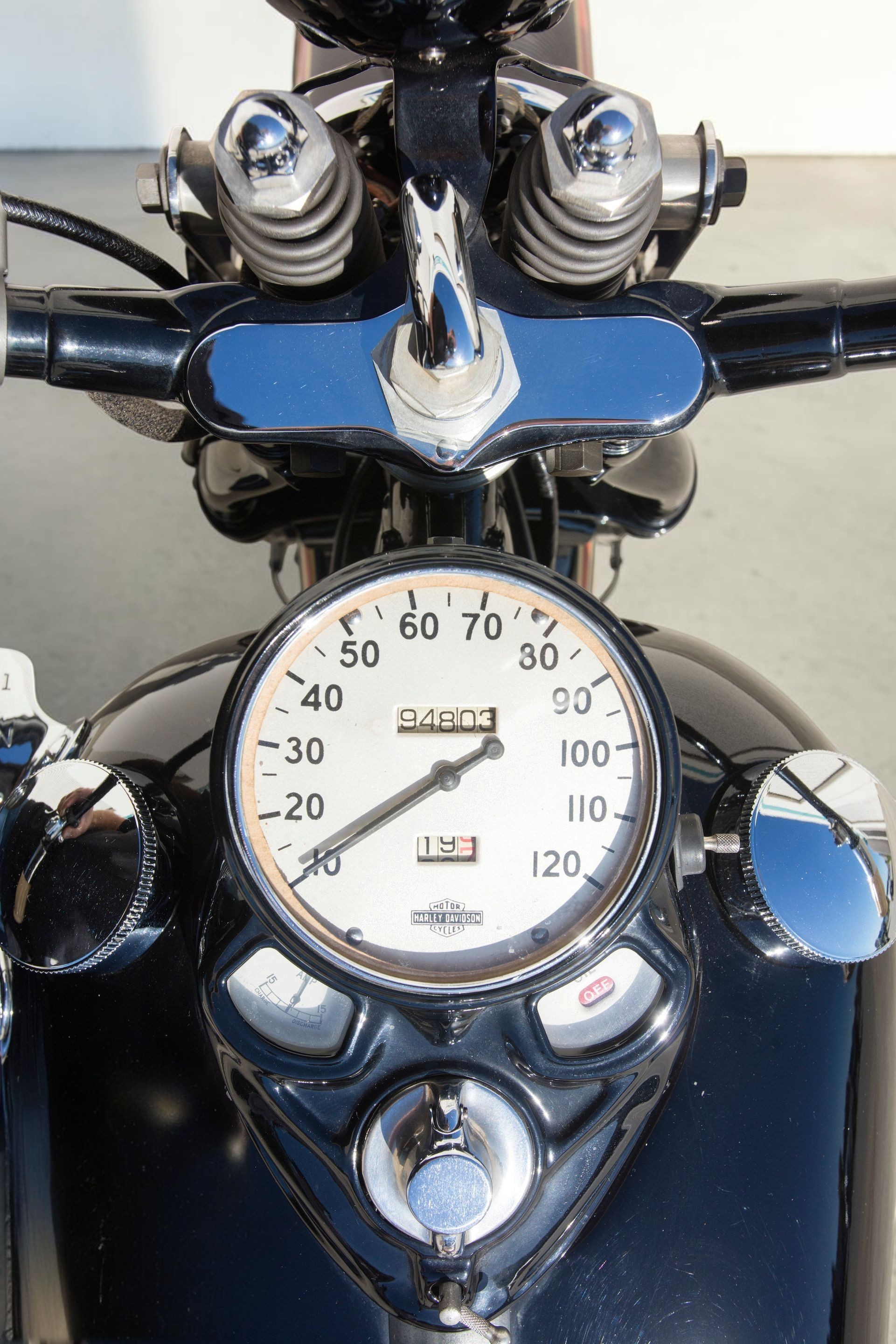
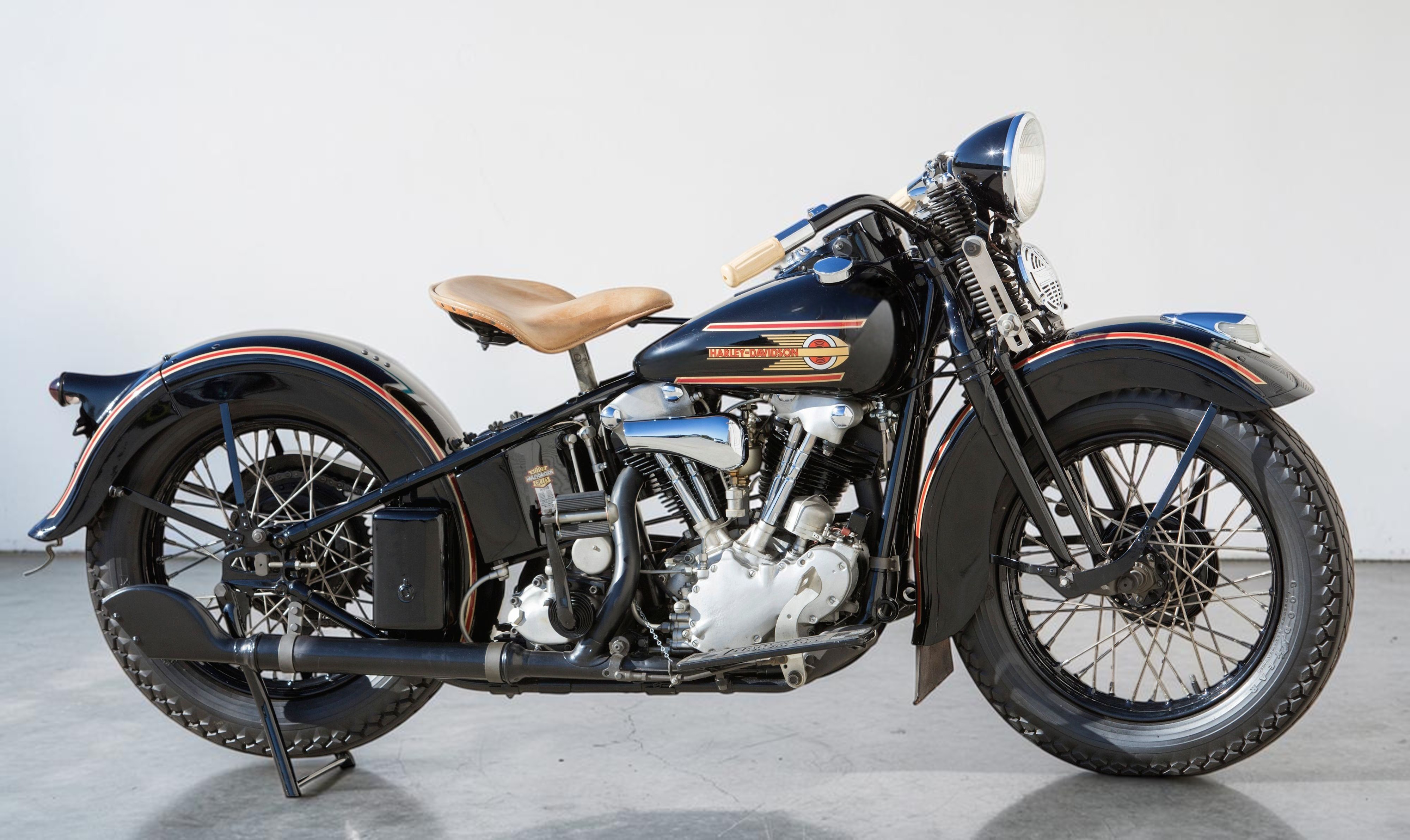
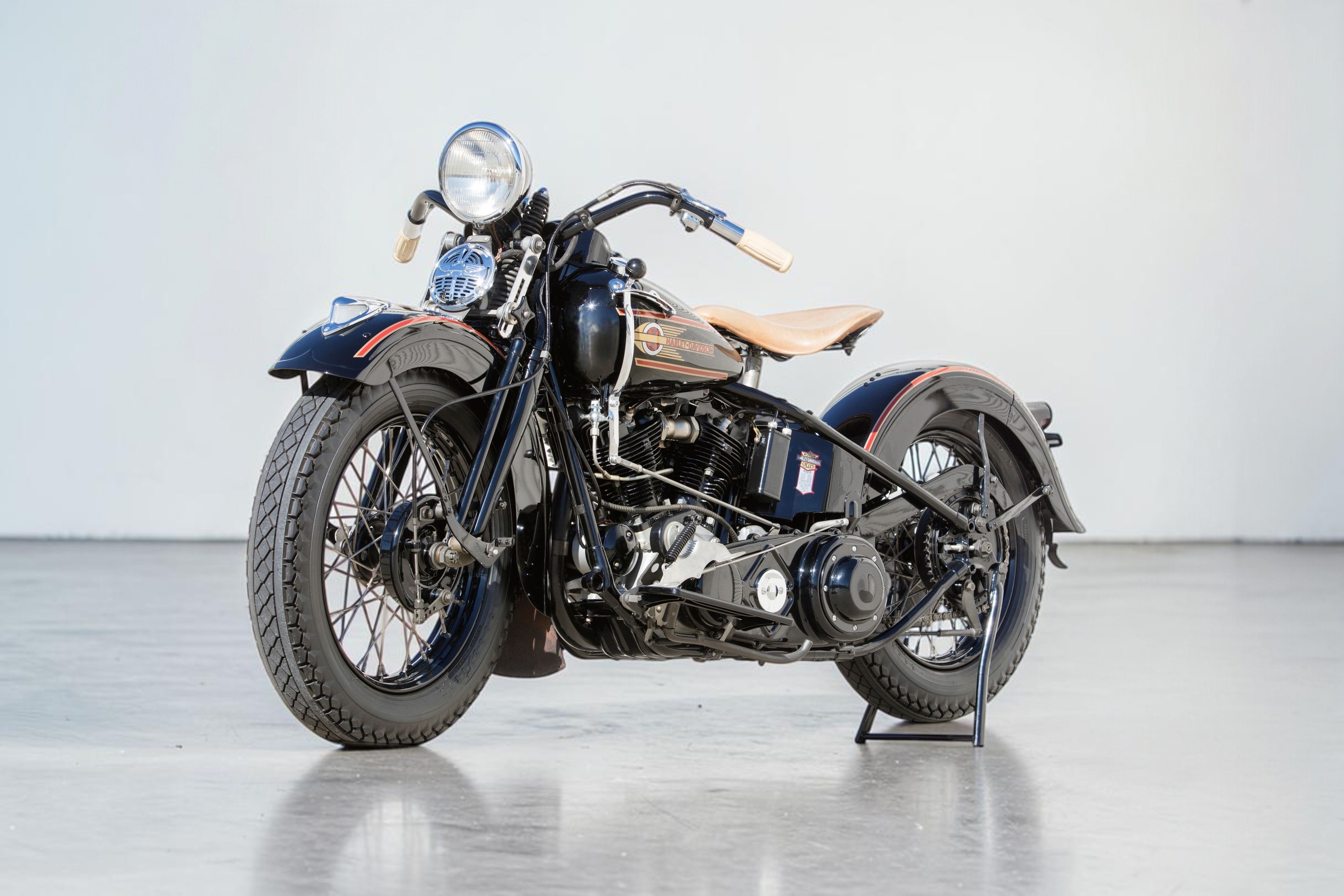
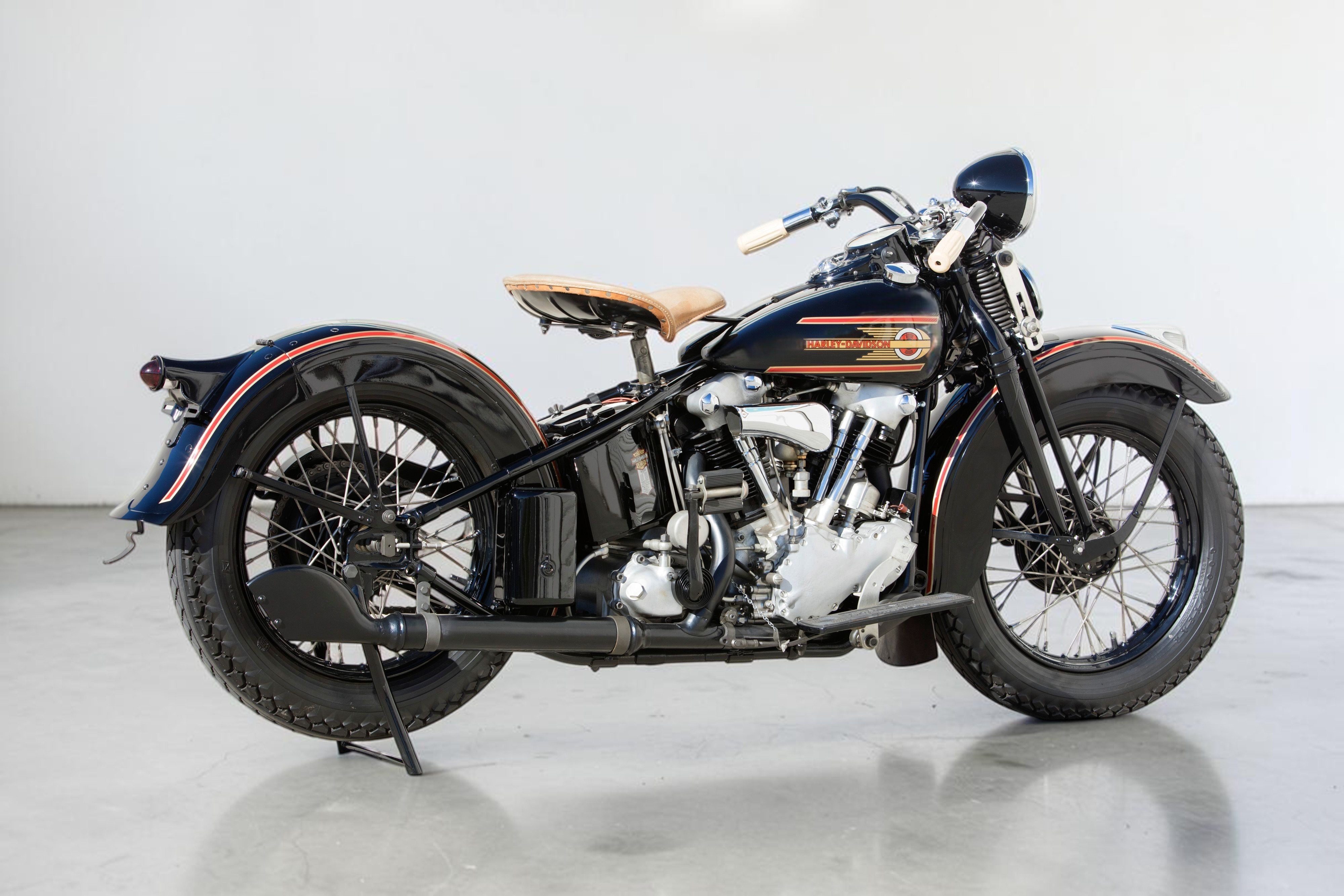
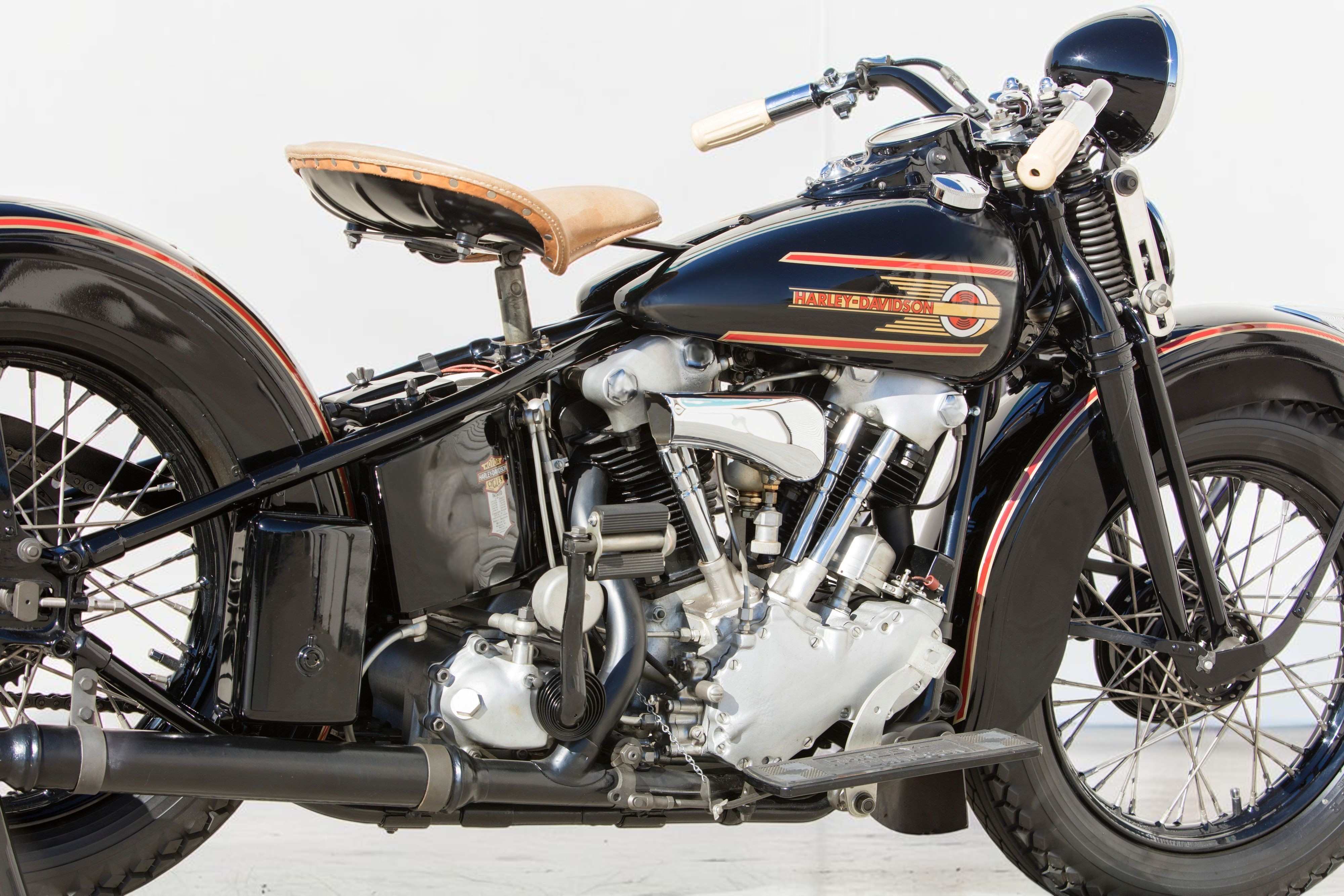
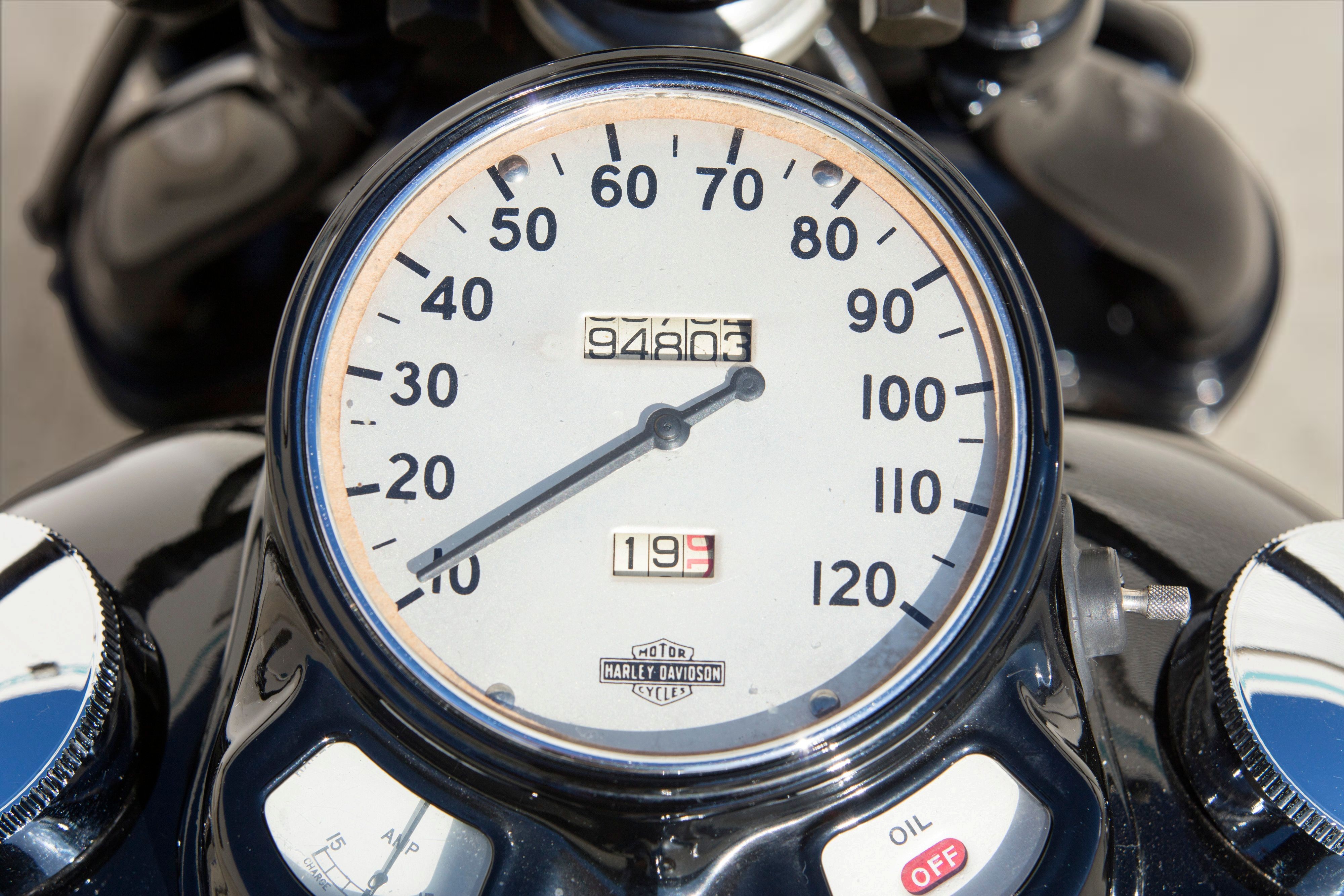
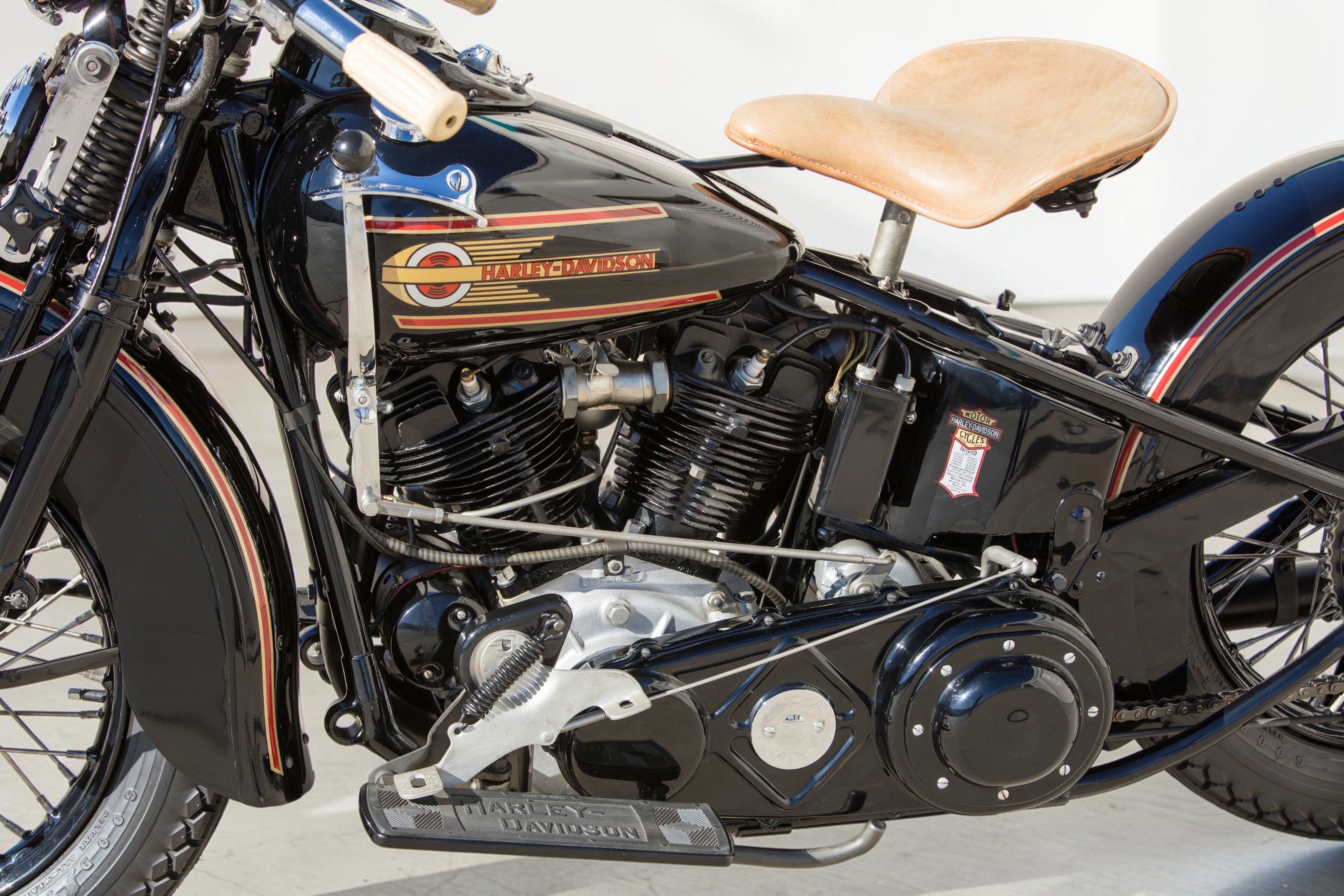
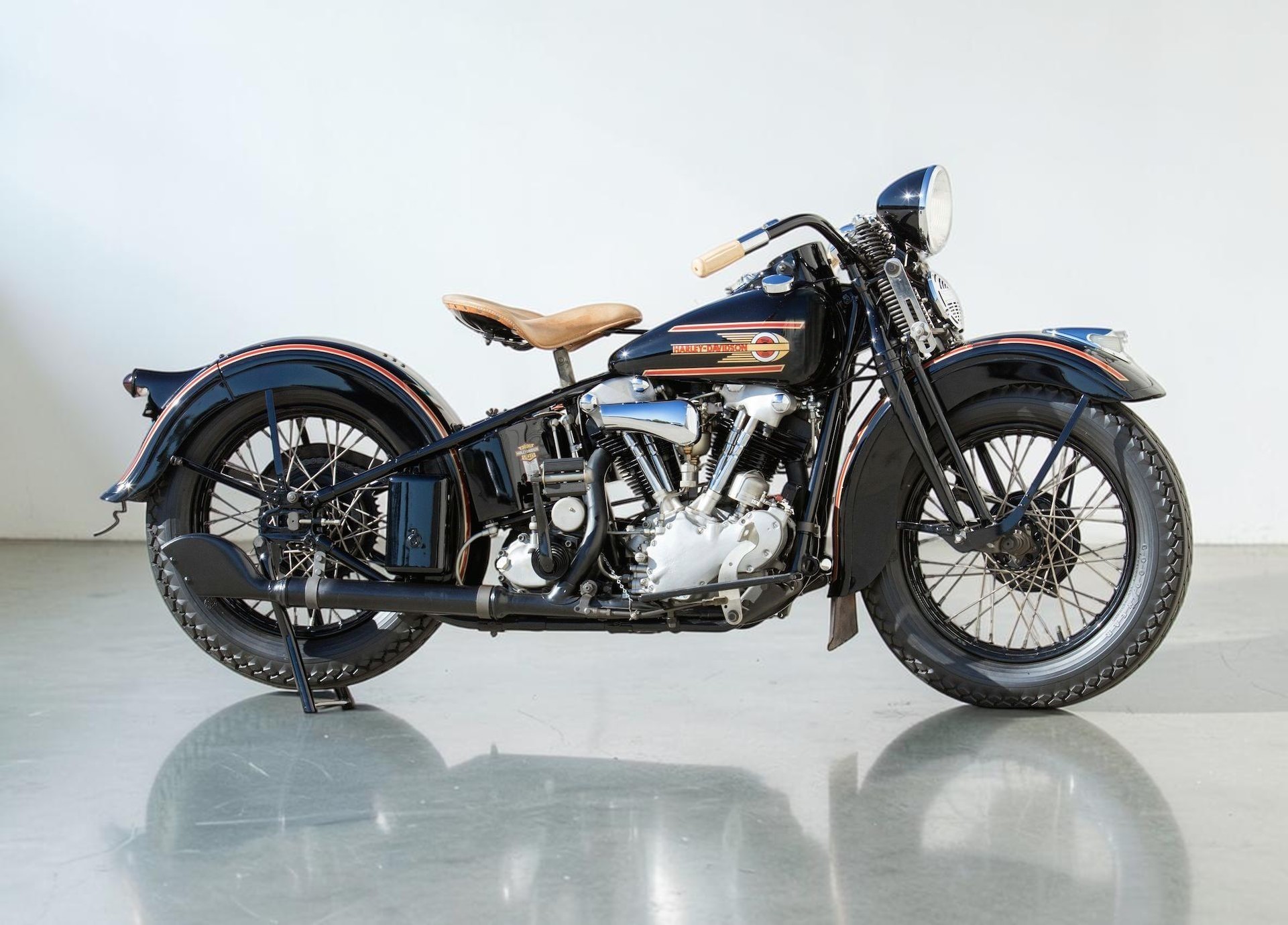
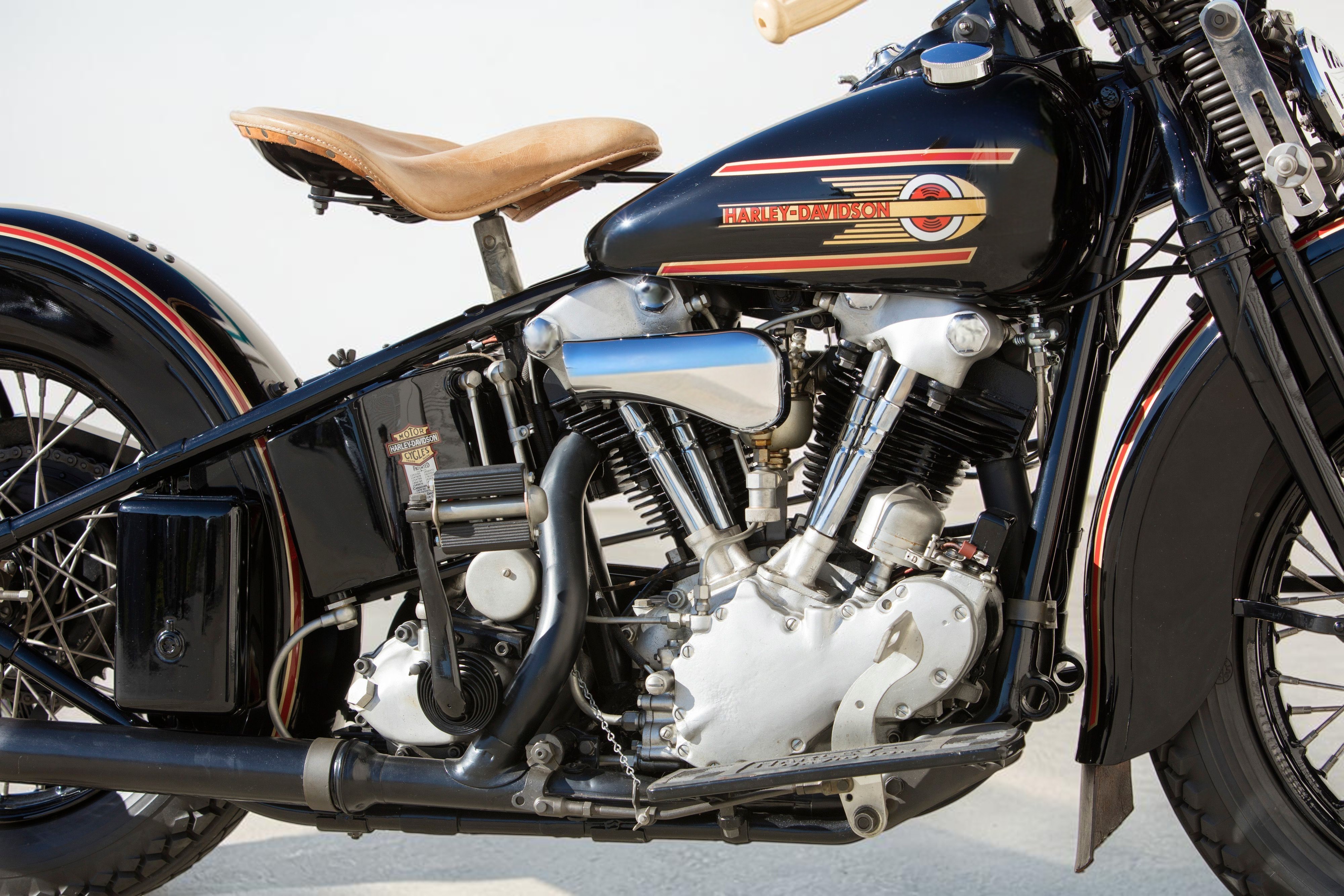
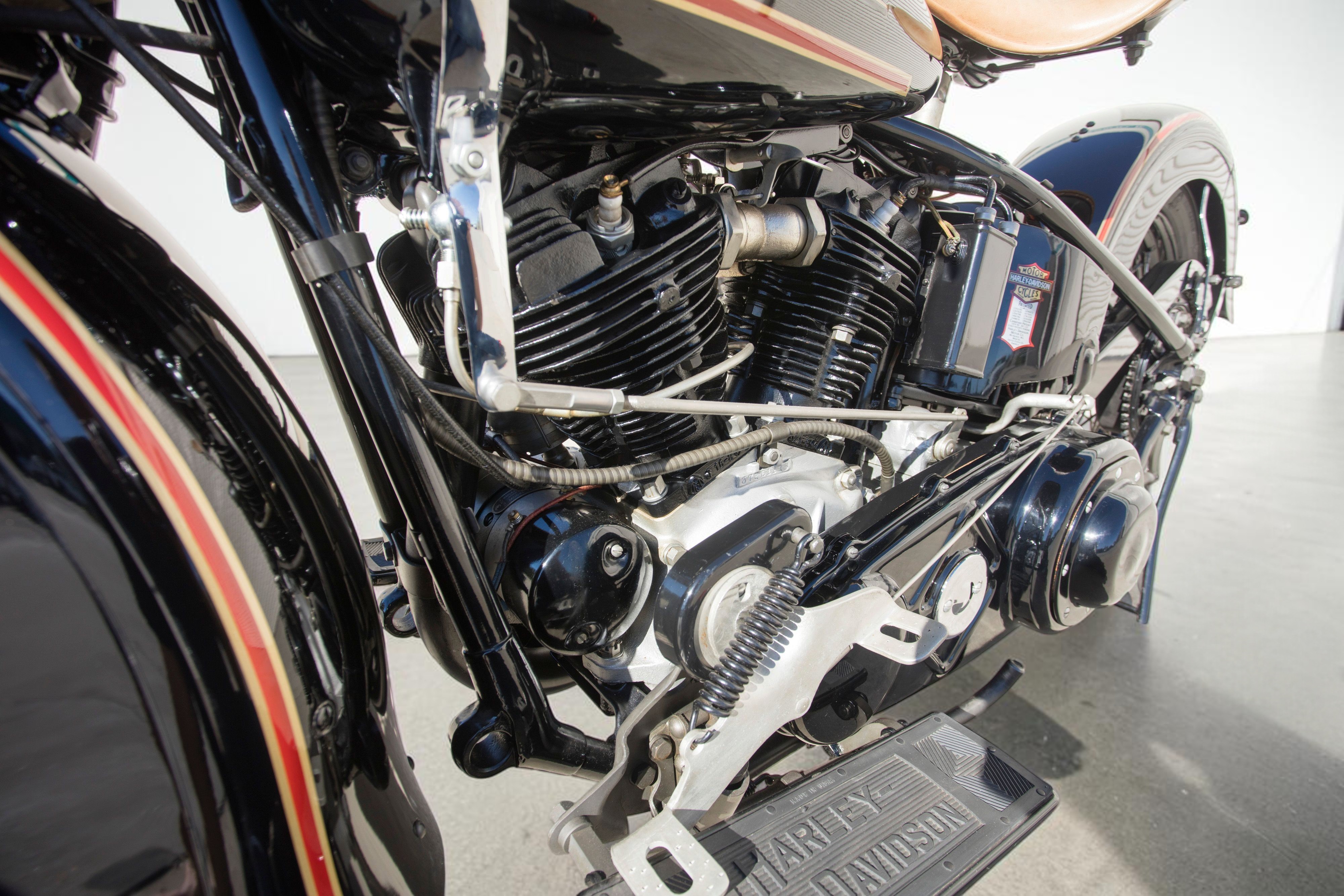
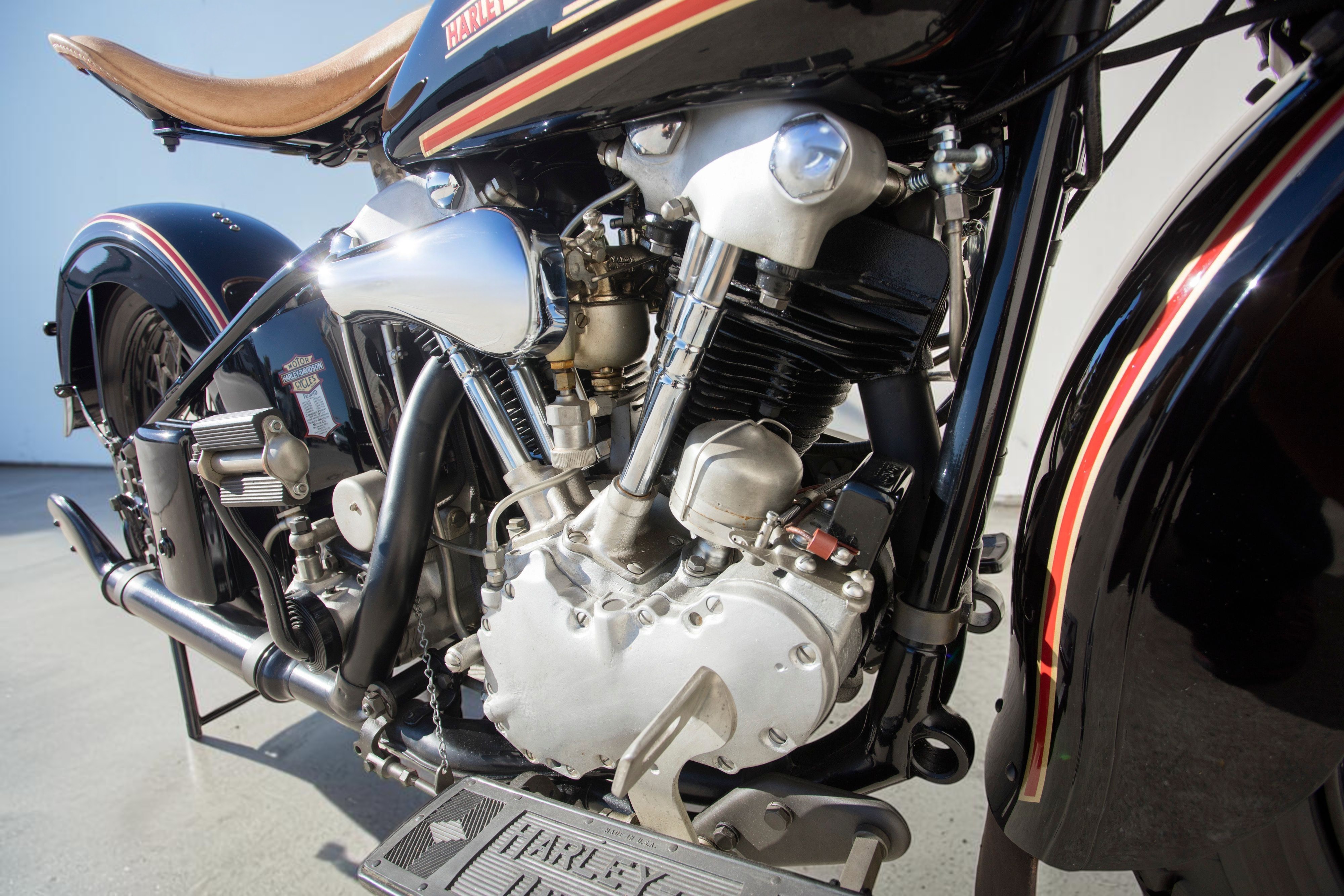
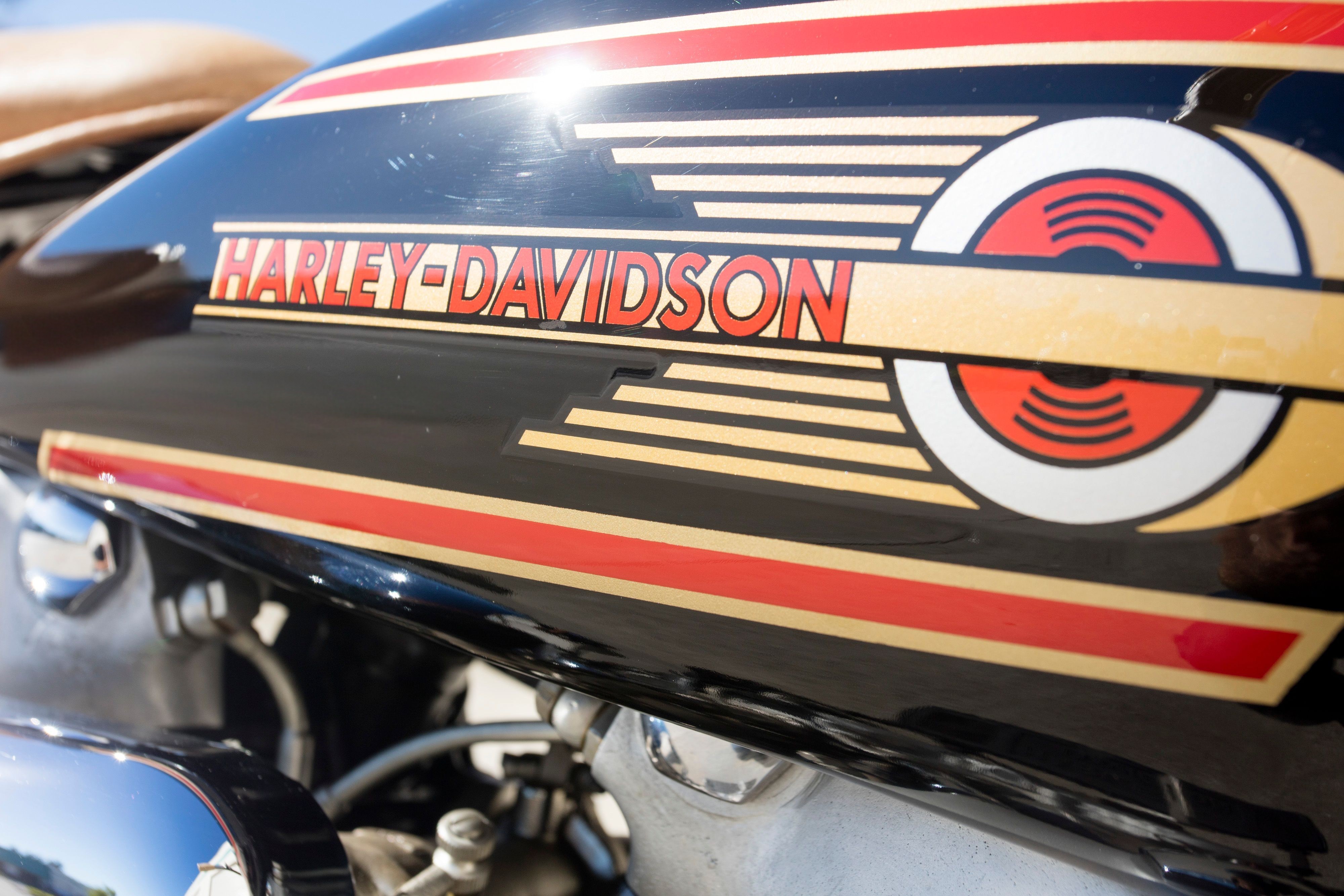
The 1937 Harley-Davidson Model E was a heavyweight American motorcycle powered by Harley-Davidson's 61 cubic-inch Knucklehead overhead-valve V-twin engine. It belonged to the EL-series generation that introduced Harley-Davidson's first production overhead-valve Big Twin and became one of the company's most important pre-war motorcycles.
The Model E used a 61 cubic-inch, approximately 989 cc, air-cooled 45-degree V-twin with overhead valves. The Knucklehead engine provided a major performance advantage over Harley-Davidson's earlier side-valve Big Twins and helped establish the company's reputation for high-performance American V-twin motorcycles.
By 1937, the Knucklehead had undergone several years of development since its introduction for 1936. Improvements to the engine, lubrication system, transmission, chassis, brakes, and styling made the 1937 Model E a mature example of the original Knucklehead design.
The Model E used a three-speed hand-shift transmission, foot-operated clutch, chain primary drive, chain final drive, Springer front fork, rigid rear frame, and mechanical drum brakes.
The 1937 Harley-Davidson Model E is now highly regarded by collectors because it combines the historic first-generation overhead-valve Harley-Davidson Big Twin with the refined specification of the final pre-war years before wartime production changed the company's motorcycle range.
Harley-Davidson introduced the Knucklehead engine for the 1936 model year as a major departure from the company's established side-valve Big Twin architecture.
The original Knucklehead was offered in two principal capacities. The Model E used the 61 cubic-inch engine, while the Model F used the larger 74 cubic-inch version.
The introduction of the overhead-valve engine represented a significant technical advance for Harley-Davidson. The new cylinder heads provided more efficient breathing and allowed the company to produce substantially greater performance than its earlier side-valve engines.
The Knucklehead engine continued to evolve during the late 1930s. Harley-Davidson improved lubrication, valve train components, oil circulation, transmission details, braking, and chassis construction as production progressed.
The 1937 Model E therefore represents a mature version of the original 61 cubic-inch Knucklehead rather than one of the earliest examples of the design.
The motorcycle was produced during an important period immediately before the Second World War. Harley-Davidson was still developing its civilian Big Twin range while preparing for the major production changes that wartime demand would soon bring.
Original engine numbers, frame identification, factory records, registration documents, period photographs, dealer records, ownership history, and restoration documentation can all be valuable when establishing the provenance of a surviving Model E.
The 1937 Harley-Davidson Model E is powered by a 61 cubic-inch, approximately 989 cc, air-cooled four-stroke V-twin engine.
The engine uses a 45-degree cylinder angle and overhead valves. The distinctive rocker-box covers gave the Knucklehead its famous nickname because their shape was said to resemble the knuckles of a clenched fist.
The commonly published bore and stroke dimensions are approximately 3.3125 inches by 3.5 inches, or approximately 84.1 mm by 88.9 mm.
The 61 cubic-inch engine provides a substantial increase in breathing efficiency and performance compared with Harley-Davidson's earlier side-valve Big Twins.
Period specifications commonly list the 61 cubic-inch Knucklehead at approximately 40 horsepower, although published figures can vary according to specification and source.
The engine uses a carburetor and battery-and-coil ignition system with a 6-volt electrical system.
By 1937, Harley-Davidson had continued developing the Knucklehead's oil circulation and engine lubrication systems. The engine's external oil lines and rocker-box assemblies are important visual and mechanical features of the design.
The overhead-valve configuration allowed the Model E to achieve stronger performance while retaining the characteristic low-speed torque and mechanical character expected from a large American V-twin.
Actual performance of a surviving motorcycle depends on engine condition, compression, valve adjustment, ignition timing, carburetor condition, gearing, tire condition, and restoration quality.
The 1937 Harley-Davidson Model E uses a three-speed manual transmission.
The gearbox is operated by a hand-shift mechanism mounted on the left side of the motorcycle, while the clutch is controlled by the rider's foot.
The three-speed transmission was well suited to the broad torque characteristics of the 61 cubic-inch Knucklehead.
Primary drive is by chain, while final drive to the rear wheel is also by chain.
The clutch, transmission, primary chain, final-drive chain, sprockets, and rear hub form a straightforward drivetrain that was designed for durability and ease of service.
The 1937 transmission and primary-drive arrangement represents the mature development of Harley-Davidson's pre-war three-speed Big Twin drivetrain.
On a surviving Model E, correct operation of all three gears, clutch engagement, primary chain adjustment, final-drive alignment, and gearbox bearings should be carefully checked.
The 1937 Model E uses Harley-Davidson's heavyweight steel frame developed for the Knucklehead generation.
The front suspension uses Harley-Davidson's traditional Springer fork, a leading-link design with external springs that had been a characteristic feature of the company's motorcycles for many years.
The rear of the motorcycle uses a rigid frame with no separate rear suspension system.
Rider comfort is provided by the sprung saddle, front fork, and pneumatic tires rather than a modern rear suspension system.
The heavyweight frame was designed to support the large V-twin engine and provide stability during high-speed road use and touring.
The Model E could also be equipped for sidecar operation, although its standard configuration was a solo motorcycle.
Frame alignment, steering-head bearings, fork links, spring condition, engine mounting points, rear axle alignment, and evidence of repairs should all be examined carefully when evaluating an original or restored motorcycle.
The 1937 Harley-Davidson Model E uses spoked wheels with period balloon-style motorcycle tires.
The motorcycle's large wheels and pneumatic tires were designed to provide stability and a reasonable degree of comfort on the road surfaces of the period.
The motorcycle uses mechanical drum brakes, with the braking system operated through mechanical linkages and cables.
The braking technology was appropriate for the late 1930s but is substantially less powerful than modern motorcycle braking systems.
Brake drums, shoes, cables, operating mechanisms, wheel bearings, spokes, rims, and tires should all be inspected before operating a surviving Model E.
Correct wheel alignment and properly adjusted brakes are especially important on a heavyweight motorcycle with the performance capability of the Knucklehead.
The 1937 Harley-Davidson Model E is one of the defining designs of pre-war American motorcycling.
The large 45-degree V-twin, exposed rocker boxes, teardrop fuel tank, deep mudguards, Springer fork, sprung saddle, footboards, wide handlebars, and chain drive create the unmistakable appearance of a late-1930s Harley-Davidson.
The Knucklehead rocker boxes are the most recognizable visual feature of the engine. Their distinctive shape is the source of the Knucklehead nickname that has remained associated with the model for generations.
The Model E also reflects Harley-Davidson's transition toward a more streamlined and cohesive motorcycle design during the late 1930s.
Although the basic architecture remained unmistakably traditional, the motorcycle incorporated significant advances in engine technology compared with the company's earlier F-head and side-valve Big Twin models.
The 61 cubic-inch Model E provided the more compact Knucklehead option within the range, while retaining the same essential overhead-valve concept that made the larger Model F famous.
The 1937 Harley-Davidson Model E was the 61 cubic-inch version of the Knucklehead Big Twin.
The approximately 989 cc overhead-valve V-twin used the mature 61 cubic-inch Knucklehead specification and produced approximately 40 horsepower according to commonly published period specifications.
The motorcycle retained the three-speed hand-shift transmission, foot-operated clutch, chain primary drive, chain final drive, Springer front fork, rigid rear frame, and mechanical drum brakes.
The 1937 Model E was offered as part of Harley-Davidson's civilian heavyweight motorcycle range immediately before the Second World War.
It should be distinguished from the 74 cubic-inch Model F, which used the larger Knucklehead engine, and from the later E-series Knuckleheads that incorporated post-war developments.
The 1937 motorcycle is particularly significant because it represents the mature pre-war form of the 61 cubic-inch Knucklehead before wartime production altered Harley-Davidson's civilian model range.
The 1937 Harley-Davidson Model E provides the distinctive riding experience associated with an early overhead-valve American V-twin.
The 61 cubic-inch Knucklehead produces considerably more performance than Harley-Davidson's earlier side-valve Big Twins while retaining strong low-speed torque.
The engine has a deliberate and substantial power delivery, with the overhead-valve cylinder heads allowing the engine to breathe more effectively than the earlier flathead designs.
The three-speed hand-shift transmission and foot-operated clutch require a different technique from modern motorcycles, but the controls are well suited to the mechanical layout of the period.
The Springer front fork and rigid rear frame provide a characteristic vintage ride. The large pneumatic tires and sprung saddle provide additional cushioning but cannot match the suspension performance of a modern motorcycle.
The Model E's performance should always be considered in the context of its period braking and chassis technology. A properly maintained example can be capable of brisk road speeds, but it requires considerably more anticipation than a modern motorcycle.
The 1937 Harley-Davidson Model E is historically important because it represents the mature development of Harley-Davidson's first production overhead-valve Big Twin engine.
The Knucklehead transformed Harley-Davidson's heavyweight motorcycle range when it was introduced in 1936.
The overhead-valve design allowed greater performance and breathing efficiency than the company's earlier side-valve Big Twins and established a technical foundation that would influence later Harley-Davidson V-twin development.
The Model E's 61 cubic-inch engine was the smaller of the two original Knucklehead capacities and provided a balance between performance, weight, and practical road use.
The 1937 model was produced at the end of the pre-war development period. Within only a few years, wartime requirements would dominate Harley-Davidson production and lead to motorcycles such as the WLA military model.
The Model E therefore represents an important snapshot of Harley-Davidson engineering immediately before the Second World War.
The 1937 Harley-Davidson Model E is one of the most significant pre-war Harley-Davidson motorcycles for collectors.
The Knucklehead name has become closely associated with Harley-Davidson's transition to overhead-valve Big Twin engines, making surviving original examples particularly desirable.
Collectors pay close attention to the engine cases, rocker boxes, cylinder heads, valve train components, frame, transmission, fuel tanks, fork, wheels, brakes, carburetor, ignition equipment, exhaust system, and controls when assessing originality.
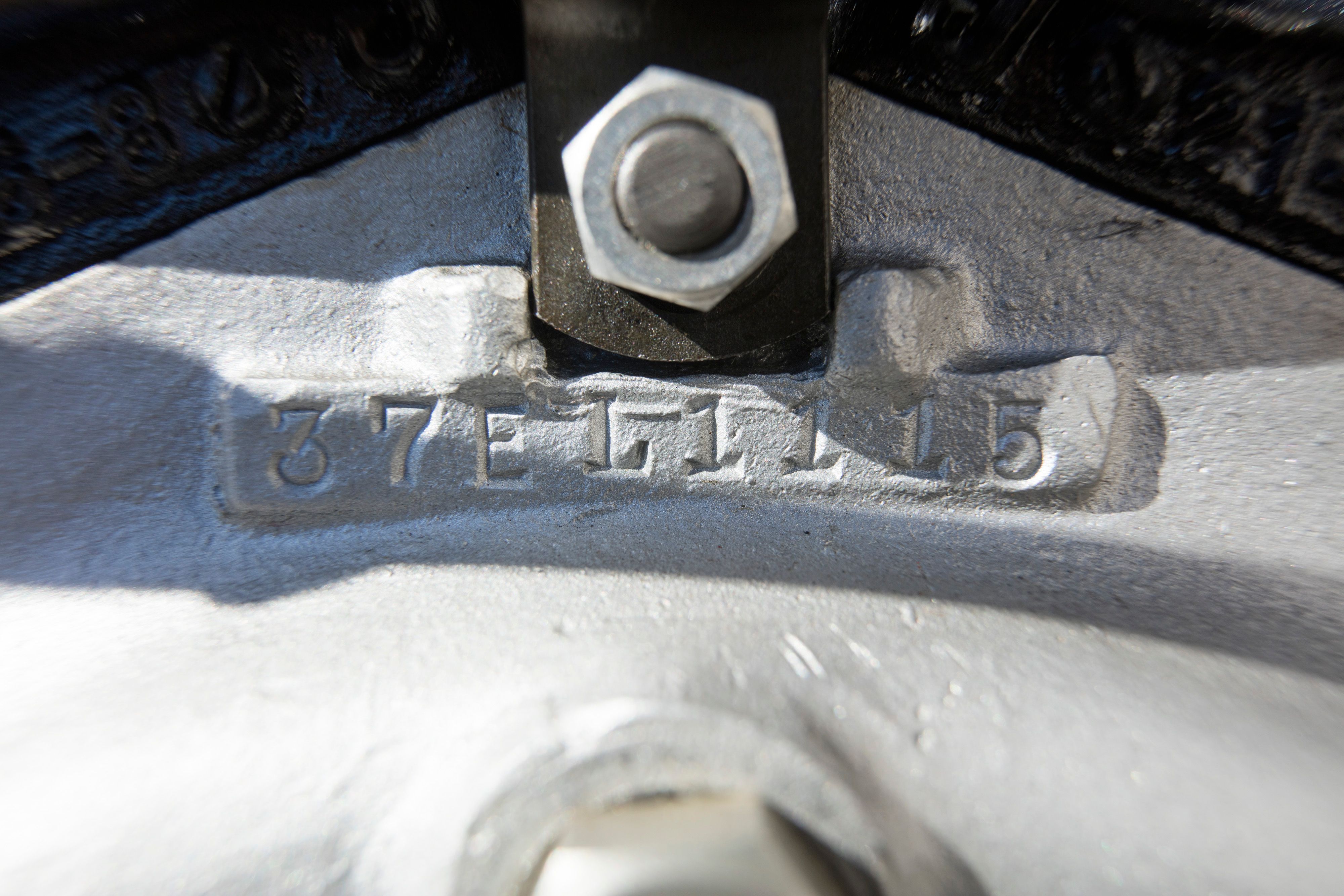
Engine and frame numbers are especially important because they can help establish the identity and production history of an individual motorcycle.
Original factory documentation, period registration records, photographs, dealer records, service history, and previous ownership documentation can substantially strengthen provenance.
Because Knuckleheads have been highly collectible for decades, many surviving motorcycles have undergone restorations using reproduction parts or components from other years. Correct dating of individual components is therefore essential when evaluating originality.
Authenticating a 1937 Harley-Davidson Model E requires examination of the complete motorcycle rather than relying on its appearance alone.
The motorcycle should have the 61 cubic-inch Knucklehead overhead-valve V-twin associated with the Model E.
The engine should be distinguished from the 74 cubic-inch Model F Knucklehead and from Harley-Davidson's earlier side-valve Big Twins such as the VL and VLD.
The distinctive Knucklehead rocker boxes, overhead-valve cylinder heads, engine cases, frame, transmission, fuel tanks, Springer fork, wheels, brakes, carburetor, and electrical equipment should all be consistent with the claimed model year.
Engine and frame identification numbers should be checked against reliable Harley-Davidson historical records wherever possible.
The presence of reproduction rocker boxes, later engine components, replacement frames, or mixed-year parts does not automatically make a motorcycle historically unimportant, but such components should be identified clearly when assessing originality.
A strong original or correctly restored Model E should demonstrate consistency between its engine, frame, drivetrain, chassis components, controls, and available historical documentation.
The 1937 Harley-Davidson Model E matters because it represents one of the most important stages in the development of Harley-Davidson's overhead-valve V-twin motorcycles.
Its 61 cubic-inch Knucklehead engine introduced a level of breathing efficiency and performance that distinguished it from the company's earlier side-valve Big Twins.
The motorcycle combines this advanced-for-its-time engine with the traditional Harley-Davidson chassis of the late 1930s, including the Springer fork, rigid frame, hand-shift transmission, chain drive, and mechanical drum brakes.
The 1937 model also occupies a significant historical position immediately before the Second World War transformed Harley-Davidson's production priorities.
For collectors of American motorcycles, the Model E offers an important combination of engineering innovation, recognizable styling, pre-war historical significance, and the unmistakable character of the original Harley-Davidson Knucklehead.
This 1937 Harley-Davidson Model E represents the 61 cubic-inch version of Harley-Davidson's legendary Knucklehead and belongs to one of the most important periods in the development of the American V-twin motorcycle.
The approximately 989cc overhead-valve V-twin provides the defining mechanical character of the Knucklehead, combining stronger breathing and performance with the substantial torque of a large 45-degree American V-twin.
The motorcycle retains the traditional Harley-Davidson three-speed hand-shift transmission, foot-operated clutch, chain primary and final drives, Springer front fork, rigid rear frame, spoked wheels, and mechanical drum brakes.
The 1937 Model E is particularly significant because it represents a mature pre-war version of Harley-Davidson's first production overhead-valve Big Twin before wartime motorcycle production changed the company's priorities.
Its Knucklehead engine, distinctive rocker boxes, late-1930s styling, and important place in Harley-Davidson engineering history make the Model E one of the most recognizable and collectible American motorcycles of its era.
For more information about the Harley-Davidson marque and other historic models, visit Harley-Davidson vintage motorcycles.
Contact us for additional photographs, detailed specifications, engine and frame numbers, service history, originality assessment, provenance, restoration details, historical documentation, and purchasing information for this 1937 Harley-Davidson Model E Knucklehead.
The Vintage Motorcycles presents a curated selection of historically significant American motorcycles, centered on Harley-Davidson, a defining name in United States motorcycle engineering and one of the most influential manufacturers in global motorcycling history. From early single-cylinder machines to large-displacement V-twin platforms, Harley-Davidson represents the evolution of American industrial power translated into mechanical mobility.
This collection is part of a broader historical archive of global manufacturers, accessible through our global vintage motorcycle brands archive, where American engineering is positioned alongside European developments to illustrate the parallel evolution of motorcycle design philosophies. Harley-Davidson's identity is deeply rooted in the industrial expansion of the United States, where engineering focused on torque, durability, and long-distance usability. These machines are best understood within the framework of pre-war motorcycle engineering (1900-1937), a period that established the mechanical foundations of modern motorcycling.
Each motorcycle within our collection is selected based on provenance, originality, and mechanical authenticity, ensuring alignment with museum-grade preservation standards. Available machines can be explored through our global vintage motorcycle inventory, including historically significant American machines that reflect early road expansion and long-distance riding culture. All acquisitions are supported by a fully insured international shipping service, ensuring secure global delivery for collectors and institutions.
American motorcycle engineering developed through a strong industrial foundation, where scalability, durability, and torque-focused design became defining characteristics. Harley-Davidson emerged as one of the most recognizable expressions of this philosophy, producing V-twin motorcycles that prioritized low-end power delivery and long-distance reliability.
This engineering evolution can be contextualized within broader historical developments, beginning with the experimental foundations of the pre-war motorcycle era, when global manufacturers were still defining basic mechanical architectures. During World War II, American motorcycle production shifted toward military requirements, where reliability and field performance became critical, as seen in military motorcycle development. In the post-war period, these engineering principles evolved into standardized production systems supporting global consumer demand, reflected in post-war motorcycle development.
Key Highlights
Collector Assurance
All enquiries handled with discretion. We typically respond within 6 hours.
Choose the payment method that is most convenient for you. We accept widely used international payment methods as well as, where available, local bank transfer options that allow you to pay like a domestic transaction. Full payment instructions are provided for your specific purchase.
Direct international bank wire transfer is available for motorcycle purchases and export transactions.
Credit card payments can be arranged through Wise.com, subject to the applicable payment and processing conditions.
PayPal is accepted. A 5% PayPal processing fee applies to the transaction.