
The Vintage Motorcycles
Specialists in antique, classic, veteran and vintage motorcycles.
Specialists in antique, classic, veteran and vintage motorcycles.
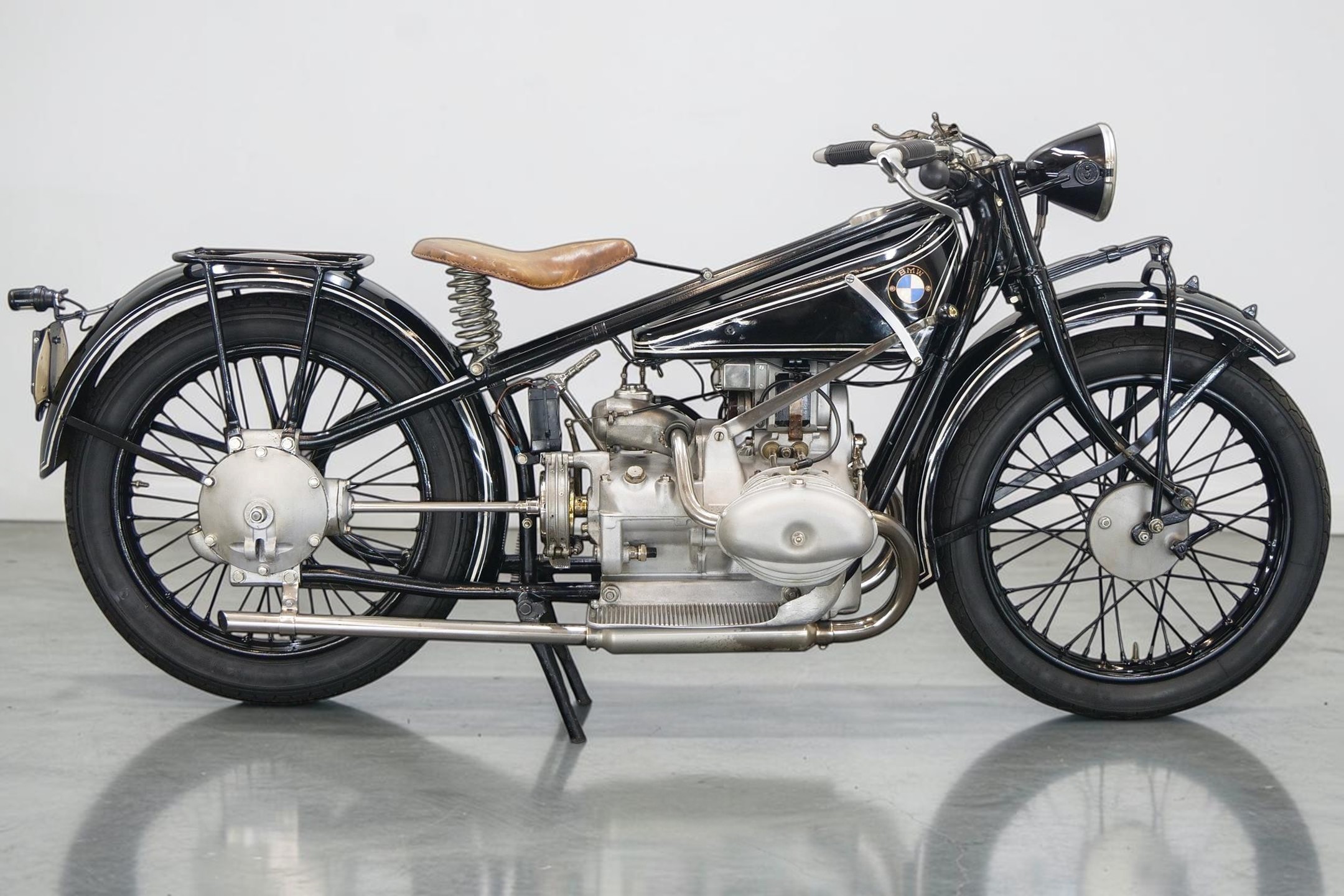
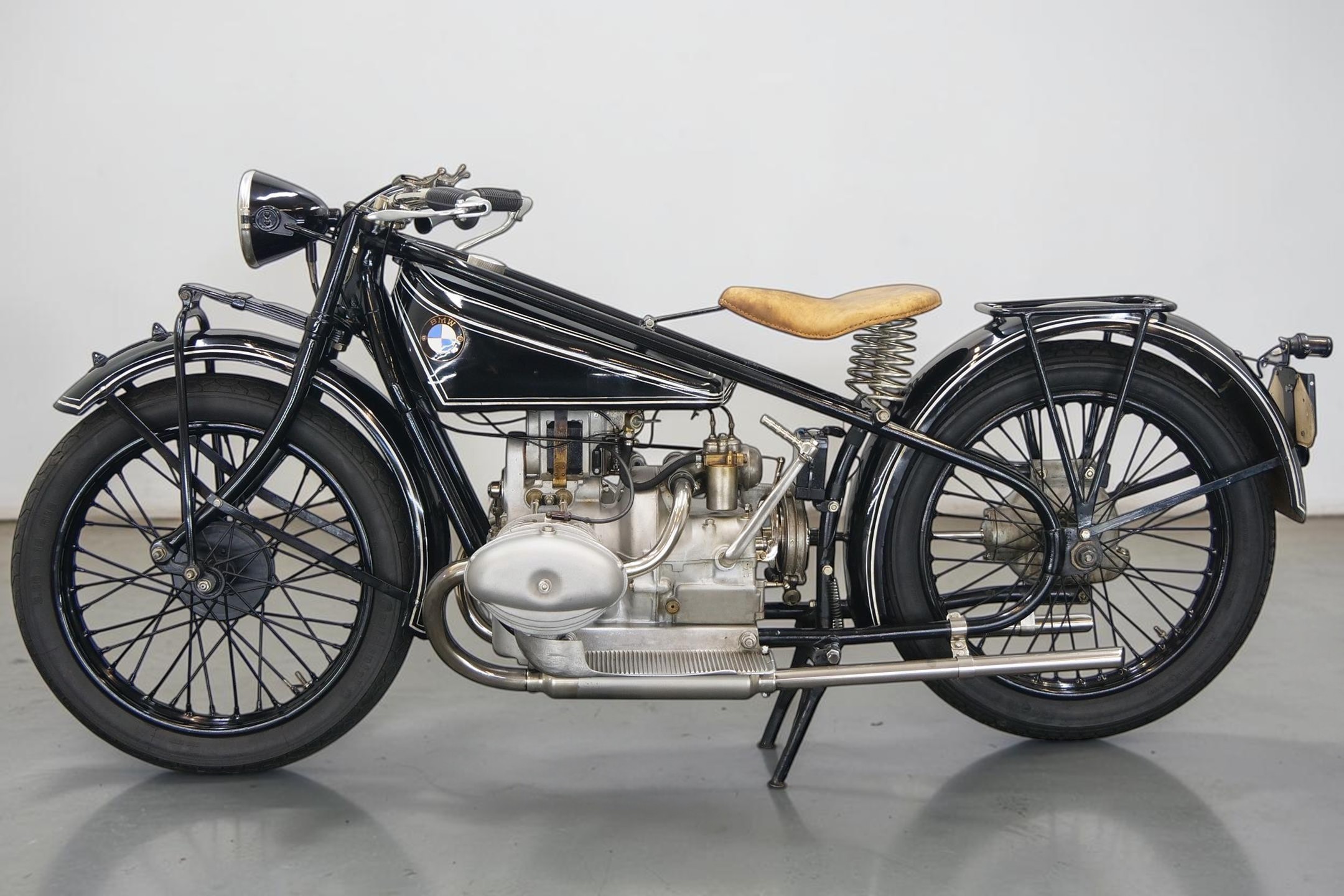
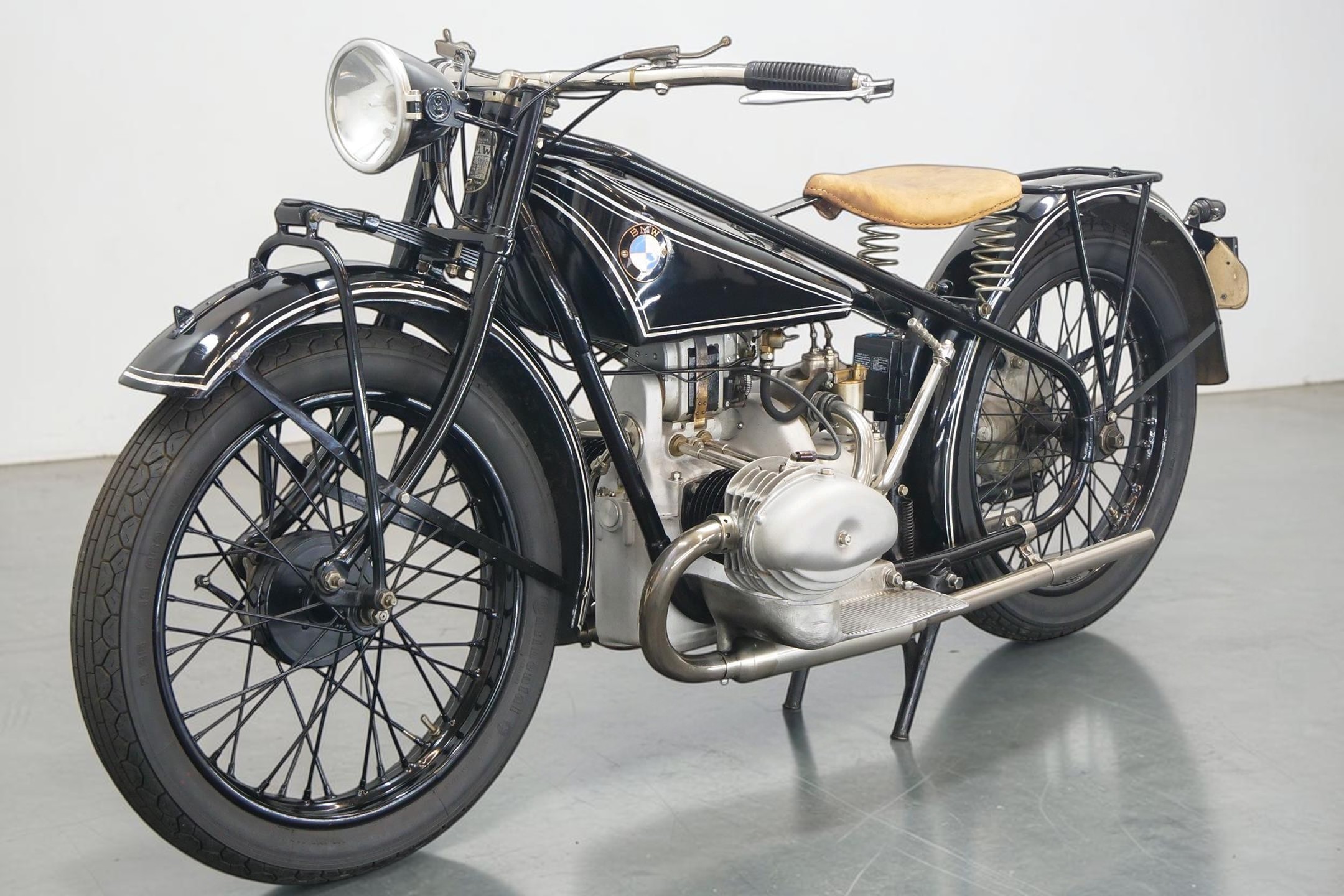
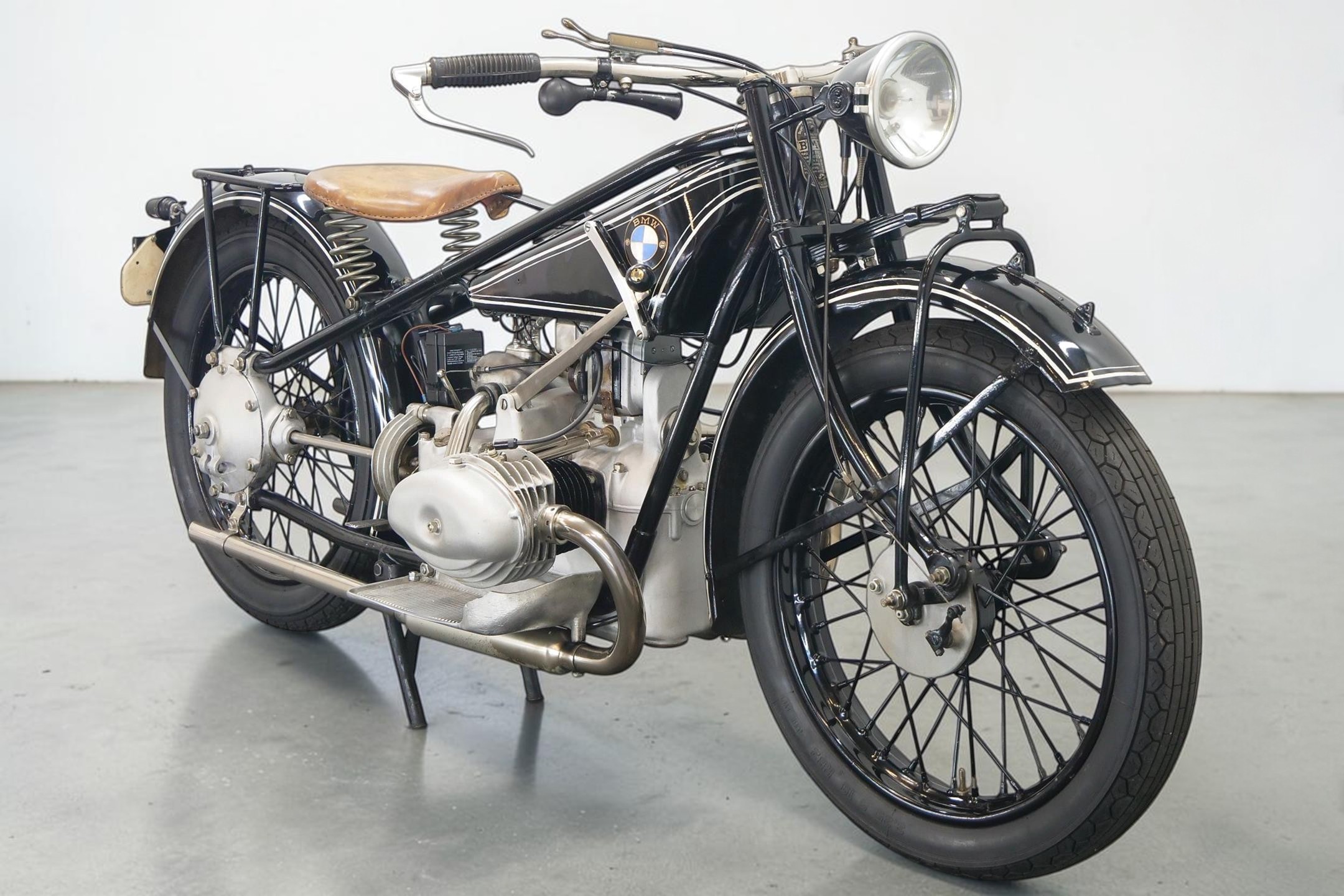
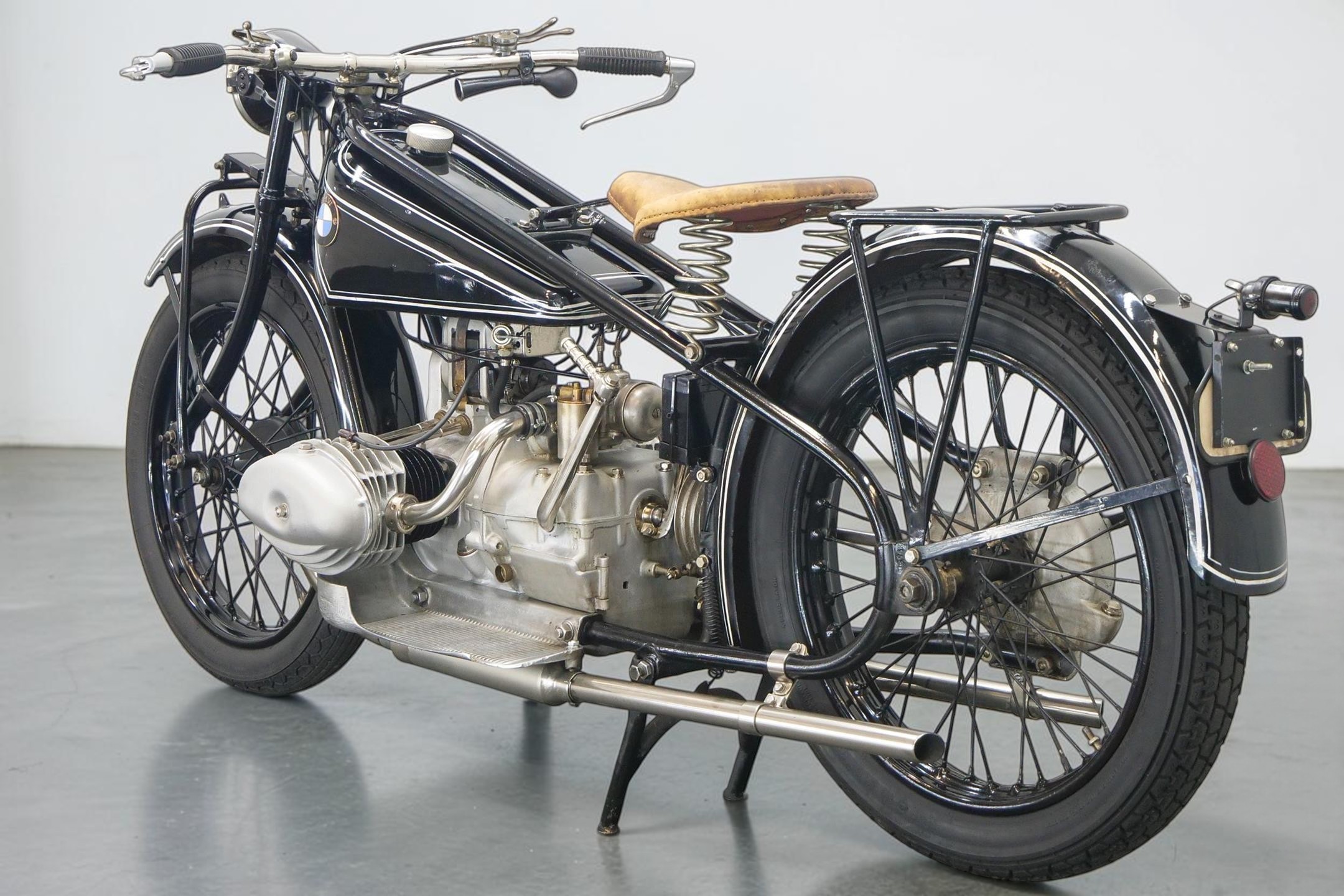
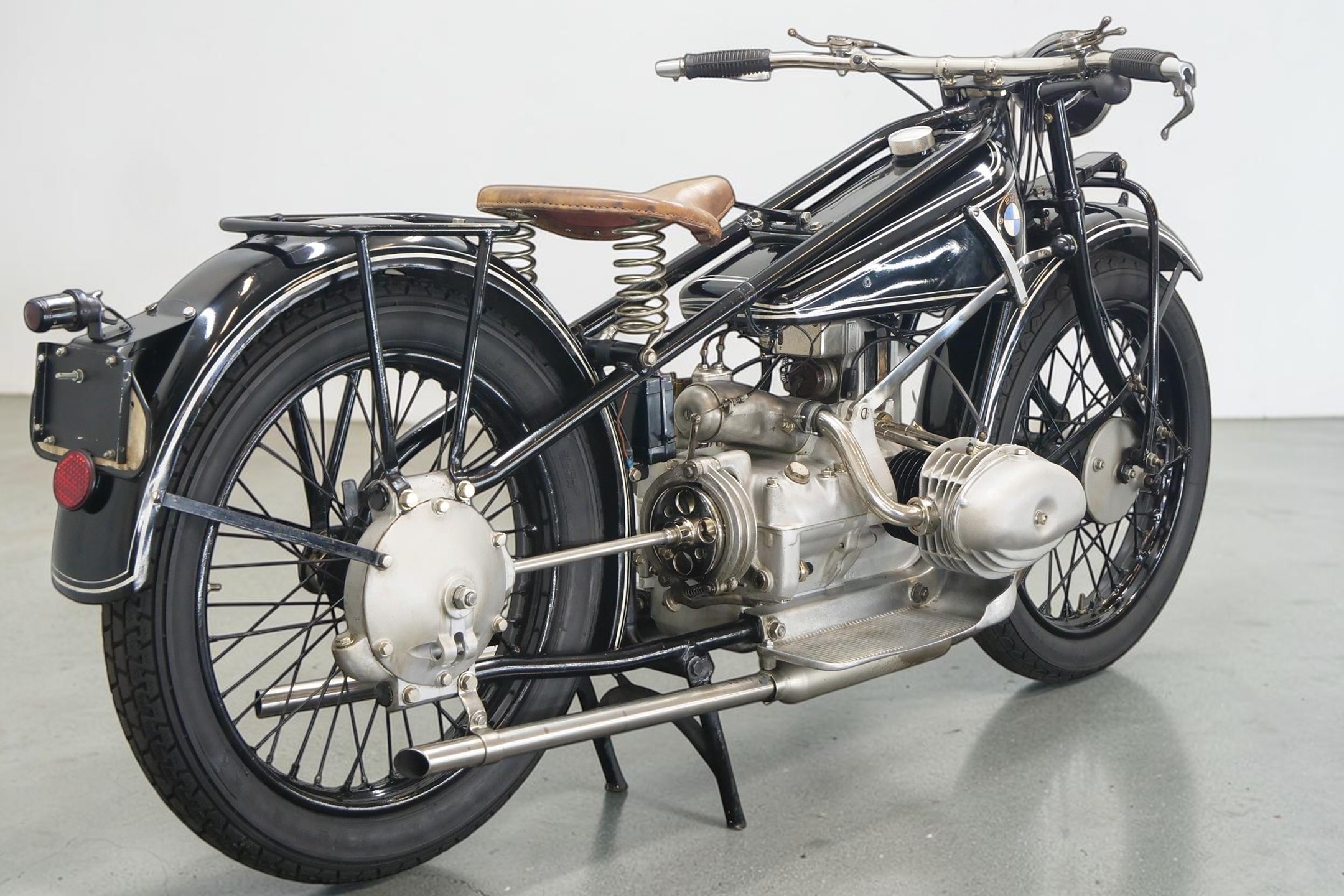
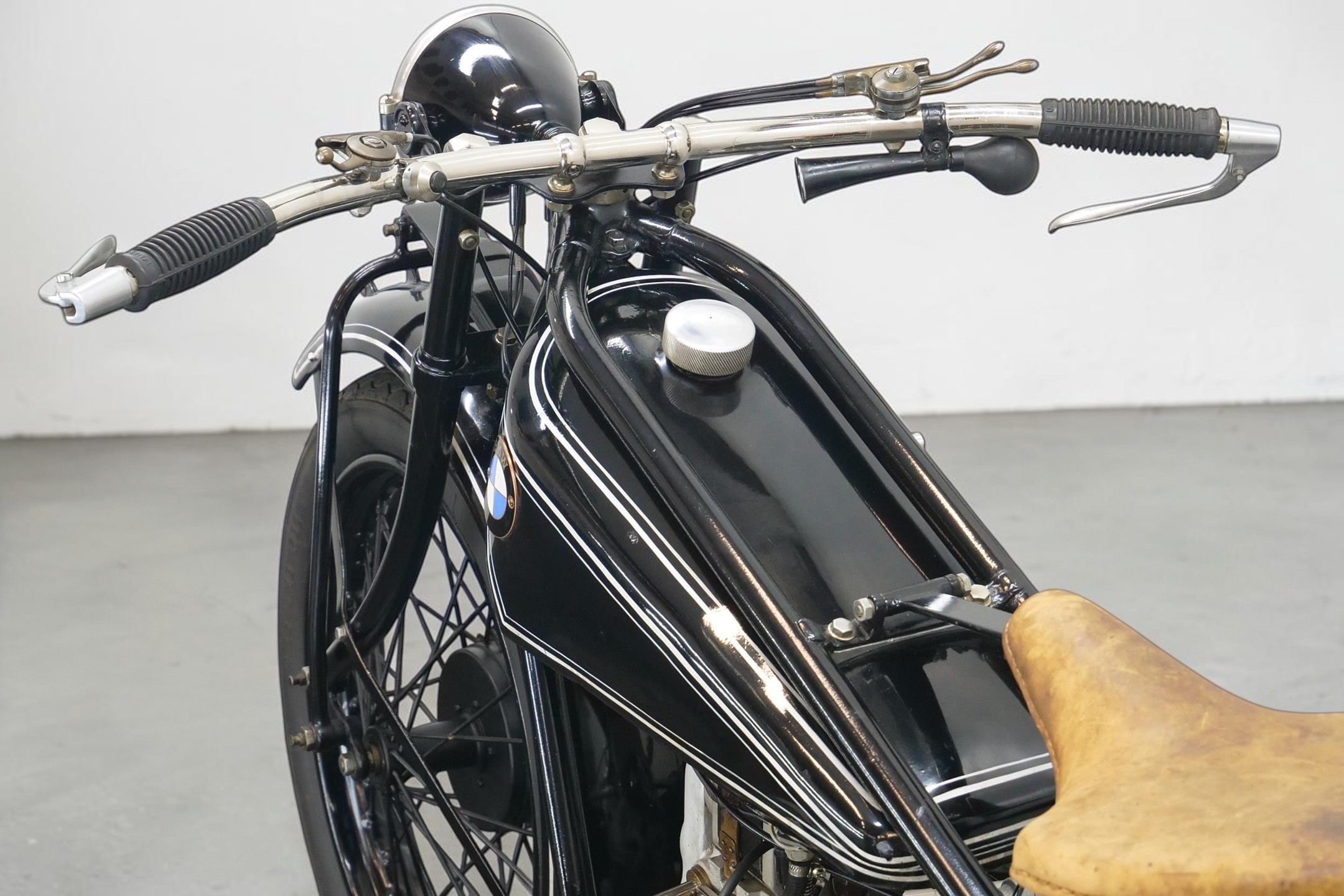
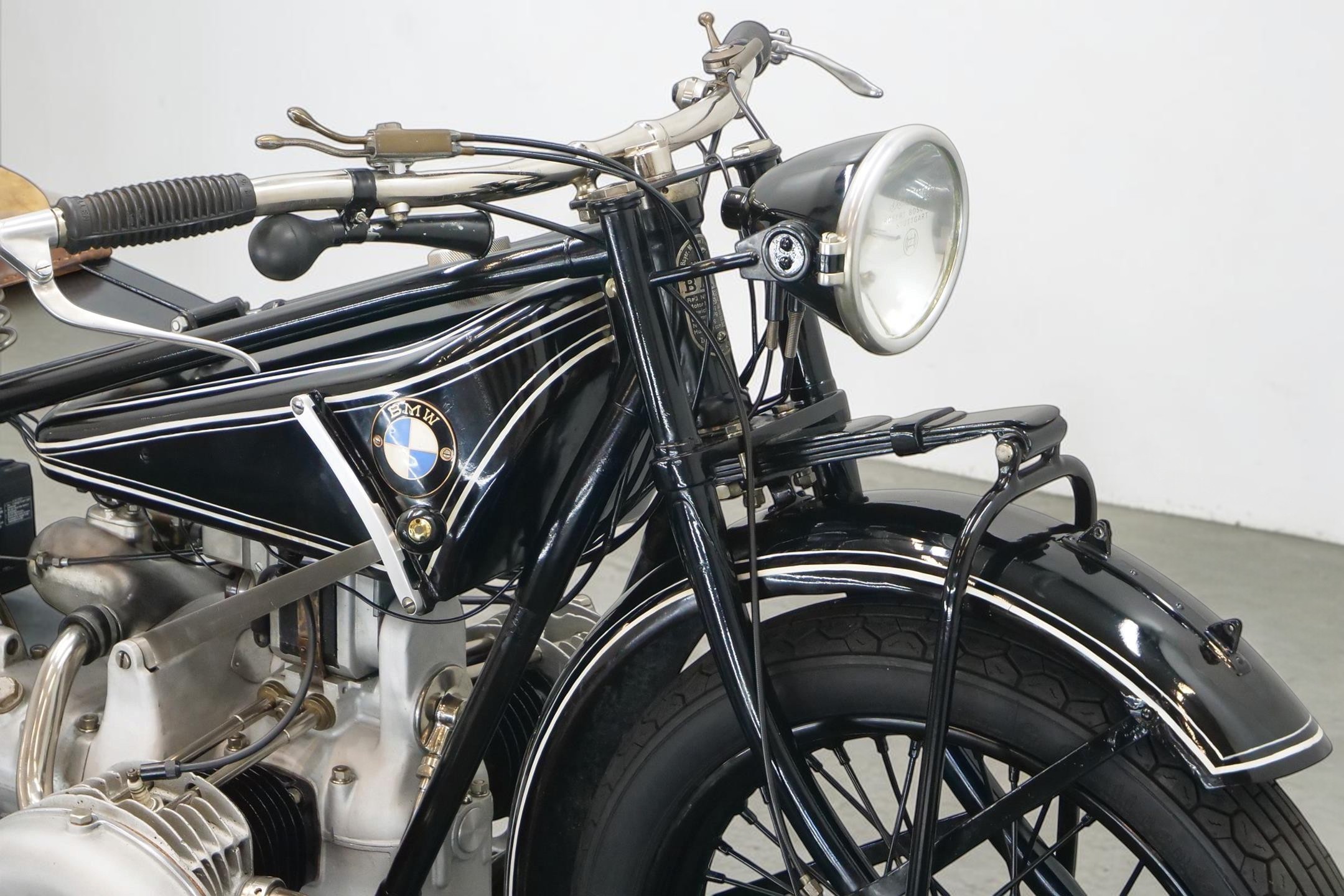
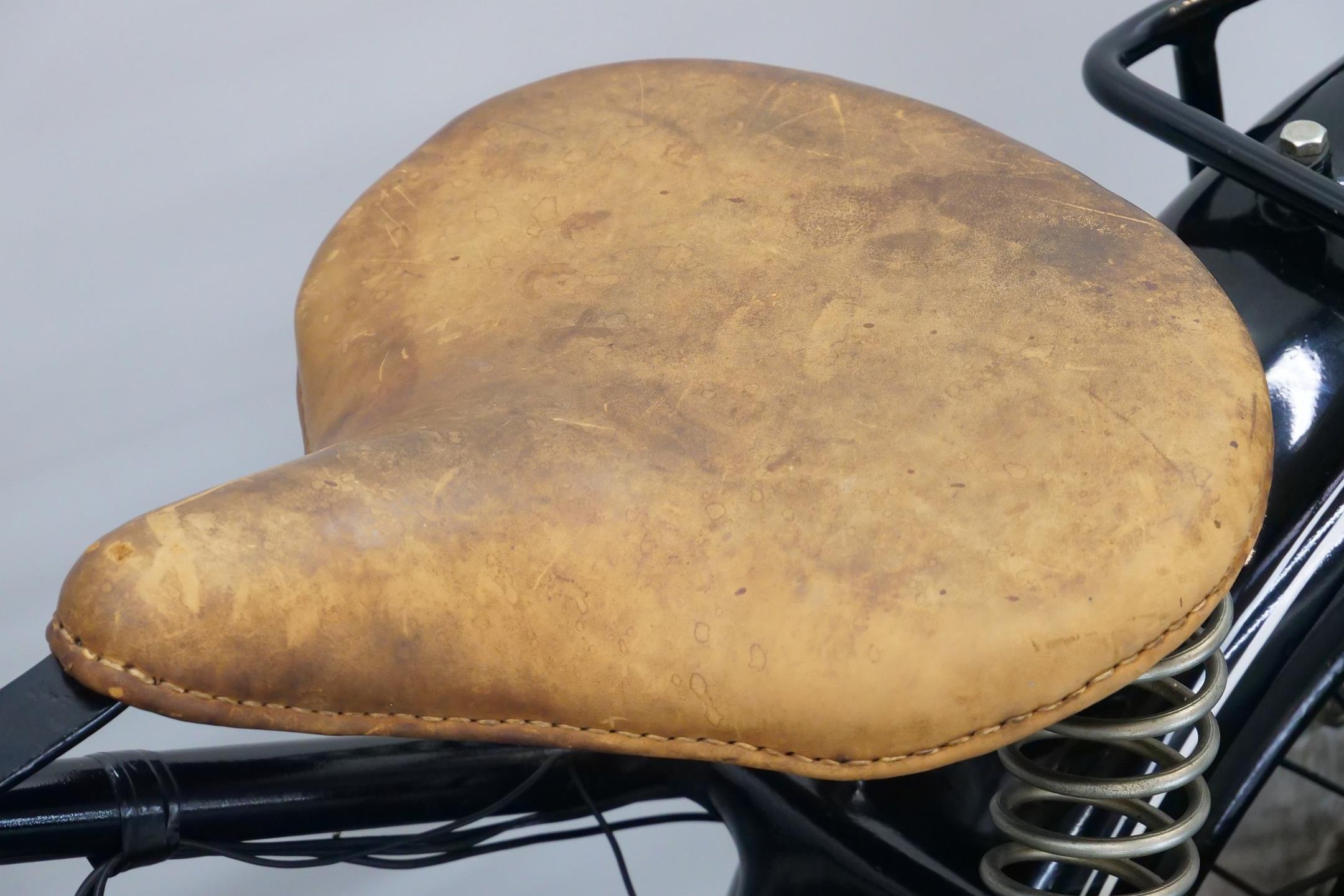
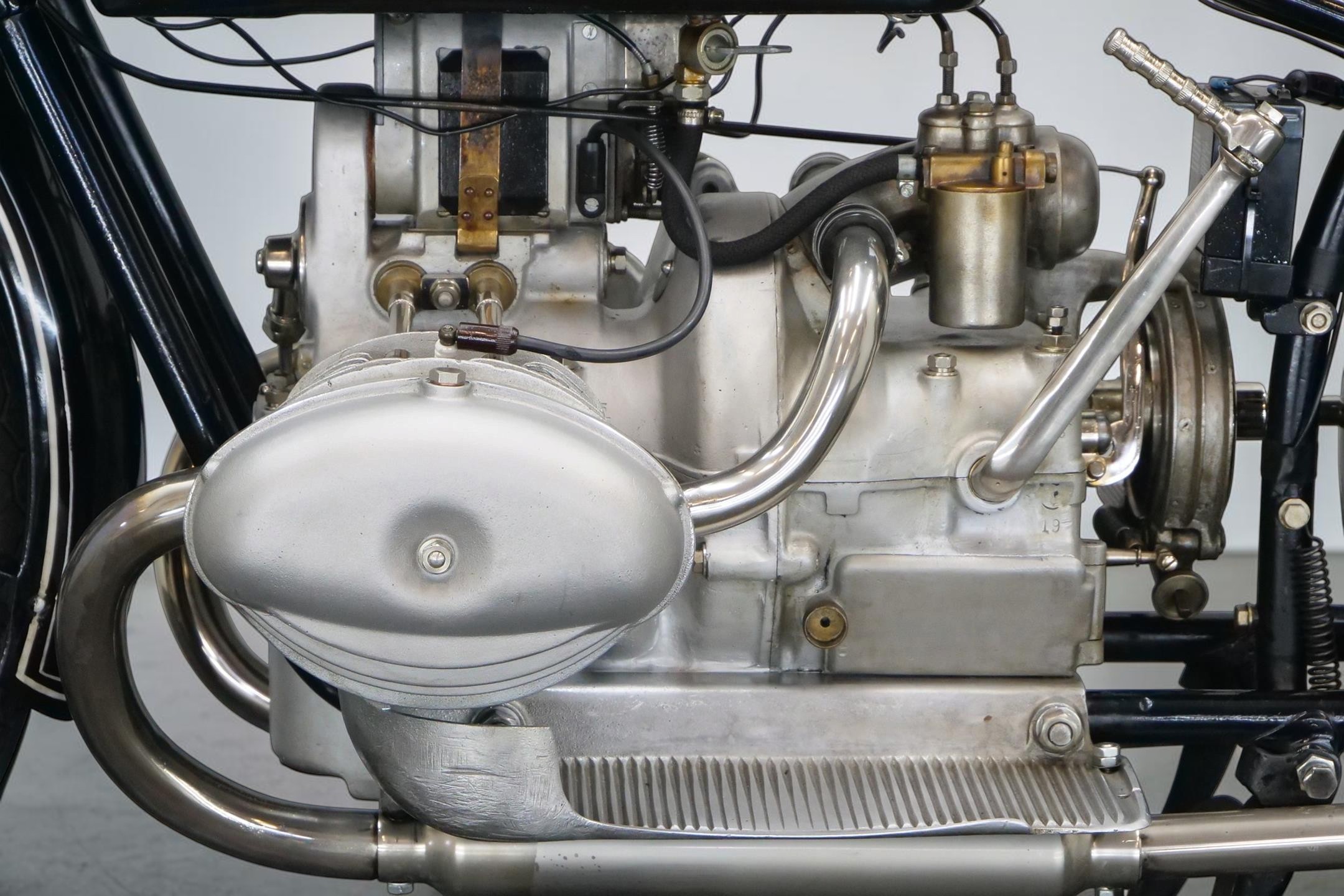
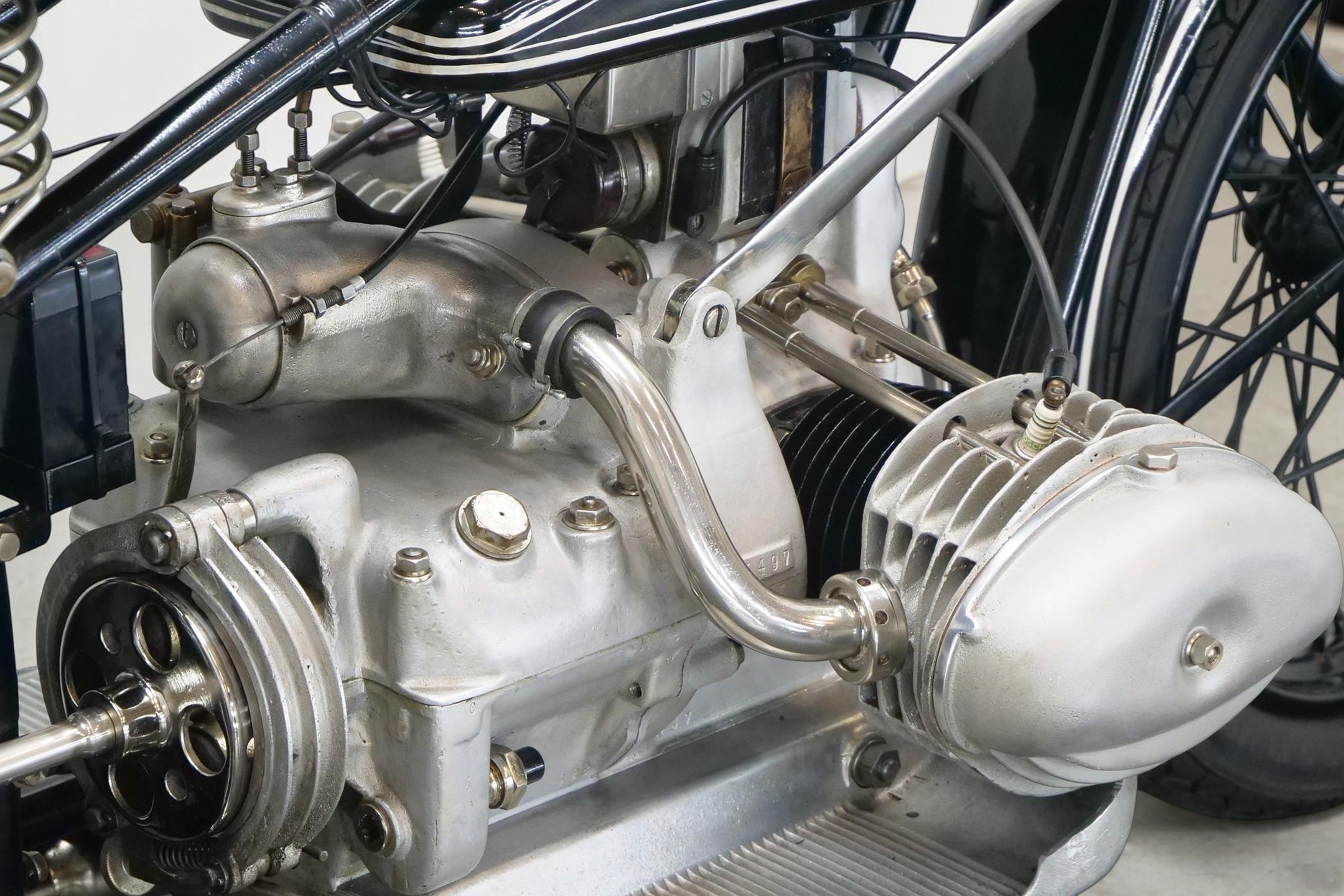
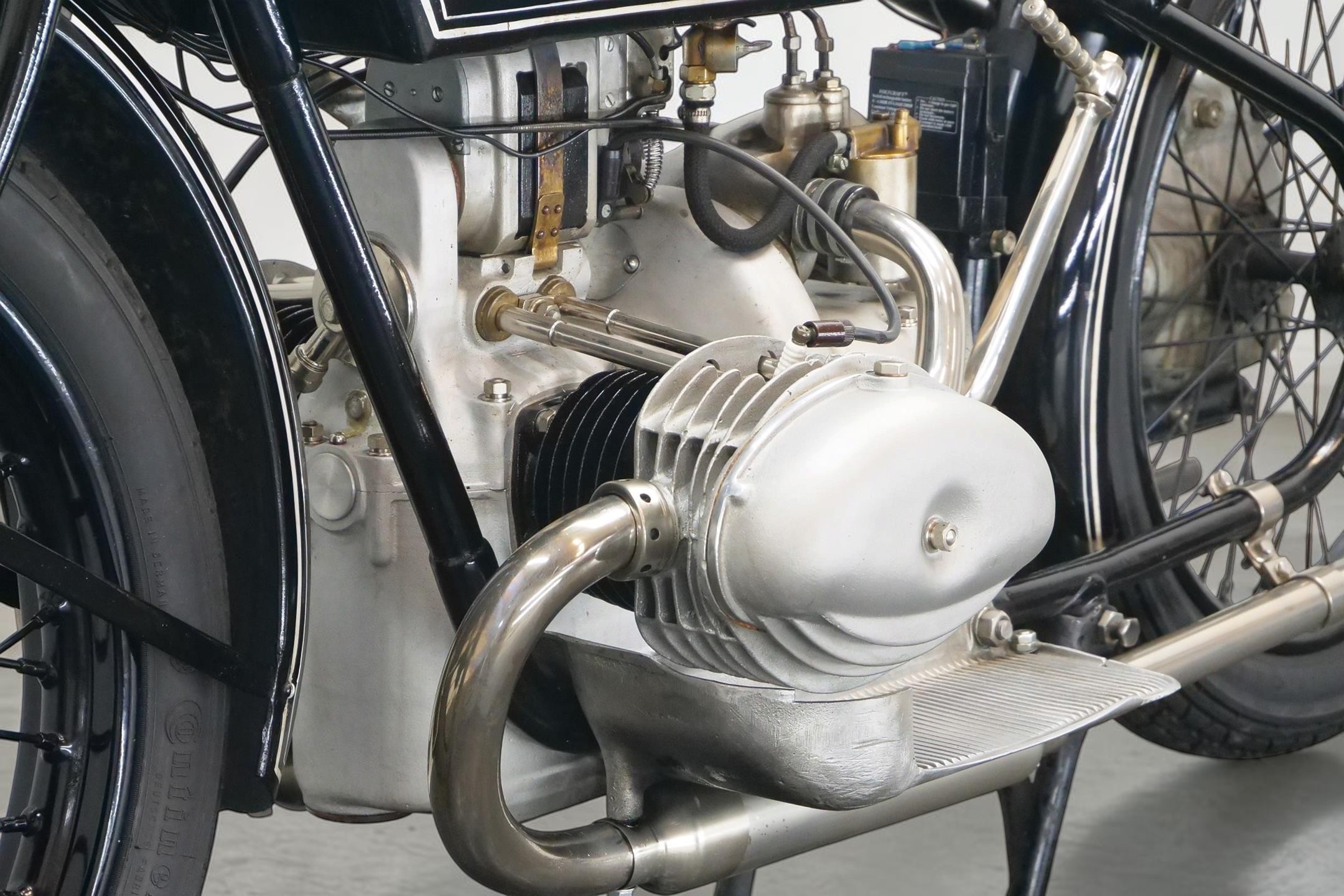
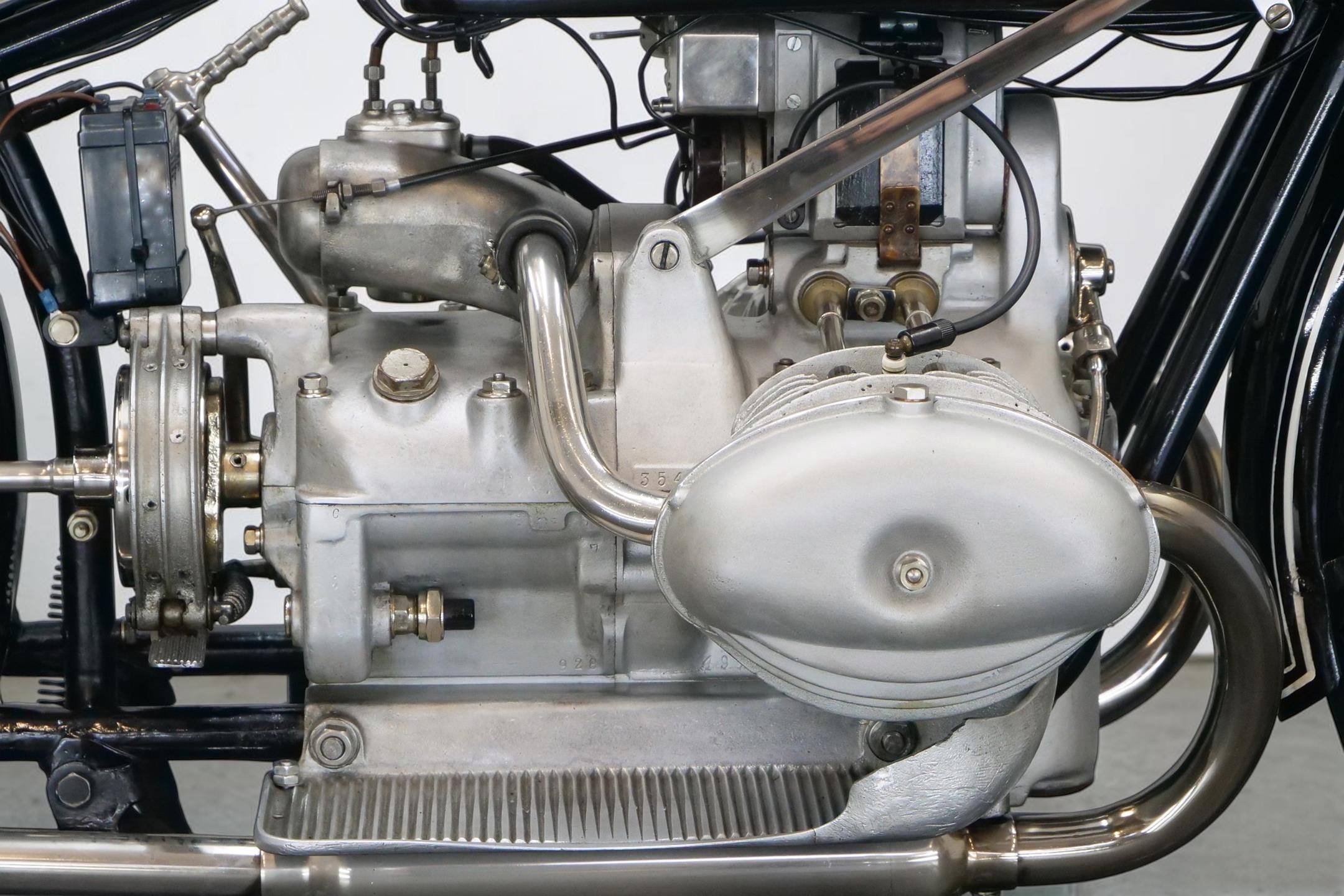
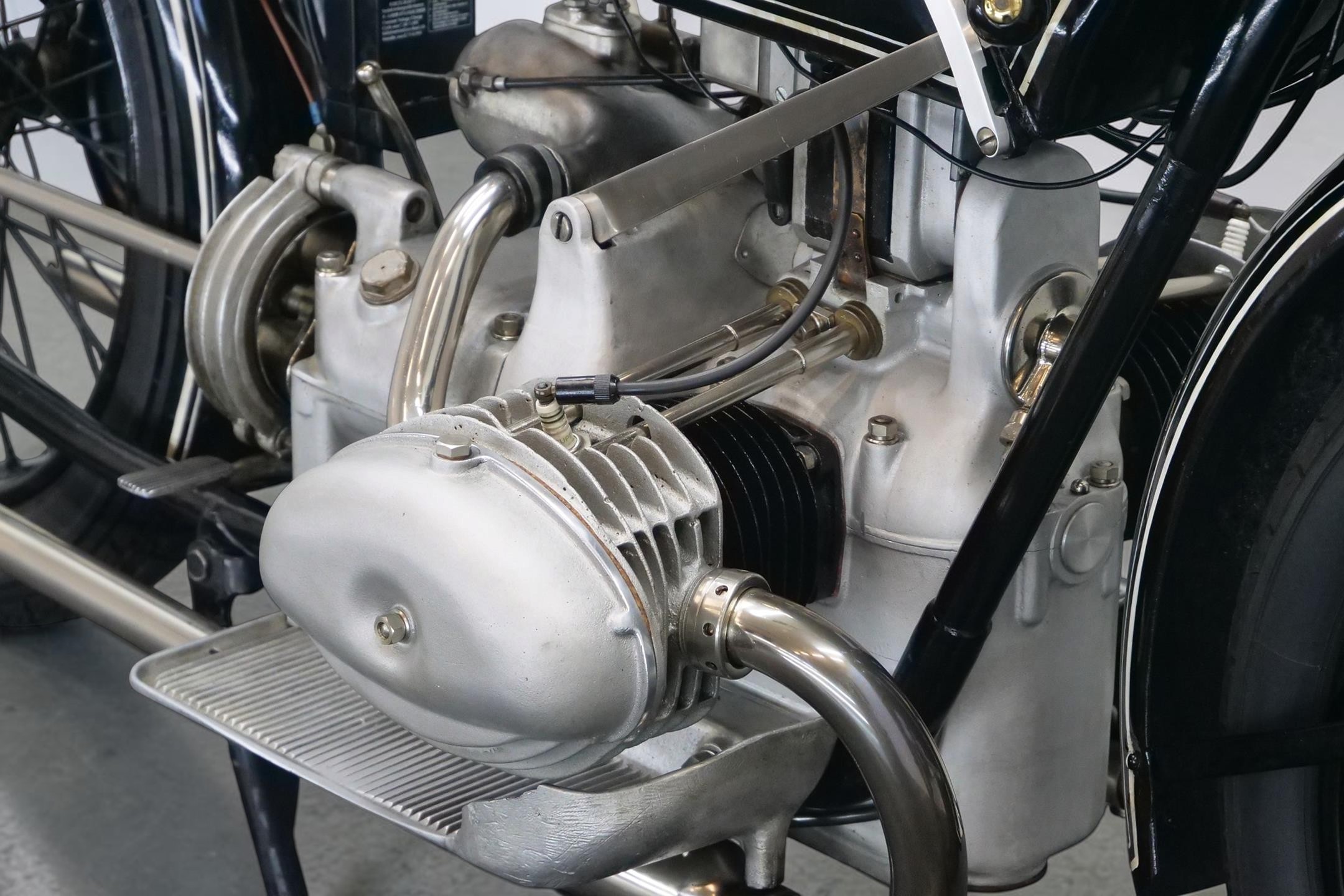
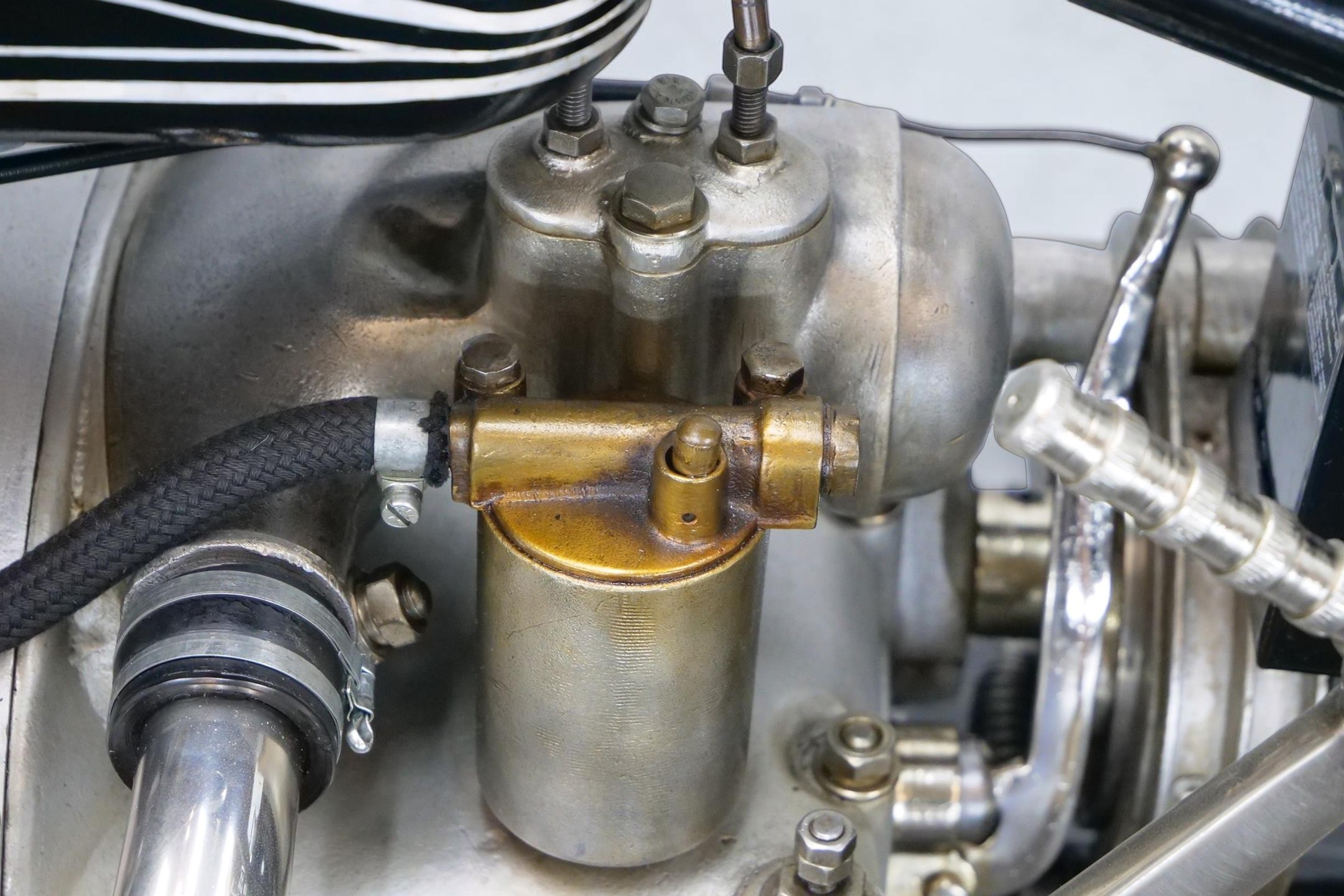
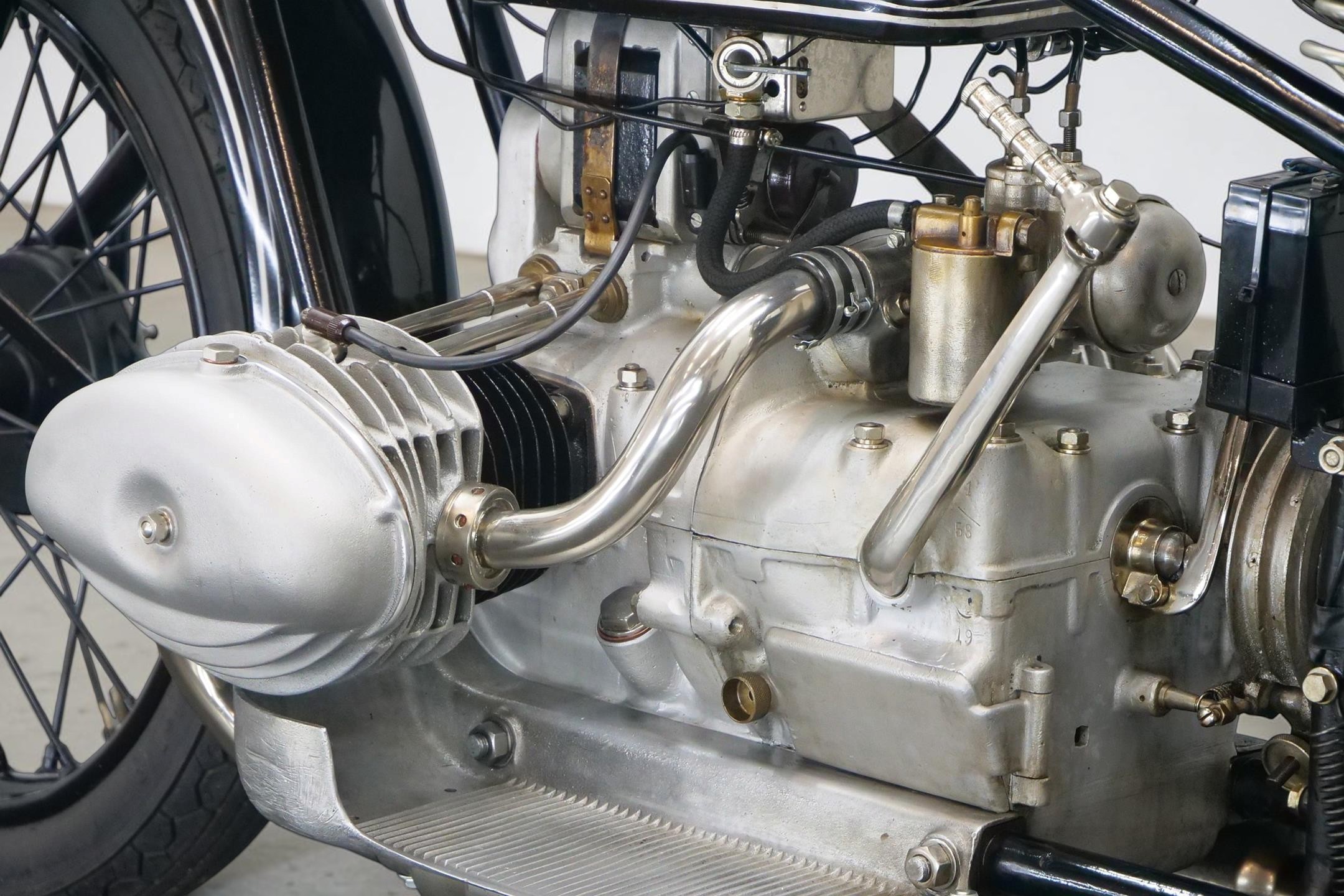
The 1928 BMW R47 represents one of the most important early stages in the development of BMW's legendary Boxer motorcycle architecture. Introduced as the successor to the sporting BMW R37, the R47 combined a 494cc overhead-valve flat-twin engine with BMW's longitudinal crankshaft layout and enclosed shaft final drive.
Unlike the side-valve R42 touring model produced during the same period, the R47 was developed as BMW's sporting motorcycle. Its M51 engine used overhead-valve technology and produced 18 horsepower at 4,000 rpm, giving the lightweight 494cc machine a top speed of approximately 110 km/h.
The R47 retained the fundamental engineering principles established by the BMW R32: a longitudinally mounted Boxer engine, an integrated gearbox, and shaft-driven rear wheel. The horizontally opposed cylinders projected into the airflow on either side of the motorcycle, providing effective air cooling while keeping the engine low within the frame.
Power was transmitted through a three-speed hand-shift gearbox and an enclosed driveshaft to the rear wheel. This combination gave the R47 a distinctive mechanical character and reinforced BMW's commitment to shaft-drive engineering at a time when exposed chain and belt systems remained common.
The chassis used a twin-loop tubular-steel frame with a rigid rear section and a leaf-sprung trailing-link front suspension. A 150mm front drum brake and a rear brake integrated into the shaft-drive system provided braking performance appropriate to the period.
BMW produced approximately 1,720 R47 motorcycles between 1927 and 1928. Its short production period, sporting OHV engine, relatively limited production, and direct connection to the earliest BMW Boxer lineage make the R47 an especially significant motorcycle for collectors of pre-war BMW engineering.
The BMW R47 was introduced as the successor to the R37, BMW's first production sporting motorcycle with an overhead-valve Boxer engine. BMW presented the R47 as a more accessible sporting machine, bringing the performance-oriented OHV concept to a broader market.
BMW Group Classic records production from 1927 through 1928. The R47 used a 494cc flat-twin engine producing 18 horsepower at 4,000 rpm, with an original price of 1,850 Reichsmarks.
The R47 occupied an important position within BMW's expanding motorcycle range. While the R42 served as the more conventional touring model with a side-valve engine, the R47 provided a sporting alternative using overhead-valve technology.
The motorcycle continued the fundamental architecture first established by the R32. Its Boxer engine was mounted longitudinally, with the crankshaft aligned in the direction of travel and the cylinders extending horizontally from the crankcase.
This configuration offered several engineering advantages. The cylinders were directly exposed to airflow for cooling, while the longitudinal crankshaft created a natural mechanical relationship with the shaft final drive.
The R47 also demonstrated BMW's developing modular approach to motorcycle engineering. Its chassis and basic transmission architecture were closely related to other BMW models of the period, while the sporting character came primarily from its OHV cylinder heads and engine configuration.
BMW Group Classic describes the R47 as the successor to the R37 and notes that more than 1,700 examples were sold. A number of R47 motorcycles also competed successfully on national and international race tracks, reinforcing the model's sporting significance within BMW's early history.
Production ended in 1928 as BMW continued to expand its range with new models, including the R57. The R47 therefore represents a relatively short but important chapter in the evolution of BMW's early sporting motorcycles.
The 1928 BMW R47 is powered by the M51, a 494cc air-cooled four-stroke two-cylinder Boxer engine with overhead-valve operation.
The engine uses a square 68 x 68 mm bore and stroke configuration. With a compression ratio of approximately 5.8:1, the M51 produced 18 horsepower at 4,000 rpm.
The use of overhead valves was one of the defining characteristics of the R47. Compared with BMW's contemporary side-valve touring engines, the OHV configuration allowed the R47 to achieve substantially greater performance from the same basic 494cc Boxer architecture.
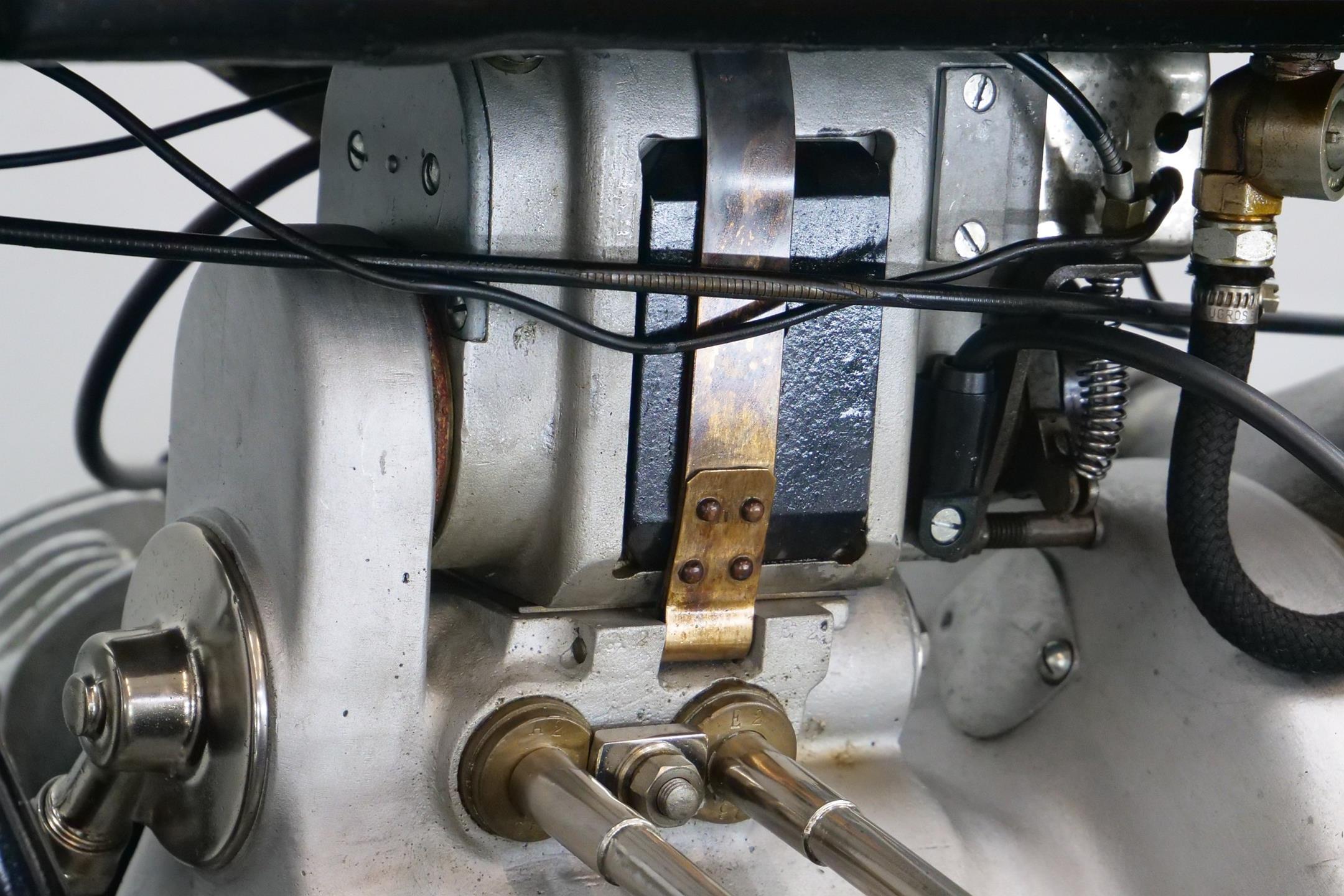
A BMW Spezial carburetor supplied the fuel mixture to the engine. Ignition was provided by a Bosch magneto system, following the robust electrical and ignition philosophy used by BMW during the period.
The 494cc engine delivered 18 horsepower at 4,000 rpm, giving the R47 a published top speed of approximately 110 km/h. For a motorcycle of the late 1920s, this represented serious sporting performance.
The horizontally opposed cylinder arrangement remained one of the most recognizable characteristics of BMW motorcycles. Each cylinder projected into the airflow, providing direct cooling and contributing to the low and balanced engine position within the chassis.
The longitudinal crankshaft also aligned naturally with BMW's shaft-drive system. This created a clean mechanical layout in which the engine, gearbox and final drive worked together as a unified drivetrain.
The R47's engine therefore represents an important transition in BMW motorcycle engineering: the proven Boxer and shaft-drive concept of the R32 was retained while overhead-valve technology was used to create a more sporting and powerful motorcycle.
The BMW R47 uses a three-speed manual gearbox with hand-operated shifting. The transmission was designed as an integrated part of the motorcycle's compact power unit.
The gearbox uses three forward ratios of approximately 2.50:1, 1.50:1 and 1.07:1, providing a simple but effective range for period road and sporting use.
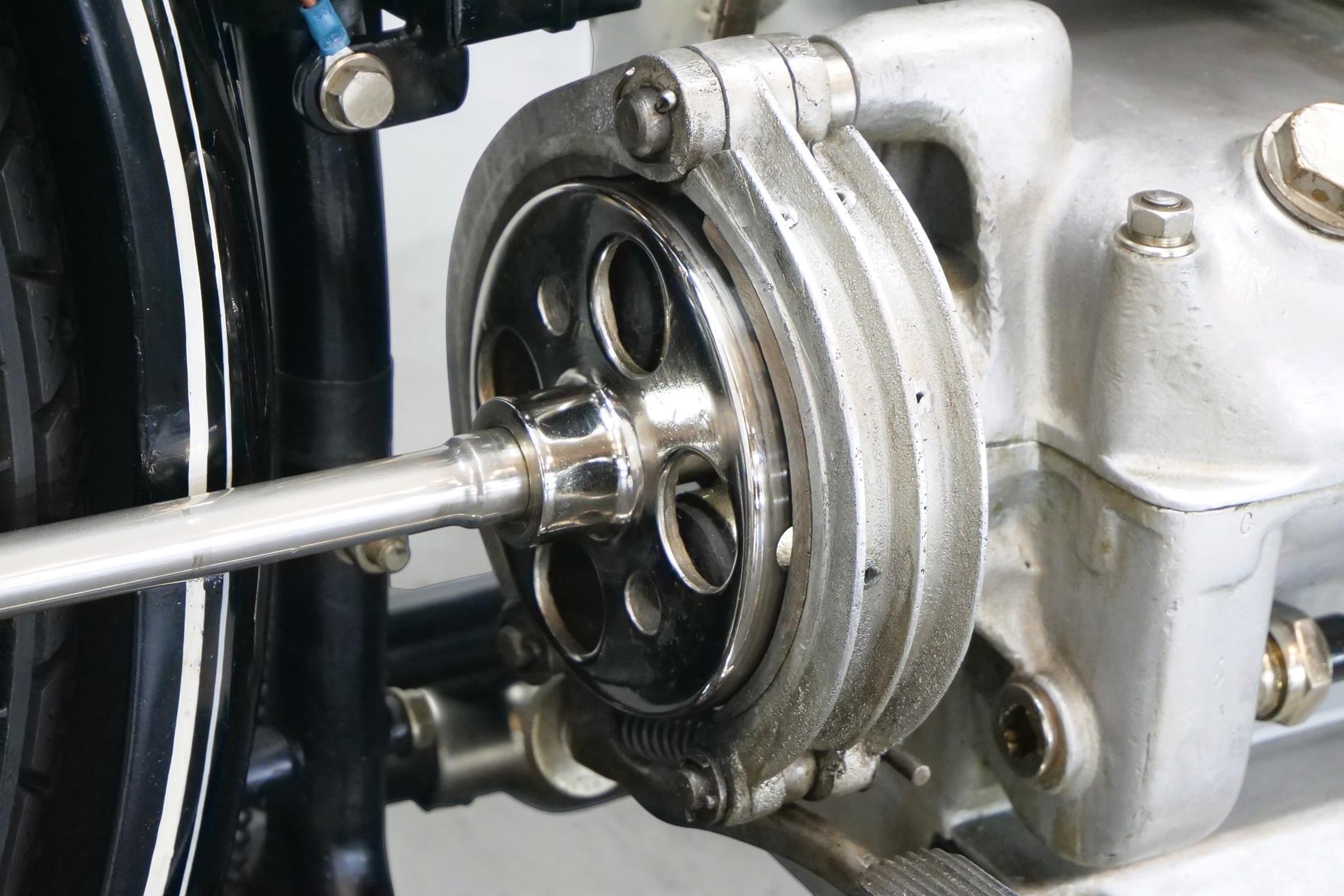
Engine power is transferred through a dry single-plate clutch before entering the three-speed gearbox. From the gearbox output, power reaches the rear wheel through BMW's enclosed shaft-drive system.
The shaft final drive was one of the defining features of BMW's motorcycle engineering during the 1920s. Rather than relying on an exposed chain or belt, BMW enclosed the final-drive mechanism and used a driveshaft and bevel-gear arrangement.
The standard rear-wheel final-drive ratio was approximately 4.38:1, while a lower ratio was available for sidecar applications. The lower gearing provided additional mechanical advantage when carrying the greater weight of a sidecar combination.
The longitudinal Boxer engine and shaft drive were closely related engineering concepts. With the crankshaft running longitudinally, the drivetrain naturally aligned with the driveshaft leading toward the rear wheel.
This arrangement reduced the number of exposed moving components and gave BMW motorcycles a distinctive mechanical identity that would remain central to the marque for decades.
The R47 uses a twin-loop tubular-steel frame that forms the primary structural foundation of the motorcycle. The frame architecture reflects BMW's emphasis on mechanical simplicity, rigidity and efficient packaging.
The front suspension uses a trailing-link arrangement with a multi-leaf spring. Unlike modern telescopic forks, this early BMW suspension system uses a short leading-link style construction characteristic of advanced motorcycles of the period.
The rear wheel is rigidly mounted to the frame. There is no conventional rear-wheel suspension, with the motorcycle relying on the sprung saddle and large-diameter wheels to absorb part of the irregularities encountered on contemporary roads.
The approximately 1,410mm wheelbase provides a stable platform while retaining the relatively compact dimensions expected from a 494cc motorcycle of the late 1920s.
The R47's chassis was closely related to BMW's contemporary models and was engineered around the Boxer engine's low center of gravity. The horizontally opposed cylinders also helped keep the major engine mass low within the frame.
The combination of tubular frame, rigid rear section, leaf-sprung front suspension and large wheels gave the R47 a distinctly mechanical riding character that is very different from a modern motorcycle.
The BMW R47 was equipped with a 150mm front drum brake with a single-leading-shoe arrangement. This represented a significant development over the earliest R32 motorcycles, some of which were produced without a front brake.
The rear braking system was integrated into the drivetrain and operated through a drum mechanism associated with the shaft-drive assembly. This arrangement kept the braking system closely integrated with the rear-drive architecture.
The development of more effective drum brakes reflected the increasing performance of BMW's sporting motorcycles. With 18 horsepower and a top speed of approximately 110 km/h, the R47 required more capable braking equipment than BMW's earliest motorcycles.
For collectors, the braking system is also an important component when assessing originality. Period-correct drums, controls, linkages and associated hardware can provide useful evidence when evaluating a surviving R47.
The 1928 BMW R47 has the unmistakable mechanical appearance of an early BMW Boxer motorcycle. Its horizontally opposed cylinders, tubular frame, compact fuel tank, exposed mechanical components and shaft-drive housing create a visual identity that is immediately recognizable.
The Boxer cylinders extend horizontally from opposite sides of the crankcase. This arrangement was functional rather than purely decorative, providing direct airflow across the cylinder heads and barrels while maintaining a low engine position.
The longitudinally mounted engine also contributes to the characteristic proportions of the motorcycle. The crankshaft runs in the direction of travel, allowing power to pass naturally through the gearbox and into the rear driveshaft.
The tubular frame surrounds the engine and provides a clear view of the major mechanical components. This exposed engineering is one of the defining aesthetic qualities of pre-war BMW motorcycles.
The shaft-drive housing running toward the rear wheel is another distinctive visual feature. Together with the horizontally opposed cylinders, it immediately identifies the motorcycle as part of BMW's early Boxer lineage.
The R47's design therefore reflects an important BMW philosophy: mechanical components were not hidden from view but formed an integral part of the motorcycle's visual character.
The R47 was developed as BMW's sporting motorcycle and succeeded the R37 in the company's range. Its purpose was different from that of the R42, which served as the more conventional touring model using a side-valve engine.
The key difference was the overhead-valve M51 engine. With 18 horsepower from 494cc, the R47 offered substantially greater performance than the side-valve BMW touring models of the same period.
BMW Group Classic notes that a number of R47 motorcycles successfully competed on national and international race tracks. This competition history reinforces the model's importance as an early performance-oriented BMW.
The R47 was therefore not simply another development of the R32 formula. It demonstrated how BMW could retain the fundamental Boxer and shaft-drive architecture while adapting it for sporting performance.
Its combination of modest weight, 18 horsepower, three-speed transmission and approximately 110 km/h top speed made the R47 one of the more capable German motorcycles of its period.
The R47 delivers the direct mechanical character expected from a high-performance motorcycle of the late 1920s. Its 494cc OHV Boxer engine operates at relatively low engine speeds while producing a substantial 18 horsepower at 4,000 rpm.
The overhead-valve configuration gives the R47 a distinctly different character from BMW's side-valve touring motorcycles. The engine was designed to provide stronger performance while maintaining the proven Boxer architecture.
The three-speed hand-shift gearbox is simple by modern standards but appropriate to the motorcycle's period. Its relatively direct mechanical operation is an important part of the experience of an early BMW.
The shaft final drive is another defining characteristic. Instead of an exposed chain requiring regular cleaning and adjustment, the R47 uses an enclosed driveshaft and bevel-drive system.
The leaf-sprung front suspension and rigid rear frame provide a riding experience that is unmistakably pre-war. The motorcycle responds through a combination of mechanical feedback, large wheels and a relatively simple chassis.
The appeal of the R47 lies in this combination of engineering purpose and mechanical simplicity. It represents a period when BMW was already developing a clear technical identity that would survive for generations.
BMW produced the R47 from 1927 through 1928, with approximately 1,720 motorcycles manufactured during its short production run.
The original price was approximately 1,850 Reichsmarks. This positioned the R47 below the more expensive R37 while bringing BMW's sporting OHV Boxer technology to a wider market.
The R47 was important commercially as well as technically. BMW Group Classic describes the model as approaching a mass-market motorcycle for its time, and more than 1,700 examples were sold.
The model also demonstrated that BMW's sporting motorcycles could become a profitable segment rather than simply serving as technological flagships.
Its relatively short production period contributes to the R47's importance today. With approximately 1,720 examples produced, surviving motorcycles are uncommon compared with later BMW production models.
The R47 occupies an important position between BMW's pioneering R32/R42 generation and the subsequent development of the larger and more advanced R-Series motorcycles.
The BMW R47 continued the fundamental Boxer formula introduced with the R32: a horizontally opposed twin-cylinder engine, longitudinal crankshaft, integrated gearbox and shaft final drive.
The major technical distinction was the adoption of overhead-valve operation. The R47 demonstrated how BMW could extract significantly more performance from the 494cc Boxer architecture without abandoning the fundamental drivetrain concept.
The R37 had introduced BMW's early sporting OHV Boxer concept, while the R47 developed that idea into a more accessible production motorcycle.
At the same time, the R42 served as the side-valve touring counterpart. The two models demonstrated BMW's ability to use a common engineering foundation while offering different engine characteristics for different purposes.
The R47 was subsequently followed by later BMW sporting models such as the R57. The evolution from the R32 through the R37 and R47 demonstrates the rapid development of BMW's motorcycle engineering during the second half of the 1920s.
The fundamental Boxer and shaft-drive architecture remained central to BMW's identity long after the R47 disappeared from production.
The 1928 BMW R47 is one of the most significant surviving examples of BMW's early sporting motorcycle engineering. Its combination of limited production, OHV Boxer technology and direct connection to the R37 makes it particularly interesting to collectors of pre-war BMW motorcycles.
Only approximately 1,720 R47 motorcycles were produced between 1927 and 1928. The short production period and relatively small production volume make surviving examples uncommon.
Originality is particularly important when evaluating an R47. The M51 engine, cylinder heads, carburetor, gearbox, frame, front suspension, brakes, wheels, controls, electrical equipment and shaft-drive components should all be examined carefully.
Matching engine and frame numbers can help establish whether a surviving motorcycle retains its major original components. Historical photographs, registration records, service documentation, restoration records and previous ownership information can provide additional evidence of provenance.
The frame should be inspected for corrosion, cracks, distortion, brazed repairs and non-period modifications. The engine, gearbox, shaft drive, bevel gears, suspension, brakes, wheels and electrical system should likewise be assessed for originality and mechanical integrity.
For collectors, the OHV engine is one of the defining features of the R47. The M51 engine distinguishes the model from the contemporary side-valve R42 and represents BMW's sporting engineering direction during the late 1920s.
A well-preserved or correctly restored R47 therefore offers more than the opportunity to own an early BMW motorcycle. It represents an important stage in the evolution of the BMW Boxer engine from its pioneering origins toward the performance-oriented motorcycles that followed.
The 1928 BMW R47 matters because it represents the development of BMW's early sporting motorcycle philosophy. It took the fundamental Boxer and shaft-drive architecture established with the R32 and combined it with overhead-valve technology to produce substantially greater performance.
Its 494cc M51 Boxer engine produced 18 horsepower at 4,000 rpm, giving the motorcycle a top speed of approximately 110 km/h.
The R47 also demonstrates how BMW began to separate its motorcycle range into distinct engineering categories. The R42 provided a side-valve touring motorcycle, while the R47 offered a more performance-oriented OHV alternative.
With approximately 1,720 motorcycles produced during 1927 and 1928, the R47 was never produced in the numbers of later BMW motorcycles.
The model also has genuine sporting significance. BMW Group Classic records that R47 motorcycles competed successfully on national and international race tracks during the period.
The R47 is therefore an important link between BMW's first motorcycle generation and the more developed Boxer motorcycles that followed during the late 1920s and 1930s.
This 1928 BMW R47 represents an important chapter in the early development of BMW's sporting motorcycles. Introduced as the successor to the R37, the R47 combined BMW's proven 494cc Boxer architecture with overhead-valve technology and a shaft-driven rear wheel.
Its 494cc M51 OHV engine produces 18 horsepower at 4,000 rpm and drives the rear wheel through a three-speed manual gearbox and enclosed shaft final drive. With a period top speed of approximately 110 km/h, the R47 was a serious sporting motorcycle for its era.
The R47 uses a twin-loop tubular-steel frame, leaf-sprung front suspension, rigid rear suspension, a 150mm front drum brake and a rear braking system integrated with the shaft-drive assembly.
BMW produced approximately 1,720 R47 motorcycles between 1927 and 1928. Its short production period, OHV Boxer engine, sporting character and direct connection to BMW's early performance motorcycles make surviving examples highly significant to collectors of pre-war German motorcycles.
For collectors, the 1928 BMW R47 offers the opportunity to acquire a rare example of BMW's early OHV Boxer engineering. Contact us for additional photographs, detailed specifications, frame and engine numbers, service history, originality assessment, provenance, restoration details and purchasing information for this 1928 BMW R47.
Explore more BMW motorcycles from the pre-war and classic eras.
The Vintage Motorcycles presents a curated selection of historically significant German vintage motorcycles, with BMW representing one of the most technically influential manufacturers in motorcycle engineering. From the introduction of the Boxer engine to the development of shaft-drive systems and sporting OHV motorcycles, BMW established an engineering identity that would influence motorcycle design for generations.
This collection includes machines from BMW alongside other notable German motorcycle manufacturers, each contributing to a tradition of precision engineering and mechanical durability. BMW motorcycles are best understood within the broader context of pre-war motorcycle engineering (1900-1939), particularly during the interwar period when the Boxer engine, shaft drive and increasingly sophisticated valve technology established BMW as an important force in European motorcycle engineering.
Each motorcycle within our collection is sourced based on historical provenance, structural originality and mechanical integrity, with a preservation-focused approach to historically significant machines. For collectors seeking acquisition opportunities, available motorcycles can be explored through our global vintage motorcycle inventory, supported by professional international shipping service.
BMW engineering during the 1920s was defined by a systematic approach to mechanical design, combining structural simplicity with innovative drivetrain architecture. The horizontally opposed Boxer engine and shaft-drive system gave BMW a distinctive engineering identity at a time when many manufacturers relied on different engine layouts and exposed chain or belt final drives.
The R47 demonstrates the next stage of this development. By combining the established Boxer and shaft-drive architecture with overhead-valve technology, BMW created a sporting motorcycle capable of significantly greater performance while retaining the mechanical principles that had already become characteristic of the marque.
From the pioneering R32 through the sporting R37 and R47, BMW's early motorcycles illustrate a consistent engineering philosophy based on functional design, balanced mechanical architecture and continuous refinement.
The 1928 BMW R47 therefore occupies an important place within the history of German motorcycle engineering. It represents the moment when BMW's Boxer concept evolved beyond its pioneering beginnings into a more sophisticated and performance-oriented motorcycle platform.
Key Highlights
Collector Assurance
All enquiries handled with discretion. We typically respond within 6 hours.
Choose the payment method that is most convenient for you. We accept widely used international payment methods as well as, where available, local bank transfer options that allow you to pay like a domestic transaction. Full payment instructions are provided for your specific purchase.
Direct international bank wire transfer is available for motorcycle purchases and export transactions.
Credit card payments can be arranged through Wise.com, subject to the applicable payment and processing conditions.
PayPal is accepted. A 5% PayPal processing fee applies to the transaction.