
The Vintage Motorcycles
Specialists in antique, classic, veteran and vintage motorcycles.
Specialists in antique, classic, veteran and vintage motorcycles.
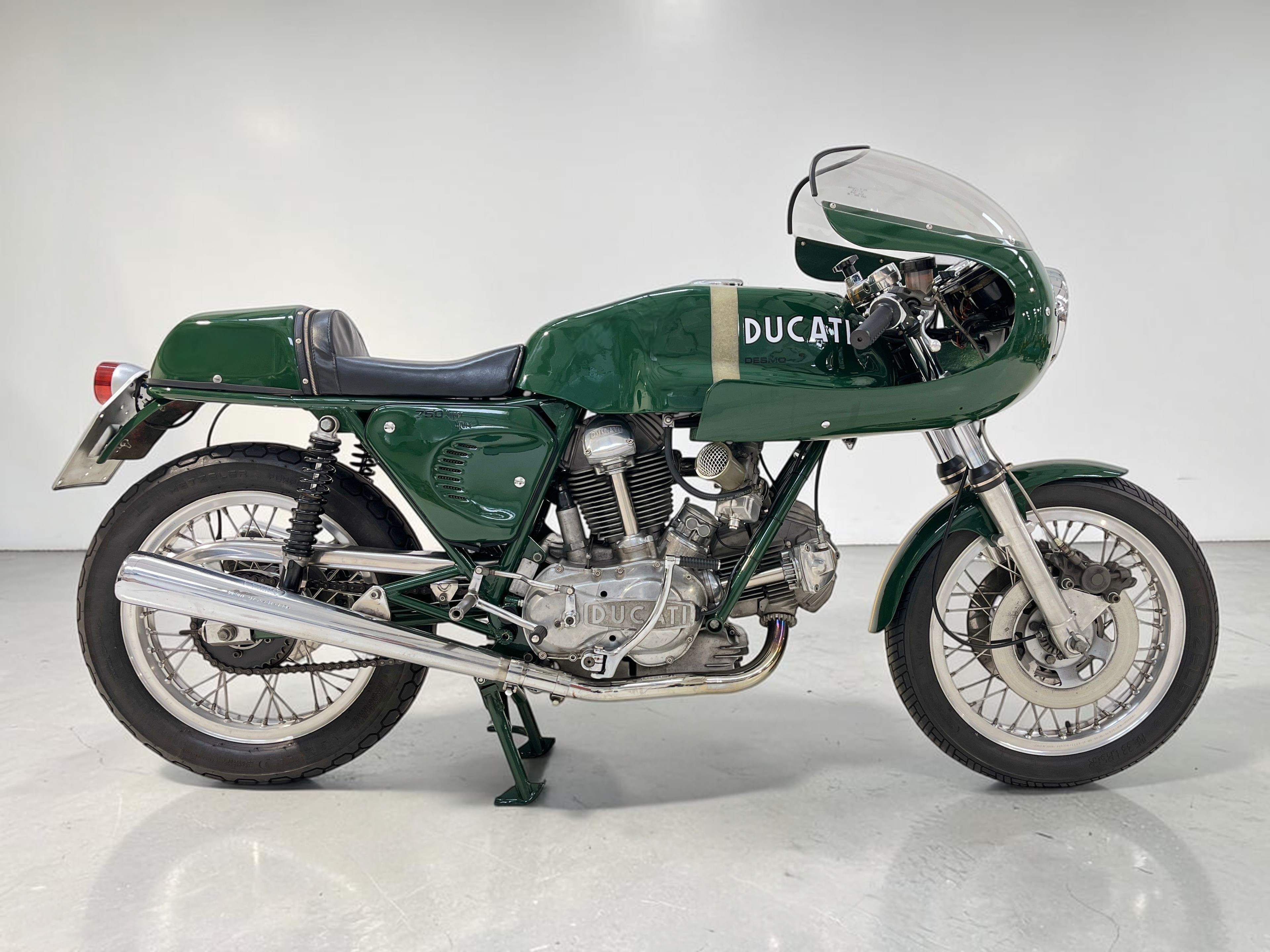
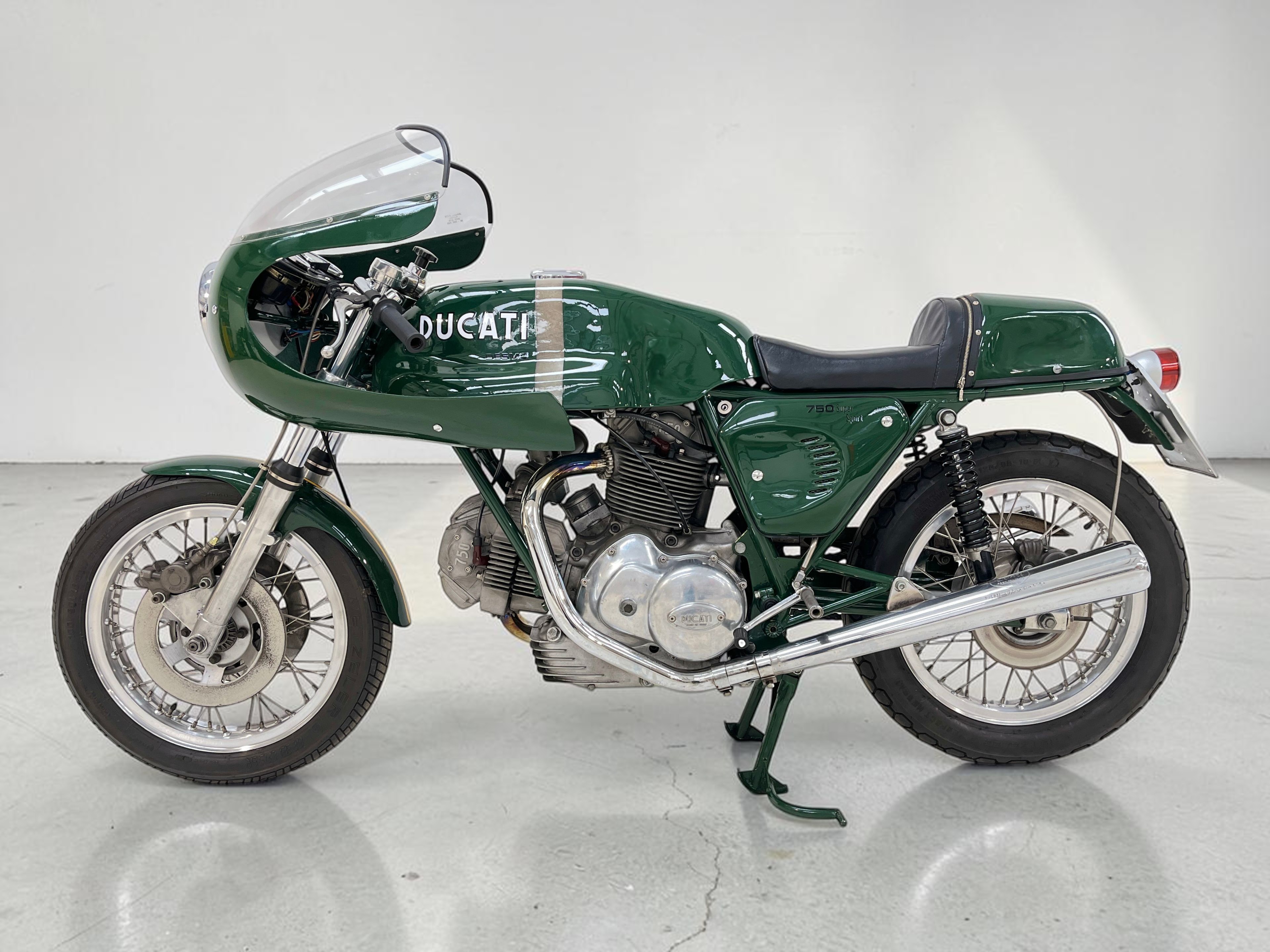
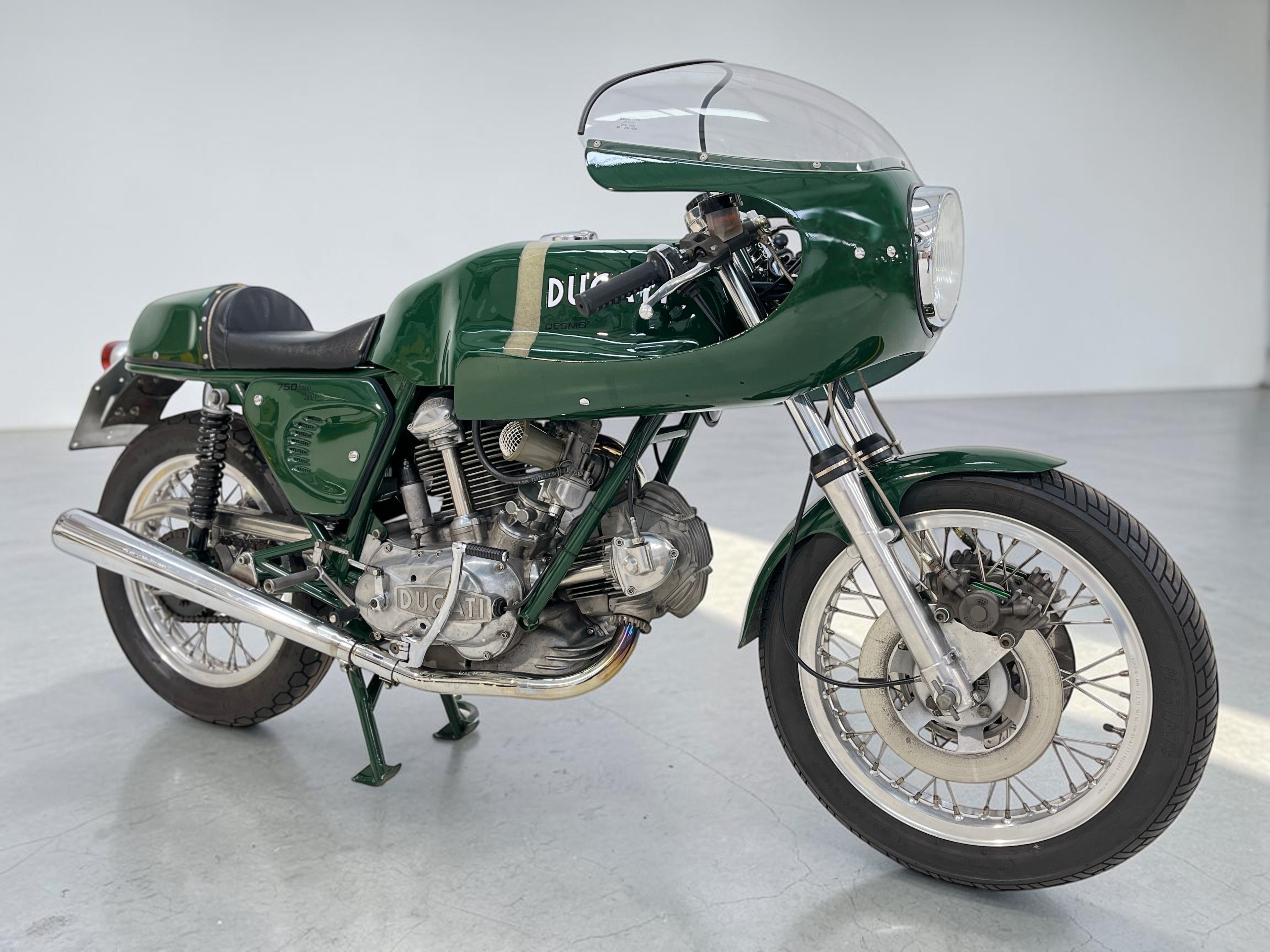
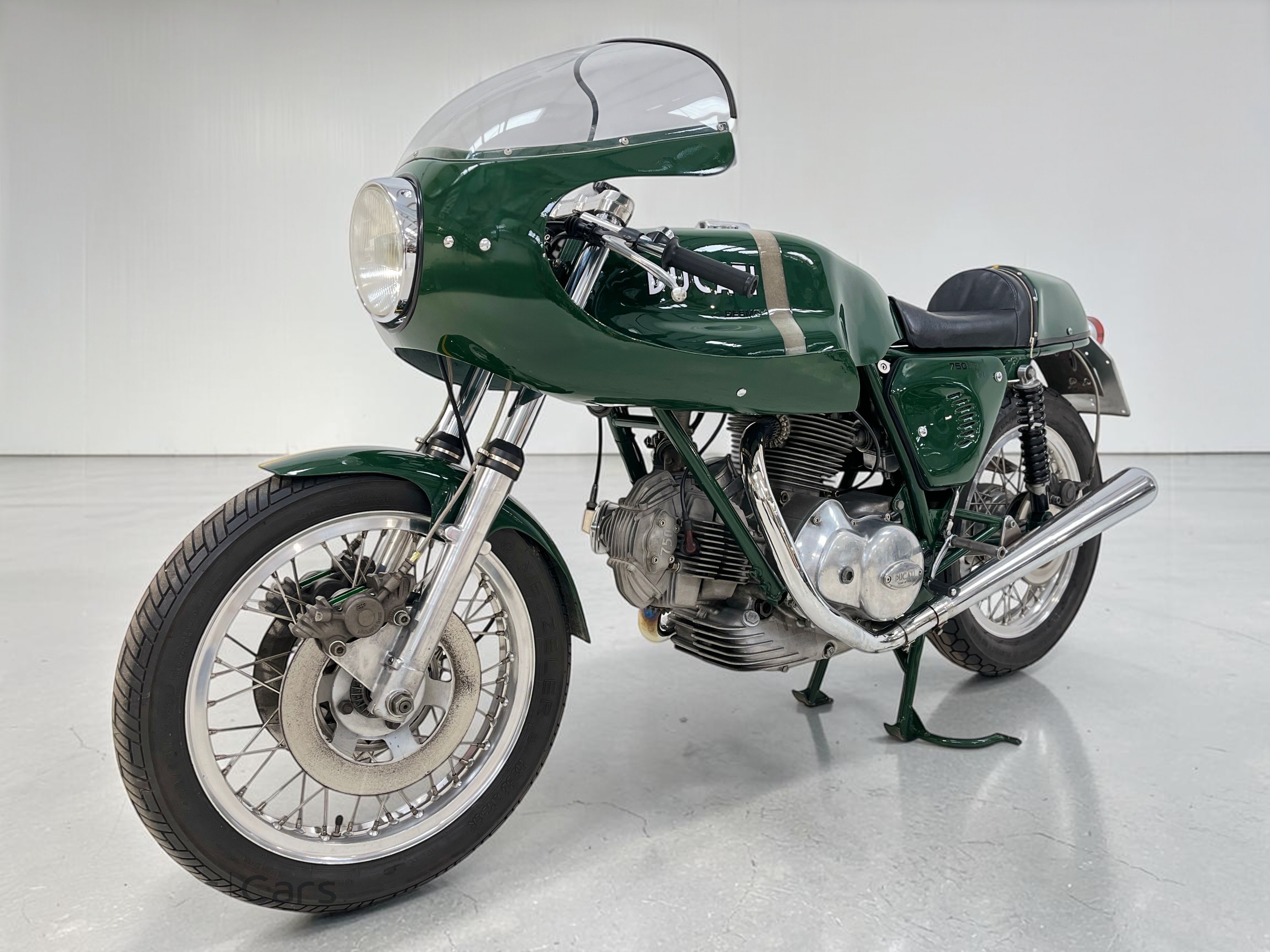
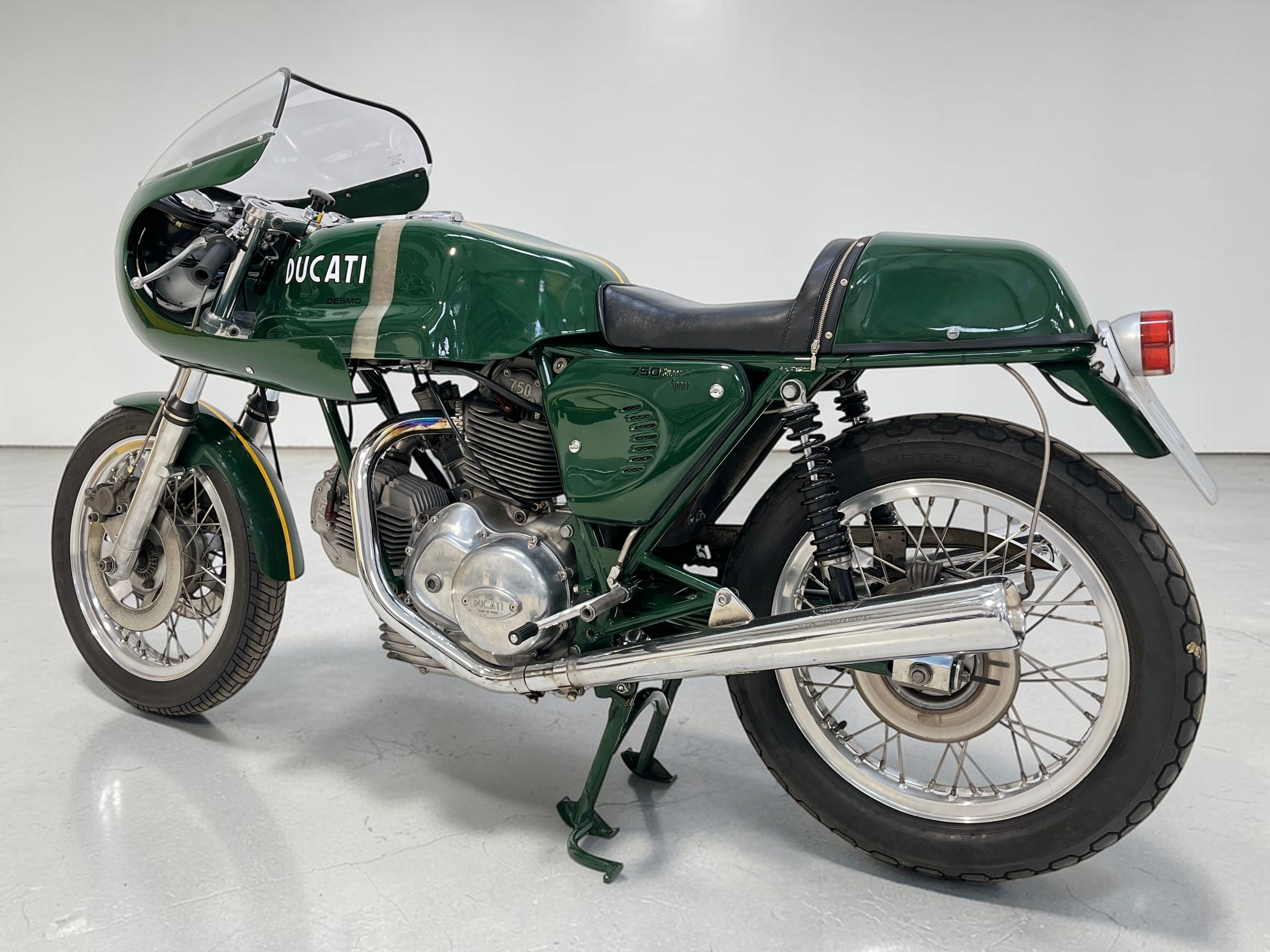
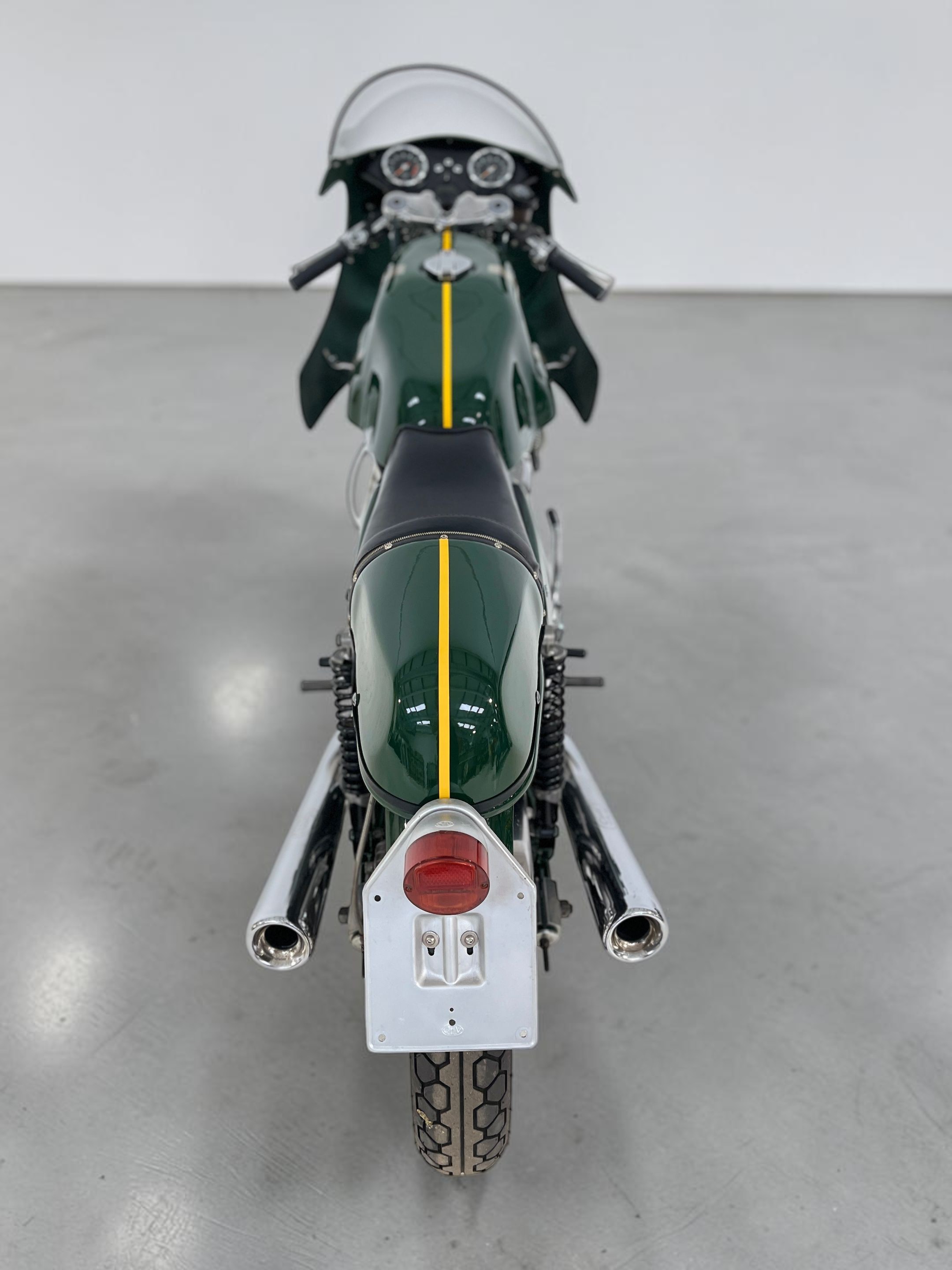
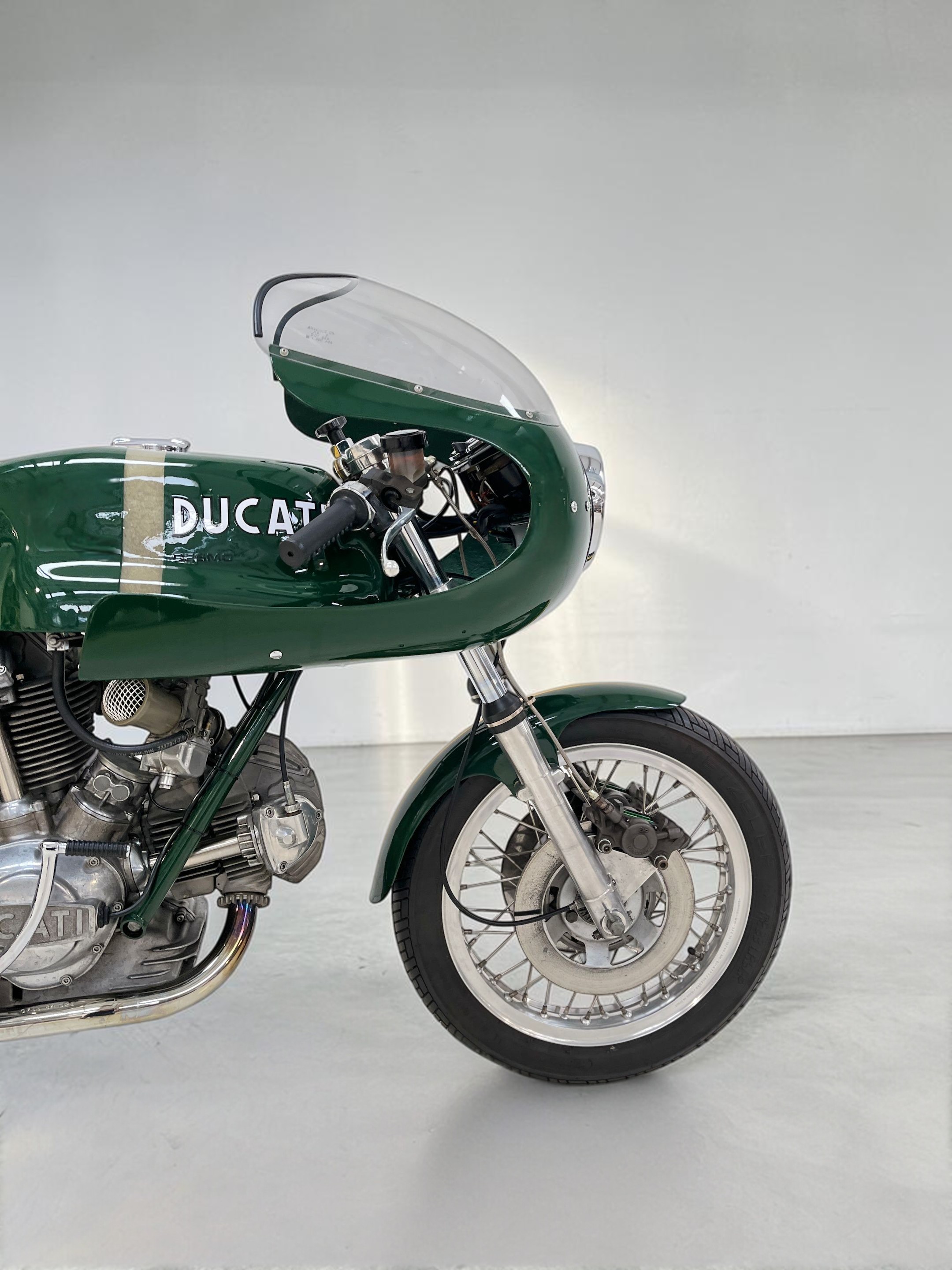
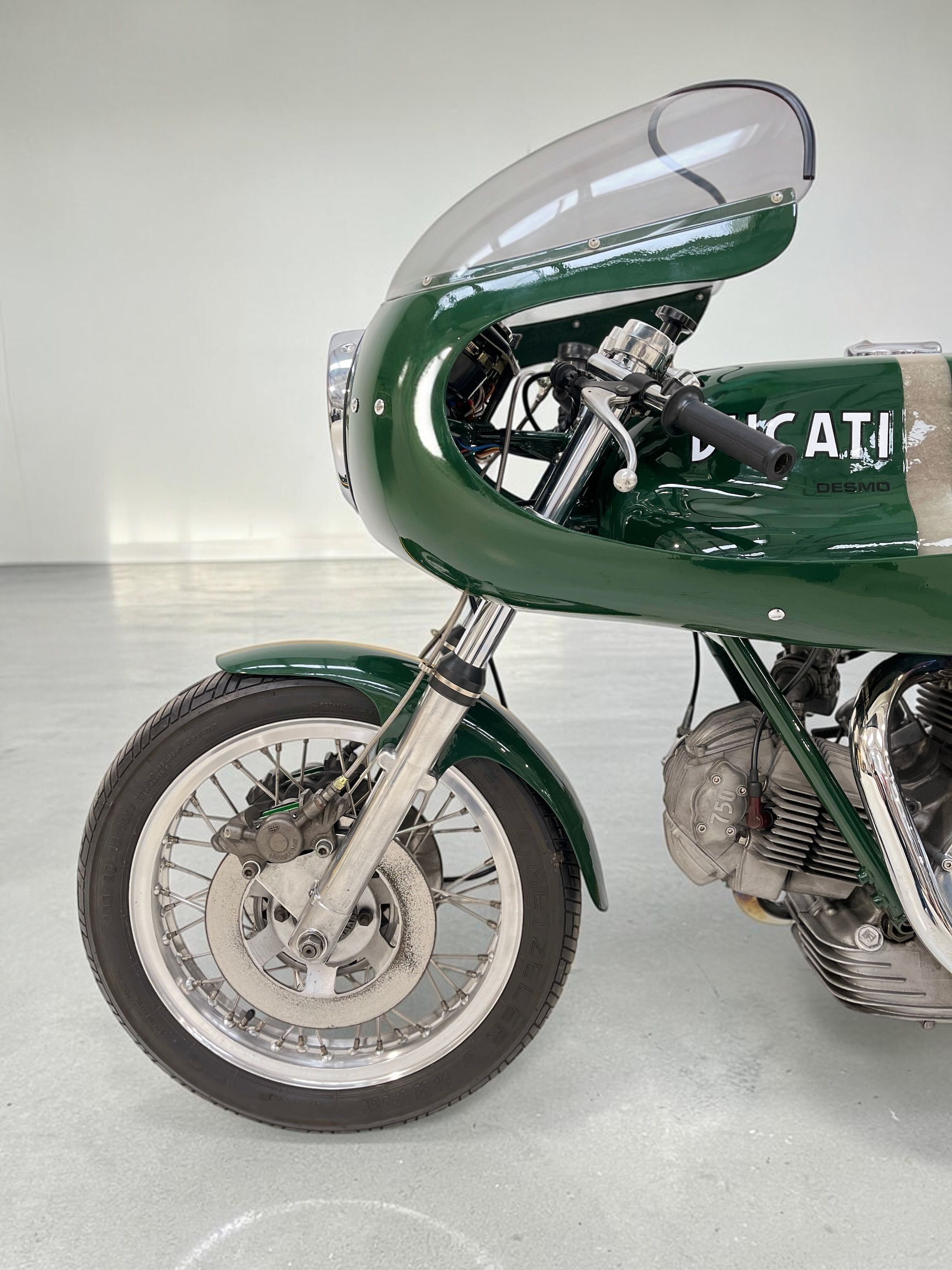
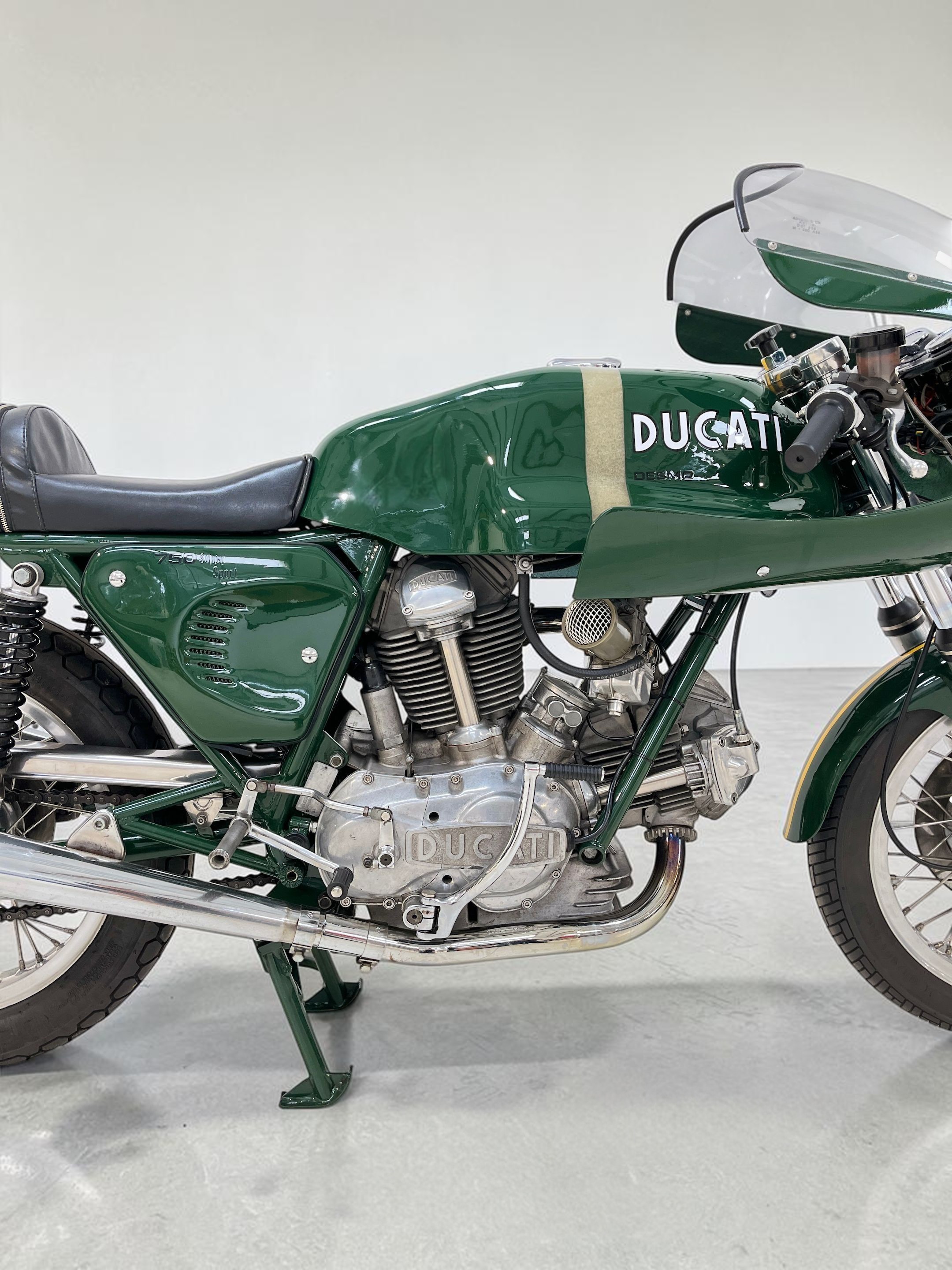
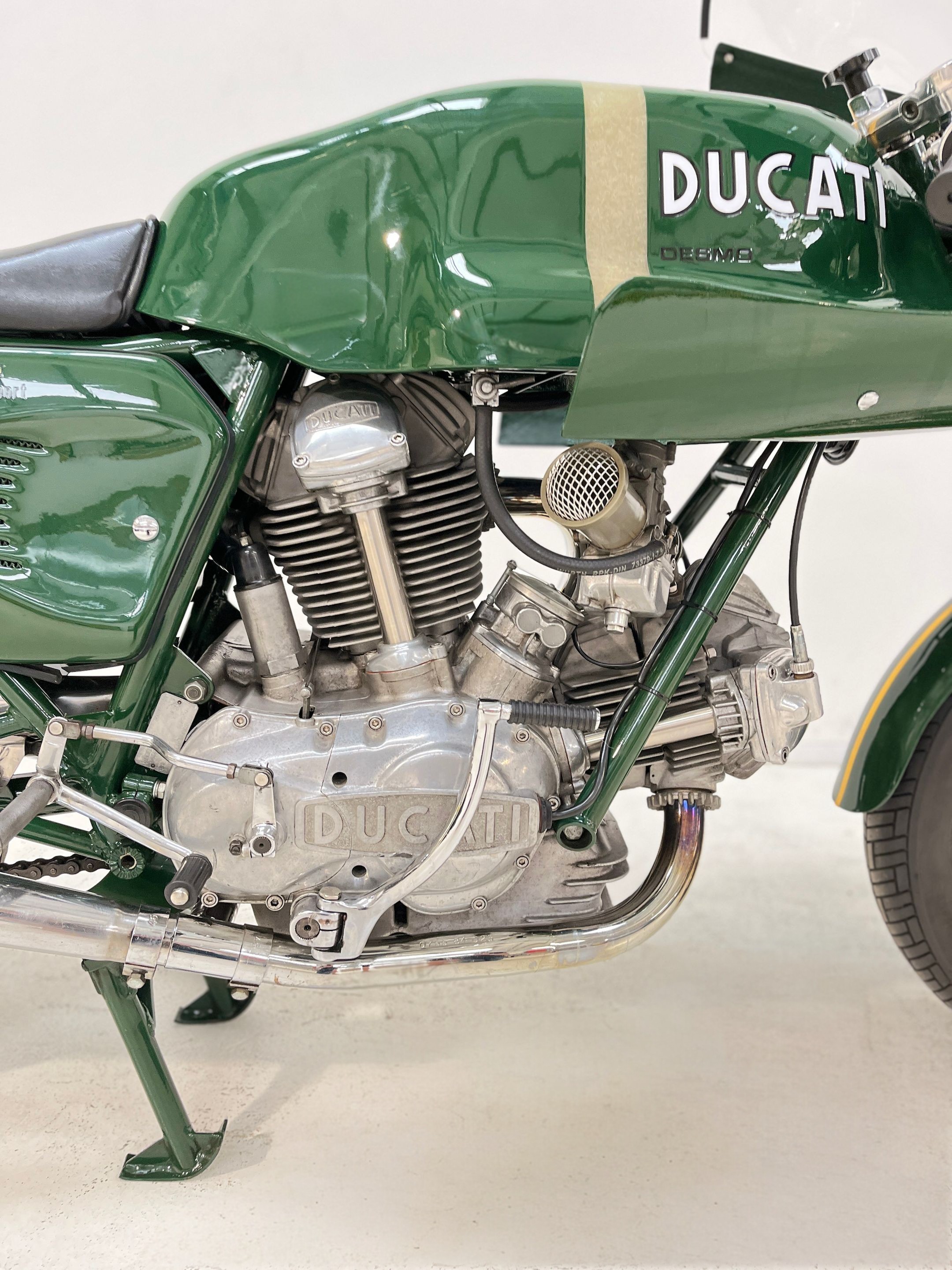
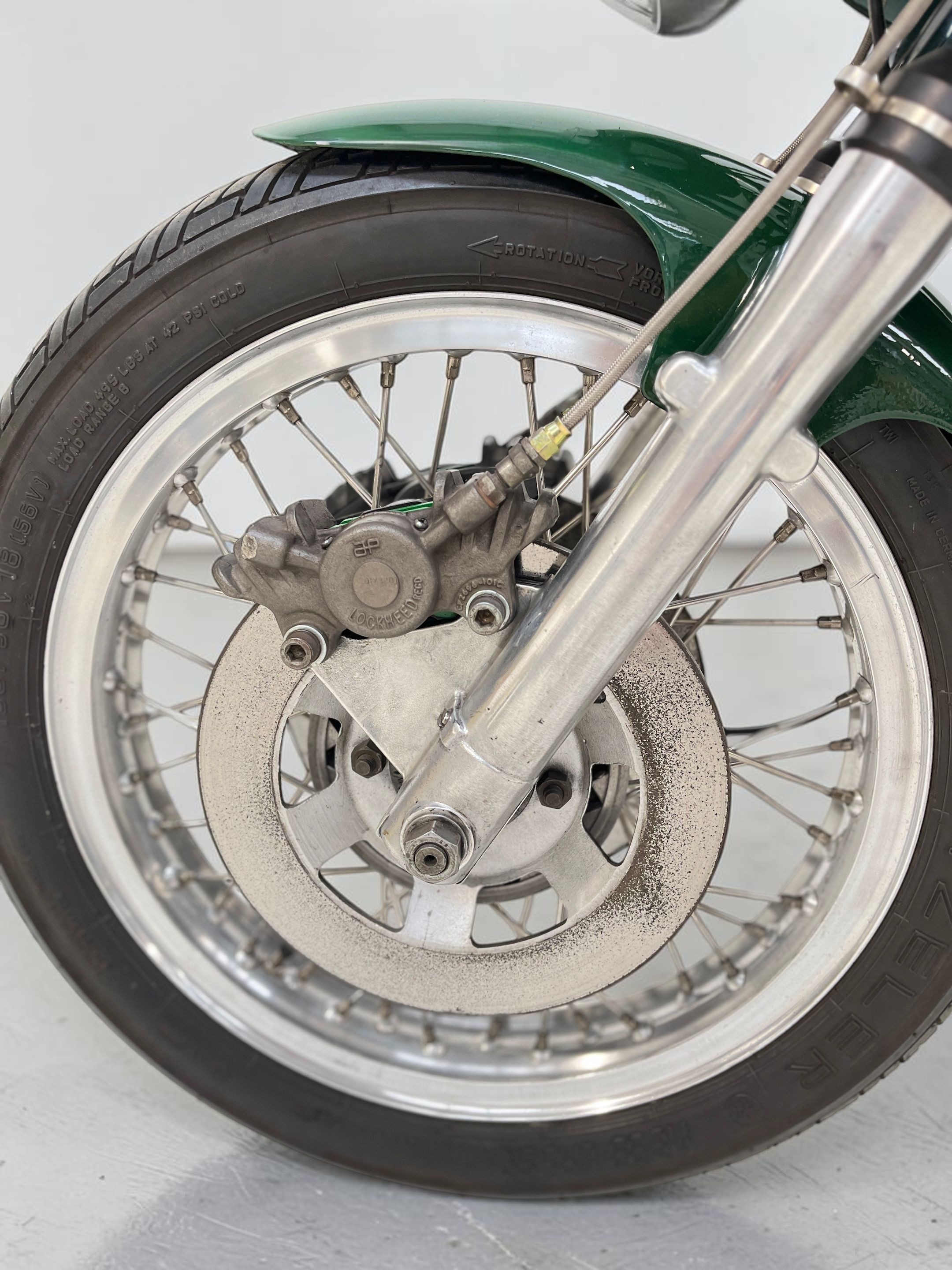
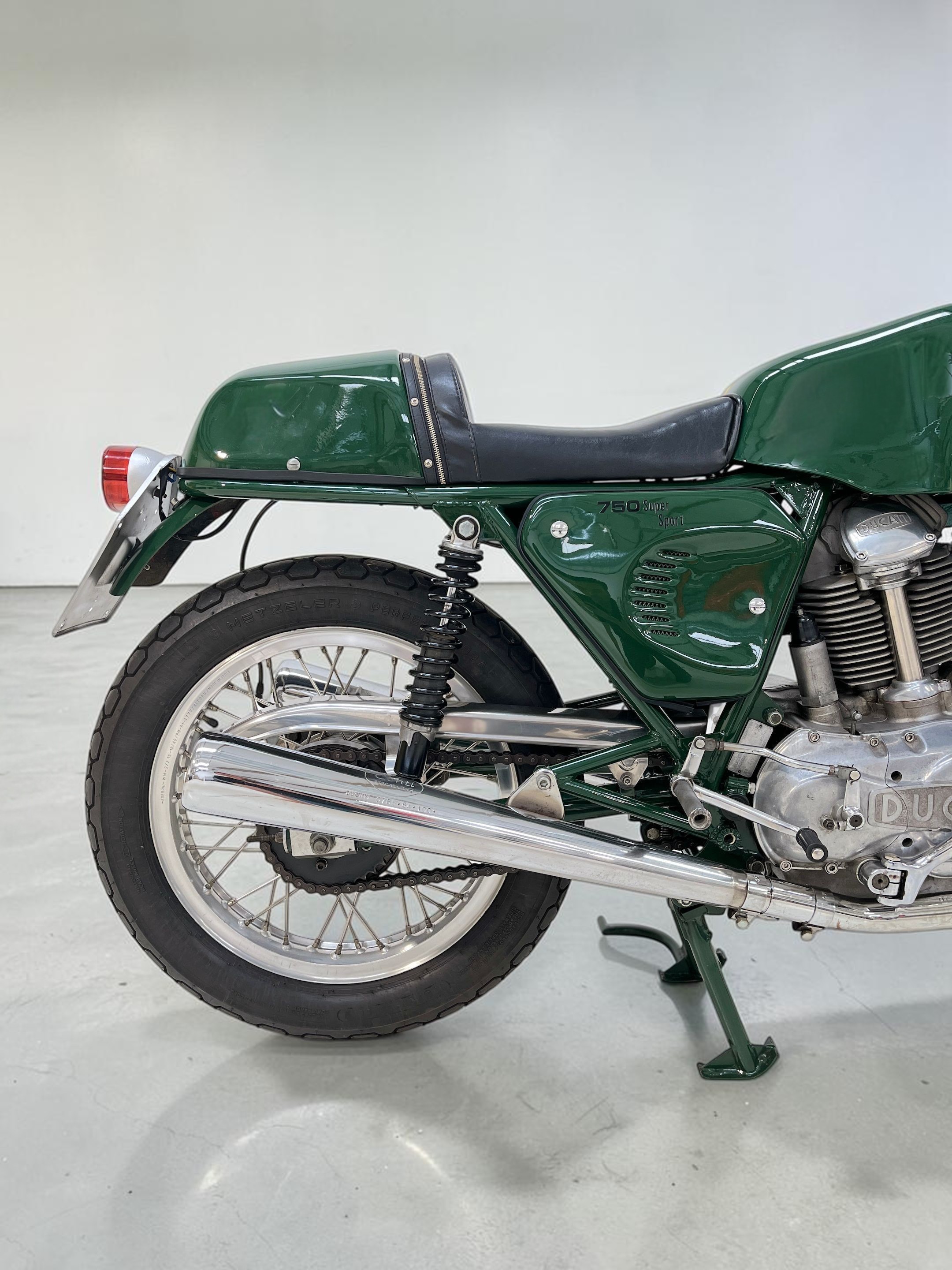
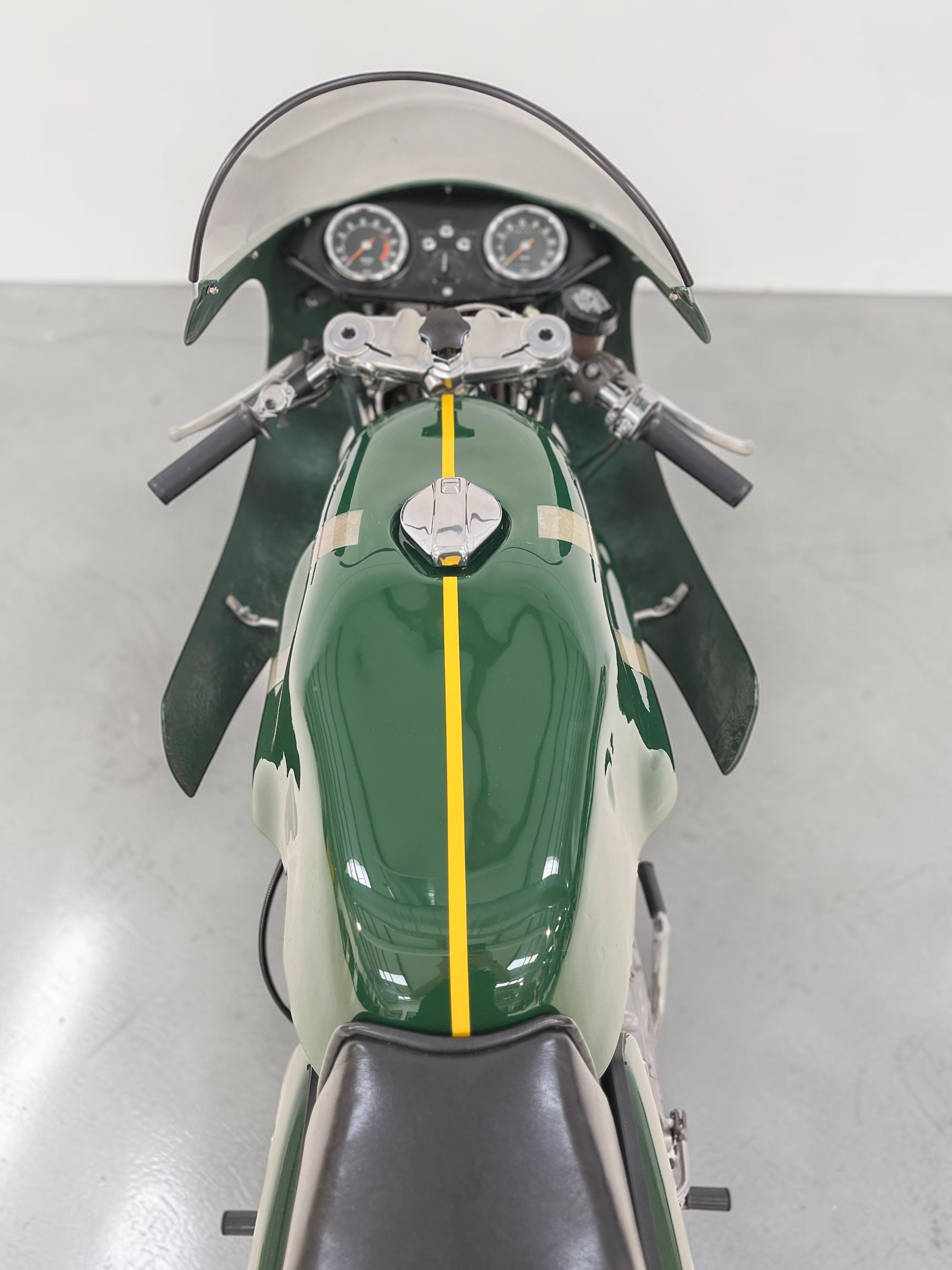
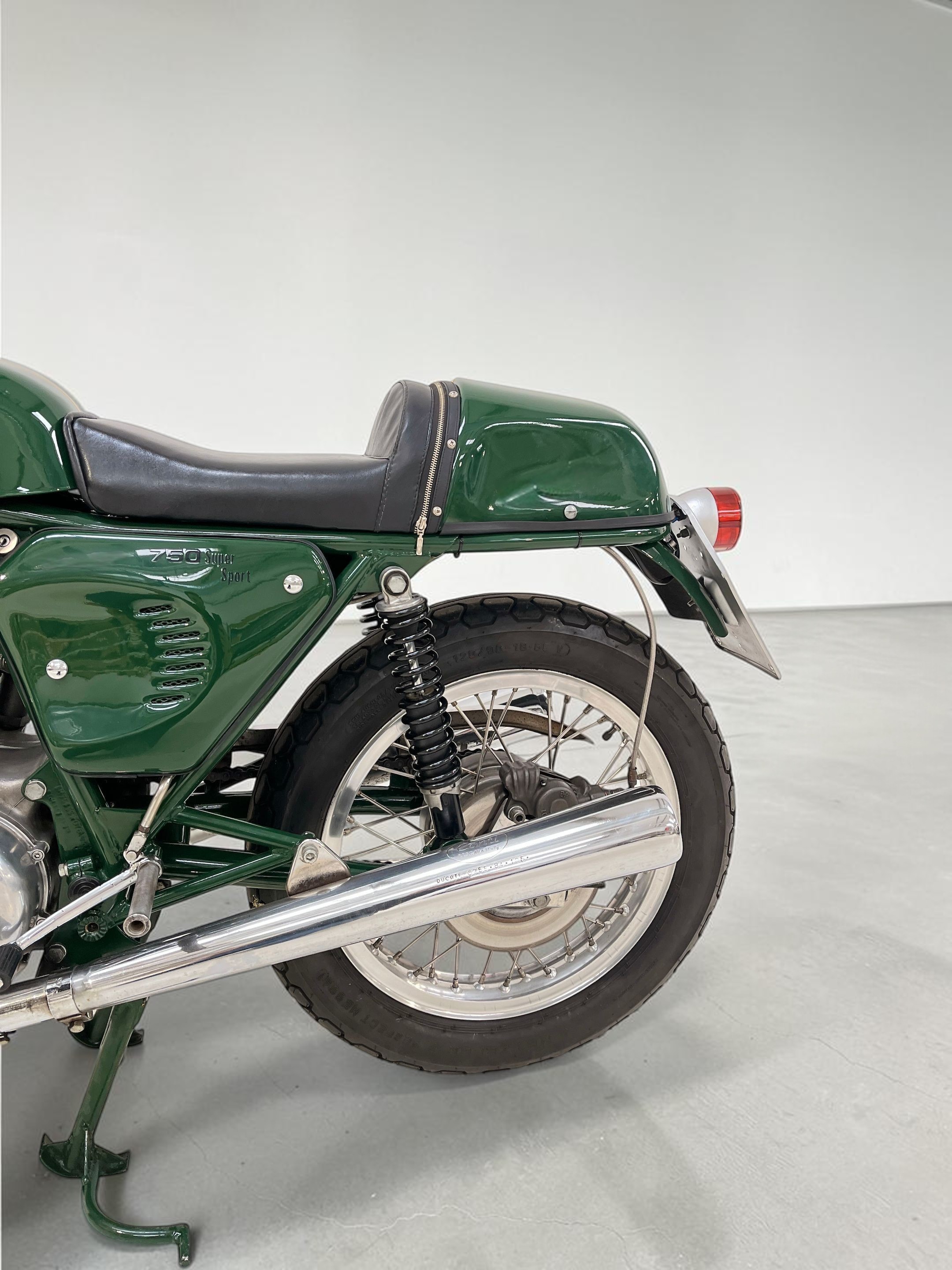
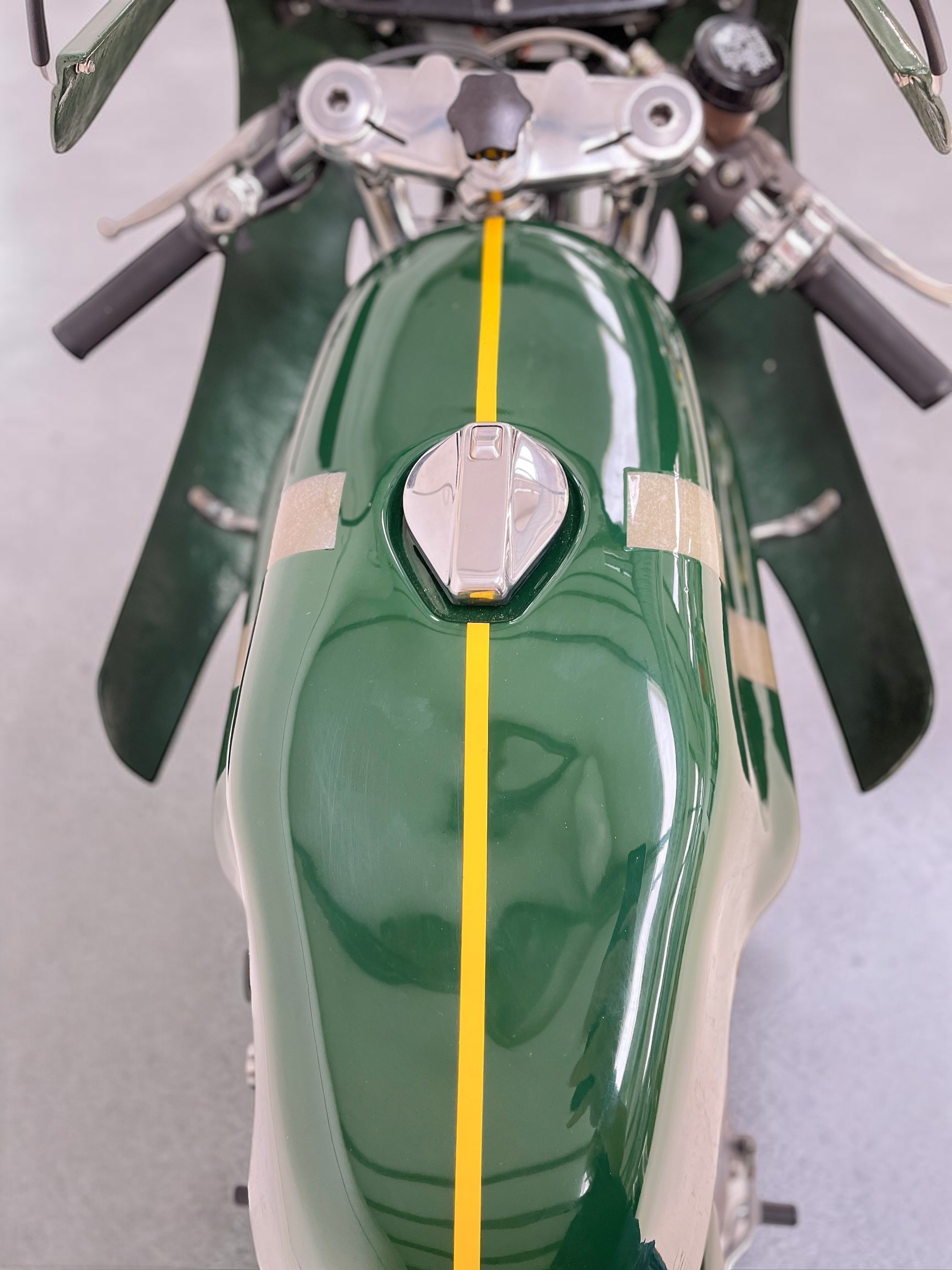
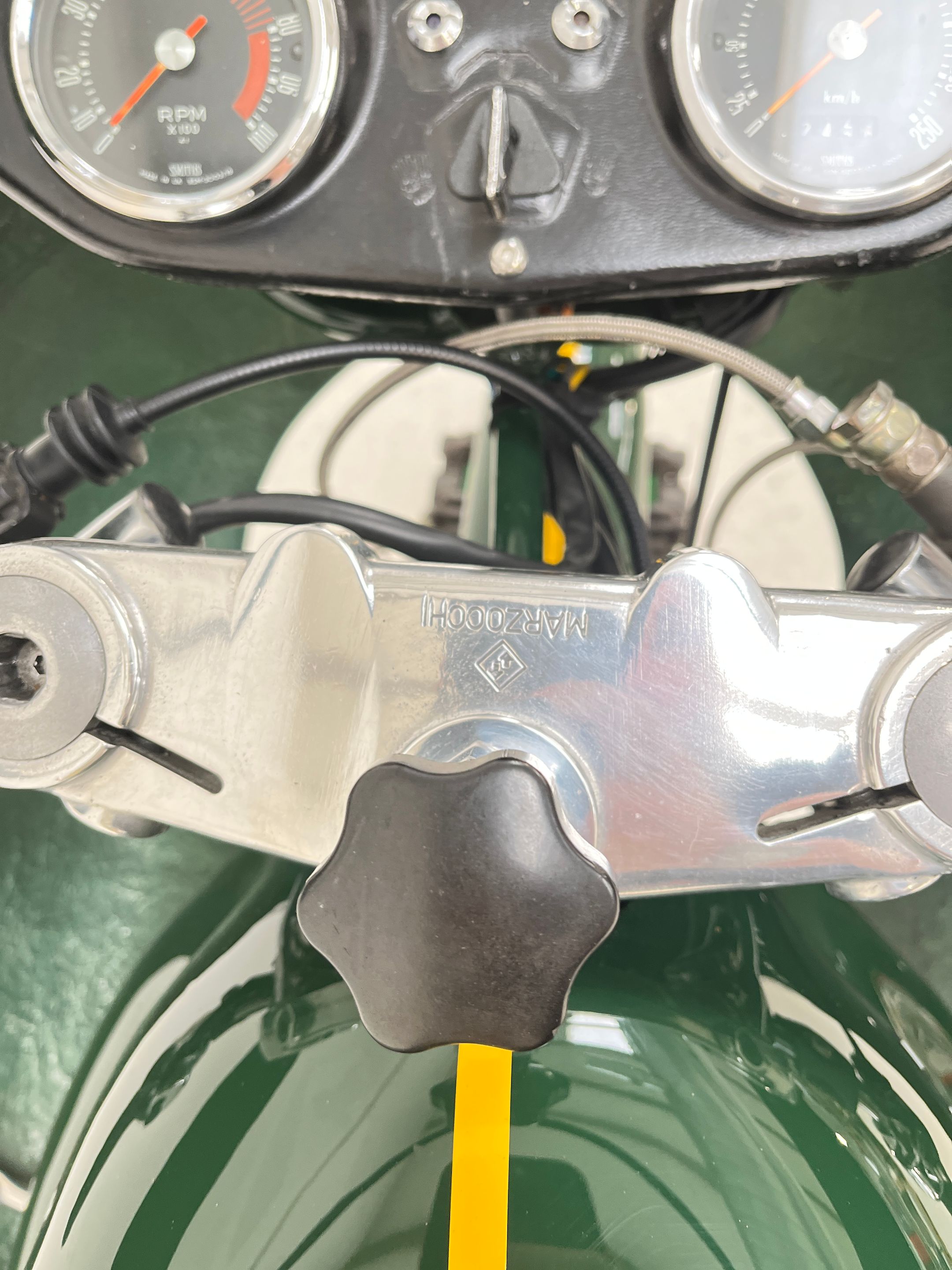
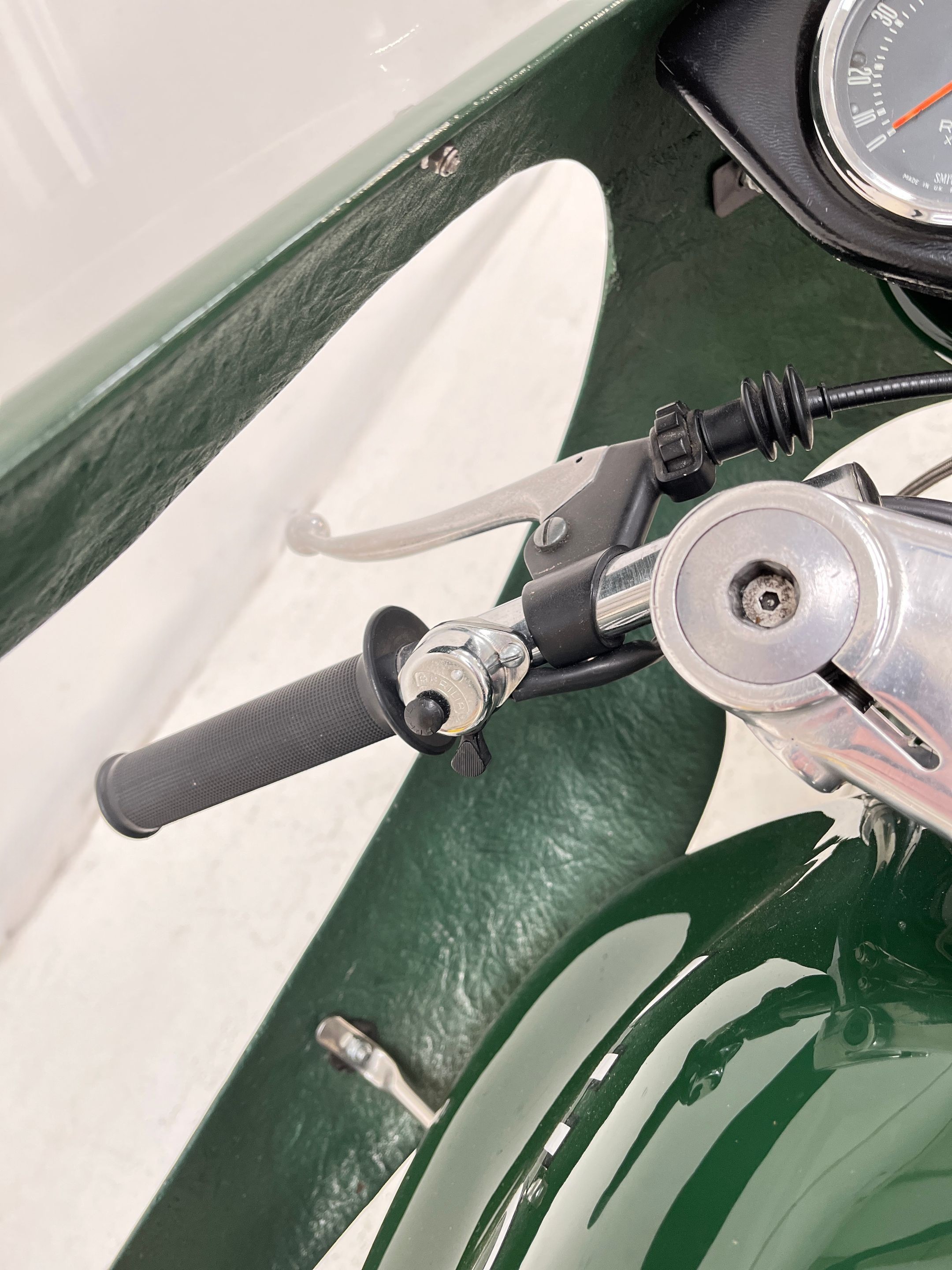
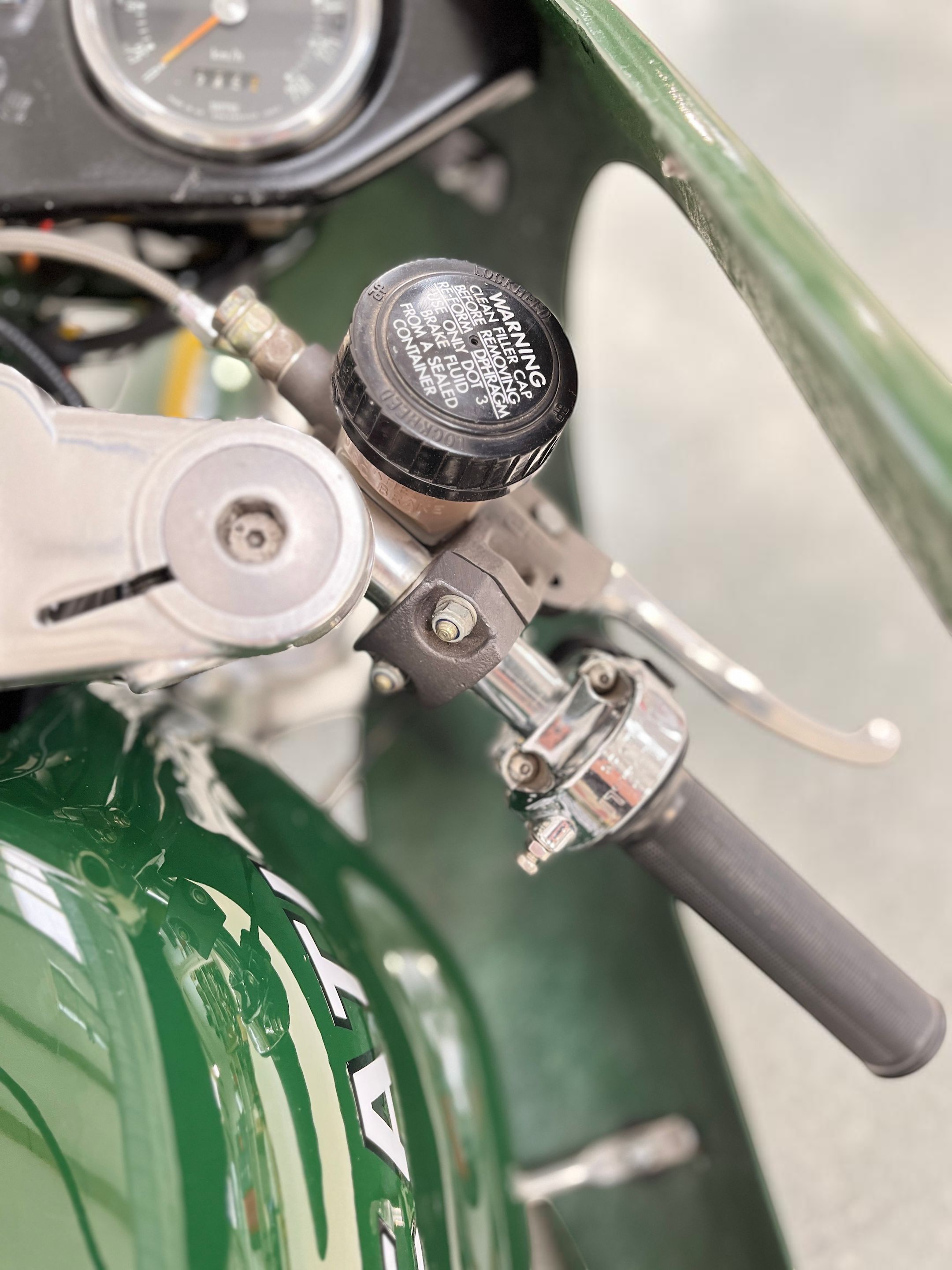
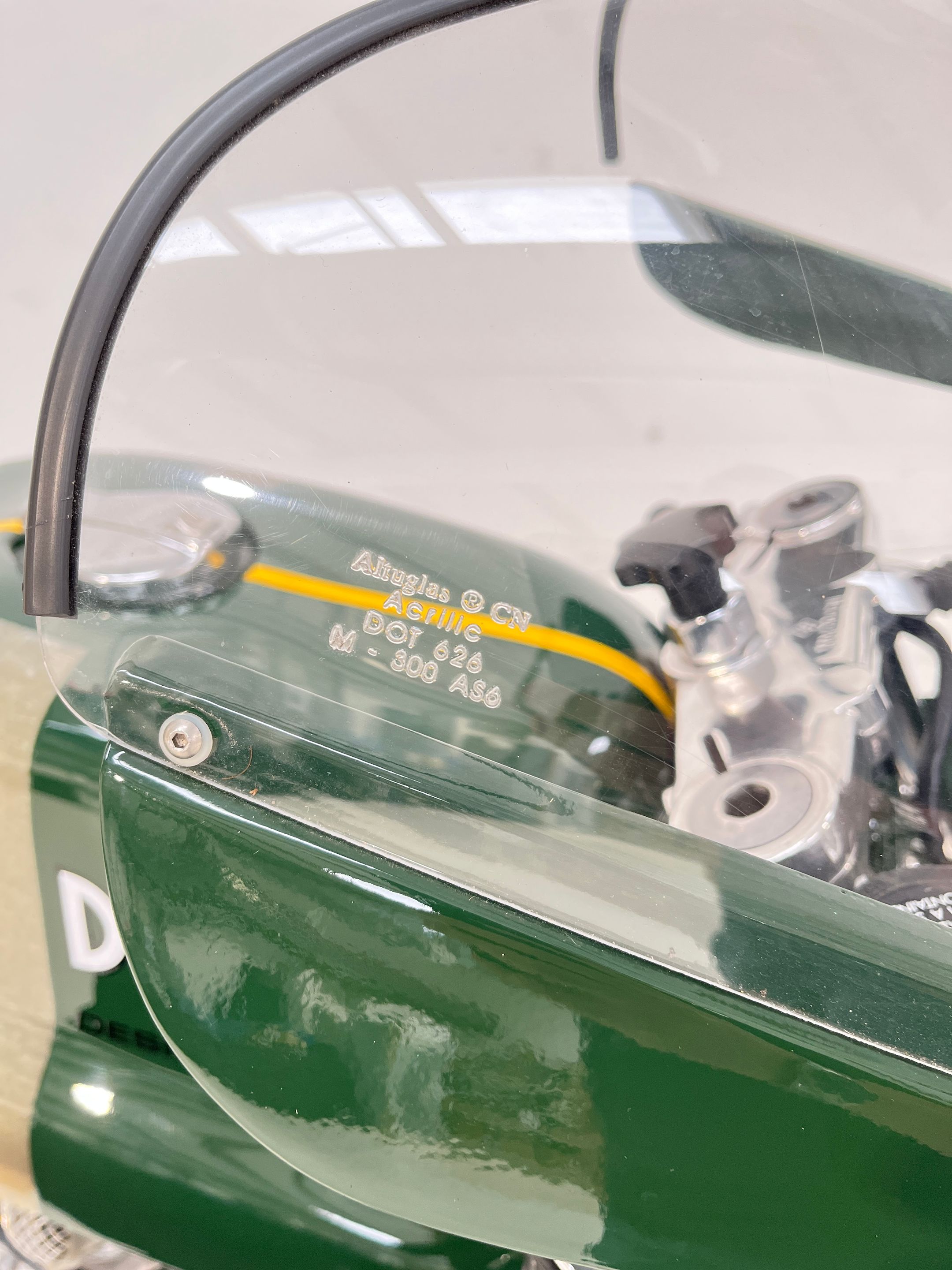
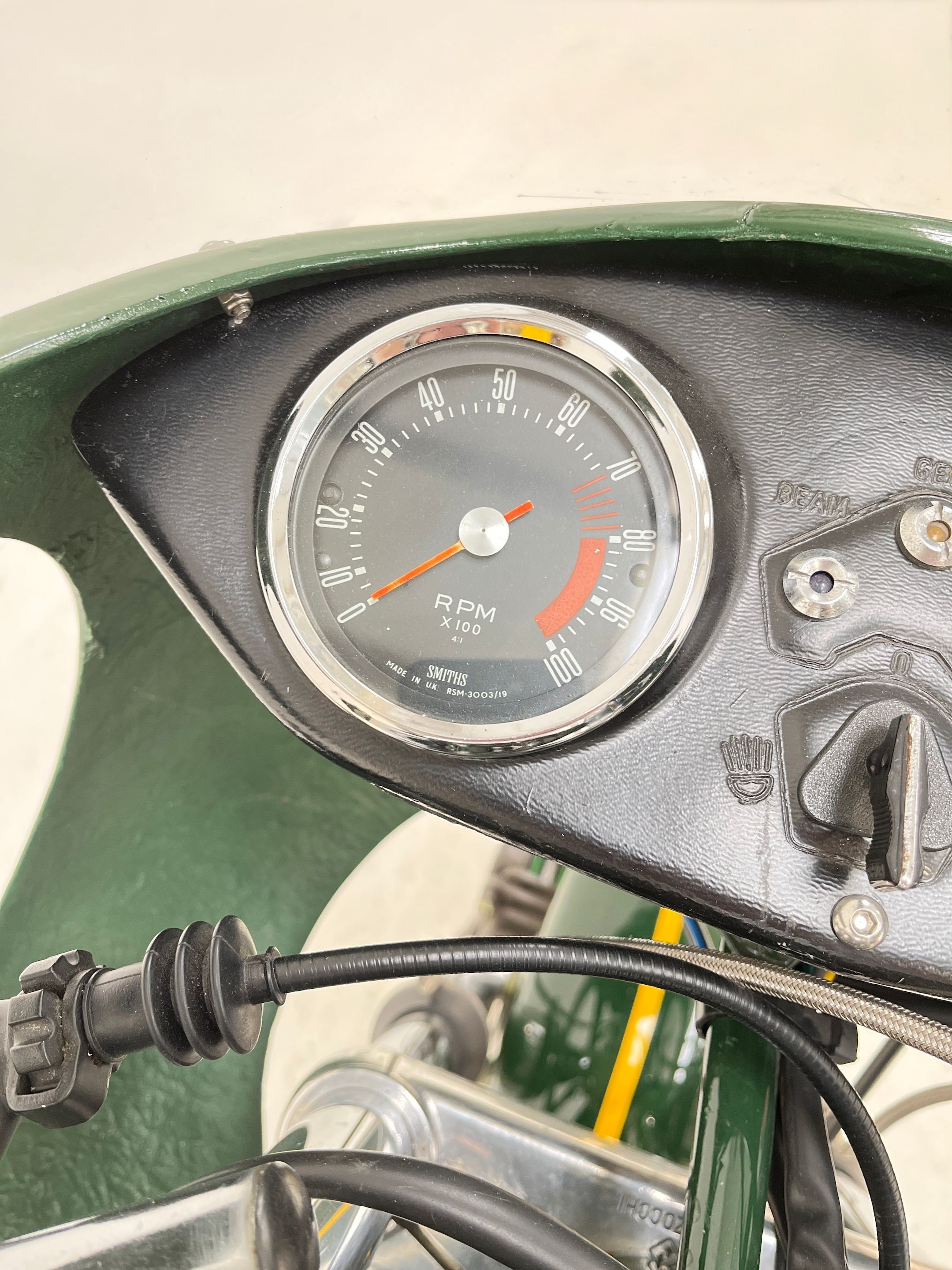
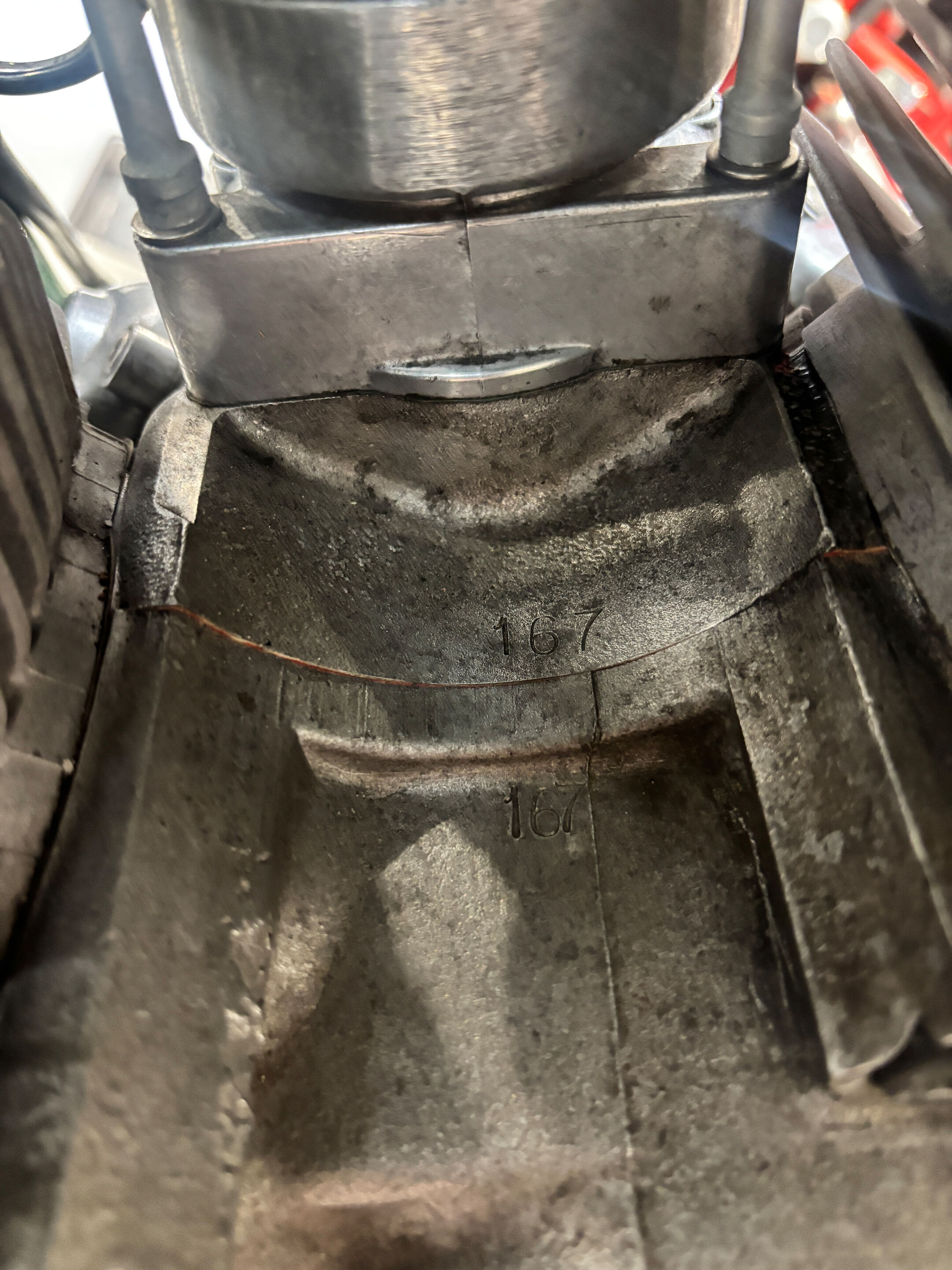
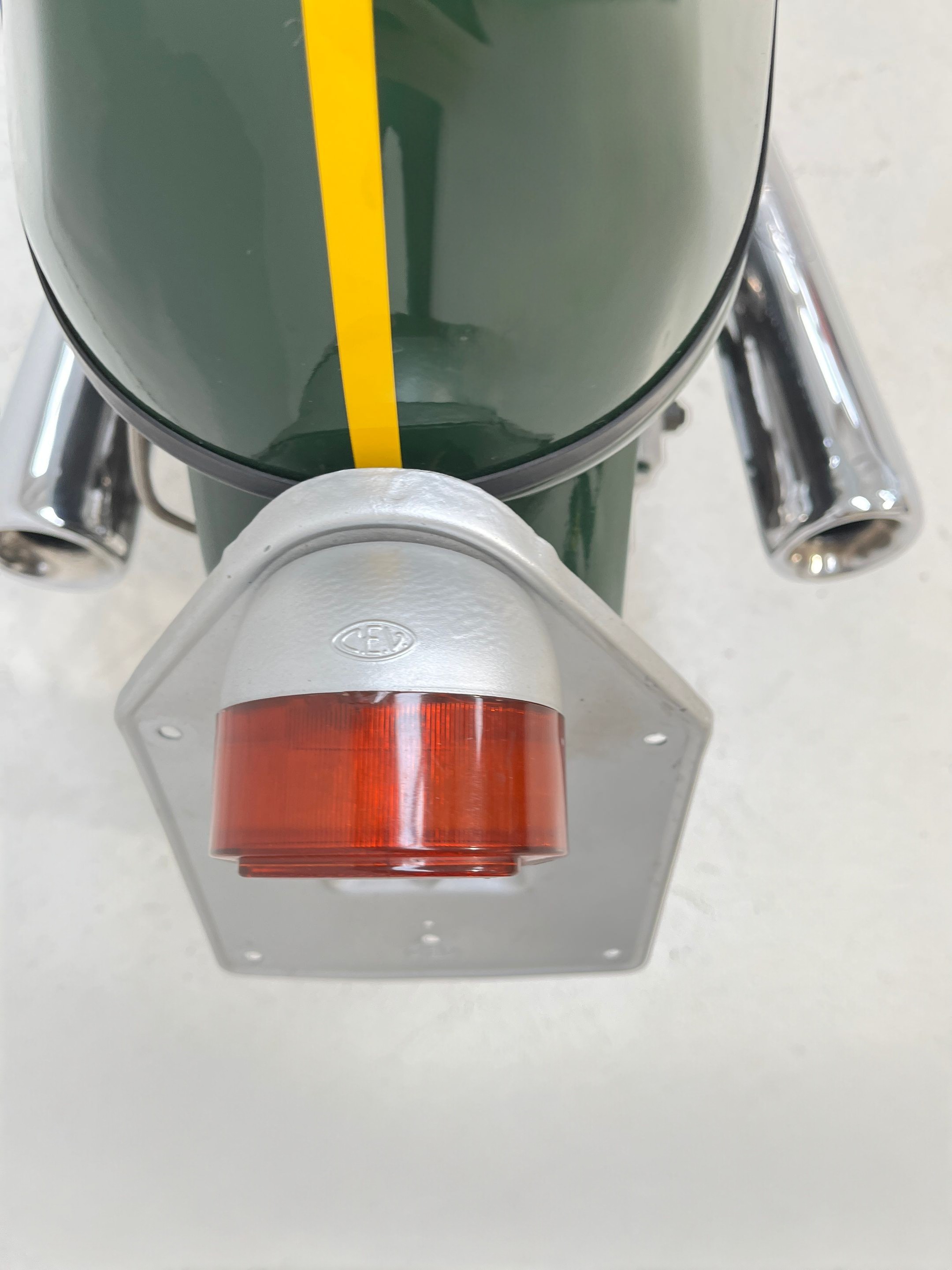
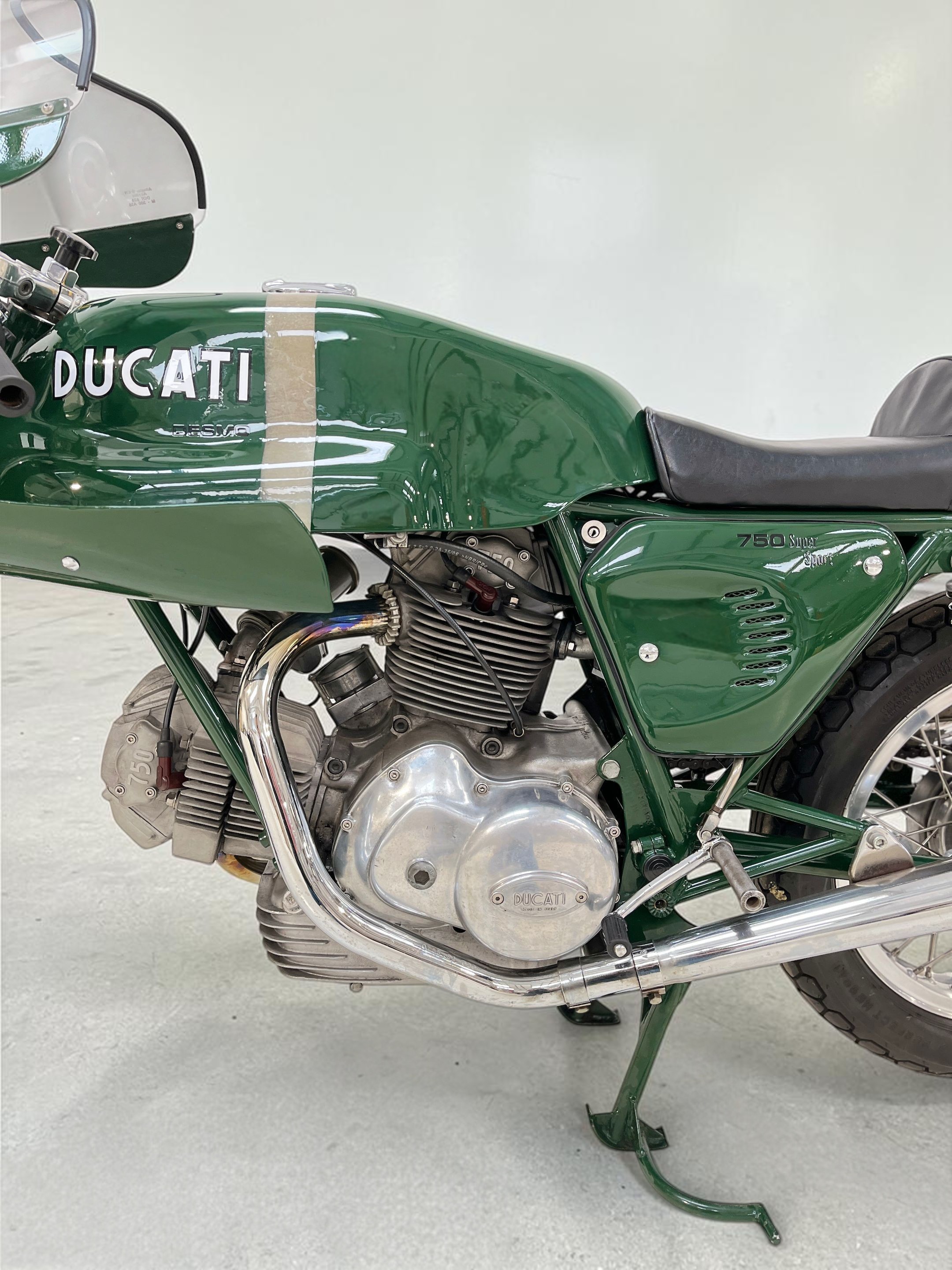
The 1974 Ducati 750 Super Sport Desmo was one of the most important sporting motorcycles of the 1970s and the production road-going development of Ducati's legendary 750 Imola Desmo.
Presented at the Milan Motorcycle Show in November 1973, the 750 Super Sport Desmo was created in response to the extraordinary success of Ducati's 750 Imola racing machine, which had won the 1972 Imola 200 Miles with Paul Smart and Bruno Spaggiari.
The motorcycle combines Ducati's 748 cc air-cooled 90-degree L-twin engine with bevel-gear-driven desmodromic overhead-camshaft technology, a five-speed gearbox, a lightweight tubular steel chassis, and distinctive fiberglass bodywork.
The 1974 production machines are particularly recognized for their silver fiberglass bodywork, translucent fuel-tank center section, and the blue-green frame that gave rise to the famous "Green Frame" nickname.
With its racing-derived engineering, limited production, and direct connection to Ducati's early superbike development, the 1974 750 Super Sport Desmo has become one of the most significant collector motorcycles of the period.
The Ducati 750 Super Sport Desmo was born directly from the racing success of the 750 Imola Desmo.
In 1972, Paul Smart and Bruno Spaggiari took first and second place at the Imola 200 Miles on Ducati's 750 Imola Desmo, defeating the established racing opposition and giving Ducati enormous international attention.
The success created strong demand for a road-going motorcycle that could reproduce the character and engineering of the Imola machine. Ducati subsequently developed the 750 Super Sport Desmo as a production-derived sporting motorcycle based closely on the racing concept.
The 750 Super Sport Desmo was officially presented at the Milan Motorcycle Show in November 1973 and entered production in 1974.
Production was extremely limited. Contemporary historical references generally identify approximately 401 examples produced during 1974, making the original Super Sport a one-year production model and considerably rarer than later Ducati 750 Super Sport variants.
The motorcycles were essentially hand-built machines, incorporating specialized fiberglass bodywork, racing-derived mechanical components, and a desmodromic valve system that was unusual among production motorcycles of the period.
Because many examples were subsequently raced, modified, restored, or converted during their lifetimes, surviving motorcycles with original components, correct frame details, matching numbers, and documented history are particularly important to collectors.
The 1974 Ducati 750 Super Sport Desmo is powered by a 748 cc air-cooled 90-degree L-twin four-stroke engine.
The engine uses an 80 mm bore and approximately 74.4 mm stroke, with bevel-gear-driven overhead camshafts and Ducati's desmodromic valve-control system.
The desmodromic system mechanically controls both the opening and closing of the valves rather than relying on conventional valve springs alone, allowing the engine to maintain precise valve control at high engine speeds.
The 750 Super Sport uses twin Dell'Orto 40 mm carburetors, providing the engine with the breathing capacity required for its high-performance sporting specification.
Period specifications commonly quote approximately 70 horsepower at around 9,000 rpm, while Ducati's official historical reference lists 72 hp at 9,500 rpm. Differences between published figures reflect specification references and measurement conventions.
The compression ratio is approximately 9.5:1.
The engine's combination of a large-displacement L-twin configuration, desmodromic valve control, high-performance carburetion, and racing-derived development gave the 750 Super Sport exceptional performance for its era.
Actual performance of a surviving motorcycle depends on engine condition, carburetor adjustment, ignition timing, valve clearance, compression, exhaust condition, gearing, tires, and restoration quality.
The 1974 Ducati 750 Super Sport uses a five-speed constant-mesh manual transmission.
The five-speed gearbox allows the rider to keep the high-revving L-twin engine within its useful operating range while providing appropriate ratios for both acceleration and high-speed road riding.
The clutch is manually operated through the left-hand lever and transfers engine power to the gearbox through the conventional motorcycle drivetrain.
The rear wheel is driven through an exposed final-drive chain, following the conventional architecture of high-performance motorcycles of the period.
The combination of the five-speed transmission and the flexible 748 cc L-twin engine gives the 750 Super Sport a sporting character that closely reflects its racing origins.
On a surviving example, the clutch, gearbox, selector mechanism, primary drive, final-drive chain, sprockets, bearings, seals, and crankshaft should be inspected carefully.
Correct adjustment and mechanical condition are particularly important on a historically significant Ducati because worn or incorrectly restored components can significantly affect both performance and originality.
The 1974 Ducati 750 Super Sport uses a tubular steel open double-cradle frame with the engine contributing to the overall structural architecture of the motorcycle.
The chassis was developed around the requirements of a high-performance sporting motorcycle rather than a conventional touring machine.
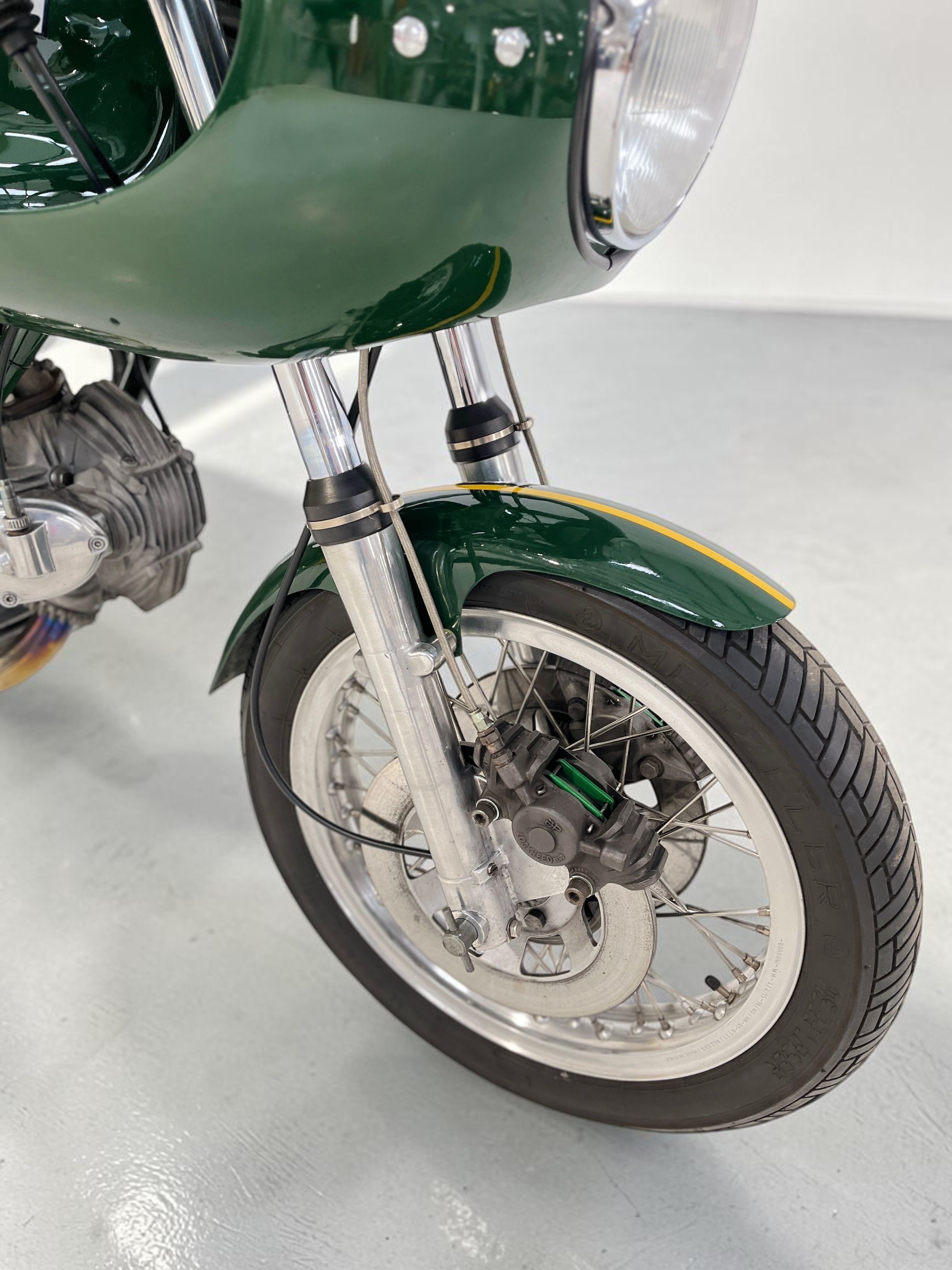
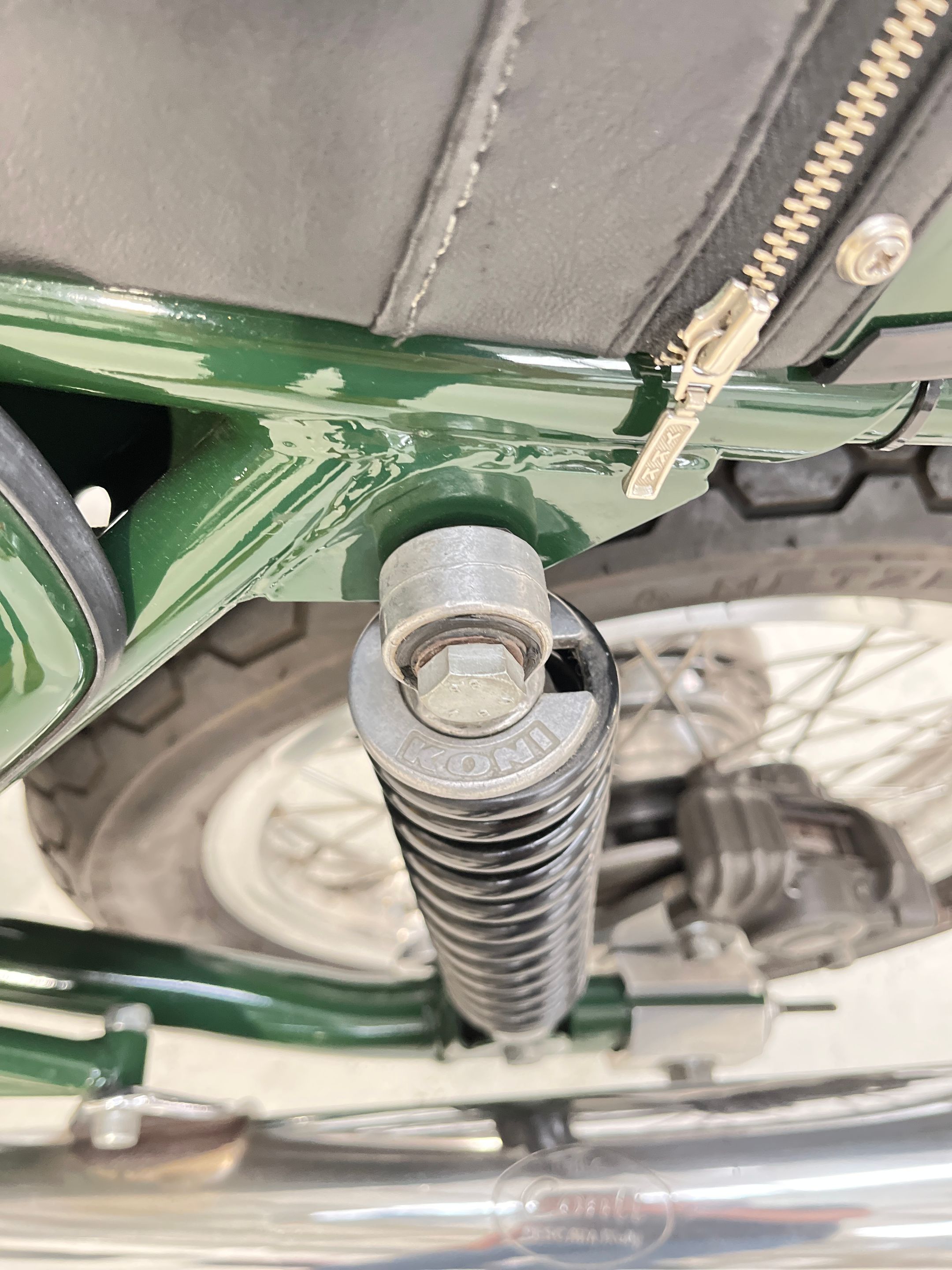
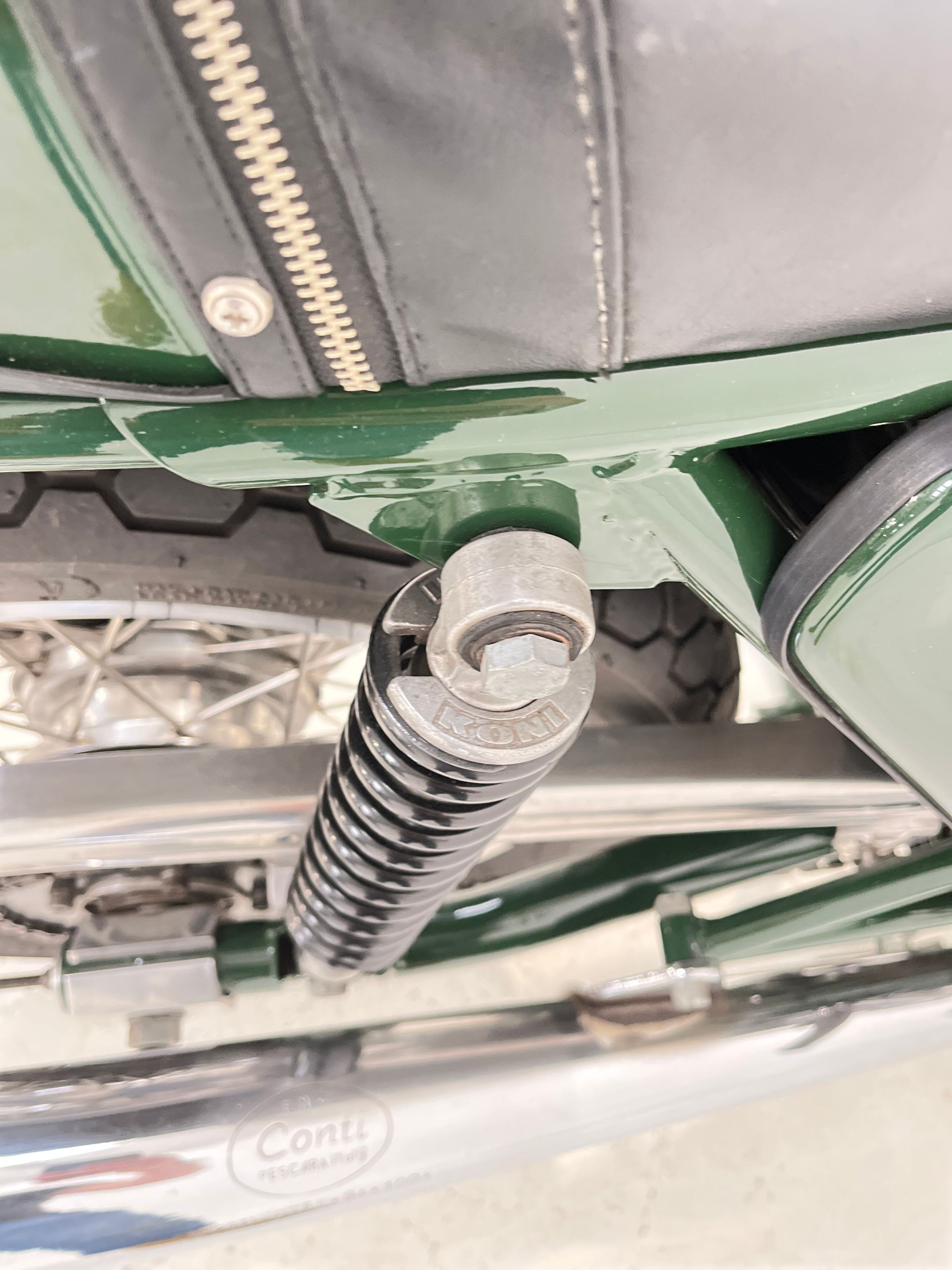
The front suspension uses Marzocchi telescopic forks, while the rear suspension is equipped with twin Marzocchi shock absorbers.
The suspension arrangement provides the motorcycle with a relatively direct and sporting handling character while retaining the conventional mechanical simplicity of 1970s racing-derived road motorcycles.
The lightweight chassis, compact L-twin engine, and relatively low overall mass contribute significantly to the motorcycle's agility.
The 750 Super Sport's chassis was designed to provide predictable handling at high speed, reflecting the motorcycle's close relationship with Ducati's production-derived racing machines.
On an original or restored example, the frame should be examined carefully for modifications, repairs, welding, accident damage, corrosion, and evidence of racing use.
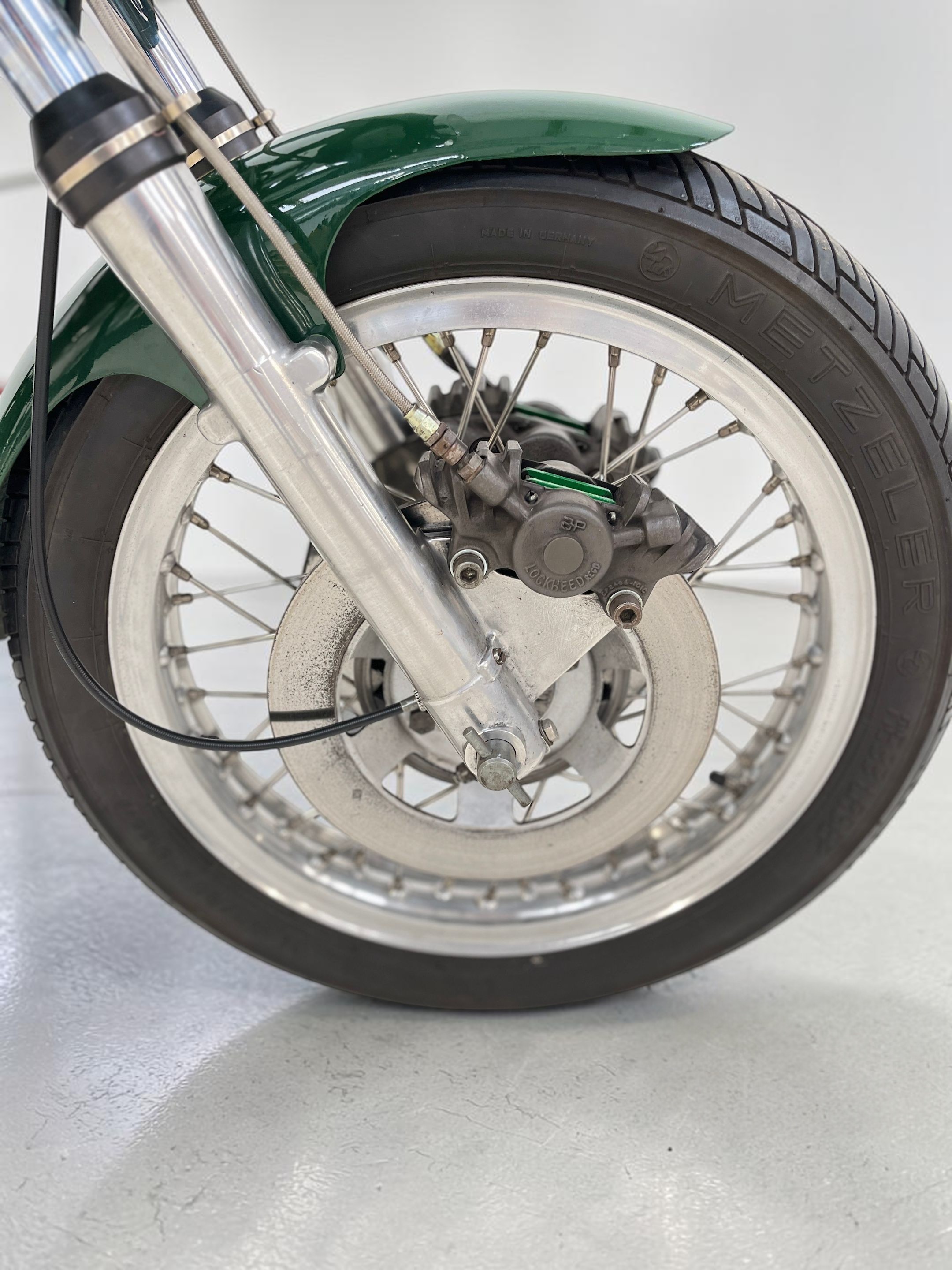
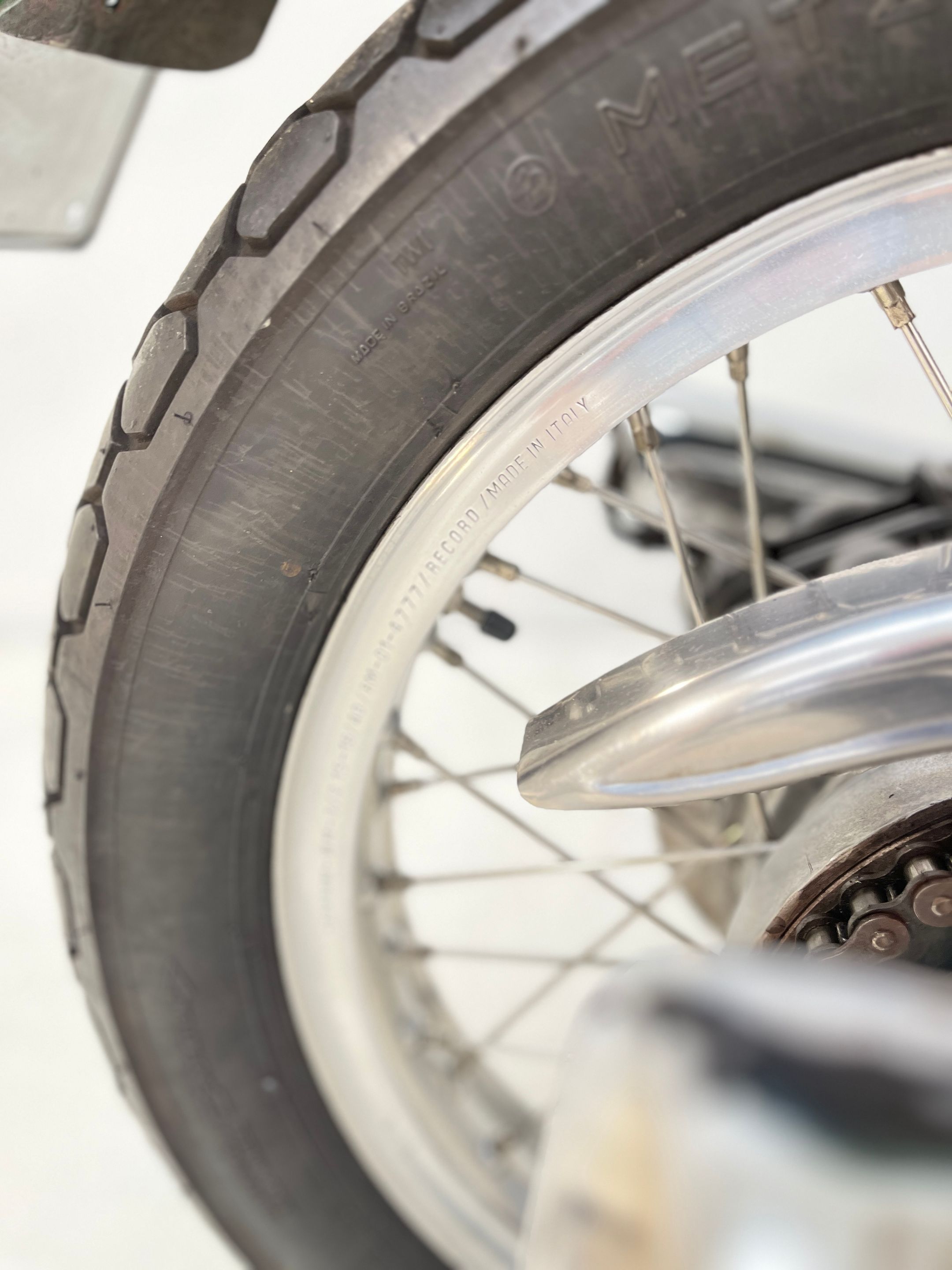
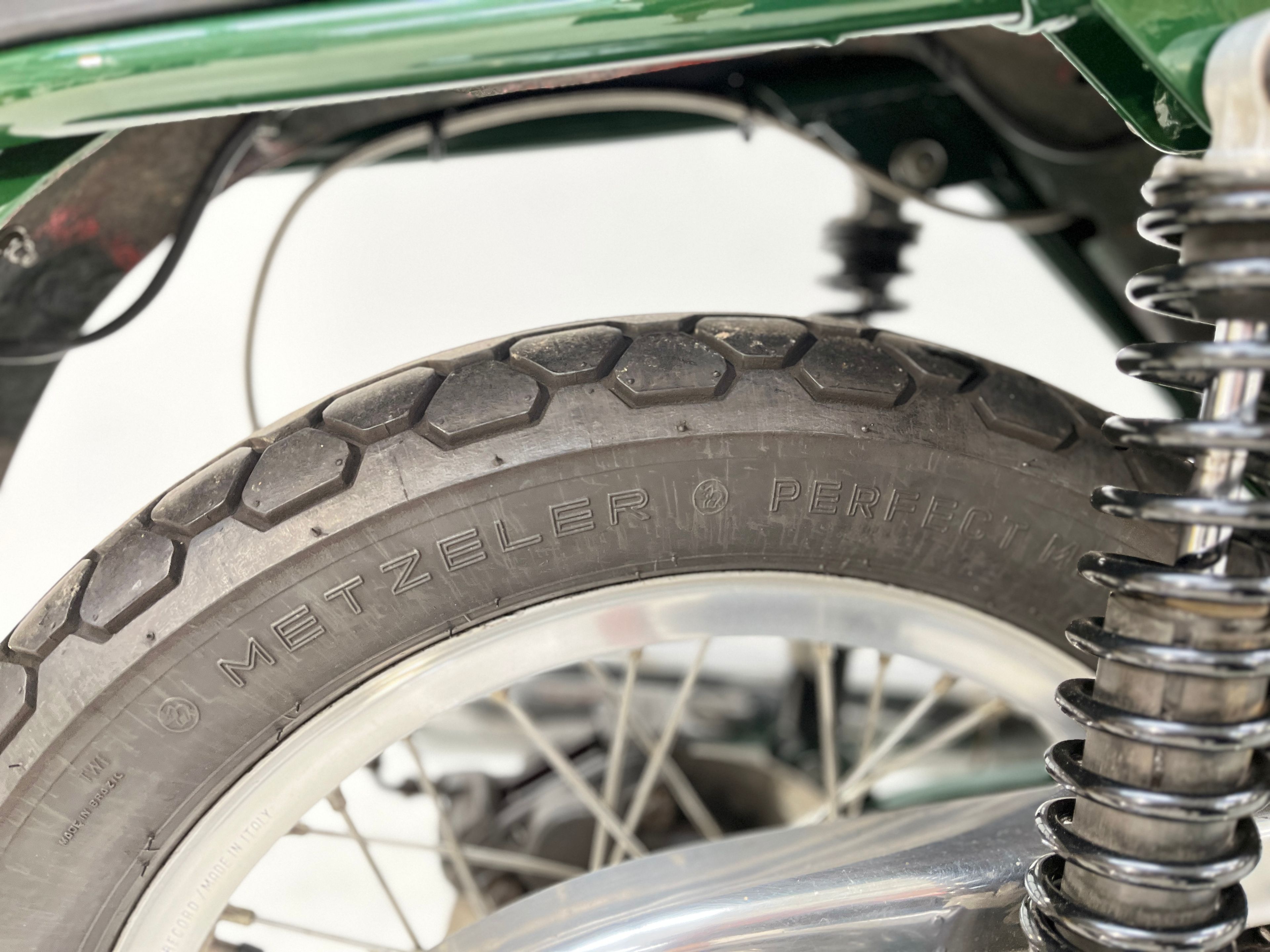
The 1974 Ducati 750 Super Sport uses 18-inch wheels and sporting road tires appropriate to its high-performance specification.
The braking system was considerably more advanced than that found on many ordinary motorcycles of the period.
The front uses twin large-diameter disc brakes with Scarab calipers, while the rear uses a single disc brake.
The twin front discs provide strong braking performance and were an important part of the motorcycle's sporting specification.
On a surviving 750 Super Sport, the brake discs, calipers, master cylinder, brake lines, pads, wheel bearings, rims, spokes, and tires should all be inspected carefully.
Because many original motorcycles were used for competition or aggressive road riding, the condition of the wheels and braking components can also provide useful evidence when evaluating a motorcycle's history.
The 1974 Ducati 750 Super Sport is immediately recognizable by its distinctive lightweight fiberglass bodywork and racing-derived proportions.
The motorcycle was designed with a clear emphasis on performance, aerodynamic efficiency, weight reduction, and mechanical simplicity.
The fiberglass fuel tank is one of the most distinctive features of the model. Its translucent central section allows the rider to observe the fuel level without opening the tank.
The silver bodywork combined with the blue-green painted frame created the appearance that later became known worldwide as the "Green Frame" Ducati.
The streamlined tank and seat arrangement give the motorcycle a compact and purposeful profile, while the raised exhaust system was positioned to provide additional ground clearance when cornering.
The exposed mechanical architecture is equally important to the identity of the motorcycle. The L-twin engine, bevel-drive camshaft system, carburetors, frame tubes, and twin exhausts are all visually prominent.
Unlike later Ducati sport motorcycles, the 1974 Super Sport retains the relatively simple and mechanical appearance of the early round-case 750 generation.
The 1974 Ducati 750 Super Sport Desmo represents the principal production year of the original Super Sport model.
The motorcycle is based on the 748 cc round-case Ducati L-twin engine with desmodromic valve control and bevel-gear-driven overhead camshafts.
Production references generally identify approximately 401 motorcycles built during 1974.
The original specification is particularly associated with the silver fiberglass bodywork and blue-green frame that created the famous "Green Frame" appearance.
The translucent fuel-tank section is another important feature of the original fiberglass tank and should be examined carefully when assessing originality.
The motorcycle also uses twin high-mounted exhaust systems, five-speed transmission, twin front disc brakes, and sporting Marzocchi suspension.
Because many examples were subsequently modified for racing or updated during restoration, collectors often examine individual components rather than relying solely on the motorcycle's overall appearance.
Correct frame details, engine configuration, fiberglass bodywork, tank, carburetors, exhaust system, suspension, brakes, wheels, controls, and period finishes are all important when establishing the originality of a 1974 example.
The 1974 Ducati 750 Super Sport has a distinctly sporting riding character derived from its racing development.
The 748 cc L-twin provides strong and immediate acceleration while the five-speed gearbox allows the rider to exploit the engine's performance effectively.
The desmodromic valve system contributes to the motorcycle's high-rpm character and is one of the defining mechanical features of the Ducati engine.
The tubular steel chassis and Marzocchi suspension provide a direct connection between the rider and the road, while the relatively low weight contributes to responsive handling.
The twin front disc brakes provide substantial stopping power for a motorcycle of the period and complement the high-performance engine.
The riding position is distinctly sporting, with the motorcycle designed around high-speed road riding rather than relaxed touring.
A restored 750 Super Sport should nevertheless be ridden with respect for its original braking, suspension, tires, and mechanical technology, particularly when compared with modern performance motorcycles.
The Ducati 750 Super Sport is historically important because it transformed the engineering lessons of Ducati's Imola racing program into a highly focused production motorcycle.
The 1972 Imola 200 Miles victory established the performance potential of Ducati's 750 L-twin platform, while the subsequent Super Sport brought the desmodromic racing concept to private road riders.
The motorcycle is widely regarded as one of the defining early Ducati superbikes and an important predecessor to the company's later high-performance sporting motorcycles.
The combination of an air-cooled L-twin engine, bevel-driven desmodromic valve control, lightweight chassis, advanced braking system, and racing-derived bodywork made the 750 Super Sport exceptionally sophisticated for its era.
Ducati's continued development of the Super Sport concept helped establish the engineering and visual identity that would become central to the marque's later sporting motorcycles.
The model's direct relationship with the 750 Imola Desmo also gives it an important place in the history of production-derived motorcycle racing.
The 1974 Ducati 750 Super Sport Desmo is one of the most significant and collectible motorcycles produced by Ducati during the 1970s.
Its limited production, direct connection with the 1972 Imola victory, desmodromic L-twin engine, fiberglass construction, and distinctive Green Frame appearance make it particularly important to collectors of historic Italian motorcycles.
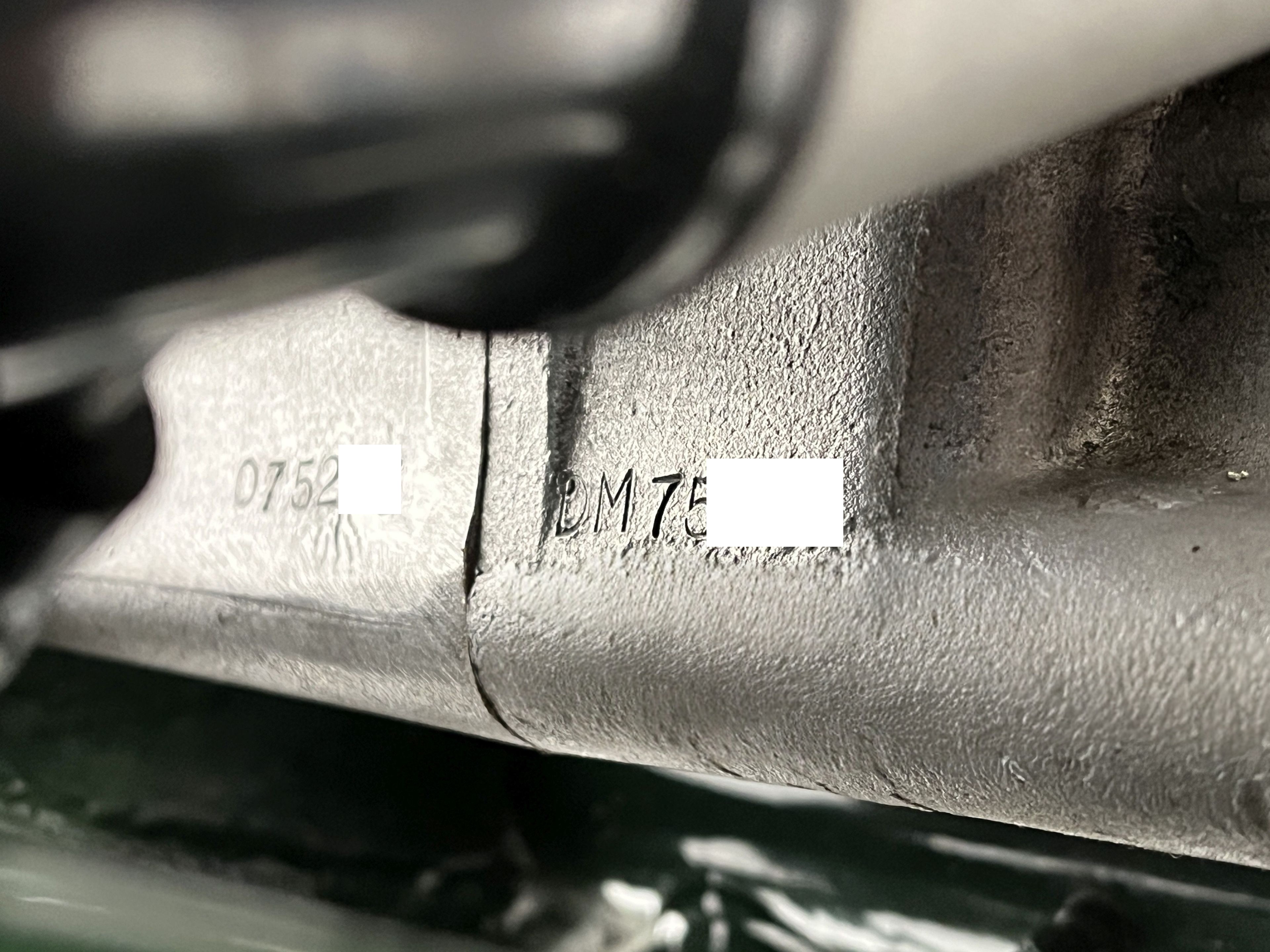
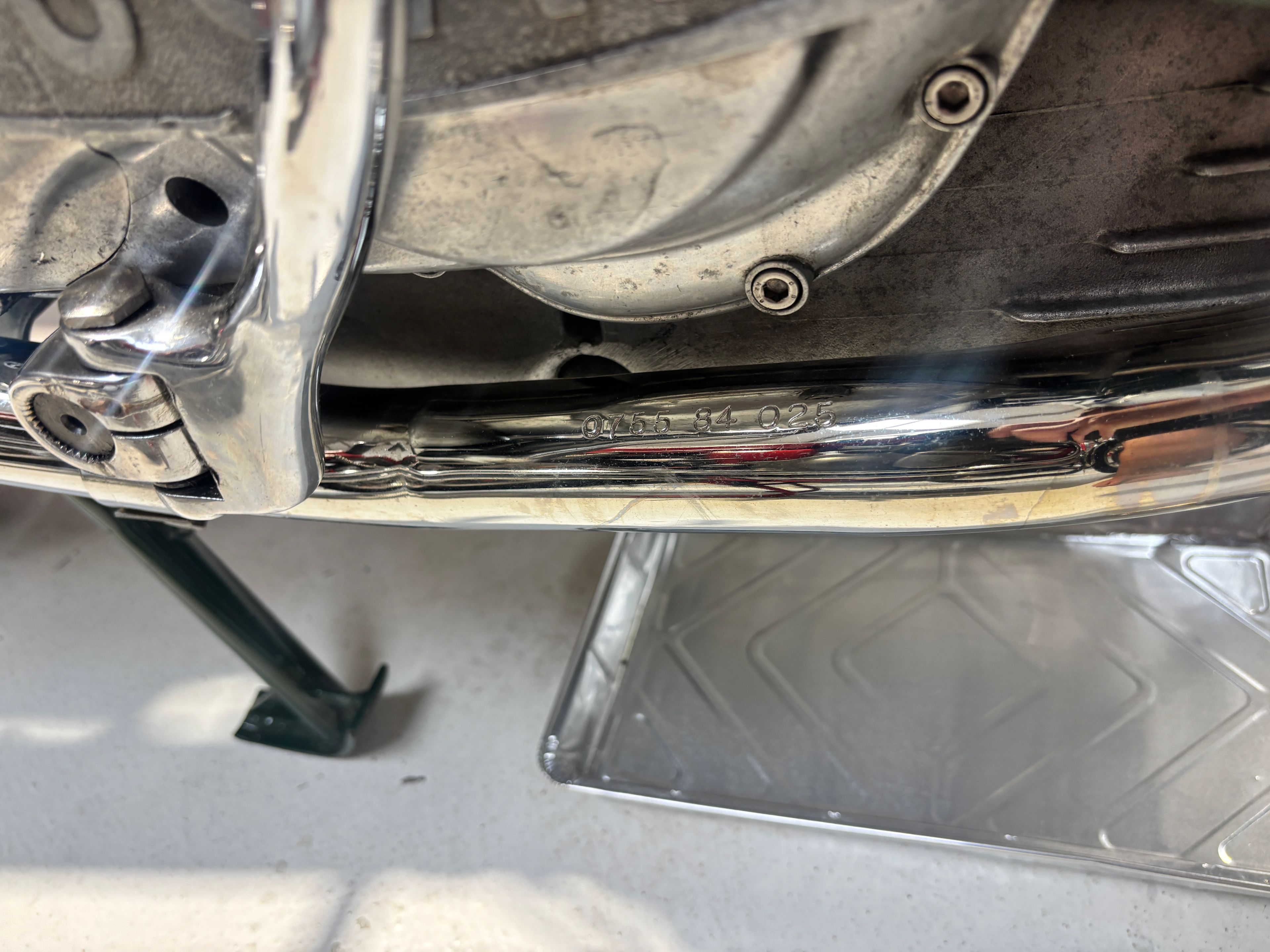
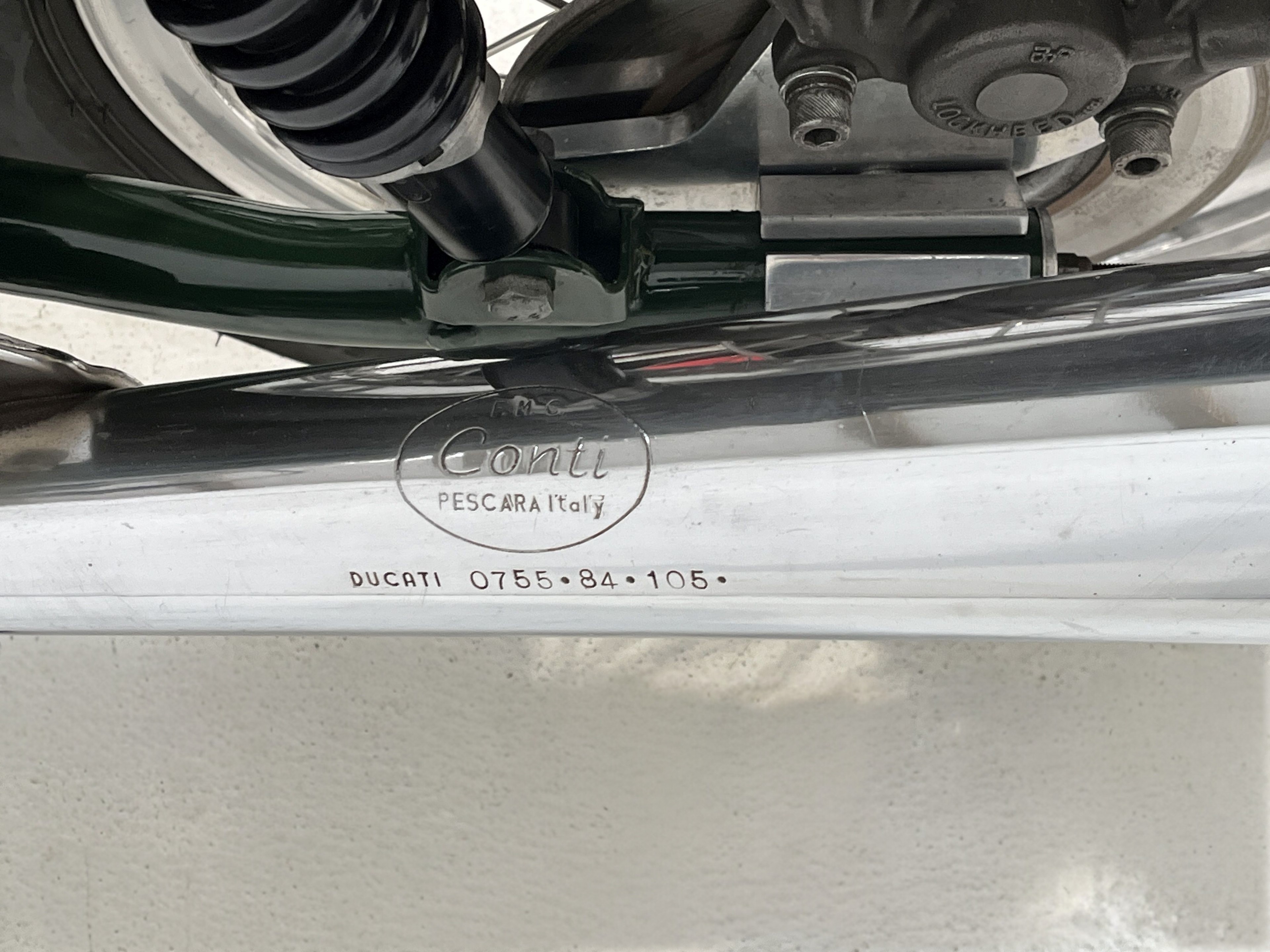
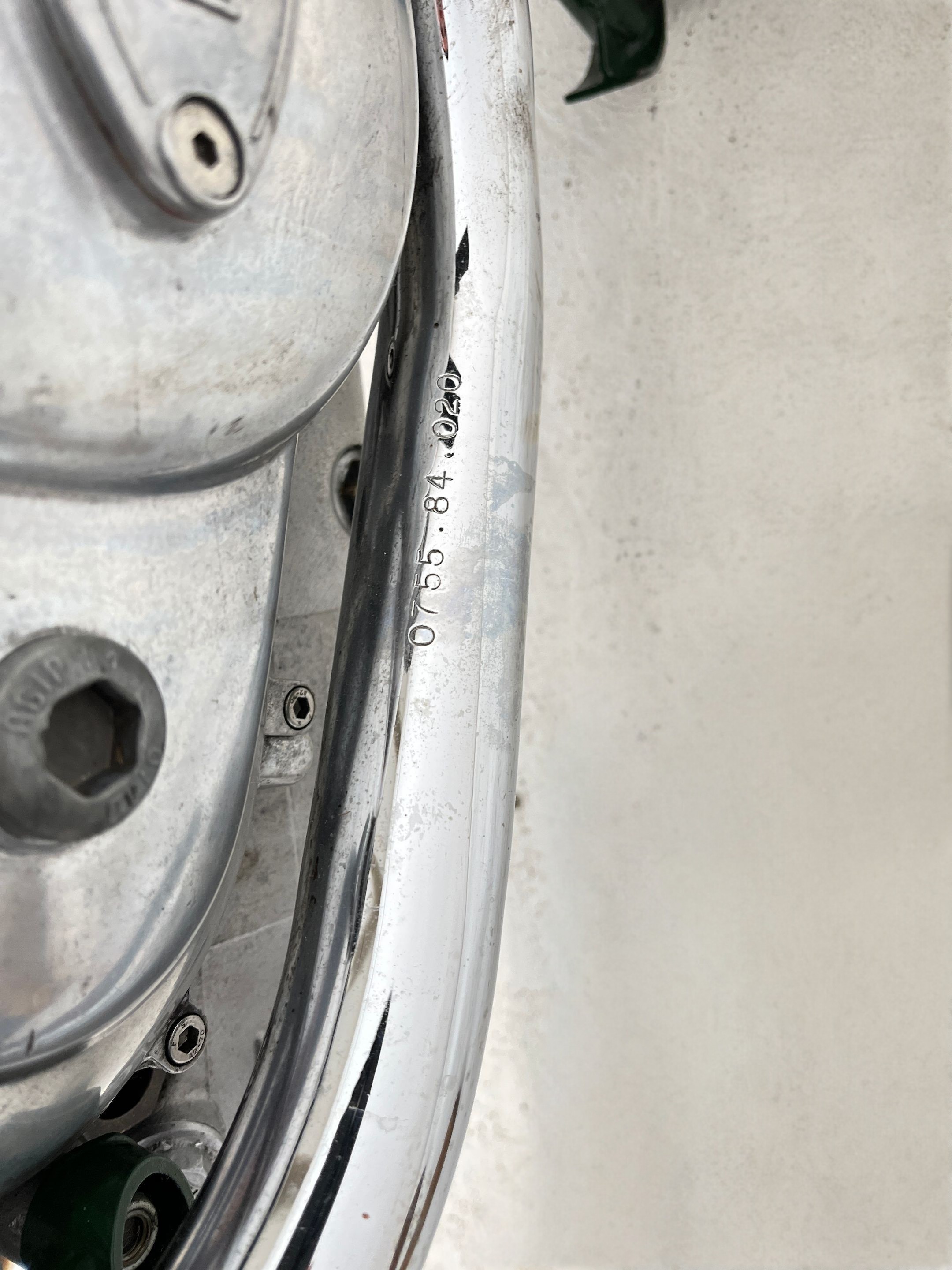
Collectors pay close attention to the frame, engine numbers, round-case engine configuration, desmodromic components, carburetors, fiberglass fuel tank, bodywork, frame finish, exhaust system, wheels, brakes, controls, and electrical equipment.
The original fiberglass fuel tank is especially important because replacement tanks and reproduction bodywork are common among restored examples.
The translucent center section of the tank is a distinctive feature and should be examined carefully when assessing originality.
Many Super Sports were modified for racing or performance use during their lifetimes, and some were subsequently restored using reproduction or later Ducati components.
Original or correctly restored components, matching frame and engine numbers, factory details, period equipment, original finishes, documented ownership history, and period photographs can significantly strengthen the historical provenance of an example.
Because of the model's high collector interest, authentication should rely on multiple mechanical and historical indicators rather than appearance alone.
Authenticating a 1974 Ducati 750 Super Sport requires careful examination of the frame, engine, desmodromic valve train, bodywork, chassis components, and historical documentation.
The engine should correspond to the 748 cc round-case Ducati L-twin specification with bevel-driven desmodromic overhead camshafts.
The frame should be examined for the correct construction, dimensions, factory details, and evidence of modification or repair.
The original fiberglass fuel tank and bodywork are particularly important authentication points because many motorcycles have received replacement or reproduction panels during restoration.
The distinctive translucent fuel-level section in the fiberglass tank should also be examined for correct construction and period appearance.
The blue-green frame finish, silver bodywork, twin high-level exhausts, Marzocchi suspension, Scarab front brake calipers, and other period components can provide additional evidence of originality.
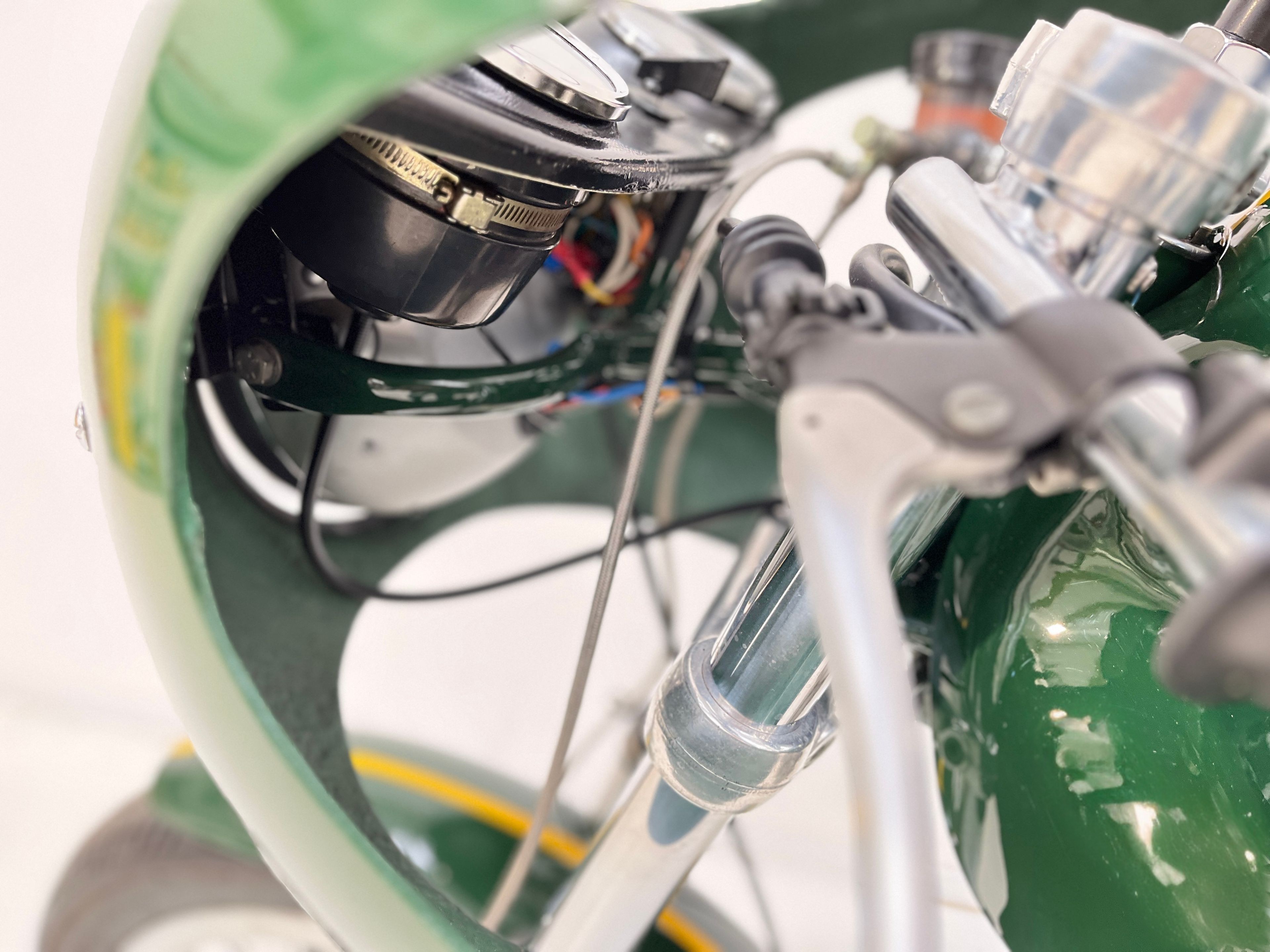
The carburetors, ignition system, instruments, controls, wheels, brake components, electrical equipment, and engine castings should also be examined individually.
Frame and engine numbers should be documented and compared with reliable historical records whenever possible.
Original registration documents, factory documentation, period photographs, restoration invoices, race history, ownership records, and previous auction or collection records can provide additional evidence of provenance.
Replacement and reproduction components should be identified clearly when assessing originality because a mechanically restored motorcycle may contain components that were not fitted when it left the Ducati factory.
The 1974 Ducati 750 Super Sport matters because it represents one of the clearest connections between Ducati's racing success and its development of high-performance road motorcycles.
The 748 cc L-twin engine, bevel-driven desmodromic valve system, five-speed transmission, tubular steel chassis, advanced braking system, and lightweight fiberglass bodywork created a motorcycle that was exceptionally focused for its period.
Its connection to the 750 Imola Desmo and the historic 1972 Imola 200 Miles victory gives the Super Sport an unusually strong place in Ducati's competition history.
The limited 1974 production run also distinguishes the original Super Sport from the larger-production Ducati sporting motorcycles that followed.
For collectors, the motorcycle represents an important moment when Italian racing technology, lightweight construction, and advanced engine design converged into a road-legal production motorcycle.
The 1974 Ducati 750 Super Sport therefore occupies an important position in the evolution of Ducati's legendary sporting motorcycle lineage.
This 1974 Ducati 750 Super Sport represents one of the most significant early production Ducati superbikes and the road-going development of the legendary 750 Imola Desmo.
The 748 cc 90-degree L-twin engine combines bevel-driven desmodromic valve control with twin Dell'Orto carburetors and a five-speed transmission, delivering the distinctive high-performance character for which the original Super Sport became famous.
The motorcycle combines a lightweight tubular steel chassis with Marzocchi suspension, twin front disc brakes, fiberglass bodywork, and the characteristic sporting configuration developed directly from Ducati's racing program.
The silver fiberglass bodywork, blue-green frame, translucent fuel-tank section, and raised exhaust system are among the defining features associated with the original 1974 Super Sport.
With production generally documented at approximately 401 examples, the 1974 model represents an exceptionally limited chapter in Ducati's history.
Its connection with the 1972 Imola 200 Miles victory, desmodromic L-twin engine, limited production, and racing-derived specification make the original 750 Super Sport an important motorcycle for collectors of historically significant Italian machinery.
For more information about the Ducati marque and other historic models, visit Ducati vintage motorcycles.
Contact us for additional photographs, detailed specifications, frame and engine numbers, service history, originality assessment, provenance, restoration details, historical documentation, and purchasing information for this 1974 Ducati 750 Super Sport.
The Vintage Motorcycles presents a curated selection of historically significant Italian motorcycles, with Ducati representing one of the most important names in the development of high-performance European motorcycle engineering.
Within the broader landscape of global vintage motorcycle manufacturers, Ducati occupies a distinctive position through its combination of racing development, advanced engine design, lightweight chassis engineering, and Italian industrial design. The 750 Super Sport represents one of the clearest examples of this philosophy during the 1970s.
The development of the 750 Super Sport can also be understood within the wider history of post-war motorcycle development, when European manufacturers increasingly transferred racing technology into high-performance production motorcycles.
Each motorcycle within our collection is selected based on provenance, originality, and structural integrity, ensuring alignment with preservation-focused collector standards. Available acquisition opportunities can be explored through our global vintage motorcycle inventory, supported by a fully insured international shipping service.
The development of the Ducati 750 Super Sport is closely connected with the company's racing program and the breakthrough victory at the 1972 Imola 200 Miles. The success of Paul Smart and Bruno Spaggiari demonstrated the performance potential of Ducati's 750 cc L-twin architecture and created demand for a road-going motorcycle with similar engineering principles.
The 750 Super Sport transformed this racing influence into a production motorcycle, combining desmodromic valve control, bevel-driven camshafts, lightweight construction, high-performance carburetion, and sporting chassis engineering.
This relationship between competition and production engineering became an important characteristic of Ducati's later development and helped establish the company's reputation for high-performance sporting motorcycles.
The motorcycle also belongs to a wider period of European motorcycle engineering in which manufacturers increasingly used competition experience to develop faster, lighter, and more sophisticated road machines.
Italian motorcycle engineering during the 1970s placed considerable emphasis on the relationship between mechanical function, visual simplicity, and sporting performance. The Ducati 750 Super Sport expresses this philosophy through its exposed L-twin engine, tubular steel frame, compact fiberglass bodywork, and purposeful chassis design.
The silver bodywork and blue-green frame became one of the most recognizable visual combinations in Ducati history, while the translucent center section of the fiberglass fuel tank provided a practical solution that also became a defining design feature.
The 750 Super Sport's importance extends beyond its appearance. Its desmodromic valve system and racing-derived mechanical architecture established a direct connection between Ducati's competition motorcycles and its road-going production machines.
Today, the 750 Super Sport remains an important reference point in the history of Italian sporting motorcycles, illustrating how racing technology, mechanical innovation, and distinctive industrial design could be combined into a highly focused production motorcycle. For collectors, surviving examples offer a rare combination of competition heritage, engineering significance, limited production, and enduring Ducati identity.
Key Highlights
Collector Assurance
All enquiries handled with discretion. We typically respond within 6 hours.
Choose the payment method that is most convenient for you. We accept widely used international payment methods as well as, where available, local bank transfer options that allow you to pay like a domestic transaction. Full payment instructions are provided for your specific purchase.
Direct international bank wire transfer is available for motorcycle purchases and export transactions.
Credit card payments can be arranged through Wise.com, subject to the applicable payment and processing conditions.
PayPal is accepted. A 5% PayPal processing fee applies to the transaction.